When embarking on the journey to purchase a pre-owned vehicle, whether it’s a rugged truck or a versatile sedan, several critical factors demand careful consideration. Beyond the enticing features, impressive towing capabilities, or a sleek aesthetic, the cornerstone of any sound investment lies in its reliability. A vehicle, regardless of its initial appeal, fails to be a worthwhile asset if it cannot consistently fulfill its fundamental purpose: dependably transporting you from one place to another without constant headaches and unexpected costs.
Reliability, in simple terms, gauges how consistently a vehicle performs as expected over time. A truck or car that frequently finds itself in the repair shop, or one that carries a reputation for persistent mechanical issues—be it from its individual history or a broader pattern across its make and model—is inherently not a dependable choice. While it’s generally true that brand-new vehicles tend to offer higher reliability, this doesn’t automatically mean all pre-owned options are problematic. Savvy buyers can often gain valuable insights by thoroughly reviewing a vehicle’s CARFAX report and, crucially, arranging a pre-purchase inspection (PPI) with a trusted mechanic before finalizing any sale.
Yet, even with diligent research, some vehicles, despite their initial popularity or perceived value, simply don’t stand the test of time without demanding significant financial outlay in repairs long before they reach the 100,000-mile mark. This article shifts its focus to a selection of 14 such models, expanding from the initial concern for trucks to encompass other popular vehicles known for these hidden costs. Our goal is to empower consumers with detailed, fact-based information, helping to uncover potential money pits and guiding you toward more durable and cost-effective choices.

1. **Nissan Frontier**In a highly competitive midsize truck market, the Nissan Frontier often struggles to keep pace with rivals from brands like Chevrolet/GMC, Ford, and Toyota. Our analysis indicates that the Frontier has seen “minimal updates” over recent years, a “lack of change may have been a misstep on Nissan’s part.” This stagnation can leave prospective buyers questioning its long-term viability against more frequently refreshed competitors.
Indeed, as we’ve observed, “There’s plenty to like about the Nissan, just not as much as there is to like about most of its rivals.” While the Frontier received a full redesign in 2022, it notably “lacked some features found in its competitors” at that time. Though Nissan has made efforts to address these gaps for the 2025 model year, introducing a refreshed front grille and bumper design, a standard telescoping steering column across all trims, and an updated dashboard for a 12.3-inch touchscreen on SV trims and higher, these updates come after a period of relative neglect.
Despite these recent improvements, which also include an increased towing capacity of 7,150 pounds and expanded availability of the crew-cab/long-bed configuration, some fundamental drawbacks persist. While the truck boasts a smooth ride quality, stable handling, and practical storage spaces, it continues to exhibit “odd layout of some controls and on-screen menus,” “overly heavy steering,” and “less rear-seat space compared to other midsize crew-cab trucks.” These issues, combined with an average monthly cost of around $212 for compact trucks in its class, underscore that while the Frontier has its merits, its overall value proposition for long-term ownership can be overshadowed by these operational and comfort compromises.
Car Model Information: 2023 Nissan Frontier SV
Categories: All set index articles, Articles with short description, Nissan vehicles, Set index articles on cars, Short description is different from Wikidata
Summary: The Nissan Frontier is a nameplate used on three different pickup truck models by Nissan:
Nissan Frontier (international), an alternative nameplate for the NP300/Navara on some markets
Nissan Frontier (North America), a rebadged NP300/Navara from 1997 to 2021, then became a separate model since 2021
Nissan Frontier Pro, a rebadged Dongfeng Z9 PHEV that will be available from 2025.
Get more information about: Nissan Frontier
Buying a high-performing used car >>>
Brand: Nissan Model: Frontier
Price: $29,897 Mileage: 40,035 mi.
Read more about: Consumer Reports: The Top 14 Sedans Engineered to Conquer Over 220,000 Miles with Enduring Reliability

2. **Jeep Gladiator**Jeep, a brand synonymous with rugged off-road prowess, ventured into the pickup truck segment with the Gladiator, a vehicle that has yielded somewhat “mixed” results. The Gladiator undeniably maintains the “signature rugged Jeep aesthetic” and strongly “prioritizes off-road performance over a refined street driving experience.” This singular focus, while appealing to a niche audience, often translates into significant compromises for everyday urban or highway driving.
As we’ve previously highlighted, the Gladiator’s on-road characteristics are a major concern for many potential owners, with “Loud road noise, compact crew cab, poor fuel economy, [and] meh on-road handling” making it a more suitable choice for “an off-road enthusiast than for someone living in an urban environment.” It attempts to be “everything to everyone,” but in doing so, it frequently makes “frustrating compromises” that impact its practicality as a versatile daily driver.
While its off-road abilities are unquestionable—equipped with the same formidable gear as the Wrangler and offering specialized Mojave X and Rubicon X trims for serious trail performance—its on-road demeanor leaves much to be desired. The ride quality is described as “bouncy,” and the “steering requires frequent corrections.” Furthermore, previous models “felt strained under heavy loads and struggled to maintain control while towing a trailer,” raising questions about its utility as a workhorse. While the 2024 model year brought structural improvements and the 2025 version features a standard 3.6-liter V-6 engine and an eight-speed automatic transmission, these updates have yet to conclusively address the fundamental on-road and towing limitations that make the Gladiator a less reliable long-term option for many consumers seeking a balanced pickup.
Car Model Information: 2021 Jeep Gladiator Sport
Name: Jeep Gladiator (JT)
Aka: Jeep JT (Mexico)
Manufacturer: Jeep
Production: April 2019–present
ModelYears: 2020–present
Assembly: Toledo, Ohio
Designer: Taylor Langhals
Engine: ubl
Transmission: List of Aisin transmissions#Longitudinal rear-wheel drive,Manual transmission
Class: Mid-size,pickup truck
BodyStyle: 4-door pickup truck with removable roof and doors
Related: Jeep Wrangler (JL)
Layout: Front-engine, four-wheel-drive layout
Predecessor: Jeep CJ#CJ-10,Jeep Comanche
Weight: convert
Wheelbase: 137.3 in
Abbr: on
Lk: on
Length: 218.0 in
Width: 73.8 in
Height: convert
Categories: All-wheel-drive vehicles, Articles with short description, CS1 Japanese-language sources (ja), Cars introduced in 2018, Commons category link is on Wikidata
Summary: The Jeep Gladiator is a mid-size pickup truck manufactured by the Jeep division of Stellantis North America (formerly FCA US). It was introduced at the 2018 Los Angeles Auto Show on November 28, 2018, and went on sale in the spring of 2019 as a 2020 model. Based on the same platform as the Wrangler JL, the Gladiator is Jeep’s first pickup truck since the Comanche was discontinued in 1992, although the very similar dual-cab AEV Brute was custom-made using the Wrangler platform from 2013 until 2017 by American Expedition Vehicles under license.
The first markets outside the Americas were Australia and New Zealand. It is now also marketed in China, Japan, South Korea, South Africa as well as in selected nations in South America, Europe, and Southeast Asia.
Get more information about: Jeep Gladiator (JT)
Buying a high-performing used car >>>
Brand: Jeep Model: Gladiator
Price: $34,900 Mileage: 48,340 mi.
Read more about: Escape the Digital Dash: 14 Cars and Strategies for a Touchscreen-Free Driving Experience in 2024
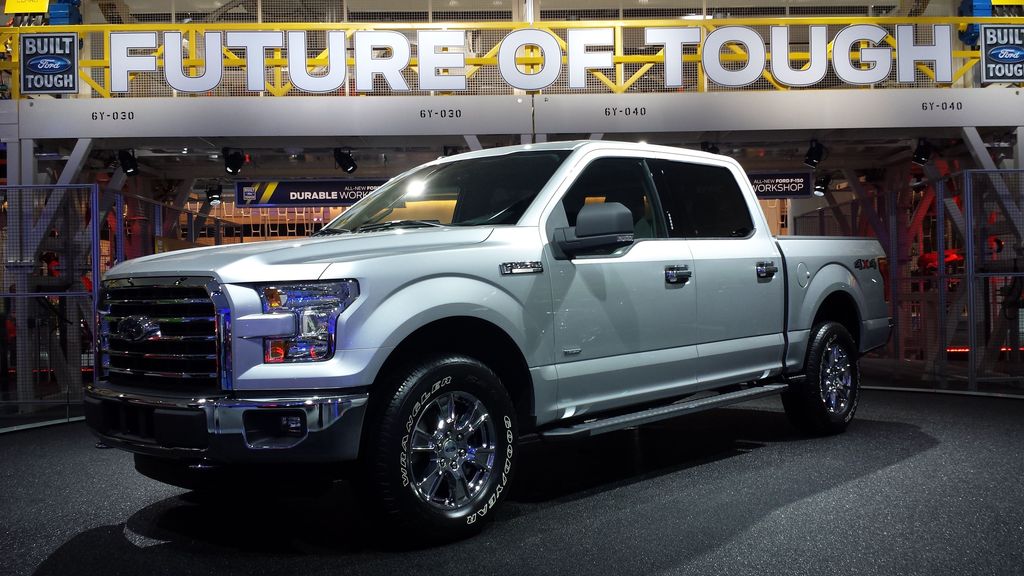
3. **Ford F-150 Hybrid**The standard Ford F-150 has long dominated the American truck market, but its hybrid counterpart tells a different story regarding reliability. Despite the F-150’s esteemed reputation, the 2021 F-150 Hybrid was shockingly identified as the “least reliable truck on the market that year,” achieving a dismal Customer Reliability (CR) rating of just 4 out of 100. While the situation has shown a slight improvement, the 2024 model still registers a concerning CR rating of 19 out of 100, indicating persistent reliability challenges.
The powertrain, combining Ford’s 3.5-liter EcoBoost twin-turbo V-6 engine with an electric motor and a 10-speed automatic transmission, delivers a robust total output of 430 horsepower and 570 lb-ft of torque. While this provides ample power, making it more potent than the standalone 3.5-liter EcoBoost, the integration of hybrid technology has evidently introduced complexities that impact its overall dependability. This hybrid setup, designed for efficiency and power, unfortunately, has not translated into a consistently reliable experience for owners.
Recent updates, such as the innovative Pro-Access Tailgate with a multi-position door and the standard inclusion of BlueCruise 1.2 hands-free driving technology on most trims, aim to enhance usability and convenience. However, these advancements do not inherently mitigate the underlying reliability concerns that have plagued the F-150 Hybrid. Coupled with a general increase in Ford F-150 prices across the board for 2024, the potential for significant and unexpected repair costs before the 100,000-mile mark remains a critical consideration for consumers eyeing this particular F-150 variant, urging caution despite its advanced features and power output.
Car Model Information: 2024 Ford F-150 XLT
Name: Ford F-Series
Caption: 2022 Ford F-150 Lariat Luxury
Manufacturer: Ford Motor Company
Aka: Ford Lobo (Mexico, 1992–present)
Production: 1948–present
Class: Pickup truck#Full-size pickup truck
Layout: Front-engine, rear-wheel-drive layout,rear-wheel drive
Predecessor: 1941 Ford
Categories: All-wheel-drive vehicles, All Wikipedia articles written in American English, All articles that may contain original research, All articles with unsourced statements, Articles that may contain original research from September 2020
Summary: The Ford F-Series is a series of light-duty trucks marketed and manufactured by the Ford Motor Company since model year 1948 as a range of full-sized pickup trucks — positioned between Ford’s Ranger and Super Duty pickup trucks. Alongside the F-150 (introduced in 1975), the F-Series also includes the Super Duty series (introduced in 1999), which includes the heavier-duty F-250 through F-450 pickups, F-450/F-550 chassis cabs, and F-600/F-650/F-750 Class 6–8 commercial trucks.
Get more information about: Ford F-Series
Buying a high-performing used car >>>
Brand: Ford Model: F-150
Price: $40,897 Mileage: 45,515 mi.
Read more about: Beyond the Hype: 14 Notorious Electric Car Failures, Battery Blunders, and Range Misses That Hindered EV Adoption
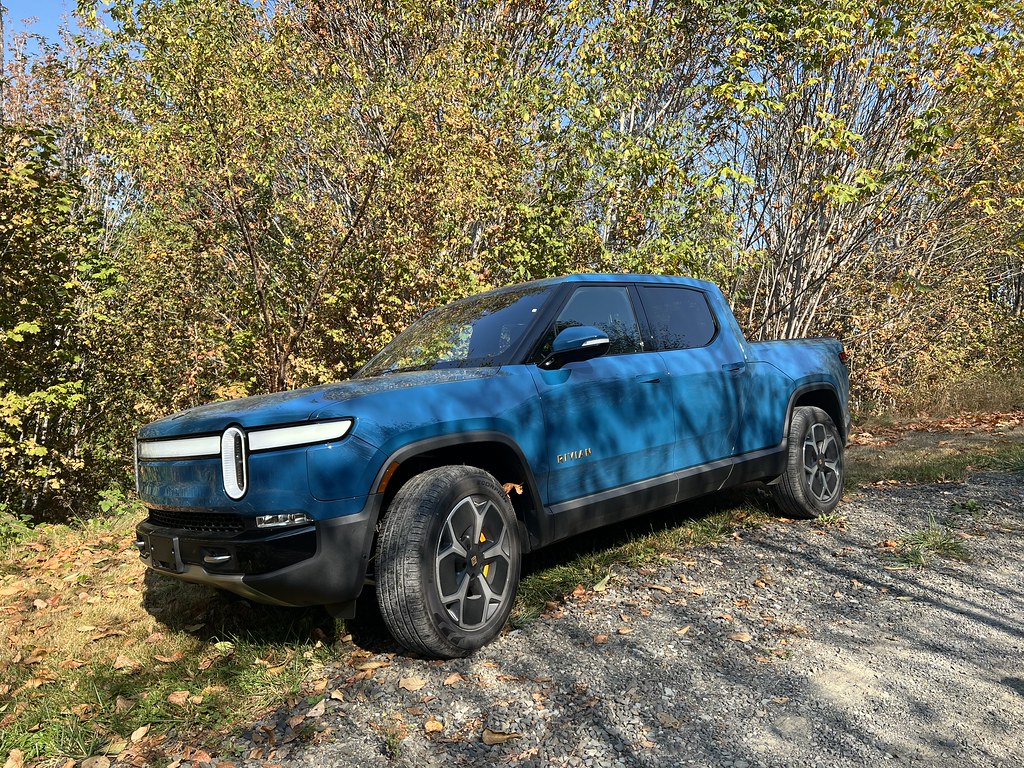
4. **Rivian R1T**As the pioneering all-electric pickup truck to enter the market, the Rivian R1T initially captured significant attention for its impressive capabilities. It boasts a substantial battery capacity, promising an estimated range of 400 miles on a single charge, alongside “above-average towing capabilities.” However, for consumers considering a long-term investment, the R1T presents a unique set of uncertainties, primarily due to its relatively recent market introduction and limited operational history.
With only a few trim options currently available—the Adventure and Adventure All-Terrain models—and being a new entrant from an EV start-up, a significant challenge for prospective buyers is the absence of “long-term reliability reports.” This lack of historical data makes it difficult to predict the vehicle’s performance and maintenance needs as it accumulates miles, a crucial factor for evaluating its true ownership cost.
Despite “reviews from other sites have been generally positive,” the R1T received a notably low “22/100 reliability score from Consumer Reports for 2024.” This disparity suggests that while initial user experiences might be favorable, the long-term durability and the frequency of repairs could vary significantly. For a vehicle with an MSRP starting at $80,800, such a reliability score is a serious flag for those concerned about potential major repair expenses before the 100,000-mile mark, emphasizing the inherent risks associated with early adoption in the rapidly evolving electric vehicle segment.
Car Model Information: 2022 Rivian R1T Adventure
Name: Rivian R1T
Manufacturer: Rivian
Production: 2021–present
ModelYears: 2022–present
Assembly: Rivian Automotive,LLC
Designer: Jeff Hammoud
Class: Mid-size car,luxury car,pickup truck
BodyStyle: crew cab
Layout: unbulleted list
Related: Rivian R1S
Motor: Alternating current,Permanent magnet motor
Transmission: Single-speed
Battery: kWh,lithium-ion battery
ElectricRange: unbulleted list
Abbr: on
Charging: unbulleted list
Wheelbase: 135.9 in
Length: 217.1 in
Width: 81.8 in
Height: 75.7 in
Weight: cvt
Sp: us
Powerout: unbulleted list
Chassis: Body-on-frame
Categories: All Wikipedia articles written in American English, All articles with vague or ambiguous time, Articles with short description, Commons category link is on Wikidata, Electric trucks
Summary: The Rivian R1T is a battery electric mid-size light duty luxury pickup truck produced by the American company Rivian. The first production R1T was manufactured in Illinois on September 28, 2021, and was delivered to a customer. The official EPA range for the Rivian R1T (MY 2022–2024) ranges from 255–420 miles (410–676 km), depending on drivetrain, battery pack capacity and wheel size.
Get more information about: Rivian R1T
Buying a high-performing used car >>>
Brand: Rivian Model: R1T
Price: $61,600 Mileage: 13,089 mi.
Read more about: Beyond the Hype: 14 Notorious Electric Car Failures, Battery Blunders, and Range Misses That Hindered EV Adoption

5. **Nissan Titan XD**The full-size Nissan Titan XD positions itself as a robust option, offering a “solid driving experience,” yet it frequently falls short when compared to its more powerful competitors in crucial areas like towing and hauling capabilities. Indeed, for those with demanding requirements, even a half-ton model such as the Chevy Silverado 1500 or GMC Sierra 1500 might present a superior option, highlighting the Titan XD’s struggle to carve out a distinct and competitive niche in the market.
Our assessments, including those from Consumer Reports (CR), paint a concerning picture, with the Titan XD earning a “low reliability score” and being placed “among the worst vehicles of the year.” The vehicle’s “subpar pulling and handling performance” is a significant drawback, leading to the candid observation that “The Titan XD exists in the gray space between half-ton and heavy-duty trucks, and seems lost in that no man’s land.” This positioning often means it fails to fully meet the expectations of either category, leading to buyer dissatisfaction.
Further complicating its appeal, the 2024 model year saw the removal of the base-level S trim, making the SV the new entry point and resulting in a higher base price of nearly $4,000 more than before. Adding to these concerns, Nissan has announced that 2024 will be the “final model year for both the Titan XD and its half-ton variant,” as the company transitions to producing electric sedans. This impending discontinuation not only impacts future resale value but also raises questions about long-term parts availability and service support, making the Titan XD a less attractive long-term investment for those aiming for durability and minimal repair costs past the 100,000-mile threshold, despite its standard 4WD and driver-assistance features.
Car Model Information: 2025 Toyota Tacoma TRD Off Road
Name: Nissan Titan
Manufacturer: Nissan
Production: September 2003 – November 2024
ModelYears: 2004–2024
Assembly: Canton, Mississippi
Class: Pickup_truck#Full-size_pickup_truck
BodyStyle: 2-door pickup truck,4-door pickup truck
Layout: Front-engine, rear-wheel-drive layout
Platform: Nissan F-Alpha
Caption: 2021 Nissan Titan Crew Cab PRO-4X (Canada)
Categories: 2010s cars, 2020s cars, All-wheel-drive vehicles, All articles with unsourced statements, Articles with short description
Summary: The Nissan Titan was a full-size pickup truck manufactured in the United States for the North American market by Nissan, produced for the 2004–2024 model years.
Get more information about: Nissan Titan
Buying a high-performing used car >>>
Brand: Nissan Model: Titan XD
Price: $40,000 Mileage: 11,389 mi.
Read more about: Beyond 400,000 Miles: Unpacking the Engineering and Maintenance Behind Automotive Immortality
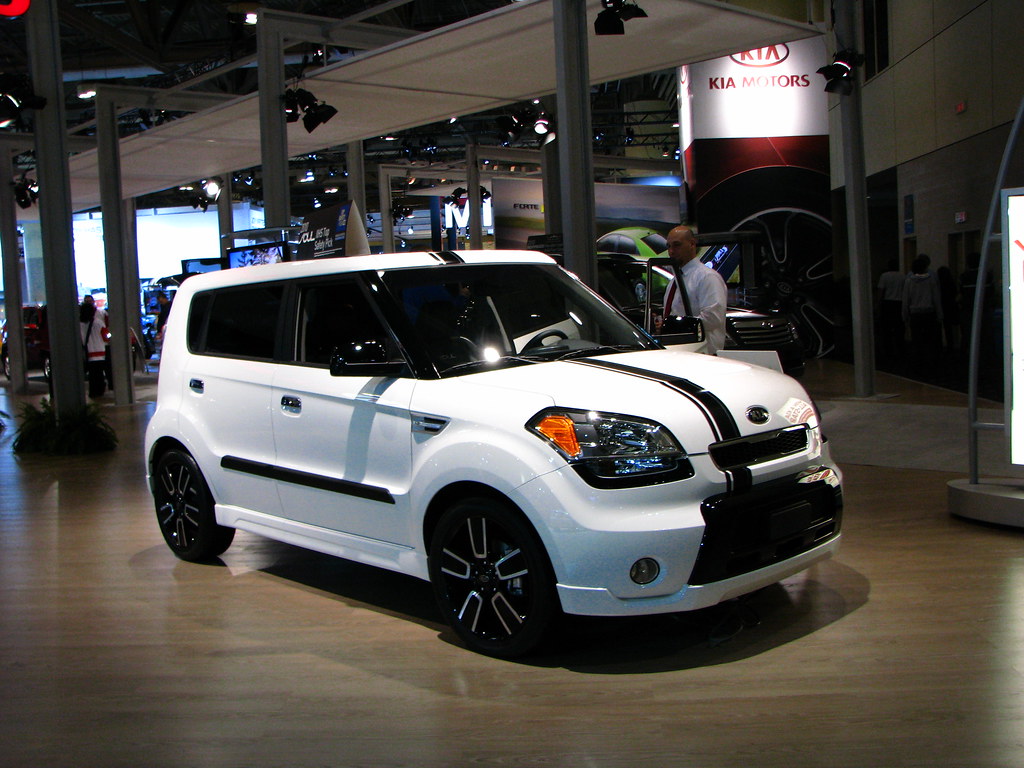
6. **Kia Soul**The Kia Soul has carved out a distinct identity with its “funky little box on wheels” design, appealing to a diverse audience drawn to its unique aesthetic and surprisingly spacious interior. While it might initially appear to be a practical and charming choice for urban dwellers or those seeking a compact yet roomy vehicle, its long-term reliability record often tells a less optimistic story, frequently disappointing owners who expect enduring performance.
Despite its lively personality and bold style, the Soul has developed a worrying “reputation for developing engine problems and transmission issues long before it hits 100,000 miles.” Owners have reported instances of “premature wear and a few quirks in the electrical system,” leading to unexpected and often costly visits to the mechanic. These recurring issues significantly erode the vehicle’s value proposition, transforming an initially affordable purchase into a potential financial burden as the miles accumulate.
Ultimately, while the Kia Soul’s vibrant exterior and distinctive character may initially “catch your eye,” the underlying mechanical vulnerabilities mean that “behind the scenes, the Kia Soul can feel more like a quirky roommate that overstays its welcome, leaving you to wonder if that bold style is worth the potential hassles down the road.” For consumers prioritizing longevity and minimal repair expenses, the Soul’s documented tendency for early and significant mechanical failures makes it a vehicle to approach with considerable caution.
Car Model Information: 2017 Kia Soul +
Name: Kia Soul
Caption: 2023 Kia Soul GT Line
Manufacturer: Kia
Production: 2008–2025
Class: Subcompact crossover SUV
BodyStyle: hatchback
Layout: Front-engine, front-wheel-drive
ModelYears: 2010–2025
Categories: 2010s cars, All articles with dead external links, All articles with unsourced statements, Articles containing Korean-language text, Articles with dead external links from December 2017
Summary: The Kia Soul (Korean: 기아 쏘울) is a subcompact crossover SUV manufactured and marketed by Kia since 2008. Often described and marketed as a crossover since its introduction, the Soul is a hatchback with a box proportion and tall roof, which are designed to maximize its interior space. Despite its SUV-like styling, the Soul was never available with all-wheel drive, instead it is exclusively a front-wheel drive vehicle.
The Soul first appeared in 2006 in the form of a concept model displayed at the North American International Auto Show in Detroit. The production model made its debut at the Paris Motor Show in 2008. During its introduction, Kia stated that the Soul is aimed at the North American market, and targeted towards buyers in the 18 to 35-year old range.
The second-generation model was introduced in 2013 for the 2014 model year, which featured a larger exterior and interior dimensions along with a reworked chassis, while keeping its boxy styling. The Soul is currently in its third generation, which was introduced in 2018 for the 2019 model year. Since 2014, Kia has also marketed a battery electric variant as the Soul EV.
The name “Soul” comes from the homophone of Seoul, the city that hosts Kia’s headquarters.
Get more information about: Kia Soul
Buying a high-performing used car >>>
Brand: Kia Model: Soul
Price: $9,980 Mileage: 77,332 mi.
Read more about: 10 Iconic ’90s Obsessions That Were Our Era’s True Heartthrobs – And How They’ve Radically Changed!
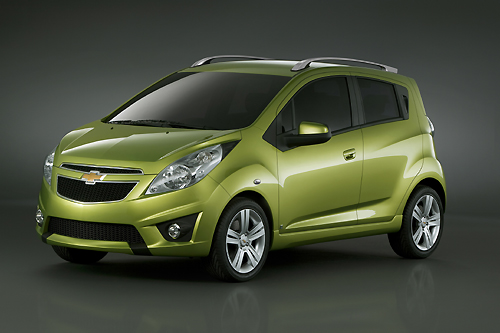
7. **Chevrolet Spark**The Chevrolet Spark is widely recognized as a diminutive car, ideal for urban navigation and fitting into tight parking spaces. However, its small stature is often accompanied by a “big reputation… for breaking down early,” a critical drawback for anyone seeking long-term reliability and low ownership costs. This compact model, while budget-friendly upfront, frequently struggles to deliver enduring performance, making it a less-than-ideal choice for high-mileage drivers.
Our findings indicate that this “compact cutie tends to struggle with engine and transmission issues before hitting the 100,000-mile mark.” This is not merely an isolated concern; reports consistently point to “Frequent repairs, poor build quality, and subpar performance in the long run.” Such persistent problems undermine the Spark’s value, transforming its initial affordability into a source of ongoing frustration and unexpected expenses as the odometer climbs.
While the Spark offers an undeniable advantage in terms of its purchase price, the accumulating repair bills can quickly negate this benefit. It becomes clear that “when the repairs start piling up, you might wish you’d invested in something that doesn’t fizzle out so soon.” For consumers prioritizing a dependable vehicle that can reliably reach and surpass the 100,000-mile milestone without demanding significant financial investment in maintenance, the Chevrolet Spark presents a cautionary tale of hidden costs and compromised longevity.
Continuing our exploration of vehicles that may unexpectedly drain your wallet with significant repairs, we now turn our attention to seven more models that, despite their varied appeals, frequently struggle to achieve lasting durability and high mileage without extensive maintenance. Understanding the inherent design flaws, recurring mechanical issues, and the financial burden these vehicles can impose on owners is crucial for making informed long-term purchasing decisions, moving beyond initial impressions to uncover the true cost of ownership.
Car Model Information: 2013 Chevrolet Express 2500 Work Van
Name: Chevrolet Spark
Manufacturer: unbulleted list
Production: 1998–2022
Class: City car
BodyStyle: hatchback
Layout: Front-engine, front-wheel-drive layout
Predecessor: Daewoo Tico
Categories: 2000s cars, 2010s cars, 2020s cars, All articles containing potentially dated statements, All articles with unsourced statements
Summary: The Chevrolet Spark (Korean: 쉐보레 스파크) is a city car manufactured by General Motors’s subsidiary GM Korea from 1998 to 2022. The vehicle was developed by Daewoo and introduced in 1998 as the Daewoo Matiz (Korean: 대우 마티즈). In 2002, General Motors purchased Daewoo Motors, which was marketing the vehicle with several GM marques and nameplates.
The third generation was marketed globally, prominently under the Chevrolet brand in North America as the Chevrolet Spark and in Australia and New Zealand as the Holden Barina Spark. The fourth generation was launched in 2015, known as the Holden Spark in Australia and New Zealand. It also serves as the basis for the Opel Karl in Europe, Vauxhall Viva in the UK, and VinFast Fadil in Vietnam, the latter being manufactured under license.
A limited-production all-electric version, the Chevrolet Spark EV, was released in the U.S. in selected markets in California and Oregon in June 2013. The Spark EV was the first all-electric passenger car marketed by General Motors since the EV1 was discontinued in 1999, and also the first offered for retail sale by GM (the EV1 was available only on lease).
In the South Korean market, the Spark complies with South Korean “light car” (Korean: 경차, romanized: Gyeongcha) regulations, which regulate overall vehicle dimensions and engine capacity with tax and parking fee benefits.
Production of the Spark at the Changwon, South Korea assembly plant ended in 2022. The plant would instead produce the second-generation Trax.
Get more information about: Chevrolet Spark
Buying a high-performing used car >>>
Brand: Chevrolet Model: Spark
Price: $8,450 Mileage: 211,498 mi.
Read more about: From Spark Plugs to Blown Gaskets: The 10 Biggest Truck Engine Blunders That Angered Owners and Destroyed Reputations

8. **Chrysler 300**The Chrysler 300, with its bold design and spacious interior, often projects an air of elegance that can be quite enticing to prospective owners. It certainly provides a comfortable ride and is available with powerful engine options, giving a sense of substantial motoring. However, for those prioritizing long-term dependability, the vehicle’s outward luxury can unfortunately mask underlying reliability deficiencies.
Our data indicates that the Chrysler 300 frequently falls short in the reliability department, often presenting significant issues before reaching the 100,000-mile mark. Owners have reported a range of common problems that can escalate quickly, including premature transmission failures, persistent electrical malfunctions, and recurring engine troubles. These issues do not just impact convenience; they directly affect the vehicle’s capacity for consistent, trouble-free operation over time.
Such recurring problems often lead owners into a costly cycle of repairs, transforming what was initially perceived as a luxurious experience into a significant financial burden. The expense and frequency of these necessary fixes can quickly cause one to question the overall value proposition. It effectively erodes the benefit of its initial comfort and power, highlighting that initial purchase price or perceived luxury can be a deceptive indicator of long-term value.
Ultimately, the Chrysler 300 demonstrates that style and substance do not always go hand-in-hand in the automotive world. While it might undeniably win on aesthetic appeal and cabin comfort, its track record suggests a considerable loss in the realm of longevity. This serves as a potent reminder that not all luxury cars are engineered to deliver enduring reliability, making careful research paramount for discerning buyers.
Car Model Information: 2021 Chrysler 300 Touring
Name: Chrysler 300
Aka: Lancia Thema
Manufacturer: Chrysler (automotive brand)
Production: February 1, 2004– December 2023
ModelYears: 2005–2023
Class: Executive car
Layout: Front-engine, rear-wheel-drive layout,automobile layout
Predecessor: Chrysler 300M,Chrysler Concorde,Chrysler Intrepid
Categories: 2010s cars, All articles with dead external links, All articles with unsourced statements, Articles with dead external links from June 2025, Articles with short description
Summary: The Chrysler 300 is a full-size car manufactured and marketed by Stellantis North America and its predecessor companies. It was available as a four-door sedan and station wagon in its first generation (model years 2005–2010), and solely as a four-door sedan in its second generation (model years 2011–2023).
The second generation 300 was marketed as the Chrysler 300C in the United Kingdom and Ireland and as the Lancia Thema in the remainder of Europe.
Get more information about: Chrysler 300
Buying a high-performing used car >>>
Brand: Chrysler Model: 300
Price: $24,777 Mileage: 38,623 mi.
Read more about: Beyond the Showroom Shine: 14 Automotive Design Fails That Rocked the Industry

9. **Nissan Altima**The Nissan Altima has consistently positioned itself as a decent mid-size sedan, often appealing to buyers looking for a practical and relatively affordable family car. However, despite its widespread presence on the roads, the Altima has not earned a strong reputation for outstanding reliability or exceptional longevity, making it a model that warrants closer scrutiny for long-term ownership.
While it is true that the Altima can often reach the 100,000-mile mark, this achievement frequently comes with an increasing need for diligent maintenance and a propensity for more frequent and, crucially, more costly repairs beyond that milestone. The most prevalent and concerning issue that consistently plagues the Altima is a tendency towards premature transmission failure, a repair that is notoriously expensive and disruptive for vehicle owners.
This specific problem, combined with the Altima’s broader reputation for subpar build quality, contributes significantly to the automaker’s track record of reliability concerns for this model. Such issues collectively suggest that the Nissan Altima is unlikely to consistently achieve the 100,000-mile mark without demanding a substantial financial investment in upkeep and unexpected fixes. Buyers should be prepared for the possibility of these significant expenses.
For consumers seeking a vehicle that can reliably serve them far into high mileage without becoming a financial drain, the Altima’s propensity for early and expensive transmission issues, among other concerns, makes it a less-than-ideal choice. It underscores the importance of looking beyond initial purchase price to consider the full scope of long-term ownership costs.
Car Model Information: 2025 Nissan Altima S
Name: Nissan Altima
Caption: 2024 Nissan Altima SR (L34; US)
Manufacturer: Nissan
Aka: Nissan Bluebird
Production: 1992–present
Class: Compact car
Predecessor: Nissan Bluebird,Nissan Stanza
ModelYears: 1993–present
Categories: 2000s cars, 2010s cars, 2020s cars, All-wheel-drive vehicles, All Wikipedia articles written in American English
Summary: The Nissan Altima is a mid-size car manufactured by Nissan since 1992. It is a continuation of the Nissan Bluebird line, which began in 1955.
The Altima has historically been larger, more powerful, and more luxurious than the Nissan Sentra but less so than the Nissan Maxima. The first through fourth-generation cars were manufactured exclusively in the United States and officially sold in North and South America, along with the Middle East and Australia. For other markets, Nissan sold a related mid-size sedan called the Nissan Teana which was between the Altima and Maxima in terms of size. In 2013, the Teana became a rebadged version of the fifth-generation Altima.
The name “Altima” was originally applied to a top trim line of the Nissan Leopard for the Japanese market in 1986, and then to the Nissan Laurel Altima mid-size car sold in Central America and the Caribbean before 1992. In 1992, Nissan discontinued the Stanza which was a Nissan Bluebird clone, replacing it with the US-built Altima, while remaining a compact car. The first Altima was produced in June 1992, as a 1993 model. All Altima models for the North American market were built in Smyrna, Tennessee, until June 2004, when Nissan’s Canton, Mississippi plant also began producing the model to meet high demand.
Get more information about: Nissan Altima
Buying a high-performing used car >>>
Brand: Nissan Model: Altima
Price: $26,490 Mileage: 11 mi.
Read more about: The Definitive Consumer Report: Unmasking the Vehicles and Manufacturers Plagued by the Most Recalls in Automotive History
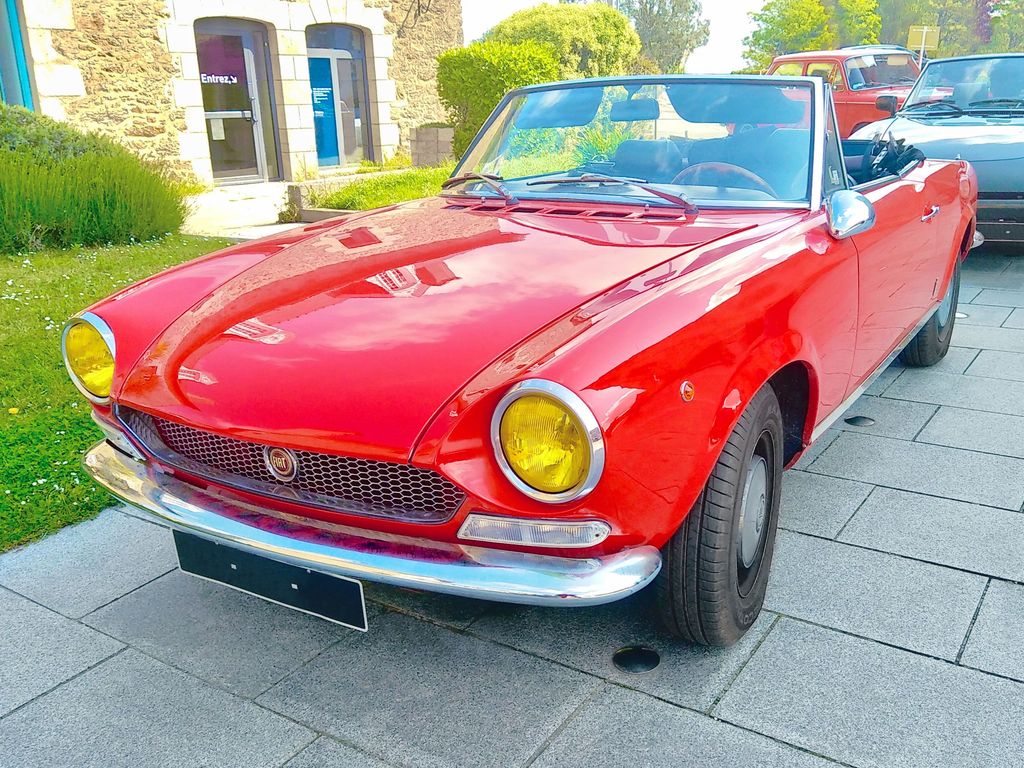
10. **Fiat 124 Spider**The Fiat 124 Spider is undeniably a car that evokes a sense of nostalgia, offering a clear nod to classic roadsters with its sleek lines and a driving experience often described as spirited and engaging. It holds an undeniable appeal for those who appreciate stylish aesthetics and an open-air motoring adventure. However, for buyers primarily focused on enduring reliability and minimal long-term repair costs, this Italian beauty may not prove to be the most prudent choice.
Despite its captivating looks and enjoyable performance on the open road, the 124 Spider is frequently plagued by a distinct set of reliability concerns that tend to manifest well before the vehicle reaches the 100,000-mile threshold. Owners have reported a pattern of issues including various electrical problems, which can be notoriously difficult and expensive to diagnose and fix, along with failures of the turbocharger, a critical and costly component.
Furthermore, there is a noted tendency for the engine itself to develop leaks, which, if not addressed promptly, can lead to more significant mechanical damage and further expenses. These recurring mechanical and electrical vulnerabilities mean that while the convertible top might invite you to relish every moment on the open road, the practical reality of ownership often involves frequent and often unforeseen trips to the repair shop.
The accumulation of such issues can quickly and significantly drain an owner’s wallet, turning the initial joy of a stylish roadster into a source of considerable financial stress. Consequently, while the Fiat 124 Spider can certainly deliver moments of driving thrills and aesthetic pleasure, its documented propensity for early and costly repairs suggests that for the long haul, it might just leave you stranded instead of reliably cruising into the sunset.
Car Model Information: 2025 Audi Q7 55 Premium Plus
Name: Fiat 124 Sport Spider
Caption: Fiat 124 Sport Spider (CS)
Aka: Fiat Spider 2000 , Pininfarina Spider (1982–1985)
Manufacturer: Fiat Automobiles
Production: 1966–1985
Assembly: Turin
Designer: Pininfarina,Tom Tjaarda,Franco Martinengo (design director),Battista Pininfarina
Class: Sports car
BodyStyle: Cabriolet (automobile)
Layout: Front-engine, rear-wheel-drive layout
Related: Fiat 124
Engine: {{convert,1438,cc,L,1,abbr=on,Inline-four engine
Abbr: on
Transmission: Manual transmission,5-speed manual,Automatic transmission
Wheelbase: 89.75 in
Length: 156.25 in
Width: 63.5 in
Height: 49.25 in
Weight: 2028 lb
Predecessor: Fiat Pininfarina Cabriolet
Successor: Fiat Barchetta,Fiat 124 Spider (2016)
Sp: uk
Categories: 1960s cars, 1970s cars, 1980s cars, All articles with dead external links, Articles with dead external links from August 2025
Summary: The Fiat 124 Sport Spider is a convertible sports car marketed by Fiat for model years 1966–1982 and by Pininfarina for 1982–1985 model years. Designed by and manufactured at the Italian carrozzeria Pininfarina factory, the monocoque, front-engined, rear-drive Sport Spider debuted at the November 1966 Turin Auto Show with styling by Tom Tjaarda.
Fiat later marketed the car as the Spider 2000 (1979–1982). After being retired by Fiat, Pininfarina continued the production of the model under its own brand as Pininfarina Spider Azzurra for the North American market and Pininfarina Spidereuropa for the European market for three more years, from August 1982 until 1985.
In 2015, a successor of the Fiat 124 Spider was presented at the Los Angeles Auto Show.
Get more information about: Fiat 124 Sport Spider
Buying a high-performing used car >>>
Brand: Fiat Model: 124 Spider
Price: $55,500 Mileage: 16,456 mi.
Read more about: Unleash the Roar: 12 Iconic Convertibles That Defined Eras and Demand Attention on Every Road!
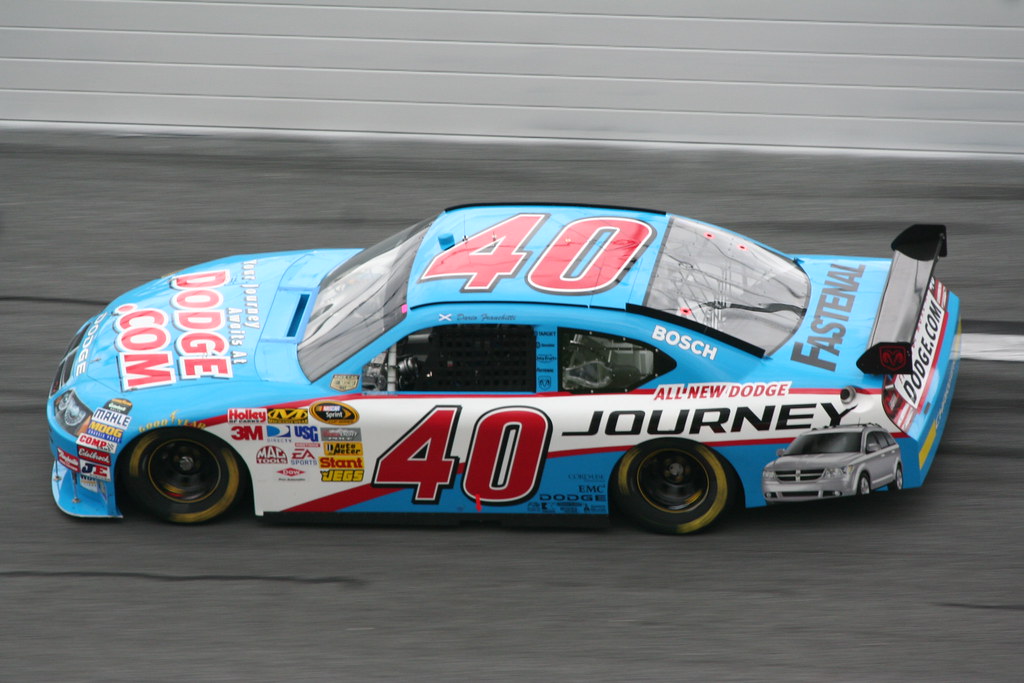
11. **Dodge Journey**The Dodge Journey, with a name that suggests boundless adventure and extended travel, might initially lead consumers to believe it is a dependable companion for epic road trips. However, the reality of its long-term performance often falls considerably short of this optimistic branding, as it frequently struggles to reach the significant 100,000-mile milestone without encountering substantial mechanical distress.
This mid-size SUV has unfortunately gained a notable reputation for persistent reliability issues, particularly centered around its engine and transmission components. These critical powertrain problems can make virtually every “journey” in the vehicle feel more like an unexpected and demanding endurance test for the owner. Such fundamental mechanical failures are often accompanied by other frequently reported issues, including various electrical problems and an overall sense of subpar build quality.
The combination of these recurring problems inevitably leads to a cycle of costly repairs, which tend to accumulate long before the odometer even approaches the six-figure mark. For a vehicle often chosen for its family-friendly features and spacious interior, this pattern of early breakdown and expense severely undermines its practicality and value as a reliable mode of transportation. It transforms an initially appealing purchase into a source of ongoing frustration and financial outflow.
Given its documented knack for breaking down prematurely and incurring significant repair bills, the Dodge Journey becomes a less-than-ideal travel companion for anyone seeking genuine long-term dependability. It suggests that this model might be considerably better suited for short, localized commutes rather than aspiring to be a partner for extensive, worry-free adventures.
Car Model Information: 2019 Dodge Journey SE
Name: Dodge Journey
Caption: 2012 Dodge Journey
Manufacturer: Dodge
Aka: Fiat Freemont,Dodge JC (Japan),Dodge JCUV (China)
Production: 2008–2020
ModelYears: 2009–2020,2011–2015 (Freemont)
Assembly: Toluca, Mexico
Designer: Ryan Nagode
Class: Mid-size crossover SUV
BodyStyle: SUV
Platform: Mitsubishi GS platform
Related: Chrysler 200,Chrysler Sebring,Dodge Avenger
Layout: Front-engine, front-wheel-drive layout
Engine: ubl
Transmission: Ultradrive#40TES/41TES
Wheelbase: 2890 mm
Abbr: on
Order: flip
Length: 192.4 in
Width: 72.2 in
Height: 66.6 in
Weight: 3818 lb
Predecessor: Fiat Ulysse,Fiat Croma
Successor: Dodge Journey (2021)
Categories: 2010s cars, 2020s cars, All-wheel-drive vehicles, All articles with dead external links, All articles with unsourced statements
Summary: The Dodge Journey is a mid-size crossover SUV manufactured and marketed by Fiat Chrysler Automobiles’ Dodge brand for model years 2009 to 2020 over a single generation, with a facelift for the 2011 model year. The Journey was styled by Ryan Nagode, and was marketed globally in both left- and right-hand drive, including as the Fiat Freemont.
Internally identified as the JC49, the Journey shares FCA’s global D-segment platform with the Dodge Avenger and a nearly identical wheelbase to the outgoing short-wheelbase (SWB) Dodge Caravan.
Having debuted at the 2007 Frankfurt Motor Show, the Journey subsequently appeared at the 2009 Frankfurt Motor Show. All models were manufactured in Mexico at FCA’s Toluca Assembly facility, with just over 1.1 million manufactured before production ended in 2020.
Get more information about: Dodge Journey
Buying a high-performing used car >>>
Brand: Dodge Model: Journey
Price: $12,962 Mileage: 83,381 mi.
Read more about: Aero Disasters and Proportional Misses: Unmasking 14 of the Ugliest Styling Blunders in SUV History
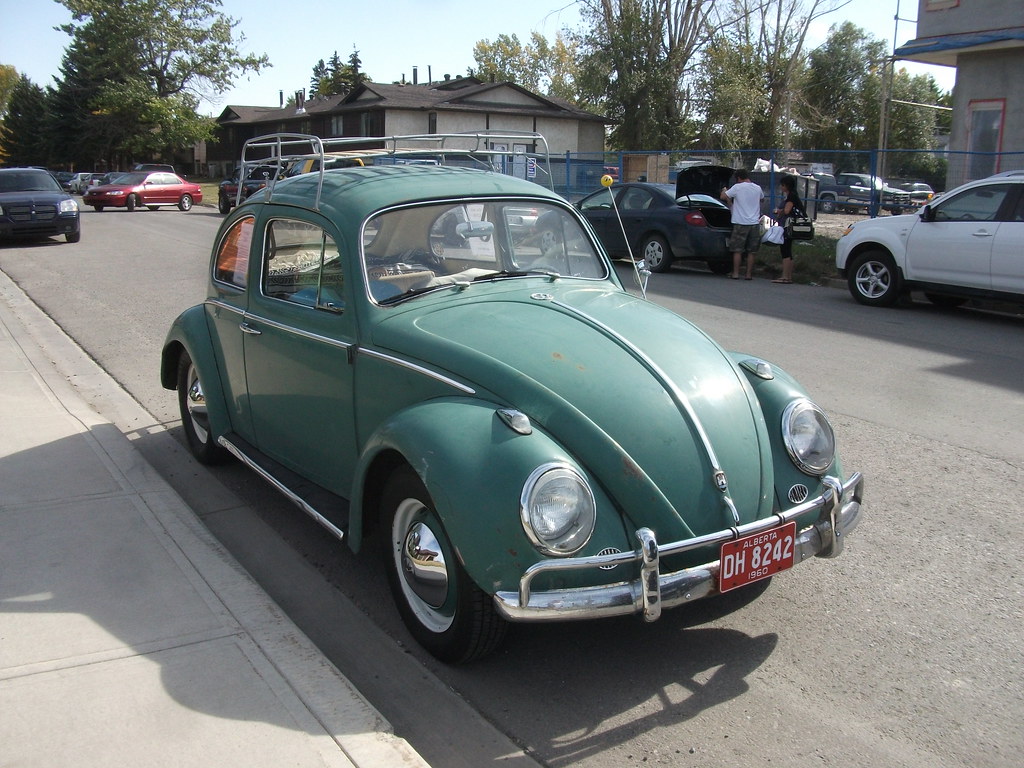
12. **Volkswagen Beetle**The Volkswagen Beetle holds an almost legendary status as an iconic symbol of quirky charm and timeless design, captivating generations of drivers with its distinctive aesthetics and often spirited driving characteristics. Many are drawn to its retro appeal and unique personality, expecting a classic that will continue to delight. However, it would be a misjudgment to assume that this beloved car will effortlessly cruise into the 100,000-mile club without encountering a considerable number of hitches.
Beneath its charming exterior, the Beetle is not without its share of mechanical headaches and reliability concerns, particularly as it ages. Many owners have consistently reported a range of issues related to its electrical systems, which can be complex and expensive to troubleshoot. Furthermore, there are documented instances of transmission failures and various engine problems, issues that frequently begin to crop up long before the odometer manages to hit the significant one-zero-zero mark.
These mechanical shortcomings are further compounded by what can often be a high cost of repairs, especially for a vehicle that might be perceived as a budget-friendly or whimsical choice. When faced with accumulating repair bills, owners might find themselves seriously contemplating whether the Beetle’s undeniable charming exterior and unique appeal are truly worth the frequent and often expensive trips to the service shop.
In essence, the Volkswagen Beetle, while delivering on nostalgic appeal and a certain joy of ownership, tends to prioritize character over enduring mechanical reliability. It stands as a reminder that sometimes, the allure of the past, as embodied in its retro design and unique drive, is perhaps best appreciated as a fleeting experience rather than a commitment to a long-term, consistently dependable companion in the rearview mirror of automotive history.
Car Model Information: 2012 Volkswagen Beetle 2.5L
Sp: uk
Name: Volkswagen Type 1,”Beetle”
Caption: 1965–1966 Volkswagen Käfer
Manufacturer: Volkswagen
Alt: A front-three quarters view of a pale-yellow Volkswagen Käfer. It features 165/80R15 tires, which shod 15×4. 5″ silver, circular wheels. The Käfer features a beetle-like body, and its window is open. The picture is taken with much greenery in the background, and the photo was edited to give it a more warmer tone.
Aka: List of names for the Volkswagen Type 1
Assembly: #Markets and assembly
Designer: Ferdinand Porsche
Class: Small family car
BodyStyle: Sedan (automobile),convertible
Production: 1938–2003,21,529,464 produced
Successor: Volkswagen Golf Mk1,Volkswagen Gol#First generation (Typ30, 1980),Volkswagen New Beetle
Layout: Rear-engine, rear-wheel-drive layout
Engine: Petrol,Volkswagen air-cooled engine,1192 cc H4,1285 cc H4,1493 cc H4,1584 cc H4
Transmission: manual transmission,Saxomat,Autostick
Wheelbase: convert
Length: convert
Width: convert
Height: 1500 mm
Abbr: on
Weight: convert
Categories: 1940s cars, 1950s cars, 1960s cars, 1970s cars, 1980s cars
Summary: The Volkswagen Beetle, officially the Volkswagen Type 1, is a small family car produced by the German company Volkswagen from 1938 to 2003. A global cultural icon known for its bug-like design, the Beetle is widely regarded as one of the most influential cars of the 20th century. Its production period of 65 years is the longest for any single generation of automobile, and its total production of 21.5 million units makes it the most produced car of a single platform in history and the second-highest of all nameplates manufactured in the 20th century.
The Beetle was conceived in the early 1930s. The leader of Nazi Germany, Adolf Hitler, decided there was a need for a people’s car—an inexpensive, simple, mass-produced car—to serve Germany’s new road network, the Reichsautobahn. The German engineer Ferdinand Porsche and his design team began developing and designing the car in the early 1930s, but the fundamental design concept can be attributed to Béla Barényi in 1925, predating Porsche’s claims by almost ten years. The result was the Volkswagen Type 1 and the introduction of the Volkswagen brand. Volkswagen initially slated production for the late 1930s, but the outbreak of war in 1939 meant that production was delayed until the war had ended. The car was originally called the Volkswagen Type 1 and marketed simply as the Volkswagen. It was not until 1968 that it was officially named the “Beetle”.
Volkswagen implemented designations for the Beetle in the 1960s, including 1200, 1300, 1500, 1600, 1302, and 1303. Volkswagen introduced a series of large luxury models throughout the 1960s and 1970s—comprising the Type 3, Type 4 and K70—to supplement the Beetle, but none of these models achieved the level of success that it did. In 1972, it became the best-selling car of all time, a position it retained for nearly three decades. Rapidly changing consumer preferences toward front-wheel drive compact hatchbacks in Europe prompted Volkswagen’s gradual shift away from rear-wheel drive, starting with the Golf in 1974. In the late 1970s and ’80s, Japanese automakers dominated some markets around the world, which contributed to the Beetle’s declining popularity.
The Beetle remains one of the best-selling cars of all time and is the first to sell over 20 million units. Over its lifespan, its design remained consistent, yet Volkswagen implemented over 78,000 incremental updates. These modifications were often subtle, involving minor alterations to its exterior, interior, colours, and lighting. Some more noteworthy changes included the introduction of new engines, models and systems, such as improved technology or comfort. The Beetle maintains a substantial cultural influence and is regarded as one of the most iconic vehicles in automotive history; its success largely influenced the way automobiles are designed and marketed, and propelled Volkswagen’s introduction of a Golf-based series of vehicles.
Get more information about: Volkswagen Beetle
Buying a high-performing used car >>>
Brand: Volkswagen Model: Beetle
Price: $13,985 Mileage: 27,389 mi.
Read more about: Beyond the Showroom Shine: 14 Automotive Design Fails That Rocked the Industry
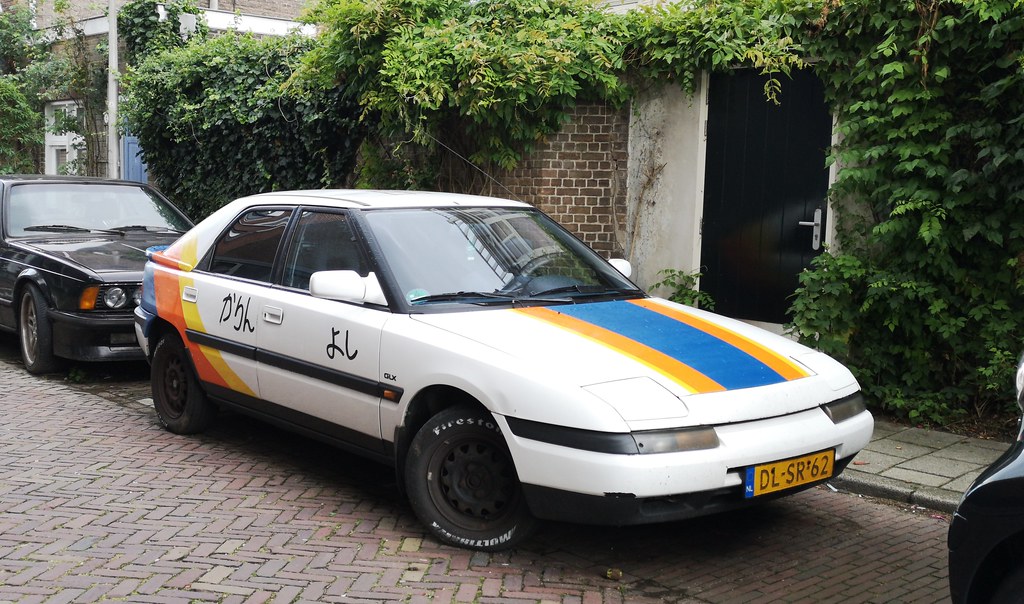
13. **Mazda 3**The Mazda 3 has garnered significant acclaim and is often celebrated for its impressively sporty handling characteristics and its distinctly stylish design, making it a firm favorite among many driving enthusiasts. Its engaging road dynamics and appealing aesthetics frequently create an initial impression of a well-engineered and desirable compact car. However, it would be overly optimistic to quickly assume that this model is inherently built for the rigors of the long haul or exceptional longevity.
While the Mazda 3 undoubtedly offers a fun and spirited driving experience, it is also known to exhibit its fair share of reliability issues, which can begin to emerge well before the vehicle reaches the important 100,000-mile milestone. Among the commonly reported problems are specific engine concerns, with a notable tendency towards excessive oil consumption in certain iterations, alongside various electrical malfunctions that can prove both frustrating and expensive to rectify.
These mechanical and electronic vulnerabilities mean that while the Mazda 3 may genuinely excel in providing a thrilling and satisfying driving experience on a day-to-day basis, the looming potential for expensive and unexpected repairs can unfortunately and quite rapidly overshadow its initial charm and performance advantages. The cost of maintaining these issues can quickly negate its initial appeal and affordability.
Ultimately, the Mazda 3 tends to be a car that prioritizes immediate driving pleasure and dynamic performance over an unwavering commitment to enduring dependability. It serves as a practical reminder for consumers that not every spirited ride or aesthetically pleasing vehicle is necessarily designed or engineered to consistently last for high mileage without demanding significant ongoing investment in maintenance and repairs.
Car Model Information: 2020 Mazda CX-3 Sport
Name: Mazda3
Manufacturer: Mazda
Aka: Mazda Axela (Japan and China, 2003–2019)
Production: 2003–present
Class: Compact car
BodyStyle: Sedan (automobile),hatchback
Layout: Front-engine, front-wheel-drive layout,Front-engine, four-wheel-drive layout
Predecessor: Mazda Familia
Categories: 2010s cars, 2020s cars, All Wikipedia articles written in British English, All articles needing rewrite, All articles with dead external links
Summary: The Mazda3 (known as the Mazda Axela (Japanese: マツダ・アクセラ, Hepburn: Matsuda Akusera) in China and Japan (first three generations until 2019), a combination of “accelerate” and “excellent”) is a compact car manufactured by Mazda, available as a 5-door hatchback and 4-door sedan across all generations. It was first introduced in 2003 as a 2004 model, replacing the Familia/323/Protegé in the C-segment.
The second-generation Mazda3 for the 2009 model year was unveiled in late 2008, with the sedan premiering at the Los Angeles Auto Show and the hatchback at the Bologna Motor Show. For the 2012 model year, Mazda began offering the Mazda3 with their newly developed Skyactiv technology, including a more rigid body, a new direct-injection engine, and a new 6-speed transmission.
The third generation was introduced in mid-2013 as a 2014 model year. The third-generation model is the first Mazda3 to adopt the “Kodo” design language and a more complete Skyactiv range of technologies and the first to be made by Mazda independently.
The fourth-generation Mazda3 for the 2019 model year was unveiled in November 2018 at the Los Angeles Auto Show. For the 2019 model, the all-new Mazda3 is equipped with the updated Skyactiv technologies, including a spark-controlled compression ignition engine marketed as the Skyactiv-X.
A performance-oriented version of the Mazda3 was marketed until 2013 as the Mazdaspeed3 in North America, Mazdaspeed Axela in Japan, and the Mazda3 MPS in Europe and Australia.
The Mazda3 became one of Mazda’s fastest-selling vehicles, with cumulative sales in January 2019 of over 6 million units.
Get more information about: Mazda3
Buying a high-performing used car >>>
Brand: Mazda Model: 3
Price: $18,590 Mileage: 37,854 mi.
Read more about: Beyond the Showroom Shine: 14 Automotive Design Fails That Rocked the Industry
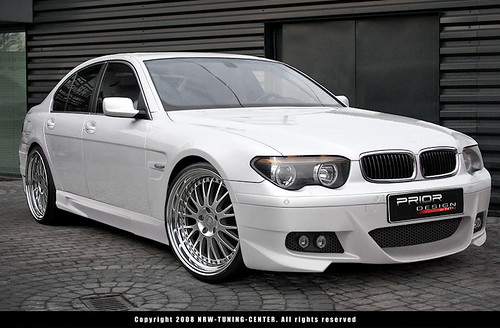
14. **BMW 3 Series**The BMW 3 Series stands as a universally beloved sports sedan, highly regarded for its precision German engineering, sophisticated driving dynamics, and a strong brand legacy of performance and luxury. It is a benchmark in its segment, attracting drivers who value a refined and engaging driving experience. However, when viewed through the lens of long-term reliability, particularly as the mileage accumulates, the 3 Series is often not considered the most dependable option available on the market.
A key factor contributing to its reliability challenges lies in its inherently complex electronics and its multitude of precision-tuned components. While these elements contribute to the car’s celebrated performance, they also make the vehicle exceptionally expensive to maintain and, critically, to repair when issues inevitably arise. The turbocharged 330i model, in particular, has shown a propensity for specific issues such as turbocharger failures, problems within the intricate cooling system, and malfunctions of its electronic control units.
These are not minor inconveniences; they are typically significant mechanical or electronic failures that demand expert attention and costly parts replacements. While a meticulously well-cared-for BMW 3 Series can theoretically reach and even surpass the 100,000-mile mark, the substantial costs associated with properly maintaining such a vehicle to that point make it an unlikely proposition without demanding a very significant financial investment throughout its lifespan.
Therefore, for potential owners, the allure of the BMW 3 Series’ performance and luxury must be carefully weighed against the very real and often substantial financial commitments required for its long-term upkeep. It highlights that prestige and driving enjoyment, while valuable, do not automatically guarantee an affordable or trouble-free ownership experience beyond the initial warranty period.
Car Model Information: 2023 Mazda Mazda3 FWD w/Select Package
Name: BMW 3 Series
Manufacturer: BMW
Production: 1975–present
Class: Compact executive car
Predecessor: BMW 02 Series
Categories: 1970s cars, 1980s cars, 1990s cars, 2000s cars, 2010s cars
Summary: The BMW 3 series is a line of compact executive cars manufactured by the German automaker BMW since May 1975. It is the successor to the 02 series and has been produced in seven generations.
The first generation of the 3 Series was only available as a 2-door saloon; the model range expanded to include a 4-door saloon, 2-door convertible, 2-door coupé, 5-door estate, 5-door liftback (“Gran Turismo”; discontinued in 2019) and 3-door hatchback body styles. Since 2013, the coupé and convertible models have been marketed as the 4 Series; these styles no longer being included in the 3 Series.
The 3 Series is BMW’s best-selling model line, accounting for around 30% of the BMW brand’s annual total car sales, and has won numerous awards throughout its history. The M version of the 3 series, M3, debuted with the E30 M3 in 1986.
Get more information about: BMW 3 Series
Buying a high-performing used car >>>
Brand: BMW Model: 3 Series
Price: $17,497 Mileage: 57,859 mi.
Read more about: Beyond the Showroom Shine: 14 Automotive Design Fails That Rocked the Industry
The journey to finding a dependable vehicle is undeniably complex, often fraught with attractive options that promise much but deliver less in the long run. Our comprehensive exploration of these 14 models, from the rugged practicality of trucks to the sophisticated charm of sedans, underscores a vital truth: an informed decision extends far beyond the initial purchase price or appealing features. It delves into the often-hidden costs of ownership—the repair bills, the unexpected breakdowns, and the time lost—that can quickly erode the perceived value of an unreliable vehicle. By equipping yourself with detailed, fact-based insights into common mechanical pitfalls and long-term durability concerns, you empower yourself to navigate the automotive market wisely, steering clear of potential money pits and driving confidently toward a choice that truly stands the test of time and mileage.