The North American landscape is undergoing a silent, yet seismic, shift. Our roads, once home to a diverse fleet of cars and trucks, are increasingly dominated by colossal pickups and SUVs. This growing “autobesity,” as some have dubbed it, is more than just a matter of aesthetics; it represents a profound transformation with far-reaching consequences for public safety, urban planning, and, critically, the health of our planet. As these vehicles continue to proliferate, a crucial question emerges: what do environmentalists, urban planners, and safety advocates *really* think about this undeniable trend?
The narrative around these gargantuan machines often revolves around freedom, capability, and security. However, beneath the polished chrome and aggressive marketing, a chorus of informed voices is raising serious alarms. These experts, drawing from years of research and personal experience, reveal a disturbing trail of environmental degradation, escalating safety risks, and a system of regulations that, ironically, helped birth the very problem it was designed to solve. This article aims to pull back the curtain on the hidden truths about oversized trucks and SUVs, offering an in-depth, analytical look at the multifaceted issues they present, from immediate dangers to systemic policy failures.
From the perilous implications for vulnerable road users to the subtle manipulation of consumer desires through advertising, and from the historical loopholes that enabled their rise to their undeniable impact on our shared spaces, the story of oversized vehicles is complex. We will dissect the problem, drawing exclusively from expert analyses and factual data, to understand not just *what* is happening, but *why*, and what it truly means for our collective future. Prepare to see your daily commute, and perhaps even your perceptions of automotive freedom, in a completely new light.
1. **The Immediate Human Toll: Safety Hazards on Our Roads**The surging presence of oversized trucks and SUVs on North American roads has brought with it a stark and undeniable increase in immediate human safety hazards. This is not merely a theoretical concern; it is a lived reality, eloquently articulated by Lisa Roberts, a former journalist and NDP MLA in Nova Scotia. In a powerful opinion piece titled ‘Trail of tragedy follows pickup trucks,’ published in March 2022, Roberts shared her visceral reaction to the grim statistics unfolding in her own community. She described wincing upon hearing of yet another pickup truck striking a cyclist in Halifax, leaving the victim with “life-threatening injuries,” a tragic echo of two previous collisions that had “shattered families” involving pickups and pedestrians or smaller vehicles.
Roberts’ insights highlight a critical imbalance: the sheer mass and size of these vehicles translate directly into magnified danger for those outside them. She pointedly observed, “Larger, heavier vehicles mean more serious injuries and not for those in the larger, heavier vehicle.” This statement cuts to the core of the issue, revealing that the perceived safety for occupants of these large trucks comes at a devastating cost to others. The fundamental physics of a collision dictate that the greater the discrepancy in size and weight between vehicles, or between a vehicle and a pedestrian or cyclist, the more catastrophic the outcome for the smaller party.
For Roberts, this isn’t just a policy issue; it’s profoundly personal. As a mother and a cyclist, her perspective is informed by direct experience and a deep understanding of urban vulnerabilities. She recounted witnessing a girl killed by a vehicle during her youth and seeing several high school friends involved in a severe traffic accident, experiences that indelibly shaped her understanding of road safety. This personal connection underscores the urgency of her plea, transforming an abstract problem into a tangible, human crisis that demands immediate attention.
Roberts’ impassioned call, “For the sake of our health and safety, we have to talk about trucks,” encapsulates the frustration of many advocates who feel their warnings are falling on deaf ears. She argues that these trucks have grown “without being more functional,” contrasting them with her grandfather’s pickup, which, despite being smaller, was “easier to get into and had a longer bed” and regularly hauled firewood. This observation directly challenges the utilitarian justification often given for the increased size, suggesting that the expansion serves purposes beyond practical necessity, and often at the expense of communal well-being.
Read more about: Beyond the Screen: 15 Stunt Realities Where Performers’ Fear Was Absolute, and AI’s Looming Impact
2. **The Illusion of Individual Security: A Dystopian Marketing Message**A particularly insidious aspect of the oversized vehicle trend, as highlighted by Lisa Roberts, lies in the deeply problematic advertising strategies employed by automakers. Roberts expressed profound worry about the explicit messaging embedded in these ads, which she described as conveying a “very explicit message that you can be safe inside your [large] vehicle, you can have serenity inside your vehicle.” This marketing narrative, she contends, crafts an alluring but ultimately dangerous illusion of individual security and detachment from external realities.
Roberts labels this message not only “false” but also “a very dystopian one.” She explains that it suggests a perverse form of privilege: “with enough privilege, with enough money, you can somehow ride out climate change, you’re going to be okay because you can afford the $80,000 hulking, climate-controlled tank.” This vision is profoundly “anti-social in the most basic sense,” because it promotes an ethos of insulation and self-preservation that fundamentally undermines collective well-being. It implies that personal wealth can purchase an escape from shared environmental and societal challenges.
The core flaw in this marketing promise, Roberts argues, is its inherent impossibility. “There is no way to insulate yourself as an individual from the changes and the experiences that are going to visit us because of the changes that we have already made to our atmosphere,” she asserted. This underscores a critical ecological truth: environmental crises, and indeed many societal problems, do not discriminate based on income or vehicle size. The ads are therefore marketing “something that is actually not available, which is individual security,” presenting a false solution to complex, systemic problems.
The implicit, and often explicit, corollary of this message is a chilling disregard for others. When individual security is prioritized above all else, the welfare of “folks outside the vehicle be damned.” This stark phrasing reveals the deeply inequitable nature of the problem, where the choice of one driver to operate an enormous vehicle places others at heightened risk. Roberts powerfully connects this to broader societal issues, stating, “It’s wonderfully metaphorical, because inequality is actually bad for us,” suggesting that the discrepancies in vehicle size mirror and exacerbate systemic inequalities.
3. **The Unheeded Plea: Why Conversations About Big Trucks Remain Difficult**Despite the clear and present dangers articulated by advocates like Lisa Roberts, a meaningful conversation about the proliferation of large pickups and SUVs in North America has largely gone unheeded. Roberts herself expressed profound frustration with what she terms “vehicle bloat,” noting that this trend has unfolded over the very “same 15 – 20 years when we have all, by and large, been quite aware of the threat posed to us all by climate breakdown.” This paradox—a heightened awareness of environmental crisis coinciding with an increase in vehicle size and danger—is what, in her words, “kind of makes me crazy sometime.”
The challenge lies in the inherent conflict between individual choices and collective societal needs. While “some folks are trying to make moves towards living a lower carbon-intensity lifestyle, which in the city can mean bicycling, scootering, walking,” others are simultaneously “making our streets more dangerous, because of the changes to vehicle size.” This creates a deeply unfair situation where the efforts of those striving for sustainable urban living are undermined by a parallel trend towards increasingly dangerous automotive consumption, illustrating a fundamental tension in our public spaces.
Roberts strongly advocates for regulatory changes, acknowledging that the path is complicated due to North America being “effectively one market” for the auto industry. This cross-border integration means that policy decisions in one country can have significant ripple effects in another, making coordinated action essential yet challenging. The immense economic power and influence of the automotive manufacturing industry, which “the federal government has provided significant support to… in terms of employment,” further complicates the picture, as governments are often hesitant to impose restrictions on such a vital sector.
However, Roberts firmly believes that this crucial industry must play its part. She argues that “it just seems like it would make sense that those industries also play their part in adapting to our climate reality, and in responding to safety issues.” This perspective posits that economic contribution should not exempt industries from their broader social and environmental responsibilities, especially when their products pose such tangible risks. The struggle to initiate and sustain this critical dialogue highlights the formidable barriers—economic, political, and cultural—that prevent a widespread re-evaluation of our automotive norms.
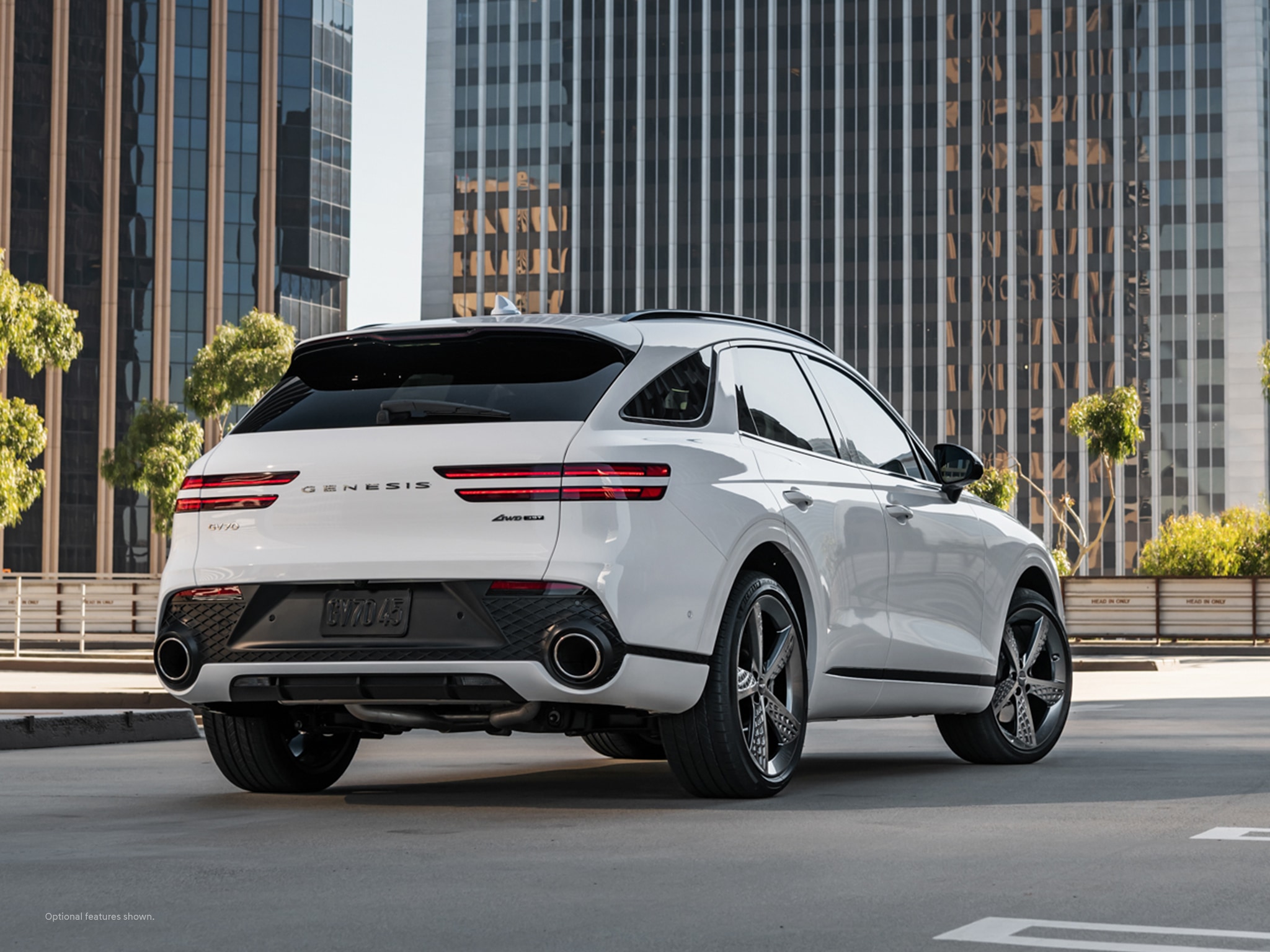
4. **The Genesis of Gigantism: How a 1975 US Law Fueled the Trend**The current “autobesity” crisis, characterized by the omnipresence of massive pickups and SUVs, has roots in a historical irony dating back to the United States in 1975. This was the year a federal law was enacted with the explicit and commendable goal of doubling fuel efficiency in vehicles and significantly reducing pollution, thereby making automobiles more environmentally friendly. Yet, this very legislation, intended to promote ecological responsibility, inadvertently created a “giant loophole” that would dramatically alter the automotive landscape and sow the seeds for the oversized vehicle trend.
At the time of this landmark legislation, “light trucks”—a category encompassing small pickups and vans—constituted less than a fifth of all vehicles sold in the U.S. These were predominantly commercial vehicles, essential tools for “tradespeople, small businesses, fishers and farmers,” and others whose livelihoods depended on hauling heavy loads. Their distinct utilitarian purpose, often requiring robust engines and chassis, made them inherently less fuel-efficient than standard passenger cars of the era.
It was precisely for these practical reasons, coupled with formidable lobbying efforts by powerful U.S. automakers, that light trucks were granted an exemption from the stringent new fuel efficiency regulations. The rationale was that these vehicles, being work-oriented, could not realistically meet the same efficiency standards as lighter, primarily passenger-focused cars. This exemption, however, would prove to be a pivotal moment, transforming a specific carve-out into a broad pathway for industry expansion.
This regulatory omission quickly became what the Halifax Examiner article vividly describes as “a giant loophole, big and wide enough to drive a truck through, which is more or less what they then did.” Automakers recognized an immense opportunity to circumvent stricter rules. Instead of innovating for efficiency within passenger car segments, they found a more profitable avenue: reshaping the market around the less-regulated “light truck” category. This historical legislative twist, therefore, laid the foundational groundwork for the subsequent surge in larger, less efficient vehicles, inadvertently subverting the very environmental goals the 1975 law sought to achieve.
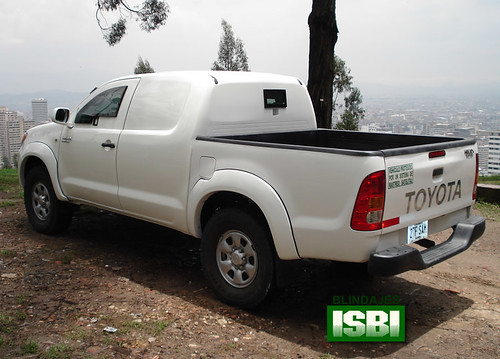
5. **The Automaker’s Gambit: Lobbying, Classification, and Enormous Profits**Once the loophole was identified, automakers embarked on a shrewd and highly profitable strategy that fundamentally reshaped the North American automotive market. Their approach was disarmingly simple yet profoundly impactful: they would “enlarge passenger vehicles, plop them onto light truck chassis, and market them as family passenger vehicles.” This ingenious maneuver allowed them to offer consumers the impression of greater space and ruggedness, while simultaneously exploiting the less stringent regulatory environment surrounding light trucks.
Crucially, this strategy was not just about engineering; it required active political engagement. Automakers relentlessly lobbied regulators to formally “classify them all as light trucks,” despite their evolving roles as primary family transportation rather than dedicated work vehicles. This systematic push to redefine categories was immensely successful, effectively allowing manufacturers to build bigger, less efficient vehicles without incurring the penalties or design challenges associated with stricter passenger car standards.
The outcome of this concerted effort was a cascade of unintended consequences, summarized succinctly: “Thus, an emissions loophole begat the SUV, and the automakers’ lobbying bore fruit, making them absolutely enormous profits.” The financial incentive was clear and powerful. By offering vehicles that could command higher prices and yet operate under relaxed regulations, car manufacturers discovered a golden goose, one that continues to lay eggs of considerable revenue.
The Environmental Protection Agency (EPA) played a crucial role in enabling this shift, accepting “the industry’s contention that these new, larger ‘utility’ vehicles should be classified as light trucks.” This acceptance, formalized when “the U.S. government adopted the EPA definition of a light truck” in 1977, was a watershed moment. It officially sanctioned a regulatory bypass, ensuring these newly reclassified vehicles “didn’t have to obey pollution, fuel efficiency, and safety standards of regular automobiles,” thereby cementing their economic advantage for manufacturers.
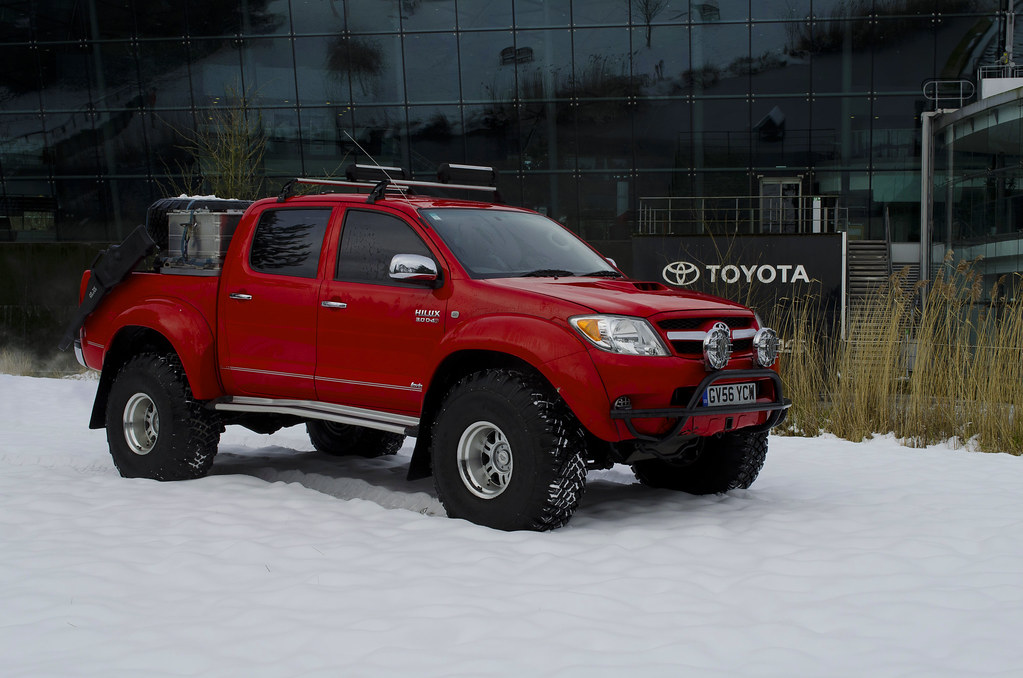
6. **The Advertising Onslaught: Making Big Trucks the “New Normal”**To ensure the newly reclassified, larger “light trucks” found a receptive market—and indeed they did—automakers and dealers poured colossal sums into advertising. This was not a subtle marketing effort; it was an “advertising onslaught” designed to make these imposing vehicles not just desirable, but utterly ubiquitous. The sheer scale of this investment transformed perceptions and created a new norm for personal transportation across North America, fundamentally shaping consumer expectations and choices.
According to American journalist Keith Bradsher, whose 2002 book ‘High and Mighty: The Dangerous Rise of the SUV’ chronicled this phenomenon, spending on SUV advertising in 2001 elevated them to the ranks of the “most advertised products” in the U.S. This level of promotional intensity ensured that the image and perceived benefits of these vehicles were ingrained into the collective consciousness, making it difficult for competing narratives or smaller vehicle options to gain traction.
This aggressive advertising trend was not confined to the United States; it was “mirrored in Canada,” a natural consequence of the close alignment between the Canadian and U.S. auto industries. Regulatory frameworks, consumer trends, and, crucially, marketing strategies often traverse the border seamlessly. Consequently, the same pervasive imagery and messaging that saturated American media quickly became an inescapable part of the Canadian advertising landscape, solidifying the market dominance of larger vehicles.
The advertising itself was often as “aggressive as their huge and menacing front ends,” employing powerful visual rhetoric. Commercials frequently depicted these vehicles “careening through stunning wilderness landscapes and waterways,” portraying them as rugged tools for adventure and exploration, even in places “where no motorized vehicle should go.” This romanticized, often misleading, portrayal of off-road prowess resonated deeply with a broad demographic, effectively creating a powerful aspirational image for potential buyers.
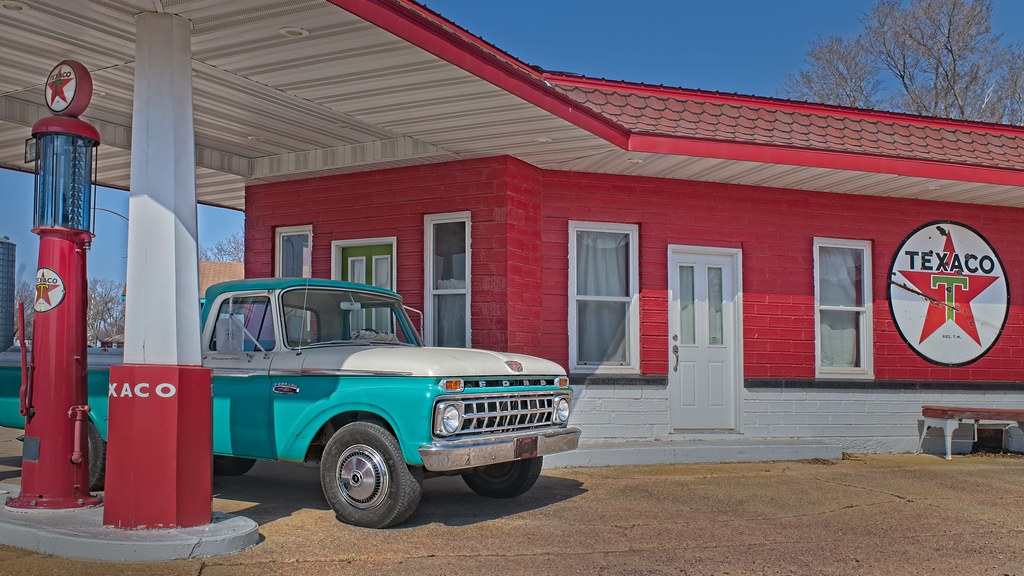
7. **Beyond the Wilderness: The Reality of How Oversized Vehicles Are Used**The powerful marketing narrative surrounding oversized pickups and SUVs paints a vivid picture of “tough, rugged off-road vehicles” designed for “tough, rugged outdoorsy people.” These advertisements frequently showcase capabilities that suggest a life lived on the edge of civilization, conquering challenging terrains and embodying an untamed spirit. However, this carefully constructed image often stands in stark contrast to the everyday reality of how these vehicles are actually used by the vast majority of their owners.
In a crucial disconnect between perception and practice, the truth is that “many of them never see anything but smooth pavement on roads and in parking lots.” Despite the implied prowess for traversing mountains or fording rivers, these behemoths typically navigate the mundane routes of urban and suburban life. Some are indeed used for recreational purposes, such as “to haul campers, or trailers carrying actual off-road all-terrain vehicles and side-by-sides that are also popular for tearing through and tearing up the wilderness.” Yet, even in these instances, the oversized truck often serves as a transport for another recreational vehicle, rather than being the primary off-road tool itself.
Compelling data from a U.S. survey further dismantles the myth of the heavy-duty workhorse. This research found that, by far, “the main reasons people drive F-150 pickup trucks are shopping, pleasure, and commuting.” These activities are hardly exclusive to the realm of robust, high-capacity vehicles; they are the everyday functions traditionally performed by a wide range of smaller, more fuel-efficient cars. The findings underscore that utility for demanding tasks is not the primary driver for many oversized truck purchases.
This reality is patently visible in urban centers across Canada. A casual observation around “any shopping centre parking lot” reveals “no shortage of towering monster trucks and SUVs, many polished and gleaming like the family silver.” More tellingly, by “sticking around to see some of the drivers who clamber in and out of them,” it often becomes “obvious these are not exactly heavy-duty working vehicles required to haul a heavy load over a back country road.” The gleaming, unblemished exteriors and the demographics of their drivers frequently betray the marketing fantasy.
Lachlan Barber, an urban and cultural geographer, researched the phenomenon of pickups becoming the “new normal” in Newfoundland and Labrador. While acknowledging specific regional factors like “really rough roads and… moose on the roads,” which contribute to a feeling of safety in larger vehicles, Barber ultimately concluded there was “more to it than that.” He posits that what were “originally work vehicles… designed for work” have transformed into “sort of luxury vehicles.” He further suggests that their appeal lies in offering “the ultimate kind of freedom… that gives you pleasure, and makes you happy, but that disregards everyone else or the environment around you.” This insight speaks volumes about the shifting identity and perceived utility of these oversized machines.
Welcome back to our in-depth look at the colossal impact of oversized trucks and SUVs on our society and environment. Having explored the immediate human dangers, the deceptive marketing, and the regulatory loopholes that fueled their rise, we now turn our attention to the broader implications. This second section, “Beyond the Individual: Societal Costs, Environmental Devastation, and the Ongoing Fight for Sanity on Our Roads,” delves into the sweeping urban and ecological transformations, challenges the very notion of their functional utility, and examines the complex dance between regulation and industry influence that defines our automotive landscape.
8. **The “Beast-Like Snarl” and Aggressive Marketing’s Deeper Impact**As the industry capitalized on regulatory exemptions, it simultaneously crafted an image for these vehicles that was as aggressive as their engineering. Car and Driver’s description of the 2024 Ram 1500 TRX pickup, priced at a staggering US$98,335, paints a vivid picture: “A beast-like snarl snorts beyond the crest of a muddy ORV [off-road vehicle] trail.” This vehicle is not just powerful; it’s a “furiously quick 702-hp Ram 1500 TRX” with a supercharged 6.2-liter V-8 that “sucks up fuel as if it were drinking from a garden hose.”
This kind of hyperbolic language, coupled with names like “raptor” and “rebel,” reinforces an image of untamed power and dominance. Pickups can even be “lifted” on higher suspension with bigger tires, making them even more intimidating and, critically, more dangerous to other road users. The marketing relentlessly pushes a narrative of conquering wilderness, even though, as we’ve seen, most never leave paved roads.
The Coalition to Reduce Auto Size Hazards (C.R.A.S.H.) offers a scathing assessment of these ads in its 2024 report, “Oversized Danger.” They note that pickups are “often marketed with an implicit (or explicit) appeal to machismo or as playthings for adventure and amusement.” A Ram truck commercial, for instance, brazenly declares, “You loved to play in the mud as a child; ‘the only things that changed are the toys.'” C.R.A.S.H. highlights the “callous irony” of such ads, which “treat consumer amusement as more important than the safety of other road users,” revealing a deep societal cost embedded in the marketing itself.
Car Model Information: 2023 Toyota Tacoma SR
Caption: 2021 Ram 1500 TRX
Name: Ram 1500 TRX
Aka: Ram Rebel TRX (prototype)
Manufacturer: Ram Trucks
Production: December 2020 – February 2024
ModelYears: unbulleted list
Assembly: Sterling Heights, Michigan
Layout: Front-engine, four-wheel-drive layout
BodyStyle: crew cab
Related: Unbulleted list
Engine: Unbulleted list
Transmission: ZF Friedrichshafen,ZF 8HP transmission#8HP95,Automatic transmission
Wheelbase: cvt
Length: cvt
Width: cvt
Height: cvt
Weight: cvt
Designer: Mike Gilliam
Categories: 2020s cars, All-wheel-drive vehicles, All Wikipedia articles in need of updating, Articles with short description, Cars introduced in 2020
Summary: The Ram 1500 TRX is a high-performance variant of the fifth-generation Ram 1500 (DT) pickup truck produced by the Ram Trucks division of Stellantis. The TRX name was based on the Ram Rebel TRX concept that was shown at the 2016 State Fair of Texas as an engineering, design and consumer-interest study. Following consumer feedback, the company announced on June 1, 2018, that it would place the truck into production for the 2021 model year. The truck was produced during the 2021 through 2024 model years. The TRX was dropped after the 2024 model year because it cannot be modified to meet tougher automotive emissions standards, and the company’s shift towards electrification. The last special edition TRX was the Ram 1500 TRX Final Edition. The last Ram 1500 TRX was produced on February 16th 2024. A similar truck, the Ram 1500 RHO was introduced, but it is not a direct successor to the TRX. The model year was cut short because of RAM launching 2025 trucks 7 months earlier than their usual model year release date. However, in late July 2025, Stellantis CEO Antonio Filosa has officially confirmed that the TRX will be returning for the 2026 model year.
The TRX competed with Ford Raptor family of high-performance pickup trucks.
Get more information about: Ram 1500 TRX
Buying a high-performing used car >>>
Brand: Ram Model: 1500 TRX
Price: $33,199 Mileage: 59,070 mi.
9. **Urban Destruction and the “Giant Punch in the Face”**Beyond the individual safety hazards, urbanist Jason Slaughter, in his YouTube video “These stupid trucks are literally killing us,” argues that the proliferation of large SUVs and pickups poses an existential threat to the future of our cities. He contends that while urban planners and advocates are striving to create more walkable neighborhoods and viable alternatives to driving, the growth of these colossal vehicles actively undermines such efforts. Slaughter doesn’t mince words, stating, “SUVs fight against that; they’re just bad for cities, really bad.”
His analysis details a litany of negative consequences: SUV drivers themselves are “twice as likely to be killed in a rollover than car drivers,” a sobering counterpoint to the marketing of individual safety. Furthermore, SUVs “make congestion worse because they take up more space on the roads,” exacerbating urban gridlock. Unsurprisingly, they also “have terrible fuel economy,” contributing disproportionately to emissions within city limits.
Slaughter expresses profound frustration with the prevailing narrative that resists any intervention. “We’re constantly being told that doing anything about the astronomical growth in the average size of motor vehicles would infringe on the freedoms of people to do whatever they want,” he laments. He powerfully counters this by invoking a classic metaphor: “But your freedom to swing your arm ends where my face begins.” He concludes with a stark warning: “SUVs are a giant punch in the face to everyone who doesn’t drive one. In short, SUVs are oversize, ridiculous, unnecessary death machines that are literally killing people, even their own drivers.”
10. **A Tale of Two Worlds: Advertising Regulation in the UK vs. North America**The environmental and societal impacts of oversized vehicle advertising have drawn international scrutiny, highlighting a stark contrast in regulatory approaches. In late 2023, the UK advertising standards council took a decisive step by banning Toyota’s “Born to Roam” ads. These commercials depicted large, diesel Toyota SUVs “driving off-road through natural environments, including rivers, before moving to drive as a pack through a cityscape.”
The ban followed complaints from UK groups like Adfree Cities and Badvertising, who argued that the ads “presented and condoned the use of vehicles in a manner that disregarded their impact on nature and the environment.” The advertising watchdog ultimately agreed, concluding that the ads “had not been prepared with a sense of responsibility to society.” This ruling established a precedent for holding advertisers accountable for the environmental messaging of their campaigns.
Yet, this level of regulatory intervention remains largely absent in North America. Despite similar concerns about environmental degradation and the promotion of reckless driving, “Toyota ads celebrating similar feral packs of Toyota SUVs and pickups live on.” This divergence underscores the significant influence of the automotive industry in North America and the reluctance of governments to impose similar restrictions. It suggests that while some regions are moving towards greater corporate responsibility for environmental impact in advertising, North America continues to prioritize commercial freedom over societal and ecological concerns, leaving the public susceptible to pervasive marketing that champions environmentally damaging behaviors.
Car Model Information: 2023 Toyota Highlander XLE
Name: Toyota Century
Manufacturer: Toyota
Production: unbulleted list
Class: unbulleted list
BodyStyle: unbulleted list
Layout: unbulleted list
Predecessor: Toyota Crown Eight
Categories: 1970s cars, 1980s cars, 1990s cars, 2000s cars, 2010s cars
Summary: The Toyota Century (Japanese: トヨタ・センチュリー, Hepburn: Toyota Senchurī) is a lineup of full-size luxury cars and limousines produced mainly for the Japanese market, serving as Toyota’s flagship car within Japan; globally the unrelated Lexus LS series is Toyota’s flagship luxury model. Production of the Century began in 1967, and the model received only minor changes until redesigns in 1997 and 2018.
The Century derived its name from the 100th birthday of Sakichi Toyoda (born 14 February 1867), the founder of Toyota Industries. It is often used by the Imperial House of Japan, the Prime Minister of Japan, senior Japanese government leaders, and high-level executive businessmen. The Century is comparable in purpose to the Austin Princess/Daimler DS420, Cadillac Series 70, Mercedes-Maybach, Hongqi, Rolls-Royce Phantom, and Russian ZIS/ZIL limousines.
The first-generation Century was available with only a V8 engine (the third post-war Japanese-built sedan so-equipped) at its introduction in 1967 until a full platform redesign in 1997. The second generation was only installed with a Toyota-designed and -built V12, an engine bespoke to the Century, until 2018, when the power-train reverted to a V8 with the addition of Toyota’s hybrid technology.
While the Century is a premium, full-size luxury sedan, it is not available at Japanese Lexus dealerships; it can only be purchased at specifically identified Toyota Store locations. The Century does not feature Toyota’s typical oval logo on any of its badges; instead, it uses a phoenix logo unique to the Century. The gold phoenix logo is called the Hō’ō (鳳凰) or Fushichō (不死鳥) from Sinospheric mythology, representing the Imperial House of Japan, and the image can be found throughout Asia, such as the Kinkaku-ji in Kyoto.
The exterior styling of the Century has, with some modifications, remained unchanged since its introduction, primarily due to its perception as denoting conservative success. Its appearance is iconic in Asian countries and is usually painted black. The closest Japanese competitor was the Nissan President, with a similar status reputation although, during the 1960s and 1970s, the high market positioning was also shared with the Mitsubishi Debonair. In the 1970s, two other Japanese competitors introduced large sedans — the Isuzu Statesman de Ville and the Mazda Roadpacer (both derived from General Motors-Australia products) — which were short-lived.
The Century nameplate introduced the SUV body style in 2023.
Get more information about: Toyota Century
Buying a high-performing used car >>>
Brand: Toyota Model: SUV
Price: $37,681 Mileage: 34,612 mi.
11. **The Shifting Identity of Pickups: From Workhorse to “Luxury Vehicle”**The dramatic transformation of pickup trucks from utilitarian workhorses to mainstream “luxury vehicles” is a phenomenon explored by urban and cultural geographer Lachlan Barber. His research into pickups becoming the “new normal” in Newfoundland and Labrador, a region with specific challenges like “really rough roads and… moose on the roads,” initially seemed to justify the preference for larger vehicles. However, Barber found “more to it than that.”
Barber’s analysis reveals a fundamental shift in appeal. What were “originally work vehicles… designed for work” have evolved into something far different. They are now “sort of luxury vehicles,” designed to be aesthetically appealing in a particular way. This new appeal, Barber suggests, revolves around offering “the ultimate kind of freedom… that gives you pleasure, and makes you happy, but that disregards everyone else or the environment around you.” This candid observation speaks volumes about the individualistic ethos driving oversized vehicle consumption.
His 2019 study, published in the journal *Gender, Place & Culture*, further elaborates on this cultural shift. While acknowledging their perceived utility for difficult roads and tasks, the paper notes that “Trucks are a mainstream phenomenon around which masculinist, ist language and gendered stereotypes are reproduced and rendered as unproblematic.” Barber also highlights the development of “new hegemonic masculinities reflecting connections to Alberta, mobile work, and increased consumer power,” within which the truck plays a prominent role. This suggests that the appeal of these vehicles extends beyond mere functionality, intertwining with evolving social identities and consumer aspirations, often at the expense of communal well-being and sustainability.
12. **The “Vehicle Arms Race” and the Need for Policy Intervention**Albert Koehl, a coordinator for C.R.A.S.H. (Canadian Coalition to Reduce Auto Size Hazards), characterizes the current automotive trend as a “vehicle arms race.” He and his organization are actively working to raise public and policy-maker awareness about the dangers of ever-larger and higher SUVs and pickups. Koehl acknowledges the formidable challenge they face, going up against a powerful, well-funded industry that promotes a “very compelling narrative that if you buy one of these big trucks, you’re going to be tougher, more adventurous, better.”
Koehl vehemently dismisses this as a “false narrative.” He asserts that “These vehicles don’t make you more mature or adventurous in any way. What they absolutely do is make it more likely that you will kill someone if you hit them while you’re driving one.” Furthermore, he challenges the functional utility often ascribed to these massive trucks, noting that “Truck beds are no larger than they were in pickup trucks of yesteryear, and in some cases are smaller.” Their increased height also makes them “less accessible,” further undermining any practical justification for their size.
Given the overwhelming financial might of automaker advertising, Koehl poses a critical question: “How do you even match a fraction of the advertising carmakers are doing, and undo that with public awareness campaigns?” He concludes that public awareness alone is insufficient, and what is truly needed is “a policy of intervention by each level of government.” C.R.A.S.H. has met with Transport Canada, suggesting advertising warnings as an “easiest first step,” but the reaction from federal and provincial governments has been “disappointing,” a testament to the political sensitivity of taking on such a powerful industry.
13. **Environmental Devastation: CO2, Tires, and Urban Space**The environmental footprint of oversized vehicles extends far beyond their direct fuel consumption. Albert Koehl rightly points out that these “absurdly sized, gas-guzzling vehicles” are inherently “terrible for the climate and for cities” when we should be building “gas-sipping vehicles.” The cumulative effect of these larger vehicles is staggering: according to the International Energy Agency, if the global fleet of SUVs were ranked among countries, it would be the “world’s fifth largest emitter of CO2.” This reality is particularly stark in Canada, where SUV sales reached an alarming 85% of total vehicle sales by the end of 2023.
Isabelle Joncas, project manager of sustainable mobility with Équiterre, underscores the inefficiency, stating that “on average, an SUV consumes 20% more gas than a car.” She describes this as “petroleum being burned for nothing because people could move around with regular cars,” directly challenging the necessity of their immense size. Joncas further highlights the illogical progression: “Ten years ago, most people would own a car… Winters are not worse than they were. People don’t have more kids than they did. Family size has actually reduced.” This suggests that the shift to larger vehicles is driven by factors other than genuine need.
Beyond emissions, the environmental costs extend to their components. Tires, made of rubber and petroleum-based compounds, are a significant environmental problem, with bigger and heavier vehicles requiring bigger and heavier tires. About three billion chemical-laden tires are produced annually, with 800 million becoming waste, and their recycling is energy-intensive. Moreover, research indicates that particulate matter pollution from the wear of brakes, tires, and road surfaces is a serious health problem, which could be mitigated by decreasing vehicle mass. The physical dimensions of SUVs also contribute to urban challenges: they are wider, consuming more space on already congested roads and parking lots. To accommodate them, parking spaces need to grow, leading to a “terrible waste of crucial space in urban areas where housing is desperately needed,” and increasing paved surfaces contribute to flood risk and higher temperatures, exacerbating the climate crisis.
14. **Pathways to Sanity: Regulatory Approaches and Resistance**The pressing need to reverse the “vehicle bloat” has led advocates like Équiterre to propose tangible policy interventions. Isabelle Joncas notes that Équiterre is running an awareness campaign, coupled with a petition urging the federal government to regulate car advertising. Their comprehensive webpage compares vehicle impacts, highlighting not only environmental footprints and safety but also the financial burden on consumers: SUVs, on average, cost “$10,000 more than a car, and more than $4,000 extra every year.”
Joncas points to France as a potential model, where a robust emissions tax – a “malus” – is levied on new vehicle registrations based on CO2 emissions and weight. This tax, no longer capped, can exceed 50% of the vehicle’s price, potentially reaching €60,000 (about $90,000 CAD) for a large SUV like a Hummer. While exemptions exist for wheelchair-accessible vehicles, persons with mobility cards, electric and hybrid cars, and larger families, the policy clearly disincentivizes oversized, high-emission vehicles.
Despite the clear benefits of such policies, Joncas’s rueful chuckle at the thought of implementing a similar tax in Canada – imagining she “wouldn’t be re-elected, and I would probably be killed” – underscores the immense political hurdles. This resistance is further complicated by the regulatory landscape in North America, where the EPA, while tightening some emissions standards and redefining “medium-duty passenger vehicles” to prevent future reclassification loopholes, still allows significant leeway. As Dan Becker of the Center for Biological Diversity’s Safe Climate Transport campaign observes, “The biggest pickup trucks are allowed very gentle treatment. If you create a loophole, that’s what they will drive through,” and crucially, “Vehicles are getting larger and larger because the larger the vehicle, the weaker the standard.” Industry lobbying, such as that from the Alliance for Automotive Innovation, consistently pushes for “flexibility” and less aggressive standards, and the existing system of credits and debits allows manufacturers to offset emissions from gas-guzzlers with more efficient vehicles, further perpetuating the problem.
The journey to re-evaluate our relationship with oversized vehicles is fraught with challenges, from deeply ingrained cultural perceptions and aggressive marketing to powerful industry lobbies and complex regulatory frameworks. However, the voices of environmentalists, urban planners, and safety advocates are growing louder, urging us to look beyond individual freedom to the collective health of our roads, our cities, and our planet. The path forward demands not just individual awareness, but bold policy interventions that prioritize public good over private profit, steering us toward a more sustainable and safer automotive future.