In our modern homes, brimming with an ever-increasing array of gadgets and appliances, it’s a familiar scenario: you find yourself short on available wall outlets. It’s a common problem, whether you reside in a cozy apartment or a spacious family home. Naturally, the immediate solution often appears to be reaching for an extension cord or a power strip, viewing them as convenient helpers to bridge the gap between your device and the nearest power source.
While these handy electrical accessories certainly offer more flexibility, there’s a crucial distinction many homeowners overlook: not every appliance is safe to use with them. This isn’t just a minor technicality; it’s a fundamental safety principle that can protect your home from serious hazards like electrical fires and equipment damage. Understanding which devices are unsuitable for extension cord use is paramount for maintaining a safe and secure living environment, and for your overall peace of mind.
Paul Martinez, a seasoned expert and owner of Electrified NYC in Brooklyn, provides unequivocal guidance on this matter. He states, “No extension cords whatsoever,” particularly when referring to appliances that either run constantly or rely on a heating element. He further clarifies that power strips and surge protectors are specifically designed for “electronics only,” emphasizing that heavy-duty applications demand a direct connection to a dedicated wall outlet. This authoritative advice forms the bedrock of our understanding, empowering you with the practical knowledge needed to safeguard your household.
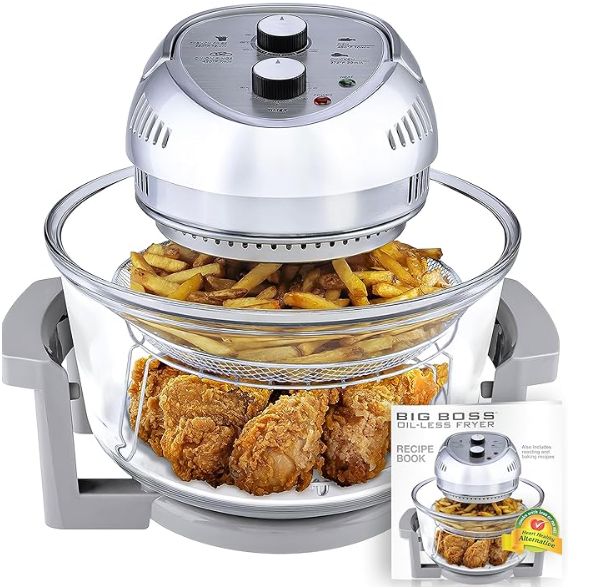
1. **Air Fryers**
Air fryers have become incredibly popular in kitchens worldwide, lauded for their ability to quickly cook and warm a wide variety of foods, from full meals to delicious side dishes, with less oil. They offer a convenient and healthier alternative to traditional frying, making them a go-to appliance for many busy households. However, their convenience masks a significant electrical demand that makes them incompatible with extension cords or power strips, posing a serious safety risk.
The reason for this warning lies in their wattage. While sizes vary, larger air fryers are powerhouses, capable of drawing up to an astonishing 2,000 watts of electricity. This substantial power draw, when routed through a standard extension cord, can quickly overload the cord, causing it to overheat dangerously. Such overheating is a major fire hazard, capable of melting insulation and potentially igniting nearby materials.
To ensure safety, it’s vital to treat your air fryer with the respect its power demands. If you don’t have permanent counter space to keep your air fryer plugged in full-time, the best practice is to only bring it out when you intend to use it. Every single time, plug it directly into a dedicated wall outlet. This ensures it receives the stable and sufficient power it needs without putting undue stress on your home’s electrical system or risking an electrical incident.
Read more about: Mark Cuban’s Ultimate Playbook: 14 Passive Income Streams Billionaires Use to Build Lasting Wealth
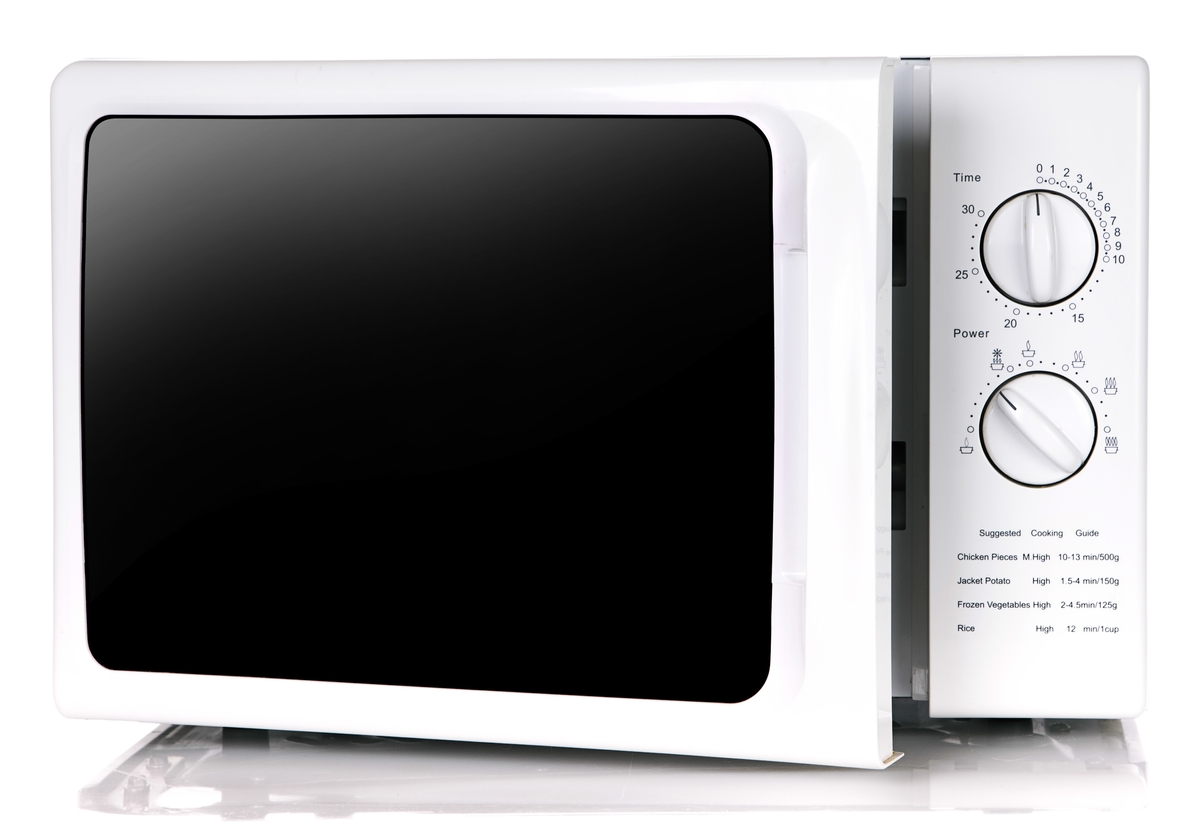
2. **Microwaves**
Microwaves are another ubiquitous kitchen appliance, integral to quick meal preparation and reheating. Many modern homes are equipped with built-in microwave units, but for those who rely on countertop models, finding a suitable connection point is crucial. Despite their compact appearance, microwaves are undeniably heavy-duty appliances, demanding a substantial amount of power to operate efficiently and safely, which makes them entirely unsuitable for use with extension cords.
The high wattage of a microwave dictates that it should reside on its own dedicated circuit. Even a smaller countertop model can easily consume over 1,000 watts of power when actively running. The internal magnetron, responsible for generating the electromagnetic waves that cook your food, relies on a stable and consistent current to function correctly. When plugged into an extension cord, the voltage can fluctuate, which not only heats the cord to unsafe levels but also risks causing sparks and tripping your circuit breaker.
Electricians consistently advise that microwaves must always have their own dedicated outlet. Ideally, this outlet should be part of a kitchen circuit specifically designed to handle high-wattage appliances, ensuring the microwave receives the stable power it requires without overloading the system. Prioritizing this direct connection is a simple yet essential step to prevent potential electrical hazards and ensure the longevity and safe operation of your microwave.
Read more about: Hollywood’s Most Egregious Scientific Blunders: 14 Blockbusters That Got Science Totally Wrong
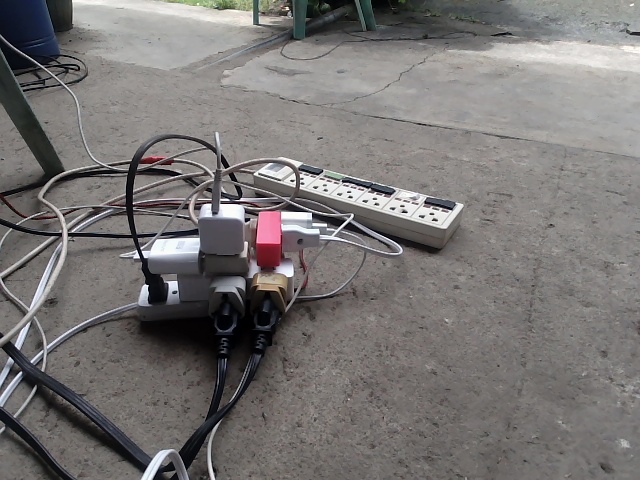
3. **Extension Cords (Daisy Chaining)**
While extension cords are designed to provide temporary power solutions, there’s a critical misuse practice that electricians universally condemn: “daisy chaining.” This refers to the dangerous act of plugging one extension cord into another extension cord, or even plugging a power strip into an extension cord, creating a chain of power delivery devices. This practice might seem like a clever way to extend reach, but it dramatically escalates electrical risks within your home.
The fundamental danger of daisy chaining lies in the increased electrical load and decreased resistance it introduces. Each connection in a daisy-chained setup adds resistance, and as current flows through this extended, multi-layered pathway, heat rapidly builds up. This can lead to the circuit overheating, and subsequently, the cords themselves becoming dangerously hot. Paul Martinez clearly states that “daisy chaining” “can lead to the circuit overheating, which would cause the cords to overheat and lead to a fire.”
Beyond the immediate fire hazard, daisy chaining can also lead to circuit shorts and significantly increase the risk of serious electric shock. Extension cords are manufactured to handle specific loads for temporary use, and stacking them together far exceeds their designed capacity. The National Electrical Code (NEC) specifically states that flexible cords like extension cords are not a substitute for permanent wiring and “must not be run through walls, ceilings, floors, or doorways.” Always use a single, appropriately rated extension cord for temporary, low-voltage needs, and never connect them in sequence.

4. **Space Heaters**
As temperatures drop, space heaters become a popular way to warm up individual rooms, offering a quick and localized heat source. However, electric space heaters have a long and unfortunate history of being a major cause of residential fires, and their misuse with extension cords is a primary culprit. The Consumer Product Safety Commission (CPSC) estimated a sobering statistic: between 2017 and 2019, portable space heaters were involved in an average of 1,700 fires per year, with some of those incidents tragically resulting in fatalities.
The immense power draw of space heaters is the core of the problem. These devices typically pull between 1,500 and 1,800 watts, which is nearly the maximum capacity most residential wall outlets can safely handle. When this level of current is forced through an extension cord, especially one that might be thinner or not rated for such high amperage, it creates significant electrical resistance. This resistance generates intense heat within the cord itself, leading to rapid degradation.
Paul Martinez vividly describes the consequence: “Let’s say you connect [an extension cord] to a floor heater… the plug melts and it starts a fire.” The heat generated can melt the cord’s insulation, age the wiring prematurely, and ultimately ignite a fire. Firefighters frequently identify the improper use of extension cords with space heaters as one of the top causes of winter house fires. For your safety, space heaters must always be plugged directly into a dedicated wall outlet, ensuring they receive power from a robust and uncompromised source.
Read more about: Honda’s $30K Bet: Unpacking the Game-Changing EV Aiming to Redefine Affordable Electric Mobility in America
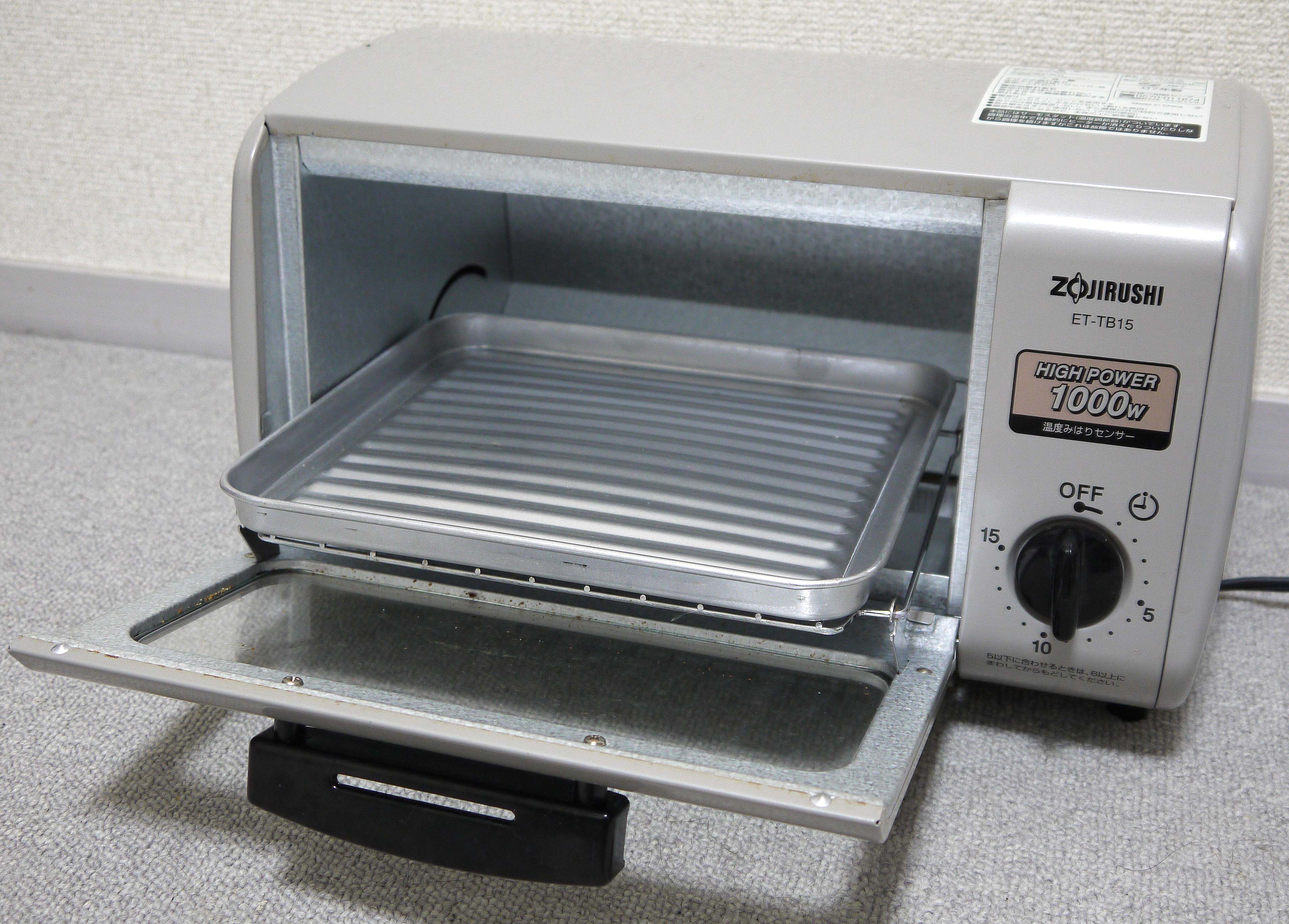
5. **Toasters and Toaster Ovens**
Though they might appear as unassuming small kitchen appliances, toasters and toaster ovens are surprisingly high-energy consumers, packing a powerful punch in a compact form. The instant warmth they provide, perfect for golden-brown toast or quickly reheating a snack, relies on heating elements that demand a substantial burst of electricity the moment they are activated. This high current draw means they pose a significant fire threat if connected to an extension cord or power strip.
Toaster ovens, in particular, require even more power to operate effectively, with their wattage typically ranging from 1,200 to 1,400 watts. Paul Martinez highlights a common knowledge gap, stating, “A lot of people don’t have knowledge of extension cords.” He explains that a common 14-gauge extension cord, while capable of handling up to 1,800 watts or 15 amps, “will not hold the amperage” for an appliance with a heating element like a toaster oven or microwave. This insufficient capacity causes the cord to overheat and “can burn up the extension cord,” which Martinez notes “causes fires in New York City.”
Essentially, when you press down on a toaster lever, its coils draw an intense, brief surge of power. This powerful burst has a high chance of overpowering an inadequately rated extension cord, causing it to heat up very quickly, often faster than you might notice. Numerous house fires have tragically originated from seemingly minor toasters being plugged into extension cords that were simply unable to support their load. To ensure both your kitchen’s safety and the consistent performance of these appliances, they should always be plugged directly into a dedicated wall outlet.
Read more about: The Ultimate Guide to Choosing the Best Toaster Oven: From Toast to Air Fryer
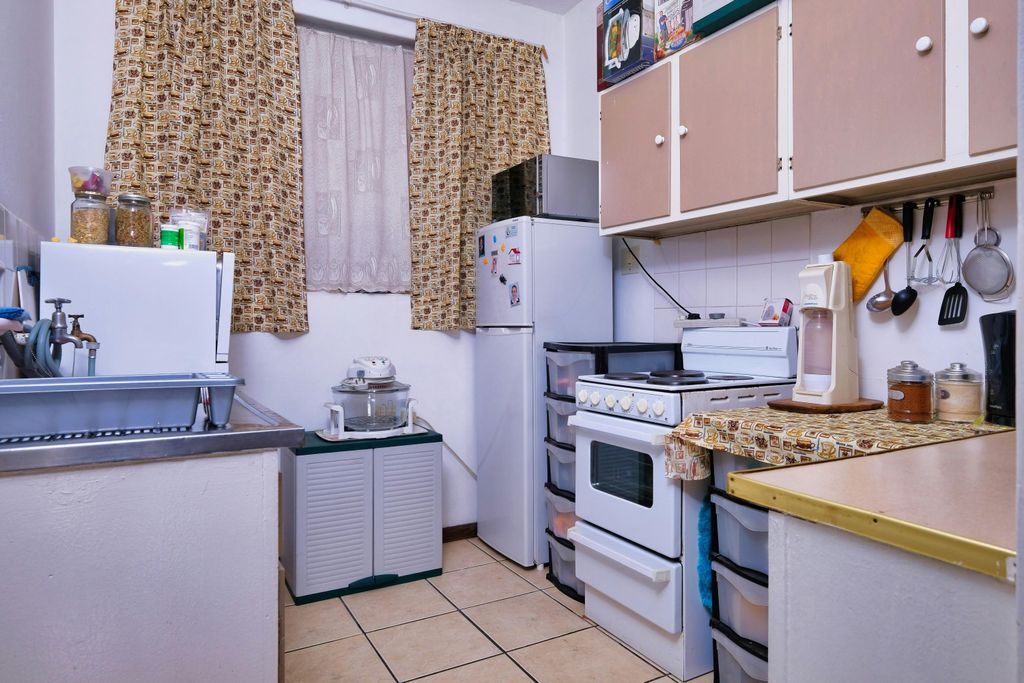
6. **Refrigerators**
Refrigerators are indispensable appliances, working tirelessly around the clock to keep our food fresh and safe. While their wattage — typically ranging from 300 to 800 watts — might seem lower than some other kitchen powerhouses, they are still emphatically not recommended for use with extension cords. The critical factor here is not just instantaneous power draw, but their *continuous operation*. A refrigerator runs non-stop, requiring a stable and consistent power supply at all times, making extension cord use a substantial risk.
The internal motorized compressor of a refrigerator is designed to cycle on and off throughout the day and night. Each time it kicks into action, it demands a surge of heavy power. If this power surge is supplied via an extension cord, there’s a strong possibility of a voltage drop. This drop places immense strain and pressure on the compressor, forcing it to work harder and potentially causing it to overload. Over time, this repeated stress can lead to the premature burnout of the motor, significantly reducing the life of your refrigerator.
Even if an extension cord doesn’t immediately cause a fire when attached to a fridge, the unstable connection can lead to the appliance malfunctioning or failing to maintain optimal temperatures, jeopardizing your food. Crucially, the extension cord itself is also at risk of overheating due to the continuous load. For reliable performance and the prevention of both appliance damage and fire hazards, a refrigerator must always be plugged directly into a dedicated wall outlet, ensuring it receives the stable, unbroken power it requires for its constant operation.
Read more about: So You’re Driving a Brand-New Minivan? Here’s What Fellow Parents Are *Really* Thinking About Your Smart Ride.
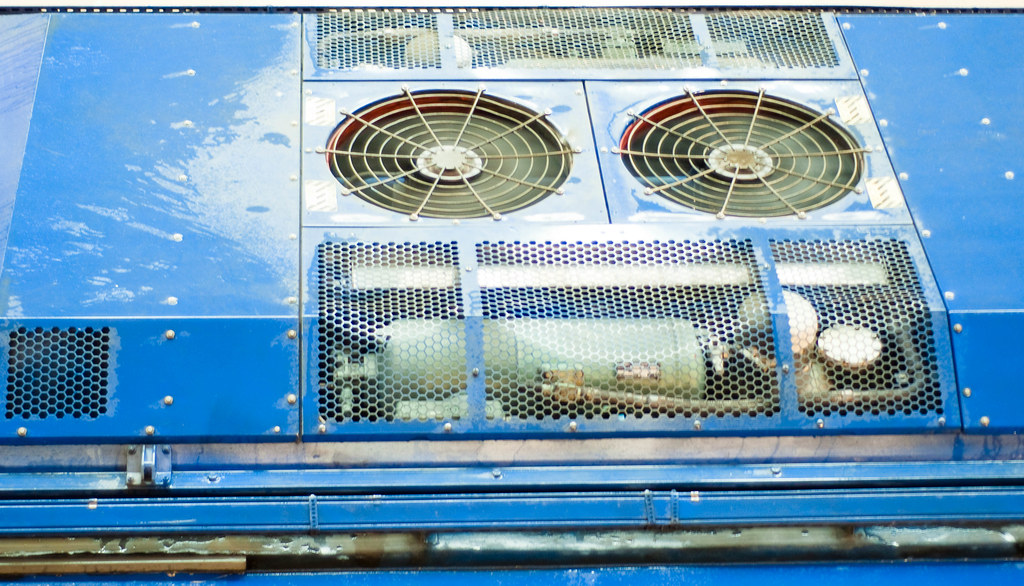
7. **Air Conditioning Units**
When summer heat descends, air conditioning units become vital for maintaining comfortable indoor environments. However, these powerful cooling systems are among the most demanding appliances in your home when it comes to electricity consumption, and they absolutely require a direct connection to a wall outlet. Plugging an air conditioner into an extension cord is a practice fraught with danger and highly discouraged by electrical experts.
Air conditioning units, whether window-mounted or portable, draw an enormous amount of power, primarily due to their compressors and fans. These components cycle on and off continuously, generating significant bursts of current that standard extension cords are simply not designed to accommodate. An undersized or overly long extension cord will immediately overheat when subjected to the intense power demands of an air conditioner, creating an imminent fire hazard. Some manufacturers even explicitly forbid the use of extension cords with their AC units due to these serious risks.
Beyond the immediate fire danger, Paul Martinez also emphasizes the importance of selecting the correct BTU unit for your space. He notes that “People just buy a 5,000 BTU air conditioner, because it’s $99 on sale, and they think it’s going to cool off (their home), and it does not.” An undersized unit forces the compressor to work “10 times harder,” leading to inefficient cooling, a higher electricity bill, and significantly increasing the risk of overheating and fire if connected to an extension cord. Always ensure your AC unit is appropriately sized and plugged directly into a dedicated wall outlet for safe and effective operation.
Continuing our crucial safety review, we now turn our attention to additional everyday appliances and equipment that, despite their familiar presence in our homes, also pose significant electrical hazards when used with extension cords. From your morning routine essentials to laundry and fitness gear, understanding these risks is paramount for safeguarding your home and ensuring optimal appliance performance. The importance of direct wall connections cannot be overstated for these items, reinforcing the message that convenience should never come at the cost of safety.
Read more about: Built to Outlast: 14 Ultra-Durable SUVs That Mechanics Rarely See in 2025 and Beyond

8. **Hair Dryers**
It might come as a surprise to many, but that everyday appliance you use to get ready in the morning, your hair dryer, is actually a significant electrical power consumer. While these devices are typically only in operation for a few minutes at a time, their brief bursts of activity demand an astonishing amount of electricity. Hair dryers commonly operate within a range of 1,200 to 1,875 watts, a power level that pushes close to the absolute maximum capacity most standard home circuits can safely handle.
The core issue lies in this substantial power draw. When you connect a hair dryer to an extension cord, especially one that may be thinner or not adequately rated for such heavy loads, you’re forcing this intense electrical current through an insufficient pathway. This mismatch isn’t just inefficient; it transforms the extension cord into a literal heating coil, causing its internal wires to rapidly generate excessive heat. This buildup of heat is incredibly dangerous and can quickly lead to the degradation of the cord’s insulation.
Over time, or even in a single instance if the load is too high, this heat can melt the plastic sheathing around the wires, exposing live conductors and creating a significant fire risk. Such incidents are not uncommon, highlighting the critical importance of respecting the power demands of even seemingly innocuous appliances. The convenience of an extension cord in the bathroom, reaching a mirror that’s just a bit too far from the wall outlet, simply doesn’t outweigh the serious potential for an electrical fire.
Electricians are unequivocal on this point: hair dryers must always be plugged directly into a grounded bathroom outlet. These dedicated outlets are designed to safely handle the high amperage required by such devices, providing a stable and secure connection without overstressing your home’s electrical system. Prioritizing this direct connection is a simple, yet essential, step to ensure your personal grooming routine doesn’t inadvertently create a hazardous situation, protecting both your property and your peace of mind.
Read more about: Unlock the Hidden Hacks: Fixing Car Dents Without Suction Cups for the Savvy Owner
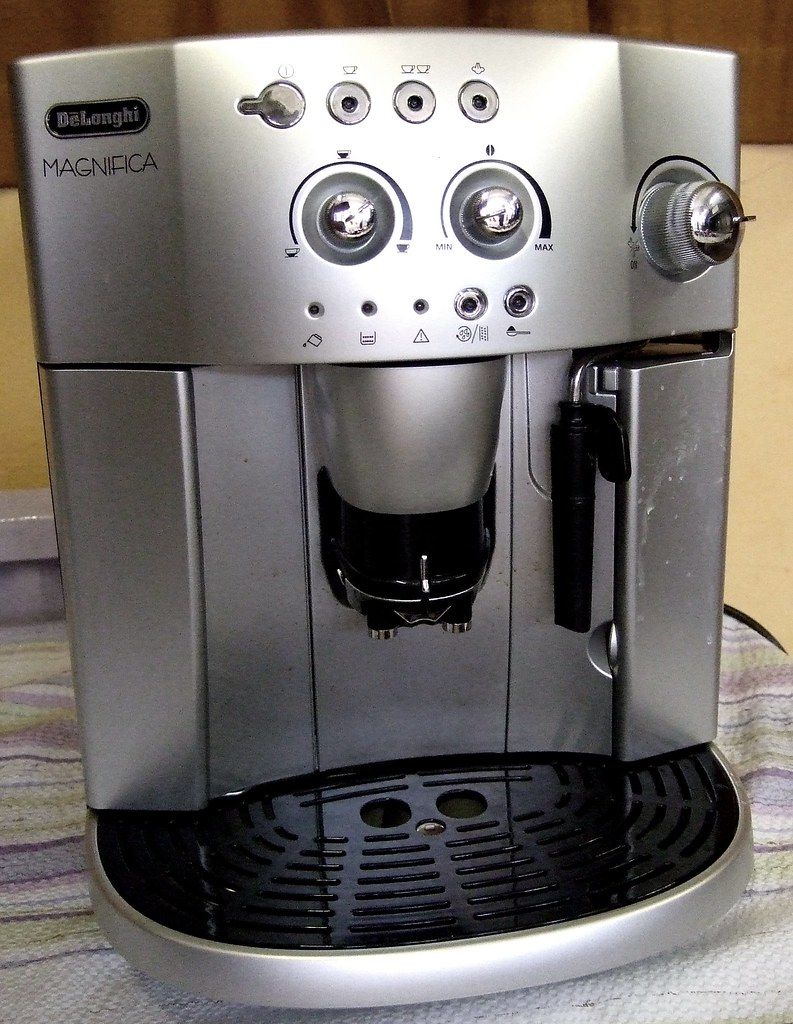
9. **Coffee Makers and Electric Kettles**
For many, the day doesn’t truly begin until a coffee maker has brewed that essential cup, or an electric kettle has rapidly heated water for tea. These beloved kitchen appliances, while seemingly innocuous due to their compact size, are actually major users of electricity, particularly because they rely on resistive heating coils to warm water. This process demands a heavy and constant current, placing a significant load on any power source they are connected to.
Despite their small footprint, the constant pull of energy required to warm water for your morning brew or a quick cup of tea is quite substantial, making them unsuitable for extension cord use. An extension cord, especially if it’s an older model, has thinner wires, or is not specifically rated for high wattage, will struggle to manage this sustained power demand. The continuous flow of heavy current will cause the cord to heat up steadily, potentially to dangerous temperatures.
The danger intensifies if the extension cord is looped, coiled, or tucked away under a rug, where there’s no adequate means for the heat to dissipate. This can accelerate the overheating process, leading to melted insulation, damaged wiring, and a very real risk of electrical fire. It’s easy to overlook such a common item, but the cumulative effect of constant energy draw on an unsuitable extension cord poses a silent, yet serious, threat within your kitchen.
To safeguard both your cherished morning coffee routine and the integrity of your house, these essential appliances are always best plugged directly into a dedicated kitchen outlet. This ensures they receive a stable, uncompromised power supply, allowing their heating elements to function safely and efficiently. Making this small adjustment can prevent potential hazards and keep your kitchen running smoothly, allowing you to enjoy your hot beverages worry-free.
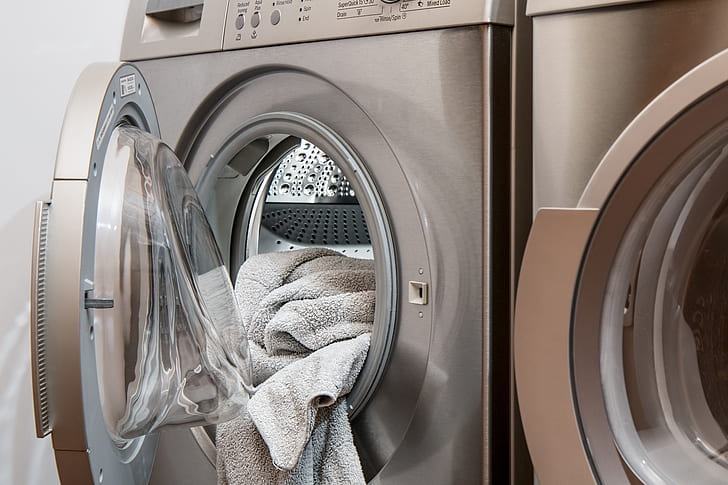
10. **Washing Machines and Dryers**
Our laundry rooms house some of the most power-hungry appliances in the entire home: washing machines and dryers. These indispensable machines are designed to handle significant electrical loads, even when plugged directly into their designated wall outlets. The complex cycles of a washing machine, involving motor operation for agitation and spinning, coupled with a dryer’s powerful heating element, demand a robust and dedicated power supply to function correctly and safely.
Given their inherent high power consumption, plugging such heavy-duty appliances into an extension cord introduces an extreme level of pressure on the electrical system. Extension cords are fundamentally not constructed for sustaining the heavy, continuous, and often surging loads that laundry appliances require. They are designed for temporary, low-voltage requirements, not as a permanent bridge for equipment that consumes massive amounts of electricity.
Neglecting this critical advice is a direct pathway to serious electrical dangers. An extension cord simply cannot provide the stable amperage needed for a washing machine or dryer, leading to immediate risks like overheating of the cord, tripping of circuit breakers, or, in the worst-case scenario, electrical fires. The immense power draw can overwhelm the cord, causing its insulation to melt and its internal wiring to become dangerously compromised.
For the longevity of your appliances and, more importantly, the safety of your home, washing machines and dryers must always be plugged directly into their specific, dedicated wall outlets. These outlets are typically on their own circuits, built to handle the substantial and sustained power demands of laundry tasks. Ensuring a direct connection is a non-negotiable step to prevent damage to your valuable appliances and to avoid hazardous electrical incidents.
Read more about: The Hidden Costs: Unmasking the Real Reasons Your Electric Bill Exploded After Bringing Home an EV
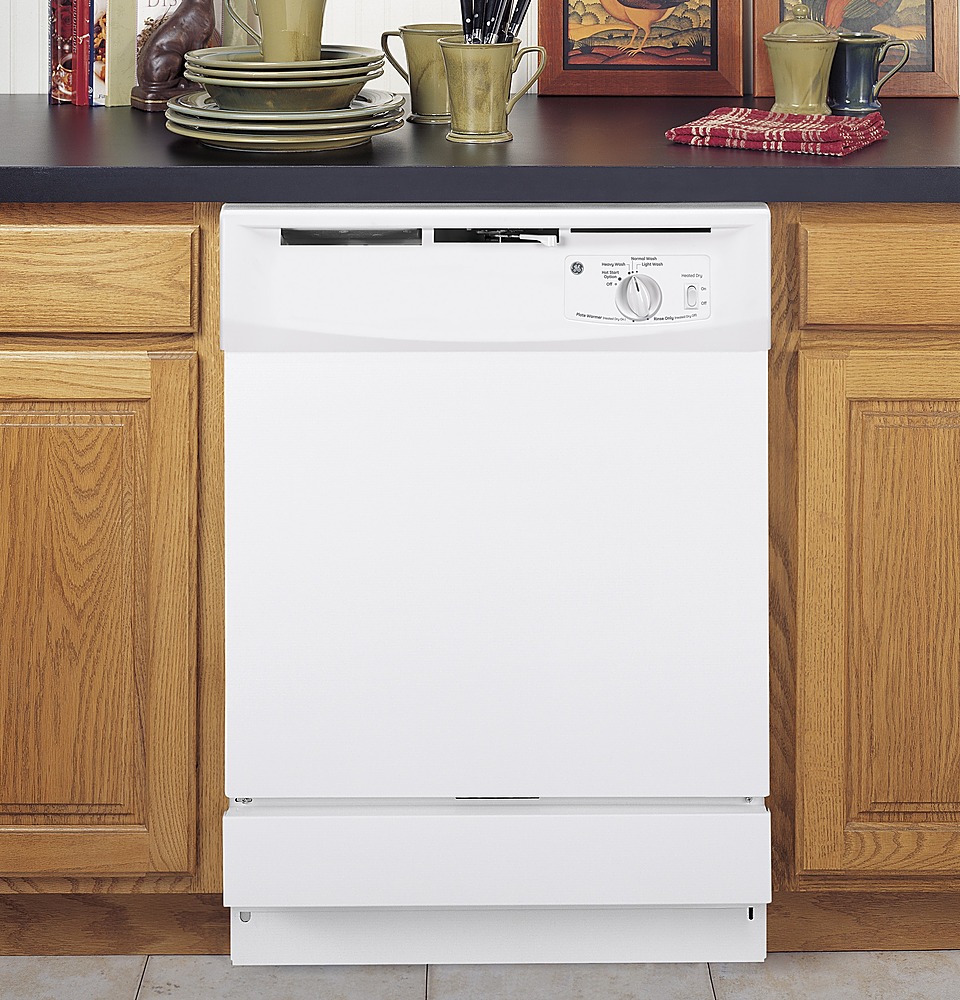
11. **Dishwashers**
Whether you rely on a built-in unit or a portable model, dishwashers are powerful kitchen workhorses that utilize strong pumps and internal water-heating components to get your dishes sparkling clean. During a typical wash cycle, these components activate, drawing a heavy current for extended periods. This combination of high power and prolonged operation makes dishwashers particularly unsuitable for use with extension cords, presenting a range of potential risks.
When a dishwasher’s significant electrical demands are routed through an extension cord, the voltage supply can sag. This drop in voltage has several negative consequences, from causing inferior cleaning performance and disrupting wash cycles to, more alarmingly, the extension cord itself overheating and potentially burning. As Paul Martinez, an expert in the field, points out, a common 14-gauge extension cord, despite being rated for up to 1,800 watts or 15 amps, “will not hold the amperage” for an appliance with a heating element like a dishwasher. This insufficient capacity is a known cause of fires.
Beyond the immediate fire hazard, repeated voltage fluctuations and an unstable connection can gradually damage the sensitive wiring within the dishwasher itself. This can lead to premature appliance failure, costly repairs, or a significantly reduced lifespan for your unit. The machine’s intricate internal components are designed to operate under stable electrical conditions, which an extension cord simply cannot guarantee for such a demanding appliance.
For optimal reliability and safety, electricians strongly advise that dishwashers should either be hardwired directly into the home’s electrical system or connected directly to their own dedicated wall outlet. This ensures a consistent, adequate power supply capable of handling the unit’s high energy consumption during its wash cycles. Taking this preventative measure is a crucial step in maintaining a safe kitchen and ensuring your dishwasher operates effectively for years to come.
Read more about: Hollywood’s Hottest Addresses: 12 Jaw-Dropping Celebrity Real Estate Sagas, From Mountain Mansions to Malibu Retreats!

12. **Slow Cookers and Instant Pots**
Slow cookers and Instant Pots have revolutionized meal preparation, allowing us to effortlessly create delicious dishes with minimal fuss. However, a common misconception is that these appliances are safe to operate on extension cords, primarily because they don’t appear to draw as much instantaneous power as, say, a microwave or an electric stove. This assumption overlooks a critical factor: the sheer duration of their operation.
The fundamental issue with using extension cords for slow cookers and pressure cookers lies in the extended amount of time they spend in use. These devices are designed to operate for hours straight, sometimes even an entire day, to perfectly cook a meal. This means the extension cord is tasked with supporting a constant, sustained electrical load for a much longer period than it is truly intended to deal with. Unlike temporary power bursts, this continuous draw is what creates the hazard.
That prolonged, continuous load inevitably leads to a gradual but steady heating of the extension cord. Over time, this cumulative heat can significantly weaken the insulation around the cord’s wires, making it brittle and susceptible to damage. This degradation can develop into a concealed fire threat, often unnoticed until it’s too late. The cord might feel only slightly warm to the touch, masking the internal stress and potential for failure.
Even though the idea of extending the reach of these convenient kitchen tools might seem handy, prioritizing safety means always plugging them directly into a dedicated wall outlet. This ensures that your slow cooker or Instant Pot receives its necessary power from a stable source, designed to handle prolonged electrical demands, thereby preventing overheating and safeguarding your home from potential electrical incidents.
Read more about: Out of Style but Not Out of Our Hearts 15 Vintage Items We Wish Would Return

13. **Treadmills and Exercise Equipment**
In today’s active households, treadmills, elliptical trainers, and other motorized exercise machines are increasingly common. While incredibly beneficial for personal fitness, these pieces of equipment are also significant electrical devices that demand a considerable amount of power, especially during their initial startup surges. This high power requirement makes them particularly vulnerable to issues when connected via an extension cord.
The motors in these machines require an enormous burst of current to get going. If they don’t receive an adequate and stable flow of electricity—a common problem when plugged into an extension cord—the motor will immediately strain and struggle. This struggle leads to rapid overheating within the motor itself, which can potentially cause it to short out. Not only does this scenario pose a fire risk from the overheated motor, but it can also inflict severe and often irreparable damage to the machine’s internal components.
Beyond the harm to the exercise equipment, which often includes ruining the expensive control board, the extension cord itself is also at high risk of overheating due to these sudden, intense pulls of power. An undersized or improperly rated cord will quickly become hot, degrade its insulation, and present a direct fire hazard in your home. The dynamic and high-demand nature of motorized exercise equipment is simply incompatible with the temporary and limited capacity of most standard extension cords.
For the safe and reliable operation of any exercise equipment, it is absolutely essential that it always be powered by a dedicated, grounded receptacle. This ensures that the machine receives the consistent and robust current it needs without overstressing your home’s electrical system or compromising safety. Investing in proper outlet access for your fitness gear is an investment in both your health and the security of your home.
Read more about: Under-Desk Treadmills: A Deep Dive into Benefits, Usage, and Whether They Outperform a Daily Stroll
The bottom line on extension cords from our expert, Paul Martinez, remains clear: never use them with any “appliances whatsoever.” He further advises that your average home extension cords are not suitable for anything above 15 amps or 1,800 watts, regardless of the device’s function. Power strips and surge protectors, while useful, should be strictly reserved for electronics only. We understand that finding enough wall outlets in modern homes can be a challenge. In situations where you consistently lack outlets, consider consulting an experienced electrician. They can safely install additional outlets or dedicated circuits to accommodate your high-energy appliances. While shortcuts might appear convenient in the short term, compromising electrical safety can lead to the loss of costly appliances, or far worse, your home. Always prioritize safety, and remember this fundamental rule: plug these essential devices directly into the wall.