When we think about maintaining our vehicles, a common impulse is to seek out products that promise to enhance performance or extend the life of our engines. Fuel additives, with their enticing claims of improved efficiency, system cleaning, and power boosts, often seem like an easy and affordable solution. These products are readily available, promising a quick fix for common automotive woes, leading many drivers to incorporate them into their regular maintenance routines with good intentions.
However, the world of fuel additives is far more complex than it appears on the surface. While a select few modern formulations, particularly those utilizing advanced polyetheramine (PEA) detergents, have demonstrated genuine benefits in cleaning engine components and mitigating debris buildup, a significant number of popular additives carry inherent risks. The stark reality is that the chemical composition of many of these supposedly beneficial concoctions is simply not compatible with all engine designs, and their prolonged or incorrect use can unleash a cascade of adverse effects.
Adding the wrong type of fuel additive to your tank is akin to introducing a foreign, potentially destructive substance into a finely tuned machine. This can lead to a litany of problems, ranging from subtle reductions in engine efficiency and increased emissions to severe, long-term damage, necessitating expensive repairs that far outweigh any perceived short-term gain. Understanding the specific dangers associated with certain common additives is not just a matter of optimizing performance; it’s about safeguarding your investment and preventing unexpected engine troubles down the road. This article will meticulously explore five such additives that, based on their documented detrimental effects, millions of drivers should cease using immediately to protect their vehicle’s health.
1. Octane Boosters
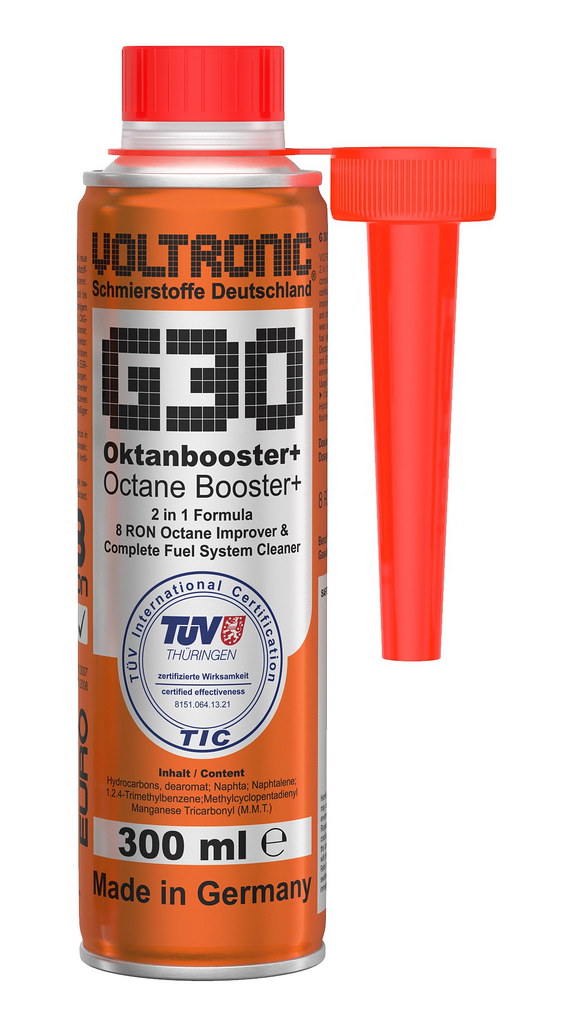
Octane boosters are frequently marketed to drivers seeking an edge in engine performance, with the primary aim of elevating the fuel’s octane rating. This increase is intended to reduce engine knocking and improve combustion, particularly in high-compression engines that are specifically designed to benefit from higher-octane fuels. The allure of unlocking greater power or smoother operation can be quite strong, leading many to believe that more octane invariably equates to better performance for any vehicle.
Yet, the reality of octane boosters is often far removed from their marketing promises for most standard consumer vehicles. The chemicals employed to achieve this octane increase are frequently harsh and can be highly detrimental to an engine’s sophisticated systems. A prime example is MMT (methylcyclopentadienyl manganese tricarbonyl), a common ingredient in many boosters. While effective at raising octane, MMT leaves behind metallic deposits that can accumulate over time and cause significant harm to critical engine components.
The damage inflicted by these harsh chemicals extends directly to the catalytic converter and oxygen sensors, two vital parts of a modern vehicle’s emission control system. The catalytic converter, responsible for converting harmful pollutants into less toxic gases, can become clogged and rendered ineffective by MMT deposits. Similarly, oxygen sensors, which meticulously monitor the exhaust gases to optimize fuel-air mixture, can be fouled, leading to inaccurate readings and compromised engine management. This not only increases harmful emissions but also diminishes overall engine efficiency.
Furthermore, the frequent or incorrect application of octane boosters can lead to the formation of undesirable deposits within the combustion chamber itself. This carbon buildup acts as an insulator, altering combustion characteristics and potentially causing pre-ignition or knocking, ironically the very problem octane boosters are meant to prevent. Such deposits reduce engine efficiency, leading to decreased fuel economy and an increased propensity for misfires. For engines that are not specifically engineered for higher-octane fuel, the use of these boosters can often result in more harm than good, proving to be a costly and counterproductive habit.
Read more about: Unlocking Instant Power: 8 Essential DIY Upgrades for Your Car’s Performance

2. Ethanol
Ethanol has become a ubiquitous component in modern gasoline blends, primarily due to its role in reducing emissions and serving as a renewable fuel source. Commonly found in formulations like E10 (10% ethanol) across many pumps, its widespread use is driven by environmental regulations and a push for cleaner-burning fuels. However, as the concentration of ethanol increases, particularly in blends such as E15 (15% ethanol) or E85 (85% ethanol), the potential for adverse effects on certain engines escalates dramatically, moving beyond simple environmental benefit to a significant mechanical risk.
The fundamental issue with higher concentrations of ethanol lies in its hygroscopic nature. This means ethanol readily absorbs moisture from the surrounding air, drawing water into the fuel system. Over time, this absorbed water can accumulate within the fuel tank and lines, creating an environment ripe for corrosion. Components such as fuel lines, fuel injectors, and other metallic parts that are constantly exposed to this ethanol-water mixture become highly susceptible to rust and deterioration. This corrosion can lead to fuel leaks, blockages, and compromised fuel delivery, directly impacting engine performance and reliability.
Beyond its affinity for water, ethanol also exerts a drying effect on specific non-metallic materials commonly found in older fuel systems. Rubber seals, gaskets, and various plastic components are particularly vulnerable to this drying action. As these parts lose their elasticity and become brittle, they are prone to cracking, shrinking, or otherwise failing prematurely. Such wear can result in critical fuel leaks, a loss of fuel pressure, and a myriad of performance issues, often requiring expensive repairs to replace damaged components that were not designed to withstand ethanol’s aggressive properties.
For many older engines or vehicles that were manufactured before the widespread adoption of higher ethanol blends, these effects are even more pronounced. Their fuel systems were not constructed with ethanol’s corrosive and drying characteristics in mind, making them highly susceptible to accelerated wear and damage. Drivers of such vehicles may experience a range of performance issues, including rough idling, reduced power, poor fuel economy, and persistent engine misfires. In the long term, continued use of high-ethanol fuels in incompatible engines can lead to catastrophic damage, underscoring the critical need for drivers to verify their vehicle’s compatibility before opting for such blends.
Read more about: Beyond the Pump: Unveiling the Unexpected Fuel Sources Powering Our Future
3. Lead Additives
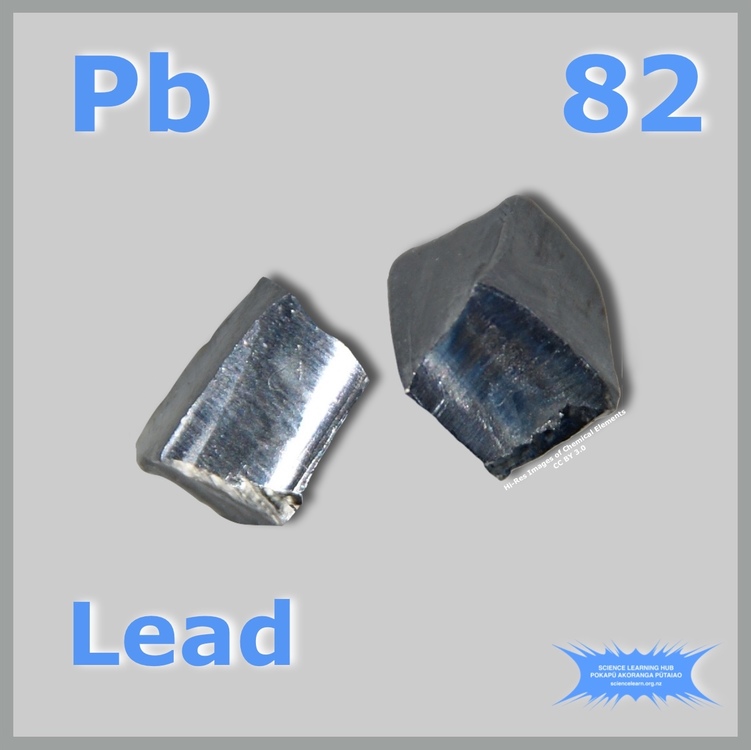
Historically, lead additives were a common staple in gasoline formulations, primarily valued for their ability to reduce engine knocking. Tetraethyl lead, in particular, was widely used to enhance the octane rating of fuel, allowing engines to run at higher compression ratios without suffering from destructive pre-ignition. For decades, leaded gasoline was the norm, playing a crucial role in the design and operation of countless internal combustion engines. However, this era has largely concluded, with lead additives being almost entirely phased out of conventional gasoline production across much of the world due to overwhelming environmental and health concerns.
The discontinuation of leaded gasoline and lead additives was a landmark decision driven by scientific understanding of lead’s severe toxicity. Modern engines, designed in an era of unleaded fuel, are unequivocally not built to accommodate lead-based additives. Their intricate fuel systems and exhaust after-treatment devices are highly sensitive to even trace amounts of lead. Introducing lead into a modern engine is a direct pathway to significant and costly damage, rendering many of its advanced components inoperable and potentially destroying the engine itself.
One of the most immediate and severe consequences of using lead additives in a modern vehicle is the irreparable harm to the catalytic converter. This essential emission control device relies on a finely tuned ceramic honeycomb coated with precious metals to convert noxious gases into less harmful substances. Lead, upon combustion, deposits directly onto these catalyst surfaces, effectively poisoning them. Once contaminated, the catalytic converter loses its ability to function, leading to a drastic increase in harmful emissions and a failure to meet environmental standards. Furthermore, these lead deposits can accumulate on critical engine components such as spark plugs, valves, and pistons. This buildup interferes with their proper operation, reducing engine efficiency, promoting misfires, and accelerating wear on internal parts.
Beyond the direct mechanical damage, the environmental and health consequences of lead emissions are profound. Lead is a potent neurotoxin, and its release into the atmosphere from vehicle exhaust has been linked to numerous public health crises, particularly affecting children’s cognitive development. The widespread elimination of leaded fuel has been a monumental public health achievement. Consequently, the use of lead additives in any form is not only destructive to your vehicle but also represents a regressive step that contributes to the reintroduction of a highly dangerous pollutant into our environment. For these compelling reasons, lead additives should be strictly avoided by all drivers.
Read more about: The Essential DIY Car Maintenance Tasks That Can Save You $3,000 (Or More!) In Repairs

4. Acetone
The realm of fuel additives is replete with various claims, some of which are based on anecdotal evidence rather than scientific rigor. One such belief, surprisingly persistent among some circles, suggests that adding acetone to gasoline can magically improve fuel efficiency. The rationale often put forth is that acetone enhances the fuel’s vaporization properties, leading to a more complete and efficient burn within the engine’s combustion chambers. However, this purported benefit is overshadowed by the very real and severe risks associated with introducing such a potent chemical into a meticulously engineered fuel system.
Acetone is, at its core, a highly aggressive solvent. While this characteristic might lead some to assume it could ‘clean’ the fuel system, its corrosive nature is actually its most dangerous attribute when it comes to automotive applications. Modern fuel systems rely on a complex array of rubber seals, gaskets, and plastic components to maintain integrity and prevent leaks. These materials are carefully chosen for their specific resistance to gasoline and other standard petroleum products. Acetone, however, is a different beast entirely, and these components are simply not designed to withstand its chemical onslaught.
Prolonged exposure to acetone causes these critical rubber and plastic parts to degrade, soften, swell, or even dissolve. This leads to a catastrophic breakdown of the fuel system’s integrity. Leaks can develop in fuel lines, around injector seals, or within the fuel pump, creating not only a fire hazard but also compromising the entire fuel delivery mechanism. The initial, subtle damage can quickly escalate, leading to significant fuel loss and a drastic reduction in fuel pressure, which directly impacts engine performance. A compromised fuel system struggles to deliver fuel efficiently and consistently, leading to reduced power, erratic idling, and overall diminished vehicle operation.
Furthermore, acetone’s aggressive nature can profoundly disrupt the carefully calibrated combustion process within the engine. By altering the fuel’s vaporization in an uncontrolled manner, it can lead to an uneven fuel-air mixture, potentially causing misfires. An incomplete or irregular fuel burn places undue stress on engine parts, accelerating wear on pistons, valves, and cylinder walls. The cumulative effect of these issues means that any theoretical, minor improvement in vaporization is overwhelmingly negated by the severe and costly damage inflicted upon the fuel system and engine internals. For the longevity and safety of your vehicle, acetone has no place in your fuel tank.
Read more about: Paint Expert’s “Magical” Remedy: Effortlessly Erase Tree Sap Stains Without Damaging Your Car’s Clear Coat – A Popular Mechanics Guide

5. Methanol
Methanol, often recognized for its role in specialized racing fuels, carries an inherent allure of high performance and power. In controlled racing environments, engines are custom-built and meticulously tuned to handle methanol’s unique combustion properties and chemical aggressiveness. However, this suitability for professional racing applications does not translate to regular consumer vehicles. Introducing methanol into a standard gasoline engine is a perilous undertaking, with a high probability of causing significant and lasting damage, fundamentally because consumer vehicles are simply not designed to cope with its potent characteristics.
One of methanol’s most problematic traits, similar to ethanol, is its hygroscopic nature. Methanol possesses a strong affinity for water, readily absorbing moisture from the atmosphere. This ability to draw and hold water within the fuel system creates a highly corrosive environment. The presence of water, combined with methanol’s own chemical properties, accelerates the corrosion of metallic components within the fuel tank, lines, and injectors. This corrosion can lead to blockages, leaks, and a compromised fuel delivery system, directly impacting the engine’s ability to function reliably and efficiently.
The corrosive impact of methanol extends beyond just ferrous metals. It is notably aggressive towards aluminum, rubber, and plastic components, all of which are widely utilized in modern engine construction and fuel systems. Aluminum, often found in fuel pumps, carburetors (in older vehicles), and even engine blocks, can suffer from chemical erosion and pitting when exposed to methanol. Rubber seals and plastic parts, critical for maintaining the integrity of the fuel system, can degrade, become brittle, swell, or even dissolve. Such material degradation leads to critical fuel leaks and structural failures within the engine, posing both performance and safety risks.
Consequently, the prolonged use of methanol in a standard gasoline engine inevitably leads to a cascade of component failures. Fuel injectors can clog or seize, fuel pumps can fail, and fuel lines can rupture. The overall effect is a drastic reduction in fuel efficiency, erratic engine operation, and, in severe cases, catastrophic engine damage. The incompatibility of methanol with standard automotive materials and its propensity to attract water make it a clear and present danger to any consumer vehicle, reinforcing the unequivocal recommendation to keep this potent chemical far away from your regular fuel tank.
Having meticulously examined the initial five additives that pose significant risks to your vehicle’s health, our journey into the often-misunderstood world of fuel system chemistry continues. The dangers don’t end there; several other prevalent additives, each with its unique detrimental properties, are frequently found in fuel tanks across the nation, silently compromising engine longevity and performance. It is crucial for drivers to understand these additional threats to truly safeguard their automotive investment and avoid costly, unforeseen damages. We delve deeper into five more fuel additives that millions of drivers should unequivocally avoid, ensuring their vehicles remain reliable and perform optimally for years to come.
Read more about: The Next Generation Fuels: Unpacking the Controversial Alternatives Poised to Replace Gasoline in the Coming Decade

6. Diesel Additives in Gasoline Engines
It might seem obvious, but mixing fuels designed for different engine types can lead to significant problems, and using diesel fuel additives in a gasoline engine is a prime example of this incompatibility. These specialized additives are precisely formulated to enhance the unique combustion properties found within a diesel engine, which operates on entirely different principles than a gasoline counterpart. Introducing such a foreign substance into a system it was never designed for is an invitation to mechanical disaster.
The core issue lies in the fundamental differences in how diesel and gasoline engines ignite and combust fuel. Diesel additives attempt to optimize processes that simply do not occur in the same way within a gasoline engine. When these additives are mistakenly introduced, they disrupt the delicate balance of gasoline combustion, leading to an incomplete burn that is highly detrimental to engine health. This imbalance can manifest as noticeable engine knocking, which is a symptom of uncontrolled combustion that can quickly wear down internal components.
Beyond immediate performance issues, the consequences extend to critical emissions and ignition systems. Incomplete combustion from these incompatible additives can significantly increase harmful exhaust emissions, potentially causing your vehicle to fail environmental standards. Furthermore, these foreign chemicals can inflict damage on spark plugs, fouling them and reducing their ability to ignite fuel efficiently. The catalytic converter, a vital component for reducing pollutants, is also highly vulnerable to damage from these improperly combusted residues.
Ultimately, the use of diesel additives in a gasoline engine is not merely a minor oversight; it is a direct pathway to long-term engine degradation. This type of additive is fundamentally incompatible with gasoline engines, meaning there are no benefits to be gained, only risks to be incurred. Drivers must exercise extreme caution to ensure they are using products specifically designed for their vehicle’s fuel type to prevent irreversible harm and maintain their engine’s integrity.
Read more about: Road Warrior’s Ultimate Guide: Unmasking 7 Gas-Saving Myths and Unlocking 7 Proven Strategies to Slash Your Fuel Bill by 20%
7. Nitromethane
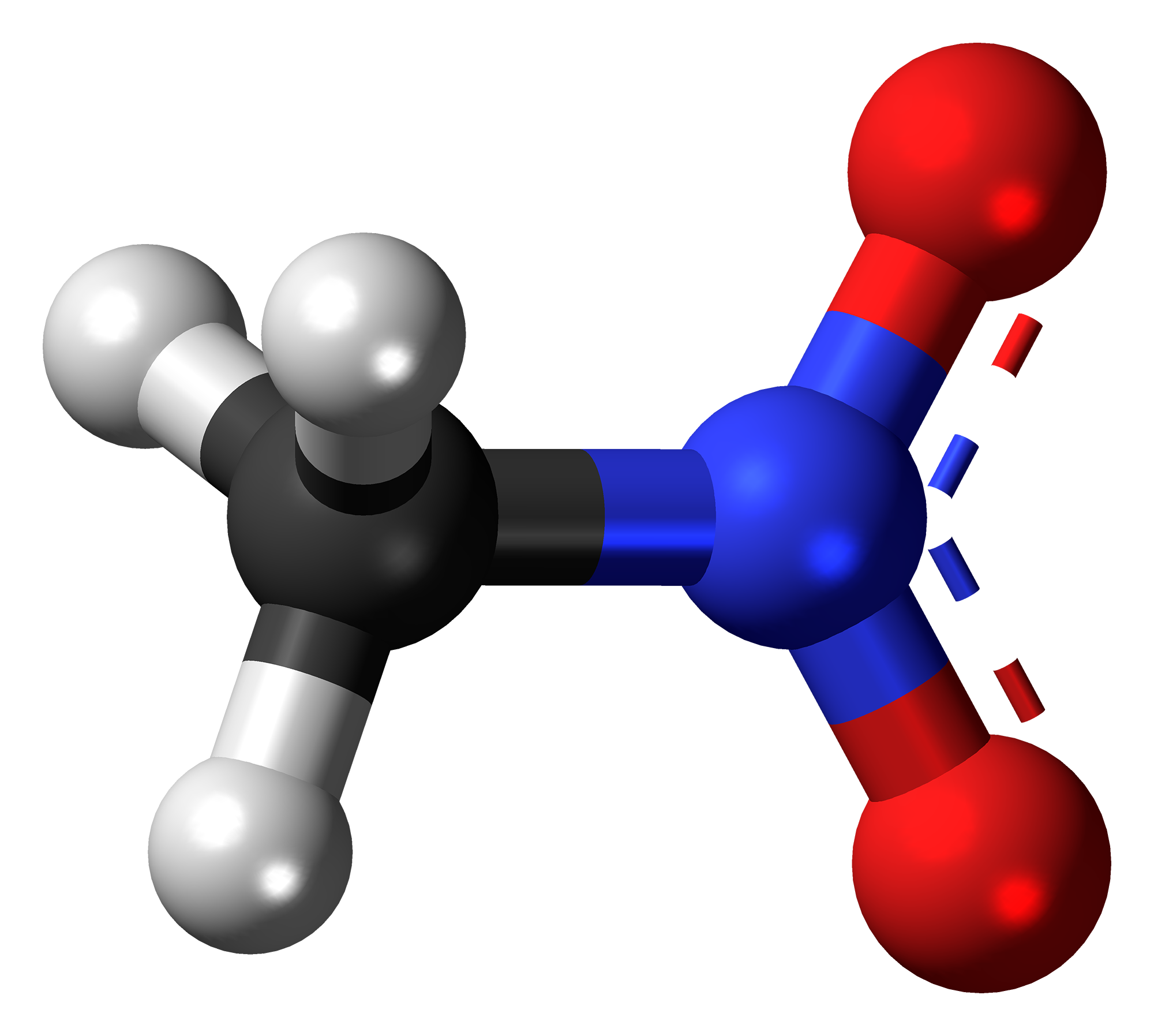
For enthusiasts of high-speed competition, nitromethane is a name synonymous with raw power and adrenaline, a potent additive popular in drag racing circuits. It dramatically increases the energy content of fuel, enabling a significant power boost that pushes engines to their absolute limits. However, the very characteristics that make it invaluable in a highly specialized racing environment render it exceptionally dangerous for use in a standard consumer vehicle. These engines are simply not built to withstand the forces unleashed by nitromethane.
The primary mechanism of nitromethane’s power boost involves creating extreme heat and pressure within the engine’s combustion chambers. While racing engines are custom-engineered with reinforced components and specialized cooling systems to cope with these conditions, a conventional passenger vehicle engine has no such resilience. The materials and design tolerances of a standard engine are entirely inadequate for the immense thermal and mechanical stress induced by nitromethane combustion.
The consequences of introducing nitromethane into an unprepared engine are swift and severe, often leading to catastrophic failure. The extreme heat and pressure can cause rapid wear on critical internal components like pistons, valves, and connecting rods, accelerating their degradation at an alarming rate. In many cases, these forces are so immense that they can lead to melted components or even crack the engine block itself, effectively destroying the engine. Such damage necessitates expensive, if not impossible, repairs.
It is unequivocal that consumer vehicles are not designed to handle such high-powered fuel. The slight thrill of a perceived power increase is overwhelmingly outweighed by the certainty of significant and potentially irreparable engine damage. For the longevity and safety of your vehicle, nitromethane is an additive that must be strictly avoided, reserved only for the meticulously controlled and purpose-built world of professional motorsport.
8. Chlorinated Additives
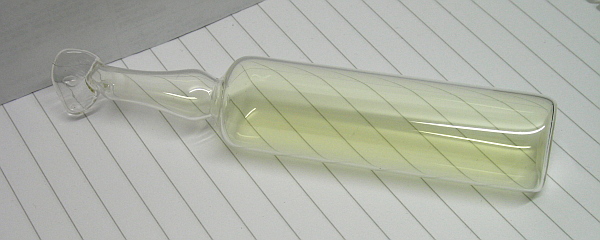
Among the myriad of performance-enhancing claims associated with fuel additives, some formulations subtly introduce chlorinated compounds, purportedly to increase the octane rating of gasoline. While a higher octane rating might sound appealing for engine performance, the inclusion of these chlorinated substances presents a severe and insidious risk to your engine’s long-term health. The initial benefit is quickly overshadowed by the destructive chemical processes they initiate within the fuel system and combustion chamber.
The fundamental danger of chlorinated additives stems from their ability to produce corrosive byproducts during combustion. When these compounds burn, they don’t simply vanish; they break down into aggressive corrosive agents. These agents then attack the metallic and non-metallic components that are vital for engine operation and integrity, silently eroding their structure over time. This chemical assault is far more damaging than any transient octane boost could ever justify.
The corrosive attack targets some of the engine’s most hardworking parts. Exhaust valves, which are constantly exposed to high temperatures and corrosive gases, can deteriorate rapidly, losing their sealing ability and leading to compression loss. Piston rings, crucial for maintaining cylinder pressure and oil control, can suffer similar degradation, resulting in increased oil consumption and reduced engine efficiency. Even the catalytic converter, a device designed to withstand harsh exhaust, can be severely compromised by these corrosive byproducts, losing its ability to convert harmful pollutants.
Furthermore, chlorinated additives significantly contribute to environmental harm by increasing emissions of highly toxic substances, notably hydrochloric acid. This not only exacerbates air pollution but also continues the corrosive cycle within the exhaust system, accelerating damage to components downstream. Given these documented risks, any short-term, questionable performance gain from chlorinated additives pales in comparison to the costly repairs and environmental damage they inevitably cause. Drivers should proactively seek out additives that are explicitly free of such harmful compounds.

9. Sulfur Additives
In the annals of automotive history, sulfur once played a role in gasoline formulations, primarily valued for its lubrication properties within early engine designs. However, the evolution of engine technology and a heightened awareness of environmental impact have rendered sulfur additives not only obsolete but actively detrimental. Modern engines are meticulously engineered for clean combustion, and the presence of sulfur, even in small amounts, can have far-reaching negative consequences that severely outweigh any historical benefit.
The shift away from sulfur in fuel was a critical development, particularly with the widespread adoption of catalytic converters. These advanced emission control devices, which are standard in virtually all modern vehicles, are highly sensitive to sulfur content. Sulfur acts as a poison to the precious metals coating the catalytic converter’s honeycomb structure, effectively reducing its ability to convert harmful gases into less toxic emissions. This leads to increased pollution and a potential failure of emission tests.
Beyond the catalytic converter, sulfur has a broader negative impact on overall engine efficiency and component longevity. Its presence can lead to a reduction in fuel efficiency, as the combustion process is compromised by the additional chemicals. Moreover, sulfur can contribute to the corrosion of various metal components throughout the fuel system. Fuel lines, pumps, and injectors, when continually exposed to sulfur-laden fuel, can experience accelerated wear and deterioration, ultimately leading to blockages, leaks, and costly repairs.
The long-term damage caused by sulfur additives underscores why they have been largely phased out of modern gasoline. Using additives with sulfur not only compromises the performance and lifespan of your engine but also reverses years of progress in reducing vehicular emissions. For these compelling reasons, consumers should be vigilant in avoiding any fuel additives that contain sulfur, ensuring their vehicle operates as cleanly and efficiently as intended by its manufacturer.
Read more about: Fuel Your Well-being: Some Essential Foods for Better Mood and Less Stress

10. Xylene and Toluene
Often discussed in certain circles as budget-friendly alternatives for increasing fuel octane, xylene and toluene are potent industrial solvents that some drivers might be tempted to add to their gasoline. While it is true that these chemicals can indeed boost the octane rating of fuel, their excessive or improper use in a vehicle’s fuel system comes with a significant array of severe risks that far outweigh any perceived benefit. Their aggressive solvent properties make them particularly ill-suited for the delicate components of modern engines.
Xylene and toluene are highly aggressive solvents, a characteristic that, while effective in industrial applications, becomes a serious liability within an automotive fuel system. Modern fuel systems rely on a complex interplay of rubber and plastic components, including seals, gaskets, and various tubing, to maintain their integrity and prevent leaks. These materials are carefully selected for their resistance to gasoline; however, they are simply not designed to withstand the harsh chemical attack of xylene and toluene.
Prolonged or concentrated exposure to these solvents can cause critical rubber and plastic parts to deteriorate, soften, swell, or even become brittle. This degradation inevitably leads to structural failures, such as fuel leaks developing in lines or around injector seals, creating a hazardous situation. Such damage directly compromises the fuel delivery mechanism, leading to reduced fuel pressure, erratic engine operation, and a dramatic decrease in overall performance and reliability.
Furthermore, the uncontrolled alteration of fuel properties by xylene and toluene can disrupt the engine’s carefully calibrated combustion process. This can lead to the formation of undesirable carbon buildup within the combustion chamber, which, ironically, can reduce engine performance and increase the risk of harmful engine knock and misfires—the very problems some drivers hope to mitigate with these boosters. Given their volatility and the significant safety hazards associated with their improper handling and use, xylene and toluene have no legitimate place in a consumer vehicle’s fuel tank, posing a clear and present danger to both the vehicle and its occupants.
The comprehensive analysis of these ten fuel additives provides a clear and authoritative guide for drivers seeking to protect their vehicles. From octane boosters that leave behind metallic deposits to aggressive solvents like xylene and toluene that degrade fuel system components, the risks are diverse yet consistently detrimental. The seductive promises of enhanced performance or efficiency often mask chemical incompatibilities that can lead to costly repairs, reduced engine life, and increased environmental harm.
Read more about: Breathe Easy! 14 Air-Purifying Plants That Thrive in Low Light, Making Your Home Healthier and Happier
Making informed decisions about what goes into your fuel tank is paramount. Relying on scientific evidence and expert recommendations, rather than anecdotal claims or outdated practices, is the best defense against inadvertently damaging your engine. By strictly avoiding these identified harmful additives and understanding your vehicle’s specific needs, you empower yourself to safeguard your automotive investment, ensuring optimal performance, longevity, and peace of mind on every journey.