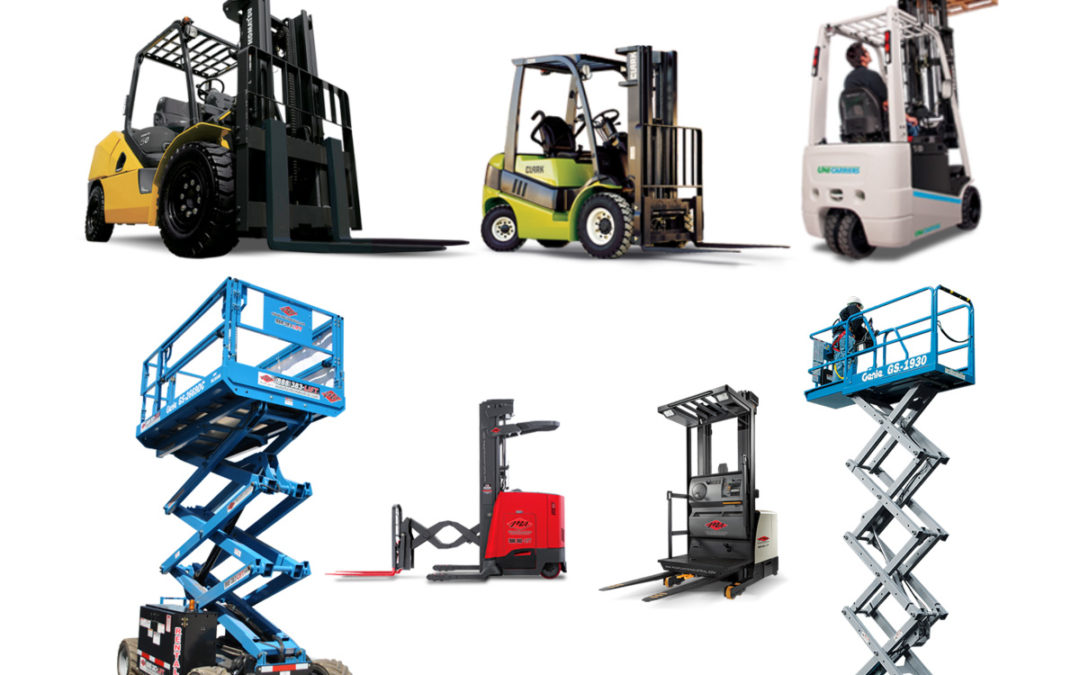

The world of material handling is a complex ecosystem, where the efficiency and safety of operations hinge significantly on the selection of the right equipment. Forklifts, those indispensable workhorses of warehouses, factories, and loading docks, come in a bewildering array of types and configurations, each designed to tackle specific challenges. For warehouse managers and forklift maintenance managers, the decision-making process is far from trivial; it impacts productivity, cost-effectiveness, and even the environmental footprint of an entire operation.
Navigating this intricate landscape requires a thorough understanding of each forklift’s unique capabilities, its power source, and the myriad factors that influence its real-world performance. This in-depth guide aims to cut through the complexity, offering a Consumer Reports-style evaluation of various forklift types and their associated power technologies. Our objective is to equip you with the knowledge needed to make informed purchasing decisions, ensuring your fleet is optimized for maximum output and safety, directly addressing the “hydraulic hurdle” of selecting ideal machinery.
We will embark on a detailed exploration, first examining the fundamental categories of forklifts and then diving into the diverse power sources that drive them. This initial section will lay the groundwork by dissecting four primary forklift types and three crucial battery technologies, highlighting their distinct features, operational nuances, and the critical evaluation criteria that define their suitability for various applications. By understanding these core components, businesses can better align their equipment choices with their specific operational demands and sustainability goals.
1. **Counterbalance Forklifts: The Versatile Workhorse**Counterbalance forklifts, also known as forkift trucks, fork trucks, or forklifts, are the most common type of material handling equipment. They are characterized by a lifting unit that consists of a mast and, typically, a forklift fork with 1.2 meters distance between the forks. This design enables the lifting, transportation, and stacking of goods, making them highly adaptable across various applications and environments.
Their design strategically places the front driver’s seat behind the mast, with the engines located towards the front of the truck under the driver’s seat. This configuration ensures a low center of gravity, which provides increased stability to the truck while driving and stacking. This inherent stability is crucial for handling heavy loads safely and efficiently, a hallmark of their design and a primary reason for their widespread adoption.
When evaluating these essential machines, differential evaluation techniques are typically used to assess performance in terms of maneuverability, capacity, speed, stability, and safety. Maneuverability is critical for navigating tight spaces and reducing collision risks, while capacity ensures the forklift can easily lift required loads. Speed is vital for task completion time, stability ensures operator and pedestrian safety, and overall safety is paramount for preventing accidents and minimizing injury risks.
Within the counterbalance category, a significant distinction exists between 3-wheel and 4-wheel electric truck types. A 4-wheel fork truck can accommodate a higher load capacity and offers enhanced stability, making it suitable for more demanding heavy-duty applications. Conversely, a 3-wheel forklift truck excels in tighter spaces, boasting an extremely high level of maneuverability, which is ideal for congested indoor environments where agility is a key operational advantage.
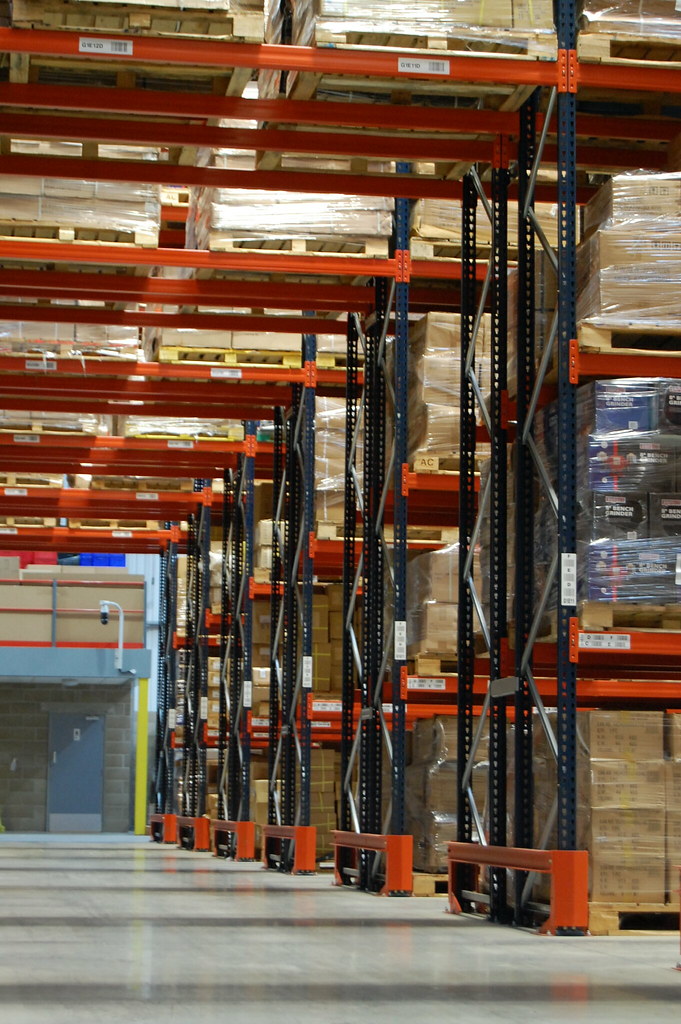
2. **Reach Trucks: Navigating the Narrow Aisles**Reach trucks are a specialized type of forklift widely employed for transporting goods in warehouses and other industrial areas where space is severely limited. Their defining characteristic is their unique ability to reach both up and out to pick up items, effectively extending into racking systems without needing the entire truck to enter the aisle. This capability makes them ideal for high-bay and narrow-aisle warehouse operations.
To ensure both the safety and effectiveness of a reach truck, its performance must be thoroughly evaluated through a variety of tests and criteria. These assessments include rigorous tests for maneuverability, speed, and stability, along with a comprehensive assessment of the reach truck’s overall safety features. Given their specialized function, a reach truck’s evaluation criteria are distinct from general-purpose forklifts, focusing heavily on its unique operational strengths.
Key evaluation criteria for reach trucks particularly emphasize their ability to navigate narrow aisles and tight spaces, as well as their proficiency in picking up and moving heavy loads at height. Additional factors to consider include the truck’s power output, its overall capacity, and the quality and durability of its structural components. The balance between maximum lift height, load capacity, and footprint is a critical differentiator for these specialized machines.
Certain models excel in specific aspects, for instance, the STILL RX series is noted as excellent for narrow aisle applications, highlighting its design efficiency in constrained environments. Similarly, the Linde E25 is praised for its 79-inch turn radius, which is crucial for maneuvering in tight warehouse spaces. These specific performance metrics are vital for operations aiming to maximize storage density and streamline material flow within confined operational footprints.
3. **Pallet Jacks: Compact Power for Close Quarters**Pallet jacks are considerably smaller and generally less powerful than other types of forklifts, yet they remain highly effective. Despite their size, they are still adept at lifting and moving large loads, making them an indispensable tool in specific material handling scenarios. Their compact design and enhanced maneuverability set them apart, positioning them as an ideal choice for warehouses and retail stores where space is often at a premium.
When evaluating a pallet jack, it is paramount to ensure that the operator is thoroughly familiar with the controls, has received proper training, and is physically capable of operating the machine safely. This emphasis on operator proficiency is particularly important because pallet jacks are frequently used in busy environments with significant pedestrian traffic, where the risk of accidents can be higher if operators are not adequately prepared or attentive.
Furthermore, a critical part of their practical evaluation involves a meticulous inspection of the pallet jack for any visible signs of damage. Particular attention should be paid to key components such as the wheels, brakes, and handle, as these are subject to considerable wear and tear. It is equally important to diligently check the pallet jack’s battery and charging system to confirm that it is fully functional and adequately charged, as many modern pallet jacks rely on electric power for consistent operation.
Finally, the pallet jack should be operated across a variety of different scenarios to thoroughly confirm that it is working properly and safely under diverse conditions. The practical evaluation methods for pallet jacks specifically involve an inspection of these critical components, along with an assessment of the battery and charging system. This comprehensive approach ensures that even these seemingly simpler machines meet stringent safety and performance standards for daily, demanding material handling tasks.
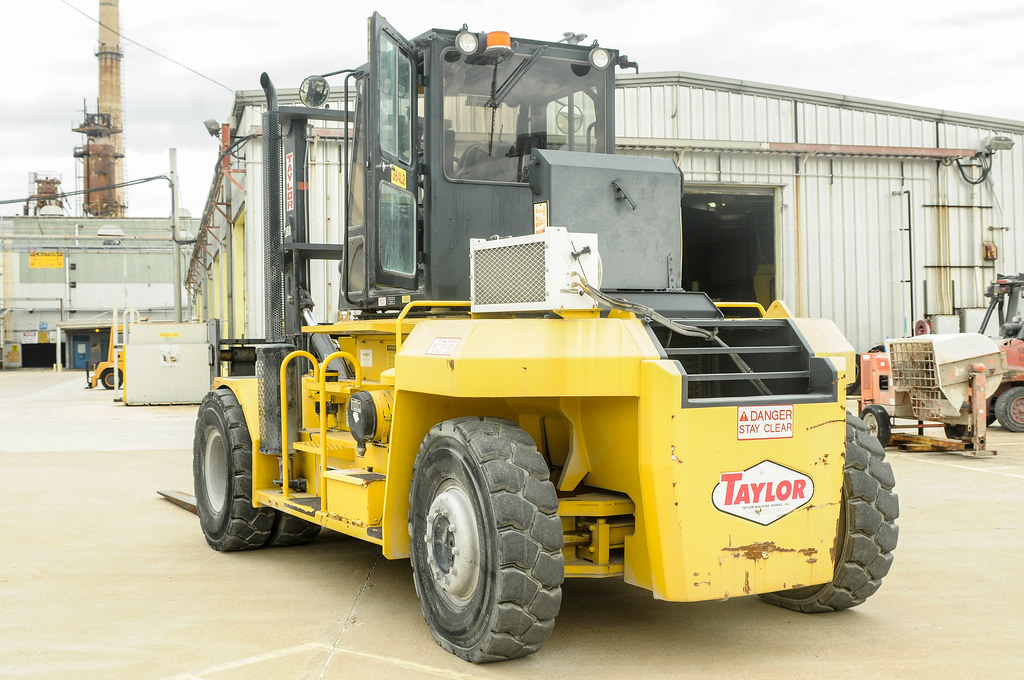
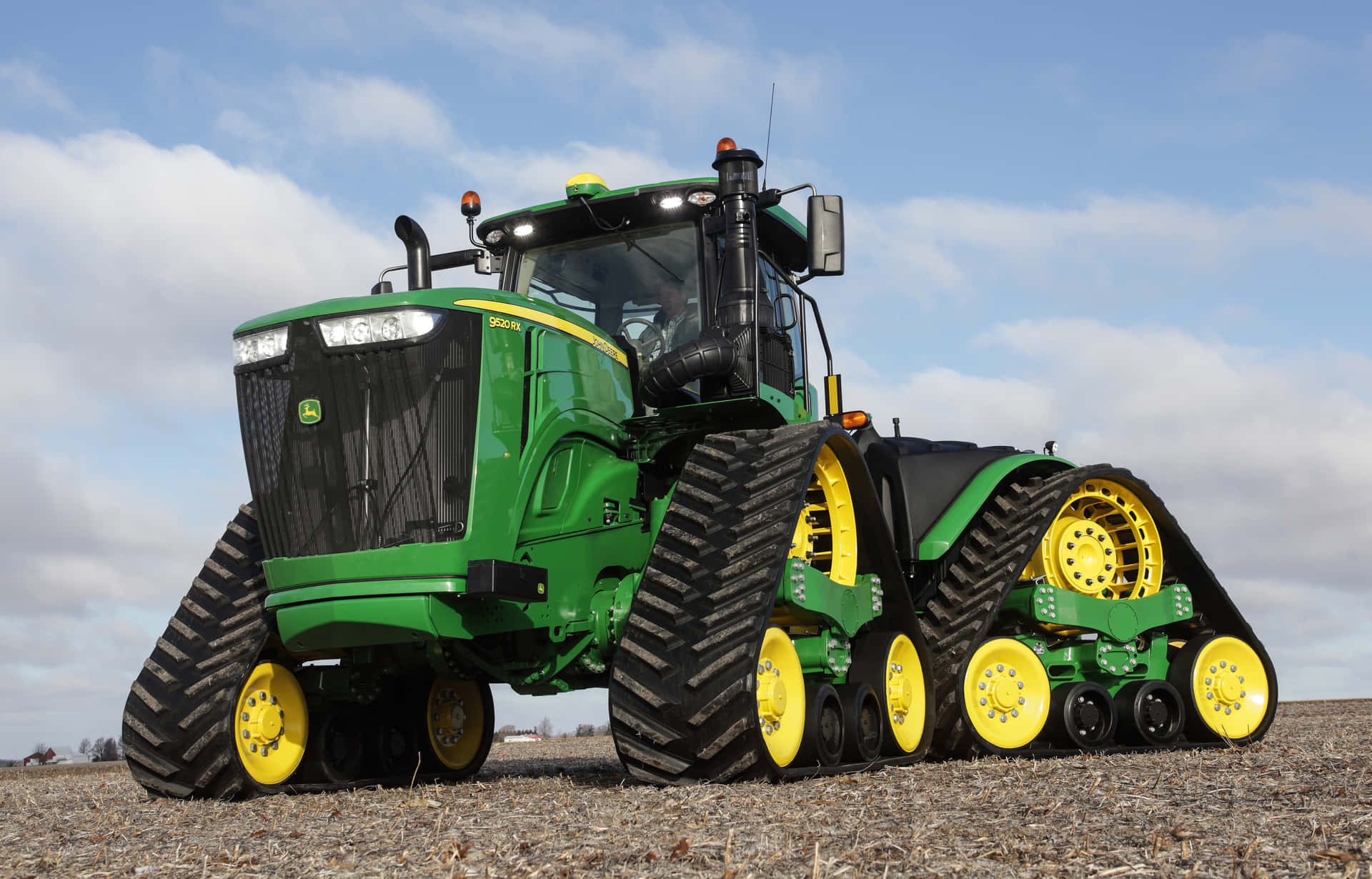
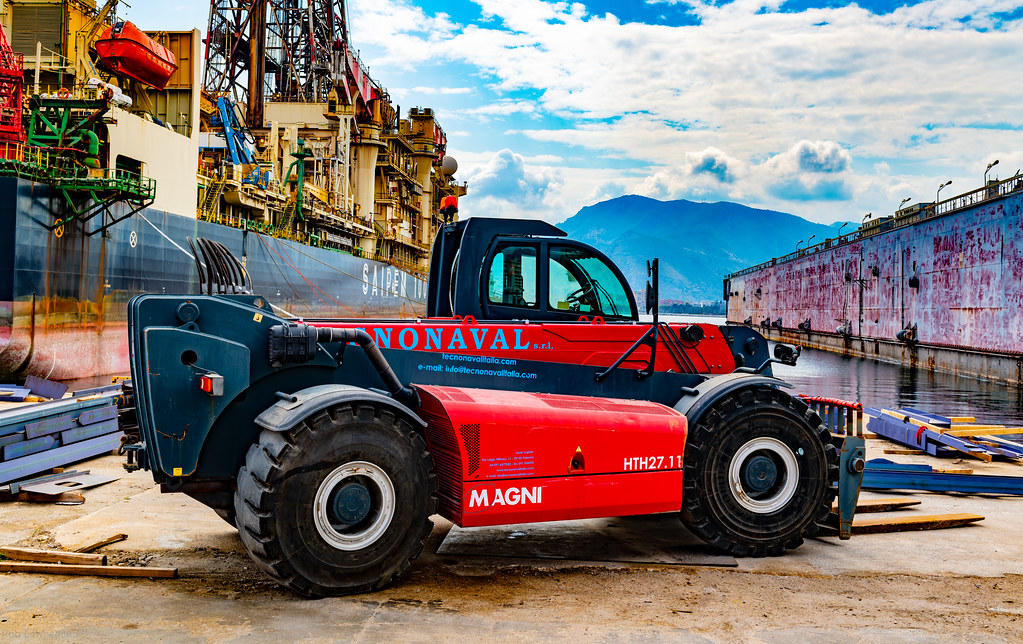
4. **Rough Terrain Forklifts: Conquering the Outdoors**Rough terrain forklifts are meticulously engineered to perform in challenging, off-road conditions, setting them distinctly apart from their conventional indoor counterparts. Their primary design objective is to operate effectively on uneven surfaces and across rugged landscapes, environments where standard forklifts would prove entirely unsuitable. This specialization makes them crucial for applications such as construction sites, timber yards, and agricultural operations.
For these highly specialized machines, both a rigorous safety assessment and a thorough performance evaluation are absolutely essential during the selection process. The inherent operational risks are significantly elevated due to the unpredictable nature of the terrain, where the potential for tipping over increases dramatically. Therefore, it is critical to select the appropriate type of rough terrain forklift and to ensure that the operator is extensively trained and fully cognizant of all potential risks associated with its use in such demanding conditions.
As part of the safety assessment, a comprehensive evaluation of the forklift’s specific features is required. This includes scrutinizing elements such as the tilt angles it can safely manage, the maximum height of its mast, the inherent stability of the load under dynamic conditions, and the overall capacity of the lift. These precise metrics directly address the unique challenges posed by uneven ground and varying load distributions, which are paramount for preventing accidents and ensuring reliable material movement.
Performance evaluation for rough terrain forklifts should ideally involve practical testing of the machine on various types of challenging terrains. This assessment will gauge its speed, power, and the overall range of the lift under realistic working conditions. The practical evaluation should specifically include an assessment of the lift’s maneuverability, its consistent speed, and its stability when operating on highly uneven surfaces, confirming its robust design and its capability to maintain control and capacity where other forklifts simply cannot function.
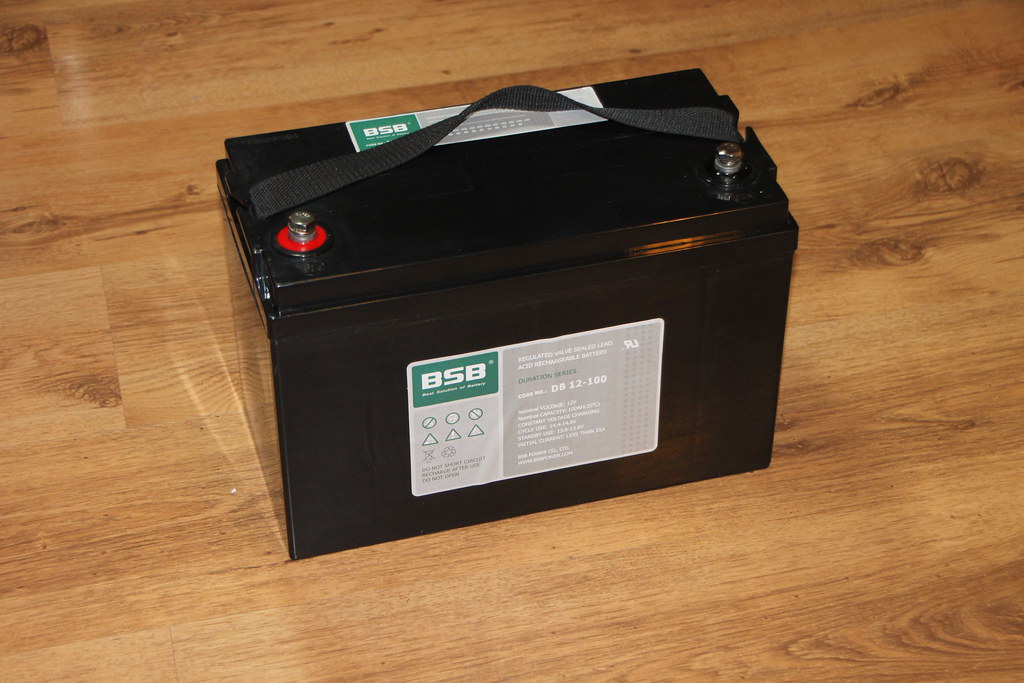
5. **Lead Acid Batteries: The Traditional Powerhouse**Lead acid batteries have historically been the conventional and most common choice for powering forklifts, largely due to their proven reliability and significant cost-effectiveness. They have maintained a lengthy and successful track record in industrial applications, characterized by lower initial expenses compared to newer technologies. Their robust construction allows them to consistently deliver steady power output, a critical attribute for uninterrupted operations in demanding material handling environments.
Despite their established advantages, lead acid batteries come with specific operational considerations, notably their requirement for regular and diligent maintenance. This includes routine tasks such as water top-ups to maintain electrolyte levels and periodic equalization charges to prevent sulfation and prolong battery life. This ongoing upkeep represents a significant commitment of time and resources from maintenance staff, and any lapse can lead to premature battery degradation and increased operational costs.
Furthermore, the considerable weight and physical size of lead acid batteries can present practical drawbacks. They typically necessitate a dedicated charging area, which often requires specific ventilation and safety protocols. This demand for specialized infrastructure can consume valuable floor space within a busy warehouse. Moreover, their extended charging times mean that operations often need to account for significant downtime or invest in multiple batteries to support continuous, multi-shift work cycles.
However, for many businesses, particularly those operating on tighter budgets where initial investment is a primary concern, lead acid batteries continue to offer a tried-and-tested solution. When properly maintained and managed, their dependable nature provides a practical balance of consistent performance and affordability. This makes them a durable and viable power source that has, for decades, effectively met the rigorous demands of the material handling industry.

6. **Lithium Ion Batteries: The Modern Efficiency Driver**Lithium ion batteries are rapidly gaining considerable popularity throughout the warehouse industry, primarily lauded for their superior energy density and exceptional efficiency. This advanced power source signifies a substantial technological leap, offering compelling advantages over more traditional battery types. Their sophisticated chemical composition enables them to deliver more power from a smaller, lighter package, which directly contributes to the development of more agile and efficient forklift designs.
One of the most significant benefits of lithium ion batteries is their notably longer lifecycle when compared to conventional lead acid batteries, coupled with a drastically reduced requirement for maintenance. This translates into a substantial reduction in the time and labor traditionally allocated to battery upkeep, allowing maintenance personnel to focus on other critical operational tasks. The elimination of routine water top-ups and equalization charges simplifies daily operations and effectively lowers ongoing labor costs, making them an increasingly attractive proposition for high-volume facilities.
Their rapid charging capabilities and the inherent flexibility for opportunity charging profoundly enhance warehouse operations. This means that batteries can be conveniently topped up during short breaks, lunch periods, or between shifts, virtually eradicating the need for extensive charging downtime. Such operational flexibility is highly supportive of continuous, multi-shift operations, negating the necessity for time-consuming battery swaps and ultimately leading to significantly improved productivity and a more streamlined workflow throughout the operational day.
However, it is important to acknowledge that the initial investment required for lithium ion technology is generally higher than that for lead acid options, which can be a significant consideration for budget-conscious facilities. While the long-term savings in reduced maintenance, enhanced operational efficiency, and extended lifespan often offset this upfront cost, it can still represent a considerable initial financial hurdle. Despite this, lithium-ion batteries are heralded as a modern, sustainable electricity source, offering low maintenance and consistent energy output across varied climates, establishing them as a compelling choice for businesses prioritizing peak efficiency, environmental sustainability, and robust performance.
Read more about: Maximize Your Miles: The Definitive Guide to Electric Scooter Battery Lifespan and Care
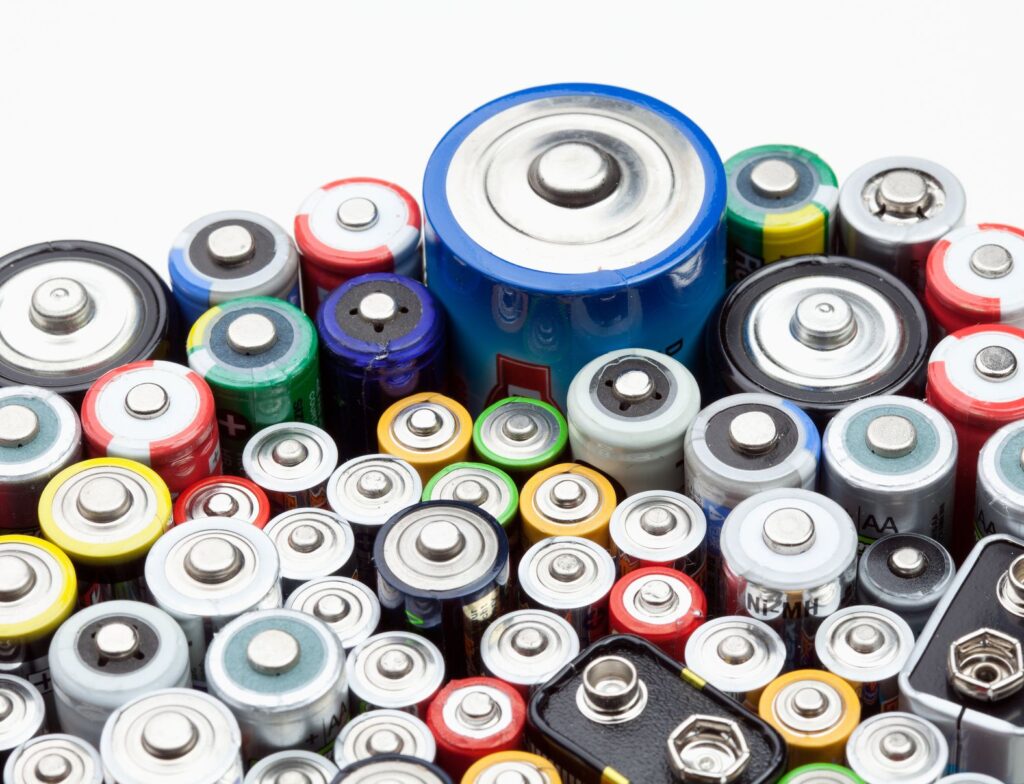
7. **Thin Plate Pure Lead (TPPL) Batteries: An Evolved Lead Acid Solution**Thin Plate Pure Lead (TPPL) batteries represent an advanced and innovative iteration within the lead acid battery family, distinguished by their unique design featuring thin, pure lead plates. This inventive construction sets them apart from conventional lead acid options, offering a sophisticated hybrid solution that combines many of the time-tested benefits of traditional technology with significantly enhanced performance characteristics. They effectively embody an evolution within a well-established power source category, pushing the boundaries of what lead acid can achieve.
This specialized design directly translates into tangible operational advantages, specifically enabling faster charging times and delivering a higher power output compared to standard lead acid batteries. For intensive operations that demand quick turnaround times and a consistent, robust power delivery, TPPL batteries present a substantial benefit. They effectively bridge a crucial performance gap, offering an intermediate solution between conventional lead acid and the more technologically advanced lithium-ion chemistries, appealing to a broad range of industrial users.
Beyond their charging and power delivery improvements, TPPL batteries are also highly regarded for their exceptional durability and impressive resistance to extreme temperatures. This makes them a particularly resilient and reliable choice for operational environments where significant temperature fluctuations might adversely affect other battery types. Their inherent hardiness ensures consistent and dependable performance across a much wider range of environmental conditions, contributing to a longer service life and further enhancing their overall value proposition for demanding industrial applications.
As a compelling alternative, TPPL batteries stand out as a noteworthy development, offering a “newer choice” within the realm of lead acid technologies. They are specifically touted as a suitable selection for operations that critically require high performance and unwavering reliability, providing an attractive option for businesses seeking improved efficiency and reduced maintenance without committing to the higher initial investment often associated with lithium-ion solutions. Ultimately, they offer a practical and effective balance of enhanced performance and trusted technology within the robust framework of the lead acid family.
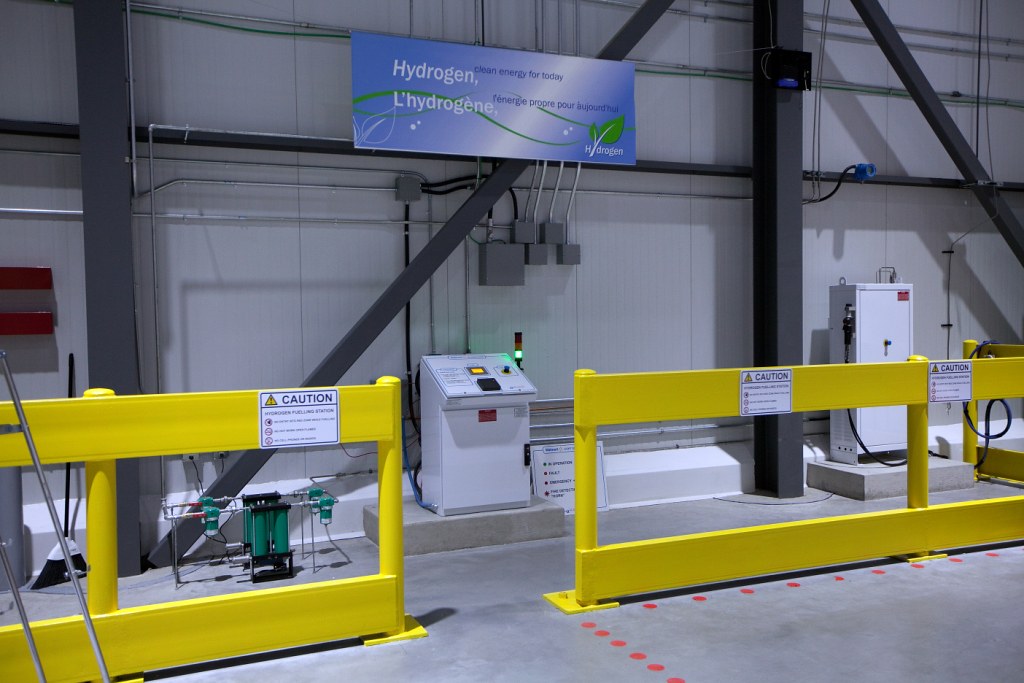
8. **Hydrogen Fuel Cells: The Future of Zero-Emission Power**Hydrogen fuel cells represent a cutting-edge advancement in forklift power technology, distinguishing themselves as a premier zero-emission solution. This power source offers a significant technological leap for operations aiming to minimize their environmental footprint without compromising on performance. They are particularly lauded for their operational efficiency and significant reduction in greenhouse gas emissions, positioning them as an increasingly attractive option for sustainability-focused businesses.
One of the most compelling advantages of hydrogen fuel cells is their remarkably quick refueling capability. Unlike battery-powered systems that demand extended charging times, hydrogen-powered forklifts can be refilled in as little as three minutes. This rapid turnaround time is especially beneficial for high-throughput, multi-shift operations where minimizing downtime is paramount for maintaining continuous productivity throughout the operational day.
Furthermore, hydrogen fuel cells operate with a near-silent running profile, contributing to a quieter and more pleasant working environment. This reduced noise level can enhance employee communication and overall productivity, especially in enclosed warehouse spaces. Ecologically, hydrogen is beneficial as a fuel that can originate from natural, recyclable materials, further supporting environmental objectives.
Despite these compelling benefits, the adoption of hydrogen fuel cell technology does present certain challenges. The initial investment required for the cells themselves is generally higher compared to conventional ICE or even electric forklifts, which can be a significant barrier for some budgets. More critically, the infrastructure for hydrogen fueling stations is not yet universally established, demanding substantial upfront investment and planning for facilities looking to integrate this technology.
However, for companies prioritizing peak efficiency, a reduced carbon footprint, and uninterrupted multi-shift operations, hydrogen fuel cells offer a compelling, albeit advanced, pathway forward. Their unique combination of rapid refueling, silent operation, and zero emissions firmly establishes them as a modern, sustainable electricity source for the material handling industry, providing consistent energy output across varied climates.
Read more about: The Next Generation Fuels: Unpacking the Controversial Alternatives Poised to Replace Gasoline in the Coming Decade
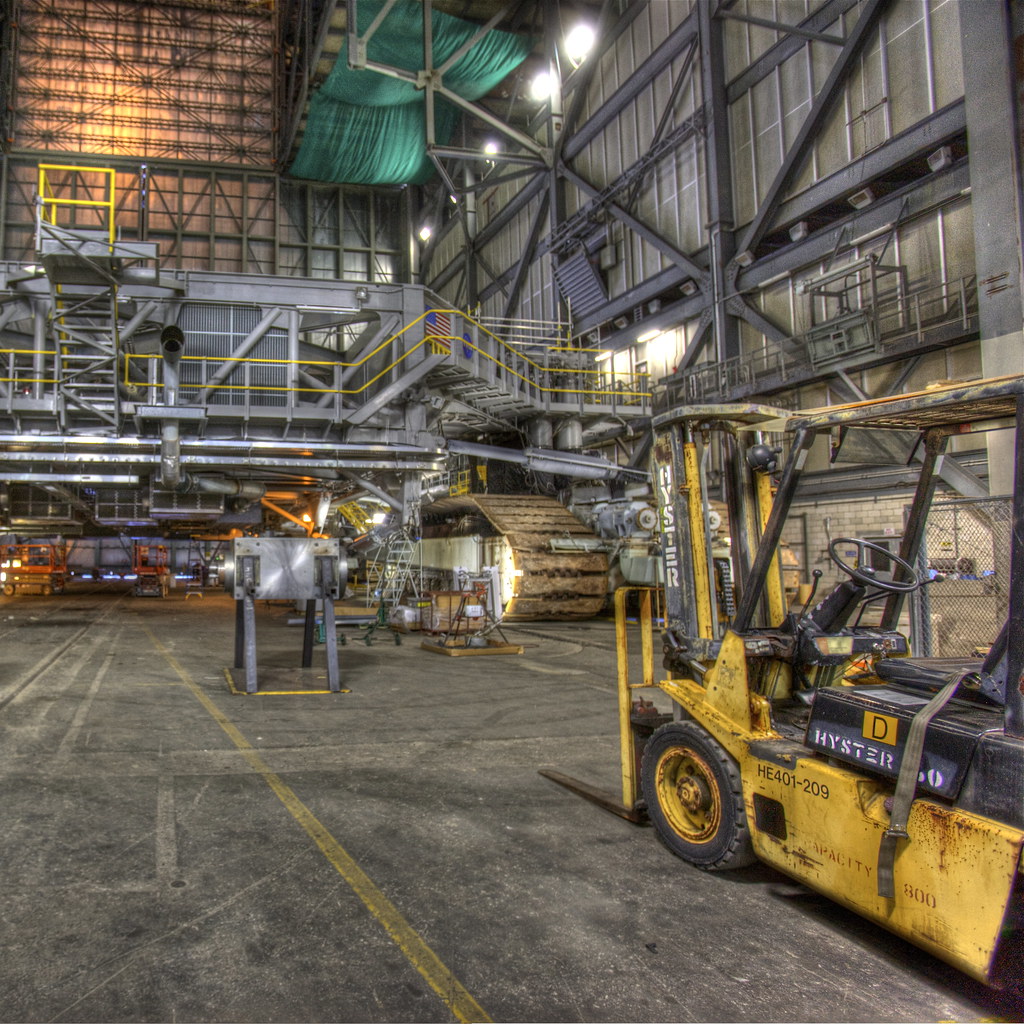
9. **Diesel Powered Forklifts: Rugged Power for Demanding Outdoors**Diesel-powered forklifts embody the robust, traditional choice within the internal combustion engine (ICE) category, renowned for their rugged durability and powerful performance in challenging conditions. These machines are engineered to tackle the heaviest lifting tasks and excel on uneven outdoor terrain, making them indispensable workhorses for applications such as construction sites, timber yards, and large outdoor storage facilities where sheer power is a non-negotiable requirement.
A primary advantage of diesel engines is their superior efficiency and capability for longer run periods between refueling, which is critical for extended outdoor operations. They deliver high torque, providing exceptional lifting and towing capacity that often surpasses electric models. This powerful output ensures that even the largest and most cumbersome loads can be handled with confidence and ease, solidifying their role in demanding heavy-duty applications.
However, the operational characteristics of diesel forklifts come with distinct drawbacks, particularly concerning environmental impact and noise. Diesel engines generate exhaust emissions that include soot, which accumulates in exhaust systems and contributes to environmental pollution. This emission profile means they are primarily intended for outdoor operation, as their use in enclosed spaces can pose significant indoor air quality risks without robust and consistent ventilation systems.
In addition to emissions, diesel-powered lift trucks tend to be significantly louder during operation compared to their electric counterparts. This increased noise level can be a concern in certain environments, potentially impacting communication and overall worker comfort. The presence of more moving parts in their engines also typically leads to higher maintenance costs over their lifespan, encompassing regular oil changes, filter replacements, and exhaust system inspections.
Ultimately, diesel forklifts remain a top choice for businesses requiring maximum power and endurance in outdoor settings, particularly when handling heavy loads over rough surfaces. Their quick refueling capability ensures minimal downtime, keeping productivity high. However, their environmental and noise considerations mandate careful assessment of the work environment and ventilation capabilities.

10. **Gasoline Powered Forklifts: Niche Performance with Clear Visibility**Gasoline-powered forklifts represent another option within the internal combustion engine (ICE) family, though they are notably less common in today’s market, often superseded by more versatile fuel types like LPG or diesel. Despite their niche status, they offer specific advantages that can be beneficial in certain operational contexts, particularly where readily accessible fueling stations make their use practical.
One of the key benefits cited for gasoline forklifts is their superior rearward view, especially when compared to propane models which carry a bulky LP tank at the rear. This enhanced visibility can contribute to safer operation by providing operators with a clearer line of sight. Furthermore, some models are noted to run with more power than their diesel counterparts, offering robust performance for specific lifting and transportation tasks.
However, the market for gasoline forklifts is constrained by several factors. The paucity of dedicated gasoline fueling stations within industrial settings, coupled with the rising popularity of dual-fuel forklifts (which can switch between gasoline and LPG), makes this fuel source a very unusual choice for many operations. This limited infrastructure can present a significant logistical challenge for businesses considering this option.
Like other internal combustion engines, gasoline forklifts produce exhaust emissions that contribute to environmental pollution. While they perform well for those with easily accessible fueling stations, these emissions also pose indoor air quality risks if the lift truck is used in enclosed spaces without proper ventilation. This necessitates careful consideration of the work environment and the implementation of appropriate air quality controls to ensure worker safety.
In essence, gasoline forklifts offer a distinct performance profile and visibility advantage that might suit very specific operational niches. However, their environmental impact, coupled with the practical challenges of fueling infrastructure, means they often require a detailed evaluation of the operating environment and specific application needs before being considered a viable long-term solution.
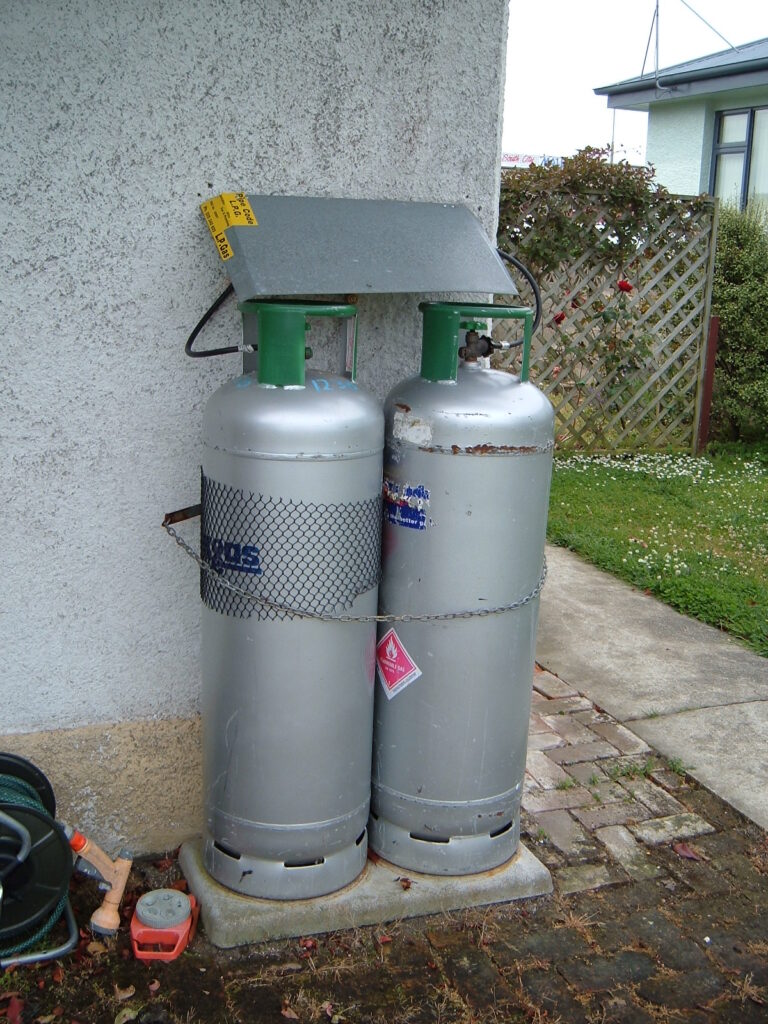
11. **Liquified Petroleum Gas (LPG) Powered Forklifts: Flexible Indoor/Outdoor Workhorse**Liquified Petroleum Gas (LPG), commonly known as propane, stands out as one of the most popular and versatile fuel types for internal combustion forklifts. Its widespread adoption stems from a compelling balance of cost-effectiveness, quick refueling, and adaptability for both indoor and outdoor applications, making it a true workhorse in diverse material handling environments.
A significant advantage of LPG is its relatively low initial cost among fossil fuels, as businesses primarily need to invest in tanks and storage infrastructure. The refueling process is exceptionally efficient; propane tanks can be swapped out and replaced in minutes, virtually eliminating downtime and ensuring continuous operation throughout demanding shifts. This quick turnaround contributes significantly to maintaining high productivity levels in busy warehouses.
Compared to diesel, propane burns cleaner, producing fewer harmful emissions. This characteristic makes LPG-powered forklifts more suitable for indoor use, provided that proper ventilation is maintained to manage exhaust fumes. Their adaptability to operate effectively in both controlled indoor environments and more rugged outdoor conditions further enhances their utility, offering a flexible solution for facilities with varied operational needs.
Despite their cleaner burning profile compared to diesel, LPG forklifts still produce exhaust emissions that require careful management, especially when used indoors. Adequate ventilation systems are crucial to mitigate indoor air quality risks and ensure a safe working environment. Additionally, businesses must account for the safe storage and management of spare propane tanks, which is a necessary operational consideration.
Ultimately, LPG forklifts offer a robust and economically attractive solution for many businesses. They combine the powerful performance and quick refueling benefits of internal combustion engines with an improved environmental profile for indoor use (with proper ventilation), making them a highly adaptable and efficient choice for a wide spectrum of material handling tasks.
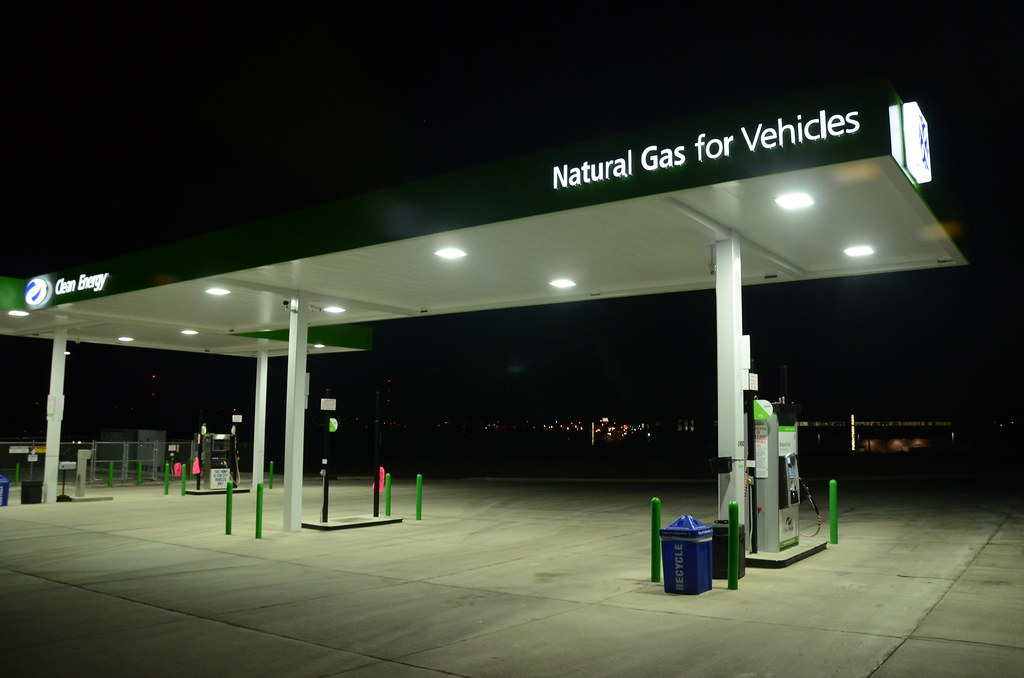
12. **Compressed Natural Gas (CNG) Powered Forklifts: Clean Refueling, High Infrastructure**Compressed Natural Gas (CNG) powered forklifts represent an advanced internal combustion engine option that emphasizes environmental benefits and operational efficiency, particularly concerning refueling processes. While sharing the core characteristics of ICE machines, CNG forklifts carve out a unique niche by offering a cleaner-burning alternative with a distinct approach to fuel management, appealing to companies with specific sustainability and operational goals.
One of the primary advantages of CNG forklifts lies in their improved emissions profile compared to other fossil fuels, contributing to better indoor air quality and reduced environmental impact. Furthermore, their refueling process offers a significant operational benefit: the tank can be replenished directly rather than requiring removal and replacement like LPG tanks. This streamlining can lead to quicker and more convenient refueling cycles, enhancing overall workflow efficiency.
However, the adoption of CNG technology is not without its substantial challenges. The most significant barrier is the costly infrastructure required for CNG recharging stations. Establishing these dedicated fueling facilities demands a considerable upfront investment, which can deter businesses that are not prepared for such a capital outlay. This infrastructure cost far outweighs the initial fuel savings or operational benefits for many potential users.
Beyond the infrastructure, there are also considerations regarding the supply of CNG. In some regions, there may be insufficient CNG supply or limited availability, which can impact the reliability and feasibility of operating a CNG fleet. Moreover, businesses must navigate the necessity of obtaining appropriate permissions and adhering to stringent regulations for the installation and operation of CNG fueling systems, adding layers of complexity to the implementation process.
While CNG forklifts offer a compelling package of environmental advantages and efficient refueling, their higher infrastructure costs and potential supply chain complexities necessitate a thorough cost-benefit analysis. They are best suited for large-scale operations willing to make the significant initial investment for a cleaner, often faster-refueling internal combustion solution, especially where environmental objectives are a critical driver.
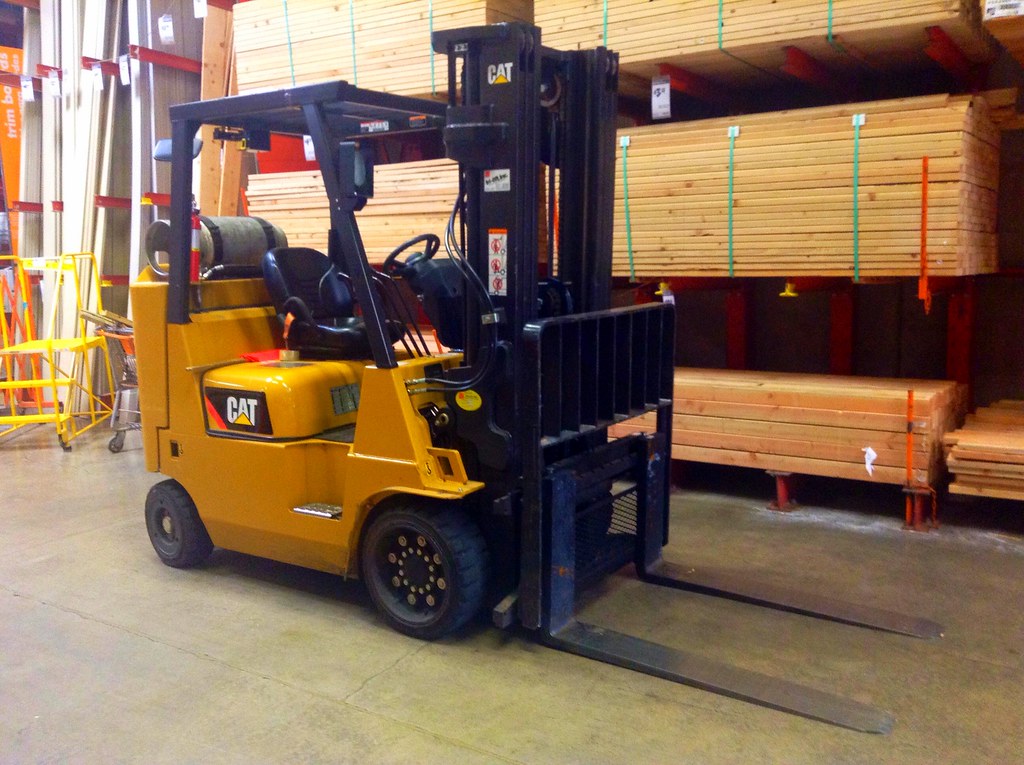
13. **Comparative Factors: Safety and Environmental Impact**Beyond performance and cost, the safety protocols and environmental footprint of forklifts are paramount considerations for any responsible operation. These factors directly influence worker well-being, regulatory compliance, and a company’s broader sustainability goals, demanding a careful comparative analysis between electric and gas-powered models.
Regarding emissions and environmental impact, electric forklifts, being battery-powered, produce zero emissions. This makes them the safest, cleanest, and most practical choice for businesses primarily operating indoors, helping to maintain superior indoor air quality and reduce health risks to employees. Hydrogen fuel cells also lead in eco-friendliness with zero emissions. In stark contrast, gas-powered forklifts produce exhaust emissions that contribute to environmental pollution. When used in enclosed spaces, these emissions can pose significant indoor air quality risks, necessitating robust ventilation systems to prevent the accumulation of harmful fumes and protect workers.
Noise levels also differentiate the two primary types. Electric lift trucks operate quietly, a significant benefit that allows employees to communicate more easily and can improve overall productivity and comfort in the workplace. Hydrogen fuel cells also offer silent running. Gas-powered lift trucks, with their internal combustion engines, tend to be considerably louder during operation, which can contribute to noise pollution in the work environment and require hearing protection in certain zones.
Safety considerations for electric forklifts focus heavily on battery management. For lead-acid batteries, workers must wear protective gear when handling sulfuric acid and follow emergency procedures in case of splashes. Designated battery charging stations are crucial to prevent risks from fumes, electric shocks, and other hazards. Implementing a comprehensive forklift battery charging maintenance program is essential to reduce the likelihood of accidents, alongside avoiding over-discharging and ensuring the proper disposal of damaged batteries.
For gas-powered lift trucks, safety protocols revolve around managing fuel and emissions. To prevent carbon monoxide exposure, driving forklifts in poorly ventilated areas must be avoided. A thorough pre-operation inspection before each shift is critical, checking all fluid levels and inspecting the hydraulic cylinder, battery, and fuel system for leaks, unusual noises, or excessive vibration. Refueling procedures are particularly sensitive: refueling must always occur at designated safe locations, never in confined spaces or near heat sources, and only trained, authorized individuals should replace gas tanks. Additionally, regular refueling at the end of each day can prevent sediment or impurities from entering the fuel system.
Read more about: Why American Drivers Are Shifting Away From Sedans: An In-Depth Analysis of Market Dynamics and Consumer Preferences
Choosing the right forklift for your business is a strategic decision that shapes the efficiency, safety, and environmental impact of your operations for years to come. The “hydraulic hurdle” extends beyond mere lifting power to encompass a nuanced evaluation of power sources, operational costs, maintenance requirements, and critical safety features. By diligently considering the specific needs of your work environment—whether it’s the quiet, zero-emission demands of an indoor warehouse or the rugged power requirements of outdoor terrain—you can optimize your fleet for maximum output. Balancing initial investment with long-term operating costs, assessing the intensity of use, and aligning with sustainability goals will guide you toward the ideal material handling solution. The detailed analysis provided, from traditional lead-acid batteries to advanced hydrogen fuel cells and various internal combustion options, empowers you to make a choice that not only overcomes today’s challenges but also positions your business for future success.