
Actors often do more than simply inhabit characters on screen; they often set the tone for the very eras they live in, profoundly influencing culture and shaping the trajectory of cinematic art itself. From the captivating charm of Charlie Chaplin’s silent film persona to the commanding presence of Meryl Streep in recent memory, these performers transcend mere entertainment. They are architects of our collective imagination, defining what it means to truly engage with a story through the lens of human experience.
Indeed, these luminaries didn’t just grace the silver screen; they helped to sculpt the course of cinema, leaving an indelible mark on history that continues to resonate with audiences and inspire new generations of artists. Their performances are more than just roles; they are cultural touchstones, reflecting the anxieties, aspirations, and evolving spirit of their times. As we journey through the careers of these iconic figures, we gain invaluable insight into how the art of film has evolved, propelled forward by their talent and vision.
In this in-depth exploration, we delve into the lives and works of actors who defined their respective periods, charting their influence from Audrey Hepburn’s classic elegance to Robert De Niro’s intense, transformative performances. These are the titans of the craft, members of an immortal guild whose contributions have not only changed the film industry but have etched their names firmly into the annals of history, forever altering how we perceive and appreciate the power of cinema.
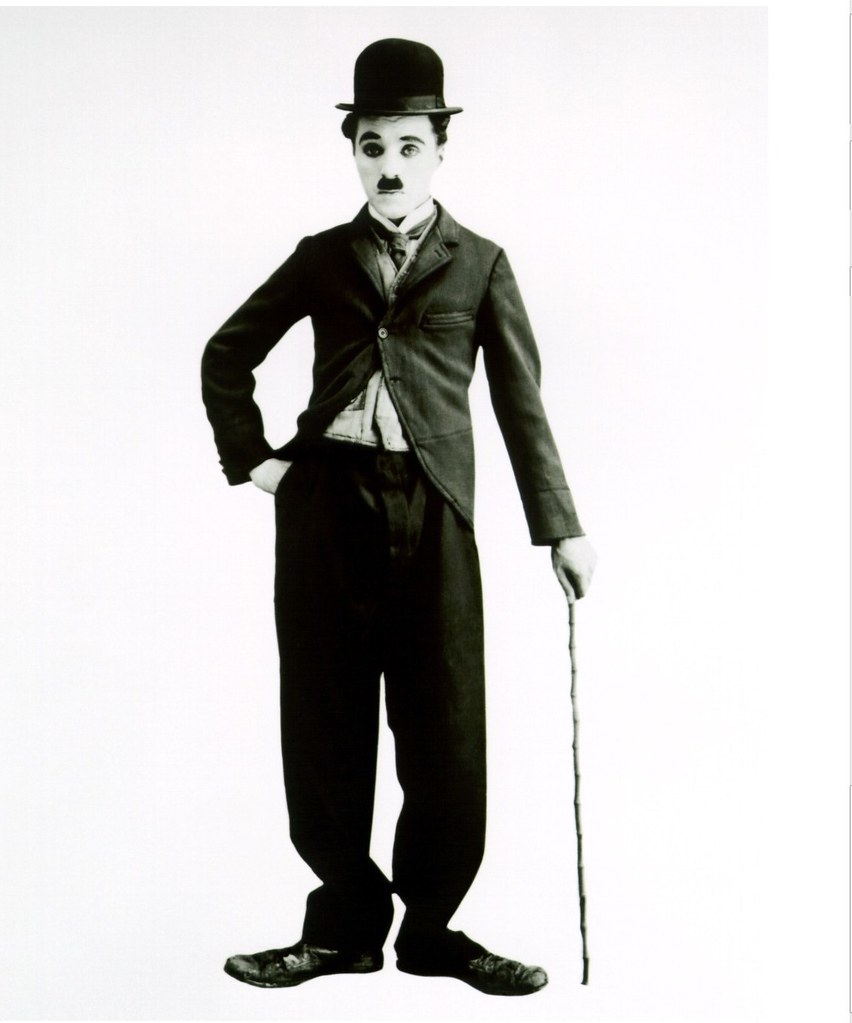
1. **Charlie Chaplin: The Undying Spirit of The Tramp and Silent Film Mastery**Charlie Chaplin stands as an unparalleled pioneer of the silent film era, a true cinematic genius whose iconic character, “The Tramp,” transcended language barriers and captured the hearts of a global audience. Known for his masterful ability to weave poignant social commentary with uproarious physical comedy, Chaplin’s films remain timeless examples of storytelling that needed no dialogue to convey profound emotion. His body of work, including classics such as “The Kid,” “Modern Times,” “City Lights,” and “The Great Dictator,” vividly showcases a unique style that blended comedic brilliance with a deep understanding of the human condition.
Chaplin’s impact on cinema is, quite simply, immeasurable. He didn’t just act; he was a writer, director, and composer, controlling every aspect of his artistic vision to ensure his messages resonated clearly. He was a trailblazer in using film as a potent medium for societal critique, inviting audiences to both laugh and deeply reflect on the world around them. The enduring appeal of his silent narratives and his pioneering spirit continue to inspire countless comedians and filmmakers, cementing his legacy as a foundational figure in the history of the moving image.
His lasting cultural footprint is undeniable, with the American Film Institute recognizing him as the 10th greatest male star of classic American cinema. A fascinating anecdote further underscores his universal appeal: Chaplin once famously entered a Charlie Chaplin look-alike contest and, astonishingly, lost. This amusing incident only serves to highlight the pervasive and iconic nature of his character, “The Tramp,” a figure so universally recognized that even its creator could be mistaken for an imposter. Chaplin’s commitment to his craft and his transformative influence on the perception of cinema itself are truly unparalleled.
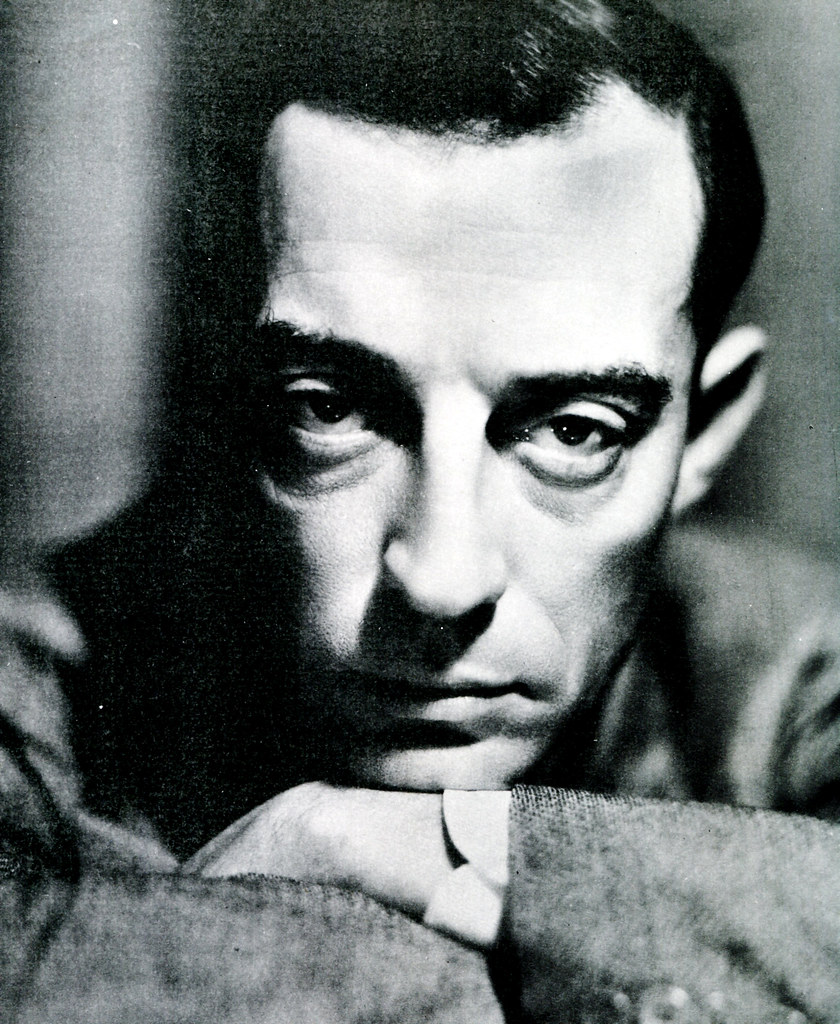
2. **Buster Keaton: The Great Stone Face, A Daredevil of Silent Comedy**Following closely in the footsteps of Chaplin, Buster Keaton emerged as another formidable force in the silent film era, distinguishing himself with an altogether different, yet equally impactful, comedic style. Renowned for his extraordinary physical comedy, daring stunts, and iconic deadpan expression, Keaton earned the enduring nickname “The Great Stone Face.” His films, such as the critically acclaimed “The General” and the innovative “Sherlock Jr.,” are celebrated as enduring classics that push the boundaries of cinematic possibility, even by today’s standards.
Keaton’s approach to filmmaking was truly revolutionary for his time. A testament to his fearlessness and dedication, he famously performed many of his own elaborate stunts, demonstrating an almost superhuman ability to execute complex physical feats without the aid of special effects. One of his most legendary stunts, involving a house facade falling around him while he stood perfectly positioned through an open window, remains a breathtaking example of practical filmmaking and precise timing that still astounds viewers today.
His innovative spirit wasn’t just about spectacle; it was about integrating daring physical comedy seamlessly into narrative, often using his stoic persona to heighten the absurdity and emotional stakes of his predicaments. This blend of creativity, fearlessness, and technical prowess laid crucial groundwork for future generations of action and comedy films. Keaton’s legacy as a pivotal figure in cinematic history is secured by his pioneering contributions, proving that even a silent performance could speak volumes and leave an indelible mark on the art form.

3. **Humphrey Bogart: The Quintessential Tough Guy of Hollywood’s Golden Age**Humphrey Bogart, with his distinctive voice and brooding charisma, was the definitive male star of Hollywood’s Golden Age, personifying the hard-boiled, cynical yet undeniably romantic hero. His iconic tough-guy persona became synonymous with an entire era of American cinema, and his performances in genre-defining classics like “Casablanca,” “The Maltese Falcon,” and “The African Queen” are not merely legendary; they are the very bedrock of film noir. Bogart’s ability to imbue complex characters with depth and a compelling sense of world-weariness resonated profoundly with audiences, solidifying his status as a timeless Hollywood icon.
Bogart’s path to stardom was, in itself, a testament to serendipity. A curious fun fact about his early life reveals that he was expelled from a prestigious boarding school, a turn of events that, remarkably, ultimately steered him towards acting. This twist of fate gifted the world one of its most influential and iconic film stars, whose distinct gravelly voice and unparalleled style set him apart in a crowded landscape of performers. He possessed an extraordinary ability to convey a multitude of complex emotions—from simmering anger to profound vulnerability—with just a subtle glance or a slight inflection in his tone.
His contributions extend beyond his unforgettable roles; Bogart’s on-screen persona became a veritable template for countless leading men who followed, establishing a benchmark for cool detachment blended with undeniable charm. The American Film Institute has rightfully ranked him as the greatest male star in American film history, an honor that powerfully underscores his enduring influence and the magnetic power of his performances. His legacy continues to inspire actors and audiences alike, cementing his place as a symbol of classic American cinema and a master of his craft.
Read more about: Hollywood’s Enduring Legacy: Octogenarian Icons and the Golden Age Legends Who Shaped Cinema
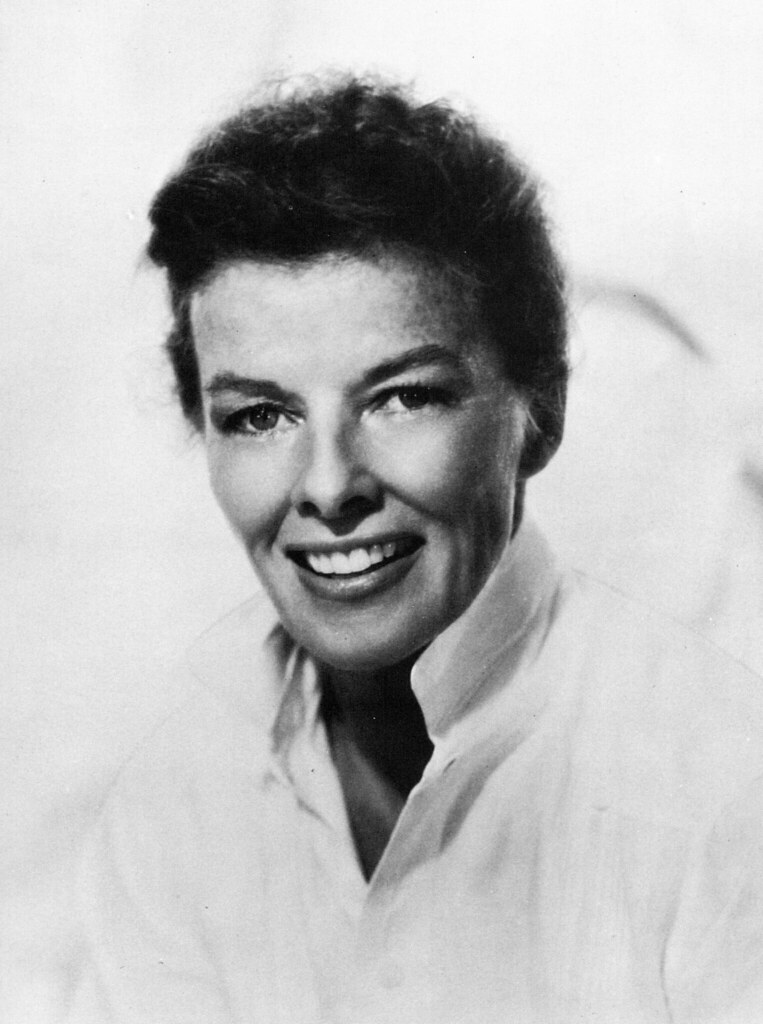
4. **Katharine Hepburn: A Trailblazer of Independence and Unrivaled Talent**Katharine Hepburn was a singular force in Hollywood, a trailblazer who consistently defied conventions and shattered barriers with her fierce independence and sharp wit. Her career is a testament to extraordinary talent, marked by an impressive four Academy Award wins for Best Actress—a record that remains unbroken by any other actress in history. Through her iconic films such as “The Philadelphia Story,” “Guess Who’s Coming to Dinner,” and “On Golden Pond,” Hepburn showcased a remarkable versatility and an unyielding commitment to strong, unconventional roles that challenged prevailing societal norms.
Hepburn’s influence extended far beyond her exceptional acting prowess; she became a powerful symbol for women in the industry, refusing to conform to the glamorous, often restrictive, expectations of Hollywood. Her candidness, her choice of trousers over dresses, and her refusal to engage in typical celebrity fanfare marked her as a truly individual spirit. She embodied a new kind of leading lady—intelligent, independent, and undeniably powerful—paving the way for future generations of actresses to carve their own paths.
Her first Academy Award win, for her role in “Morning Glory” in 1933, marked the beginning of a career that would consistently push boundaries and define excellence. Hepburn’s legacy is celebrated not only for her unparalleled acting achievements but also for her profound contributions to gender equality in Hollywood. In 2022, the American Film Institute posthumously recognized her as one of the greatest female stars in American cinema, a fitting tribute to an icon whose spirit and talent continue to resonate with immense power.
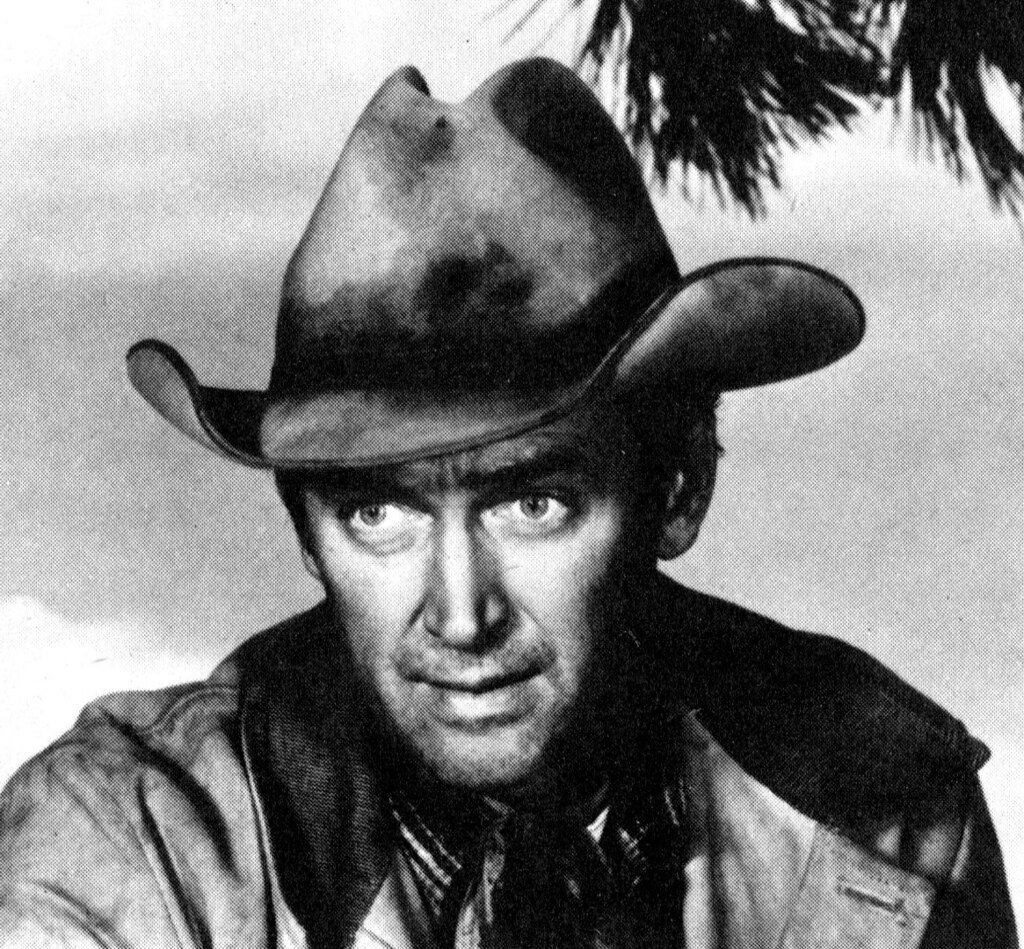
5. **James Stewart: The Heartfelt Everyman Who Defined an Era**James Stewart was the quintessential “everyman” of Hollywood’s Golden Age, an actor whose performances resonated with sincerity, warmth, and an unparalleled ability to connect with audiences on a deeply human level. His on-screen persona exuded a relatable charm, making his characters feel like genuine individuals we knew and cared about. Starring in beloved classics such as “It’s a Wonderful Life,” “Vertigo,” and “Rear Window,” Stewart’s performances were consistently heartfelt, profoundly moving, and instantly recognizable.
Beyond his iconic film roles, Stewart brought a remarkable depth to his characters, often drawing from his own extraordinary life experiences. Notably, he was a decorated World War II bomber pilot, flying numerous combat missions over Europe. This firsthand experience with heroism and sacrifice undoubtedly imbued many of his roles, particularly those dealing with themes of moral courage and difficult choices, with an added layer of authenticity and gravitas that audiences instinctively felt. It was an experience that shaped the man and, by extension, the artist.
Stewart’s versatility was another hallmark of his distinguished career. He effortlessly traversed a wide spectrum of genres and character types, transitioning seamlessly from charming romantic leads in films like “The Philadelphia Story” to complex, tormented figures in Alfred Hitchcock’s psychological thrillers. His famed collaborations with Hitchcock, including “Vertigo” and “Rear Window,” yielded some of his most timeless masterpieces, showcasing his remarkable range and depth as an actor. His enduring appeal made him a perennial favorite among audiences, cementing his place as a defining figure of Hollywood’s Golden Age.
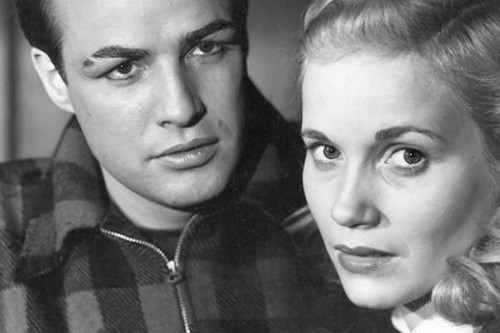
6. **Marlon Brando: The Revolutionary Architect of Method Acting**Marlon Brando burst onto the Hollywood scene like a seismic event, forever altering the landscape of acting with his raw, emotional, and intensely naturalistic performances. He is widely credited as the pioneer of method acting in Hollywood, a transformative technique that demanded an unparalleled level of psychological immersion and authenticity from its practitioners. Brando’s iconic roles in films such as “A Streetcar Named Desire,” “On the Waterfront,” “The Godfather,” and “Apocalypse Now” set a completely new standard, not just for intensity, but for a profound, lived-in portrayal of character.
Brando’s impact was immediate and profound; his performances were a revelation, breaking away from the more theatrical styles prevalent at the time and ushering in an era of cinematic realism. He redefined what audiences expected from an actor, bringing a volatile, unpredictable energy to the screen that was both mesmerizing and deeply unsettling. His unique approach to character development, emphasizing internal motivation and emotional truth, inspired countless actors who followed, fundamentally changing how roles were approached and prepared for within the industry.
One of the most legendary testaments to his genius is the improvised line, “I’m gonna make him an offer he can’t refuse,” from “The Godfather.” This moment of spontaneous brilliance, entirely of Brando’s creation, perfectly encapsulates his unparalleled ability to disappear into a character and allow the performance to organically unfold. With two Academy Awards for Best Actor and a legacy that continues to resonate with powerful force, Brando’s influence on modern cinema is truly immeasurable, making him an enduring symbol of artistic integrity and fearless innovation. In 2023, he was rightly honored with a star on the Hollywood Walk of Fame, a lasting tribute to his monumental contributions.
Read more about: Unraveling the Legend: Marlon Brando’s Revolutionary Method Acting, His Tahitian Dream, and the Elusive Quest for His Own Story
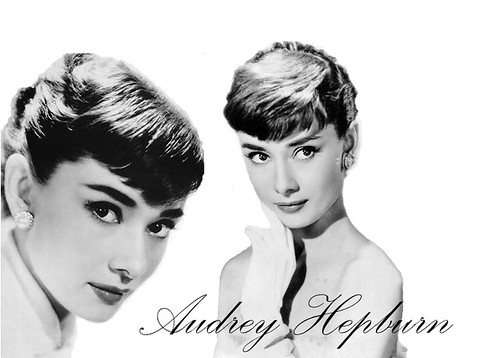
7. **Audrey Hepburn: The Epitome of Elegance, Grace, and Compassion**Audrey Hepburn remains an icon of unparalleled elegance and grace, captivating audiences worldwide with a charm that was both ethereal and deeply human. Her presence on screen was magnetic, making her a beloved figure in the Golden Age and beyond. Starring in timeless classics such as “Breakfast at Tiffany’s,” “Roman Holiday,” and “My Fair Lady,” Hepburn effortlessly showcased a remarkable range as an actress, embodying characters that were sophisticated, vulnerable, and utterly unforgettable. Her distinctive style, an exquisite blend of high fashion and understated chic, also cemented her status as a global fashion icon.
Hepburn’s dedication to her craft was evident in every role. A charming example of this commitment can be seen in “Roman Holiday,” where she famously performed many of her own stunts, including driving a Vespa through the bustling streets of Rome. This personal involvement not only added an authentic sparkle to her performances but also highlighted her fearless spirit and willingness to fully immerse herself in her characters’ worlds.
Yet, Hepburn’s profound influence extended far beyond the silver screen and the world of fashion. In the later stages of her life, she dedicated herself tirelessly to humanitarian efforts, working as a Goodwill Ambassador for UNICEF. Through her unwavering advocacy, she helped countless children in need worldwide, leaving behind a legacy of compassion and kindness that shines as brightly as her film career. In 1999, the American Film Institute recognized her as the third greatest female star of all time, an honor that beautifully encapsulates her immense impact, both on and off the screen. She is, undeniably, best known for her iconic role in “Breakfast at Tiffany’s,” a performance and a style that became truly synonymous with her enduring legend.
The arc of cinematic greatness doesn’t end with the Golden Age; it evolves, adapting to new sensibilities and technologies, giving rise to another wave of performers who profoundly shaped how we experience stories on screen. From the gritty realism of New Hollywood to the global reach of the streaming era, these actors continued to push boundaries, challenging conventions and creating characters that resonate deeply within our collective consciousness. Their contributions are not just about individual performances; they are about defining cultural moments, sparking conversations, and forever altering the fabric of cinematic art. Let’s delve into the legacies of eight more titans who etched their names into the annals of film history.
Read more about: Flashback to Fabulous: Unveiling 12 of the Most Iconic 1960s Actresses Who Ruled the Silver Screen!
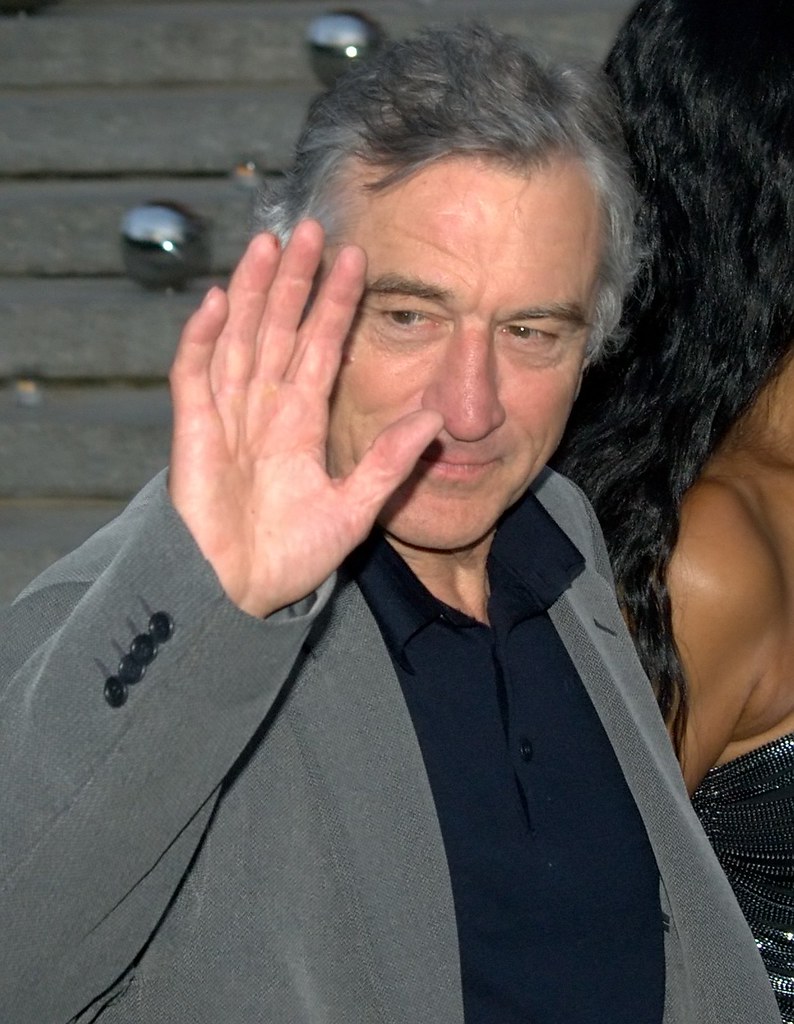
8. **Robert De Niro: The Method Maestro of Gritty Authenticity**As the cinematic landscape shifted into the raw, uncompromising realism of the New Hollywood era, Robert De Niro emerged as a defining force, solidifying method acting as a dominant, transformative style. His collaborations with director Martin Scorsese yielded some of cinema’s most visceral and iconic performances, fundamentally altering audience expectations for character depth and emotional intensity. Films like “Taxi Driver,” “Raging Bull,” and “Goodfellas” are not merely movies; they are masterclasses in immersion, showcasing De Niro’s unparalleled ability to inhabit roles with an unsettling, captivating truth.
De Niro’s dedication to his craft is the stuff of legend, a commitment that transcended mere acting to become an almost spiritual pursuit of authenticity. A prime example of this uncompromising approach is his physical transformation for “Raging Bull,” where he famously gained 60 pounds to portray the aging Jake LaMotta. This radical immersion wasn’t a gimmick; it was a profound testament to his artistic integrity, signaling a new benchmark for what actors were willing to undertake to achieve a truthful performance. This level of commitment has since inspired countless aspiring actors to delve deeper into their characters’ psyches.
His influence on method acting is profound, shaping how subsequent generations of performers approach roles, emphasizing internal motivation and a lived-in authenticity. De Niro’s performances often delve into the darker, more complex aspects of the human condition, forcing audiences to confront uncomfortable truths while remaining utterly mesmerized. He didn’t just play characters; he became them, imbuing each with a volatile, unpredictable energy that made his work indelible and his place in cinematic history utterly secure.
Read more about: Beyond the Red Carpet: 14 Global A-List Actors & Actresses Who Truly Define Stardom

9. **Johnny Depp: The Architect of Whimsical Oddities**Johnny Depp burst onto the scene with a flair for the unconventional, quickly establishing himself as an actor drawn to unique character portrayals that blended eccentricity with profound emotional depth. His ability to transform, often under heavy prosthetics or in fantastical settings, allowed him to create iconic figures that transcended traditional leading man archetypes. From the melancholic innocence of “Edward Scissorhands” to the swashbuckling theatricality of Captain Jack Sparrow in “Pirates of the Caribbean,” Depp built a career on defying expectations and embracing the wonderfully strange.
Depp’s approach to crafting his characters often involved drawing inspiration from surprising sources, imbuing his performances with layers of unexpected nuance. For instance, his portrayal of Captain Jack Sparrow, a role that became one of his most beloved and iconic, was famously based on the idiosyncratic rock star Keith Richards. This quirky inspiration wasn’t just a fun fact; it was the creative catalyst that injected Jack Sparrow with his distinctive swagger, slurred speech, and unpredictable charm, making him an enduring cultural touchstone.
His filmography stands as a testament to an actor unafraid to explore the fringes of human experience, creating characters that are at once fantastical and deeply relatable. Depp’s unique blend of dark whimsy and underlying vulnerability resonates powerfully with audiences, making him a beloved figure across different generations. He carved out a singular niche in Hollywood, proving that mainstream success could be found in the most unconventional of artistic choices, ensuring his enduring legacy as an actor of remarkable versatility and imagination.

10. **Cate Blanchett: The Modern Paragon of Versatility and Power**Cate Blanchett stands as a towering figure in contemporary cinema, celebrated for a powerful and diverse range of performances that effortlessly traverse genres, eras, and even genders. Her remarkable ability to fully embody vastly different characters, from historical figures to fantastical queens and complex modern women, has earned her unparalleled critical acclaim and multiple prestigious awards. Whether she’s commanding the screen in “The Lord of the Rings” or delivering a devastating performance in “Blue Jasmine,” Blanchett’s presence is always electrifying and utterly compelling.
One of the most striking aspects of Blanchett’s extraordinary talent is her chameleon-like versatility, which allows her to transform so completely that she often becomes unrecognizable. A testament to this range is her remarkable achievement of portraying both Queen Elizabeth I and, astonishingly, Bob Dylan in different films. This audacious embrace of diverse roles underscores her fearless approach to challenging traditional gender norms and expectations in cinema, pushing the boundaries of what a leading actress can achieve. Her choices are often bold, intelligent, and deeply resonant.
Blanchett’s performances are consistently marked by an intellectual rigor and an emotional depth that draws audiences into the very core of her characters. She possesses a unique ability to combine raw vulnerability with formidable strength, making her a leading figure who continues to redefine the landscape of contemporary acting. Her ongoing contributions to film are not merely about entertainment; they are about setting new standards for artistic excellence and inspiring a generation of actors to pursue their craft with unwavering dedication and intellectual curiosity.
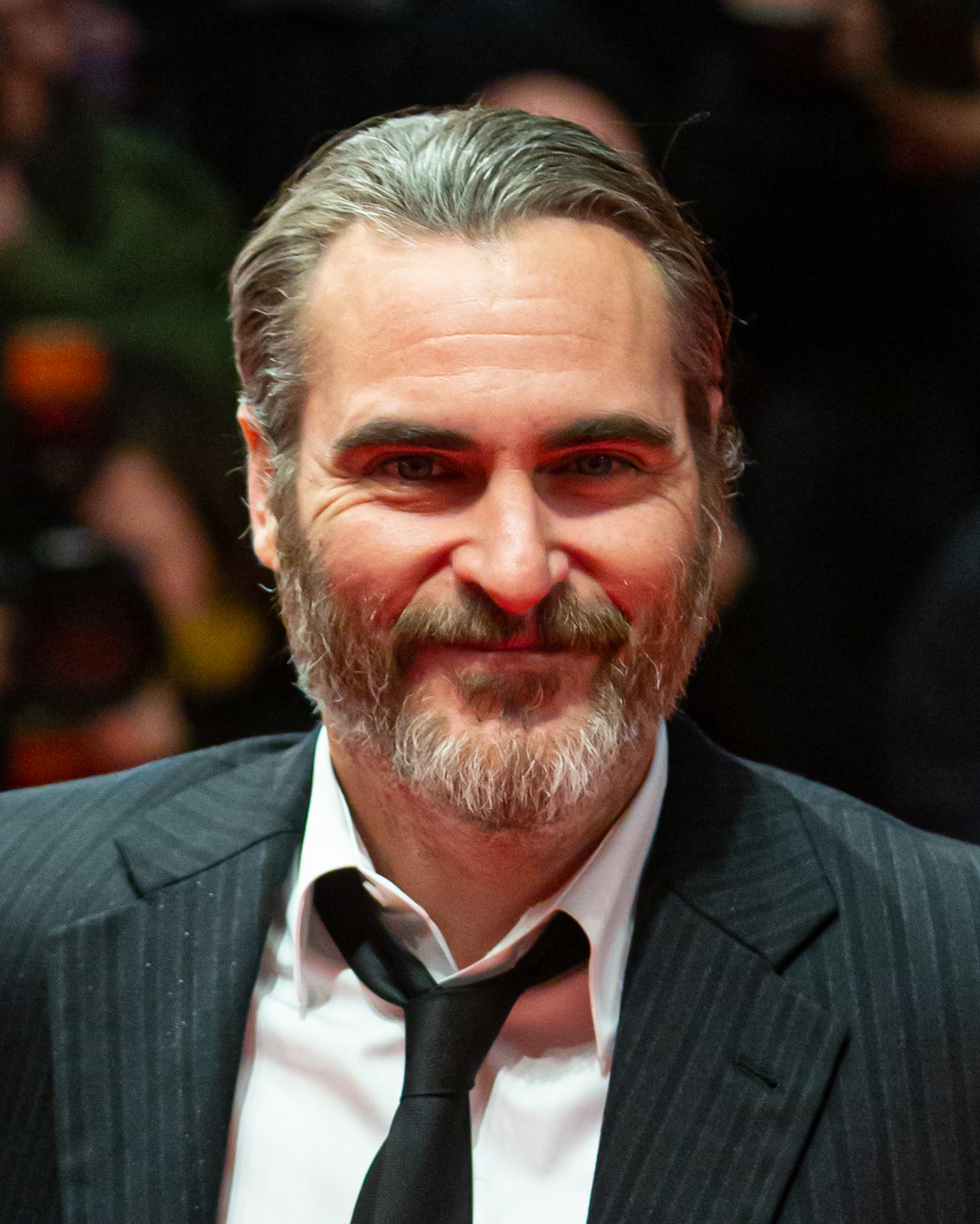
11. **Joaquin Phoenix: The Master of Intense Transformation**Joaquin Phoenix has solidified his reputation as an actor renowned for his intense, often unsettling, and profoundly transformative roles. His performances are not merely acts; they are deep psychological excavations, requiring an immersive commitment that consistently leaves audiences spellbound and critics rapt. From the tormented emperor Commodus in “Gladiator” to the deeply disturbing Arthur Fleck in “Joker,” Phoenix delves into the darkest recesses of the human psyche, crafting characters that are as unforgettable as they are disquieting.
Phoenix’s journey through identity, both on and off screen, speaks to his singular artistic path. An intriguing detail from his childhood reveals he briefly changed his name to Leaf, reflecting an early desire for a unique identity—a trait that unmistakably manifests in his distinct and often singular acting style. This pursuit of individuality translates directly into performances that break from convention, often exploring the nuanced complexities of isolation, mental anguish, and societal pressures with an unflinching gaze.
His portrayal of the titular character in “Joker” earned him an Academy Award for Best Actor, a performance lauded for its raw vulnerability and unnerving intensity, setting a new benchmark for how complex, anti-heroic figures can be brought to life. Phoenix’s commitment to portraying the internal struggles of his characters with such unflinching honesty has not only garnered him numerous accolades but has also firmly established him as a powerful and influential presence in the film industry, continually challenging both himself and his audience.
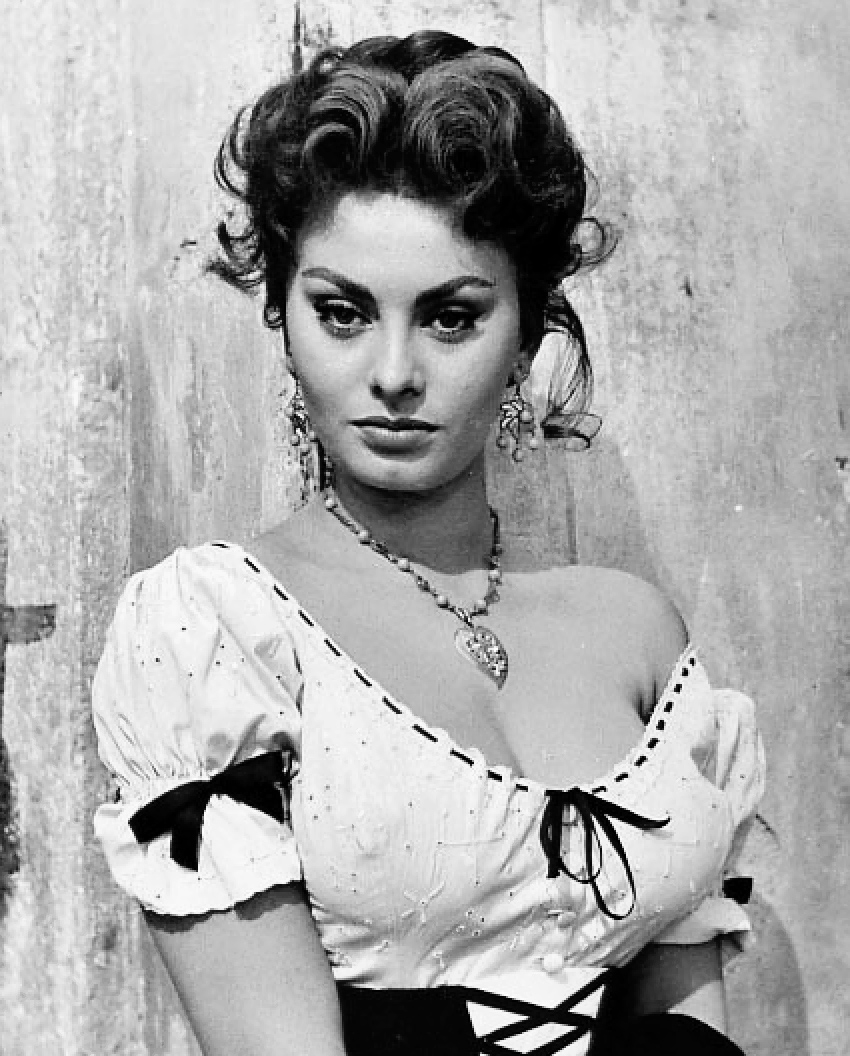
12. **Sophia Loren: The Enduring Icon of International Glamour and Talent**Sophia Loren stands as a timeless emblem of cinematic glamour, talent, and international appeal, her magnetic presence captivating audiences across continents during the Golden Age and beyond. Her commanding performances, particularly in films like “Two Women” and “Marriage Italian Style,” transcended language barriers, earning her global recognition and establishing her as a formidable force in both European and Hollywood cinema. Her poignant portrayal in “Two Women” notably earned her an Academy Award, marking a significant and historic achievement for a non-English language performance.
Loren’s charisma and profound emotional depth allowed her to effortlessly captivate audiences, making her a star on both sides of the Atlantic. She possessed a rare ability to blend raw passion with refined elegance, imbuing her characters with an undeniable vitality that resonated universally. This natural charm and profound authenticity set her apart, creating a personal brand of stardom that remains iconic to this day.
Her crossover success, moving seamlessly between Italian neorealism and big-budget Hollywood productions, demonstrated not only her remarkable versatility but also significantly broadened her influence within the global film industry. Loren paved the way for future international stars, proving that true talent and a compelling screen presence could transcend cultural divides. Her enduring legacy is a testament to her unique ability to embody both fierce independence and captivating beauty, solidifying her place as a true legend of cinema.
Read more about: Flashback to Fabulous: Unveiling 12 of the Most Iconic 1960s Actresses Who Ruled the Silver Screen!
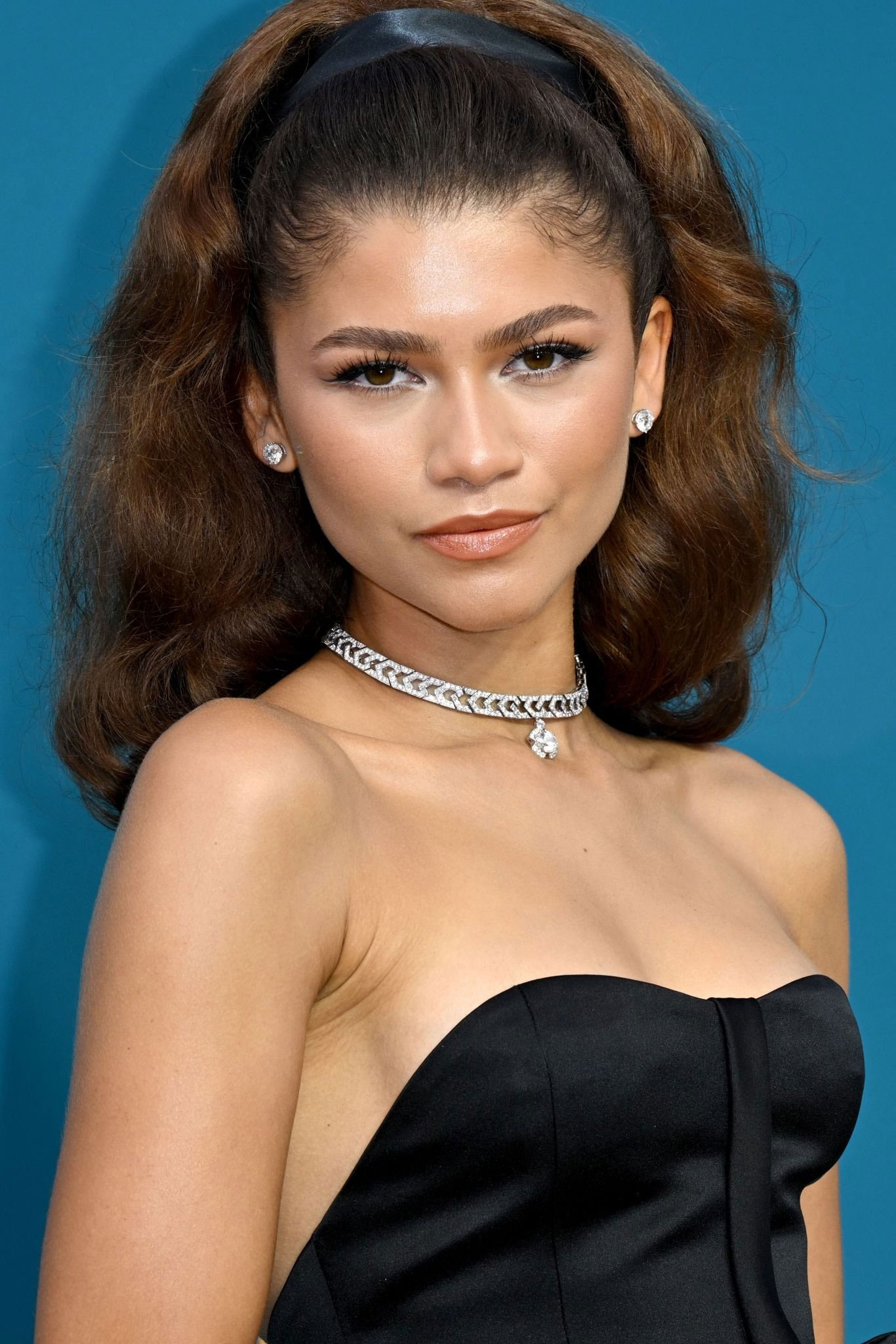
13. **Zendaya: The Defining Voice of the Streaming Era**Zendaya has rapidly ascended to become one of the most prominent and influential figures of the contemporary streaming era, a testament to her versatility, undeniable talent, and profound connection with a new generation of viewers. Her journey from a Disney Channel star to an acclaimed dramatic actress in “Euphoria” and a pivotal figure in the “Spider-Man” franchise has been nothing short of seamless and remarkably impressive, showcasing a rare ability to evolve her craft with grace and intensity.
Her performances in “Euphoria,” in particular, have been lauded for their raw honesty and emotional complexity, capturing the anxieties and aspirations of young people navigating modern challenges. Zendaya’s ability to connect with audiences through the intimate, immediate medium of streaming platforms has cemented her status as a key figure in this evolving cinematic landscape. She doesn’t just act; she embodies the contemporary spirit, reflecting nuanced realities that resonate deeply with her demographic.
Zendaya is not merely a rising star; she is poised to become one of the defining actors of her generation, adept at balancing blockbuster appeal with critically acclaimed, character-driven work. Her impact extends beyond her individual roles, as she represents a new archetype of Hollywood talent—one that is globally recognized, socially conscious, and unafraid to tackle challenging material, charting a new course for stardom in the 21st century.

14. **Timothée Chalamet: The Ethereal Charmer of Modern Cinema**Timothée Chalamet has swiftly emerged as a distinctive voice in modern cinema, known for his compelling performances that bridge the gap between intimate indie dramas and sprawling blockbuster spectacles. His unique blend of youthful vulnerability, intense charisma, and profound sensitivity has garnered him critical acclaim and cultivated an exceptionally devoted fan base. From his breakout role in “Call Me by Your Name” to his commanding presence in “Dune,” Chalamet embodies a new kind of leading man, one defined by intelligence and emotional depth.
Beyond his captivating screen presence, Chalamet possesses an international appeal further amplified by his fluency in French, a result of his father’s heritage. This multilingual ability not only broadens his artistic horizons but also makes him a global cultural figure, capable of connecting with diverse audiences worldwide. His career choices often reflect a deliberate inclination toward roles that challenge him, allowing him to explore complex themes and nuanced emotional landscapes with remarkable poise.
Chalamet’s performances are consistently marked by a thoughtful precision and an innate ability to convey profound internal struggles with subtlety and grace. He has quickly become one of the most sought-after actors of his generation, recognized for his artistic integrity and dedication to character. As he continues to choose projects that push creative boundaries, Chalamet is undeniably shaping the trajectory of contemporary cinema, cementing his legacy as an actor of immense promise and undeniable impact.

15. **Florence Pugh: The Fearless Embodiment of Modern Emotionality**Florence Pugh has rapidly risen to prominence as one of the most formidable and exciting actresses of her generation, celebrated for her powerful performances and remarkable emotional range. She possesses a rare ability to infuse her characters with both raw vulnerability and fierce strength, making her a compelling presence in every film she graces. From her acclaimed role in Greta Gerwig’s “Little Women” to her visceral and unforgettable turn in the horror phenomenon “Midsommar,” Pugh consistently delivers performances that are both impactful and deeply nuanced.
Her artistic background, which notably includes an initial passion for music before she pursued acting, adds a unique depth and rhythm to her performances. This multidisciplinary foundation likely contributes to her distinctive approach to character, allowing her to explore intense emotional landscapes with a naturalistic intensity that resonates profoundly with audiences. She doesn’t shy away from challenging material, often choosing roles that demand significant emotional investment and explore complex human experiences.
Pugh’s ability to convey a vast spectrum of emotions with such authenticity has quickly established her as a standout talent in Hollywood. She commands the screen with a confident vulnerability, demonstrating a maturity beyond her years and an innate understanding of her craft. As she continues to select diverse and demanding roles, Florence Pugh is undeniably making an indelible mark on contemporary cinema, solidifying her status as one of the most promising and powerful actresses working today.
The journey through these actors’ careers, spanning from the trailblazers of New Hollywood to the captivating forces of the streaming era, reveals a continuous evolution of cinematic storytelling. Each artist, in their unique way, has contributed not just iconic performances but a deeper understanding of human experience, challenging expectations and redefining the very art form. Their legacies are not static; they are living narratives, continuing to inspire, provoke, and entertain, ensuring that the magic of cinema endures for generations to come.