
For seasoned enthusiasts and casual observers alike, the automotive corner of the internet is a vibrant, often cacophonous space, brimming with everything from speculative renders to official announcements. Few topics ignite passion and debate quite like the rumored return of a legendary nameplate. Among the most persistent and tantalizing whispers is the idea of a modern Plymouth Barracuda, a revival that has, for years, captured the collective imagination of the muscle car world, promising to take it by storm. The question on everyone’s lips, however, remains: after decades of absence, is this legendary pony car truly making a comeback in 2026, or is it just another digital fabrication?
Indeed, the concept of a new ‘Cuda resurfaces with remarkable regularity, often fueled by the increasingly sophisticated capabilities of artificial intelligence. Today, anyone with an internet connection and perhaps a less-than-rigorous commitment to factual reporting can generate highly realistic images of a would-be modern Barracuda. These visuals are then easily passed off as the real deal, at least until a more discerning eye critically examines the details. This proliferation of convincing, yet ultimately unsubstantiated, content only deepens the mystery and heightens the sense of anticipation surrounding such a potential return.
However, in a surprising turn of events that slices through the digital noise, official declarations have emerged, effectively shifting the narrative from speculative fantasy to an undeniable reality. This article will delve into the persistent rumors, the initial debunking, and then pivot to the concrete facts, unveiling the detailed specifications and confirmed launch plans for the 2026 Plymouth Barracuda. We’ll explore its design, performance, and the profound implications of its return to the fiercely competitive modern muscle car arena.
.JPG/1200px-'70_Plymouth_Barracuda_('11_Auto_classique_VAQ_Mont_St-Hilaire).JPG)
1. **The Persistence of Barracuda Revival Rumors: Exploring the Cyclical Internet Buzz**The rumor mill regarding a modern Plymouth Barracuda is a perpetual motion machine in the automotive world, churning out speculation every few years. Enthusiasts, captivated by the allure of a bygone era, eagerly share concepts and discussions, perpetuating a cycle of hope and eventual disappointment. The recent surge of buzz around a 2026 model has been particularly potent, largely due to advancements in AI imagery, making it harder to discern fact from fiction.
Online forums and social media platforms become battlegrounds of opinion, where users debate the authenticity of purported leaks or concept art. As one well-known member on a forum, ‘hdwrench,’ stated, “a buddy of mine just sent me a youtube vid claiming a new cuda build for 2026, in today’s world i’m not sure it’s accurate info.” This sentiment of uncertainty, questioning the veracity of online content, is a common thread that runs through many discussions surrounding such a high-profile revival.
Initially, many voices within the automotive community were quick to dismiss these claims as pure fantasy. SlashGear, for instance, explicitly stated their mission to “set the record straight: There is no 2026 Plymouth Barracuda.” This firm debunking highlighted the widespread skepticism that often accompanies such grand automotive resurrections, underscoring the general belief that the ‘Cuda was simply a nostalgic dream, unlikely to materialize in any official capacity.
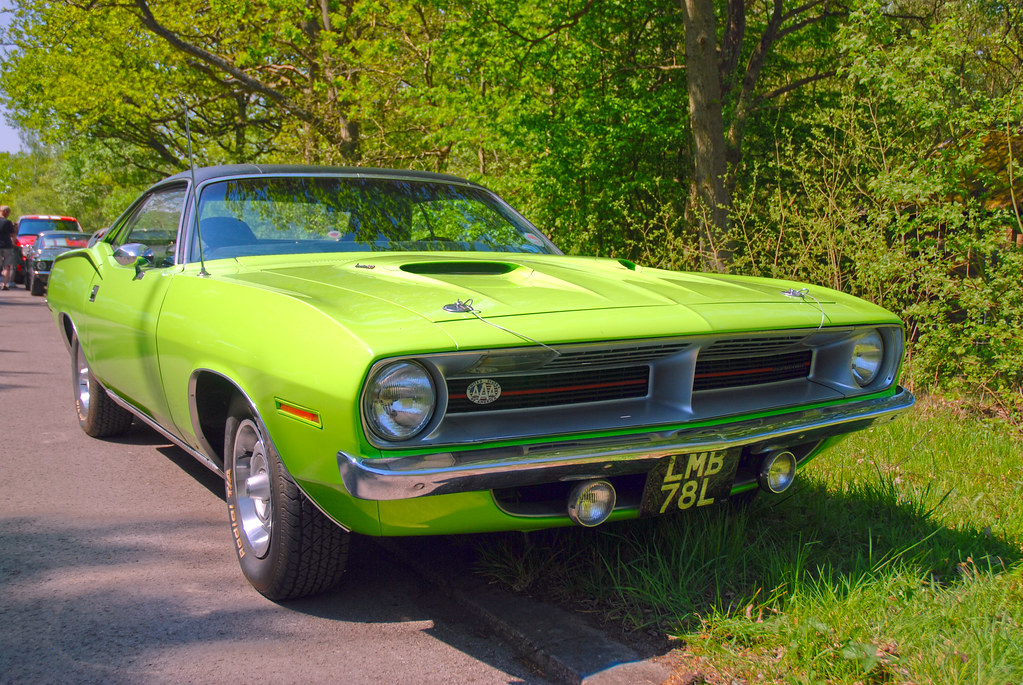
Car Model Information: 1971 Plymouth Barracuda
Caption: 1970 Hardtop Coupe
Name: Plymouth Barracuda
Manufacturer: Plymouth (automobile)
Production: 1964–1974
Assembly: Fenton, Missouri,Hamtramck, Michigan,Maywood, California,Windsor, Ontario
Layout: Front-engine, rear-wheel drive layout
Class: Pony car
Categories: 1970s cars, All articles with dead external links, All articles with unsourced statements, Articles with dead external links from February 2018, Articles with dead external links from January 2022
Summary: The Plymouth Barracuda is a two-door pony car that was manufactured by Chrysler Corporation from 1964 through 1974 model years.
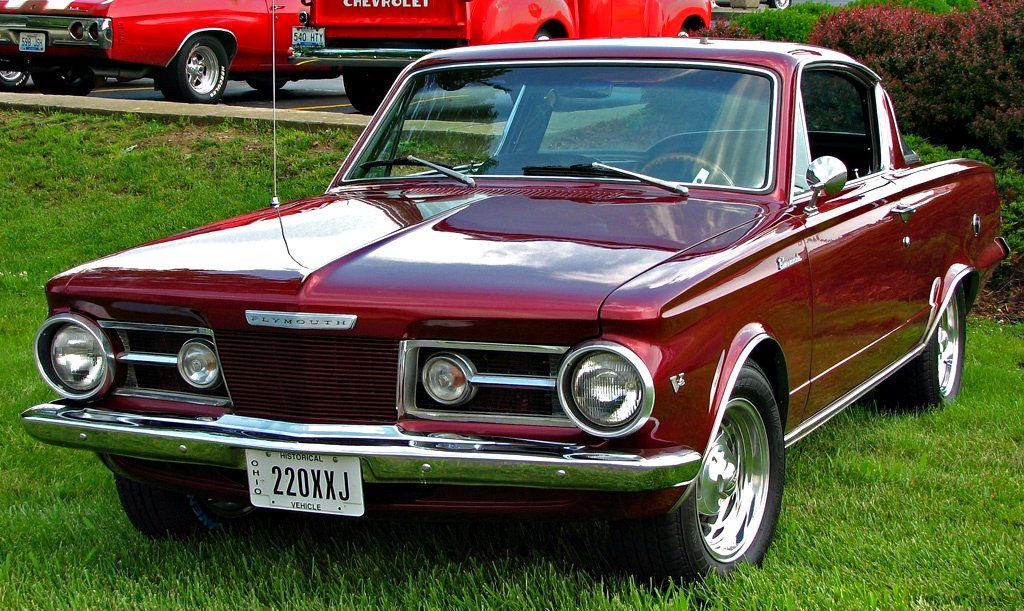
The first-generation Barracuda was based on the Chrysler A-body and was offered from 1964 until 1966. A two-door hardtop (no B-pillar) fastback design, it shared a great majority of parts and bodywork with the Plymouth Valiant, except for the distinctive wraparound rear glass.
The second-generation Barracuda, though still Valiant-based, was heavily redesigned. Built from 1967 through 1969, it was available as a two-door in fastback, notchback, and convertible versions.
The third generation, offered from 1970 until 1974, was based on the Chrysler E-body, exclusive to it, and the slightly larger Dodge Challenger. A completely new design, the two-door Barracuda was available in hardtop and convertible body styles.
Get more information about: Plymouth Barracuda
Buying a high-performing used car >>>
Brand: Plymouth Model: Barracuda
Price: $44,999 Mileage: 12,468 mi.
2. **The Brand Dilemma: Plymouth’s Disappearance and the Logic of Skepticism**One of the most compelling arguments against the likelihood of a new Plymouth Barracuda hinges on a very basic, irrefutable fact: the Plymouth brand itself ceased to exist in 2001. This fundamental reality has long served as a strong barrier to any credible rumors of a Plymouth vehicle revival, making the concept of a ‘2026 Plymouth Barracuda’ inherently problematic for those familiar with the industry.
Without a manufacturing division or an active corporate entity dedicated to the Plymouth marque, the idea of producing a new car under that name seemed illogical. Critics rightly pointed out that even if Stellantis (the parent company that now encompasses the former Chrysler brands) were to revive the Barracuda, it would logically fall under an existing brand like Dodge, which still actively produces muscle cars. This perspective was echoed in forum discussions, where a member named ‘Katfish’ pertinently observed, “Maybe if they said Dodge Cuda, there is no Plymouth to make a Cuda.”
This absence of the brand was a crucial piece of the debunking puzzle, lending significant weight to the argument that the online buzz was nothing more than wishful thinking. The lack of an official Plymouth framework made any talk of a new ‘Cuda appear to be disconnected from corporate reality, reinforcing the consensus among seasoned enthusiasts that the vehicle’s return was, at best, a nice dream, as ‘hdwrench’ himself conceded: “i guess it a nice dream… i’m sure if they decided to run a batch of cuda s they would sell…”
Car Model Information: 1971 Plymouth Barracuda
Caption: 1970 Hardtop Coupe
Name: Plymouth Barracuda
Manufacturer: Plymouth (automobile)
Production: 1964–1974
Assembly: Fenton, Missouri,Hamtramck, Michigan,Maywood, California,Windsor, Ontario
Layout: Front-engine, rear-wheel drive layout
Class: Pony car
Categories: 1970s cars, All articles with dead external links, All articles with unsourced statements, Articles with dead external links from February 2018, Articles with dead external links from January 2022
Summary: The Plymouth Barracuda is a two-door pony car that was manufactured by Chrysler Corporation from 1964 through 1974 model years.
The first-generation Barracuda was based on the Chrysler A-body and was offered from 1964 until 1966. A two-door hardtop (no B-pillar) fastback design, it shared a great majority of parts and bodywork with the Plymouth Valiant, except for the distinctive wraparound rear glass.
The second-generation Barracuda, though still Valiant-based, was heavily redesigned. Built from 1967 through 1969, it was available as a two-door in fastback, notchback, and convertible versions.
The third generation, offered from 1970 until 1974, was based on the Chrysler E-body, exclusive to it, and the slightly larger Dodge Challenger. A completely new design, the two-door Barracuda was available in hardtop and convertible body styles.
Get more information about: Plymouth Barracuda
Buying a high-performing used car >>>
Brand: Plymouth Model: Barracuda
Price: $44,999 Mileage: 12,468 mi.
3. **Barracuda’s Enduring Spirit in Modern Muscle: A Legacy Reflected in Dodge’s Offerings**Even as the Plymouth brand faded into history, the enduring spirit and iconic design language of the Barracuda never truly left the automotive consciousness. Its influence subtly, yet undeniably, persisted, finding expression in the design philosophy of its spiritual successors. This is particularly evident when examining modern muscle car offerings from Stellantis’s other brands, demonstrating that while the nameplate might have been dormant, its essence continued to inspire.
The most recent iteration of the Dodge Challenger, for instance, bears a striking resemblance to the classic 1960s and 1970s Barracuda. This design homage is not merely coincidental but a deliberate nod to a shared heritage, manifest in its “impossibly long nose and big fish mouth grille.” These styling cues are direct echoes of the ‘Cuda’s aggressive and distinctive aesthetics, ensuring that its visual legacy remained very much alive on contemporary roads.
Beyond superficial styling, the functional philosophy of the Barracuda also found a home in the Challenger. The core purpose of “going really fast in a straight line while powered by a huge V8” is a direct continuation of the Barracuda’s raison d’être. This unwavering commitment to raw power and straight-line performance ensures that, in a profound functional sense, the spirit of the Barracuda never truly departed from the muscle car landscape, even in its absence as a standalone model.
Car Model Information: 1971 Plymouth Barracuda
Caption: 1970 Hardtop Coupe
Name: Plymouth Barracuda
Manufacturer: Plymouth (automobile)
Production: 1964–1974
Assembly: Fenton, Missouri,Hamtramck, Michigan,Maywood, California,Windsor, Ontario
Layout: Front-engine, rear-wheel drive layout
Class: Pony car
Categories: 1970s cars, All articles with dead external links, All articles with unsourced statements, Articles with dead external links from February 2018, Articles with dead external links from January 2022
Summary: The Plymouth Barracuda is a two-door pony car that was manufactured by Chrysler Corporation from 1964 through 1974 model years.
The first-generation Barracuda was based on the Chrysler A-body and was offered from 1964 until 1966. A two-door hardtop (no B-pillar) fastback design, it shared a great majority of parts and bodywork with the Plymouth Valiant, except for the distinctive wraparound rear glass.
The second-generation Barracuda, though still Valiant-based, was heavily redesigned. Built from 1967 through 1969, it was available as a two-door in fastback, notchback, and convertible versions.
The third generation, offered from 1970 until 1974, was based on the Chrysler E-body, exclusive to it, and the slightly larger Dodge Challenger. A completely new design, the two-door Barracuda was available in hardtop and convertible body styles.
Get more information about: Plymouth Barracuda
Buying a high-performing used car >>>
Brand: Plymouth Model: Barracuda
Price: $44,999 Mileage: 12,468 mi.
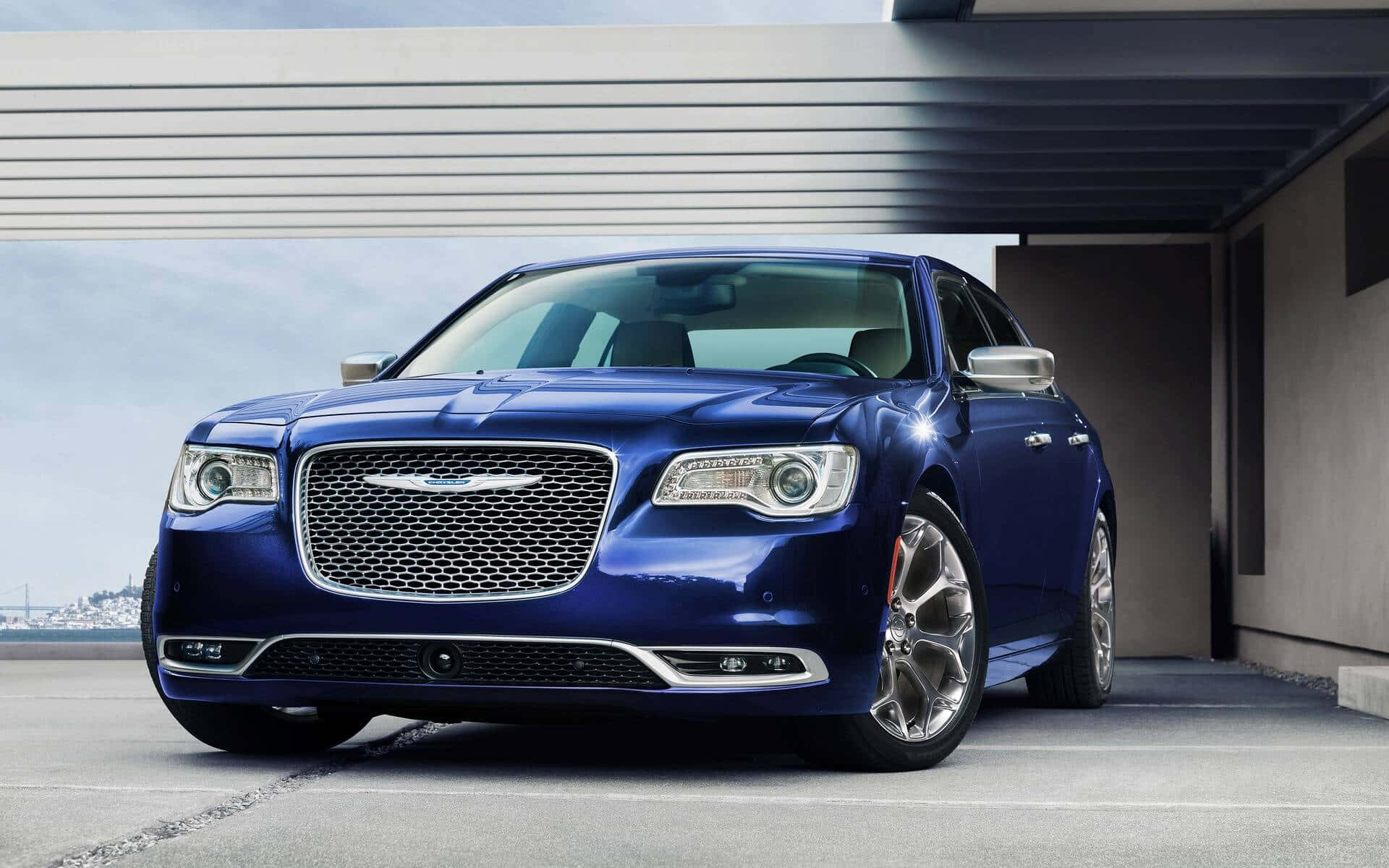
4. **Chrysler’s Official Confirmation: The Shift from Rumor to Reality**Despite years of persistent rumors, sophisticated AI-generated images, and a logical industry-wide consensus that the Plymouth Barracuda was a relic of the past, the automotive world was caught off guard by an extraordinary announcement. The speculation that had long circulated in enthusiast circles was decisively put to rest, not by another debunking, but by an unexpected and authoritative confirmation.
At this year’s highly anticipated launch event, Chrysler officially confirmed that the Barracuda is indeed returning. This bombshell revelation instantly transformed years of wishful thinking into a concrete reality, reshaping expectations for the future of American muscle. The company stated unequivocally that “the car will go into production with two V8 engine options and will hit dealerships in spring 2026,” providing definitive details that validated the previously dismissed online buzz.
The impact of this announcement was immediate and profound, reverberating across the entire automotive landscape. With an accessible starting price and performance specifications that promise to rival today’s top muscle cars, the new Barracuda has already begun “generating strong reactions across social media and industry forums alike.” This official confirmation has validated the fervor of long-time fans and introduced a new generation of drivers to the legend, marking a significant turning point in its storied history.
Car Model Information: 1971 Plymouth Barracuda
Caption: 1970 Hardtop Coupe
Name: Plymouth Barracuda
Manufacturer: Plymouth (automobile)
Production: 1964–1974
Assembly: Fenton, Missouri,Hamtramck, Michigan,Maywood, California,Windsor, Ontario
Layout: Front-engine, rear-wheel drive layout
Class: Pony car
Categories: 1970s cars, All articles with dead external links, All articles with unsourced statements, Articles with dead external links from February 2018, Articles with dead external links from January 2022
Summary: The Plymouth Barracuda is a two-door pony car that was manufactured by Chrysler Corporation from 1964 through 1974 model years.
The first-generation Barracuda was based on the Chrysler A-body and was offered from 1964 until 1966. A two-door hardtop (no B-pillar) fastback design, it shared a great majority of parts and bodywork with the Plymouth Valiant, except for the distinctive wraparound rear glass.
The second-generation Barracuda, though still Valiant-based, was heavily redesigned. Built from 1967 through 1969, it was available as a two-door in fastback, notchback, and convertible versions.
The third generation, offered from 1970 until 1974, was based on the Chrysler E-body, exclusive to it, and the slightly larger Dodge Challenger. A completely new design, the two-door Barracuda was available in hardtop and convertible body styles.
Get more information about: Plymouth Barracuda
Buying a high-performing used car >>>
Brand: Plymouth Model: Barracuda
Price: $44,999 Mileage: 12,468 mi.
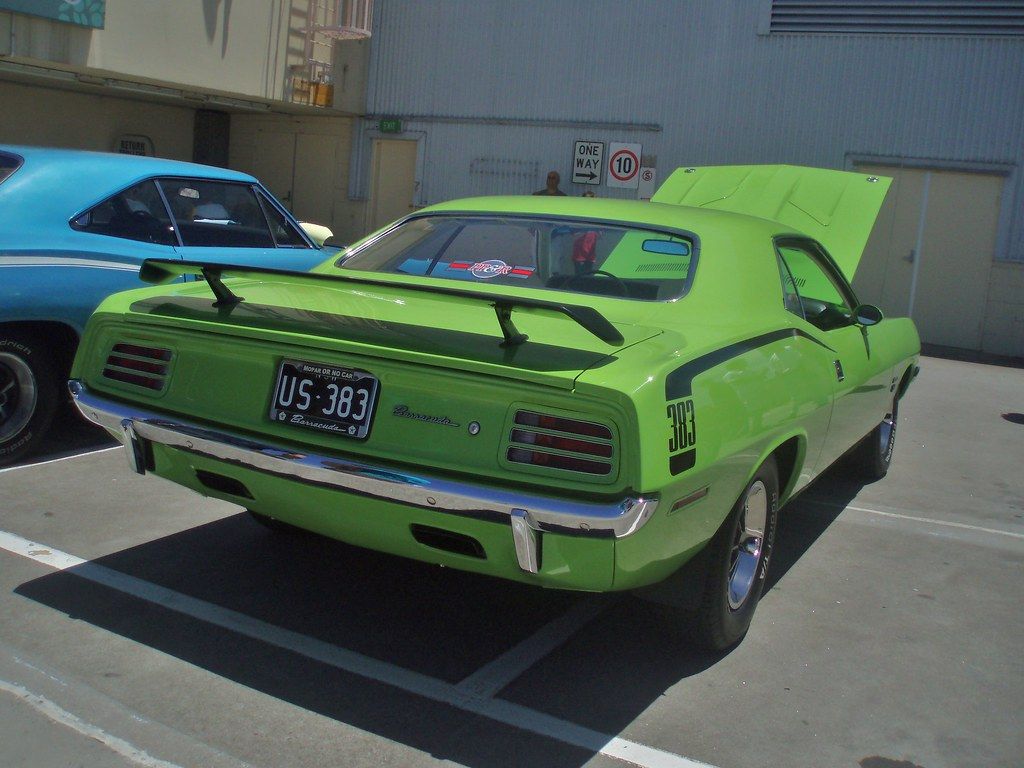
5. **A Storied Legacy: The Original Barracuda’s Impact on the Golden Era of American Pony Cars**The Barracuda’s re-entry into the market is more than just a new model launch; it’s a revival that taps deep into the rich veins of American automotive history. First introduced in 1964, the Barracuda was a trailblazer, playing a pivotal role in ushering in what many consider the golden era of American pony cars. It wasn’t merely a participant but a formidable contender, directly challenging established titans such as the Ford Mustang and Chevrolet Camaro.
Initially sharing its foundational architecture with the more utilitarian Valiant, the Barracuda quickly distinguished itself through its fastback design and, crucially, its increasingly potent engine options. It proved that a car could be both stylish and powerful, offering a dynamic driving experience that appealed to a burgeoning market of performance enthusiasts. Early models, while sharing bones, soon packed a formidable punch “with engines up to 426 cubic inches,” laying the groundwork for its future as a true muscle icon.
By the early 1970s, the Barracuda had fully evolved into a quintessential muscle monster, shedding any lingering associations with its more humble origins. It carved out its own formidable identity, becoming a symbol of raw power and distinctive style. Although sales topped out around 1974, succumbing to the pressures of fuel crises and shifting consumer tastes, its indelible mark on automotive culture ensured that its legacy would endure for decades to come, setting the stage for its dramatic return.
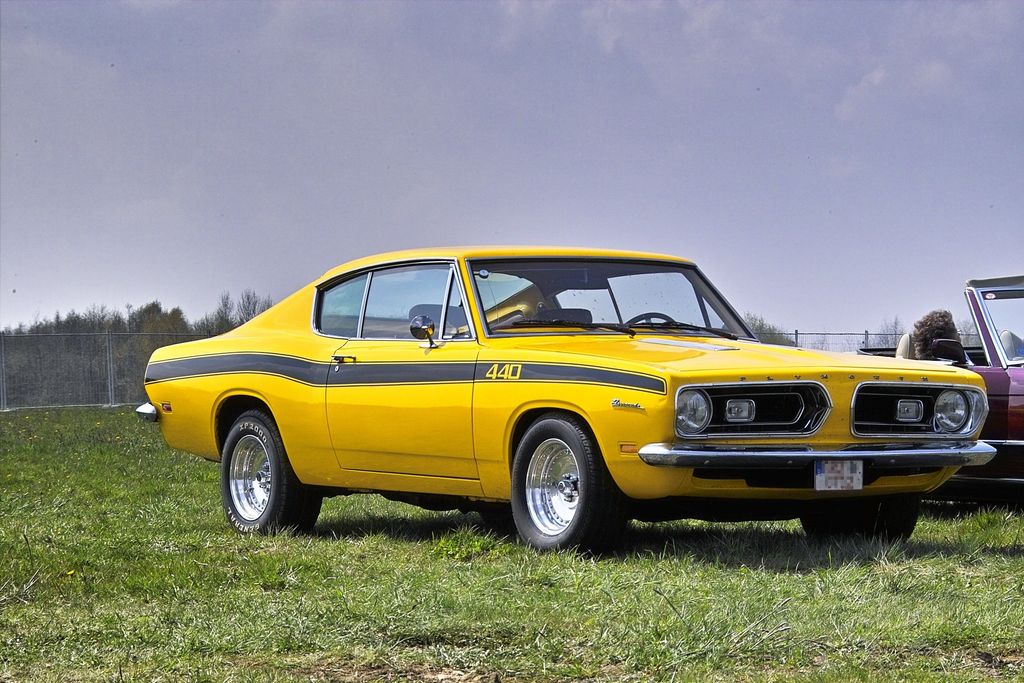
6. **Design That Screams Heritage with Modern Aggression: The 2026 Barracuda’s Exterior Aesthetic**The reveal of the 2026 Barracuda showcased a striking black coupe that immediately captivates with its undeniable presence and meticulous attention to detail. This isn’t just a reinterpretation; it’s a carefully crafted homage that seamlessly blends the car’s celebrated past with the demands of 21st-century design. The vehicle’s visual language is a powerful statement, clearly intended to resonate with both nostalgic purists and a new generation of muscle car aficionados.
The exterior silhouette is unmistakably vintage, characterized by “long hood lines, a fastback roof, and aggressive angles” that directly reference the iconic 1970s design that cemented the original Barracuda’s legendary status. Chrysler executives themselves described the aesthetic as “a tribute to the original ‘Cuda that ruled the streets,” while simultaneously emphasizing that this reborn beast had been “reworked for 21st-century roads,” implying a delicate balance between reverence and innovation.
Further enhancing its aggressive yet refined stance, the new Barracuda features slim LED headlights that pierce through the darkness, a bold grille that projects undeniable authority, and prominent quad exhausts that hint at the power within. The rear is accentuated by red diffused taillights, completing a look that is both modern and deeply rooted in its heritage. Importantly, the “chassis has been reinforced to improve rigidity,” ensuring that its dynamic styling is matched by responsive handling, delivering the raw edge that muscle car enthusiasts expect.
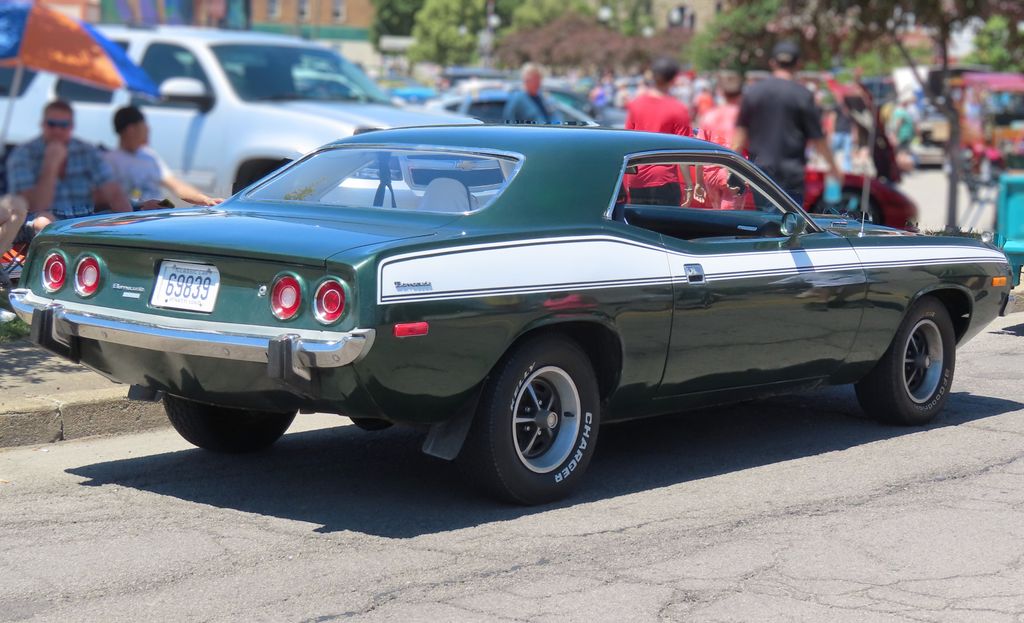
7. **The Interior: Blending Performance, Comfort, and Nostalgia in the Driver-Focused Cabin**Stepping inside the 2026 Barracuda reveals a cabin meticulously designed to balance the visceral thrill of a muscle car with the contemporary expectations of comfort and advanced technology. The interior is unapologetically driver-focused, immediately signaling its performance intentions while offering an environment that is both engaging and remarkably user-friendly. Every element, from the seating to the instrumentation, works in harmony to immerse the driver in the experience.
The tactile experience begins with the leather-wrapped bucket seats, engineered to “hug you like an old friend,” providing both support during spirited driving and comfort on longer journeys. The flat-bottom steering wheel reinforces the car’s sporty credentials, offering a confident grip and a direct connection to the road. The dashboard itself is a brilliant fusion of eras, mixing classic analog dials that evoke a sense of nostalgia with a sophisticated digital display, creating a bridge between past and present.
Chrysler has carefully curated an atmosphere that avoids over-complication, ensuring that the essence of a classic pony car remains intact. As noted, there is “no frills overload here; think wood accents and chrome trim that nod to the pony car era,” creating an authentic retro-inspired ambiance. While the 12-inch touchscreen serves as the central hub for navigation, media, and vehicle settings, it seamlessly integrates into the vintage aesthetic, proving that modern tech can coexist harmoniously with classic design principles. While the “rear seats? They’re there for show, tight as ever for weekend getaways,” reinforcing its primary focus as a driver’s machine. The color palette extends inside as well, with options like Plum Crazy purple, Electric Blue, Torch Red, and Hemi Orange bringing the vibrant spirit of the 70s muscle car era right into the cabin.

8. **Two Powertrains Bring Serious Performance: The Base Model’s Potent Debut**The 2026 Barracuda doesn’t just look the part of a reborn muscle car; it delivers on the promise of raw power right from its foundational offering. As detailed by Time Of USA, the base version of this eagerly awaited machine is engineered to thrill, featuring a formidable 6.4-liter supercharged V8 engine. This powerplant is capable of unleashing a robust 485 horsepower and a substantial 475 lb-ft of torque, ensuring that even the entry-level Barracuda is a serious contender on the street and strip.
This impressive V8 is mated to either a highly responsive eight-speed automatic transmission, designed for seamless power delivery and efficiency, or an optional six-speed manual gearbox, catering to purists who prefer to row their own gears. The choice of transmission allows drivers to engage with the Barracuda’s power in a way that best suits their driving style. This combination results in a breathtaking acceleration, propelling the car from 0 to 60 mph in a swift 4.2 seconds, a figure that firmly places it among today’s elite performance vehicles.
Beyond just raw numbers, Chrysler has ensured that the base Barracuda’s performance is usable and engaging. While fuel efficiency might not be the primary concern for a vehicle in this segment, with highway mileage estimated around 18 mpg, the focus remains squarely on the driving experience. The ability to offer flexibility in shifting and tuning allows drivers to adapt the car’s character depending on whether they’re cruising or pushing its limits, making it a versatile performer in its category.
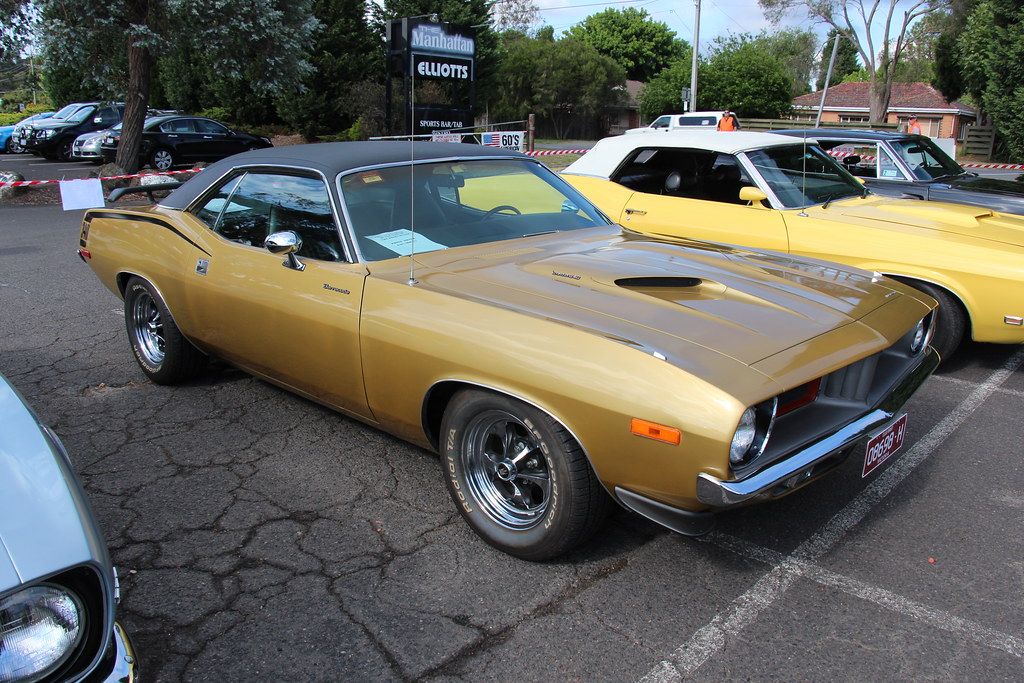
9. **Unbridled Power: The Hemi Edition’s Dominance**For those who demand an even more visceral experience, the 2026 Barracuda offers a “Hemi Edition” that elevates performance to a truly staggering level. This variant is a direct nod to the legendary Hemi engines of the past, delivering an uncompromising power output that redefines the muscle car landscape. It’s designed for enthusiasts who seek the pinnacle of straight-line acceleration and track-ready capabilities.
Under the hood of the Hemi Edition resides a monstrous 6.2-liter supercharged Hemi V8, an engine celebrated for its ability to generate immense power. This powerhouse pushes out a colossal 650 horsepower and an equally impressive 645 lb-ft of torque. These figures translate into blistering real-world performance, allowing the Barracuda Hemi Edition to sprint from 0 to 60 mph in a mere 3.5 seconds, with a top speed rated at an exhilarating 175 mph.
To manage this extraordinary power, both versions of the Barracuda are equipped with high-performance Brembo brakes, ensuring exceptional stopping power and fade resistance under demanding conditions. Furthermore, adaptable suspension settings provide the flexibility for drivers to optimize the car’s handling characteristics for either aggressive track driving or comfortable street cruising. This blend of immense power and sophisticated chassis tuning makes the Hemi Edition a formidable presence.
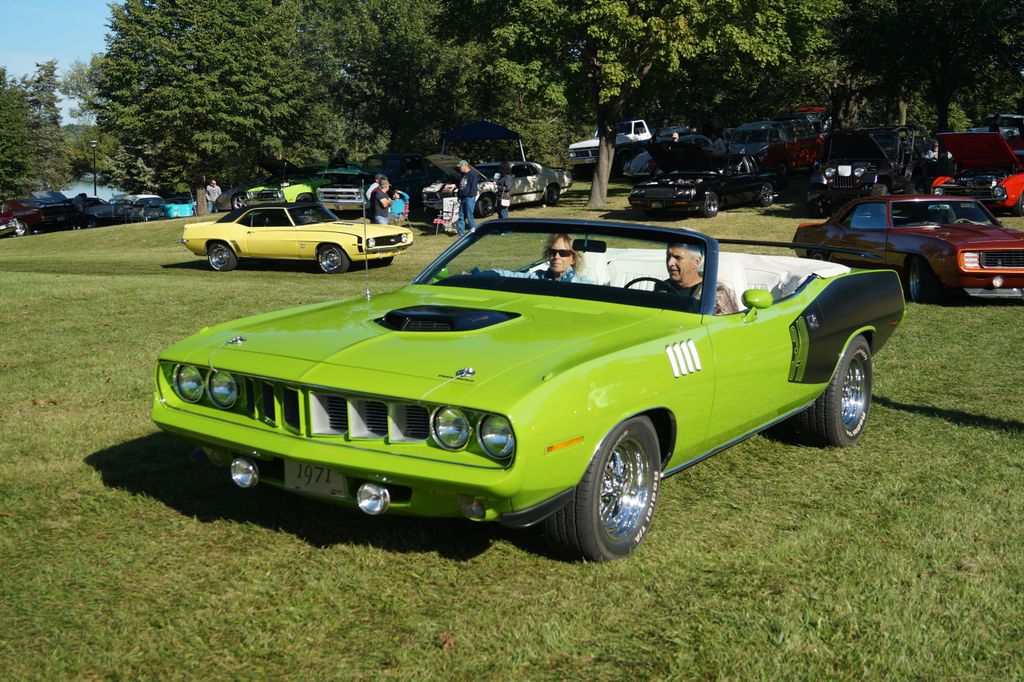
10. **Strategic Pricing and Value Proposition in the Modern Muscle Arena**One of the most compelling aspects of the 2026 Barracuda’s return, beyond its sheer performance, is its strategic pricing, which aims to make this legend accessible to a broad spectrum of enthusiasts. Chrysler has clearly positioned the new Barracuda to offer significant value, particularly when considering its performance capabilities and the nostalgic appeal it carries. This approach is designed to attract both long-time fans and a new generation of muscle car aficionados.
According to Chrysler’s presentation, the starting price for the base model of the 2026 Barracuda will be an accessible $45,000. For those desiring the ultimate performance, the Hemi Edition will begin at $62,000. These price points are remarkably competitive within the high-performance segment, especially when juxtaposed with the six-figure valuations often commanded by classic Barracudas on auction sites. This positions the new model as a modern-day steal.
This aggressive pricing strategy is poised to generate considerable demand. It’s not just about affordability; it’s about offering a vehicle that delivers immense power and an iconic nameplate without requiring an exorbitant investment. The value proposition here is strong, suggesting that Chrysler is intent on making the Barracuda a sales success that also carves out a unique space against its contemporaries and classic predecessors. Dealers are already anticipating strong interest, recognizing the allure of a powerful, heritage-rich car at these price points.
Read more about: The Auto Industry’s Warning: 13 Global Brands That Disappeared (And Why Your Business Could Be Next)
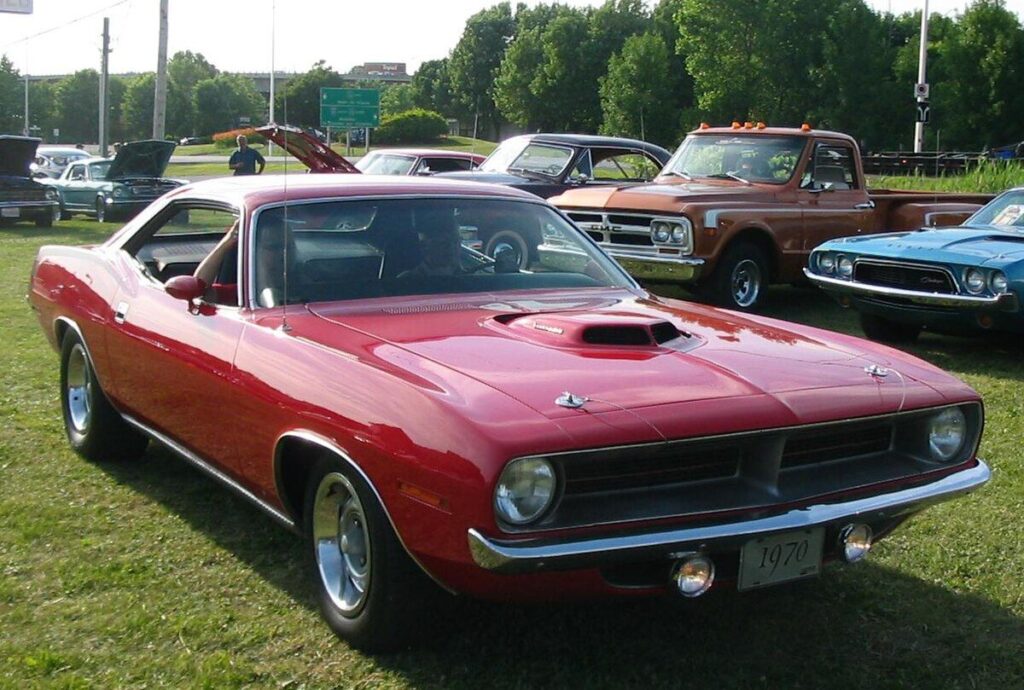
11. **Modern Tech Features for a Connected and Enhanced Ride**While the 2026 Barracuda unapologetically celebrates its heritage with retro-inspired design cues, Chrysler has ensured that its cabin is equipped with a suite of modern technology features, blending the best of both worlds. The goal is to provide a driving experience that is both raw and engaging, yet comfortably connected and safe for today’s discerning drivers. This integration ensures that the Barracuda isn’t just a nostalgic throwback but a truly contemporary performance machine.
The central hub for connectivity and control is a prominent 12-inch touchscreen display. This vibrant interface is fully compatible with Apple CarPlay and Android Auto, providing seamless integration for smartphone users. It serves as the primary control center for navigation, media playback, and various vehicle settings, all presented in a user-friendly format that complements the car’s classic aesthetic without overwhelming it with “frills overload.”
Beyond infotainment, the Barracuda is outfitted with a comprehensive package of driver assistance and safety features. This includes adaptive cruise control, automatic emergency braking, and lane-keeping assist, providing an added layer of security and convenience on the road. For performance enthusiasts, the tech suite extends to blind-spot monitoring, an essential safety feature for a powerful coupe, and launch control, a feature designed to optimize acceleration for maximum impact off the line. Additionally, a premium 19-speaker audio system delivers an immersive listening experience, and features like drift mode and custom driving profiles are explicitly intended to enhance the experience for those who relish dynamic driving.
Read more about: Driving into Tomorrow: The 11 Best New SUVs & Crossovers Redefining the Road for 2025-2026
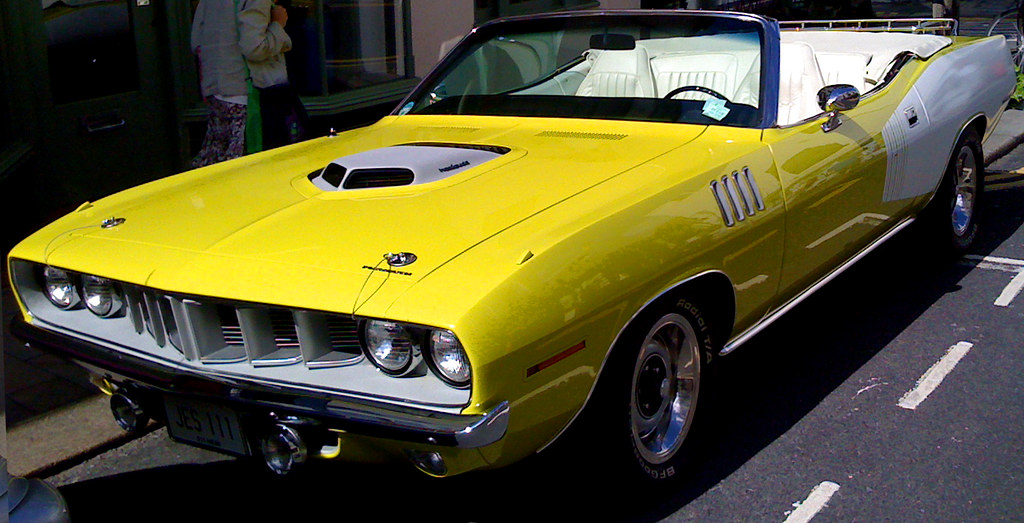
12. **Anticipated Market Reception and Collector’s Appeal: A Resounding Return**The official confirmation of the 2026 Barracuda’s return has already ignited a passionate response, suggesting a highly favorable market reception. The automotive community, comprising both seasoned enthusiasts and a new generation of potential owners, has been buzzing with excitement, eagerly discussing what this revival means for the muscle car landscape. This enthusiasm is not merely speculative but is deeply rooted in the Barracuda’s storied legacy and the anticipation of its modern interpretation.
Online forums and social media platforms have become vibrant hubs where fans and former owners are enthusiastically sharing stories and images from the car’s original production run. This collective nostalgia is a powerful force, drawing attention to the vehicle and fostering a sense of community around its return. Meanwhile, others are keenly watching how the updated model will stack up against today’s performance vehicles, eager to see its capabilities in action and its place in the competitive market.
Whether the 2026 Barracuda ultimately meets the lofty expectations of muscle car purists or successfully attracts a broader audience remains a topic of ongoing discussion. However, the early indicators are overwhelmingly positive, driven by the careful balance Chrysler has struck between heritage and modernity. The promise of custom versions with special stripes and badging is expected to further fuel demand, particularly from collectors and those with a deep connection to the model’s legacy, potentially leading to limited first-year runs to build hype and boost resale values.
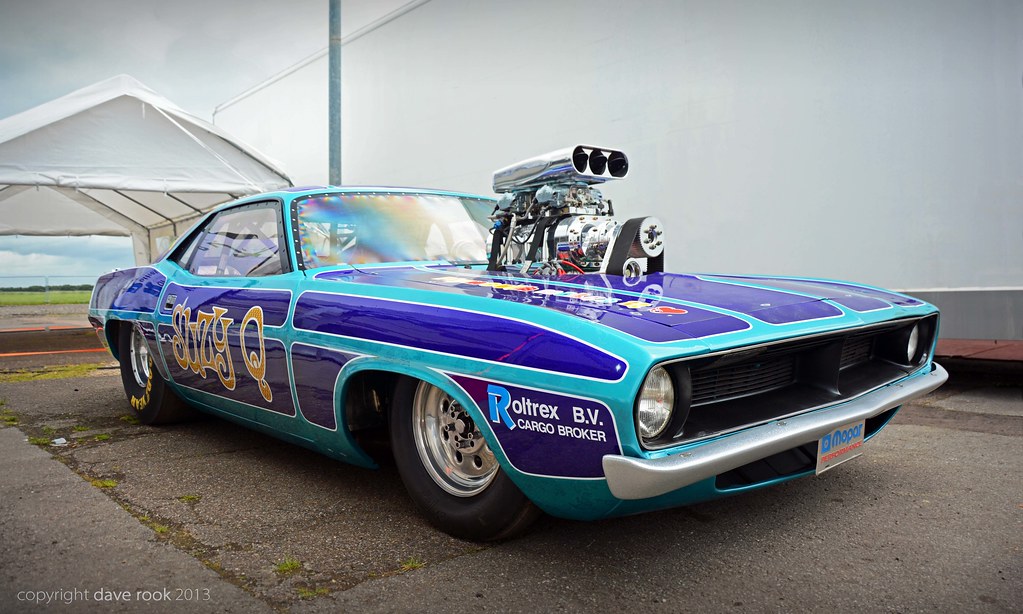
13. **Production Timeline and Dealer Preparations: Gearing Up for Launch**With the 2026 Plymouth Barracuda officially confirmed, the focus has rapidly shifted from speculation to the practicalities of production and market readiness. Chrysler has outlined a clear timeline, signaling that this highly anticipated muscle car is not just a concept but a tangible product nearing its debut. This detailed roadmap provides crucial insights for both prospective buyers and the dealer network, all of whom are gearing up for a significant launch.
The company has confirmed that the Barracuda “will go into production with two V8 engine options and will hit dealerships in spring 2026.” This precise timeframe offers a solid expectation for delivery. Further information from insider whispers and leaked photos from the Detroit auto show circuit suggests the car is “set to hit dealerships in late 2025 as a 2026 model,” indicating that early units may arrive slightly ahead of the official spring 2026 full launch, building anticipation.
Dealers, recognizing the immense demand and potential for this iconic nameplate, are actively preparing for its arrival. Early orders are expected to begin within weeks of the formal announcement, indicating a robust pre-order phase. The official unveiling is slated for the 2025 LA Auto Show, an event where “jaws will drop,” providing the public with their first comprehensive look at the production model. This coordinated rollout underscores Chrysler’s commitment to a successful and impactful re-introduction of the Barracuda.
Car Model Information: 1971 Plymouth Barracuda
Caption: 1970 Hardtop Coupe
Name: Plymouth Barracuda
Manufacturer: Plymouth (automobile)
Production: 1964–1974
Assembly: Fenton, Missouri,Hamtramck, Michigan,Maywood, California,Windsor, Ontario
Layout: Front-engine, rear-wheel drive layout
Class: Pony car
Categories: 1970s cars, All articles with dead external links, All articles with unsourced statements, Articles with dead external links from February 2018, Articles with dead external links from January 2022
Summary: The Plymouth Barracuda is a two-door pony car that was manufactured by Chrysler Corporation from 1964 through 1974 model years.
The first-generation Barracuda was based on the Chrysler A-body and was offered from 1964 until 1966. A two-door hardtop (no B-pillar) fastback design, it shared a great majority of parts and bodywork with the Plymouth Valiant, except for the distinctive wraparound rear glass.
The second-generation Barracuda, though still Valiant-based, was heavily redesigned. Built from 1967 through 1969, it was available as a two-door in fastback, notchback, and convertible versions.
The third generation, offered from 1970 until 1974, was based on the Chrysler E-body, exclusive to it, and the slightly larger Dodge Challenger. A completely new design, the two-door Barracuda was available in hardtop and convertible body styles.
Get more information about: Plymouth Barracuda
Buying a high-performing used car >>>
Brand: Plymouth Model: Barracuda
Price: $44,999 Mileage: 12,468 mi.
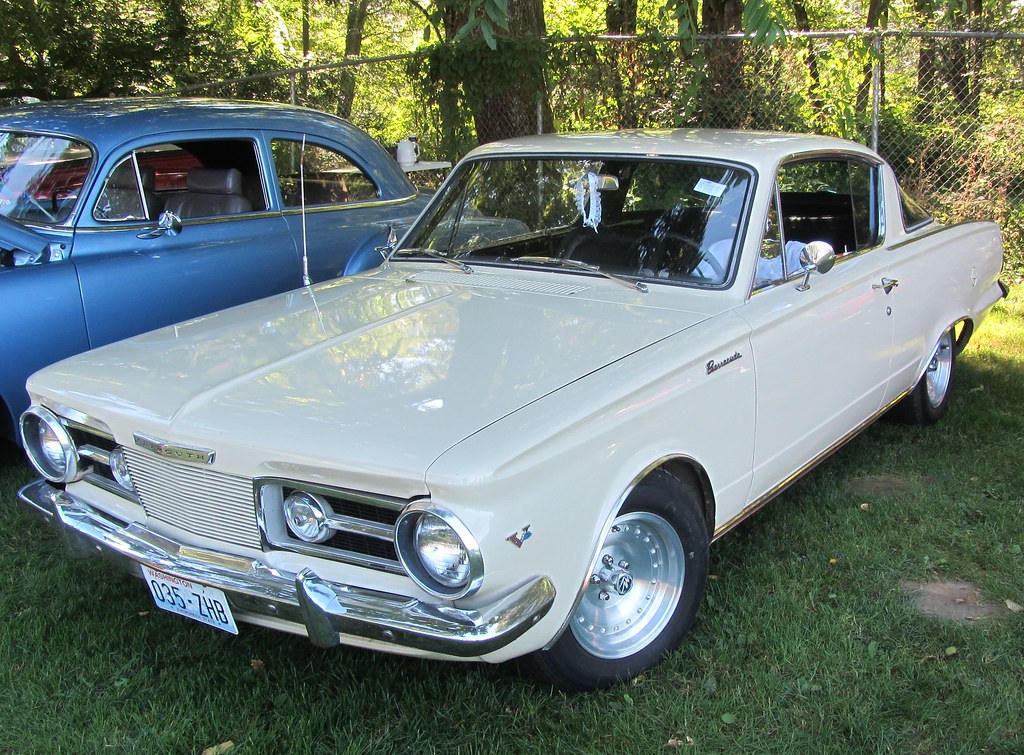
14. **Broader Significance: A Statement in the Evolving Automotive Landscape**The return of the Plymouth Barracuda is more than just another vehicle launch; it represents a profound statement in an automotive world increasingly dominated by electrification and utilitarian crossovers. Chrysler’s decision to revive this gas-guzzling icon, featuring pure V8 glory, feels like “a middle finger to the green revolution” for many enthusiasts, offering a defiant nod to traditional performance in a rapidly changing industry. It signifies a continued commitment to the raw, visceral experience that defined American muscle cars.
This comeback taps deeply into a resurging appetite for nostalgia-fueled performance vehicles, proving that there’s still a significant market for powerful, internal combustion engines. In a landscape where “Ford teasing a Mustang Mach-E sequel and Chevy’s Camaro on life support,” Plymouth’s move boldly carves out dedicated space for gas lovers. The Barracuda’s comeback is a direct challenge to the notion that the future is exclusively electric, asserting the enduring appeal of traditional muscle.
The balance between heritage and modernity will be crucial to its long-term reception. Chrysler has emphasized that this isn’t merely a remake but a vehicle that brings “new tech, contemporary comfort, and updated handling to an old-school platform.” This dual appeal—honoring the past while embracing the present—may well define its success among a new generation of drivers. Moreover, “word on the street is Stellantis, Plymouth’s parent, might expand the lineup with a convertible or even an all-electric ‘Cuda for the tree-huggers,” hinting at a strategic vision that could adapt to future market demands while preserving its core identity.
Read more about: Yuki Tsunoda Ignites History: Piloting Honda’s F1 Pioneer, The RA272, in a 60th Anniversary Spectacle at the Mexican Grand Prix
In essence, the 2026 Barracuda isn’t merely a car; it’s a testament to the enduring power of automotive heritage and a bold declaration that American iron still commands a place on the streets. It’s a vehicle that sparks conversation, ignites passion, and reminds us why we fell in love with cars in the first place: the rush, the rumble, the raw fun. As test mules continue to prowl Michigan backroads, their exhaust notes echoing like thunder, the message is clear: the Barracuda is back, and it’s hungrier than ever to reclaim its legendary status. Gearheads, indeed, start your engines.