
Alright, buckle up, because we’re about to dive deep into the fascinating, and frankly, a little terrifying, world of a gas that’s literally all around us, often without us even realizing it. We’re talking about carbon monoxide, or CO if you’re feeling chummy. You might think you know this sneaky chemical, but trust me, there’s so much more to it than just “the silent killer” you hear about in public service announcements. It’s a key player in everything from how stars form to how your body works, and yes, it can be incredibly dangerous.
Imagine a gas that’s colorless, odorless, and tasteless, yet incredibly poisonous and flammable. That’s CO for you – a true master of disguise. It’s one of those things that, once you start looking into it, you realize its fingerprints are everywhere, from the deepest parts of space to the very air we breathe indoors. Getting to grips with its properties and how it interacts with our world isn’t just a science lesson; it’s a journey into understanding a fundamental part of our chemical reality.
So, let’s pull back the curtain on this intriguing molecule. We’ll explore its fundamental makeup, its surprising presence in the cosmos, its pervasive impact on our planet and our health, and much more. Get ready to have your mind expanded and your awareness heightened, because this isn’t just about chemistry; it’s about life, the universe, and everything in between.
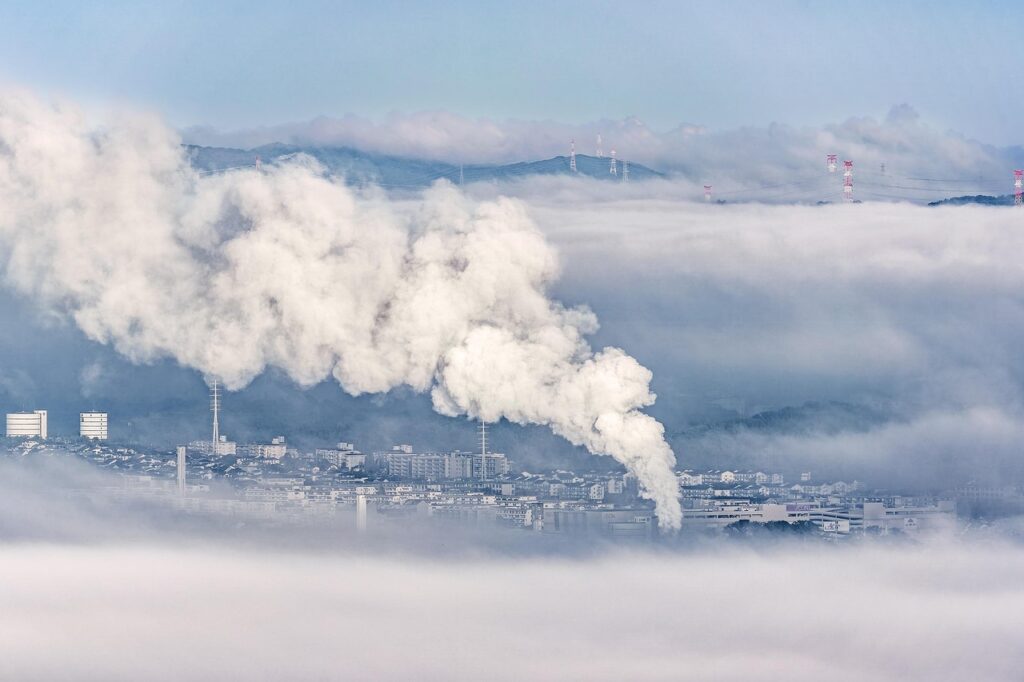
1. **The Stealthy Slayer: What Exactly is Carbon Monoxide?**You’ve probably heard it called the “silent killer,” and honestly, that nickname is spot-on. Carbon monoxide (chemical formula CO) is a poisonous, flammable gas that truly lives up to its reputation by being colorless, odorless, and tasteless. Seriously, it gives no warning! It’s also slightly less dense than air, which means it can hang around in your environment without you ever sensing its presence, making it incredibly insidious.
Chemically speaking, CO is quite simple, yet powerfully impactful. It consists of one carbon atom and one oxygen atom connected by a triple bond. This makes it the simplest carbon oxide out there. In coordination complexes, a fancy term for when it binds to metals, this carbon monoxide ligand gets a special name: carbonyl. It’s not just a danger, though; it’s a key ingredient in many processes in industrial chemistry, showing its dual nature as both a hazard and a utility.
So, when we talk about carbon monoxide, we’re not just discussing a single substance but a molecule with a distinct identity and a wide array of roles. Its molar mass is 28.010 g·mol−1, which is just slightly less than the average molar mass of air (28.8), reinforcing its ability to blend in. This basic understanding of its fundamental properties is our first step in truly appreciating the complexity of this seemingly simple gas.
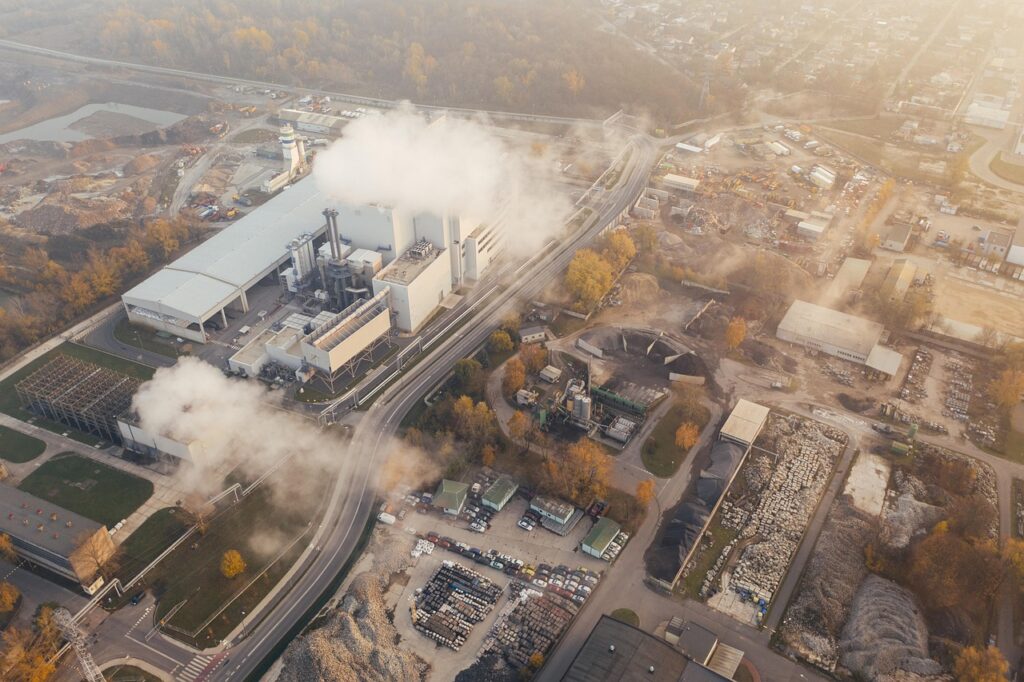
2. **A Molecule of Mystery: Delving into its Unique Bonding and Structure**Let’s get a little geeky for a moment because CO’s internal structure is seriously cool (and kinda weird!). At its heart, carbon and oxygen are connected by a triple bond. This isn’t just any triple bond; it’s composed of a net two pi bonds and one sigma bond. The bond length between the carbon and oxygen atoms is 112.8 pm, which is super short and exactly what you’d expect from a triple bond, similar to molecular nitrogen (N2) at 109.76 pm. Compare that to a carbon–oxygen *double* bond in formaldehyde, which is significantly longer at 120.8 pm!
What’s even more fascinating is the strength of this bond. With a bond-dissociation energy of 1072 kJ/mol, it’s actually stronger than that of N2 (942 kJ/mol) and represents “the strongest chemical bond known.” How wild is that? This incredible strength is also evident in its high vibration frequency of 2143 cm−1, which is much higher than the 1700 cm−1 seen in typical organic carbonyls like ketones. It’s truly a powerhouse of a bond!
But wait, there’s more to this molecular mystery! Despite oxygen being more electronegative, the molecule has a small dipole moment of 0.122 D, and theoretical studies show the dipole points from the more-negative carbon end to the more-positive oxygen end. The most important resonance form is actually −C≡O+ , with a minor but important contributor being the non-octet carbenic structure :C=O. This has led scientists to sometimes consider carbon monoxide to be an “extraordinarily stabilized carbene.” Talk about a complex character!

3. **Everywhere You Look (and Can’t See!): Carbon Monoxide in Earth’s Atmosphere**It might be invisible, but carbon monoxide is definitely present in Earth’s atmosphere, usually in trace levels. So, where does it all come from? Well, our planet itself is a major contributor! Photochemical degradation of plant matter alone generates an estimated 60 million tons per year. That’s a huge amount, all from natural processes. Other natural sources include volcanoes, forest and bushfires, and even small amounts emitted from the ocean and geological activity, as CO occurs dissolved in molten volcanic rock in the Earth’s mantle.
Measuring these natural emissions can be tricky because they vary so much year to year. But beyond the big natural picture, human activities also significantly contribute. CO is oxidized to carbon dioxide and ozone through natural atmospheric processes, and it’s relatively short-lived in the atmosphere, with an average lifetime of about one to two months. Due to its unique properties and relatively short atmospheric lifespan, it’s often used as a “tracer for pollutant plumes,” helping scientists track where air pollution is traveling.
Even though it’s present in small amounts, around 80 parts per billion (ppb) in the natural atmosphere, CO plays an indirect role in climate change. It does this by elevating concentrations of direct greenhouse gases like methane and tropospheric ozone. It reacts with the hydroxyl radical (•OH), which would otherwise destroy methane, thus allowing more methane to persist. So, while you can’t see it, its atmospheric presence has far-reaching effects on both air quality and climate!

4. **The Home Invader: Indoor Air Quality and the Dangers Within**Now, let’s talk about a place where carbon monoxide can become a serious, immediate threat: your home. Seriously, CO is “one of the most acutely toxic contaminants affecting indoor air quality.” It’s terrifying because, as we mentioned, it’s odorless, colorless, and tasteless. You literally won’t know it’s there until it’s too late if you don’t have proper detection. This isn’t a minor annoyance; it’s a life-threatening danger that deserves your full attention.
So, how does this silent threat get into your cozy abode? The culprits are often closer than you think. CO can be emitted from tobacco smoke – yep, another reason to ditch the habit! More dangerously, it’s generated from malfunctioning fuel-burning stoves, whether they run on wood, kerosene, natural gas, or propane. Faulty fuel-burning heating systems (wood, oil, natural gas) and blocked flues connected to these appliances are also major sources. In developed countries, cooking and heating devices that are “faulty, incorrectly installed or poorly maintained” are the main offenders.
But this isn’t just a developed-world problem. In low- and middle-income countries, the most common sources of CO in homes are “burning biomass fuels and cigarette smoke.” The key takeaway here is maintenance and proper installation. An appliance malfunction can be due to “faulty installation or lack of maintenance and proper use.” So, check those detectors, maintain those appliances, and ensure proper ventilation! It’s a small effort that can have massive, life-saving consequences.

5. **Urban Skies, Hidden Threat: Carbon Monoxide as an Outdoor Pollutant**While we worry about CO indoors, it’s also a significant issue outside, especially in urban areas. Carbon monoxide is considered a “temporary atmospheric pollutant in some urban areas,” and guess who the chief culprit is? Yep, you guessed it – the exhaust from internal combustion engines. This includes all those vehicles zooming around, but also portable and back-up generators, lawnmowers, and power washers. Basically, anything that burns fuel inefficiently can pump CO into the air we breathe.
Beyond vehicles, incomplete combustion of various other fuels contributes to urban CO pollution. Think about wood, coal, charcoal, oil, paraffin, propane, natural gas, and even trash that’s being burned. All these sources, when not combusted completely, release carbon monoxide into our atmosphere. In fact, “large CO pollution events can be observed from space over cities,” which really puts into perspective the scale of this problem!
CO doesn’t just hang around either; it’s a key player in the formation of photochemical smog, along with aldehydes. It reacts with the hydroxyl radical (•OH), starting a chain of chemical reactions that eventually produce peroxy radical (HO2•) and carbon dioxide (CO2). This peroxy radical then reacts with nitrogen oxide (NO) to form nitrogen dioxide (NO2) and regenerate the hydroxyl radical. The NO2 then photolyzes to form ozone (O3), a major component of smog. So, that invisible gas contributes to the haze you might see over cities, impacting not just our health directly, but also the air quality indirectly through other harmful pollutants.
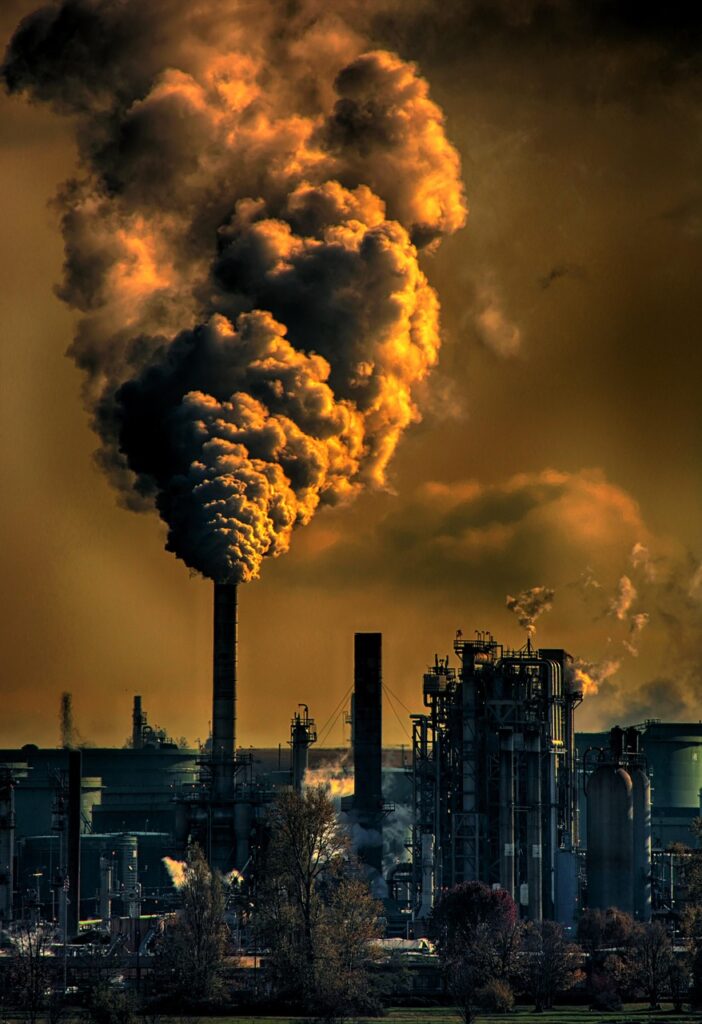
6. **A Cosmic Traveler: Carbon Monoxide’s Surprising Presence Beyond Earth**Ready to have your mind blown? Carbon monoxide isn’t just a terrestrial concern; it’s a bona fide cosmic traveler! After molecular hydrogen, CO is actually “the second-most common diatomic molecule in the interstellar medium.” That’s right, it’s chilling between stars! What makes it so cool for astronomers is its asymmetry. Unlike symmetrical hydrogen, this polar molecule produces “far brighter spectral lines,” making it significantly easier to detect with radio telescopes. In fact, interstellar CO was first detected way back in 1970!
Because it’s so much easier to spot than molecular hydrogen, CO has become “the most commonly used tracer of molecular gas in general in the interstellar medium of galaxies.” Basically, when scientists want to understand molecular clouds – those massive stellar nurseries where most stars are born – they often look for CO. Carbon monoxide observations provide a huge chunk of the information we have about these incredible star-forming regions, helping us piece together the universe’s grand story.
And the cosmic adventures of CO don’t stop there! It’s been identified spectroscopically on the surface of Neptune’s moon Triton. Solid carbon monoxide is also a component of comets, with about 15% of the volatile or “ice” component of Halley’s Comet being CO. In the atmosphere of Venus, it pops up from the photodissociation of carbon dioxide by electromagnetic radiation. There’s even a theory that reactions between CO and water could have happened on Pluto to explain the low CO levels there. From star-forming clouds to icy comets and distant planets, CO truly is an interstellar superstar!
7. **The Human Body’s Double-Edged Sword: CO’s Profound Health Effects**Now for the serious stuff: carbon monoxide’s impact on human health. This isn’t just a casual concern; “carbon monoxide poisoning is the most common type of fatal air poisoning in many countries.” That alone should make you sit up and pay attention. Acute exposure, meaning a sudden, high dose, can lead to immediate danger, including “unconsciousness, coma and death.” But even if you survive, it can result in “long-term neurological effects such as cognitive and behavioural changes.” This silent killer leaves a lasting mark.
Even chronic exposure to low concentrations isn’t harmless. Think about it: continuous, subtle exposure could lead to symptoms you might easily dismiss as something else. These include “lethargy, headaches, nausea, flu-like symptoms and neuropsychological and cardiovascular issues.” It’s a tricky adversary because its symptoms often mimic common illnesses, making diagnosis difficult without specific testing. This is why awareness and prevention are so incredibly vital.
However, in a fascinating twist, carbon monoxide also has important biological roles, even in humans! It’s naturally produced by many organisms and pathways, and in mammalian physiology, it’s a classic example of “hormesis.” This means that low concentrations actually “serve as an endogenous neurotransmitter (gasotransmitter).” But here’s the kicker: high concentrations are, as we’ve discussed, toxic. So, it’s a molecule of incredible biological importance, acting as both a life-sustaining signal and a deadly poison, depending on the dose.
Okay, so we’ve covered how carbon monoxide is a stealthy and somewhat terrifying presence in our world, from its fundamental structure to its widespread impact on Earth and even in space. But hold onto your lab coats, because this molecule isn’t just a one-trick pony! It’s got a whole other life as a major player in industry, a surprising biological actor, and even a controversial figure in history and food science. Get ready, because we’re about to dive into the truly diverse and sometimes mind-bending roles of CO, revealing just how much this tiny molecule shapes our modern world and even our own bodies.

8. **The Chemical Chameleon: CO’s Versatility in Industrial Chemistry**If you thought carbon monoxide was just about pollution and health risks, think again! This seemingly simple molecule is a total rockstar in the chemical industry, flexing its versatility in some seriously complex ways. One of its coolest tricks? Forming coordination complexes, which are basically like CO getting cozy with metals. These “metal carbonyls,” as the cool chemists call them, are super robust, especially when the metal is hanging out in a lower oxidation state.
These metal-CO complexes, while often “highly toxic,” are incredibly useful. Take iron pentacarbonyl (Fe(CO)5), for example, a stable liquid you can even distill! And then there’s nickel carbonyl, Ni(CO)4, which forms simply by carbon monoxide directly combining with nickel. How neat is that? It’s like a chemical magic trick happening right before your eyes, creating these unique, volatile compounds that are essential in various industrial processes, showing CO’s surprising dual nature.
So, how does CO pull off these chemical relationships? Well, as a ligand, it binds to metals through its carbon atom, forming a sort of triple bond. The lone pair of electrons on the carbon atom donates electron density to create a strong sigma bond with the metal. Then, the two π* orbitals of CO get involved, binding to filled metal orbitals in a dance that chemists refer to as the Dewar-Chatt-Duncanson model. This quasi-triple bond between the metal and carbon even shows up in infrared spectrum analysis, where free CO vibrates at 2143 cm−1, but its complexes usually absorb around 1950 cm−1 – a subtle but significant shift!
But wait, there’s more to CO’s chemical prowess! It’s a key ingredient in organic and main group chemistry, too. Think about “carbonylation,” where CO is introduced into organic compounds. In the presence of strong acids, alkenes can react with carboxylic acids, and the subsequent hydrolysis of the resulting species (an acylium ion) gives you the carboxylic acid through a net process known as the Koch–Haaf reaction. It’s like CO is the missing link in a chemical puzzle!
And it doesn’t stop there! The Gattermann–Koch reaction uses CO, along with aluminum chloride and hydrochloric acid, to transform arenes into benzaldehyde derivatives. Even better, a mixture of hydrogen gas and CO can react with alkenes to produce aldehydes, a process that relies on metal catalysts. Plus, the chlorination of CO is the industrial go-to for making phosgene, an important compound used to prepare isocyanates, polycarbonates, and polyurethanes. From labs to giant factories, CO is truly indispensable.

9. **Fueling the Future: CO in Production and Metallurgy**Now that we know CO is a chemical workhorse, how do we actually get our hands on enough of it for all these industrial uses? Well, there are several fascinating ways to produce this gas. One major industrial source is “producer gas,” which is a mix of carbon monoxide and nitrogen. It’s formed when carbon is combusted in air at high temperatures with an excess of carbon. Basically, you pass air through a bed of coke, and the CO2 that initially forms then reacts with the hot carbon to create CO. This cool reaction, where CO2 and carbon give CO, is famously called the Boudouard reaction, and it predominates above 800 °C!
Another important source is “water gas,” a dynamic duo of hydrogen and carbon monoxide. This mixture is created through an endothermic reaction between steam and carbon. Think about it: H2O (g) + C (s) → H2 (g) + CO (g). How clever is that? Other similar “synthesis gases” can also be whipped up from natural gas and other fuels. And for a more futuristic twist, carbon monoxide can even be produced by high-temperature electrolysis of carbon dioxide using solid oxide electrolyzer cells, with some methods even employing a cerium oxide catalyst to avoid fouling!
Beyond its direct production, CO steps into the spotlight in the ancient, yet ever-relevant, world of metallurgy. This gas is a seriously strong “reductive agent,” and it’s been used to strip oxygen off metal oxides and reduce them to pure metal at high temperatures since, well, ancient times! As it works its magic, it forms carbon dioxide in the process. While CO isn’t usually supplied directly as a gas in the reactor, it forms right there, hot and heavy, in the presence of oxygen-carrying ore or carboniferous agents like coke.
The blast furnace process is a prime example of CO’s role in getting those shiny metals from their ores. And get this: the blast furnace gas collected at the top of these mighty furnaces still contains a good 10% to 30% carbon monoxide! This isn’t wasted, though; it’s recycled and used as fuel in Cowper stoves and Siemens-Martin furnaces for open hearth steelmaking. Talk about efficiency!
And for a truly out-of-this-world application, carbon monoxide has even been proposed for use as a rocket fuel on Mars by NASA researcher Geoffrey Landis! Imagine that! He suggested carbon monoxide/oxygen engines for early surface transportation because both CO and oxygen can be easily produced from Mars’ carbon dioxide atmosphere using zirconia electrolysis. No Martian water needed to make hydrogen-based fuels! Landis even floated the idea for a Venus sample return mission, combining this fuel with solar-powered UAVs and rocket balloon ascent. Mind. Blown.

10. **A Medical Marvel? Carbon Monoxide’s Therapeutic Potential**Alright, prepare for another twist because carbon monoxide isn’t just a villain in the story of human health; it’s also a fascinating biological actor with potential therapeutic superpowers! We know high concentrations are toxic, but in a classic case of “hormesis,” where low concentrations do good, CO is naturally produced by our bodies through various enzymatic and non-enzymatic pathways. The most understood pathway? The breakdown of heme (from hemoglobin) by an enzyme called heme oxygenase. How cool is it that our bodies make this gas?
Since its identification as a normal neurotransmitter (or “gasotransmitter”) in 1993, carbon monoxide has been getting some serious clinical attention as a biological regulator. It turns out that when things go awry with CO metabolism in the body, it can be linked to a whole host of diseases, including neurodegenerations, hypertension, heart failure, and even pathological inflammation. It’s like CO is a delicate switch, and when it’s off-balance, our health can suffer.
But here’s the really exciting part: in many tissues, carbon monoxide acts as an “anti-inflammatory,” a “vasodilatory” agent (meaning it helps blood vessels relax), and even “encourages neovascular growth” – basically, promoting new blood vessel formation. Researchers have seen incredible results in animal model studies. CO has been shown to reduce the severity of experimentally induced bacterial sepsis, pancreatitis, hepatic ischemia/reperfusion injury, colitis, osteoarthritis, lung injury, lung transplantation rejection, and neuropathic pain! It even promotes skin wound healing. Talk about a medical superstar!
Because of these incredible findings, there’s “significant interest in the therapeutic potential of carbon monoxide becoming a pharmaceutical agent and clinical standard of care.” Imagine a future where controlled doses of CO could be a regular part of treatment! Various pharmaceutical drug delivery initiatives have been busy developing safe ways to administer carbon monoxide, and clinical trials are actively evaluating its therapeutic effects. It’s a journey from silent killer to potential lifesaver – pretty epic, right?

11. **The Microbiome’s Secret Agent: CO’s Role in Microbes**Speaking of fascinating biological roles, our tiny microbial friends are also in on the carbon monoxide action! Yep, even the microbiota might be utilizing CO as a gasotransmitter, much like humans do. It’s a whole hidden world of communication down there, and CO sensing is a key signaling pathway, often facilitated by special proteins like CooA. We’re still uncovering the full scope of how carbon monoxide sensing plays out in the microbial world, but the revelations are pretty mind-blowing.
Get this: the human microbiome isn’t just a passive resident; it’s actively “produces, consumes, and responds to carbon monoxide!” It’s like these tiny organisms have their own sophisticated CO management system. For instance, some bacteria are super clever – they produce carbon monoxide by reducing carbon dioxide, using an enzyme called carbon monoxide dehydrogenase. This reaction has “favorable bioenergetics,” meaning it actually powers their cellular operations! How’s that for efficiency?
And in another cool example, carbon monoxide actually serves as a nutrient for methanogenic archaea. These guys reduce CO to methane, using hydrogen in the process. It’s a prime example of how interconnected and resource-efficient microbial ecosystems are. What’s more, scientists are even exploring carbon monoxide’s “antimicrobial properties,” studying its potential to treat various infectious diseases. Who knew CO could be such a tiny but mighty force in the microbial universe?
12. **The Red Herring: CO’s Controversial Use in Food Science**Now for a topic that really gets people talking: carbon monoxide’s role in your dinner plate! Or, more accurately, in your fresh meat. In the US, CO is used in “modified atmosphere packaging systems,” mainly for fresh beef, pork, and fish. Why? Because it offers a double whammy of benefits: it “protects against microbial spoilage” (good!) and it “enhances the meat color for consumer appeal” (hmm, interesting…).
So, how does CO make your meat look so deliciously red? It’s a bit of chemistry magic! The carbon monoxide combines with myoglobin, which is the protein responsible for meat color, to form “carboxymyoglobin.” And guess what? Carboxymyoglobin is a “bright-cherry-red pigment.” This new compound is way more stable than the natural oxygenated form of myoglobin, oxymyoglobin, which can quickly oxidize to a less appealing brown pigment called metmyoglobin. So, that stable red color can stick around much longer than it would in normally packaged meat. Typical levels used? A tiny 0.4% to 0.5% – just enough to do the trick!
The US Food and Drug Administration (FDA) first gave this technology “generally recognized as safe” (GRAS) status back in 2002 for use as a secondary packaging system. That meant no special labeling was required. Then, in 2004, the FDA gave it the green light as a primary packaging method, declaring that CO “does not mask spoilage odor,” which was a big concern for many. They essentially said, “Go ahead, make that meat look pretty!”
However, this isn’t a universally accepted practice, and that’s where the “controversial” part comes in. The process is “currently unauthorized in many other countries, including Japan, Singapore, and the European Union.” Why the holdout? Concerns often revolve around whether the enhanced color could mislead consumers about the true freshness of the meat, even if the FDA says it doesn’t mask spoilage odor. It’s a debate that pits consumer perception and international regulations against perceived economic and aesthetic benefits.
13. **A History of Fire and Fury: CO’s Ancient and Deadly Past**Let’s cap off our journey by looking back through the annals of time, because humanity’s relationship with carbon monoxide is as old as fire itself, and often just as fraught with danger. Humans have had a complex relationship with CO since first figuring out how to control fire around 800,000 BC. It’s pretty likely that early humans stumbled upon the toxicity of CO poisoning when they brought fires into their dwellings without proper ventilation. Fast forward to the Bronze Age, around 6,000 BC, and the early development of metallurgy and smelting technologies kept humankind plagued by carbon monoxide exposure. Talk about an enduring problem!
Even ancient civilizations had a sense of fire’s mysterious and sometimes deadly nature, weaving mythological tales around its origin, like the story of Prometheus. But it wasn’t just myth. Aristotle, way back between 384–322 BC, was one of the first to record that “burning coals produced toxic fumes.” Later, the Greek physician Galen (129–199 AD) sagely “speculated that there was a change in the composition of the air that caused harm when inhaled.” And in a chilling historical footnote, some historians even theorize that Cleopatra, the legendary queen of Egypt, may have died from carbon monoxide poisoning.
Moving into the pre–industrial revolution era, scientific inquiry began to shed more light on our invisible foe. Georg Ernst Stahl mentioned “carbonarii halitus” in 1697, referring to these toxic vapors. Friedrich Hoffmann conducted the first modern scientific investigation into coal-related carbon monoxide poisoning in 1716. Herman Boerhaave followed up with the first scientific experiments on CO’s effect on animals in the 1730s. Then, Joseph Priestley is credited with first synthesizing CO in 1772, with Carl Wilhelm Scheele isolating it from charcoal in 1773. The gas was officially identified as a compound of carbon and oxygen by William Cruickshank in 1800, finally giving a name to the invisible threat.
The mechanism of CO poisoning also became a focus. Thomas Beddoes and James Watt, back in 1793, recognized that “carbon monoxide (as hydrocarbonate) to brighten venous blood.” Watt even suggested that coal fumes “could act as an antidote to the oxygen in blood,” and they both proposed that hydrocarbonate had “a greater affinity for animal fiber than oxygen” in 1796. Later, in 1854, Adrien Chenot suggested CO removed oxygen from blood before being oxidized to carbon dioxide by the body. But it was Claude Bernard, with his memoirs published in 1857, who is widely credited for phrasing the mechanism we largely understand today: that CO “prevents arterial blood from becoming venous.”
And in a somber chapter of history, carbon monoxide has even been “weaponized.” Hannibal, that cunning military strategist, reportedly executed Roman prisoners with coal fumes during the Second Punic War. Fast forward to the horrifying 20th century, and carbon monoxide was used for genocide during the Holocaust, most notably with gas vans in Chełmno and in the chilling Action T4 “euthanasia” program. It’s a stark reminder of the immense power, for both good and ill, that this seemingly simple molecule holds.
From its stealthy presence in our homes to its cosmic wanderings, from its vital industrial applications to its perplexing biological functions, and through its deeply etched, sometimes dark, history – carbon monoxide is undeniably one of the most complex and fascinating molecules out there. It’s a silent killer, a building block of industry, a potential medicine, and a historical witness, all rolled into one. Understanding CO isn’t just about chemistry; it’s about grasping the intricate dance of life, technology, and the very air we breathe. So, the next time you hear “carbon monoxide,” remember it’s far more than just a warning – it’s an entire universe of wonder and caution, wrapped up in a single, invisible gas.