Investing in a scooter, whether for daily commutes, campus travel, or simply recreational enjoyment, represents a significant decision. In an era where product lifecycles often feel fleeting, the desire for a high-quality product that offers lasting value is paramount. Understanding what truly contributes to a scooter’s enduring performance and how to safeguard that investment becomes a critical piece of consumer intelligence.
Our extensive research and rigorous testing philosophy, akin to the renowned Wirecutter standard, consistently highlight that product longevity is not merely a stroke of luck but a culmination of design, materials, and diligent user engagement. While the market is flooded with options, identifying those built for the long haul requires a keen eye for detail and an understanding of the underlying factors that determine a scooter’s true lifespan. This guide cuts through the noise to provide clear, actionable insights into how some scooters stand apart in their durability and what you can do to ensure your chosen ride serves you reliably for years to come.
From the foundational components to the everyday habits of ownership, every element plays a role in how long your scooter will remain a dependable mode of transportation. We’ll delve into the specific aspects that influence a scooter’s lifespan, offering practical advice and data-backed observations to empower you in making informed decisions. Our aim is to equip you with the knowledge to select, maintain, and ride your scooter in a way that maximizes its operational life, potentially allowing it to defy typical expectations and approach a decade of service.

1. **Understanding the Fundamental Pillars of Scooter Lifespan: Materials, Maintenance, Use, and Environment**
When evaluating a scooter’s potential for long-term use, it’s essential to recognize the interplay of several key factors. These aren’t isolated elements but rather interconnected pillars that collectively determine how many years you can expect from your ride. Understanding each one allows you to make more informed purchasing and maintenance decisions, setting the stage for exceptional longevity.
Foremost among these is the “Quality of Materials” used in the scooter’s construction. As our research consistently shows, scooters assembled with high-quality materials inherently possess a greater capacity for durability. Durable metals and sturdy components form the backbone of a resilient scooter, directly contrasting with models that may opt for lower-quality alternatives which are prone to premature wear and failure. Investing in a scooter built from superior materials is a foundational step towards achieving a longer lifespan.
Equally crucial is “Maintenance and Care.” Proper and consistent attention to your scooter’s upkeep can dramatically extend its functional life. This involves a proactive approach to ownership, where regular checks for wear and tear, thorough cleaning, and adherence to routine maintenance schedules are not seen as chores but as essential investments in your scooter’s future. Neglecting these basic yet vital tasks almost inevitably leads to accelerated wear, breakdowns, and a significantly shortened lifespan.
The “Frequency of Use” also plays a direct role in a scooter’s wear profile. It stands to reason that a scooter utilized on a daily basis, covering substantial distances, will experience more cumulative wear and tear than one used only occasionally for short recreational trips. While robust scooters are designed for frequent use, users should be mindful that consistent daily operation necessitates a more vigilant maintenance schedule and potentially a sooner replacement of wear parts, compared to intermittent usage.
Finally, “Environmental Factors” present a significant challenge to scooter longevity. Exposure to adverse weather conditions, such as persistent rain, snow, or extreme temperatures, can degrade components over time, leading to corrosion, material fatigue, and electronic issues. Similarly, the “terrain” on which the scooter is frequently ridden—rough, uneven surfaces versus smooth, paved paths—exerts different levels of stress on the frame, suspension, and wheels. Even “storage” conditions—indoors versus outdoors, protected versus exposed—can dramatically influence a scooter’s preservation and overall lifespan.
2. **A Deep Dive into the Average Lifespan of Different Scooter Types: Electric, Kick, and Mobility**
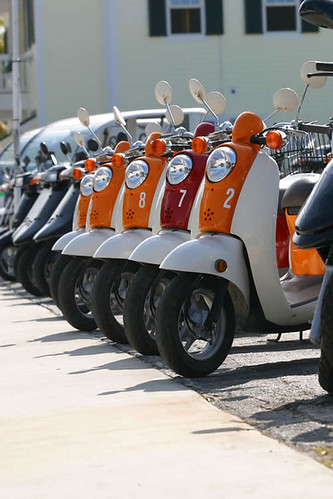
While the general idea of a scooter’s lifespan is often discussed, it’s vital to differentiate between the various types available, as each possesses distinct characteristics that influence its expected longevity. Our analysis highlights that what constitutes a ‘long life’ can vary significantly depending on whether you’re riding an electric, kick, or mobility scooter, primarily due to differences in their mechanical complexity and intended use.
“Electric scooters,” which have surged in popularity for their eco-friendly convenience, generally have an average lifespan of “between 3 to 5 years with proper maintenance and care.” This estimation is largely influenced by the life of their internal battery, which is a key factor to consider. As the “battery life is a key factor,” these power sources typically require replacement “every 2 to 3 years” to maintain optimal performance and range, meaning the overall functional life of the electric scooter often hinges on battery upkeep and replacement cycles.
In contrast, “Kick scooters,” also widely known as push scooters, often boast a considerably longer lifespan. Built with fewer complex electronic components, these scooters typically rely on robust mechanical construction. Many models are “typically made with durable materials like aluminum or steel,” which contribute to their resilience. With proper maintenance and mindful use, kick scooters can reliably “last anywhere from 5 to 10 years or more,” making them a remarkably enduring choice for short-distance travel or recreational use, provided they are well cared for.
“Mobility scooters” represent another distinct category, specifically engineered to “assist individuals with mobility limitations.” These devices are designed with an emphasis on stability, comfort, and, crucially, durability. They are “typically built with sturdy materials to support the weight of the user and last longer than recreational scooters.” Consequently, a well-maintained mobility scooter can offer substantial long-term reliability, often lasting “anywhere from 5 to 10 years,” providing consistent and essential assistance to those who depend on them for daily mobility.

3. **The Heart of the Matter: Maximizing Electric Scooter Battery Lifespan**For electric scooter owners, the battery is undoubtedly the most critical component, often dictating the functional lifespan of the entire vehicle. It’s the powerhouse that enables your rides, and its health directly correlates with your scooter’s performance and longevity. Understanding the battery’s inherent limitations and adopting best practices for its care are paramount to getting the most out of your electric scooter.
Most electric scooter batteries are designed to last “between 300-500 charge cycles,” which, under typical usage, “translates to approximately 2-3 years of regular use.” After reaching this threshold, even high-quality batteries may only retain “about 80% of their original capacity,” while budget batteries can “deteriorate faster, sometimes dropping to 70% capacity or below.” Recognizing this inherent cycle limit is crucial for setting realistic expectations for your scooter’s long-term electric performance.
Several clear “signs your electric scooter battery is deteriorating” include a “significantly reduced range compared to when new,” “faster drainage, especially under load,” and the battery simply “doesn’t hold charge when idle.” Inconsistent power delivery during rides or noticeably longer charging times are also red flags. Paying attention to these indicators allows you to address potential issues promptly, or plan for a battery replacement, thereby extending the scooter’s overall usability.
Crucially, there are actionable “tips to extend your scooter battery life.” It is strongly advised to “avoid complete discharges when possible” and to “not leave your scooter at 0% charge for extended periods,” as these conditions can stress the battery cells. For periods of prolonged storage, keeping your scooter charged at “40-80% charge” is ideal. Additionally, “avoid extreme temperatures” and always “use the manufacturer’s recommended charger” to prevent damage and ensure optimal charging cycles, all contributing to maximum battery health and longevity.

4. **Assessing the Durability of Critical Electric Scooter Components**Beyond the battery, an electric scooter is an assembly of various interconnected components, each with its own expected lifespan and vulnerabilities. A truly durable scooter is one where all these parts work in harmony and are built to withstand the rigors of regular use. Understanding the typical longevity of these critical components helps owners anticipate maintenance needs and contributes to a comprehensive picture of long-term value.
“Motors” are fundamental to an electric scooter’s operation. Our insights suggest that these can last “3-5 years or around 3,000-5,000 miles,” with “brushless DC motors” generally offering superior longevity. Signs of motor issues, such as unusual noises, inconsistent power output, or overheating, should be investigated promptly. Protecting the motor from water and excessive strain will significantly contribute to its maximum lifespan.
The “Controller and electronics” are the brains of the operation, guiding the scooter’s performance. These components typically last “3-5 years if protected from water damage.” Indeed, “water intrusion is the biggest threat to electronic components,” making proper sealing and avoiding wet conditions vital for their long-term health. Regularly inspecting for secure connections and ensuring proper housing helps prevent premature failure.
The scooter’s “Frame” provides its structural integrity. For models constructed with “quality aluminum,” the frame can endure “5+ years,” highlighting the importance of robust materials. Budget materials, conversely, might only offer “2-3 years” of reliable structural support. Owners should “regularly check the frame for cracks or unusual movement in high-stress areas,” as structural compromise can render the scooter unsafe or unusable.
Other essential wear-and-tear components include “Tires,” which typically last “500-1,000 miles depending on surface conditions,” and “Brake pads,” which endure for “500-1,500 miles depending on riding style and brake type.” The “Suspension” system may require service or replacement of springs or dampeners “2-3 years” into its life, while “Bearings,” crucial for smooth wheel rotation, might need attention “1-3 years” in, though “premium scooters often use sealed bearings that last longer.” Consistent attention to these parts through maintenance prevents minor issues from escalating into major repairs.
Read more about: The Hydraulic Hurdle: 14 Forklifts Under Scrutiny – Evaluating Power, Performance, and Practicality for Modern Operations

5. **Implementing a Proactive Maintenance Regimen for Extended Scooter Life**Regardless of a scooter’s initial build quality or price point, consistent and thorough maintenance is the single most influential factor in maximizing its useful life. Think of maintenance not as an optional chore, but as an ongoing investment that safeguards your initial purchase and ensures years of reliable performance. A structured maintenance schedule can literally add years to your scooter’s operational lifespan, preventing small issues from becoming costly repairs.
A “Weekly maintenance” routine should be quick but effective. This includes checking “tire pressure” to ensure optimal performance and prevent flats, wiping “down surfaces” to remove dirt and grime that can accumulate, and testing the “brakes” to confirm they are responsive and effective. These simple checks can identify nascent problems before they become significant and help maintain the scooter’s aesthetic and functional integrity.
“Monthly maintenance” delves a bit deeper into the scooter’s mechanics. At this interval, it’s important to “tighten all screws and bolts” as vibrations from riding can gradually loosen them, potentially leading to component damage or unsafe conditions. Additionally, “clean and lubricate folding mechanism” on foldable models ensures smooth operation and prevents seizing, and a thorough inspection of “brake adjustment” and a meticulous check of “tires for wear” (beyond just pressure) can catch issues like uneven wear or punctures early.
“Quarterly maintenance” demands a more comprehensive examination. This involves inspecting “wiring connections” for fraying or looseness, checking “battery connections” to ensure they are secure and free of corrosion, and testing “all electronic functions” to confirm everything from lights to display is working correctly. A “deep clean all components” also becomes essential, removing embedded dirt and debris that can hinder performance and accelerate wear. Following these guidelines meticulously can dramatically reduce unexpected issues.
Beyond these scheduled checks, owners should be aware of “most common replacement parts.” “Tires” are a frequent item, typically needing replacement “every 500-1,000 miles,” and “Brake pads” will follow suit, generally “every 500-1,500 miles.” For pneumatic tires, “Inner tubes” may need replacement “as needed” due to punctures, and as previously noted, the “Battery” often requires replacement “every 2-3 years.” “Address unusual sounds or behaviors immediately” and consider “annual professional servicing for complex systems like motors and controllers” to keep your scooter in optimal condition.
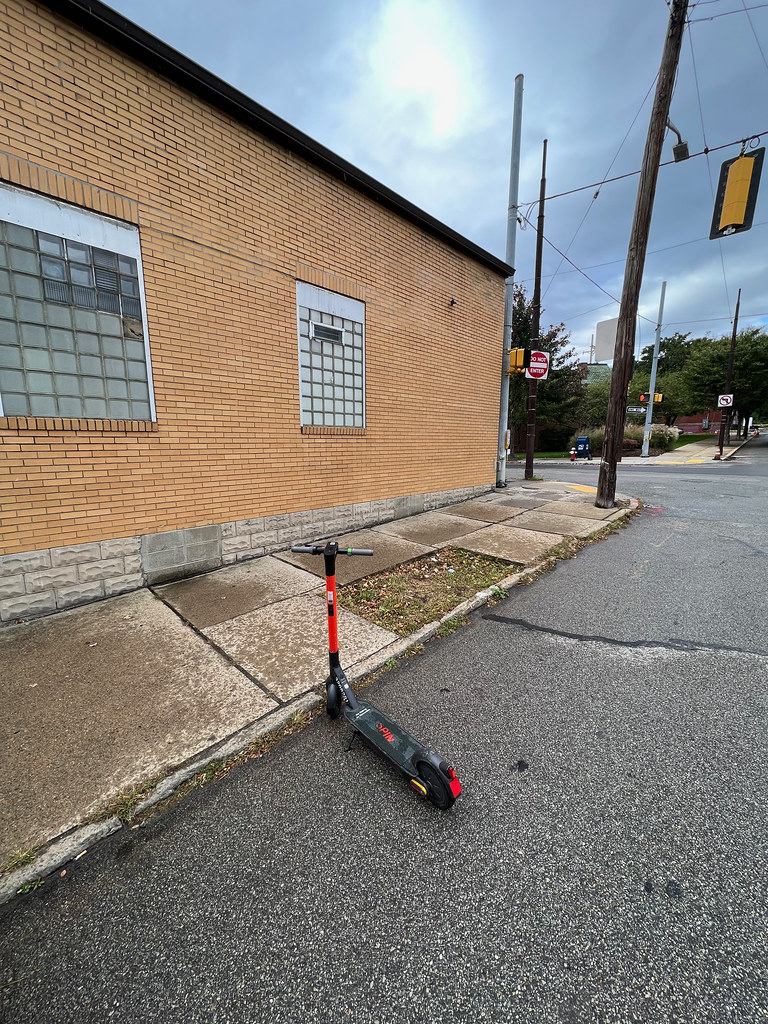
6. **Understanding the Initial Hurdles: Electric Scooter Breakdown Rates in the First Year**While we strive for long-term reliability, it’s also crucial to acknowledge the reality of initial product performance. Research into electric scooter lifespan often begins with examining how many units experience issues early in their lifecycle. This data provides valuable insights into manufacturing quality control and the immediate reliability users can expect from their new purchase. Understanding these initial hurdles helps set realistic expectations for anyone looking to invest in a new electric scooter.
Our analysis, based on “Amazon review data” for several popular electric scooter models, sheds light on early defect rates. This research focused on models predominantly in the “$300 and $500” price category, with some extending to “around or below $800,” primarily examining “budget scooters.” While higher-end models might inherently offer better lifespans, the sheer volume of data available for these more accessible scooters provides a robust statistical foundation for understanding initial reliability.
The findings reveal that “25% of owners reporting serious malfunctions on Amazon” among “over 571,300 units” collectively sold. This is a significant figure that requires deeper context. Upon closer examination, a total of “279 defects” were reported that rendered scooters “unusable or unsafe for further use.” Of these, “176 of these scooters arrived with serious defects or developed defects shortly after initial use,” with many leading to immediate returns or replacements.
Breaking down the “defects, presented in order of frequency,” we see that “General or unknown” issues (e.g., scooter didn’t start or stopped working) were the most common at “116” instances. “Battery” or battery-related components followed at “53,” with “Mechanical problems” and “Charger or charger related” both at “24” instances. Other notable issues included “Stem, folding, or handlebar” problems at “22,” “Controls or controller” at “20,” “Brakes” at “11,” and “App” related issues at “9.” This data underscores the variety of potential points of failure, even early on.
However, it’s crucial to contextualize these numbers against the total units sold rather than just the number of reviews, as negative experiences are more likely to be reported. After this adjustment, the “average defect rate” for these models “in the first year” stands at “4.63%.” This rate is considered “quite reliable for a complex product like an electric scooter,” suggesting a strong initial performance. Essentially, these electric scooters demonstrate a “95.37% chance of lasting at least one year after purchase without a serious defect,” offering a reassuring baseline for new owners.”
7. **Navigating Environmental Challenges to Preserve Scooter Health**While the quality of components and rigorous maintenance are undoubtedly vital for scooter longevity, the environment in which your scooter operates and is stored plays an equally critical, often underestimated, role. Exposure to adverse conditions can significantly accelerate wear and tear, leading to premature component failure and a shortened overall lifespan. Understanding these external threats is the first step in mitigating their impact and ensuring your scooter remains a reliable companion.
Weather conditions, in particular, pose a substantial risk to a scooter’s health. Persistent rain and moisture are notorious for reducing lifespan through corrosion of metal parts and, more critically, causing electrical issues within sensitive components. Similarly, extreme heat, especially temperatures “above 95°F/35°C,” can rapidly degrade battery performance and compromise the scooter’s delicate electronics. Conversely, very cold conditions, “below 32°F/0°C,” reduce battery range by “20-40%” and can make plastic and rubber components more brittle and susceptible to damage.
The terrain over which you frequently ride also exerts varying degrees of stress on your scooter. Regularly traversing “rough terrain accelerates wear through vibration, impact, and motor strain,” putting the frame, suspension, and wheels under immense pressure. Choosing to ride predominantly on “smooth surfaces can extend scooter life by 30-50% compared to rough conditions,” as it minimizes physical shocks and reduces the workload on critical mechanical and electrical systems. This simple choice of route can have a profound effect on how long your scooter performs optimally.
Furthermore, how and where you store your scooter can significantly influence its preservation. The “ideal” storage environment is “50-70°F (10-21°C), low humidity, away from sunlight,” with the “battery at 40-80% charge.” Neglecting these conditions, such as storing the scooter outdoors, in high humidity, or in extreme temperatures, particularly with a “completely discharged” battery, will inevitably lead to accelerated degradation. A little foresight in storage goes a long way in protecting your investment from environmental adversaries.
Read more about: Buyer Beware: 15 Vintage Coupes That Rarely Make It Past 120,000 Miles Without Major Overhauls

8. **Optimized Riding and Storage Habits for Maximized Durability**Beyond the inherent build quality and routine checks, the longevity of your scooter is profoundly influenced by your daily riding habits and how you choose to store it. Many users inadvertently shorten their scooter’s life through practices that place undue stress on its components, not realizing the cumulative effect of seemingly minor actions. Adopting a mindful approach to both riding and storage can dramatically extend your scooter’s operational years and save you from costly repairs.
Certain riding behaviors are particularly damaging and should be consciously avoided. “Hard acceleration and braking” put immense strain on the motor, battery, and brake system, leading to faster wear. Consistently “exceeding weight limits” overloads the frame, suspension, and motor, risking structural damage and reduced efficiency. Similarly, maintaining “constant top-speed riding” can overheat the motor and battery, diminishing their lifespans. Critically, “jumping curbs or stairs” and “riding through water” are practices that can instantly compromise structural integrity and wreak havoc on sensitive electronics, often leading to immediate and severe damage.
To preserve your scooter’s components and maximize its lifespan, cultivate riding practices that are gentle yet effective. Instead of launching from a standstill, “start from a push rather than standstill” to reduce initial motor strain. Practice “accelerat[ing] gradually” and “brak[ing] progressively” to lessen stress on the powertrain and braking system. When faced with obstacles, “lift over large obstacles” rather than impacting them directly, protecting the wheels, suspension, and frame. Maintaining “moderate speeds” not only conserves battery life but also reduces overall wear on the motor and other moving parts.
Reinforcing the importance of proper storage, remember that your scooter needs protection even when idle. As highlighted, the “ideal” storage involves a stable temperature, low humidity, and avoiding direct sunlight. Never leave your scooter “completely discharged” for extended periods, as this can severely damage the battery. A “battery at 40-80% charge” is optimal for prolonged storage, preventing deep discharge and maintaining cell health. Investing in a weatherproof cover and finding a secure, indoor space like a garage or shed can shield your scooter from the elements, ensuring it’s ready for many more years of adventure.
9. **Strategic Upgrades and Repair Considerations for Long-Term Value**Even the most robust scooters will eventually face wear and tear, making strategic decisions about repairs and potential upgrades crucial for long-term ownership. Rather than viewing every issue as a sign of impending obsolescence, a well-informed owner can make choices that not only restore functionality but also enhance the scooter’s overall durability and value for years to come. This approach transforms a depreciating asset into a consistently reliable mode of transport.
When deliberating whether to “repair vs. replace,” clear guidelines can help navigate this decision. Repairing makes strong financial and practical sense “when the scooter is newer, the frame is good, parts available, [and] costs less than 50% of new.” This often applies to issues with single components that are easily sourced and replaced. Conversely, replacement becomes the more sensible option “when multiple failing components, structural issues, parts unavailable, [or] repair costs exceed 50% of new.” For budget scooters, especially those “older than 2-3 years with multiple issues,” repairs are often not economical given the advancements and competitive pricing of newer models.
Furthermore, certain “worthwhile upgrades” can significantly enhance your scooter’s longevity and performance beyond its original specifications. A “higher capacity battery” can extend range and potentially offer more charge cycles before significant degradation. Upgrading to “more durable tires,” especially solid or pneumatic options designed for higher puncture resistance, can drastically reduce maintenance headaches. Adding or improving the “suspension” can provide a smoother ride, reducing stress on the rider and the scooter’s frame. Enhancements like “better waterproofing” and “reinforced folding mechanisms” directly address common vulnerabilities, safeguarding electronics and structural integrity against everyday challenges.
These strategic considerations are particularly valuable for owners who are committed to maximizing their scooter’s lifespan and avoiding the cycle of frequent replacements. By making informed choices about when to repair, when to upgrade, and when to ultimately replace, you can ensure that your scooter continues to meet your transportation needs efficiently and reliably, making the most of your initial investment and enjoying its benefits for an extended period.
Read more about: Escape the Digital Dash: 14 Cars and Strategies for a Touchscreen-Free Driving Experience in 2024

10. **Decoding Manufacturer Warranties and Lifespan Expectations**A manufacturer’s warranty is more than just a safety net; it’s a telling indicator of their confidence in a product’s longevity and reliability. For consumers looking to make a long-term investment in an electric scooter, meticulously “understanding warranty coverage can provide insights into the manufacturer’s own expectations for your scooter’s lifespan.” Delving into the fine print can reveal much about what components are truly built to last and where potential vulnerabilities might lie.
“Most warranties range from 6 months to 2 years,” offering basic protection against manufacturing defects. However, “premium models” often provide “longer coverage,” reflecting their higher build quality and the manufacturer’s assurance of durability. While “extended warranties make sense if they include battery degradation and you plan to ride frequently in challenging conditions,” they are “typically aren’t worth it if they exclude normal wear or you’re a light rider.” It’s crucial to weigh the terms against your intended use and the known lifespan limitations of components like batteries.
When evaluating the total cost of ownership over a scooter’s lifespan, the initial purchase price is just one part of the equation. Budget scooters, for instance, might incur “additional 40-60% of purchase price on maintenance” over their operational life. Mid-range models typically require “30-50%,” while “premium” scooters often keep this figure lower, at “20-40% of purchase price.” A major consideration is “battery replacement,” which can be a significant investment, costing “25-40% of original scooter price,” highlighting its impact on long-term expenses.
Therefore, when examining warranties, prioritize specific elements that directly impact longevity and cost. Focus on the “battery coverage length,” as it’s often the first major component to degrade. Investigate “water damage provisions,” given its status as a primary threat to electronics. And always check the “frame warranty duration,” which speaks to the structural integrity and foundational durability of the scooter. These critical areas will offer the most valuable insights into how long a manufacturer truly expects their product to last and how well they stand behind its core components.
Read more about: Your Ultimate Guide: 14 Lifehacker Strategies to Get the Absolute Best Price on a New Car

11. **Examining Early Breakdowns and Defect Rates: What the Data Reveals**While the previous sections have detailed proactive measures to extend a scooter’s life, it’s equally important to examine its reliability from the outset. Understanding initial defect rates provides a crucial baseline for assessing manufacturing quality and the likelihood of a new scooter delivering immediate, dependable performance. Our research into electric scooter lifespan often begins by scrutinizing how many units experience issues very early in their lifecycle, offering insights into what new owners can realistically expect.
Our analysis relied on “Amazon review data” for several popular electric scooter models, predominantly those in the “$300 and $500” price range, extending up to “around or below $800.” This focus on “budget scooters” was strategic; while higher-end models likely have even better lifespans, the sheer “volume of data available for these more accessible scooters provides a robust statistical foundation” for understanding initial reliability. To maintain objectivity, “we only look at reviews from verified buyers,” ensuring the integrity of the collected information.
The methodology involved examining two primary variations of data from these reviews. One group comprised “4-star and 5-star reviews” from owners who reported no significant issues, particularly those “6 months old or older,” indicating a significant period of satisfactory performance. The other group focused on “1-star and 2-star reviews” where owners explicitly “stated that their scooter has become unusable or no longer safe to ride,” detailing the reason for the defect. This two-pronged approach allowed us to capture both positive longevity indicators and early failure points.
It’s important to note that our research acknowledged a “standard error” in this data collection: “serious malfunctions are reported and punished with 1-star reviews, probably far more often than ideal performances are rewarded with 5-star reviews.” To account for this bias and maintain a conservative estimate, “we will be somewhat hard on electric scooter brands here and go for the worst assumption, assuming that only a quarter of the serious defects have been reported.” This robust approach, combined with estimating “the total number of units sold on Amazon” based on review percentages, allowed us to confidently conclude an “average defect rate in the first year” of “4.63%,” signifying a “95.37% chance of lasting at least one year after purchase without a serious defect.”

12. **Identifying Statistically Strong Performers: Scooters Showing the Most Reliability Potential**
Having understood the myriad factors influencing scooter longevity and the initial hurdles some face, the ultimate question remains: which specific scooters are most likely to defy the odds and truly last for years? Pinpointing statistically strong performers requires not just looking at initial defect rates, but also examining patterns of sustained reliability over extended periods, even if comprehensive long-term data remains challenging to gather. This is where our research aims to highlight the standout contenders.
Measuring true long-term lifespan is inherently difficult because “we can only know how long a scooter lasts after it breaks down completely,” and “most electric scooters have not broken down completely yet.” Furthermore, “very few people leave reviews, and even fewer leave reviews when a product works as it’s supposed to.” Despite these challenges, by focusing on “4 and 5-star reviews older than 6 months” for specific models, we were able to establish “bare minimums” for longevity: at least “62.7% chance of lasting more than 6 months,” “44.2%… at least one year,” “29%… more than two years,” and a notable “16% of scooters can last longer than 5 years.”
It is important to reiterate that “these are the bare minimums.” Our qualitative insights, drawn from “anecdotal evidence, experience, and simply checking out electric scooter communities,” strongly suggest that “the actual numbers are much better than these minimums.” This implies that while the data provides a conservative floor for expected lifespan, many more scooters than statistically proven likely achieve impressive longevity, especially with diligent care.
When it comes to identifying the “most reliable electric scooter,” our initial thought might be the one with the absolute lowest defect rate. In our dataset, that title goes to the “Uberscoot 1600W,” boasting a mere “2.63% Defect rate.” This scooter is indeed “an excellent scooter” and “very reliable,” often being “one of the more expensive scooters on this list” for good reason, as it is “also the best-performing scooter on this list by far.” Its estimated 11,400 units sold with such a low defect rate positions it as a top-tier performer, though its lower sales volume compared to others means less extensive long-term review data.
However, to confidently name the “most reliable scooter ever” based on a more substantial body of evidence, we turn to a model with more widespread data. Our champion in the budget category is unequivocally the “Glion Dolly.” With an “estimated 91950 units sold,” a remarkably low “defect rate of just 2.94% in the first year,” and a “very strong chance that it will last more than 3 years,” the Glion Dolly truly “earns the title of the most reliable scooter” within its segment. Its consistent performance across a larger user base makes it a statistically strong and trustworthy choice for those prioritizing long-term durability.
Choosing a scooter that promises to last nearly a decade isn’t just about the initial purchase; it’s about making an informed commitment to a lifestyle of efficient, enjoyable, and enduring transportation. From understanding the foundational pillars of lifespan to adopting meticulous maintenance, navigating environmental challenges, and selecting models with proven reliability, every step you take empowers you to defy typical product lifecycles. May your chosen ride provide years of smooth journeys, turning every trip into a testament to intelligent investment and thoughtful care.