Your car’s engine, a marvel of modern engineering, orchestrates a symphony of moving parts to power your journeys. At the heart of this intricate system lies engine oil, a vital fluid that acts as a lubricant, reducing friction, preventing wear and tear, and ensuring optimal performance. Yet, like any consumable, engine oil gradually degrades and requires replenishment. For many drivers, the concept of engine oil consumption remains shrouded in mystery: how much is normal, and when does it signal a deeper issue?
It’s a common misconception that any oil loss indicates a problem. While a certain amount of oil consumption is an inevitable byproduct of the combustion process, excessive burning can indeed point to underlying issues. Ignoring these warning signs can escalate into costly repairs or even engine failure. This comprehensive guide, crafted with the objective, data-driven approach you’ve come to expect, aims to demystify engine oil consumption, providing clear insights into the factors that influence it and what to expect from various engine types. Our goal is to empower you with reliable, unbiased information to help you maintain your vehicle’s health and longevity.
We’ll delve into the intricacies of this phenomenon, examining how engine design, driving conditions, mileage, and oil quality all play a role. Using an extensive engine oil consumption chart as our guide, we’ll grade nine distinct engine types, from those found in the smallest compacts to more robust consumer options, on their typical oil usage. Understanding these benchmarks is crucial for differentiating between normal operational thirst and a call for inspection. Let’s embark on this journey to ensure your engine runs smoothly for years to come, starting with the fundamentals and dissecting the consumption patterns of various gasoline powerplants.
**Understanding Engine Oil Consumption: The Basics**
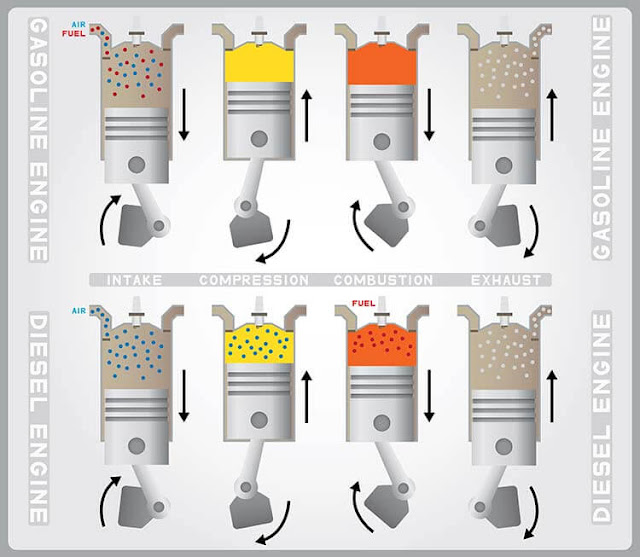
Engine oil consumption refers to the amount of oil an engine uses over a specific period, often measured per 1,000 miles or 1,600 kilometers. This consumption is a natural consequence of the combustion cycle. A small quantity of oil can seep past piston rings and enter the combustion chamber, where it burns alongside the fuel. This process, often referred to as “blow-by,” is perfectly normal in moderation. However, when this consumption becomes significant, it can signal a problem that requires attention.
Several factors intricately influence how much oil your engine consumes. Engine design, for instance, plays a crucial role; older engines, particularly those with worn piston rings, typically exhibit higher consumption rates than their newer, more efficient counterparts. Driving conditions are equally impactful, as aggressive driving, frequent short trips, and extreme temperatures can accelerate oil depletion. As an engine accumulates mileage, components like piston rings and valve seals naturally wear down, contributing to increased oil usage. The quality and type of oil used are also critical; employing an incorrect or insufficient quality oil can significantly contribute to elevated consumption. Lastly, various internal engine issues, such as worn piston rings, failing valve stem seals, or a leaking head gasket, are direct culprits for excessive oil consumption.
Determining what constitutes a “normal” oil consumption rate can be challenging due to these numerous variables. However, a widely accepted guideline suggests that most modern vehicles should consume no more than 1 quart of oil per 1,000 miles. Some manufacturers, like Volkswagen and Audi, have stated that 1 quart per 650 miles is normal, while General Motors deems 1 quart per 2,000 miles acceptable, and Ford specifies 1 quart per 1,000 miles. These benchmarks highlight the variability and the importance of checking your owner’s manual. Regularly monitoring your oil level with the dipstick and noting how often you need to top up is the most reliable way to track your vehicle’s specific consumption pattern. This proactive approach allows you to identify any significant increase in oil usage, signaling the need for further investigation.
To simplify this complex landscape, an engine oil consumption chart serves as a valuable tool. It categorizes engines by type and provides benchmarks for normal and high oil consumption. This allows vehicle owners to compare their engine’s performance against standard benchmarks, preventing undue concern for normal usage while also flagging potential issues. By understanding these figures, you can prevent engine damage, reduce maintenance costs, ensure optimal performance, and even mitigate environmental impact from burning excess oil. Our detailed examination of engine types begins now, providing the clarity needed to navigate your vehicle’s oil consumption with confidence.
1. **Small Gasoline Engine (1.0-1.5L)**
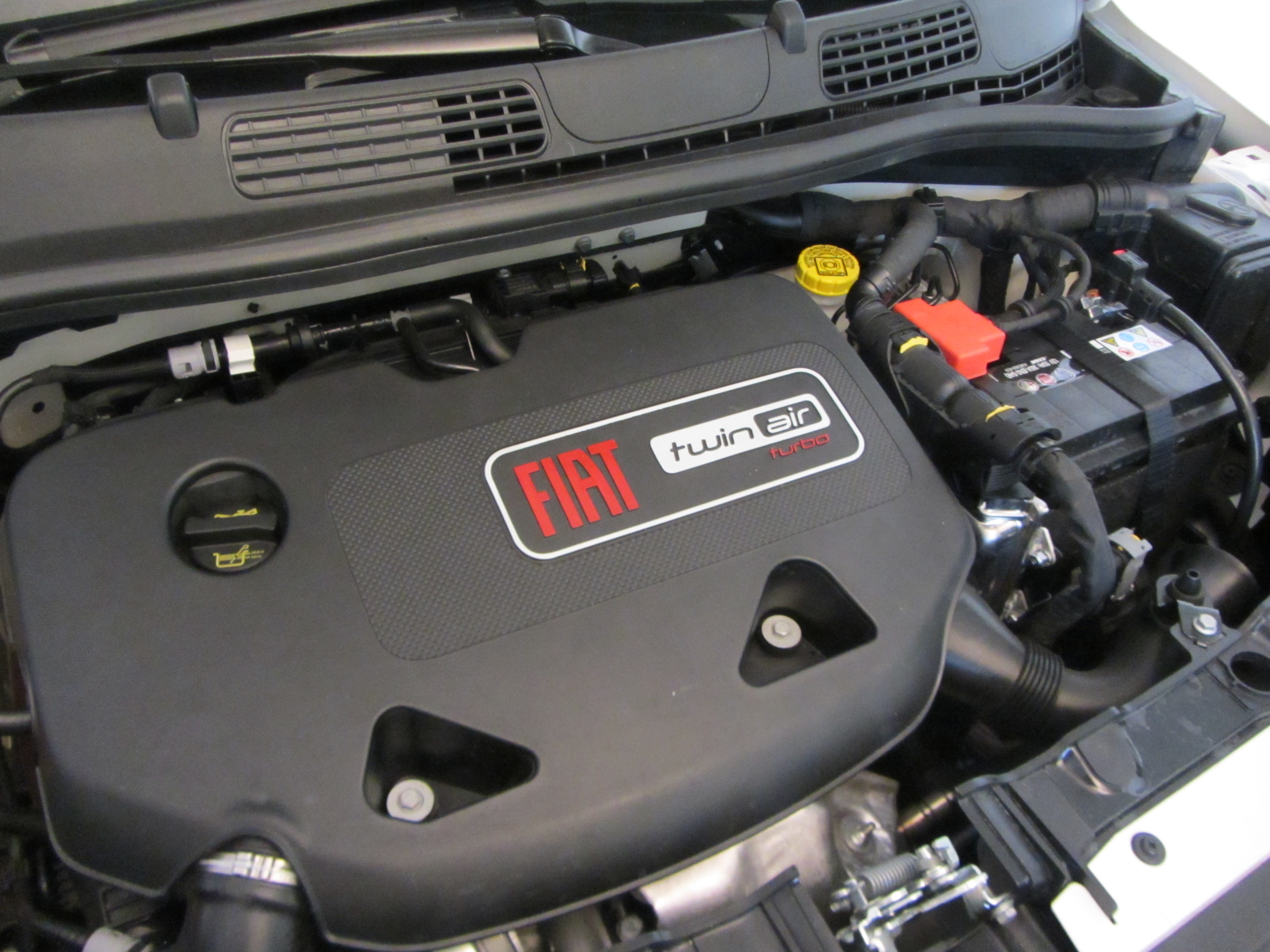
Small gasoline engines, typically found in very compact cars, subcompacts, and some entry-level sedans, are designed for efficiency and economical operation. These engines often have an oil capacity ranging from 3 to 4 quarts (2.8-3.8 liters), reflecting their smaller displacement. Given their design and the applications they serve, the normal oil consumption for these units is quite low, generally falling between 0.05 and 0.2 quarts (0.05-0.2L) per 1,000 miles (or 1,600 km). This minimal consumption is a testament to modern engineering and tighter manufacturing tolerances, ensuring that only a minuscule amount of oil is burned during operation.
However, even these frugal engines can exhibit signs of excessive thirst. A high oil consumption indicator for a small gasoline engine would be anything greater than 0.4 quarts (>0.4L) per 1,000 miles. If your vehicle with a small gasoline engine begins to consume oil at or above this rate, it warrants a closer look. Such a deviation from the norm could suggest early wear on piston rings, valve stem seals, or other internal components. It’s also important to consider that these smaller engines, when pushed hard or operated in stop-and-go city traffic frequently, might experience a slight uptick in consumption, though it should ideally remain within the normal range.
Owners of vehicles with small gasoline engines should be diligent with regular oil level checks, perhaps once a month or before long trips. Given their lower overall oil capacity, even a seemingly small increase in consumption can represent a more significant percentage of the total oil volume, potentially leading to critical low oil levels more quickly. Using the manufacturer-recommended oil type and viscosity is paramount, as incorrect oil can lead to higher evaporation loss, mistakenly interpreted as mechanical issues. Keeping an eye on these details ensures the longevity and efficient performance expected from these economical powerplants.
2. **Compact Gasoline Engine (1.5-2.0L)**
Moving up slightly in displacement, compact gasoline engines are ubiquitous in a vast array of popular compact cars, crossovers, and smaller SUVs. These engines strike a balance between fuel efficiency and adequate power for daily driving, often featuring an oil capacity of 4 to 5 quarts (3.8-4.7 liters). For these widely used powerplants, the normal oil consumption typically ranges from 0.1 to 0.3 quarts (0.1-0.3L) per 1,000 miles. This rate reflects the slightly larger internal surface areas and operational demands compared to their smaller counterparts, while still maintaining high efficiency.
When consumption in a compact gasoline engine starts to exceed healthy limits, it’s a clear signal for concern. The high oil consumption indicator for this engine type is set at anything greater than 0.5 quarts (>0.5L) per 1,000 miles. Reaching or surpassing this threshold suggests that more oil is either leaking or burning than is considered acceptable for a well-functioning engine of this design. It’s at this point that a driver might start noticing the need for more frequent top-ups between scheduled oil changes, which should always prompt further investigation.
Drivers of vehicles equipped with compact gasoline engines should be particularly attentive to their driving habits. While robust, these engines are commonly subjected to varied conditions, from city commutes to highway stretches, sometimes under heavier loads than their smallest counterparts. Aggressive acceleration and sustained high RPMs can certainly contribute to increased oil consumption. Furthermore, ensuring that oil changes are performed at the recommended intervals with high-quality, manufacturer-specified lubricants is crucial. Neglecting these basics can exacerbate any inherent consumption tendencies, potentially leading to premature wear on critical components like piston rings and valve seals. Regular monitoring helps to catch issues early, before they escalate into significant repair needs.
3. **Mid-Size Gasoline Engine (2.0-3.5L)**
Mid-size gasoline engines power a broad segment of the automotive market, from family sedans and larger compact SUVs to smaller luxury vehicles. With oil capacities generally ranging from 5 to 6 quarts (4.7-5.7 liters), these engines offer a blend of performance and reasonable fuel economy. Their normal oil consumption is typically between 0.2 and 0.4 quarts (0.2-0.4L) per 1,000 miles. This range is slightly higher than smaller gasoline engines, which is expected given their increased displacement and power output, involving more internal moving parts and greater stresses during operation.
For a mid-size gasoline engine, an oil consumption rate exceeding 0.7 quarts (>0.7L) per 1,000 miles should be considered a high consumption indicator. Such a rate suggests that the engine is burning or losing oil at an accelerated pace, which may point to specific mechanical issues. Common culprits for increased oil consumption in this category include worn valve stem seals or piston rings, which allow more oil to enter the combustion chamber than intended. In some cases, external leaks from gaskets or seals, though distinct from consumption, can also contribute to a noticeable drop in oil level, demanding a thorough inspection.
Owners of vehicles with mid-size gasoline engines are encouraged to maintain a disciplined approach to vehicle care. The slightly higher normal consumption rate means that regular oil level checks are even more critical, especially if operating under conditions that put extra strain on the engine, such as frequent towing, heavy loads, or consistent high-speed driving. Using the proper oil viscosity, as specified in the owner’s manual, is also vital, as an oil that is too thin can lead to increased burn-off, particularly in hotter operating temperatures. Promptly addressing any signs of abnormal consumption, such as blue smoke from the exhaust or oily deposits on spark plugs, can prevent minor issues from snowballing into expensive engine overhauls.

4. **Large Gasoline Engine (3.5L-5.0L)**
Large gasoline engines are typically found in full-size sedans, larger SUVs, trucks, and some performance-oriented vehicles, where robust power and torque are primary considerations. These engines boast substantial oil capacities, usually between 6 and 8 quarts (5.7-7.6 liters), reflecting their greater internal volume and operational demands. Given their size and the work they are designed to perform, the normal oil consumption for these engines ranges from 0.3 to 0.5 quarts (0.3-0.5L) per 1,000 miles. This is a noticeable step up from smaller engines, acknowledging the increased friction and thermal loads inherent in their operation.
When a large gasoline engine starts consuming oil beyond the expected normal range, it’s a strong signal for a deeper investigation. The high oil consumption indicator for these powerplants is defined as anything greater than 1.0 quart (>1.0L) per 1,000 miles. Reaching or exceeding this consumption rate suggests a significant issue that needs professional attention. Potential causes for such elevated consumption can include substantial wear on piston rings, valve stem seals, or even issues with the PCV (Positive Crankcase Ventilation) system, which can draw excessive oil mist into the intake manifold.
Drivers of vehicles equipped with large gasoline engines often put them to the test with heavy towing, frequent hauling, or sustained highway cruising at higher speeds. These demanding driving habits can naturally lead to increased oil consumption. Therefore, it’s particularly important for owners to rigorously adhere to recommended oil change intervals and always use high-quality oil that meets or exceeds manufacturer specifications. Regular inspections for any signs of external oil leaks, alongside consistent dipstick checks, form the cornerstone of preventative maintenance. Addressing abnormal oil consumption promptly can safeguard these powerful engines from potential internal damage and costly repairs, ensuring they continue to deliver the performance and reliability expected for years to come.
Continuing our deep dive into the nuances of engine oil consumption, we now turn our attention to additional diverse engine types, each presenting its own unique characteristics regarding oil usage. Understanding these specific benchmarks, as compiled in our comprehensive engine oil consumption chart, is vital for every vehicle owner to accurately assess their engine’s health and performance. This data-driven approach allows us to move beyond generalizations and equip you with precise information, helping you distinguish between normal operational thirst and a call for professional inspection. Our commitment to empowering consumers with reliable, unbiased information remains paramount as we explore these next categories.

5. **High-Performance Gasoline Engine (5.0L+)**
High-performance gasoline engines, typically found in sports cars, luxury performance vehicles, and some larger, more powerful SUVs, are engineered for maximum power output and exhilarating driving dynamics. These sophisticated powerplants generally demand a higher oil capacity, often ranging from 7 to 10 quarts (6.6-9.5 liters), to accommodate their robust design and intense operational requirements. Given the extreme pressures and temperatures they operate under, a normal oil consumption rate for these engines falls between 0.4 and 0.6 quarts (0.4-0.6L) per 1,000 miles. This rate is a direct consequence of their design for high RPMs and aggressive performance, which naturally exposes more oil to the combustion cycle.
However, the threshold for concern in high-performance engines is also commensurately higher. An oil consumption rate exceeding 1.2 quarts (>1.2L) per 1,000 miles should be considered a high consumption indicator for these specialized units. When consumption reaches this level, it suggests that the engine is burning or losing oil at a significantly accelerated pace, warranting immediate investigation. Factors like sustained high-speed driving, track use, or frequent hard acceleration can push these engines closer to, or even beyond, their normal consumption limits, making diligent monitoring crucial.
Owners of high-performance vehicles must prioritize meticulous maintenance and adhere strictly to manufacturer recommendations for oil type, viscosity, and change intervals. The use of premium, full synthetic oils specifically designed for high-performance applications is non-negotiable, as these oils are formulated to withstand the extreme conditions within these engines. Regularly checking the oil level, especially after spirited driving sessions, is essential to prevent critical low oil conditions that could lead to severe internal damage. Proactive care ensures these powerful machines continue to deliver their intended performance without compromise.

6. **Turbocharged Gasoline Engine (Any Size)**
Turbocharged gasoline engines, prevalent across a wide spectrum of modern vehicles from compact sedans to larger SUVs, utilize exhaust gases to spin a turbine, forcing more air into the engine for increased power and efficiency. This design introduces additional demands on the engine oil, as the turbocharger’s bearings are lubricated and cooled by the engine oil itself. Consequently, turbocharged engines typically have an oil capacity ranging from 5 to 8 quarts (4.7-7.6 liters) and exhibit a slightly higher normal oil consumption rate, usually between 0.5 and 1.0 quart (0.5-1.0L) per 1,000 miles.
The turbocharger’s presence is a primary reason for this elevated consumption. The extreme temperatures and high rotational speeds within the turbocharger can lead to increased oil evaporation and seepage past seals, even in a perfectly functioning unit. Furthermore, if the turbocharger’s seals begin to wear, it can significantly contribute to oil loss, allowing oil to enter either the intake or exhaust system. This inherent operational characteristic means that a turbocharged engine’s oil consumption baseline is naturally higher than a comparable naturally aspirated engine.
For owners of turbocharged vehicles, it’s critical to be aware of the high oil consumption indicator, which for these engines is anything greater than 1.5 quarts (>1.5L) per 1,000 miles. Exceeding this benchmark is a strong signal that an issue, potentially with the turbocharger seals, PCV system, or other internal components, needs professional diagnosis. Regular oil changes with high-quality synthetic oil, as recommended by the manufacturer, are especially important to protect the turbocharger and minimize consumption. Allowing the engine to cool down for a minute or two after spirited driving before shutting it off can also help prolong turbocharger life and mitigate oil burn-off.

7. **Supercharged Gasoline Engine (Any Size)**
Supercharged gasoline engines, similar to turbocharged units, employ forced induction to boost power, but they use a belt-driven compressor instead of exhaust gases. These engines are often found in performance-oriented vehicles, offering immediate power delivery and a distinct driving experience. Due to the added mechanical stress and the lubrication demands of the supercharger unit, these engines typically have a substantial oil capacity, ranging from 7 to 12 quarts (6.6-11.4 liters). Their normal oil consumption is generally between 0.6 and 1.2 quarts (0.6-1.2L) per 1,000 miles, reflecting the increased internal heat and additional moving parts.
The nature of supercharged operation, involving higher engine loads and often more aggressive driving styles, contributes to this elevated oil consumption. The supercharger itself, while not operating at the same extreme temperatures as a turbocharger’s exhaust side, still has bearings that require constant lubrication from the engine’s oil supply. Any wear in these internal components or seals can lead to a more pronounced increase in oil usage, which warrants careful attention from the owner.
A high oil consumption indicator for a supercharged gasoline engine is defined as anything greater than 2.0 quarts (>2.0L) per 1,000 miles. This level of consumption is a clear red flag, indicating a significant issue that needs to be addressed promptly. Given the complexity and cost of repairing supercharged engines, diligent oil level checks and adherence to an accelerated maintenance schedule are paramount. Using only the manufacturer-specified, high-quality synthetic oils is crucial for these engines to ensure proper lubrication and heat dissipation, thus helping to manage oil consumption and prevent premature wear.
8. **Light-Duty Diesel Engine (1.5L-3.0L)**
Light-duty diesel engines, commonly found in compact trucks, European sedans, and some SUVs, are praised for their torque, fuel efficiency, and longevity. These engines typically have an oil capacity of 6 to 8 quarts (5.7-7.6 liters), which is often higher than similarly sized gasoline engines. The normal oil consumption rate for light-duty diesels ranges from 0.3 to 0.6 quarts (0.3-0.6L) per 1,000 miles. This slightly higher consumption compared to gasoline engines of similar displacement is often attributed to the inherent design characteristics of diesel combustion, including higher compression ratios and the nature of diesel engine oils themselves.
Diesel engines operate with different combustion pressures and temperatures than gasoline engines, and their engine oil is formulated to handle unique challenges, such as soot accumulation. A small amount of oil burning is an expected part of the diesel combustion process. However, any significant deviation from the normal range requires attention. Factors such as a malfunctioning diesel particulate filter (DPF) or exhaust gas recirculation (EGR) system can also indirectly impact oil consumption.
For light-duty diesel engines, a high oil consumption indicator is anything greater than 1.0 quart (>1.0L) per 1,000 miles. Reaching or exceeding this level signals a potential problem, which could range from worn piston rings or valve stem seals to issues with the turbocharger (which most modern diesels possess). Regular monitoring of oil levels, using the correct diesel-specific engine oil, and adhering to strict service intervals are essential for preserving the health and efficiency of these robust powerplants. Promptly addressing excessive consumption can prevent costly repairs related to emissions systems or internal engine components.

9. **Mid-Size Diesel Engine (3.0L-6.0L)**
Mid-size diesel engines are workhorses, powering a wide range of vehicles including larger SUVs, mid-duty trucks, and commercial vans. These engines are designed for sustained heavy loads, towing, and long-distance hauling, making their robust construction and larger oil capacities essential. With oil capacities typically between 8 and 12 quarts (7.6-11.4 liters), these engines accommodate the increased lubrication and cooling demands of their applications. Their normal oil consumption rates range from 0.4 to 0.7 quarts (0.4-0.7L) per 1,000 miles.
This consumption rate is slightly higher than that of light-duty diesels, reflecting their greater displacement, higher operational stresses, and the continuous work they are expected to perform. The design of these engines to manage high torque and sustained power output means that a certain amount of oil will inevitably be consumed. Additionally, many mid-size diesels utilize advanced emissions control systems that, when malfunctioning, can sometimes contribute to altered oil consumption rates.
A high oil consumption indicator for a mid-size diesel engine is anything greater than 1.5 quarts (>1.5L) per 1,000 miles. If your vehicle with a mid-size diesel engine begins to consume oil at or above this rate, it’s a clear sign that a professional inspection is needed. Potential causes could include significant wear on piston rings, valve stem seals, or issues with the turbocharger system, which is almost universally present in these engines. Given the demanding nature of their operation, regular oil analysis, adherence to severe-duty oil change intervals, and the use of approved diesel engine oils are critical to ensuring the longevity and reliability of these powerful units.
**Addressing Excessive Oil Consumption: Actionable Steps**
If, after carefully monitoring your vehicle, you determine that its oil consumption falls into the “high” category, it’s crucial to take proactive steps. Ignoring excessive oil consumption can lead to serious engine damage and substantial repair bills down the road. The first and most important step is to accurately identify the underlying cause, which may require a professional diagnostic test at a trusted mechanic’s shop. This could involve checking for external leaks through a visual inspection, or more complex internal checks.
Once the root cause of the excessive oil consumption is pinpointed, necessary repairs can be implemented. Common culprits often include worn piston rings, which allow oil to seep into the combustion chamber, or leaking valve stem seals, which let oil drip onto the valve heads. A leaking head gasket, allowing oil into the combustion chamber or coolant passages, or even a turbocharger seal leak, are also frequent issues. Repairing or replacing these faulty components is essential to bringing oil consumption back to acceptable levels.
**Practical Maintenance Advice to Minimize Consumption**
While some oil consumption is an inevitable part of engine operation, you can significantly minimize it and extend your engine’s life by following consistent maintenance practices. Regular oil changes, adhering to the intervals specified in your owner’s manual, are fundamental. This ensures that the oil and filter remain effective in lubricating and protecting engine components, preventing the build-up of contaminants that can accelerate wear and increase consumption.
Furthermore, using the right type and viscosity of oil, as recommended by your vehicle manufacturer, is absolutely crucial. Incorrect oil can lead to improper lubrication, increased burn-off, and reduced engine protection. Always refer to your owner’s manual for the precise oil specifications. Avoiding frequent short trips, where the engine doesn’t reach optimal operating temperature, can also help. Such conditions lead to incomplete combustion and potentially higher oil burning, so consolidating trips when possible is beneficial.
Your driving habits also play a significant role. Aggressive driving, characterized by hard acceleration and braking, places extra stress on the engine, which can elevate oil consumption. Practicing smoother driving techniques, allowing the engine to warm up properly before strenuous use, and avoiding excessive idling can help maintain optimal oil usage. Regularly checking for external leaks on components like the oil pan and valve covers, and promptly fixing any detected seepage, will also prevent oil loss that might be mistaken for internal consumption.
**Critical Signs to Watch For: Identifying Abnormal Oil Consumption**
Being attuned to your vehicle’s signals is paramount in catching abnormal oil consumption early. One of the most obvious signs is **blue smoke from the exhaust**. While white vapor at startup in cold weather is usually just condensation, blue smoke clearly indicates that oil is burning in the combustion chamber. If you observe this, particularly during acceleration or after idling, it’s a strong indicator of a problem.
Another critical sign is a **sudden or unexplained drop in oil levels** without any visible external leaks. If you find yourself needing to top up your oil far more frequently than usual, despite no oil puddles under your car, the oil is likely being consumed internally. This requires diligent monitoring by noting your mileage and the amount of oil added over time.
**Oil fouling on spark plugs** is another tell-tale sign. If you remove a spark plug and find that its electrodes are covered in a wet, greasy, black deposit, it suggests that oil is entering the combustion chamber and burning incompletely. Similarly, excessive **engine noise or knocking** can indicate critically low oil levels or internal damage resulting from inadequate lubrication, necessitating immediate attention.
Understanding and monitoring your engine’s oil consumption is not merely about mechanical diligence; it’s a vital aspect of vehicle stewardship that directly impacts longevity, performance, and your wallet. By familiarizing yourself with the normal consumption rates for different engine types, proactively maintaining your vehicle with the correct oil and driving habits, and recognizing the early warning signs of excessive oil loss, you empower yourself to make informed decisions. This objective, data-driven approach ensures that you can address potential issues before they escalate, securing your engine’s health for many miles to come. Trust the dipstick, not the panic, and your vehicle will thank you.