
The world of music, vibrant and ever-evolving, has given us countless legends whose artistry has shaped generations and echoed through time. Yet, beneath the glittering lights of success and the roar of adoring crowds, there lies a somber truth: the music industry, with its demanding schedules and constant travel, has too often seen its brightest stars extinguished far too soon. There’s a particularly chilling poignancy when these titans of tune are lost not on a stage or in a studio, but tragically mid-flight, their careers cut short in the blink of an eye, leaving behind a silence that reverberates across the globe.
Aviation disasters have, over the decades, claimed the lives of some of music’s most influential figures, transforming what were meant to be routine journeys into historical moments of profound loss. From the nascent days of rock and roll to the soulful grooves of R&B, these aerial misfortunes have not only robbed us of extraordinary talent but have also left an indelible mark on the cultural landscape, forever altering the trajectory of entire genres. It’s a stark reminder that even the most soaring careers can be brought back to earth with devastating finality.
In this article, we delve into the stories of 15 iconic musicians whose lives were tragically claimed by plane crashes, examining the circumstances of their final flights, the profound impact of their passing, and the enduring legacies they left behind. These are tales of immense talent, sudden tragedy, and the music that, despite everything, continues to live on. Prepare to journey through the bittersweet history of those who truly flew too close to the sun.

1. **Buddy Holly**The name Buddy Holly is synonymous with one of the most iconic and heartbreaking tragedies in music history, an event immortalized as “The Day the Music Died.” Charles Hardin Holley, a singer and songwriter from Texas, had an incredibly short but impactful two-year run in the limelight, during which he heavily influenced American rock music. His groundbreaking work helped shape the future of rock ‘n’ roll, positioning him as one of its founding fathers with hits like “That’ll Be the Day,” “Peggy Sue,” and “Not Fade Away.”
On February 3, 1959, Holly was on his “Winter Dance Party Tour.” Due to freezing Midwest conditions and bitter cold, he made the fateful decision to charter a small airplane to their next destination, rather than travel by bus. This seemingly minor change of plans would lead to an unimaginable tragedy. The aircraft, a Beechcraft Bonanza, took off from Mason City Municipal Airport in Iowa at 12:55 a.m., battling poor visibility, gusting winds, and light snow.
Within five minutes of takeoff, the plane plunged into a cornfield, killing everyone on board. Buddy Holly was just 22 years old. The investigation revealed that the 21-year-old pilot, Roger Peterson, wasn’t certified for instrument-only flight and likely became disoriented in the storm, a tragic instance of pilot error that changed music history forever, forever silencing a voice that had just begun to define a genre.
Read more about: The Enduring Legacy: A Deep Dive into Rock Music’s Transformative Eras

2. **Ritchie Valens**Aboard that same ill-fated Beechcraft Bonanza with Buddy Holly was Ritchie Valens, a prodigious talent whose career was just beginning to soar. Born Richard Steven Valenzuela, he was a rock and roll singer who, at the tender age of 17, had already made a significant impact on the music scene. Valens was a pioneer in bringing Chicano rock into the mainstream, creating a sound that was both fresh and culturally significant for its time.
His breakout hit, “La Bamba,” was a dynamic reimagining of a traditional Mexican folk song, showcasing his electrifying guitar skills and vocal charisma. This track alone cemented his place in rock history, demonstrating a versatility and originality far beyond his years. The context mentions he got a seat on the airplane after winning a coin flip with guitarist Tommy Allsup, a small twist of fate that sealed his tragic destiny.
Valens’s presence on “The Day the Music Died” flight amplified the magnitude of the tragedy, as the music world lost not just one, but three incredible talents at once. His death at such a young age left fans mourning what could have been a legendary career, but his brief discography continues to inspire. He represented a vibrant, emerging voice in rock ‘n’ roll, and his legacy endures as a testament to his undeniable talent and lasting influence.
Read more about: The Enduring Legacy: A Deep Dive into Rock Music’s Transformative Eras

3. **The Big Bopper (Jiles Perry Richardson Jr.)**Completing the trio of legends lost on that tragic 1959 flight was Jiles Perry Richardson Jr., universally known as “The Big Bopper.” A rock and roll musician and disc jockey, The Big Bopper brought his own unique flavor to the burgeoning rock ‘n’ roll landscape. He was 28 years old at the time of the crash, having recently scored a chartbuster with his distinctive novelty hit, “Chantilly Lace.”
The Big Bopper’s engaging personality and powerful voice had already made him a beloved figure in popular culture. His hit “Chantilly Lace” showcased his playful lyrical style and became an anthem of the era, solidifying his place among the stars. The context notes that Waylon Jennings, then a member of Holly’s band, gave up his seat to Richardson, who was sick, another poignant detail in the chain of events leading to the disaster.
The sudden loss of The Big Bopper, alongside Buddy Holly and Ritchie Valens, was a severe blow to the music industry and a fateful cultural moment. The plane crash that claimed their lives, originating from Clear Lake, Iowa, and heading for a show in nearby Moorhead, Minnesota, became a stark reminder of the perils faced by touring musicians. His contributions, though brief, left a lasting imprint on the sound and spirit of early rock ‘n’ roll.

4. **Glenn Miller**Long before “The Day the Music Died” shocked a generation, the music world experienced another profound and mysterious loss with the disappearance of Glenn Miller, the iconic bandleader. Nicknamed the “King of Swing,” Miller was a composer, conductor, and trombone player whose big-band music served as a beacon of hope and entertainment for Americans during the tumultuous years of World War II. His melodies brought joy and comfort to millions.
In 1942, Miller famously enlisted in the army, going on to lead the Army Air Force Band, dedicating his immense talent to boosting the morale of troops. On December 15, 1944, at the age of 40, Major Miller boarded a single-engine UC-64-A Norseman military flight over the English Channel, en route to Paris. His mission was to make arrangements for his band to entertain American troops on the continent. Tragically, he never arrived.
The plane, along with Miller, pilot John Morgan, and another passenger, Colonel Norman Baessell, disappeared without a trace. Investigations could not locate the plane or any remnants of it, and he was officially presumed dead, to the shock of many fans. Theories abound regarding his “true” fate, ranging from the plane being accidentally blown out of the air by a jettisoned bomb load from a British bomber returning home, to the Norseman’s wings icing over, causing it to plunge into the Channel. Regardless of the exact cause, the mystery surrounding his disappearance has only added to the legend of this swing-era titan.
Read more about: From Shy Hillbilly to Global Icon: Tracing the Transformative Early Journey of Elvis Presley

5. **Patsy Cline**The country music world suffered an immense and irreplaceable loss on March 5, 1963, with the death of Patsy Cline, a pioneering voice who helped usher country music into the mainstream. Honored in the Country Music Hall of Fame, Cline was a powerhouse vocalist whose distinctive style and number-one hits made her a pillar of the genre. Her journey from a difficult background to performing at Carnegie Hall epitomized the American dream.
Cline was returning to Nashville from a benefit concert in Kansas City, Kansas, when her small private plane, a Piper Comanche, encountered severe bad weather. The pilot was her manager, Ramsey “Randy” Dorris Hughes. The difficult conditions had already forced several stops along the way, a testament to the treacherous nature of the flight. After taking off from Dyersburg, Tennessee, into rain, clouds, and darkening skies, the airplane crashed to earth in the countryside, approximately 75 miles west of Nashville.
Patsy Cline was only 30 years old. The crash also claimed the lives of her manager and fellow prominent country musicians Harold Franklin “Hawkshaw” Hawkins and Lloyd Estel “Cowboy” Copas, a shocking blow to the Grand Ole Opry community. Adding to the tragedy’s mystique, Cline had reportedly shared several omens of dying young with others before that fateful day, including the chilling premonition, “I’ve had two bad accidents. The third one will either be a charm, or it’ll kill me.” The accident investigators ultimately blamed pilot error.
Read more about: Why the Trail Went Cold: Tracing the Retreat of Country Firebrand Gretchen Wilson from the Limelight

6. **Jim Reeves**Just a year after Patsy Cline’s tragic passing, the country music scene was hit by another devastating loss, strikingly similar in circumstances. Jim Reeves, known as “Gentleman Jim,” was a Nashville Sound legend and a critically acclaimed country singer and songwriter who rose to fame in the 1950s. His vocal performance evolved from a standard Texan belting style into a more ballad-oriented approach that resonated globally, captivating fans with hits like “He’ll Have to Go” and “Billy Bayou.”
On the afternoon of July 31, 1964, Reeves was piloting his own single-engine Beechcraft 35-B33 Debonair. He and his manager, Dean Manuel, were en route to Nashville from Batesville, Arkansas. Like Cline’s final flight, this journey was plagued by severe weather. Reeves, an experienced pilot, flew into a violent rainstorm over Brentwood, Tennessee, and tragically became disoriented.
The airplane plunged into the ground at high speed, killing Reeves, 40, and Manuel instantly. The search for the wreckage was extensive and arduous, taking 42 hours to locate, with even fellow country stars Marty Robbins and Ernest Tubb joining the efforts. This incident served as another stark reminder of the dangers of aviation, especially when adverse weather conditions combine with pilot disorientation, silencing one of country music’s most distinctive and beloved voices.
Read more about: A Hero’s Absence: Did You Know These 12 Familiar DC Movie/TV Faces Are Gone?
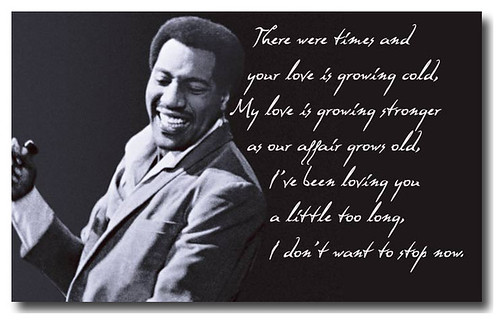
7. **Otis Redding**The world lost one of its most profound and influential soul voices on December 10, 1967, when Otis Redding, often referred to as the “King of Soul,” died in a plane crash. Redding, whose soulful mastery drew deeply from his gospel roots, was celebrated for classic songs like “These Arms of Mine” and was a pivotal figure in shaping the soul genre. At just 26 years old, he was at the peak of his creative powers.
On that fateful day, Redding and members of his backing band, the Bar-Kays, were traveling in his chartered twin-engine Beechcraft 18 from Cleveland to Madison, Wisconsin, for a gig. The weather was notoriously bad, characterized by cold drizzle and fog, which severely hampered flying conditions. While on the approach to Madison, the airplane tragically plunged into the frigid waters of Lake Monona.
The exact cause of the crash remains undetermined, though some speculate the Beechcraft may have been experiencing engine problems. Of the seven passengers on board, only 20-year-old Ben Cauley, one of the musicians, miraculously survived. In a bittersweet twist of fate, four months after his death, his timeless single “(Sittin’ On) The Dock of the Bay” reached the top of the charts, becoming his first and only No.1 single and winning two GRAMMY Awards. Sadly, he was not alive to witness its immense success, leaving behind an unparalleled legacy.
Continuing our exploration of music’s most heartbreaking losses, it becomes clear that the sky, while offering a swift path from gig to gig, also presented unpredictable dangers. Even as aviation technology advanced, tragedy continued to strike, reshaping genres and leaving fans with a profound sense of what might have been. From folk heroes to rock gods, the next chapter of our story reveals more legends whose music was silenced far too soon.
Read more about: The Top 9 Singers Who Were Born Rich: A Deep Dive into Their Priceless Vocal Gifts

8. **Jim Croce**The 1970s brought us the distinctive voice of Jim Croce, an American folk and soft-rock singer whose career, though brief, was marked by remarkable success. Known for chart-topping hits like “Bad, Bad Leroy Brown” and the poignant “Time in a Bottle,” Croce had truly begun to find his stride in the music world, captivating audiences with his storytelling and melodic craftsmanship.
On September 20, 1973, Croce, at the age of 30, performed what would be his final concert at Northwestern State University in Natchitoches, Louisiana. He was amidst his “Life and Times” tour, eagerly looking forward to the next and final stop in Sherman, Texas. The road-weary musician, along with five others, boarded a chartered Beechcraft E18S plane for the short journey to the airport, a journey his pilot, Robert N. Elliott, had largely made on foot after failing to secure a taxi.
Tragically, immediately after takeoff from Natchitoches Regional Airport, the aircraft struck a pecan tree. All six individuals on board perished in the crash, including Croce’s guitarist Maury Muehleisen, comedian George Stevens, road manager Dennis Rast, and Croce’s agent, Kenneth D. Cortese. The subsequent investigation determined the cause of the accident to be pilot error, adding another preventable layer to this immense loss.
A poignant detail emerged after his premature death: a letter to his wife revealed his plans to leave the music business and focus on their family, confessing he was homesick. This insight into his personal aspirations only deepens the sense of tragedy, as a star on the rise, who was just beginning to find major success, was taken at the cusp of potentially choosing a different path.
Read more about: Beyond the Spotlight: 14 Unforgettable Actors Who Stole Every Scene They Were In

9. **Ronnie Van Zant (Lynyrd Skynyrd)**Southern rock experienced one of its darkest hours on October 20, 1977, with the plane crash that claimed the lives of several members of the iconic band Lynyrd Skynyrd. Just three days after releasing their fifth album, *Street Survivors*, the band, riding a wave of success, boarded a Convair CV-240 for a flight to Baton Rouge, Louisiana. At the helm of this groundbreaking sound was frontman Ronnie Van Zant.
Van Zant, only 29 years old at the time, was a charismatic leader known for his distinctive vocal delivery and powerful stage presence. His vision had steered Lynyrd Skynyrd to redefine Southern rock, bringing a fresh, tighter sound that resonated with millions. However, their journey took a catastrophic turn when the plane ran out of fuel.
Investigations into the crash revealed a critical oversight: the pilots had neglected to properly check the fuel levels before takeoff. The aircraft ultimately went down in a Mississippi swamp near Gillsburg. Ronnie Van Zant, along with guitarist Steve Gaines and backup singer Cassie Gaines, tragically died upon impact, amongst others on board.
Chillingly, Van Zant had reportedly shared premonitions of his own death, repeatedly telling others he would not live past 30. This prophecy, tragically fulfilled at age 29, adds a haunting layer to his story. His younger brother, Johnny Van Zant, would later step into his shoes, replacing him upon Lynyrd Skynyrd’s reunion in 1987, ensuring the band’s legacy continued.
Read more about: Beyond the Spotlight: Exploring Musicians Whose Legacies Deepened After Their Time

10. **Steve Gaines (Lynyrd Skynyrd)**Joining his sister Cassie and the rest of Lynyrd Skynyrd on that fateful flight was guitarist Steve Gaines, a talent whose addition had injected new life into the band’s sound. Gaines, who was 28 years old at the time of the crash, had only been with Lynyrd Skynyrd since 1976, but his impact was immediate and profound.
His arrival brought a scorching new energy and a tighter sound to the Southern rock pioneers, contributing significantly to the success the band was enjoying. It was Cassie Gaines, his sister, who had recommended him to Ronnie Van Zant, proving to be an invaluable introduction that would elevate Lynyrd Skynyrd’s musical prowess.
As the band traveled between shows on October 20, 1977, the Convair CV-240 encountered the fatal fuel shortage that led to its crash near Gillsburg, Mississippi. Steve Gaines was among the five individuals killed instantly, cutting short a promising career that was just hitting its stride.
The loss of Steve Gaines, so early in his tenure with such an influential band, represented a significant blow to the rock world. His contributions to *Street Survivors*, their recently released album, stood as a testament to his undeniable talent and the electrifying chemistry he shared with his bandmates, forever etched into the annals of music history.

11. **Cassie Gaines (Lynyrd Skynyrd)**Also among those lost in the Lynyrd Skynyrd tragedy was Cassie Gaines, the band’s spirited backup singer. Cassie had joined Lynyrd Skynyrd in 1975 as part of their backing vocal trio, the Honkettes, adding a vital layer to their robust sound. She was instrumental in bringing her brother Steve Gaines into the band, a move that would prove musically transformative for Lynyrd Skynyrd.
On October 20, 1977, Cassie was onboard the band’s Convair CV-240, traveling between performances, when the plane tragically ran out of fuel near Gillsburg, Mississippi. The crash claimed the lives of five people onboard, including herself, her brother Steve, and frontman Ronnie Van Zant.
In a heartbreaking twist, Cassie Gaines actually survived the initial impact of the crash but tragically succumbed to her injuries shortly afterward. She was only 29 years old, a vibrant voice extinguished far too young, leaving a profound void in the hearts of her bandmates and fans.
Her dedication to the band, not only as a performer but also as an active participant in shaping its lineup, underscores her significance. The collective loss of three key members of Lynyrd Skynyrd in one single, avoidable disaster remains one of music’s most profound and shocking aviation tragedies, marking a dark chapter for Southern rock.
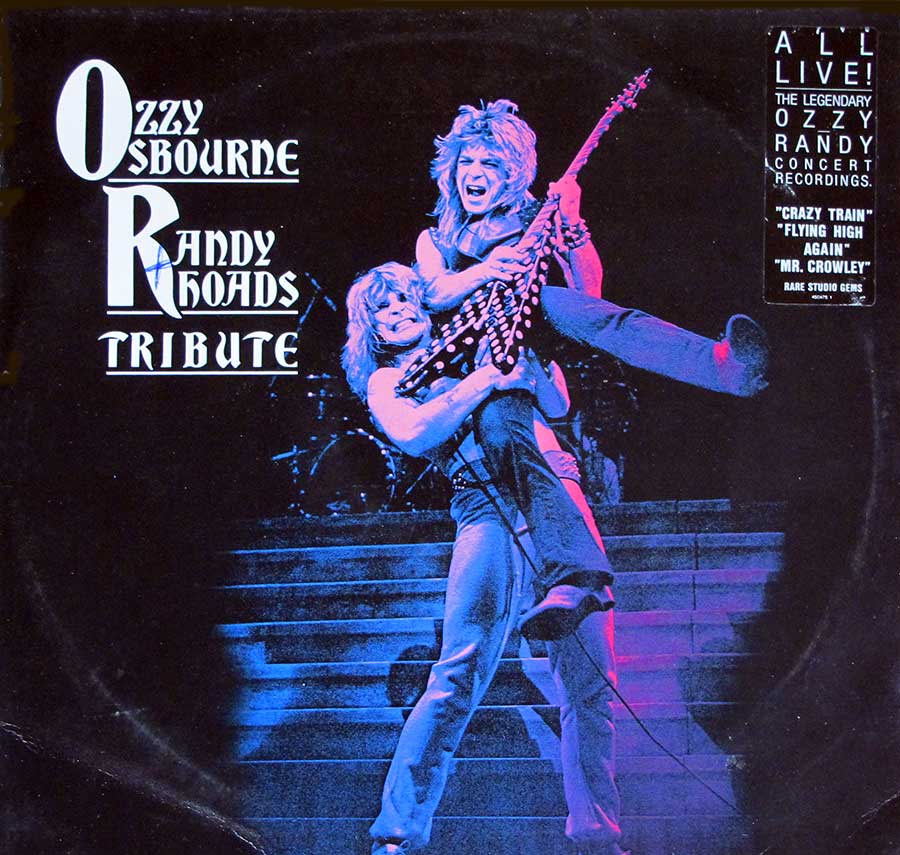
12. **Randy Rhoads**Guitar-driven rock suffered an immense loss on March 19, 1982, with the untimely death of Randy Rhoads, a virtuoso who revolutionized metal guitar. Formerly of Quiet Riot, Rhoads achieved widespread fame as the guitarist for Ozzy Osbourne’s solo band, known for crafting iconic heavy metal riffs, including the world-famous “Crazy Train.”
Rhoads, only 25 years old, was a passenger in a Beechcraft Bonanza, which was being piloted by Andrew Aycock, the band’s tour bus driver. The aircraft belonged to country singer Jerry Calhoun. The tragic incident occurred when Aycock, whose pilot’s license had expired, attempted to buzz Osbourne’s tour bus during a reckless joyride.
After two successful passes, on the third attempt, a wing of the plane clipped the roof of the bus. This catastrophic impact sent the aircraft spiraling into a nearby mansion, killing all three aboard, including Rhoads and the band’s seamstress. The National Transportation Safety Board’s report succinctly stated the cause: “The pilot, who was a rock group driver, took an aircraft from the hangar without permission to joy ride members of the group.”
Rhoads’ impact on the music industry was immense; his artistry heavily influenced 1980s metal. He introduced neoclassical techniques, two-handed tapping, and a unique blend of classical and heavy metal influences, earning him a place on numerous lists of the greatest guitarists of all time. He was posthumously inducted into the Rock & Roll Hall of Fame in 2021, a fitting tribute to a genius whose career was cut tragically short.
Read more about: A Year of Legacies: Honoring 11 Iconic Figures Who Departed in 2025, Leaving Enduring Marks on Culture

13. **Ricky Nelson**Ricky Nelson, a multifaceted talent who transitioned from television star to rock musician, met his tragic end on New Year’s Eve, December 31, 1985. Nelson, 45, gained initial fame playing himself on his parents’ popular radio and television shows, *The Adventures of Ozzie and Harriet*, before launching a successful musical career with hits like “Hello Mary Lou” and “Garden Party.”
Nelson had purchased a 1944 Douglas DC-3 for use as his tour airplane. On that fateful day, the aircraft was flying from Guntersville, Alabama, to Dallas when an interior fire forced an emergency landing attempt. The DC-3 crashed outside De Kalb, Texas, during the failed maneuver.
The fire was believed to have been caused by a defective heater onboard the vintage aircraft. While the pilot and copilot miraculously survived, albeit with severe burns, the other seven individuals aboard, including Ricky Nelson, perished in the devastating incident.
Nelson’s death marked the loss of an artist who seamlessly blended rock and roll with country influences, leaving behind a legacy of catchy tunes and an enduring image as a rockabilly star. His journey from beloved television personality to respected musician captivated audiences, making his untimely passing a profound shock to fans worldwide.
Read more about: Beyond the Fab Four: Unearthing George Harrison’s Eleven Iconic Rides That Prove His Automotive Taste Was Nothing Short of Legendary

14. **Stevie Ray Vaughan**Eight years after Randy Rhoads’ passing, the guitar-driven blues scene suffered its own profound loss with the death of Stevie Ray Vaughan, often hailed as “the second coming of the blues.” Vaughan, 35, had carved out a hugely successful solo career with his band Double Trouble, notably after a stint as David Bowie’s guitarist on the 1983 album *Let’s Dance*.
His career was at its peak, leading a blues revival with his signature raw talent and electrifying guitar work. Just prior to his death, he had released *In Step*, his most successful album to date, solidifying his status as a blues titan. However, his soaring career was tragically halted in the early morning hours of August 27, 1990.
Vaughan had just finished a concert appearance with Eric Clapton and other artists at the Alpine Valley Music Theater in Elkhorn, Wisconsin. He boarded a Bell 206B JetRanger helicopter for a flight to Chicago’s Midway Airport. Shortly after takeoff, the helicopter crashed into a nearby ski mountain, killing all four passengers and pilot Jeff Brown.
The cause of the crash was attributed to pilot error. Pilot Brown was not certified for instrument flight and may have experienced night blindness after ascending from bright stage lights into dense fog and darkness. This lack of experience, combined with challenging conditions, silenced one of music’s most influential guitarists, leaving an unfillable void in the blues world.
Read more about: Beyond the Limelight: 13 ’80s Icons Whose Shocking Deaths Still Resonate Today

15. **John Denver**Our journey through these tragic losses concludes with John Denver, the beloved singer-songwriter whose acoustic folk music and love letters to nature captivated millions. Born Henry John Deutschendorf Jr., Denver’s hits like “Country Roads” and “Rocky Mountain High” became anthems, selling over 30 million records and earning him critical acclaim throughout his career. His passion for environmentalism was deeply woven into his music, advocating for a simpler lifestyle.
Despite having several thousand flight hours’ experience, Denver, 53, tragically died on October 12, 1997, while piloting a home-built Rutan Long-EZ aircraft he had recently purchased. The airplane plunged into Monterey Bay on the Pacific Coast near Pacific Grove, California.
Investigators determined that Denver, though an experienced pilot (despite his license having been suspended following drunk driving incidents), likely crashed after an unsuccessful attempt to switch fuel tanks in flight. This maneuver may have led him to inadvertently hit the rudder pedal by mistake, resulting in a loss of control and the plane’s fatal descent into the ocean. Inadequate fuel and poor pre-flight preparations were also cited as contributing factors to the disaster.
Denver’s legacy includes two official state songs—”Rocky Mountain High” for Colorado and “Take Me Home, Country Roads” for West Virginia—testaments to his profound connection to the American landscape. His death was a stark reminder that even seasoned pilots face inherent risks, and it left the world mourning a voice that sang of serenity and the beauty of the natural world.
Read more about: Starbucks’ ‘Global Reset’ Unveils Key Cafe Closures: A Look at 12 Major State-Level Impacts on the 2024-2025 List.
These stories, though steeped in sorrow, are not just about untimely ends; they are powerful testaments to the indomitable spirit of creativity that defines these artists. Each musician, snatched from us too soon by the merciless embrace of aviation disaster, left behind an echo chamber of sound, a vibrant tapestry of melodies and lyrics that continue to inspire and move generations. Their physical presence may have departed, but their sonic footprints remain, forever etched into the very fabric of our musical heritage. It’s a bittersweet symphony, reminding us that while the music may have stopped for them, their legacies continue to soar, unbroken and eternal, through every note we still cherish.