Steve McQueen, a name synonymous with unparalleled charisma and rugged elegance, transcended the silver screen to become an enduring icon of American cool. His performances were legendary, his persona magnetic, but equally captivating was his profound and unyielding passion for speed and finely-tuned machinery. He wasn’t just an actor who drove; he was a serious petrolhead, a racer at heart, whose garage was a veritable pantheon of automotive excellence.
The “King of Cool” didn’t merely collect cars; he curated a lifestyle, selecting vehicles that echoed his adventurous spirit, his demand for performance, and his discerning eye for design. From race-bred monsters challenging engineering limits to luxurious grand tourers defining an era, McQueen’s stable reflected a man who lived life in the fast lane. These weren’t just transport; they were extensions of his soul, each with a story as compelling as any of his film roles.
Today, many of these vehicular masterpieces fetch staggering sums at auction, their value amplified by rarity, engineering brilliance, and McQueen’s indelible mark. They are tangible links to a bygone era of Hollywood glamour and genuine automotive passion. Join us as we delve into the most valuable and historically rich automobiles that once graced the King of Cool’s personal collection, beginning with the seven most extraordinary machines.
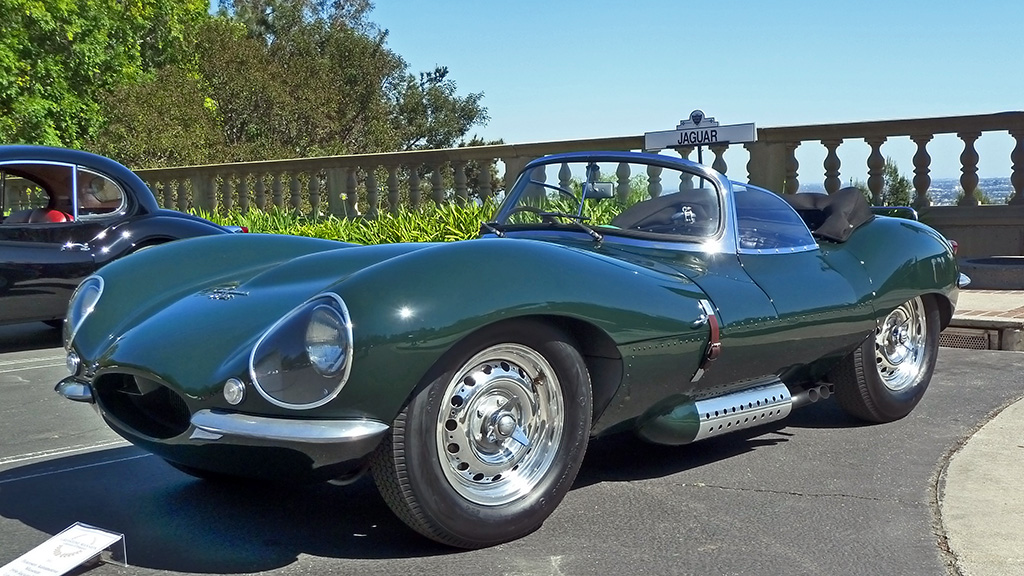
1. **1956 Jaguar XKSS**Our journey begins with arguably the most significant jewel in Steve McQueen’s automotive crown: the 1956 Jaguar XKSS. This isn’t merely a car; it’s a legend, one of only sixteen units ever made, directly descended from the Le Mans-dominating D-Type racing machine. McQueen’s profound personal connection to this vehicle earned it a legendary nickname: “The Green Rat.”
The XKSS was a road-going marvel, converting unsold D-Type chassis into high-performance street cars. Its 3.4-liter inline-six engine produced 250 horsepower, propelling its lightweight frame with thrilling urgency. Capable of 0-60 mph in 5.2 seconds and a top speed of 150 mph, this car was built for exhilarating performance, perfectly matching McQueen’s own thirst for speed and adventure.
McQueen’s “Green Rat” was uniquely customized. It sported a distinctive British Racing Green finish. Inside, renowned hot-rodder Tony Nancy crafted a full black leather interior, and famed fabricator Kenny Howard (‘Von Dutch’) designed a custom locking glovebox. These personal touches underscored McQueen’s meticulous attention to detail and his desire for individuality.
His acquisition in 1958, for $5,000, and his subsequent repurchase in 1977 after selling it in 1969, speak volumes. He famously avoided a speeding ticket by claiming his wife was in labor. Today, this unparalleled masterpiece is valued at $30 million and displayed at the Petersen Automotive Museum in Los Angeles.
Read more about: Beyond Acquisition: Unveiling the Enigmatic World of the Rarest and Most Exquisite Classic Cars

2. **1967 Ferrari 275 GTB/4 Scaglietti**From one automotive legend to another, Steve McQueen’s deep affection for Italian thoroughbreds was undeniable, and his 1967 Ferrari 275 GTB/4 Scaglietti stands as a magnificent emblem of that passion. This model, one of only 280 copies ever produced, was a crown jewel, so impressive that McQueen famously traded in his 250 GT Berlinetta Lusso to acquire it.
The 275 GTB/4 was a technical tour de force. Under the hood was an all-aluminum Colombo V12 engine with six Weber carburetors. This 3.3-liter powerhouse produced 300 horsepower at 8,000 rpm and 215 ft-lb of torque, mated to a manual 5-speed transmission. It launched from zero-to-sixty in 5.5 seconds and achieved a top speed of almost 159 mph. Its Pininfarina-designed, Scaglietti-built body, with its distinctive long-nose chassis, exuded elegance.
McQueen acquired this Ferrari almost cinematically. After his Ferrari 275 GTS/4 NART Spider was rear-ended in Malibu, he purchased a brand-new 275 GTB/4. Initially Nocciola (hazelnut) paint, he later had it repainted to Chianti Red, further personalizing this exclusive machine.
He ordered this car new while filming “Bullitt,” and it was delivered to him on set. He held onto this magnificent machine for over four years. Its value has soared, selling at a Sotheby’s auction in 2014 for an astonishing $10,175,000, and more recently fetching $5.4 million in 2023. This Ferrari was a statement of power, prestige, and McQueen’s discerning taste for the very best.
Car Model Information: 2023 Buick Envision Preferred AWD
Name: Ferrari 275,GTB, GTS, GTB/4, NART Spider
Caption: 1966 Ferrari 275 GTB Series II
Manufacturer: Ferrari
Class: Grand tourer
BodyStyle: unbulleted list
Production: unbulleted list
Wheelbase: 2400 mm
Abbr: on (alloy-bodied 275 GTB/C)
Weight: unbulleted list
Predecessor: Ferrari 250
Successor: unbulleted list
Layout: Front-engine, rear-wheel-drive layout
Engine: unbulleted list
Transmission: transaxle
Designer: unbulleted list
Categories: All Wikipedia articles written in British English, All articles with dead external links, All articles with unsourced statements, Articles with dead external links from April 2024, Articles with permanently dead external links
Summary: The Ferrari 275 is a series of front-engined V12-powered grand touring automobiles with two-seater coupé and spider bodies produced by Ferrari between 1964 and 1968. The first 275 series cars were powered by a 3.3 L (3286 cc) overhead camshaft Colombo 60° V12 engine producing 260–320 hp (190–240 kW). An updated 275 GTB/4 was introduced in 1966, with a revised four overhead camshaft engine producing 300 hp (220 kW). The 275 series were the first road-going Ferraris equipped with a transaxle and independent rear suspension.
Pininfarina designed the 275 coupé and spider bodies, while Scaglietti designed the 275 GTS/4 NART Spyder, of which only 10 were made.
Motor Trend Classic named the 275 GTB coupé/GTS spider as number three in their list of the ten “Greatest Ferraris of all time”, and the 275 GTB/4 was named number seven on Sports Car International’s 2004 list of Top Sports Cars of the 1960s. In a September 1967 road test, Road & Track described the NART Spyder as “the most satisfying sports car in the world.”
Get more information about: Ferrari 275
Buying a high-performing used car >>>
Brand: Ferrari Model: 275 GTB/4
Price: $25,991 Mileage: 27,903 mi.
Read more about: Beyond the Garage: 12 Legendary Classic Cars Skyrocketing in Value, Defining Automotive Investment Potential
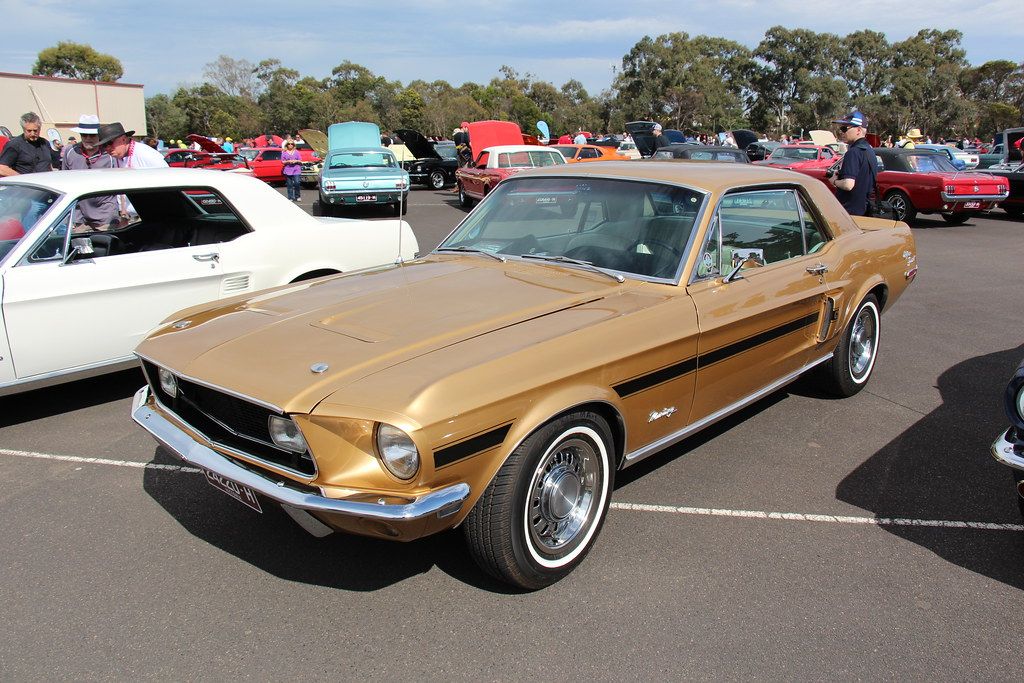
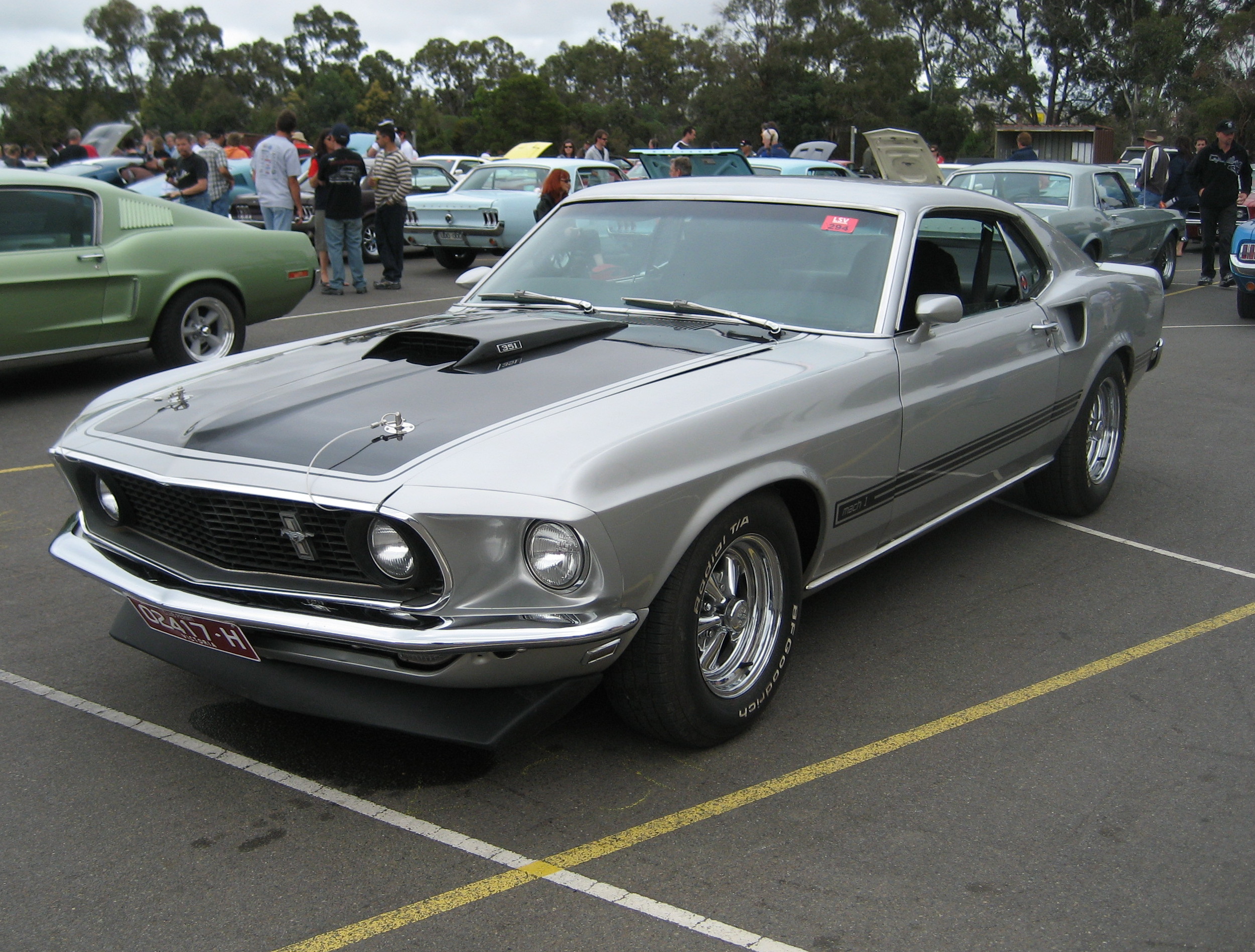
3. **1968 ex-Bullitt Ford Mustang GT390**No discussion of Steve McQueen’s cars would be complete without reverently acknowledging the 1968 Ford Mustang GT 390. This undisputed star of the greatest car chase scene in cinematic history, featured in the film “Bullitt,” transcended its role as a mere prop. It became an enduring symbol of American automotive power and rebellious cool, driven famously by McQueen himself.
The Mustang GT 390 Fastback was a beast under the hood. It packed a 390 cubic-inch V8 engine, delivering 325 horsepower and 427 lb-ft of torque, coupled with a 4-speed manual transmission. For the film, the engine was further tweaked, with straight pipes, electronic ignition, and other modifications. These ensured it not only looked fast but sounded and performed the part with an undeniable roar, capable of 105 mph.
McQueen’s own deep involvement in the film’s driving sequences cemented the car’s legacy. His precision and passion for speed were palpable on screen, making the car a true extension of his character, Frank Bullitt. This wasn’t just a car chase; it was a masterclass in automotive choreography, showcasing the Mustang’s capabilities and McQueen’s driving prowess, forever etching it into the annals of film and car culture.
Of the two Mustangs used, the one extensively driven by Steve McQueen became an unparalleled collectible. After filming, it was sold to a Warner Bros employee, then passed through hands before meticulous restoration. Its re-introduction came at the 2018 Detroit Auto Show. In 2020, this iconic ex-Bullitt Mustang auctioned at Mecum’s for a record-breaking $3.74 million, solidifying its place as a priceless piece of American cultural heritage.
Car Model Information: 2023 Buick Envision Preferred AWD
Name: Ford Mustang (S550)
Alt: Front three-quarters view of a blue coupe
Manufacturer: Ford Motor Company
ModelCode: S550
Production: August 2014 – April 2023
ModelYears: 2015–2023
Assembly: Flat Rock, Michigan
Designer: Kemal Curić
Class: Pony car,muscle car
BodyStyle: coupe
Layout: Front-engine, rear-wheel-drive layout
Platform: Ford D2C platform
Engine: Unbulleted list
Transmission: Unbulleted list
Wheelbase: cvt
Length: cvt
Width: cvt
Height: cvt
Weight: cvt
Predecessor: Ford Mustang (fifth generation)
Successor: Ford Mustang (seventh generation)
Categories: All articles with vague or ambiguous time, Articles with short description, Cars discontinued in 2023, Cars introduced in 2014, Commons category link is on Wikidata
Summary: The Ford Mustang (S550) is the sixth generation of the Ford Mustang, a pony car produced from 2014 until it was replaced by the seventh generation in 2023.
The development of the Mustang began in 2009 under the direction of the chief engineer Dave Pericak and exterior design director Joel Piaskowski. In 2010, design management selected an exterior design theme proposal by Kemal Curić. After four years of development, Ford debuted the Mustang at numerous online media events in December 2013, preceding its public unveiling at the Detroit Auto Show in January 2014. Official manufacture of the sixth generation of the Mustang began at the facility in Flat Rock, Michigan, in August 2014. The car was available as both a coupe and a convertible.
Introduced for the 2015 model year to replace the fifth generation, the Mustang offered multiple engine configurations, including a 3.7-liter V6 engine, a 2.3-liter inline-four EcoBoost engine, and a 5.0-liter GT V8 engine. The V6 was discontinued in 2017. The sixth generation marked the first Mustang to be marketed globally, introducing factory-produced right-hand-drive models alongside the traditional left-hand-drive versions. This was part of the “One Ford” business strategy, which also encompassed models such as the Fiesta, Focus, Fusion/Mondeo, Escape/Kuga, Edge, Transit Connect, and Transit.
Ford released several special editions of the sixth-generation Mustang, including the Shelby GT350 and GT500, the Bullitt edition to commemorate the 50th anniversary of the 1968 film Bullitt, and a model celebrating the Mustang’s own 50th anniversary. The car is the recipient of numerous accolades, including Esquire’s Car of the Year in 2014, a spot on Car and Driver’s 10Best list in 2015 and 2017, and the EyesOn Design award for Best Production Vehicle in 2014. The sixth generation of the Mustang was discontinued in April 2023, with its successor, the S650, beginning production in May.
Get more information about: Ford Mustang (sixth generation)
Buying a high-performing used car >>>
Brand: Ford Model: Mustang GT390
Price: $25,991 Mileage: 27,903 mi.

4. **1963 Ferrari 250 GT Berlinetta Lusso by Scaglietti**Another masterpiece from Maranello that held a special place in Steve McQueen’s heart and garage was the 1963 Ferrari 250 GT Berlinetta Lusso. Acquired in the mid-1960s, this car embodied the perfect fusion of speed and luxury, a characteristic that mirrored McQueen’s own discerning persona and sophisticated lifestyle.
Often hailed as one of the most aesthetically pleasing Ferraris ever crafted, the Lusso, meaning “luxury” in Italian, was a visual symphony of elegant lines penned by Pininfarina and meticulously built by Scaglietti. Beneath its graceful exterior lay a potent 3.0-liter V12 Colombo engine, equipped with three Weber dual throat carburetors, kicking out 240 horsepower at 7,000 rpm. This power was channeled through a 4-speed manual synchro transmission, allowing it to reach 60 mph in 8 seconds and achieve a top speed of 155 mph.
McQueen initially bought his brown-colored Lusso new in 1963 from the famed Otto Zipper showroom in Santa Monica. He owned it for about four years, using it as his daily driver. He was frequently spotted racing it down valleys and streets, even taking it to shooting sets and restaurants. His personal connection was so strong that he would never hand the car over to a valet, preferring to park it himself.
McQueen’s pursuit of thrills eventually led him to sell it in 1967 for the Ferrari 275 GTB/4 Scaglietti. His Lusso Berlinetta was bought in 1973 and stored for 24 years, before undergoing a restoration. Post-restoration, this ex-McQueen Ferrari 250 GT Berlinetta Lusso, with its impeccable provenance and timeless appeal, fetched an impressive $2,310,000 at auction, affirming its status as a highly coveted collector’s item.
Car Model Information: 2023 Buick Envision Preferred AWD
Name: Ferrari 250 GT Berlinetta Lusso
Caption: Ferrari 250 GT Lusso at the Goodwood Breakfast Club 2008
Manufacturer: Ferrari
Production: 1962–1964 ,(351 produced)
Assembly: Modena
Layout: FR layout
BodyStyle: Coupé
Predecessor: Ferrari 250 GT Coupé
Successor: Ferrari 275 GTB
Aka: GTL, GT/L
Class: Grand tourer
Engine: Ferrari Colombo engine,V12 engine
Transmission: 4 and 5-speed manual
Wheelbase: 2400 mm
Abbr: on
Length: 4410 mm
Width: 1750 mm
Height: 1290 mm
Weight: convert
Designer: Pininfarina
Categories: 1960s cars, All articles with dead external links, Articles with dead external links from April 2024, Articles with dead external links from December 2016, Articles with permanently dead external links
Summary: The Ferrari 250 GT Berlinetta Lusso is a GT car which was manufactured by Italian automaker Ferrari from 1962 to 1964. Sometimes known as the GTL, GT/L or just Lusso, it is larger and more luxurious than the 250 GT Berlinetta. The 250 GT Lusso, which was not intended to compete in sports car racing, is considered to be one of the most elegant Ferraris.
Get more information about: Ferrari 250 GT Lusso
Buying a high-performing used car >>>
Brand: Ferrari Model: 250 GT Berlinetta Lusso
Price: $25,991 Mileage: 27,903 mi.
Read more about: Hollywood’s Most Audacious Crashes: The Jaw-Dropping Costs of Wrecking 14 Legendary Cars in Film History
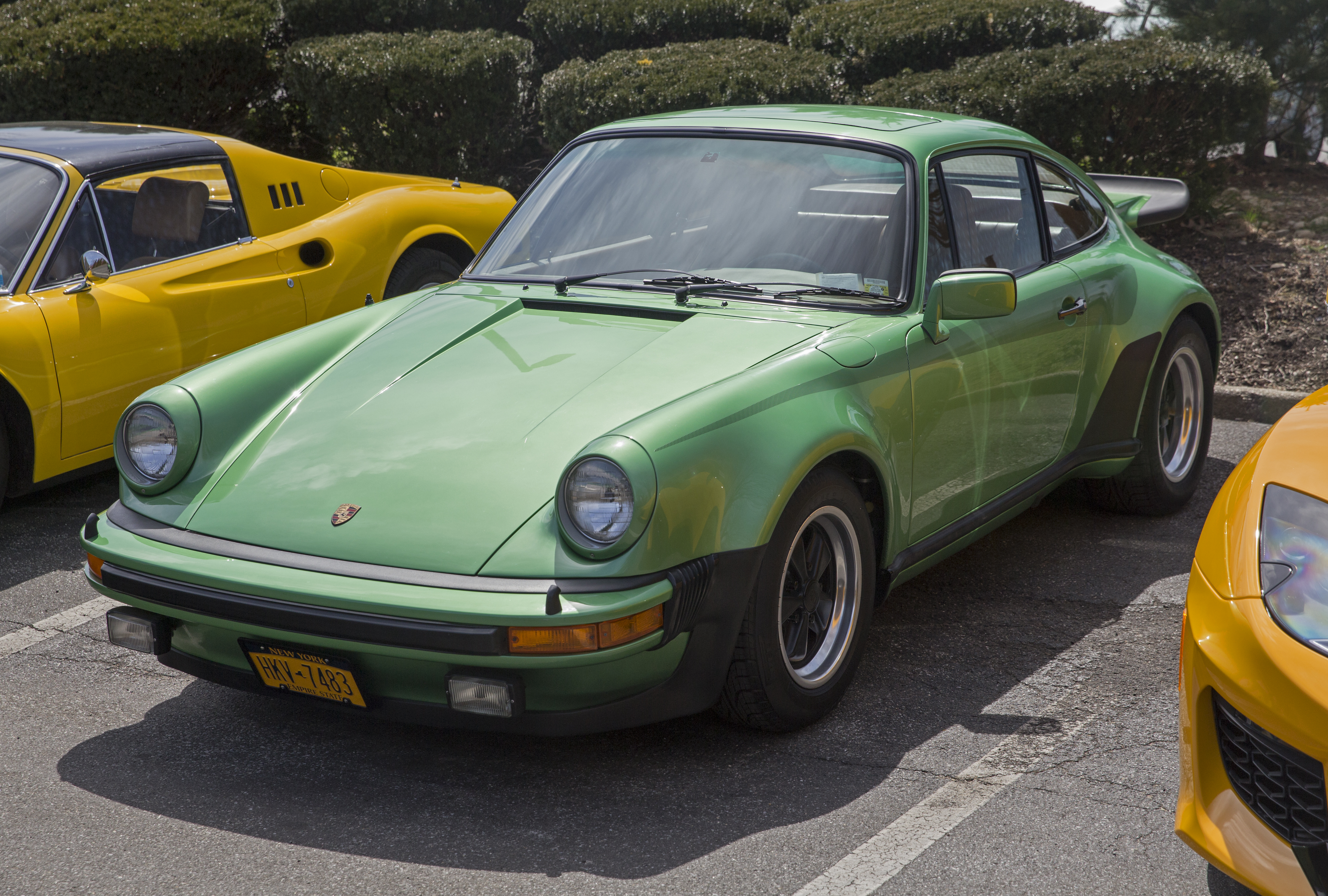
5. **1976 Porsche 911 (930) Turbo**Steve McQueen’s reverence for German engineering was evident in his 1976 Porsche 911 (930) Turbo. Affectionately nicknamed the “widowmaker” due to its potent turbocharged engine, this machine was precisely the kind of demanding vehicle McQueen relished mastering.
This particular 930 Turbo was custom-ordered by McQueen, showcasing his eye for personalized detail. He finished it in sophisticated slate gray – a favorite color – and complemented it with black leather sports seats and a sunroof. Unique touches included a one-of-its-kind kill taillight switch and, later, wider tires, giving it an aggressive stance and enhancing its grip.
Underneath its distinctive “whale tail” spoiler, the 930 Turbo housed a 3.0-liter turbocharged flat-six engine. This powerhouse delivered 234 horsepower and 253 lb-ft of torque, channeled through a 4-speed manual transmission. It enabled a sprint from 0-60 mph in 5.9 seconds and a top speed of 155 mph. This was a car that demanded respect and precision, perfectly aligning with McQueen’s dedication to the art of driving.
The 930 Turbo was not just a high-performance vehicle; it was notably the last car Steve McQueen ever ordered, making it profoundly special. After his untimely death, this exceptional Porsche was auctioned off at Mecum in 2015 for a staggering $1.95 million. Its inherent desirability as a cutting-edge sports car, combined with the irreplaceable history of being owned by the “King of Cool,” elevated its value and status to an undeniable legend.
Car Model Information: 2023 Buick Envision Preferred AWD
Name: Porsche 930
Manufacturer: Porsche
Aka: Porsche 911 Turbo
Production: 1975–1977 (3.0-litre),2,819 produced,1978–1989 (3.3-litre),18,770 produced
Assembly: Stuttgart,Zuffenhausen
Predecessor: Porsche 911 (classic)#Carrera RS & RSR (1973 and 1974)
Successor: Porsche 964#Turbo
Class: Sports car
BodyStyle: 2+2 (car body style),2+2 (car body style),Targa top
Layout: Rear-engine, rear-wheel-drive layout
Platform: Porsche G-series
Engine: ubl
Transmission: Manual transmission
Wheelbase: cvt
Length: cvt
Width: cvt
Height: cvt
Weight: cvt
Related: Porsche 911 (classic),Porsche 934,Porsche 935,Porsche 959,Porsche 961
Caption: 1976 Porsche 930 Turbo (US)
Categories: 1980s cars, All articles with unsourced statements, Articles with short description, Articles with unsourced statements from April 2019, Articles with unsourced statements from September 2022
Summary: The Porsche 930 is a turbocharged variant of the 911 model sports car manufactured by German automobile manufacturer Porsche between 1975 and 1989. It was the maker’s top-of-the-range 911 model for its entire production duration and, at the time of its introduction, was the fastest production car in Germany.
Get more information about: Porsche 911 (930)
Buying a high-performing used car >>>
Brand: Porsche Model: 911 (930) Turbo
Price: $25,991 Mileage: 27,903 mi.
Read more about: The Unsafe Hall of Fame: Unmasking 14 Cars with the Highest Fatal Accident Rates

6. **1970 Porsche 911S ex-Le Mans**Continuing with McQueen’s enduring fascination with Porsche, the 1970 Porsche 911S ex-Le Mans beautifully intertwines his acting career with his genuine love for racing. This sleek, silver machine became instantly iconic through its starring role in the 1971 film “Le Mans,” a project deeply personal to McQueen that aimed for unparalleled authenticity in motorsport cinematography.
Beyond its cinematic fame, this 911S was McQueen’s personal vehicle. He extensively drove it during the film’s production and subsequently took it into his private collection. Finished in slate gray, another of McQueen’s preferred hues, it came loaded with desirable options such as a leather interior and a factory-fitted air-conditioner, reflecting his demand for both performance and comfort.
The 1970 Porsche 911S was powered by a 2.2-liter flat-six engine, producing 177 horsepower and 127 lb-ft of torque. Mated to a 5-speed manual transmission, it achieved 0-60 mph in 7.8 seconds and a top speed of 144 mph. These specifications spoke to Porsche’s philosophy of balanced performance, precise handling, and enduring engineering—qualities that McQueen deeply admired and sought in his vehicles.
Though McQueen eventually sold the car, its next owner retained it for nearly three decades. It changed hands a couple more times, accumulating close to 112,400 miles, yet always meticulously maintained. When it eventually reached an RM Sotheby’s auction, its provenance as a McQueen-owned, film-featured icon drove its price to an astonishing $1.375 million, solidifying its place as a revered piece of cinematic and automotive history.
Car Model Information: 1968 Porsche 911 S
Name: Porsche 911 (classic)
Aka: Porsche 911 Carrera , Porsche Carrera
Manufacturer: Porsche
Class: Sports car
Layout: rear-engine, rear-wheel drive layout
Production: 1964–1989
Assembly: Stuttgart,Zuffenhausen
Predecessor: Porsche 356
Successor: Porsche 964
Transmission: manual transmission
Wheelbase: convert
Length: 4290 mm
Abbr: on
Width: convert
Height: convert
BodyStyle: coupé
Engine: ubl
Related: Porsche 912,Porsche 930,Porsche 959
Designer: Ferdinand Alexander Porsche,Erwin Komenda
Caption: 1970 Porsche 911E
Categories: 1970s cars, 1980s cars, 1990s cars, 2000s cars, All articles with unsourced statements
Summary: The original Porsche 911 (pronounced nine eleven, German: Neunelfer) is a luxury sports car made by Porsche AG of Stuttgart, Germany. A prototype of the famous, distinctive, and durable design was shown to the public in autumn 1963. Production began in September 1964 and continued through 1989. It was succeeded by a modified version, internally referred to as Porsche 964 but still sold as Porsche 911, as are current models.
Mechanically, the 911 was notable for being rear engined and air-cooled. From its inception, the 911 was modified both by private teams and the factory itself for racing, rallying and other types of automotive competition. The original 911 series is often cited as the most successful competition car ever, especially when its variations are included, mainly the powerful 911-derived 935 which won 24 Hours of Le Mans and other major sports cars races outright against prototypes.
Get more information about: Porsche 911 (classic)
Buying a high-performing used car >>>
Brand: Porsche Model: 911S
Price: $199,980 Mileage: 5,295 mi.
Read more about: Steve McQueen’s Amazing Car Collection: Icons of Film, Racing, and Luxury
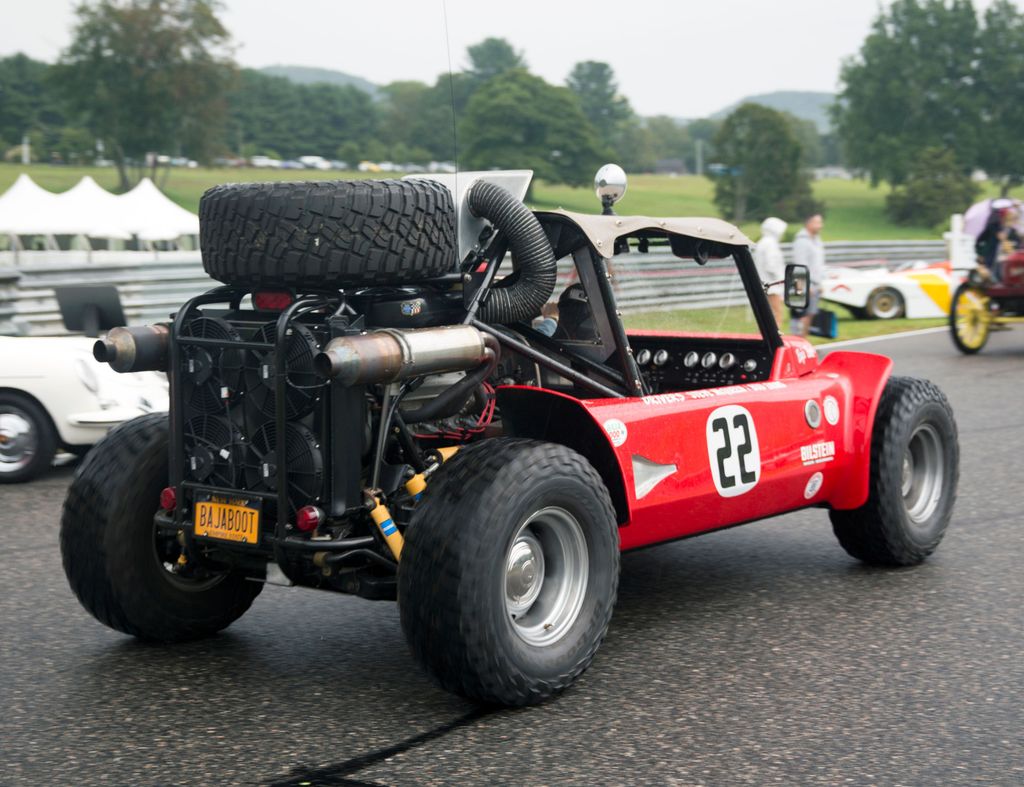
7. **Baja Boot**Venturing beyond the polished asphalt and into the rugged terrain, Steve McQueen’s Baja Boot demonstrates his versatile passion for all forms of driving and competition. This was no ordinary vehicle; it was a purpose-built, all-terrain monster engineered by Vic Hickey, a top talent at General Motors, designed to conquer the brutal landscapes of off-road racing.
The Baja Boot, a truly formidable ATV, was equipped with a monstrous 6.2-liter supercharged V8 engine, unleashing an incredible 650 horsepower and 650 lb-ft of torque. This immense power, combined with a 4-speed automatic transmission, allowed it to tackle extreme conditions and reach speeds up to 120 mph, even across unforgiving desert terrain. It was built for resilience and raw power, perfectly suited for the demands of rally racing that McQueen loved.
McQueen’s involvement with the Baja Boot was hands-on and intense. He first used the ATV in the 1968 “7-11 Stardust” race, where its axle unfortunately snapped. Undeterred, he later participated in the arduous Baja 1000 in 1969, alongside navigator Harold Daigh. His enthusiastic driving was legendary, with him reportedly jumping the buggy 50 to 70 feet in the air over rough terrain, showcasing his daring spirit and commitment to the race.
Though their Baja 1000 attempt ended prematurely due to a transmission explosion, the Baja Boot’s fame was cemented by McQueen’s participation and audacious driving. This unique off-road machine, a symbol of McQueen’s adventurous, boundary-pushing side, eventually found its way into the hands of James Glickenhaus, owner of Scuderia Cameron Glickenhaus, selling for $199,500. It remains a powerful reminder that the “King of Cool” was just as comfortable tearing up the desert as he was cruising Hollywood boulevards.
Read more about: Unleash the Roar: 12 Iconic Convertibles That Defined Eras and Demand Attention on Every Road!
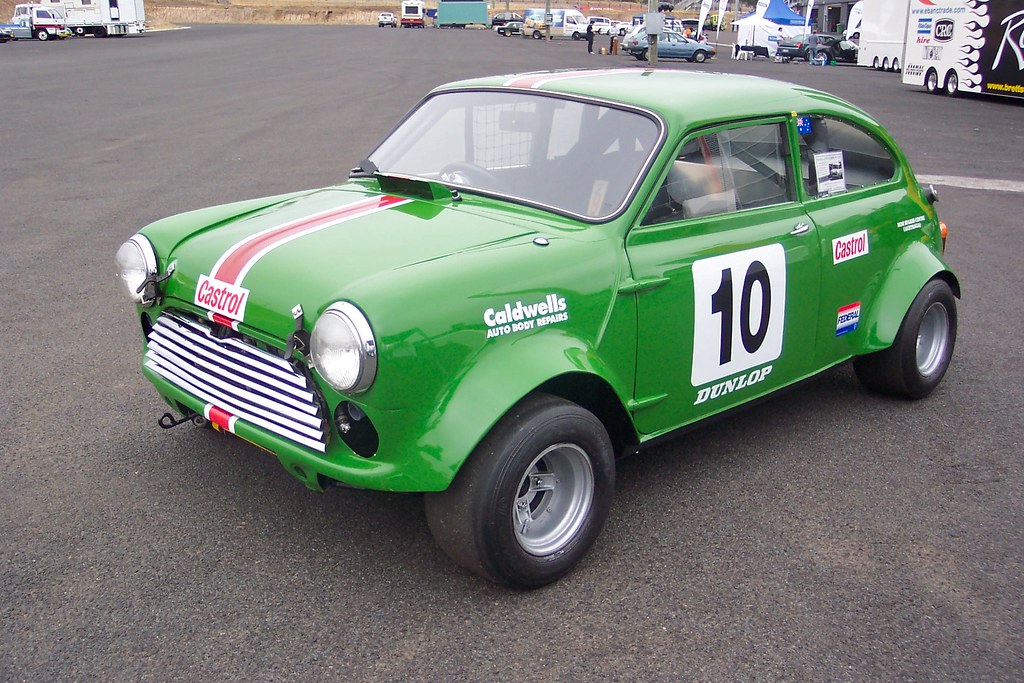
8. **1961 Cooper T-56 Mark II**Beyond the glint of polished chrome and the roar of road-going machines, Steve McQueen possessed a profound appreciation for pure, unadulterated racing lineage. His acquisition of the 1961 Cooper T-56 Mark II, a formidable Formula Junior racing car, epitomized this competitive spirit. This particular vehicle wasn’t just any racer; it came with a sterling pedigree, having previously helped Tony Maggs secure eight impressive victories on the track. McQueen, ever the connoisseur of excellence, recognized its potential and added it to his burgeoning stable of performance vehicles.
True to its nature and McQueen’s formidable driving skill, this Cooper T-56 Mark II brought him considerable success. He piloted the car to triumph in several races, notably conquering the challenging Santa Barbara street races. Such was his dedication to the sport, and his unyielding desire to push limits on the track, that his commitment even caused a stir within his professional life. His film studio, sensing a distraction, found themselves in the unusual position of having to present him with an ultimatum: choose between the thrilling pursuit of racing or his lucrative acting career.
While the demands of Hollywood ultimately pulled him away from a full-time racing career, the Cooper T-56 Mark II forever remained a testament to his prowess behind the wheel. After his passing, this remarkable piece of motorsport history, imbued with McQueen’s indelible touch, was offered at an RM Sotheby’s auction. In 2012, it commanded an impressive sum of $198,000, underscoring its dual value as a significant racing machine and a cherished relic from the ‘King of Cool’s’ intensely personal collection.
Car Model Information: 2023 Buick Envision Preferred AWD
Sp: uk
Caption: 1959 Morris Mini-Minor (first one built)
Name: Mini
Aka: Austin 850,Rover Mini,Austin Cooper,Austin Mini,Austin Partner,Austin Seven,Innocenti Mini,Leyland Mini,Morris 850,Morris Mascot,Morris Mini Minor,Riley Elf,Wolseley 1000 (South Africa),Wolseley Hornet
Layout: Front-engine, front-wheel-drive layout
Manufacturer: British Motor Corporation,British Leyland,Rover Group
Production: 1959–2000 (5.38 million)
Class: City car
BodyStyle: sedan (car),convertible,Station wagon,sedan delivery,coupe utility
Engine: BMC A-series engine,Straight-four engine
Designer: Alec Issigonis,John Sheppard (car designer)
Transmission: 4-speed manual,AP automatic transmission,5-speed manual (optional extra on some later models)
Length: cvt,cvt,cvt
Width: cvt
Height: cvt
Weight: cvt
Wheelbase: cvt,cvt
Related: Mini Moke,Austin Metro,Innocenti Mini,Mini Wildgoose,Mini Marcos
Successor: Austin Metro,Mini Hatch
Assembly: Panmure, New Zealand
Categories: 1960s cars, 1970s cars, 1980s cars, 1990s cars, 2000s cars
Summary: The Mini is a very small two-door, four-seat car, produced for four decades over a single generation, with many names and variants, by the British Motor Corporation (BMC) and its successors British Leyland and the Rover Group, and finally (briefly) under BMW ownership. Minis were built as fastbacks, estates, convertibles, and various other body styles. Minus a brief 1990s hiatus, from 1959 into 2000, an estimated 5.38 million of all variations combined were built, and the Mini’s engines also powered another 2 million Mini Metros, though the Mini eventually outlasted its successor.
Initially, the Mini was marketed under the Austin and Morris names, as the Austin Seven and Morris Mini-Minor; the Austin Seven was renamed Austin Mini in 1962 and Mini became a marque in its own right in 1969. Retrospectively, the car is known as the “Classic Mini” to distinguish it from the modern MINI family of vehicles produced since 2001 by German carmaker BMW, who took ownership of the Mini name following the sale of Rover Group in 2000.
This distinctive two-door car was designed for BMC by Sir Alec Issigonis. Its space-saving transverse engine and front-wheel drive layout – allowing 80% of the area of the car’s floorpan to be used for passengers and luggage – influenced a generation of car makers. The front-wheel-drive, transverse-engine layout were used in many other “supermini” style car designs such as Honda N360 (1967), Nissan Cherry (1970), and Fiat 127 (1971). The layout was also adapted for larger subcompact designs. In 1999, the Mini was voted the second-most influential car of the 20th century, behind the Ford Model T, and ahead of the Citroën DS and Volkswagen Beetle. It is also considered an icon of 1960s British popular culture.
The Mini Mark I had three major UK updates: the Mark II, the Clubman, and the Mark III. Within these was a series of variations, including an estate car, a pick-up, a van, and the Mini Moke, a jeep-like buggy. The performance versions, the Mini Cooper and Cooper “S”, were successful as both race and rally cars, winning the Monte Carlo Rally in 1964, 1965, and 1967. The Mini was manufactured in England at the Longbridge plant in Birmingham located next to BMC’s headquarters and at the former Morris Motors plant at Cowley, as well as in Australia (Victoria Park/Zetland BMC Australia factory) and later also in Spain (Authi), Belgium, Italy (Innocenti, as the Innocenti Mini), Chile, Malta, Portugal, South Africa, Uruguay, Venezuela, and Yugoslavia (IMV). In 1980, British Leyland launched the Mini’s follow-up, the Austin Metro, however the Mini outlasted it and continued to be produced at Longbridge until October 2000.
Get more information about: Mini
Buying a high-performing used car >>>
Brand: Cooper Model: T-56 Mark II
Price: $25,991 Mileage: 27,903 mi.

9. **1958 Porsche 1600 Super Speedster**Before the soaring auction prices and cinematic glory, there was a simpler, yet equally potent, testament to Steve McQueen’s burgeoning automotive obsession: his 1958 Porsche 1600 Super Speedster. This sleek, all-black beauty wasn’t just a car; it marked a pivotal moment in his life, representing the very first brand-new vehicle he ever purchased. It was a blank canvas upon which his personal preferences began to manifest, setting a precedent for the meticulous customization that would define his later collection.
McQueen’s Speedster was a vision in monochrome, specified by him to be entirely black, both inside and out. His personal modifications were subtle yet telling: the only non-official accessory he added was a discreet cigarette lighter tucked beneath the steering column, a nod to his unpretentious style. What truly set his Speedster apart, however, were the optional Rudge alloy knock-off wheels. These were a popular competition accessory, slightly wider than the standard steel wheels, signaling McQueen’s immediate intent for spirited driving and a deeper dive into the world of motorsports.
Indeed, this Porsche was more than just a stylish cruiser; it was the car in which McQueen truly cut his teeth in organized racing. He enthusiastically campaigned the Speedster in various events, even securing a class win at the Santa Barbara races in May 1959. Such was his connection to this machine that, after trading it for a Lotus 11 race car in the ’60s, he later tracked it down and repurchased it in 1974. Although it had lost its chrome Speedster wing badge in the interim, McQueen, ever the individualist, found its unadorned look appealing and never bothered to replace it, opting instead to install a larger engine to further enhance its performance. This cherished Speedster, a symbol of his enduring passion, remains within the family, a treasured possession of his son, Chad McQueen.
Car Model Information: 2023 Buick Envision Preferred AWD
Name: Porsche 356
Manufacturer: unbulleted list
Production: 1948–1965
Assembly: Gmünd, Carinthia
Successor: Porsche 911 (classic)
Caption: Porsche 356 C coupé
Class: Sports car
Related: unbulleted list
Layout: Rear-engine, rear-wheel-drive layout
BodyStyle: unbulleted list
Designer: Ferry Porsche,Erwin Komenda
Wheelbase: 82.7 in
Abbr: on
Order: flip
Length: convert
Width: 65.4 in
Height: convert
Weight: convert
Categories: 1950s cars, 1960s cars, 24 Hours of Le Mans race cars, All Wikipedia articles written in American English, All articles containing potentially dated statements
Summary: The Porsche 356 is a rear-engine sports car, and the first-ever production Porsche model.
The 356 is a lightweight and nimble-handling, rear-engine, rear-wheel drive, two-door available both in hardtop coupé and open configurations. Engineering innovations continued during the years of manufacture, contributing to its motorsports success and popularity. Production started in 1948 at Gmünd, Austria, where Porsche built approximately 50 cars. In 1950 the factory relocated to Zuffenhausen, Germany, and general production of the 356 continued until April 1965, well after the replacement model 911 made its September 1964 debut. Of the 76,000 originally produced, approximately half survive. The 356 was first produced by Austrian company Porsche Konstruktionen GesmbH (1948–1949), and then by German company Dr. Ing. h. c. F. Porsche GmbH (1950–1965). It was Porsche’s first production automobile. Earlier cars designed by the Austrian company include Cisitalia Grand Prix race car, the Volkswagen Beetle, and Auto Union Grand Prix cars.
The original price in 1948 for the 356 coupe was US$3,750 (equivalent to $49,100 in 2024) (official general USD inflation). The 356 cabriolet cost US$4,250 (equivalent to $55,600 in 2024).
Get more information about: Porsche 356
Buying a high-performing used car >>>
Brand: Porsche Model: 1600 Super Speedster
Price: $25,991 Mileage: 27,903 mi.
Read more about: Unearthing Automotive Gold: These Rare Classic Car Parts Command Fortunes in the Collector’s Market

10. **1959 Lotus XI**The narrative of Steve McQueen’s motorsport journey would be incomplete without the inclusion of the 1959 Lotus XI. This lightweight, purpose-built racing machine wasn’t merely another entry in his garage; it represented a critical juncture in the development of his passion for competitive racing. So captivated was McQueen by its undeniable allure and track potential that he famously traded his beloved 1958 Porsche Speedster for it, marking the entry of his second dedicated racing car into his collection.
With the Lotus XI, McQueen plunged deeper into the thrilling world of competitive driving. He raced the car at various circuits, including Santa Barbara, where he demonstrated his growing skill by securing a respectable second place in 1959. His audacity was further displayed at Del Mar, a temporary circuit set up at a fairground, where he largely dominated the race. However, in a moment that highlights the fine margins of racing, he inadvertently hit the emergency fuel cut-off switch, costing him the lead and a potential victory.
Despite never achieving a win in the Lotus XI, the experience gained behind its wheel was invaluable. This car provided the crucible in which McQueen honed his racing skills, fueling a passion so intense that it famously caused him to sideline his blossoming acting career. The call of the racetrack was powerful, almost overshadowing the siren song of Hollywood. Ultimately, an increasing demand for his presence on movie sets left him with little time for competitive racing, compelling him to reluctantly sell the Lotus XI. Today, this significant vehicle, a tangible link to McQueen’s early racing ambitions, shares its storied history within exotic car collections, including that of renowned designer Gordon Murray.
Read more about: Bertone’s Bold Revival: A MotorTrend Deep Dive into the Enduring Legacy of Pop-Up Headlights

11. **1972 Mercedes-Benz 300SEL 6.3**Steve McQueen’s automotive palate was nothing if not diverse, extending far beyond raw speed to encompass the pinnacle of luxury and understated performance. His 1972 Mercedes-Benz 300SEL 6.3 serves as a magnificent testament to this breadth of taste. This stately sedan, initially imported by Solar Productions, McQueen’s own film company, was a true Autobahn cruiser, designed for effortless, high-speed travel, offering a level of sophistication rarely matched by its contemporaries.
The story of how McQueen acquired this formidable German machine is a classic tale of competitive spirit and discerning observation. While driving his Porsche 911S on the German Autobahn, reportedly at a blistering 130 miles an hour, a 300 SEL 6.3 swept past him with remarkable ease. That momentary glimpse of superior performance was all it took; McQueen, recognizing an undisputed master of the road, immediately turned back and secured one for himself, showcasing his innate desire for the very best.
This particular 300 SEL was a sanctuary of luxury. McQueen’s vehicle came lavishly appointed with black leather seats, a meticulously crafted wood-trimmed dashboard, and a state-of-the-art Becker Mexico Cassette stereo. Further enhancing its comfort and prestige were features like air conditioning and a sliding sunroof, ensuring that the King of Cool enjoyed every mile in absolute style. After his death, the car eventually returned to Germany, where it underwent an extensive and costly refurbishment by the famed Kienle Automobiltechnik, underscoring its enduring value and historical significance. Despite clocking 81,000 miles, this post-refurbishment sale fetched a record $164,000, confirming its status as a highly desirable collector’s item with unparalleled provenance.
Car Model Information: 2023 Buick Envision Preferred AWD
Name: Mercedes-Benz 300 SEL 6.3
Manufacturer: Mercedes-Benz
Production: 1968–1972,6,526 built
Assembly: Stuttgart
Platform: Mercedes-Benz W109
Class: Full-size car,Luxury vehicle#High-end luxury/full-size luxury cars
Layout: FR layout
Engine: 6332 cc
Abbr: on
Lk: on
Transmission: automatic transmission
Wheelbase: 2850 mm
Length: 5000 mm
Width: 1810 mm
Height: 1420 mm
Weight: 1780 kg
Successor: Mercedes-Benz 450 SEL 6.9
Categories: All articles needing additional references, All articles with unsourced statements, Articles containing German-language text, Articles needing additional references from January 2022, Articles with short description
Summary: The Mercedes-Benz 300 SEL 6.3 is a full-sized luxury performance car built by Mercedes-Benz from 1968 to 1972. It featured the company’s powerful 6.3-litre M100 V8 from the flagship 600 (W100) limousine installed in the normally six-cylinder powered (but still premium) Mercedes-Benz 300 SEL (W109). The result was a nearly 2-ton sports sedan with muscle car performance. At the time of its release it was one of the world’s fastest four-door cars.
A total of 6,526 300 SEL 6.3s were produced, and though quite costly to maintain are very collectible today.
Get more information about: Mercedes-Benz 300 SEL 6.3
Buying a high-performing used car >>>
Brand: Mercedes-Benz Model: 300SEL 6.3
Price: $25,991 Mileage: 27,903 mi.
Read more about: The Smart Money’s Secret: 8 Undervalued Classic Cars Experts Say Are Poised for Significant Appreciation

12. **1953 Hudson Hornet Sedan**As Steve McQueen matured, his relationship with automobiles evolved, embracing not just the thrill of speed but also the charm of classic, comfortable motoring. This shift is beautifully encapsulated by his acquisition of the 1953 Hudson Hornet Sedan in 1977, just three years before his untimely passing. During this introspective phase of his life, McQueen reportedly tempered his insatiable desire for pure velocity, finding solace and appreciation in the slow, comfortable, and aesthetically pleasing lines of this iconic American sedan.
The Hudson Hornet, finished in an appealing mint green, represented a connection to a bygone era of American automotive innovation. It stood apart from the high-octane Ferraris and Porsches, offering a different kind of driving experience—one centered on character and a gentler pace. Reports from this period suggest that McQueen regularly drove this very car to church, a poignant detail that paints a picture of a man seeking quiet contemplation in his final years.
Unlike many of his other vehicles, which often received extensive custom modifications, McQueen largely kept the Hudson Hornet in its original, stock form, honoring its classic appeal. While the Hudson Hornet was a mass-market car in its time, McQueen’s ownership imbued this particular sedan with an elevated status. When it eventually went to auction at RM Sotheby’s in 2019, its unique provenance, linked to the ‘King of Cool’s’ later life, propelled its value to an impressive $165,000, making it a cherished piece of his diverse legacy.
Car Model Information: 2023 Buick Envision Preferred AWD
Caption: 1951 Hudson Hornet (4-door sedan)
Manufacturer: Hudson Motor Car Company,American Motors Corporation
Production: 1950–1957
Class: Full-size car,Muscle car
Layout: Front-engine, rear-wheel-drive layout
Name: Hudson Hornet
Categories: AMC vehicles, All accuracy disputes, All articles with dead external links, All articles with unsourced statements, Articles with dead external links from August 2024
Summary: The Hudson Hornet is a full-size car manufactured by Hudson Motor Car Company of Detroit, Michigan from 1951 until 1954, when Nash-Kelvinator and Hudson merged to form American Motors Corporation (AMC). Hudson automobiles continued to be marketed under the Hudson brand name through the 1957 model year.
The first-generation Hudson Hornets featured a functional “step-down” design with dropped floor pan and a chassis with a lower center of gravity than contemporary vehicles that helped the car handle well — an advantage for racing. The Hornet’s lower and sleeker look was accentuated by streamlined styling, sometimes called “ponton” styling.
Following the merger forming AMC in 1954, Hudson cars were built on the newer factory assembly line for Nash Statesman/Ambassador unibody chassis; therefore, all second-generation Hudson Hornets were restyled Nash automobiles that were badge engineered as Hudsons.
Get more information about: Hudson Hornet
Buying a high-performing used car >>>
Brand: Hudson Model: Hornet Sedan
Price: $25,991 Mileage: 27,903 mi.
Read more about: End of the Line: 15 Iconic Car Brands Brutally Killed Off by Industry Rivals
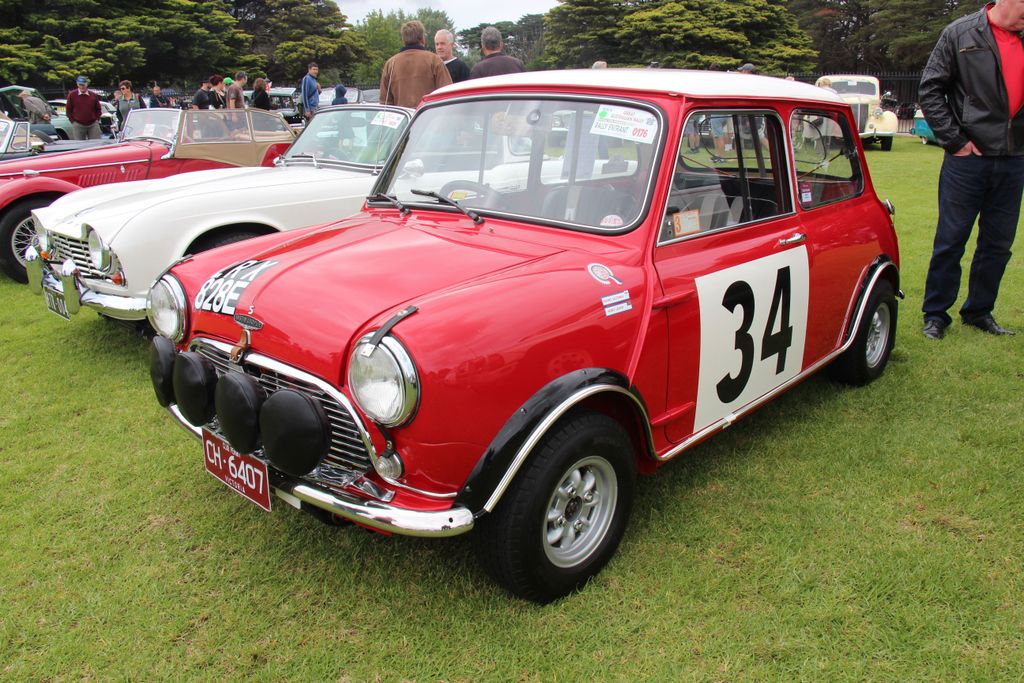
13. **1967 Mini Cooper S**Steve McQueen’s collection was famously eclectic, and among the grand touring Ferraris and potent Porsches, his 1967 Mini Cooper S presented a delightful contrast. This diminutive yet dynamic vehicle was a testament to his appreciation for compact design, ingenious engineering, and remarkable agility. The Mini Cooper S, an icon of British automotive ingenuity, captured McQueen’s eye for cars that were as fun to drive as they were functional, challenging the notion that prestige solely resided in size and horsepower.
McQueen, true to his inimitable style, didn’t leave his Mini Cooper S in its standard livery. Originally sporting a classic British Green with a white roof, he had it custom-finished in a unique brown and beige color scheme. His personal touches extended to the interior, where he added a distinctive wood dash and a sunken radio antenna, along with re-done upholstery for enhanced comfort. These bespoke details made his Mini truly one-of-a-kind, an extension of his own distinct personality.
Beyond its personal customizations, McQueen’s Mini Cooper S left a significant mark on car culture. The car’s memorable role in ‘The Thomas Crown Affair,’ even if not his specific unit, cemented the model’s place in movie history and its association with a certain effortless cool. Given its unique history and undeniable connection to Steve McQueen, the value of this particular Mini Cooper S remains exceptionally high. Since 1990, it has been meticulously cared for by Lee Brown, a long-time acquaintance of Steve and owner of Precision Auto Body in Hollywood during the 1960s, ensuring its legacy endures.
Car Model Information: 2023 Buick Envision Preferred AWD
Sp: uk
Caption: 1959 Morris Mini-Minor (first one built)
Name: Mini
Aka: Austin 850,Rover Mini,Austin Cooper,Austin Mini,Austin Partner,Austin Seven,Innocenti Mini,Leyland Mini,Morris 850,Morris Mascot,Morris Mini Minor,Riley Elf,Wolseley 1000 (South Africa),Wolseley Hornet
Layout: Front-engine, front-wheel-drive layout
Manufacturer: British Motor Corporation,British Leyland,Rover Group
Production: 1959–2000 (5.38 million)
Class: City car
BodyStyle: sedan (car),convertible,Station wagon,sedan delivery,coupe utility
Engine: BMC A-series engine,Straight-four engine
Designer: Alec Issigonis,John Sheppard (car designer)
Transmission: 4-speed manual,AP automatic transmission,5-speed manual (optional extra on some later models)
Length: cvt,cvt,cvt
Width: cvt
Height: cvt
Weight: cvt
Wheelbase: cvt,cvt
Related: Mini Moke,Austin Metro,Innocenti Mini,Mini Wildgoose,Mini Marcos
Successor: Austin Metro,Mini Hatch
Assembly: Panmure, New Zealand
Categories: 1960s cars, 1970s cars, 1980s cars, 1990s cars, 2000s cars
Summary: The Mini is a very small two-door, four-seat car, produced for four decades over a single generation, with many names and variants, by the British Motor Corporation (BMC) and its successors British Leyland and the Rover Group, and finally (briefly) under BMW ownership. Minis were built as fastbacks, estates, convertibles, and various other body styles. Minus a brief 1990s hiatus, from 1959 into 2000, an estimated 5.38 million of all variations combined were built, and the Mini’s engines also powered another 2 million Mini Metros, though the Mini eventually outlasted its successor.
Initially, the Mini was marketed under the Austin and Morris names, as the Austin Seven and Morris Mini-Minor; the Austin Seven was renamed Austin Mini in 1962 and Mini became a marque in its own right in 1969. Retrospectively, the car is known as the “Classic Mini” to distinguish it from the modern MINI family of vehicles produced since 2001 by German carmaker BMW, who took ownership of the Mini name following the sale of Rover Group in 2000.
This distinctive two-door car was designed for BMC by Sir Alec Issigonis. Its space-saving transverse engine and front-wheel drive layout – allowing 80% of the area of the car’s floorpan to be used for passengers and luggage – influenced a generation of car makers. The front-wheel-drive, transverse-engine layout were used in many other “supermini” style car designs such as Honda N360 (1967), Nissan Cherry (1970), and Fiat 127 (1971). The layout was also adapted for larger subcompact designs. In 1999, the Mini was voted the second-most influential car of the 20th century, behind the Ford Model T, and ahead of the Citroën DS and Volkswagen Beetle. It is also considered an icon of 1960s British popular culture.
The Mini Mark I had three major UK updates: the Mark II, the Clubman, and the Mark III. Within these was a series of variations, including an estate car, a pick-up, a van, and the Mini Moke, a jeep-like buggy. The performance versions, the Mini Cooper and Cooper “S”, were successful as both race and rally cars, winning the Monte Carlo Rally in 1964, 1965, and 1967. The Mini was manufactured in England at the Longbridge plant in Birmingham located next to BMC’s headquarters and at the former Morris Motors plant at Cowley, as well as in Australia (Victoria Park/Zetland BMC Australia factory) and later also in Spain (Authi), Belgium, Italy (Innocenti, as the Innocenti Mini), Chile, Malta, Portugal, South Africa, Uruguay, Venezuela, and Yugoslavia (IMV). In 1980, British Leyland launched the Mini’s follow-up, the Austin Metro, however the Mini outlasted it and continued to be produced at Longbridge until October 2000.
Get more information about: Mini
Buying a high-performing used car >>>
Brand: Mini Model: Cooper S
Price: $25,991 Mileage: 27,903 mi.
Read more about: Final Bow: 14 Iconic Vehicles Quietly Exiting the U.S. Market Forever – A CNET Deep Dive

14. **1958 GMC Series 101-8 Pick-up**Steve McQueen’s adventurous spirit wasn’t confined to racetracks or polished asphalt; it extended effortlessly to the rugged terrains, and his 1958 GMC Series 101-8 Pick-up embodies this multifaceted passion. This bright blue pickup truck was far more than a utility vehicle; it was a personal statement, boasting the vanity number plate ‘MCQ3188,’ a direct nod to his roll number at The Boys’s Republic, a place that held deep personal significance for him.
While McQueen was known for his love of off-road driving, this particular GMC often defied expectations. Though he tweaked it to squeeze out even more power, he surprisingly drove it mostly around the affluent streets of Beverly Hills rather than venturing into the wilderness. This choice highlights its role as a personal, cherished possession, a familiar and dependable companion amidst the flashier exotic cars in his collection.
Such was his affection for this truck that, according to his wife Barbara McQueen, he ‘adored the truck and treated it as his baby.’ It even earned a spot among the ten select vehicles he chose to garage at The Beverly Wilshire Hotel during his residency there, speaking volumes about its place in his heart. After his passing, this beloved GMC pickup, a unique blend of rugged capability and personal sentiment, was auctioned off for $92,000 by Bonhams in 2012, continuing its journey as a tangible piece of the King of Cool’s automotive story.
Read more about: Steve McQueen’s Amazing Car Collection: Icons of Film, Racing, and Luxury

15. **1952 Chevy 3800 Pickup**Few vehicles in Steve McQueen’s diverse collection tell a story as compelling and deeply personal as his 1952 Chevrolet 3800 pickup truck. Its acquisition reads like a scene from one of his own films: in 1978, while driving in Trancas Beach, California, McQueen spotted this beautiful truck on a migrant farmer’s property. Without hesitation, he pulled over, walked inside, and emerged only after successfully purchasing it, a spontaneous act characteristic of his impulsive and passionate nature.
McQueen’s vision for this truck was unique; he bought it with the intention of embarking on a cross-country camping trip. To fulfill this dream, he meticulously modified it, transforming it into a custom camper. Finished in a handsome Forest Green, the truck featured a distinctive five-window cab, a body-color windshield sun visor, and extended side mirrors. Practical additions included three five-gallon gas cans mounted to the running boards, a driver-side spotlight, and two lockable toolboxes, all designed for the rigors of long-distance adventure. The custom camper, named ‘Dust Tite,’ was reportedly fabricated in 1952 by Harold Van Hoosen, an artisanal touch to an already special vehicle.
But what truly elevates this Chevy 3800 to legendary status is its poignant role as the very last vehicle Steve McQueen ever drove before his tragic battle with terminal cancer claimed him. He drove it from his home in Santa Paula to the Ventura County Airport, with the Reverend Billy Graham reportedly riding shotgun, engaged in a profound discussion about the afterlife. This deeply personal journey, coupled with its remarkable provenance, cemented its place in automotive history. After his death, the truck was sold several times, eventually resurfacing at the Steve McQueen Estate Auction in 1984, complete with a Certificate of Authenticity signed by his children and its original California license plates and title documents, forever preserving its extraordinary narrative.
Car Model Information: 2023 Buick Envision Preferred AWD
Caption: 1953 Chevrolet 6100 (Advanced Design)
Name: Chevrolet Advance-Design Series
Manufacturer: Chevrolet
Aka: ubl
Production: 1947–1955
Assembly: ubl
Class: Pickup truck
Platform: GM A platform
Related: Chevrolet Suburban#Fourth generation (1955)
BodyStyle: Pickup truck
Predecessor: Chevrolet AK Series
Successor: Chevrolet Task Force
Engine: ubl
Transmission: ubl
Wheelbase: ubl
Abbr: on (1953–1955)
Length: ubl
Weight: convert
Layout: FR layout
Categories: 1950s cars, Articles with short description, Cars introduced in 1947, Chevrolet trucks, Commons category link from Wikidata
Summary: The Advance-Design is a light and medium duty truck series by Chevrolet, their first major redesign after WWII. Its GMC counterpart was the GMC New Design. It was billed as a larger, stronger, and sleeker design in comparison to the earlier AK Series. First available on June 28, 1947, these trucks were sold with various minor changes over the years until March 25, 1955, when the Task Force Series trucks replaced the Advance-Design model.
The same basic design family was used for all of its trucks including the Suburban, panel trucks, canopy express, and cab overs. The cab overs used the same basic cab configuration and similar grille but used a shorter and taller hood and different fenders. The unique cab over fenders and hood required a custom cowl area which makes the cab over engine cabs and normal truck cabs incompatible with one another while all truck cabs of all weights interchange.
From 1947 until 1955, Chevrolet trucks were number one in sales in the United States, with rebranded versions sold at GMC locations.
While General Motors used this front end sheet metal, and to a slightly lesser extent the cab, on all of its trucks except for the cab overs, there are three main sizes of this truck: the half-, three-quarter-, and full-ton capacities in short and long wheelbase.
Get more information about: Chevrolet Advance Design
Buying a high-performing used car >>>
Brand: Chevrolet Model: 3800 Pickup
Price: $25,991 Mileage: 27,903 mi.
Read more about: Beyond the Chrome: Unearthing 12 of the Rarest Hidden Gems of 1950s American Automotive History
Steve McQueen’s automotive legacy is a sprawling tapestry woven with threads of speed, style, luxury, and raw, unbridled passion. From the high-stakes world of Formula Junior racing cars that ignited his competitive fire to the bespoke pickups that served as his trusted companions for cross-country adventures, each vehicle in this curated collection tells a distinct story. They are more than just machines; they are tangible extensions of the man himself—a reflection of his unwavering pursuit of excellence, his discerning taste, and the adventurous spirit that defined the ‘King of Cool.’ His garage was not merely a storage space, but a museum of personal triumphs and cherished moments, each car echoing a piece of his indelible legend.” , “_words_section2”: “1942