There’s a universally satisfying feeling that comes with seeing your car emerge from the wash, sparkling clean and gleaming under the sun. It’s a moment of pride, a temporary state of automotive perfection. Yet, for many car owners, this pristine condition can be surprisingly fleeting, quickly succumbing to the elements and everyday use. The truth is, a car wash is not the end of the journey; it’s merely the beginning of maintaining that newfound brilliance.
Neglecting the crucial steps immediately following a wash can lead to a host of frustrating issues. Dirt and dust can rapidly re-accumulate, unsightly water spots can mar your paintwork, and stubborn soap residue might dull the finish, creating streaks and attracting more grime. More critically, overlooking these follow-up actions can gradually inflict damage upon your car’s paint and clear coat, potentially leading to expensive corrections or ‘repairs’ that no one wants to face.
To help you lock in that ‘just washed’ look and protect your investment, we’ve compiled a comprehensive guide to essential post-car wash care. This isn’t just about aesthetics; it’s about smart, preventative maintenance that can save you significant time and money down the road. By incorporating these practical, expert-backed checks into your routine, you’ll ensure your vehicle remains in top-notch condition, mitigating the risk of those dreaded costly damages.

1. **Thorough Drying: The Water Spot Nemesis**The very first, and arguably most critical, step after any car wash is to thoroughly dry your vehicle. Many car owners might underestimate its importance, thinking the job is done once the suds are rinsed away. However, failing to properly remove all water from your car’s surface is an open invitation for unsightly and potentially damaging water spots to form. These spots occur when mineral deposits, such as calcium and magnesium, present in tap water, dry on the paint, leaving behind chalky rings that can be a real pain to remove.
Water spots are more than just an aesthetic nuisance. If left to bake in the sun, especially on a hot day, these mineral deposits can etch into your car’s clear coat, causing permanent damage that requires professional correction to resolve. Such a repair involves polishing and potentially even wet-sanding, which can quickly turn into a multi-hundred-dollar expense, far exceeding the cost of simply drying your car correctly in the first place. This immediate action is a primary defense against the elements after a wash.
To effectively combat this threat, drying your car immediately and thoroughly is paramount. The goal is to eliminate all standing water before it has a chance to evaporate and leave behind mineral residue. This isn’t just about wiping away moisture; it’s about preventing a common form of paint damage that can silently degrade your vehicle’s finish. A diligent approach to drying helps to preserve the integrity and shine of your paintwork, ensuring that the benefits of the wash aren’t undone by a simple oversight.
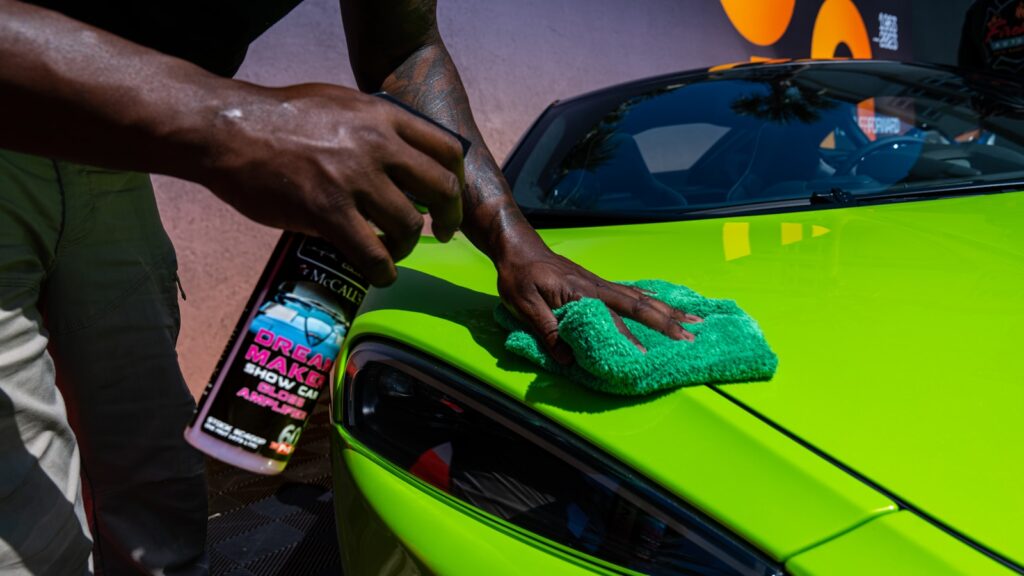
2. **Applying a Protective Coating: Your Car’s Invisible Shield**Once your car is clean and dry, the next vital step in maintaining its pristine condition and safeguarding its paint is the application of a protective coating. This isn’t merely an optional extra; it’s an essential barrier that locks in the cleanliness and provides a resilient shield against environmental contaminants. As the saying goes, ‘a protected car stays cleaner longer,’ and this principle holds true for maintaining that post-wash glow for weeks, or even months, at a time.
Protective coatings come in various forms, including traditional waxes, synthetic paint sealants, and advanced ceramic coatings. Each offers a different level of durability and shine, but their core function remains the same: to create a slick, hydrophobic layer over your car’s paint. This layer repels water, making it bead up and roll off, which in turn carries away dirt and grime more effectively. This means less dirt sticks to your car in the first place, reducing the frequency of washes needed and minimizing the chances of accumulated contaminants causing damage.
Without a protective layer, your car’s clear coat is left vulnerable to harsh UV rays, acid rain, bird droppings, road tar, and other abrasive elements that can quickly dull its finish, cause oxidation, or even lead to irreversible damage. Reapplying a protective coating regularly, according to the manufacturer’s instructions, is a proactive measure that prevents the need for extensive paint correction later. This ongoing ‘maintenance’ of your paint’s defense system is a smart investment that keeps your vehicle looking its best and preserves its value, preventing potential $300+ paint repairs caused by neglect.
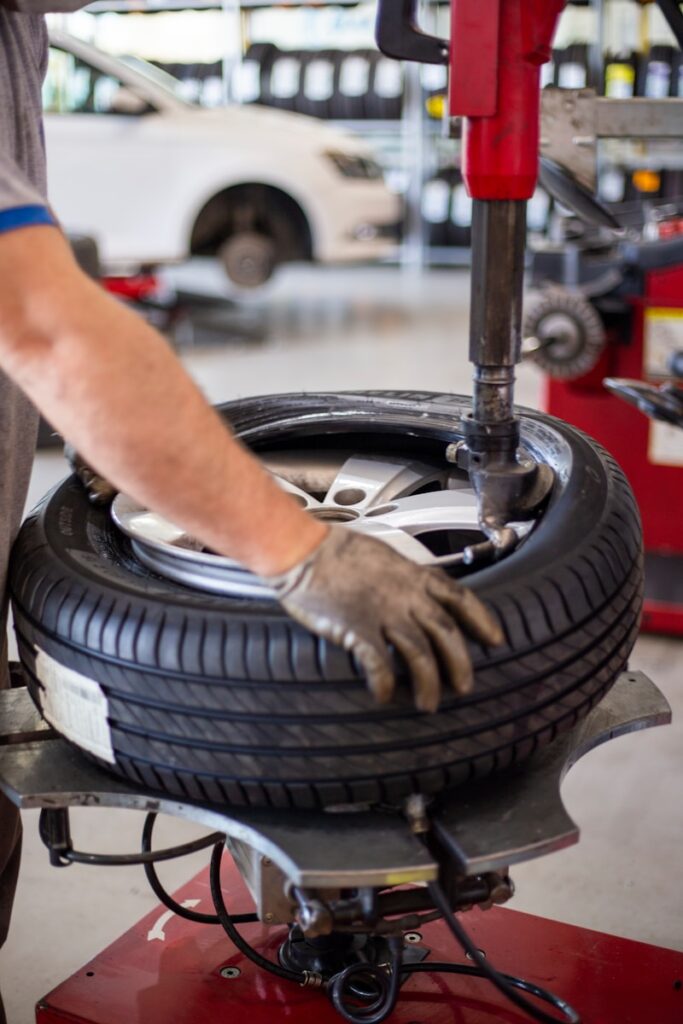
3. **Detailing Wheels and Tires: Beyond the Basic Wash**While the main body of your car might be sparkling after a wash, the wheels and tires often require dedicated attention to truly complete the clean look. These components are constantly exposed to some of the harshest road grime, brake dust, and environmental contaminants, and a general car wash often doesn’t adequately clean them. Neglecting your wheels and tires not only detracts from your vehicle’s overall appearance but can also lead to long-term issues like corrosion or embedded dirt that is much harder, and more costly, to remove later.
For a truly comprehensive post-wash clean, you’ll need specific products designed for wheels and tires. A good wheel cleaner, formulated for your specific wheel type (e.g., clear-coated alloy, chrome, painted), will dissolve stubborn brake dust and road film without damaging the finish. Similarly, a dedicated tire cleaner will remove grime and old tire dressing, preparing the rubber for a fresh application of protection. Using regular car wash soap on wheels and tires is often insufficient and can even leave a residue that attracts more dirt.
The process involves more than just spraying and rinsing. Use a soft-bristled brush to agitate the cleaner on the wheels, working it into crevices and around lug nuts where grime tends to accumulate. For tires, a stiff tire brush helps to scrub away stubborn dirt from the sidewalls and tread. Afterward, rinse thoroughly to ensure no cleaning product residue remains. This focused attention on your wheels and tires not only enhances your car’s aesthetic appeal but also prevents the buildup of corrosive elements that could otherwise necessitate expensive wheel restoration or replacement down the line, easily exceeding the $300 mark.
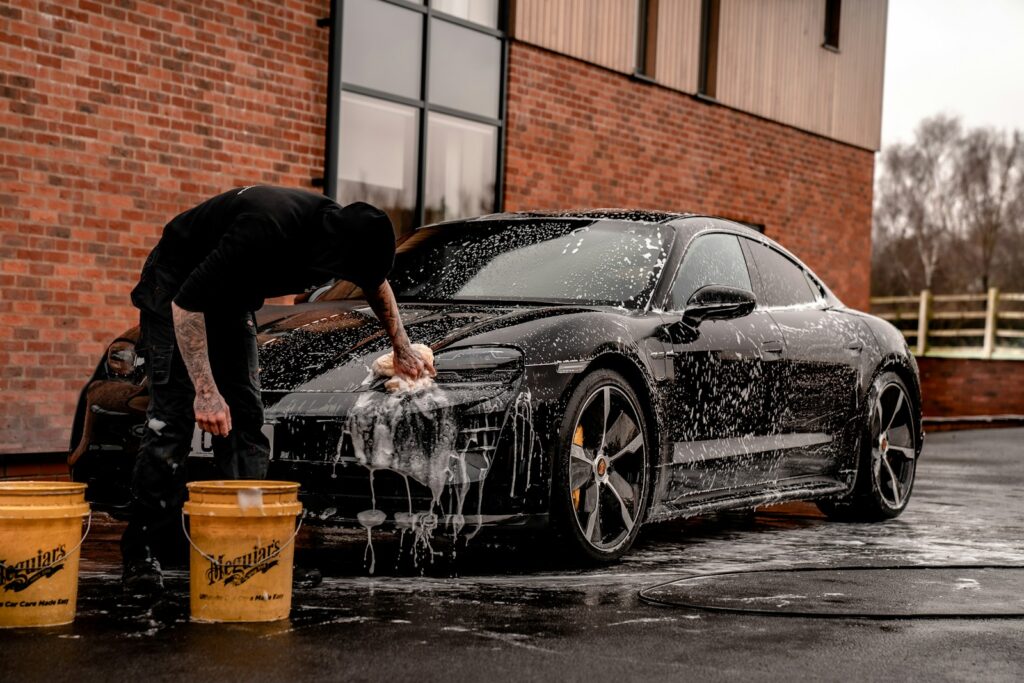
4. **Utilizing Correct Drying Tools & Techniques: The Gentle Touch**As established, drying your car thoroughly is crucial. However, *how* you dry it is equally important, as improper tools and techniques can inadvertently inflict swirl marks and micro-scratches on your freshly cleaned paint. These tiny imperfections might not be immediately obvious but, over time, they accumulate, dulling your car’s finish and requiring professional paint correction to restore clarity – a service that can quickly become a significant expense. The goal is to dry efficiently without causing any damage.
The key to a scratch-free dry lies in using the right tools and employing a gentle approach. Microfiber towels are specifically designed for car drying because their ultra-soft fibers are gentle on paint and highly absorbent. Unlike regular cotton towels, which can be abrasive and push dirt particles around, microfiber effectively wicks away water without dragging contaminants across the surface. This minimizes friction and the risk of creating new blemishes on your clear coat.
When drying, avoid harsh rubbing or applying excessive pressure. Instead, use a gentle, circular or straight-line motion, allowing the microfiber towel to absorb the water. It’s also beneficial to dry in sections, ensuring you don’t miss any spots and preventing water from air-drying on an already wet area. For even better results and to minimize towel contact, consider using a drying agent spray or a high-quality car blower, which can significantly reduce the potential for scratches while achieving a streak-free finish. Mastering this ‘gentle touch’ is a simple yet powerful way to preserve your paint and prevent costly resurfacing.
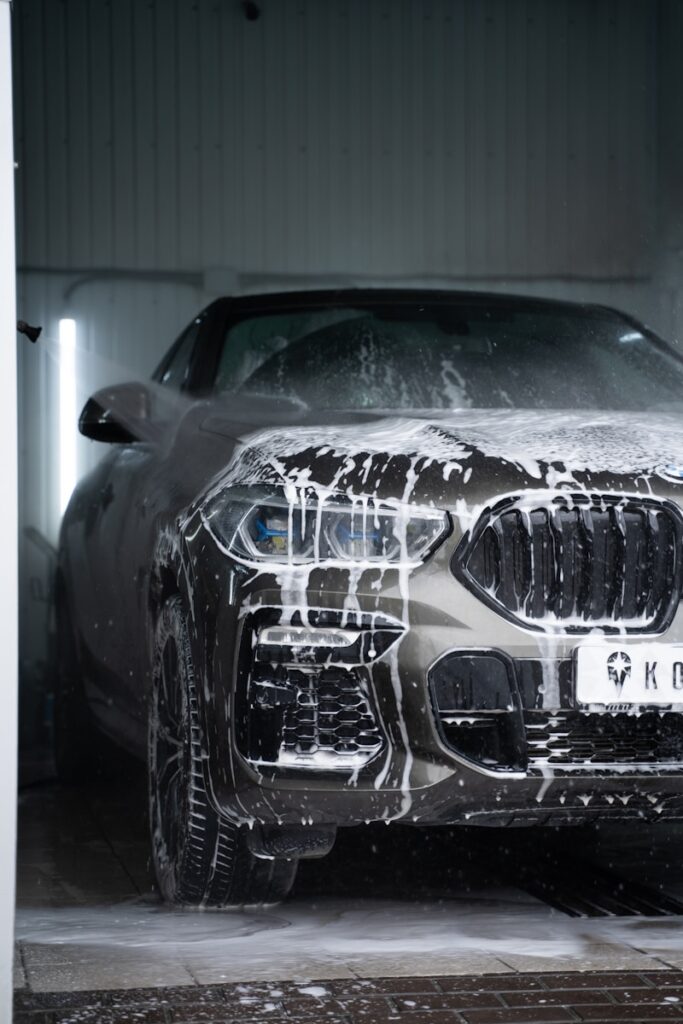
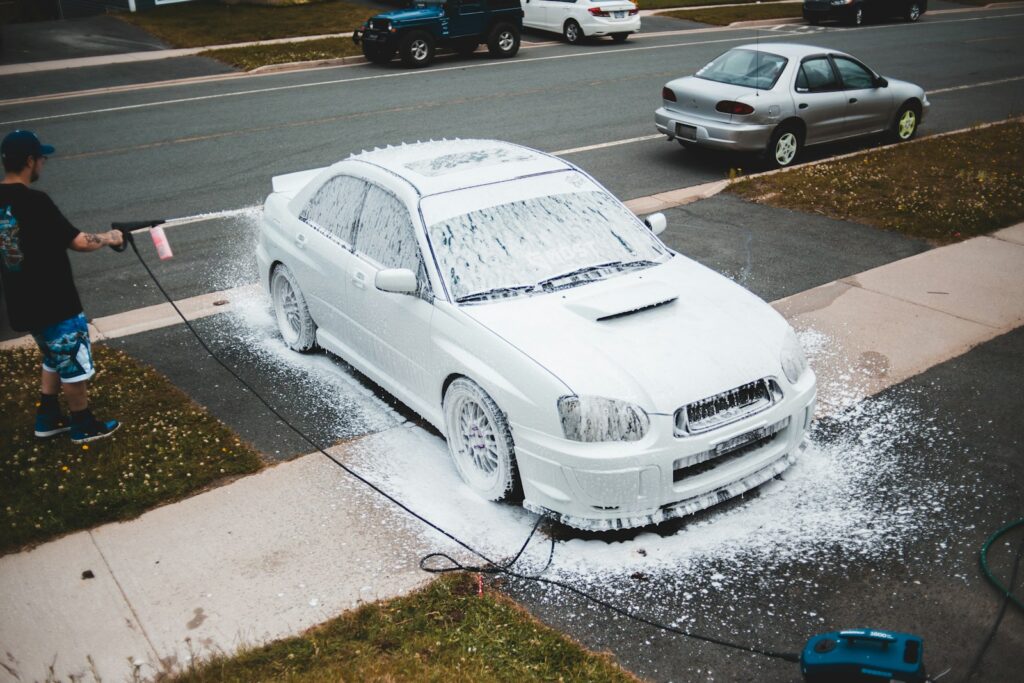
5. **Ensuring Complete Soap Rinse: Banish the Streaks**While it might seem obvious, ensuring every last trace of car wash soap is thoroughly rinsed from your vehicle is a critical step that many overlook, particularly when time is tight or the weather is warm. Soap residue, if left to dry on the paint, can become a magnet for dirt and dust, leading to unsightly streaks, a dull finish, and a car that paradoxically looks dirty soon after being washed. This oversight undermines all the effort you just put into cleaning your vehicle.
When washing your car, pay close attention to areas where soap tends to linger, such as around trim, emblems, door jambs, and in the crevices of your wheels. These hidden spots can harbor suds that, when dried, leave behind stubborn white marks or a hazy film. If your car still looks dirty after washing, and you notice visible streaks or a film on the panels, it’s often a tell-tale sign that soap residue was not completely rinsed away. This can be especially problematic on hot or windy days, as soap can dry on contact, making it even harder to remove without re-washing the affected area.
To prevent this, adopt a systematic rinsing technique. Start from the top of the car and work your way down, ensuring that clean, fresh water cascades over every panel until all suds and foam are gone. Consider using a strong, even spray from your hose or pressure washer to flush out hidden areas. A thorough rinse not only prevents streaking but also ensures that no cleaning agents remain on your paint, which could potentially strip away your protective wax or sealant prematurely. This diligent final rinse is a simple, yet highly effective, step in maintaining a truly spotless and streak-free finish, averting the need for re-cleaning or specialized residue removers that represent wasted resources.
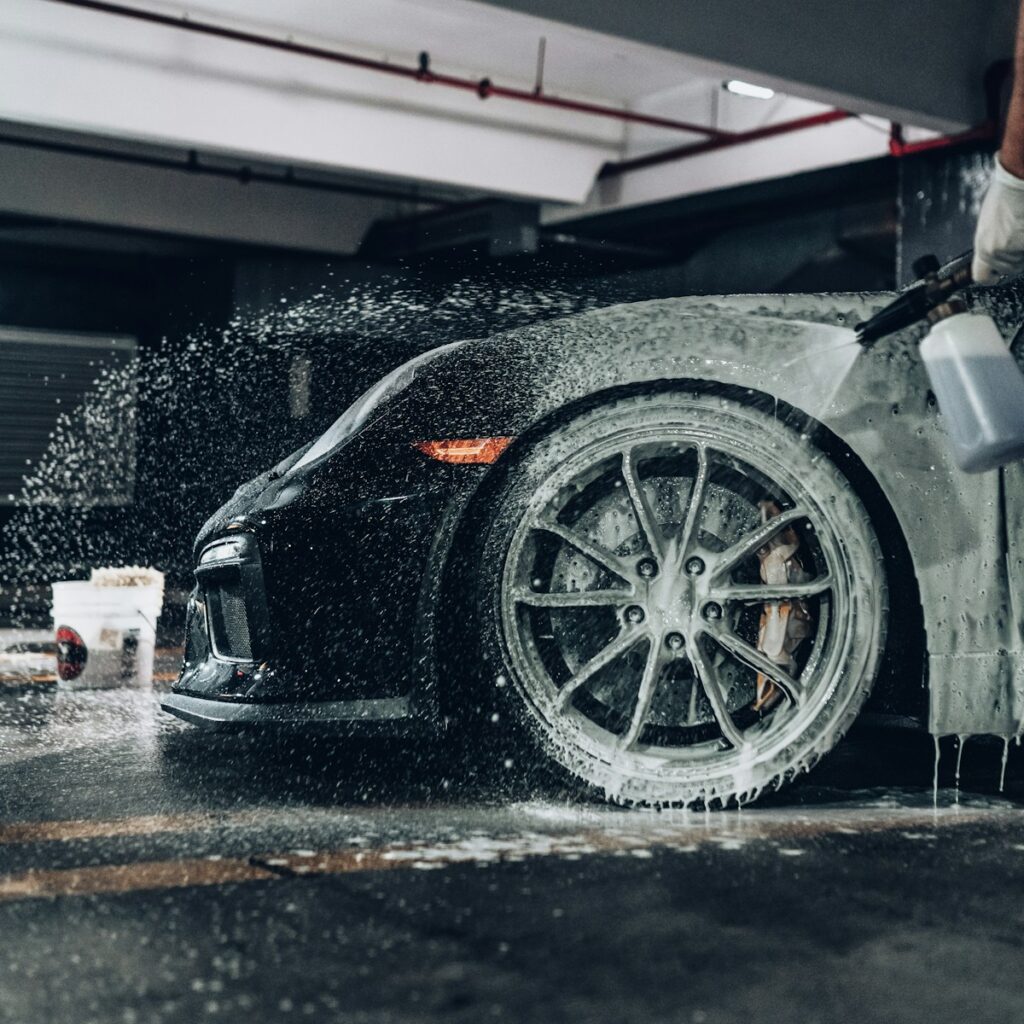
6. **Addressing Hard Water Spots: Don’t Let Minerals Win**The battle against hard water spots is a crucial front in maintaining your car’s pristine appearance, especially if you live in an area with a high mineral content in the tap water. As discussed earlier, these chalky deposits form when mineral-rich water dries on your vehicle’s surface, leaving behind unsightly marks. While immediate drying can prevent them, sometimes spots still appear, and ignoring them can lead to significant and costly damage to your paintwork.
If left untreated, hard water spots can etch into your car’s clear coat. This etching occurs as the minerals, often with a slightly acidic pH, corrode the protective layer of your paint. Over time, these etched spots become permanent imperfections that cannot simply be washed or wiped away. Restoring the paint to its original smooth and reflective condition would then require abrasive techniques like compounding and polishing, a process that can easily run into hundreds of dollars if done professionally, thus falling squarely into the category of a ‘$300 repair’ or more.
Proactive measures are your best defense. If you know you have hard water, consider investing in a portable water deionizer for your wash setup. This device removes the hard minerals from the water, allowing you to dry your car without the fear of spots. If deionizing isn’t an option, or if some spots still manage to form, address them quickly. Specialized hard water spot removers can safely dissolve the mineral deposits before they have a chance to etch. Never let hard water dry on your car, especially in direct sunlight, as prevention is always more cost-effective and less damaging than correction.
The article transitions from immediate exterior care to ongoing interior maintenance and broader preventative strategies, ensuring your vehicle retains its showroom shine and fresh feel long after the last drop of water has dried. It’s not enough for the outside to sparkle; true automotive longevity comes from holistic care, inside and out. These next crucial steps offer practical advice to extend your car’s cleanliness, preserve its value, and create a consistently pleasant driving experience, all while avoiding those unforeseen $300+ repair costs that stem from neglect. Maintaining that ‘just washed’ look is an ongoing commitment, and these tactics are your blueprint for success.
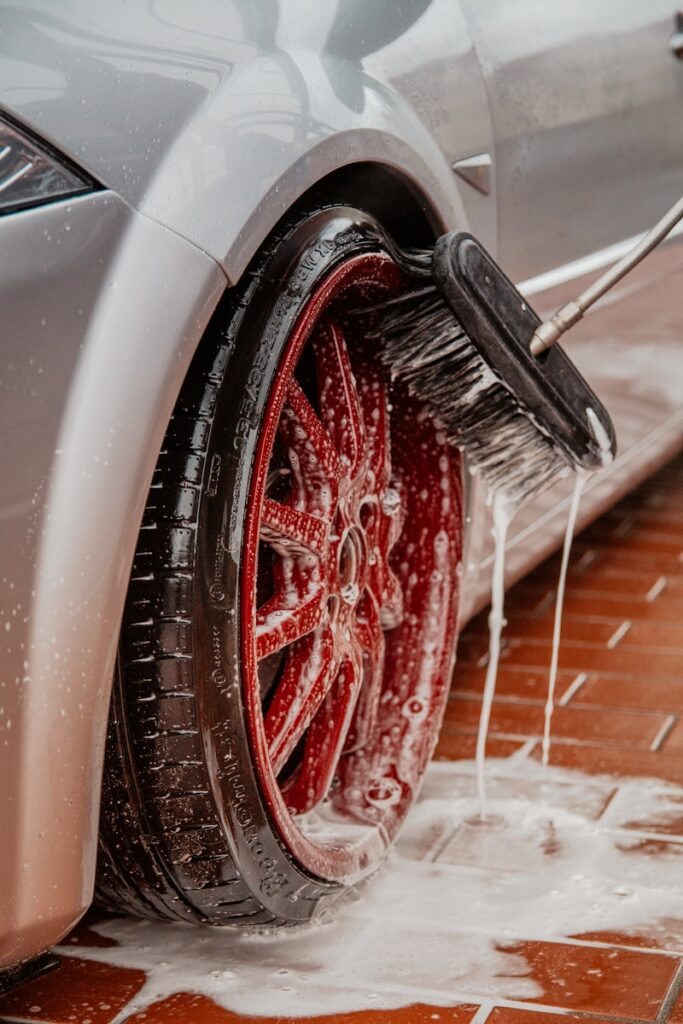
7. **Mindful Parking: Guarding Your Car Against the Elements**Once your car is gleaming, one of the most proactive measures you can take to maintain its fresh appearance is to be highly selective about where you park. This isn’t just about finding a convenient spot; it’s about strategic placement that minimizes exposure to potential contaminants and physical damage. If you’re not heading directly back to the safety of your home garage, adopting mindful parking habits becomes an immediate and essential extension of your post-wash care routine.
The primary goal is to avoid parking in what could quickly become a “debris danger zone.” Spots directly under trees, for instance, often seem appealing due to their shade, but they come with a significant downside. The risk of branches falling on your car is high, and more critically, tree sap can make an unwelcome appearance. This sticky substance is notorious for creating stubborn marks that are incredibly difficult to remove and can necessitate another wash or specialized detailing much sooner than anticipated.
Tree sap, if left to bake in the sun, can adhere tenaciously to your car’s clear coat, similar to how hard water minerals etch paint. Such marks are more than just an aesthetic nuisance; they can cause permanent damage, compromising the integrity of your paintwork. Addressing these requires more aggressive cleaning methods, potentially involving specialized products or even light polishing, pushing you closer to those unwanted costly corrections.
Furthermore, weather conditions can exacerbate these risks. When rain or snow arrives, a tree offers little genuine protection, instead acting as a conduit for more debris and moisture onto your vehicle. Seeking out parking spots with overhead coverage, such as carports, garages at your destination, or even large overhangs, provides a far superior shield. This simple act safeguards your freshly cleaned ride from environmental fallout, preserving that “just washed” look and preventing the accumulation of new, unwanted blemishes.
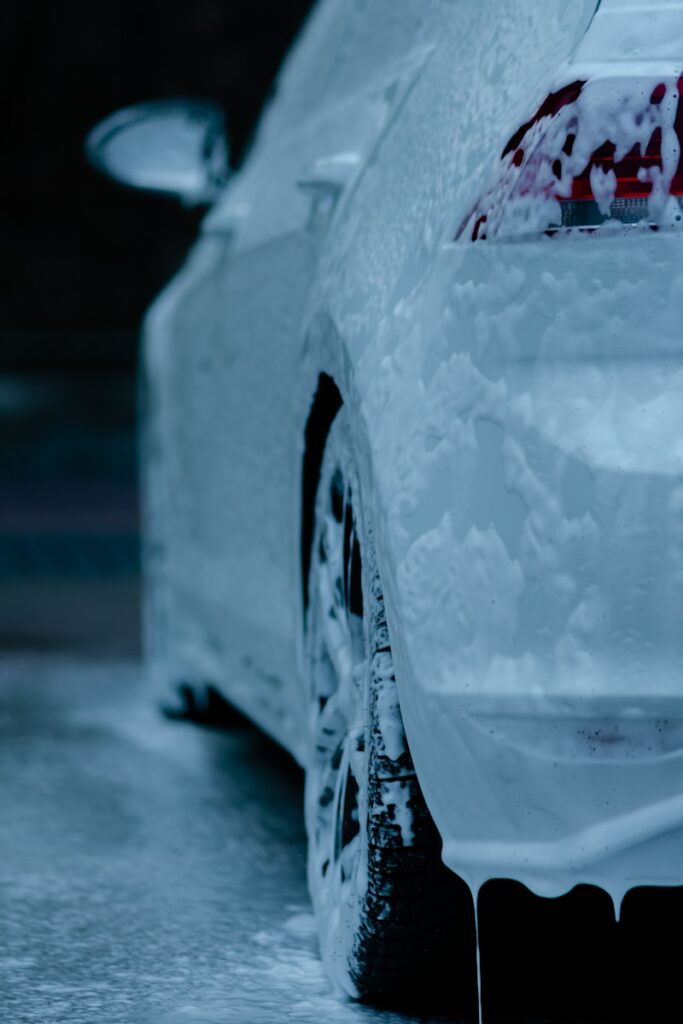
8. **Regular Exterior Debris Removal: Small Efforts, Big Impact**Maintaining your car’s exterior cleanliness extends well beyond scheduled washes; it involves consistently preventing the buildup of dirt and debris in between. Many minor environmental intrusions, if left unchecked, can quickly detract from your car’s appearance and even contribute to long-term wear. Developing a habit of actively removing these small offenders is a surprisingly powerful way to prolong the clean state of your vehicle and prevent it from getting dirty too quickly.
Take a few moments each day or after each drive to wipe away any leaves, twigs, or other light debris that might have landed on your car. Pay particular attention to areas where grime tends to collect, such as the car grill, on the windshield, and around the wiper blades. These seemingly minor items can, over time, become embedded or lead to unsightly stains if allowed to sit and decompose on the paintwork, compromising the aesthetic integrity of your vehicle.
It’s easy to dismiss these tasks as insignificant or not urgent, especially when you’re busy with other things. However, the crucial insight here is that postponing these small cleaning actions inevitably turns them into larger, more annoying jobs down the road. What might start as a quick wipe to remove a leaf can escalate into needing specialized cleaners or more vigorous effort if sap or insect remains have hardened onto the surface.
This proactive approach effectively prevents minor nuisances from becoming ingrained problems that require more intensive, and potentially costly, solutions. By diligently clearing debris, you’re not just preserving the immediate shine; you’re actively protecting your paintwork from potential damage, ensuring your car remains showroom-ready without the need for expensive, emergency cleaning interventions.

9. **Interior Cleaning Habits: The Power of a Mini Trash Can**While the exterior often gets the most attention, a truly well-maintained vehicle boasts an equally impeccable interior. Keeping your cabin fresh and spotless is just as crucial for preserving the overall appeal and value of your car. Daily commutes, quick trips, and even long journeys inevitably lead to wrappers, receipts, and other small bits of trash accumulating. Establishing good interior cleaning habits is undeniably key to combating this inevitable buildup.
One of the simplest yet most effective tools for maintaining a clean interior is a mini trash can. This small addition to your vehicle can revolutionize how you manage everyday refuse. Rather than letting coffee cups, snack wrappers, or tissue papers find their way into door pockets, under seats, or tucked into crevices, a dedicated receptacle provides an immediate solution. This easy access encourages instant disposal, preventing trash from becoming a permanent, unsightly fixture.
The temptation to “deal with it later” is strong, but procrastination is truly the enemy of a clean car interior. If you postpone tossing that stray wrapper, there’s a high chance it will be forgotten, eventually finding a hidden spot where it becomes invisible. Once out of sight, it’s often out of mind, increasing the likelihood that it will take up residence in your car for days, attracting odors and further grime.
An immediate toss into a mini trash can ensures your interior remains fresh and prevents those tiny pieces of trash from becoming a larger, ingrained mess. This simple, consistent habit makes sure that your interior maintains that desired fresh and spotless vibe, reflecting a thorough commitment to your vehicle’s overall upkeep and saving you time on more extensive cleanups later.
Read more about: Are You That Neighbor? 14 Apartment Annoyances That’ll Have Your Neighbors Side-Eyeing You (and Your Landlord Too!)
10. **Effective Odor Control: The Invisible Element of Cleanliness**A car that looks clean is certainly appealing, but a car that *smells* clean truly elevates the entire driving experience. The interior vibe isn’t solely about visual aesthetics; the scent inside your car plays a profound role in its perceived cleanliness and comfort. Over time, and with everyday use, vehicles can accumulate a variety of unwanted odors, from lingering food smells after a quick lunch to the faint scent of everyday items. Preventing these odors from making themselves at home is absolutely essential for a truly fresh environment.
This is precisely where a car freshener becomes an indispensable tool in your car care arsenal. It’s far more than just a decorative hanging accessory; it’s your primary ticket to actively eliminating bad odors and maintaining the delightful, inviting scent you desire for both yourself and your passengers. Unlike simply masking smells, a good car freshener works to neutralize unpleasant aromas, creating a consistently pleasant atmosphere.
Without a proactive approach to odor control, those lingering smells can quickly take over, significantly diminishing the feeling of a recently cleaned car. Imagine stepping into your sparkling vehicle, only to be met with the stale scent of yesterday’s takeout; it immediately undermines the effort put into the wash and the visual cleanliness. This can quickly make your car feel less inviting and less cared for.
By thoughtfully integrating a car freshener into your routine, you ensure that the invisible element of cleanliness — a fresh, appealing scent — is continuously maintained. This complements your car’s pristine appearance and contributes to a complete, positive sensory experience for all occupants, making every drive more enjoyable and your vehicle feel truly new.
11. **Comprehensive Interior Vacuuming: Tackling Hidden Grime**Beyond the visible surfaces, the true depth of your car’s cleanliness is revealed in its carpets, upholstery, and the often-neglected crevices. While wiping down surfaces addresses immediate dust, a truly comprehensive interior clean demands the consistent power of a vacuum cleaner. Over time, dirt, dust, crumbs, and microscopic debris settle deep into the fibers of your floor mats and seats, making the interior appear dingy and unkempt, despite outward appearances.
Utilizing a vacuum cleaner is paramount for effectively removing this embedded grime. It’s specifically designed to pull dirt and debris from deep within the carpets and upholstery, reaching particles that ordinary wiping or shaking cannot. For best results, pay meticulous attention to high-traffic areas, under the seats, and in the often-forgotten crevices around the console and door panels, as these are prime collection spots. A range of attachments can help you reach these challenging spots, ensuring no speck of dirt is left behind.
Regular, comprehensive interior vacuuming isn’t just about aesthetics; it’s a vital step in maintaining the hygiene and longevity of your car’s interior. Preventing the long-term accumulation of dirt and allergens contributes significantly to a healthier cabin environment for you and your passengers. This proactive approach saves you from needing more expensive, specialized detailing services down the line, as persistent embedded dirt can be much harder and costlier to remove once it has become ingrained.
Consistent vacuuming preserves the integrity of your fabrics and prevents premature wear, which can otherwise lead to unsightly stains or damage that impact resale value. It ensures your interior retains a fresh, well-maintained feel that lasts, complementing the exterior shine and demonstrating a thorough commitment to your vehicle’s overall condition.

12. **Proper Glass and Mirror Maintenance: Unobstructed Clarity and Shine**The clarity of your car’s windows and mirrors is fundamental to both its aesthetic appeal and, more importantly, driving safety. After a wash, it’s not uncommon for slight residues, streaks, or fingerprints to remain, dulling the pristine look and potentially impairing visibility. Achieving crystal-clear glass is the essential final touch that truly completes the “like-new” appearance and ensures an unobstructed, safe view of the road.
For optimal results, it’s crucial to use a cleaning product specifically designed for automotive glass. Unlike general household cleaners, these specialized formulations are engineered to cut through road film, grime, and smudges without leaving behind hazy residues or potentially damaging tinted windows. They effectively remove dirt, dust, and fingerprints that accumulate, consistently providing a streak-free shine that enhances your car’s overall polished presentation.
The technique for cleaning glass is as important as the product itself. Always apply the glass cleaner to a clean microfiber cloth, rather than directly to the window, to avoid overspray on other surfaces and minimize streaking. Work in small sections, then use a second clean, dry microfiber cloth to buff the glass to a sparkling, streak-free finish, ensuring maximum clarity.
Pay diligent attention to both interior and exterior windows, as well as side mirrors and the rearview mirror. This meticulous care ensures maximum visibility, which is a critical safety factor, and reflects a comprehensive commitment to total vehicle upkeep. Crystal-clear glass is the gleaming finish that makes all the difference, completing your car’s spotless presentation and maintaining that showroom sparkle.
**Conclusion: The Proactive Path to Lasting Brilliance**
From the thorough drying that banishes water spots to the strategic interior care that controls odors and maintains pristine surfaces, every step discussed in this comprehensive guide underscores a single, powerful principle: preventative maintenance is the cornerstone of preserving your vehicle’s condition and value. It’s not about grand gestures, but about consistent, informed action. By adopting these practical post-wash checks and ongoing care habits, you’re not just maintaining a clean car; you’re actively safeguarding your investment against the daily onslaught of dirt, wear, and tear. Embrace these expert-backed routines, and your beloved ride will thank you with enduring shine, a fresh interior, and the peace of mind that comes from knowing you’ve averted those frustrating and expensive $300+ repairs. Keep it clean, keep it protected, and enjoy the lasting brilliance for miles to come!