Many terms in science can be misleading, and few are as intriguing as “rare-earth elements.” The very name conjures images of scarcity and mystique, yet these seventeen nearly indistinguishable lustrous silvery-white soft heavy metals are anything but truly rare in the Earth’s crust. Indeed, cerium, one of their prominent members, is more abundant than copper, sitting comfortably as the 25th-most-abundant element. This fascinating paradox hints at the complex story behind their discovery and their indispensable role in shaping our modern world.
The true “rarity” of these elements lies not in their presence, but in their form and the arduous process required to harness them. They are seldom found as pure metals, typically occurring in compounds and dispersed thinly as trace impurities. This necessitates the processing of colossal amounts of raw ore at considerable expense to achieve usable purity, a challenge that has shaped their history and economic significance. From their obscure beginnings to their current status as strategic materials, rare-earth elements have subtly, yet profoundly, transformed industries and daily life.
Their unique chemical, electrical, and magnetic properties make them critical ingredients in everything from the smartphones in our pockets and the energy-efficient light bulbs illuminating our homes, to the sophisticated defence systems protecting nations and the burgeoning electric vehicle market driving our future. Join us on an illuminating journey as we delve into the individual stories of these extraordinary elements, revealing how these “hidden marvels,” once thought merely curiosities, have become the unseen architects of our technological age.
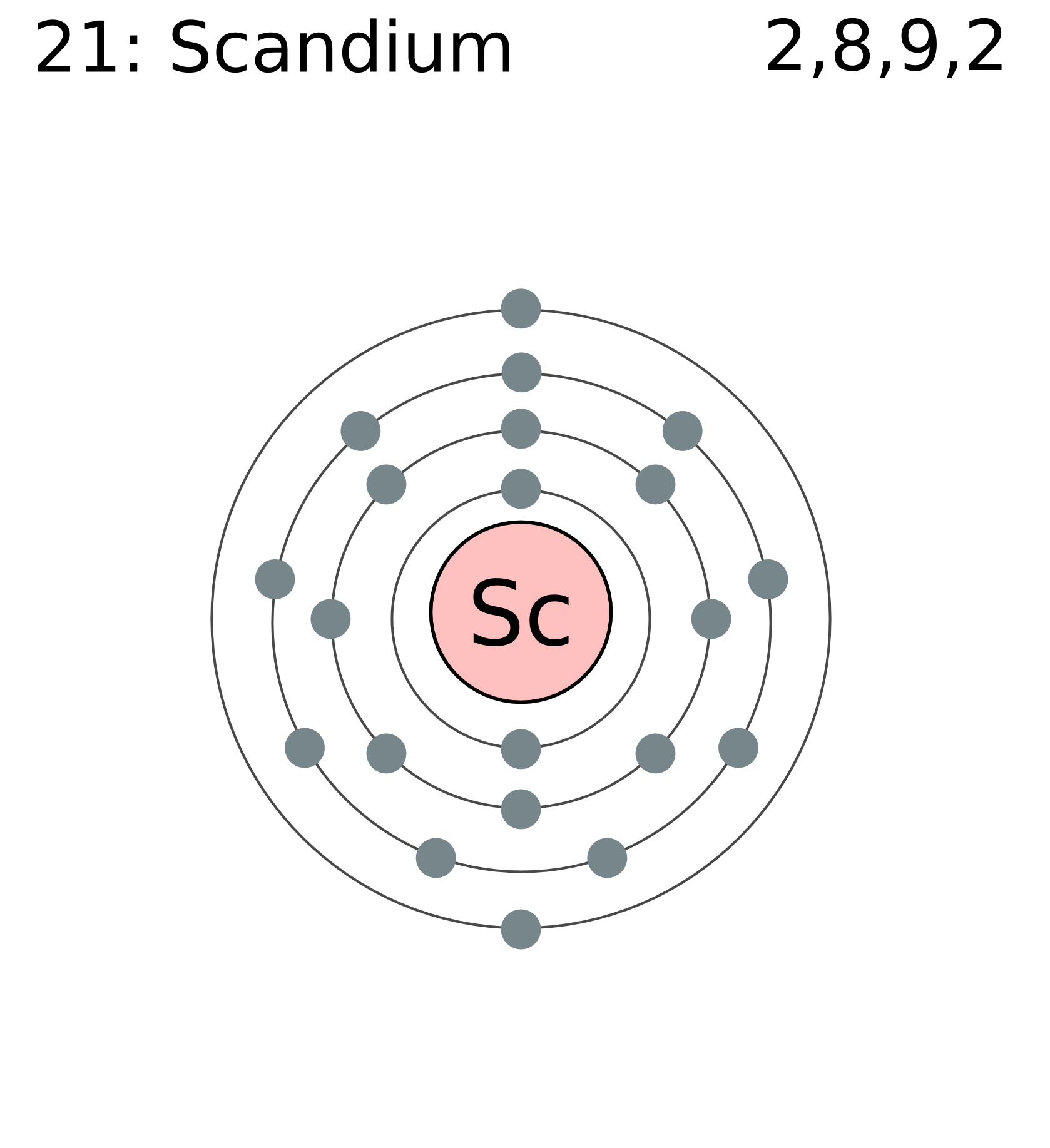
1. Scandium
Our journey begins with Scandium, element 21, named after Latin Scandia (Scandinavia). Though less known, it plays a vital role in advanced industries. Its exceptional strength-to-weight ratio shines when alloyed with aluminium, forming light aluminium-scandium compounds. These are highly sought in aerospace for lighter, stronger, and more fuel-efficient aircraft and spacecraft components, a quiet revolution in aviation technology.
Beyond aerospace, Scandium enhances modern lighting. It’s a crucial additive in metal-halide and mercury-vapor lamps, significantly boosting their efficiency and light quality, illuminating public spaces effectively. Radioactive isotopes of Scandium also act as tracing agents in oil refineries, offering critical insights into complex industrial processes to optimize production and minimize waste.
Despite its 22 parts per million abundance, Scandium exemplifies the challenge of rare-earth extraction due to its dispersed nature. Its story underscores how obscure elements can be foundational to our era’s technological advancements, quietly underpinning critical infrastructure and driving innovation across diverse fields.
Military equipment: Scandium
Categories: All articles with dead external links, All articles with unsourced statements, All articles with vague or ambiguous time, Articles with dead external links from August 2024, Articles with permanently dead external links
Summary: Scandium is a chemical element; it has symbol Sc and atomic number 21. It is a silvery-white metallic d-block element. Historically, it has been classified as a rare-earth element, together with yttrium and the lanthanides. It was discovered in 1879 by spectral analysis of the minerals euxenite and gadolinite from Scandinavia.
Scandium is present in most of the deposits of rare-earth and uranium compounds, but it is extracted from these ores in only a few mines worldwide. Because of the low availability and difficulties in the preparation of metallic scandium, which was first done in 1937, applications for scandium were not developed until the 1970s, when the positive effects of scandium on aluminium alloys were discovered. Its use in such alloys remains its only major application. The global trade of scandium oxide is 15–20 tonnes per year.
The properties of scandium compounds are intermediate between those of aluminium and yttrium. A diagonal relationship exists between the behavior of magnesium and scandium, just as there is between beryllium and aluminium. In the chemical compounds of the elements in group 3, the predominant oxidation state is +3.
Get more information about: Scandium
Read more about: Unearthing the Secrets: A Deep Dive into the World of Rare-Earth Elements and Their Unseen Impact

2. Yttrium
Yttrium, element 39, bears a name honoring the Swedish village of Ytterby, where the first rare-earth ore was discovered in 1787. This element is a powerhouse, boasting an astonishing array of applications that profoundly reshaped numerous fields. Its journey from a “rarely found mineral” component to a linchpin of high technology epitomizes scientific perseverance and ingenuity.
In optics and energy, Yttrium is indispensable. The yttrium aluminium garnet (YAG) laser is a workhorse in industrial processing and medical surgery. Yttrium vanadate (YVO4) hosted europium in vibrant red phosphors for television screens. Moreover, high-temperature superconductors like YBCO offer a glimpse into a future of loss-free energy transmission, a truly transformative prospect for energy.
Yttrium’s influence extends to structural and medical applications. Yttria-stabilized zirconia (YSZ) is vital for durable tooth crowns and acts as a refractory material in critical metal alloys and protective coatings for jet engines, enabling machines to endure extreme conditions. It also features in electroceramics for fuel cells, measuring oxygen and pH, showcasing remarkable versatility.
Moreover, Yttrium contributes significantly to energy efficiency, forming part of triphosphor white coatings in fluorescent tubes and yellow phosphor in white LEDs. Its unique properties, including high refractive index and low thermal expansion, make it ideal for sophisticated cameras and refractive telescopes. From dental crowns to cutting-edge superconductors, Yttrium’s pervasive and transformative reach is truly extraordinary.
Military equipment: Yttrium
Categories: All articles containing potentially dated statements, Articles containing potentially dated statements from April 2018, Articles with hAudio microformats, Articles with short description, CS1: long volume value
Summary: Yttrium is a chemical element; it has symbol Y and atomic number 39. It is a silvery-metallic transition metal chemically similar to the lanthanides and has often been classified as a “rare-earth element”. Yttrium is almost always found in combination with lanthanide elements in rare-earth minerals and is never found in nature as a free element. 89Y is the only stable isotope and the only isotope found in the Earth’s crust.
The most important present-day use of yttrium is as a component of phosphors, especially those used in LEDs. Historically, it was once widely used in the red phosphors in television set cathode ray tube displays. Yttrium is also used in the production of electrodes, electrolytes, electronic filters, lasers, superconductors, various medical applications, and tracing various materials to enhance their properties.
Yttrium has no known biological role. Exposure to yttrium compounds can cause lung disease in humans.
Get more information about: Yttrium
Read more about: Unearthing the Secrets: A Deep Dive into the World of Rare-Earth Elements and Their Unseen Impact
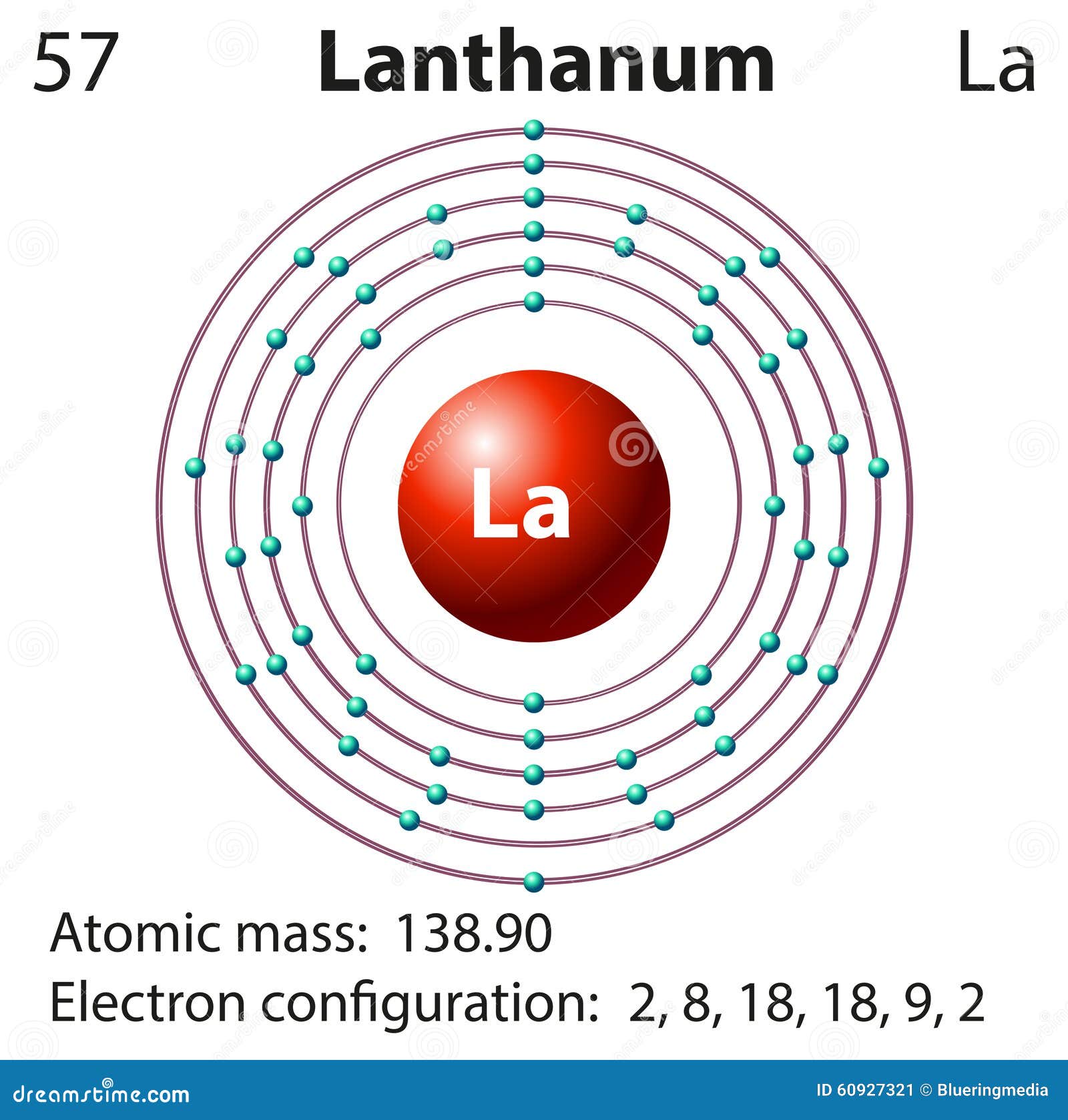
3. Lanthanum
Lanthanum, element 57, named from Greek “lanthanein” (to be hidden), encapsulates its discovery. It was hidden within ceria before Carl Gustav Mosander separated it in 1839. As the foundational lanthanide, it possesses unique properties making it a cornerstone in high-tech applications, profoundly impacting fields from advanced optics to energy storage.
Its most notable contribution is in optics, as a key ingredient for high refractive index and alkali-resistant glass. This specialized glass is essential for superior camera and refractive telescope lenses, allowing unparalleled image clarity. In energy, Lanthanum plays a crucial role in nickel-metal hydride (NiMH) battery electrodes, fundamental to hybrid electric vehicles and portable devices, driving sustainable energy.
Furthermore, Lanthanum’s hydrogen storage potential is a promising research area for future hydrogen-based energy systems. Industrially, it functions as a fluid catalytic cracking catalyst in oil refineries, significantly enhancing crude oil conversion into gasoline. This catalytic role is vital for modern energy production, making fuels more efficient and accessible, thereby demonstrating Lanthanum’s broad transformative impact.
Military equipment: Lanthanum
Categories: All articles with unsourced statements, Articles containing Ancient Greek (to 1453)-language text, Articles with short description, Articles with unsourced statements from June 2019, CS1: long volume value
Summary: Lanthanum is a chemical element; it has symbol La and atomic number 57. It is a soft, ductile, silvery-white metal that tarnishes slowly when exposed to air. It is the first and the prototype of the lanthanide series, a group of 15 similar elements between lanthanum and lutetium in the periodic table. Lanthanum is traditionally counted among the rare earth elements. Like most other rare earth elements, its usual oxidation state is +3, although some compounds are known with an oxidation state of +2. Lanthanum has no biological role in humans but is used by some bacteria. It is not particularly toxic to humans but does show some antimicrobial activity.
Lanthanum usually occurs together with cerium and the other rare earth elements. Lanthanum was first found by the Swedish chemist Carl Gustaf Mosander in 1839 as an impurity in cerium nitrate – hence the name lanthanum, from the ancient Greek λανθάνειν (lanthanein), meaning ‘to lie hidden’. Although it is classified as a rare earth element, lanthanum is the 28th most abundant element in the Earth’s crust, almost three times as abundant as lead. In minerals such as monazite and bastnäsite, lanthanum composes about a quarter of the lanthanide content. It is extracted from those minerals by a process of such complexity that pure lanthanum metal was not isolated until 1923.
Lanthanum compounds have numerous applications including catalysts, additives in glass, carbon arc lamps for studio lights and projectors, ignition elements in lighters and torches, electron cathodes, scintillators, and gas tungsten arc welding electrodes. Lanthanum carbonate is used as a phosphate binder to treat high levels of phosphate in the blood accompanied by kidney failure.
Get more information about: Lanthanum
Read more about: Unearthing the Secrets: A Deep Dive into the World of Rare-Earth Elements and Their Unseen Impact

4. Cerium
Cerium, element 58, the most abundant rare-earth element, is the 25th most abundant overall. Named after the dwarf planet Ceres, its omnipresence in technology underpins countless innovations. Its story began in 1803 when Berzelius and Hisinger isolated its oxide, ceria, a discovery simultaneously made by Klaproth.
One familiar application is in lighters, where ferrocerium flints produce sparks, transforming fire-starting. Cerium acts as a powerful chemical oxidizing agent in various industrial processes. As an exceptional polishing powder, cerium oxide creates perfectly smooth surfaces on glass, ceramics, and optics, ensuring flawless clarity for many products.
Cerium’s catalytic prowess extends to self-cleaning ovens, simplifying household chores. It is also a crucial fluid catalytic cracking catalyst in oil refineries, enhancing fuel production efficiency. Future developments include robust hydrophobic coatings for turbine blades, potentially revolutionizing energy generation by improving efficiency and durability.
Military equipment: Cerium
Categories: All Wikipedia articles written in American English, All articles with unsourced statements, Articles with short description, Articles with unsourced statements from August 2023, CS1 Russian-language sources (ru)
Summary: Cerium is a chemical element; it has symbol Ce and atomic number 58. It is a soft, ductile, and silvery-white metal that tarnishes when exposed to air. Cerium is the second element in the lanthanide series, and while it often shows the oxidation state of +3 characteristic of the series, it also has a stable +4 state that does not oxidize water. It is considered one of the rare-earth elements. Cerium has no known biological role in humans but is not particularly toxic, except with intense or continued exposure.
Despite always occurring in combination with the other rare-earth elements in minerals such as those of the monazite and bastnäsite groups, cerium is easy to extract from its ores, as it can be distinguished among the lanthanides by its unique ability to be oxidized to the +4 state in aqueous solution. It is the most common of the lanthanides, followed by neodymium, lanthanum, and praseodymium. Its estimated abundance in the Earth’s crust is 68 ppm.
Cerium was the first of the lanthanides to be discovered, in Bastnäs, Sweden. It was discovered by Jöns Jakob Berzelius and Wilhelm Hisinger in 1803, and independently by Martin Heinrich Klaproth in Germany in the same year. In 1839 Carl Gustaf Mosander separated cerium(III) oxide from other rare earths, and in 1875 William Francis Hillebrand became the first to isolate the metal. Today, cerium and its compounds have a variety of uses: for example, cerium(IV) oxide is used to polish glass and is an important part of catalytic converters. Cerium metal is used in ferrocerium lighters for its pyrophoric properties. Cerium-doped YAG phosphor is used in conjunction with blue light-emitting diodes to produce white light in most commercial white LED light sources.
Get more information about: Cerium
Read more about: Unearthing the Secrets: A Deep Dive into the World of Rare-Earth Elements and Their Unseen Impact

5. Praseodymium
Praseodymium, element 59, derives its name from Greek “prasios” (leek-green) and “didymos” (twin). This reflects its 1885 emergence from didymia, alongside Neodymium, due to its distinct leek-green salts. Its diverse applications range from powerful magnets to specialized optical technologies, contributing to a more advanced world.
At the forefront, Praseodymium is crucial for rare-earth magnets, creating materials with exceptional magnetic strength. These magnets are foundational to miniature motors and advanced sensors, enabling compact and powerful technological designs, thus driving efficiency in daily electronics. It also serves as a core material for carbon arc lighting.
Praseodymium is also a key player in optics. It imparts beautiful green hues to glasses and enamels. More critically, it’s an essential additive in didymium glass, designed to absorb intense yellow light for protecting welders’ eyes, ensuring industrial safety. Its subtle role extends to fiber optical amplifiers, boosting signals in global information networks.
Military equipment: Praseodymium
Categories: All articles with dead external links, Articles containing Ancient Greek (to 1453)-language text, Articles with dead external links from August 2025, Articles with short description, CS1 maint: article number as page number
Summary: Praseodymium is a chemical element; it has symbol Pr and atomic number 59. It is the third member of the lanthanide series and is considered one of the rare-earth metals. It is a soft, silvery, malleable and ductile metal, valued for its magnetic, electrical, chemical, and optical properties. It is too reactive to be found in native form, and pure praseodymium metal slowly develops a green oxide coating when exposed to air.
Praseodymium always occurs naturally together with the other rare-earth metals. It is the sixth-most abundant rare-earth element and fourth-most abundant lanthanide, making up 9.1 parts per million of the Earth’s crust, an abundance similar to that of boron. In 1841, Swedish chemist Carl Gustav Mosander extracted a rare-earth oxide residue he called didymium from a residue he called “lanthana”, in turn separated from cerium salts. In 1885, the Austrian chemist Carl Auer von Welsbach separated didymium into two elements that gave salts of different colours, which he named praseodymium and neodymium. The name praseodymium comes from the Ancient Greek πράσινος (prasinos), meaning ‘leek-green’, and δίδυμος (didymos) ‘twin’.
Like most rare-earth elements, praseodymium most readily forms the +3 oxidation state, which is the only stable state in aqueous solution, although the +4 oxidation state is known in some solid compounds and, uniquely among the lanthanides, the +5 oxidation state is attainable at low temperatures. The 0, +1, and +2 oxidation states are rarely found. Aqueous praseodymium ions are yellowish-green, and similarly, praseodymium results in various shades of yellow-green when incorporated into glasses. Many of praseodymium’s industrial uses involve its ability to filter yellow light from light sources.
Get more information about: Praseodymium
Read more about: Unearthing the Secrets: A Deep Dive into the World of Rare-Earth Elements and Their Unseen Impact

6. Neodymium
Neodymium, element 60, the “new twin” from didymia, gets its name from Greek “neos” (new) and “didymos” (twin). Discovered with Praseodymium in 1885, Neodymium quickly established its unique identity, primarily due to extraordinary magnetic properties. Its journey has quietly revolutionized technology, powering critical systems, especially in energy and propulsion.
Its most profound impact comes from neodymium magnets, the most powerful permanent magnets known. These compact, incredibly strong magnets fundamentally transformed electric motors and generators. They are indispensable for electric motors in electric automobiles, making Neodymium central to the global shift towards renewable energy and a pivotal element in automotive industry transformation.
Beyond magnets, Neodymium lends elegance to optics, producing striking violet colors in glass and ceramics. It also forms a component of didymium glass for specialized light absorption. Furthermore, Neodymium plays a role in advanced lasers and ceramic capacitors, enhancing performance and reliability across a spectrum of electronic devices, solidifying its status as a truly transformative element.
Military equipment: Neodymium
Categories: All articles containing potentially dated statements, All articles with failed verification, Articles containing potentially dated statements from 2022, Articles with failed verification from May 2024, Articles with short description
Summary: Neodymium is a chemical element; it has symbol Nd and atomic number 60. It is the fourth member of the lanthanide series and is considered to be one of the rare-earth metals. It is a hard, slightly malleable, silvery metal that quickly tarnishes in air and moisture. When oxidized, neodymium reacts quickly producing pink, purple/blue and yellow compounds in the +2, +3 and +4 oxidation states. It is generally regarded as having one of the most complex spectra of the elements. Neodymium was discovered in 1885 by the Austrian chemist Carl Auer von Welsbach, who also discovered praseodymium. Neodymium is present in significant quantities in the minerals monazite and bastnäsite. Neodymium is not found naturally in metallic form or unmixed with other lanthanides, and it is usually refined for general use. Neodymium is fairly common—about as common as cobalt, nickel, or copper—and is widely distributed in the Earth’s crust. Most of the world’s commercial neodymium is mined in China, as is the case with many other rare-earth metals.
Neodymium compounds were first commercially used as glass dyes in 1927 and remain a popular additive. The color of neodymium compounds comes from the Nd3+ ion and is often a reddish-purple. This color changes with the type of lighting because of the interaction of the sharp light absorption bands of neodymium with ambient light enriched with the sharp visible emission bands of mercury, trivalent europium or terbium. Glasses that have been doped with neodymium are used in lasers that emit infrared with wavelengths between 1047 and 1062 nanometers. These lasers have been used in extremely high-power applications, such as in inertial confinement fusion. Neodymium is also used with various other substrate crystals, such as yttrium aluminium garnet in the Nd:YAG laser.
Neodymium alloys are used to make high-strength neodymium magnets, which are powerful permanent magnets. These magnets are widely used in products like microphones, professional loudspeakers, in-ear headphones, high-performance hobby DC electric motors, and computer hard disks, where low magnet mass (or volume) or strong magnetic fields are required. Larger neodymium magnets are used in electric motors with a high power-to-weight ratio (e.g., in hybrid cars) and generators (e.g., aircraft and wind turbine electric generators).
Get more information about: Neodymium
Read more about: Unearthing the Secrets: A Deep Dive into the World of Rare-Earth Elements and Their Unseen Impact

7. Promethium
Promethium, element 61, a truly unique rare-earth, is named after the Titan Prometheus, who brought fire to mortals. This name suits an element linked with nuclear reactions. Unlike its brethren, Promethium has no stable isotopes and occurs only in trace amounts from uranium-238 fission, making it one of nature’s rarest finds.
Its existence was predicted by Henry Gwyn Jeffreys Moseley in 1913, identifying it as the missing element 61 among the 15 lanthanides. Promethium was finally isolated and identified in 1945 during the Manhattan Project, a triumph of theoretical prediction meeting experimental discovery in atomic science.
Given its inherent radioactivity, Promethium’s applications are highly specialized. It’s used in nuclear batteries (radioisotope thermoelectric generators or RTGs), converting radioactive decay heat into electrical energy. These compact power sources are invaluable for pacemakers or space probes. While its use in luminous paint has largely phased out, Promethium continues to illuminate niche energy solutions and atomic power understanding.
Military equipment: Promethium
Categories: All Wikipedia articles in need of updating, Articles with short description, CS1 German-language sources (de), CS1 Russian-language sources (ru), CS1 maint: article number as page number
Summary: Promethium is a chemical element; it has symbol Pm and atomic number 61. All of its isotopes are radioactive; it is extremely rare, with only about 500–600 grams naturally occurring in the Earth’s crust at any given time. Promethium is one of the only two radioactive elements that are both preceded and followed in the periodic table by elements with stable forms, the other being technetium. Chemically, promethium is a lanthanide. Promethium shows only one stable oxidation state of +3.
In 1902 Bohuslav Brauner suggested that there was a then-unknown element with properties intermediate between those of the known elements neodymium (60) and samarium (62); this was confirmed in 1914 by Henry Moseley, who, having measured the atomic numbers of all the elements then known, found that the element with atomic number 61 was missing. In 1926, two groups (one Italian and one American) claimed to have isolated a sample of element 61; both “discoveries” were soon proven to be false. In 1938, during a nuclear experiment conducted at Ohio State University, a few radioactive nuclides were produced that certainly were not radioisotopes of neodymium or samarium, but there was a lack of chemical proof that element 61 was produced, and the discovery was not much recognized. Promethium was first produced and characterized at Oak Ridge National Laboratory in 1945 by the separation and analysis of the fission products of uranium fuel irradiated in a graphite reactor. The discoverers proposed the name “prometheum” (the spelling was subsequently changed), derived from Prometheus, the Titan in Greek mythology who stole fire from Mount Olympus and brought it down to humans, to symbolize “both the daring and the possible misuse of mankind’s intellect”. A sample of the metal was made only in 1963.
The two sources of natural promethium are rare alpha decays of natural europium-151 (producing promethium-147) and spontaneous fission of uranium (various isotopes). Promethium-145 is the most stable promethium isotope, but the only isotope with practical applications is promethium-147, chemical compounds of which are used in luminous paint, atomic batteries and thickness-measurement devices. Because natural promethium is exceedingly scarce, it is typically synthesized by bombarding uranium-235 (enriched uranium) with thermal neutrons to produce promethium-147 as a fission product.
Get more information about: Promethium
Read more about: Unearthing the Secrets: A Deep Dive into the World of Rare-Earth Elements and Their Unseen Impact

8. Samarium
Samarium, element 62, carries a distinctive name honoring Vasili Samarsky-Bykhovets, a Russian mine official. Its discovery marked another pivotal moment in the systematic unearthing of these enigmatic elements. Though perhaps less recognized, Samarium’s unique properties position it as an unsung hero across several critical technological domains, contributing to both advanced magnet technology and nuclear safety.
One of Samarium’s most significant roles is in samarium-cobalt magnets. These powerful rare-earth magnets maintain their magnetic properties at much higher temperatures than neodymium magnets. This makes them indispensable in applications requiring stability in extreme environments, such as aerospace components and high-performance motors. Its utility also extends to advanced laser systems, where its specific optical characteristics enable precise and powerful light emission.
Beyond magnets and lasers, Samarium plays a crucial role in nuclear technology. It possesses an exceptionally high neutron-capture cross-section, readily absorbing neutrons. This property makes it invaluable for control rods in nuclear reactors, where it helps regulate fission to ensure safe and efficient energy generation. Its ability to “capture” stray neutrons is vital for maintaining stability within these complex systems.
Military equipment: Samarium
Categories: All Wikipedia articles written in American English, All articles containing potentially dated statements, Articles containing Latin-language text, Articles containing potentially dated statements from 2012, Articles containing potentially dated statements from 2025
Summary: Samarium is a chemical element; it has symbol Sm and atomic number 62. It is a moderately hard silvery metal that slowly oxidizes in air. Being a typical member of the lanthanide series, samarium usually has the oxidation state +3. Compounds of samarium(II) are also known, most notably the monoxide SmO, monochalcogenides SmS, SmSe and SmTe, as well as samarium(II) iodide.
Discovered in 1879 by French chemist Paul-Émile Lecoq de Boisbaudran, samarium was named after the mineral samarskite from which it was isolated. The mineral itself was named after a Russian mine official, Colonel Vassili Samarsky-Bykhovets, who thus became the first person to have a chemical element named after him, though the name was indirect.
Samarium occurs in concentration up to 2.8% in several minerals including cerite, gadolinite, samarskite, monazite and bastnäsite, the last two being the most common commercial sources of the element. These minerals are mostly found in China, the United States, Brazil, India, Sri Lanka and Australia; China is by far the world leader in samarium mining and production.
The main commercial use of samarium is in samarium–cobalt magnets, which have permanent magnetization second only to neodymium magnets; however, samarium compounds can withstand significantly higher temperatures, above 700 °C (1,292 °F), without losing their permanent magnetic properties. The radioisotope samarium-153 is the active component of the drug samarium (153Sm) lexidronam (Quadramet), which kills cancer cells in lung cancer, prostate cancer, breast cancer and osteosarcoma. Another isotope, samarium-149, is a strong neutron absorber and so is added to control rods of nuclear reactors. It also forms as a decay product during reactor operation and is one of the important factors considered in reactor design and operation. Other uses of samarium include catalysis of chemical reactions, radioactive dating and X-ray lasers. Samarium(II) iodide, in particular, is a common reducing agent in chemical synthesis.
Samarium has no biological role; some samarium salts are slightly toxic.
Get more information about: Samarium
Read more about: Unearthing the Secrets: A Deep Dive into the World of Rare-Earth Elements and Their Unseen Impact

9. Europium
Next, we turn to Europium, element 63, a rare-earth element literally named after an entire continent. This homage speaks to its unique and vibrant optical properties, which have illuminated our world. Discovered through fractional crystallization, Europium stands out for its remarkable luminescent qualities, displaying different hues foundational to modern display technologies.
Europium is perhaps best known for its role in phosphors, substances that emit light when excited. It is the crucial ingredient for generating vivid red and brilliant blue colors in lighting and display applications. For decades, it provided rich red hues in cathode ray tube televisions, and today its compounds remain essential in fluorescent and mercury-vapor lamps, improving energy efficiency and light spectrum quality.
Beyond conventional lighting, Europium also finds specialized use in lasers, where its distinct emission spectra are precisely tuned for various scientific and industrial purposes. Its luminescent properties are leveraged in advanced security features for currency, making counterfeiting difficult. In medical science, Europium compounds serve as Nuclear Magnetic Resonance (NMR) relaxation agents, aiding in detailed diagnostic imaging and biochemical analysis.
Military equipment: Europium
Categories: All articles with unsourced statements, Articles with short description, Articles with unsourced statements from August 2024, Articles with unsourced statements from September 2025, Chembox container only
Summary: Europium is a chemical element; it has symbol Eu and atomic number 63. It is a silvery-white metal of the lanthanide series that reacts readily with air to form a dark oxide coating. Europium is the most chemically reactive, least dense, and softest of the lanthanides. It is soft enough to be cut with a knife. Europium was discovered in 1896, provisionally designated as Σ; in 1901, it was named after the continent of Europe. Europium usually assumes the oxidation state +3, like other members of the lanthanide series, but compounds having oxidation state +2 are also common. All europium compounds with oxidation state +2 are slightly reducing. Europium has no significant biological role but is relatively non-toxic compared to other heavy metals. Most applications of europium exploit the phosphorescence of europium compounds. Europium is one of the rarest of the rare-earth elements on Earth.
Get more information about: Europium
Read more about: Unearthing the Secrets: A Deep Dive into the World of Rare-Earth Elements and Their Unseen Impact

10. Gadolinium
Element 64, Gadolinium, bears the distinguished name of Johan Gadolin, a Finnish chemist instrumental in early rare earth investigation. This element, often found in gadolinite, is a silent titan in modern science and technology. Gadolinium’s influence extends from enhancing medical diagnostics to revolutionizing energy applications, making it a critical component in numerous high-tech solutions.
Perhaps its most recognized application is in medical imaging, particularly as a contrast agent in Magnetic Resonance Imaging (MRI). Gadolinium-based contrast agents dramatically improve MRI scan clarity, allowing physicians to detect and diagnose conditions with greater precision. By shortening proton relaxation times in body tissues, Gadolinium makes subtle abnormalities more visible. This medical breakthrough has saved countless lives.
Gadolinium is also a standout for its exceptionally high thermal neutron capture cross-section, making it invaluable in neutron radiography and as an emergency shutdown material in nuclear reactors. Its significant magnetocaloric effect holds immense promise for highly efficient magnetic refrigeration systems. In advanced materials, it’s used in high refractive index glasses and as an additive in steel alloys.
Military equipment: Gadolinium
Categories: All articles with unsourced statements, All articles with vague or ambiguous time, Articles with short description, Articles with unsourced statements from July 2024, Articles with unsourced statements from July 2025
Summary: Gadolinium is a chemical element; it has symbol Gd and atomic number 64. It is a silvery-white metal when oxidation is removed. Gadolinium is a malleable and ductile rare-earth element. It reacts with atmospheric oxygen or moisture slowly to form a black coating. Gadolinium below its Curie point of 20 °C (68 °F) is ferromagnetic, with an attraction to a magnetic field higher than that of nickel. Above this temperature it is the most paramagnetic element. It is found in nature only in an oxidized form. When separated, it usually has impurities of the other rare earths because of their similar chemical properties.
Gadolinium was discovered in 1880 by Jean Charles de Marignac, who detected its oxide by using spectroscopy. It is named after the mineral gadolinite, one of the minerals in which gadolinium is found, itself named for the Finnish chemist Johan Gadolin. Pure gadolinium was first isolated by the chemist Félix Trombe in 1935.
Gadolinium possesses unusual metallurgical properties, to the extent that as little as 1% of gadolinium can significantly improve the workability and resistance to oxidation at high temperatures of iron, chromium, and related metals. Gadolinium as a metal or a salt absorbs neutrons and is, therefore, used sometimes for shielding in neutron radiography and in nuclear reactors.
Like most of the rare earths, gadolinium forms trivalent ions with fluorescent properties, and salts of gadolinium(III) are used as phosphors in various applications.
Gadolinium(III) ions in water-soluble salts are highly toxic to mammals. However, chelated gadolinium(III) compounds prevent the gadolinium(III) from being exposed to the organism, and the majority is excreted by healthy kidneys before it can deposit in tissues. Because of its paramagnetic properties, solutions of chelated organic gadolinium complexes are used as intravenously administered gadolinium-based MRI contrast agents in medical magnetic resonance imaging.
The main uses of gadolinium, in addition to use as a contrast agent for MRI scans, are in nuclear reactors, in alloys, as a phosphor in medical imaging, as a gamma ray emitter, in electronic devices, in optical devices, and in superconductors.
Get more information about: Gadolinium
Read more about: Unearthing the Secrets: A Deep Dive into the World of Rare-Earth Elements and Their Unseen Impact

11. Terbium
Terbium, element 65, is another element whose name harks back to the humble Swedish village of Ytterby, a crucible of rare-earth discovery. Its name, like Yttrium, Erbium, and Ytterbium, serves as a testament to the rich mineralogical heritage of this small locale. Terbium might not be a household name, yet its contributions to modern technology are both colorful and acoustically powerful.
One of Terbium’s most striking attributes is its ability to produce a brilliant green luminescence. This makes it an indispensable component in phosphors for generating the green color in tri-band fluorescent lamps and white LEDs. These energy-efficient light sources are ubiquitous, brightening homes and offices while consuming less power. Its role in phosphors ensures vibrant digital screen displays.
Beyond illumination, Terbium is a key ingredient in Terfenol-D, a remarkable magnetostrictive alloy. This alloy exhibits an extraordinary ability to change shape in response to a magnetic field, leading to powerful mechanical motion or sound generation. This property makes it invaluable in advanced naval sonar systems for precise underwater sound. Terbium also enhances neodymium-based magnets and contributes to fuel cell stability.
Military equipment: Terbium
Categories: Articles with short description, CS1 maint: article number as page number, CS1 maint: publisher location, Chemical elements, Chemical elements with hexagonal close-packed structure
Summary: Terbium is a chemical element; it has symbol Tb and atomic number 65. It is a silvery-white, rare earth metal that is malleable and ductile. The ninth member of the lanthanide series, terbium is a fairly electropositive metal that reacts with water, evolving hydrogen gas. Terbium is never found in nature as a free element, but it is contained in many minerals, including cerite, gadolinite, monazite, xenotime and euxenite.
Swedish chemist Carl Gustaf Mosander discovered terbium as a chemical element in 1843. He detected it as an impurity in yttrium oxide (Y2O3). Yttrium and terbium, as well as erbium and ytterbium, are named after the village of Ytterby in Sweden. Terbium was not isolated in pure form until the advent of ion exchange techniques.
Terbium is used to dope calcium fluoride, calcium tungstate and strontium molybdate in solid-state devices, and as a crystal stabilizer of fuel cells that operate at elevated temperatures. As a component of Terfenol-D (an alloy that expands and contracts when exposed to magnetic fields more than any other alloy), terbium is of use in actuators, in naval sonar systems and in sensors. Terbium is considered non-hazardous, though its biological role and toxicity have not been researched in depth.
Most of the world’s terbium supply is used in green phosphors. Terbium oxide is used in fluorescent lamps and television and monitor cathode-ray tubes (CRTs). Terbium green phosphors are combined with divalent europium blue phosphors and trivalent europium red phosphors to provide trichromatic lighting technology, a high-efficiency white light used in indoor lighting.
Get more information about: Terbium
Read more about: Unearthing the Secrets: A Deep Dive into the World of Rare-Earth Elements and Their Unseen Impact

12. Dysprosium
Dysprosium, element 66, carries a name from the Greek word “dysprositos,” meaning “hard to get.” This etymology aptly describes the challenges early chemists faced in isolating it due to chemical similarities. Despite its elusive nature, Dysprosium has emerged as a powerhouse in modern technology. Its critical role in today’s digital and energy infrastructure belies its historical difficulty of extraction.
Today, Dysprosium is most vital as an additive in neodymium-based permanent magnets. Even small amounts significantly enhance the coercive strength of these magnets, resisting demagnetization at higher temperatures. This property is absolutely essential for powerful electric motors in electric vehicles (EVs) and massive generators within wind turbines. Without Dysprosium, these magnets would perform less efficiently, hindering the global transition to renewable energy.
Beyond its role in green energy, Dysprosium also contributes to the information age. It is a critical component in hard disk drives, where its magnetic properties are harnessed for reliable data storage. Like Terbium, Dysprosium is also a key constituent of Terfenol-D, the magnetostrictive alloy known for converting magnetic energy into mechanical energy. This property is utilized in specialized transducers and sensors.
Military equipment: Dysprosium
Categories: All articles containing potentially dated statements, All articles with unsourced statements, Articles containing potentially dated statements from April 2025, Articles containing potentially dated statements from November 2018, Articles containing potentially dated statements from October 2015
Summary: Dysprosium is a chemical element; it has symbol Dy and atomic number 66. It is a rare-earth element in the lanthanide series with a metallic silver luster. Dysprosium is never found in nature as a free element, though, like other lanthanides, it is found in various minerals, such as xenotime. Naturally occurring dysprosium is composed of seven isotopes, the most abundant of which is 164Dy.
Dysprosium was first identified in 1886 by Paul Émile Lecoq de Boisbaudran, but it was not isolated in pure form until the development of ion-exchange techniques in the 1950s. Dysprosium is used to produce neodymium-iron-boron (NdFeB) magnets, which are crucial for electric vehicle motors and the efficient operation of wind turbines. It is used for its high thermal neutron absorption cross-section in making control rods in nuclear reactors, for its high magnetic susceptibility (χv ≈ 5.44×10⁻³) in data-storage applications, and as a component of Terfenol-D (a magnetostrictive material). Soluble dysprosium salts are mildly toxic, while the insoluble salts are considered non-toxic.
Get more information about: Dysprosium
13. Holmium
Holmium, element 67, carries a distinguished name, “Holmia,” the Latinized name for Stockholm, the native city of one of its discoverers. This tribute links the element not just to a place of discovery but to a vibrant center of scientific inquiry. Though one of the less abundant rare-earth elements, Holmium possesses remarkable properties indispensable in specialized laser technology and precision instrumentation.
The most prominent application of Holmium is in advanced lasers, particularly holmium-YAG lasers. These lasers emit light in the infrared spectrum at a specific wavelength highly absorbed by water. This characteristic makes them exceptionally effective for precise surgical procedures in urology and orthopedics. Holmium lasers are valued for their accuracy and versatility in modern medicine.
Beyond medical lasers, Holmium plays a crucial role as a wavelength calibration standard for optical spectrophotometers. Its sharply defined absorption bands allow scientists to accurately calibrate instruments, ensuring reliable spectroscopic analyses. While not as dominant in magnet applications as Neodymium, Holmium’s strong magnetic properties are utilized in specialized magnet designs and research.
Military equipment: Holmium
Categories: All articles lacking in-text citations, Articles containing Latin-language text, Articles lacking in-text citations from August 2025, Articles with short description, CS1 German-language sources (de)
Summary: Holmium is a chemical element; it has symbol Ho and atomic number 67. It is a rare-earth element and the eleventh member of the lanthanide series. It is a relatively soft, silvery, fairly corrosion-resistant and malleable metal. Like many other lanthanides, holmium is too reactive to be found in native form, as pure holmium slowly forms a yellowish oxide coating when exposed to air. When isolated, holmium is relatively stable in dry air at room temperature. However, it reacts with water and corrodes readily, and also burns in air when heated.
In nature, holmium occurs together with the other rare-earth metals (like thulium). It is a relatively rare lanthanide, making up 1.4 parts per million of the Earth’s crust, an abundance similar to tungsten. Holmium was discovered through isolation by Swedish chemist Per Theodor Cleve. It was also independently discovered by Jacques-Louis Soret and Marc Delafontaine, who together observed it spectroscopically in 1878. Its oxide was first isolated from rare-earth ores by Cleve in 1878. The element’s name comes from Holmia, the Latin name for the city of Stockholm.
Like many other lanthanides, holmium is found in the minerals monazite and gadolinite and is usually commercially extracted from monazite using ion-exchange techniques. Its compounds in nature and in nearly all of its laboratory chemistry are trivalently oxidized, containing Ho(III) ions. Trivalent holmium ions have fluorescent properties similar to many other rare-earth ions (while yielding their own set of unique emission light lines), and thus are used in the same way as some other rare earths in certain laser and glass-colorant applications.
Holmium has the highest magnetic permeability and magnetic saturation of any element and is thus used for the pole pieces of the strongest static magnets. Because holmium strongly absorbs neutrons, it is also used as a burnable poison in nuclear reactors.
Get more information about: Holmium
Read more about: Unearthing the Secrets: A Deep Dive into the World of Rare-Earth Elements and Their Unseen Impact

14. Erbium
Concluding our individual exploration, we arrive at Erbium, element 68. Like Yttrium, Terbium, and Ytterbium, Erbium also derives its name from the legendary mining village of Ytterby, Sweden. This recurrent naming pattern highlights the incredible concentration of rare-earth discoveries from this single, geologically rich location. Erbium, though quietly contributing to our modern infrastructure, is a cornerstone of global communication and advanced materials.
Erbium’s most transformative application is arguably in fiber-optic communication. Erbium-doped fiber amplifiers (EDFAs) are essential components in long-distance optical networks. These amplifiers directly boost optical signals without conversion, enabling seamless and rapid transmission of vast data across continents and oceans. Without Erbium, global digital communication would be far less efficient and reliable, making it an invisible backbone of our connected world.
In addition to telecommunications, Erbium is a key player in various laser systems, particularly infrared lasers. These lasers find applications in medical procedures, material processing, and range-finding technologies due to their specific wavelength output. Furthermore, Erbium is used as an alloying agent in vanadium steel, enhancing material strength and workability, especially in high-temperature applications. Its dual role in both cutting-edge communication and robust materials exemplifies its versatile utility.
Military equipment: Erbium
Categories: All articles with unsourced statements, Articles with short description, Articles with unsourced statements from September 2024, CS1: long volume value, CS1 maint: multiple names: authors list
Summary: Erbium is a chemical element; it has symbol Er and atomic number 68. A silvery-white solid metal when artificially isolated, natural erbium is always found in chemical combination with other elements. It is a lanthanide, a rare-earth element, originally found in the gadolinite mine in Ytterby, Sweden, which is the source of the element’s name.
Erbium’s principal uses involve its pink-colored Er3+ ions, which have optical fluorescent properties particularly useful in certain laser applications. Erbium-doped glasses or crystals can be used as optical amplification media, where Er3+ ions are optically pumped at around 980 or 1480 nm and then radiate light at 1530 nm in stimulated emission. This process results in an unusually mechanically simple laser optical amplifier for signals transmitted by fiber optics. The 1550 nm wavelength is especially important for optical communications because standard single mode optical fibers have minimal loss at this particular wavelength.
In addition to optical fiber amplifier-lasers, a large variety of medical applications (e.g. dermatology, dentistry) rely on the erbium ion’s 2940 nm emission (see Er:YAG laser) when lit at another wavelength, which is highly absorbed in water in tissues, making its effect very superficial. Such shallow tissue deposition of laser energy is helpful in laser surgery, and for the efficient production of steam which produces enamel ablation by common types of dental laser.
Get more information about: Erbium
Read more about: Unearthing the Secrets: A Deep Dive into the World of Rare-Earth Elements and Their Unseen Impact
This profound journey through the realm of rare-earth elements unveils a truth more complex than their misleading name suggests. These seventeen lustrous metals, once obscure curiosities, are now the very bedrock of our technological civilization. They are unseen architects powering everything from daily devices to grand ambitions of renewable energy and space exploration. Their extraction challenges and geopolitical significance underscore the intricate balance between geological endowment, scientific ingenuity, and global demand. As we continue to push innovation, the quest to sustainably utilize these hidden marvels will remain a defining challenge, ensuring their transformative power continues to shape the future.