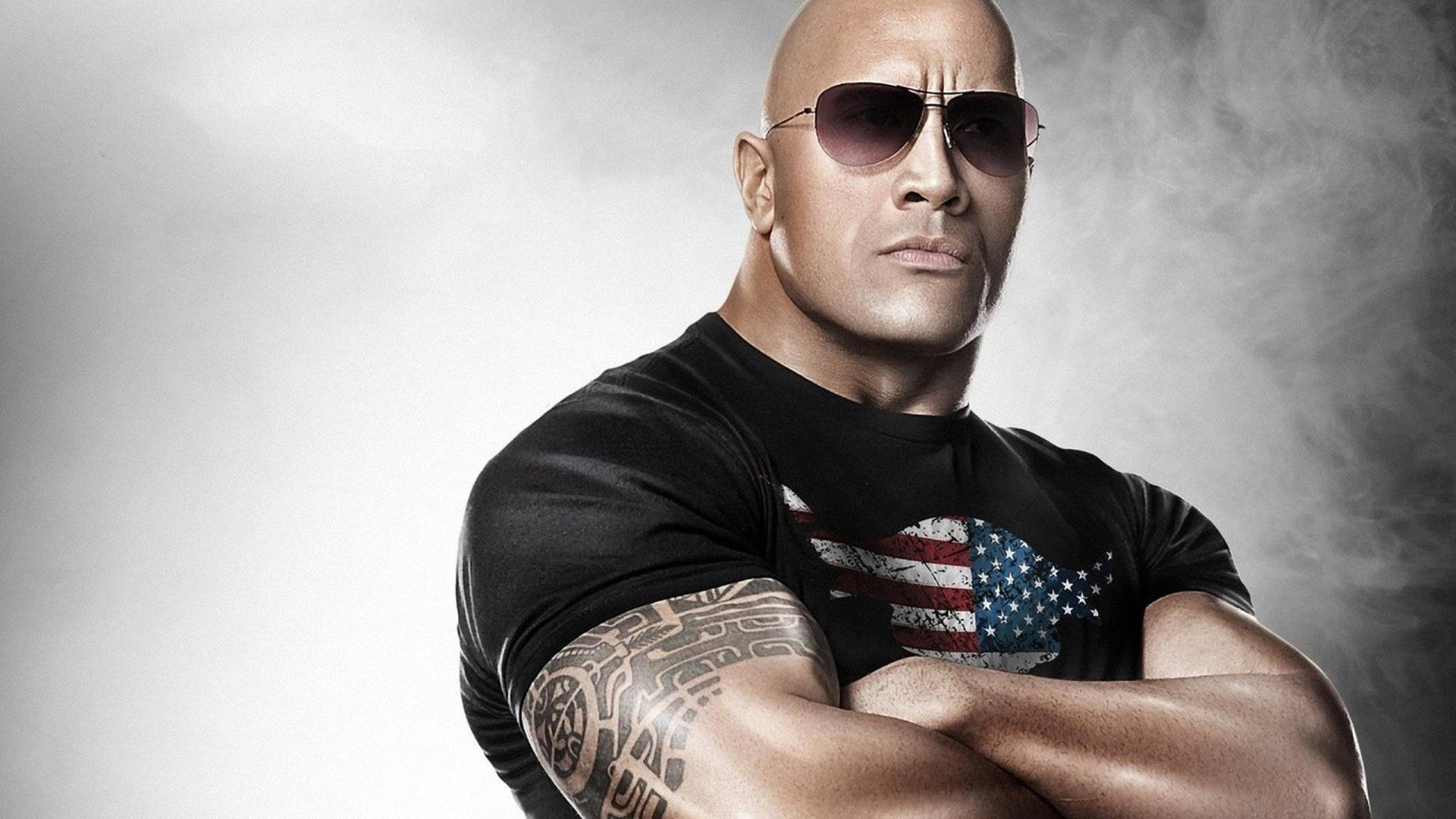
Dwayne ‘The Rock’ Johnson stands as a colossal figure in the entertainment landscape, a name synonymous with ambition, physical prowess, and an unparalleled ability to captivate audiences worldwide. Long before he became a global movie star and a beacon of peak physical conditioning, Johnson carved out his legend in the grueling, electrifying world of professional wrestling. His journey from a hopeful athlete to arguably the most electrifying man in sports entertainment is not just a tale of raw talent, but a blueprint for strategic evolution, mental fortitude, and an unwavering commitment to mastery. Every pivot, every challenge, and every triumph on the mat contributed to the formidable persona known universally as ‘The Rock’.
His wrestling career provides an extraordinary case study in personal branding and professional resilience. It illustrates how an individual can not only survive but thrive under immense pressure, adapting their approach, and ultimately redefining their own path to success. The lessons learned, the character forged, and the physical and mental discipline honed during these formative years laid the bedrock for all his subsequent achievements. This wasn’t merely about winning championships; it was about connecting with an audience, understanding their pulse, and delivering performances that resonated on a deeply emotional level, a skill set that would prove invaluable in his broader career.
We embark on an in-depth exploration of the pivotal milestones that defined Dwayne Johnson’s initial ascent in the World Wrestling Federation (WWF), later WWE. From his earnest beginnings and the unexpected hurdles he faced, to his revolutionary transformation into the iconic ‘The Rock,’ each step in this journey reveals a layer of the strategic brilliance and relentless drive that characterizes this modern legend. Prepare to uncover the making of ‘The Great One,’ understanding how a wrestling ring became the ultimate proving ground for a superstar destined for global domination.
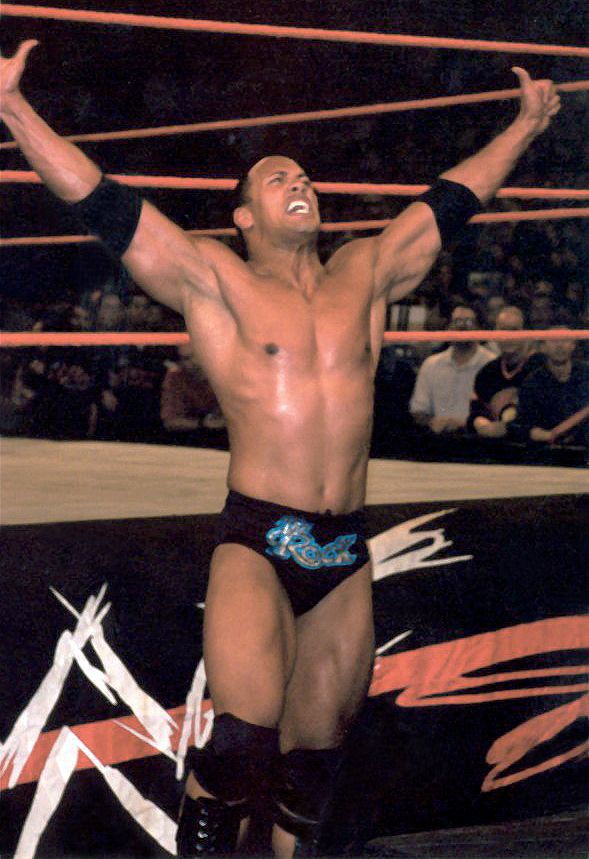
1. **The Genesis of Greatness: From Flex Kavana to Rocky Maivia’s WWF Debut (1996)**After his football dreams with the Calgary Stampeders were cut short, Dwayne Johnson pivoted towards the family business: professional wrestling. The journey began with foundational tryout matches with the World Wrestling Federation in 1996, thanks to the seasoned eye and connections of veteran wrestler Pat Patterson. Wrestling initially under his real name, Johnson showcased glimpses of his innate athleticism, defeating The Brooklyn Brawler at a house show on March 10, though he also experienced losses to talents like Chris Candido and Owen Hart, demonstrating the steep learning curve in the industry.
His early development included a stint at Jerry Lawler’s United States Wrestling Association, where he adopted the ring name Flex Kavana. During the summer of 1996, he quickly found success, winning the USWA tag team championship twice alongside his partner, Bart Sawyer. This period proved crucial for refining his in-ring skills and understanding the rhythm of professional wrestling, preparing him for the larger stage. His performances caught the attention of WWF management, leading to a significant WWF contract and additional intensive training under the guidance of Tom Prichard, alongside other promising talents like Achim Albrecht and Mark Henry, setting the stage for his main roster debut.
Johnson made his highly anticipated WWF debut as Rocky Maivia, a name honoring his illustrious father and grandfather’s wrestling legacies, though announcers duly acknowledged his real name. Despite initial reluctance to embrace the name, he was persuaded by Vince McMahon and Jim Ross, who saw the immense potential in leveraging his unique lineage. Billed as “The Blue Chipper” and hyped as the WWF’s first third-generation wrestler, Maivia was presented as a clean-cut face character, pushed heavily from the very start despite his relative inexperience. His debut on Monday Night Raw as a member of Marc Mero’s entourage on November 4, 1996, quickly led to his first match at Survivor Series on November 17, where he notably emerged as the sole survivor, eliminating both Crush and Goldust, immediately establishing him as a force to be reckoned with.

2. **The Rise and Initial Rejection: Intercontinental Champion and Fan Backlash (1996-1997)**Rocky Maivia’s ascent in the WWF was swift and seemingly unstoppable. On February 13, 1997, he captured the Intercontinental Championship from Hunter Hearst Helmsley on a Thursday edition of Monday Night Raw, marking his first major title in the federation. This early championship victory underscored the company’s significant investment in his future and his undeniable talent. He successfully defended the title against Helmsley at In Your House 13: Final Four just days later, showcasing a promising start to his reign and demonstrating his ability to perform under pressure.
His inaugural WrestleMania match came at WrestleMania 13 on March 23, where he victoriously defended his Intercontinental Championship against The Sultan. He continued to hold his own, even defeating Bret Hart by disqualification in a title defense on the March 31 episode of Raw is War. It’s noteworthy that behind the scenes, Hart, a revered veteran, mentored Johnson during his first year in WWF and reportedly refused to be booked to take the title from him, a testament to the respect Johnson was earning from his peers. Despite these in-ring successes, a surprising and challenging dynamic began to emerge with the audience.
WWF fans, perhaps weary of his wholesome “blue chipper” persona and the company’s perceived forceful push, started to reject his character. Audiences became increasingly hostile, with chants of “die, Rocky, die” and “Rocky sucks” becoming a common and demoralizing backdrop to his matches. This unexpected backlash reached a critical point at In Your House 14: Revenge of the ‘Taker on April 20, where he lost to Savio Vega by countout but retained the title, yet the crowd sentiment remained clear. The situation only worsened when he eventually lost the Intercontinental Championship to Owen Hart on the April 28 episode of Raw Is War, followed by a legitimate knee injury in a match against Mankind in June, forcing him to spend several months recovering and, critically, re-evaluating his entire approach to his career.
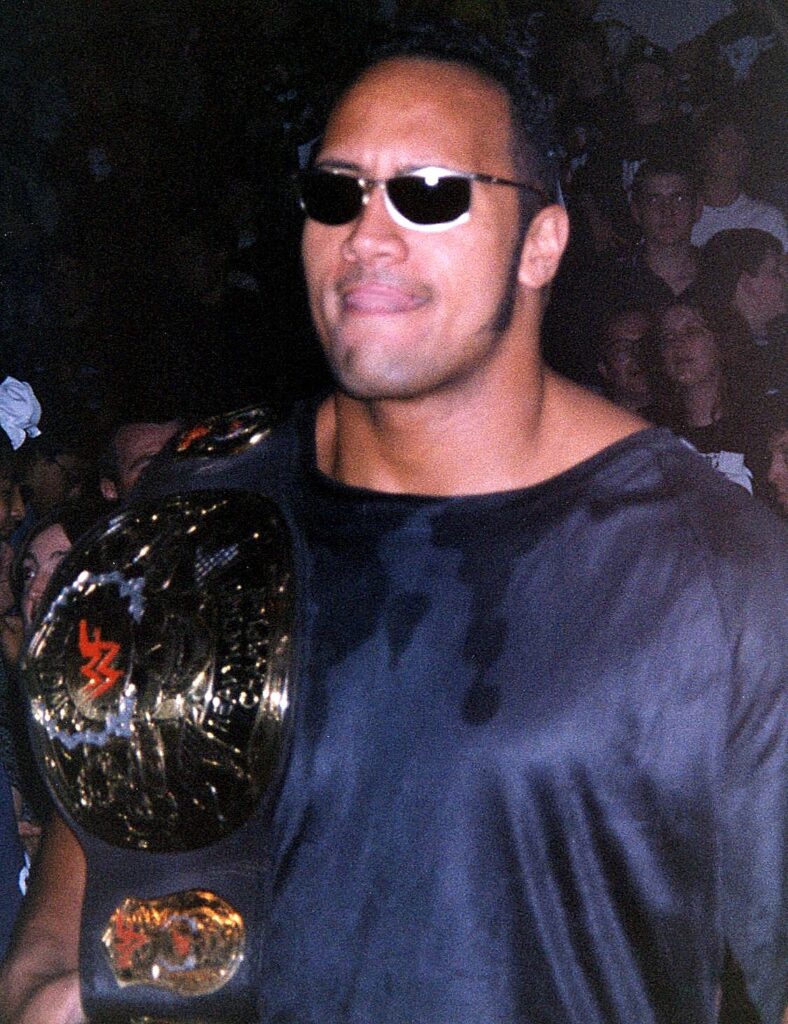
3. **Embracing the Edge: The Birth of ‘The Rock’ and the Nation of Domination Era (1997-1998)**Upon his return in August 1997, Rocky Maivia unveiled a drastic transformation, a strategic masterstroke born from the crucible of fan rejection and his subsequent injury layoff. He turned heel, lashing out fiercely at the very fans who had booed him, effectively shedding the clean-cut persona that had failed to connect. This bold move was amplified by his calculated decision to join Faarooq, D’Lo Brown, and Kama in the formidable stable known as the Nation of Domination, instantly giving him a new, edgier identity and purpose within the WWF hierarchy. It was a conscious reinvention, a shedding of the old to embrace a more authentic, albeit villainous, self.
Crucially, he openly refused to acknowledge the Rocky Maivia name, instead referring to himself exclusively in the third person as ‘The Rock.’ While still billed as ‘The Rock’ Rocky Maivia until 1998, the transformation was complete. The Rock persona quickly distinguished itself with its arrogance, wit, and a newfound verbal aggression. He would regularly insult the audience, fellow WWF performers, and even interviewers in his promos, a captivating display of confidence and disdain that quickly drew both heat and, paradoxically, growing intrigue from the audience. This strategic shift allowed his natural charisma to flourish, no longer constrained by the expectations of a heroic, albeit bland, character.
The Rock’s dominance as a member of the Nation was undeniable. He feuded intensely with major stars, retaining the Intercontinental Championship against Ken Shamrock at the Royal Rumble in January 1998, a match he won by disqualification. Later that night, he lasted until the final two in the Royal Rumble match, only to be eliminated by Stone Cold Steve Austin, setting the stage for future epic confrontations. After solidifying his hold on the Intercontinental title, he boldly debuted a new championship design and, in a pivotal power move, overthrew Faarooq as the leader of the Nation of Domination, sparking a significant feud between the two. The stable, now under his undisputed leadership, simply referred to themselves as ‘The Nation,’ signaling a new era defined by The Rock’s burgeoning influence and a fierce rivalry with Triple H and D-Generation X, leading to significant clashes including a memorable ladder match at SummerSlam for the Intercontinental Championship.
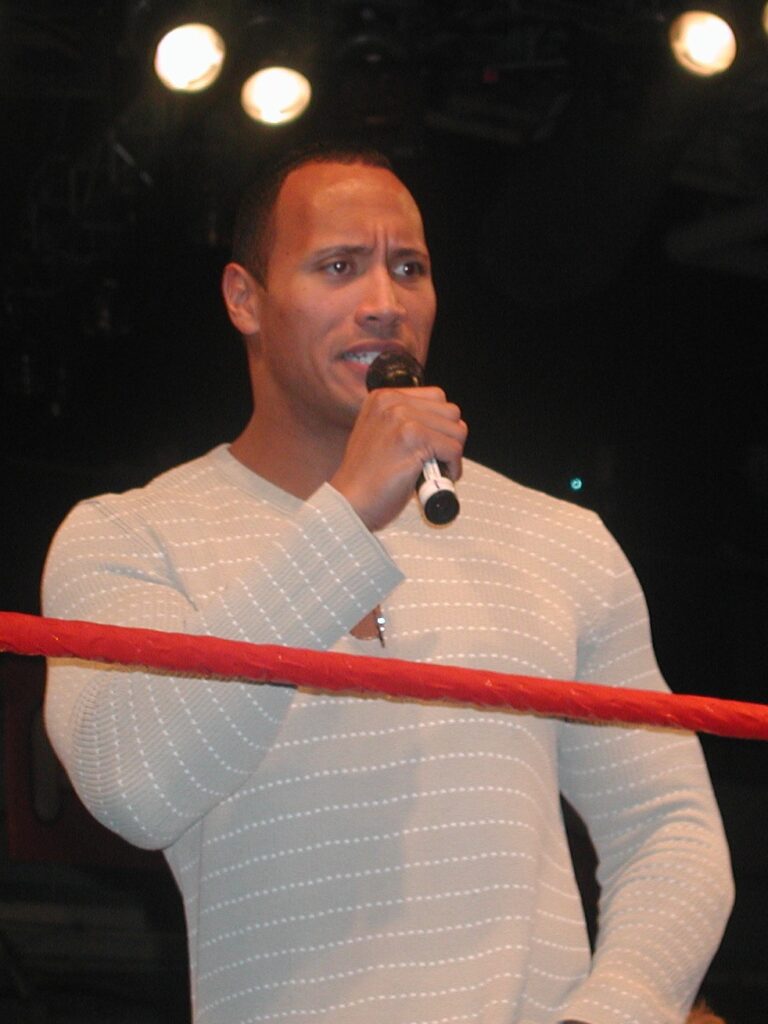
4. **Ascension to the Top: First WWF Championship and the Ruthless Corporation (1998)**The latter half of 1998 marked an explosive period in The Rock’s career, witnessing a dramatic uptick in fan support that transcended his heel persona. This was the era where he truly began to consolidate and perfect the famous persona that would define him for years to come. His undeniable charisma and magnetic appeal meant that even as a villain, crowds couldn’t help but cheer for him. This burgeoning popularity organically led to him turning babyface, instigating a memorable feud with his former Nation stablemates, Mark Henry and D’Lo Brown, effectively dissolving the faction and positioning him as a standalone superstar ready for the absolute pinnacle of the WWF.
His meteoric rise culminated in his entry into the “Deadly Game” tournament for the vacant WWF Championship. In a stunning display of skill and strategic acumen, The Rock navigated the tournament, ultimately facing Vince McMahon’s associate, Mankind, in the finals at Survivor Series on November 15. In a shocking “double turn” that solidified his position at the very top, The Rock defeated Mankind to win his first WWF Championship, immediately aligning himself with Vince and Shane McMahon as the crown jewel of their villainous stable, The Corporation. This alliance, born from betrayal, underscored his willingness to embrace controversy and power to achieve his goals, a characteristic that would become central to his formidable persona.
His reign as WWF Champion immediately plunged him into an intense and unforgettable rivalry with Mankind. Their clashes were legendary, marked by brutal stipulations and raw physicality. At Rock Bottom: In Your House, Mankind appeared to win, but Vince McMahon controversially ruled that The Rock retained. The feud escalated through an epic Empty Arena match, a Last Man Standing match ending in a draw, and the infamous Royal Rumble “I Quit” match, where The Rock delivered 11 unscripted steel chair shots to Mankind’s head, showcasing a vicious streak that sent shockwaves through the industry. Despite the controversy, The Rock won his third WWF Championship in a Ladder Match after interference from the debuting Big Show, only to lose it to Stone Cold Steve Austin at WrestleMania XV, firmly establishing him as a main event player in the Attitude Era.
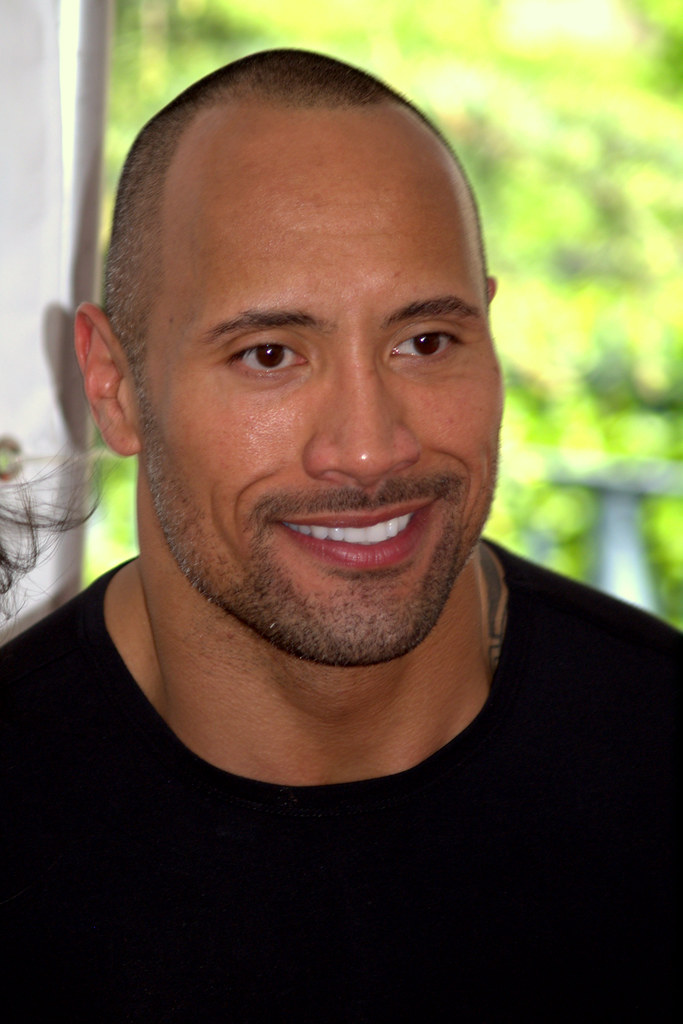
5. **Unforgettable Tag Team Gold: The Humorous Heart of Rock ‘n’ Sock Connection (1999)**Despite the frequent shifts in alignment, The Rock’s popularity continued its unwavering upward trajectory, with audiences consistently cheering for him even when he was technically positioned as a heel. His loss to Stone Cold Steve Austin in a title rematch at Backlash: In Your House on April 25 cemented their epic rivalry, but it also opened the door for yet another transformative chapter. The very next night on Raw is War, he was dramatically fired from The Corporation after being betrayed by Shane McMahon, a move that fully reinstated him as a fan favorite and ignited new feuds with Triple H, The Undertaker, and The Corporate Ministry. This period also saw one of his catchphrases immortalized as WWF aired the pilot episode of SmackDown! on April 29, a direct nod to his indelible mark on popular culture.
Shortly after SummerSlam, The Rock embarked on one of the most unexpected and critically acclaimed alliances in wrestling history, teaming with his former fierce rival, Mankind. This unlikely pairing, known as the Rock ‘n’ Sock Connection, immediately resonated with fans. Their combined charisma and comedic timing proved to be an unstoppable force, culminating in their first WWF Tag Team Championship victory against The Undertaker and Big Show on the August 30 episode of Raw is War. This demonstrated The Rock’s incredible versatility, proving he could excel not only as a dominant singles competitor but also as an integral part of a dynamic tag team.
The Rock ‘n’ Sock Connection wasn’t just about championship gold; it was about entertainment innovation. The duo captivated audiences with a series of critically acclaimed comedic skits, none more famous than “This Is Your Life,” where Mankind brought parody versions of people from The Rock’s past onto television. These segments, characterized by The Rock’s withering insults and Mankind’s earnest attempts, were a massive success, earning an astounding 8.4 Nielsen rating—one of the highest ratings ever for a Raw segment. Despite trading the tag titles multiple times with teams like The Undertaker and Big Show, and The New Age Outlaws, their unique chemistry and groundbreaking entertainment value cemented their legacy, showcasing The Rock’s ability to transcend traditional wrestling roles and truly connect with a mass audience through humor and unforgettable performances.
Dwayne ‘The Rock’ Johnson’s evolution from a promising, albeit sometimes polarizing, wrestling prodigy to an undisputed global icon is a masterclass in adapting, innovating, and consistently pushing the boundaries of what’s possible within and beyond the squared circle. Having established his formidable presence and magnetic charisma in his foundational years, the next chapter of his career saw him ascend to unprecedented heights, redefine his persona multiple times, and ultimately transition into a Hollywood powerhouse while never truly forgetting his roots. This exploration continues to chart the monumental milestones that solidified his legend, showcasing the relentless drive and strategic brilliance that continues to define ‘The Great One.’
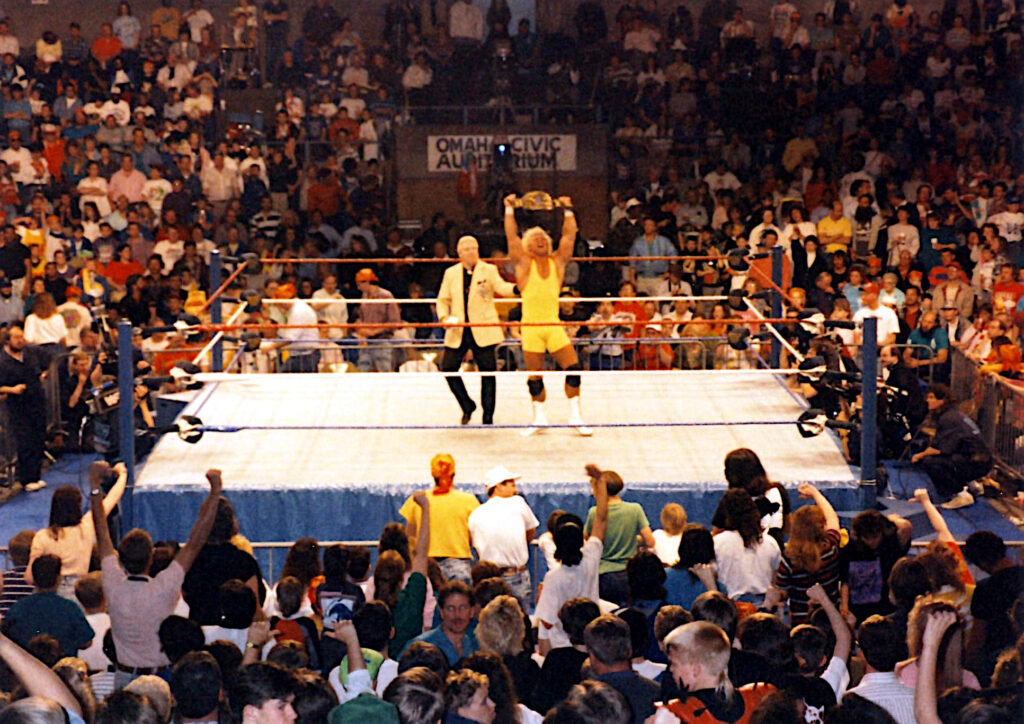
6. **Record-Breaking World Champion (2000–2002)**The turn of the millennium marked an era of undeniable dominance for The Rock, as he cemented his status as a multi-time, record-breaking WWF Champion. His feud with Triple H escalated, culminating in a series of high-stakes encounters, including a memorable Iron Man match at Judgment Day with Shawn Michaels as the special guest referee. The relentless pursuit of championship gold saw The Rock capture his fourth WWF Championship at Backlash, thanks to an intervention by Stone Cold Steve Austin, demonstrating that even former adversaries recognized his undeniable star power. He continued to headline pay-per-views, defending his title against top-tier competitors such as Chris Benoit, Kurt Angle, and The Undertaker, showcasing his unparalleled work ethic and ability to consistently deliver main event performances.
His reign during this period wasn’t just about accumulating titles; it was about navigating the complex, ever-shifting landscape of the Attitude Era. The Rock found himself at the epicenter of the groundbreaking Invasion storyline, where WWF clashed with the forces of WCW and ECW. Displaying his adaptability, he initially sided with Vince McMahon and the WWF, a crucial alliance in the “winner takes all” five-on-five elimination tag team match at Survivor Series. Here, in a climactic showdown against Stone Cold Steve Austin, The Rock emerged victorious, an outcome that led to the dissolution of The Alliance and further solidified his heroic standing in the company.
This period also saw The Rock’s first foray into the WCW Championship, which he won by defeating Booker T at SummerSlam, only to lose and regain it in a gripping rivalry with Chris Jericho. These battles showcased his versatility across different championship lineages. A particularly iconic moment was his legendary “icon versus icon” match against ‘Hollywood’ Hulk Hogan at WrestleMania X8. Despite Hogan portraying a villain, a significant portion of the crowd rallied behind him, forcing The Rock and Hogan to dynamically adjust their match style mid-performance, a testament to their unparalleled connection with the audience. This unique ability to sway the crowd, coupled with his seventh WWE Undisputed Championship win at Vengeance, solidified his status as a generational talent.
However, this zenith also hinted at a new chapter. After losing the WWE Undisputed Championship to a formidable Brock Lesnar at SummerSlam, a match that saw a noticeable dip in fan support due to his burgeoning acting career, The Rock took a sabbatical from wrestling. The crowd’s negative reaction, notably after his loss to Lesnar, underscored a growing tension between his wrestling persona and his Hollywood aspirations. This strategic pause allowed him to dedicate himself fully to his acting career, a pivot that would redefine his global impact and set the stage for future, highly anticipated returns.
Read more about: The Enduring Legacy of ‘The Rock’: A Comprehensive Look at Dwayne Johnson’s WWE Journey

7. **Hollywood Rock (2003)**Upon his return in January 2003, The Rock embraced his evolving public image with a brilliant, self-aware reinvention: the “Hollywood Rock” persona. Recognizing the growing resentment from fans who perceived him as prioritizing Tinseltown over the wrestling ring, he leaned into it, transforming into an arrogant, flashy, and hilariously self-aggrandizing heel. This new look, complete with a shaved head and ostentatious attire, perfectly encapsulated his movie star status, allowing him to mock both his fellow WWE performers and the very fans who had once adored him.
His first major act as Hollywood Rock was a highly anticipated rematch against ‘Hollywood’ Hulk Hogan at No Way Out. This clash of “Hollywood” titans was a spectacle, with The Rock emerging victorious, further cementing his ability to deliver compelling performances regardless of his character’s alignment. This persona also introduced the wildly entertaining “Rock Concerts,” segments where he would play the guitar and deliver scathing, witty musical insults to local crowds and rival superstars, showcasing his unmatched talent for engaging a live audience with his verbal acrobatics.
The Hollywood Rock era culminated in what was billed as the final chapter of his legendary rivalry with Stone Cold Steve Austin at WrestleMania XIX. This iconic encounter, building on their two previous WrestleMania classics, saw The Rock finally defeat Austin after delivering three consecutive Rock Bottoms, providing a definitive end to one of professional wrestling’s most celebrated feuds. It was a momentous victory, solidifying his place as a true legend of the industry and marking Austin’s last match until WrestleMania 38. The following night on Raw was even dubbed “the Rock Appreciation Night” in his honor, a testament to the magnitude of his achievements.
Following his triumph over Austin, The Rock faced a new challenge in the debuting Goldberg at Backlash, where he suffered a defeat. Shortly thereafter, he made another temporary departure from WWE to film his movie *Walking Tall*, further highlighting his growing commitment to his acting career. The Hollywood Rock persona was not just a character; it was a clever and effective way to integrate his real-life ambitions into his wrestling narrative, demonstrating his strategic foresight in maintaining relevance and engaging fans even as his focus began to shift.
Read more about: The Enduring Reign: Celebrating Selena Quintanilla-Pérez, Her Life, Love, and Legacy That Still Resonates
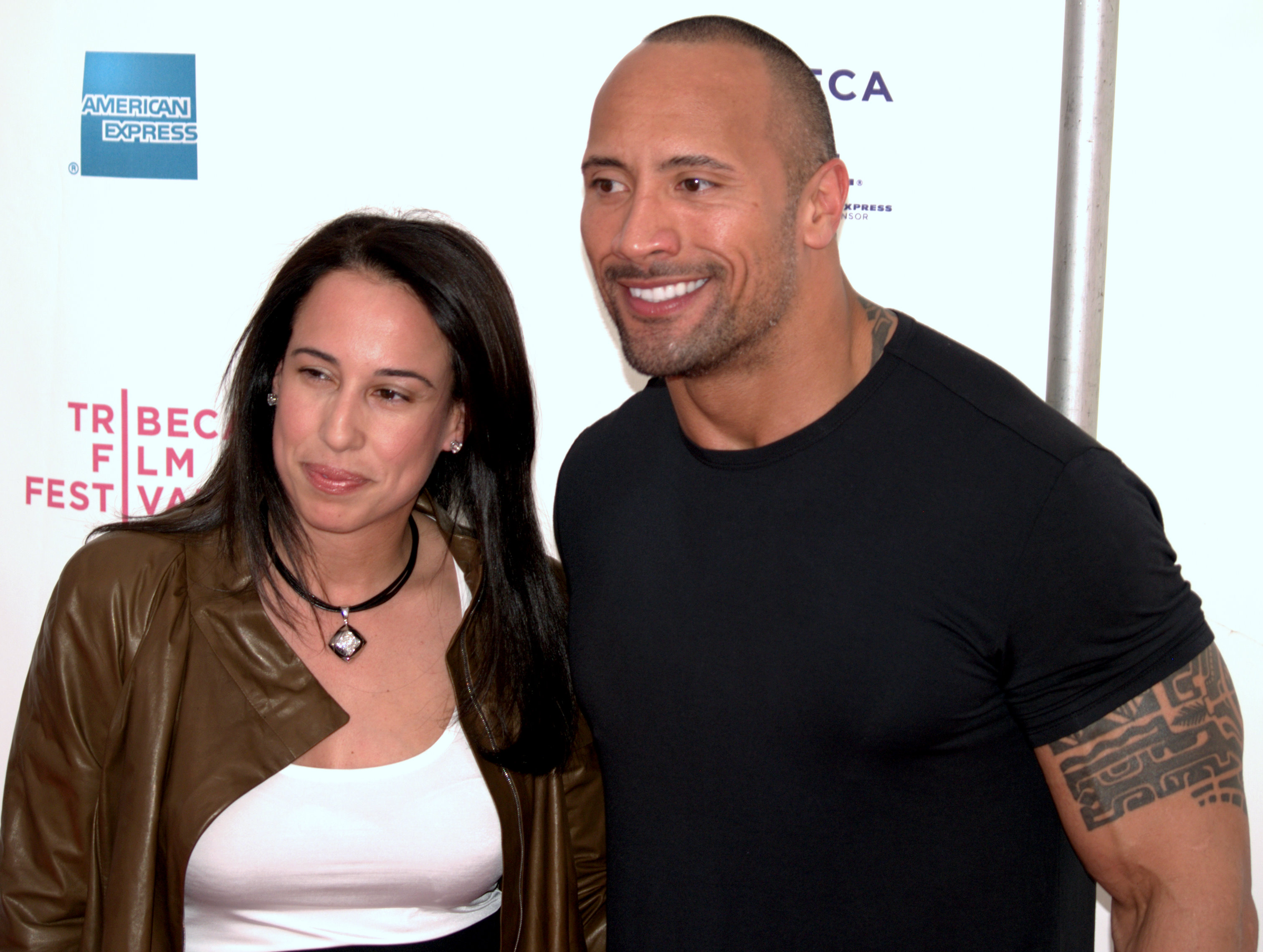
8. **Final Feuds and Departure (2003–2004) & Non-Wrestling Appearances (2007–2009) & Independent Circuit (2009)**
Despite his increasingly demanding Hollywood schedule, The Rock made sporadic but impactful returns to WWE. In June 2003, he briefly turned face once more, joining the Highlight Reel and aiding Booker T against Christian and Chris Jericho, showcasing his continued loyalty to the wrestling community when needed. His most significant return during this period was in 2004, where he teamed with his former Rock ‘n’ Sock Connection partner, Mick Foley, to feud with the formidable stable Evolution, consisting of Ric Flair, Randy Orton, and Batista. This reunion delighted fans, bringing back the unique chemistry of the legendary duo.
Their climactic encounter at WrestleMania XX saw The Rock and Mick Foley face Evolution in a handicap match. Although they ultimately fell short, with Randy Orton pinning Foley after an RKO, this match marked Johnson’s final wrestling match for seven years. After this, The Rock’s contract with WWE ended, and he fully dedicated himself to his burgeoning acting career, making only rare, non-wrestling appearances. These included a pre-taped promo for WrestleMania 23, where he correctly predicted Bobby Lashley’s victory, and a moving moment in March 2008 when he inducted his father, Rocky Johnson, and grandfather, Peter Maivia, into the WWE Hall of Fame, honoring his family’s legacy.
His presence, even without active competition, was enough to generate significant buzz. A pre-taped promo for the “Decade of SmackDown” in 2009 reminded audiences of his enduring connection to the brand he helped create. Demonstrating his deep roots in the wrestling world, The Rock also made an appearance on the independent circuit in September 2009, supporting the professional wrestling debut of Sarona Snuka, the daughter of his long-time friend and mentor, Jimmy Snuka. These gestures underlined that while Hollywood beckoned, his heart remained firmly tied to the world of professional wrestling, setting the stage for an eventual, earth-shattering comeback.
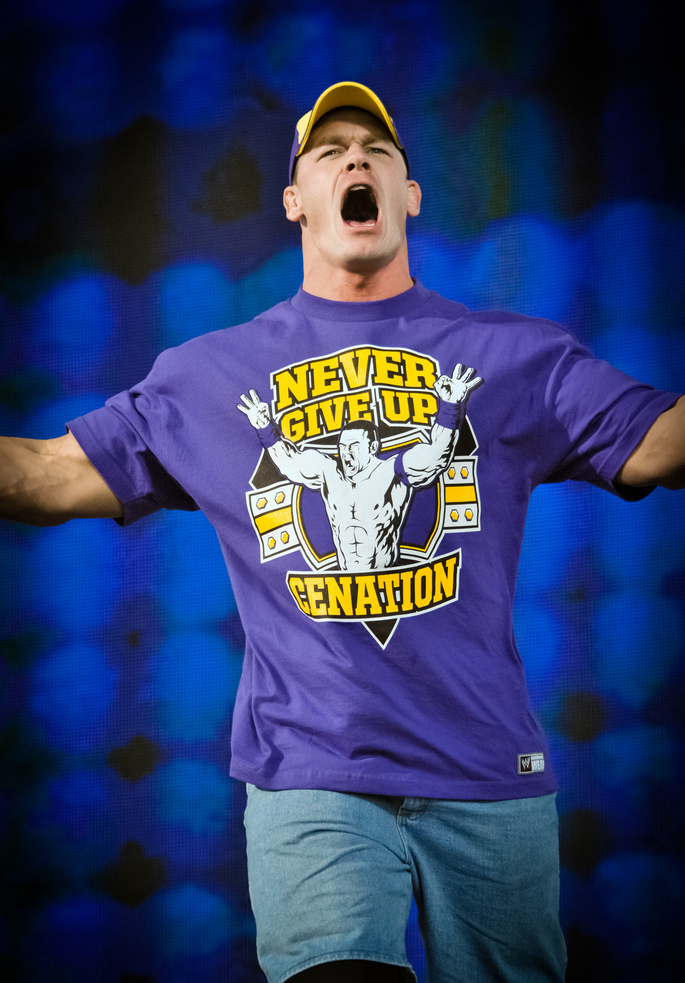
9. **Feud with John Cena (2011–2013)**The wrestling world exploded in February 2011 when The Rock made a seismic return, announced as the host of WrestleMania XXVII. His live appearance on Raw ignited an immediate and intensely personal feud with John Cena, a rivalry that would define a generation. The verbal barbs exchanged between the two megastars were electrifying, setting the stage for a dramatic confrontation at WrestleMania. At the event, The Rock played a pivotal role in the main event, delivering a decisive Rock Bottom to Cena, allowing The Miz to retain the WWE Championship, a clear act of revenge that thrilled fans and cemented the escalating animosity.
The very next night on Raw, in a moment that sent shockwaves through the wrestling community, The Rock and John Cena agreed to a dream match one year in advance at WrestleMania XXVIII. This unprecedented announcement fueled a year-long narrative, building unparalleled anticipation. Their partnership, though begrudging, against The Miz and R-Truth at Survivor Series provided a temporary alliance, yet The Rock ensured the final word was his, laying out Cena with a Rock Bottom post-match. His return was a full-circle moment, combining his undeniable in-ring presence with his natural showmanship, captivating audiences on a scale few could match.
Leading up to WrestleMania XXVIII, The Rock revived his iconic “Rock Concerts,” humorously mocking Cena in song, further intensifying their rivalry. Their highly anticipated main event clash at WrestleMania XXVIII was a blockbuster, breaking professional wrestling pay-per-view buyrate records. In a hard-fought battle, The Rock ultimately defeated Cena, a momentous victory that sent a clear message: he was back, and he was still ‘The Most Electrifying Man in Sports Entertainment.’ Following this triumph, The Rock publicly declared his intention to once again become WWE Champion, a goal he would swiftly pursue.
His ambition materialized at the Royal Rumble in January 2013, where he successfully pinned CM Punk to win his eighth WWE Championship, breaking a lengthy reign and thrilling the crowd. The journey wasn’t without its challenges; a controversial finish initially saw Punk retain, but a restart led to The Rock’s triumphant victory. He then unveiled a brand new WWE Championship design, adorned with his signature ‘Brahma Bull’ logo, a powerful symbol of his renewed dominance. However, his historic reign came to an end at WrestleMania 29, where he lost the title back to John Cena in their highly anticipated rematch. Tragically, a legitimate abdominal and adductor tendon tear sustained during the match forced him into another lengthy recovery, leading to an unexpected, yet understandable, absence.
10. **Part-Time Appearances (2014–2023) & The Final Boss (2024–Present)**Even with a demanding Hollywood career, The Rock continued to grace WWE with electrifying part-time appearances, always making an indelible impact. His presence at WrestleMania XXX, sharing the ring with legends like Stone Cold Steve Austin and Hulk Hogan in the opening segment, was a powerful convergence of eras. He delivered unforgettable moments, from confronting Rusev on Raw to helping his cousin Roman Reigns fend off Big Show and Kane at the 2015 Royal Rumble, endorsing Reigns as a future star. His dynamic alliance with Ronda Rousey at WrestleMania 31 against Triple H and Stephanie McMahon provided a thrilling, star-studded spectacle, once again demonstrating his ability to elevate any segment.
WrestleMania 32 saw The Rock make history, setting the record for the fastest win in WrestleMania history by defeating Erick Rowan in a mere six seconds. This explosive moment was followed by a powerful reunion with John Cena, as they joined forces to fend off The Wyatt Family, showcasing a rare and impactful alliance. Though he officially announced his retirement from professional wrestling in 2019, his connection to WWE remained strong, evident in his celebratory appearance at SmackDown’s 20th Anniversary alongside Becky Lynch, confronting King Corbin and proving his electrifying charisma was ever-present.
A new chapter, however, unfolded dramatically in September 2023 with a surprise return on SmackDown, leading to an altercation with Austin Theory. This return sparked immense speculation, which intensified at the Day 1 edition of Raw in January 2024, where he brawled with Jinder Mahal and provocatively asked the crowd if he should sit at “the head of the table,” a direct challenge to his cousin, Undisputed WWE Universal Champion Roman Reigns. This bold declaration set the wrestling world ablaze, and what followed was a masterclass in modern storytelling.
At the WrestleMania XL media event, The Rock’s strategic alignment with Roman Reigns, his chastising of Cody Rhodes for initially stepping aside, and the shocking slap delivered to Rhodes for speaking against the Anoaʻi family, unveiled a new, formidable persona: ‘The Final Boss.’ This iteration merged the arrogance of Hollywood Rock with a newfound, almost villainous authority, as he officially joined The Bloodline. Donning gaudy attire and carrying a symbolic “People’s Championship,” he issued a high-stakes challenge for WrestleMania XL, Night 1, teaming with Reigns against Rhodes and Seth ‘Freakin’ Rollins. Their victory in this tag team match ensured Bloodline Rules for the Night 2 main event.
In the epic conclusion of WrestleMania XL Night 2, as Rhodes faced Reigns, the interference of multiple legends, including John Cena, brought The Rock back into the fray, where he delivered a Rock Bottom to Cena. However, in a stunning twist, The Undertaker appeared to chokeslam The Rock, clearing the path for Cody Rhodes to finally defeat Roman Reigns. The following night on Raw, in a moment of unexpected grace, The Rock interrupted Rhodes’ celebration, not to challenge, but to congratulate him, signaling a potential shift and promising that he would be back, leaving the WWE Universe eagerly anticipating the next move of ‘The Final Boss.’
From the earnest beginnings of Rocky Maivia to the global phenomenon of ‘The Rock’ and the formidable presence of ‘The Final Boss,’ Dwayne Johnson’s wrestling career is a monumental saga of relentless transformation, unparalleled charisma, and an unwavering commitment to captivating audiences. His journey is a testament to the power of self-reinvention and the enduring legacy of a true showman who transcended sports entertainment to become a cultural icon. The ring may have been his proving ground, but the lessons learned and the legend forged there continue to inspire countless individuals to find their own path to greatness, proving that with strategic vision and raw talent, anything is truly possible.