The roar of an American legend, a sound many thought silenced, may soon echo once more. For enthusiasts and industry observers, General Motors’ quiet filing of trademark paperwork to protect the Chevy Camaro nameplate is exhilarating. This development, just 19 months after the last American-built Camaro rolled off factory floors, ignites discussion about the potential return of a true muscle car icon, fueling the storied Ford-versus-Chevy rivalry and carving an indelible niche in American car culture.
While a trademark filing doesn’t guarantee the pony car’s immediate return to showrooms, GM’s steps to safeguard the nameplate in Cambodia speak volumes. It’s a powerful hint that the “end of Camaro’s story,” as Chevy ambiguously put it, was indeed not the final chapter. The automotive world is buzzing with speculation, eager to decipher what form a potential seventh-generation Camaro might take, and whether it will again capture drivers’ hearts.
This isn’t merely about a new model; it’s about the revival of a legend. The Camaro’s name conjures images of raw power, sleek design, and cultural impact. From its 1966 inception as GM’s response to the Mustang, to its immortalization as Bumblebee in *Transformers*, the Camaro has always been more than just a car. It’s a symbol, a statement, and a cherished piece of Americana. Let’s delve into the details surrounding this potential comeback and its implications for muscle cars.
1. **The Recent Trademark Filing in Cambodia**The spark for speculation came in late September, when General Motors filed trademark paperwork in Cambodia to protect the Chevy Camaro name. This administrative act, registered under KH/119217/25 on September 25, 2025, with the Cambodia Department of Intellectual Property, has excited the automotive community. While Cambodia might seem unusual, global automakers often file trademarks in various regions to protect future use, suggesting a broader strategic consideration by GM.
This filing’s timing is noteworthy. It arrives just a year after the sixth-generation Camaro concluded production, closing a decade-long chapter of modern muscle without an immediate successor. Many enthusiasts wondered if the Camaro’s story had truly ended, but this trademark protection, coming relatively soon after its cessation, argues strongly that GM has not given up on the nameplate.
This strategic move in Cambodia is less about immediate sales and more about preserving options and future potential. It signals that the Camaro’s legacy and brand equity are still valuable assets within General Motors, keeping the door open for an expansive plan for a 7th Gen Camaro.
2. **Significance of the Trademark: Beyond Merchandise**A critical aspect of this trademark filing, giving genuine hope to fans, is its specific classification. The filing explicitly falls into ‘motor vehicles and parts thereof,’ confirming the application applies directly to actual automobiles and their components. This is incredibly significant, moving definitively beyond small merchandise items like keychains or apparel.
Had the filing been solely for merchandising, excitement for a vehicle return would have been considerably dampened. By specifying ‘motor vehicles and parts,’ GM indicates a clear intent to preserve the name for its primary purpose: an actual car. This legal detail provides a tangible foundation for speculation, transforming vague hopes into concrete possibilities for a vehicle revival.
For enthusiasts ‘clamoring for a revival,’ this clarification is paramount. It suggests GM is not merely holding onto a recognizable name for nostalgia, but actively securing its use for future automotive applications. This strategic legal maneuver underscores the continued value GM places on the Camaro brand as an actual vehicle line, hinting at its potential resurgence.
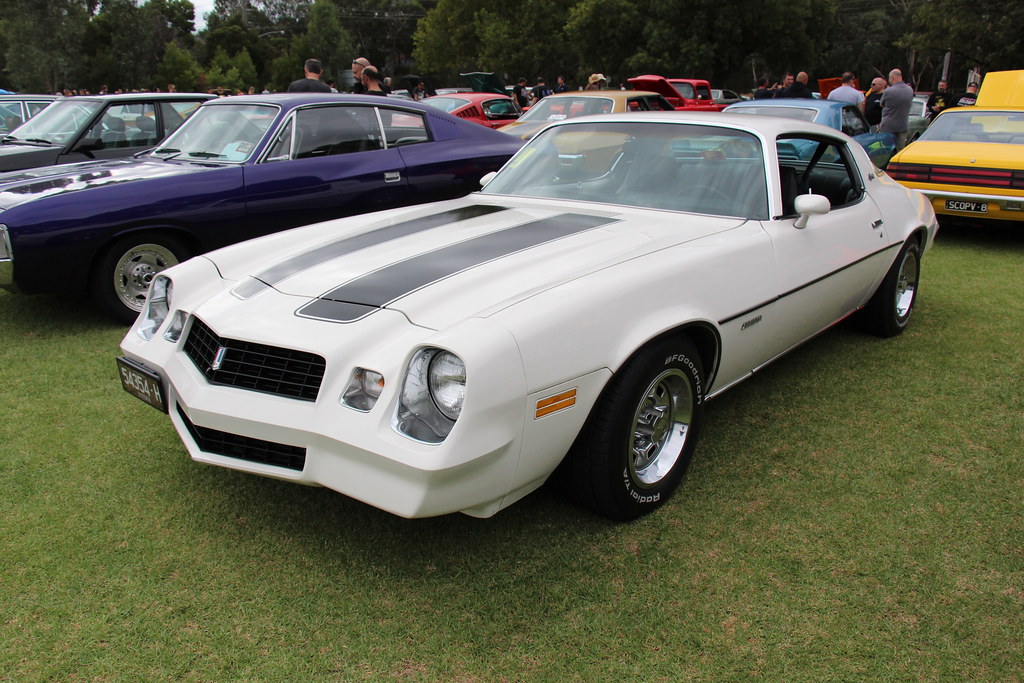
3. **A Legendary Legacy: The Camaro’s Historical Roots**To fully appreciate the excitement surrounding the Camaro’s potential return, one must understand its deep historical roots. Introduced in 1966, the Chevy Camaro was General Motors’ powerful answer to Ford’s wildly successful Mustang. This ignited one of the most storied rivalries in American automotive history: the Ford-versus-Chevy battle. The Camaro quickly established itself as a paramount nameplate in American car culture.
The car’s appeal was multifaceted, balancing raw power and remarkable accessibility. It offered an entry-level six-cylinder engine, making it attainable for a broader audience, while providing serious performance trims like the Z28 and SS. This dual approach ensured the Camaro appealed to a wide spectrum of drivers, from daily commuters to weekend racers.
Beyond its engines, the Camaro’s design was instantly recognizable and appealing. It mirrored the Mustang’s formula with its long nose and sporty stance, projecting speed and aggressive elegance. Moreover, it offered a practical advantage within Chevrolet’s lineup, being ‘roomier and less expensive’ than the Corvette, further broadening its market reach.
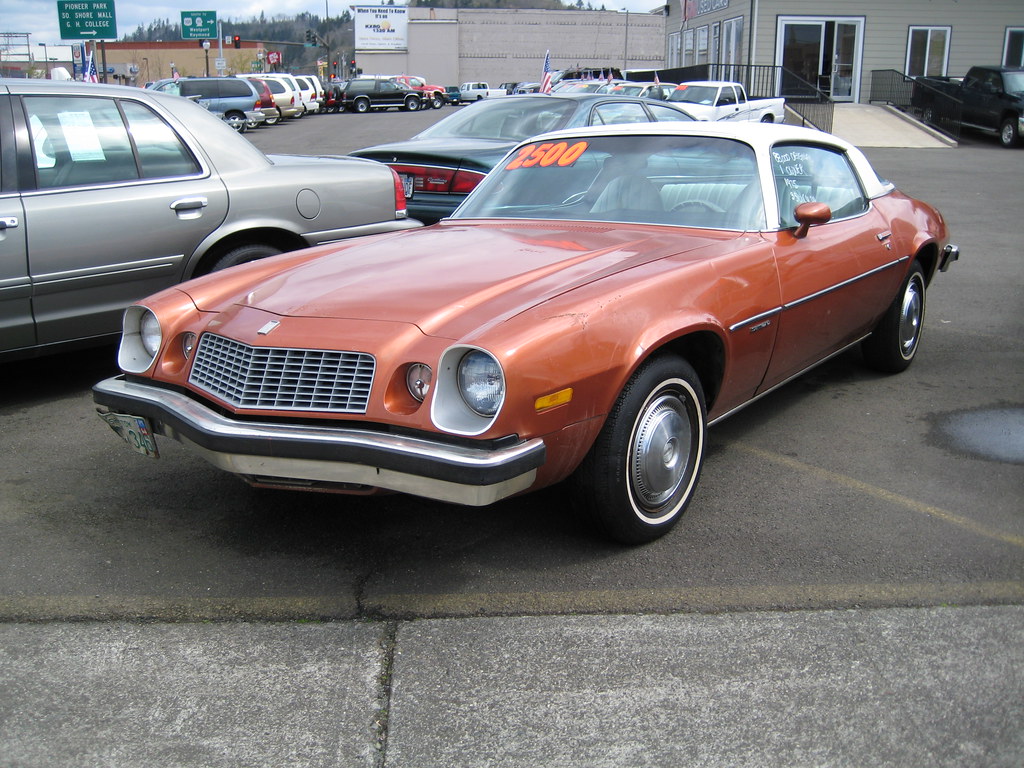
4. **Cultural Icon: From Transformers to Celebrity Garages**The Camaro’s influence extends beyond automotive specifications; its legacy is profoundly immortalized in popular culture, cementing its status as a bona fide icon. Most famously, the Camaro became a global superstar through its role in the *Transformers* franchise. The first film featured both a 1977 and a 2007 Camaro as Bumblebee, making the car recognizable to millions and connecting it with heroism and transformation.
Beyond the screen, the Camaro found a cherished place in high-profile private collections, solidifying its cultural cachet. Celebrities like Joe Rogan and Matthew McConaughey proudly added Camaros to their ‘well-stocked garages.’ McConaughey, for instance, owns a black Z28 Chevy Camaro, a testament to the vehicle’s enduring appeal to those appreciating classic American performance and style.
These celebrity endorsements enhance the Camaro’s mystique and desirability. They demonstrate the car appeals not only to the public but also to discerning collectors who acquire any vehicle. This powerful cultural footprint ensures any discussion of the Camaro’s return is met with widespread interest, extending far beyond the typical enthusiast base.
Car Model Information: 2023 Chevrolet Camaro 1LT
Name: Chevrolet Camaro
Manufacturer: Chevrolet
Production: 1966–2002,2009–2023
ModelYears: 1967–2002,2010–2024
Class: Pony car
BodyStyle: coupe,convertible
Platform: GM F platform,GM Zeta platform,GM Alpha platform
Layout: Front-engine, rear-wheel-drive layout
Categories: 1970s cars, 1980s cars, 1990s cars, 2+2 coupés, 2000s cars
Summary: The Chevrolet Camaro is a mid-size American automobile manufactured by Chevrolet, classified as a pony car. It first went on sale on September 29, 1966, for the 1967 model year and was designed to compete with the Ford Mustang. The Camaro shared its platform and major components with the Firebird, produced by General Motors’ Pontiac division that was also introduced for the 1967 model year.
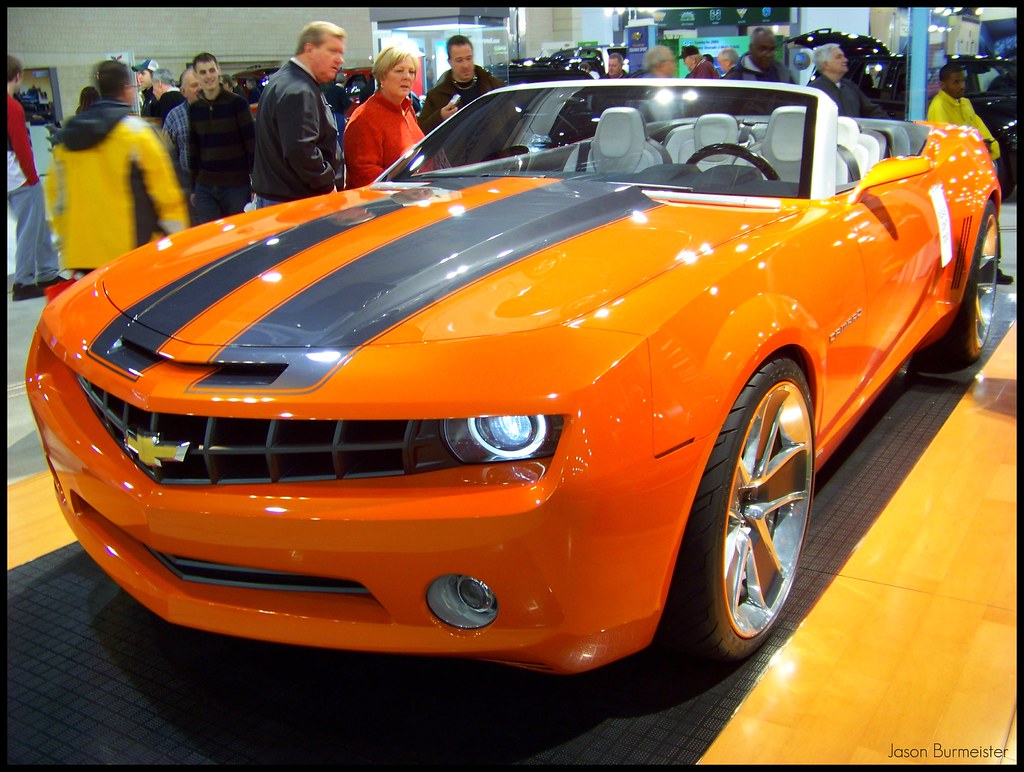
Four distinct generations of the Camaro were developed before production ended in 2002. The nameplate was revived on a concept car that evolved into the fifth-generation Camaro; production started on March 16, 2009.
Production of the sixth generation of the Camaro ended in December 2023, for the 2024 model year.
Get more information about: Chevrolet Camaro
Buying a high-performing used car >>>
Brand: Chevrolet Model: Camaro
Price: $26,221 Mileage: 48,869 mi.
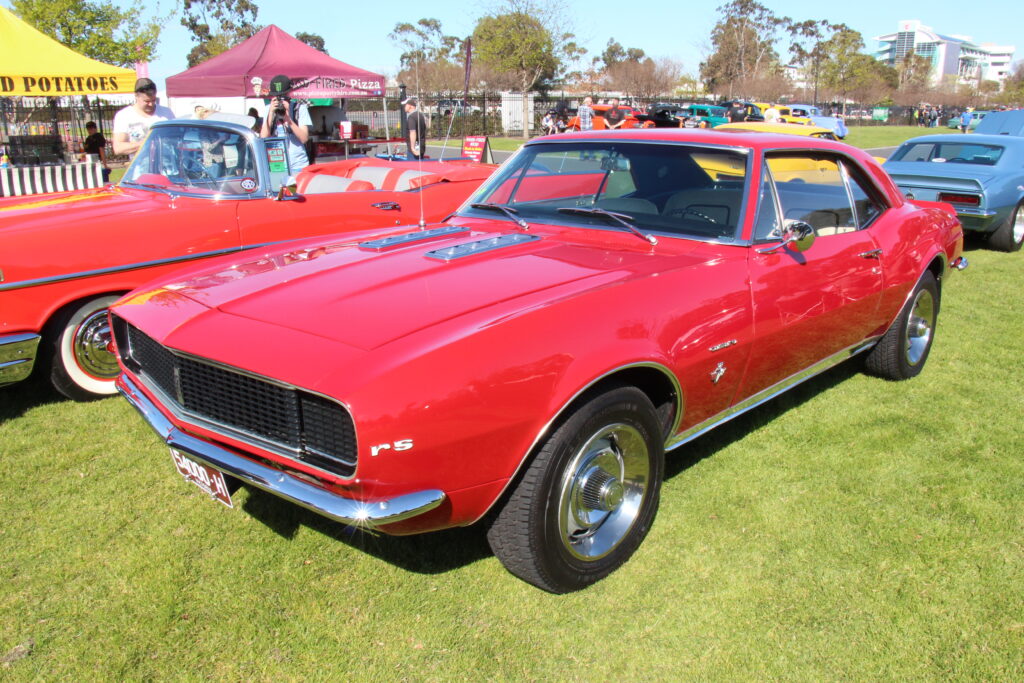
5. **The Sixth Generation’s Farewell: A Temporary End?**The automotive world held its breath as the sixth-generation Camaro concluded production after the 2024 model year. This marked what many feared was the definitive end of an era, closing nearly a decade of modern muscle car manufacturing. With no immediate successor announced, the Camaro’s future seemed uncertain, leaving enthusiasts grappling with the possibility its story had finally concluded.
The decision to discontinue the sixth generation was met with sadness and resignation among fans. For many, the Camaro represented a powerful connection to American automotive heritage, a symbol of freedom and performance. Its absence from Chevrolet’s immediate future plans starkly reminded us of the evolving automotive landscape and challenges facing traditional internal combustion engine (ICE) vehicles.
However, as the last Camaro rolled off the factory floors in Kentucky, Chevrolet offered a glimmer of hope. The company hinted, provocatively, that it was ‘not the end of Camaro’s story.’ This statement, delivered at a time of apparent finality, served as a cryptic promise to a devoted fanbase, suggesting that while one chapter closed, another might begin.
Car Model Information: 2023 Chevrolet Camaro 1LT
Name: Chevrolet Camaro
Manufacturer: Chevrolet
Production: 1966–2002,2009–2023
ModelYears: 1967–2002,2010–2024
Class: Pony car
BodyStyle: coupe,convertible
Platform: GM F platform,GM Zeta platform,GM Alpha platform
Layout: Front-engine, rear-wheel-drive layout
Categories: 1970s cars, 1980s cars, 1990s cars, 2+2 coupés, 2000s cars
Summary: The Chevrolet Camaro is a mid-size American automobile manufactured by Chevrolet, classified as a pony car. It first went on sale on September 29, 1966, for the 1967 model year and was designed to compete with the Ford Mustang. The Camaro shared its platform and major components with the Firebird, produced by General Motors’ Pontiac division that was also introduced for the 1967 model year.
Four distinct generations of the Camaro were developed before production ended in 2002. The nameplate was revived on a concept car that evolved into the fifth-generation Camaro; production started on March 16, 2009.
Production of the sixth generation of the Camaro ended in December 2023, for the 2024 model year.
Get more information about: Chevrolet Camaro
Buying a high-performing used car >>>
Brand: Chevrolet Model: Camaro
Price: $26,221 Mileage: 48,869 mi.
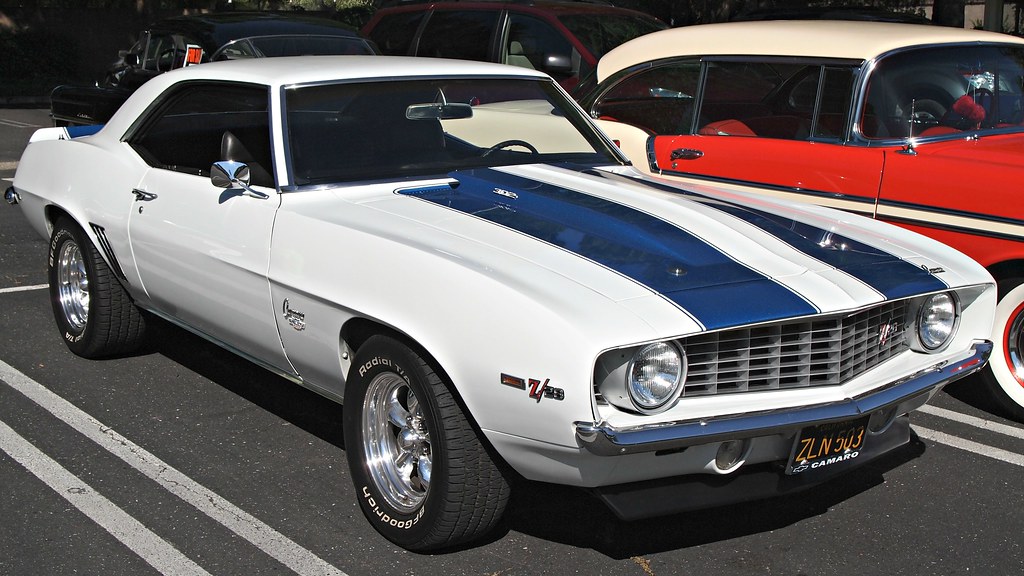
6. **The Resurgent Roar: Fan Demand and Chevy’s Hints**The Camaro’s discontinuation ignited a passionate wave of demand from its dedicated fanbase. Enthusiasts immediately began ‘clamoring for a revival,’ underscoring the significant emotional and cultural attachment many feel toward the brand. Chevrolet, aware of this loyalty, hinted the Camaro’s journey wasn’t over, stating it was ‘not the end of Camaro’s story.’
This deliberate phrase offered a lifeline of hope to those mourning the apparent loss, suggesting a future chapter was possible, even if its form and timing remained unclear. It was a strategic acknowledgment of the Camaro’s enduring appeal, keeping the dream alive and allowing rumors to flourish.
GM’s concrete steps, like the trademark filing, reinforce the credibility of that earlier hint. This continuous fan engagement, coupled with Chevy’s forward-looking statements, demonstrates the market’s appetite for the Camaro remains robust, making any potential revival a response to both internal strategy and persistent consumer demand.
Car Model Information: 2023 Chevrolet Camaro 1LT
Name: Chevrolet Camaro
Manufacturer: Chevrolet
Production: 1966–2002,2009–2023
ModelYears: 1967–2002,2010–2024
Class: Pony car
BodyStyle: coupe,convertible
Platform: GM F platform,GM Zeta platform,GM Alpha platform
Layout: Front-engine, rear-wheel-drive layout
Categories: 1970s cars, 1980s cars, 1990s cars, 2+2 coupés, 2000s cars
Summary: The Chevrolet Camaro is a mid-size American automobile manufactured by Chevrolet, classified as a pony car. It first went on sale on September 29, 1966, for the 1967 model year and was designed to compete with the Ford Mustang. The Camaro shared its platform and major components with the Firebird, produced by General Motors’ Pontiac division that was also introduced for the 1967 model year.
Four distinct generations of the Camaro were developed before production ended in 2002. The nameplate was revived on a concept car that evolved into the fifth-generation Camaro; production started on March 16, 2009.
Production of the sixth generation of the Camaro ended in December 2023, for the 2024 model year.
Get more information about: Chevrolet Camaro
Buying a high-performing used car >>>
Brand: Chevrolet Model: Camaro
Price: $26,221 Mileage: 48,869 mi.
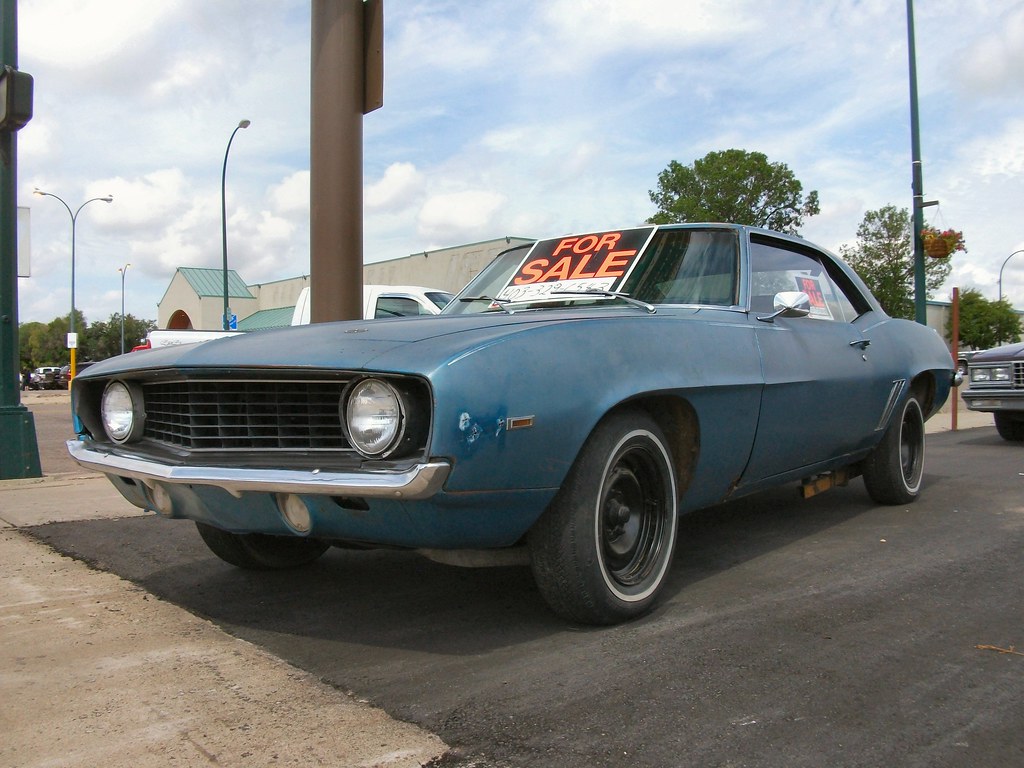
7. **Early Speculation: The Electric SUV Path (and why it cooled)**Following hints of a potential return, rumors about a new Camaro’s form spread rapidly. Initial speculation gravitated towards a significant departure from its muscle car roots, with many believing GM would follow Ford’s lead and reinvent it as a two-door electric SUV, paralleling the Mustang Mach-E.
The notion of an electric Camaro SUV seemed plausible. It aligned with industry trends towards electrification and growing demand for SUVs. This presented a path for the Camaro to remain relevant, addressing emissions regulations and evolving consumer preferences for versatile electric vehicles. This vision proposed a radically different Camaro.
However, these reports and excitement surrounding an electric SUV Camaro have cooled significantly. The primary reason stems from GM’s revised strategy for its electric vehicle rollout. The company reportedly slowed aggressive EV plans in response to ‘weaker-than-expected consumer demand’ for electric vehicles, leading to an industry-wide reassessment.
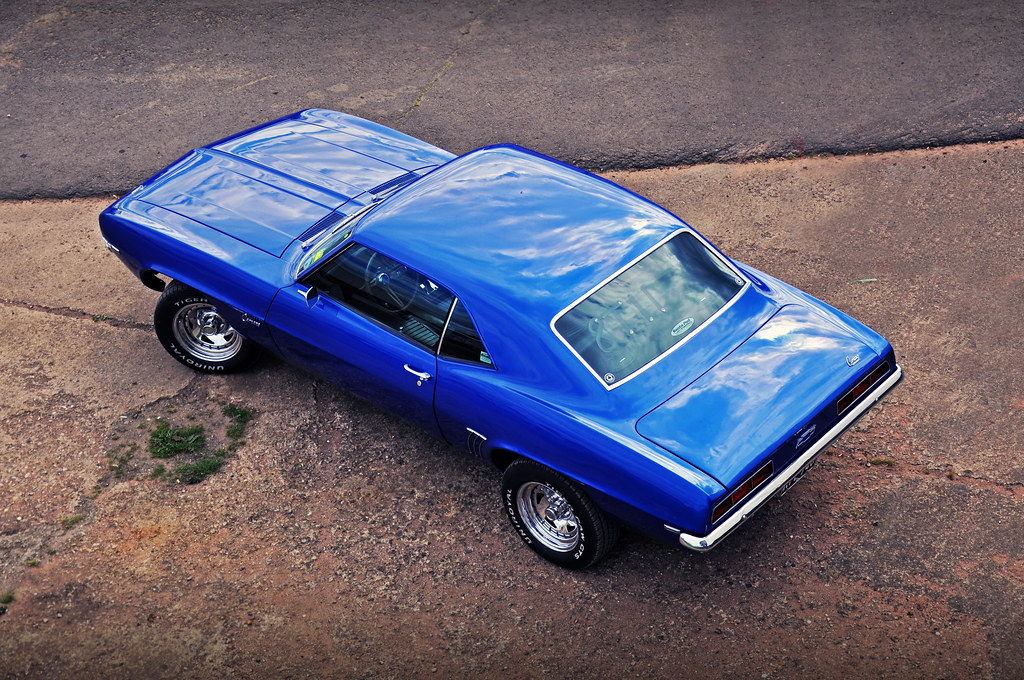
8. **GM’s Strategic Shift: The ‘ICE Renaissance’**The narrative surrounding the automotive industry’s future has been dominated by electrification for years, yet recent developments suggest a more nuanced path forward, particularly from General Motors. While an all-electric future remains a long-term goal, the immediate strategic landscape has seen a significant recalibration, with insiders now referring to an ‘ICE Renaissance.’ This pivotal shift directly impacts the discussion around a potential seventh-generation Camaro, moving away from earlier presumptions of an exclusively electric future for the muscle car.
This strategic reassessment by GM is not arbitrary; it’s a direct response to tangible market realities. Reports indicate a noticeable cooling of earlier aggressive electric vehicle rollout plans, driven by ‘weaker-than-expected consumer demand’ for EVs. This market feedback has compelled the company to re-evaluate its approach, prompting an industry-wide reassessment of electrification timelines and product strategies. Consequently, the door for internal combustion engine (ICE) vehicles, once thought to be rapidly closing, has found itself unexpectedly propped open by evolving consumer preferences.
Such a shift carries profound implications for the Camaro’s potential return. Where a proposal for a seventh-generation muscle car was initially drafted internally but subsequently ‘shelved the idea due to weak business justification,’ the altered market conditions breathe new life into the project. Sources now confidently suggest the project is ‘still in play,’ indicating that a revival, potentially powered by a traditional or hybridized internal combustion engine, is a very real and active consideration within GM’s strategic planning. The focus has seemingly expanded beyond singular electrification, embracing a broader portfolio.
The renewed viability of ICE platforms suggests that if the Camaro returns, it may very well honor its heritage with a gasoline-powered heart, or perhaps a hybrid powertrain that bridges the gap between traditional performance and modern efficiency. This pragmatic approach recognizes the enduring appeal of robust engine sounds and the visceral driving experience that muscle cars embody, rather than forcing a premature transition to an all-electric format against current market sentiment. It’s a reflection of GM’s agility in adapting to an ever-evolving automotive landscape, ensuring a legendary nameplate like the Camaro could return in a form that resonates deeply with its loyal fanbase and current market demands.
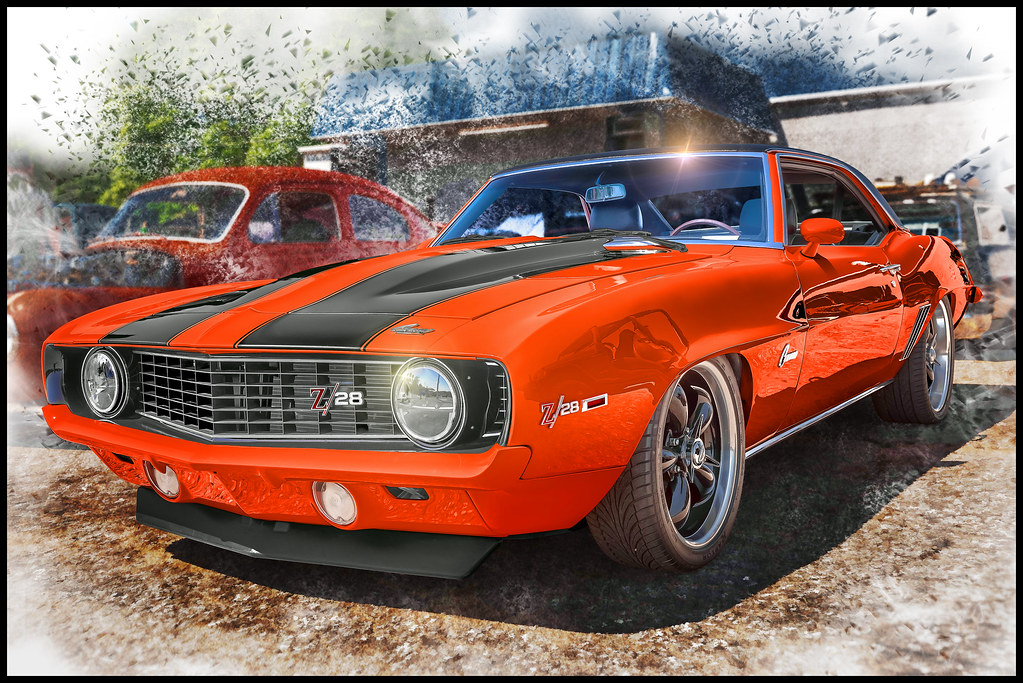
9. **Persistent Rivals: The Enduring Muscle Car Landscape**The Camaro’s temporary absence from Chevrolet’s lineup created a void, but it certainly did not leave the muscle car segment entirely barren. Indeed, several of its historical adversaries and contemporary competitors have not only persisted but have also actively innovated, demonstrating a steadfast commitment to the segment despite broader shifts in consumer preferences and slowing sales. This enduring presence of rivals highlights a resilient demand for performance-oriented, character-rich vehicles, suggesting that the market space the Camaro once dominated still holds significant potential for a robust return.
Foremost among these enduring rivals is the Ford Mustang, the Camaro’s legendary counterpart, which has maintained its footing firmly in the market. Ford has publicly affirmed its dedication to this iconic nameplate, even going so far as to ‘guaranteed to the Daily Mail that it is committed to building its V8 model.’ This unwavering commitment to traditional muscle car performance, exemplified by the potent V8 engine, sends a clear message about the segment’s continued viability and the powerful connection enthusiasts have with these machines. The Mustang’s continued success proves there’s still a thriving appetite for classic American power.
Beyond the Mustang, other formidable contenders have also pressed ahead, diversifying the performance car segment. Toyota’s GR-86 continues to roll off lots, offering a more agile, driver-focused experience. Perhaps even more directly relevant is Dodge’s strategic move to ‘reboot its gas-powered Charger,’ signaling a firm belief in the future of internal combustion muscle, even as it simultaneously ventures into electric performance. Honda, too, has joined this resurgence with the return of its Prelude, showcasing a broader industry trend of re-embracing beloved performance badges. These actions collectively paint a picture of a segment that, while perhaps smaller than its peak, remains vibrant and fiercely competitive.
The continued innovation and market presence of these rivals underscore a crucial point: the market for high-performance coupes and sporty sedans, though often considered a niche, possesses a fiercely dedicated customer base. These aren’t merely vehicles; they’re expressions of identity, freedom, and a passion for driving. For GM, the persistent success of these competitors serves as both a challenge and a validation. It confirms that the space for the Camaro still exists, but also that any potential return must be compelling enough to stand out in an increasingly sophisticated and competitive field, drawing lessons from these ongoing rivalries.
Car Model Information: 2023 Chevrolet Camaro 1LT
Name: Chevrolet Camaro
Manufacturer: Chevrolet
Production: 1966–2002,2009–2023
ModelYears: 1967–2002,2010–2024
Class: Pony car
BodyStyle: coupe,convertible
Platform: GM F platform,GM Zeta platform,GM Alpha platform
Layout: Front-engine, rear-wheel-drive layout
Categories: 1970s cars, 1980s cars, 1990s cars, 2+2 coupés, 2000s cars
Summary: The Chevrolet Camaro is a mid-size American automobile manufactured by Chevrolet, classified as a pony car. It first went on sale on September 29, 1966, for the 1967 model year and was designed to compete with the Ford Mustang. The Camaro shared its platform and major components with the Firebird, produced by General Motors’ Pontiac division that was also introduced for the 1967 model year.
Four distinct generations of the Camaro were developed before production ended in 2002. The nameplate was revived on a concept car that evolved into the fifth-generation Camaro; production started on March 16, 2009.
Production of the sixth generation of the Camaro ended in December 2023, for the 2024 model year.
Get more information about: Chevrolet Camaro
Buying a high-performing used car >>>
Brand: Chevrolet Model: Camaro
Price: $26,221 Mileage: 48,869 mi.
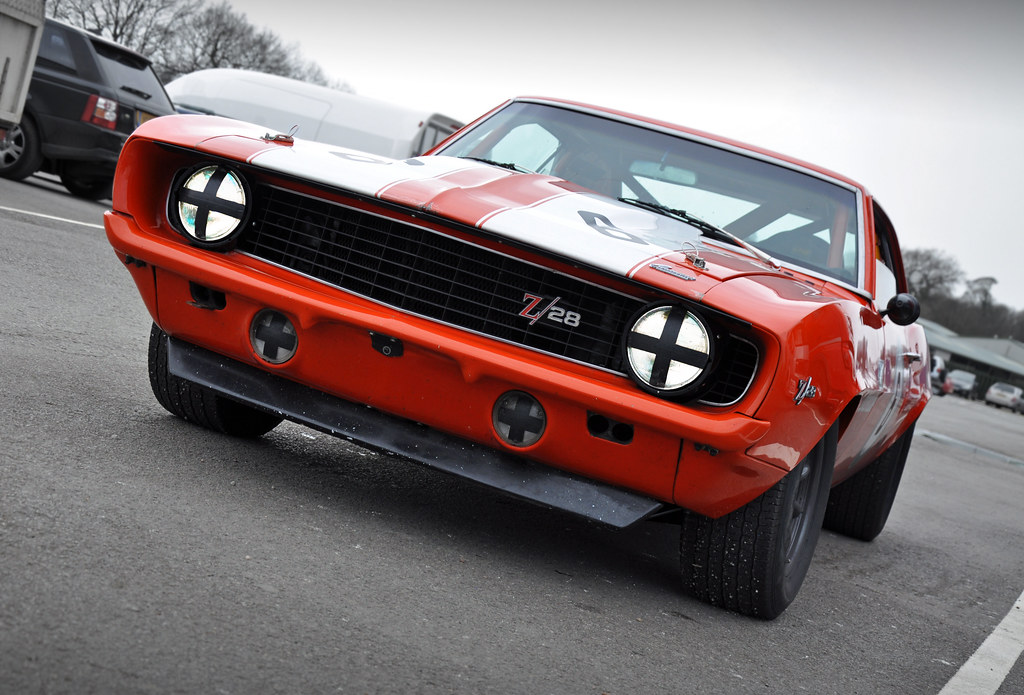
10. **The Evolving Corvette: A Stablemate’s Journey**Within Chevrolet’s own performance stable, the Corvette stands as a powerful testament to brand evolution, yet its recent trajectory also offers valuable lessons for the Camaro. While the Corvette remains in production, its most recent iteration, the C8, introduced a revolutionary shift that provoked strong reactions among its loyalists: the transition to a mid-engine layout. This bold move effectively transformed America’s sports car into a more European-styled supercar, highlighting GM’s willingness to dramatically reimagine its icons.
The decision to shift the engine to the back was a monumental engineering undertaking and a significant departure from seven decades of front-engine tradition. While it unlocked unprecedented performance capabilities and elevated the Corvette to a new level of global competitiveness, it simultaneously ‘enraged’ some purists. These long-time aficionados, accustomed to the classic front-engine, rear-wheel-drive configuration, viewed the change as an abandonment of the Corvette’s fundamental identity, sparking a passionate debate about tradition versus innovation.
The Corvette’s journey provides crucial insights for the Camaro’s potential rebirth. It demonstrates that while radical innovation can elevate a vehicle’s performance and market appeal, it also carries the risk of alienating a deeply invested fanbase. For the Camaro, the challenge lies in finding a balance: evolving to meet contemporary demands—whether that means hybrid power, new body styles, or advanced technology—while preserving the ‘soul’ that defined it for generations. This internal precedent suggests GM is capable of transformation, but must carefully consider heritage when touching a legend.
Car Model Information: 2025 Chevrolet Corvette Stingray w/3LT
Name: Chevrolet Corvette
Caption: 2021 Chevrolet Corvette C8
Manufacturer: Chevrolet
Production: 1953–present
ModelYears: bulleted list
Assembly: bulleted list
Class: Sports car
BodyStyle: coupé
Layout: Front-engine, rear-wheel-drive layout,Rear mid-engine, rear-wheel-drive layout
Categories: 1950s cars, 1960s cars, 1970s cars, 1980s cars, 1990s cars
Summary: The Chevrolet Corvette is a line of American two-door, two-seater sports cars manufactured and marketed by General Motors under the Chevrolet marque since 1953. Throughout eight generations, indicated sequentially as C1 to C8, the Corvette is noted for its performance, distinctive styling, lightweight fiberglass or composite bodywork, and competitive pricing. The Corvette has had domestic mass-produced two-seater competitors fielded by American Motors, Ford, and Chrysler; it is the only one continuously produced by a United States auto manufacturer. It serves as Chevrolet’s halo car.
In 1953, GM executives accepted a suggestion by Myron Scott, then the assistant director of the Public Relations department, to name the company’s new sports car after the corvette, a small, maneuverable warship. Initially, a relatively modest, lightweight 6‑cylinder convertible, subsequent introductions of V8 engines, competitive chassis innovations, and rear mid-engined layout have gradually moved the Corvette upmarket into the supercar class. In 1963, the second generation was introduced in coupe and convertible styles. The first three Corvette generations (1953–1982) employed body-on-frame construction, and since the C4 generation, introduced in 1983 as an early 1984 model, Corvettes have used GM’s unibody Y‑body platform. All Corvettes used front mid-engine configuration for seven generations, through 2019, and transitioned to a rear mid-engined layout with the C8 generation.
Initially manufactured in Flint, Michigan, and St. Louis, Missouri, the Corvette has been produced in Bowling Green, Kentucky, since 1981, which is also the location of the National Corvette Museum. The Corvette has become widely known as “America’s Sports Car.” Automotive News wrote that after being featured in the early 1960s television show Route 66, “the Corvette became synonymous with freedom and adventure,” ultimately becoming both “the most successful concept car in history and the most popular sports car in history.”
Get more information about: Chevrolet Corvette
Buying a high-performing used car >>>
Brand: Chevrolet Model: Corvette
Price: $85,990 Mileage: 3,779 mi.
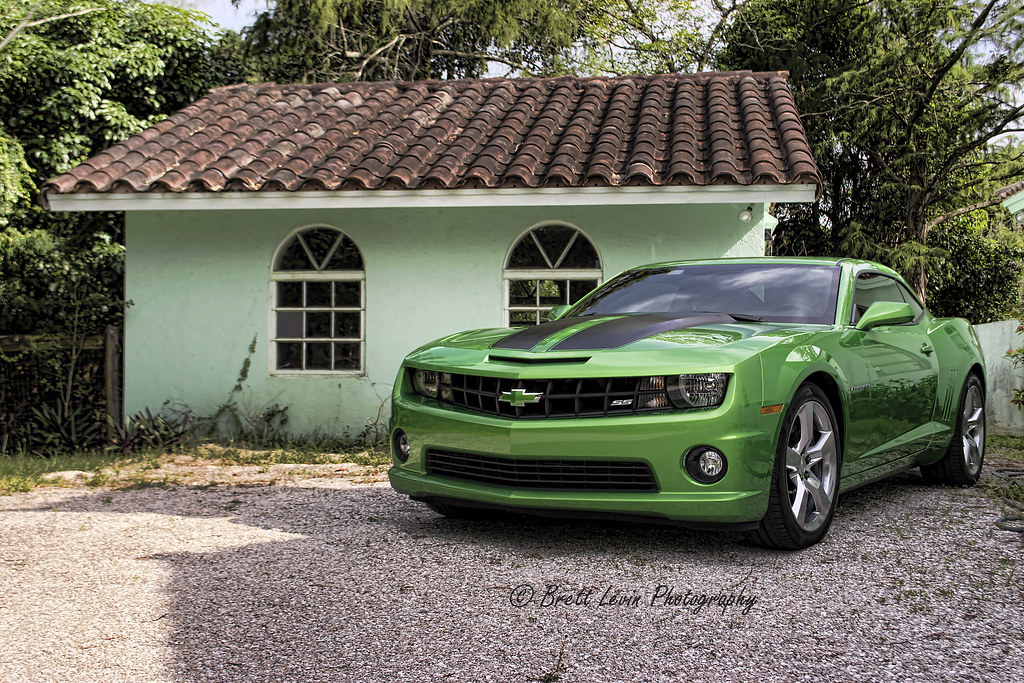
11. **Expert Analysis: AutoPacific’s Perspective on GM’s Priorities**To gain further insight into the complex dynamics surrounding the Camaro’s potential return, consulting industry experts provides an invaluable, objective perspective. Robby DeGraff, a product and consumer insights analyst at AutoPacific, offers a nuanced view, acknowledging both the sentimental appeal and the pragmatic business realities GM faces. His initial reaction, voiced as a current owner, perfectly encapsulates the dual sentiment permeating the enthusiast community: ‘As a current Camaro owner I’d love to see the nameplate return,’ Robby DeGraff, a product and consumer insights analyst at AutoPacific, told the Daily Mail.’ This statement immediately establishes a personal connection, echoing widespread hope for the legend’s revival.
However, DeGraff quickly tempers this enthusiasm with a dose of corporate pragmatism. He observes, ‘But I’m not exactly sure that’s among the top priorities at GM right now.’ This crucial insight suggests that while the trademark filing is a positive sign, GM’s internal resource allocation and strategic objectives may currently be directed towards other, more pressing ventures. This balanced perspective is essential, preventing an overly optimistic interpretation of the trademark filing and grounding the speculation in the realities of a global automaker’s expansive portfolio and financial commitments. Even cherished nameplates must compete for investment within a large corporation.
Expanding on GM’s broader strategic opportunities, DeGraff also points to a significant gap in the company’s current lineup, offering a potential avenue for future product development. He posits, ‘It would be wise for GM to refocus on offering more affordable models that aren’t crossovers,’ DeGraff added.’ This recommendation highlights an underserved market segment and a potential pathway for GM to diversify its offerings beyond the ubiquitous SUV and truck categories. It implies that a strategic reentry into more budget-friendly segments could provide a solid business case for GM, potentially influencing the form and pricing of a future Camaro.
DeGraff’s insights underscore that while the muscle car segment has its allure, GM’s leadership must weigh this against broader market trends and opportunities. His observation about the rising demand for affordable non-crossover vehicles opens up the possibility that a revitalized Camaro, if positioned correctly, could appeal to a wider audience than its predecessor. This expert analysis adds layers of strategic thinking, moving beyond mere nostalgia to consider the economic and market forces that will ultimately shape the Camaro’s destiny, exploring where GM’s priorities truly lie.
Car Model Information: 2023 Chevrolet Camaro 1LT
Name: Chevrolet Camaro
Manufacturer: Chevrolet
Production: 1966–2002,2009–2023
ModelYears: 1967–2002,2010–2024
Class: Pony car
BodyStyle: coupe,convertible
Platform: GM F platform,GM Zeta platform,GM Alpha platform
Layout: Front-engine, rear-wheel-drive layout
Categories: 1970s cars, 1980s cars, 1990s cars, 2+2 coupés, 2000s cars
Summary: The Chevrolet Camaro is a mid-size American automobile manufactured by Chevrolet, classified as a pony car. It first went on sale on September 29, 1966, for the 1967 model year and was designed to compete with the Ford Mustang. The Camaro shared its platform and major components with the Firebird, produced by General Motors’ Pontiac division that was also introduced for the 1967 model year.
Four distinct generations of the Camaro were developed before production ended in 2002. The nameplate was revived on a concept car that evolved into the fifth-generation Camaro; production started on March 16, 2009.
Production of the sixth generation of the Camaro ended in December 2023, for the 2024 model year.
Get more information about: Chevrolet Camaro
Buying a high-performing used car >>>
Brand: Chevrolet Model: Camaro
Price: $26,221 Mileage: 48,869 mi.
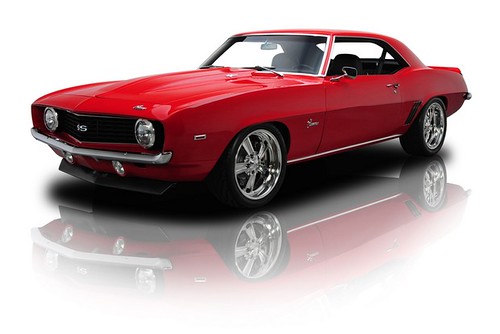
12. **The Demand for Affordability: A New Segment for GM?**Robby DeGraff’s astute observations about GM’s strategic options extend into the broader automotive market, where a significant and growing demand for affordable, non-crossover vehicles is increasingly evident. This trend presents a compelling argument for GM to re-evaluate its current product strategy, particularly given its recent withdrawal from certain segments. The company’s recent history shows a clear focus away from sedans, with ‘GM hasn’t built a sedan in nearly a year’ and its last, the Malibu, ‘ended production in November 2024.’ This left a notable gap in its lineup, especially as consumer economics shift.
However, the market is signaling a clear counter-narrative. Despite the industry’s pivot towards larger, often more expensive vehicles, ‘demand for inexpensive cars is climbing.’ This resurgence in the budget-friendly segment is evidenced by robust sales gains from competitors such as ‘Kia’s K4, Hyundai’s Elantra, Toyota’s Corolla, and Nissan’s Sentra.’ These models are thriving precisely because the ‘average new-vehicle price soars past $50,000,’ making accessible options increasingly attractive to a significant portion of the car-buying public. This trend indicates a strong and growing consumer need that GM is currently not addressing.
While the Camaro has traditionally been positioned as a performance vehicle, its historical roots, as noted in earlier sections, included ‘an entry-level six-cylinder engine, making it attainable for a broader audience.’ This historical precedent, coupled with the current market shift towards affordability, offers GM a strategic opening. A future Camaro could potentially lean into this legacy of accessibility, perhaps offering a more budget-conscious variant alongside its high-performance iterations, thereby tapping into this burgeoning market for value-driven vehicles. DeGraff himself acknowledges this complex decision, stating, ”The return of the Camaro would be welcome by some, but GM will need to study if that’s indeed worth the investment to play around in that space again,’ DeGraff added. ‘Maybe it is.”
This blend of historical context and present-day market dynamics highlights a strategic fork in the road for GM. Re-entering a segment where demand for affordable cars is climbing, perhaps with a more accessible Camaro, could offer a viable business case. It’s not just about bringing back a beloved nameplate; it’s about doing so in a manner that aligns with current market needs and GM’s broader corporate strategy. The potential to combine the Camaro’s iconic appeal with a renewed focus on value and functionality could carve out a unique and profitable niche for its seventh generation.
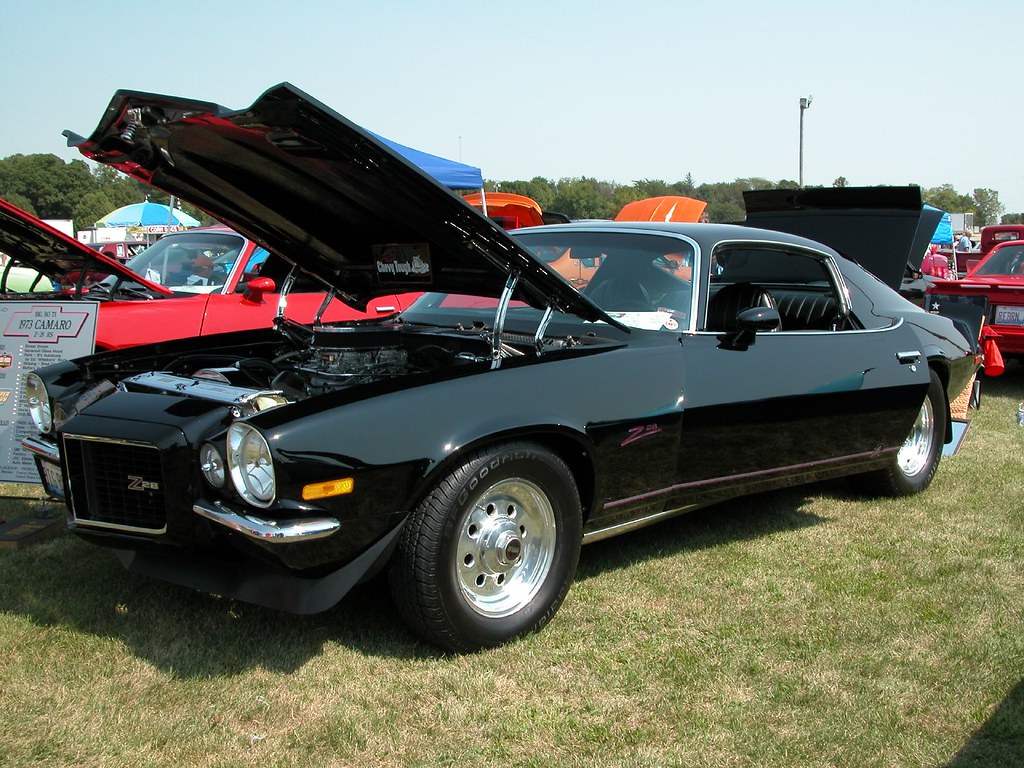
13. **GM Leadership’s Vision: Balancing Tradition and Future**As discussions around the potential return of the Camaro intensify, the insights from General Motors’ own leadership become paramount, offering a glimpse into the corporate philosophy that will ultimately shape the seventh-generation model. GM President Mark Reuss, a figure deeply entrenched in the company’s product development, recently articulated a clear vision for what the next Camaro should embody. His perspective provides critical guidance on how GM intends to navigate the delicate balance between honoring a storied past and embracing an innovative future.
Reuss’s vision for the Camaro is distilled into a concise yet profound formula: he ‘pointed to a formula that balances ‘beauty, a little bit of functionality, and fun.’ This statement is far more than a marketing slogan; it represents a philosophical blueprint for the vehicle’s inherent design and purpose. ‘Beauty’ speaks to its iconic aesthetics and aspirational appeal, ensuring it remains a head-turner. ‘Functionality’ suggests a degree of practicality or usability that extends beyond pure track performance. And ‘fun’ is the quintessential element of any muscle car, promising an engaging and exhilarating driving experience that defines the segment.
This thoughtful articulation by Reuss reinforces the belief that GM is committed to a meticulous and deliberate approach to the Camaro’s evolution. It strongly suggests that the company is not merely considering a reactive reintroduction, but rather a carefully considered reimagining of the nameplate. The goal is clear: to evolve the Camaro for a new era without compromising the fundamental ‘soul’ that has defined it for generations. This forward-thinking yet heritage-respecting approach could see the next Camaro emerge as a sophisticated blend of raw power and refined usability.
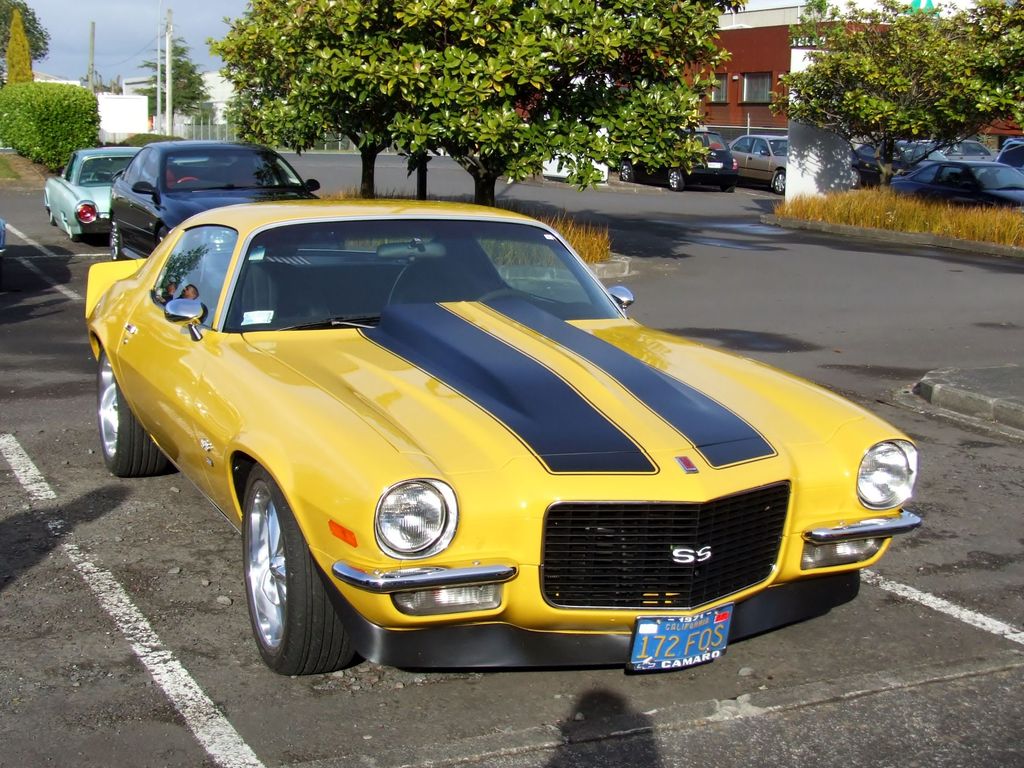
14. **The Unwritten Future: What’s Next for the Camaro?**As the layers of speculation, expert analysis, and strategic hints are peeled back, one overarching truth remains profoundly clear: the ultimate future of the Chevy Camaro is still largely unwritten. While the recent trademark filing in Cambodia and the insights from industry insiders offer tantalizing clues, General Motors has yet to make any official pronouncements regarding a seventh-generation model. The company’s reticence on this specific topic is notable, with ‘GM declined to comment on this article,’ maintaining a veil of corporate discretion around its future product plans for this legendary nameplate.
Despite the official silence, the actions taken by GM speak volumes about the inherent value they still place on the Camaro brand. Trademarks, particularly those explicitly for ‘motor vehicles and parts thereof,’ are rarely filed without a strategic purpose. GM’s decision to actively protect the Camaro name in new international markets underscores a fundamental recognition that the model’s legacy and brand equity remain far ‘too valuable to abandon.’ This strategic preservation suggests that while the exact form and timeline for a return may be uncertain, the intention to keep the option open is undeniable.
Looking ahead, the possibilities for the next iteration of the Camaro are as diverse as the automotive landscape itself. Will it emerge as a traditional, V8-powered coupe, a powerful tribute to its muscle car heritage, perhaps with a hybrid assist to boost efficiency and performance? Or will GM take a bolder leap, pushing the boundaries with an all-electric performance vehicle that redefines what a ‘Camaro’ can be for the modern age? The context suggests a leaning away from a full EV, at least for now, but innovation can always surprise. The challenge will be to capture the essence of the Camaro while navigating evolving consumer tastes and regulatory pressures.
Ultimately, the trademark filing is not a guarantee of an immediate revival, but rather a powerful signal of intent. It confirms that the bowtie brand is not ready to let one of its most iconic names fade into history. The stage is set, the whispers are growing louder, and the anticipation among enthusiasts is palpable. The eventual unveiling of the seventh-generation Camaro will undoubtedly be a momentous occasion, a testament to enduring legacies and the thrilling, unpredictable nature of automotive evolution. The road ahead for the Camaro is still being paved, but the journey promises to be as captivating as the car itself.
As we eagerly await further developments, the potential return of the Chevrolet Camaro symbolizes more than just another car launch; it represents the enduring spirit of American automotive innovation and a deep connection to a cherished past. Whether it roars back onto the scene with a familiar internal combustion engine, embraces a new hybrid power, or boldly steps into an electrified future, the essence of the Camaro — its power, its style, and its undeniable ‘fun’ factor — will undoubtedly be at its core. The filing in Cambodia wasn’t just administrative; it was a spark, reigniting the hope that the legend of the Camaro will indeed continue, promising a thrilling new chapter for enthusiasts and the automotive world alike. The road ahead for the Camaro is still being paved, but the journey to its next iteration promises to be as captivating as the car itself.