Automotive innovation, a constant push for comfort, safety, and performance, has undeniably transformed how we move. Every modern car is a testament to technological advancement, from rearview cameras to sophisticated driver-assist systems, showcasing the incredible strides made in auto tech. Yet, this journey of progress has been far from linear, marked by ambitious ideas that, despite their futuristic allure, ultimately faltered.
The history of automotive technology is dotted with fascinating missteps—inventions that promised to revolutionize but instead became cautionary tales. These weren’t always minor glitches; often, they represented significant financial losses for manufacturers, damaged reputations, or, in some dire cases, even compromised safety. They highlight the delicate balance between innovation and practicality, reminding us that not every leap forward lands perfectly.
From quirky conveniences that never quite caught on to grand engineering feats that buckled under their own weight, these technological detours offer a unique lens into the creative and sometimes misguided thinking that shapes our vehicles. Understanding these failures provides invaluable insights, not just into what went wrong, but also into the relentless pursuit of progress that continues to define the automotive industry. Let’s explore some of the most notable technology failures that have punctuated automotive history.

1. **Chrysler Turbine Engine (1963)**: Chrysler’s Turbine Engine represents one of the most audacious attempts to infuse jet-engine technology into a consumer vehicle. The vision was compelling: an engine that could run on almost any combustible fuel, promising smoother operation and fewer moving parts than traditional internal combustion engines. This ambitious project, initiated in the late 1930s, saw a working prototype emerge by the early 1950s, captivating imaginations with its futuristic promise.
By the 1960s, Chrysler launched a user program with over 200 drivers to test the Turbine Car in real-world conditions. Initial feedback was a mixed bag; while some praised its durability, smooth operation, and low maintenance needs, significant drawbacks quickly surfaced. Drivers found the starting procedure complex, the engine excessively loud, and its acceleration sub-par.
Perhaps the most critical issue, particularly as the 1970s oil crises loomed, was the engine’s abysmal fuel economy. This, combined with extremely high production costs and complex engineering requirements, made mass production financially unviable. The maintenance, too, proved challenging, deterring mechanics and dealerships unfamiliar with such a novel powertrain.
Ultimately, Chrysler was forced to recall and destroy nearly all of the turbine prototypes, a stark conclusion to a three-decade-long endeavor. The project officially closed down in 1979, leaving the Chrysler Turbine Car as a poignant example of an intriguing concept that, despite its revolutionary spirit, succumbed to practical and economic realities. It remains a fascinating yet impractical experiment in automotive history.
Read more about: Dream Machines That Never Drove Off the Drawing Board: Iconic Concept Cars That Missed Production

2. **General Motors’ Automatic Seat Belts**: In the 1970s and 80s, General Motors introduced automatic seat belts, a well-intentioned innovation designed to boost seat belt usage without relying on manual buckling. The system was conceived to automatically move into position when the car door closed, theoretically ensuring passenger safety with minimal effort. It was an attempt to preemptively secure occupants, addressing a critical safety concern of the era.
However, what seemed like a convenience on paper quickly became a source of frustration for many users. Drivers and passengers often found these automatic belts to be uncomfortably restrictive, particularly during the simple acts of entering or exiting the vehicle. The constant motion of the belts was jarring, and they often interfered with natural movements.
Beyond discomfort, the system was plagued by reliability issues. Automatic seat belts were prone to malfunction, leading to instances where belts would jam, trapping or inconveniencing occupants, or failing to engage altogether. This unreliability undermined their primary purpose and eroded consumer trust in their effectiveness as a safety feature.
As airbag technology advanced and proved to be a more effective and less intrusive safety solution, the automatic seat belt’s days were numbered. GM gradually phased out the feature, which had largely been perceived as more of an annoyance than a genuine safety enhancement. It stands as a reminder that sometimes, the simplest solutions are the most effective, especially when it comes to basic user interaction.
Read more about: Think Smart: 10 Budget Small Cars – Why Some Are Reliability Legends While Others Are Best Avoided in 2026
3. **Ford Pinto’s Fuel Tank Design (1970s)**: The Ford Pinto entered automotive history not for its innovation, but for a catastrophic design flaw that led to one of the most infamous safety failures. Its rear-mounted fuel tank, positioned precariously close to the rear axle, made it highly susceptible to rupture in even moderate rear-end collisions. This design oversight transformed what should have been a protective system into a severe fire hazard.
The tragic consequences of this design flaw were numerous, resulting in serious burn injuries and, tragically, several fatalities. What amplified the scandal was the revelation that Ford engineers were aware of the vulnerability. Internal documents suggested the company had conducted a cost-benefit analysis, reportedly calculating that it would be cheaper to pay out lawsuits than to implement a design fix.
This corporate decision, prioritizing cost savings over human lives, sparked widespread public outrage and a wave of devastating lawsuits. The scandal not only severely damaged Ford’s reputation but also triggered significant changes in automotive safety regulations. The Pinto became a chilling case study in corporate negligence, underscoring the critical importance of ethical decision-making in vehicle design.
New safety standards were subsequently enacted, compelling manufacturers to drastically improve fuel tank safety and integrity. The Ford Pinto remains an enduring symbol of how a fundamental design flaw, compounded by questionable corporate ethics, can have catastrophic and long-lasting repercussions, influencing both industry practices and consumer expectations for decades to come.
Car Model Information: 1980 Ford Pinto WAGON
Name: Ford Pinto
Caption: Ford Pinto
Manufacturer: Ford Motor Company
Aka: Mercury Bobcat
Production: September 1970 – July 1980
ModelYears: 1971–1980 (Pinto),1974–1980 (Bobcat)
Assembly: Edison, New Jersey,Milpitas, California
Designer: Robert Eidschun (1968)
Class: Subcompact car
BodyStyle: Sedan (automobile),sedan delivery,station wagon,hatchback
Related: #Mercury Bobcat (1974–1980),Ford Mustang (second generation)
Layout: Front-engine, rear-wheel-drive layout
Chassis: Unibody
Engine: unbulleted list
Abbr: on
Disp: Ford Cologne engine
Transmission: unbulleted list
Wheelbase: 94.0 in
Length: 163 in
Width: 69.4 in
Height: 50 in
Weight: convert
Predecessor: Ford Cortina#Mark II (1966–1970)
Successor: Ford Escort (North America)
Categories: 1980s cars, Articles with short description, Cars discontinued in 1980, Cars introduced in 1970, Commons category link from Wikidata
Summary: The Ford Pinto is a subcompact car that was manufactured and marketed by Ford Motor Company in North America from 1970 until 1980. The Pinto was the first subcompact vehicle produced by Ford in North America.
The Pinto was marketed in three body styles throughout its production: a two-door fastback sedan with a trunk, a three-door hatchback, and a two-door station wagon. Mercury offered rebadged versions of the Pinto as the Mercury Bobcat from 1975 until 1980 (1974–1980 in Canada). Over three million Pintos were produced over its ten-year production run, outproducing the combined totals of its domestic rivals, the Chevrolet Vega and the AMC Gremlin. The Pinto and Mercury Bobcat were produced at Edison Assembly in Edison, New Jersey, St. Thomas Assembly in Southwold, Ontario, and San Jose Assembly in Milpitas, California.
Since the 1970s, the safety reputation of the Pinto has generated controversy. Its fuel-tank design attracted both media and government scrutiny after several deadly fires occurred when the tanks ruptured in rear-end collisions. A subsequent analysis of the overall safety of the Pinto suggested it was comparable to other 1970s subcompact cars. The safety issues surrounding the Pinto and the subsequent response by Ford have been cited widely as business ethics and tort reform case studies.
Get more information about: Ford Pinto
Buying a high-performing used car >>>
Brand: Ford Model: Pinto
Price: $5,951 Mileage: 107,000 mi.
Read more about: 10 Iconic American Cars That Are Simply Too Dangerous for Today’s Roads

4. **Automated Scent Dispensers**: In a quest to elevate the in-car experience, some automakers experimented with automated scent dispensers, aiming to introduce a touch of luxury through customizable ambient fragrances. The idea was to create a consistently pleasant atmosphere, allowing drivers to select and deploy various scents to suit their mood or preferences, making every journey more enjoyable.
However, this seemingly sophisticated feature quickly encountered significant user resistance. Many consumers found the artificial or often overpowering nature of the dispensed scents to be more irritating than pleasant. What one person considered a refreshing aroma, another found cloying or synthetic, leading to a highly subjective and often negative user experience.
Practical issues further compounded the problem. The dispensers were frequently difficult to clean, leading to a buildup of residual odors that could become stale or mix unpleasantly over time. Refilling the specialized scent cartridges was also often cumbersome and expensive, adding an unwelcome layer of maintenance to a supposed luxury.
Critically, the feature failed to account for a diverse range of sensitivities. Drivers and passengers with allergies, asthma, or general sensitivities to strong fragrances experienced adverse reactions, rendering the system impractical for a significant segment of the population. As a result of these widespread complaints and limited appeal, most carmakers quietly discontinued automated scent dispensers, relegating them to a minor, albeit telling, footnote in automotive history.
Read more about: Beyond the Bar: How Automated Blenders Are Redefining Freshness and Efficiency in the Juice Industry

5. **Cadillac’s Built-In Toilet (1947)**: In 1947, Cadillac embarked on a truly unique, if short-lived, experiment with luxury and convenience: the “Sanitary Unit,” essentially a built-in toilet for the backseat. The concept might have been born from a desire to provide unparalleled comfort for long journeys, removing the need for roadside stops and enhancing the exclusivity of the luxury sedan experience.
While the notion of an in-car restroom might sound appealing for extended trips, the practicalities of its implementation in a moving vehicle proved insurmountable. The logistics of using such a feature while the car was in motion presented obvious and significant challenges, ranging from stability concerns to privacy issues within the confines of a car cabin.
Furthermore, the sanitation and hygiene aspects were severely limited by the technology of the time. The lack of effective odor control mechanisms meant that the feature often created an unappealing environment rather than a comfortable one. The sophisticated waste management systems we see in modern RVs were simply not available or feasible for integration into a sedan.
Beyond the technical and practical hurdles, the concept itself faced a significant public perception problem. Many potential buyers found the idea of a built-in toilet in a luxury car to be embarrassing, unnecessary, or even uncivilized. Cadillac quickly recognized the impracticality and the negative market reception, discontinuing the feature. This bold experiment demonstrated that some conveniences, while perhaps well-intended, are simply better suited for purpose-built vehicles like RVs than for passenger sedans.

6. **Pontiac’s Talking Car (1980s)**: The 1980s saw Pontiac introduce a novel “talking car” feature, an innovation designed with the laudable goal of enhancing driver safety through audible warnings. The idea was to provide vocal reminders for critical safety checks like seat belts, along with alerts for low fuel levels and other potential issues, ensuring drivers were always informed and attentive.
Despite its safety-oriented intent, this feature quickly veered from being a helpful assistant to a persistent irritant. Drivers found the constant stream of voice reminders intrusive and highly distracting. Minor issues or routine operations, when accompanied by a repetitive vocal alert, became a source of significant annoyance rather than a useful prompt.
Adding to the frustration was the actual quality of the voice itself. Described as robotic and often unnerving, the synthesized voice failed to provide the reassurance and clarity that advanced driver-assist systems aim for today. Instead, it frequently contributed to a sense of unease or even impatience among occupants.
The overwhelming feedback from consumers made it clear: drivers preferred traditional, subtle dashboard warnings over a car that wouldn’t stop talking. The feature was eventually removed, serving as a valuable lesson in user experience design. It highlighted that while technology can enhance safety, the *way* that information is delivered must be carefully considered to avoid overwhelming or irritating the user, leading to rejection of the innovation.
Car Model Information: 2021 Maserati Ghibli S Q4 GranSport
Name: Pontiac GTO
Caption: 2005 Pontiac GTO
Manufacturer: Pontiac (automobile),Holden
Class: Mid-size car,Compact car,Mid-size car
Production: 1963–1974,2003–2006
Predecessor: Pontiac Tempest
Layout: Front-engine, rear-wheel-drive layout
ModelYears: 1964-1974 2004-2006
Categories: 1970s cars, 2000s cars, All articles with unsourced statements, Articles with short description, Articles with unsourced statements from October 2008
Summary: The Pontiac GTO is a front-engine, rear-drive, two-door, and four-passenger automobile manufactured and marketed by the Pontiac division of General Motors over four generations from 1963 until 1974 in the United States — with a fifth generation made by GM’s Australian subsidiary, Holden, for the 2004 through 2006 model years.
The first generation of the GTO is credited with popularizing the muscle car market segment in the 1960s. Some consider the Pontiac GTO to have started the trend with all four domestic automakers offering a variety of competing models.
For the 1964 and 1965 model years, the GTO was an optional package on the intermediate-sized Pontiac LeMans. The 1964 GTO vehicle identification number (VIN) started with 22, while the 1965 GTO VIN began with 237. The GTO was designated as a separate Pontiac model from 1966 through 1971 (VIN 242…). It became an optional package again for the 1972 and 1973 intermediate LeMans. For 1974, the GTO was an optional trim package on the compact-sized Ventura.
The GTO model was revived for the 2004 through 2006 model years as a captive import for Pontiac, a left-hand drive version of the Holden Monaro, itself a coupé variant of the Holden Commodore.
Get more information about: Pontiac GTO
Buying a high-performing used car >>>
Brand: Pontiac Model: Talking Car
Price: $33,440 Mileage: 24,509 mi.

7. **BMW’s Joystick Shifter (2000s)**: In the early 2000s, BMW, known for its focus on driver engagement and cutting-edge design, introduced a joystick-like shifter, intending to modernize the traditional gear selector and streamline the interior. This innovative design was meant to replace the conventional mechanical linkage with an electronic one, offering a more compact and perhaps visually appealing control interface.
However, this departure from the familiar quickly proved to be a source of widespread confusion for many drivers. Its operation was far from intuitive, often leading to unintended gear changes, or significant difficulty in confidently selecting reverse or park. The lack of tactile feedback and the subtle movements required contrasted sharply with the more definite engagement of traditional shifters.
The unintuitive design had serious safety implications. Numerous incidents were reported where drivers inadvertently left the car in the wrong gear, mistakenly believing it was in park, leading to dangerous rollaways and even accidents. This user interface failure highlighted the critical importance of clear, unambiguous controls, especially for fundamental vehicle operations.
In response to a barrage of complaints and the need for significant recalls to address the safety concerns, BMW eventually reverted to a more conventional shifter design. This episode served as a significant learning curve for the luxury automaker, demonstrating that while innovation is crucial, it must never come at the expense of usability and intuitive operation, especially when dealing with core vehicle controls.
Continuing our journey through the annals of automotive ambition, it becomes clear that the road to innovation is often paved with good intentions and sometimes, unexpected detours. The lessons from these earlier attempts at revolutionizing the driving experience are crucial. They illuminate how even the most brilliant engineering minds can sometimes misjudge user needs, economic realities, or simply the technological limitations of their era.
These subsequent examples offer further insights into the complex dance between groundbreaking ideas and the practicalities of mass market adoption. From safety features that over-promised to powerplants that underperformed, each story contributes a vital piece to the mosaic of automotive development. Understanding these missteps helps us appreciate the careful considerations that go into today’s sophisticated vehicle systems and reinforces the enduring pursuit of the perfect ride.

8. **Lincoln’s Power-Operated Headlights (1950s)**In the 1950s, Lincoln introduced a feature known as the “Autronic Eye,” an ambitious piece of technology designed to automate a mundane but important driving task: dimming high-beam headlights. The concept was simple yet groundbreaking for its time: a photoelectric sensor would detect oncoming traffic and automatically switch from high beams to low beams, aiming to enhance nighttime driving safety and convenience for all.
However, the execution of this innovative system was far from flawless. Drivers quickly discovered that the Autronic Eye was often unreliable. It frequently failed to detect approaching vehicles in varying lighting conditions or misjudged distances, leading to moments where oncoming drivers were inadvertently blinded by un-dimmed high beams. This forced many Lincoln owners to constantly override the system manually, defeating its purpose and making it more of a nuisance than an aid.
The technological limitations of the era meant that the sensor technology wasn’t sophisticated enough to handle the nuances of real-world driving environments. Despite its forward-thinking design, the Autronic Eye proved to be more hassle than help, and Lincoln eventually abandoned the feature. While modern adaptive headlight systems have since perfected this original vision, the Autronic Eye stands as an early, albeit flawed, attempt at intelligent automation in vehicles.
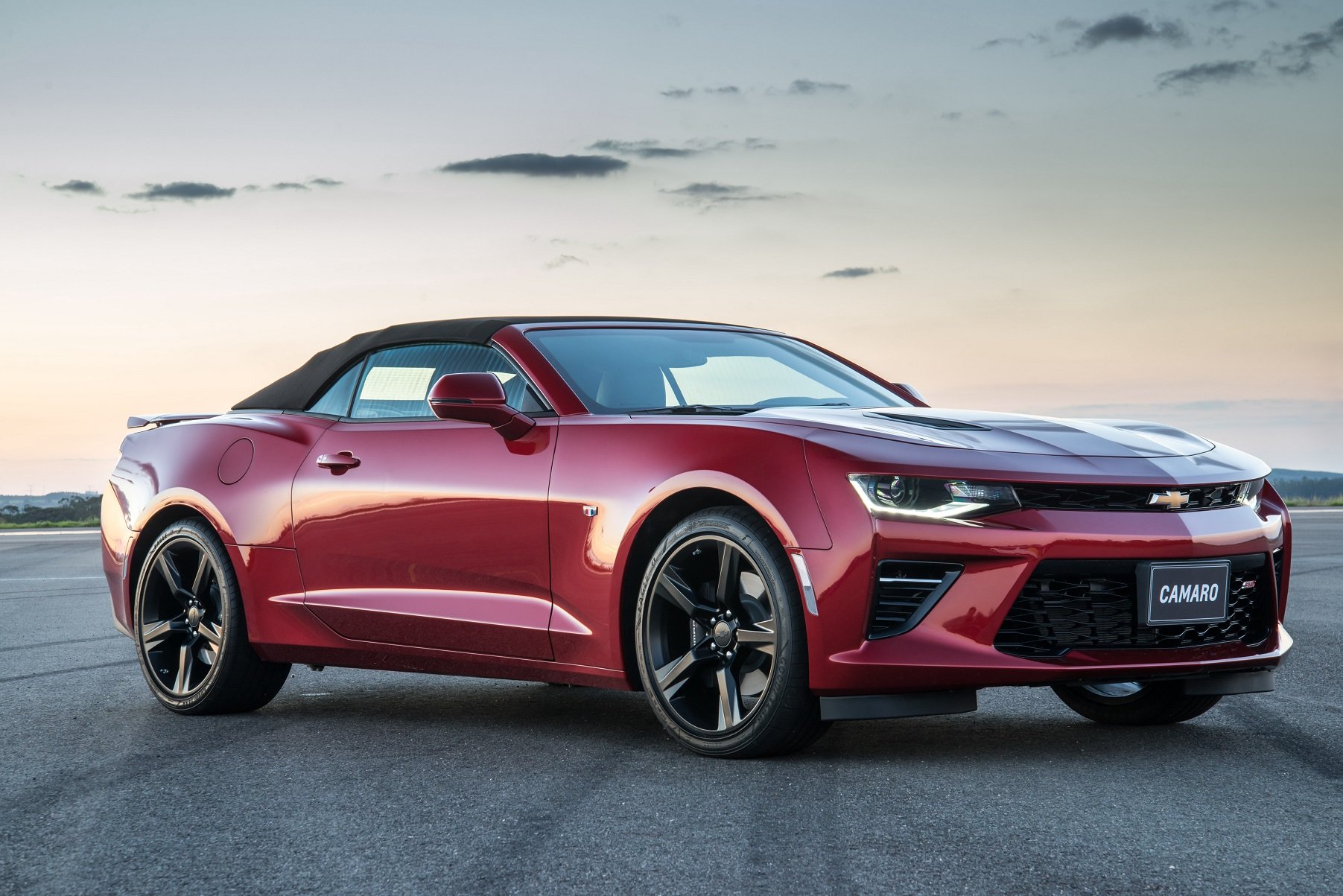
9. **Chevrolet’s Liquid Tire Chain (1960s)**The quest for enhanced traction in adverse weather conditions has always been a priority for automakers, and in the 1960s, Chevrolet offered a truly unique solution: the “Liquid Tire Chain.” This ingenious concept involved a system that would spray a special traction-enhancing chemical directly onto the rear tires, aiming to provide better grip on icy or snowy roads without the cumbersome process of manually installing physical chains.
While the idea of a spray-on traction aid sounded incredibly convenient, its real-world performance left much to be desired. Drivers found that the chemical spray proved largely ineffective in genuinely icy or deep snowy conditions. It simply failed to provide the sufficient grip needed to safely navigate treacherous surfaces, rendering the system largely moot when it was needed most.
Compounding its lack of effectiveness were practical issues that quickly eroded consumer satisfaction. The chemical residue from the spray often splattered onto the car’s paintwork and surrounding body, causing damage and requiring frequent cleaning. Given its limited practical benefits and the added maintenance headaches, Chevrolet quickly phased out the Liquid Tire Chain, relegating it to a short-lived novelty in automotive history.

10. **Mazda’s Rotary Engine (1970s)**Mazda’s commitment to the Wankel rotary engine, beginning in the 1960s and particularly prominent in the 1970s, represented one of the boldest attempts to revolutionize the internal combustion engine. This distinctive engine design promised a high power-to-weight ratio from a compact unit, boasting fewer moving parts and theoretically smoother operation compared to conventional piston engines. For a period, it seemed poised to be a genuine game-changer.
However, the rotary engine was plagued by several significant drawbacks that ultimately hindered its widespread adoption. Foremost among these were its notoriously poor fuel efficiency and high exhaust emissions, which became increasingly problematic as environmental regulations tightened. Furthermore, the engine suffered from frequent reliability issues, particularly with apex seal wear, leading to costly and often complex maintenance for consumers.
The unconventional architecture of the rotary engine also presented challenges for service and repair. It required specialized mechanics and unique tooling, making it more difficult and expensive to maintain than traditional engines. This created a barrier for many dealerships and independent garages, further impacting its commercial viability and user experience.
Despite its unique advantages and a passionate following, Mazda eventually retired the widespread use of the rotary engine in mainstream models due to escalating emission regulations and a growing consumer demand for more fuel-efficient and conventional powerplants. While it remains a niche marvel and a testament to engineering creativity, the rotary engine’s disadvantages ultimately outweighed its innovative benefits, securing its place as a distinctive, yet ultimately limited, chapter in automotive history.
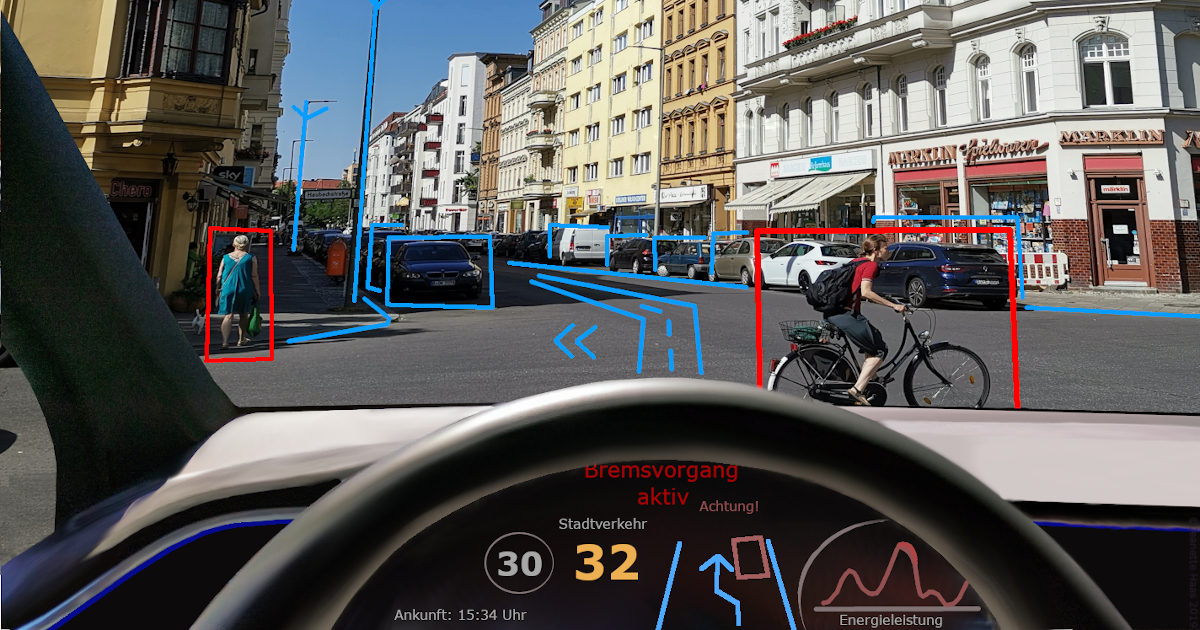
11. **The World’s First Self-Driving Death (Uber – 2018)**The incident in 2018 involving a self-driving Uber test car, which resulted in the tragic death of 49-year-old Elaine Herzberg, marked a sobering and pivotal moment for the burgeoning autonomous driving industry. This event sent shockwaves through the tech and automotive sectors, bringing immense scrutiny to the safety protocols and ethical considerations surrounding autonomous vehicle (AV) development.
Investigations into the incident revealed a confluence of factors, ultimately attributing the primary cause to human error on the part of the vehicle’s safety driver. It was reported that the driver had been distracted, spending a significant portion of her time looking at her phone and even streaming an online television show just moments before the impact. While these actions directly violated Uber’s safety policies, the incident highlighted broader, systemic issues.
Beyond the immediate human failing, this fatality sparked crucial discussions about the limitations of autonomous technology itself, sensor capabilities, and the critical role of human supervision in self-driving tests. Despite the fact that AVs have, statistically, been involved in few traffic deaths and that most reported crashes have been minor, the 2018 incident caused immense public consternation, eroding a degree of trust in autonomous capabilities.
Its lasting impact has been profound, catalyzing calls for significant changes to auto tech development approaches and a much greater, more explicit focus on safety in the advancement and deployment of autonomous vehicle systems. It underscored that even with cutting-edge technology, the human element—both in design and oversight—remains paramount.

12. **Bose’s Ambitious Suspension Project (mid-2000s)**Bose, a name synonymous with high-quality audio, once embarked on an incredibly ambitious—and ultimately commercially unsuccessful—venture into automotive suspension technology. Demonstrated in the mid-2000s, this project sought to revolutionize ride comfort and vehicle dynamics using an electromagnetic suspension system, a radical departure from traditional hydraulic shock absorbers.
The technology was nothing short of extraordinary. It utilized linear electric motors strategically placed at each wheel, which could retract and extend instantaneously in response to real-time road sensor data. This allowed the system to react within milliseconds, enabling a car to seemingly glide effortlessly over potholes, absorb bumps, and even “jump” over obstacles while maintaining a remarkably level ride quality.
Despite its phenomenal performance in demonstrations, Bose’s foray into car suspension proved to be a commercial disaster. The primary hurdles were formidable: the system added significant weight to the vehicles, and its sophisticated engineering made it prohibitively expensive for mass production. These economic and practical obstacles, compounded by the global financial crisis of 2007-2008, solidified the project’s fate.
However, it wasn’t a complete failure. While Bose itself eventually abandoned the automotive suspension business, the groundbreaking technology was later sold to a company called Clearmotion. They have since developed and refined the system, transforming it into a significantly lighter and more viable solution that has already piqued the interest of several major automobile manufacturers, showcasing how even commercial missteps can lay groundwork for future breakthroughs.

13. **Ford Th!nk (1999)**Ford’s venture into the electric vehicle market with the “Th!nk” brand, acquired in 1999, stands as a dramatic cautionary tale of an early, albeit premature, attempt at electrification. The very name, often stylized with an exclamation point, ironically became synonymous with a lack of foresight regarding the market’s readiness for EVs at that specific juncture.
At the turn of the millennium, the electric and hybrid vehicle market was virtually non-existent, a stark contrast to today’s rapidly expanding sector. In 1999, for instance, only a minuscule 17 electric-hybrid vehicles were sold across the entire United States. This nascent market provided scant opportunities for car manufacturers, and despite Ford’s initial hopes of breathing new life into electric cars, patience quickly wore thin, leading them to divest the company by 2003.
A significant part of Th!nk’s downfall can be attributed to the vehicle itself, which struggled to distinguish itself from an expensive golf cart. Characterized by its small stature, low top speeds, and limited range, the Th!nk car failed to meet consumer expectations for a practical road vehicle. The company’s simultaneous production of golf carts and bicycles further blurred its identity, making it difficult for consumers to perceive it as a serious automotive contender.
Ultimately, Th!nk Global filed for bankruptcy for the fourth and final time in 2011. Despite its commercial failure, it’s crucial to acknowledge that Th!nk achieved several notable milestones, including creating some of the world’s first crash-tested, highway-certified electric cars. It served as a valuable, if costly, learning experience for Ford and the broader industry, demonstrating the challenges of introducing revolutionary technology before the market—and the technology itself—is truly ready.
As we reflect on these diverse technological failures throughout automotive history, a clear pattern emerges: innovation is a relentless, often messy, but always essential journey. Each misstep, whether due to unforeseen technical challenges, economic impracticalities, or misjudged consumer preferences, has contributed invaluable lessons to the industry’s collective knowledge. These aren’t just stories of what went wrong; they are narratives about the persistent drive to build better, safer, and more efficient vehicles.
From turbine engines that burned too much fuel to self-driving systems that needed more human oversight, these past failures have laid crucial groundwork. They’ve informed subsequent designs, pushed engineers to refine safety protocols, and taught manufacturers the importance of intuitive user experience. The cars of today, with their advanced driver-assist systems, efficient powertrains, and sophisticated infotainment, are in many ways a direct result of learning from these ambitious experiments that didn’t quite make the cut. The path to progress is rarely straight, but it is always moving forward, continually shaped by the lessons of its own past.