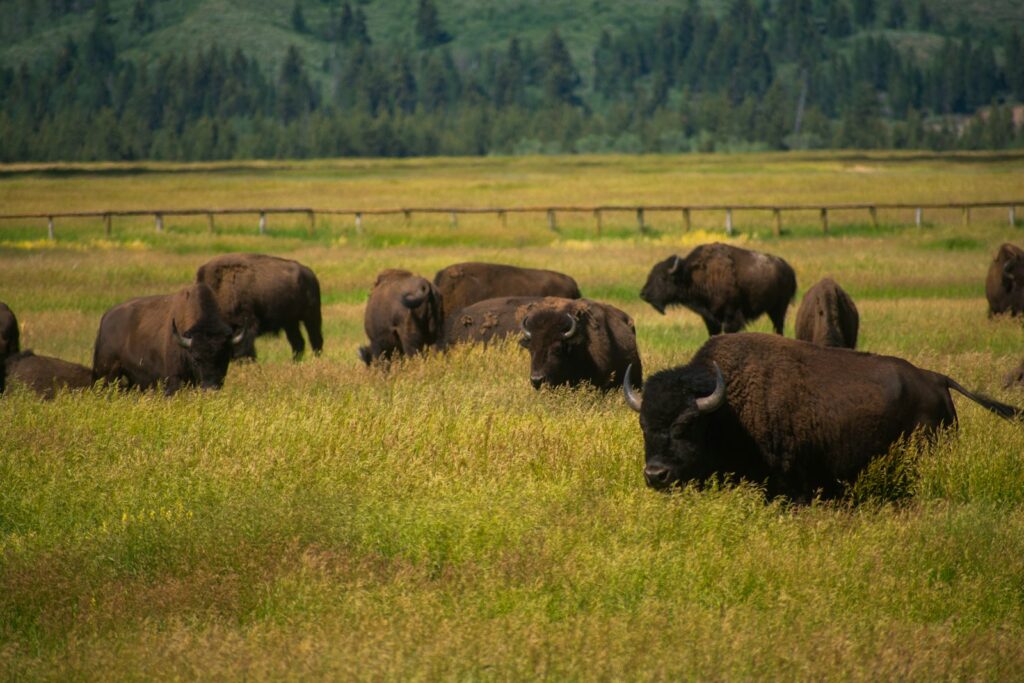
Let’s be real: we’ve all probably, at some point, seen a wild animal online and thought, ‘Wouldn’t it be cool to have one of those?’ Maybe it’s a social media sensation, or perhaps a favorite movie character had an exotic sidekick. The allure of owning something truly unique, something that screams ‘status symbol,’ can be incredibly powerful. However, the cold, hard truth is that wild animals are exactly that – *wild* – and no amount of human affection or specialized care can change their fundamental nature.
Pets, at their core, are a lifetime commitment, demanding love, attention, and a suitable environment. Wild animals, on the other hand, are designed for the wild. They possess intricate dietary needs that only their natural habitat can truly fulfill, and many require vast territories for proper exercise and mental stimulation. Confining these creatures, especially large predators, to small, unnatural spaces often leads to severe depression, self-mutilation, or aggressive outbursts. Sadly, these crucial facts are frequently overlooked in the pursuit of bragging rights or a fleeting trend, often resulting in tragic outcomes for the animals.
While every U.S. state has its own individual laws on which exotic animals are allowed as pets, many of these regulations are desperately in need of revision. It’s a complex legal landscape where the permission to own an animal doesn’t equate to its suitability as a pet. We’re about to take a deep dive into 14 such animals – creatures that, astonishingly, you can legally own in various parts of the USA. But as you’ll see, legality is often a far cry from responsibility, and the reasons why they are absolutely *not* meant to be pets far outweigh any perceived ‘coolness’ factor.
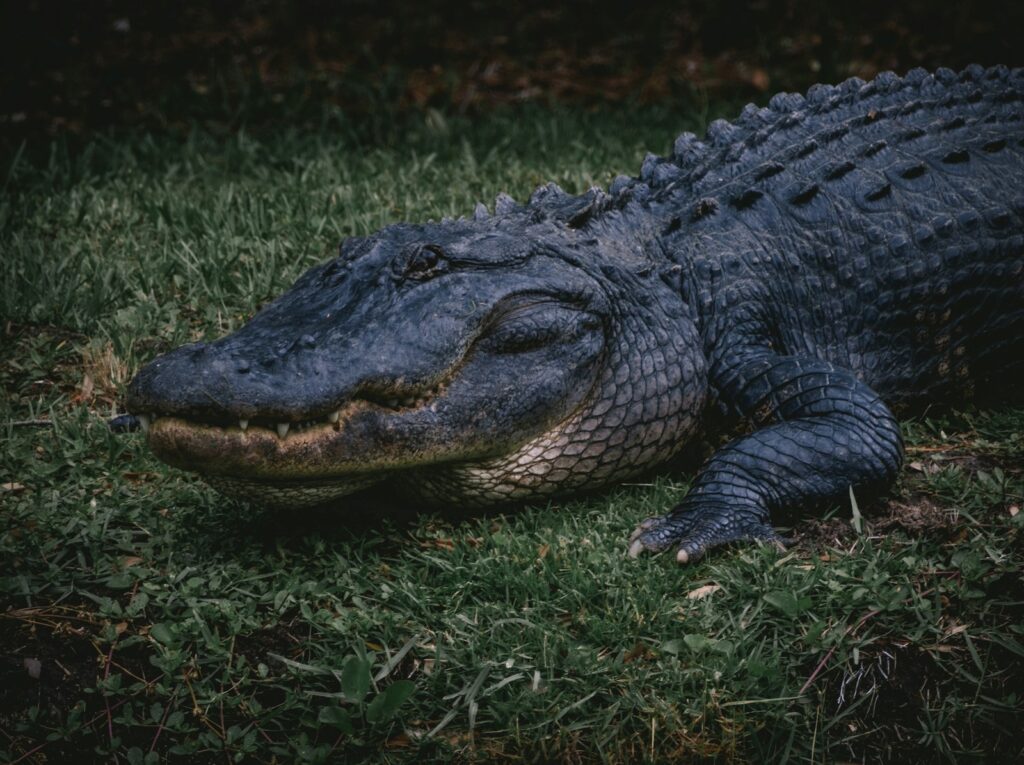
1. **Alligator**Yes, you absolutely read that correctly. Alligators, fearsome reptiles synonymous with the swamps and bayous of the American South, are somehow legal to own in certain states. While they might be smaller than their crocodile cousins, let’s not kid ourselves: these aren’t your average backyard critter. Alligators can reach staggering lengths of up to 13 feet and weigh a colossal 800 pounds. Imagine that in your living room, or even your ‘spacious’ backyard.
Even if you happen to have a pond in your backyard, it is profoundly unsuitable for such a massive reptile. Alligators are apex carnivores with an insatiable appetite, quite literally willing to eat anything – including a dog, a cat, or, yes, even a human. Their natural instincts are incredibly powerful, honed over millions of years of evolution, and cannot be tamed or suppressed by domestication.
Furthermore, the commitment to an alligator is, well, for a lifetime, and possibly beyond yours! These ancient creatures can live for up to 50 years, meaning you might be passing on the responsibility of a massive, meat-eating reptile to your heirs. Generally, owning such a large reptile requires a permit, along with a properly enclosed area designed to contain a creature of its size and power. Owners must also take full responsibility for their pet, a burden far heavier than most can possibly imagine.
Read more about: Unleash the Roar: 12 Iconic Convertibles That Defined Eras and Demand Attention on Every Road!
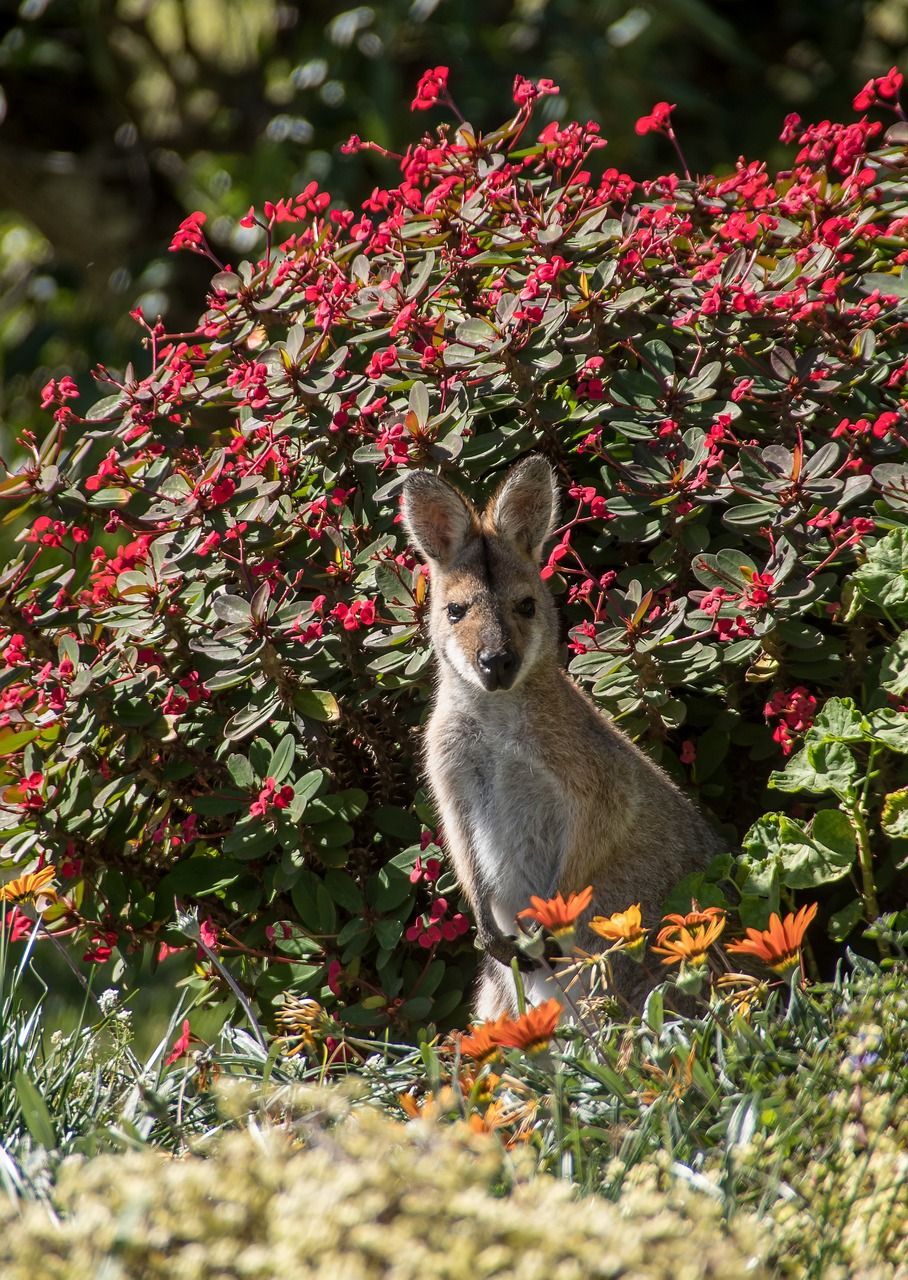
2. **Wallaby**Often affectionately dubbed ‘mini kangaroos,’ wallabies capture hearts with their unique appearance. Native to the vast open spaces of Australia, these marsupials might seem like a manageable exotic pet dueing to their smaller size compared to their larger cousins. However, they are far from being easy-to-care-for companions, possessing needs that are inherently difficult, if not impossible, to meet in a typical home environment.
Wallabies need an incredible amount of open space to jump around. These animals are built for movement, for clearing vast distances with powerful leaps. A domestic backyard, no matter how large, simply doesn’t compare to their natural habitat. They are also known as formidable ‘escape artists’ and can easily clear a fence, leading to potential dangers for both the animal and the public if they get loose.
Their diet is also highly specific, demanding a constant supply of grass, leaves, and fruit to maintain their health. Providing this consistently and in sufficient quantities, especially outside their natural environment, is a monumental task. Adding to the complexity, wallabies are highly social animals and thrive when living with others of their kind. Expecting a single wallaby to flourish in isolation is simply unrealistic and unfair, not to mention their nocturnal nature which clashes significantly with human schedules.
Read more about: Dream Trips: 21 Incredible Destinations to Add to Your Bucket List
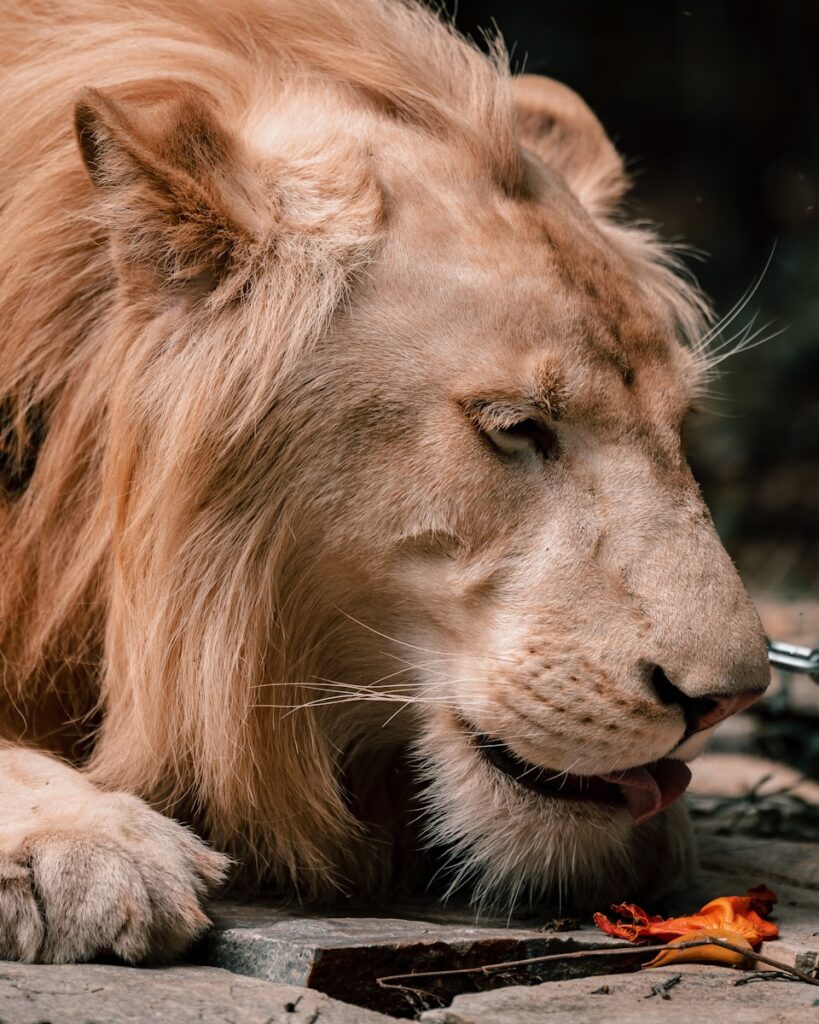
3. **Lion**The majestic ‘king of the jungle’ epitomizes wild power and untamed spirit. The very thought of owning a lion, a creature so inherently formidable, speaks to a desire for ultimate status, yet it fundamentally ignores the immense dangers and ethical implications involved. Lions are large predators for a reason: they are powerful, fearless, and unequivocally wild, no matter how early or ‘lovingly’ they are raised.
While these magnificent felines may spend a significant portion of their day sleeping—up to 20 hours—the remaining hours are dedicated to essential wild behaviors: hunting, eating, and roaming. Lions live in prides, complex social structures typically consisting of around 30 individuals, predominantly lionesses and their cubs. Replicating such an intricate social environment in captivity for a solitary pet is an impossibility that leads to severe behavioral issues and distress for the animal.
Their dietary needs are equally daunting, requiring 10-20 pounds of raw meat *a day*. This isn’t just a matter of cost; it’s about providing the right nutrients and mimicking a predatory diet that a domestic environment can never truly replicate. Even if a lion is raised from birth by humans, its wild instincts remain intact. Its powerful jaws can easily kill a person, making it an unpredictable and deadly companion, regardless of any perceived bond.
Read more about: Where Are They Now? 7 Once-Dominant Car Brands Grappling for Survival in Today’s Volatile Market
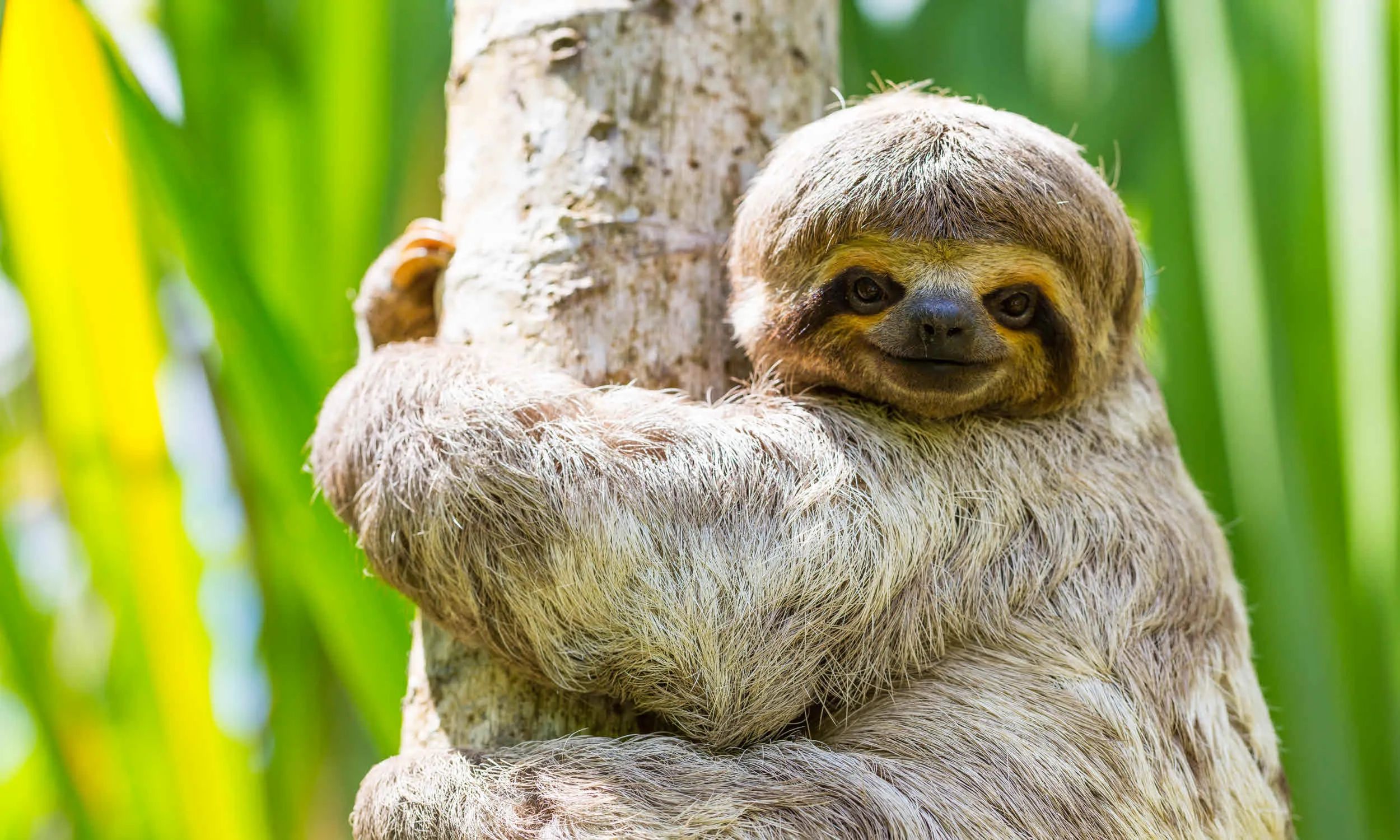
4. **Sloth**Ah, the sloth. With its famously slow movements and seemingly laid-back demeanor, it might seem like the perfect pet for the ultimate couch potato. But beneath that tranquil exterior lies a creature with highly specialized needs that are utterly impossible to replicate in a typical home environment. The idea of a pet sloth, while whimsical, is actually a cruel fantasy for these delicate animals.
Sloths require a very specific tropical climate to thrive, a humidity and temperature range that is simply unattainable without extremely sophisticated and costly enclosures. Their fur, interestingly, is a miniature ecosystem in itself, often home to various insects and even algae, which is a natural and necessary part of their existence in the wild. This further underscores their unsuitability for a sterile, domestic setting.
Their diet is also quite particular, consisting primarily of leaves, fruits, bugs, and occasionally a small lizard. Sourcing and maintaining such a precise and varied diet is a challenge in itself, often leading to nutritional deficiencies for captive sloths. Perhaps most tellingly, sloths are designed with long, specialized claws primarily for hanging in trees. They spend nearly all their lives suspended upside down, descending only about once a week to use the bathroom. This arboreal existence means they are completely out of their element on the ground, and their unique physiology makes them incredibly vulnerable and stressed in an artificial, tree-less environment. Tragically, many sloths kept as pets are stolen from their native habitats, fueling an illicit trade that devastates wild populations.
Read more about: Beyond Bad: Unraveling the Precision of ‘Worse’ and ‘Worst’ in Automotive Evaluation
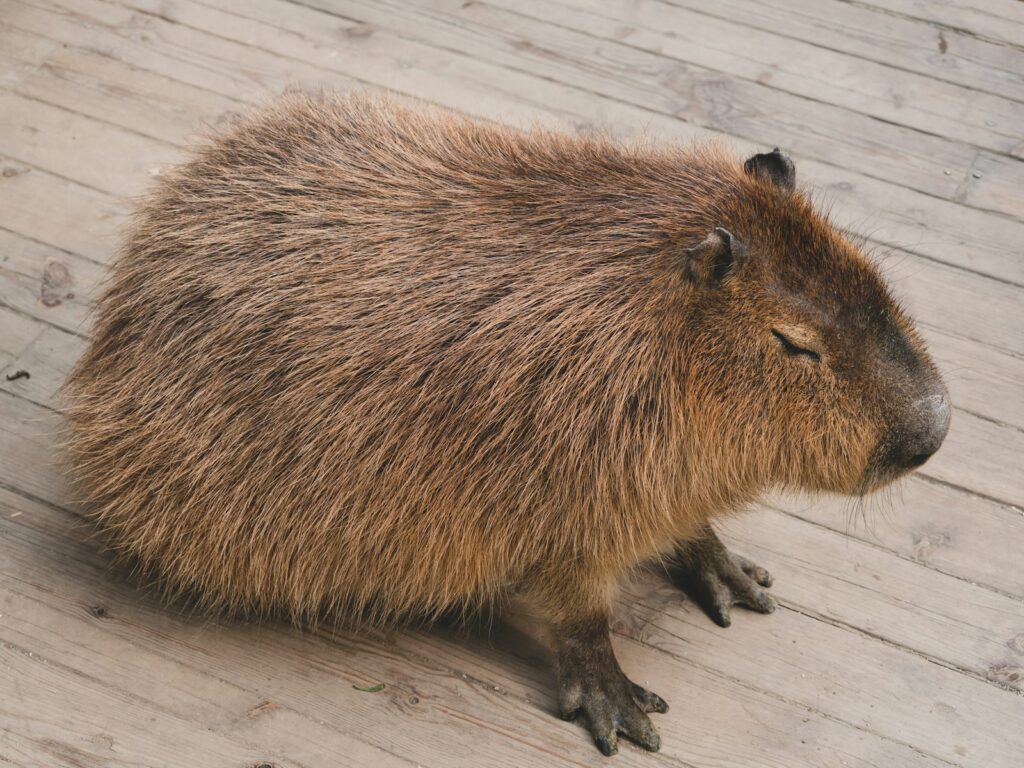
5. **Capybara**The capybara, often described as an ‘adorable rodent,’ has gained a certain level of internet fame, leading many to feel an inexplicable urge to own one. They are indeed unique, being the largest rodents in the world, but their cuteness belies complex social and environmental requirements that make them profoundly unsuitable as household pets. Their very nature demands a lifestyle that cannot be contained within human dwellings.
These fascinating animals are highly social, needing to live in groups with others of their kind for proper psychological well-being. A solitary capybara is a lonely and often distressed capybara, unable to fulfill its innate social drives. Moreover, they are semi-aquatic creatures, spending the majority of their time in or near water. A simple pool or even a large bathtub is insufficient; they require ample, clean water bodies for swimming, soaking, and essential hygiene.
Like all rodents, a capybara’s teeth grow continuously throughout its life. To prevent painful overgrowth, they need to chew on a vast quantity of specific plants. This isn’t just a casual nibble; it’s a constant, vital activity that helps maintain their dental health. Furthermore, capybaras are notoriously picky eaters, demanding a wide variety of fresh plants and plenty of land for foraging. Without this precise and abundant nutrition, they will not receive the proper sustenance, leading to health problems and a diminished quality of life.
Read more about: The Top 17 Infamous Video Game Fan Bases You Love to Hate
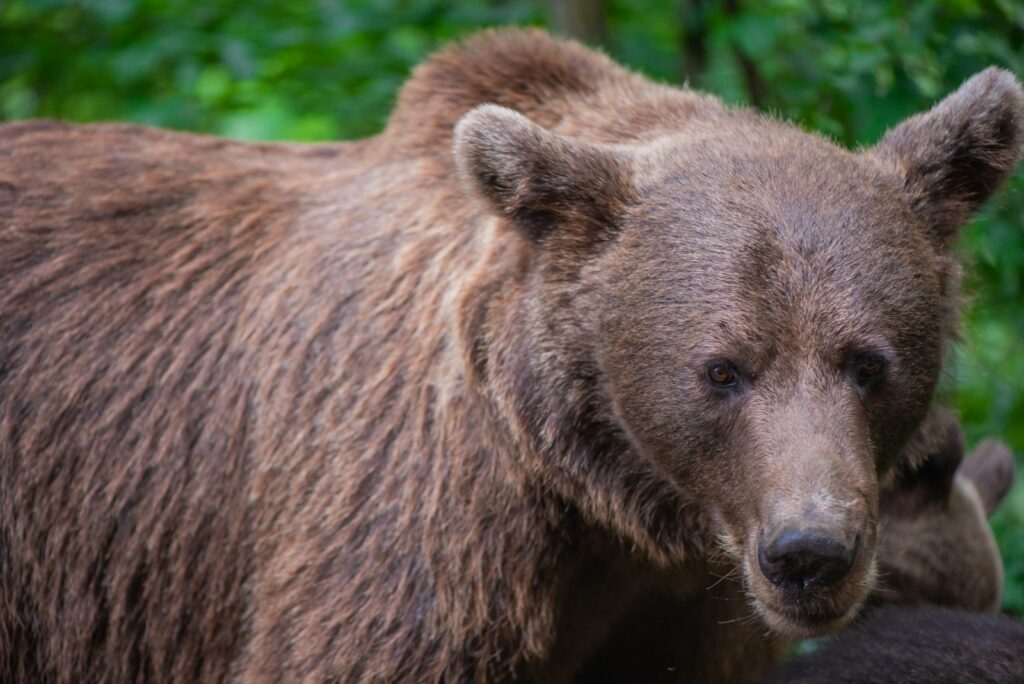
6. **Bear**Bears. Just the name conjures images of raw power and untamed wilderness. These magnificent creatures can stand up to 8 feet tall and weigh over 500 pounds, making them an imposing presence. Due to their sheer size alone, the notion of keeping a bear as a pet should immediately strike anyone as ludicrous. They are simply not built for companionship, nor can any human residence adequately accommodate their physical needs.
Beyond their colossal dimensions, bears are apex predators. This means they are at the top of their food chain, equipped with instincts and physical capabilities designed for hunting and survival in the wild. They require an enormous amount of space to roam, forage, and engage in their natural behaviors, which include climbing, digging, and hibernating (for some species). Confining such an animal to even a large plot of land severely curtails its natural life and leads to immense suffering.
It is, thankfully, illegal to own any of the eight species of bears in many states across the U.S. However, the fact that some states still allow it with a permit is a testament to the varying and often inadequate nature of exotic animal laws. Even with a permit, the immense responsibility and inherent danger of owning a bear – a powerful, unpredictable wild animal – remain an ethical quagmire and a significant public safety risk.
Read more about: Classic Cars That Looked Fast But Weren’t: The Ultimate Guide to Automotive Style Over Speed
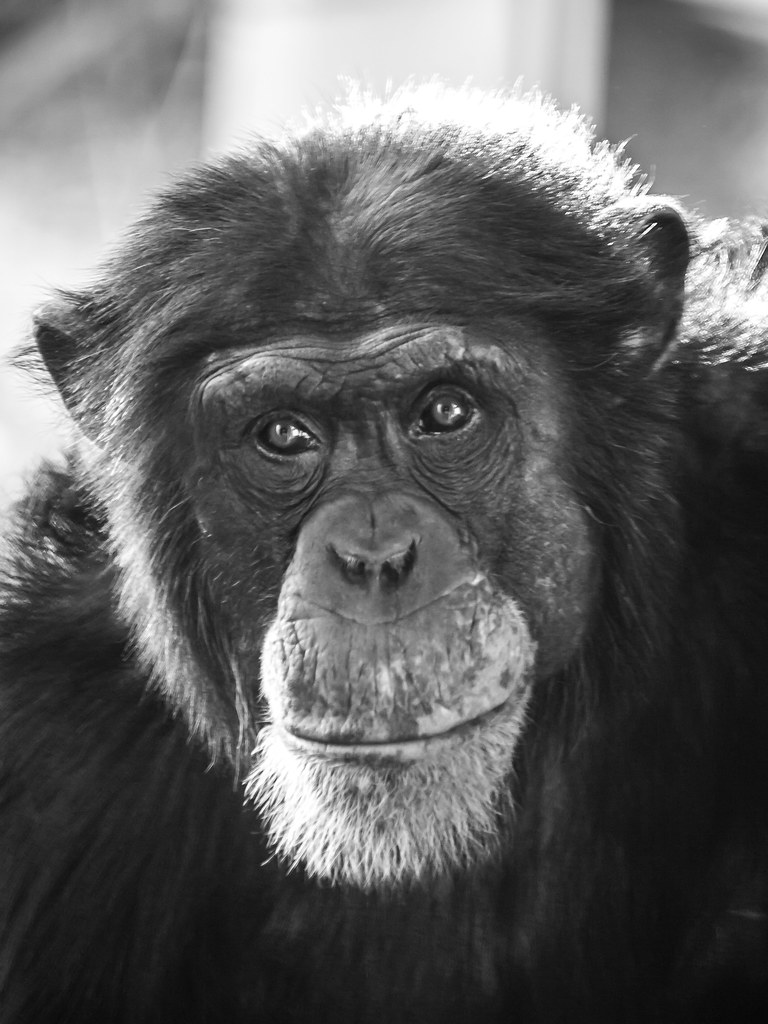
7. **Chimpanzee**Chimpanzees, as one of our closest living relatives, are undeniably intelligent and, in their youth, can be incredibly adorable. Their human-like expressions and behaviors often lead people to believe they can be domesticated and treated like furry family members. However, this perception is a dangerous illusion, one that ignores their true nature and the profound challenges they present as ‘pets.’
While small and seemingly manageable as infants, chimpanzees grow rapidly, reaching weights of up to 150 pounds. This is not just a matter of size; it’s about strength. Adult chimpanzees are estimated to be twice as strong as humans, possessing immense power that can easily turn playful interactions into serious, even fatal, attacks. Their intelligence, far from making them easier to manage, actually makes them more complex and demanding, capable of intricate problem-solving and social manipulation.
Furthermore, chimpanzees have a remarkably long life span, typically living 40-60 years. This represents an enormous, multi-decade commitment to a creature that will inevitably become stronger, more dominant, and potentially more aggressive as it matures, regardless of its early upbringing. The core message is clear: while monkeys are indeed some of our closest living relatives, that biological kinship absolutely does not translate into making them good pets. Their complex social structures, mental needs, and physical capabilities belong in their natural habitat, not a human home. The emotional and physical toll on both the chimpanzee and its ‘owner’ is often devastating.
Read more about: The Domesticated Dog: A Comprehensive Examination of Its Origins, Evolution, and Profound Influence on Human Society
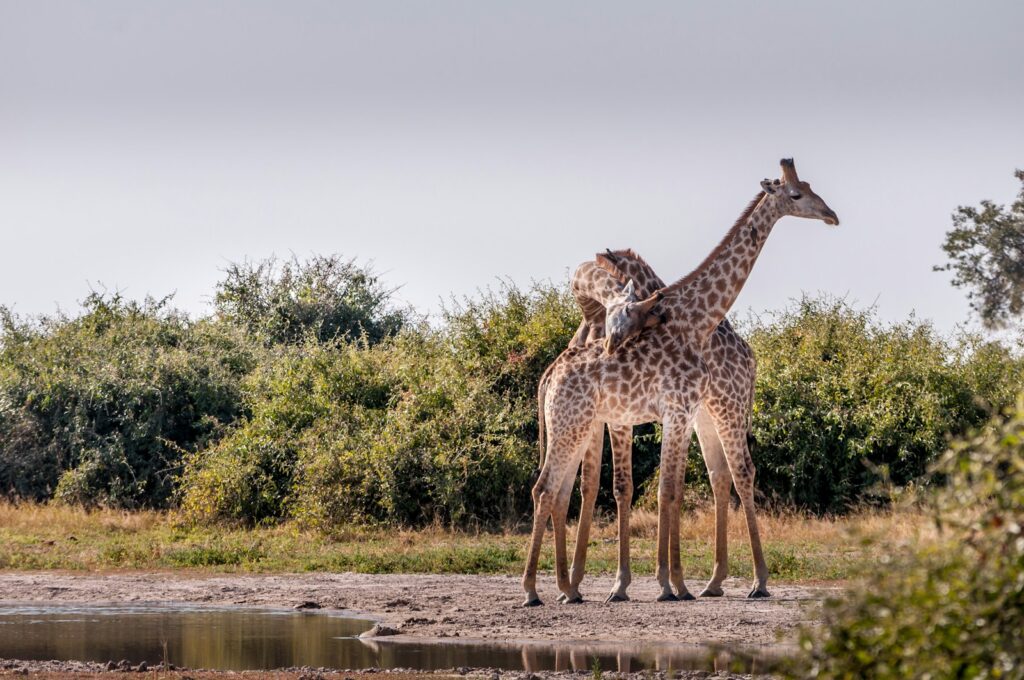
8. **Giraffe**Standing majestically over 18 feet tall, giraffes hold the title of the tallest animals in the world. Their graceful presence and distinctive patterns are truly captivating, making them an iconic symbol of the wild. However, this magnificent stature immediately signals that they are unequivocally not meant to be pets, regardless of any perceived appeal.
Consider their dietary needs alone: a giraffe must consume up to 75 pounds of plants every single day! They use their incredibly long tongues with precision to pluck leaves, a specialized feeding behavior adapted to vast natural environments. Replicating such an immense and specific diet consistently, with the necessary nutritional variety, is an almost impossible feat for any private owner.
Beyond their diet, giraffes are highly social animals that thrive in groups, and they require an expansive amount of land to roam freely. Their very physiology, designed for traversing vast savannas, means they need immense space for proper exercise and mental stimulation. Confining these gentle giants to anything less than acres of suitable habitat would lead to severe physical and psychological distress, underscoring why their natural environment is truly the only place they can flourish.
So, while the idea of a giraffe might evoke wonder, their fundamental requirements for space, social interaction, and an intricate diet firmly place them in the category of animals that belong in the wild. Their beauty and grace are best appreciated from a respectful distance, allowing them to live out their long lives as nature intended.
Read more about: Unpacking the Phenomenal World of Talking Tom & Friends: From Viral App to Global Empire!
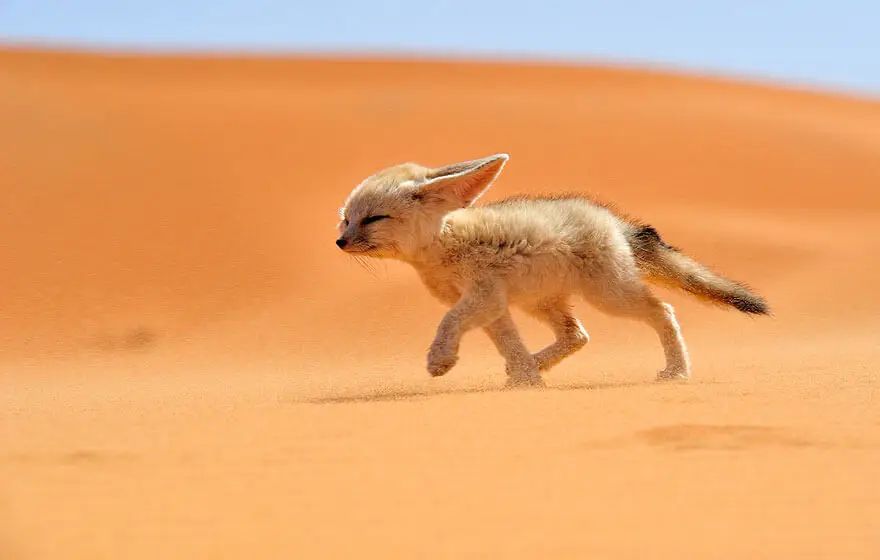
9. **Fennec Fox**With their impossibly large ears and playful personalities, fennec foxes have charmed their way into many people’s hearts online. Often described as a delightful cross between a cat and a dog, these small, adorable animals are surprisingly popular as pets in various states, with approximately 13 U.S. states even allowing their personal possession. But don’t let their cute appearance fool you; these little creatures are still very much wild.
Fennec foxes are native to the harsh, arid landscapes of northern Africa, where they thrive in the desert. Their natural behaviors include digging extensive, long dens in the sand, a vital activity for shelter and survival. In a domestic setting, this translates to an insatiable need for digging and burrowing, which can be incredibly destructive to a typical home or yard.
Despite their small size, which might make them seem manageable, fennec foxes possess a wild spirit and require a significant amount of enrichment and exercise to stay healthy and happy. Their inherent instincts, honed by generations in the wild, cannot be suppressed by domestication. Without constant mental and physical stimulation, they are prone to destructive behaviors born out of boredom and frustration.
Ultimately, while they may look like a charming blend of familiar pets, fennec foxes are highly specialized wild animals. Their desert origins and deep-seated instincts for digging and exploration make them profoundly unsuited for a domestic environment, proving once again that legality doesn’t guarantee suitability for a creature’s well-being.
Read more about: Unveiling Earth’s Wonders: A Deep Dive into the 10 Most Fascinating Animals You Need to Know
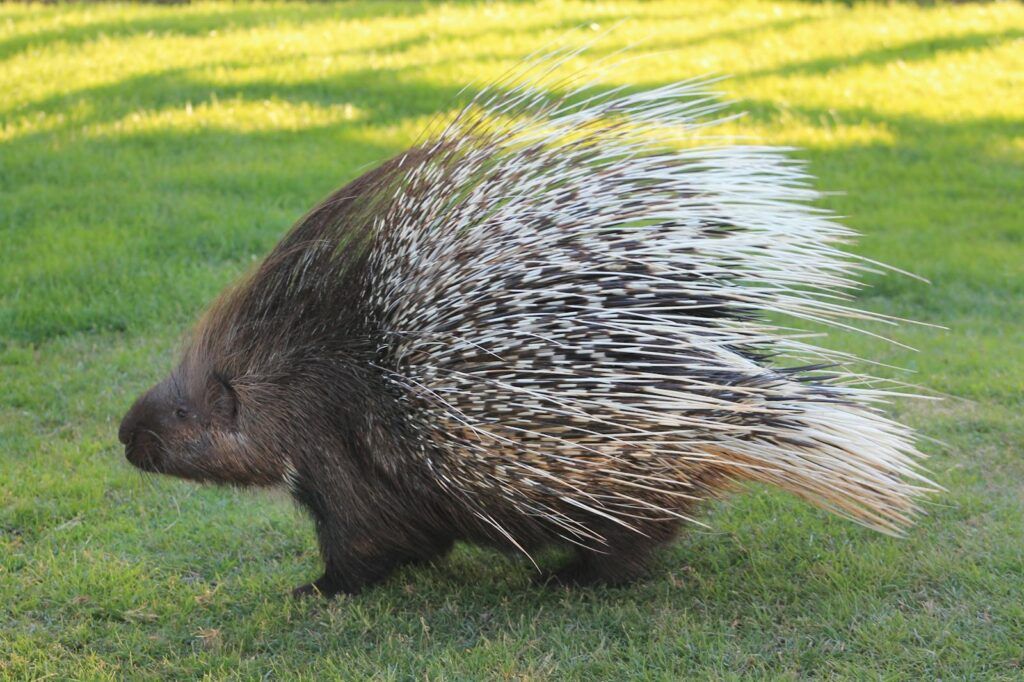
10. **Porcupine**Porcupines, fascinating members of the rodent family, are instantly recognizable by the sharp quills covering their bodies. This incredible defense mechanism is their primary protection against much larger predators in the wild, allowing them to defend themselves with astonishing effectiveness. It’s a clear signal that these ly animals are built for survival in their natural habitat, not for a cozy life in a human home.
These unique creatures are also known to prefer a solitary existence. Unlike many social pets, porcupines thrive alone, a characteristic that often clashes with the human desire for companionship. Their independence and self-reliance are integral to their wild nature, making them ill-suited for the constant interaction and attention typically expected of a pet.
Not only do they possess a potent defense, but porcupines are also able to regrow quills if they lose some in battle, ensuring their protection remains intact. This constant readiness for defense means that any close interaction, even accidental, can be a painful and potentially dangerous experience for an owner or other pets, highlighting the inherent risk of keeping such an animal in close quarters.
It’s evident that porcupines, with their formidable quills, solitary nature, and instinctual behaviors, belong firmly in the wild. The very traits that make them so captivating and successful in their natural environment are precisely what make them inappropriate and potentially hazardous as pets. Some states, like Kansas, even explicitly ban them, further emphasizing their unsuitability for domestication.
Read more about: Echoes of Opulence and Emptiness: Unveiling America’s Abandoned Mansions and Haunting Ghost Towns
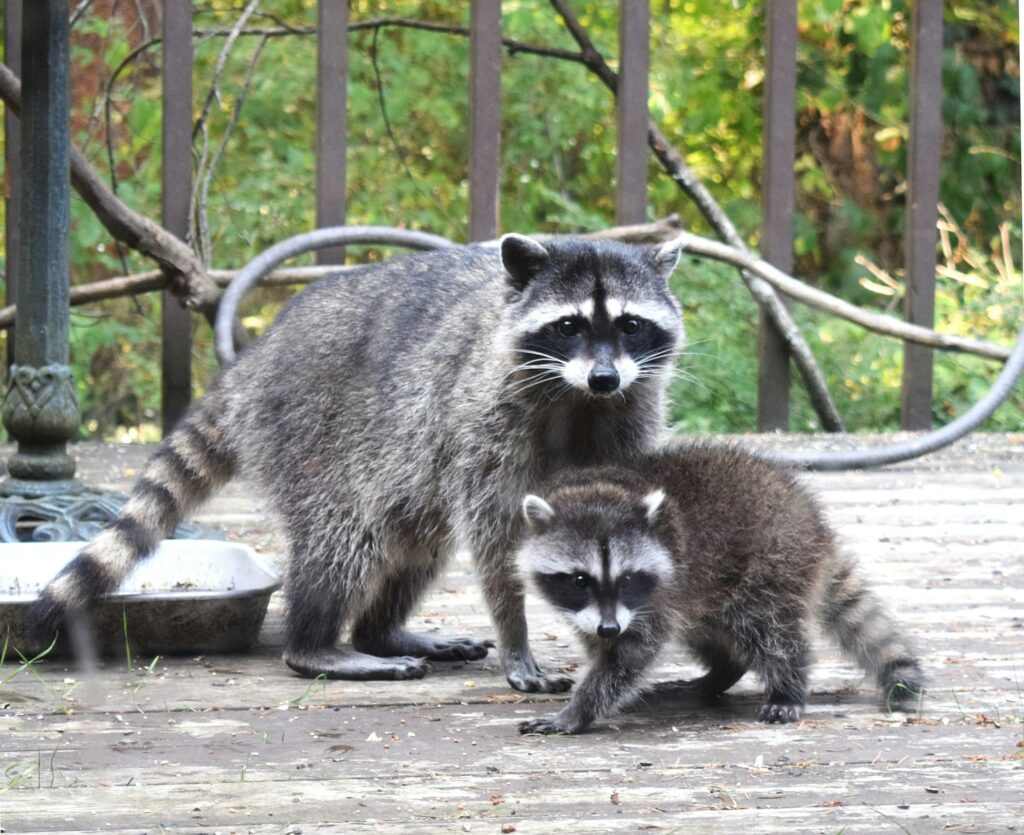
11. **Raccoon**With their masked faces and dexterous paws, raccoons might appear intriguing and even cute, leading some to consider them as exotic pets. Astonishingly, it’s legal to own a raccoon in a number of states across the U.S., including Arkansas, Delaware, Florida, Indiana, and more. However, the legal green light often comes with a significant caveat: these are truly wild animals, not domesticated companions.
Even in states where ownership is permitted, regulations are often in place to mitigate risks, such as North Carolina requiring veterinary approval before an animal is brought into the state, or Arkansas limiting ownership to no more than five raccoons at a time. These restrictions hint at the complex challenges and responsibilities involved, far beyond what most pet owners are prepared for.
Wild animals, like raccoons, have diets that are specifically fulfilled by their natural environments. They are expert foragers, requiring a diverse array of foods and a vast territory to explore for proper exercise and mental stimulation. Confining them to a typical home or backyard environment inevitably leads to a diminished quality of life, often resulting in stress, destructive behaviors, or self-mutilation as they act out their frustration.
Furthermore, raccoons are known carriers of various diseases, including rabies, posing a direct health risk to humans and other pets. Their unpredictable nature, combined with their strong instincts and potential for aggression, makes them a significant public safety concern. No amount of human affection can truly tame the inherent wildness of a raccoon, making them an ill-advised choice for any home.
Read more about: The Untold Story of Talking Tom: Jaw-Dropping Secrets Fans Are Just Uncovering About the Global Phenomenon
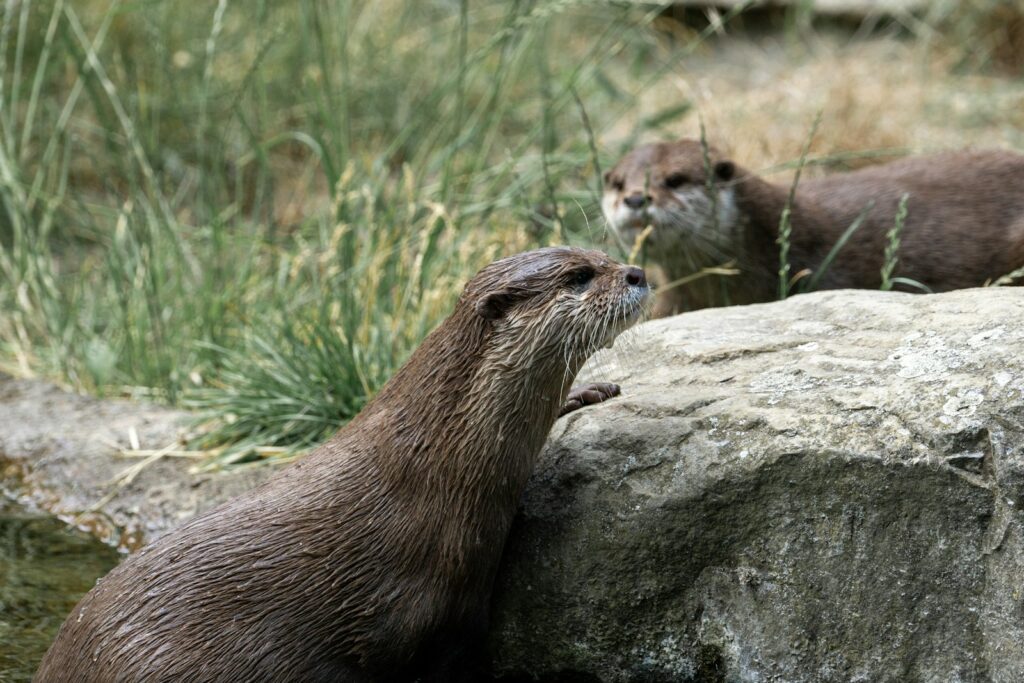
12. **Otter**For those captivated by aquatic charm, the Asian clawed otter often sparks interest as a potential exotic pet. Unlike other otter species, it’s the only one federally allowed for ownership in the United States, primarily because it’s not classified as a marine animal and thus falls outside the Marine Mammal Protection Act. However, just because it’s federally permissible doesn’t mean it’s suitable, nor is it legal in every single U.S. state.
Otters are inherently social creatures, thriving in family groups and requiring constant interaction with their kin. Keeping a single otter in isolation, away from its natural social structure, can lead to severe loneliness, stress, and behavioral issues. Their playful antics, while endearing, are part of a complex social dynamic that cannot be replicated with human companionship alone.
Crucially, these semi-aquatic animals spend a significant portion of their lives in and around water. They need ample, clean water bodies for swimming, hunting, and maintaining proper hygiene. A household bathtub or small pond is profoundly insufficient for their needs, often leading to skin issues, boredom, and a complete inability to express their natural behaviors.
Ultimately, an otter’s need for a specific aquatic environment, complex social bonds, and constant mental and physical stimulation makes them a lifetime commitment that very few private owners can truly fulfill. The allure of their cuteness fades quickly when confronted with the immense practicalities and ethical considerations of providing them with a truly healthy and natural existence.
Read more about: Your Essential Guide to 2025 U.S. Travel: Unpacking Key Trends and Data for Smart Decisions
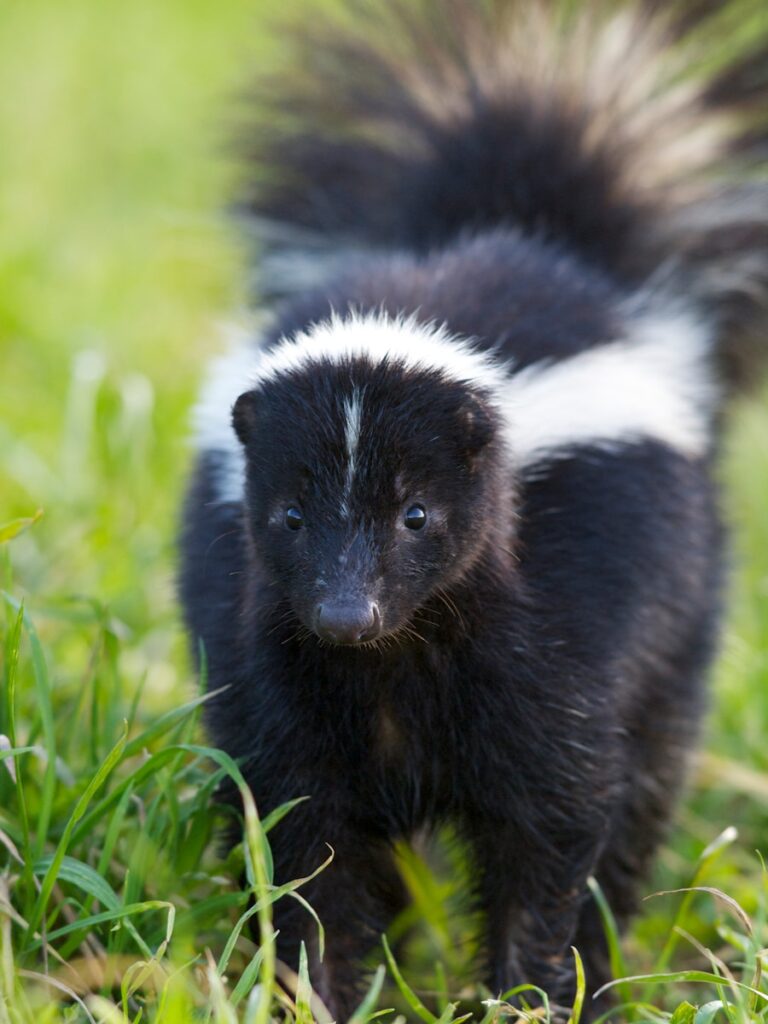
13. **Skunk**When it comes to exotic pets, skunks sometimes surprisingly make the list of legally permissible animals in various states. In fact, wild skunks are currently legal to own in 15 U.S. states. However, the context explicitly states, “Wild skunks are hardly good pets.” This blunt assessment highlights a crucial truth: despite their availability, they come with a host of challenges that make them profoundly unsuitable for domestic life.
Skunks, by their very nature, possess an infamous defense mechanism: their potent spray. While some captive-bred skunks may be descented, this doesn’t erase their wild instincts or address their other complex needs. They are still wild animals, not domesticated creatures, meaning their behaviors and requirements are far removed from those of a typical house pet.
Like many wild animals, skunks have specific dietary needs that are difficult to replicate accurately in a domestic setting, and they require mental and physical stimulation that a typical home cannot provide. Confined to small or unnatural environments, wild animals often become depressed, self-mutilate, or act out aggressively, and skunks are no exception to this distressing pattern.
Furthermore, skunks are known carriers of rabies, which poses a serious public health risk. Even if vaccinated, their wild origins mean they are not designed for close human interaction or for living in the confines of a home. Their unique biology and behavioral patterns scream “wild,” making them a pet choice that should be heavily reconsidered for the well-being of both the animal and the potential owner.
Read more about: Remember These? 14 Classic Cars From the 1980s That Everyone Forgot About
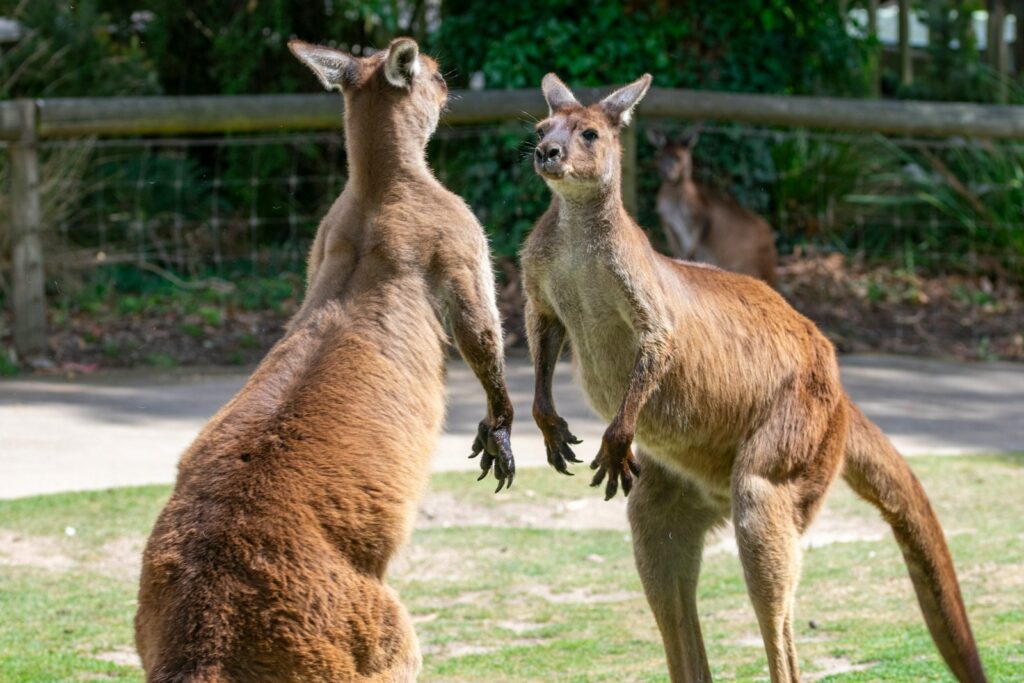
14. **Kangaroo**While the sight of a kangaroo conjures images of the Australian outback, these iconic marsupials are, astonishingly, legal to own in a few U.S. states. The context notes that it’s illegal to keep a kangaroo as a pet in the preponderance of the United States, with only Wisconsin, West Virginia, and South Carolina allowing ownership without specific permission. But even in these permissive states, a kangaroo is an utterly impractical and ill-advised choice for a pet.
Kangaroos are large, powerful animals, far exceeding the size and strength of their smaller wallaby cousins. They require truly immense amounts of land to roam, jump, and graze—territories that simply cannot be replicated in a typical residential setting. Their powerful legs, built for covering vast distances, mean they would be severely restricted and distressed in any confined space, no matter how large it might seem to a human.
Like many marsupials, kangaroos are social creatures, naturally living in groups. A solitary kangaroo would likely suffer from profound loneliness and psychological issues, unable to fulfill its innate social needs. Their diet is also highly specialized, consisting of various grasses and plants that are difficult to source and maintain in adequate quantities outside their native habitat, leading to potential nutritional deficiencies.
Ultimately, the sheer size, powerful capabilities, specialized dietary needs, and complex social requirements of a kangaroo make it profoundly unsuitable as a pet. They are not animals that can be domesticated or properly cared for in any human home or even a large private property. These incredible creatures belong in the vast, open spaces of their natural environment, where they can live freely and healthily.
This isn’t an exhaustive list of every exotic animal you might find legally permissible in some corners of the USA, but it absolutely underscores a critical truth: legality does not equate to suitability. The allure of the wild is powerful, but these magnificent creatures belong in their natural habitats, not our backyards or living rooms. When we try to force them into our domestic lives, we inadvertently cause immense suffering, endanger ourselves, and often contribute to cruel wildlife trade practices.
Read more about: The ’90s Called, They Want Their Fashion Back: 12 Wild Trends We Loved (And Loved to Hate)
So, before you fall for the latest social media trend or dream of an ‘exotic’ companion, take a moment to consider the true cost. If you’re looking for unconditional love and a truly rewarding pet experience, choose a domesticated animal. There are countless dogs and cats in shelters eagerly waiting for a loving home – companions who are *meant* to live alongside us. Adopt, don’t shop, and let the wild stay wild!