The digital gold rush of cryptocurrency has long captivated the public imagination, promising unprecedented wealth and financial liberation. However, this burgeoning landscape has also become a fertile ground for sophisticated scams, particularly when amplified by the magnetic power of celebrity influence. The allure of a familiar face promoting a nascent digital asset often overshadows the critical due diligence required, leading countless investors down a perilous path.
Indeed, the intersection of celebrity endorsement and crypto ventures has created a perfect storm for fraudsters. Over the past decade, celebrity-backed crypto scams have resulted in staggering losses exceeding $1 billion, leaving countless investors devastated and questioning the true cost of star power in financial promotions. From high-profile exchanges to obscure tokens, the pattern of deception, amplified by social media, continues to evolve, making informed investing more crucial than ever.
Today, we pull back the curtain on some of the most notorious celebrity crypto scams, shedding light on the mechanics of their operations and the profound impact they’ve had on investors worldwide. Understanding these schemes is not merely an exercise in recounting past failures; it is an essential step toward safeguarding your investments from the deceptive glitter of star-studded promises. Here are the first five cases that shook the crypto world.
1. **The FTX Collapse and Star-Studded Deception (2022-2024)**The FTX collapse stands as a monumental disaster in cryptocurrency history, a celebrity-linked catastrophe that saw losses spiral beyond an astounding $32 billion. At its peak, FTX was an industry titan, largely legitimized by an impressive roster of A-list celebrities recruited by its founder, Sam Bankman-Fried, to promote the exchange. These figures included sports icons like Tom Brady and Stephen Curry, supermodel Gisele Bündchen, and even comedic legend Larry David.
Brady and Bündchen, in particular, were deeply integrated, not only taking equity stakes in FTX but also starring in multiple commercials, with Brady serving prominently as a brand ambassador. Their public association lent an air of credibility and trustworthiness to the platform, encouraging millions of ordinary investors to place their faith, and their funds, into FTX’s ecosystem. The marketing blitz effectively masked the precarious foundation upon which the exchange was built.
The reality proved far darker. Investigations revealed a shocking misappropriation of customer funds, secretly siphoned off through Alameda Research, FTX’s closely affiliated sister company. When the exchange abruptly imploded in November 2022, the fallout was swift and severe. Celebrities who had promoted FTX found themselves embroiled in multiple class-action lawsuits, accused by investors of misleading them into a fraudulent enterprise. The legal proceedings dragged well into 2024, culminating in several celebrities agreeing to pay substantial settlements, setting new precedents for celebrity liability in the volatile crypto space and prompting stricter SEC enforcement of disclosure requirements.

2. **EthereumMax and the Kardashian Connection (2021-2024)**The EthereumMax (EMAX) scandal vividly illustrated the potent, and often perilous, power of celebrity influence in orchestrating pump-and-dump schemes. This particular episode gained widespread notoriety due to its direct connection to Kim Kardashian, whose single Instagram promotion reached an astronomical audience of over 250 million followers. She was reportedly paid $250,000 for this post, a crucial detail she conspicuously failed to disclose at the time of her endorsement.
Kardashian was not alone in her promotion; boxing icon Floyd Mayweather also championed the token, notably during his high-profile boxing match with Logan Paul. The collective weight of these endorsements generated immense hype around EMAX. The token’s value, predictably, skyrocketed, surging an astonishing 1,370% in the wake of the celebrity promotions, drawing in a fresh wave of unsuspecting investors eager to capitalize on what appeared to be a guaranteed win.
However, the rapid ascent was followed by an even more precipitous decline. EMAX’s value crashed by a staggering 98%, leaving behind a trail of disillusioned investors. The SEC investigation that followed brought to light the undisclosed compensation, leading to significant penalties for Kardashian. She ultimately paid $1.26 million in fines and agreed to a three-year ban from promoting any cryptocurrency. The ramifications of this case extended into 2024, triggering additional lawsuits against other promoters and fueling new investigations into similar celebrity-backed tokens.

3. **Centra Tech’s Floyd Mayweather Fiasco (2017-2024)**Centra Tech emerged as a prime example of the inherent dangers lurking within celebrity-backed initial coin offerings (ICOs). This project promised to revolutionize financial transactions by developing a cryptocurrency-based debit card system, a concept that immediately captured attention. To bolster its credibility, Centra Tech enlisted the star power of both Floyd Mayweather and DJ Khaled, who vocally promoted the venture to their vast social media followings.
Mayweather, utilizing his substantial platform, famously tweeted to his millions of followers that Centra Tech was poised to “revolutionize the banking industry,” creating an illusion of groundbreaking innovation and legitimacy. Such enthusiastic endorsements from globally recognized figures instilled a false sense of security among potential investors, eager to be part of the next big financial disruption.
However, the grand promises quickly unraveled under scrutiny. Investigations conclusively revealed that the project’s founders had completely fabricated their core business relationships, including purported partnerships with major financial players like Visa, Mastercard, and Bancorp. The deceptive nature of Centra Tech ultimately led to the arrest and sentencing of its founders to prison terms. Mayweather, for his part, faced substantial penalties, paying $614,775 in fines and accepting a three-year ban from promoting securities. This landmark case continues to be cited in modern lawsuits as a precedent for celebrity liability in crypto promotions, underscoring the critical need for due diligence.

4. **SafeMoon’s Influencer Campaign (2021-2024)**The collapse of SafeMoon served as a stark reminder of the perils associated with coordinated influencer promotions within the cryptocurrency sphere. This project leveraged a sophisticated social media campaign, recruiting a cadre of high-profile personalities including Jake Paul, Soulja Boy, and Lil Yachty. These influencers, collectively boasting hundreds of millions of followers, disseminated enthusiastic messages about the SafeMoon token, often making seductive promises of “safe” gains and “guaranteed” returns.
Their concerted efforts created a viral sensation, driving massive public interest and investment into the SafeMoon token. The narrative crafted by these influencers painted a picture of a secure, profitable venture, playing directly into the speculative fervor that often characterizes the crypto market. Many small investors, swayed by the endorsements of their favorite stars, poured their capital into the project, believing they were seizing a unique opportunity for wealth accumulation.
However, the reality behind SafeMoon was far from “safe.” Subsequent investigations uncovered a sinister manipulation of the project’s liquidity pool, revealing that insiders were systematically selling off large holdings of the token while simultaneously encouraging their celebrity endorsers to urge the public to buy more. The consequence was catastrophic: the token plummeted, losing over 99% of its value and resulting in an estimated $100 million in investor losses. By 2024, multiple class-action lawsuits had been launched, targeting both the project’s elusive founders and its prominent celebrity promoters, with several of these legal battles still ongoing.
5. **BitConnect and the YouTube Influence Network (2016-2024)**While not exclusively driven by mainstream celebrity endorsements, BitConnect pioneered a model of social media influence that set the template for many modern crypto scams. This colossal $2.4 billion Ponzi scheme ingeniously operated through an extensive network of YouTube personalities who, in essence, became crypto celebrities themselves. These influencers, including figures like Craig Grant and Trevon James, earned substantial commissions for relentlessly promoting the platform to their burgeoning audiences, which often numbered in the hundreds of thousands.
The platform’s core appeal lay in its audacious promise of daily returns, typically around 1%, ostensibly generated by a sophisticated “trading bot.” This claim, presented as a revolutionary financial innovation, was a powerful lure for investors seeking passive income. The reality, however, was a classic Ponzi structure: BitConnect was simply paying out earlier investors with funds collected from newer ones, a system destined for inevitable collapse once the influx of new capital dwindled.
The facade eventually crumbled, leading to the dramatic collapse of BitConnect. The fallout included severe criminal charges against several of its key promoters, highlighting the significant legal risks associated with actively endorsing fraudulent schemes, even if one is positioned as an “influencer” rather than a traditional celebrity. This case continues to wield considerable influence in ongoing crypto fraud investigations, particularly in establishing precedents for influencer liability and underscoring the broader dangers of unregulated promotional networks in the digital asset space.
6. **The Tezos Celebrity NFT Controversy (2023-2024)**Moving beyond traditional tokens, the Tezos NFT controversy exposed a different facet of celebrity-backed crypto fraud, involving digital collectibles. This scheme leveraged a series of A-list celebrities who actively promoted various NFT collections hosted on the Tezos blockchain. These promotions were not subtle; they touted “exclusive” NFT collections, often promising a unique blend of digital ownership and special access to tangible, real-world events and experiences, creating a powerful draw for fans and investors alike.
However, the promises of digital exclusivity and real-world perks quickly unraveled. Investigations into these Tezos NFT collections revealed a classic pump-and-dump operation, meticulously orchestrated by the project’s developers. They systematically created artificial market activity, driving up demand and perceived value for the NFTs through deceptive means. Once the celebrity endorsements had successfully inflated prices, these insiders then sold off their holdings, leaving unsuspecting investors with valueless digital assets.
The financial fallout from this particular controversy was substantial, with total investor losses exceeding a staggering $18 million. The sheer scale of the deception prompted aggressive action from regulatory bodies, leading to ongoing investigations by both the Securities and Exchange Commission (SEC) and the Federal Bureau of Investigation (FBI). This case became a critical landmark, specifically highlighting the unique risks associated with celebrity involvement in NFT promotions and directly influencing the development of new guidelines for digital asset marketing.

7. **OneCoin’s Star-Studded Events (2014-2024)**The OneCoin scam, a colossal $4 billion fraud, represents an earlier, yet equally devastating, example of how celebrity appearances can be strategically employed to bestow an illusion of legitimacy upon deeply fraudulent operations. Although its origins date back further, the ramifications and legal consequences of this massive Ponzi scheme continued to echo throughout the financial world well into 2024. The architects of OneCoin meticulously organized lavish events, featuring influential figures and even some celebrities, carefully curating an atmosphere of authenticity and high-profile backing.
These meticulously staged events were designed to project an image of a legitimate, burgeoning global cryptocurrency, drawing in countless investors who were swayed by the perceived credibility of the attendees and speakers. The sheer spectacle and the presence of recognizable faces lent an air of trustworthiness to a scheme that was, at its core, nothing more than an elaborate pyramid. This strategy proved highly effective in recruiting participants globally, masking the fraudulent nature of the underlying asset.
The dark reality of OneCoin eventually came to light, with its founder, Ruja Ignatova, famously disappearing and subsequently becoming one of the FBI’s most wanted fugitives. The fallout was immense, impacting millions of investors worldwide. Furthermore, several celebrities and influential individuals who had made appearances at OneCoin events found themselves under intense legal scrutiny and suffered significant damage to their reputations. This ongoing saga has fueled critical discussions within the industry about the absolute necessity of rigorous due diligence, particularly when celebrities are engaged for appearances at any event related to cryptocurrency.

8. **The Akon City Cryptocurrency Dream (2020-2024)**Singer Akon’s ambitious promotion of Akoin, a cryptocurrency intended to power a futuristic, self-sustaining city in Senegal, presented a different kind of celebrity-backed crypto risk. The project initially captivated imaginations with its grand vision, promising to construct a $6 billion cryptocurrency-powered metropolis. This blend of celebrity vision and technological innovation created significant buzz, attracting considerable investor interest and capital into the associated digital currency, Akoin.
However, the ambitious plans for Akon City encountered significant hurdles, leading to numerous delays and raising serious questions about the project’s overall feasibility. What began as a hopeful investment in a groundbreaking urban development soon devolved into a saga of unfulfilled promises and stalled progress. The tangible construction and infrastructure development showed minimal advancement, casting a long shadow over the cryptocurrency that was meant to be its economic backbone.
By 2024, the stark reality was that investors in Akoin had collectively lost millions, while the promised futuristic city remained largely a dream. This particular case served as a crucial cautionary tale, highlighting the inherent risks when celebrity-backed crypto projects are tied to excessively ambitious, large-scale real-world development plans. It triggered increased scrutiny of similar ventures, prompting regulators and investors to demand greater transparency and more concrete progress reports before committing significant capital.
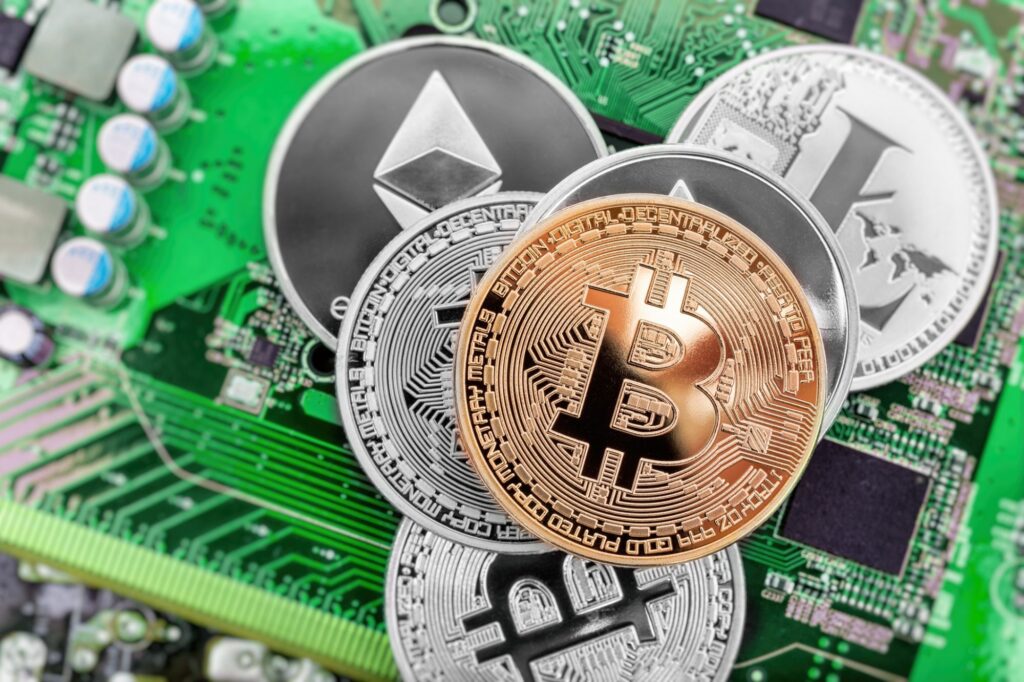
9. **Save the Kids Token Collapse (2023-2024)**The Save the Kids token collapse brought to light the particularly insidious nature of celebrity-backed charitable crypto schemes. This project leveraged the widespread appeal of multiple social media influencers, including prominent TikTok and YouTube stars, to promote its token. The core of its marketing strategy revolved around a compelling narrative: the token claimed to dedicate substantial portions of its transactions to various children’s charities, appealing directly to the philanthropic sensibilities of its potential investors.
Despite the heartwarming charitable facade, the project’s true intentions were soon exposed as fraudulent. Shortly after its launch, the Save the Kids token experienced a catastrophic 90% crash in value, leaving countless investors with devastating losses. Subsequent investigations conclusively revealed that the project’s claims of charitable donations were largely unfounded, a thinly veiled deception designed to attract a sympathetic, trusting investor base.
The fallout from this collapse was immediate and severe, leading to accusations against several prominent promoters for their alleged participation in a pump-and-dump scheme. The case resulted in ongoing legal proceedings and served as a stark lesson, prompting the development of new, much-needed guidelines specifically for crypto-based charity projects. This incident underscored the critical importance of scrutinizing not only the financial viability but also the ethical claims of any crypto venture, especially those cloaked in humanitarian appeals.

10. **The Mining Capital Coin Celebrity Strategy (2023-2024)**Rounding out our list is the Mining Capital Coin, a $62 million fraud scheme that demonstrated the terrifying evolution of crypto scams through the sophisticated application of deep fake technology. Unlike earlier schemes that relied on direct celebrity endorsements, this project pioneered the use of highly convincing, yet entirely fake, videos of celebrities. These deep fakes deceptively portrayed well-known figures appearing to endorse Mining Capital Coin’s mining operations, lending an air of technological legitimacy that was completely manufactured.
Further enhancing the illusion, the scammers fabricated entire interviews with esteemed tech leaders and renowned financial experts, all through deep fake technology. These expertly crafted digital deceptions were incredibly difficult to distinguish from genuine content, making the project appear exceptionally credible to unsuspecting investors. The core promise was alluring: high returns purportedly generated from advanced bitcoin mining operations that, in reality, did not exist at all.
When the truth behind Mining Capital Coin’s sophisticated charade was finally exposed, it led to severe criminal charges against the orchestrators of the fraud. This landmark case had a profound impact on the broader discussion surrounding crypto security, particularly influencing the urgent need for robust digital authentication systems for all celebrity endorsements. It continues to shape conversations about the growing risks posed by artificial intelligence in perpetuating increasingly sophisticated crypto fraud, underscoring the necessity for enhanced vigilance in the digital age.
The cumulative impact of these celebrity-backed crypto scams has necessitated a significant reshaping of the legal and regulatory landscape. Regulators globally are intensifying their efforts to safeguard investors, leading to a series of critical developments that aim to bring order to this often-unregulated frontier.
**The Legal Aftermath: Reshaping the Regulatory Landscape**
The wave of high-profile celebrity crypto scams has undeniably served as a powerful catalyst for regulatory bodies to act decisively. The Securities and Exchange Commission (SEC), in particular, has ramped up its enforcement actions against celebrity promoters, establishing clearer and more stringent guidelines for cryptocurrency promotions. This heightened scrutiny manifests in several key areas, including mandatory disclosure requirements for any paid endorsements and substantial penalties for violations, aiming to create a more transparent and accountable environment.
Moreover, the fallout has seen investors leverage the legal system through numerous class-action lawsuits filed against celebrities implicated in crypto promotions. These legal battles have not only resulted in significant settlements, recovering some losses for victims, but have also been instrumental in setting new precedents for celebrity liability in the volatile crypto space. They underscore the imperative of due diligence, not just for investors, but critically, for the celebrities themselves before lending their influential platforms to any digital asset project.
These evolving legal frameworks reflect a broader shift towards more comprehensive regulatory changes. There is now a clear movement towards stricter oversight of promotional content, enhanced disclosure requirements, and explicit guidelines for celebrity involvement. This includes increased international coordination on enforcement, signaling a global commitment to curb the spread of crypto fraud. The aim is to create a robust protective layer against deceptive practices, making the market safer for everyone.
**Protecting Yourself from Celebrity-Backed Crypto Schemes**
In an environment where sophisticated scams are constantly evolving, protecting your investments requires proactive and meticulous verification steps. First and foremost, thoroughly research any project that catches your eye. This means delving into the white paper, scrutinizing technical documentation, verifying the credentials of team members, and confirming legitimate partnerships and advisors. A deep dive into the project’s GitHub repository can often reveal invaluable insights into its development and activity.
Equally crucial is investigating the token economics. Understand how the token is distributed, examine vesting schedules, and analyze trading volume and liquidity. Watch out for suspicious wallet activities, which can often be red flags for manipulative practices. A healthy skepticism regarding any claims of guaranteed high returns, especially when tied to aggressive marketing, is your first line of defense against potential fraud.
Perhaps most importantly, meticulously assess any celebrity involvement. Verify the authenticity of endorsements through official channels, rather than relying solely on social media posts. Research past celebrity involvement in crypto, looking for a track record of responsible engagement. Crucially, check for proper disclosure of paid promotions – a legal requirement that is often overlooked or intentionally omitted by fraudulent schemes. Also, investigate the timing of celebrity endorsements; a sudden surge in promotion followed by rapid price inflation can indicate a pump-and-dump scheme. Utilizing blockchain explorers, token audit platforms, social media verification tools, and crypto scam reporting databases can significantly enhance your protective measures.
**The Future of Celebrity Crypto Endorsements**
The landscape for celebrity crypto endorsements is undergoing a profound transformation. We are witnessing an emerging trend towards a much stronger focus on compliance and disclosure, with more sophisticated verification methods becoming standard practice. Enhanced due diligence requirements are being placed on both celebrities and the projects they endorse, shifting away from superficial promotions towards a greater emphasis on educational content that genuinely informs potential investors.
Regulatory bodies will continue to play an increasingly central role, with the framework evolving to include even stricter oversight of promotional content and more clearly defined guidelines for celebrity involvement. This regulatory evolution aims to foster a market where accountability is paramount, impacting future promotions by encouraging more careful selection of partnerships, robust legal review processes, and a stronger emphasis on long-term, credible relationships over fleeting, hype-driven campaigns. Ultimately, the goal is to cultivate a more responsible and transparent crypto investment environment.
In the dynamic and often treacherous world of cryptocurrency, star power, as we’ve seen through these ten notorious cases, is no guarantee of investment safety. The key to navigating this complex terrain lies not in chasing celebrity-endorsed trends, but in empowering yourself with knowledge and an unwavering commitment to due diligence. Your financial security is too important to be swayed by the dazzling, yet often deceptive, glitter of star-studded promises.
Stay vigilant, stay informed, and remember: when it comes to cryptocurrency investments, your best protection is knowledge and careful verification, not celebrity endorsements. This article was last updated on December 8, 2024, to reflect the most current information about celebrity cryptocurrency scams and protection strategies.