The modern corporate world often demands long hours tethered to a desk, making health and well-being an afterthought. The constant juggle of virtual meetings, emails, and deadlines can leave many professionals feeling overwhelmed, leading to a sedentary lifestyle that has well-documented adverse effects on both body and mind. It’s a common dilemma: how do you prioritize your health when your schedule is already packed to the brim?
But what if the solution isn’t another lengthy gym session or a complete overhaul of your routine, but rather, simple, short bursts of movement integrated directly into your workday? Recent research, alongside insights from seasoned professionals, is illuminating a powerful, often overlooked strategy: the ‘wonder walk break’ and other ingenious office exercises that can unlock the myriad benefits of walking, even when you’re incredibly busy.
This article delves into ten surprising benefits that come from integrating these simple movements into your office routine. From stimulating creativity and boosting mood to reducing the risk of chronic diseases and enhancing cognitive function, these actionable strategies prove that you don’t need a lot of time to make a significant positive impact on your physical and mental health. Let’s explore how even the busiest professionals can harness the power of movement, one step at a time.

1. **Supercharge Your Creativity and Problem-Solving Skills**A sedentary workday can often lead to mental fatigue and diminished cognitive function, leaving you feeling stuck in a creative rut. However, the simple act of walking has been scientifically proven to be a powerful catalyst for innovation. As the German philosopher Friedrich Nietzsche once put it, “It is only ideas gained from walking that have any worth,” a sentiment echoed by modern research.
A foundational 2014 Stanford study revealed a significant correlation: participants who engaged in walking, whether on a treadmill or outdoors, generated substantially more original ideas than those who remained seated. The study found that creativity surged by over 80 percent, with outdoor walking, especially not in a straight line, tending to elicit the most novel responses. This suggests that stepping away from your desk can literally unblock your mind.
Fast forward to a 2024 review in Discover Psychology, which analyzed dozens of experiments and concluded that low-intensity, natural walking reliably enhances originality and divergent thinking. These are precisely the cognitive functions that underpin idea generation, effective problem-solving, and groundbreaking innovation. Remarkably, these beneficial effects were observed after just a few minutes of walking, demonstrating that even a quick stroll can make a profound difference.
Beyond structured studies, the anecdotal evidence is equally compelling. Walking helps to ‘clear the cobwebs,’ improving focus by allowing fresh air and natural surroundings to stimulate the brain. This leads to greater clarity of thought and enhanced problem-solving skills, making it an invaluable tool for anyone looking to overcome mental roadblocks and achieve breakthroughs in their work.
Incorporating short walks into your day means giving your brain the oxygen and fresh perspective it needs to thrive. Rather than forcing yourself to brainstorm in front of your computer, taking a walk can clear your mind and lead to more productive, inspired thinking. It’s an easy, accessible way to keep your intellectual engine running at full throttle and foster a consistent flow of innovative ideas.

2. **Elevate Your Mood and Strengthen Workplace Connections**The demands of a modern workplace can easily take a toll on mental and emotional well-being, sometimes leading to feelings of isolation, especially for remote or hybrid teams. Fortunately, walking offers a natural and highly effective antidote, not only boosting individual mood but also fostering stronger connections among colleagues. It’s a dual benefit that addresses both personal well-being and team dynamics, making your work environment more supportive.
Physical activity, including walking, is a proven stress buster that stimulates the production of endorphins, the body’s natural mood lifters. This helps to reduce stress and anxiety levels, leaving you feeling calmer and more centered. Walking also helps prevent those moments where you might feel overwhelmed, providing an instant mood lift that lasts long after you return to your desk. It’s like hitting a reset button for your emotional state.
A 2022 pilot study by Anna Bornioli, published in Cities & Health, specifically explored the experiences of university professionals participating in walking meetings. The findings were overwhelmingly positive: participants reported feeling more relaxed and energized. Crucially, they also noted improvements in creative thinking and, significantly, reduced feelings of social isolation, highlighting the communal power of walking together.
This study suggests that walking meetings are a powerful tool for supporting mental and emotional health, particularly vital for teams that may not always share a physical office space. The context also highlights that quiet, natural, and traffic-free walking routes are ideal environments for these meetings, maximizing their positive impact on mood and connection by offering a serene backdrop for conversation.
Moreover, the simple act of inviting a colleague to join you for a walk-and-talk meeting or organizing a walking group fosters social connection and camaraderie. Side-by-side conversation during a walk can even reduce perceived hierarchy, loosening the sense of pressure that sometimes accompanies face-to-face meetings. This informal setting allows for genuine interaction, bouncing ideas off one another, and collaborating in a relaxed environment, ultimately strengthening working relationships and fostering a more supportive team culture.
Read more about: Unlock Your Brain’s Full Potential: 14 Science-Backed Habits to Outsmart ‘Brain Rot’ and Boost Your Cognitive Power
3. **Banish Physical Strain and Improve Musculoskeletal Health**For many office workers, prolonged sitting is an unavoidable part of the job, but it comes with a host of physical consequences, from ‘dead butt’ syndrome to muscle tightness and chronic pain. The sedentary nature of desk work makes musculoskeletal problems like back pain and repetitive strain injuries incredibly common. Fortunately, incorporating regular movement, especially walking, can be a powerful remedy to counteract these negative effects.
Regular exercise, particularly activities like walking, serves as a natural treatment for your spine and muscles. It helps to ‘oil’ stiff areas and significantly improves mobility, directly reducing discomfort and keeping you feeling better throughout the day. This is a crucial benefit for those who spend hours hunched over a computer, experiencing the direct physical strain that comes with inactivity, promoting overall physical health.
A 2024 randomized controlled trial directly compared walking to office yoga, finding that both activities were effective at reducing musculoskeletal complaints. However, walking emerged as more effective at reducing the *intensity* of these complaints. While the effect size was noted as small, the benefit was clear: even short bouts of outdoor walking during the workday can provide significant physical relief in ways that may be more accessible than structured yoga sessions.
Beyond just pain relief, walking is a weight-bearing exercise that helps support muscle and bone strength, a benefit highlighted by expert Albert Matheny, RD, CSCS, co-founder of SoHo Strength Lab. This is particularly helpful for women dealing with bone density issues, providing an accessible way to maintain physical integrity without needing a gym or specialized equipment. It strengthens muscles, improves posture, and actively works to reduce the risk of common ailments linked to sedentary living.
In essence, regular movement is like giving your joints a dose of lotion, keeping them flexible and your muscles primed for action. It helps prevent stiffness and discomfort, ensuring your joints stay lubricated and muscles remain strong and active. By integrating brief walks, you’re actively counteracting the negative effects of prolonged sitting, safeguarding your physical well-being one step at a time and promoting better joint and muscle health.

4. **Combat Burnout and Boost Job Satisfaction**The relentless pace and high demands of the modern workplace can often lead to stress-related complaints and, eventually, burnout. When employees feel constantly tethered to their workstations, mental health can suffer, impacting not just personal well-being but also overall job satisfaction. Walking, however, presents a simple yet effective strategy to alleviate these pressures and foster a more positive work experience, contributing to a healthier work-life balance.
Physical activity serves as a powerful stress reliever, directly combating the mental and emotional fatigue that precedes burnout. By stimulating the production of endorphins, walking helps to naturally lift your mood and reduce anxiety, creating a buffer against the cumulative stress of daily tasks. It allows for a vital mental break, enabling you to step away from stressors and return with a refreshed perspective, feeling calmer and more centered.
A compelling 2021 study in the Journal of Environmental Psychology tracked employees experiencing stress-related complaints who engaged in periodic walk-and-talk coaching sessions in nature. The results were striking: compared to a control group, participants in the walking program reported nearly twice as many positive changes in critical areas such as mental health, job satisfaction, and self-esteem. While immediate physical health improvements weren’t the focus, the mental health benefits were both significant and lasting.
This research underscores walking’s profound impact on workplace attitudes and overall mental resilience. By fostering an environment where short walks are encouraged, organizations can empower employees to relieve tension, gain clarity, and boost their sense of self-worth. It’s an accessible form of preventive care against the mental health deficiencies that often arise from an overly sedentary and demanding routine, improving overall wellness.
Ultimately, integrating walking into your routine helps you ‘lose the stress,’ stepping away from your desk to immerse yourself in the rhythm of movement. This allows worries and stressors to fade, leaving you feeling calmer and more centered. This simple habit contributes positively towards overall wellness, directly combating burnout and fostering a culture of greater job satisfaction and mental well-being across the entire workforce.
Read more about: 15 Key Reasons Major Coffee Chains Are Struggling to Retain Customers Amid Shifting Market Dynamics

5. **Slash Your Risk of Chronic Diseases**Sedentary lifestyles, a hallmark of many desk jobs, are unequivocally linked to a heightened risk of various chronic diseases, including obesity, cardiovascular disease, and type 2 diabetes. The good news is that even small, consistent movements throughout the day, particularly walking, can significantly mitigate these risks and contribute to a healthier, longer life. This proactive approach to health doesn’t require drastic changes, but rather smart, integrated activity.
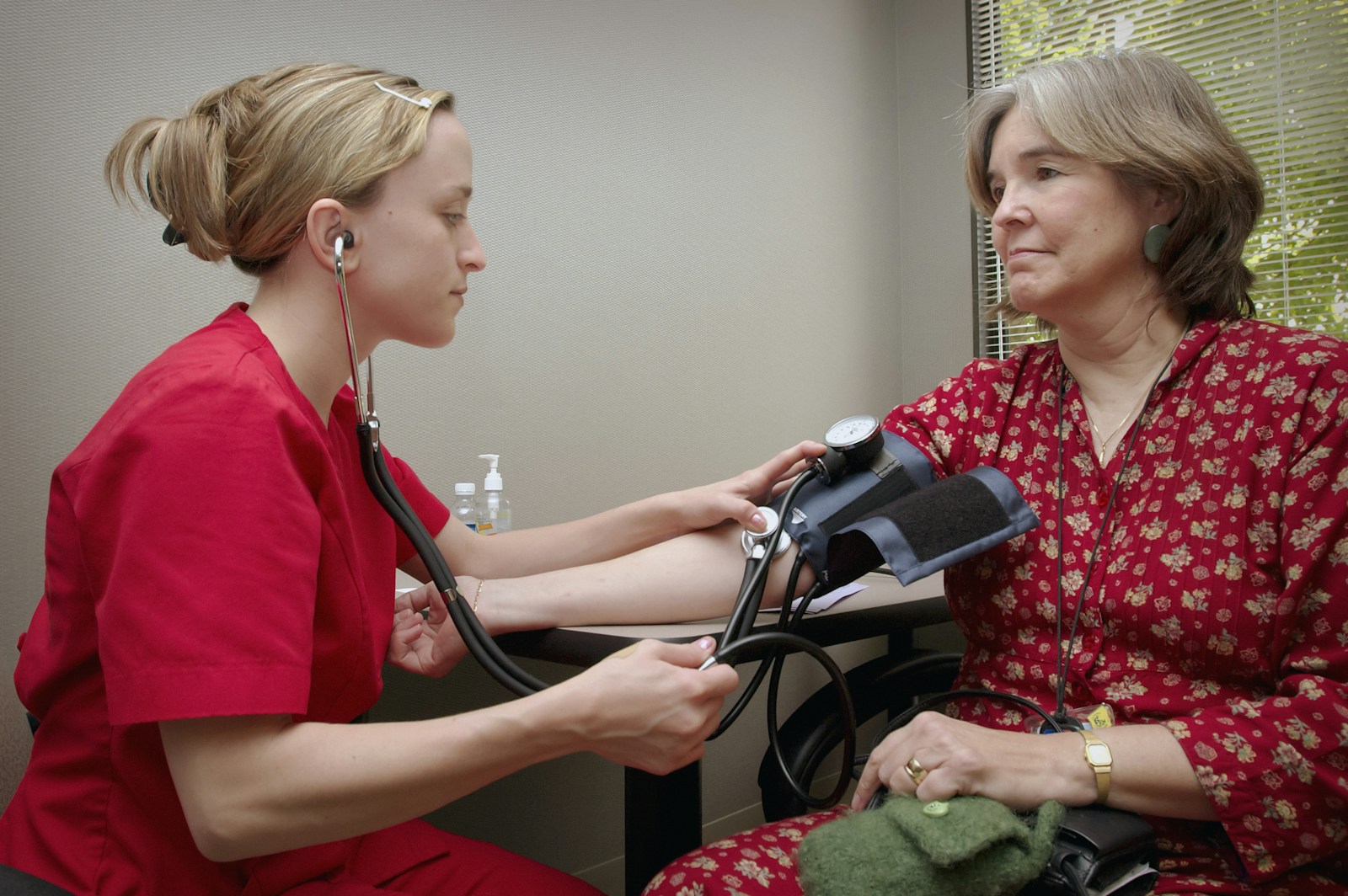
Regular exercise plays a crucial role in reducing the risk of chronic diseases such as heart disease, diabetes, and obesity. Even moderate-intensity activities like brisk walking can significantly contribute to better heart health and effective weight management. Walking has been found to reduce the risk of developing type 2 diabetes if you are prediabetic, and it promotes better cardiovascular health by reducing strain on the heart and helping to lower blood pressure by double-digit points.
New research underscores this, suggesting that getting up and taking a brief stroll every half hour can offset the more harmful effects of sitting. A study, published in a journal, involving participants who sat for eight hours, revealed that those who walked five minutes for every 30 minutes were the most likely to have lowered blood sugar and blood pressure. This regimen dramatically impacted how they responded to large meals, lowering their blood sugar spikes by 58% compared to sitting all day.
Walking directly contributes to controlling blood sugar levels and insulin, thereby improving overall metabolic health. By staying active, you are not only boosting your fitness but also taking important, measurable steps to protect your long-term health. The benefits extend to reducing the risk of certain cancers, demonstrating walking’s comprehensive protective effects and promoting improved musculoskeletal health. Consistent physical activity helps control blood sugar levels and insulin, improving overall metabolic health.
Making a concerted effort to take periodic breaks from assignments and developing the healthy habit of walking contributes positively towards overall wellness. This consistent, low-impact activity helps maintain a steady heart rate, which is instrumental in decreasing blood pressure, optimizing cardiac health, and aiding in the fight against heart disease. It’s a fundamental step towards a healthier future and can even help you to live longer, as research has found.
Read more about: Food Industry Shifts: Major Companies Announce Removal of Artificial Colors Amidst Broader Debate on American Health and Dietary Policy

6. **Bolster Your Immune System and Ward Off Illness**In our always-on work culture, where deadlines loom and virtual meetings stack up, it’s all too easy to let personal health take a backseat. This sedentary pattern often leaves us vulnerable to seasonal bugs and infections, precisely when we can least afford a sick day. Prolonged periods of inactivity have been shown to dampen the body’s natural defenses, making us more susceptible to illness just when our demanding schedules require us to be at our best. The good news is that a simple, consistent habit—integrating brief walks—can be your secret weapon in building a robust, resilient immune system.
Engaging in regular physical activity, even moderate-intensity activities like brisk walking, significantly enhances your immune function. It acts as a crucial line of defense, helping your body become more efficient at producing and circulating immune cells that fight off infections and diseases. This consistent movement ensures that your immune system is primed and ready to respond, safeguarding your health against common ailments that can disrupt your productivity and well-being.
Numerous studies have specifically indicated that consistent walking reduces the risk of experiencing upper respiratory illnesses, such as the common cold, runny nose, coughing, and sore throat. This isn’t about needing an intense, sweat-drenching workout; even short, purposeful walks can make a substantial difference. By keeping your body active, you’re boosting its ability to effectively identify and combat pathogens, potentially minimizing symptoms and shortening the duration of sickness compared to those with a lack of regular physical activity.
Think of walking as a nominal-effort yet highly effective form of preventive care. During busy flu and cold seasons, when work requirements might prevent the ability for consistent, structured exercise, simply interjecting short walking sessions into your day offers significant protection. Instead of mindlessly scrolling during downtime, a quick stroll actively contributes to your immune resilience, ensuring you stay healthier and more focused throughout the year, even when everyone else around you seems to be falling ill.
Beyond just preventing immediate sickness, fostering a consistently active immune system contributes profoundly to your long-term health and vitality. By making walking a regular, integrated part of your office routine, you’re making a tangible investment in enduring wellness. This empowers you to maintain peak performance and navigate professional challenges without constant interruptions from illness, building a body that is better equipped to resist infection and recover more quickly.
Read more about: Beyond the Bulk: Chris Hemsworth’s Real Health Journey and the Truth About ‘Harmless’ Supplements

7. **Enhance Circulation and Keep Your Body Flowing Smoothly**Spending countless hours seated at a desk can take a hidden, yet significant, toll on your body, particularly on your vital circulatory system. When you remain inactive for long periods, blood flow can become sluggish, raising the risk of uncomfortable issues like varicose veins and the often-dreaded surprise leg cramps. This compromised circulation doesn’t just manifest as discomfort; it can seriously hinder your body’s ability to efficiently deliver vital oxygen and essential nutrients to every cell, ultimately affecting overall physical performance and comfort.
Fortunately, regular movement throughout the day, particularly the simple act of walking, acts like a natural lubricant and stimulator for your internal systems. It significantly improves blood circulation, ensuring that blood flows smoothly and efficiently, much like a well-oiled machine. This consistent movement helps to maintain optimal heart health, directly reducing the strain placed on your cardiovascular system by the everyday stresses of work, thereby contributing to a more robust and resilient body.
Walking actively increases both overall circulation and the critical flow of oxygen throughout the body, which not only provides a natural energy boost but also critically supports the body’s natural healing processes. When nutrient and oxygen-rich blood reaches injured or stiff tissues more effectively, it expedites recovery and significantly alleviates discomfort. This benefit is particularly valuable for office workers who frequently experience muscle stiffness or soreness from maintaining static postures for extended periods, promoting better and sustained physical comfort throughout their demanding workdays.
The positive effects of improved circulation extend far beyond immediate relief, offering substantial long-term advantages. Regular movement actively reduces the risk of developing varicose veins and helps prevent those disruptive and painful leg cramps, thereby enhancing your overall comfort and ensuring lasting circulatory health. By making the conscious choice to periodically stand, move, or walk during your workday, you’re not just moving your limbs; you’re actively optimizing your body’s intricate internal transport system, ensuring every cell receives precisely what it needs to function and thrive.
Integrating short walking breaks into your routine is an incredibly simple, yet profoundly effective way to keep your blood pumping and your body feeling its absolute best. It’s an accessible and actionable strategy to proactively counteract the adverse effects of prolonged sitting, helping to maintain a healthy and efficient circulatory system. This is foundational to your overall well-being and is essential for sustained peak performance in all aspects of your professional and personal life, literally keeping you flowing.
Read more about: 14 Amazing Foods That Can Naturally Help Lower Your Blood Pressure, Backed by Experts

8. **Manage Your Weight and Boost Calorie Burn**For many dedicated office professionals, the challenge of maintaining a healthy weight is a constant struggle. Sedentary jobs inherently make it difficult to burn enough calories naturally throughout the day, and the ready availability of desk-side snacks combined with long periods of inactivity can contribute to gradual, often unnoticed, weight gain. This not only impacts physical health but can also subtly erode self-esteem and energy levels. The encouraging news is that you don’t necessarily need intense, time-consuming workouts to make a significant and positive difference; walking offers a highly accessible, practical, and effective solution.
Walking stands out as a fantastic low-impact alternative to more high-intensity aerobic exercises, making it genuinely suitable for nearly everyone, regardless of current fitness level or age. While vigorous running might burn calories more quickly in a very short burst, compelling research has shown that the amount of energy expended during moderate, consistent walking is quite comparable over time. Crucially, walking is far more accessible and easier to integrate throughout the workday and doesn’t lead to the same level of exhaustion, making it simpler to adopt consistently without disrupting your workflow or causing excessive fatigue.
By incorporating quick, purposeful walks into your day, you’re actively boosting your calorie burn without necessarily needing to break a sweat or change into gym clothes. Even standing alone burns more calories than sitting, but adding gentle movement amplifies this beneficial effect. These small, consistent movements accumulate throughout the day, making a significant contribution to your overall daily calorie expenditure and making weight management a much more attainable and less daunting goal. It’s a smart, subtle way to stay active and keep your metabolism engaged and energized without feeling like you need a full, dedicated gym session.
To truly make this healthy habit stick and yield lasting results, it’s wise to start with achievable, manageable goals. Consider dedicating 10 minutes to walking during your lunch break, or take five minutes for a brisk stroll at least once during each half of the workday. Even a twenty-plus minute walk once you’re off the clock can make a substantial impact on your overall calorie burn and fitness. These incremental steps prevent the feeling of being overwhelmed and allow you to gradually build up your activity levels, transforming sporadic movement into a sustainable and enjoyable routine.
Ultimately, integrating walking into your office routine provides a powerful, yet gentle and effective, strategy for proactive weight management. It helps you burn calories, keeps your metabolism humming, and supports your overall physical health without the need for specialized equipment or dedicated gym memberships. By consistently choosing to move more, you’re embracing a practical, actionable approach to maintaining a healthy weight and fostering long-term well-being and vitality.
Read more about: Unlock Your Best Life: A Senior’s Comprehensive Guide to Exercise, Fitness, and Lasting Vitality

9. **Increase Your Energy Levels and Beat the Afternoon Slump**The insidious mid-afternoon slump is a familiar and frustrating foe for countless office workers worldwide. That sudden, inexplicable drop in energy, often striking around 2 p.m., can leave you feeling sluggish, mentally foggy, unfocused, and irresistibly reaching for yet another cup of coffee or a quick, sugary snack. While these convenient quick fixes might offer a momentary, fleeting lift, they typically lead to even deeper energy crashes later on, creating an unwelcome cycle of highs and lows. What if there was a more natural, sustained, and truly effective way to recharge your batteries and maintain consistent vitality throughout your entire workday?
It may genuinely seem counterintuitive at first glance, but expending energy through physical activity, particularly the simple act of walking, can actually significantly boost your energy levels in the long run. Instead of depleting your precious reserves, walking stimulates your body in a profound way that generates more sustainable energy. It powerfully increases the circulation of oxygen-rich blood throughout your entire body, which directly fuels your brain and muscles, providing a natural, efficient, and lasting pick-me-up that coffee simply cannot match.
Walking also plays a crucial, often overlooked, role in regulating key hormones that directly influence your energy and mood. It naturally raises levels of norepinephrine, cortisol, and epinephrine, which are vital for increasing stamina, mental acuity, and physical strength. This powerful hormonal boost translates into greater alertness, significantly improved focus, and a heightened sense of vigor, helping you to effortlessly power through demanding tasks with renewed enthusiasm and remarkable clarity, effectively hitting a reset button for your internal power grid.
Rather than succumbing to debilitating feelings of lethargy and allowing your productivity to plummet, a brisk, short walk can act as an immediate and potent antidote. It actively helps prevent those moments where you might feel utterly overwhelmed and provides an instant mood lift, significantly reducing the temptation of mindlessly Googling “how many hours until Friday?” Instead of feeling sluggish, drained, and battling that persistent mid-day yawning cycle that feels like your soul is trying to escape, a bit of movement can dynamically help keep your energy levels robustly up and your spirits high.
By intelligently integrating short walking breaks into your routine, you’re consciously giving your mind and body the natural, sustained boost they genuinely need to thrive. This ensures you remain consistently productive, deeply engaged, and mentally sharp without relying on artificial stimulants or sugar rushes. This simple, yet profound habit helps to effectively combat mental fatigue, maintain laser-like focus, and foster a consistent flow of both physical and mental energy, making it an invaluable tool for sustained peak performance and cultivating a healthier, more vibrant workday.
Read more about: Beyond Coffee: 14 Actionable Habits for All-Day Energy and Peak Productivity

10. **Achieve Restorative Sleep for Peak Performance**For the modern office worker navigating increasingly demanding schedules and complex tasks, the quality of sleep can tragically often be the first thing to suffer. Yet, consistent, truly restorative sleep is not merely a luxury; it is, in fact, a fundamental and non-negotiable pillar of holistic health that directly and profoundly impacts your daytime energy levels, cognitive function, and overall professional productivity. Without adequate, high-quality rest, you might find yourself consistently struggling with concentration, experiencing diminished memory recall, and even battling emotional dysregulation, making the inherent challenges of the workday feel even more insurmountable and exhausting.
The excellent news is that regular physical activity, including simple office exercises and, most notably, incorporating regular walking, can be incredibly effective in helping to naturally regulate and optimize your sleep patterns. Engaging in consistent movement throughout the day sends a clear signal to your body that it has been appropriately active, which, in turn, can deepen your sleep cycles and lead to significantly more restful and rejuvenating nights. This activity helps your body and mind wind down much more effectively when it’s time to switch off, preparing you for a truly profound and restorative period of rest.
By actively fostering better sleep quality, walking contributes immeasurably to your overall well-being and long-term health. Imagine the profound difference of waking up feeling genuinely refreshed, invigorated, and truly ready to tackle your daily tasks with heightened mental clarity and sustained energy, rather than feeling perpetually groggy and battling the debilitating effects of insufficient rest. Quality sleep directly and dramatically enhances your ability to concentrate, enables you to make more sound and strategic decisions, and helps maintain a positive and resilient attitude throughout your workday, ultimately making you a more effective, productive, and resilient professional.
This isn’t merely about accelerating the process of falling asleep; it’s crucially about dramatically improving the *quality* and *depth* of your sleep. This allows your body to efficiently perform vital repair processes, consolidate memories, and engage in crucial recovery mechanisms. When your body moves more robustly during the day, it naturally becomes tired in a healthy, adaptive way, promoting a deeper, more restorative sleep that optimizes both physical and mental recuperation. This actively helps regulate your circadian rhythms, making it significantly easier for your body to establish and maintain a consistent, healthy sleep-wake cycle.
Therefore, making a concerted and conscious effort to integrate periodic walks and other simple movements into your daily routine represents a powerful and strategic investment in your long-term sleep health. It’s an accessible, actionable, and profoundly impactful strategy that supports natural sleep regulation, ensuring you consistently wake up feeling energized, mentally sharp, and fully prepared for whatever the workday brings. Prioritizing movement means prioritizing better sleep, which is absolutely essential for sustained health, holistic well-being, and achieving peak performance in all aspects of your life.
Read more about: Navigating the Spectrum of Luxury: 12 Sedans Rated on Ride Comfort, from Velvety Smooth to Road-Responsive
The journey through these ten surprising benefits undeniably underscores a profound and empowering truth: you don’t need a complete, drastic lifestyle overhaul to make a monumental and lasting impact on your health and productivity. From supercharging your creativity and enhancing workplace connections, to fortifying your immunity, effectively managing your weight, and ensuring truly restful sleep, simple office exercises and those invaluable “wonder walk breaks” offer a treasure trove of holistic advantages. These aren’t just minor, fleeting adjustments; they are potent, actionable, and expert-backed strategies meticulously designed to empower you to proactively take charge of your well-being, even amidst the busiest and most demanding of schedules. So, take that encouraging first step: lace up your shoes, confidently step out, and actively discover just how truly transformative a few minutes of purposeful movement can genuinely be. Your mind, your body, and your career will undoubtedly thank you for this wise and impactful investment.