
Hollywood, a place synonymous with dreams and drama, has always captivated us with its tales of love, both on-screen and behind the scenes. For decades, celebrity romance often culminated in grand, public weddings, setting a cultural standard for “happily ever after.” Yet, a compelling counter-narrative has steadily emerged, showcasing iconic figures who have chosen to define commitment and fulfillment outside the traditional confines of marriage.
This evolving perspective on love and partnership, particularly among women, reflects significant societal shifts, challenging long-held expectations about life’s ultimate goals. While unmarried female celebrities have historically faced more scrutiny than their male counterparts, a remarkable group of screen sirens has stood firm. They’ve championed personal agency, proving that deep connections and rich lives don’t always require a wedding ring.
Today, we delve into the lives of nine such legendary “bachelorettes.” These women left indelible marks on cinema and culture, matched by their deliberate choice to remain unmarried. From philosophical stances against the institution to complex personal journeys, each story offers a unique glimpse into stars who embraced commitment without matrimony. Join us as we celebrate these trailblazers who charted their own course, crafting legacies far richer than any wedding vow.
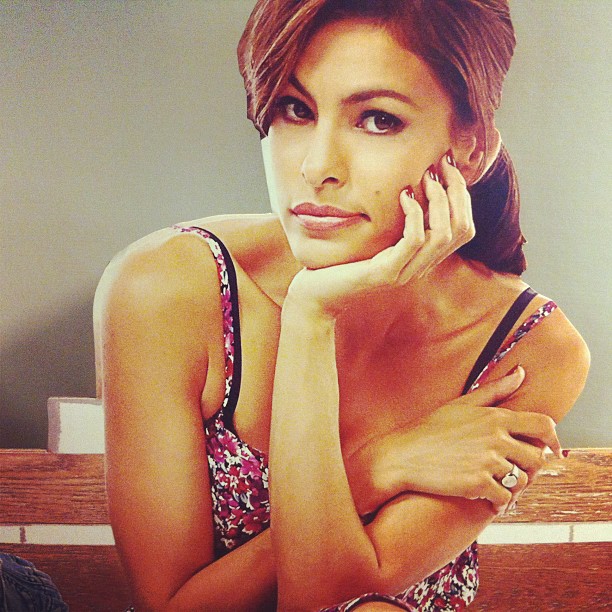
1. Eva Mendes
Eva Mendes stands as a contemporary screen siren who has openly discussed her views on marriage, making her a compelling voice in the conversation about alternative relationship models in Hollywood. Known for her captivating presence, Mendes has navigated a highly visible personal life with a clear stance on what marriage means to her. Her journey reflects a growing trend among celebrities and the public to embrace commitment without necessarily adhering to age-old traditions.
The actress, whose relationships have frequently been in the public eye, including an eight-year partnership with filmmaker George Augusto and her current widely reported romance with Ryan Gosling, has demonstrated that deep, meaningful connections thrive without legal documents. Her experiences offer a blueprint for how modern love can flourish outside conventional boundaries. She proves that true partnership is built on mutual respect and shared life, rather than merely ceremonial aspects.
Mendes articulated her views clearly in 2011, stating, “I don’t have a negative point of view on it. I just think it’s a very old tradition, and if you look back to what marriage symbolizes in the first place … it has nothing to do with why we get married today.” This honest assessment highlights a broader re-evaluation of societal norms. It emphasizes that for many, historical marriage connotations no longer align with contemporary values of equality and personal freedom.
Read more about: Hollywood’s Blind Spots: How Studios Rejected ‘Pulp Fiction’ and 10 Other Iconic Films That Reshaped Cinema

2. Diane Keaton
Diane Keaton, an esteemed figure in American cinema, embodies the spirit of an independent woman who has graced the screen with immense talent. She has consciously charted an unmarried course in her personal life. Throughout her illustrious career, she has been celebrated for her distinctive style, powerful performances, and unique presence, establishing herself as a true screen legend. Her decision to forgo marriage, even while embracing parenthood, resonates with many who seek fulfillment beyond traditional marital structures.
Keaton is explicitly named among “famous actresses and celebrity women” who, according to the context, “haven’t gotten hitched” despite navigating significant relationships. This choice underscores a personal philosophy that values independence and individual identity. It proves that a rich and meaningful life can be built without the legal formality of a marriage certificate. Her life choices have showcased an “alternative relationship model” prioritizing different forms of commitment and family.
Her journey, alongside other notable figures, has helped normalize the idea that a woman can achieve immense success, experience profound love, and build a family without tying the knot. Diane Keaton’s life exemplifies how celebrities can use their platform, even subtly, to demonstrate diverse paths to happiness. She challenges the singular narrative that marriage is the ultimate goal for all women, especially those in the public eye.
Read more about: From Hidden Gems to Iconic Ensembles: 15 Movies Where the Cast Made All the Difference

3. Sheryl Crow
Sheryl Crow, a celebrated musician and public figure, also joins the ranks of prominent women who have chosen to remain unmarried. She has carved out a life rich with professional achievement and personal fulfillment. Her time in the spotlight has consistently highlighted her dedication to her craft and her authentic approach to life, making her a relatable icon. Like Diane Keaton, Crow has navigated her personal life on her own terms, opting for a path diverging from traditional marital expectations.
The context explicitly places Sheryl Crow among “celebrity women” who “haven’t gotten hitched” and have “embraced parenthood without the formality of marriage.” This powerful combination of personal choice—to raise children and build a family outside the conventional married framework—sends a clear message about self-determination. It speaks to the evolving definitions of what constitutes a complete family unit, underscoring a growing comfort among public figures to live authentically.
Crow’s path illustrates that commitment and family bonds are not solely defined by a marriage license. Her experiences contribute to a broader conversation about modern relationships, where personal happiness and well-being often take precedence over adherence to centuries-old customs. Her life serves as an inspiring example of a woman who has found profound joy and stability by embracing an “alternative relationship model,” proving that love and family thrive in many forms.
Read more about: From Rock Stars to Lecturers: 12 Iconic Musicians Who Once Taught in Classrooms
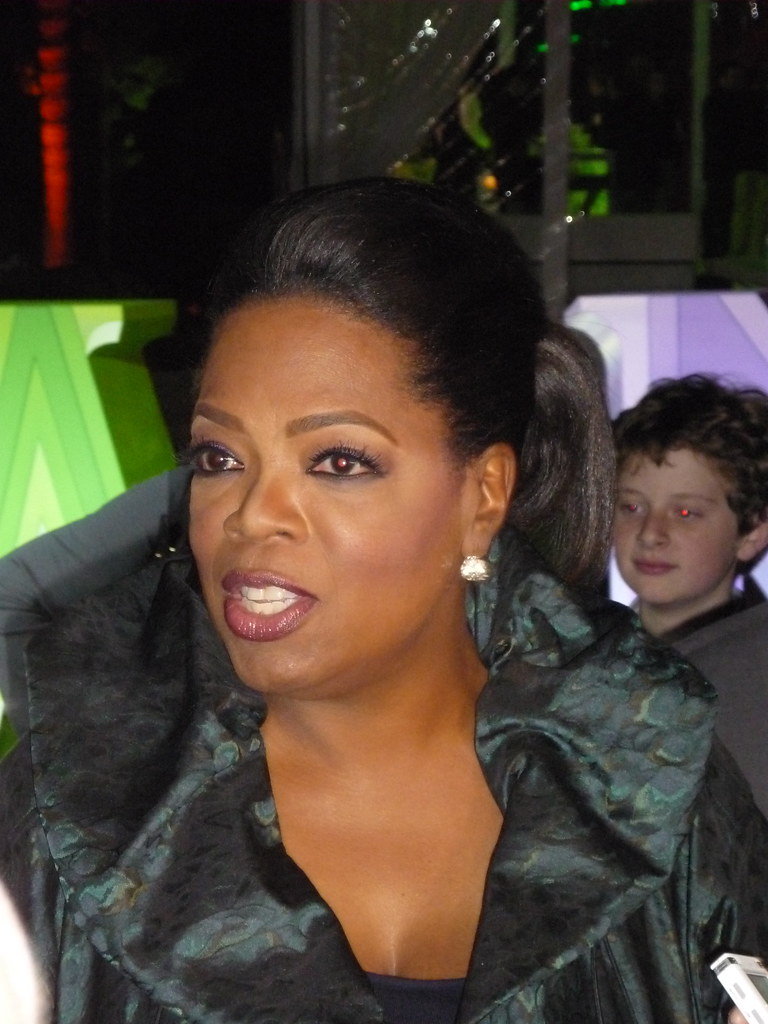
4. Oprah Winfrey
Oprah Winfrey, the legendary media mogul and cultural icon, stands as a towering example of a screen siren whose incredible journey in life and love has unfolded entirely outside the institution of marriage. Her status as one of the most famous people to have never married is frequently highlighted, especially given her decades-long, publicly acknowledged partnership with Stedman Graham. This choice has profoundly influenced public discourse, showing that enduring commitment can exist without a formal marital contract.
Oprah’s relationship with Stedman Graham, spanning “30+ years,” is a testament to a deeply committed partnership that defines its own rules. The context notes she, among other “famous people,” has had “significant relationships with other celebrities” but “never got married.” Her decision has served as a powerful illustration for countless individuals that love and partnership can be sustained and celebrated without legal ties, offering a profound alternative to traditional marital expectations.
The influence of figures like Oprah Winfrey in “normalizing the choice to pursue relationships outside traditional marriage” is immense. Through her transparency and the evident strength of her bond with Graham, she has helped shift societal perceptions, making it more acceptable for others, in and out of the spotlight, to define their own pathways to love and fulfillment. Her life story is a compelling narrative of immense success, deep personal connection, and radical self-determination, all achieved without a single “I do.”
Read more about: Inside Chris Pine’s Very Private Love Life: Unpacking the Romance and Reactions with Keana Sky Wenger

5. Goldie Hawn
Goldie Hawn, a beloved and effervescent screen presence, offers another prominent example of a Hollywood screen siren whose enduring love story has flourished without the legal confines of marriage. Known for her infectious charm and iconic roles, Hawn has captivated hearts for decades. Her partnership with Kurt Russell truly exemplifies a different kind of lasting commitment, standing as a beacon for those who define love on their own terms, away from conventional expectations.
The context specifically highlights Hawn as a figure who “remained unmarried to Kurt Russell for decades despite their committed relationship.” This long-term, public, and profoundly stable partnership has been instrumental in “normalizing the choice to pursue relationships outside traditional marriage.” Her life with Russell demonstrates that the depth and authenticity of a connection are not dictated by a wedding certificate but by shared life, mutual respect, and unwavering devotion.
Goldie Hawn’s vibrant career and robust personal life stand as a powerful testament to the fact that happiness and commitment are not exclusive to married life. Her story, alongside Oprah’s, underscores a significant cultural shift, encouraging a more diverse understanding of relationships. Hawn has shown that it is entirely possible to navigate the public eye, raise a family, and maintain a loving bond for “decades” while deliberately defining partnership in a way that truly reflects personal values, not just societal pressures.
Okay, so we’ve already chatted about some incredible women who bravely redefined commitment and happiness on their own terms. But hold onto your popcorn, because Hollywood’s history is packed with even more trailblazers who navigated love, life, and the limelight without a wedding ring. From fiercely independent choices to heart-wrenching fates, these next four screen sirens truly exemplify the diverse paths women have walked in Tinseltown, proving that a ‘happily ever after’ doesn’t always look the way storybooks tell us it should.
Read more about: Don’t Trust Rotten Tomatoes: 15 Underrated Movies Critics Got Wrong
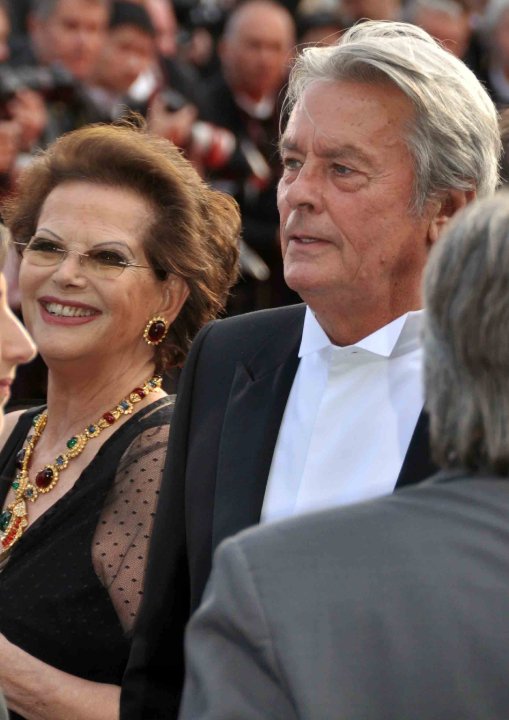
6. Claudia Cardinale
Claudia Cardinale, often hailed as the most significant Italian film actress to emerge during the glorious Swinging Sixties, truly left an indelible mark on global cinema. She stood alongside legends like Sophia Loren and Gina Lollobrigida, captivating audiences with her extraordinary talent and striking beauty. Making over 100 films with directorial giants such as Federico Fellini and Sergio Leone, Cardinale held her own against some of the biggest stars of her era, cementing her place as an international icon. Yet, her personal journey, especially regarding love and marriage, reveals a fierce independence that challenged societal norms long before it was widely discussed.
Her early life was, to put it mildly, tumultuous, marked by circumstances that deprived her of agency from a young age. Plucked from a crowd to be crowned ‘the most beautiful Italian girl in Tunisia’ at 18, her path into film was almost accidental. What followed was even more harrowing: she became pregnant by rape and, at the insistence of her powerful producer Franco Cristaldi, had to keep her pregnancy a secret. Her son, Patrizio, was raised believing she was his sister, an unimaginable burden that deeply scarred her. Her early experiences with control and lack of personal freedom profoundly shaped her views on relationships and the traditional institution of marriage.
In 1966, she did marry Cristaldi in America, but this union, which lasted a decade, proved to be far from the ‘happily ever after’ narrative. Cardinale later described him as a ‘control freak’ who had ‘imprisoned her in an ivory tower and deprived her of her liberty, transforming her into Cinderella.’ This firsthand experience with a controlling marital relationship solidified her desire for autonomy and genuine partnership. It’s a stark reminder that sometimes, the institutions meant to offer security can instead become cages, making the choice to avoid them in the future a powerful act of self-preservation and liberation.
It was after leaving Cristaldi that Claudia truly charted her own course in love. In 1973, she met the Neapolitan film director Pasquale Squitieri. Despite their stark political differences – she a ‘champagne socialist’ and he a ‘neo-fascist’ – they fell deeply in love, a bond she said ‘provoked in her both madness and energy.’ For two decades, they built a life together and had a daughter, also named Claudia, but they never married. This long-term, loving, and unconventional partnership, existing entirely outside of legal ties, perfectly encapsulates the spirit of an ultimate bachelorette who defines commitment on her own terms, free from historical conventions.
Read more about: Beyond the Royal Shadow: Unpacking the Complex Life and Enduring Legacy of Princess Anne’s First Husband, Mark Phillips
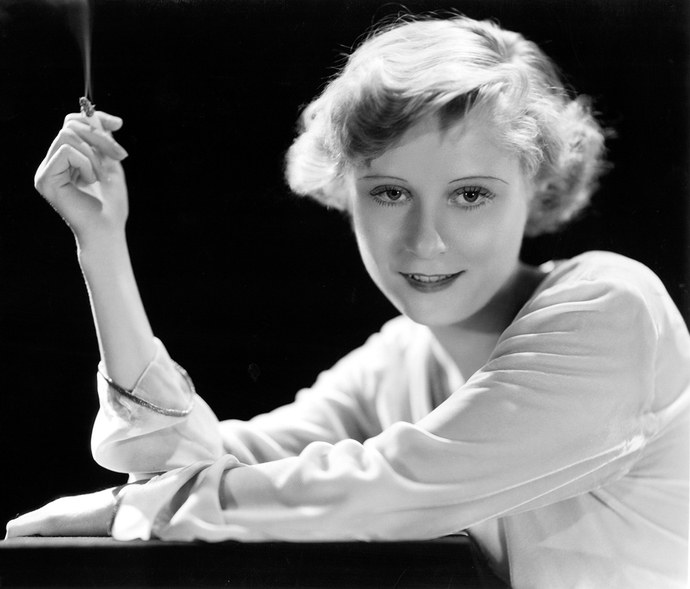
7. Peg Entwistle
Peg Entwistle’s story is one of Hollywood’s most poignant and tragic, a stark reminder of the fragile line between dreams and despair in the shimmering city of angels. An English actress who had a growing career on Broadway, Entwistle made the ambitious leap across the country, lured by the promise of ‘Hollywoodland’—the place where every actor yearned to see their name in lights. For an orphan who sought belonging and recognition, Hollywood represented not just stardom, but a final, desperate chance at happiness and a secure future.
Her early foray into the movie industry was fraught with the kind of crushing disappointments that defined many aspiring talents. While she did manage to secure a credited role in RKO’s 1932 thriller *Thirteen Women*, the film, unfortunately, proved to be a box office flop. This setback was devastating. Without a contract, with no immediate prospects for work, and lacking even the funds to return to her former life in New York, Entwistle found herself at an agonizing crossroads. The dreams she had chased so fervently seemed to crumble around her, leaving her utterly consumed by despair.
In a heartbreaking turn of events that forever etched her name into Hollywood lore, Peg Entwistle’s body was discovered in September 1932 below the iconic ‘Hollywoodland’ sign, alongside a suicide note. Her tragic act of taking her own life at just 24 years old became a haunting symbol of the industry’s darker side, a stark contrast to the glamour it projected. It’s a powerful narrative of how the pursuit of fame, when coupled with profound loneliness and professional failure, can lead to insurmountable emotional pain, leaving no room for a conventional love life or the prospect of marriage.
Adding another layer of profound sadness to her story, tinsel town legend whispers of a cruel twist of fate: a letter arrived at her home the very next day after her death, a job offer from the Beverly Hills Playhouse for the leading role of a woman who ultimately takes her own life. This chilling irony only deepens the tragedy, emphasizing the cruel hand of destiny and the ephemeral nature of opportunity. Peg Entwistle’s brief, heartbreaking life is a testament to dreams unfulfilled and a life’s trajectory that ended long before it could ever lead to a long-term partnership or the institution of marriage.
Read more about: Echoes of Dissent: The Controversial Songs That Defined America’s Airwaves

8. Frances Farmer
In the vibrant and often ruthless Hollywood of the 1930s, Frances Farmer shone as a talent so immense she was hailed as ‘the most important discovery since Greta Garbo.’ She secured a coveted seven-year contract with Paramount, a clear path to stardom laid out before her. Yet, from the outset, Farmer publicly resented the studio system’s efforts to ‘groom’ her, a system she viewed as stifling her individuality and artistic integrity. Her rebellious spirit and refusal to conform set her on a collision course with the industry, creating a life too turbulent to ever settle into traditional marital bliss.
Farmer’s defiance quickly escalated into a series of highly publicized incidents that marked the beginning of her profound downward spiral. In 1942, a drunken driving incident led to an arrest where she famously assaulted police officers. The following year, she faced charges again for a warrant, culminating in further violent outbursts, including striking a hairdresser and attacking her own mother. These episodes painted a picture of a woman battling intense internal demons, making any stable relationship, let alone marriage, an increasingly distant possibility amidst the chaos that enveloped her.
The consequences of her escalating behavior were severe and tragic. Farmer spent several harrowing years in various sanitariums, where she endured brutal treatments including shock therapy and, reportedly, a lobotomy. These institutionalizations, often against her will, stripped her of her personal freedom and further eroded her mental and emotional well-being. Her life became a poignant narrative of a brilliant talent consumed by her struggles, trapped in a system that offered little in the way of genuine care, ultimately making a conventional love life, let alone marriage, an impossibility.
Despite attempts to revive her career in the 1950s, her past erratic behavior proved too damaging, destroying any remaining chances she had in the public eye. Frances Farmer ultimately spent her final years living in solitude, far from the Hollywood glare she once both attracted and despised, passing away from cancer at age 56 in 1970. Her life story is a powerful, heart-wrenching testament to a woman whose immense talent was eclipsed by personal tragedy and institutional cruelty, a path that undeniably prevented any journey towards lasting love or marriage.
Read more about: Unlocking the Empire: Kendall Jenner’s Journey from Reality TV Star to Global Fashion & Business Mogul

9. Maria Montez
Dubbed the ‘Technicolor Queen,’ Maria Montez brought an unparalleled exotic beauty and vibrant energy to the silver screen, captivating audiences with her sensational, often campy, films. Hailing from the Dominican Republic, Montez became a unique figure in Hollywood, celebrated for her distinctive charm and dramatic flair. Signed by Universal Studios in 1941 after a career as a model, she quickly became a star in a series of colorful spectacles like *Ali Baba and the Forty Thieves* and *Cobra Woman*, crafting a persona that was both alluring and larger-than-life. Her career, though brief, showcased a woman fiercely committed to her craft, even if her love life never led to marriage.
Montez’s fame, however, was intrinsically tied to a very specific genre of ‘tropical pictures,’ and as film noir began to dominate Hollywood, her particular star power started to wane. Recognizing the shifting tides of the industry, and always striving for new artistic avenues, Montez made the bold move to France, hoping to revive her career and explore more diverse roles. She completed a few European films, demonstrating her resilience and dedication to acting, even as Hollywood’s fickle gaze shifted elsewhere. Her life was a whirlwind of international travel, constant performance, and a relentless pursuit of cinematic relevance, leaving little room for traditional domesticity.
Tragically, Maria Montez’s captivating life was cut short in 1951 when she was found dead in her tub at the tender age of 39 (though some sources suggest she was 31). While physicians attributed her death to a heart attack sustained while bathing in hot water, the final hours of her life remain shrouded in mystery. Her sudden demise added another layer of intrigue to her already sensational persona, solidifying her status as a legendary figure whose vibrant career and enigmatic life ended far too soon to ever settle into a married existence.
In her relatively short but impactful career and life, Maria Montez remained unmarried. Her story, filled with exotic beauty, cinematic spectacle, and an untimely end, embodies a different kind of screen siren—one whose journey was cut short before the question of marriage could ever truly define her. She left behind a legacy of vibrant performances and a life lived fully, if tragically, on her own terms, without ever tying the knot.
There you have it – four more incredible women who, for vastly different reasons, defied or transcended the traditional path of marriage. From Claudia Cardinale’s conscious choice to define commitment outside legalities after a restrictive first marriage, to the heartbreakingly unfulfilled dreams of Peg Entwistle, Frances Farmer, and Maria Montez whose lives were cut tragically short or consumed by immense personal struggles, each story adds a unique thread to the tapestry of Hollywood’s bachelorettes. They remind us that love, commitment, and personal fulfillment come in countless forms, and that the legacies these screen sirens built were far grander and more complex than any wedding vow could ever encapsulate. Their lives, whether by design or destiny, continue to inspire us to champion our own paths, to seek joy and purpose on our own terms, and to recognize that true happiness is often found in embracing the beautiful, unconventional narratives of our own choosing.