
The issue of representation in Hollywood has long been a contentious one, particularly concerning the consistent casting of white actors in roles originally intended for people of color. Despite ongoing conversations about diversity, the industry has historically demonstrated a persistent pattern of overlooking actors of color for roles that are inherently tied to specific racial or ethnic backgrounds. This practice not only denies opportunities to diverse talent but also perpetuates inaccurate and often stereotypical portrayals on screen. According to the 2014 University of Southern California study, “Inequality in 700 Popular Films,” an average of 75.2 percent of speaking roles already go to white actors, a figure that becomes even more problematic when some of those parts are actually characters of color.
This phenomenon, often referred to as whitewashing, has a deep and uncomfortable history, sometimes manifesting in overt ways such as blackface and yellowface. While many might assume these practices are relics of a bygone era, the reality is that they continue to surface, albeit sometimes in more subtle forms, even in contemporary cinema. What is particularly striking is the asymmetry of public and industry reaction: while a “tsunami-sized wave of backlash” often arises when an actor of color is cast as a fictional character perceived as white—such as Michael B. Jordan as the Human Torch or Amandla Stenberg as Rue of “The Hunger Games”—the outrage is often not “quite the same” when the reverse occurs, even for characters based on real-life people of color.
To better understand the scope and impact of these casting decisions, this article delves into specific examples where white actors were chosen to portray characters of color. By examining these instances, we aim to provide a clear, contextual, and analytical overview of Hollywood’s casting choices, exploring the backgrounds of both the characters and the actors involved. Each case highlights a different facet of this complex issue, inviting a deeper consideration of how such decisions affect cultural representation and the narratives presented to global audiences.

1. **Angelina Jolie as Mariane Pearl**In the 2007 film “A Mighty Heart,” Angelina Jolie took on the role of Mariane Pearl, a journalist facing the harrowing ordeal of her husband Daniel’s kidnapping and murder by Pakistani militants. The film aimed to depict a very real and painful story, yet its casting decision for the lead character drew significant scrutiny. Mariane Pearl, the real individual, was born in France but is notably of Afro-Cuban descent, characterized by naturally curly hair and a dark complexion.
The choice to cast Angelina Jolie in this role immediately raised questions regarding authentic representation. Jolie, whose ancestry is described as “mixed-European descent,” possesses naturally fair skin and blue-green eyes, starkly contrasting with Pearl’s Afro-Cuban heritage. This casting required Jolie to appear to darken her skin and alter her hair, leading to considerable criticism.
Critics and audiences alike viewed this portrayal as a modern instance of blackface, highlighting Hollywood’s tendency to cast white actors even when the character’s racial or ethnic identity is central to their background. The decision effectively erased the Afro-Cuban heritage of Mariane Pearl, replacing it with a European facade. This instance underscores the industry’s historical reluctance to provide authentic platforms for actors of color to tell their own stories or represent individuals from their communities.
The controversy surrounding Jolie’s casting in “A Mighty Heart” serves as a poignant reminder of the persistent issues within Hollywood concerning racial accuracy and sensitivity in storytelling. It emphasizes the need for casting directors to prioritize authenticity, especially when portraying real people whose diverse backgrounds contribute significantly to their identity and narrative. The choice impacted how audiences perceived Mariane Pearl, flattening a complex racial identity into a more generalized, and less accurate, representation.

2. **Ben Affleck as Antonio J. Mendez**The Academy Award-winning film “Argo,” released in 2012, garnered widespread acclaim for its thrilling depiction of the 1980 rescue of six American hostages in Iran. Directed by and starring Ben Affleck, the movie chronicled the real-life work of top-level CIA operative Antonio J. Mendez. While the film was praised for its dramatic tension and historical significance, the casting of Affleck in the lead role became a notable point of contention.
Antonio J. Mendez was a real person, born in Nevada and proudly Mexican-American. His heritage was an integral part of his identity, yet the film’s production chose to cast an actor who did not share this background. Ben Affleck, as the context specifies, is “not Latino” but rather “of mixed-European descent.” This decision resulted in the erasure of a prominent Mexican-American figure’s ethnicity from the big screen.
The choice to cast Affleck in this role is a clear example of whitewashing, where a character of color is portrayed by a white actor, effectively denying an actor of appropriate background the opportunity. It highlights a recurring issue in Hollywood where the real-life ethnic identity of a person is sidelined for what are often perceived as commercial considerations or star power. Such decisions contribute to the underrepresentation of Latino actors in leading roles.
By presenting a Mexican-American hero as a white American, “Argo” inadvertently missed an opportunity to celebrate diverse American experiences. This casting choice, despite the film’s critical success, underlines a broader systemic problem in the entertainment industry. It reinforces the notion that certain roles are universalized to fit white actors, while specific ethnic identities remain underrepresented or are inaccurately depicted.

3. **Joseph Fiennes as Michael Jackson**In 2016, a British TV movie titled “Elizabeth, Michael and Marlon” sparked immediate controversy with its casting choice for the legendary King of Pop, Michael Jackson. The film was based on an alleged road trip involving Elizabeth Taylor, Michael Jackson, and Marlon Brando following the September 11 terrorist attacks. The premise itself was unusual, but the casting of a specific role pushed it into the realm of widespread public debate.
Michael Jackson was unequivocally African-American, a Black man whose racial identity was a significant part of his life and public persona. He was also known to be critical of whitewashing and would not have been “fond of a white actor portraying him,” according to the context. Therefore, the decision to cast Joseph Fiennes, a white British actor, as Jackson was met with disbelief and strong condemnation.
Fiennes himself acknowledged the incongruity of the casting, stating to Entertainment Tonight: “I’m a white, middle-class guy from London. I’m as shocked as you may be.” This candid admission underscored the absurdity of the decision, which seemed to ignore both the racial identity of the actual person being portrayed and the historical context of race in entertainment. It was a glaring instance of a Black icon being rendered white.
This particular casting choice reignited discussions about Hollywood’s problematic history with race, extending beyond fictional characters to real historical figures. It exemplified a profound misunderstanding or disregard for the importance of racial authenticity, especially for a figure as globally recognized and racially defined as Michael Jackson. The incident served as a stark reminder of how far the industry still needs to progress in equitable representation.
Read more about: From Hidden Gems to Iconic Ensembles: 15 Movies Where the Cast Made All the Difference
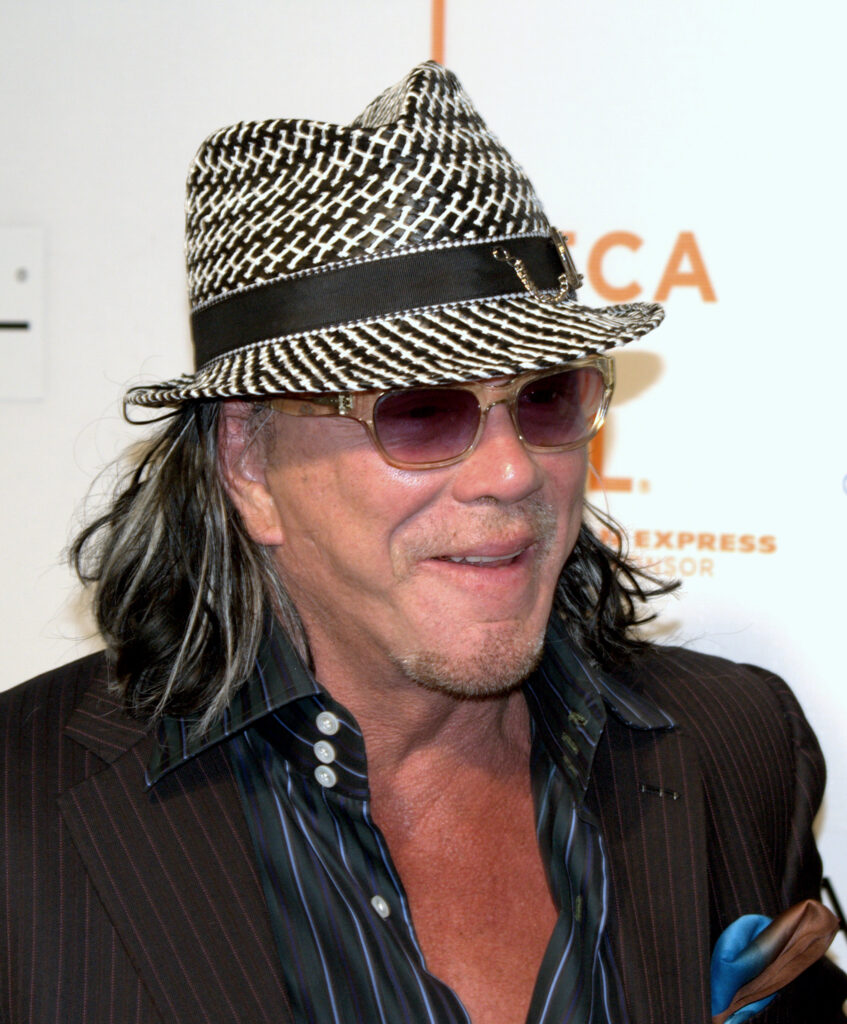
4. **Mickey Rooney as Mr. Yunioshi**Among the most infamous and widely criticized examples of yellowface in Hollywood history is Mickey Rooney’s portrayal of Mr. Yunioshi in the 1961 classic “Breakfast at Tiffany’s.” The film, celebrated for its romance and iconic lead Audrey Hepburn, features Mr. Yunioshi as Holly Golightly’s hot-tempered Japanese landlord, a character she consistently tries to avoid. This character, however, became a lasting symbol of egregious racial stereotyping.
Mickey Rooney, an American-born actor of Scottish descent, was cast in the role despite having no Japanese heritage whatsoever. His portrayal involved a deeply offensive caricature: “slanted eyelids, buck teeth, and a thick accent.” These visual and vocal elements were not merely an attempt to “play” a Japanese character; they were a collection of exaggerated, demeaning stereotypes that reinforced harmful prejudices against East Asians.
The performance drew considerable criticism from Asian Americans, who rightly saw it as a racist portrayal. Yet, in a troubling reflection of the era’s attitudes, Rooney himself defended the role, claiming that for “more than 40 years after we made it—not one complaint.” He even asserted that “Asians and Chinese come up to me and say, ‘Mickey you were out of this world.'” This response, as noted in the context, ignored the legitimate pain and offense caused by his yellowface performance.
The enduring impact of Mickey Rooney’s Mr. Yunioshi highlights the deep-seated issues of racial insensitivity that permeated Hollywood for decades. It stands as a powerful testament to how certain portrayals, while perhaps intended as comedic at the time, inflicted lasting damage by perpetuating racist tropes and dehumanizing an entire community. The character remains a touchstone in discussions about problematic cinematic representations.
Read more about: YIKES! 15 Iconic Movies That Totally Aged Like Milk: A Cringe-Worthy Countdown We Can’t Unsee

5. **Juliette Binoche as Maria Segovia**The 2015 film “The 33” brought to the screen the extraordinary true story of the 33 Chilean miners who were trapped underground for an astounding 69 days. The narrative highlighted not only the resilience of the miners but also the desperate and tireless efforts of their families above ground. One of the key figures in this dramatic ordeal was Maria Segovia, the real-life sister of one of the trapped miners.
Maria Segovia played a crucial role in the “Campo Esperanza,” a makeshift tent community in the Atacama Desert, where family members lived to remain close to their relatives during the rescue operations. She was a Chilean woman, described in the context as having “a dark brown complexion,” a detail that speaks to the diverse indigenous and mestizo populations of Chile. Her appearance was a reflection of her identity and the regional demographics.
However, the film cast Juliette Binoche, a French actress, in the role of Maria Segovia. Binoche’s complexion is noted to be “much fairer compared to the real Maria’s complexion.” This casting choice, while perhaps not as overtly stereotypical as other examples, nonetheless contributed to the whitewashing of a character whose ethnic background was clear. It once again placed a European actress in a role meant for a Latin American woman of color.
This instance in “The 33” illustrates how whitewashing can occur even in serious, fact-based dramas, diminishing the authenticity of the real individuals being portrayed. It underscores the broader challenge of ensuring that stories about people from specific ethnic and racial backgrounds are told by actors who genuinely reflect those identities. The decision, though perhaps less sensational, quietly reinforces the narrative that non-white characters can be interchangeably played by white actors.

6. **The Main Cast of “The Last Airbender”**The 2010 film adaptation of Nickelodeon’s popular cartoon series, “The Last Airbender,” was met with significant backlash, much of it directed at its controversial casting decisions. The animated series itself featured tribes and characters explicitly drawn from Asian and Native American-descent cultures, chronicling their journey to stop the Fire Nation. This rich cultural tapestry provided a clear blueprint for representation.
Specifically, characters like Katara, her brother Sokka, and the broader Water Tribe were designed with primary influences from the Inuit people and culture. Aang, the titular character and central protagonist, was clearly of Asian ancestry. These origins were not subtle; they were fundamental to the world-building and character development within the beloved source material.
Despite these clear cultural anchors, the film cast white actors in the roles of the three main protagonists: Noah Ringer as Aang, Nicola Peltz as Katara, and Jackson Rathbone as Sokka. The context explicitly states that these actors were “all white with no Asian or Native American ancestry.” Adding to the controversy, the actors of color who *were* cast in the film were predominantly relegated to portraying the villains, further exacerbating the issue of negative representation.
This widespread whitewashing of the main cast in “The Last Airbender” exemplifies a significant misstep in adaptation, alienating a large portion of the fanbase and reinforcing damaging stereotypes. It demonstrated a profound disregard for the source material’s cultural foundations and the importance of accurate ethnic representation in a globally recognized franchise. The casting decisions highlighted a systemic problem where diverse characters are often stripped of their original identities when transitioning to live-action Hollywood productions.
Read more about: Still Can’t Believe You Watch Them? Dive into 12 Cult Classics Where Bad Acting Equals Legendary Fun.

7. **Laurence Olivier as Othello**In 1965, the renowned British actor Laurence Olivier took on the titular role in one of many film adaptations of Shakespeare’s enduring tragedy, “Othello.” The character of Othello is a general in the Venetian army and is famously described as a “Christian Moor,” a designation that historically implies a dark complexion. This racial identity is inextricably linked to the play’s themes of jealousy, betrayal, and otherness.
Olivier, however, was a British actor with “no African or Arab roots,” making his portrayal inherently problematic. To embody the character, he resorted to wearing “full-on blackface,” literally painting his skin several shades darker. This practice, deeply rooted in racist minstrel shows, involves exaggerating features to caricature Black individuals, and its use in a serious cinematic production in the mid-20th century was, and remains, highly controversial.
The decision to use blackface for such an iconic role underscores a historical period in Hollywood and British cinema where white actors were routinely cast in roles meant for people of color, often employing offensive makeup to “transform” them. It reflects a systemic issue where opportunities for Black actors to play their own heritage roles were severely limited, with even a character as significant as Othello being portrayed by a white actor in racially demeaning makeup.
Laurence Olivier’s performance as Othello serves as a stark historical marker of how racial representation was handled in the past, highlighting the pervasive nature of blackface in mainstream media. Despite Olivier’s celebrated acting career, this role remains a potent example of how deeply entrenched racial insensitivity was in the industry, raising critical questions about artistic choices that perpetuate harmful stereotypes rather than challenge them. The impact of such a portrayal reverberated through cultural discourse, showcasing a persistent blindness to the implications of such racial mimicry.
Continuing our in-depth examination, we turn our attention to more cases that illustrate Hollywood’s enduring struggle with authentic representation, moving beyond early instances to highlight how this pattern persisted and evolved, impacting both fictional characters and real historical figures from diverse cultural backgrounds.
These examples shed light on the pervasive nature of whitewashing, demonstrating that it is not merely a relic of the distant past but a recurring issue that has shaped narratives and denied opportunities to actors of color. Each instance serves as a critical point of discussion, prompting us to consider the ongoing implications of such casting decisions in modern cinema and the broader cultural discourse around identity and authenticity in storytelling.
Read more about: Dame Maggie Smith: A Titan’s Farewell – Celebrating the Enduring Legacy of an Unforgettable Stage and Screen Icon
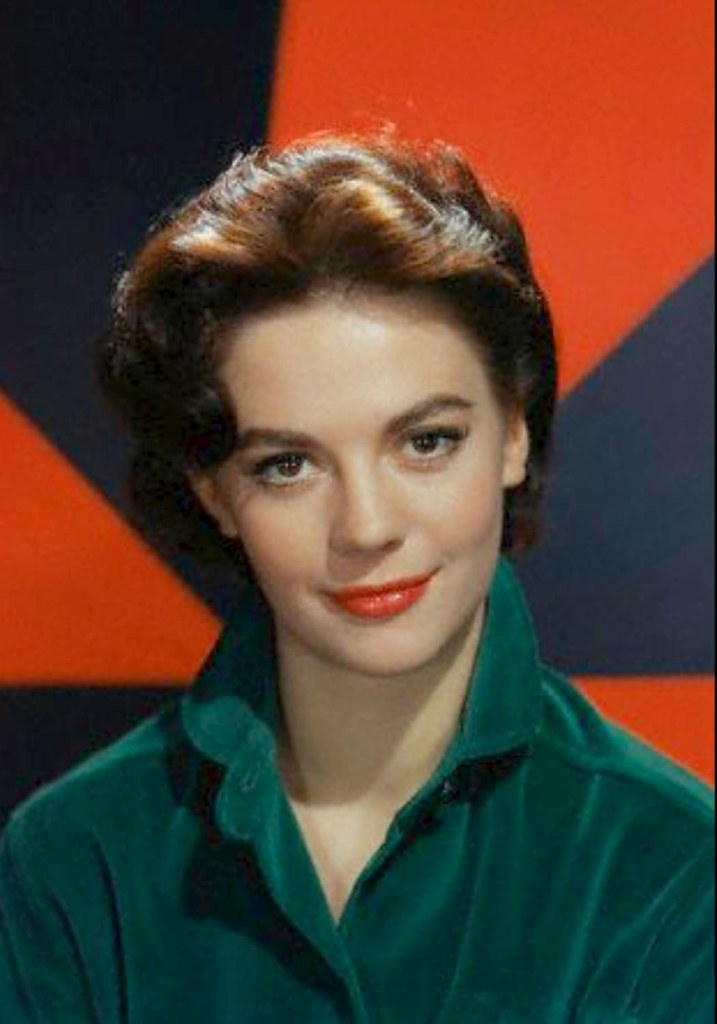
8. **Natalie Wood as Maria**In the 1961 film adaptation of Shakespeare’s classic tragedy, “West Side Story,” Natalie Wood took on the role of Maria, a young girl caught in a forbidden romance between rival New York City gangs. The film, a modern-day take on “Romeo and Juliet,” depicted Maria as the younger sister of Bernardo, the formidable leader of the Puerto Rican gang, The Sharks. This explicitly established Maria as Puerto Rican, making her ethnic identity integral to the story’s cultural backdrop and character dynamics.
However, the casting of Natalie Wood, an actress of Russian descent, in this distinctly Puerto Rican role highlighted a significant instance of whitewashing. Wood was neither Puerto Rican nor Latina, a decision that stripped the character of her authentic ethnic identity on screen. This choice was particularly glaring given the film’s narrative, which deeply explored the tensions and cultural distinctions between the Puerto Rican and white communities in New York.
“West Side Story” saw widespread miscasting, with most of the Puerto Rican roles filled by non-Latino actors, underscoring a broader pattern within the industry. The notable exception was Rita Moreno, who, as the context points out, won an Academy Award for her portrayal of Anita. Her success implicitly demonstrated that authentic casting was not only possible but also artistically rewarded, highlighting the missed opportunities for genuine representation in other key roles.
This specific instance of casting Natalie Wood as Maria underscores Hollywood’s persistent tendency to prioritize star power or conventional notions of beauty over ethnic accuracy, even when a character’s background is explicitly defined. It raises important questions about who gets to tell certain stories and whose faces are deemed marketable enough to represent diverse communities on a global stage. The visual incongruity inevitably impacted the film’s claim to cultural authenticity.
Read more about: Sonny Curtis, Writer of ‘Mary Tyler Moore’ Theme and ‘I Fought the Law,’ Dies at 88
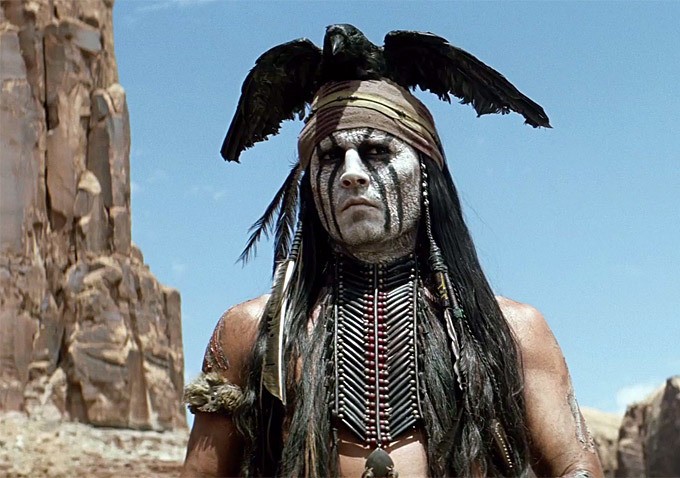
9. **Johnny Depp as Tonto**The 2013 film “The Lone Ranger” attempted to revive the classic Western tale, but its casting choices quickly became a focal point of controversy. The movie, which centered on the Native American warrior Tonto and his recollections of the Lone Ranger’s origin, placed this indigenous character at the narrative’s core. In the original 1950s TV series, Tonto had been famously portrayed by Jay Silverheels, a real-life member of the Mohawk tribe, setting a precedent for authentic representation.
Yet, for the modern adaptation, the role of Tonto went to Johnny Depp. As the context clearly states, Depp is not a member of any First Nation tribe. While he told Entertainment Weekly he has “some Native American somewhere down the line,” claiming it might be Cherokee or Creek, this assertion falls far short of the specific tribal identity and lived experience that a genuine First Nation actor could bring to the role.
This casting decision represented a disheartening regression in representation. To move from a period where an actual First Nation actor played Tonto in the 1950s to casting an actor of mostly European descent in the 2010s demonstrated a troubling step backward for Hollywood. It implied that specific indigenous identities could be interchangeably represented by non-indigenous actors, undermining efforts for authentic portrayals.
The controversy surrounding Depp’s portrayal was not just about his ancestry, but also about the problematic makeup and exaggerated portrayal often associated with historical stereotypes of Native Americans. Despite the film’s intentions to focus on Tonto’s perspective, the casting ultimately served to reinforce a history of misrepresentation, failing to empower Native American voices in telling their own stories within a major Hollywood production.
Read more about: Hollywood’s Costly Missteps: Analyzing the $115 Million Snow White Debacle and Other Major Studio Flops of 2024

10. **Katharine Hepburn as Jade**During World War II, Hollywood produced films aimed at shaping public perception, and the 1944 film “Dragon Seed” was one such example, set against the backdrop of the Second Sino-Japanese War. The central character, Jade, was a Chinese woman depicted as bravely leading her village in resistance against Japanese invaders. The narrative explicitly positioned her as a Chinese woman living in a small village in China, making her ethnic identity central to the film’s premise and storyline.
Despite this clear character background, the role of Jade was given to Katharine Hepburn, an American-born actress of mixed-European descent. Hepburn was unequivocally not Chinese or of Asian descent, making her portrayal a glaring instance of yellowface, a practice rooted in the racist tradition of white actors performing exaggerated and often offensive caricatures of East Asian people. This decision was indicative of a common trend in Hollywood during that era.
This casting choice exemplifies a systemic issue where Asian characters were routinely denied authentic representation, with white actors stepping into roles that should have been reserved for performers of the appropriate ethnic background. It reflects a period when Hollywood rarely, if ever, considered Asian actors for leading roles that genuinely reflected their heritage, instead opting for prominent white stars.
The portrayal of a Chinese woman by a European actress in a historical drama about a real conflict contributed to the flattening of Asian identities and perpetuated a Eurocentric view of the world. Even in a film aiming to humanize a struggling community, the casting inadvertently reinforced the idea that non-white characters were interchangeable and could be depicted by white actors without significant cultural consequence, a notion that has rightfully been challenged in modern discourse.
Read more about: Ready for a Rom-Com Rewatch? These 10 Movies Are So Good, They’re Basically Perfect!

11. **Elizabeth Taylor as Cleopatra**The 1963 historical epic “Cleopatra” captivated audiences with its grandeur and extravagance, becoming one of the most expensive movies ever made. The film chronicled Cleopatra’s passionate affairs and her reign as Egypt’s last independent pharaoh. While she is widely believed to have been of Macedonian descent, many modern scientists insist she also possessed African roots, making her true appearance and ethnic identity a complex and debated subject. Crucially, it is considered very unlikely that Cleopatra was as fair-skinned and light-eyed as Hollywood frequently portrayed her.
Nevertheless, the iconic role went to Elizabeth Taylor, an actress born in England to American parents, whose family’s ancestry was rooted in Western Europe. Taylor’s casting, while celebrated for its star power, continued a long-standing tradition of presenting historical figures of color as white. Her fair skin and famous violet eyes were a stark contrast to the likely diverse appearance of the actual Egyptian queen, contributing to a widespread misrepresentation of historical ethnicity.
This decision epitomized Hollywood’s tendency to whitewash historical figures, especially those from non-European cultures. It perpetuates a narrative that important historical roles must be filled by white actors, even when the historical evidence points to a different racial or ethnic background. The immense scale of the film meant this inaccurate portrayal reached a massive global audience, solidifying a particular image of Cleopatra that deviated significantly from historical and scientific understanding.
Elizabeth Taylor’s portrayal, despite its critical acclaim and lasting cultural impact, highlights how commercial considerations and a lack of commitment to historical ethnic accuracy can lead to significant misrepresentations. It underscores the ongoing challenge of confronting ingrained biases in historical storytelling and advocating for more nuanced and truthful depictions of diverse historical figures in cinema.
Read more about: Elizabeth Taylor: Unpacking the Legend’s Seven Marriages and Unforgettable AIDS Activism – Did She Ever Truly Find Her Happily Ever After?
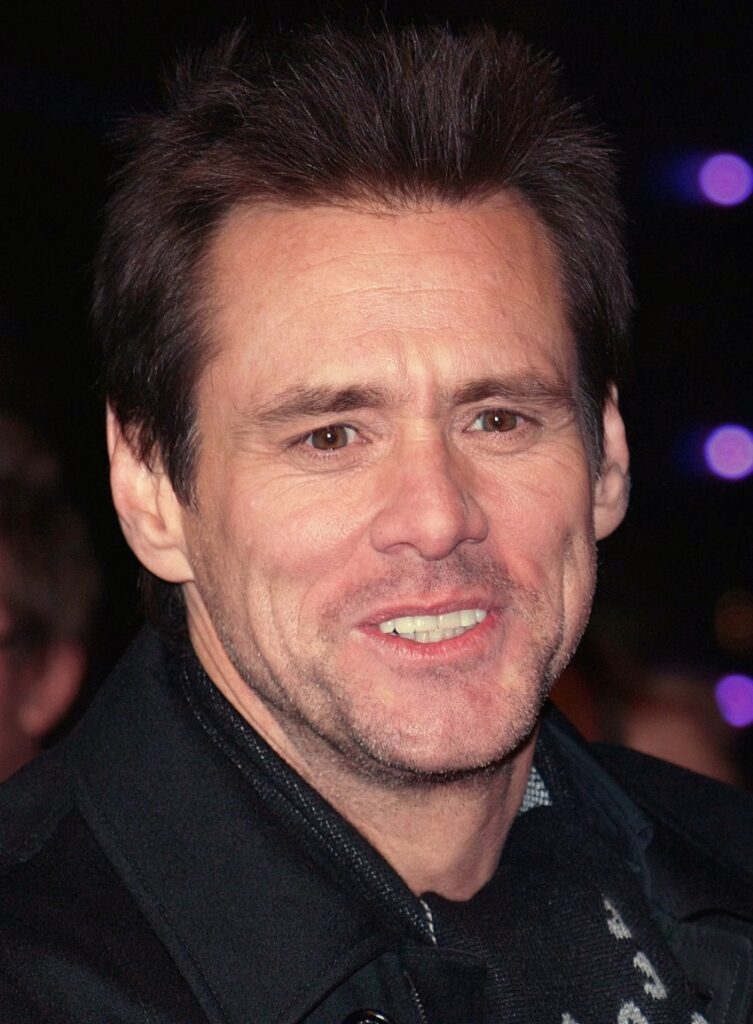
12. **Jim Sturgess as Jeffrey Ma**”21,” the 2008 film based on true events, chronicled the story of a brilliant MIT student who, along with others, was trained to become an expert card counter in blackjack. The protagonist of the film, Ben Campbell, was actually based on the real-life MIT card counter and blackjack player Jeffrey Ma. Ma is explicitly identified as an American of Chinese descent, and importantly, most of the real-life blackjack team that inspired the story was also of Asian descent.
However, the film cast Jim Sturgess, a British actor, in the lead role. Sturgess is not of Asian descent, and his casting not only whitewashed the character of Jeffrey Ma but also broadly erased the Asian-American identity of the entire team. This decision required Sturgess to master an American accent with the help of a dialect coach, further highlighting the deliberate choice to cast outside the character’s ethnic background.
This instance of wholesale whitewashing of an entire ensemble of Asian-American individuals sparked significant criticism, as it denied Asian-American actors the opportunity to portray their own stories and experiences on a major cinematic platform. It exemplified a Hollywood pattern of altering the race of real individuals for what were often perceived as commercial reasons, ignoring the rich cultural context of the original story.
Adding to the controversy, the context points out that Jim Sturgess is also known for having worn “full-on yellowface” for his role in “Cloud Atlas” in 2012. This subsequent casting decision only served to compound the criticism, further cementing his association with problematic racial portrayals and intensifying discussions about the industry’s continued struggles with authentic Asian representation.

13. **Jennifer Connelly as Alicia Nash**The Academy Award-winning 2001 film “A Beautiful Mind” presented the life and career of the brilliant mathematician John Nash, but also featured a significant character, Alicia (born Alicia Lardé), an MIT student who later became John’s wife. The real Alicia Lardé was Salvadorian, a detail that provided a specific and rich cultural identity to her character and her real-life story.
Despite Alicia’s Salvadorian heritage, the role was given to Jennifer Connelly, an actress explicitly noted as not Latina and having no Latin American roots. Connelly is of mixed-European descent. This casting decision, while earning Connelly an Academy Award for Best Supporting Actress in 2001, effectively erased the Salvadorian identity of a real individual from a widely celebrated biographical film.
This choice is another example of Hollywood’s tendency to cast white actors in roles of Latin American descent, particularly when the character is a woman. It subtly diminishes the visibility of Latina actresses and narratives in mainstream cinema, perpetuating a narrow view of who can embody complex and important roles, even when those roles are based on real people from diverse backgrounds.
The decision highlights how even critically acclaimed films can inadvertently contribute to the systemic issue of whitewashing. By transforming a Salvadorian woman into a white woman on screen, “A Beautiful Mind” missed an opportunity to authentically celebrate and represent a diverse American experience, reinforcing the broader challenge of ensuring that stories about people from specific ethnic and racial backgrounds are told by actors who genuinely reflect those identities.
Read more about: 16 Must-See Movies Unmasking Vulnerability and Deep Connections Between Men
14. **John Wayne as Genghis Khan**Perhaps one of the most notoriously miscast roles in Hollywood history is John Wayne’s portrayal of Genghis Khan in the 1956 film “The Conqueror.” The movie aimed to chronicle the rise of the legendary Mongol emperor and conqueror, a figure of immense historical significance. Genghis Khan was undeniably Mongol, born near the border of present-day Mongolia and Siberia, making his Asian heritage central to his identity and historical context.
However, the role was famously given to John Wayne, a quintessential American actor of mixed-European descent with absolutely no Asian ancestry. This casting decision was met with widespread incredulity and has since become an iconic example of Hollywood’s historical insensitivity to racial and ethnic authenticity. Wayne’s appearance was dramatically altered with makeup and costuming to vaguely resemble an East Asian man, a form of yellowface that was both demeaning and unconvincing.
Wayne’s portrayal of Genghis Khan stands as a stark testament to a bygone era in Hollywood where white actors were routinely cast in virtually any role, regardless of the character’s race or ethnicity. It reflects a period when opportunities for Asian actors to portray their own historical figures were virtually nonexistent, further cementing harmful stereotypes and denying authentic representation on the big screen.
The profound unsuitability of John Wayne for the role, both physically and culturally, made the film a critical and commercial failure, though it remains a powerful cautionary tale in discussions about miscasting. It highlights the extreme lengths to which Hollywood went to avoid casting actors of color, even for roles as historically and ethnically specific as Genghis Khan, underscoring the deep-seated issues of racial blindness that plagued the industry for decades.
As we’ve journeyed through these glaring examples, it becomes abundantly clear that Hollywood’s history of casting white actors in roles intended for people of color is not merely a series of isolated incidents, but rather a deeply ingrained pattern with far-reaching implications. From altering the racial identity of historical figures to completely reimagining diverse fictional characters, these decisions have collectively contributed to a narrative that often diminishes or erases the authenticity of non-white experiences.
Read more about: Behind the Box Office: 12 Action Star Incidents from Blockbuster Sets That Were Mysteriously Forgotten
Despite the “tsunami-sized wave of backlash” that now frequently accompanies such missteps, the underlying issue persists, challenging us to look beyond individual controversies to the systemic factors that enable them. The ongoing discourse surrounding these casting choices is a vital reminder that representation matters, not just for the actors whose opportunities are denied, but for the audiences who seek to see their own identities and histories accurately and respectfully reflected on screen. It is a powerful call to action for an industry that still has significant strides to make towards true inclusivity and equity.