In the ever-evolving landscape of modern entertainment, comedy often finds itself on the razor’s edge, balancing humor with societal sensitivities. What one audience hails as groundbreaking satire, another condemns as profoundly offensive. This delicate dance is particularly evident when jokes venture into territories traditionally deemed sacrosanct, pushing boundaries until they fracture, sometimes leading to outright bans or significant censorship. The discourse around ‘cancel culture’ and ‘free speech’ has never been more fervent, transforming every controversial quip into a cultural flashpoint.
From stand-up specials igniting global petitions to animated series facing government bans, the instances of comedy sparking outrage are myriad and complex. This isn’t merely about taste; it delves into the core of cultural commentary, the power of language, and the responsibilities of those who wield it. We’re witnessing a continuous negotiation between artistic expression and public reception, where comedians and creators frequently find themselves in the eye of a storm, their work dissected, debated, and, in some cases, entirely withdrawn.
This in-depth exploration will dissect some of the most notable comedy specials and shows that have ventured into these contentious waters. We’ll examine the specific elements that drew ire, the reactions from audiences and authorities alike, and the broader implications for creative freedom in a world increasingly interconnected and opinionated. Prepare for a journey through the annals of comedic controversy, where laughter often collides with profound discomfort.
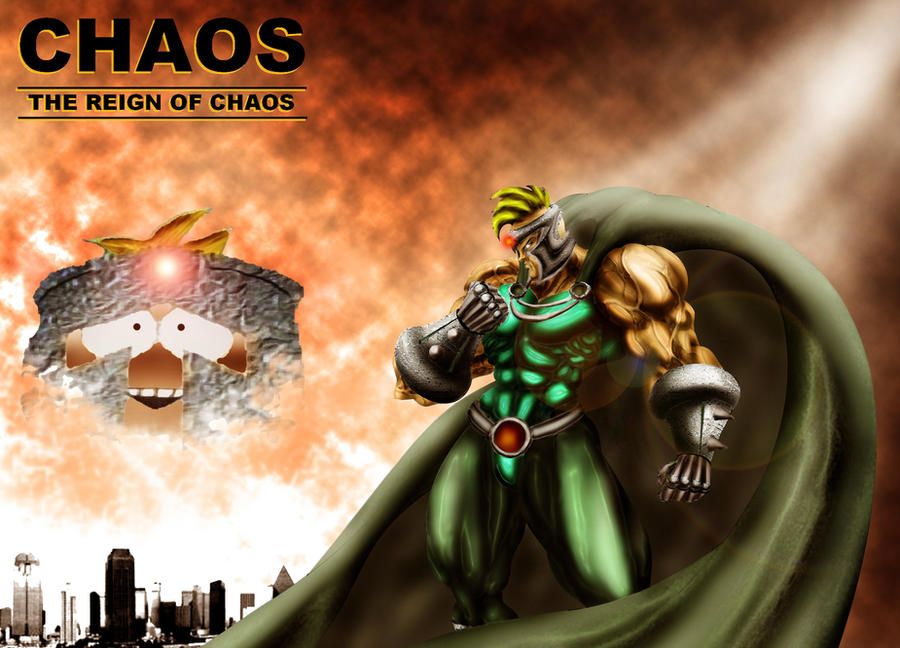
1. **South Park: ‘Super Best Friends’ – When Religious Depictions Sparked Death Threats**’
‘South Park’ has a storied history of pushing boundaries, lampooning everyone and everything in its path, but few episodes have generated the level of fear and controversy as ‘Super Best Friends.’ A Season 3 episode, it featured Stan, Kyle, Cartman, and Kenny enlisting a superhero squad parodying ’70s cartoons to defeat David Blaine’s cult. The ‘Super Best Friends’ were comprised of various religious figures, including Jesus, Buddha, and Moses. The inclusion of the Prophet Muhammad, however, proved to be the spark that ignited a long-running controversy.
While the episode initially aired without significant incident in 2001, its later context became far more fraught. Years after its debut, following a more severe controversy surrounding Muhammad’s depiction in later episodes (which we will discuss shortly), ‘Super Best Friends’ was ultimately pulled from the official ‘South Park’ website. This retroactive removal highlights the escalating sensitivity and potential danger associated with depicting religious figures, especially Muhammad, in comedic contexts, particularly in the wake of real-world threats and violence.
The removal wasn’t merely a network decision; it was a response to a tangible threat against the creators. The fear wasn’t hypothetical; it was a direct consequence of other satirical works that had portrayed Muhammad. This episode serves as an early indicator of how satire, particularly when it touches on deeply held religious beliefs, can transcend mere offense and venture into the realm of personal safety. The ongoing debates about free speech versus religious respect continue to find a potent example in ‘South Park’s’ courageous, yet perilous, forays into such sensitive subject matter.
2. **South Park: ‘Cartoon Wars’ (Part 1 & 2) – Echoes of a Danish Newspaper and Self-Censorship**
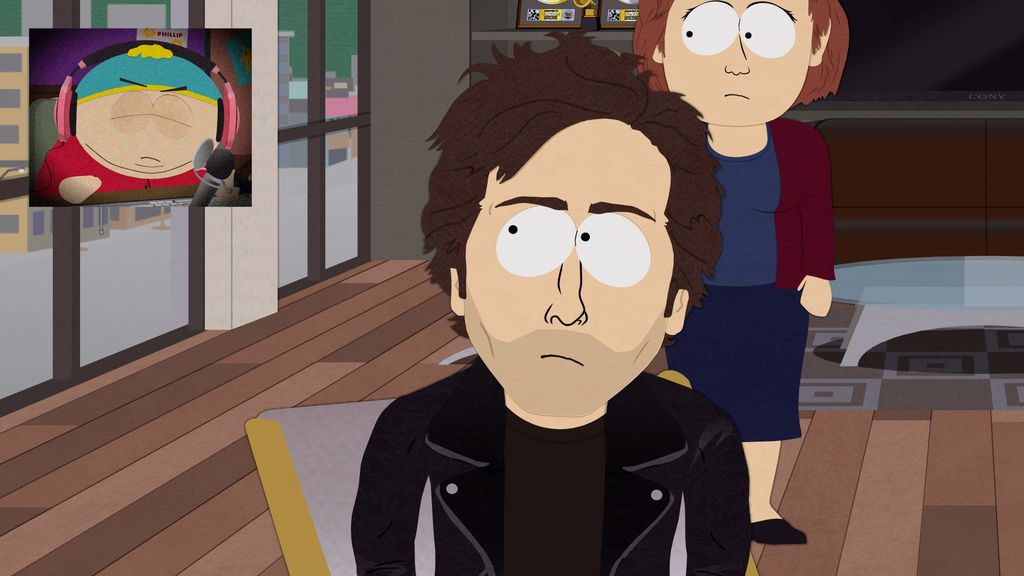
The controversy surrounding the depiction of Muhammad was not a one-off for ‘South Park.’ It resurfaced with even greater intensity in the ‘Cartoon Wars’ two-part episode. These episodes were a direct meta-commentary on the real-world ‘Jyllands-Posten Muhammad cartoons controversy,’ which saw worldwide protests and violent demonstrations in response to a Danish newspaper’s printing of cartoons depicting Muhammad in 2005. ‘South Park’ bravely, or perhaps foolhardily, decided to tackle this highly sensitive topic head-on.
In ‘Cartoon Wars Part 1,’ the entire United States is depicted as fearing for their lives after it is announced that the animated series ‘Family Guy’ will air an episode featuring Muhammad as a character. This storyline cleverly, and critically, reflected the anxieties and debates prevalent in society at the time. Part 2 continues this narrative, following Cartman’s attempts to get the ‘Family Guy’ episode pulled, believing it to be offensive to Muslims. The irony, of course, is that ‘South Park’ itself was wading into the very waters it was satirizing.
When ‘South Park’ eventually moved to streaming platforms like HBO Max and Paramount Plus in 2020, both services conspicuously opted against making ‘Cartoon Wars Part 1’ and ‘Part 2’ available. This decision, a form of self-censorship by the streaming giants, underscores the enduring sensitivity and potential liability associated with these particular episodes. It’s a stark reminder that even years later, some comedic content remains too hot to handle for mainstream platforms, demonstrating the long-tail impact of cultural and religious controversies on artistic distribution and accessibility.

3. **South Park: ‘200’ and ‘201’ – Death Threats and Network Censorship**
If ‘Cartoon Wars’ pushed the envelope, then episodes ‘200’ and ‘201’ utterly obliterated it, leading to the most severe direct censorship in ‘South Park’s’ history and explicit death threats against its creators. These two episodes, which aired in 2010, once again brought the depiction of Muhammad to the forefront, resulting in Comedy Central heavily censoring his image when the episodes originally aired on linear TV. The network also significantly altered its closing speech, demonstrating the immense pressure they were under.
In ‘200,’ Tom Cruise and other celebrities, previously mocked by the residents of South Park, threaten a class action lawsuit over their jibes. They promise to drop the suit only if they can get Muhammad to meet them. This intricate plot woven with a meta-narrative about the show’s past controversies set the stage for explosive reactions. ‘201’ then continued the saga, featuring the return of the ‘Super Best Friends’ teaming up to save South Park from the celebrities and their monster Mecha-Streisand, while Eric Cartman learns the true identity of his father, linking back to even older storylines.
However, the comedy was overshadowed by real-world dangers. The fundamentalist organization Revolution Muslim explicitly warned the creators, Trey Parker and Matt Stone, that they risked murder for their depiction of Muhammad in the episodes. This chilling threat forced Comedy Central to take drastic measures, not just bleeping out references to Muhammad but visually obscuring him entirely. These episodes stand as a stark example of how comedic satire, intended to provoke thought and laughter, can inadvertently—or perhaps intentionally—provoke existential threats, forcing networks to compromise artistic vision for the safety of their creators and the avoidance of international incidents. It truly exemplifies the high stakes of culturally provocative humor.
4. **South Park: ‘An Elephant Makes Love To A Pig’ – Early Censorship Over Copycat Fears**
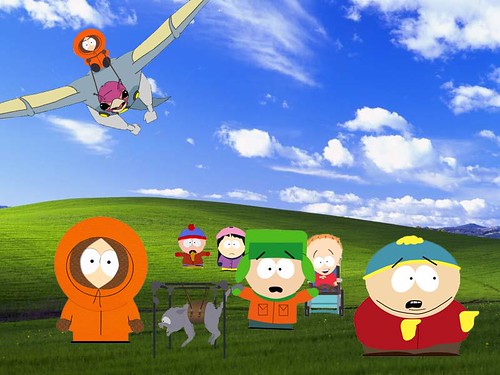
Moving back to the early days of ‘South Park,’ even in its first season, the beloved animated cartoon encountered censorship, albeit for very different reasons than religious controversy or political satire. The episode ‘An Elephant Makes Love To A Pig’ showcased the boys of South Park attempting to crossbreed Kyle’s pet elephant with Eric’s pet pig for a genetic engineering class project. Simultaneously, Stan grappled with issues concerning his violent sister, Shelley.
It was this latter storyline, specifically Shelley’s aggressive behavior—including a scene where she sets Stan on fire—that led to its censorship. The fears were rooted in the real-world concern of ‘copycat crimes,’ particularly as this episode aired soon after a house fire was tragically blamed on a child recreating an incident from another famously controversial animated show, ‘Beavis and Butt-Head.’
This incident provides a fascinating insight into an earlier form of content regulation, where the primary concern was not ideological offense but public safety, especially regarding impressionable young viewers. The censorship of ‘An Elephant Makes Love To A Pig’ highlights a period when networks were acutely sensitive to the perceived influence of media on children’s behavior, leading to interventions designed to mitigate potential real-world harm. It’s a reminder that the motivations behind censoring comedy are diverse, evolving from direct threats to societal anxieties about media’s impact.
5. **’The Interview’: Geopolitical Intrigue and a Cancelled Mainstream Release**
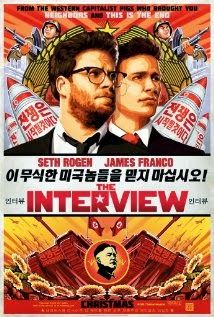
Shifting from animated series to feature films, ‘The Interview’ stands as a unique case study in comedic controversy, where a fictional assassination plot led to real-world cyberattacks and a canceled mainstream release. Released in 2014, this Seth Rogen and James Franco comedy depicted a plot to assassinate North Korean leader Kim Jong-Un. The premise alone was provocative, but the fallout transcended mere critical or public outcry, escalating into an unprecedented geopolitical incident.
In November 2014, a group of hackers calling themselves the ‘Guardians of Peace’ launched a massive cyberattack on Sony Pictures, the film’s distributor. They demanded Sony pull ‘The Interview,’ threatening terrorist attacks at cinemas that screened the film. The severity of these threats, coupled with the substantial data breach, led Sony to make the extraordinary decision to cancel the film’s formal premiere and mainstream theatrical release. It was a moment that sent shockwaves through Hollywood and raised profound questions about censorship, national security, and artistic freedom.
The decision was met with a mix of understanding and dismay, with many lamenting that a foreign entity had effectively dictated content decisions for a major American studio. While the film eventually received a limited theatrical release and was made available online, the initial cancellation represented a significant victory for those who sought to suppress its content through intimidation. ‘The Interview’ remains a stark reminder that in an increasingly interconnected and volatile world, comedy can sometimes become a pawn in high-stakes international relations, demonstrating the tangible power of ‘offensive’ material to provoke reactions far beyond the realm of traditional cultural commentary.
Building on the foundation of comedic boundary-pushing, where stand-up specials and animated series have faced the full spectrum of public and governmental wrath, we now turn our gaze to the silver screen. Feature films, with their broader reach and often more significant production values, have historically served as powerful conduits for social commentary, satire, and, inevitably, controversy. When these films dare to challenge entrenched norms or mock sacred cows, the global response can be swift, intense, and far-reaching, sometimes leading to bans, widespread protests, and an indelible mark on cinematic history. Indeed, the very act of laughter, when provoked by the daring, can become a battleground for cultural values and artistic freedom, revealing the true stakes involved in pushing comedic limits.
This next segment dives into five groundbreaking comedy films that, through their audacious humor and often provocative narratives, didn’t just ruffle feathers but ignited global outrage, faced outright bans, or fundamentally reshaped discussions around what is acceptable in the name of laughter. These aren’t just movies to watch; they are cultural flashpoints, revealing the delicate interplay between artistic expression, societal values, and the universal, yet frequently divisive, language of comedy. Prepare to revisit some of cinema’s most deliciously defiant moments, each a testament to the enduring power of humor to both unite and divide.
6. **The Dictator: When Political Satire Crosses Geopolitical Lines with Unflinching Audacity**
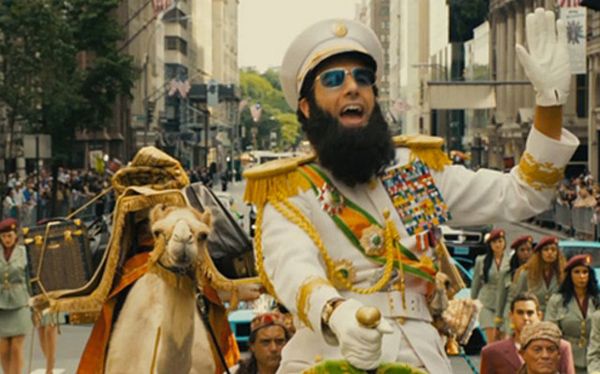
Sacha Baron Cohen has carved a unique niche in the comedic landscape, masterfully blending audacious performance art with sharp political satire. His 2012 film, ‘The Dictator,’ starring him as Admiral General Aladeen of the fictional Republic of Wadiyaa, was no exception. This movie didn’t just flirt with controversy; it plunged headfirst into it, portraying a character who is “childish, ist, anti-western, and an anti Semitic ruler who loves being surrounded with female bodyguards,” all while “sponsoring Al-Qaeda and working on developing nuclear weapons to attack Israel.” The sheer volume of sensitive topics tackled in one character’s profile guaranteed a reaction.
The film’s blatant caricaturing of authoritarian regimes and its willingness to poke fun at deeply sensitive geopolitical issues immediately placed it on a collision course with traditional notions of comedic taste. Baron Cohen’s brand of humor, often relying on exaggerated stereotypes and shocking scenarios, was expressly designed to provoke, forcing audiences to confront uncomfortable truths wrapped in layers of outrageous absurdity. It’s a political satire that pulls no punches, inviting viewers into an “all new and weird world” where political incorrectness is not just tolerated, but celebrated as a means to an end.
While ‘The Dictator’ did not face widespread governmental bans like some other films on this list, its content was sufficiently provocative to generate significant debate and criticism, particularly regarding its portrayal of Arab culture and its overt political messaging. The film’s audaciousness lies in its unyielding commitment to satirizing figures of power and the ludicrousness of absolute rule, pushing the boundaries of what mainstream audiences might expect from a Hollywood comedy. It questioned whether any topic, no matter how sensitive, was off-limits for satire when the aim was to expose hypocrisy.
This film underscores how humor, when wielded with precision and a lack of self-censorship, can become a potent, albeit contentious, tool for cultural commentary, even if that commentary is delivered wrapped in a thick layer of profanity and slapstick. It left many pondering the responsibilities of creators when engaging with real-world political tensions, and whether the laughs were worth the potential for misinterpretation or genuine offense. Ultimately, its impact was undeniable, sparking conversations far beyond the multiplex.
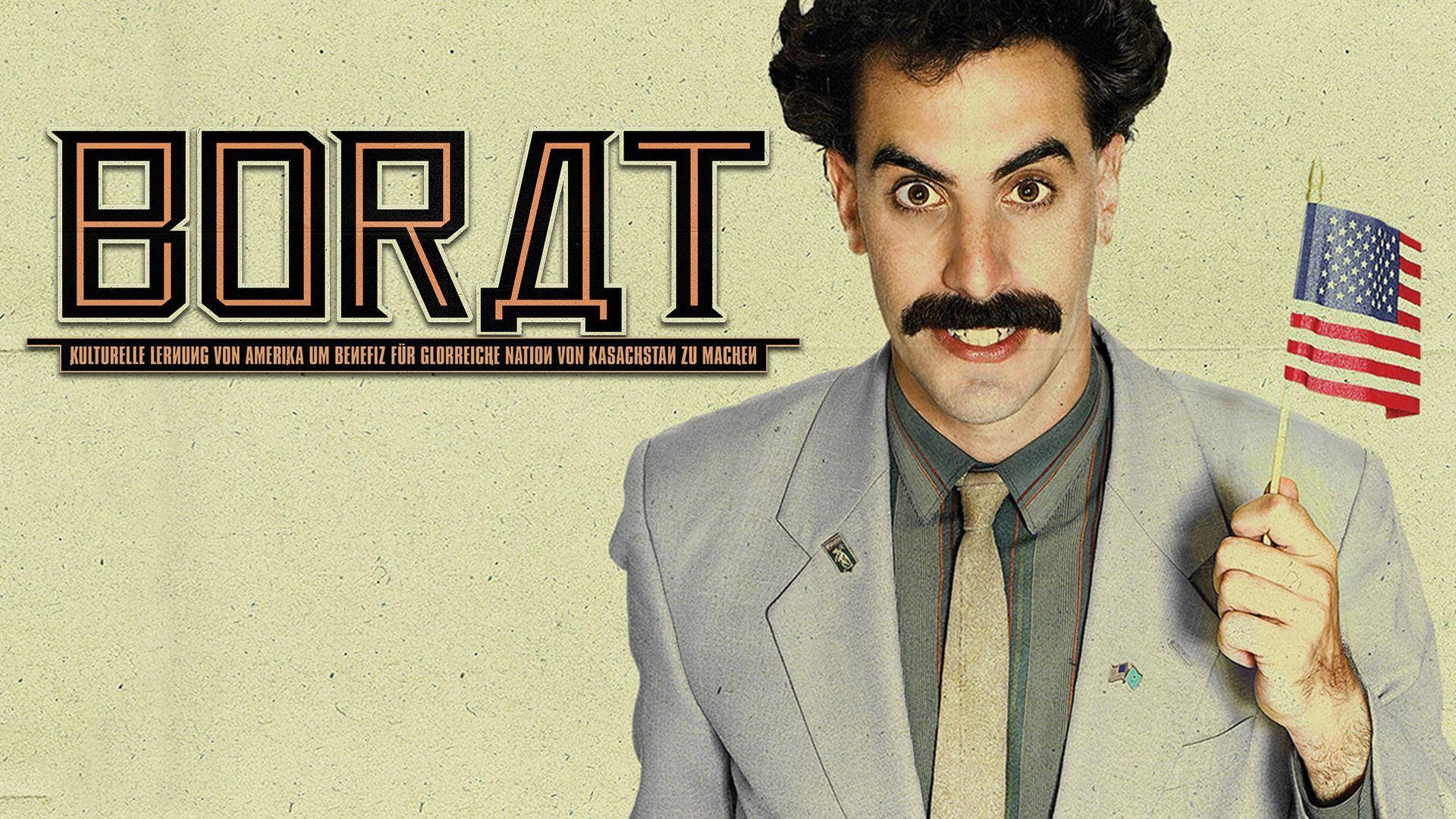
7. **Borat: Cultural Learnings of America for Make Benefit Glorious Nation of Kazakhstan – The Ultimate Culture Clash Comedy and Mirror to Society**
If there’s one film that encapsulates the raw power of offensive satire to reveal uncomfortable truths, it’s Sacha Baron Cohen’s 2006 mockumentary, ‘Borat: Cultural Learnings of America for Make Benefit Glorious Nation of Kazakhstan.’ Starring Baron Cohen as the titular Kazakh journalist, the film follows Borat’s journey across the United States, interacting with unsuspecting Americans and exposing their prejudices, ignorance, and sometimes, their surprising kindness. The movie was, as described, “as offensive as it can be and more,” a testament to its “satirical nature of vulgarity and humor,” which shocked and delighted in equal measure.
The controversy surrounding ‘Borat’ was multifaceted, touching upon international relations and cultural sensitivities. Its portrayal of Kazakhstan, while entirely fictional and exaggerated for comedic effect, led to official condemnations from the Kazakh government, which initially threatened legal action. The film was explicitly “banned in some of the countries” due to its content, highlighting how its humor, intended to expose Western xenophobia and anti-Semitism, was perceived as genuinely insulting and culturally insensitive in other parts of the world. This clash of interpretations underscores the complex global reception of provocative comedy.
Beyond the governmental reactions, ‘Borat’ also sparked widespread debate about its innovative, yet ethically fraught, use of unsuspecting real people, blurring the lines between documentary and exploitation. Audiences were left grappling with the ethics of its comedic approach, even as they acknowledged its biting social commentary on American society. The film forced viewers to confront their own biases, often through deeply uncomfortable laughter, as it laid bare the casual prejudices and absurdities of everyday life.
The film’s enduring legacy is its fearless dive into the murky waters of prejudice and cultural misunderstanding, leveraging “offensive” humor not just for shock value, but to hold a mirror up to society. It demonstrated how a seemingly simple comedic premise could ignite a global conversation about tolerance, identity, and the very nature of satire itself. It undeniably stands as a “classic” for its daring, divisive, and profoundly insightful impact, proving that some lessons are best learned through the most outrageous laughter.
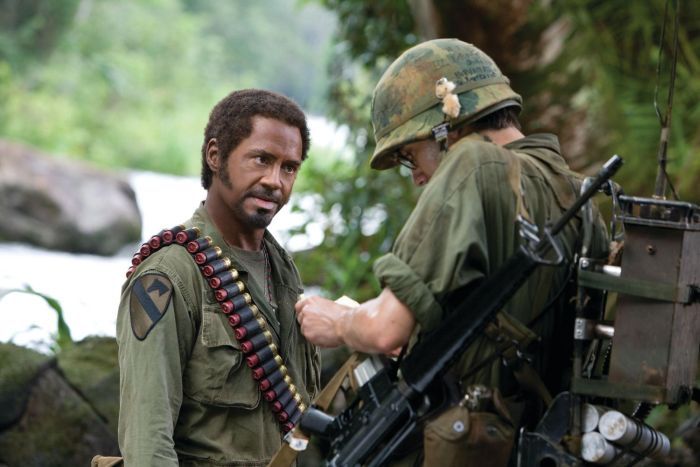
8. Tropic Thunder: Navigating the Minefield of Satire and Representation in Hollywood
Ben Stiller’s 2008 action-comedy ‘Tropic Thunder’ is a fascinating case study in how satire can inadvertently, or perhaps intentionally, stumble into deeply sensitive territory, sparking intense public debate. The film revolves around a group of self-important actors shooting a Vietnam War film who are forced to become the soldiers they are portraying. While lauded for its sharp parody of Hollywood egos and war movie tropes, it also ignited a firestorm of controversy, primarily due to Robert Downey Jr.’s portrayal of an Australian method actor who undergoes “pigmentation alteration” to play a black character, essentially appearing in “blackface.”
The decision to feature “black faced Robert Downey Jr.” was a deliberate, meta-commentary on method acting run amok and the historical insensitivity of Hollywood’s casting practices. However, for many, particularly civil rights organizations and those familiar with the painful history of blackface, the execution was perceived as profoundly offensive, regardless of the filmmakers’ satirical intent. This sparked a crucial conversation about whether certain historical tropes are ever acceptable, even when deployed within a satirical framework aimed at critiquing the very system that produced them.
Adding another layer of complexity, disability advocacy groups also criticized the film for its depiction of a mentally disabled character by Ben Stiller, arguing it trivialized and mocked disabled individuals for comedic gain. This dual-pronged controversy demonstrates the intricate tightrope walk involved in crafting satire that aims to challenge without causing undue harm, and the differing interpretations that can arise when sensitive topics are approached through humor. It underscored the difficulty of ensuring comedic intent aligns with public reception, especially in a diverse audience.
Despite the backlash, ‘Tropic Thunder’ was a critical and commercial success, earning Downey Jr. an Oscar nomination for his controversial role. This outcome highlights a persistent tension in cultural discourse: whether satirical intent justifies potentially offensive portrayals, and how audiences weigh artistic freedom against social responsibility. The film remains a potent example of comedy venturing into a “minefield” of representation, forcing conversations about who gets to tell what stories and how, even as it “made bank” and featured an ensemble cast including “Tom Cruise, Ben Stiller and a black Robert Downey Jr.” Its legacy is a testament to the enduring power and peril of provocative satire.

9. **You Don’t Mess with the Zohan: Stereotypes, Satire, and the Humor of Cultural Clashes**
Adam Sandler’s 2008 comedy ‘You Don’t Mess with the Zohan’ presents a different, yet equally provocative, comedic landscape, venturing into territory often deemed off-limits for lighthearted entertainment. The film tells the story of an “Israeli special forces counter-terrorist commando who fakes his death to get away with his boring job, so he can re-emerge in New York City to fulfill his lifelong dream of being a hair stylist.” On the surface, it’s a typical Sandler vehicle—broad humor, slapstick, and a quirky premise. However, its comedic exploration of the Israeli-Palestinian conflict, albeit through a highly stylized and absurd lens, ignited debates about cultural sensitivity and the use of stereotypes for laughs.
The movie dared to touch on a deeply contentious geopolitical issue, aiming to find humor and common ground through its protagonist’s journey from a hyper-masculine commando to a flamboyant hairstylist who ultimately falls for a Palestinian salon owner. While some praised its bold attempt to satirize the futility of conflict and bridge divides through an unlikely romance, others found its reliance on national and ethnic stereotypes problematic and reductive. Critics argued that despite its intentions, the film risked trivializing serious cultural tensions.
The irreverent approach to such a sensitive topic, even with an underlying message of peace and understanding, ensured that it was not merely a lighthearted comedy but one that “warn[ed] you to do not mess with Zohan” and his controversial premise. Its humor, often based on exaggerated cultural identifiers and a simplistic portrayal of a complex conflict, sparked a dialogue about the boundaries of comedic representation when dealing with real-world suffering and historical grievances. The reactions showcased the delicate balance between comedic license and the potential for offense.
‘You Don’t Mess with the Zohan’ highlights the fine line comedians walk when tackling identity, conflict, and cultural differences, especially when those differences are deeply rooted in political and social struggles. It demonstrates that even ostensibly mainstream comedies can provoke strong reactions when they venture into sensitive geopolitical territory, challenging perceptions and often inviting accusations of trivialization or insensitivity. The film’s ability to generate both laughter and critical discussion underscores the enduring power of comedy to engage with, and sometimes complicate, real-world issues, leaving audiences to decide whether its humor was ultimately unifying or further divisive.
As we conclude this provocative journey through the annals of comedic controversy, it becomes unequivocally clear that humor, in its most audacious and boundary-pushing forms, is far more than just a source of fleeting amusement. It is a powerful cultural barometer, a sharp-edged tool for social critique, and often, an uncomfortable mirror reflecting our deepest anxieties, prejudices, and the absurdities of the human condition. From stand-up specials igniting digital firestorms to animated series facing literal death threats, and feature films sparking international incidents or outright bans, the landscape of “offensive” comedy is rich, complex, and perpetually evolving.
These instances are not merely isolated examples of bad taste or misjudgment; they are crucial touchstones in the ongoing, vital dialogue about free speech, artistic responsibility, and the ever-shifting boundaries of public discourse. They remind us that the line between satire and insult is often razor-thin, and that a joke can sometimes carry the weight of global outrage. As long as comedians dare to challenge, provoke, and make us laugh uncomfortably, the conversation, and the inevitable controversies, will undoubtedly continue, constantly redefining the limits of expression and reminding us that true comedy often thrives right on that exhilarating, yet perilous, edge.