Alright, let’s talk about something that just hit Washington with the force of a legislative hurricane: a government shutdown. As the clock ticked past midnight, the federal government officially ground to a halt after a deadlocked Congress simply couldn’t get a funding measure across the finish line. It’s a situation that has left everyone, from the highest-ranking officials to everyday federal employees, wondering what in the world comes next.
This isn’t just a political squabble; it’s a real-world dilemma with far-reaching consequences. This latest shutdown, the first since 2019, has ignited a fierce blame game on Capitol Hill, with both Democrats and Republicans pointing fingers and refusing to take responsibility for the funding lapse. The air is thick with accusations, deeply entrenched positions, and a palpable sense of uncertainty that pervades every corner of the nation’s capital.
So, how did we get here, and what does it actually mean for you and the country? We’re diving deep into the heart of this political impasse to unpack the critical policy disagreements, the immediate human impact, and the narratives being pushed by the White House and congressional leaders. Get ready to understand the major players and the crucial issues that have brought the federal government to a standstill.
1. The Official Shutdown: Midnight Deadline and Its Immediate Reality
The moment the clock struck midnight, the federal government officially ceased many of its functions. This wasn’t a gradual slowdown; it was an abrupt halt that caught many off guard, despite weeks of mounting tension. The context tells us, “The clock has struck midnight, and the federal government is officially shut down after a deadlocked Congress failed to pass a funding measure to keep the lights on — and no one inside the Capitol knows what will happen next.” This statement perfectly encapsulates the suddenness and widespread confusion.
The repercussions of this immediate halt are significant and widespread, touching millions of lives. For one, “hundreds of thousands of federal employees will be furloughed, while others who are considered essential will have to keep reporting for work — though many won’t get paid until the impasse ends.” This creates an immediate financial strain on families who rely on those paychecks for their livelihoods, leading to anxieties about mortgages, bills, and everyday expenses.
Beyond those furloughed, there’s a nuanced layer of impact. The context also highlights that “Still others, however, will continue collecting paychecks since their jobs are not funded through annual appropriations from Congress.” This differentiation underscores that while the shutdown is broad, its effects aren’t uniform, adding another layer of complexity to its immediate reality, and causing differing levels of anxiety among the federal workforce.
To manage this unprecedented situation, the Office of Management and Budget (OMB) quickly took action. Hours before the deadline, the OMB instructed federal agencies to activate their shutdown contingency plans. “The Office of Management and Budget is asking federal agencies to launch their shutdown plans,” the context reveals, signaling a prepared but unwelcome operational shift that begins a cascade of bureaucratic procedures.
OMB Director Russell Vought’s letter further solidified these directives, asking “affected agencies should now execute their plans for an orderly shutdown.” He also specified that “federal employees to ‘report to work for their next regularly scheduled tour of duty to undertake orderly shutdown activities.’” This means that even in the midst of a shutdown, a structured process is underway to ensure a controlled cessation of non-essential operations, minimizing immediate chaos but not negating the deeper issues.
2. The Blame Game: Republicans vs. Democrats on Capitol Hill
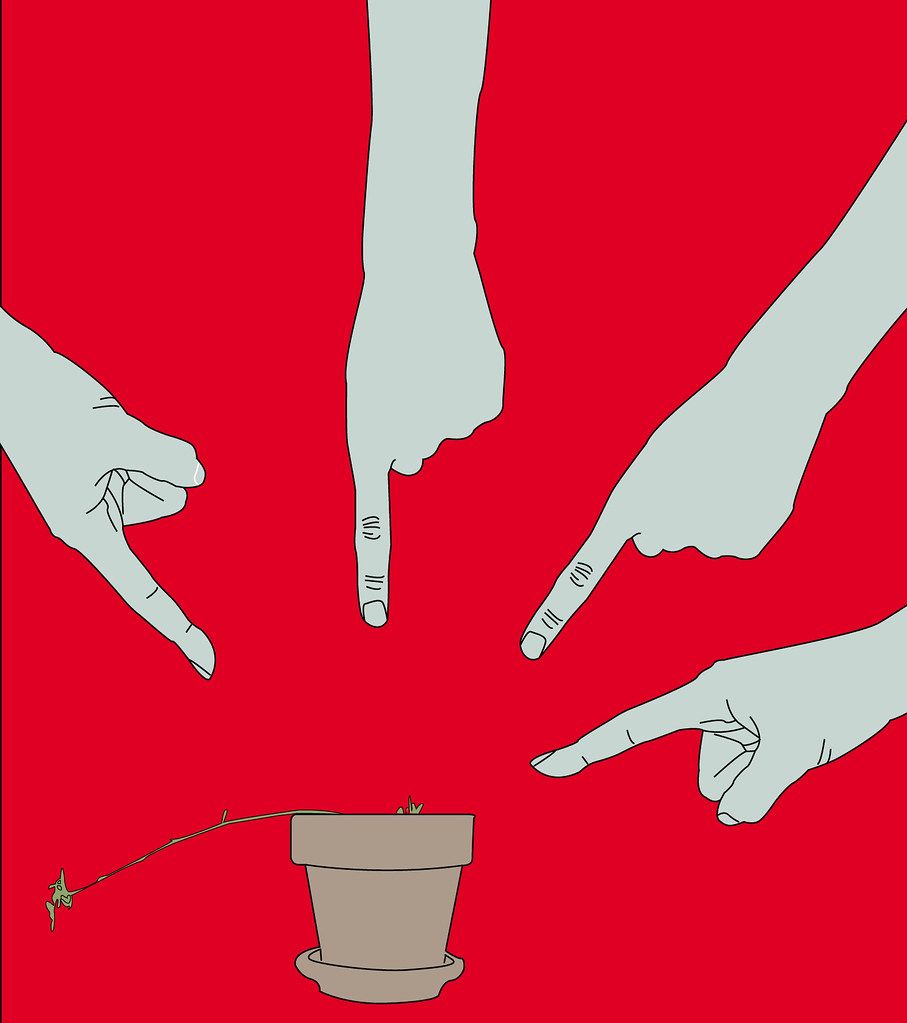
As soon as the shutdown became official, the blame game intensified, with both political parties digging in their heels. A central theme emerging from the context is that leaders from both sides are “privately and publicly adamant that they will not be blamed for the funding lapse.” This shared resolve to avoid accountability created an immediate and fierce partisan standoff, making resolution seem even more distant.
Republicans, through their leaders, were quick to point the finger squarely at Democrats. House Speaker Mike Johnson stated unequivocally in a post on X, “‘Democrats have officially voted to CLOSE the government.’” He further charged, saying, “‘They’re putting illegal aliens FIRST and hurting hardworking Americans in the process.’” This rhetorical framing aimed to rally their base and paint Democrats as obstructionist and out of touch with American priorities.
Speaker Johnson pressed this narrative further, questioning Democratic motives. He asked, “‘The only question now: How long will Chuck Schumer let this pain go on — for his own selfish reasons?’” This comment not only shifted blame but also implied a deliberate strategy by Democratic leadership to prolong the impasse, setting a combative tone for any future discussions and laying a foundation for continued political maneuvering.
Democrats, not to be outdone, responded with equally forceful accusations, placing the responsibility squarely on President Donald Trump and the Republican party. House Minority Leader Hakeem Jeffries and Senate Minority Leader Chuck Schumer issued a joint statement asserting, “‘After months of making life harder and more expensive, Donald Trump and Republicans have now shut down the federal government because they do not want to protect the healthcare of the American people.’” This highlights healthcare as a central point of contention and a key reason for the shutdown from their perspective, framing it as a fight for ordinary citizens.
Echoing this sentiment, former Vice President Kamala Harris directly called out Republican control, stating in a post on X, “‘Let me be clear: Republicans are in charge of the White House, House, and Senate. This is their shutdown.’” Similarly, Sen. Patty Murray, vice chair of the Senate Appropriations Committee, emphasized, “‘Make no mistake, our government has shut down because Republicans refuse to negotiate with Democrats and do their job.’” These statements underscore a united Democratic front in assigning culpability and demanding engagement.
3. The Sticking Point: Obamacare Subsidies and Democratic Demands
At the heart of the current government shutdown lies a critical policy dispute, a financial demand that Democrats are unwilling to compromise on: enhanced Affordable Care Act (ACA) subsidies. This isn’t just about healthcare in general; it’s specifically about securing “$1 trillion in Biden-era health insurance subsidies.” This substantial financial commitment represents a core priority for Democrats, who argue it’s essential for the affordability of healthcare for millions of Americans.
Senate Minority Leader Chuck Schumer articulated the urgency and direct impact of this issue, warning that “20 million Americans would soon get their insurance rate hikes in the mail unless Republicans agree to act.” He painted a vivid picture of the impending financial burden, stating, “‘There are going to be millions of American families sitting down and saying, how are we going to pay these damn bills?’” This emphasis on the household-level impact aims to underscore the human stakes of the legislative deadlock, turning an abstract policy into a kitchen-table concern.
Other Democratic senators have also voiced strong support for these subsidies, highlighting their personal commitment to the ACA’s goals. Sen. Kirsten Gillibrand expressed concern about potential increases in healthcare costs, saying, “‘We’ve watched President Trump over the last six months destroy our government, put families at risk, hike costs on health care, to have another increase on people’s access to health care is another increase they can’t afford.’” Her statement connects the current impasse to broader efforts to safeguard healthcare access, implying a pattern of actions detrimental to public welfare.
Sen. Gary Peters, who is retiring after his term, further reinforced the importance of the ACA subsidies. “‘It’s about healthcare,’ Sen. Gary Peters explained after voting against the bill to extend government funding until late November.” He passionately added, “‘when I first came into office, I fought for the Affordable Care Act so that people could have quality affordable health care, and as I’m leaving, I don’t want to see that eroded away.’” This personal conviction from Peters illustrates the deep-seated commitment among Democrats to protect the ACA, making it a legacy issue for some.
New Hampshire Sen. Jeanne Shaheen also weighed in, explaining her decision to vote against the funding bill. She told reporters that she “ultimately decided to vote against the bill to force Republicans into talks on ACA subsidies.” Shaheen concluded, “‘I thought getting this done so that we can now hopefully get back to the negotiating table was the best approach.’” These statements collectively demonstrate a united Democratic front, holding firm on the ACA subsidies as a non-negotiable condition for reopening the government, using the shutdown as leverage.

4. Republican Stance: The Push for a “Clean CR” and Seven-Week Extension
On the other side of the aisle, Republicans have adopted a markedly different position, advocating for what they term a “clean CR.” This refers to a continuing resolution that would simply extend current government funding levels for a short period without any additional policy riders or concessions, particularly those demanded by Democrats regarding Obamacare subsidies. Their core insistence, as noted in the context, is that “Democrats need to simply agree to extend current funding for another seven weeks.”
The House-passed stopgap bill, which the Senate later blocked, was designed precisely with this in mind. It proposed to “extend current funding levels for seven weeks – but without their demand on enhanced Obamacare subsidies.” This highlights the fundamental ideological divide, with Republicans viewing the Democratic demand for subsidies as an inappropriate condition to attach to a basic funding measure, especially under shutdown duress.
Speaker Mike Johnson has been particularly vocal in articulating this non-negotiable stance. He told CNN, “‘There’s nothing to negotiate.’” This firm position suggests that Republicans believe the onus is entirely on Democrats to yield to their proposal, seeing their own plan as the only viable path forward. His comments indicate a strong belief that the ball is now in the Democrats’ court, and no further discussion is needed until the government is funded.
Johnson further challenged Democratic leadership, specifically Senate Minority Leader Chuck Schumer, to end the impasse. He stated, “‘So the only question tonight is how long will Chuck Schumer keep the government closed?’” This framing positions Schumer as the sole impediment to resolving the shutdown, intensifying the public pressure on Democrats and portraying Republicans as having already offered a reasonable solution to a pressing problem.
Senate Majority Leader John Thune echoed this sentiment, emphasizing the priority of reopening the government over other policy discussions. He unequivocally stated, “‘We need to keep the government the government open, we can talk about whatever else they want to talk about after that.’” This Republican strategy is clear: secure a temporary funding measure first, and only then consider broader negotiations on contentious issues like healthcare subsidies, demonstrating a two-step approach to governance.

5. Impact on Americans: Furloughs, Unpaid Workers, and Essential Services at Risk
While the political battles rage in Washington, the real-world consequences of the government shutdown are already being felt by millions of Americans, particularly federal employees and those who rely on critical government services. The most immediate and significant impact is on the federal workforce. As the context notes, “hundreds of thousands of federal employees will be furloughed, while others who are considered essential will have to keep reporting for work — though many won’t get paid until the impasse ends.” This means a sudden halt to income for many families, creating severe financial uncertainty and hardship across the country.
House Speaker Mike Johnson laid out some of the stark human costs of the shutdown, outlining a grim list of immediate impacts. He warned that, as a result of the shutdown, “‘Moms and kids now lose WIC nutrition. Veterans lose health care and suicide prevention programs. FEMA has shortfalls during hurricane season. Soldiers and TSA agents go UNPAID.’ ” This comprehensive list underscores the breadth of essential services that are now compromised, affecting vulnerable populations and critical safety nets at a time when they are most needed.
The Office of Management and Budget (OMB) also hinted at even more profound, potentially long-term consequences beyond temporary furloughs. OMB Director Russell Vought stated that the government has the authority “to make permanent change to the bureaucracy,” which could include “cutting jobs and programs rather than just furloughing government workers.” This suggests that a prolonged shutdown could lead to structural changes within the federal government, with permanent job losses and the elimination of certain programs that provide vital support.
These impacts extend beyond the directly affected federal workers to the wider economy and public safety. Losing WIC nutrition programs directly harms families with young children, while cuts to veterans’ health care and suicide prevention programs are particularly alarming given the needs of that population. A shortfall in FEMA funding during hurricane season could severely hamper disaster response efforts, putting communities at risk. The prospect of soldiers and TSA agents working without pay also raises serious morale and operational concerns for national security and travel safety, potentially eroding trust in government institutions.
The “pain” that Speaker Johnson referred to is not merely rhetorical; it is a very tangible reality for countless individuals and communities across the United States. The shutdown transforms abstract legislative disagreements into concrete challenges for families struggling to make ends meet, veterans needing medical attention, and disaster-prone regions facing an uncertain future. The immediate human cost is a stark reminder of the stakes involved in this political standoff, highlighting the deep impact of political gridlock.

6. The White House’s Narrative: The Ticking Clock and Blame on Democrats
In the unfolding drama of the government shutdown, the White House has been particularly strategic in crafting its narrative, immediately placing blame on Democrats through various official channels. A highly visible and symbolic move was the update to the official White House website. The context clearly states, “The official White House website now features a ticking clock marking the duration of the government shutdown.” This visual element serves as a constant, stark reminder of the impasse, literally counting the hours of inaction.
Accompanying this ticking clock, the White House explicitly spelled out its chosen narrative. The words displayed next to the countdown were unambiguous: “‘Democrats Have Shut Down the Government.’” This direct accusation leaves no room for ambiguity regarding who the administration believes is responsible, aiming to influence public opinion immediately and decisively. It’s a clear attempt to control the messaging from the highest office and shape public perception.
Further reinforcing this narrative, the Office of Management and Budget (OMB) Director Russell Vought sent a letter to federal agency heads, issuing shutdown orders while simultaneously assigning blame. The letter explicitly stated, “‘President Trump supports passage of H.R. 5371, but it is now clear that Democrats will prevent passage of this clean CR prior to 11:59pm tonight and force a government shutdown.’” This formal communication from a key executive branch office cemented the administration’s position and provided an official justification for its actions.
This deliberate messaging from the White House aims to consolidate support among their base and pressure Democrats. By framing the situation as a Democratic-induced shutdown, the administration seeks to deflect any responsibility and position itself as advocating for a sensible, straightforward funding solution that was unjustly rejected. It’s a calculated political move to shape public perception during a critical national event, emphasizing a particular viewpoint.
The White House’s deployment of the ticking clock and explicit blame on its official website, alongside formal communications from the OMB, illustrates a coordinated effort to control the narrative. This strategy highlights the intensity of the political battle and the importance both sides place on winning the public relations war surrounding the government shutdown. It underscores how quickly blame was assigned and propagated across official government platforms, setting the stage for ongoing political theater.
Alright, so if you’re still reeling from all the political drama, let’s switch gears completely and dive into something truly inspiring: the legendary journey of Meryl Streep! We’ve already whisked you through some of her earliest, most candid moments, revealing a glimpse of the woman before the global phenomenon. Now, get ready as we uncover more fascinating snapshots and pivotal turning points from her early life and burgeoning career, leading right up to the very edge of superstardom. You won’t believe how much she accomplished even before she became *the* Meryl Streep we all adore today!
7. Her Emmy-Winning Breakthrough in *Holocaust*
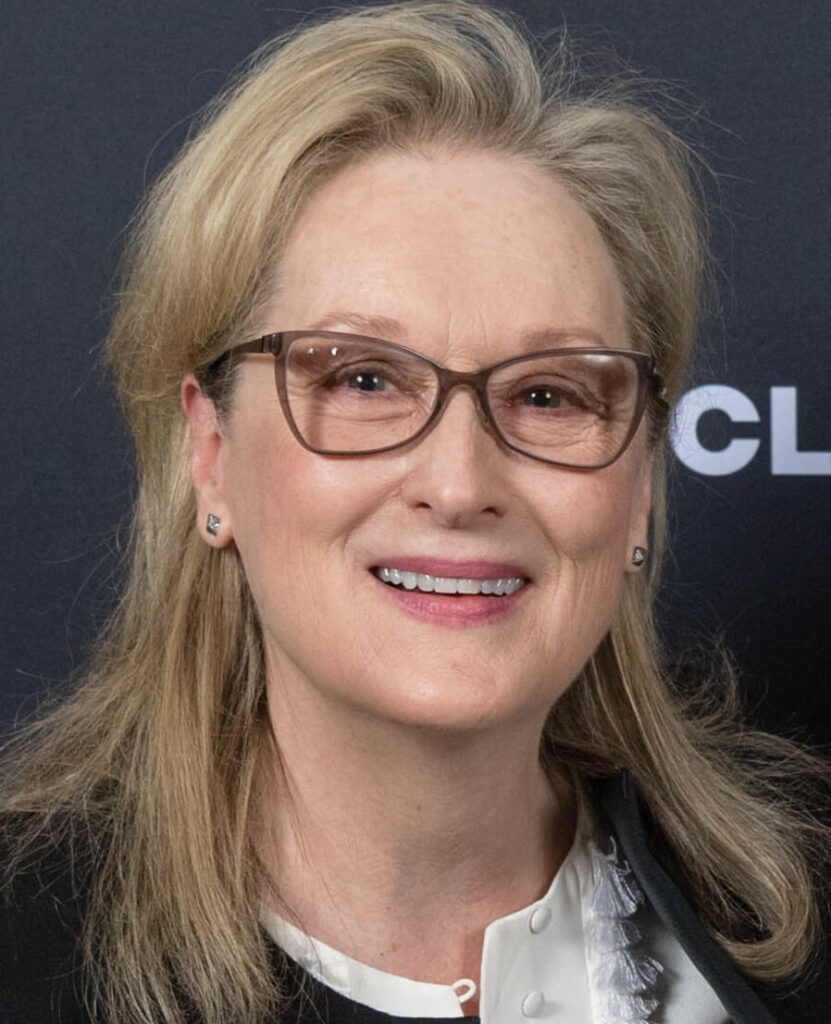
After making her mark on both stage and in a brief, albeit significant, film debut, Meryl Streep was poised for something truly impactful on the small screen. In 1978, she took on a leading role in the miniseries *Holocaust*, a powerful and somber drama set in Nazi-era Germany. The context reveals she portrayed a German woman married to a Jewish artist, a part that brought her profound recognition.
Meryl herself found the material to be “unrelentingly noble,” a testament to the gravity and importance of the series. Interestingly, she also professed to have taken on the role, in part, for financial gain, reminding us that even nascent legends have practical considerations! Yet, her performance transcended any monetary motive, delivering a portrayal that resonated deeply with audiences.
The impact of *Holocaust* was colossal. With an estimated audience of 109 million viewers, the miniseries catapulted Streep into a new echelon of public visibility. The context notes that she found herself “on the verge of national visibility,” a crucial step in her journey from talented actress to household name. This enormous exposure meant that millions were now aware of her incredible range and emotive power.
Her exceptional work in *Holocaust* did not go unnoticed by critics or award committees. For her compelling performance, Meryl Streep was honored with the Primetime Emmy Award for Outstanding Lead Actress in a Miniseries or a Movie. This early Emmy win was a clear signal that Streep wasn’t just a promising talent; she was a force to be reckoned with, capable of commanding both dramatic depth and widespread public attention.

8. A Quiet Union: Marrying Don Gummer
Amidst her rapidly accelerating career, Meryl Streep embarked on a deeply personal journey, tying the knot with sculptor Don Gummer. Their marriage took place in 1978, the same pivotal year she garnered an Emmy for *Holocaust* and an Oscar nomination for *The Deer Hunter*. It’s almost mind-boggling to think about how much was happening in her life simultaneously!
The context simply states, “Streep married Don Gummer in 1978 before they welcomed four children: Henry, Mamie, Grace and Louisa.” This straightforward declaration belies the significance of such a union, especially for a woman whose public profile was exploding. It laid the foundation for her personal life, providing a stable anchor amidst the rising tide of fame.
We get another adorable glimpse into their early days as a married couple from the context, noting they were “snapped heading into Woody Allen’s New Year’s Eve party in New York City on Dec. 31, 1979.” This little detail paints a picture of a glamorous yet grounded duo, navigating the social scene of New York while still relatively new to married life.
Their partnership would eventually blossom into a beautiful family, with the birth of their four children. While their separation in October 2023 was confirmed by Us Weekly after “more than six years,” their marriage spanned decades, a remarkable feat in any industry, let alone the relentless spotlight of Hollywood. This early commitment to a private life with Gummer provided a crucial counterpoint to her public career.

9. Navigating the *Manhattan* Experience: A Unique Collaboration
Following her dramatic success, Meryl Streep dipped her toes into the world of romantic comedy, taking on a supporting role in Woody Allen’s *Manhattan* (1979). Here, she portrayed the former girlfriend, turning lesbian, adding another layer of versatility to her rapidly expanding repertoire. It’s truly fascinating to see how she embraced such a diverse array of characters right from the start.
However, her experience on the set was rather unconventional, even by Hollywood standards. The context reveals that Allen did not provide Streep with a complete script, giving her “only the six pages of her own scenes.” Can you imagine preparing for a role with such limited foresight? It’s a testament to her incredible talent and adaptability that she thrived under such circumstances.
Adding to the challenge, Allen also “did not permit her to improvise a word of her dialogue,” a stark contrast to many creative acting environments. This required Streep to deliver her lines precisely as written, showcasing her discipline and ability to adhere to a director’s specific vision, even when it meant foregoing her own improvisational instincts.
Despite these unique working conditions, Meryl Streep’s performance in *Manhattan* was lauded. Vincent Canby of *The New York Times* described her acting as “beautifully played.” This early critical acclaim for a supporting role, particularly one with such constraints, further solidified her reputation as an actress who could elevate any material and leave a lasting impression.
10. Challenging the Narrative: *Kramer vs. Kramer* and Her Fight for Realism
Just when you thought her career couldn’t get any more compelling, Meryl Streep took on a role that would not only define her early stardom but also ignite a crucial conversation about gender representation in cinema: Joanna Kramer in *Kramer vs. Kramer* (1979). This drama, where she starred opposite Dustin Hoffman, depicted an unhappily married woman who makes the difficult decision to abandon her husband and child.
Streep, ever the astute observer of human nature and fierce advocate for authenticity, found herself at odds with the initial script. The context tells us she believed the portrayal of her character was “too evil” and that it “was not representative of real women who faced marriage breakdown and child custody battles.” She wasn’t just an actress delivering lines; she was an artist fighting for truth.
Her insistence on a more nuanced portrayal paid off. The makers of the film agreed with her perspective, and the script underwent revisions. This moment highlights Streep’s early power and conviction, showing that she wasn’t afraid to challenge established narratives to bring more depth and realism to her characters, a trait that would become a hallmark of her career.
To truly inhabit Joanna, Streep delved deep into preparation. She spoke with her own mother about her life as a wife with a career, seeking authentic insights. Furthermore, she “frequented the Upper East Side neighborhood in which the film was set, watching the interactions between parents and children.” Talk about method acting! This dedication ensured her performance was deeply rooted in reality.
The director, Robert Benton, recognized her commitment and talent, allowing Streep to “write her own dialogue in two key scenes,” despite initial objection from Hoffman. The context notes Hoffman “hated her guts” at first, a detail that adds a layer of dramatic tension to their on-screen chemistry, but he and producer Stanley R. Jaffe later spoke of Streep’s tirelessness, with Hoffman commenting: “She’s extraordinarily hard-working, to the extent that she’s obsessive. I think that she thinks about nothing else, but what she’s doing.” This fierce dedication truly shines through in the final film.

11. The Joy of Motherhood: Welcoming Son Henry
As her professional life soared to incredible heights with critically acclaimed performances, Meryl Streep also embraced a profound personal milestone: motherhood. In late 1979, she and her husband, Don Gummer, welcomed their first child, a son named Henry. This beautiful addition to their family marked a significant shift in her life, adding another dimension to the multifaceted woman she was becoming.
The context provides a heartwarming image from just months after Henry’s birth. On January 9, 1980, the talented actress was “photographed toting her baby boy at New York City’s JFK Airport.” This snapshot offers a rare and precious glimpse into her life as a new mother, balancing her burgeoning career with the joys and demands of her growing family. It humanizes the star, showing her in a relatable, everyday moment.
It’s easy to get caught up in the glitz and glamour of Hollywood, but these personal moments remind us of the real lives behind the iconic roles. The arrival of Henry, followed by three daughters—Mamie, Grace, and Louisa—solidified the foundation of her private world. These relationships provided a grounding force that undoubtedly nourished her artistic endeavors.
For many, becoming a parent is a transformative experience, and for Streep, it undoubtedly informed her later roles as a mother, bringing an authentic depth to characters facing similar joys and struggles. This period of new motherhood, right before her major Oscar win, captures a star on the cusp of truly having it all – a thriving career and a blossoming family life.

12. Her First Golden Glory: An Oscar for *Kramer vs. Kramer*
And then came the moment that officially solidified her status as a major Hollywood player: Meryl Streep’s first Academy Award win! For her compelling and deeply nuanced portrayal in *Kramer vs. Kramer*, she scooped up the Oscar for Best Supporting Actress. The context proudly states, “For the film, Streep won both the Golden Globe Award and the Academy Award for Best Supporting Actress,” marking a phenomenal year of recognition.
The 52nd Academy Awards on April 14, 1980, became a night etched in her history. She stood on that iconic stage and accepted the industry’s highest honor, a testament to her undeniable talent and the powerful impact of her performance. This moment wasn’t just a win; it was an affirmation of a legendary career beginning to unfold.
In a famously relatable moment, Streep’s excitement got the better of her, as she “famously left in the ladies’ room after giving her speech.” Can you even imagine? It’s a charming anecdote that perfectly encapsulates her down-to-earth persona, even in the midst of such a monumental achievement. It’s a moment that fans love to recall, adding to her legend.
This Oscar, alongside other accolades from the Los Angeles Film Critics Association, National Board of Review, and National Society of Film Critics for her collective work in 1979, declared to the world that Meryl Streep was here to stay. Both *The Deer Hunter* and *Kramer vs. Kramer* weren’t just critical darlings; they were also “major commercial successes and were consecutive winners of the Academy Award for Best Picture,” propelling her into the pantheon of Hollywood’s elite. What an incredible way to cap off her journey from aspiring actress to an undeniable star!
And there you have it, a deeper dive into the formative years and early triumphs of Meryl Streep, a woman who proved that dedication, authenticity, and an undeniable spark can light up the silver screen and beyond. From challenging scripts to embracing motherhood, each of these moments built the foundation for the icon we know and love today. Her story isn’t just about acting; it’s about the powerful journey of a woman who dared to make her mark, one unforgettable role, and one candid moment, at a time. It’s a total masterclass in how to build a career that truly stands the test of time, proving that even before the endless nominations and accolades, the magic was always there.