In the vast, meticulously crafted universe of cinema, where every frame, every gesture, and indeed, every syllable is often painstakingly planned, there exists a curious and delightful anomaly: the improvised line. These are the moments born not from the pages of a meticulously revised screenplay, but from the spontaneous brilliance of an actor, a director’s daring impulse, or the sheer, beautiful chaos of a film set. They are the unscripted gems that pierce through the carefully constructed façade, landing with an authenticity and unexpected resonance that makes them immortal, lodging themselves deep within the collective consciousness of moviegoers worldwide. And perhaps no film better exemplifies this magical serendipity than ‘Casablanca’.
“Casablanca,” a movie that, despite coming out 80 years ago, people still consider one of the greatest films in history, is itself a testament to the power of artistic alchemy under pressure. It was a project fraught with an incomplete script, various versions confusing its cast, and a studio that expected it to be “another throwaway romance flick that had become commonplace during the era.” Yet, from this very maelstrom of uncertainty emerged not only a timeless classic but also some of the most quotable lines ever etched onto the silver screen. It’s a vivid reminder that sometimes, the greatest artistic truths aren’t discovered through rigorous planning, but through an intuitive leap, a moment of inspired ad-libbing that reshapes the narrative and defines a character forever.
We often assume that every word spoken by our favorite cinematic heroes and villains is the product of a screenwriter’s careful deliberation, polished and perfected over countless drafts. But as we’ll discover, some of the most indelible pieces of dialogue—those lines that become shorthand for entire films, that we quote endlessly at parties, or whisper to ourselves in moments of dramatic self-reflection—sprang forth in the heat of the moment. These aren’t mere accidents; they’re flashes of collaborative genius, proving that the magic of movie-making often lies in embracing the unexpected. Join us as we pull back the curtain on these electrifying instances of spontaneous brilliance, starting, of course, with the legendary words that cemented Rick Blaine’s place in cinematic lore.

1. “Here’s looking at you, kid” (Casablanca 1942)
This isn’t just a line; it’s a whisper of bittersweet romance, a farewell steeped in sacrifice, and a masterclass in understated emotion. Delivered by Humphrey Bogart’s Rick Blaine to Ingrid Bergman’s Ilsa Lund as they part ways on a foggy runway, it’s perhaps the most famous improvised line in film history, and it wasn’t even in the script. The screenwriters were “still rushing” during production, and the script itself was incomplete, with “various versions moving around” that “confused Humphrey Bogart and his cast mates.” It was in this environment of creative flux that Bogart seized the opportunity for a little ad-libbing.
According to the BBC, the iconic phrase “Here’s looking at you, kid” was born during the filming of the Paris flashback scene. Bogart, ever the professional, had reportedly been using the phrase off-camera while teaching Bergman how to play poker, a casual remark that suddenly found its way into a pivotal cinematic moment. The director, Michael Curtiz, recognized the power of the simple yet profound sentiment immediately. Not only did he keep the line in the film, but its impact was so undeniable that screenwriters “added it a couple more times,” cementing its place as Rick Blaine’s de facto catchphrase and a timeless expression of affection and longing.
What makes this improvisation particularly fascinating is its unassuming origin. The phrase “Here’s looking at you” had been around since the 1880s, suggesting it was a familiar idiom Bogart could easily draw upon. Yet, his delivery, imbued with Rick’s cynical yet ultimately selfless spirit, transformed it from a common toast into a profound cinematic statement. It’s a testament to Bogart’s intuitive understanding of his character and the scene’s emotional weight that he could pluck such a perfect, unscripted line from thin air, one that would resonate with viewers for generations, proving that some of the “most cherished and adored lines from the silver screen come from… simply real-life moments.”
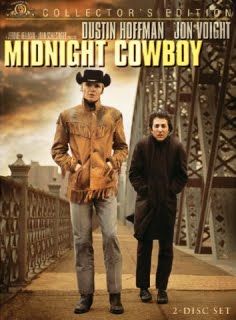
2. “I’m walkin’ here!” (Midnight Cowboy 1969)
Dustin Hoffman’s explosive ad-lib in “Midnight Cowboy” is a prime example of real-life chaos bleeding brilliantly into cinematic art. The scene, featuring Hoffman’s Ratso Rizzo and Jon Voight’s Joe Buck navigating the unforgiving streets of New York, captures a raw, unvarnished energy. As the duo crosses a busy street, a taxi unexpectedly veers close to Hoffman, prompting his now-legendary outburst. This wasn’t a carefully staged moment of near-collision; it was a genuine, visceral reaction from an actor almost run over.
The film’s production budget meant the crew couldn’t afford to close down a New York street, so they resorted to “stealing” shots, meaning filming without permits amid actual city traffic. Hoffman and Voight were left to interact with the bustling, unpredictable environment. When the taxi nearly struck him, Hoffman’s immediate, frustrated cry of “I’m walkin’ here!” was his authentic response to the unexpected intrusion, a burst of character and annoyance that perfectly encapsulated Ratso’s gritty, defensive nature. He even “slammed his hand on the hood” of the taxi, adding to the raw authenticity.
Director John Schlesinger, far from being upset by the disrupted shot, recognized its unbridled brilliance. Hoffman recalled Schlesinger’s enthusiastic reaction, clapping and exclaiming, “‘We must have that, we must have that,’ and ‘re-did it two or three times because he loved it’.” This moment, born from an actor’s unscripted frustration and a director’s keen eye for realism, became one of the film’s most memorable. It’s a powerful illustration of how the unpredictable nature of vérité filmmaking, combined with an actor’s immersion, can create cinematic gold, capturing a slice of New York life that feels utterly true to the narrative and its characters.
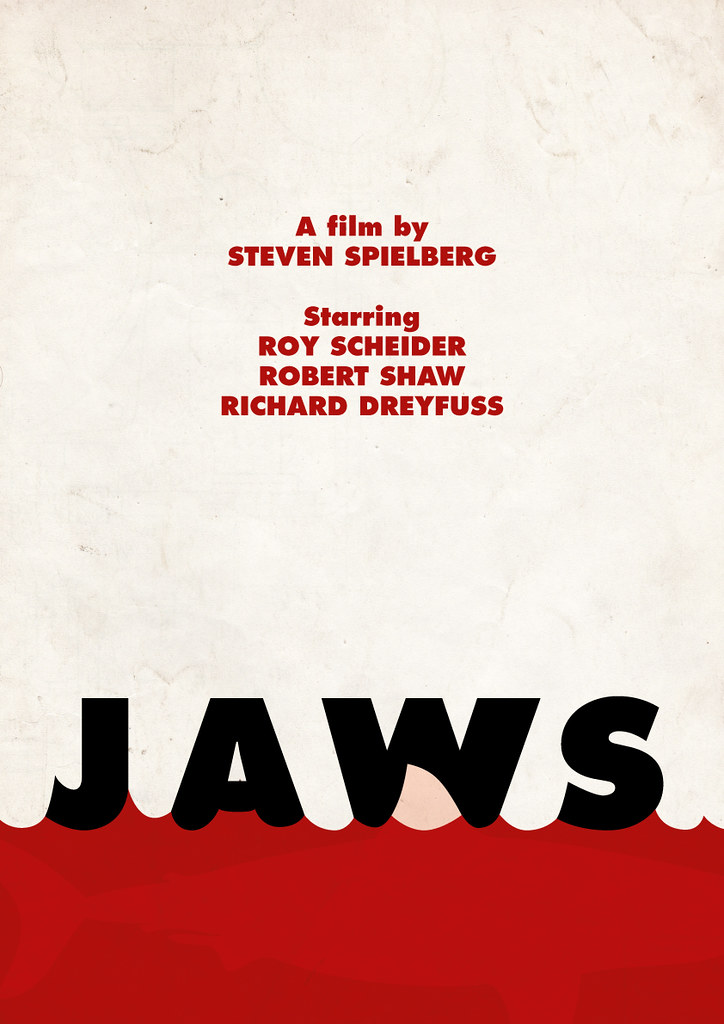
3. “You’re gonna need a bigger boat” (Jaws 1975)
Steven Spielberg’s “Jaws” is a masterpiece of tension, and one of its most quoted lines, delivered by Roy Scheider as Martin Brody, wasn’t originally penned by the screenwriters. The chilling realization, “You’re gonna need a bigger boat,” perfectly encapsulates the moment Brody truly comprehends the monstrous scale of the great white shark they are hunting. Its origin, however, is far more mundane and delightfully human than one might expect, starting as an on-set inside joke among the crew.
The inspiration for the line came from a real-life logistical headache during production. The team used a barge for lights and cameras, affectionately nicknamed “SS Garbage Sale,” which proved to be too unstable. To counteract this, a smaller support vessel was used to steady it. However, this smaller boat was, ironically, too small for the job. Whenever the crew saw the inadequate support boat struggling, they would humorously exclaim, “You’re gonna need a bigger boat.” This running gag became part of the daily lexicon on set, a shared observation about their resource limitations.
Roy Scheider, ever the improviser, decided to incorporate this crew in-joke into the film. According to Carl Gottlieb, who worked on the script, Scheider “tried to include it at multiple points throughout filming” before it found its perfect home in the scene where Brody gets his first terrifying, close-up glimpse of the shark. The line, an “overlap of a real-life problem combined with the dilemma of the characters on screen,” suddenly elevated a practical jest into a moment of pure, unadulterated cinematic dread. It’s a testament to the collaborative spirit of filmmaking, where even a casual quip can, with the right timing and delivery, become an iconic harbinger of doom.

4. “You talking to me?” (Taxi Driver 1976)
Robert De Niro’s electrifying performance as Travis Bickle in Martin Scorsese’s “Taxi Driver” is defined by its raw intensity and psychological depth, and no moment embodies this more powerfully than his iconic mirror monologue. The scene, which sees Bickle fantasizing about scenarios where he might draw his gun, is a masterclass in improvised character development, rooted in an astonishingly sparse script direction: “Travis talks to mirror.”
With just those three words as his guide, De Niro was left to conjure the entire scene, creating dialogue and gestures on the spot. He tapped into Bickle’s fractured psyche, his simmering rage, and his desperate yearning for a confrontation, articulating the character’s internal world with unnerving precision. The question, “You talking to me?” delivered with a menacing intensity, wasn’t pre-planned; it emerged from De Niro’s deep immersion in Travis’s alienated and paranoid worldview, transforming a blank slate into one of cinema’s most potent moments of self-interrogation and delusion.
Paul Schrader, the film’s writer, later confessed, “To me, it’s the best thing in the movie. And I didn’t write it.” This acknowledgment highlights the rare symbiosis between writer, actor, and director that defined “Taxi Driver.” De Niro’s improvisation wasn’t just a line; it was an act of creation, building a foundational moment for a complex character from scratch. It became a cultural touchstone, endlessly quoted and parodied, yet always returning to its origin as a chilling window into the mind of a man teetering on the brink, a testament to the power of spontaneous performance in shaping cinematic legacy.
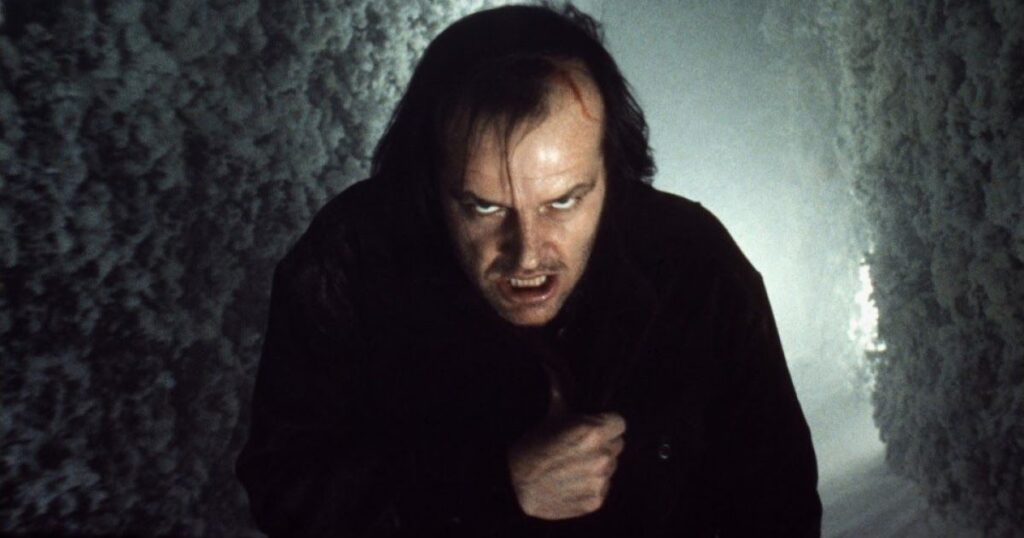
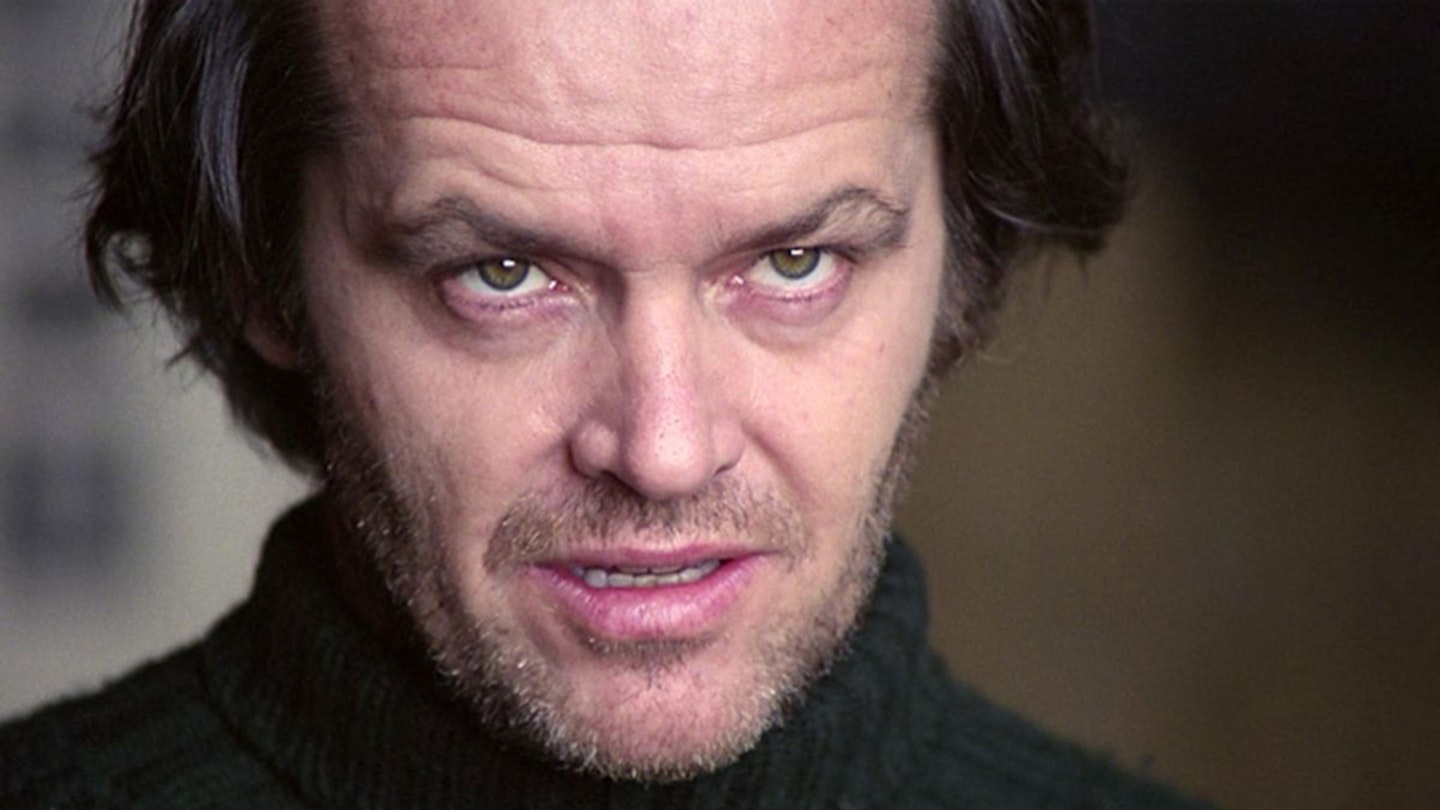
5. “Here’s Johnny!” (The Shining 1980)
Jack Nicholson’s portrayal of Jack Torrance in Stanley Kubrick’s “The Shining” is legendary for its descent into madness, and a key moment of that terrifying transformation is sealed with an unforgettable, unscripted shout. As Torrance, axe in hand, smashes through the bathroom door to get to Wendy, he thrusts his head through the splintered wood and bellows, “Here’s Johnny!” This chilling line, which has since become synonymous with horror itself, was pure, spontaneous genius from Nicholson.
Nicholson, known for his Method acting approach, had reportedly immersed himself deeply in the role, even living in an asylum for several months to inhabit the character’s disturbed mental state. This intense preparation likely fueled his ability to tap into Torrance’s deranged mindset and pull out a line that was both terrifying and disturbingly familiar. The phrase itself is a direct reference to Johnny Carson’s famous entrance announcement on “The Tonight Show,” a pop culture touchstone that, when delivered by a madman wielding an axe, becomes grotesquely twisted, amplifying the horror with a layer of unsettling, dark humor.
The brilliance of this improvisation lies in its ability to inject an unexpected, meta-textual layer into a scene already bursting with tension. It’s a moment that plays on audience recognition, turning a comforting, familiar greeting into a harbinger of unspeakable violence. Nicholson’s ad-lib not only elevated the scene but also showcased his profound understanding of character and his willingness to push boundaries, even within Kubrick’s notoriously rigid filmmaking process. It’s a testament to an actor’s ability to fuse their deep character work with a stroke of spontaneous wit, creating a moment that continues to haunt audiences decades later.
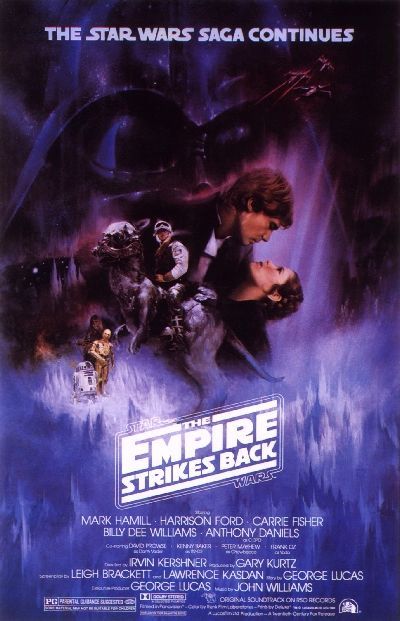
6. “I love you.” – “I know.” (Star Wars: Episode V – The Empire Strikes Back 1980)
In a galaxy far, far away, even the most pivotal declarations of love can spring from an unscripted moment of character insight. As Han Solo is about to be lowered into the carbonite freezing chamber in “Star Wars: Episode V – The Empire Strikes Back,” Princess Leia, with palpable emotion, confesses, “I love you.” The script called for Han to reciprocate with a simple “I love you too.” However, Harrison Ford, embodying the roguish, emotionally guarded Han, felt that such a sentimental response would be out of character. His improvisational genius gave us something far more iconic: “I know.”
Ford, known for his keen understanding of Han Solo’s complex persona, reportedly conferred with director Irvin Kershner about the line. He felt that Han, despite his deep affection for Leia, wouldn’t express it in such a straightforward, vulnerable way, especially not in such a dire, life-or-death situation. Han’s charm always lay in his swagger, his slightly detached coolness, and his tendency to deflect genuine emotion with a quip or a sardonic retort. “I know” perfectly captured this essence, signaling his acknowledgment of Leia’s feelings without a sentimental surrender.
This brief, two-word ad-lib not only became one of the most beloved exchanges in cinematic history but also solidified Han Solo’s enduring appeal. It’s a moment that speaks volumes about their relationship, hinting at a deep, unspoken bond that transcends conventional romantic declarations. The brilliance of Ford’s improvisation lies in its unexpected truthfulness to the character, turning a potentially cliché moment into an indelible, profoundly Han Solo response. It stands as a testament to how an actor’s intuition can elevate a scene, enriching the narrative and forging a moment that resonates with audiences long after the credits roll.
The stage is set, the cameras are rolling, and the dialogue is, theoretically, locked into the pages of a meticulously crafted script. Yet, as we’ve already seen, some of cinema’s most electrifying, poignant, and even hilarious moments are born not from the printed page, but from an actor’s split-second intuition, a director’s daring gamble, or the sheer, beautiful chaos of a film set. These are the spontaneous triumphs, imbuing films with an unexpected resonance that often becomes their most enduring quality, lodging themselves deep within the collective consciousness of moviegoers worldwide. Our journey through these flashes of unscripted genius continues, delving deeper into the unexpected origins and profound impact of lines that were never supposed to be there, but now feel utterly indispensable to the cinematic lexicon. Prepare to have your mind blown by more instances where quick thinking and sheer improvisation redefined film history, from dystopian futures to magical schools and beyond, cementing their place in our collective pop culture memory.
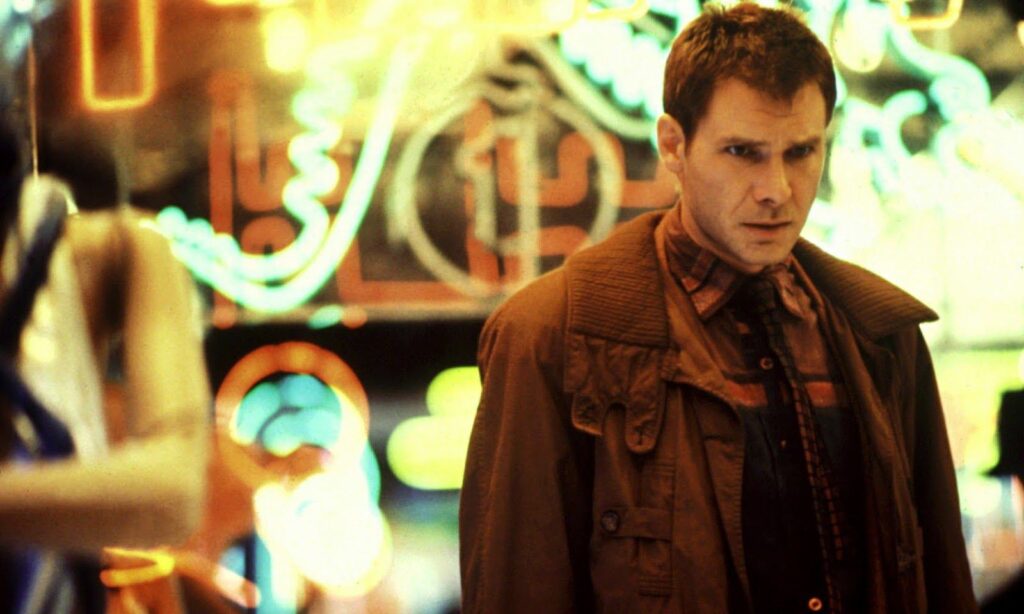
7. “Like tears in rain” (Blade Runner 1982)
Few cinematic monologues resonate with such profound melancholy and existential weight as Roy Batty’s “tears in rain” speech from Ridley Scott’s dystopian masterpiece, “Blade Runner.” Rutger Hauer, portraying the dying replicant, famously added these iconic lines to the script mere hours before stepping in front of the camera. He felt the original draft, described as “opera talk” and “high-tech speech,” didn’t capture the raw, fading humanity of his character in his final moments.
Recognizing the crucial emotional beat this moment represented, Hauer took a bold, unauthorized initiative the night before filming, essentially “putting a knife in it.” He dramatically cut down the verbose dialogue to its leaner, more poetic essence, crafting a speech that conveyed a lifetime’s worth of artificial memories and fleeting experiences. His revised version culminated in the profoundly poignant observation, “All those moments will be lost in time, like tears in rain,” perfectly encapsulating the replicant’s tragic fate and his desperate yearning for connection.
The impact of Hauer’s unscripted alteration was immediate and undeniable. After filming, members of the cast and crew were reportedly so moved by his performance and the stark beauty of his words that they broke into spontaneous applause. This creative alchemy transformed a good scene into an unforgettable, philosophical cornerstone of science fiction cinema, proving that even in meticulously designed worlds, human truths can emerge from the unlikeliest of impulses.
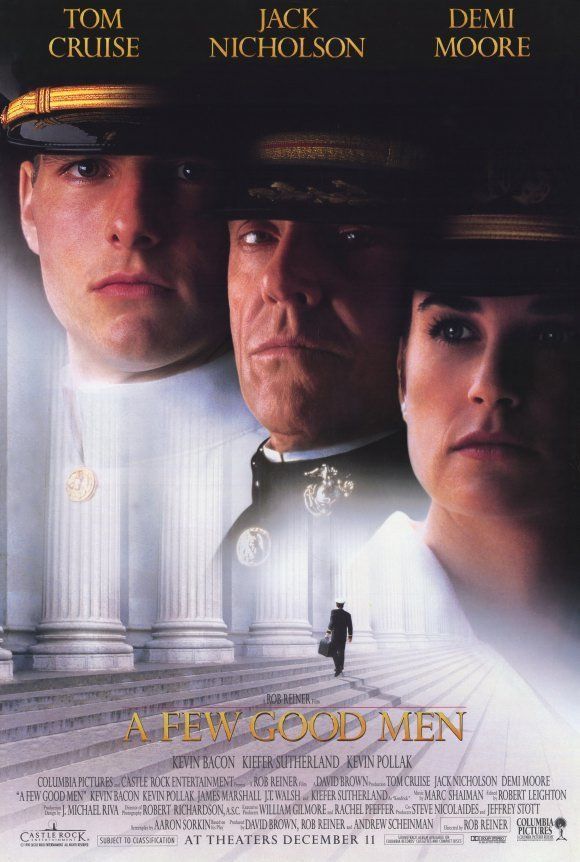
8. “You can’t handle the truth” (A Few Good Men 1992)
When Jack Nicholson’s Colonel Nathan R. Jessup barks, “You can’t handle the truth!” in Rob Reiner’s gripping legal drama “A Few Good Men,” it’s more than a line; it’s a defiant roar that has become one of modern film history’s most recognized quotes. This electrifying declaration captures Jessup’s rigid, unyielding character and his conviction that his brutal actions were necessary. Nicholson, a master of intense performances, improvised this line entirely on the spot, elevating the scene through spontaneous genius.
This was a particularly daring move, especially given that writer Aaron Sorkin is famously protective and precise about his dialogue. The original screenplay had Jessup saying, “You already have the truth,” a functional line that lacked the explosive, accusatory bite Nicholson instinctively knew the moment demanded. His powerful revision transformed a simple statement into a verbal gauntlet thrown, imbued with the character’s seething arrogance and unwavering conviction.
Nicholson’s improvisation was a profound, character-defining outburst, cementing Jessup’s place as the quintessential unyielding authority figure. The line perfectly articulated the colonel’s contempt for those who questioned his moral code, effectively shutting down the interrogation. It immediately resonated with audiences, becoming a signature outburst that has transcended the film, endlessly quoted and parodied, yet always returning to its origin as a powerful example of unscripted brilliance.
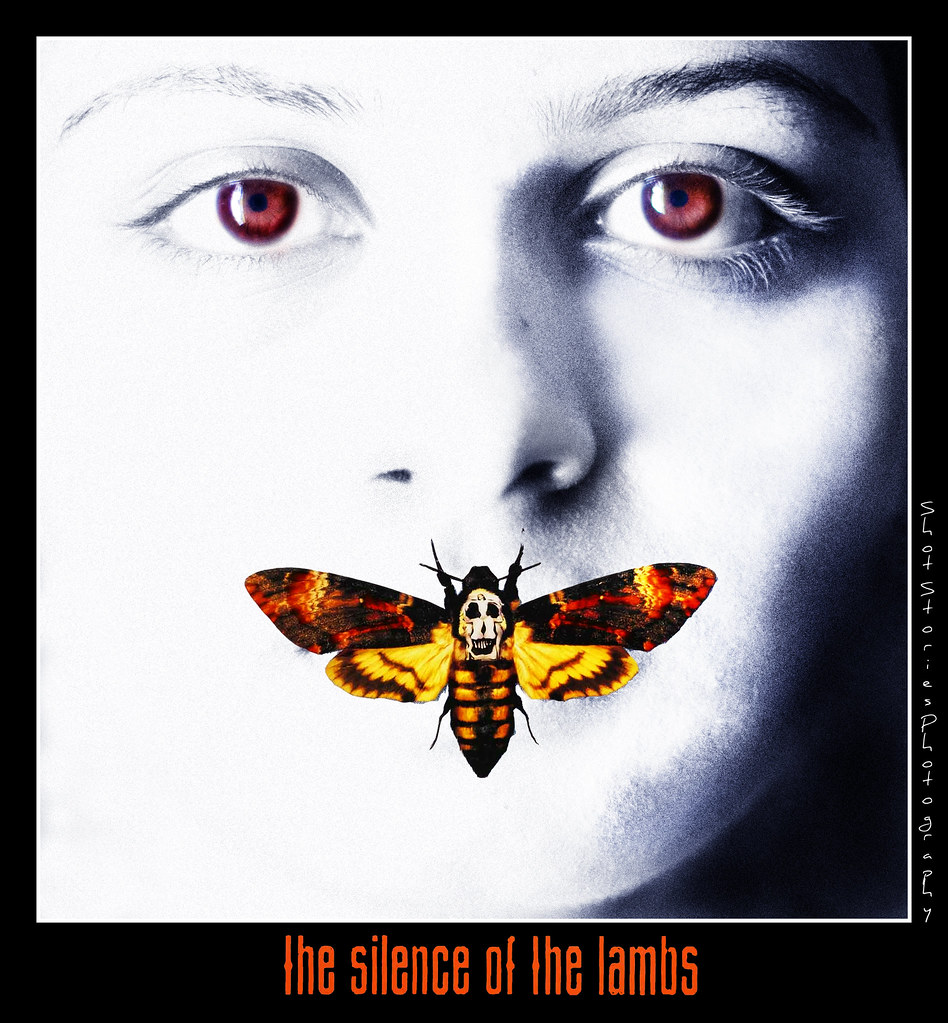
9. “Hu-thuth-thuth-thuth-thuth” (The Silence of The Lambs 1991)
In “The Silence of the Lambs,” Anthony Hopkins’ portrayal of Hannibal Lecter is a masterclass in controlled menace, with one of his most unnerving contributions not even in the script. This was the subtle yet profoundly disturbing sound: a guttural, almost reptilian “Hu-thuth-thuth-thuth-thuth” that escapes him after recounting eating a man’s liver “with some fava beans and a nice chianti.” This visceral noise has since become ubiquitous with Lecter’s terrifying persona.
The origin of this iconic sound is rooted in on-set playfulness; Hopkins had reportedly been making the noise informally as part of a joke with Jodie Foster between takes. However, during the actual filming of this pivotal scene, Hopkins, deeply immersed in Lecter’s psyche, instinctively decided to include the sound as a last-minute addition. It was a spontaneous flourish that brought an entirely new, visceral layer to the monologue.
The moment, born from an actor’s experiment, took on a terrifying life in the finished film, packing a punch with audiences. This unscripted sound effect perfectly encapsulates Lecter’s predatory nature and his chilling ability to disturb with minimal effort. It’s a testament to Hopkins’s complete immersion, proving that some of the most memorable cinematic elements are truly born from an actor’s raw, immediate connection to their role.
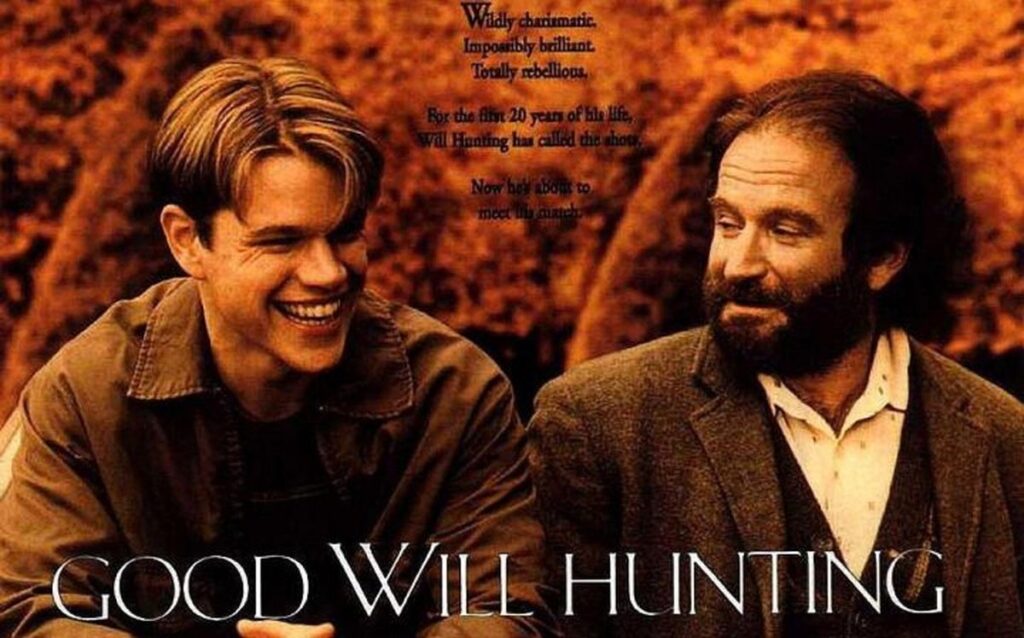
10. “Son of a bitch. He stole my line.” (Good Will Hunting 1997)
Robin Williams’ Oscar-winning turn in “Good Will Hunting” featured an improvised line that perfectly captured the film’s emotional depth and wit: “Son of a bitch. He stole my line.” This poignant, humorous remark closes the film, spoken by Williams’ character, Sean Maguire, after reading a touching final note from Will Hunting, played by Matt Damon. It beautifully underscores the unique, transformative bond formed between the two men.
According to Matt Damon, who co-wrote the screenplay, this line was “Williams’s best addition” to the film, entirely unscripted. The script simply indicated Sean was reading the letter, leaving Williams ample room for his improvisational genius. Williams, known for his quick wit and constant creative energy, explored different reactions and lines for each take.
Damon vividly recounted his immediate reaction upon hearing this ad-lib, saying, “When he said, ‘Son of a bitch – he stole my line,’ I grabbed Gus [Van Sant, the director]. It was like a bolt.” This unscripted gem provided a perfect, lighthearted yet deeply meaningful conclusion to Sean’s arc, reinforcing Will’s profound impact and showcasing Williams’s extraordinary ability to weave humor and genuine emotion into the fabric of a scene.
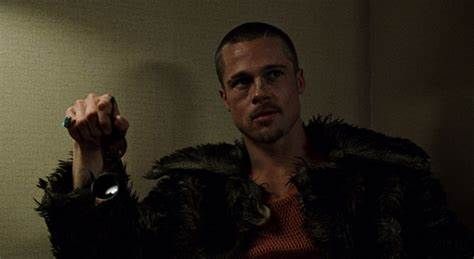
11. “You punched me in the ear!!” (Fight Club 1999)
Among the many visceral moments in “Fight Club,” Brad Pitt’s indignant cry, “You punched me in the ear!!” stands out for its raw realism. This unforgettable outburst came after a genuine, unscripted blow to the head, making it perhaps the funniest and most startling entry due to its reactionary origin. The line wasn’t just improvised; the punch itself was a last-minute, covert directorial decision that blurred the lines between acting and reality.
The script originally called for Edward Norton’s character to punch Pitt’s Tyler Durden in the shoulder. However, moments before the take, director David Fincher quietly approached Norton and whispered: “Hit him in the ear.” Norton was initially resistant to physically striking an A-list celebrity, but ultimately agreed to Fincher’s vision for an authentic reaction.
The ensuing take, with Pitt’s very real, startled, and visibly pained reaction, was precisely what Fincher wanted. Pitt’s immediate yelp perfectly captured the chaotic essence of the fight club, adding unexpected humor and brutal reality. This unscripted moment remains a fan favorite, a testament to Fincher’s bold directing and the actors’ willingness to embrace the unfiltered truth.
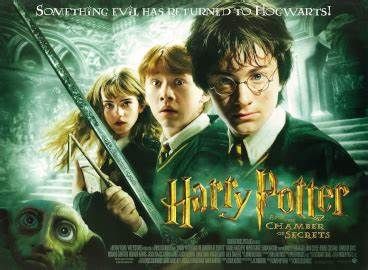
12. “I didn’t know you could read.” (Harry Potter and the Chamber of Secrets 2002)
Even in the meticulously designed magical world of Harry Potter, spontaneity delivered unexpected wit. In “Chamber of Secrets,” when Draco Malfoy encountered Harry (as Goyle) wearing glasses, Harry explained they were for “Reading.” Tom Felton, portraying Draco, then delivered the perfectly improvised comeback: “I didn’t know you could read.”
This cutting, off-the-cuff remark perfectly encapsulated Malfoy’s inherent disdain for anyone he considered beneath him, and his utter disbelief that a “simpleton” like Goyle would engage in intellectual pursuits. It was an unplanned line that felt entirely true to the character’s prejudiced worldview, adding a layer of subtle, classist humor to the scene.
Felton’s improvisation is particularly impressive considering he was only 13 years old at the time of filming. His ability to conjure such a sharply delivered, character-appropriate retort on the spot speaks volumes about his early talent and immersion in the role. It’s a delightful instance of a young actor’s quick wit adding an unexpected sparkle to an already iconic series.

13. “SUBLIME!” (Barbie 2023)
In Greta Gerwig’s vibrant “Barbie,” Ryan Gosling’s performance as Ken was a masterclass in comedic timing and earnest emotion. Among his many standout moments, one particular exclamation, delivered with peak Ken-ergy, was entirely improvised: his enthusiastic cry of “SUBLIME!” This outburst occurs after Barbie accepts his offer to become his “long-term, long-distance, low commitment casual girlfriend,” perfectly capturing Ken’s exaggerated emotional reactions.
Margot Robbie, who starred as Barbie and produced the film, confirmed this brilliantly expressive line was not in the script. It was one of “a lot of things that Ryan did that were like spur of the moment,” she revealed, adding that Gosling “made people cry with laughter multiple times” with his spontaneous additions. His ability to tap into Ken’s unique blend of earnestness, insecurity, and theatrical expression allowed these unscripted gems to organically emerge.
Gosling’s improvisational prowess wasn’t limited to this single exclamation. Robbie also cited another charming example: the moment where Ken wears two pairs of glasses at once—a visual gag that perfectly illustrates Ken’s endearing yet clumsy attempts at coolness. These unscripted contributions highlight how an actor’s deep understanding of their character can inject unexpected life and humor into a film.
And there you have it: a journey through the whispered secrets and shouted declarations that were never meant to be, yet carved their own unforgettable spaces in cinematic history. From a replicant’s final poetic musings to the indignant cry of a physically assaulted actor, and the hilarious exuberance of a plastic doll, these improvisations aren’t just fascinating footnotes. They are enduring monuments to the magic of the moment, the collaborative brilliance that transcends the page, and the raw artistry that makes us fall in love with movies, one unscripted line at a time. They remind us that sometimes, the truest, most impactful, and most memorable words are the ones we never saw coming, solidifying their place in the grand tapestry of film culture and our hearts.