In the ever-evolving landscape of Hollywood, where thousands of hours of content are produced annually, it’s easy to assume that every film and television series eventually finds its way to an audience, whether on the big screen, a cable channel, or one of the myriad streaming platforms. Yet, beneath the glitz and glamour, there exists a vast, shadowy realm of projects that, for various reasons, never saw the light of day. These aren’t just forgettable concepts that fizzled out in development; they are often fully realized productions that, against all odds, were shelved indefinitely, becoming legends in their own right among dedicated fans and industry insiders.
The stories behind these unreleased works are as diverse as they are fascinating, ranging from catastrophic production failures and controversial content decisions to strategic corporate maneuvers and even artistic choices that intentionally delayed their public viewing for a century. For the most passionate cinephiles and TV aficionados, these ‘lost’ projects represent tantalizing glimpses into alternate cinematic histories, sparking endless speculation and fervent desire to unearth what might have been. Each one carries a unique tale of ambition, setbacks, and the often-unpredictable forces that shape the entertainment world.
Join us as we pull back the curtain on some of the most infamous and legendary movies and TV shows that Hollywood has kept hidden from the public eye. We’ll delve into the behind-the-scenes drama, the creative hurdles, and the sheer audacity of decisions that led to these projects being relegated to the cutting room floor, sometimes even after millions of dollars and countless hours of work had been poured into them. Prepare to explore the untold stories of what you almost, but never quite, got to see.
1. **Batgirl**
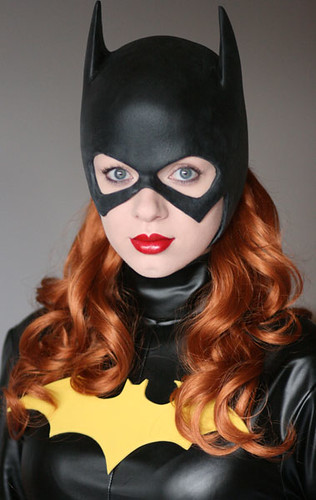
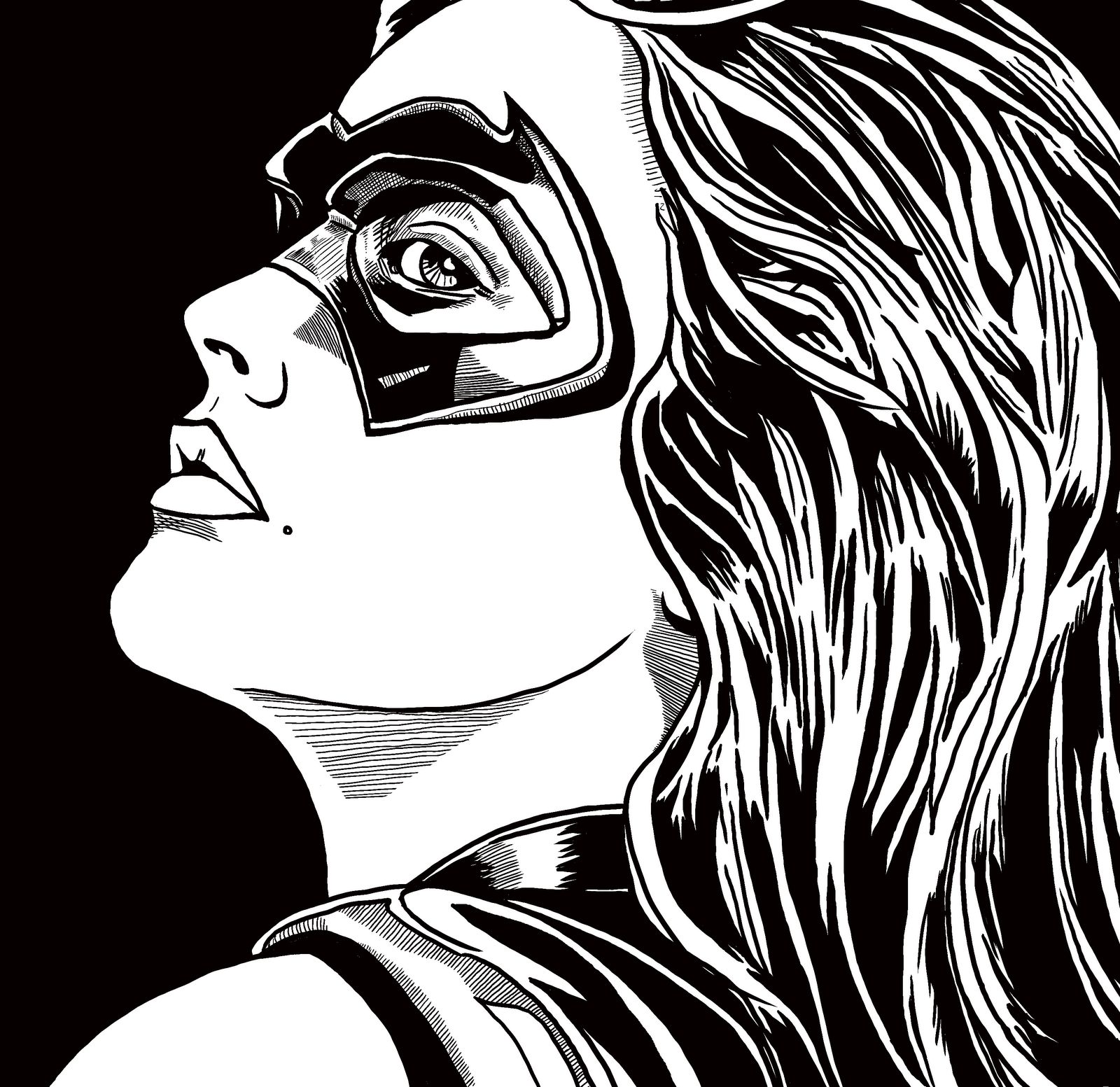
Perhaps one of the most astonishing recent examples of a fully shot film being shelved indefinitely is the live-action Batman-verse movie, *Batgirl*. In an era where even mediocre projects frequently find a home on streaming services, the decision to write-down a $90 million production instead of releasing it on HBO Max sent shockwaves through the industry and among fans. This move was particularly surprising given the current climate of content proliferation, where the strategy often appears to be to ‘throw it at the wall and see what sticks.’
The optics of canceling a DC superhero project that starred a Dominican actress, Leslie Grace, also drew significant criticism. Comic book kingpin Kevin Smith publicly noted, “It’s an incredibly bad look to cancel the Latina Batgirl movie.” This sentiment underscored a broader disappointment regarding representation and the perceived arbitrary nature of the decision. Many questioned the rationale behind investing so heavily in a film, only to declare it unviable for release after completion.
Warner Bros. Discovery CEO David Zaslav defended the controversial decision, suggesting that the film, directed by Adil El Arbi and Bilall Fallah, would ultimately harm DC’s brand. He emphasized a commitment to quality over quantity, stating, “We’re not going to launch a movie until it’s ready. We’re not going to launch a movie to make a quarter, and we’re not going to put a movie out unless we believe in it.” This statement, while highlighting a focus on quality, left many wondering why the film’s quality issues weren’t addressed earlier in the production cycle, or if the decision was primarily a financial one related to tax write-offs.
Ultimately, *Batgirl* stands as a stark reminder of the volatile nature of the film industry, where even completed projects are not guaranteed a release. Its cancellation highlighted the power dynamics within major studios and the complex considerations—creative, financial, and public relations—that go into bringing a blockbuster to audiences. For fans, it remains a tantalizing ‘what if’ in the ever-expanding DC cinematic universe.
Read more about: Still Can’t Believe You Watch Them? Dive into 12 Cult Classics Where Bad Acting Equals Legendary Fun.

2. **Ultimate Slip ‘N Slide**
Reality television has given us countless memorable, and sometimes infamous, moments, but few have resulted in a project being completely scrapped due to a health crisis on set. Enter *Ultimate Slip ‘N Slide*, a 2021 NBC reality show that aimed to replicate the success of physical game shows like *Wipe Out*, but instead veered into an unforeseen disaster. The premise was straightforward: adult contestants would compete on giant versions of popular backyard games, including Human Pong, Body Bowling, Cornhole, and, of course, a massive Slip ‘N Slide, sponsored by its manufacturer, Wham-O.
The show was initially slated for a prime broadcast slot, immediately following the Summer Olympics closing ceremony, indicating the network’s high hopes for its success. However, these aspirations quickly dissolved when production was halted due to a reported outbreak of “explosive diarrhea” among contestants and crew. The culprit was identified as giardia parasites, spread through contaminated water on the watery set, leading to widespread illness and a public relations nightmare.
News of the outbreak quickly went viral, turning what was meant to be lighthearted entertainment into a snickering cautionary tale. The images of contestants “slippin’ and slidin’ face-first into giardia parasites” created a PR disaster for both NBC and the sponsoring company, Wham-O. The humor intended by the show’s concept was completely overshadowed by the grotesque reality of the on-set conditions.
Despite the significant investment and the planned high-profile debut, NBC ultimately made the decision to “crap out” on releasing the show, shelving it indefinitely. *Ultimate Slip ‘N Slide* serves as a bizarre testament to how unforeseen circumstances, especially those related to public health and safety, can derail even the most seemingly innocuous entertainment ventures, turning a fun premise into a deeply embarrassing footnote in television history.
Read more about: The Ultimate Guide: 10 Minivans Built to Last Beyond 250,000 Miles for Your Family’s Journey
3. **Tremors (2018 TV Pilot)**
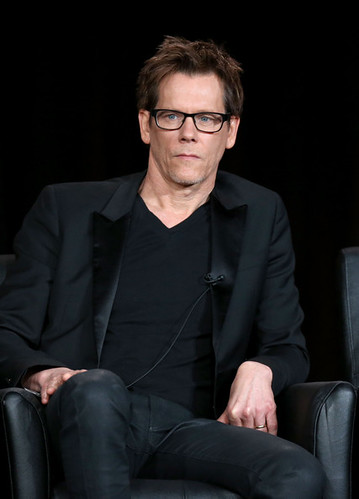
The cult horror classic *Tremors* from 1990 has enjoyed a surprising longevity, spawning six sequels over the years. However, its original star, Kevin Bacon, famously did not return for any of these subsequent films, making his involvement in a 2018 Syfy TV pilot for the franchise a significant and highly anticipated event. Bacon reprised his role, bringing a renewed sense of excitement to fans who had long hoped for his return to the sandworm-infested small town of Perfection.
Despite the enthusiasm and Bacon’s participation, the pilot was ultimately scrapped and never released. This decision left many bewildered, including Bacon himself. In a 2020 interview with Dread Central, he expressed his confusion: “We made an excellent pilot outside of Albuquerque, recreated the town, had a really great cast, director, and writer and to this day I still don’t understand why they didn’t want to move forward with it.” He further clarified that his disappointment wasn’t rooted in a belief that the pilot was of poor quality, stating, “If I honestly thought the pilot was then I’d say ‘we just didn’t crack it.’”
The cancellation was particularly galling for fans given the sheer volume of direct-to-video sequels the franchise had produced without Bacon. One disgruntled *Tremors* fan on Reddit encapsulated the frustration, ranting, “How are there 19 ty Tremors movie sequels, but this doesn’t get picked up by at least a streaming service?” The irony of a high-quality, star-led pilot being rejected while numerous lower-budget continuations existed was not lost on the dedicated fanbase.
Instead of picking up *Tremors*, Syfy opted to greenlight a rival pilot, *Deadly Class*, which, somewhat ironically, only lasted for one season. The fate of the *Tremors* pilot remains a perplexing mystery for many, a prime example of a project with significant creative talent and fan interest that inexplicably failed to secure a series order, leaving its potential untold and unseen.
4. **Star Wars: Detours**
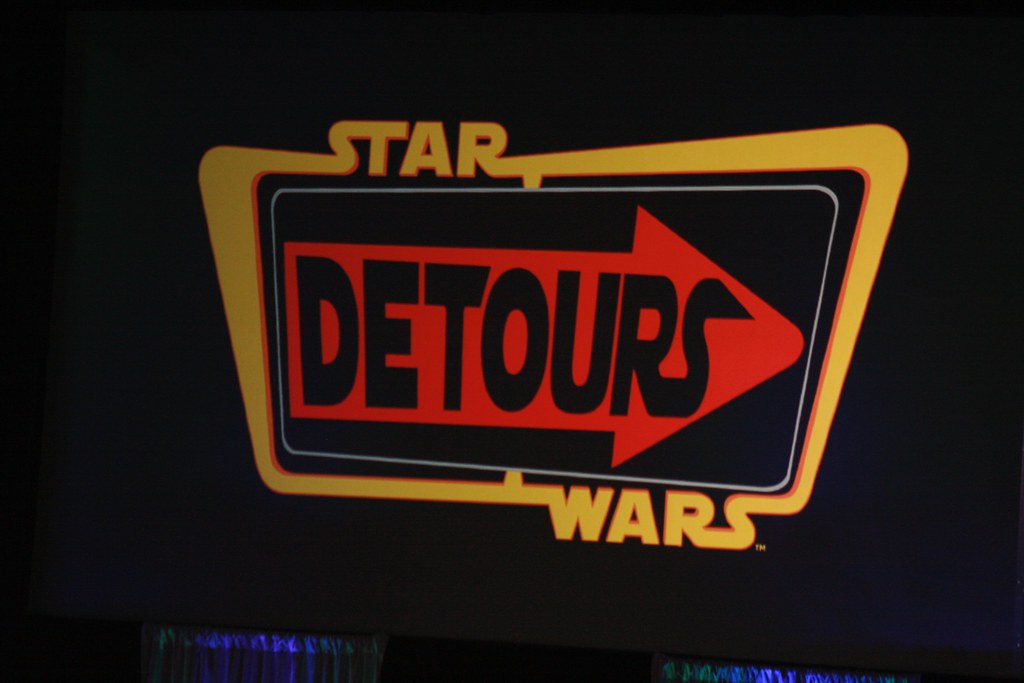
When thinking of unreleased Hollywood projects, one often imagines a single film or a lone TV episode. However, *Star Wars: Detours* stands out due to the sheer volume of completed content that remains locked away. From the creative minds behind *Robot Chicken*, Seth Green and Matthew Senreich, this animated series saw 39 short-form episodes completed and an additional 62 scripts written. Yet, despite this extensive work, the series has never been officially released, save for one episode that regrettably leaked online.
The project was officially announced with much fanfare at Star Wars Celebration in 2012, promising a comedic, parody take on the iconic *Star Wars* franchise. However, *Detours* hit a significant roadblock when Disney acquired Lucasfilm just a few months after its announcement. Following the acquisition, the project was quietly shelved, leaving its future in limbo and fans wondering why such a substantial body of work would be withheld.
Seth Green provided some insight into the situation in a 2021 interview, explaining that the prospects for release were not “soon.” He further elaborated on the perceived lack of internal interest, stating, “The way it’s been explained to me is that there hasn’t been enough interest high enough up to go through what it would take to put it out, and that there isn’t an interest in releasing this content on Disney+ from Lucasfilm.” While no official reason for the scuttling has ever been explicitly given, many speculate that the decision was likely tied to Disney’s desire to maintain a more consistent and serious tone for the *Star Wars* brand across its platforms, making a parody series a less-than-ideal fit for their strategic vision.
Despite the project’s unreleased status, Green reflected positively on his experience, noting, “I don’t really have an emotional position [to the series being scrapped] because I got to spend four straight years making something with George Lucas.” For him, the opportunity to collaborate with one of his heroes and witness Lucas’s enjoyment of the parody was a “priceless experience,” irrespective of the show’s ultimate fate. *Star Wars: Detours* remains a fascinating piece of *Star Wars* lore, a completed vision that became a casualty of corporate change.
Read more about: Russia’s Unprecedented Barrage: A Deep Dive into the Record 6,400 Drones and Missiles Launched into Ukraine Last Month

5. **Seriously, Dude, I’m Gay**
Fox has a track record of venturing into provocative reality TV, and *Seriously, Dude, I’m Gay* from 2004 undoubtedly falls into that category, albeit for all the wrong reasons. The premise of this planned reality show was, to put it mildly, super-cringe: two straight men were to compete against each other to see who could most convincingly pass themselves off as gay, with the ultimate prize of $50,000. Each contestant was paired with a trio of coaches and put through a series of uncomfortable competitions, which reportedly included swimsuit modeling, mastering a “gay face,” and attempting to convince a date to spank them.
The show’s original press release offered an even more problematic description, framing the concept as “A heteroual male’s worst nightmare: turning gay overnight.” This explicitly derogatory language and the overall premise immediately sparked outrage from LGBTQ+ advocacy groups and the wider public. The insensitivity and potential for harmful stereotypes were apparent, leading to swift and widespread condemnation before the show even had a chance to air.
Despite the significant backlash, one of the show’s creative consultants attempted to defend the special, telling The Advocate, “Our primary purpose was to be funny, but if people actually got to see the show, they would probably be more tolerant of gay people in the future.” This defense, however, did little to quell the storm of criticism. The notion that such a premise could foster tolerance was largely dismissed as misguided and offensive, highlighting a severe disconnect between the show’s creators and public sentiment.
Facing considerable pushback from GLAAD and numerous other organizations and individuals, Fox ultimately pulled the plug. Less than two weeks before its scheduled air date, the network issued an apology and yanked the project from its schedule, citing “creative reasons” for the cancellation. *Seriously, Dude, I’m Gay* stands as a cautionary tale in television history, demonstrating the profound impact of public outcry and the consequences of insensitive, ill-conceived programming that fails to understand or respect its subject matter.
6. **My Best Friend’s Birthday**
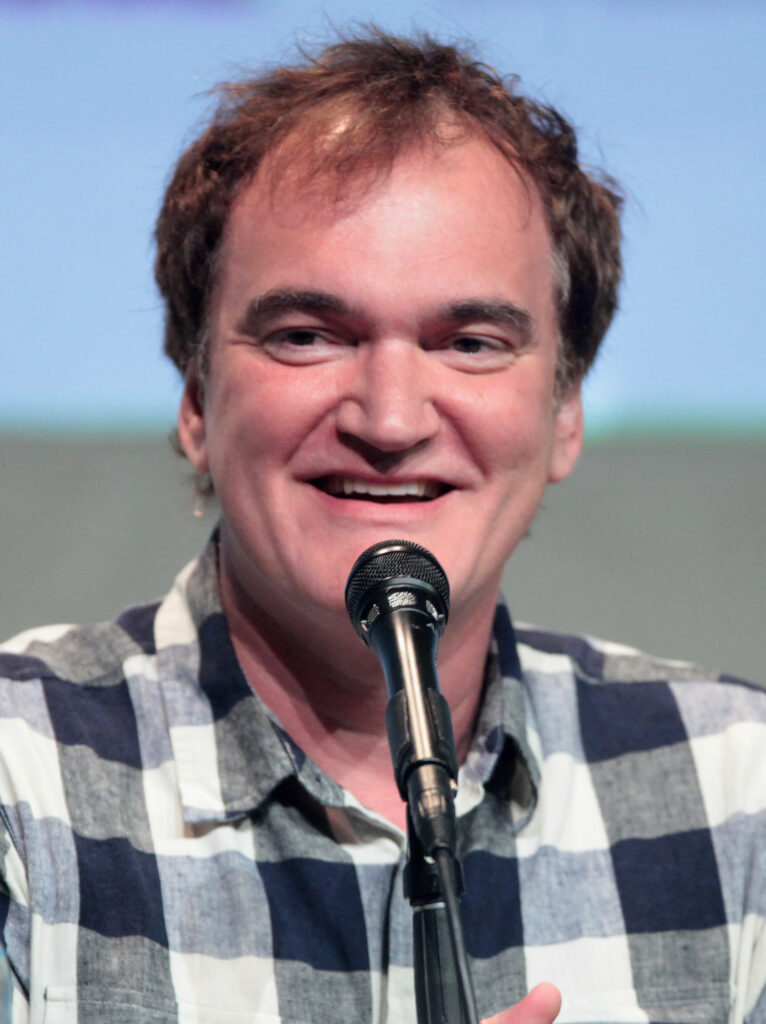
Before he became the cinematic titan responsible for classics like *Reservoir Dogs* and *Pulp Fiction*, Quentin Tarantino was a video store clerk with a burning passion for film. It’s a lesser-known fact that his true directorial debut, a low-budget 1987 comedy titled *My Best Friend’s Birthday*, was never officially released. Tarantino not only wrote and directed this black-and-white feature but also starred in it, marking his earliest foray into the filmmaking world while still working at the Video Archives movie rental store in Manhattan Beach.
The film was reportedly 70 minutes long and, by Tarantino’s own admission, it wasn’t particularly good. He famously told Variety, “I was totally embarrassed. So I was like, OK, I don’t have a movie here, this is not *She’s Gotta Have It*, but I learned a lot doing this. This was my film school.” This candid assessment reflects the raw, experimental nature of the project and its crucial role in his development as a filmmaker, even if it wasn’t a commercial success or critical darling.
For many years, the popular narrative surrounding the film’s incompleteness was that half the footage had been tragically destroyed in a lab fire. However, a more recent account, detailed in the book *My Best Friend’s Birthday: The Making of a Quentin Tarantino Film*, claims that there was no fire. Instead, the book suggests that half the film was lost by accident, and Tarantino allowed the more dramatic “lab fire” tale to spread because it sounded significantly more interesting. A representative for Tarantino offered no comment on this revised account, leaving the true story somewhat ambiguous but adding to the film’s mystique.
While *My Best Friend’s Birthday* will never be seen in its intended entirety, the surviving footage has surfaced online, offering curious fans a rare glimpse into the nascent talent of a director who would go on to define a generation of cinema. It’s full of his characteristic pop culture references and quirky dialogue, providing an invaluable historical artifact for understanding Tarantino’s artistic origins and the foundational elements of his unique style.
Read more about: Andrew Huse, Cultural Historian of the Cuban Sandwich and Florida’s Culinary Past, Dies at 52: A Tribute to a Voracious Investigator
7. **100 Years**
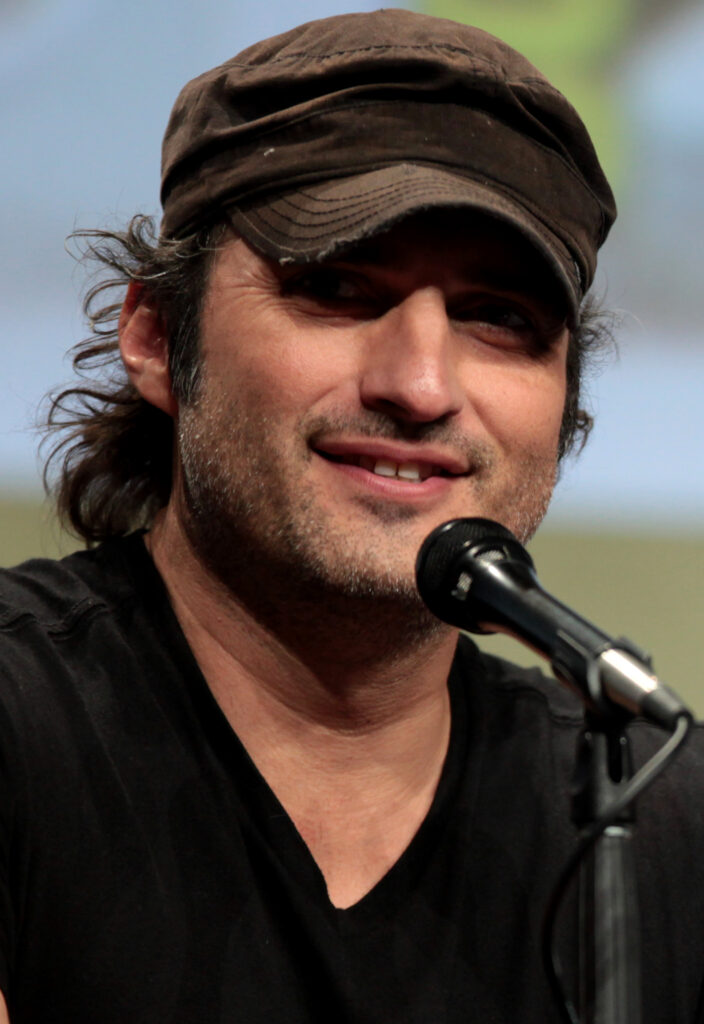
This entry on our list of unreleased projects is perhaps the most unique, as it’s not precisely “unreleased” in the traditional sense, but rather “intentionally delayed for an entire century.” *100 Years*, a short film directed by Robert Rodriguez and starring John Malkovich, Shuya Chang, and Marko Zaror, remains a cinematic enigma. Its official release date is set for November 18, 2115 – a full century after its conception. This extreme delay makes it a project designed not for contemporary audiences, but for future generations, challenging our very notions of cinematic release.
The intrigue surrounding *100 Years* is immense, even though its core purpose somewhat grounds its artistic mystique. The film was conceived as part of an elaborate advertising campaign for Remy Martin’s ultra-premium Louis XIII Cognac, a liquor that itself takes 100 years to mature. This clever, albeit overtly commercial, connection dictates the film’s extraordinary release schedule. The finished piece is reportedly held within a high-tech safe, shielded by bulletproof glass, programmed to open automatically in nearly a century, ensuring its contents remain a secret until its destined unveiling.
Rodriguez himself stands by the work, telling IndieWire, “What John and I wanted it to be was a work of timeless art that can be enjoyed in 100 years.” He even quipped, “I’m very proud of it even if only my great grandkids and hopefully my clone will be around to watch.” Despite the long wait for the main event, Remy Martin did release teaser trailers, ensuring some immediate marketing buzz. This only adds to the tantalizing questions about what those future audiences will discover within the safe.
Read more about: The Billion-Dollar Secret: Uncovering How Movie Theaters Make a Fortune Beyond Ticket Sales
8. **Uncle Tom’s Fairytales**
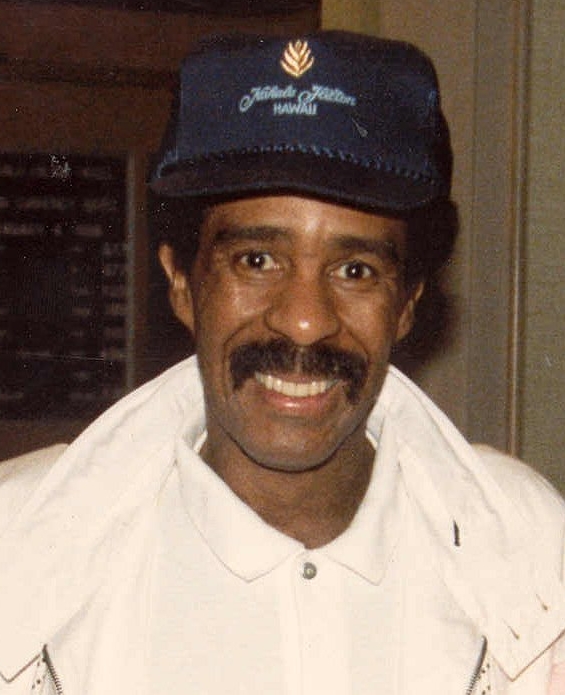
Richard Pryor, a comedic legend whose raw, unfiltered genius redefined stand-up, also ventured into filmmaking with a project that has become almost as mythical as his most iconic performances. His 1968 film, *Uncle Tom’s Fairytales*, remains largely unseen, shrouded in rumors and conflicting accounts. The 40-minute feature, which Pryor wrote, directed, and starred in, is a potent and provocative piece of social commentary. It centered around a group of Black activists who kidnap a wealthy white man to put him on trial for America’s history of racial injustices.
The reason for its unreleased status is a dramatic one, tied to an argument Pryor had with his wife, leading him to shred the film’s work print – though, importantly, not the original negative. For years, this act contributed to the film’s near-legendary status as a ‘lost’ piece of cinematic history. However, not all was lost. Producer and editor Penelope Spheeris, along with Pryor’s widow and estate manager, Jennifer Lee Pryor, have worked to clarify the film’s convoluted past.
Jennifer Pryor recently discovered additional footage, reigniting the hope that the full negative might still be unearthed. Spheeris remains optimistic, revealing, “After doing research for five years, the negative exists somewhere. We just don’t know where.” While a full public screening has never occurred, scenes from the film were notably shown at a Directors Guild of America event honoring Pryor in 2005. This offers a rare glimpse into this powerful and elusive work, leaving fans to wonder about the full impact of Pryor’s directorial vision.
9. **Bloodmoon (Game of Thrones Prequel)**
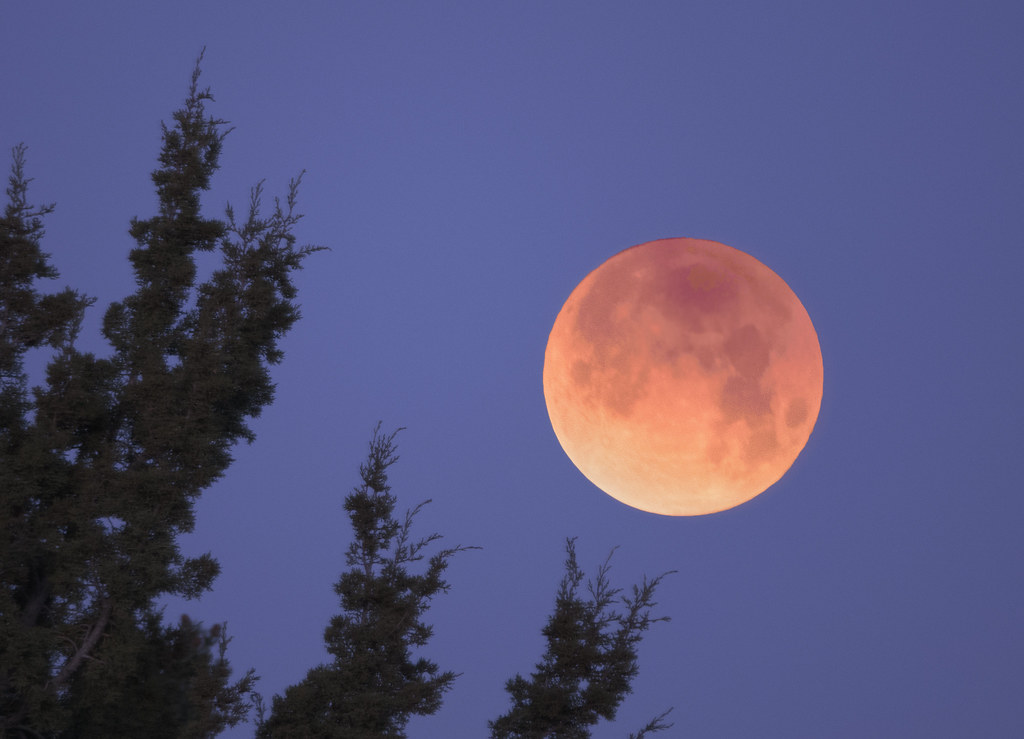
In the cutthroat world of television, even projects with massive budgets and immense anticipation can fall victim to the chopping block, and few examples are as prominent or costly as HBO’s *Bloodmoon*. This ambitious prequel to *Game of Thrones* reportedly cost over $30 million for its pilot episode alone, starring Naomi Watts and set thousands of years before the events of Westeros we know. Yet, despite the immense investment and legacy it was meant to uphold, *Bloodmoon* was unceremoniously dumped, never to be seen by the public, or even by *Thrones* author George R.R. Martin himself.
The reason behind shelving such a high-profile production often boils down to strategic corporate decisions, especially when tax write-offs are involved. Studios can only claim a project as a tax break if it is never released or monetized. This makes the outright cancellation of a fully shot pilot from a beloved franchise a truly significant event. The story of *Bloodmoon* was described as “adult, sophisticated and intelligent,” tackling “a thematic conversation… about disenfranchisement in the face of colonialism and religious extremism.”
However, even with a compelling premise, problems arose. Sources indicated challenges from casting to crafting an entirely new world that felt both connected to *Game of Thrones* and stood on its own. George R.R. Martin noted the complexities: “We’re dealing with a much more primitive people. There were no dragons yet.” Robert Greenblatt, then WarnerMedia chairman, observed it “didn’t take me to the same place as the original series. It didn’t have that depth and richness that the original series’ pilot did.” This highlights the immense pressure *Bloodmoon* faced, ultimately becoming a legendary ‘what if’ in HBO’s universe.
10. **The Original Game of Thrones Pilot**
Before *Bloodmoon* became the infamous scrapped prequel, *Game of Thrones* itself faced its own near-disaster in its initial pilot production. It’s a testament to the show’s eventual success that its first attempt was almost entirely overhauled. Showrunners David Benioff and Dan Weiss were remarkably candid about their struggles, openly admitting the original pilot was far from perfect. Their anecdote about receiving feedback — “You listen to how sharply the pitch of somebody’s voice turns up when they tell you it’s good — ‘It’s good!’” Weiss recalled — illustrates the polite but damning critiques.
The production team swiftly made crucial adjustments. These included significant casting alterations, most notably replacing Tamzin Merchant with Emilia Clarke as Daenerys Targaryen. The script underwent a thorough rework, and the directorial reins were handed from Thomas McCarthy to Tim Van Patten, known for his work on *The Sopranos*. These decisive actions, taken after the initial pilot failed to capture the essence of Martin’s sprawling world, proved to be a critical turning point.
The transformation was so profound that producer Craig Mazin, a close friend of the showrunners, famously declared it “the biggest rescue in Hollywood history.” He told Benioff, “You saved a complete piece of and turned it into something brilliant. That never happens.” This dramatic turnaround from acknowledged failure to global phenomenon highlights the unforgiving nature of bringing complex literary works to the screen. Despite intense fan curiosity, the original *Game of Thrones* pilot has remained unreleased, a phantom first step that paved the way for television history.
Read more about: Unleash Your Inner Executive: Jackie Gleason’s Custom 1969 Lincoln Continental Limousine Hits the Auction Block!
11. **Our Little Genius**
Fox, no stranger to pushing the boundaries of reality television, once again found itself in hot water with *Our Little Genius*. This planned 2010 quiz show promised to showcase naturally gifted child prodigies competing against highly educated adults. While the premise seemed innocuous, the project was dramatically halted just a week before its scheduled air date, revealing a scandal far more damaging than any on-screen drama. This wasn’t a case of controversial content, but rather a severe breach of integrity impacting the show’s fundamental fairness.
The cancellation stemmed from serious allegations raised by none other than the show’s creator, Mark Burnett. He flagged internal concerns that members of the production team had engaged in the unethical practice of coaching the child contestants on questions prior to filming. In reality TV, while quiet scripting and subtle manipulation are common, interfering with the integrity of a *game show* is a legally perilous act. Such actions transform entertainment into fraud, a criminal offense that networks take very seriously to protect their broadcast licenses and public trust.
The revelations effectively sealed *Our Little Genius*’s fate, leading Fox to swiftly place it on the shelf alongside other notorious, unreleased projects. The network had no choice but to pull the plug, emphasizing the stark difference between fabricating “reality” for dramatic effect and deliberately rigging a competition. All that remains of this ill-fated venture is a trailer, a brief glimpse into what could have been a heartwarming celebration of young intellect, now forever tainted by the shadow of unfair play.
Read more about: Prepare to Be Shocked: 15 Celebs Whose Plastic Surgery Went Seriously Wrong

12. **The Day the Clown Cried**
Rounding out our list is a film that has achieved legendary status not just for its unreleased nature, but for its profoundly controversial subject matter: Jerry Lewis’ 1972 project, *The Day the Clown Cried*. This is perhaps the ultimate example of a creative vision gone terribly wrong, and its very premise explains “what went wrong” almost immediately. The slapstick comedian, known for his physical humor, attempted a dramatic turn by playing a circus clown imprisoned in a Nazi concentration camp during World War II.
The narrative reportedly followed Lewis’ character as he performs for Jewish children within the camp, suffers beatings, and ultimately leads children to their deaths in the gas chamber, attempting to distract and comfort them in their final moments. It’s a concept that, even on paper, sounds like a jarring and potentially offensive juxtaposition of slapstick comedy with the horrific realities of the Holocaust. Lewis himself recognized the disaster he had created, halting the film’s release, reportedly telling EW in 2013, “Y” (indicating his acknowledgment of the film’s problematic nature).
The film has been locked away for decades, becoming a morbid curiosity for film historians and an object of intense ethical debate. Lewis became fiercely protective of the material, reportedly placing strict instructions for its storage and eventual transfer to the Library of Congress after his death, with a stipulation that it not be shown for a decade. This deliberate suppression by its own creator underscores the film’s problematic nature and the deep regret Lewis felt over its production. *The Day the Clown Cried* serves as a stark, enduring lesson in the delicate balance required when artists tackle sensitive historical events.
Read more about: Beyond the Stardom: 14 Actors Who Faced Heartbreaking Personal Tragedies
These twelve stories, spanning decades and genres, paint a vivid picture of the unpredictable nature of Hollywood. From creative overreach and corporate reshuffling to shocking public health crises and deeply controversial premises, the reasons behind a project’s shelving are as varied as the projects themselves. While some are best left unseen, others represent tantalizing glimpses into alternate cinematic timelines, fueling fan speculation and academic curiosity for years to come. They serve as powerful reminders that in the entertainment industry, even the most ambitious visions, substantial investments, and beloved franchises are never truly guaranteed to see the light of day, adding an intriguing layer of “what if” to the annals of film and television history.