When you’re in the market for a new vehicle, the decisions can feel endless: make, model, trim, engine performance, and a myriad of features designed for safety and convenience. Yet, amidst these crucial considerations, one factor often gets overlooked, silently capable of costing you thousands of dollars down the line: your car’s exterior color. While it might seem like a purely aesthetic choice, the shade you select when driving off the lot can have a surprising and significant impact on your vehicle’s resale value.
This isn’t about personal preference alone; it’s about making an informed financial decision. The used car market is governed by principles of supply and demand, and certain colors, whether due to their perceived style, rarity, or even practical considerations, simply fare better than others when it comes time to sell or trade in. Understanding these dynamics is key to protecting your investment and ensuring you get the most money back for your vehicle when the time comes.
To help you navigate this often-overlooked aspect of car ownership, we’ve delved into extensive research, including a comprehensive study by iSeeCars.com which analyzed pricing data for over 1.2 million three-year-old used cars. This authoritative data reveals which colors are your allies in value retention and which ones might prove to be costly mistakes. Let’s explore the shades that either boost or burn your car’s resale value, starting with the colors that impressively hold their worth.
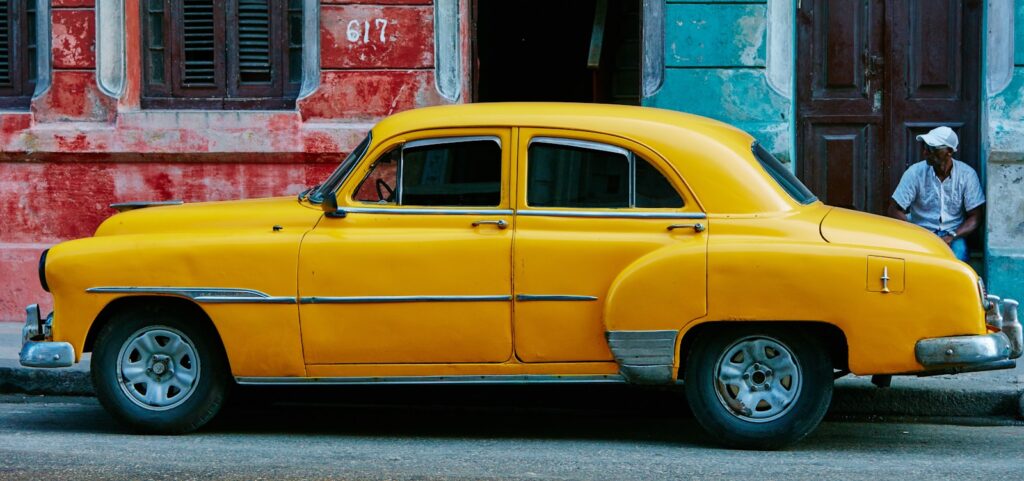
1. **Yellow**Yellow cars consistently stand out as the champions of value retention in the used car market. According to the iSeeCars study, yellow vehicles experience the lowest depreciation among all colors, losing just 24.0% of their value after three years. This performance significantly outpaces the overall average depreciation of 31.0%, effectively saving owners approximately $693 compared to the market average.
This exceptional value retention for yellow cars is primarily attributed to a classic economic principle: supply and demand. As iSeeCars Executive Analyst Karl Brauer noted, “These are not widely popular colors, but they have more demand than supply, and that translates to higher value on the used market.” While not a mainstream choice, the scarcity of yellow vehicles on the used market, combined with a dedicated buyer base, drives up their resale value.
The appeal of yellow isn’t limited to a niche. The study shows yellow performing strongly across multiple vehicle segments, underscoring its broad, albeit specific, desirability. It ranks as the best color for value retention in coupes, losing only 14.5% of its value, and is second for convertibles at 21.4% depreciation. Sedans in yellow depreciate by 25.4%, making it the second-best color in that category, and for SUVs, it secures the third-best spot with a 30.2% depreciation.
Furthermore, the iSeeCars study on car color depreciation across the nation’s top 50 metro areas by population revealed a consistent trend: yellow was uniformly the color with the lowest depreciation in every single one of these major markets. This remarkable consistency reinforces yellow’s status as a top choice for consumers prioritizing resale value, regardless of their geographic location within the U.S.
From a practical standpoint, yellow cars also offer some unique advantages in maintenance. While they do emphasize mud splashes, yellow is known for hiding dust and pollen effectively. This means that despite its vibrant appearance, a yellow car can often maintain a cleaner look between washes, appealing to owners who appreciate both a distinctive aesthetic and practical upkeep.
Read more about: Beyond the Spotlight: Exploring Musicians Whose Legacies Deepened After Their Time
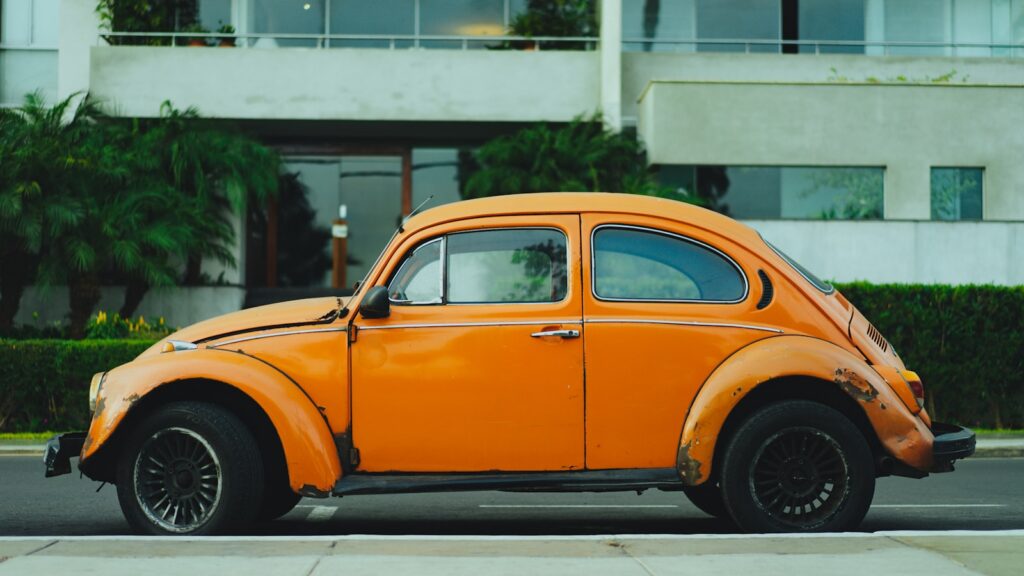
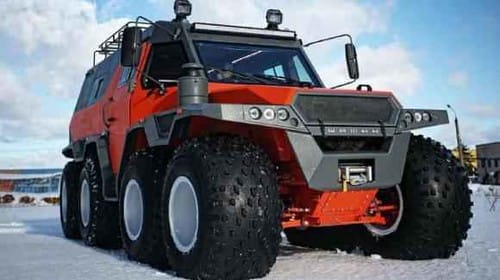
2. **Orange**Closely following yellow in impressive value retention is orange, securing the second-best spot with an average three-year depreciation of just 24.4%. This performance, much like yellow, signifies a significant advantage over the average vehicle, and highlights the continuing trend that less common, yet desirable, colors can offer substantial financial benefits when it comes to resale.
Orange’s strong showing is also a testament to the power of supply and demand, as well as its strategic association with performance models. Karl Brauer of iSeeCars highlights that both yellow and orange have been consistent leaders in retained value since the company began tracking depreciation by color. This indicates a sustained demand for these bolder hues in certain segments of the market.
When we look at specific vehicle types, orange truly shines. It is the best color for retained value in pickup trucks, with a remarkably low 16.0% depreciation, driven by its adoption as a default for high-performance trucks like the Ford F-150 Raptor and Toyota Tacoma TRD Pro. Similarly, orange leads the way for SUVs (27.1% depreciation), sedans (25.3% depreciation), and convertibles (19.8% depreciation), while ranking second for coupes (18.4% depreciation).
This segment-specific success reveals that while orange might be considered a “loud” color, its application in performance-oriented vehicles, where it often represents brand identity and exclusivity, translates directly into higher desirability and thus better resale value. “Orange isn’t a color with widespread appeal, but because multiple brands use it to represent high-performance models… it’s gained favor with truck buyers,” Brauer stated.
On the practical side, orange is noted as an easy color to keep clean. This attribute, combined with its eye-catching nature and strong performance in the depreciation rankings, makes orange an unexpectedly smart choice for buyers who want both a distinctive vehicle and a sound financial investment, especially if they are considering a performance-oriented model.
Read more about: Beyond the Explosions: Unpacking the High-Stakes World of Fast X – From Production Battles to Box Office Triumphs
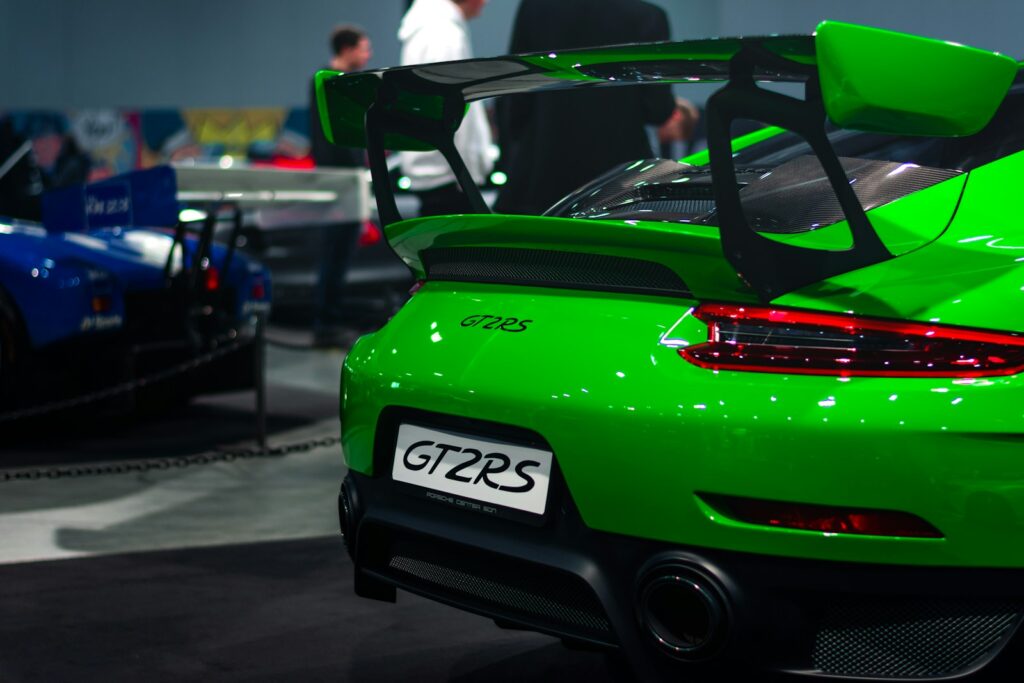
3. **Green**Green cars demonstrate a nuanced but generally strong performance in terms of value retention, ranking third overall with a 26.3% depreciation over three years. This places green comfortably above the market average, indicating it can be a wise choice for many consumers seeking to mitigate depreciation. However, its performance is highly dependent on the vehicle segment, a crucial detail for buyers to consider.
One of green’s notable advantages is its ease of maintenance. Green vehicles are generally easy to keep looking cleaner for longer periods, which can be a significant draw for used car buyers who appreciate a vehicle that maintains its appearance with less effort. However, it is important to note that green can show imperfections more easily compared to colors like gray, silver, and white.
Green excels in specific utility-focused segments. It ranks as the best color for minivans, with an impressive 15.3% depreciation, defying the common belief that conservative colors are always best for family vehicles. It also performs very well for pickup trucks, holding the second-best spot with a 19.3% depreciation, and for SUVs, also ranking second with a 28.8% depreciation. This makes green an “excellent option for SUV shoppers looking to retain value,” according to Brauer.
Conversely, green presents a significant caution for sedan buyers. The iSeeCars study found that green is the second-worst color for sedan value retention, experiencing a high 33.8% depreciation. This stark contrast highlights that while green generally performs well, its specific application on a sedan can lead to substantial financial loss. Brauer advises, “New car buyers should keep this in mind when ordering their next sedan.”
Therefore, while green can be a fantastic choice for value retention in segments like minivans, trucks, and SUVs, consumers must exercise caution if they are considering a sedan. Balancing the potential for lower depreciation in certain categories with the higher visibility of imperfections and segment-specific weaknesses is key to making an informed decision about a green vehicle.
Read more about: Navigating the Future of Road Funding: An In-Depth Look at the Controversial Per-Mile Charge Proposal
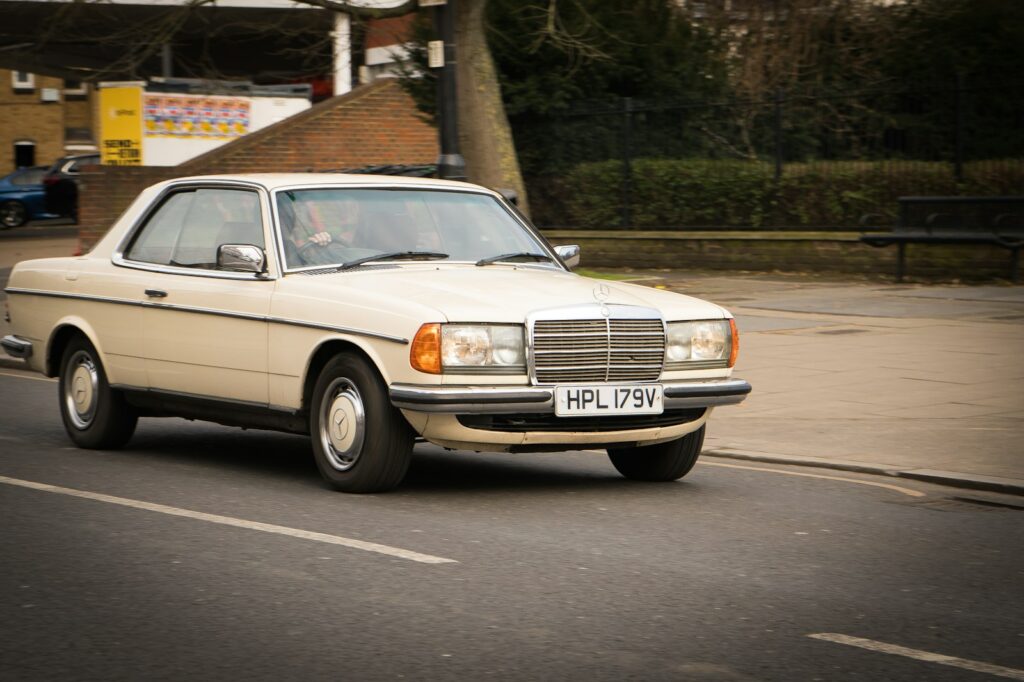
4. **Beige**Beige cars occupy a surprisingly strong position in the middle of the depreciation spectrum, losing 29.5% of their value over three years. This places beige among the “other above-average colors for value retention,” an unexpected outcome for a color often perceived as bland or unexciting in initial general assessments.
While some might initially dismiss beige, brown, and taupe as “safe bets because they blend in,” leading to them being “skipped over” by buyers, the iSeeCars data suggests a more favorable reality for beige. Its performance indicates that while it may not have the flashy appeal of more vibrant colors, it possesses a quiet stability that translates to solid resale value, surpassing many more common and seemingly popular shades.
This color, despite being one of the “least common car colors” and found on only about 1% of vehicles, demonstrates targeted strength within certain segments. For sedans, beige holds a respectable third place for value retention, depreciating by 27.8%. Similarly, for SUVs, it ranks fourth with a 30.7% depreciation. These figures suggest that in segments where practicality and subtlety might be more highly valued, beige finds a consistent, albeit smaller, market of appreciative buyers.
The contrast between the general perception of beige as bland and its actual performance in the used market underscores an important lesson for consumers: market data often reveals nuances that general impressions might miss. While a beige sedan or SUV might be considered “far less exciting than the same model in a more appealing shade” by some, the depreciation figures show it can actually be a smart financial choice.
For consumers prioritizing value retention who are also drawn to a neutral, understated aesthetic, beige offers a compelling option. Its relative rarity in the market, coupled with its solid performance in specific segments, allows it to avoid the deeper depreciation troughs seen by more ubiquitous or polarizing colors, providing a stable return on investment.
Read more about: Out with the Old: 13 Matte Lipstick Styles to Ditch in 2025 for a Modern Pout
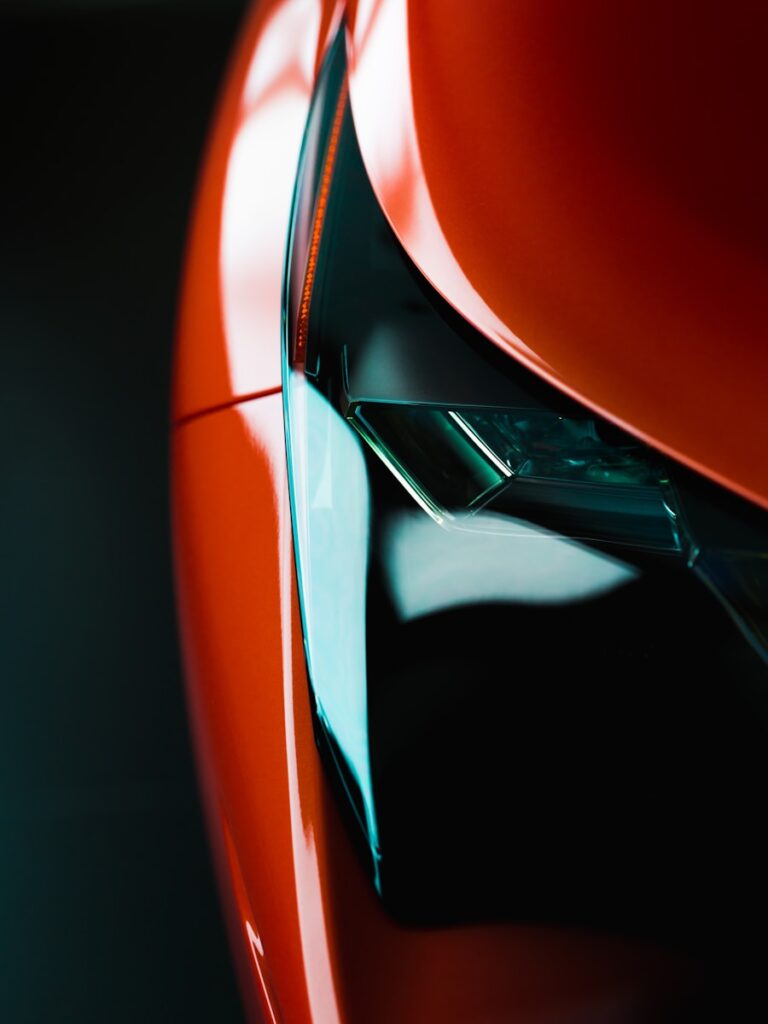
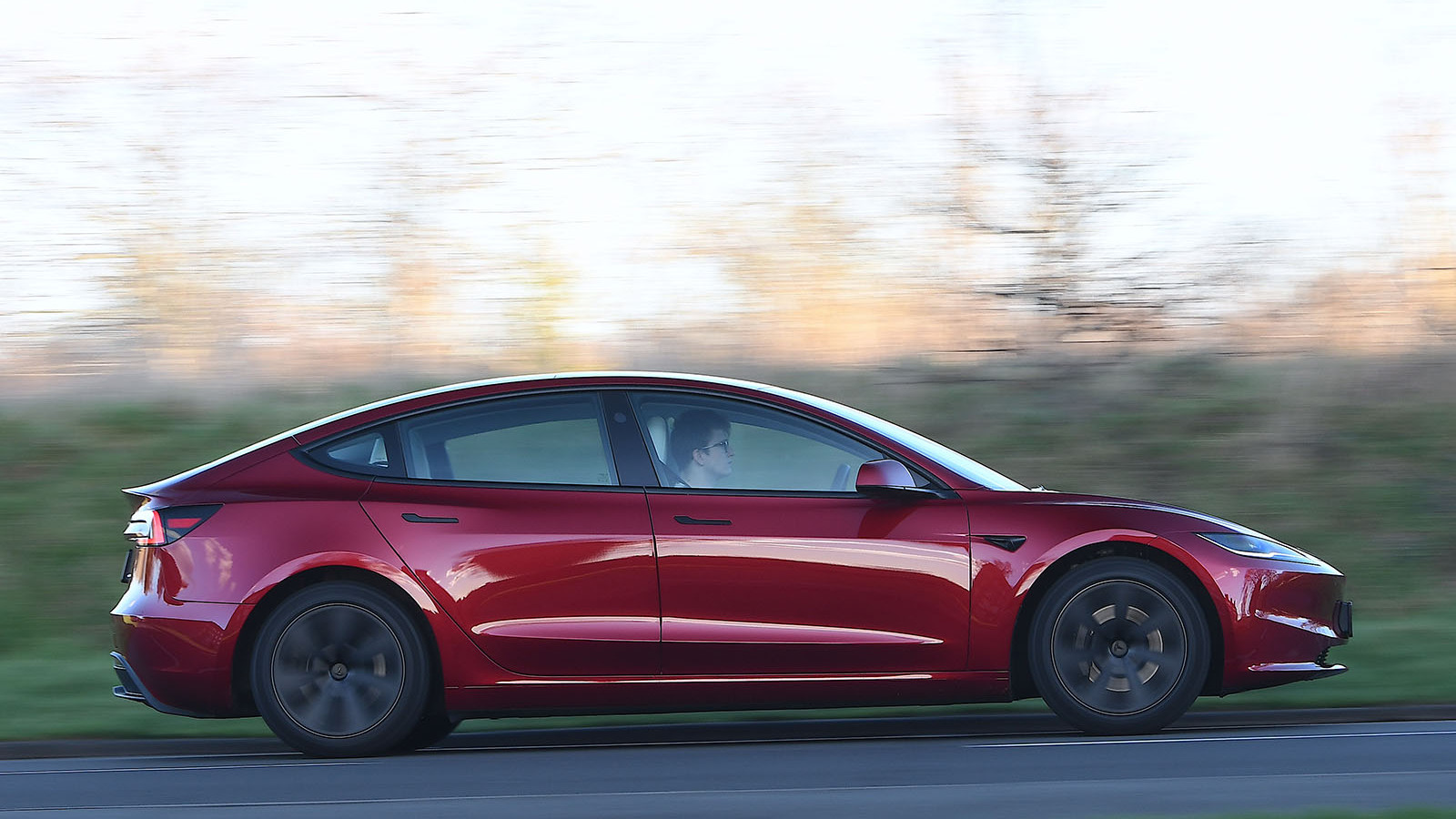
5. **Red**Red cars typically land in the mid-range of value retention, exhibiting an average three-year depreciation of 29.8%. This places red just below the overall market average, positioning it as a relatively stable choice that doesn’t drastically harm or significantly boost resale value. It is considered one of the “above-average colors for value retention” when compared against the worst performers.
Red often carries an association with sportiness and boldness, and this seems to translate into a consistent, if not outstanding, demand in the used car market. While it may not command the premium of a rare yellow or orange, it avoids the pitfalls of colors that rapidly fall out of fashion or are perceived as difficult to maintain, making it a reliable choice for many car buyers.
Across different vehicle segments, red maintains a respectable position. It ranks fifth for sedans with 28.3% depreciation, fifth for coupes at 21.1% depreciation, and fifth for convertibles at 29.6% depreciation. For SUVs, red is a mid-performer, depreciating by 31.4%. This broad, consistent performance across varied body styles indicates a stable demand for red vehicles in the marketplace.
Beyond depreciation, practical considerations for red vehicles include maintenance and safety. Red is noted for hiding mud easier than some other colors, which can be a practical benefit for everyday driving. However, if left dirty, a red car can quickly appear dull. From a safety perspective, some studies indicate that red vehicles carry a 7% higher accident risk compared to white cars, a factor that conscious buyers might weigh in their decision.
Ultimately, choosing a red car represents a balanced decision. It offers a popular and dynamic aesthetic without incurring excessive depreciation, making it a generally safe financial bet. Consumers should consider the balance of its stable resale value, relatively easy mud-hiding properties, and the slight statistical increase in accident risk when making their final color choice.
Read more about: When the Mic Stays On: How Public Outbursts and Controversial Remarks Topple Prominent Careers
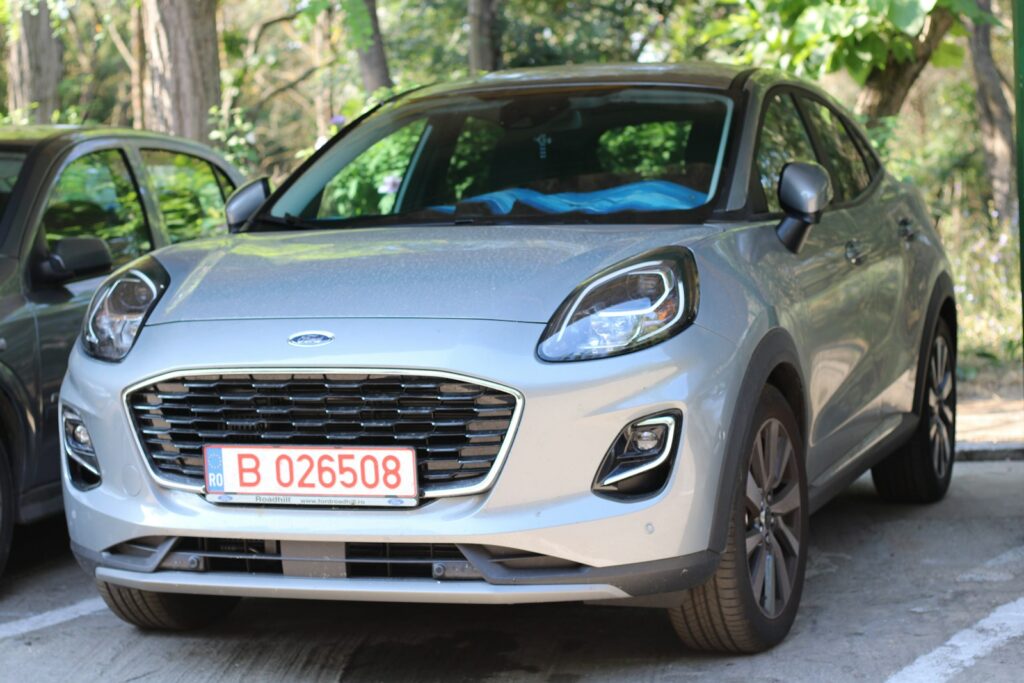
6. **Silver**Silver cars are consistently positioned as a dependable, middle-ground option in the automotive color palette, showing an average three-year depreciation of 29.8%. This places silver firmly among the colors that perform better than the overall market average, offering a relatively stable and predictable resale value for consumers. Its enduring popularity and practical advantages contribute to its steady performance.
Silver, along with other grayscale colors, enjoys consistent demand year after year, making it a perennially safe choice for resale. It’s often highlighted for its ease of maintenance; silver cars, much like gray, are known for hiding dust and dirt longer. They are also effective at concealing mud buildup near the rocker panels, which translates into a vehicle that looks cleaner for extended periods, appealing greatly to used car buyers seeking practicality.
The popularity of silver is evident in its market share, making up 14% of the automotive color palette according to BASF data. However, this broad appeal also means that silver, like white and black, “provide zero distinction in the used market,” as noted by Karl Brauer. While buyers like them, the sheer volume of silver cars available means more competition and less unique value proposition.
Despite this lack of distinction, silver performs admirably across various segments. It is the third-best color for minivans with 29.2% depreciation, fourth for coupes at 20.1% depreciation, and fourth for sedans with 28.0% depreciation. This consistent performance across diverse vehicle types reinforces silver’s role as a robust and broadly acceptable choice for value retention.
Considering safety, silver vehicles are associated with a 10% higher accident risk compared to white cars. While silver offers practical benefits in terms of cleanliness and a stable depreciation rate, this safety statistic is a factor for buyers to consider. For those seeking a classic, low-maintenance look with reliable resale potential, silver remains a strong contender, provided its widespread availability doesn’t dilute its unique appeal too much.
Having explored the colors that shrewd buyers choose to protect their investment, we now turn our attention to the other end of the spectrum: those shades that, despite personal appeal, can quietly but significantly erode your vehicle’s resale value. While some colors are heralded for their ability to command better prices in the used market, others are notorious for precisely the opposite effect, leaving owners with a steeper depreciation curve than anticipated.
Understanding these high-depreciation colors is just as crucial as knowing the top performers. It’s about empowering consumers to make choices that align with their long-term financial goals, ensuring that a seemingly minor aesthetic decision doesn’t translate into a major financial pitfall down the road. Let’s delve into the car colors you might want to steer clear of if preserving resale value is a priority.
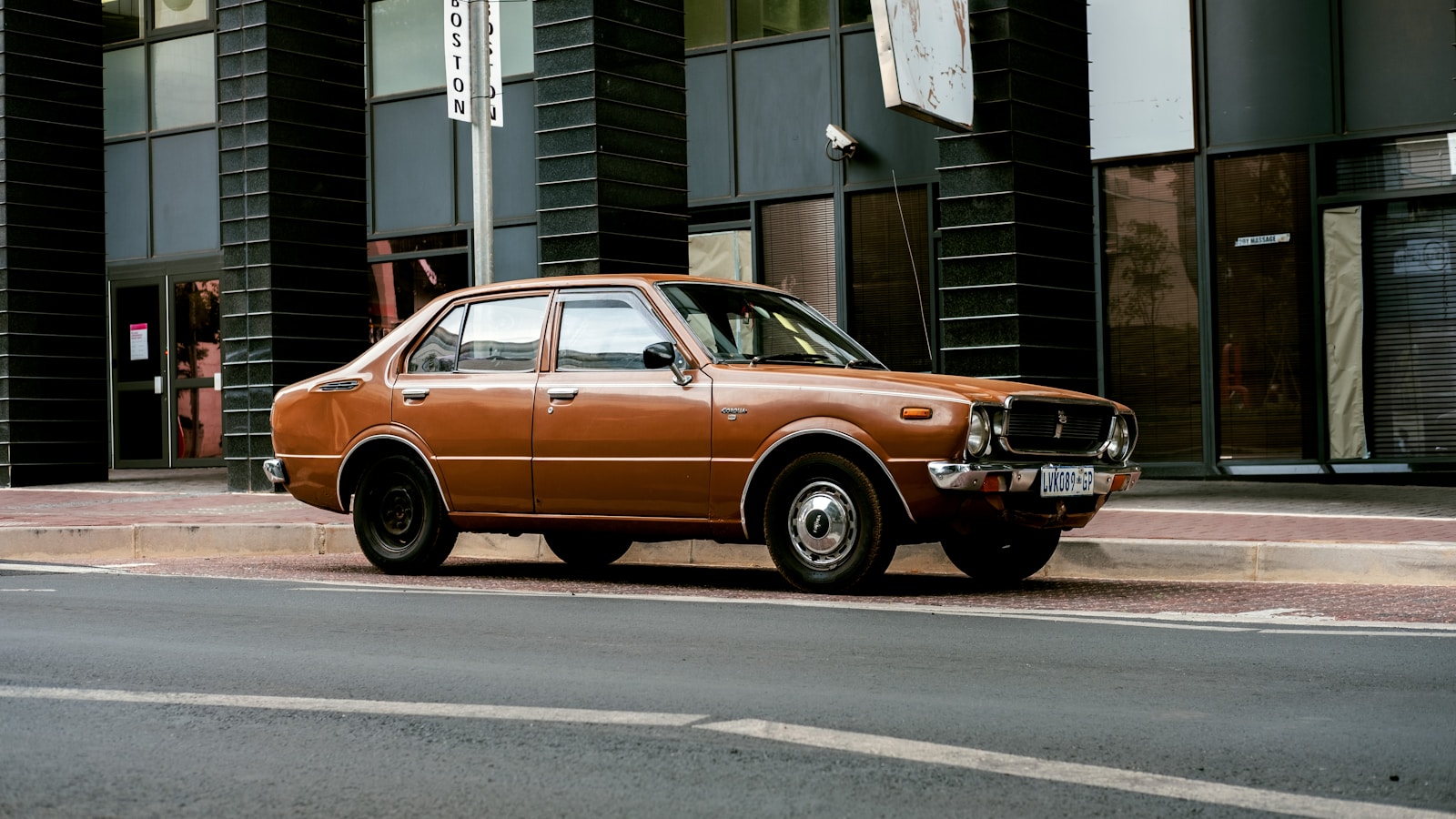
7. **Brown and Other Earth Tones**Brown, often grouped with other earthy hues like beige and taupe, can initially appear to be a safe, understated choice. However, in the discerning used car market, this perceived blending in is precisely what often works against it. Buyers scrolling through countless listings tend to bypass these colors, viewing them as bland and lacking the visual distinction that captures attention.
While beige was noted in our previous section for a surprisingly stable performance in specific segments, plain brown often fares less favorably. These earth tones simply do not possess the sleek sophistication of black, the clean appeal of white, or the modern vibe associated with silver, making them less desirable to a broad audience of potential buyers.
This lack of widespread appeal directly translates into higher depreciation rates. A brown sedan or SUV, for instance, is often seen as far less exciting than the same model in a more vibrant or classic shade, making it a difficult sell. Unless you’re prepared for your vehicle to potentially sit on the lot for an extended period, opting for an earthy brown might be a choice you regret at resale time.
Indeed, the market data reflects this sentiment. While the iSeeCars study ranks brown with a 30.4% three-year depreciation, which is technically slightly better than the overall average of 31.0%, the broader consumer perception, as highlighted in expert analyses, often positions brown and similar low-demand earth tones as colors to avoid if minimizing depreciation is the goal. For certain segments, like pickup trucks, brown is listed as worse than average for retained value, and it also appears among the less valuable options for SUVs and sedans, underscoring its inconsistent and often problematic resale performance.
Read more about: Out with the Old: 13 Matte Lipstick Styles to Ditch in 2025 for a Modern Pout
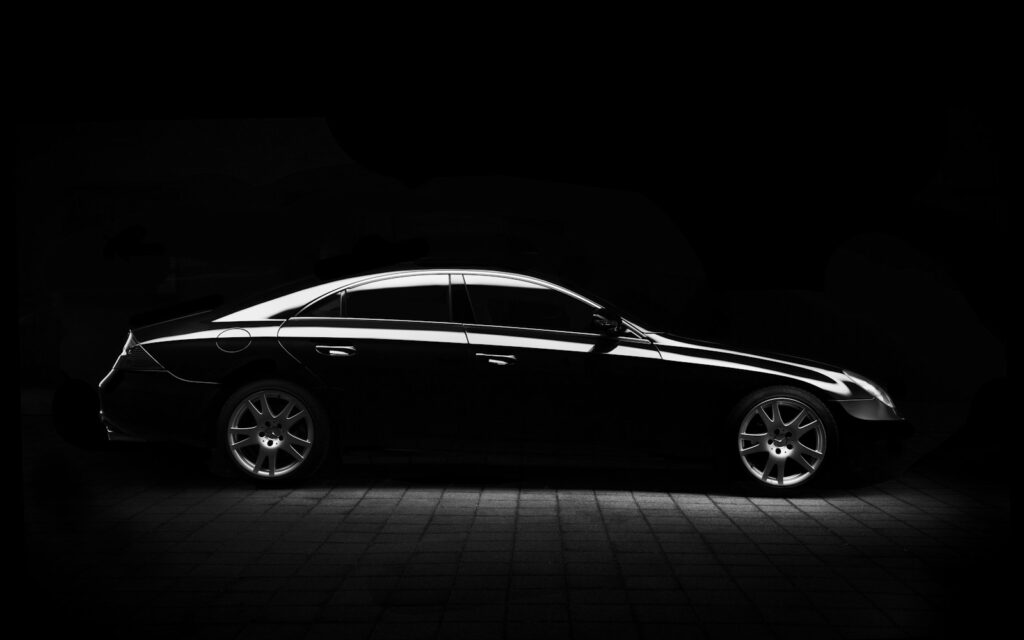
8. **Jet Black or Ultra-Dark Black**Black cars embody a timeless elegance and sophistication that is undeniably appealing, often making them a top choice for new car buyers. However, this classic look, particularly in ultra-dark or jet black finishes, comes with a significant caveat that can severely impact its resale value: maintenance difficulty and how readily it reveals imperfections.
While sleek and impressive when freshly detailed, black is a double-edged sword when it comes to keeping it clean. Scratches, swirl marks, water spots, and even a thin layer of dust or pollen stand out far more prominently on a black surface than on almost any other color. Used car buyers are quick to notice these flaws, which can lead to lower offers and a longer selling process.
Furthermore, practical considerations extend beyond mere aesthetics. Black cars are notoriously harder to keep cool, especially in hot climates, which can be a significant deterrent for buyers in sunny states like Arizona, Texas, or Florida. This comfort factor can weigh heavily on a potential buyer’s decision, making black a less attractive option in warmer regions.
The iSeeCars study confirms black’s position among colors with higher depreciation, showing a 31.9% loss in value over three years, which is worse than the overall market average. Despite its popularity, making up 22% of the market share, Karl Brauer of iSeeCars notes that common colors like black “provide zero distinction in the used market.” This abundance, coupled with its demanding maintenance, means that while black won’t hurt your resale value as severely as some other colors, it can still depreciate faster than many buyers expect. If you’re seeking a classic, sophisticated look without the significant maintenance headache and potential depreciation hit, considering a dark gray might be a smarter financial move.
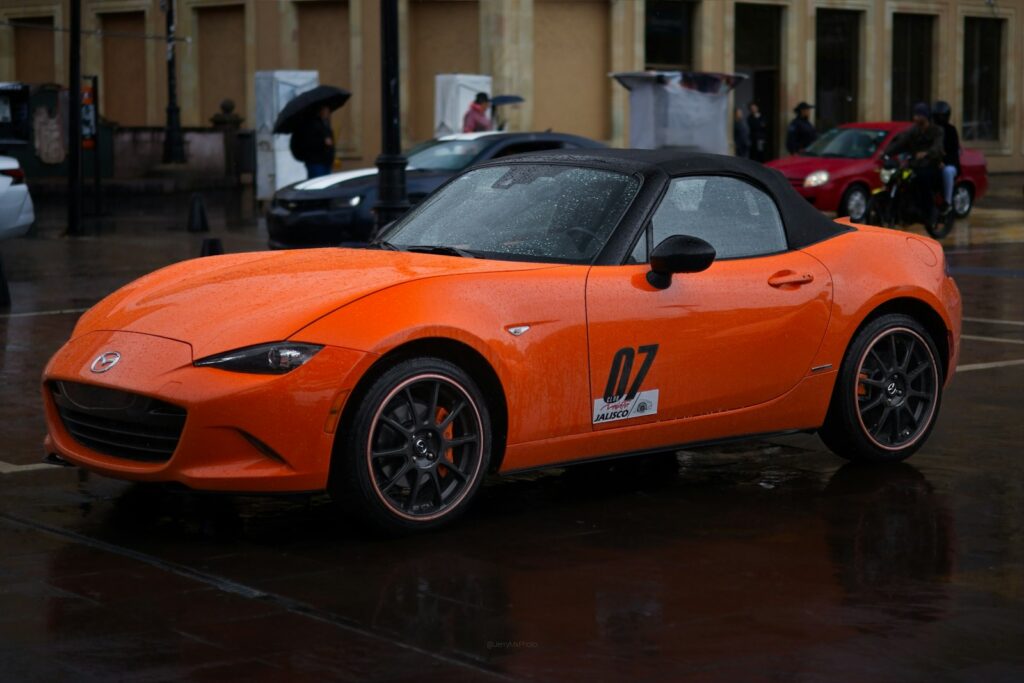
9. **Loud Orange**Orange is a truly tricky shade, as its impact on resale value is highly dependent on context. On one hand, the iSeeCars study remarkably positions orange as the second-best color for overall value retention, with just 24.4% depreciation over three years, highlighting its strong performance in specific niches. This success is primarily driven by its strategic use in high-performance trucks, like the Ford F-150 Raptor and Toyota Tacoma TRD Pro, and in certain sports cars where it serves as a powerful brand identifier and an emblem of exclusivity.
However, the story changes dramatically when ‘loud orange’ is applied to everyday vehicles. For mainstream sedans, minivans, and crossovers, a bright or flame orange can be highly polarizing. What seemed like a fun, bold idea at the dealership can quickly become a significant hurdle when you’re ready to sell, as many buyers perceive it as simply too flashy or ostentatious for daily use.
Expert analyses explicitly list ‘loud orange’ as one of the colors that can kill your resale value, particularly outside of performance models. Unless the orange is an integral part of a specific high-performance model’s identity, this intense hue will likely cause you to take a hit on your resale value. The demand for such a vibrant, attention-grabbing color on a utilitarian family car or commuter sedan is considerably limited, narrowing your pool of potential buyers.
Despite orange being noted as an easy color to keep clean, this practical benefit is often outweighed by its polarizing aesthetic in the broader used car market. For consumers not buying a specialty performance vehicle, choosing a loud orange can represent a gamble, where the desire for a distinctive look clashes directly with the practicalities of value retention and market appeal.
Car Model Information: 2021 RAM 1500 Big Horn/Lone Star
Name: Ford F-Series
Caption: 2022 Ford F-150 Lariat Luxury
Manufacturer: Ford Motor Company
Aka: Ford Lobo (Mexico, 1992–present)
Production: 1948–present
Class: Pickup truck#Full-size pickup truck
Layout: Front-engine, rear-wheel-drive layout,rear-wheel drive
Predecessor: 1941 Ford
Categories: All-wheel-drive vehicles, All Wikipedia articles written in American English, All articles that may contain original research, All articles with unsourced statements, Articles that may contain original research from September 2020
Summary: The Ford F-Series is a series of light-duty trucks marketed and manufactured by the Ford Motor Company since model year 1948 as a range of full-sized pickup trucks — positioned between Ford’s Ranger and Super Duty pickup trucks. Alongside the F-150 (introduced in 1975), the F-Series also includes the Super Duty series (introduced in 1999), which includes the heavier-duty F-250 through F-450 pickups, F-450/F-550 chassis cabs, and F-600/F-650/F-750 Class 6–8 commercial trucks.
Get more information about: Ford F-Series
Buying a high-performing used car >>>
Brand: Ford Model: F-150 Raptor
Price: $25,128 Mileage: 107,320 mi.
Read more about: The Foundational Elements of Modern Electrification: A Comprehensive Overview for the Discerning Reader
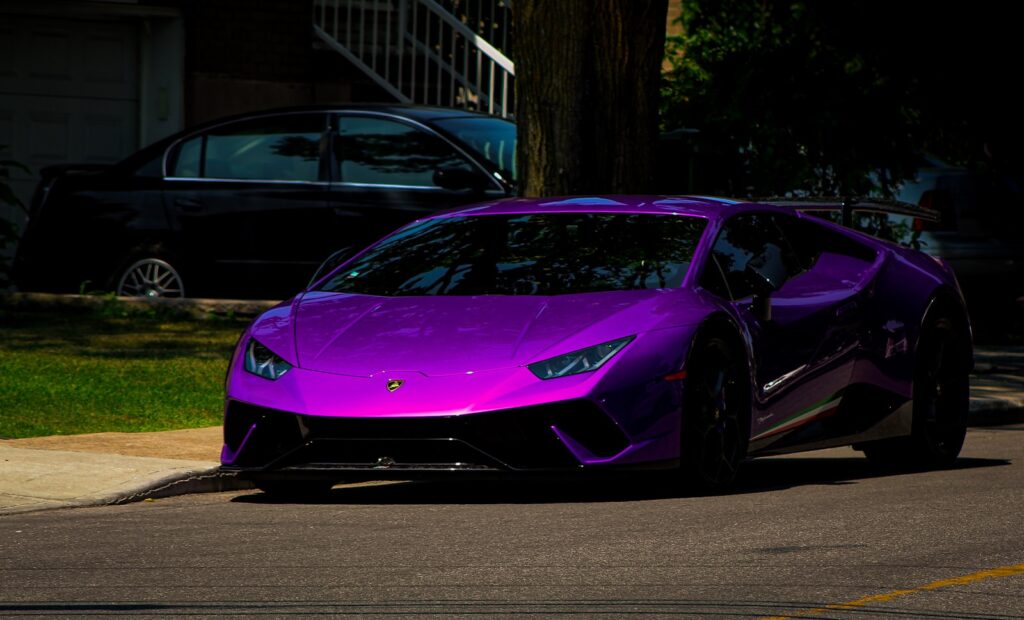
10. **Bright Purple and Lavender**Opting for a bright purple or lavender car is undoubtedly a choice that makes a bold personal statement, reflecting a unique and adventurous personality. Unfortunately, when it comes time to sell your vehicle, this distinctiveness rarely translates into financial advantage. While a deep plum or a rich violet might be admired on a luxury sports car, most shades of purple, especially the brighter or pastel versions, significantly narrow your audience of potential buyers.
Lavender and other vivid purples often carry associations that feel playful or even cartoonish to a substantial portion of the car-buying public. This perception immediately limits the car’s marketability, as it appeals to a very specific, and typically small, niche of consumers who share that exact aesthetic preference. Unlike more universally appealing colors, purple requires a buyer with a very particular taste.
The financial implication of such a specialized color choice is direct and often detrimental to resale value. If you’re selling a bright purple car, you may find yourself forced to lower your asking price considerably just to attract interest and move the vehicle. The question ‘will the next buyer love it as much as you do?’ usually has a resounding negative answer, making it a high-risk color for anyone concerned about future value.
Read more about: Level Up Your Style: 12 Color Blocking Secrets You NEED to Know for 2025!
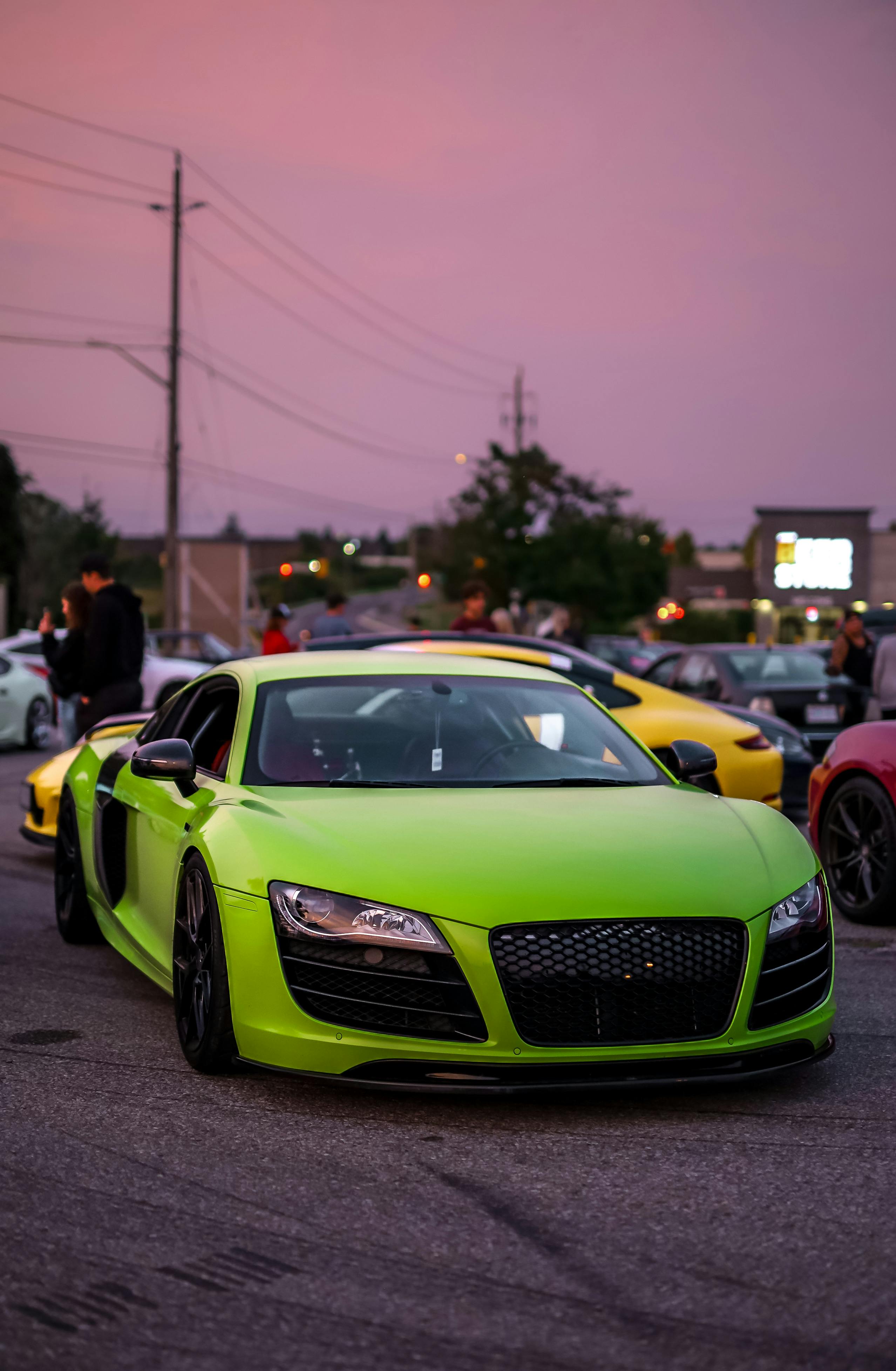
11. **Neon Green and Lime**There is no debating the statement a neon green car makes; it’s bold, it’s flashy, and it guarantees you’ll stand out in any parking lot or traffic jam. Yet, for all its undeniable presence, neon green, along with lime green and similar fluorescent variations, is unequivocally a resale nightmare for most vehicle types. Its eye-catching nature works against it in the used market, where practicality and broad appeal often reign supreme.
These extreme hues are widely viewed as too loud and impractical by the vast majority of car shoppers. Neon colors are inherently tied to very specific and often fleeting trends. What might feel edgy and fun today can quickly become dated, tacky, or even over-the-top in just a few short years, diminishing its desirability considerably as fashion preferences evolve.
The decision to choose a neon green car, while reflecting a desire for uniqueness and personal expression, comes with a significant financial trade-off. A niche color inevitably leads to a smaller pool of interested buyers. The fewer people who are willing to consider your car, the harder it becomes to secure a fair price, potentially forcing you to accept a much lower offer than you would for a more conventionally colored vehicle.
Read more about: Level Up Your Style: 12 Color Blocking Secrets You NEED to Know for 2025!
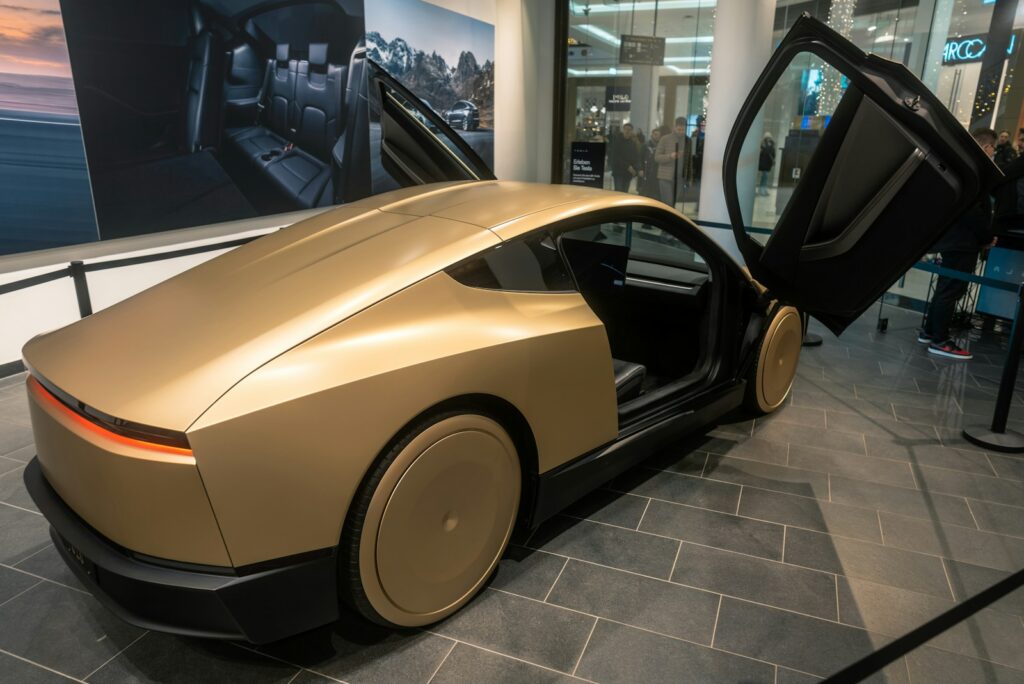
12. **Gold or Champagne Metallic**Gold or champagne metallic once enjoyed a moment of perceived luxury, particularly in the late 1990s and early 2000s, suggesting an opulent aesthetic. However, when these cars transition to the used market, this initial impression rapidly dissipates. Instead of luxury, buyers often perceive gold and champagne tones as tired, dated, and inextricably linked to a bygone era, making them highly undesirable.
Studies consistently demonstrate that gold and champagne metallic vehicles depreciate faster than almost any other color. The iSeeCars study, for instance, found that gold cars experience the highest depreciation, losing a staggering 34.4% of their value after just three years. This figure significantly outpaces the overall market average, meaning owners of gold vehicles face a substantial financial loss that could have been avoided.
The core issue is that gold was a transient trend, not a timeless classic. Its association with specific past decades means it’s now often linked with older drivers or vehicles that appear “stuck in time.” Most contemporary used car shoppers are not looking to pay top dollar for a color that feels out of fashion and lacks modern appeal, thereby reducing its market value dramatically.
For consumers prioritizing the protection of their investment, the message is clear: when considering a new vehicle, it is far more financially prudent to steer clear of gold or champagne metallic. Sticking to neutral and timeless colors offers a much safer bet, ensuring that your car appeals to a wider audience and retains its value more effectively when the time comes to sell or trade it in.
Read more about: Unleash Your Inner Explorer: The Top 11 Expedition and Camping Vehicles for Ultimate Adventures
Ultimately, selecting a car color is much more than a simple aesthetic preference; it’s a strategic financial decision that can significantly impact your vehicle’s long-term value. While personal taste is important, understanding how certain shades perform in the resale market, how they affect maintenance, and even their regional appeal is paramount for a smart purchase. The insights from comprehensive studies reveal that while some vibrant, niche colors surprisingly hold their value due to supply and demand dynamics, a broader category of polarizing, dated, or high-maintenance hues can lead to substantial financial pitfalls. By thoughtfully considering these factors, consumers can choose a vehicle that not only brings daily satisfaction but also proves to be a sound investment for the future, protecting their hard-earned money when it’s time to move on to their next ride.