
The trucking industry, a silent giant of global commerce, is on the precipice of its most profound transformation yet. Far beyond mere incremental improvements, we are witnessing the quiet genesis of an autonomous trucking route – a sophisticated network of driverless vehicles poised to revolutionize logistics as we know it. This isn’t just about trucks driving themselves; it’s about a fundamental re-engineering of how goods move, driven by an urgent need for efficiency, safety, and sustainability.
This monumental shift is being propelled by rapid advancements in technology, with driverless vehicles already operating regular long-haul routes, demonstrating remarkable capabilities and reliability. For instance, just last May 2025, autonomous trucks successfully completed 1,200 miles between Dallas and Houston without a human inside, a testament to the four years of extensive practice runs and over 3 million miles of customer loads delivered under human supervision. These trailblazing achievements underscore the increasing trust in machines to navigate the intricate complexities of long-haul transportation safely and effectively.
The promise of autonomous trucking extends across numerous facets of the logistics sector, addressing long-standing pain points while simultaneously unlocking unprecedented opportunities. From mitigating pervasive driver shortages to enhancing road safety and optimizing operational costs, the implications are vast and far-reaching. As we delve into the core mechanisms and initial impact of this burgeoning revolution, we uncover the intricate layers that are quietly, yet decisively, redefining the future of freight.

1. **The Driving Force: Addressing Driver Shortages**The trucking industry faces a critical and escalating challenge: a severe shortage of skilled drivers. This isn’t just a minor inconvenience; it’s one of the most pressing issues confronting trucking companies today, threatening the very backbone of global supply chains. In the United States, the deficit already exceeds 80,000 drivers, a number projected to double by 2030, highlighting the urgent need for innovative solutions to sustain freight movement.
Compounding this problem is the aging demographic of the current workforce. The median age of a truck driver in the United States stands at 46, noticeably older than the overall workforce median of 42. Europe presents an even starker picture, with approximately 7 percent of all truck driving jobs—over 200,000 positions—currently unfilled. This figure is anticipated to surge dramatically, reaching 745,000 by 2028, with only 5 percent of European truck drivers being under 25 years old, contrasting sharply with 33 percent over 55.
Autonomous vehicles offer a compelling answer to this looming crisis. By automating long-haul segments, they can significantly reduce the reliance on human drivers for these demanding routes, allowing existing drivers to focus on more complex, local, or specialized tasks. This shift not only helps to bridge the labor gap but also addresses the strenuous working conditions and long hours often associated with traditional trucking, making the industry more sustainable in the long run.
The ability of autonomous trucks to operate continuously without succumbing to fatigue or requiring mandatory rest breaks is a game-changer. This continuous operation enables faster deliveries and a more streamlined supply chain, directly tackling the efficiency issues exacerbated by driver scarcity. Consequently, autonomous trucking emerges not just as a technological advancement, but as a strategic imperative for an industry struggling to keep pace with demand in the face of a shrinking human workforce.

2. **The Tech Core: Hardware and Software Powering AVs**At the heart of the autonomous trucking revolution lies a sophisticated amalgamation of hardware and software, meticulously engineered to enable vehicles to perceive, process, and act upon their environment without human intervention. This advanced technological infrastructure is what transforms a traditional truck into an intelligent, self-driving entity capable of navigating complex road conditions safely and efficiently. The hardware suite is particularly crucial, comprising a variety of sensors that act as the truck’s eyes and ears on the road.
These essential hardware components include cameras, which provide visual data of the surroundings, and LiDAR (light detection and ranging) systems, which use pulsed laser light to measure distances and create detailed 3D maps of the environment. Radars are also integral, designed to detect objects and lanes in proximity to the truck, especially effective in adverse weather conditions where optical sensors might be less reliable. Beyond perception, high-performance computers are required to process the massive amounts of data collected by these sensors in real-time.
Crucially, autonomous trucks also incorporate redundant braking, steering, and power supply systems. These backup mechanisms are not merely optional extras; they are vital safety features that enable the truck to maneuver safely and execute a “minimal risk maneuver” even if the main system experiences a failure. The integration of these robust redundancy features is paramount for ensuring the high safety standards required for widespread adoption, addressing critical concerns about system reliability and operational integrity.
Complementing this hardware is an equally complex software stack. This includes environmental perception software, responsible for object detection, classification, and prediction of movements. Sensor fusion algorithms then combine data from multiple sensors, enhancing accuracy and providing a more comprehensive understanding of the truck’s surroundings. Decision-making and path-planning software dictate the truck’s actions, while vehicle motion control software executes these plans precisely. Furthermore, AI is extensively utilized to enhance functionalities, enabling object detection, movement prediction, and understanding road signs, with some companies even developing end-to-end AI software that covers the entire technology stack, continuously learning and improving the truck’s capabilities.

3. **Navigating the Legal Landscape: Regulations and Roadblocks**The emergence of autonomous trucking, while promising, introduces a complex web of legal and regulatory challenges that must be addressed for its widespread and safe deployment. Currently, the legal framework governing autonomous trucks is still in its nascent stages, with significant ambiguities regarding liability, insurance coverage, and cybersecurity that need to be clarified. These unresolved issues represent a substantial hurdle, potentially slowing the implementation of this transformative technology.
One of the most pressing concerns revolves around liability in the event of an accident. In a collision involving an autonomous truck, determining who bears responsibility is not straightforward. Is it the fleet owner, the developer of the AI system, or the manufacturer of the hardware components? This lack of clarity creates a significant deterrent for logistics companies considering the integration of self-driving trucks into their operations, as the financial and reputational risks remain undefined and potentially immense.
Despite these challenges, regulatory bodies are beginning to respond. Most autonomous-trucking regulations to date have been either supportive or neutral, reflecting a cautious but open approach to innovation. The European Union, for example, has already approved specific regulations for the type approval of autonomous vehicles, which have since been incorporated into the national laws of its member countries. This proactive stance provides a clearer pathway for development and deployment within Europe, setting a precedent for other regions.
In the United States, the federal government has yet to enact comprehensive autonomous-driving regulations. However, the absence of explicit federal laws hasn’t entirely stifled progress; most US states either explicitly or implicitly permit the testing of autonomous systems. Furthermore, several states have gone a step further, allowing for the commercial use of autonomous trucks, demonstrating a fragmented but forward-leaning regulatory environment at the state level. Collaborative efforts between governments and industry stakeholders will be crucial to developing robust policies that foster safe and ethical adoption, ensuring public acceptance and accelerating the industry’s growth while mitigating potential risks.

4. **Cost Efficiency: Transforming Transportation Expenses**One of the most compelling advantages driving the adoption of autonomous trucking is its significant potential to reduce transportation costs, a factor that has become increasingly critical in recent years. Transportation expenses have seen a substantial rise globally; for instance, spot rates in Europe have climbed by 28.0 percent since 2017. In the United States, the cost of logistics as a share of nominal GDP increased from 7.5 percent in 2020 to 8.7 percent in 2023, underscoring the growing financial burden on businesses.
A major contributor to these escalating costs has been higher driver salaries, particularly for nights away from home, alongside increasing expenses for fuel and tolls. These costs are only expected to grow further with the impending shifts to higher emissions standards and the transition towards zero-emission vehicles. Autonomous driving offers a meaningful offset to these additional costs through lower overall truck operation expenses, presenting a powerful economic incentive for logistics companies to invest in the technology.
Autonomous trucks contribute to cost savings in several key areas. Firstly, they reduce labor costs by minimizing the need for human drivers on long-haul routes. Secondly, their ability to drive at optimal speeds and calculate efficient routes in real-time, avoiding congestion and adverse weather, significantly minimizes fuel wastage. This smart algorithm-driven approach directly tackles one of the industry’s biggest cost burdens: fuel consumption, offering a more economically sound operational model.
Moreover, the enhanced safety afforded by AI systems reduces liability expenses associated with truck accidents, which can be catastrophic both in terms of human lives and financial losses. By mitigating human error, which accounts for a substantial portion of truck-related collisions, autonomous trucks offer a tangible financial incentive for adoption. Over time, these cumulative savings can be reinvested into other areas of business growth, fostering innovation and greater resilience within the logistics sector, ultimately making freight transportation more affordable and competitive.
Read more about: Rolling on Those 12 Affordable Scooters? Here’s What Traffic Cops Secretly Think About You.

5. **The Path to Full Autonomy: DC-to-DC Operations**Building upon the foundation laid by constrained autonomy, the ultimate vision for autonomous trucking culminates in “full autonomy,” specifically driverless DC-to-DC (distribution center to distribution center) operations at SAE Level 4. This advanced use case aims to eliminate the need for intermediate transfer hubs for the majority of routes, streamlining the logistics process even further and significantly boosting efficiency. The transition to full autonomy is projected to occur gradually between 2027 and 2040, reflecting the ongoing maturation of the technology.
In the full autonomy model, autonomous trucks are designed to travel directly between distribution centers without requiring a human driver at any point during the main leg of the journey. Transfer hubs would only be necessary for specific logistical requirements, such as recharging or refueling on exceptionally long routes, or to swap trailers for deliveries to locations that are not DCs and cannot yet be directly reached by autonomous vehicles. This direct-to-DC approach represents a significant leap in operational seamlessness and cost reduction.
Remarkably, for some distribution centers that are already strategically located very close to highways, the full autonomy use case can effectively be adopted today. These ideal locations allow autonomous trucks to reach their destinations directly, bypassing the need for transfer hubs altogether. As autonomous-driving software continues to improve and demonstrate greater versatility in handling varying road conditions and traffic complexities, an increasing number of DCs will become directly reachable, accelerating the shift towards this more integrated model.
Furthermore, beyond Level 4 full autonomy, there’s also the potential for Level 2+ or Level 3 systems. In these scenarios, the autonomous system drives the truck, but a human driver remains present in the cab, continuously observing and prepared to override the system at any given moment. These supervised autonomy levels offer immediate benefits, including a reduction in accidents and more fuel-efficient driving, as the system can optimize routes and speeds. Especially in regions like China, Level 2+ and Level 3 could further reduce the total cost of ownership (TCO) by allowing for longer acceptable shifts for drivers and potentially eliminating the need for a second driver per truck, providing an incremental but impactful step towards complete automation.
The quiet revolution of autonomous trucking extends far beyond its initial operational successes and into a profound reshaping of economic landscapes and future trajectories. As this technology matures, its impact on the total cost of ownership, market dynamics, business models, and the wider mobility ecosystem becomes increasingly clear, demanding strategic foresight from every participant. Let’s delve deeper into these critical dimensions, charting the path forward for this transformative industry.
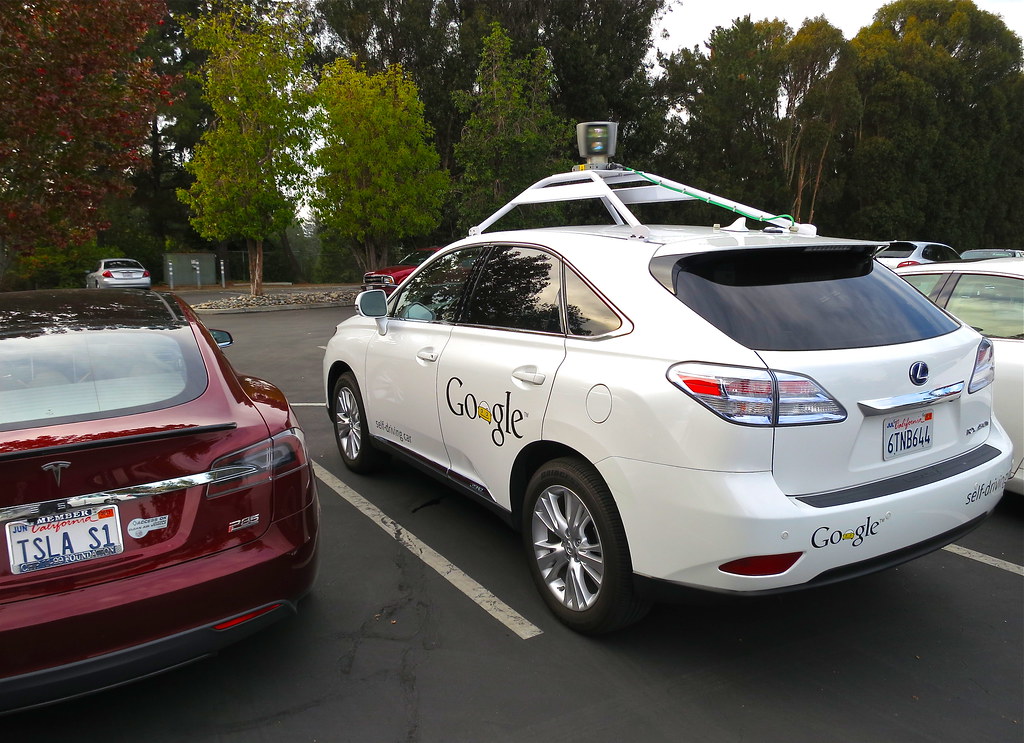
6. **Total Cost of Ownership: Unlocking Long-Term Value**The total cost of ownership (TCO) is a critical factor driving autonomous truck adoption, with benefits varying significantly by route distance. This nuanced economic calculus is key to strategically deploying autonomous fleets for maximum financial impact and long-term sustainability.
For driverless hub-to-hub operations, short routes under 100 miles are unlikely to be profitable due to high one-time costs like detours, predeparture checks, and trailer swapping. Routes between 200 and 400 miles may only become profitable as costs decline with hardware maturation and reduced remote assistance, making this ongoing refinement crucial for their economic viability.
However, for longer-distance routes exceeding 1,500 miles, autonomous trucking promises substantial TCO savings. McKinsey analysis suggests a 42 percent reduction per mile for heavy-duty trucks. These significant savings offset increased initial costs for AV kits, services, and redundant systems through lower driver salaries, optimized fuel consumption, and reduced accident-related repair costs.
The TCO benefit is projected to increase further as sensor prices drop and remote operations and insurance costs decline with maturing software, alongside potential savings from bypassing hubs. Furthermore, Level 2+ or Level 3 systems, particularly in China, could reduce TCO by allowing longer driver shifts and eliminating the need for a second driver.
Read more about: Unearthing Automotive Gold: A Forbes Guide to Classic Cars Becoming Savvy Investments

7. **The Global Market: A Landscape of Opportunity and Nuance**The global autonomous heavy-duty trucking market is poised for explosive growth, with McKinsey projections indicating an aggregated value of $616 billion by 2035 across China, the United States, and Europe. This represents a monumental shift in the logistics sector, driven by varying regional dynamics and economic incentives that underscore the technology’s universal, yet regionally tailored, appeal. Each major economic bloc presents a unique adoption trajectory, shaped by its specific logistical and labor market conditions.
Within this global outlook, the United States is projected to lead in adoption rate, with autonomous heavy-duty trucks potentially accounting for 13 percent of trucks on the road by 2035. This rapid embrace is fueled by compelling financial incentives rooted in high driver salaries and a persistent scarcity of truck drivers, making automation a critical solution to a looming labor crisis. Furthermore, the extensive long distances between major US cities, coupled with a comparatively weaker train network for freight, strongly favor the widespread deployment of autonomous trucking solutions over other transportation modes.
Conversely, Europe, despite exhibiting the highest potential for TCO savings, is expected to experience the slowest adoption rate by 2035, with only 4 percent of heavy-duty trucks on its roads. This slower pace can be attributed to several factors that introduce greater operational complexity. Europe’s infrastructure often features curvier roads, challenging weather conditions like snow, and numerous tunnels, all of which pose significant technical hurdles for autonomous systems. Additionally, the region typically has shorter average route distances and a substantial portion of total transport volume occurring over these shorter hauls, where TCO benefits may not become fully evident until after 2040.
China, positioned between the US and Europe, is projected to achieve higher adoption rates than Europe, with 11 percent of heavy-duty trucks on the road by 2035. This trajectory is propelled by its distinct economic and logistical landscape. While China benefits from the lowest driver salaries among the three regions, which might seem to lessen the immediate financial urgency for automation, it also possesses a high percentage of long-distance transportation sectors that are ideal candidates for autonomous fleets. Moreover, the presence of many OEMs with leading capabilities within China further accelerates its move towards autonomous trucking, despite the less acute labor cost pressure.
Read more about: Exclusive Look: Inside the Billion-Dollar Bunker Boom for the Ultra-Rich (and the Celebs Who Are Ready for Anything!)
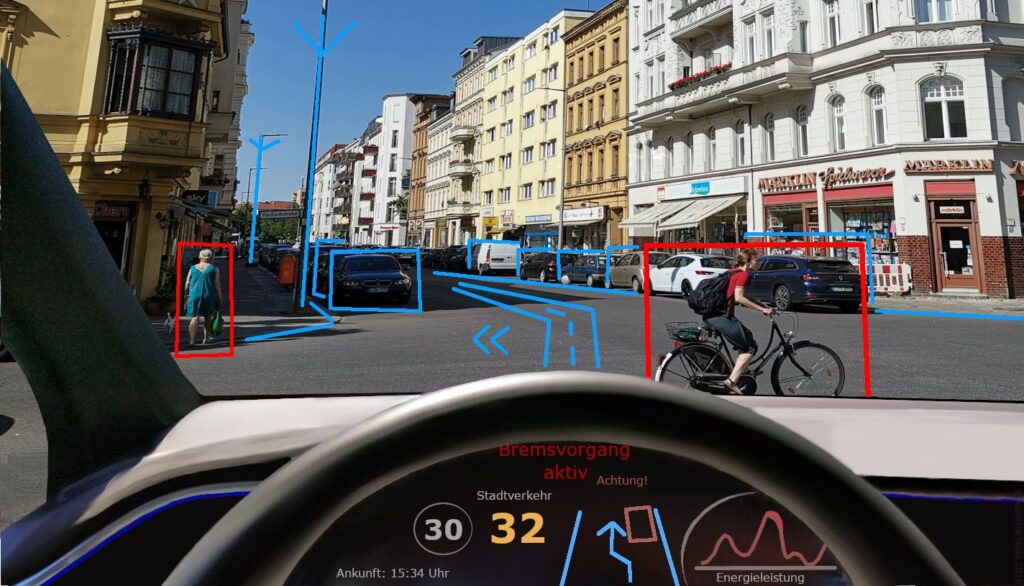
8. **Pillars of Progress: Preconditions for Widespread Adoption**Attaining the ambitious adoption numbers and market sizes projected for autonomous trucking hinges on meeting several fundamental preconditions. These are not merely desirable outcomes but essential pillars that will support the industry’s widespread integration and public acceptance. Without solid foundations in these areas, the revolutionary potential of autonomous trucking could be significantly constrained, delaying its full impact on global logistics.
First and foremost, achieving a truly favorable Total Cost of Ownership (TCO) is paramount. This will require a substantial and sustained decline in the manufacturing costs of both the autonomous vehicle itself and its specialized hardware components. Additionally, the operational expenses associated with remote control centers, which monitor autonomous fleets, and the ongoing maintenance costs related to the sophisticated AV systems must also decrease significantly. Only when the economic equation overwhelmingly favors autonomous operations will widespread investment follow.
The second critical precondition is the proven superior safety of autonomous trucks compared to human-operated vehicles. This is an absolute requirement, as public perception and regulatory confidence are incredibly fragile. Even a few fatal accidents involving autonomous trucks could swiftly erode public trust, leading to widespread rejection of the technology. The industry must demonstrate, beyond any doubt, that these systems are safer and more reliable than their human-driven counterparts, providing irrefutable data to back these claims.
Finally, the reliability of autonomous trucks is non-negotiable. The operational integrity of these vehicles must be flawless, or very nearly so. Imagine the societal and economic backlash if an autonomous truck were to shut down a major highway or cause a significant traffic jam. Such incidents would not only lead to severe logistical disruptions but would also likely prompt both the public and regulators to reject autonomous trucks outright, severely hampering their deployment. Unwavering reliability is therefore essential for long-term success and broad societal acceptance.

9. **Evolving Business Models: Redefining Service and Delivery**The advent of autonomous trucking is not merely an upgrade to existing vehicles; it is a catalyst for innovative business models that are fundamentally redefining how transportation services are bought, sold, and delivered. These emerging models are designed to leverage the unique capabilities of autonomous technology, offering new pathways for efficiency, cost savings, and revenue generation across the logistics value chain. Understanding these shifts is crucial for any company looking to thrive in the automated future of freight.
One prominent model is **Driver-as-a-service (DaaS)**, where fleet customers lease or purchase autonomous trucks from an OEM and pay for virtual drivers per mile. OEMs or specialized AI firms manage the truck’s autonomous operations, generating revenue from both truck sales—which, according to McKinsey analysis, are $50,000 to $100,000 more expensive than conventional trucks—and ongoing per-mile fees. Fleet customers, like freight or e-commerce companies, outsource truck operation while retaining logistics control. DaaS offers lower TCO compared to human drivers, boosting safety and simplifying the transition to autonomous fleets, especially beneficial in low-margin sectors.
The second compelling model is **Capacity-as-a-service (CaaS)**, where OEMs or AV technology developers fully manage trucks, including route planning and direct deliveries, bypassing traditional fleet customers to serve end customers directly. While offering similar efficiency and TCO benefits to DaaS, CaaS potentially yields higher profit margins through direct engagement. However, this comes with greater risks for OEMs, such as navigating complex last-mile logistics, competing with existing fleet customers, and shouldering significant financial and operational responsibilities for maintaining high-cost autonomous trucks.
Read more about: The Mounting Costs and Psychological Strain: An In-Depth Look at Why Subscription Fatigue Is Gripping Americans

10. **Ripple Effects: Transforming the Mobility Ecosystem**Autonomous trucking is not an isolated phenomenon; its integration will create profound ripple effects across the entire mobility ecosystem, prompting significant transformations and demanding adaptive responses from all industry participants. As this technology scales, the very structure of freight transportation, from demand patterns to competitive landscapes, is set to undergo a fundamental metamorphosis, influencing everything from urban planning to global trade routes.
As the costs associated with autonomous operations inevitably fall, the demand for autonomous fleets is expected to accelerate dramatically, leading to a corresponding increase in overall fleet volumes. This growth will make scale increasingly important, as operators will seek to distribute the substantial fixed costs associated with monitoring and servicing autonomous trucks over a larger installed base of vehicles. Economies of scale will become a dominant force, favoring larger operations capable of efficiently managing extensive autonomous networks.
This drive towards scale may lead to significant industry consolidation, as smaller fleets might find it challenging to finance the substantial capital expenditure investments required for autonomous trucks and their associated infrastructure. Concurrently, the ecosystem will likely witness the emergence of entirely new participants. These could include specialized companies dedicated to building and maintaining crucial transfer hub infrastructure, operating these hubs, or running sophisticated service centers specifically designed to maintain the advanced autonomous trucks. The specialized nature of autonomous operations creates new niches for innovation and entrepreneurship.
The ultimate distribution of the economic benefits derived from reduced costs remains a key uncertainty. It is still too early to definitively predict how much of these savings will be passed through to shippers and consumers. In a scenario where only a few dominant technology providers emerge to offer AV software and autonomous trucks, these powerful players—the AV tech developers and OEMs—could potentially accrue the majority of the cost benefits. Conversely, if the market becomes highly competitive, these cost benefits would more likely be passed through to fleet operators and, ultimately, to shippers, leading to more affordable goods transportation for everyone. The competitive environment will thus play a crucial role in determining who truly benefits from this technological revolution.

11. **Charting the Course: Imperatives for Industry Leadership**In this rapidly evolving landscape of autonomous trucking, companies across the entire industry must proactively consider their strategic options and develop robust plans to secure their position as leaders. This demands earnest action, innovative thinking, and collaborative efforts to navigate complexities and capitalize on immense opportunities. Success will hinge on a clear understanding of individual roles and a willingness to adapt and innovate.
**Fleet owners and operators** must understand autonomous-fleet operations, conducting early pilots with tech providers. They should redesign networks, like moving distribution centers closer to highways, and prioritize rollouts based on traffic flows, environmental complexity, and TCO savings, initially avoiding difficult weather routes. Preparing for autonomous truck electrification, including charging infrastructure, is also crucial.
**Infrastructure providers** are vital for developing advanced transfer hubs, equipped with maintenance, sensor calibration, and efficient fueling or charging. They should also form public-private partnerships with governments for smart highways and urban infrastructure, providing additional real-time information on critical road elements like intersections to enhance autonomous operations.
**Original Equipment Manufacturers (OEMs)** must design trucks for autonomous driving, incorporating redundant braking, steering, and power supplies. Building internal capabilities in autonomous-driving software for testing and validation is crucial, or forming strategic partnerships if in-house development isn’t feasible. OEMs must also plan for zero-emission autonomous trucks, preparing for powertrain shifts to hydrogen or battery electric technologies with supporting infrastructure. Expanding their role to include building hub infrastructure or operating autonomous trucks, perhaps offering Capacity-as-a-service, will be vital for future relevance.
**AV technology developers** must lead innovation by continuously developing and integrating cutting-edge autonomous systems. Strategic partnerships with OEMs, infrastructure players, and logistics companies are crucial for initial deployment, with extensive pilots essential for real-world insights. Simultaneously, **component suppliers** are critical enablers, developing and manufacturing essential hardware like LiDAR, high-performance computers, and redundant braking/steering systems at commercially viable prices. Opportunities also exist in software products for truck motion controls or backup paths, demanding robust functional safety capabilities.
The profound shift towards autonomous trucking is not merely a technological upgrade but a comprehensive re-imagining of logistics that promises a future of greater efficiency, affordability, and sustainability. As we stand on the cusp of this new era, the collaborative efforts and strategic foresight of every player in the mobility ecosystem will be crucial in harnessing its full potential, charting a course towards a more intelligent and resilient global supply chain. This is not just about moving goods; it’s about pioneering the future of movement itself.