The world collectively gasped on April 21, 2016, as news broke of Prince Rogers Nelson’s death. A titan of music, a vibrant, genre-defying artist who had captivated audiences for decades, was gone. At just 57 years old, the man Billboard magazine had lauded as “the greatest musical talent of his generation” — a figure known for his flamboyant, androgynous persona, astonishing vocal range, and unparalleled multi-instrumental skill — had unexpectedly departed. His passing left an immediate void, a palpable silence where once there had been an unending symphony of innovation.
Yet, beyond the immediate grief and outpouring of tributes, there lingered a series of details about his final moments and the circumstances of his death that, for many, simply didn’t align with the carefully constructed, fiercely independent, and almost superhuman image of Prince. His life was a testament to meticulous artistic control, a relentless pursuit of creative vision, and a deeply private existence. The manner of his passing, sudden and tragically accidental, seemed to contradict the very essence of the artist the world thought it knew. It forced a disquieting re-evaluation, not of his genius, but of the hidden complexities beneath the shimmering facade.
We embark now on an exploration of the profound questions that linger, the aspects of his final chapter that, when viewed through the lens of his extraordinary life, evoke a sense of disquiet and a lingering feeling that certain pieces of the puzzle still don’t quite fit. These are not questions of wrongdoing, but rather a reflection on the tragic irony and unexpected nature of an icon’s demise, prompting us to peer deeper into the contrast between the legend and the stark reality of his final day. The enigma of Prince, it seems, continued even beyond the stage.
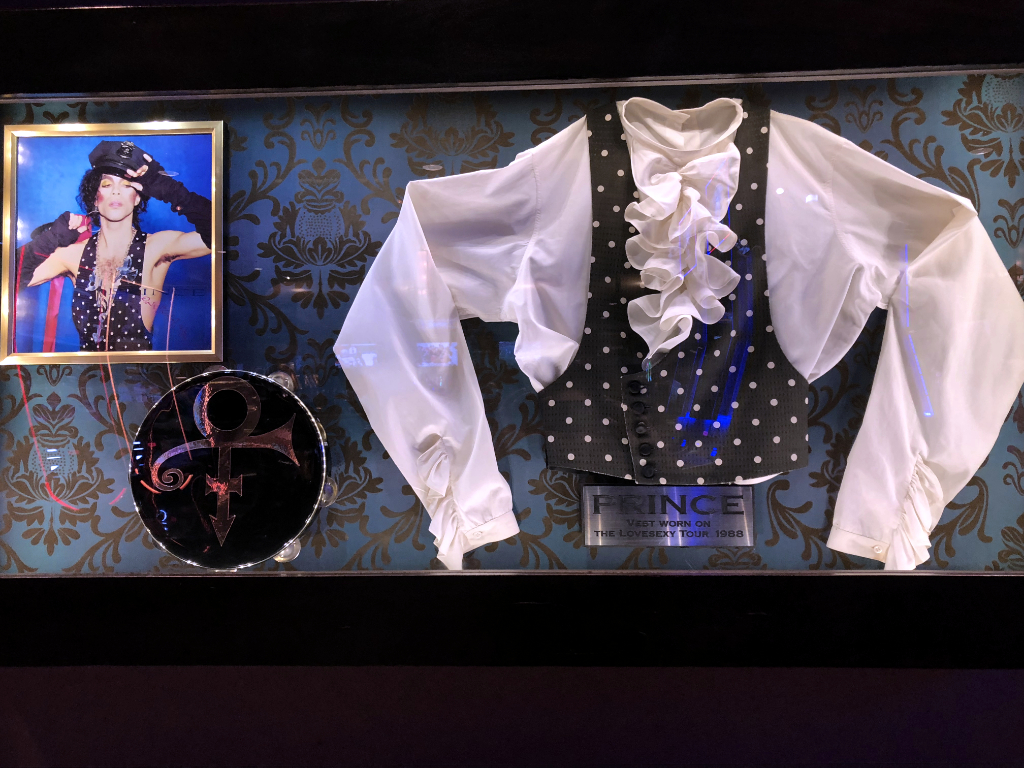
1. **The Abrupt End to a Prolific Career: A Creative Engine Silenced at 57**Prince’s creative output was nothing short of monumental. He was a force of nature, a one-man music factory who, during his lifetime, released an astonishing 39 albums. His discography alone speaks volumes of his dedication, his boundless imagination, and his relentless drive to create. For a man who could write anywhere from 500 to well over 1,000 songs, according to estimates, stopping at 57 years old felt not just tragic, but profoundly unnatural, like a cosmic tuning fork suddenly losing its resonant hum in mid-vibration.
His career was marked by continuous evolution, a constant push against musical boundaries that incorporated funk, disco, R&B, rock, new wave, soul, synth-pop, pop, jazz, blues, and hip hop. He wasn’t merely a participant in these genres; he pioneered and shaped them, most notably with the distinctive “Minneapolis sound.” To imagine such a prolific and influential artist, still seemingly at the height of his powers and still creating, suddenly cease to exist at an age when many contemporaries were still touring and recording, leaves an unsettling impression of something unfinished, a trajectory inexplicably cut short.
This abrupt cessation of his boundless creative energy is one of the first elements that doesn’t quite make sense. Prince wasn’t slowing down; he was a perpetual motion machine of artistry. The idea that this wellspring of musical genius would simply stop, without any grand farewell or planned hiatus, suggests a suddenness that is difficult to reconcile with the meticulous planning and extensive foresight he applied to every other aspect of his professional life. It leaves a lingering question: what more masterpieces were lost with his sudden departure?
His life was music, and music was his life. To think of the countless melodies, lyrics, and arrangements that were still residing within him, waiting to be brought forth, only to be extinguished in an instant, is to ponder a loss not just of a man, but of an entire universe of potential sound. The creative engine, which had powered decades of groundbreaking artistry, was silenced far too soon, leaving a profound and inexplicable void in the cultural landscape.
The sheer volume of his work, both released and unreleased, underscores how deeply ingrained music was in his very being. His passing at 57, an age still considered vibrant and productive for artists of his caliber, robbed the world of untold future innovations. It’s a stark reminder of the fragility of even the most powerful creative forces, and the unpredictable nature of existence that can extinguish brilliance without warning.
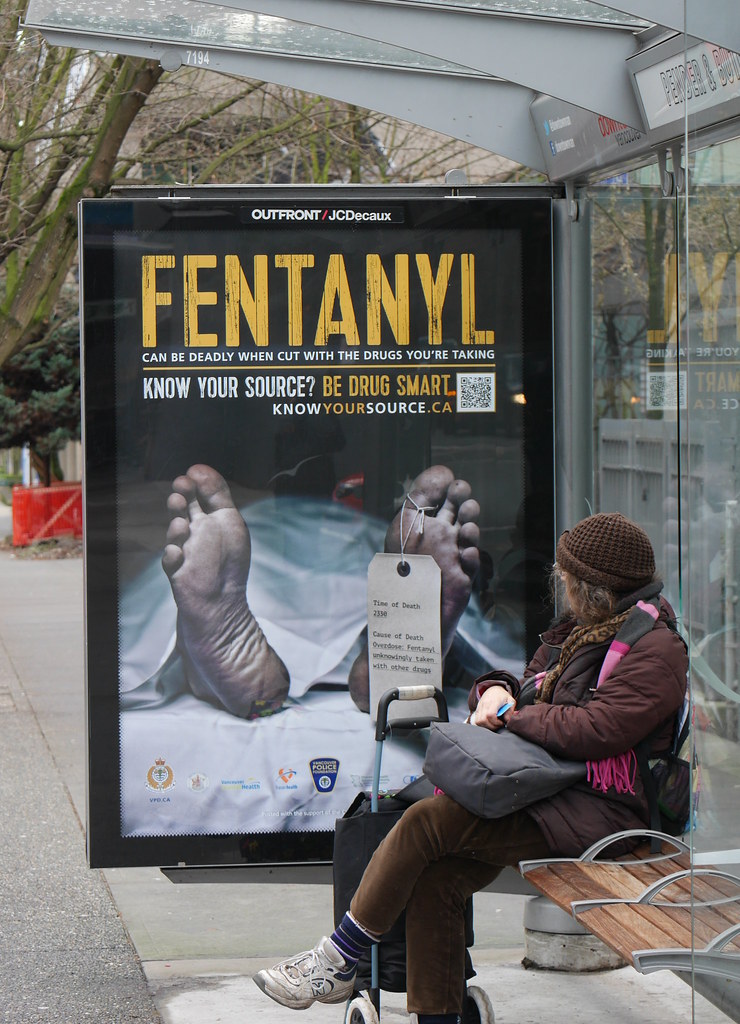
2. **The Paradox of Accidental Fentanyl Overdose: The Stark Reality Behind the Legend**“Prince died after accidentally overdosing on fentanyl at his Paisley Park home and recording studio in Chanhassen, Minnesota.” This clinical declaration, devoid of drama, stands in stark contrast to the dramatic flair and controlled narrative that defined Prince’s public life. The notion of an accidental overdose of such a potent synthetic opioid, fentanyl, for an artist of his stature and carefully guarded image, presents a profound paradox that continues to perplex many who admired him. It’s a detail that, on the surface, feels irreconcilable with the man known for his discipline.
Prince was a figure who exuded control, not chaos. His music, his performances, his very persona—all were meticulously curated and executed. He was not publicly associated with illicit drug use, and indeed, his deeply private nature often led to speculation about his lifestyle, but rarely about reckless behavior. The idea of an “accidental” overdose on a substance as dangerous and potent as fentanyl raises immediate questions about the circumstances surrounding its ingestion and how such a mistake could have occurred with such a precise individual.
The word “accidental” implies a lack of intent, a tragic misstep. Yet, for an artist who micromanaged every aspect of his career, from playing nearly all instruments on his recordings to battling Warner Bros. for creative control, the loss of control inherent in an accidental overdose feels deeply incongruous. It suggests a vulnerability, a human failing, that was almost never glimpsed behind the layers of enigma and artistic brilliance. This stark reality peels back a layer of the legend, revealing a far more fragile existence than the one projected.
Fentanyl, a drug notoriously potent and often implicated in the opioid crisis, is not a substance casually consumed. Its presence in Prince’s system, leading to an accidental overdose, points to a hidden struggle or an incredibly unfortunate misidentification of medication. The context, however, provides no further details on *how* this accidental ingestion occurred, leaving a significant gap in understanding the full picture. The unanswered questions surrounding this particular cause of death contribute heavily to the sense that certain elements of his passing remain unsettlingly obscure.
It forces a painful confrontation with the private battles that even the most celebrated figures might face, battles carefully shielded from public view. The accidental nature of his overdose, therefore, doesn’t just explain his death; it simultaneously deepens the mystery, presenting a jarring contradiction to the image of an artist whose life was an orchestra of deliberate, self-composed movements.

3. **Paisley Park: Sanctuary and Scene of Tragedy**Prince died “at his Paisley Park home and recording studio in Chanhassen, Minnesota.” For decades, Paisley Park was not merely a residence or a workplace; it was the sacred epicenter of Prince’s creative universe. It was his sanctuary, his laboratory, his fortress of solitude where he could retreat from the world and channel his prodigious talent into an unending stream of music. To think that this hallowed ground, a place synonymous with boundless creativity and artistic freedom, would become the scene of his untimely demise, adds a layer of profound tragedy that doesn’t quite make sense.
Paisley Park was the physical manifestation of Prince’s independent spirit. It was here that he produced his albums, pioneering the Minneapolis sound, meticulously crafting his musical visions away from external pressures. It was a space designed for artistic genesis, a custom-built environment where his genius could flourish unhindered. The irony of his death occurring in this very place, a hub of life and creation, turns the sanctuary into a mausoleum, imbuing it with a melancholic significance it was never meant to bear.
The image of Prince, a man so intensely connected to his craft and his creative space, dying within its walls, is deeply unsettling. It’s as if the very place that empowered his art ultimately bore witness to its abrupt cessation. The energy of Paisley Park, once pulsating with new sounds and innovations, was silenced in an instant. This confluence of his most personal and professional space with his final, accidental moments creates a poignant and perplexing narrative. It raises the question of what private struggles might have been unfolding within those walls, hidden from the public eye.
His passing at Paisley Park symbolizes more than just a death; it signifies the abrupt silencing of a creative engine at its very source. The studio, typically a place of vibrant activity and future-making, became a place frozen in time, holding the last echoes of his genius. This transformation of a living, breathing creative entity into a static memorial underscores the inexplicable nature of his sudden exit.
It’s a powerful image: the artist, surrounded by the instruments of his passion, the echoes of his countless songs, meeting an unforeseen end. Paisley Park, once a symbol of his living legacy, now stands as a monument to his unfinished work and the profound shock of a life unexpectedly cut short within the very heart of his artistic kingdom.

4. **The Enigma of His Private Health Struggles: From Childhood Epilepsy to Hidden Pain**While Prince projected an image of vibrant health and boundless energy on stage, the context reveals a deeply personal history with illness: “Prince said he was ‘born epileptic’ and had seizures when he was young.” He even recounted a profound childhood experience, stating, “My mother told me one day I walked in to her and said, ‘Mom, I’m not going to be sick anymore,’ and she said, ‘Why?’ and I said, ‘Because an angel told me so.’” This revelation of a childhood struggle with epilepsy, and his powerful spiritual conviction about overcoming it, offers a rare glimpse into a vulnerability he rarely displayed as an adult.
This early experience with health challenges raises a poignant question about what other private battles he might have been facing, carefully hidden beneath his flamboyant exterior. While his childhood epilepsy is not directly linked to his overdose, it establishes a precedent for private health issues and a personal narrative of overcoming physical ailments through faith. The intensity of his conviction, believing an angel had intervened, suggests a deep-seated desire to master and transcend physical limitations.
For a man who had faced and seemingly conquered significant health challenges in his youth, the notion of an “accidental overdose” at 57 suggests a vulnerability that belies his past triumph over illness. It leads one to wonder if there were ongoing, perhaps deeply personal and unrevealed, health issues that contributed to the circumstances of his death, or if the accidental nature was a pure, tragic happenstance entirely separate from any underlying conditions. The context leaves this as an enigma.
Prince was a master of self-presentation, carefully curating his image and revealing only what he chose to. His admission of childhood epilepsy, therefore, feels significant—a rare crack in the facade. It prompts a deeper contemplation of the private person, the struggles he might have faced away from the spotlight, and how these unrevealed aspects of his health might have unknowingly factored into the tragic accident that claimed his life.
The juxtaposition of his early, powerful declaration of being “not going to be sick anymore” with the stark reality of his eventual accidental death due to an overdose creates a profound sense of the inexplicable. It highlights the complex interplay between physical reality, spiritual belief, and the unpredictable nature of human vulnerability, even for someone as seemingly invincible as Prince.
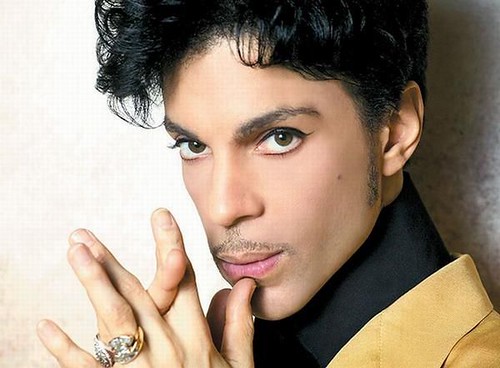
5. **Meticulous Control vs. Unforeseen Circumstance: A Life of Artistic Precision**Prince’s career was a testament to extraordinary, almost obsessive, control. He preferred “to play all or most of the instruments on his recordings,” produced his own albums, and pioneered the Minneapolis sound. From his early signing with Warner Bros. Records at 18, securing “creative control for three albums,” to his legendary contractual dispute that led him to adopt “the unpronounceable symbol” as his stage name, Prince was a relentless architect of his own artistic destiny. This profound need for precision and autonomy makes his death by accidental overdose feel profoundly out of character.
His battle with Warner Bros., vividly described by his adoption of the “Love Symbol” and his public appearances with “slave” written on his face, underscored a man unwilling to compromise his vision or relinquish authority over his work. Even when forced to trim a triple album to a double, or when signing away publishing rights for the Batman soundtrack, these were calculated decisions, albeit often contentious ones, made by a man in command. The concept of an “accidental” event, particularly one involving such a potent substance, suggests a lapse in this iron-clad control that is deeply unsettling.
For an artist who controlled everything from his song publishing (Ecnirp Music, Controversy Music, Emancipated Music Inc.) to his public image, the idea of an uncontrolled, accidental ingestion leading to his demise feels like a narrative dissonance. It’s as if the universe intervened with a random, brutal stroke that defied the meticulously ordered universe Prince had constructed around himself. This contrast between his lifelong pursuit of precision and the chaotic randomness of his death is a central element that perplexes observers.
His ability to dictate the terms of his art, even to the extent of making Warner Bros. organize a mass mailing of floppy disks with a custom font so his symbol could be used in print media, speaks volumes about his insistence on absolute autonomy. The sudden, unforeseen nature of his death directly contradicts this deeply ingrained trait, leaving a lingering question about what external factors or unforeseen vulnerabilities might have circumvented his legendary control in his final moments.
The narrative of Prince’s life is one of mastery – over his instruments, his voice, his image, and his destiny. To conclude with an accidental overdose, an event epitomizing a loss of control, creates a profound thematic clash. It suggests that even the most formidable wills and the most meticulously constructed lives are ultimately susceptible to the unexpected, making his end not just tragic, but also deeply unsettling in its incongruity.
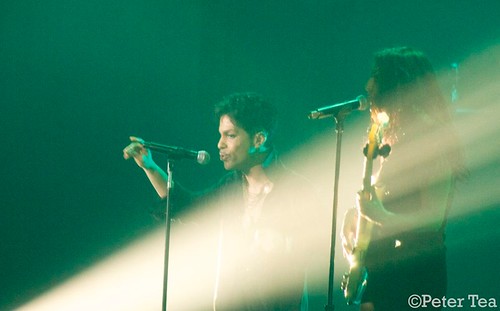
6. **The Vast Unreleased Vault: A Legacy Left Unfinished**Perhaps one of the most poignant and perplexing details surrounding Prince’s death is the revelation of his extraordinary posthumous legacy: “a vast array of unreleased material left in a custom-built bank vault underneath his home, including fully completed albums and over 50 finished music videos.” This detail paints a vivid picture of an artist whose creative wellspring was so deep, so abundant, that he left behind a treasure trove of art that the world had not yet heard or seen. The sheer volume of this unreleased work underscores the tragedy of his abrupt passing at 57.
For an artist who released 39 albums during his life, the existence of an entire vault of finished, unheard material suggests a creative force that simply could not be contained. It speaks to a man constantly creating, constantly innovating, always ahead of the curve, often creating faster than even his record labels could release. The fact that this material was not shared with the world during his lifetime, and now emerges only posthumously, feels like a cruel twist of fate, an unfinished conversation with his audience that was suddenly cut short.
The implications of this vault are staggering. It implies that the creative output the world experienced was merely a fraction of his true genius. It also brings into sharp focus the suddenness of his death; had he lived longer, much of this material would undoubtedly have seen the light of day, shaping his ongoing narrative and further cementing his legacy. Instead, these works are now presented under the shadow of his absence, filtered through the lens of loss.
The existence of “fully completed albums and over 50 finished music videos” further amplifies the sense of unfinished business. These weren’t mere demos or sketches; they were polished, ready-to-release works of art. The tragic irony is that his death unlocked this vault, forcing a re-evaluation of his prolificacy and an acknowledgment of the immense artistic wealth he held in reserve. It is a testament to his boundless creativity, but also a painful reminder of what could have been.
His passing, therefore, didn’t just end a life; it simultaneously inaugurated a new chapter of discovery, a bittersweet unveiling of a legacy too vast for one lifetime. The vault, once a symbol of his artistic foresight and abundance, now stands as a monument to the unexpected silence that fell upon his creative world, leaving us to wonder about the narratives, sounds, and visions he intended to share.
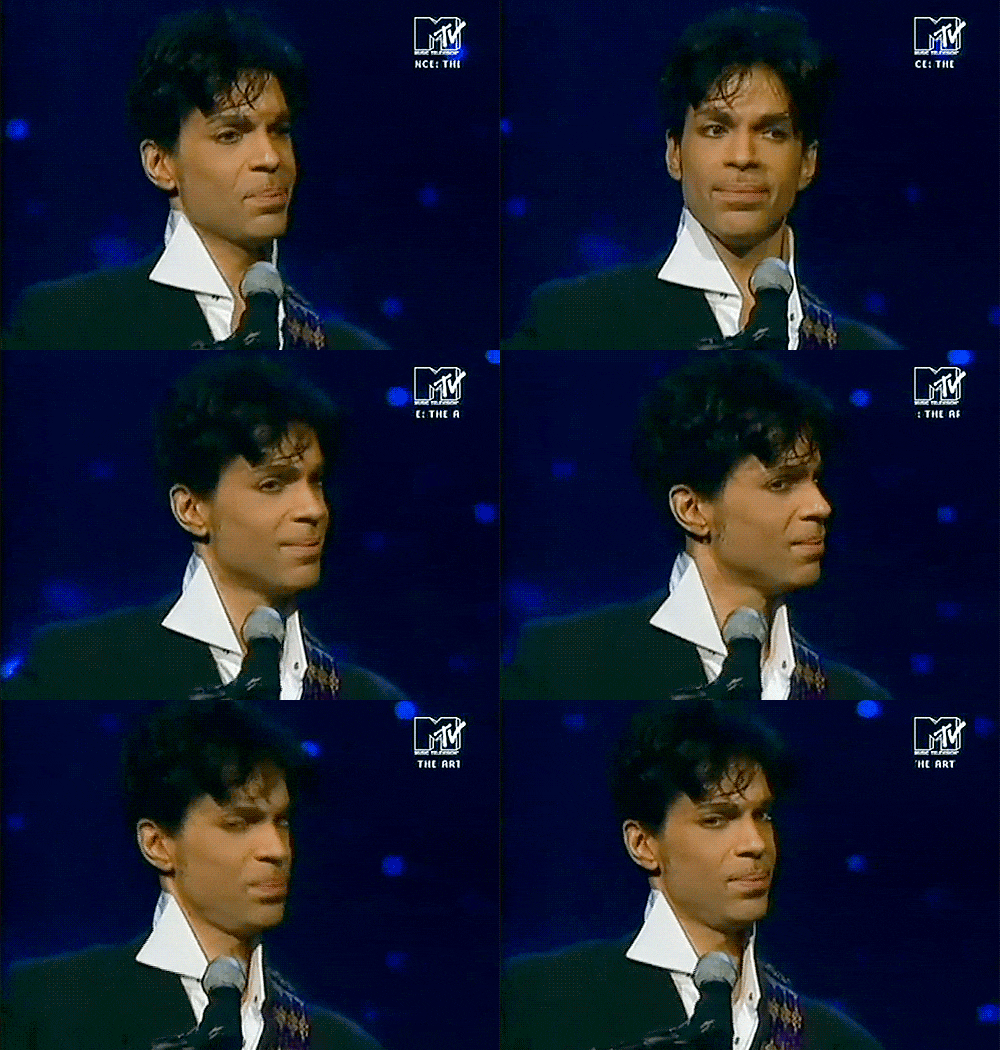
7. **His Relentless Pursuit of Creative Independence: The Battle for Artistic Sovereignty**Prince’s career was an ongoing, often tumultuous, crusade for absolute creative control, a detail that makes the accidental nature of his death even more disquieting. From the tender age of 18, when he signed with Warner Bros. Records, he famously negotiated for creative autonomy across three albums. This early assertion of self-direction set the stage for a lifetime dedicated to shaping his art exactly as he envisioned it, free from external interference. This proactive stance against corporate dictates became a hallmark of his artistic journey.
His fierce independence reached its zenith during his highly publicized contractual dispute with Warner Bros. in the 1990s. Frustrated by the label’s reluctance to release his extensive backlog of music at his desired pace, Prince famously shed his birth name, adopting the unpronounceable “Love Symbol.” This audacious act was a profound declaration against an industry he felt was enslaving his creativity, emphasized by public appearances with “slave” written on his face.
His dedication to maintaining control was extraordinary. Warner Bros. even resorted to organizing a mass mailing of floppy disks for his symbol to be printed. His strategy of releasing albums in rapid succession was a direct tactic to fulfill contractual obligations and escape the label’s grip, even if it meant sacrificing publishing rights for projects like the *Batman* soundtrack.
Upon finally breaking free, Prince celebrated his emancipation with a monumental 36-song, three-CD set, *Emancipation*, released through his own NPG Records. This move, bypassing traditional label structures and establishing Emancipated Music Inc., was a triumphant reclaiming of his artistic destiny. This prolonged battle underscores a man who meticulously orchestrated his professional life, making his sudden, accidental demise a jarring end to such a deliberately controlled narrative.
8. **The Deep Spiritual Convictions That Guided His Life: Faith’s Enduring Influence**Beyond the dazzling stage presence and groundbreaking music, Prince possessed a deeply personal and profound spiritual core that influenced his life and artistic decisions. This facet, often shielded from the public, adds complexity to his death. His spiritual journey began remarkably early, rooted in a childhood struggle with epilepsy. He recounted declaring to his mother, “Mom, I’m not going to be sick anymore,” after an angel, he believed, had intervened, laying the groundwork for a faith that would profoundly shape his path.
His parents, members of the evangelical Seventh-day Adventist Church, instilled a religious upbringing that later manifested in significant artistic choices. A striking example occurred with *The Black Album*, an experimental, darker record. After 500,000 copies were pressed in 1987, Prince experienced a “spiritual epiphany” that convinced him the album was “evil.” In an unprecedented move, he demanded its recall, leading to its infamous shelving until a limited release years later. This drastic decision, made at immense personal and financial cost, speaks volumes about the sway his convictions held.
Following the recall, Prince swiftly returned to the studio, recording *Lovey* in just eight weeks. This album, released in 1988, was envisioned as a direct spiritual antithesis to its dark predecessor, a testament to his belief in positive forces. The rapid creation and thematic contrast highlight his intense response to his spiritual calling, demonstrating that his faith wasn’t passive but an active, guiding principle in his creative process.
These deep-seated beliefs provide a lens through which to view the enigma of his passing. For a man with such a powerful narrative of overcoming illness through faith, his accidental death by overdose remains profoundly unsettling, raising questions about unseen struggles that might have challenged even his powerful convictions in his final days.

9. **His Quiet Charitable Spirit: A Generosity Often Hidden from View**While Prince’s flamboyant public persona and fierce independence were well-documented, his acts of quiet philanthropy and social consciousness often remained out of the spotlight, adding another intriguing layer to the complex tapestry of his life. These understated displays of generosity stand in stark contrast to his sometimes-controversial public image, revealing a compassionate heart that operated largely beyond the glare of celebrity.
One notable example of his commitment to the arts was his advocacy for dancers. The context reveals Prince “used his wealth to save the failing Joffrey Ballet in Chicago during the 1990s.” This significant intervention, often unheralded, showcased a profound appreciation for artistic institutions and a willingness to leverage his considerable resources to preserve them. His own training in classical ballet undoubtedly fostered this connection, demonstrating a broader charitable vision.
Even as a child, Prince displayed a nascent social conscience. An accidentally uncovered interview from a 1970 Minneapolis teachers’ strike, when he was just 11, revealed his early empathy. He stated, “I think they should get a better education too cause, um, and I think they should get some more money cause they work, they be working extra hours for us and all that stuff.” This youthful observation, long hidden, offers a rare glimpse into the formative roots of a compassion that would quietly manifest throughout his adult life.
These instances of quiet giving and social awareness underscore a duality in Prince’s character: the bombastic performer and the deeply private humanitarian. It prompts reflection on how many other acts of kindness or support might have gone unrecorded, further deepening the enigma of his personality and making his abrupt passing all the more bewildering.

10. **The Enduring Enigma of His Private Life: Beyond the Stage Persona**Prince was a master of reinvention and cultural expression, yet beneath the flamboyant persona and electrifying stage presence lay a deeply private individual whose true self remained an enduring enigma. The stark contrast between his public flamboyance and his guarded personal life continues to perplex, making his accidental death feel profoundly out of sync with the meticulously curated image he presented.
Even his name carried a personal history he defied. Named “Prince Rogers,” he confessed to not being fond of it, preferring to be called “Skipper” as a child. This early desire to define himself foreshadowed a lifetime of self-authorship. His childhood was marked by complexities, including his parents’ divorce and a “fraught relationship” with his stepfather’s son, leading him to frequently switch homes and shaping his fiercely independent nature.
Despite his solitary artistic process, where he often preferred to play “all or most of the instruments,” Prince was also relatable in unexpected ways. He played football, basketball, and baseball in high school, and continued to play basketball for fun as an adult. His training in classical ballet revealed another unexpected artistic dimension. These glimpses into his more ‘normal’ pursuits stand in fascinating contrast to the mythical aura he often projected.
His interactions, even with fellow legends, often carried intrigue. His uncredited electric guitar work on Madonna’s *Like a Prayer* album, or his dramatic appearance with Beyoncé at the Grammys, showcased his willingness to collaborate while often maintaining distance or mystery. This careful balance between revealing and concealing defined his private existence, making the unfiltered reality of his accidental death all the more disorienting. It stripped away layers of control, forcing a re-evaluation of the man behind the music.
Read more about: Leonardo da Vinci’s ‘Relationship Rules’ That Still Spark Hollywood-Level Buzz Centuries Later

11. **The Unseen Collaborations and Mentorship: Shaping Music Behind the Scenes**While Prince was often lauded as a singular genius, a one-man band who preferred to “play all or most of the instruments on his recordings,” the full scope of his influence extended far beyond his solo output into a quiet, often uncredited role as a mentor, songwriter, and collaborator. This behind-the-scenes shaping of other artists’ careers and sounds presents another surprising facet of his legacy, complicating the narrative of the intensely private artist.
His creative generosity was evident early on. In 1975, he contributed guitar tracks and co-wrote a song for Pepe Willie’s band, 94 East, showcasing his talent before his solo breakthrough. He later attempted to mold the career of teenage singer Sue Ann Carwell, recording tracks for her that went unreleased, demonstrating a proactive willingness to support other artists.
Perhaps his most significant influence outside his own direct releases was his creation of the side project band, The Time, in 1981. For their four albums, Prince anonymously wrote and performed most instrumentation and backing vocals, often under pseudonyms. This act of crafting an entire sound and persona for another successful act, while remaining largely in the shadows, underscores his unparalleled creative depth and his willingness to empower others.
His songwriting prowess also directly benefited other artists. He penned “Manic Monday,” a No. 2 hit for The Bangles, illustrating his commercial reach. He collaborated with Madonna on *Like a Prayer*, co-writing and singing “Love Song” and playing uncredited electric guitar. These high-profile contributions, sometimes subtly credited, highlight a generosity of spirit that went hand-in-hand with his guarded nature. Even in his later career, he continued to collaborate, revealing an artist deeply connected to the broader musical community.
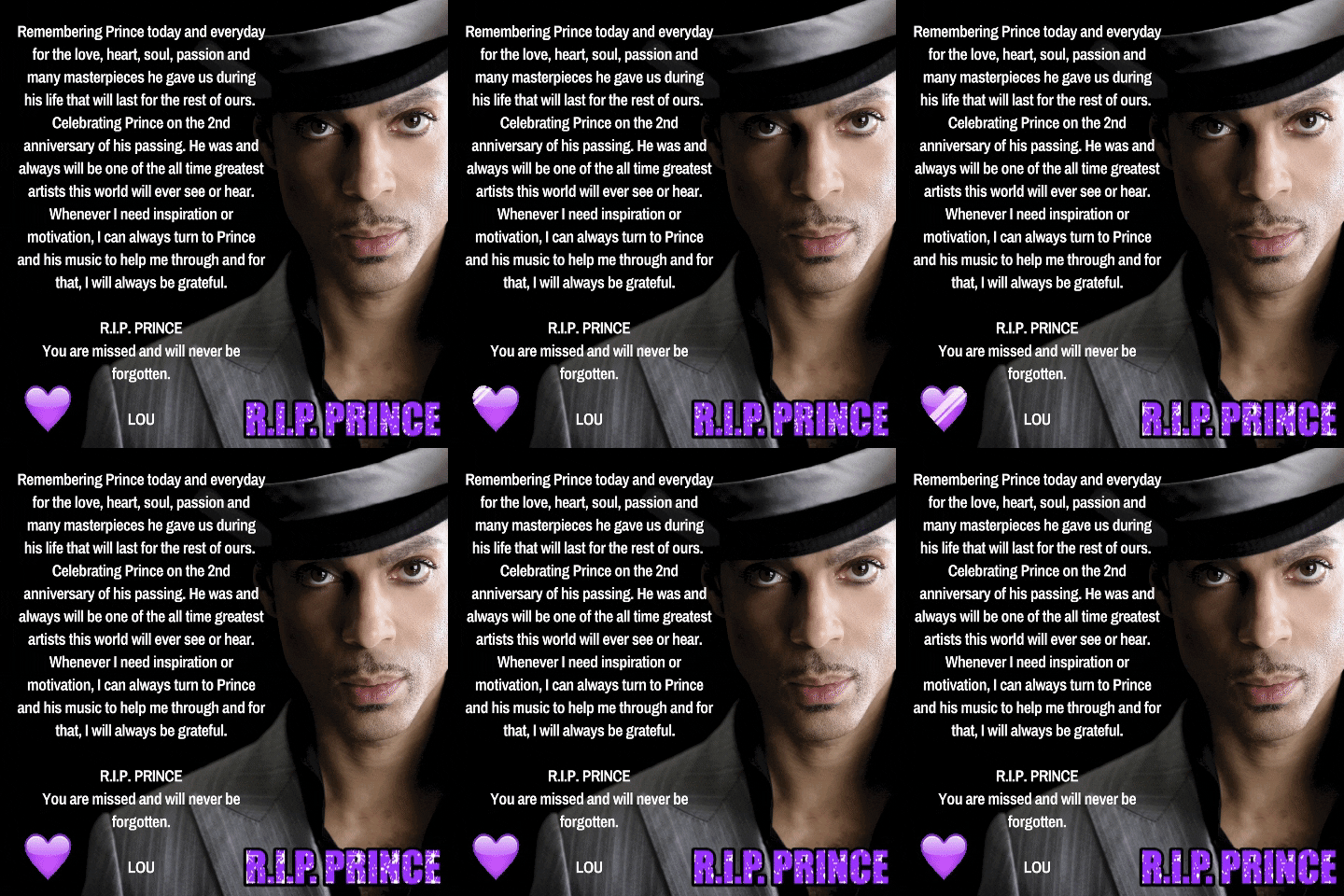
12. **The Posthumous Unveiling: Redefining a Legacy Beyond Life**The most poignant and confounding detail surrounding Prince’s death is the profound impact it had on his legacy, not by concluding it, but by initiating a new, sprawling chapter of discovery. The tragic accident at Paisley Park, rather than marking a definitive end, paradoxically became the key that unlocked an unprecedented “vast array of unreleased material” hidden in a custom-built bank vault. This includes “fully completed albums and over 50 finished music videos,” a staggering testament to a creative force literally too prolific for one lifetime.
The existence of such an immense cache of unheard music redefines our understanding of Prince’s artistic output. During his life, he released 39 albums. Yet, the posthumous unveiling suggests this was merely the tip of an iceberg, a curated selection from a seemingly endless wellspring of creativity. These “numerous posthumous collections” issued by his estate have since allowed the world to glimpse the depth and breadth of his genius, continually adding new dimensions to his monumental discography.
This posthumous period offers a bittersweet re-evaluation. While his death was a profound loss, it also liberated his art in a way his live persona, ever protective and controlling, might never have fully allowed. Albums like *The Gold Experience* faced print limitations during his life, only to be widely released on streaming platforms and reissued years after his passing. This ironic twist, where his absence facilitated greater access, presents a perplexing duality: loss as a catalyst for widespread rediscovery.
Even during his lifetime, Prince experimented with direct-to-fan distribution through NPGOnlineLtd.com and NPGMusicClub.com, releasing several albums exclusively. However, the chaotic distribution of earlier unreleased material, such as the *Crystal Ball* collection in 1998, with fans receiving copies months after retail release, underscored the challenges he faced in managing such an abundant output while alive.
Ultimately, Prince’s death transformed his legacy from a living, evolving narrative into an ongoing archeological excavation. The continuous unveiling of his vault reshapes public perception, cementing his status not just as a prodigious artist, but as a visionary whose creativity transcended even the boundaries of life itself. The details that don’t make sense about his death are thus entwined with the revelation of a legacy so vast, it continues to unfold, leaving us in perpetual awe and wonder.
The echoes of Prince’s final days, intertwined with the astounding breadth of his life and work, continue to resonate with a profound sense of the inexplicable. From the unexpected nature of his passing in his creative sanctuary to the silent battles he fought and the vast artistic universe he left behind, the details surrounding his death provoke questions that transcend simple answers. His was a life lived at the zenith of artistic precision and spiritual conviction, a meticulously crafted existence that ended with a jarring, unforeseen accident. Yet, in this very incongruity lies the enduring power of his story, reminding us that even the most controlled and enigmatic of legends are ultimately human, leaving behind not just a discography, but a captivating, complex narrative that will forever inspire wonder and reflection.