Alright, gearheads and casual cruisers alike, let’s talk brass tacks about one of life’s biggest financial commitments: buying a car. We’re not just talking about dropping a few hundred bucks on a new gadget; we’re talking about shelling out tens of thousands of dollars on a machine that’s supposed to get you from A to B reliably, safely, and, dare we say, maybe even a little enjoyably. This isn’t a decision to be taken lightly, and for too long, certain brands have ridden on a wave of reputation that, frankly, just doesn’t hold up in the real world.
Forget the glossy ads, the aspirational lifestyle marketing, and the brand loyalty preached by a select few. We’re here to cut through the noise with a dose of unfiltered reality, straight from the drivers who’ve been there, bought that, and lived to tell the tale. When asked, “What car brands will you never buy again? What car brands do you swear by?” in an online forum, these drivers didn’t hold back, spilling the tea on the rides that simply aren’t worth the hype or the headache.
So, buckle up, because we’re about to take a no-holds-barred journey through the automotive landscape, shining a critical spotlight on 15 supposedly reputable car brands that, according to a chorus of frustrated owners and hard data, are seriously overrated. Knowing what to avoid is often just as important as knowing what to seek out, especially when your hard-earned cash is on the line. Let’s get started on exposing the machines that promise the world but deliver a mechanic’s best friend.

1. **Ferrari: The Red Dream That Becomes a Nightmare**Ah, Ferrari. The very name conjures images of speed, luxury, and unparalleled automotive artistry. It’s the poster car for countless enthusiasts, a symbol of ultimate performance and exclusivity. You buy a Ferrari, and you’ve ostensibly achieved a pinnacle of automotive ownership, right? Well, for some, that dream swiftly turns into a costly, exasperating reality, making you wish you’d stuck to something a little more grounded.
One particularly blunt forum contributor summed up the Ferrari ownership experience with a biting wit that only true frustration can inspire. They proclaimed, “It’s been said the second happiest day of your life is when you buy a Ferrari. The happiest is when you sell it.” This isn’t just a quip; it’s a stark reflection of the unexpected burdens that can accompany the keys to Maranello’s finest, suggesting that the initial euphoria is often overshadowed by the relentless demands of its upkeep.
The implication here is clear: beyond the eye-watering purchase price, Ferrari ownership can be a financial black hole. We’re talking about maintenance costs that could rival the mortgage on a small house, parts that require international expeditions to procure, and a level of mechanical fragility that demands constant, expensive attention. The sheer joy of driving is often tempered by the looming specter of the next massive service bill.
This sentiment highlights a crucial disconnect for what is often seen as an aspirational purchase. The visceral thrill of a Ferrari might be undeniable, but if the ongoing burden of keeping it on the road makes you yearn for the day it leaves your garage for good, then perhaps its legendary status as an ultimate dream car is, indeed, deeply overrated. It’s a reminder that sometimes, the most dazzling machines come with the steepest hidden costs.
Car Model Information: 1998 Ferrari F355 GTS
Name: Piero Ferrari
Caption: Ferrari in 2012
BirthName: Piero Lardi
BirthDate: [object Object]
BirthPlace: Castelvetro di Modena
Father: Enzo Ferrari
Mother: Lina Lardi
Relatives: Alfredo Ferrari
Occupation: Businessman
Title: Ferrari
Boards: Ferretti Group
Spouse: [object Object],[object Object]
Children: Antonella Ferrari (daughter)
Family: Ferrari
Categories: 1945 births, Articles with hCards, Articles with short description, CS1 Italian-language sources (it), Ferrari people
Summary: Piero Ferrari (born Piero Lardi, 22 May 1945; later Piero Lardi Ferrari) is an Italian billionaire businessman and sport personality. He is the second and only living son of Enzo Ferrari, and a 10.48% owner of the Ferrari automotive company, of which he is the vice chairman. He owns 13.2% of the Ferretti Group. As of February 2025, his net worth was estimated at US$10.2 billion.
Get more information about: Piero Ferrari
Buying a high-performing used car >>>
Brand: Ferrari Model: Ferrari
Price: $129,991 Mileage: 39,074 mi.
Read more about: Rare Cars of the 1980s: Icons of Performance Innovation and Style
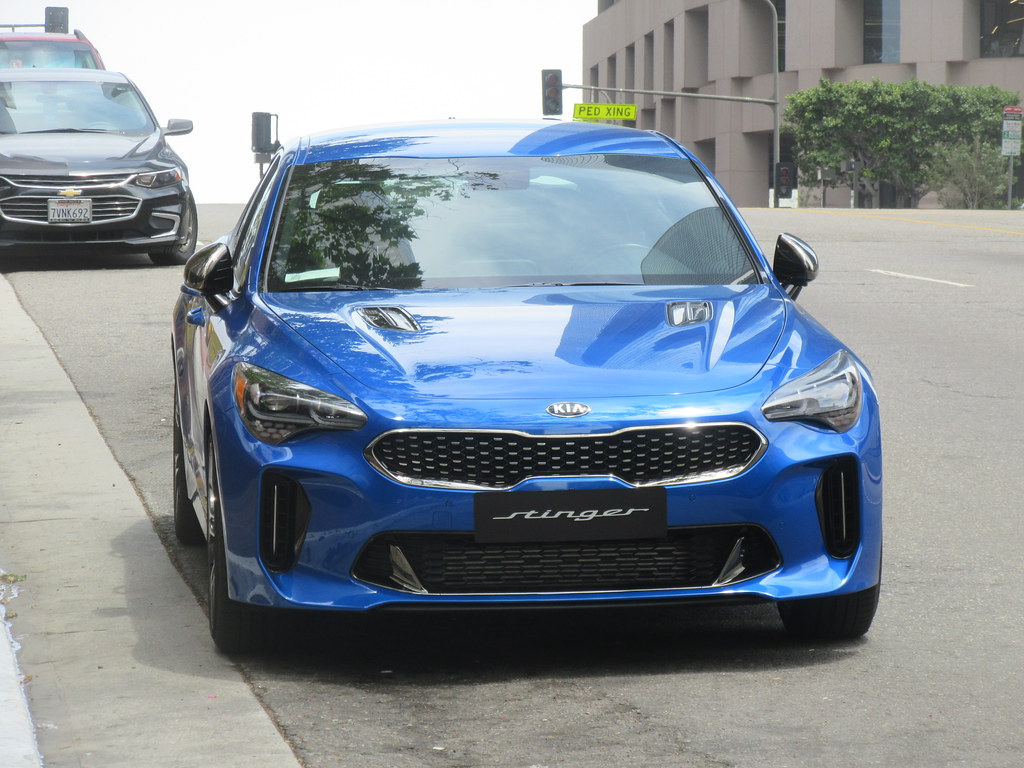
2. **Kia: A Budget Bargain with Hidden Backlashes**Kia has spent years building a reputation for offering affordable cars packed with features, often presenting itself as a smart choice for the budget-conscious consumer. With sleek designs and increasingly competitive offerings, it’s easy to see why many might be drawn to the brand. However, dig a little deeper, and you’ll find that beneath the attractive price tag lies a troubling history of serious reliability and customer service issues that make some owners swear off the brand entirely.
A driver speaking against both Hyundai and Kia pulled no punches, declaring, “Between their complete failure to do anything about the long-known theft vulnerability, the fact they had to be sued and forced into replacing motors they knew were faulty, and the crappy way they enforce warranty policies, I don’t know why ANYBODY buys one.” This is a damning indictment, pointing to systemic problems that go far beyond a single faulty component, impacting security, engine integrity, and basic customer trust.
Indeed, the context reveals a shocking pattern: Kia faced legal pressure to address known faulty motors, indicating a reluctance to proactively protect their customers. This reactive approach, coupled with the “long-known theft vulnerability” that impacted countless owners, showcases a brand seemingly prioritizing cost-cutting over fundamental vehicle security and safety. It leaves owners feeling exposed and unsupported by the very company that sold them their vehicle.
Adding insult to injury are the “crappy way they enforce warranty policies,” which exacerbates existing mechanical woes. Another Kia Optima owner simply stated, “Never again will I entertain the idea of buying another Kia. It’s cheap, and it shows after a while. We traded it in after only a couple years.” This points to a deeper issue of durability and build quality that undermines the initial perceived value, proving that sometimes, a deal that looks too good to be true often is.
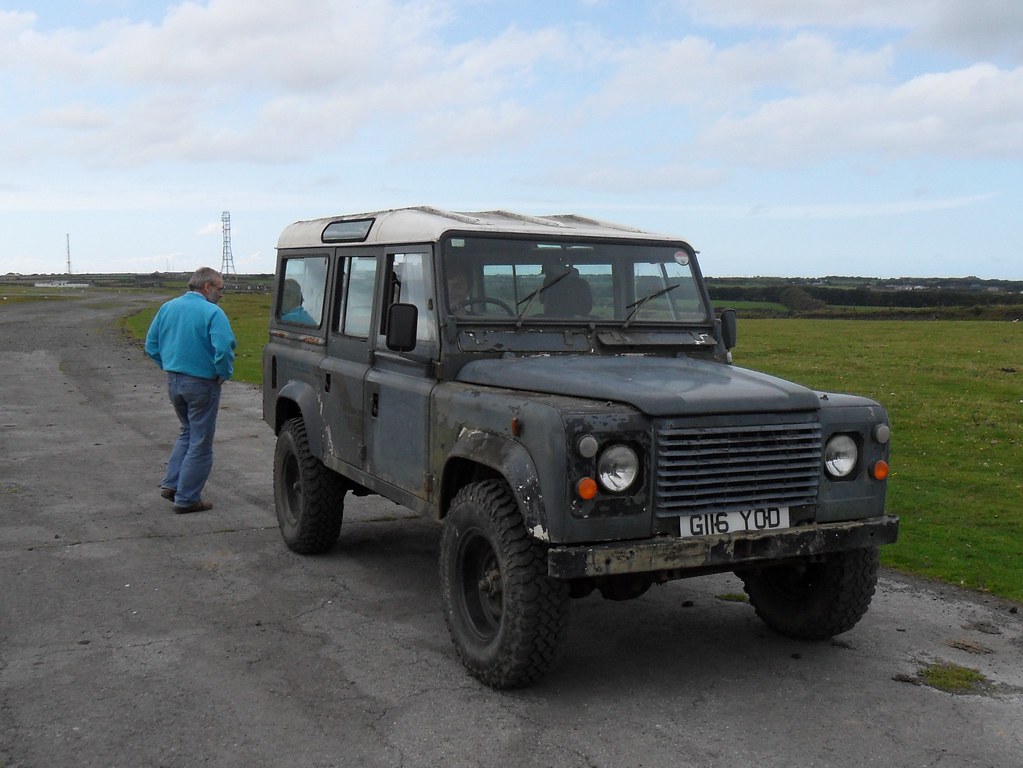
3. **Land Rover: The ‘Luxury’ That Turns Drivers into Mechanics**Land Rover. The name evokes rugged elegance, off-road capability, and a certain British prestige. For decades, it’s been the choice for those seeking adventure in comfort, a vehicle that can traverse both city streets and untamed wilderness with equal aplomb. Yet, beneath this veneer of sophistication and capability lies a persistent, well-documented reputation for being one of the most unreliable brands on the market, consistently plaguing owners with a parade of electrical and mechanical maladies.
As one exasperated owner simply put it, they “Never had a car with more electrical problems.” This sentiment is echoed loudly across owner forums and real-world experiences, painting a picture of vehicles that are less luxury conveyance and more a rolling diagnostic project. The promise of adventure often comes with the unanticipated need for a comprehensive toolkit and a deep understanding of automotive wiring diagrams, detracting significantly from the premium ownership experience.
The depth of Land Rover’s reliability woes is so legendary that another person humorously—yet tellingly—joked, “Land Rover, turning drivers into mechanics since 1946.” This isn’t just a throwaway line; it encapsulates the brand’s notorious history of issues, suggesting that the purchase of a Land Rover is effectively a subscription to a never-ending cycle of repairs. It forces owners to become intimately familiar with the inner workings of their supposedly high-end vehicle, a skill most never signed up for.
Indeed, the specific issues cited include the brand being dubbed “least reliable,” with pervasive problems such as “air suspension system failure,” along with general “leakage issues” and “problems in the steering shafts.” These aren’t minor glitches; they are fundamental failures in critical systems that compromise both safety and the vehicle’s core functionality. For a brand positioned at the pinnacle of luxury and capability, these consistent failures are not just disappointing; they are outright unacceptable, firmly cementing Land Rover’s place as a deeply overrated marque.
Car Model Information: 2020 RAM 1500 Laramie
Name: Opportunity
Insignia: Nasa mer daffy.png
InsigniaCaption: Duck Dodgers
MissionType: Mars rover
Operator: NASA
Website: [object Object]
CosparId: 2003-032A
Satcat: 27849
MissionDuration: ubli
DryMass: 185 kg
Power: Solar panel
LaunchDate: Coordinated Universal Time
LaunchRocket: Delta II Heavy
LaunchSite: Cape Canaveral Air Force Station,Cape Canaveral Air Force Station Space Launch Complex 17
LaunchContractor: Boeing
LastContact: June 10, 2018
Declared: February 13, 2019
Interplanetary: Infobox spaceflight/IP
Type: rover
Object: Mars
ArrivalDate: Spacecraft Event Time,Timekeeping on Mars
Location: Eagle (Meridiani Planum crater),Meridiani Planum,1.9462|S|354.4734|E|globe:Mars|name=Opportunity rover
Distance: cvt
Programme: Mars Exploration Program
PreviousMission: Spirit (rover)
NextMission: Mars Reconnaissance Orbiter
Programme2: NASA
PreviousMission2: Spirit (rover)
NextMission2: Curiosity (rover)
Categories: 2003 robots, 2004 on Mars, All Wikipedia articles written in American English, All articles with unsourced statements, Articles with short description
Summary: Opportunity, also known as MER-B (Mars Exploration Rover – B) or MER-1, and nicknamed Oppy, is a robotic rover that was active on Mars from 2004 until 2018. Opportunity was operational on Mars for 5111 sols (14 years, 138 days on Earth). Launched on July 7, 2003, as part of NASA’s Mars Exploration Rover program, it landed in Meridiani Planum on January 25, 2004, three weeks after its twin, Spirit (MER-A), touched down on the other side of the planet. With a planned 90-sol duration of activity (slightly less than 92.5 Earth days), Spirit functioned until it got stuck in 2009 and ceased communications in 2010, while Opportunity was able to stay operational for 5111 sols after landing, maintaining its power and key systems through continual recharging of its batteries using solar power, and hibernating during events such as dust storms to save power. This careful operation allowed Opportunity to operate for 57 times its designed lifespan, exceeding the initial plan by 14 years, 47 days (in Earth time). By June 10, 2018, when it last contacted NASA, the rover had traveled a distance of 45.16 kilometers (28.06 miles).
Mission highlights included the initial 90-sol mission, finding meteorites such as Heat Shield Rock (Meridiani Planum meteorite), and over two years of exploring and studying Victoria crater. The rover survived moderate dust storms and in 2011 reached Endeavour crater, which has been considered as a “second landing site”. The Opportunity mission is considered one of NASA’s most successful ventures.
Due to the planetary 2018 dust storm on Mars, Opportunity ceased communications on June 10 and entered hibernation on June 12, 2018. It was hoped it would reboot once the weather cleared, but it did not, suggesting either a catastrophic failure or that a layer of dust had covered its solar panels. NASA hoped to re-establish contact with the rover, citing a recurring windy period which was forecast for November 2018 to January 2019, that could potentially clean off its solar panels. On February 13, 2019, NASA officials declared that the Opportunity mission was complete, after the spacecraft had failed to respond to over 1,000 signals sent since August 2018.
Get more information about: Opportunity (rover)
Buying a high-performing used car >>>
Brand: Land Rover Model: Land Rover
Price: $36,995 Mileage: 64,342 mi.
Read more about: Decoding the Disappointment: 15 Overrated Car Brands That Underperform on Reliability and Rack Up Costly Upkeep Bills for Owners
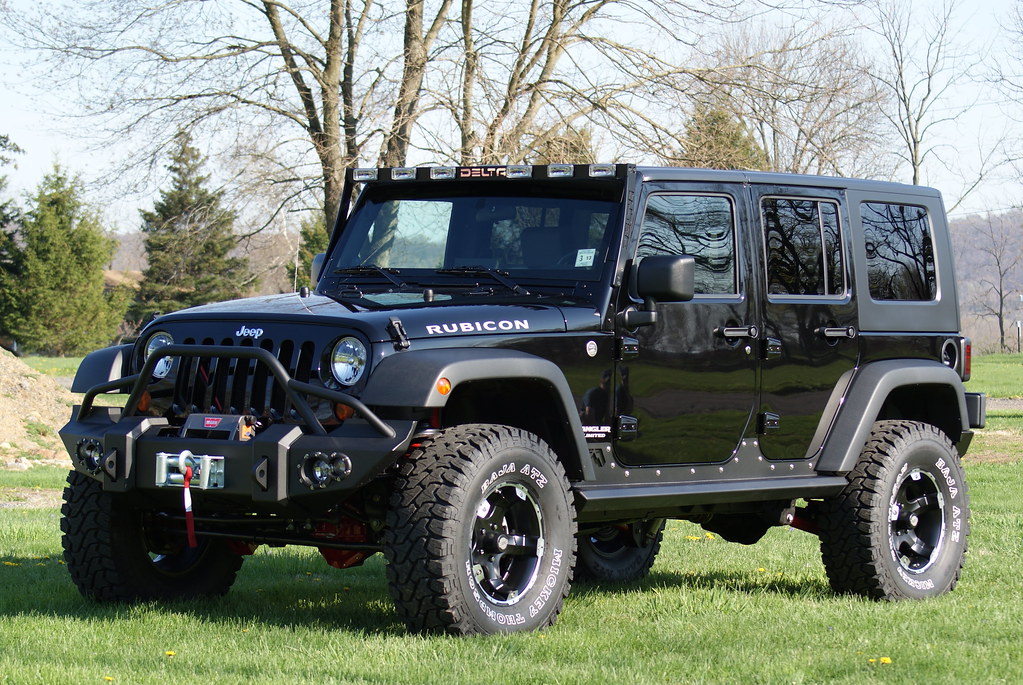
4. **Jeep: Just Empty Every Pocket? Owners Say Yes.**Jeep is a brand synonymous with freedom, exploration, and rugged individuality. Its iconic grille and distinctive styling evoke a spirit of adventure that few other automakers can match. Whether it’s the legendary Wrangler tackling trails or the more refined Grand Cherokee cruising highways, Jeep promises a vehicle built for anything. However, this image of go-anywhere capability often comes at a steep price, not just upfront, but throughout the entire ownership experience, leading many to question its true value.
One particularly memorable and cutting assessment from a car buyer perfectly encapsulates the frustration: Jeep stands for “Just empty every pocket.” This pithy acronym cuts straight to the core of the matter, highlighting the significant financial strain that often accompanies owning one of these seemingly adventurous vehicles. It implies that the purchase price is merely the entry fee to a continuous cycle of unexpected and costly expenditures, quickly deflating the joy of ownership.
The brand’s problems extend beyond mere maintenance costs. Owners have lodged numerous complaints about “integrated electronics issues,” which can be notoriously difficult and expensive to diagnose and repair. In an age where vehicles are increasingly reliant on complex digital systems, these failures can render core functionalities unreliable, from infotainment to critical safety features, eroding confidence in the vehicle’s modern capabilities.
Perhaps most alarming is the issue of a particular model being described as “death wobbly,” with drivers complaining that “it gets pretty challenging to control it in such a situation.” This isn’t just an inconvenience; it’s a serious safety concern that puts drivers and passengers at risk. Coupled with other reported woes like “leakage in the exhaust,” “blocked fuel injectors,” and general “electric malfunctions,” it paints a picture of a brand whose adventurous spirit can sometimes translate into a truly unreliable and, at times, dangerous proposition, making its revered status feel increasingly underserved.
Car Model Information: 2017 Jeep Wrangler Unlimited Sport
Name: Jeep Wrangler
Caption: Jeep Wrangler Unlimited, Sahara edition
Manufacturer: Jeep
Class: Compact SUV
Production: 1986–present
Predecessor: Jeep CJ
Layout: Front-engine, rear-wheel-drive layout,rear-wheel drive
Chassis: Body-on-frame
Related: AIL Storm
Categories: 1980s cars, 1990s cars, 2000s cars, 2010s cars, All-wheel-drive vehicles
Summary: The Jeep Wrangler is a series of compact and mid-size four-wheel drive off-road SUVs manufactured by Jeep since 1986, and currently in its fourth generation. The Wrangler JL, the most recent generation, was unveiled in late 2017 and is produced at Jeep’s Toledo Complex.
The Wrangler is a direct progression from the World War II Jeep, through the CJ (Civilian Jeeps) produced by Willys, Kaiser-Jeep, and American Motors Corporation (AMC) from the mid-1940s through the 1980s. Although neither AMC nor Chrysler (after it purchased AMC in 1987) have claimed that the Wrangler was a direct descendant of the original military model — both the CJ Jeeps and the conceptually consistent Wrangler, with their solid axles and open top, have been called the Jeep model as central to Jeep’s brand identity as the rear-engine 911 is to Porsche.
Similar to the Willys MB and the CJ Jeeps before it, all Wrangler models continue to use a separate body and frame, rigid live axles both front and rear, a tapering nose design with flared fenders, a fold-flat windshield, and can be driven without doors. Also, with few exceptions, they have part-time four-wheel drive systems, with the choice of high and low gearing, and standard open bodies with removable hard or soft tops. However, the Wrangler series was specifically redesigned to be safer and more comfortable on-road, to attract more daily drivers, by upgrading its suspension, drivetrain, and interior, compared to the CJ line. The suspension on all Wranglers included trackbars and anti-roll bars, and, from the 1997 TJ onwards, front and rear coil springs instead of the previous leaf springs.
From 2004 on, the Wrangler has been complemented with long-wheelbase versions, called Wrangler Unlimited. 2004-2006 models were longer versions with 2 doors. In 2004, only automatic transmission-equipped “Unlimited” versions were sold. In 2005, both an automatic and manual 6-speed (NSG-370) were offered. Since 2007, the long-wheelbase Wranglers were four-door models, offering over 20 in (508 mm) more room. By mid-2017, the four-door models represented three-quarters of all new Wranglers on the market.
Get more information about: Jeep Wrangler
Buying a high-performing used car >>>
Brand: Jeep Model: Wrangler
Price: $19,865 Mileage: 111,103 mi.
5. **Hyundai: The Affordable Option with a Catch**Hyundai, a South Korean giant, has worked hard to shed its budget-car image, now offering vehicles that boast modern design, impressive features, and often, an attractive price point comparable to its Japanese rivals. They even sweeten the deal with extended warranties, giving buyers a sense of security. But for many owners, this sense of security has been shattered by a lurking, pervasive problem: engine failure, turning an affordable purchase into a protracted battle for resolution.
One harrowing account highlights this perfectly: “My 2015 Sonata died on the side of the road with barely 115,000 miles on it.” This alone is concerning, but the situation spiraled further when the owner was denied a new engine. The reason? “Because I never got the software update that allowed them to monitor pings in my engine.” This reveals a startling flaw in communication and accountability, with the company sending a “recall notice on a third-class postcard that didn’t get forwarded to me five years after I left my last address.”
This specific incident is not isolated but indicative of a broader pattern of “engine failure complaints” that plague certain Hyundai models. Owners report that engines “keep ticking off,” which frequently leads to “increased oil consumption,” creating a vicious cycle of maintenance and worry. These aren’t minor annoyances; these are critical mechanical failures that render a vehicle unusable, transforming a supposedly value-driven purchase into a significant financial burden and a source of constant stress.
Beyond the engine issues, Hyundai vehicles have also been associated with other concerning reliability factors, including “seat belts issues,” “high fuel consumption” in some models, and “defects in the crash sensor.” While the initial price point and extended warranties may seem appealing, these documented and widespread problems, particularly the pervasive engine failures and the company’s handling of related recalls, firmly place Hyundai on the list of brands that are surprisingly overrated for their real-world dependability.
Read more about: Beyond the Hype: We Asked an Expert and Sifted Through Data to Find the 10 Car Brands You *Really* Need to Know for 2025!
6. **Mini: Big Headaches in a Small Package**The Mini Cooper, with its unmistakable retro charm, go-kart handling, and customizable options, has carved out a unique niche in the automotive world. It’s often seen as a fun, stylish, and agile urban companion. However, for many owners, the initial appeal of this compact icon quickly fades when faced with a litany of persistent and expensive problems, revealing a rather substantial mismatch between its premium feel and its actual day-to-day reliability.
One owner’s concise list of grievances paints a vivid picture: “Bad Air conditioner? Check. Expensive gas? Check. Expensive maintenance? Check. [Awful] navigation system? Definitely.” This isn’t just one or two isolated complaints; it’s a systematic unraveling of the ownership experience, where fundamental components and basic functionalities seem to be constantly underperforming or failing, chipping away at the car’s perceived value.
The critique further deepens with the observation that Mini ownership often feels like enduring “BMW maintenance at Volvo prices with crappy interior quality.” This is a particularly scathing assessment, suggesting that buyers are getting the worst of both worlds: the high service costs associated with a luxury German marque, combined with a build quality that doesn’t live up to the premium price point. The reported “poor build quality” is exacerbated by annoying issues like “squeaking sounds in winter” that mysteriously disappear in summer, hinting at structural or material weaknesses.
The reliability woes don’t stop there. Owners frequently report “clutch failures,” “leakage problems,” and “issues with the radiators,” which are costly and disruptive repairs for any vehicle, let alone one that prides itself on spirited driving. For all its charm and supposed driving dynamics, the Mini often demands a level of financial and emotional investment that simply isn’t justified by its consistent mechanical and quality control shortcomings, making its celebrated status feel decidedly overrated.
Car Model Information: 2013 MINI Coupe Cooper S
Sp: uk
Caption: 1959 Morris Mini-Minor (first one built)
Name: Mini
Aka: Austin 850,Rover Mini,Austin Cooper,Austin Mini,Austin Partner,Austin Seven,Innocenti Mini,Leyland Mini,Morris 850,Morris Mascot,Morris Mini Minor,Riley Elf,Wolseley 1000 (South Africa),Wolseley Hornet
Layout: Front-engine, front-wheel-drive layout
Manufacturer: British Motor Corporation,British Leyland,Rover Group
Production: 1959–2000 (5.38 million)
Class: City car
BodyStyle: sedan (car),convertible,Station wagon,sedan delivery,coupe utility
Engine: BMC A-series engine,Straight-four engine
Designer: Alec Issigonis,John Sheppard (car designer)
Transmission: 4-speed manual,AP automatic transmission,5-speed manual (optional extra on some later models)
Length: cvt,cvt,cvt
Width: cvt
Height: cvt
Weight: cvt
Wheelbase: cvt,cvt
Related: Mini Moke,Austin Metro,Innocenti Mini,Mini Wildgoose,Mini Marcos
Successor: Austin Metro,Mini Hatch
Assembly: Panmure, New Zealand
Categories: 1960s cars, 1970s cars, 1980s cars, 1990s cars, 2000s cars
Summary: The Mini is a very small two-door, four-seat car, produced for four decades over a single generation, with many names and variants, by the British Motor Corporation (BMC) and its successors British Leyland and the Rover Group, and finally (briefly) under BMW ownership. Minis were built as fastbacks, estates, convertibles, and various other body styles. Minus a brief 1990s hiatus, from 1959 into 2000, an estimated 5.38 million of all variations combined were built, and the Mini’s engines also powered another 2 million Mini Metros, though the Mini eventually outlasted its successor.
Initially, the Mini was marketed under the Austin and Morris names, as the Austin Seven and Morris Mini-Minor; the Austin Seven was renamed Austin Mini in 1962 and Mini became a marque in its own right in 1969. Retrospectively, the car is known as the “Classic Mini” to distinguish it from the modern MINI family of vehicles produced since 2001 by German carmaker BMW, who took ownership of the Mini name following the sale of Rover Group in 2000.
This distinctive two-door car was designed for BMC by Sir Alec Issigonis. Its space-saving transverse engine and front-wheel drive layout – allowing 80% of the area of the car’s floorpan to be used for passengers and luggage – influenced a generation of car makers. The front-wheel-drive, transverse-engine layout were used in many other “supermini” style car designs such as Honda N360 (1967), Nissan Cherry (1970), and Fiat 127 (1971). The layout was also adapted for larger subcompact designs. In 1999, the Mini was voted the second-most influential car of the 20th century, behind the Ford Model T, and ahead of the Citroën DS and Volkswagen Beetle. It is also considered an icon of 1960s British popular culture.
The Mini Mark I had three major UK updates: the Mark II, the Clubman, and the Mark III. Within these was a series of variations, including an estate car, a pick-up, a van, and the Mini Moke, a jeep-like buggy. The performance versions, the Mini Cooper and Cooper “S”, were successful as both race and rally cars, winning the Monte Carlo Rally in 1964, 1965, and 1967. The Mini was manufactured in England at the Longbridge plant in Birmingham located next to BMC’s headquarters and at the former Morris Motors plant at Cowley, as well as in Australia (Victoria Park/Zetland BMC Australia factory) and later also in Spain (Authi), Belgium, Italy (Innocenti, as the Innocenti Mini), Chile, Malta, Portugal, South Africa, Uruguay, Venezuela, and Yugoslavia (IMV). In 1980, British Leyland launched the Mini’s follow-up, the Austin Metro, however the Mini outlasted it and continued to be produced at Longbridge until October 2000.
Get more information about: Mini
Buying a high-performing used car >>>
Brand: Mini Model: Cooper
Price: $11,875 Mileage: 78,956 mi.
Read more about: Distress in Every Upgrade: 12 Luxury Cars Owners Would Happily Forget They Ever Owned
7. **Cadillac: A Fading Legacy of American Luxury**Cadillac once stood as the undisputed titan of American luxury, a brand synonymous with groundbreaking engineering, opulent comfort, and undeniable status. In its heyday, owning a Cadillac was a clear signal of success and discerning taste. However, for many modern owners, that glorious past seems like a distant memory. The consensus among numerous drivers is that today’s Cadillacs simply fail to deliver the reliability and quality expected of a premium brand, leading to profound disappointment and frustration.
As a former Cadillac owner lamented, “I loved my 98 Deville, but the new Cadillacs aren’t worth the money, especially for all the problems they have.” Another forum member added a stark historical perspective, stating, “Cadillac hasn’t made a decent car since the 1970s.” These aren’t just casual observations; they are potent criticisms that pinpoint a significant decline in quality and value, suggesting that the brand is resting heavily on a legacy it no longer truly embodies.
The issues plaguing contemporary Cadillacs are, according to frustrated consumers, “countless.” They span a wide spectrum, from fundamental “electric system problems” to pervasive “suspension defects,” indicating a systemic lapse in quality control and engineering integrity. When basic electrical systems fail, and a vehicle’s ride quality—a hallmark of luxury—is compromised, the core promise of the brand begins to crumble, leaving owners feeling shortchanged.
Furthermore, critical components like the engine and transmission are frequently cited sources of trouble, with reports of “engine issues” and “transmission failure” becoming all too common. These are not minor inconveniences; they are debilitating problems that lead to costly repairs and extended downtime, severely impacting the ownership experience. Even seemingly smaller details, like the “uncoated cue screen,” reflect a broader inattention to durability and the premium feel expected from a luxury vehicle, confirming that Cadillac’s once-unimpeachable reputation is now regrettably overrated.
Alright, hold onto your lug nuts, because if you thought the first seven brands we tore into were a wake-up call, you haven’t seen anything yet. We’re about to peel back the layers on eight more automotive titans whose reputations, much like a poorly maintained engine, are running on fumes. Get ready for more unfiltered truths, more tales of woe from the trenches of ownership, and even more reasons why some of the most celebrated names in the industry are actually the ones you should be driving *away* from.
Read more about: Beyond Nostalgia: 13 Legendary 1950s Cars Now Commanding Millions on the Collector Market
8. **BMW: The Ultimate Driving Machine… and Wallet Drainer**For decades, BMW has been lauded as ‘The Ultimate Driving Machine,’ a brand synonymous with precision engineering, exhilarating performance, and a certain undeniable prestige. The sleek lines, powerful engines, and luxurious interiors beckon many an enthusiast, promising a driving experience that few others can match. It’s an aspirational badge that screams success, competence, and a love for the open road.
However, beneath that glossy veneer and spirited performance often lies a financial black hole that can quickly turn driving pleasure into ownership agony. The dream of German engineering often clashes brutally with the reality of its upkeep. One particularly poignant complaint from an owner perfectly encapsulates this stark contrast, stating, “I spent more money maintaining a BMW for four years than in twenty years for my Honda. Honda all the way. BMW never again.”
This isn’t just a casual gripe; it’s a profound declaration of regret, highlighting an astronomical difference in long-term ownership costs. It speaks volumes about the relentless and often eye-watering expense involved in keeping a BMW on the road. For many, the initial thrill of the drive is eventually eclipsed by the constant drain on their finances, making every repair bill feel like a personal affront.
The sentiment suggests that for all its perceived performance and luxury, BMW ownership can quickly become a relentless exercise in paying up, questioning whether the ‘ultimate driving machine’ ultimately translates to the ‘ultimate maintenance bill.’ It’s a harsh dose of reality for a brand that, in the minds of many, remains frustratingly overrated for its real-world dependability.
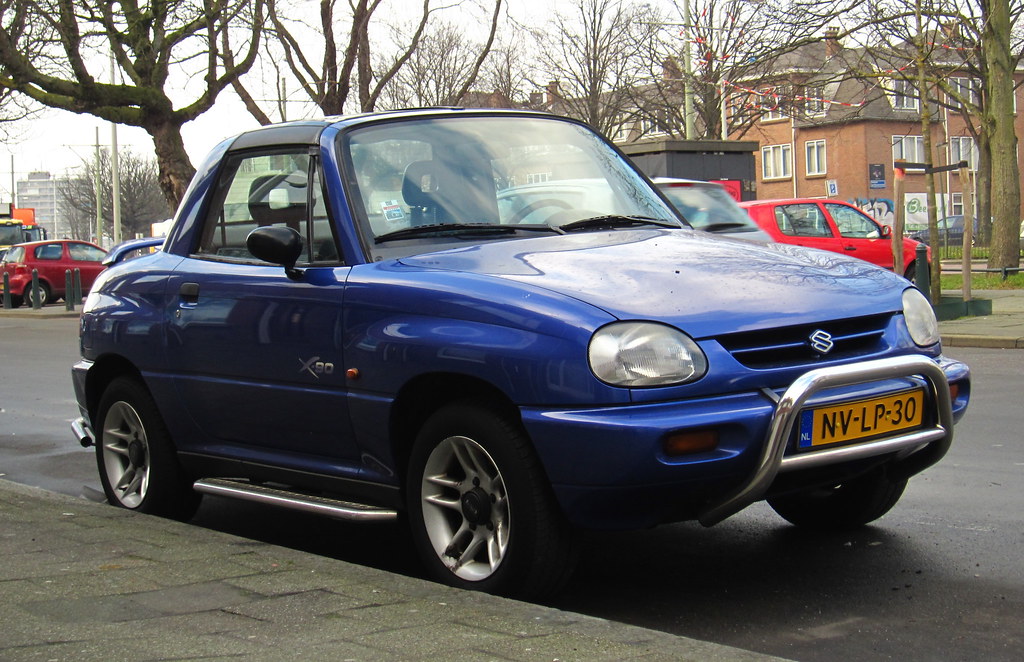
9. **Suzuki: A Budget Brand That Can’t Outrun Its Quality Issues**Suzuki, a brand often recognized for its budget-friendly vehicles, especially in certain global markets, has carved out a niche for offering affordable transportation. For many, it presents an accessible entry point into car ownership, promising practicality without breaking the bank. On the surface, it seems like a straightforward deal for the cost-conscious buyer, prioritizing utility over flash.
Yet, scratch beneath that budget-friendly surface, and you’ll often find a troubling undercurrent of quality compromises. The context explicitly notes Suzuki’s “terrible build quality,” a damning indictment for any vehicle, let alone one intended for daily use. This inherent flaw is further highlighted by its “poor performance in the crash test,” a critical safety concern that should immediately raise red flags for any potential owner.
Indeed, the stark reality is that the allure of a low price often comes with significant trade-offs, making “crappy build quality and inadequate safety features on such a low budget inevitable.” This isn’t just about minor inconveniences; it’s about fundamental aspects of vehicle integrity and occupant protection. Adding to these structural woes is the practical headache of “difficult to find spare parts (especially in the US and Europe),” which turns even routine repairs into a frustrating scavenger hunt.
When you factor in the “mundane and boring design” that offers little to inspire, it becomes clear that Suzuki’s budget appeal doesn’t outweigh its considerable drawbacks. The brand’s consistent shortcomings in build quality, safety, and parts availability firmly place it in the overrated category, proving that a cheap initial outlay can quickly lead to a much more expensive and worrisome long-term ownership experience.

10. **Volkswagen: The “People’s Car” with Pricey Secrets**Volkswagen, famously dubbed the “People’s Car,” carries a global reputation for German engineering prowess and a long history of producing vehicles that are often seen as benchmarks for quality and design. It’s a name that might surprise many to find on a list of overrated brands, given its widespread appeal and perceived reliability. The promise of a refined, European driving experience at a somewhat more accessible price point has consistently drawn buyers in.
However, a closer look, particularly through the eyes of disgruntled owners, reveals a significant disconnect between this sterling reputation and the everyday reality of ownership. Many users have openly expressed their dissatisfaction, reporting “unreliable cars” and speculating that the company “might be cutting costs to provide a somewhat less expensive ‘luxury sports experience’.” This cost-cutting, if true, comes at the direct expense of long-term dependability.
The problems aren’t just vague gripes; they manifest as serious functional failures. Owners have reported issues such as “Airbag malfunctioning,” a critical safety flaw that no driver should have to contend with. Compounding this, “Oil leakage in some models” and pervasive “Suspension concerns” point to deeper mechanical and structural issues that erode confidence in the brand’s engineering integrity. These are not minor glitches; they are fundamental problems affecting safety, performance, and the longevity of the vehicle.
While Volkswagen’s design language and initial driving dynamics might be commendable, the persistent and significant reliability issues undermine its claim to “top-quality vehicles.” For many, the perceived value of a Volkswagen fades rapidly when faced with costly repairs and safety concerns, marking it as a brand whose reputation for enduring quality is, unfortunately, often greatly exaggerated.
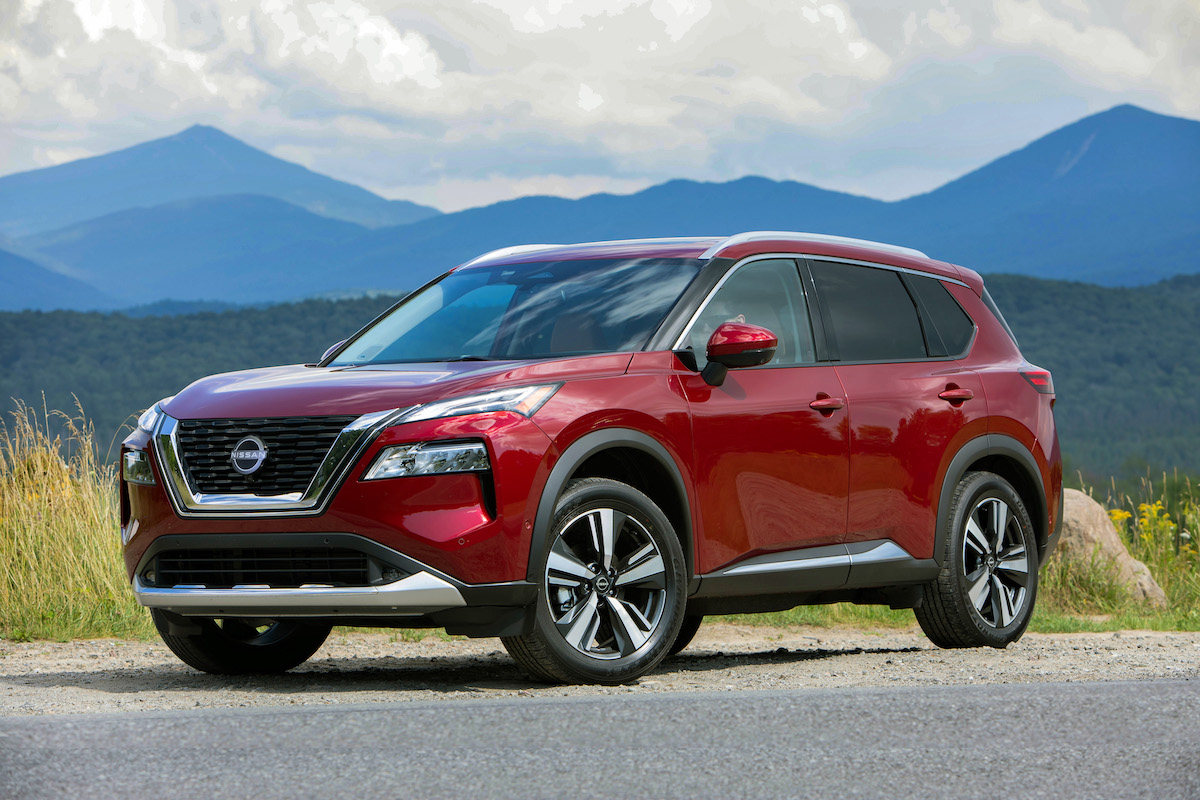
11. **Nissan: CVT Nightmares and Sensor Shenanigans**Nissan stands as a formidable force in the global automotive landscape, recognized as the “world’s largest electric manufacturer” and boasting an array of “top-selling cars” that seemingly cater to every segment. From fuel-efficient commuters to more rugged trucks, Nissan’s broad appeal and innovative efforts, particularly in the EV space, position it as a modern, forward-thinking brand.
Yet, despite its widespread presence and notable achievements, a significant Achilles’ heel plagues many of its models: pervasive unreliability. Owners frequently complain about fundamental operational flaws, citing “malfunctioning sensors, non-responsive push-button ignitions,” and, perhaps most infamously, persistent “complaints about the CVT.” Nissan’s reliance on Continuously Variable Transmissions has become a well-documented source of frustration, often leading to jerky acceleration, reduced power, and ultimately, expensive failures.
Adding insult to injury, the financial burden of owning a Nissan often extends beyond just the repair shop. “The annual maintenance of Nissan might be a little expensive as the ownership costs are above average,” cutting into the perceived value proposition that might have initially attracted buyers. This means not only are you dealing with potential breakdowns, but the routine upkeep also costs more than expected.
Further compounding these issues are other critical flaws mentioned in the context, including “Oil leakage in some models,” worrisome “Rusty bodywork” that compromises structural integrity and aesthetics, and “Problems with the AEB system.” These issues collectively paint a picture of a brand that, despite its innovative image and popular models, often delivers an ownership experience fraught with mechanical headaches and unexpected costs, making its celebrated status surprisingly overrated.
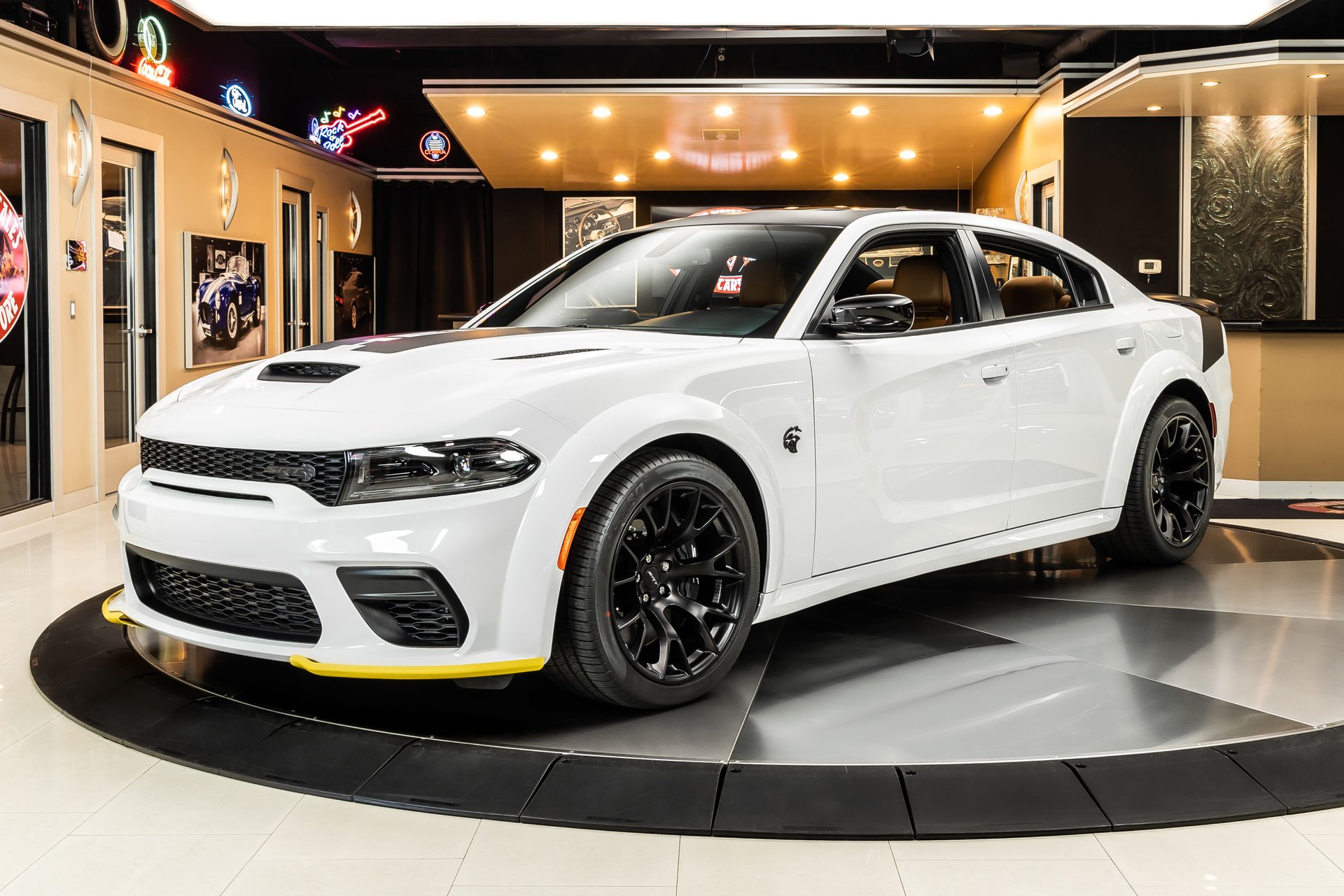
12. **Dodge: Muscle Car Dreams, Reliability Reality Check**Dodge, one of America’s oldest and most recognizable automakers, has long been synonymous with raw power, aggressive styling, and a bold, unapologetic attitude. From its iconic muscle cars to its robust work trucks, the brand has cultivated an image of toughness and performance that resonates deeply with a certain segment of drivers. The sheer thrill of a Dodge engine’s roar is, for many, an irresistible draw.
However, beneath the exciting facade of high-horsepower engines and muscular aesthetics, a troubling reality often emerges. According to numerous owners and reliability data, Dodge cars are unfortunately “among the worst cars regarding reliability.” This isn’t just about minor annoyances; it’s about fundamental issues that impact the driving experience and the longevity of the vehicle.
Owners have consistently highlighted significant mechanical and structural weaknesses. Common complaints include “fragile dashboards,” which can prematurely degrade the interior quality, and “low mileage engines,” suggesting a lack of efficiency or underlying performance issues. More critically, reports of “lifters failing” point to serious internal engine problems that can lead to costly and debilitating repairs, turning a powerful machine into a pricey paperweight.
The list of mechanical woes for Dodge continues with “Exhaust failures” and “Coolant leaks,” both of which are not only inconvenient but can also lead to more severe damage if left unaddressed. These persistent and often expensive problems cast a long shadow over Dodge’s reputation for rugged American engineering. For many, the brand’s promise of uncompromising performance is ultimately undermined by its equally uncompromising tendency for breakdowns, making it a brand whose powerful image is unfortunately overrated.

13. **Ford: The Blue Oval’s Blurry Reliability Record**Ford, a true titan of American industry, carries a legacy almost as long as the automotive industry itself. It’s a brand steeped in tradition, known for everything from its “high-horsepower muscle cars” to its ubiquitous F-Series trucks. With “fantastic infotainment technology and better fuel economy” in many of its newer offerings, Ford often projects an image of solid, dependable American engineering.
Yet, for a significant number of owners, the reality of Ford ownership can be a frustrating departure from this storied reputation. The brand has garnered a “poor reliability rating,” with one exasperated owner’s experience speaking volumes: “We bought a Mustang, and we took it back to the dealer at LEAST 15 times.” Such a repeated cycle of repairs isn’t just an inconvenience; it’s a profound statement on chronic issues and a massive drain on an owner’s time and patience.
The issues plaguing Ford vehicles are diverse and widespread, extending beyond mere glitches. Common complaints include persistent “oil leakage and AC and ventilation problems,” undermining both the vehicle’s integrity and driver comfort. Additionally, some owners have reported that “the exhaust produces terrible sounds,” hinting at underlying mechanical faults. Further compounding these problems are documented “Issues in the ignition system” and “Spark plug failure,” which can lead to critical breakdowns and expensive repairs.
Coupled with the fact that “the annual maintenance of Ford is also above average,” the picture emerges of a brand that, despite its deep roots in American culture and moments of innovation, often fails to deliver the consistent reliability and hassle-free ownership experience that its reputation suggests. For many, Ford’s blue oval badge has become regrettably overrated, representing more headaches than dependable daily driving.
Car Model Information: 2023 Ford F-150 XLT
Name: Ford F-Series
Caption: 2022 Ford F-150 Lariat Luxury
Manufacturer: Ford Motor Company
Aka: Ford Lobo (Mexico, 1992–present)
Production: 1948–present
Class: Pickup truck#Full-size pickup truck
Layout: Front-engine, rear-wheel-drive layout,rear-wheel drive
Predecessor: 1941 Ford
Categories: All-wheel-drive vehicles, All Wikipedia articles written in American English, All articles that may contain original research, All articles with unsourced statements, Articles that may contain original research from September 2020
Summary: The Ford F-Series is a series of light-duty trucks marketed and manufactured by the Ford Motor Company since model year 1948 as a range of full-sized pickup trucks — positioned between Ford’s Ranger and Super Duty pickup trucks. Alongside the F-150 (introduced in 1975), the F-Series also includes the Super Duty series (introduced in 1999), which includes the heavier-duty F-250 through F-450 pickups, F-450/F-550 chassis cabs, and F-600/F-650/F-750 Class 6–8 commercial trucks.
Get more information about: Ford F-Series
Buying a high-performing used car >>>
Brand: Ford Model: F-Series
Price: $42,920 Mileage: 11,072 mi.
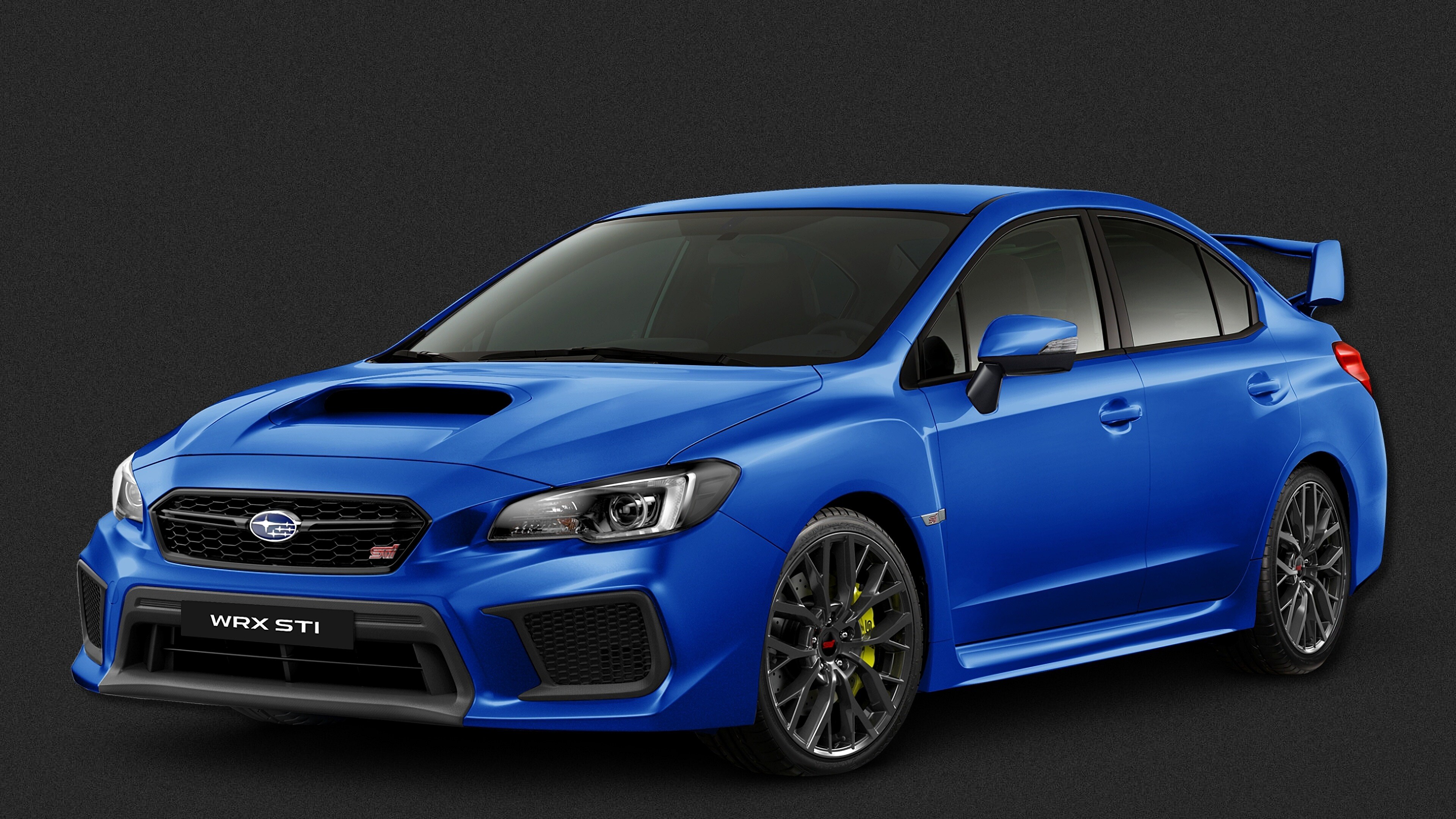
14. **Subaru: Boxer Engines and Budget-Busting Repairs**Subaru has cultivated a distinctive identity in the automotive world, revered for its “exceptional combination of boxer engines and all-wheel drive.” This unique engineering philosophy, coupled with a reputation for safety and outdoor capability, has garnered a loyal following, particularly among those living in colder climates or seeking adventure off the beaten path. For many, a Subaru represents a sensible, durable, and capable choice.
However, even a brand with such a dedicated fan base isn’t immune to significant reliability woes, and for Subaru, “its reliability score has dropped” in recent years. A primary point of contention, highlighted by numerous consumers, revolves around its signature engines. “Almost every model of Subaru is said to have gasket problems,” a notorious and often costly issue that undermines the perceived durability of their unique boxer design.
The engine troubles don’t stop there. Owners have also noted that “Subaru engines are also noticed to be pretty noisy,” which, while perhaps not a critical failure, certainly detracts from the driving experience and suggests underlying mechanical stress. Compounding these mechanical headaches, “a few people said that some Subaru models had a very high repair cost,” turning what seemed like a practical purchase into a significant financial drain.
Beyond the engine, other specific issues contribute to Subaru’s overrated status, including documented “Fuel pump failure” and concerning “Defects in the brake light switch.” These problems, ranging from fundamental engine integrity to critical safety components, illustrate that despite its unique engineering and adventurous spirit, Subaru often demands a level of financial and emotional investment that simply isn’t justified by its inconsistent long-term reliability.
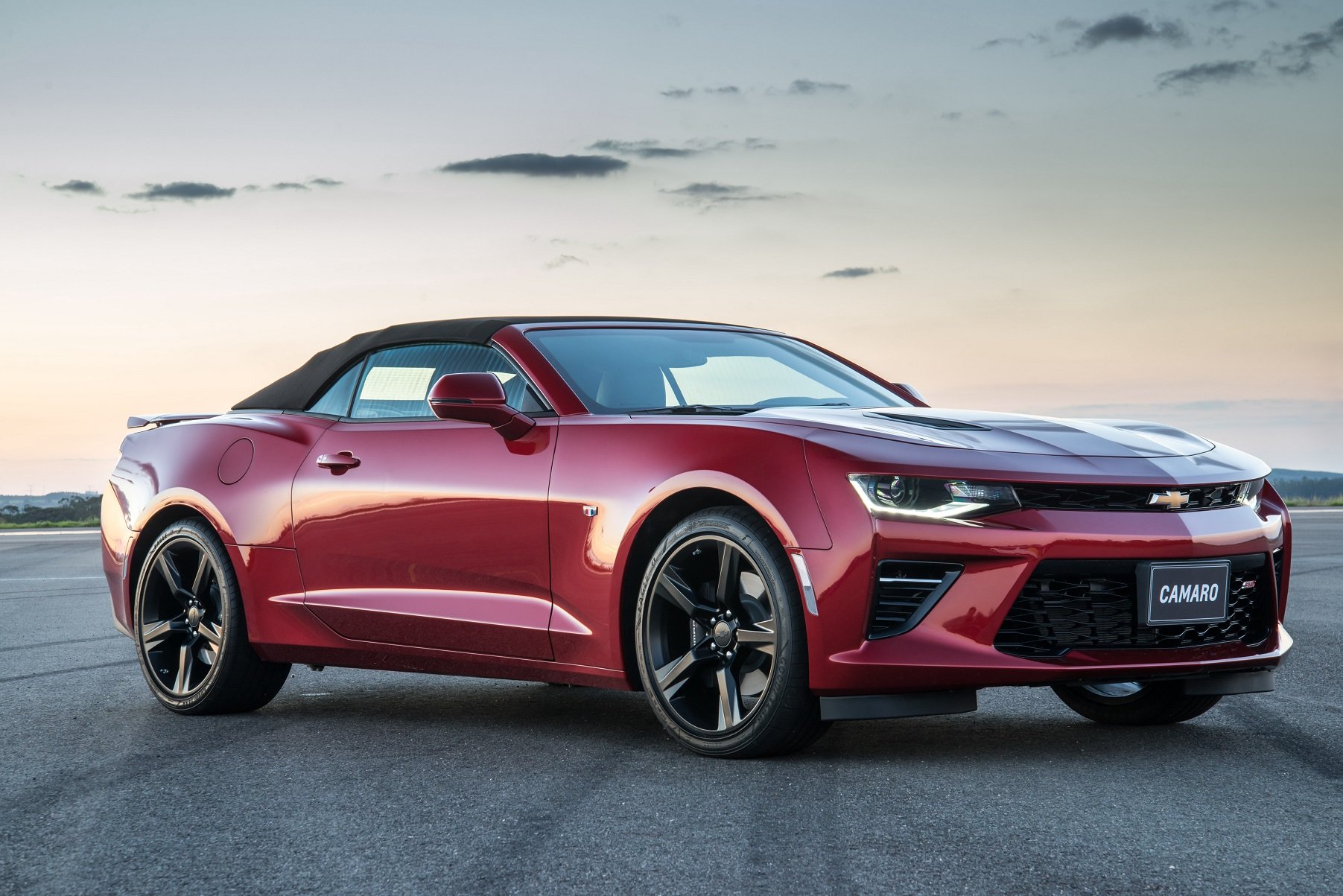
15. **Chevrolet: From American Icon to Mechanical Mystery**Chevrolet, a cornerstone of American automotive history, is widely celebrated for producing a vast array of “reliable and affordable vehicles.” From the rugged might of its trucks to the practicality of its subcompact cars, Chevy’s widespread appeal and deep-seated presence in American garages often lead to an expectation of dependable, no-nonsense motoring. It’s a brand that many grew up with, believing in its solid construction and straightforward engineering.
Yet, this perception of unwavering reliability has been significantly challenged by real-world data and owner experiences. Reports indicate that “based on the 2019 ranking, Chevrolet Chevy was among the smallest reliable car-producing companies.” This isn’t just a minor slip; it’s a stark revelation that the brand’s quality control has, at times, fallen far short of expectations. Owners frequently grapple with a host of issues, including general “mechanical issues, electric systems malfunctioning, and EVAP issues.”
Perhaps most alarming are the serious safety concerns that have plagued certain models. The context highlights a disturbing incident where “One Chevy model caused a lot of injuries and accidents… because the rear wheels locked when the brakes were applied suddenly.” This is a catastrophic failure that directly jeopardizes driver and passenger safety, shattering any trust in the vehicle’s fundamental design. Further compounding these issues are “Pass lock failure” and “Problems with the fuel level sensor,” which can lead to frustrating breakdowns and unreliable performance.
Ultimately, while Chevrolet continues to hold a revered place in American car culture, the undeniable pattern of mechanical and electrical failures, coupled with critical safety incidents, casts a long shadow over its reputation. For many, the reality of owning a Chevrolet falls significantly short of the brand’s iconic image, proving that its once-unquestionable dependability is now, regrettably, profoundly overrated.
So, there you have it, folks – another eight brands that, despite their marketing prowess or storied histories, simply don’t deliver on the promises they make. We’ve navigated the tricky waters of luxury disappointments, budget blunders, and mechanical nightmares, all to give you the unvarnished truth about where your hard-earned money should – and shouldn’t – go. The automotive world is full of choices, but sometimes, the most popular paths lead to the most frustration. Our advice? Do your homework, listen to the real drivers, and remember: an overrated car is just a mechanic’s next pay raise waiting to happen. Drive smart, not just shiny.