The allure of celebrity wellness routines is undeniable, a glittering mirage promising peak health, glowing skin, and boundless energy. Every scroll through social media or flick through a magazine presents a curated vision of perfection, with A-listers sharing their intricate morning rituals and meticulously planned diets. It’s easy to fall into the trap of believing these elaborate regimens are the secret sauce to their seemingly flawless existence, a blueprint for us mere mortals to follow.
Yet, behind the perfectly filtered posts and glossy magazine spreads often lies a stark reality: many of these so-called ‘secrets’ are either wildly unrealistic, financially inaccessible, or, in some cases, outright dangerous. Experts are increasingly vocal about the chasm between celebrity wellness and practical, sustainable health for the average person. The truth is, what works for someone with a personal chef, trainer, and unlimited resources likely won’t, and shouldn’t, be a model for the rest of us.
In this in-depth look, we pull back the curtain on 15 celebrity morning routines and diet choices that, while captivating, represent more of an illusion than a pathway to genuine well-being. From multi-step detoxes to brutal physical transformations for film roles, we’re here to debunk the myths and reveal the often-unspoken truths that make these star-studded habits far from ideal for daily life.

1. **Bella Hadid’s ‘Detox’ Morning – When Self-Care Becomes an Illusion**Bella Hadid’s elaborate morning routine, shared on TikTok, captured significant attention, but not always for the right reasons. Her ritual, which reportedly includes a handful of pills, various tinctures, green juice, and sea moss gel alongside other ‘detox’ beverages, paints a picture of intense dedication to wellness. On the surface, it appears to be the epitome of proactive health management, suggesting a pathway to optimal vitality through a complex series of ingestibles and elixirs.
However, experts like registered dietitian nutritionist Laura Ligos quickly raised concerns. Ligos told CBS News, “This morning routine is not realistic for most women and is just unnecessary for health. If it’s what works for her, great, but it’s likely not what most people need to start their day.” The sheer number of products and the time commitment involved in such a routine immediately set it apart from what is achievable for the vast majority of people with jobs, families, and limited disposable income. It creates an aspirational yet ultimately unattainable standard.
Moreover, Ligos pointed out a fundamental omission in the routine: “Also, where’s the actual food for breakfast?” This highlights a critical flaw in many celebrity ‘detox’ approaches, where an emphasis on supplements and juices overshadows the importance of whole, nourishing foods. A true healthy start to the day should prioritize a balanced, protein-packed breakfast that fuels the body, rather than relying solely on a cocktail of specialized beverages that may offer minimal proven benefits.
The broader message here is that while celebrities can afford to experiment with every new wellness trend, their routines are not necessarily a benchmark for everyone’s health. “So often they are unrealistic,” Ligos emphasized, urging a more grounded approach. The illusion of a perfect, pill-and-potion-fueled morning can distract from the simple, foundational steps that truly contribute to well-being, suggesting a complex solution where a simpler one would suffice.
This isn’t to diminish Bella Hadid’s personal choices, but rather to question the narrative that such an intricate and specialized morning is a prerequisite for health or a model for the general public. It’s a prime example of how celebrity-endorsed ‘wellness’ can create an illusion of necessity, pushing consumers towards products and practices that are neither required nor sustainable for average individuals seeking genuine health improvements.
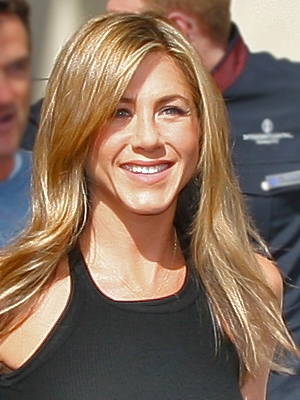
2. **Jennifer Aniston’s 4:30 AM Call – The Unattainable Ideal of the Early Bird**Jennifer Aniston, a perennial icon of health and vitality, has often shared glimpses into her morning routine. According to an interview with Well+Good, on workdays, she rises at a startling 4:30 a.m. Her routine is a structured blend of health-conscious activities: a cup of hot water with lemon, a dedicated skincare regimen, meditation, a smoothie, and a workout. It sounds disciplined, focused, and undeniably productive, painting a picture of a celebrity who masters her day before most people even hit snooze.
For many, the idea of waking up at 4:30 a.m. immediately presents a formidable barrier. While early rising is often touted as a cornerstone of success, Aniston’s schedule underscores the vast difference in lifestyles. A-listers often have the luxury of flexible work schedules (even if intense), personal assistants, and the financial means to support such a rigorous routine without the added stressors of a typical 9-to-5 job or family commitments. The practicality of a 4:30 a.m. start for someone juggling a demanding career, childcare, and household duties is often non-existent.
Furthermore, while elements like hydration, skincare, meditation, and exercise are undeniably beneficial, the cumulative demand of fitting them all into the pre-dawn hours can lead to burnout rather than wellness for most individuals. Amanda Holtzer, a registered dietician, reiterated this sentiment when discussing similar celebrity routines: “Again, this all sounds great. But is this realistic for everyone? No. Is it necessary for everyone? Also no.” The pressure to conform to such an early, multi-faceted routine can become another source of stress, rather than a calming start to the day.
The implicit ‘lie’ here is that this level of extreme morning discipline is both achievable and essential for optimal health and success. While commendable for Aniston and others who can maintain it, presenting it as a universal ideal can be misleading. It overlooks the diverse needs, responsibilities, and biological rhythms of individuals, suggesting that anything less is somehow inadequate. The true value lies not in the exact hour of waking, but in creating a consistent routine that genuinely supports one’s own well-being and life demands.
Ultimately, Aniston’s routine, while inspiring in its dedication, highlights how celebrity habits can inadvertently set an impossible standard. It encourages a focus on replicating specific times and activities rather than understanding the underlying principles of self-care and adapting them to one’s own unique circumstances. The real takeaway should be personal intentionality, not strict adherence to a star’s clock-in time.
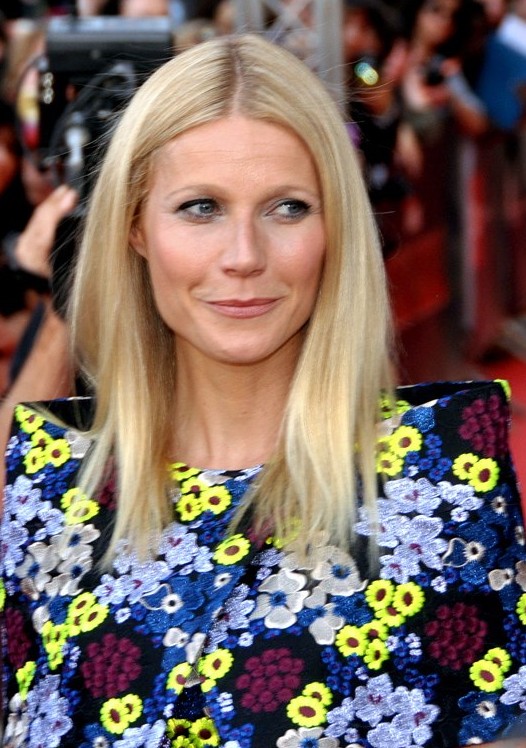
3. **Gwyneth Paltrow’s Ritualistic Start – The ‘Necessary’ Steps Most Don’t Need**Gwyneth Paltrow, through her brand Goop, has become synonymous with aspirational, often elaborate, wellness practices. Her reported morning routine, detailed by Vogue, includes tongue scraping, oil pulling, 20 minutes of transcendental meditation, a workout, dry brushing, and celery juice. This comprehensive regimen appears to leave no stone unturned in the pursuit of holistic health, promising a detoxified, energized, and spiritually aligned start to the day. It embodies a philosophy where more steps equate to more wellness.
However, the sheer length and specific nature of this routine immediately raise questions about its accessibility and necessity for the general public. While individual components like meditation and exercise are widely recognized as beneficial, the combination of multiple niche practices can be overwhelming and costly. Each step often involves dedicated tools, specific products, and a significant time investment, making it far removed from what most individuals can realistically incorporate into their busy mornings.
Amanda Holtzer’s expert opinion echoes this sentiment perfectly: “Again, this all sounds great. But is this realistic for everyone? No. Is it necessary for everyone? Also no.” This statement cuts through the glamorous facade, reminding us that celebrity-endorsed rituals, however well-intentioned, are often tailored to a lifestyle of abundant resources and time. The assumption that such a multi-layered approach is ‘necessary’ for optimal health is a pervasive ‘lie’ that can lead to feelings of inadequacy or financial strain for those trying to emulate it.
Many of these practices, while having some proponents, lack robust scientific backing for their profound ‘detox’ claims, particularly when presented as essential daily rituals. The emphasis on specific, often trending, ingredients like celery juice, or practices like oil pulling, can overshadow the fundamental building blocks of health: consistent sleep, balanced nutrition, regular movement, and stress management, all within an individual’s realistic capacity. These core elements don’t require expensive gadgets or obscure ingredients.
In essence, Paltrow’s routine, while a testament to her personal commitment to wellness, exemplifies the ‘lie’ that complex, multi-step, and often niche practices are universally essential for well-being. It inadvertently sets an expectation that to be truly healthy, one must invest heavily in time and resources, when in reality, simpler, more accessible habits often yield significant health benefits. The true takeaway should be to identify a few accessible steps that genuinely contribute to one’s personal health, rather than aiming for an exhaustive, expert-curated perfection.
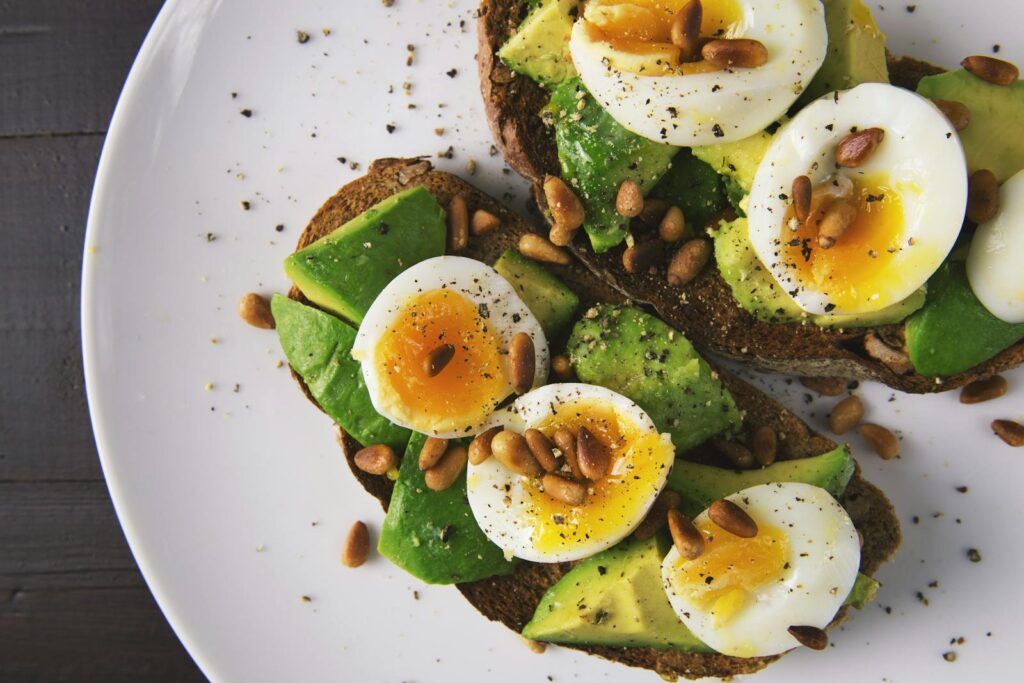
4. **The Myth of ‘Perfection’ in Morning Routines – Why Experts Say ‘Don’t Compare’**The previous examples of Bella Hadid, Jennifer Aniston, and Gwyneth Paltrow showcase the pinnacle of celebrity morning rituals—structured, often elaborate, and seemingly flawless. These routines, frequently shared across social media and interviews, inadvertently propagate a powerful ‘lie’: the idea that there exists a ‘perfect’ morning routine, and that achieving peak health and productivity requires meticulous adherence to every single step. This illusion of perfection can be detrimental, fostering a sense of inadequacy among those who cannot (or should not) replicate such demanding schedules.
Experts are quick to dismantle this myth. Laura Ligos, a registered dietitian nutritionist, strongly advises against comparison, stating, “I hope no one compares themselves to (a) celebrity who has a lot more resources and disposable income.” This blunt assessment highlights the inherent inequality in the pursuit of ‘perfect’ wellness. Celebrities operate with a vast support system—personal chefs, trainers, housekeepers, and flexible schedules—that simply isn’t available to the average person. Their ability to dedicate hours to self-care is a luxury, not a universal standard.
Amanda Holtzer reinforces this perspective, emphasizing that “Perfection is nonexistent, and a ‘perfect’ morning routine should not be the goal.” This powerful statement liberates individuals from the pressure to achieve an unachievable ideal. Life is unpredictable, and striving for an unblemished routine every single day is not only unrealistic but also counterproductive to mental well-being. Some days a workout might be skipped, or meditation forgotten, and that, Holtzer reassures us, is “OK!”
The true value of a morning routine lies in its adaptability and personal relevance, not its adherence to a celebrity template. Instead of chasing an externally imposed ideal, individuals should focus on what they want to gain from their morning and how much time they realistically have. Holtzer recommends asking oneself: “How much time do I have in the morning to dedicate to myself? What responsibilities do I absolutely have to check off my list each morning?” This introspective approach moves beyond the ‘lie’ of perfection towards practical, sustainable habits.
Ultimately, the ‘lie’ of the perfect morning routine is a dangerous one because it sets an unattainable benchmark. It encourages a focus on external validation and comparison rather than internal self-assessment and realistic goal-setting. Embracing imperfection and prioritizing consistent, achievable steps tailored to one’s own life is the true path to a healthy and positive start, far removed from the glossy, often deceptive, images of celebrity perfection.

5. **Zac Efron’s ‘Baywatch’ Body – The Brutal Truth Behind Extreme Transformation**When Zac Efron appeared in “Baywatch” in 2017, his physique was nothing short of astonishing. His shredded, hyper-muscular body became an instant benchmark for male fitness, inspiring countless memes and gym aspirations. On the surface, it projected an image of peak human form, a seemingly attainable goal through intense dedication. However, Efron himself has been brutally honest about the extreme and unsustainable regimen required to achieve that look, revealing the underlying ‘lie’ that such a body is a healthy, long-term state.
The context explicitly lists Zac Efron’s “Baywatch” transformation as one of the instances where actors “got brutally honest about their wild diet and exercise regimens for movies, and it’s making my insides hurt.” This immediately signals that the process was far from a pleasant or healthy journey. The public often sees only the dazzling final product on screen or in promotional shots, unaware of the immense sacrifices and potential health risks involved in such a rapid and dramatic body alteration.
Actors undergoing such transformations often adhere to incredibly restrictive diets and punishing workout schedules for a relatively short period, solely for the demands of a role. This is not a sustainable lifestyle; it’s a temporary, extreme measure. The body is pushed to its absolute limits, often operating in a state of deprivation and intense stress. The ‘lie’ is perpetuated when audiences assume that this peak physical condition is a reflection of ongoing, healthy habits that anyone can replicate long-term.
These regimens are typically undertaken with the guidance of professionals to mitigate the dangers, but even then, they are described as “miserable and inadvisable.” Efron’s experience serves as a stark reminder that the glamorous results seen on screen are often the outcome of processes that are physically and psychologically taxing, designed for a specific artistic purpose rather than overall well-being. It’s a performance, not a prescription for health.
Understanding the brutal truth behind these transformations is crucial to debunking the ‘lie’ that such extreme physiques are a natural or easily maintainable state. It encourages a shift from chasing an idealized, temporary body image to focusing on sustainable health and fitness goals that prioritize well-being over fleeting aesthetics. Zac Efron’s candor helps dismantle the illusion, revealing the very real cost of Hollywood’s physical demands.
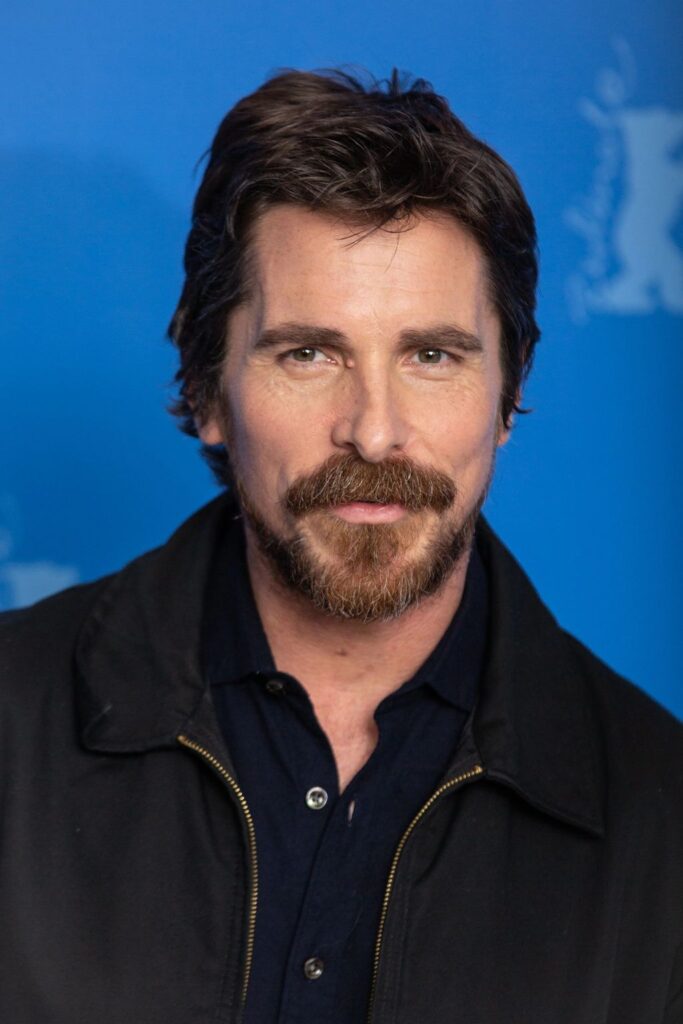
6. **Christian Bale’s ‘The Machinist’ – A Dangerous Plunge into Starvation**Christian Bale is renowned for his method acting and extreme physical transformations, but none are perhaps as shocking or cautionary as his portrayal of Trevor Reznik in “The Machinist” (2004). For this role, Bale famously shed an alarming amount of weight, reducing his frame to a skeletal state that left audiences stunned. This transformation stands as a chilling testament to the lengths actors will go, but it also exposes a profound ‘lie’ about the nature of such changes: that they are merely an impressive feat of discipline rather than a dangerous flirtation with bodily harm.
The context directly references Bale’s transformation for “The Machinist” as an example of actors detailing “their strict regimens — more often than not, with the intention of emphasizing how truly miserable and inadvisable it is.” This explicit warning underscores the critical message: what appears as extraordinary dedication on screen is often a severely unhealthy process in reality. Bale’s diet, reportedly consisting of just black coffee, an apple, and a can of tuna per day, pushed his body to the brink of starvation, resulting in severe health risks.
The ‘lie’ here is the romanticization of such extreme weight loss. While the artistic output is undeniably powerful, the human cost is immense. The process is not about ‘dieting’ in a healthy sense; it is about medical supervision to prevent collapse, and a stark reminder that the body’s natural limits are being dangerously tested. Such rapid and severe calorie restriction can lead to muscle wasting, organ damage, electrolyte imbalances, and severe psychological distress. The actor himself acknowledged the profound misery.
This level of deprivation goes far beyond any recommended health guideline, existing purely within the realm of artistic sacrifice. It serves as a stark contrast to any sustainable diet or wellness routine. The average person attempting such a regimen without medical oversight would face immediate and severe health consequences, highlighting why these celebrity examples should never be replicated. The context explicitly warns, “extreme dieting can be incredibly dangerous.”
Christian Bale’s commitment to his craft is legendary, but his “The Machinist” transformation is a harrowing reminder that the ‘lies’ told by extreme cinematic body changes are not just about physical appearance, but about the dangerous and unsustainable methods used to achieve them. It’s a powerful illustration of the difference between temporary, performance-driven body alteration and genuine, long-term health and well-being.
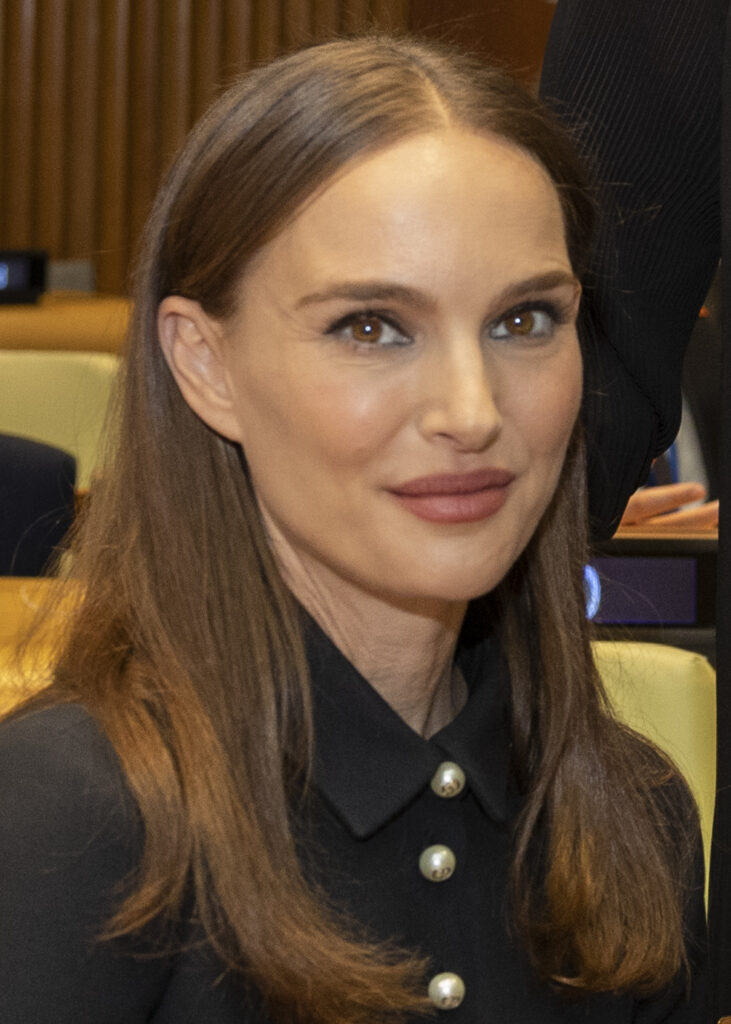
7. **Natalie Portman’s ‘Black Swan’ Rigors – When Art Demands Devastating Sacrifices**Natalie Portman’s Oscar-winning performance in “Black Swan” (2010) was lauded for its intensity and the physical transformation she underwent to portray a ballerina on the verge of a psychological breakdown. Her emaciated frame and intense training schedule were integral to her portrayal, but behind the critical acclaim lies another ‘lie’: the public perception that such a drastic body is simply the result of dedicated dance training, rather than a conscious and potentially harmful regimen designed for a specific artistic vision.
The context includes Natalie Portman in the list of actors who “got brutally honest about their wild diet and exercise regimens for movies, and it’s making my insides hurt.” This immediately flags her experience as one of extreme and potentially distressing measures. For “Black Swan,” Portman reportedly lost 20 pounds, existing on a diet that consisted primarily of carrots and almonds, alongside grueling 16-hour-a-day ballet training sessions. This level of caloric restriction and physical exertion is far beyond what is considered healthy or sustainable.
This situation exposes the ‘lie’ that the highly specific, often underweight, aesthetic demanded by certain artistic roles is achievable through normal, healthy means. It suggests that if one trains hard enough, a body like that will naturally emerge, when in fact, it requires deliberate, and often unhealthy, deprivation. The portrayal of a fragile, almost ethereal dancer often necessitates a body type that is not naturally maintained by most individuals, requiring extreme measures to achieve temporarily.
Such a regimen carries significant health risks, including nutrient deficiencies, hormonal imbalances, weakened immune function, and severe psychological stress. The pursuit of an ‘ideal’ body for a role, especially one that deviates so significantly from a healthy weight range, is a form of temporary self-punishment for the sake of art. It is a testament to an actor’s dedication but also a stark warning about the dangers of pushing the body to such limits.
Natalie Portman’s honesty about her “Black Swan” experience is crucial in debunking the illusion. It reveals that the physical outcome, while compelling on screen, was achieved through methods that were far from a model of healthy living. This challenges the ‘lie’ that extreme thinness is necessarily a sign of health or a readily attainable goal, emphasizing that artistic demands can lead to sacrifices that are detrimental to an individual’s well-being.

8. **Mila Kunis’s ‘Black Swan’ – The Collective Pressure for an ‘Ideal’ Physique**The demanding nature of “Black Swan” wasn’t exclusive to Natalie Portman; her co-star, Mila Kunis, also embarked on a notable weight loss journey to embody her role as a ballerina. The context highlights Kunis’s inclusion among actors who “got brutally honest about their wild diet and exercise regimens for movies.” This shared experience vividly illustrates the collective pressure within Hollywood to achieve an ‘ideal’ physique for a role, even when such a body type is physically unsustainable or unhealthy.
When multiple actors in the same production are expected to reach similar extreme physical states, it normalizes an approach to dieting and exercise that can be detrimental to general health. This creates a challenging environment, potentially amplifying the physical and psychological toll on individuals. The “lie” here is that this kind of uniform, often emaciated, aesthetic is a natural outcome of dedicated training, rather than a forced, temporary condition achieved through severe caloric restriction and intense exertion for a specific artistic purpose.
Mila Kunis’s involvement in this intense process underscores how industry standards can drive unhealthy body transformations. These experiences reveal that on-screen “perfection” frequently comes at a significant personal cost. Such candor helps demystify the glamour, exposing the grueling realities behind cinematic body changes and urging a re-evaluation of what constitutes a truly healthy or admirable physique.
.jpg)
9. **Ashton Kutcher’s ‘Jobs’ – Dangerous Dietary Experiments for Authenticity**Biographical roles often push actors beyond mere performance into physical mimicry, sometimes leading to hazardous dietary choices. Ashton Kutcher’s preparation for his portrayal of Steve Jobs in “Jobs” (2013) offers a stark warning about this perilous dedication. The context includes Kutcher in the list of actors who underwent “wild diet and exercise regimens for movies,” with an implicit caution against their replication.
Kutcher reportedly adopted a fruitarian diet, attempting to align with Jobs’s own reported eating habits. This restrictive diet, heavily reliant on fruits, often lacks crucial nutrients and can induce severe health issues. Although the specific complications aren’t detailed in the context, his inclusion in a list explicitly warning that “extreme dieting can be incredibly dangerous” strongly suggests adverse effects, reportedly including pancreatic problems for Kutcher.
The underlying “lie” is the belief that replicating a character’s precise, sometimes unconventional, dietary habits is either safe or essential for an authentic performance. While artistic commitment is commendable, experimenting with severely unbalanced diets without strict medical oversight can lead to profound and lasting health consequences. This case powerfully illustrates that celebrity “diet secrets” are often temporary, extreme measures taken for a role, far removed from sustainable wellness.

10. **Austin Butler’s ‘Elvis’ – The All-Consuming Nature of Iconic Transformations**Austin Butler’s acclaimed performance as Elvis Presley in the 2022 biopic “Elvis” was lauded for its immersive physical and vocal transformation. However, his profound commitment reveals another facet of celebrity “lies” about seemingly effortless changes. The context notes Butler among actors who endured “wild diet and exercise regimens for movies,” indicating a challenging and intense preparation process.
Embodying an iconic figure like Elvis necessitates not just acting skill but a deep physical and vocal metamorphosis. This often involves stringent routines that extend beyond typical fitness, impacting every aspect of an actor’s life. The constant drive to perfectly emulate the character’s appearance, movements, and voice can lead to extreme measures in diet, exercise, and lifestyle choices, blurring the boundaries between actor and role.
The “lie” perpetuated is the romanticized idea that such comprehensive transformations are simply a result of talent and hard work, rather than a demanding, almost singular, adherence to specific regimens. While audiences witness the seamless performance, they seldom see the reality of restricted diets, relentless physical conditioning, and vocal coaching that push physical and mental limits—all for a temporary artistic objective. Butler’s experience underscores that achieving such a profound transformation is a grueling process, far removed from sustainable wellness, and often comes at a significant personal cost.

11. **Rosamund Pike’s ‘Gone Girl’ – Body Changes as Plot Devices**Rosamund Pike’s compelling performance in “Gone Girl” (2014) featured physical changes integral to the psychological thriller’s narrative. While her exact diet isn’t detailed, she is listed among actors who “got brutally honest about their wild diet and exercise regimens for movies,” implying a strenuous and potentially unhealthy process to achieve specific body aesthetics for the role.
Psychological thrillers frequently employ subtle yet impactful physical alterations to advance character development or narrative twists. For actors, this can entail meticulously shaping their physique to meet script demands, even if those demands require rapid or repeated body modifications. Pike’s character, Amy Dunne, specifically underwent various stages of transformation, likely necessitating a highly controlled approach to her diet and exercise.
The “lie” in this context is the assumption that such cinematic body changes are achieved through simple, healthy dietary adjustments. In reality, fulfilling these precise, often swift, physical requirements for artistic authenticity frequently involves extreme and unsustainable methods. The pressure to quickly manipulate weight and appearance can lead to intense, unhealthy cycles of dieting and strenuous workouts, far from any model of long-term health. Pike’s experience reinforces that celebrity diet “lies” encompass a broad spectrum of physical manipulations for character portrayal, extending beyond just dramatic weight loss.

12. **Beyoncé’s ‘Dreamgirls’ – The Perils of Rapid Weight-Loss Fads**For her role in “Dreamgirls” (2006), Beyoncé famously adopted a rapid weight-loss strategy, catapulting the controversial “Master Cleanse” into public awareness. The context explicitly mentions Beyoncé’s use of this method and classifies the “Master Cleanse” among “unusual or dangerous trends” popularized by celebrities. This directly challenges the “lie” that such extreme, short-term detoxification programs offer a healthy or sustainable route to weight loss or overall well-being.
The “Master Cleanse,” or Lemonade Diet, involves consuming only a liquid mixture for an extended period, promising quick weight loss and detoxification. However, health experts widely condemn it as an unsustainable and nutritionally deficient approach. The absence of solid food, protein, fiber, and vital nutrients can result in severe health risks, including muscle wastage, metabolic slowdown, chronic fatigue, and various deficiencies.
The “lie” perpetuated by celebrity endorsement of such fads is that quick fixes and extreme deprivation are acceptable or even desirable for achieving body goals. This perspective completely disregards the fundamental principles of healthy weight management, which prioritize balanced nutrition, regular exercise, and sustainable lifestyle changes. When an influential figure like Beyoncé endorses such a regimen, it inadvertently validates dangerous practices, encouraging fans to undertake risky diets.
Beyoncé herself later acknowledged the difficulty and unsustainability of the cleanse, echoing expert consensus that these are not viable long-term solutions. Her experience is a powerful testament to how celebrity “diet secrets” can often be harmful fads rather than genuine pathways to health. It serves as a crucial warning against the allure of rapid results from extreme cleanses, emphasizing that true wellness is built on consistent, balanced habits.

13. **Chris Hemsworth’s ‘In The Heart of the Sea’ – Extreme Deprivation for Survival Roles**Chris Hemsworth, renowned for his robust physique as Thor, underwent a striking transformation for “In The Heart of the Sea” (2015). To portray a shipwrecked sailor facing starvation, Hemsworth drastically cut his calorie intake, demonstrating the profound physical toll of extreme deprivation diets used to depict survival. The context includes him in the list of actors who “got brutally honest about their wild diet and exercise regimens for movies.”
Depicting extreme hunger and survival scenarios often compels actors to push their bodies to alarming limits. For this film, Hemsworth reportedly consumed only 500-600 calories daily for weeks, a dangerously low intake designed to mimic prolonged starvation. While achieving on-screen authenticity, this regimen inflicted immense stress on his body, resulting in significant weight loss and a severely gaunt appearance.
The “lie” inherent in these dramatic transformations is the public’s perception that such extreme weight loss is a “diet” in any healthy sense. Instead, it is a medically supervised process of deprivation, precisely calibrated for a temporary, specific look, with known health risks. The body is stripped of essential fat and muscle, leading to fatigue, nutrient deficiencies, and potential long-term metabolic issues—outcomes far removed from any definition of wellness. Hemsworth’s candor about the misery and difficulty of this diet is crucial, reinforcing the warning that “extreme dieting can be incredibly dangerous” and should never be replicated by the average person.
Read more about: Beyond the Bulk: Chris Hemsworth’s Real Health Journey and the Truth About ‘Harmless’ Supplements
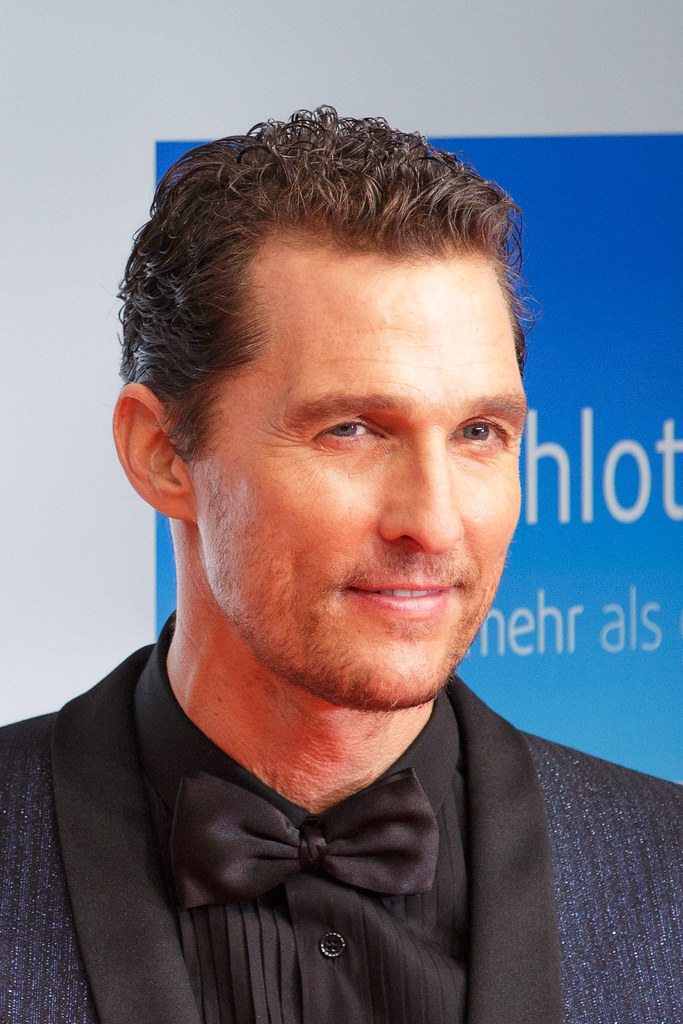
14. **Matthew McConaughey’s ‘Dallas Buyers Club’ – Unveiling the Cost of Portraying Illness**Matthew McConaughey’s Oscar-winning role in “Dallas Buyers Club” (2013) necessitated a visibly disturbing weight loss, as he transformed into Ron Woodroof, an AIDS patient. His emaciated physique was vital for the character’s authenticity, yet it starkly illuminated the dangerous, often medically supervised, transformations actors undertake to portray illness. The context explicitly lists him among actors who “got brutally honest about their wild diet and exercise regimens for movies.”
McConaughey reportedly shed nearly 50 pounds for the role, achieving a skeletal appearance that deeply affected audiences. This extreme weight loss for a role depicting severe illness underscores the perilous commitment actors embrace. Unlike bulking up for superhero roles, dramatic weight reduction to appear ill often involves suppressing the body’s natural functions and pushing it into an unhealthy, catabolic state.
The “lie” here is the public’s occasional romanticization of such extreme transformations as feats of discipline, rather than acknowledging them as highly risky endeavors demanding intense medical oversight. Rapid, significant weight loss carries severe health implications, including muscle atrophy, immune system weakening, extreme fatigue, and potential organ damage. These are not “diets” for wellness; they are medically monitored interventions for temporary artistic purposes, making them unsuitable for healthy living. McConaughey’s honesty about the process underscores that artistic achievement can come with arduous and potentially damaging personal costs.

15. **Ryan Gosling’s ‘The Lovely Bones’ – Unseen Sacrifices and Body Manipulation**Sometimes, an actor’s intense physical preparation for a role, even if ultimately cut from the final film, involves significant and potentially unhealthy changes. Ryan Gosling’s experience with “The Lovely Bones” (2009) serves as a unique and telling example, highlighting another facet of celebrity “lies” related to artistic sacrifice. The context includes Gosling in the list of actors who “got brutally honest about their wild diet and exercise regimens for movies,” signifying a challenging physical regimen, regardless of the role’s ultimate fate.
Originally cast as the father in “The Lovely Bones,” Gosling reportedly gained 60 pounds for the role, believing a heavier physique would better convey his character’s grief. However, creative differences with director Peter Jackson led to Gosling’s replacement just days before filming. While rapid weight gain might not immediately seem as dangerous as extreme weight loss, significant and swift body fluctuations, particularly for a role that never materialized, carry their own health implications.
The “lie” exposed here is the implicit assumption that all celebrity physical transformations are for successful, visible roles or are entirely within healthy parameters. Gosling’s situation demonstrates that actors can undergo substantial body changes for a vision that may never appear on screen, underscoring the often-unseen sacrifices. Rapid weight gain, especially if coupled with unhealthy food choices and reduced physical activity, can strain the cardiovascular system, impact metabolism, and contribute to other health concerns. This instance powerfully illustrates that an actor’s body is a tool for their art, and sometimes, that tool is subjected to considerable, and perhaps ultimately unnecessary, stress.
**Conclusion: Unmasking the Illusions – Building a Sustainable Wellness Reality**
As we’ve journeyed through these captivating, yet often cautionary, tales of celebrity morning routines and extreme dietary choices, a consistent truth emerges: the glamorous facade frequently conceals a more complex, and sometimes perilous, reality. From the elaborate “detoxes” of wellness gurus to the brutal physical transformations undertaken for critically acclaimed roles, the “lies” aren’t malicious deceptions but unintended consequences of aspirational living presented without full context. The message from experts is unequivocally clear: perfection is nonexistent, comparison is futile, and extreme measures are almost always inadvisable for general health.
Moving beyond these celebrity “lies” means cultivating a sustainable wellness reality, one rooted in personal needs, realistic goals, and expert-backed advice. It means ditching the phone for a mindful start, hydrating consistently, prioritizing a genuinely nutritious breakfast, and carving out personal moments for self-care, however brief. As registered dietitians like Laura Ligos and Amanda Holtzer remind us, what works for someone with unlimited resources and a team of professionals is unlikely to work, or even be necessary, for the average person seeking genuine well-being.
Ultimately, the power lies not in replicating a star’s regimen, but in adapting the core principles of self-care—mindfulness, movement, and nourishing foods—to fit your unique life. It’s about building a foundation of habits that promote long-term health and genuine well-being, rather than chasing fleeting, often unhealthy, ideals. Let these celebrity stories inspire you to find your own balanced, achievable path, for true wellness is found in progress, not perfection.