
In an era defined by expanding urban populations and a pressing need for sustainable living, public transit infrastructure is often championed as a cornerstone for urban prosperity, lauded for its potential to foster inclusive economic growth and enhance residents’ quality of life. Proponents correctly highlight that robust public transit systems are crucial for alleviating traffic congestion, mitigating environmental pollution, and addressing social inequality by providing equitable access to opportunities. Cities globally are increasingly recognizing these systemic benefits, investing substantially in sophisticated transit networks as an imperative for modern urban centers to thrive and remain competitive.
Yet, a curious and significant paradox is emerging across the American urban landscape: even as many cities boast demonstrably strong public transportation systems, a notable trend of residents opting to relocate persists. This phenomenon challenges the conventional wisdom that the mere presence of extensive transit infrastructure is sufficient to retain populations or attract new ones. The decision to move, even from locales with highly regarded public transit, often stems from a complex interplay of evolving work patterns, particularly the rise of remote work, and the very practical, often deeply personal, realities of daily commuting and urban living. Indeed, today, approximately three times as many Americans work from home than rely on public transit, fundamentally altering traditional commuting needs.
This article delves into the intricate arguments surrounding public transit, particularly the nuanced debates over fare-free initiatives and the persistent challenges associated with low ridership and public perception. We explore the foundational problems that give rise to skepticism about over-reliance on public transit, considering how these issues manifest within diverse urban contexts. Through a meticulous examination of specific cities renowned for their public transit offerings, we illuminate how various systems navigate these complexities, balancing operational efficiency, financial sustainability, and the critical goal of user satisfaction. Our analysis begins by dissecting the core challenges facing urban transit and then transitions to a detailed look at the performance and unique characteristics of some of America’s most prominent public transportation networks.

1. **New York, New York**
The sprawling metropolis of New York stands as a paramount example of urban life deeply intertwined with public transportation, a necessity rather than a mere amenity for its millions of residents and daily commuters. As the nation’s most populous metro area, it is served by an exceptionally vast and intricate network of transit agencies, with trains and buses providing critical links throughout the five boroughs of New York City itself, extending significantly into neighboring New Jersey, Connecticut, and downstate New York. This immense infrastructure facilitates an extraordinary 144.2 annual public transit trips per metro area resident, a statistic that emphatically underscores its indispensable, almost circulatory, role in the daily functioning of one of the world’s most dynamic urban environments.
Despite its undeniable ubiquity and essential nature, the system grapples with significant and enduring challenges, particularly concerning accessibility. A critical statistic reveals that only 51.4% of its stations are ADA-compliant, presenting a substantial barrier to universal access. This percentage is notably lower than the compliance rates observed in many other major cities, highlighting the inherent complexities and immense costs involved in retrofitting a historical, century-old infrastructure to meet contemporary accessibility standards. The scale of this undertaking speaks volumes about the historical planning decisions and the formidable task of modernization.
Furthermore, while the system records a safety score of 13.07 out of 20, indicating a generally secure operational environment, this figure also suggests persistent areas for potential improvement to enhance rider confidence and overall experience. The sheer volume of daily passengers inherently brings diverse challenges, from maintaining order to ensuring rapid response protocols. The average fare revenue per trip in New York is $1.75. While this is a higher average fare compared to some other systems on this list, it still represents a comparatively economical option for countless commuters, particularly when weighed against the escalating costs associated with personal vehicle ownership, urban parking, and routine maintenance.
The ongoing discussions around fare structures and funding in New York mirror national debates about how to sustainably finance public transit, especially when considering the arguments for and against fare-free systems. While its extensive reach and high usage demonstrate the power of robust public transportation, the city’s transit system also vividly illustrates the formidable obstacles of an aging network in a dense urban core. It underscores the continuous balancing act between maintaining historical integrity, ensuring equitable access, and evolving to meet the demands of a modern populace, all while confronting the fiscal realities of operating such a colossal system. The system’s pivotal role in connecting people to jobs, education, and services remains undisputed, embodying both the pinnacle of transit achievement and the persistent challenges of urban infrastructure management.
Read more about: Echoes of Dissent: The Controversial Songs That Defined America’s Airwaves

2. **San Francisco, California**
San Francisco, a distinctive urban center known for its iconic landmarks and technological innovation, is simultaneously confronted with the formidable challenge of possessing the nation’s third-worst commuter traffic. This pervasive congestion, a constant source of frustration for residents, paradoxically amplifies the critical importance and perceived value of its comprehensive public transit system. For many, it offers a necessary reprieve and a viable alternative for navigating the city’s unique topography and connecting to its sprawling suburban areas. The Bay Area Rapid Transit (BART) effectively serves as a vital arterial link, connecting the city with its broader metropolitan region, while the Muni bus and train system, including the world-renowned cable cars, provides essential intra-city transportation.
A key strength of San Francisco’s transit infrastructure lies in its exceptional commitment to accessibility, evidenced by an impressive 97% of its stations reported as ADA-compliant. This high standard of inclusivity ensures that a vast majority of the population, including individuals with disabilities, can readily utilize the transit network, aligning seamlessly with contemporary principles of social equity and universal access. This commitment to equitable mobility directly addresses one of the primary social benefits of public transit, as it helps decrease disparities in access to resources and opportunities, particularly for those who are less likely to own personal vehicles.
Annually, San Francisco records 53.6 public transit trips per metro area resident, a figure that reflects a significant and consistent reliance on the system. This sustained usage is particularly noteworthy given the challenging traffic conditions and the city’s high cost of living, which might otherwise push residents to seek housing farther afield. The provision of free shuttles to public parks further enhances the system’s utility, subtly integrating recreational and quality-of-life aspects into the broader transit network. These details illustrate how transit can reduce the human costs of long commutes by freeing up time, even as it offers a practical solution to urban congestion.
With an average fare revenue of $1.63 per one-way trip, San Francisco’s transit system strives for a delicate balance between maintaining affordability for its users and securing the necessary revenue for operational sustainability. The system’s safety score stands at 13.91 out of 20, positioning it as a relatively secure option for commuters. The city’s experience directly aligns with the “transit theory of everything,” where efficient public transportation is not merely about moving people but also about alleviating traffic, enhancing access to a wider range of housing options, and ultimately fostering broader urban livability and economic accessibility. However, high housing costs continue to be a dominant factor in urban migration, suggesting that even excellent transit may not fully offset the economic pressures that cause residents to consider relocating.
Read more about: Behind the Badge: What Cops Secretly Observe About Your Custom Chopper Ride

3. **Los Angeles, California**
Los Angeles, globally recognized as the quintessential car-oriented metropolis, presents an often-misunderstood narrative regarding its public transit system. Despite its vast, sprawling nature, the city has invested significantly in a substantial transit infrastructure, yet it records a comparatively lower per capita usage with 29 annual public transit trips per metro area resident. This statistic starkly illustrates the deeply entrenched car culture that remains dominant in Southern California, a pattern that resonates with the broader national trend where the vast majority of Americans primarily rely on personal automobiles for their daily commutes, as highlighted in the critical discussions about the fundamental problem of limited public transit adoption.
Remarkably, the Los Angeles Metro system distinguishes itself as one of the safest and most affordable transit services nationwide. It boasts an impressive safety score of 16.48 out of 20, demonstrating robust measures to ensure passenger security. Furthermore, with an average fare revenue of just 49 cents per one-way trip, it offers exceptional affordability, positioning itself as a highly accessible option for a wide demographic. In a testament to its commitment to universal access, 100% of its stations are reported as ADA-compliant. These compelling statistics suggest that while overall ridership may not reach the density of older, more compact cities, the system delivers a high-quality, inclusive service for those who choose to utilize it, subtly challenging some of the broader skepticism regarding the perceived trade-offs of lower fares.
However, the context also notes that the Los Angeles Metro system “has long been plagued by rider reports of reduced safety,” a crucial concern that can significantly undermine public confidence and interest in using transit, irrespective of its official safety metrics or low fares. This anecdotal perception of safety, particularly related to the presence of “disruptive passengers” and a “general perception of lawlessness” as observed in other fare-free experiments like Tucson’s, underscores a critical dichotomy. It suggests that while quantitative safety scores are important, the subjective experience of riders, often influenced by social order on transit, plays an equally, if not more, vital role in shaping public transit adoption.
The system’s operation is already “propped up by a sales tax,” a clear indication of the ongoing necessity for substantial alternative funding sources, especially when fare revenue is intentionally kept low to enhance affordability. This financial structure directly reflects the practical realities discussed in the national debate about financing public transit as a public good. The Los Angeles case thus embodies the complex interplay of infrastructural investment, affordability, perceived safety, and deeply ingrained cultural commuting habits that influence urban mobility decisions, making it a pivotal example in understanding why residents might still favor personal vehicles even in a city with an affordable and accessible transit system.
Read more about: Beyond the Limelight: Exploring the Intellectual Journeys of Public Figures in Philosophy and Particle Physics
4. **Richmond, Virginia**
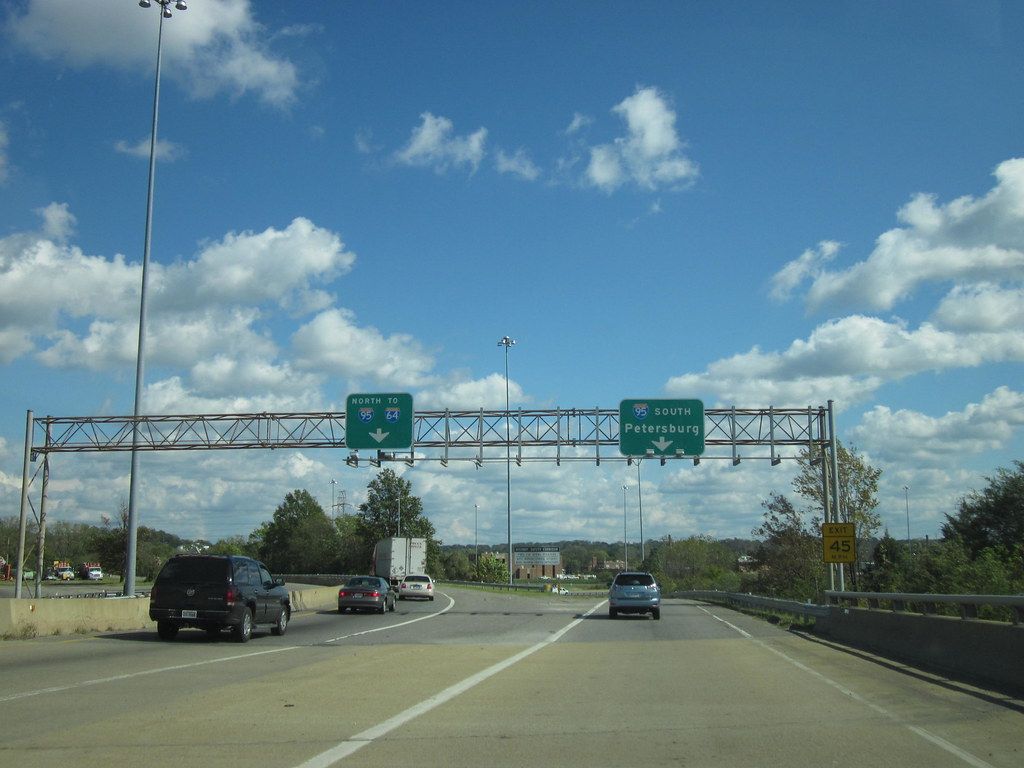
Richmond, Virginia, stands as an illuminating case study in the efficacy and implications of fare-free public transit policies. The city has fully embraced this innovative approach, offering free local bus fares across its entire system, an initiative designed to maximize accessibility and utilization. This bold move has allowed Richmond to cultivate a public transit network that is both highly efficient and exceptionally safe, evidenced by a remarkable safety score of 18.27 out of 20. This rating positions Richmond’s system as safer than those in many other larger cities, a testament to effective operational management and a focus on passenger well-being.
The system further distinguishes itself with the implementation of high-speed buses operating on dedicated lanes, providing notably frequent service every 10 minutes on weekdays and every 15 minutes on weekends. This level of service frequency and speed, often associated with much larger urban centers, enhances convenience and reliability for commuters. Coupled with 100% ADA compliance across all its stations, Richmond’s transit system demonstrates a strong commitment to both operational excellence and inclusive mobility, ensuring that its services are accessible to all segments of the population, thereby addressing critical aspects of social equity.
Despite these significant advancements in safety, efficiency, and particularly, affordability due to the absence of fares, Richmond’s public transit system is “used less frequently than any other system mentioned in our top 10 list,” recording only 8.5 annual public transit trips per metro area resident. This low ridership, even in the complete absence of cost barriers, directly reflects one of the fundamental problems cited in the broader discourse on public transit: the inherent difficulty in persuading a populace, especially in car-centric regions, to shift away from personal vehicles. The experience in Richmond echoes the research indicating that “abolishing fares often is followed by an increase in transit ridership, [but] much of the increased ridership comes from people who already regularly use public transportation” or those who would otherwise walk or bicycle.
Richmond’s experiment with fare-free transit provides valuable insights into the complexities of urban mobility. It raises pertinent questions about whether the significant “trade-offs of free transit are probably not worth it” in all contexts, particularly when overall usage remains low despite substantial investment and service enhancements. It compels urban planners to carefully consider whether shifting “finite public resources toward a means of transportation the vast majority most don’t need to get around” is the most effective allocation, especially when these resources could potentially be used for improving service capacity or expanding reach. The city’s example illustrates that while fare elimination can remove one barrier, it often cannot overcome deeply ingrained commuting habits or the broader infrastructural challenges that limit public transit’s appeal for a wider demographic.
Read more about: The Ultimate Deep Dive: Uncovering the Quirks, Features, and Enduring Charm of the Animated Series ‘Doug’
5. **San Diego, California**
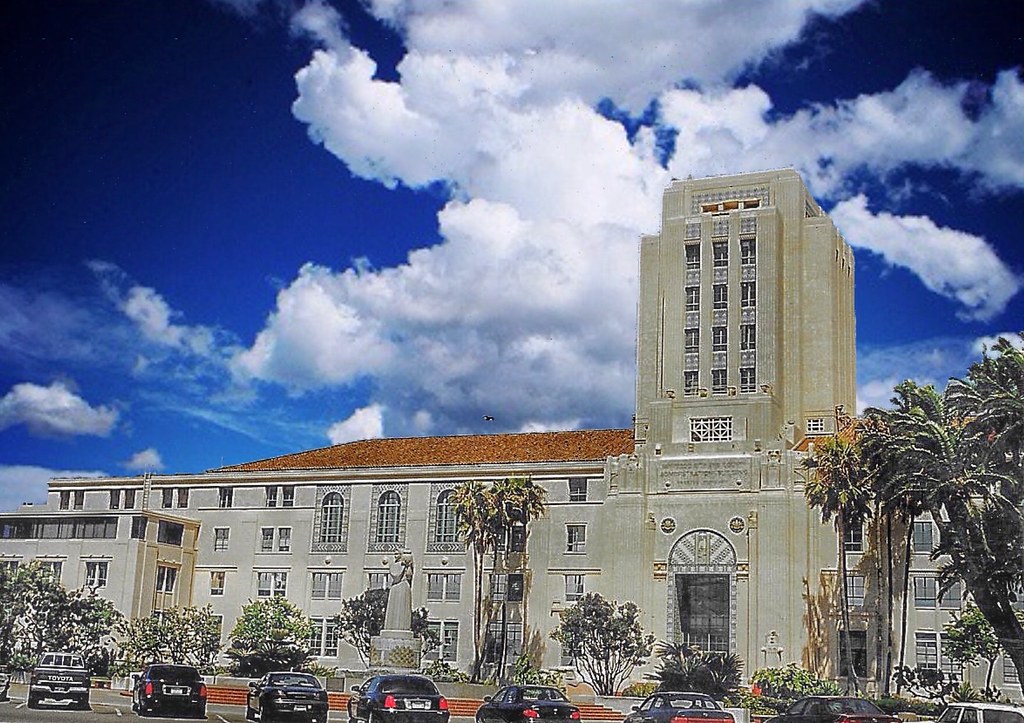
San Diego, California, exemplifies a proactive and strategic approach to enhancing its public transit infrastructure, demonstrating how sustained investments and service refinements can effectively draw new riders. The city’s integrated transit system, primarily composed of trolleys and buses, plays a crucial role in connecting its vibrant downtown area with surrounding communities. Recent initiatives, including the rollout of a new safety program and strategic service expansions, are further bolstered by planned future investments in modern, environmentally conscious vehicles, such as electric buses. This forward-thinking trajectory aligns directly with the “Opportunities for Innovation and Growth” highlighted in broader urban transit discussions, particularly the global drive toward sustainable and smart cities through the adoption of electric fleets.
These ongoing improvements are visibly contributing to increased adoption, with the system now recording 21 annual public transit trips per metro area resident. While not as high as some of the densest cities, this figure reflects a positive trend in embracing public transportation as the enhancements take hold and public confidence grows. A significant achievement for San Diego is its 100% ADA compliance across all stations. This full accessibility underscores a robust commitment to universal inclusion, ensuring that its expanding network serves all community members equitably, irrespective of physical ability. This unwavering focus on inclusivity is a pivotal element of public transit’s fundamental role in promoting “Social and Community Equity,” actively working to bridge societal divides and facilitate essential access for diverse populations.
San Diego’s transit system also maintains a respectable safety score of 14.74 out of 20 and an average fare revenue of $1.10 per one-way trip. These metrics collectively indicate a well-managed system that is striving for a balanced approach to service provision, prioritizing both passenger safety and the crucial aspect of financial viability. The continuous efforts to expand and modernize the system, particularly through the lens of environmental stewardship with electric vehicles, are fully consistent with the vision of integrated urban mobility systems. Such systems are designed to offer seamless, end-to-end journeys that encourage a wider segment of the population to adopt more sustainable modes of transport in their daily routines.
By consistently investing in its infrastructure and strategically integrating advanced technologies and eco-friendly solutions, San Diego is not merely improving its transit options; it is actively enhancing its overall urban vibrancy and livability. The city serves as a powerful illustration of how continuous adaptation to evolving needs, combined with a clear vision for sustainability and accessibility, can create a public transit system that is increasingly attractive and integral to a thriving urban landscape, thereby influencing residents’ decisions to remain within or relocate to such a forward-thinking environment.
Continuing our in-depth analysis of urban mobility, we now turn to additional cities across the United States, further illustrating the intricate balance between robust public transit systems and the complex factors influencing urban migration. This section delves into the broader economic, environmental, and social benefits that public transit infrastructure promises, while simultaneously confronting the significant hurdles posed by funding, aging systems, safety concerns, and the imperative for seamless integration. We will explore how these dynamics play out in cities like San Antonio, Boston, Seattle, Washington D.C., and Salt Lake City, concluding with an exploration of opportunities for innovation and growth that could reshape the future of urban transportation.
Read more about: Fake It Till You Make It: 14 Epic Kit Cars That Deliver Supercar Thrills on a Budget
6. **San Antonio, Texas**
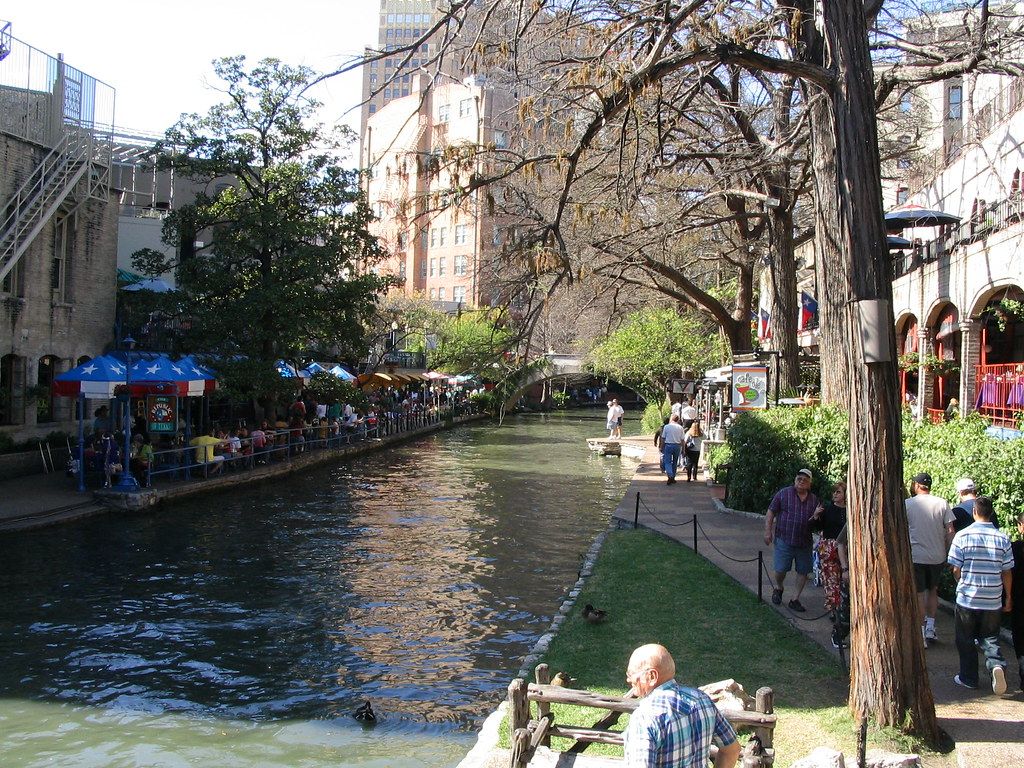
San Antonio, a city celebrated for its rich history and cultural vibrancy, is also a testament to evolving urban transit strategies. Its comprehensive bus service effectively spans the entire city, providing crucial connectivity for residents. Recognizing the need for continuous improvement and broader reach, the agency responsible for its operation, VIA Metropolitan Transit, is actively engaged in efforts to make its service schedules and maps more intuitive and comprehensible for prospective users. This proactive approach underscores the vital role that clear communication and user-friendly information play in encouraging public transit adoption, particularly for those who might be less familiar with the system.
Beyond operational clarity, San Antonio is also exploring transformative urban planning initiatives that directly intersect with transit development. The city is considering new zoning rules aimed at facilitating the construction of denser housing along high-capacity bus lines. This strategic move aligns with the principles of transit-oriented development (TOD), a planning paradigm that champions mixed-use neighborhoods clustered near transit stations. Such development is not merely about housing; it represents a comprehensive strategy to solve both environmental goals, by reducing greenhouse gas emissions through increased transit use, and social equity goals, by boosting access to jobs, schools, and healthcare for low-income households.
The transit system in San Antonio boasts an impressive safety score of 18.44 out of 20, positioning it among the safest nationwide, which is a critical factor in building public trust and encouraging ridership. Furthermore, with 100% of its stations reported as ADA-compliant, the system exemplifies a strong commitment to universal accessibility, ensuring that all residents, regardless of physical ability, can utilize its services. The average fare revenue per one-way trip stands at a modest 58 cents, making it one of the most affordable options reviewed, thus addressing a key aspect of social and community equity by providing accessible transportation options to economically disadvantaged groups.
Despite its affordability, safety, and accessibility, San Antonio records 12.6 annual public transit trips per metro area resident. This figure, while showing consistent usage, still indicates room for growth in a city that, like many across the nation, grapples with a dominant car culture. The ongoing efforts to expand service, coupled with strategic urban planning, are designed to address this challenge by making public transit not just an option, but an increasingly attractive and integral part of daily life, demonstrating the city’s commitment to enhancing livability and sustainable growth.
Read more about: Forever Our Queen: Unpacking the Incredible Life, Tragic End, and Unforgettable Legacy of Selena Quintanilla-Pérez
7. **Boston, Massachusetts**
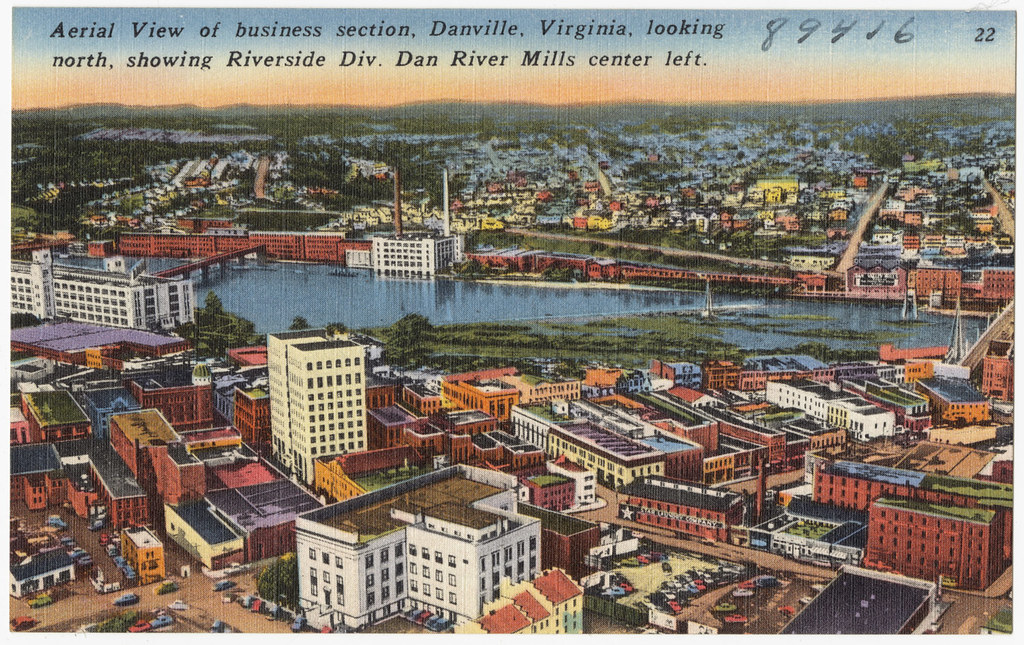
Boston, a city with a labyrinthine network of one-way streets and challenging driving conditions, presents a compelling argument for the utility of public transit. The city’s historic urban fabric often confounds even local drivers, making public transportation an appealing, if not essential, alternative for navigation. The Massachusetts Bay Transportation Authority (MBTA) operates an extensive network of trains and buses, which are relied on more heavily than transit vehicles in many other large cities, underscoring the system’s critical role in the daily lives of its residents.
The MBTA system records 47.5 annual public transit trips per metro area resident, a testament to its widespread use and integration into the city’s unique mobility landscape. This high reliance occurs despite an average fare revenue of $1.63 per one-way trip, which is relatively expensive compared to some other systems. It also operates with 78% ADA compliance across its stations, indicating ongoing efforts toward universal accessibility, though still leaving significant room for improvement to meet modern inclusivity standards fully.
While Boston’s public transit offers a practical solution to its urban congestion, the city’s challenges are not solely infrastructural. The sheer volume of daily passengers inherently brings diverse challenges, from maintaining order to ensuring rapid response protocols. The system’s safety score of 14.57 out of 20 indicates a generally secure environment, yet like all major urban transit networks, continuous vigilance and investment are required to enhance rider confidence and overall experience.
Boston’s experience highlights that in dense, historically developed cities, public transit is less a choice and more a necessity. Its substantial ridership reinforces the idea that where driving is exceptionally challenging, people will gravitate towards reliable alternatives. The continued investment in Boston’s transit system, despite its historical complexities and ongoing modernization needs, exemplifies the city’s dedication to supporting its residents and economy through effective public mobility, even as it navigates the persistent trade-offs between cost, accessibility, and service quality.
Read more about: Beyond the Spotlight: Unveiling Adele’s London Roots and the Meticulous Crafting of a Voice Destined for Legend
8. **Seattle, Washington**
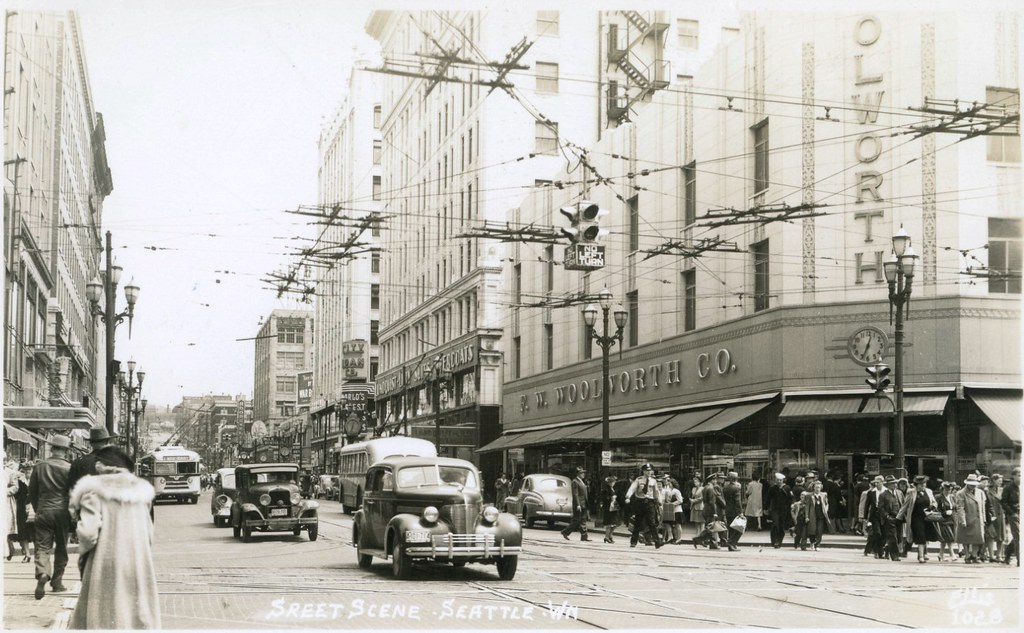
Seattle, a burgeoning hub of technology and innovation, offers a public transit system that mirrors its dynamic urban environment. Comprising buses, trains, and even ferries, the system expertly links its bustling suburbs with the vibrant downtown area and extends its reach to nearby islands, addressing the diverse commuting needs of a rapidly growing population. This multimodal approach is particularly vital in a region characterized by significant natural barriers and a distinct geography, showcasing how transit can be ingeniously adapted to local conditions to create seamless, end-to-end journeys.
The city’s transit system records 36.7 annual public transit trips per metro area resident, reflecting a robust level of public adoption and integration into daily life. With an impressive 99.1% ADA compliance across its stations, Seattle stands out as a leader in ensuring universal access, aligning with the critical social policy goal of increasing access to opportunities for all residents, including those with disabilities. This high degree of accessibility promotes social equity, actively working to bridge societal divides and facilitate essential access for diverse populations.
In a forward-looking move, Seattle is poised to significantly enhance its transit infrastructure. In 2024, the city is presenting a proposal to voters to raise taxes, earmarking funds for a comprehensive 20-year transportation plan. This ambitious plan not only includes essential road maintenance, such as pothole repair, but also crucially emphasizes expanded transit services. Such investment aligns directly with the “Opportunities for Innovation and Growth” in urban transit, demonstrating a commitment to evolving infrastructure to meet future demands and reinforce the city’s dedication to sustainable practices.
With a safety score of 14.52 out of 20 and an average fare revenue of $1.57 per one-way trip, Seattle’s system demonstrates a commitment to both passenger security and financial viability. The city’s proactive stance on funding and expansion underscores a broader recognition that sustained investment in public transit is not merely a logistical necessity but a cornerstone for urban prosperity. It aims to foster inclusive economic growth, enhance residents’ quality of life, and ensure the city remains competitive by providing efficient, affordable, and reliable public transportation options.
Read more about: Who’s Running the World in 2025? Meet 14 Global Icons You Absolutely Need to Know!

9. **Washington, D.C.**
Washington, D.C., the nation’s capital, is infamous for its pervasive traffic congestion, a challenge so deeply ingrained that locals humorously suggest there is no distinction between rush hour and regular traffic. In this context, the region’s expansive Metro system emerges as an indispensable lifeline, encompassing trains, buses, and subways managed by city officials and state and local agencies across neighboring Maryland and Virginia. This multi-jurisdictional collaboration is a testament to the complex coordination required to serve a dense metropolitan area that spans multiple governmental boundaries.
The D.C. Metro system records 36.7 annual public transit trips per metro area resident, indicating a substantial reliance on its services as a practical alternative to battling the notorious traffic. It also boasts 100% ADA compliance across all its stations, highlighting a steadfast commitment to universal accessibility and social equity. This comprehensive accessibility ensures that a vast majority of the population, including individuals with disabilities, can readily utilize the transit network, aligning seamlessly with contemporary principles of inclusivity and equal access to essential services.
With a safety score of 15.41 out of 20, the D.C. Metro operates with a strong focus on passenger security, an essential component for maintaining public trust and encouraging ridership. The average fare revenue per one-way trip is $1.29, striking a balance between maintaining affordability for its users and generating crucial revenue for operational sustainability. This financial structure reflects the practical realities of funding public transit as a public good, often necessitating substantial alternative funding sources beyond fare collection alone.
The D.C. area’s experience underscores how robust public transit can mitigate the “human costs” of long commutes, as detailed in broader discussions about urban mobility. By offering a viable alternative to extensive time spent in traffic, it allows residents to reclaim valuable time that might otherwise be lost, improving life satisfaction and freeing up time for exercise, family, or personal pursuits. The continuous efforts to maintain and optimize the Metro system in such a heavily congested region illustrate the profound importance of transit infrastructure in enhancing overall urban livability and economic accessibility, even as it contends with the inherent challenges of high demand and complex operational management.
Read more about: America’s Unfolding Story: A Deep Dive into the Foundational Shifts and Enduring Legacies That Reshape a Nation
10. **Salt Lake City, Utah**
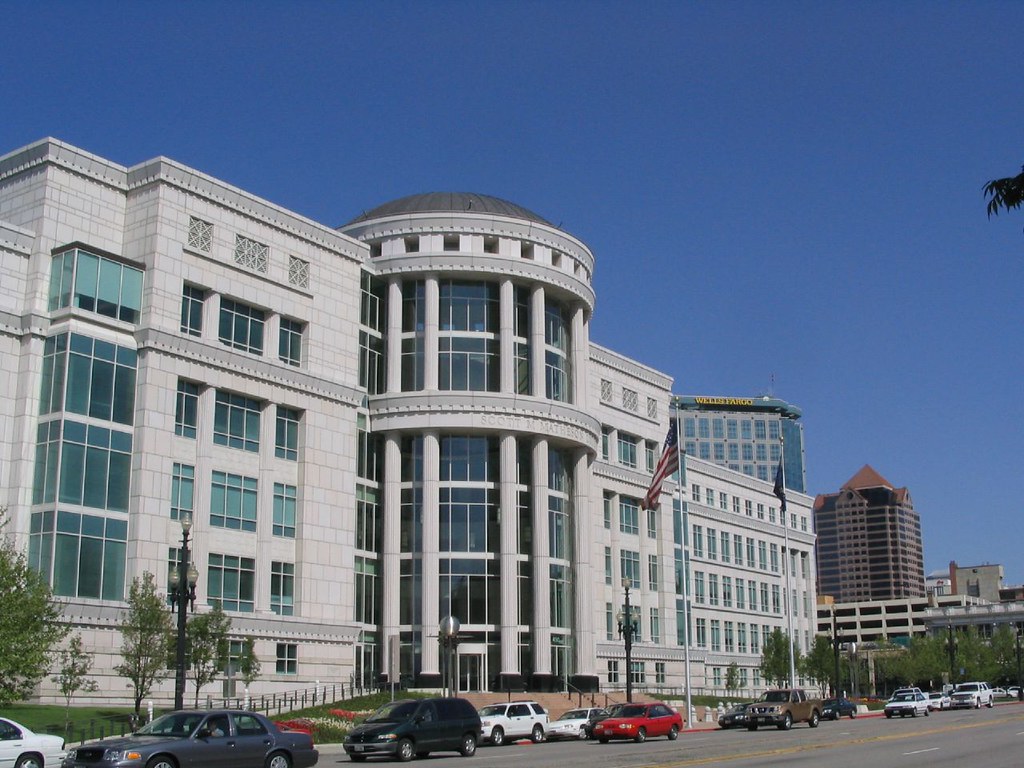
Salt Lake City, Utah, represents a rapidly growing urban center with a strategic vision for its public transit future, particularly as it eyes the possibility of hosting the 2034 Winter Games. The city’s existing network of bus and rail lines already crisscrosses the city and its surrounding county, providing essential mobility. However, its plans for transit expansion, aiming for additional services by 2030, are actively being leveraged as a key component to entice Olympic officials, demonstrating how significant infrastructure investment can serve multiple strategic goals, from daily commuting to global events.
The city’s transit system records 26.7 annual public transit trips per metro area resident, a figure that reflects a solid foundation of usage and a clear potential for growth, especially with planned expansions. A notable achievement for Salt Lake City is its 100% ADA compliance across all stations. This full accessibility is a cornerstone of its commitment to universal inclusion, ensuring that its expanding network serves all community members equitably, irrespective of physical ability, thus powerfully addressing critical aspects of social and community equity.
Despite a safety score of 11.83 out of 20, which suggests areas for potential improvement to enhance rider confidence, the system’s commitment to expanding and modernizing is clear. The average fare revenue per one-way trip is $1.07, representing a comparatively economical option for countless commuters and reflecting an effort to balance affordability with financial sustainability. The strategic plans for additional services, particularly through the lens of supporting major events, fully align with the vision of integrated urban mobility systems that can adapt to evolving demands and encourage broader adoption of sustainable transport.
Salt Lake City’s forward-thinking approach illustrates how cities can strategically invest in transit not just to meet current needs, but to proactively shape their future. By embracing growth and leveraging transit development for economic and social gains, the city is not merely improving its transportation options; it is actively enhancing its overall urban vibrancy and livability. This demonstrates how continuous adaptation to evolving needs, combined with a clear vision for sustainability and accessibility, can create a public transit system that is increasingly attractive and integral to a thriving urban landscape, thereby influencing residents’ decisions to remain within or relocate to such a forward-thinking environment.
Read more about: When the Beat Drops: 12 Iconic Musicians Whose Lives Ended with a Sudden Collapse
Ultimately, the complex reasons people choose to relocate, even from cities with seemingly robust public transit, compel us to look beyond simple metrics. While the economic, environmental, and social benefits of public transit are profound and undeniable, the persistent challenges of funding, maintaining aging infrastructure, ensuring public safety, and effectively integrating diverse modes of transport remain critical. The evolving landscape of work, particularly the rise of remote options, coupled with deeply ingrained commuting habits and the very real human and economic costs of daily travel, means that even the best systems face an uphill battle in capturing a larger share of commuters. The cities examined here reveal a spectrum of innovative solutions and ongoing struggles, underscoring that while public transit is an essential component of modern urban life, its success in retaining and attracting residents hinges on a holistic approach that addresses not only logistical efficiency but also safety, convenience, and the fundamental aspirations of urban dwellers for a better quality of life. The journey toward resilient, efficient, and integrated transit systems is an ongoing endeavor, but one that promises bountiful rewards for cities positioned as leaders in sustainable development.