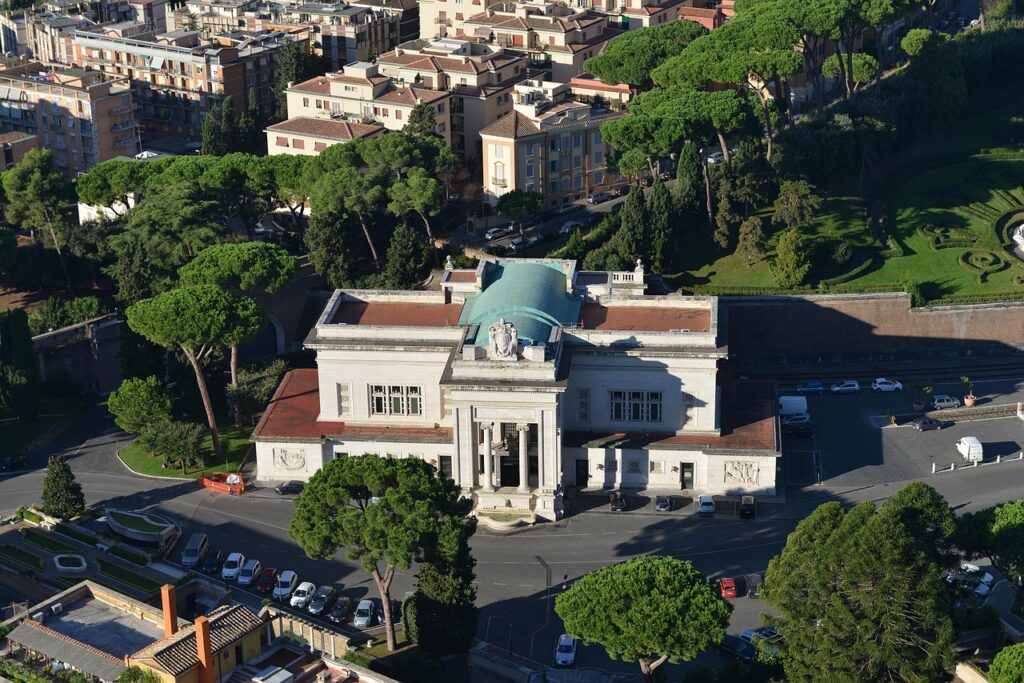
The Vatican stands as an enigma, a city-state steeped in millennia of history, power, and an almost unparalleled aura of secrecy. As the spiritual heart of the Catholic Church, its influence extends to around 1.3 billion people globally, a reach that dwarfs even the most powerful media moguls. Yet, beneath its sacred facade, within the sprawling, subterranean labyrinth of what was once known as the ‘Secret’ Archives—now the Vatican Apostolic Archive—whispers of untold mysteries and shocking revelations have circulated for centuries.
For generations, these archives, said to stretch for miles beneath the Papal Palace, have been a magnet for speculation, conspiracy theories, and tantalizing rumors. What exactly lies hidden within those 85 kilometers of shelving, much of it underground in a reinforced concrete bunker? While the Vatican has recently made efforts to demystify its holdings, opening certain controversial files to scholars and even changing the archive’s official name, the allure of its alleged forbidden treasures remains as potent as ever. From fantastical inventions to historical bombshells that could reshape our understanding of faith itself, the stories are truly mind-boggling.
Join us on an incredible journey as we pull back the veil on some of the most extraordinary secrets said to be locked away within the Vatican’s sacred vaults. We’ll explore everything from the truly ridiculous to the surprisingly plausible, bringing to light the strange stories and persistent rumors that continue to fuel our collective fascination with the world’s most secretive institution. Get ready to have your curiosity piqued and your understanding of history challenged, as we explore tales that transcend the ordinary and dive deep into the heart of the Vatican’s legendary mysteries.

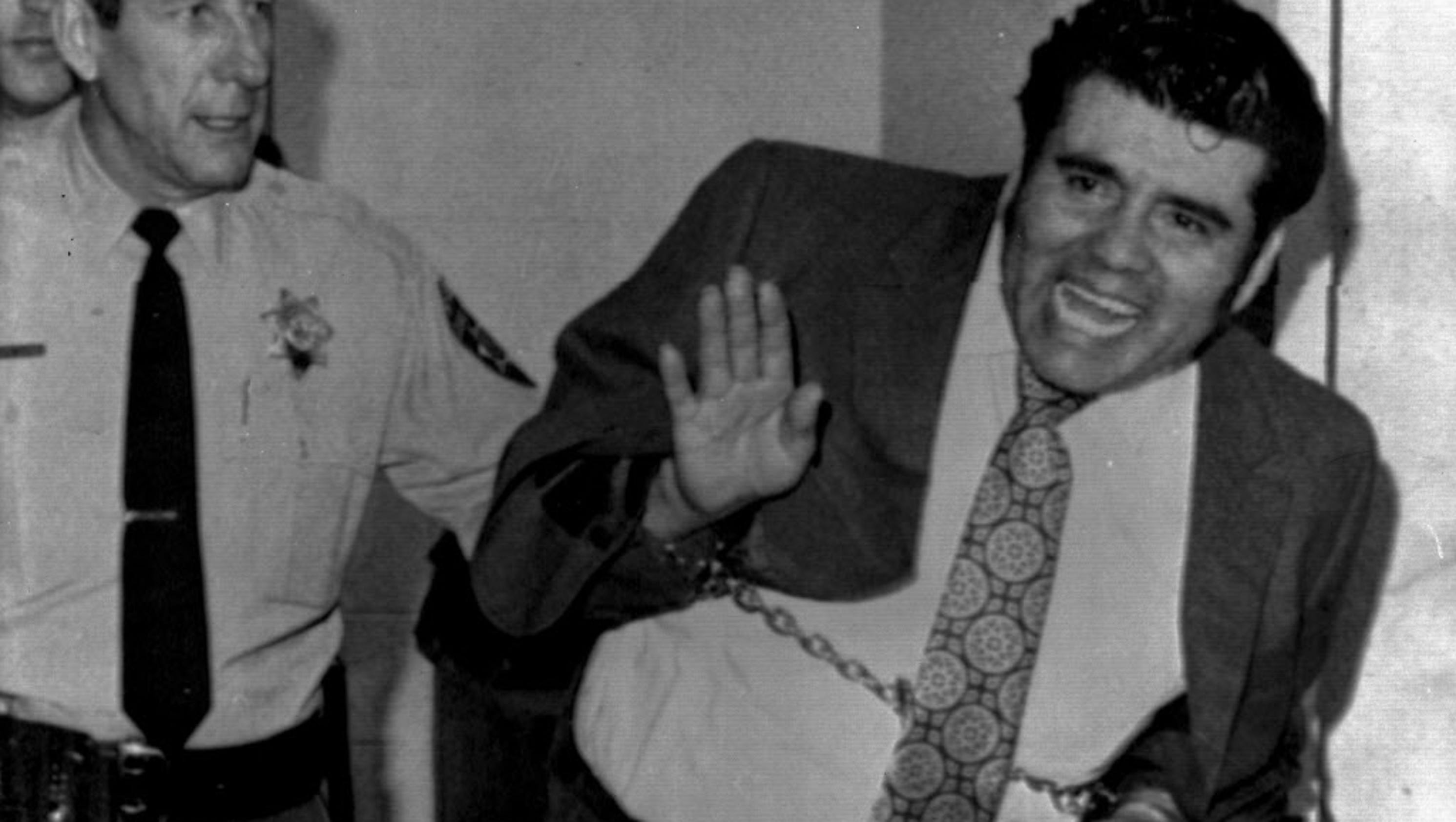
1. **A ‘Chronovisor’ that Took a Photo of the Crucifixion**One of the most astonishing claims to ever emerge from the shadows of the Vatican concerns a supposed time-travel device known as a “Chronovisor.” This incredible story centers around Marcello Pellegrino Ernetti, a highly respected Roman Catholic priest, who, breaking the Vatican’s long-standing silence, announced he was part of a team that had successfully invented such a machine. The implications of this invention, if true, would be monumental, offering an unprecedented window into the past.
Ernetti further claimed that he had not only traveled through time but had also personally witnessed the crucifixion of Jesus Christ. To lend credence to his extraordinary assertion, a photograph was published, allegedly captured with the Chronovisor, purporting to show Jesus on the cross. This image immediately ignited a global sensation, offering what some believed was undeniable proof of one of history’s most pivotal moments.
However, the argument for the Chronovisor’s reality soon crumbled under scrutiny. It was definitively proven that the supposed photo of the crucifixion was, in fact, a fake. The image Father Brune had presented as evidence for the time travel machine was nothing more than a reversed picture of a postcard. This revelation cast a significant shadow of doubt over Ernetti’s claims, leaving the Chronovisor to exist firmly in the realm of intriguing, albeit debunked, legends.

2. **The Skeleton of the Pope’s Pet Elephant**Moving from the realm of the utterly fantastical to the undeniably real, the Vatican is home to a rather unusual skeletal relic: the remains of an elephant. But this wasn’t just any elephant; it was Hanno, the private pet of Pope Leo X. This delightful and slightly eccentric story, once dismissed as a silly rumor circulating around the Holy See, was unexpectedly confirmed in a manner that truly captured the imagination.
In 1962, a team of Italian workers embarked on a modernization project beneath the Belvedere Courtyard of the Vatican, digging to install a new cooling and heating system. To their astonishment, beneath the ancient flagstones, they unearthed the final resting place of Hanno. This discovery transformed a charming urban legend into a confirmed historical fact, adding an endearing footnote to papal history.
Hanno was not merely a curiosity; he was a gift from King Manuel I of Portugal to Pope Leo X, a testament to the diplomatic tradition of the time where foreign leaders often presented exotic animals to popes. Hanno quickly became a beloved figure, known for his appearances on the city streets during festival days and other special occasions, much to the delight of the Roman public. His skeleton now serves as a tangible, if somewhat bizarre, piece of the Vatican’s rich and varied past.
3. **An Absolutely Enormous Amount of Porn**Perhaps one of the most eyebrow-raising rumors surrounding the Vatican archives is the claim that they house the largest collection of pornography and erotica ever assembled. This accusation might seem wildly out of character for an institution renowned for its strict moral codes and celibate clergy. Yet, surprisingly, there’s a fascinating historical anecdote that lends a certain weight to the story.
The tale traces back to 16th-century Italy, to an artist named Giulio Romano, a talent from the famed school of Raphael. Romano, whose master’s non-pornographic frescoes famously adorn large sections of the Papal Palace, was commissioned by Cardinal Bibbiena for a far more intimate project. He was hired to paint sixteen “private frescoes” in the Cardinal’s personal bathroom.
These paintings were said to depict sixteen different ual positions, essentially creating a “Catholic Kama Sutra” within the heart of the Vatican. While the actual frescoes remain hidden to this day, the sketches for them were instantly leaked and quickly circulated on the streets of Rome, causing a considerable scandal. Romano was imprisoned, but the secret was out: everyone knew what Cardinal Bibbiena enjoyed viewing during his relaxing baths. The story persists that these artworks, or at least evidence of them, are still held in the Vatican’s vast, undisclosed collections.
Read more about: The Stale Sequel Syndrome: 12 Iconic Film Franchises That Returned Way Past Their Prime
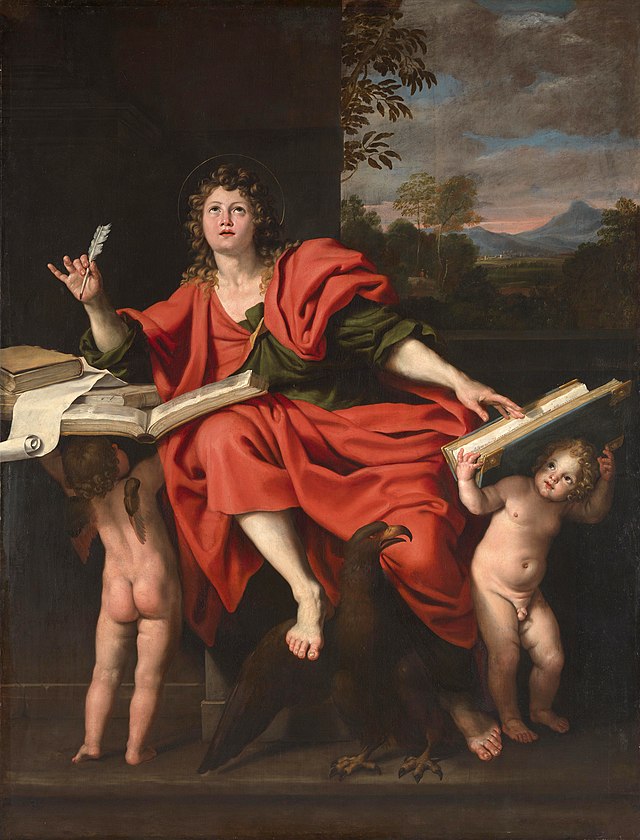
4. **The Essene Gospel of Peace**The Vatican archives, as one might expect, undoubtedly contain an immense amount of non-pornographic literature, much of it religious in nature. However, persistent rumors suggest that some of these documents are kept under strict lock and key due to their potentially explosive implications for the Catholic Church’s established doctrines. One such document is the enigmatic Essene Gospel of Peace.
This gospel is believed to have been written by the Essenes, a Jewish sect also responsible for the Dead Sea Scrolls, placing its composition remarkably close to the life and times of Jesus himself. What makes the Essenes particularly intriguing to scholars and theologians alike is their complete absence from the biblical narrative. This omission has led some to speculate that they were, in fact, the “Jews in the Bible,” and even that Jesus himself might have been one of them, a notion that could dramatically alter our understanding of early Christianity.
A key figure in the gospel’s story is Edmond Bordeaux Szekely, a Catholic bishop who claimed to have discovered the manuscript at the Vatican. Szekely asserted that the document offered proof that Jesus was a vegetarian. However, given Szekely’s own extremely strict vegetarianism and the complete lack of any official record of his supposed visit to the Vatican to access such a manuscript, many scholars and historians remain highly skeptical, believing the entire account to be an elaborate fabrication. Despite the skepticism, the idea of such a revolutionary text hidden away continues to fascinate.
5. **Jesus’s Family Life and Descendants**One of the most significant gaps in the surviving accounts of Jesus’s life, as presented in the Gospels of the New Testament, concerns his early years. We have detailed narratives of his birth and his final years leading to his crucifixion, but surprisingly little information exists about the vast span of his life in between. This absence leaves a profound void, prompting endless speculation about his formative experiences and personal life.
Documents purporting to fill these gaps do exist outside the Vatican’s official archives, such as the Infancy Gospel of Thomas, which vividly portrays the challenging experience of parenting the Son of God. However, the Vatican firmly dismisses these texts as non-canonical, meaning they are not considered authentic or divinely inspired. This official stance leaves many wondering if more authoritative, yet suppressed, documents might be held within the Holy See.
Many suspect that the Vatican possesses other documents detailing Jesus’s early life, perhaps even revealing details about a family or descendants, which are deliberately kept secret due to the explosive impact they would have on Church orthodoxy. The very idea that Jesus might have had a family or that his lineage continued could fundamentally challenge centuries of theological interpretation. Whether the Vatican holds such explosive truths and chooses to guard them remains a compelling secret.

6. **Aliens**Perhaps surprisingly for a Church whose foundational texts describe creation in six literal days, the Vatican exhibits a peculiar openness to the concept of extraterrestrial life. The Catholic Church has actively sponsored research and held conferences exploring the possibility of aliens, leading many to ponder a critical question: do they possess knowledge that the rest of the world does not?
A popular theory suggests that the Vatican’s understanding of alien existence stems from its discovery of artifacts hidden within the great pyramids of Giza. Proponents of this idea claim that the knowledge contained within the Vatican allows for a novel interpretation of these ancient structures, potentially even suggesting a way to harness them for some extraterrestrial purpose. This narrative weaves together ancient mysteries with modern speculation in a truly captivating way.
Intriguingly, historical anecdotes are often cited to support this theory. Both Napoleon and Hitler, after allegedly gaining access to the Vatican’s secrets, are said to have immediately headed to the pyramids. Napoleon, in particular, famously risked his entire army on an expedition, stranding himself in North Africa in the process. Whatever profound secrets they may have unearthed there, however, remain tantalizingly unrevealed, adding another layer to the Vatican’s rumored alien connection.
Read more about: Revisiting the Shadows: 10 Underrated Women of Classic Cinema We Should All Know
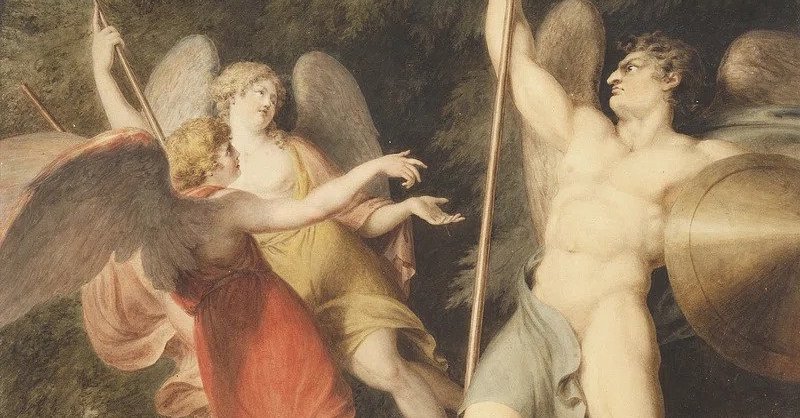
7. **Literally Lucifer Himself**This particular rumor is perhaps the most colossal and unsettling of all: does the Vatican literally harbor the fallen angel Lucifer, Satan, the Devil, the ultimate evil, hidden away in some infernal dungeon deep beneath the Papal Palace? It’s a question that conjures images straight out of an epic theological thriller, hinting at a direct, physical confrontation with the forces of darkness.
The claim gains its chilling gravity from Father Gabriele Amorth, the most senior exorcist in the Vatican hierarchy. Responsible for tens of thousands of exorcisms throughout his career, Amorth was widely believed to have spoken directly to the devil more than anyone else. So, when in 2010 he publicly declared that Satan was actually *in* the Vatican, people paid very close attention, the world over.
While one might initially interpret such a statement metaphorically, Amorth made it clear that he meant it literally. Having witnessed the Catholic Church’s decline amidst scandal after scandal, and possessing an unparalleled familiarity with the works of Satan, he believed he recognized Lucifer’s hand at play within the very heart of the institution. Was he truly right, or was it a powerful metaphor for the corruption he perceived? As with so many of the Vatican’s deepest mysteries, only the Vatican itself knows for sure.
While the first part of our expedition peered into the realm of fascinating rumors and tantalizing legends, it’s time to shift gears. Now, we pull back the curtain on historically confirmed revelations, thanks to Bishop Sergio Pagano, the long-time prefect of what is now called the Vatican Apostolic Archive. Pagano, as he prepares for retirement after 45 years immersed in these historical depths, has finally opened up, sharing incredible insights and behind-the-scenes details from the Holy See’s 12-century-long history. Get ready for some truly jaw-dropping facts that shed new light on pivotal moments and decisions within the world’s most secretive institution. His book-length interview, ‘Secretum,’ is a treasure trove, and we’re here to dive into its most compelling disclosures.
Read more about: Beyond Cartoons: 15 Adult Animated Films That Absolutely Redefined What’s Possible on Screen!
8. **Napoleon’s Daring Seizure and a Document’s Secret Survival**One of the most dramatic historical episodes involving the Vatican archives undoubtedly centers on Napoleon Bonaparte. In 1810, the French emperor famously seized the archives, orchestrating their arduous journey from Rome all the way to Paris. Imagine the sheer logistical undertaking of transporting 85 kilometers of shelving filled with ancient, irreplaceable documents across such a vast distance during that era! It speaks volumes about the perceived power and value of these records.
However, Bishop Pagano gleefully recounts a thrilling tale of defiance and quick thinking that ensured the survival of one of the archive’s most prized possessions. His predecessor, the chief archivist at the time, was faced with an impossible situation. With French soldiers systematically emptying the vaults, this unsung hero made a courageous decision that would have monumental historical repercussions, safeguarding a document that would otherwise have been lost to the whims of conquest.
This resourceful archivist, knowing the immense significance of the original 1530 letter from British nobles concerning King Henry VIII, refused to let it fall into foreign hands. He cunningly rolled up the crucial document and concealed it within a secret drawer in a chair, right there in the archive antechamber. Pagano recounts with evident pride, “The French never found it.” This incredible act highlights the often-overlooked dedication of archivists, whose quiet work of preservation can dramatically shape our understanding of history.

9. **The Astounding Financial Scramble of the 1922 Papal Conclave**We often picture papal conclaves as solemn, meticulously planned affairs, steeped in ancient tradition and divine guidance. Yet, Bishop Pagano reveals a surprisingly human — and financially desperate — side to the 1922 conclave that elected Pope Pius XI. It’s a story that highlights not only the vulnerabilities of the Holy See but also the surprising origins of its enduring financial relationship with the burgeoning American Catholic Church.
When Pope Benedict XV passed away on January 22, 1922, a critical discovery was made by the camerlengo, the cardinal responsible for the papal treasury. He opened the papal safe only to find it “literally empty. There wasn’t a paper, banknote or coin.” This revelation exposed Benedict XV’s less-than-stellar fiscal management, leaving the Holy See in significant debt at a time when Europe itself was still reeling financially from the devastating aftermath of the First World War.
Traditionally, papal coffers funded the conclave to elect a new pope, making this financial void an immediate crisis. With no immediate funds, the very process of electing a new Pontiff was at risk. Pagano’s book, for the first time, reproduces the encrypted telegrams that show the Vatican secretary of state’s desperate plea to his ambassador in Washington, urgently requesting an immediate transfer of “what you have in the safe” to allow the conclave to proceed.
The American Catholic Church, through its faithful, answered the call with remarkable speed and generosity. The Vatican embassy in Washington wired exactly $210,400.09 – down to the cents – allowing the cardinals to assemble and vote, ultimately leading to the election of Pope Pius XI. This extraordinary rescue mission cemented a vital financial link between the Vatican and the wealthy U.S. Church, a relationship that, as Pagano highlights, continues robustly to this day, underpinning many of the Holy See’s operations.

10. **Pope Pius XII’s Post-War Silence: A Controversial Stance Revealed**The pontificate of Pope Pius XII, spanning the tumultuous years of World War II, has long been a subject of intense historical scrutiny, particularly concerning his public silence regarding the Holocaust. The Vatican has consistently defended Pius, asserting that his strategy of “quiet diplomacy” was aimed at saving lives and preventing further retaliation, potentially even against the Vatican itself. However, Bishop Pagano offers a nuanced, and at times critical, perspective on this contentious period.
Pagano, known for his willingness to challenge official narratives, expresses particular difficulty in reconciling Pius XII’s continued reluctance to publicly condemn Nazi atrocities *after* the war had ended. He acknowledges the wartime rationale, stating, “During the war we know that the pope made a choice: He could not and would not speak. He was convinced that an even worse massacre would have happened.” Yet, his expectation for a post-war condemnation is clear: “After the war, I would have expected a word more, for all these people who went to the gas chambers.”
Pagano attributes this lingering post-war silence to Pius XII’s profound concerns regarding the impending creation of a Jewish state. The Vatican held a long-standing tradition of supporting the Palestinian people and harbored significant anxieties about the fate of Christian religious sites in the Holy Land should those territories be transferred to the newly formed state of Israel. It was a complex geopolitical calculation, one that overshadowed the moral imperative to speak out against genocide.
In Pagano’s view, any public statement from Pius XII about the Holocaust, even after the cessation of hostilities, “could have been read in political terms as a support for the foundation of a new state.” This revelation from the archive’s former prefect adds a compelling, if controversial, layer of political pragmatism to the Vatican’s actions, suggesting that the calculus of geopolitical influence and territorial concerns weighed heavily on the Pope’s decisions, even in the shadow of unspeakable atrocities.

11. **The Flawed Pursuit of Sainthood: Neglecting the Archives for Pius XII**Beyond the immediate controversy of Pius XII’s wartime decisions, Bishop Pagano casts a critical eye on the very process that sought to elevate him to sainthood. Currently, Pius XII’s sainthood cause remains on hold, as scholars painstakingly dissect the newly accessible documents from his pontificate, opened ahead of schedule by Pope Francis in 2020 to provide a full picture. What Pagano reveals about the initial research behind this cause is nothing short of shocking.
Pagano does not mince words, expressing his outright “disdain for the incomplete research” conducted by the two Jesuit researchers, the late Revs. Peter Gumpel and Paolo Molinari, who compiled Pius’s sainthood dossier. He reveals a fundamental flaw in their methodology: they relied *only* on a partial, 11-volume compilation of the papacy’s documents published in 1965, rather than engaging with the complete historical record available within the Vatican’s actual archives.
In a damning indictment of their scholarship, Pagano states unequivocally in his book, “Neither Father Gumpel nor Father Molinari ever set foot in the Apostolic Archive.” This astounding admission underscores a profound oversight in a process designed to meticulously scrutinize a candidate’s life and virtues. How can one claim to present a full account of a pope’s life without consulting the very repository of his official acts and correspondence?
For Pagano, the necessity of thorough archival research is paramount, particularly for a cause as significant as sainthood. He firmly believes that Pius’s sainthood cause should have been delayed until the entire archive of his pontificate was fully cataloged and available, allowing scholars ample time to draw informed conclusions. “Written documents must weigh heavily on the life of a servant of God; you can’t ignore the archives,” Pagano emphatically told journalist Massimo Franco, concluding with a pointed critique: “But the postulation by the Jesuits wanted to bypass it.”

12. **The Vatican Apostolic Archive: A Rebranding with Financial Undercurrents**In a move that caught the attention of historians and conspiracy theorists alike, Pope Francis in 2019 made a significant change: he officially removed the word “Secret” from the archive’s title, renaming it the Vatican Apostolic Archive. This rebranding was publicly framed as an effort to demystify the institution and encourage scholarly access, debunking the persistent notion that it housed only forbidden knowledge. However, Bishop Pagano suggests a more pragmatic, and perhaps less spiritual, motivation behind this decision.
According to Pagano, this rebranding was potentially “another financial nod to the wealthy U.S. Church.” He posits that the removal of the negative connotations associated with the word “secret” was strategically aimed at making the archive more appealing to potential donors. The idea was to foster an image of transparency and openness, thereby encouraging financial contributions, primarily through a newly established U.S.-based foundation known as “Treasures of History,” which is dedicated to supporting the archive.
This insight reveals a fascinating intersection of ancient institutions and modern fundraising strategies. The Vatican, for all its timeless gravitas, is still a functioning entity that requires financial support, and tapping into the generosity of the affluent American Catholic Church is a logical, if often unstated, imperative. By shedding its ‘secret’ label, the archive could present itself as a more accessible and thus more appealing philanthropic cause, moving beyond its image as a repository of hidden truths to one of shared historical heritage.
Pagano’s revelation suggests that even deeply entrenched traditions can be adapted for contemporary needs. The change from ‘Secret’ to ‘Apostolic’ was not merely a semantic adjustment but a carefully calculated public relations move, designed to unlock new avenues of support. It underscores how even the most hallowed institutions must navigate the practicalities of funding, transforming their public perception to ensure their continued preservation and access for future generations of scholars and faithful alike.
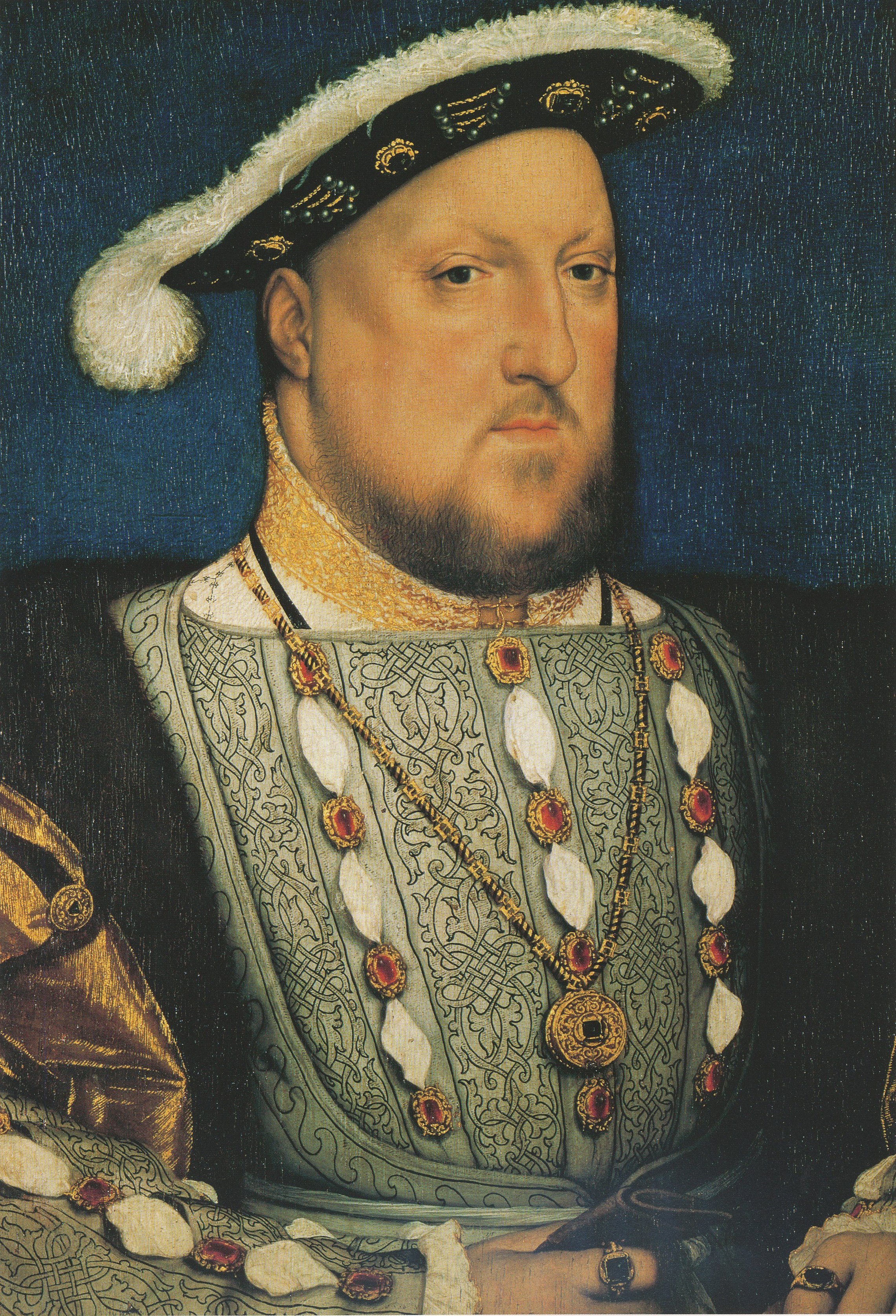
13. **The Unforeseen Birth of the Anglican Church: Henry VIII’s Annulment Letter**Among the many priceless treasures housed within the Vatican Apostolic Archive, few hold as much dramatic historical weight as a particular 1530 letter. Bishop Sergio Pagano proudly displays this document, carefully preserved behind plate glass in an otherwise unassuming wooden armoire in his office, highlighting its monumental significance. It’s a physical testament to a pivotal moment that irrevocably altered the course of religious and political history, shaping nations and faiths.
This original letter, signed and sealed by the overwhelming majority of the British House of Lords, was a direct appeal to Pope Clement VII. Its purpose was clear: to urgently pressure the Pope into granting King Henry VIII an annulment for his marriage to Catherine of Aragon, thereby allowing him to marry Anne Boleyn. It represented a desperate, last-ditch effort by the English nobility to resolve a dynastic crisis through diplomatic means with the Holy See.
As history vividly records, Pope Clement VII famously refused the annulment. This papal denial proved to be the ultimate flashpoint, leading directly to King Henry VIII’s dramatic decision to break with Rome and establish the Church of England, with himself at its head. The ramifications were colossal, giving birth to a new national church and fundamentally reshaping the religious landscape of Europe.
Pagano, with a light-tipped pointer, draws visitors’ attention to the vibrant red wax seals of the many signatories on the document, remarking with profound understatement, “You can say that here we are at the birth of the Anglican Church.” This single letter, held securely within the Vatican’s vaults, serves as the tangible starting gun for one of the most significant schisms in Christian history, a testament to how seemingly small diplomatic decisions can trigger world-changing events. It also stands as a proud symbol of archival resilience, having survived Napoleon’s plundering through the ingenious actions of Pagano’s predecessor.
As Bishop Sergio Pagano steps down, his willingness to share these incredible insights from his unparalleled tenure offers us a rare, authentic glimpse behind the Vatican’s famously opaque walls. From tales of ingenious archival preservation during Napoleon’s conquests to the surprising financial machinations of papal conclaves, and the thorny ethical debates surrounding wartime popes, these revelations peel back layers of myth to reveal the complex, very human, and often astonishing realities that have shaped one of the world’s most enduring institutions. The archives, far from being merely dusty repositories of forgotten documents, are living testaments to history, continuously revealing their secrets to those patient and curious enough to listen. These stories remind us that while rumors endlessly fascinate, the true, verified history held within these vast collections is often even more extraordinary.