No movie is truly set in stone from the moment cameras stop rolling. The fascinating, often challenging, realm of post-production is a fluid process, allowing filmmakers to meticulously hone, refine, and fine-tune their vision before finally settling on a definitive cut. Yet, in plenty of cases, the ultimate decision is taken entirely out of their hands, with powerful studios frequently assuming command after a troubled production, mandating that a film be edited to their liking and nobody else’s.
This intricate dance between creative vision and commercial viability often boils down to a single, critical factor: the movie’s rating. The Motion Picture Association, or MPA, meticulously scrutinizes a film’s content, considering everything from levels of violence and profanity to ual situations and even the overall mood and tone. For studios aiming for a wider, family-friendly audience, an unexpected R-rating can spell disaster, prompting a desperate scramble to snip, trim, or even digitally alter scenes to achieve that coveted PG or PG-13 label.
So, grab your popcorn, because we’re about to delve into a riveting journey through the archives of Hollywood history. We’ll be exploring the moments that nearly pushed some of cinema’s most beloved (and infamous) films into R-rated territory due to their sheer violence. These are the deleted scenes that, for better or worse, never made it to the big screen, profoundly altering the experience and legacy of these movies.
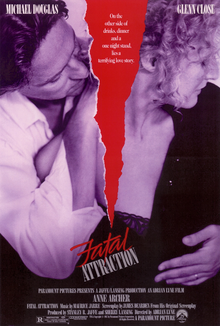
1. Fatal Attraction: Alex Forrest’s Original, Bleak Suicide
Adrian Lyne’s *Fatal Attraction* famously kickstarted the erotic thriller boom of the late 1980s and early 1990s, searing Glenn Close’s Alex Forrest into pop culture history as the bunny-boiling stalker who made Michael Douglas’ life a living hell. The theatrical ending, a visceral home invasion sequence culminating in Alex being gunned down by Anne Archer’s Beth Rogerson Gallagher, is iconic for its dramatic, almost cathartic, resolution to a film brimming with psychological tension and escalating violence. It delivered a sense of justice, albeit a brutal one, to test audiences who clearly favored a more decisive end for the antagonist.
However, the film’s original finale was far more grim, a serious downer that would have undoubtedly left viewers with a lingering sense of unease rather than satisfaction. Initially, Alex Forrest didn’t perish in a violent struggle with Beth, but instead, took her own life. In this chilling deleted scene, Alex slashes her own throat with the very knife she wielded to terrorize the Gallagher family, an act of self-inflicted violence that defied audience expectations and dramatically shifted the narrative’s emotional weight.
This self-immolation was intended to give Alex the ultimate, twisted last laugh, painting Dan Gallagher not as a survivor, but as a man facing a murder charge for his mistress’s death. Glenn Close herself spent two arduous weeks refusing to shoot this version, eventually being convinced to perform the scene. Had the filmmakers stood their ground and preserved this drastically darker conclusion, avoiding an ending that was, perhaps, a little too neat, *Fatal Attraction* would have been a profoundly different, and arguably more unsettling, film. The explicit nature of the suicide certainly contributed to its removal, aiming for an ending more palatable for wider audiences, even if it meant sacrificing a more powerful, albeit bleak, artistic statement.
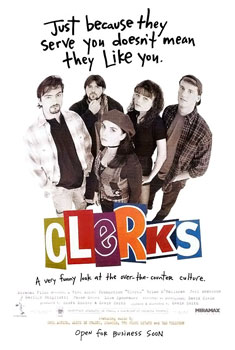
2. Clerks: Dante Hicks’ Tragic Demise
Kevin Smith’s directorial debut, *Clerks*, is a low-budget, black-and-white indie sensation that almost ended the filmmaker’s View Askewniverse before it even truly began. The film, a quintessential slice-of-life comedy about two convenience store clerks, Dante Hicks and Randal Graves, cemented their slacker personas in cinematic history and launched a beloved cinematic universe. The version we all know concludes with a relatively mundane, yet perfectly characteristic, moment where Jeff Anderson’s Randal casually throws the ‘I Assure You We’re Open’ sign to Brian O’Halloran’s Dante. It’s a quiet, understated close to a day filled with absurd customer interactions and philosophical debates.
Yet, the film very nearly ended on a far more shocking and violent note, one that would have dramatically changed the entire trajectory of Smith’s burgeoning career. The director had originally continued the story for a couple of additional, pivotal minutes. In this excised sequence, a robber enters the Quick Stop, and in a sudden, brutal act of violence, shoots and kills Dante. The credits were then intended to roll, leaving the audience stunned by the abrupt and senseless death of the film’s protagonist.
Thankfully, cooler heads prevailed, and Smith was advised to remove this grim finale. The decision proved to be a stroke of genius, not just for the film’s tone, but for the legacy of its characters. Dante and Randal’s survival allowed Smith to build an entire career, creating a rich, interconnected world that spanned multiple films, comics, and animated series. The raw, unexpected violence of Dante’s death would have pushed *Clerks* into a much harsher, more serious territory, undoubtedly impacting its initial reception and potentially earning it a more restrictive rating, alienating a segment of its cult following.
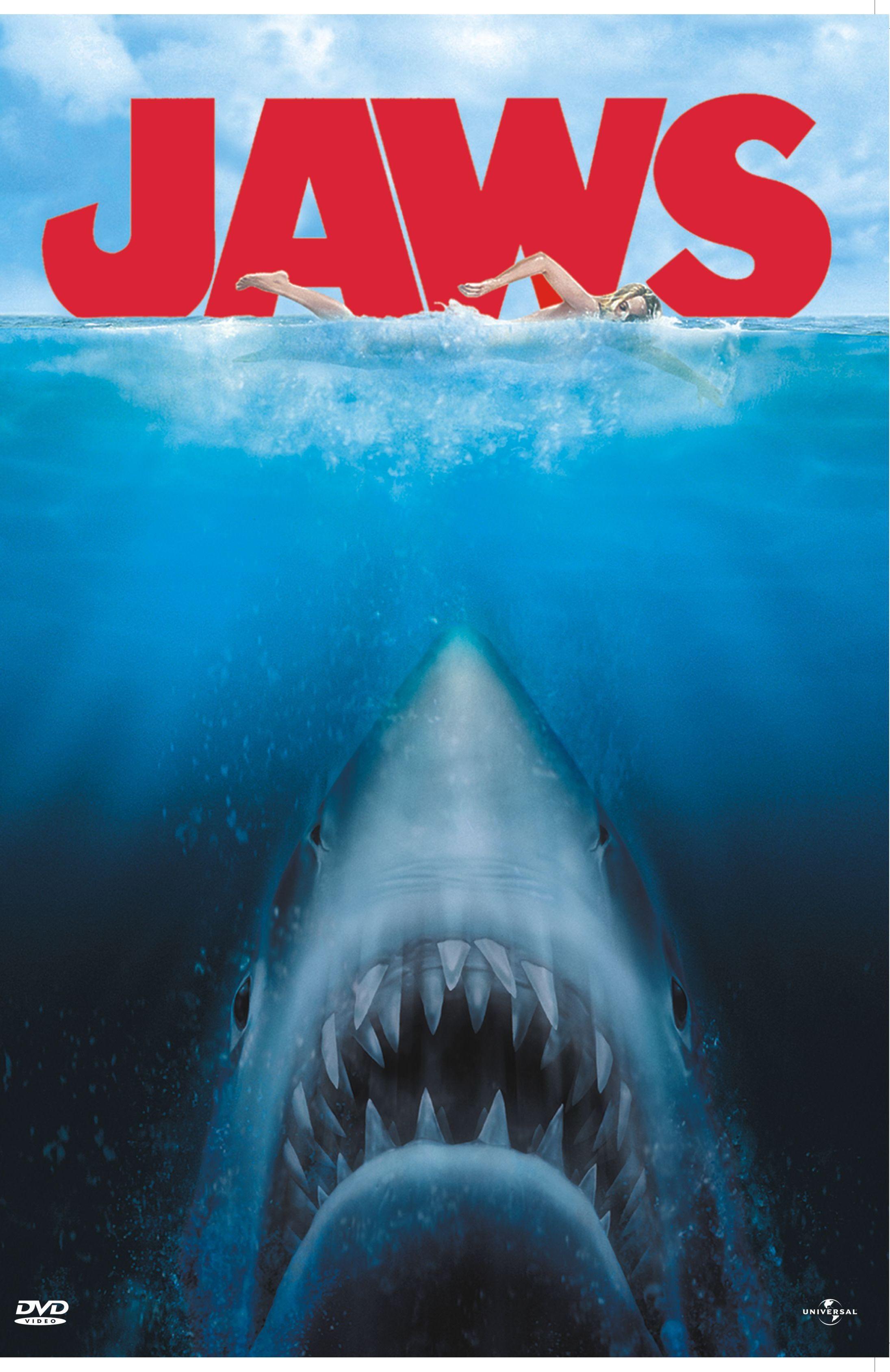
3. Jaws: The Paddleboat Victim Devoured While Clinging to a Child
Steven Spielberg’s *Jaws* is often hailed as a masterclass in suspense, a horror film that terrifies through implication and masterful pacing rather than overt gore. Despite its bone-chilling moments and the pervasive threat of a bloodthirsty shark, it surprisingly landed a PG rating. Most of the deaths in the theatrical cut occur off-screen, or the shark itself is not clearly seen, allowing the audience’s imagination to fill in the horrifying blanks. This strategic restraint is, in many ways, what contributes to the film’s enduring scare factor.
However, if the movie had been released as originally intended, it would have included at least one incredibly graphic and jaw-dropping moment that would have almost certainly warranted an R rating. This particularly intense deleted scene occurred during the sequence where Chief Brody’s son, Michael, and his friends are out sailing, only for their boat to be overturned by the shark. A man in a paddleboat heroically comes to their aid, a moment of fleeting hope amidst the terror.
But in what actor Ted Grossman, who played the victim, described as “so violent, so horrendous, that they couldn’t use it,” the shark emerges out of nowhere and devours the man in a truly brutal fashion. Crucially, the scene depicted him being dragged under the water while still clinging to a screaming child, amplifying the horror and the sense of helplessness to an unbearable degree. Spielberg himself echoed this sentiment in a behind-the-scenes featurette, stating that it was “too bloody” and ultimately “in bad taste,” a clear indication of how close *Jaws* came to a much more explicit, R-rated portrayal of its aquatic antagonist.
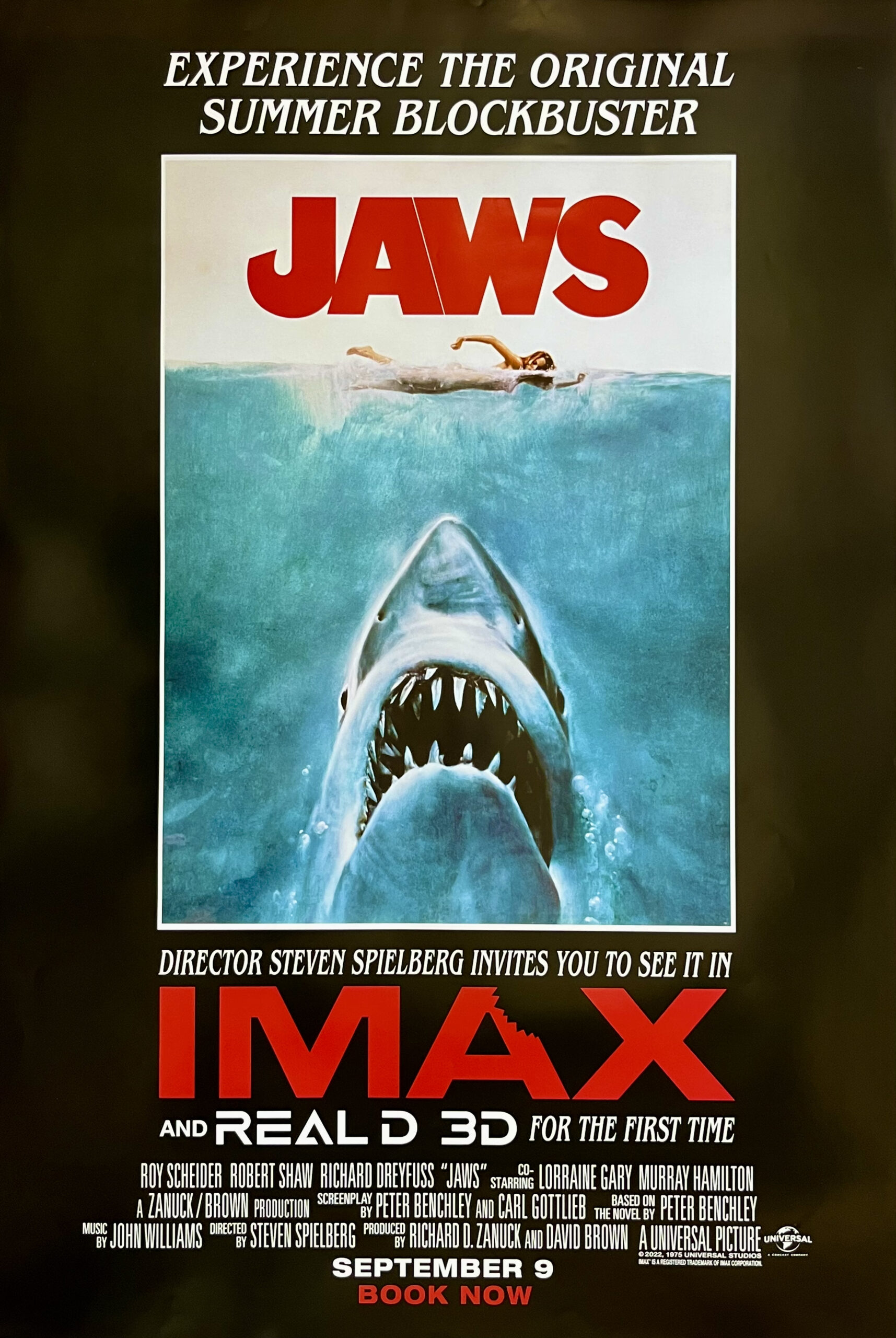
4. Jaws: Alex Kintner’s Death with More Shark on Display
The death of young Alex Kintner, obliviously floating on his inflatable raft, is one of the most horrifying and heartbreaking scenes in *Jaws* as it exists in the final cut. The shocking brutality of the shark hitting the raft, the sudden explosion of blood in the water, and the chilling sounds of poor Alex helplessly crying out underwater as he is dragged down, all contribute to a moment of pure nightmare fuel. It’s a visceral, emotional blow that cements the shark’s menace without showing too much, too soon.
Interestingly, this scene was originally conceived to be even more revealing of the monstrous creature. Initial plans called for a wider shot of the shark as it gobbled up the raft, providing audiences with an early, full-on look at just how long this creature truly was and the immense width of its terrifying jaws. Some test footage for this initially planned scene was indeed shot, and promotional spots for the movie even utilized an image that offered a substantial, early reveal of the shark’s terrifying visage.
Ultimately, Spielberg, with his unparalleled instinct for suspense, made the wise decision to leave these more explicit visuals on the cutting room floor. As the context suggests, showing the shark in this way, especially so early in the film, might have diminished the overall impact of the scene and potentially made the creature look “silly” in the test footage. While the filmmakers undoubtedly would have refined the visuals for the final product, the decision to withhold the full reveal undoubtedly heightened the suspense, making the shark’s eventual appearances all the more shocking. It also played a crucial role in maintaining the film’s precarious PG rating, as a direct, prolonged depiction of such an attack could have easily pushed it into more restrictive territory.
5. Jaws: The Estuary Victim’s Severed Leg
The terror continues in *Jaws* with the attack on the unnamed “Estuary Victim,” a scene that offers audiences one of their first clear glimpses of the shark’s ferocious face, its chilling eyes, and rows of razor-sharp teeth. Portrayed by stunt performer Ted Grossman, whose boat is suddenly swamped by the colossal predator, this moment is another pivotal escalation in the film’s relentless build-up of suspense and horror. The theatrical version shows the shark grabbing the man, and then, in a moment that truly pushes the PG envelope, his severed leg floats gently down to the murky bottom, a stark and grisly reminder of the shark’s destructive power.
However, the scene was originally conceived with even more intense and explicit details. As Grossman himself explained, and as some test footage reveals, the original concept for the estuary attack involved the shark, after grabbing its victim, propelling him violently forward through the water. Crucially, this propulsion would have slammed the victim directly into young Michael Brody, who, along with his friends, had also been knocked into the water. For a brief, terrifying moment, the shark would have pushed both the victim and Michael along, before Michael was pushed aside, narrowly escaping a similar fate.
This more graphic rendition of the attack, particularly the implication of the victim being used as a battering ram against a child, clearly leaned much more toward PG-13 or even R-rated territory. Spielberg, reflecting on his decision to cut this sequence, again stated he ultimately found it “in bad taste.” The removal of this explicit interaction not only moderated the scene’s intensity for a broader audience but also preserved the film’s overall suspense, avoiding an overabundance of gore that could have overshadowed the psychological horror, and crucially, kept it within the boundaries of a PG rating, albeit one with a bold “MAY BE TOO INTENSE FOR YOUNGER CHILDREN” caveat.
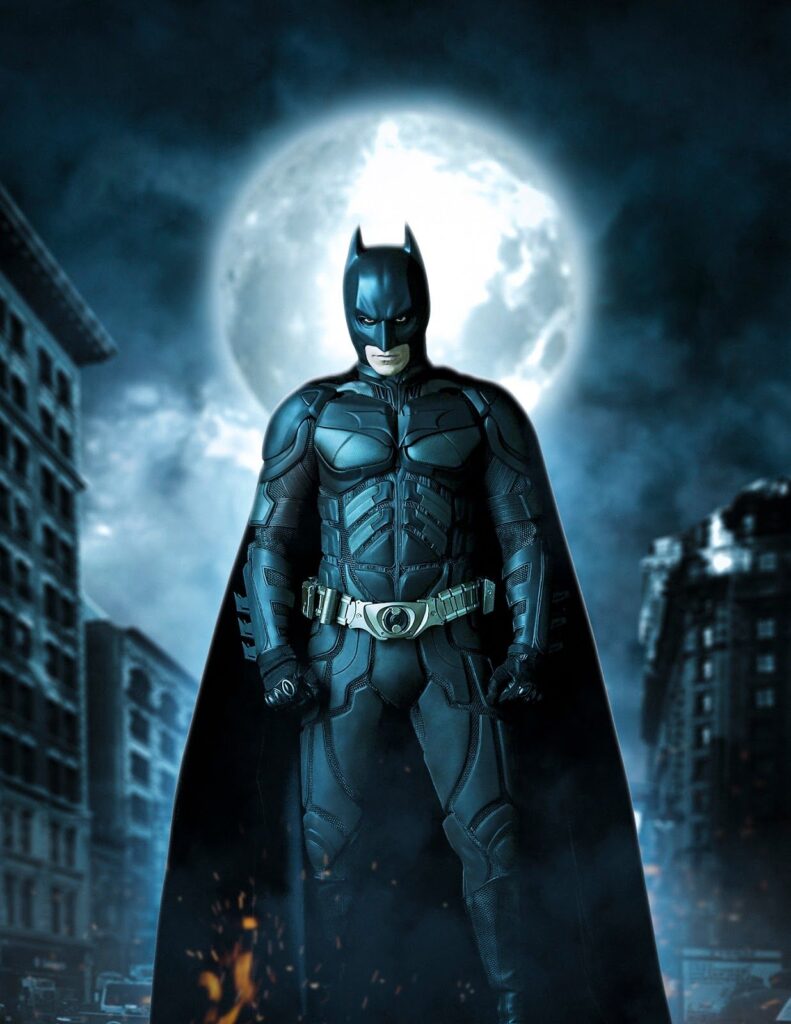
6. Batman v Superman: Dawn of Justice: Extended Brutality in the Warehouse Fight*
Batman, as a character, is inherently gritty and operates in the shadowy, crime-ridden underbelly of Gotham City. While he’s certainly a candidate for a more mature, R-rated feature, his cinematic outings have historically remained within the PG-13 range. However, when director Zack Snyder brought together the Dark Knight and the Man of Steel in *Batman v Superman: Dawn of Justice*, he pushed the boundaries, aiming for a decidedly darker and more intense narrative than previous iterations.
Indeed, if Snyder had entirely gotten his way, *Batman v Superman* would have been even more adult-oriented, delving further into violent depictions. The director has openly discussed extended versions of certain scenes that were shot with the intention of earning an R rating. He revealed to Collider that there were specific violent moments “that we kind of trimmed out a little bit for the MPAA” to ensure the film received its desired PG-13 classification for its theatrical release.
Among these significantly more brutal sequences was an extended version of the now-famous warehouse fight scene, a visceral showcase of Batman’s combat prowess that even in its PG-13 form, felt incredibly intense. Additionally, the opening sequence in North Africa was originally “much different,” containing more explicit violence that was scaled back for general audiences. While these deleted moments weren’t seen by theatrical audiences, they were later included in the “Ultimate Cut” of the film, released on Blu-ray and DVD, much to the delight of fans who appreciated the heightened intensity. Star Ben Affleck himself championed the availability of this more violent version, asking, “Why not have an R-rated version that you release for download or on DVD later?” These scenes underscore a clear creative intent to present a grittier Batman, tempered only by the studio’s need for a wider audience demographic.
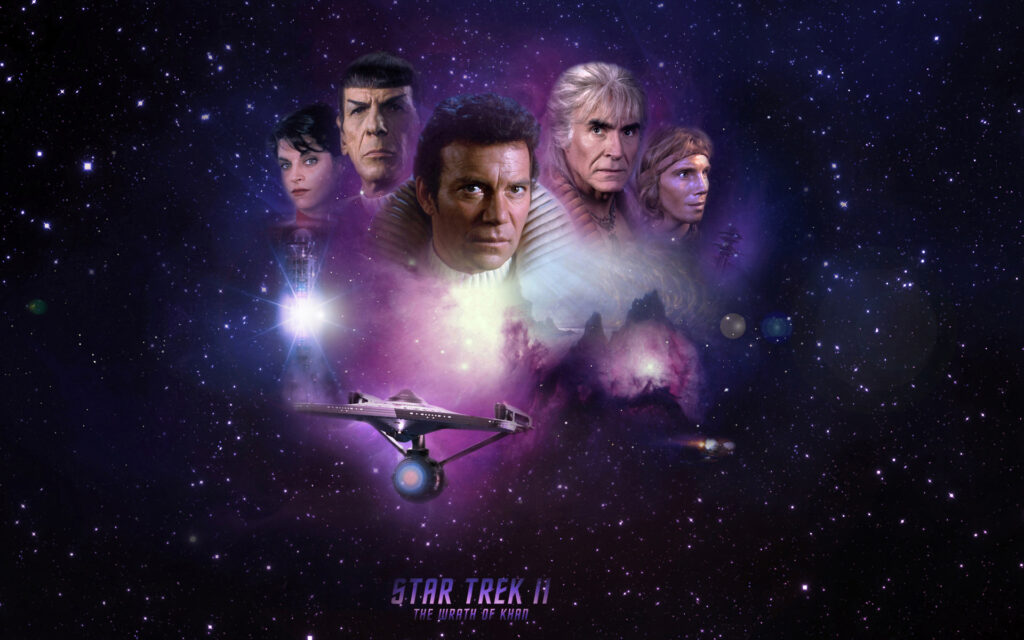
7. Star Trek II: The Wrath of Khan: Khan’s Child Sucked into the Vortex
The *Star Trek* franchise, while known for action and drama, rarely pushes boundaries with gratuitous violence. Yet, its most beloved installment, *Star Trek II: The Wrath of Khan*, a film revered for its epic space battles and Ricardo Montalbán’s iconic performance, almost included a moment that would have surely earned it a much harsher rating.
This incredibly dark deleted scene centered around a key subplot of Khan’s obsessive quest for vengeance. An entire character was initially planned: Khan’s young child. This toddler was slated to make a horrifying appearance during the film’s climax, as Khan detonates the Genesis Device in a desperate, final attempt to eradicate Kirk and the *Enterprise*. The scene would have depicted the device sucking this innocent child into its swirling vortex before obliterating Khan’s entire ship, the *Reliant*.
The sheer brutality of witnessing an infant’s death in such a violent, spectacular fashion would have been profoundly shocking and emotionally devastating. Although the full scene has never officially surfaced, chilling images from this sequence were published in *StarBlazer* magazine back in 1982, hinting at the disturbing vision. It’s not difficult to comprehend why this moment was left on the cutting room floor, as it would have pushed the film far beyond a PG rating, likely landing it in R-rated territory, altering the franchise’s tone.
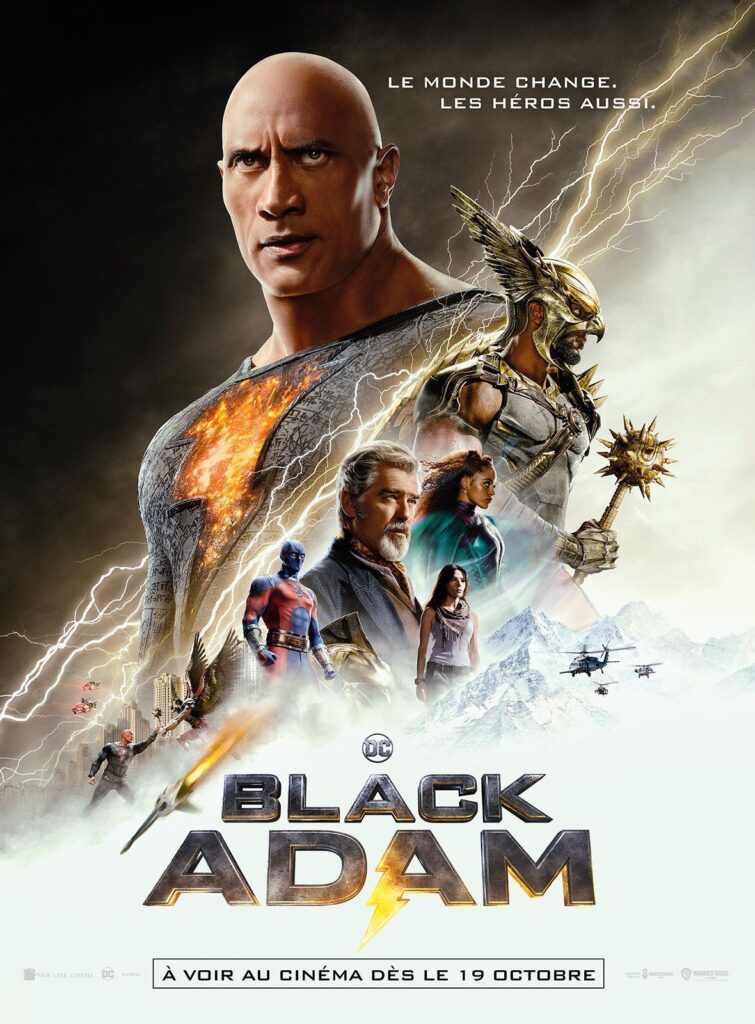
8. Black Adam: The Mercenary’s Spasming, Torn Arm
Dwayne “The Rock” Johnson’s *Black Adam* aimed to redefine the DC Extended Universe, introducing an anti-hero whose aggressive nature suggested a more intense portrayal. Producer Hiram Garcia openly discussed their commitment to honoring Black Adam’s “aggression and violence,” confirming the film was initially much darker and required significant edits to secure its desired PG-13 rating.
Among these excised moments was a particularly gruesome display of Black Adam’s might, detailed by VFX artists Nikos Kalaitzidis and Greg Teegarden. They described a scene where Black Adam violently tears the arm from a mercenary soldier. The unsettling detail was what happened next: the severed arm, after hitting the ground, continued to spasm. Teegarden explicitly stated, “You can’t have a disembodied hand laying on the ground and the finger just all of a sudden twitching,” confirming this detail necessitated cuts.
The removal of such a viscerally shocking moment softened the film’s edges, making it more palatable for a wider audience, especially younger viewers. While fans might have relished an R-rated *Black Adam* fully embracing his aggressive side, the studio’s decision highlights the balancing act between artistic authenticity and commercial viability in mainstream blockbusters, toning down explicit gore for broader appeal.
9. Indiana Jones and the Temple of Doom: Torture, Child Abuse, and a Grisly Lava Burning
*Indiana Jones and the Temple of Doom* is infamous for its intense content, helping establish the PG-13 rating. Even with its notorious heart-ripping scene, the film could have been far more unsettling and brutal, pushing it well beyond any PG rating into R-rated territory.
Among the removed scenes were depictions of the Thuggee cult’s horrifying cruelty. One disturbing moment involved a torturer brutalizing enslaved children, a scene that would have significantly amplified the film’s dark tone. The depravity of child abuse, even implied, would have been shocking for audiences in a broad-appeal film.
Furthermore, this same torturer was destined for a grisly demise, being burned by lava in an explicit, drawn-out fashion. The *New York Times* reported international uproar, quoting a British censor stating “a scene depicting ‘the slow burning to death of a man who is in absolute agony’ must be trimmed” for even a “15” rating. These excisions clearly tempered the film’s extreme violence, shaping it for wider distribution while still defining the boundaries of mainstream cinema’s acceptable content.
10. Divergent: Edward’s Gruesome Eye Stabbing and General Visceral Violence
The *Divergent* series, a young adult adaptation, aimed for a PG-13 rating. Achieving this required cutting scenes deemed too harsh or explicitly violent for its target demographic, despite being directly from the source material.
One notable deleted scene involved Edward receiving a brutal stab in the eye during a nighttime attack. Actor Ben Lamb confirmed this as “very gruesome.” While included in home video releases, its removal from the theatrical cut underscored its intensity.
Director Neil Burger also stated the film “as a whole, especially in the latter section, was much more visceral and frankly, violent.” This strongly implies that beyond the eye-stabbing, numerous other sequences pushed boundaries into R-rated territory. The studio’s decision to scale back this pervasive violence created a more accessible, albeit less gritty, adaptation, highlighting the constant negotiation between source material and rating considerations.
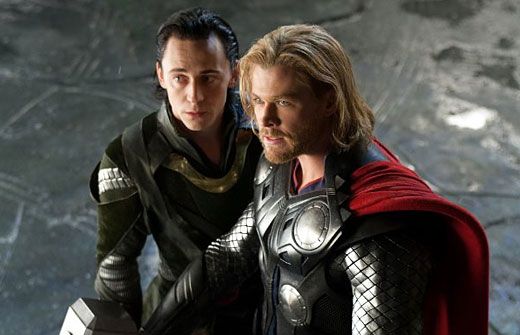
11. Thor: Love and Thunder: Gorr the God Butcher’s R-Rated Brutality
*Thor: Love and Thunder* explored the darker edges of the MCU, with Christian Bale’s Gorr the God Butcher. Both Bale and director Taika Waititi admitted to filming scenes “that we kind of knew… probably wouldn’t end up in the film, but we wanted to just push it and see.” This included violence that was “too far” for the MCU’s standard.
Bale confirmed that he and Waititi agreed the intense scenes weren’t right for the final cut, emphasizing that it “is and should be a film that all the family can go and enjoy.” He even recalled Chris Hemsworth commenting, “‘Dude, that’s a little too far. I don’t think anyone’s gonna want to see that unless it’s an R-rated film.'”
These remarks confirm that a more ruthless, gore-filled version of Gorr’s rampage was filmed, explicitly R-rated in its original form. The decision ensured *Thor: Love and Thunder* maintained family-friendly accessibility, sacrificing some of Gorr’s intended ferocity but providing a fascinating insight into creative self-censorship for a broader audience.
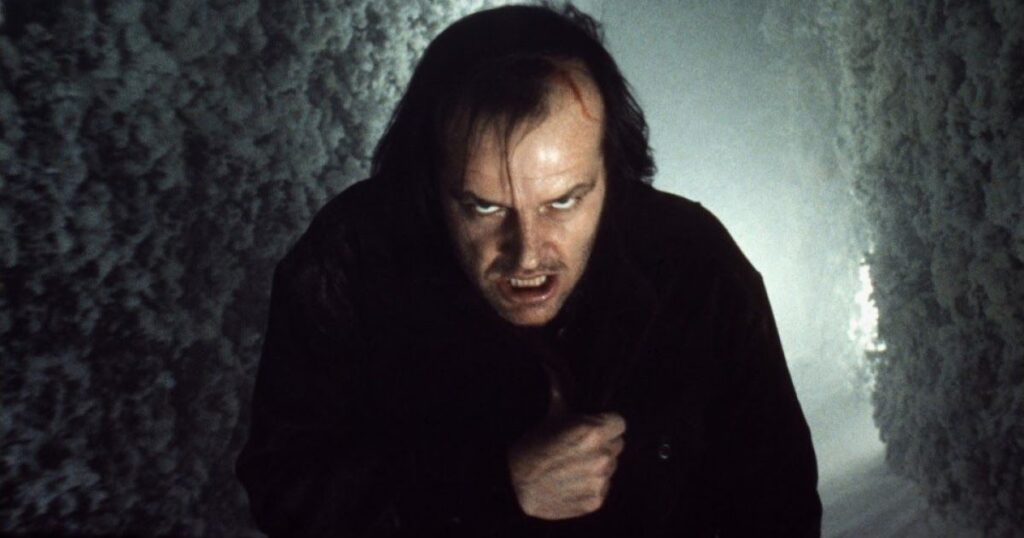
12. The Shining: The Deleted Hospital Scene and Jack’s Undiscovered Body
Stanley Kubrick’s *The Shining* thrives on unsettling ambiguity, a masterpiece of psychological horror exploring madness. The theatrical cut leaves Jack Torrance frozen in the maze, but with lingering mystery about the Overlook Hotel’s true nature and the aftermath.
However, Kubrick initially filmed and screened a scene that would have drastically altered this legacy. This deleted sequence, recalled after a week in cinemas, showed Wendy recovering in a hospital. Overlook manager Mr. Ullman visits, revealing Jack’s body was never found in the maze, and hands Danny the tennis ball Jack used during his descent.
Kubrick ultimately realized that “tying everything up in a neat little expository bow was the wrong call,” preferring the haunting, unresolved ending. While not explicitly violent, the scene’s content relates to Jack’s violent demise and the disturbing implication that the hotel consumed him. Its removal preserved the film’s powerful ambiguity and intense psychological impact, ensuring the horror lingered.
***
From the visceral shock of a child’s violent demise in a space epic to the chilling implications of systemic injustice in a modern horror masterpiece, these deleted scenes offer a fascinating glimpse into the delicate dance between creative vision and commercial realities. They underscore the immense power of the editing room, where a single snip can reshape an entire film’s narrative, tone, and legacy. While we celebrate the final cuts that made these movies iconic, there’s an undeniable thrill in uncovering the raw, uncompromising, and often R-rated visions that nearly were, reminding us that cinema’s most impactful moments sometimes lie just beyond the frame.