
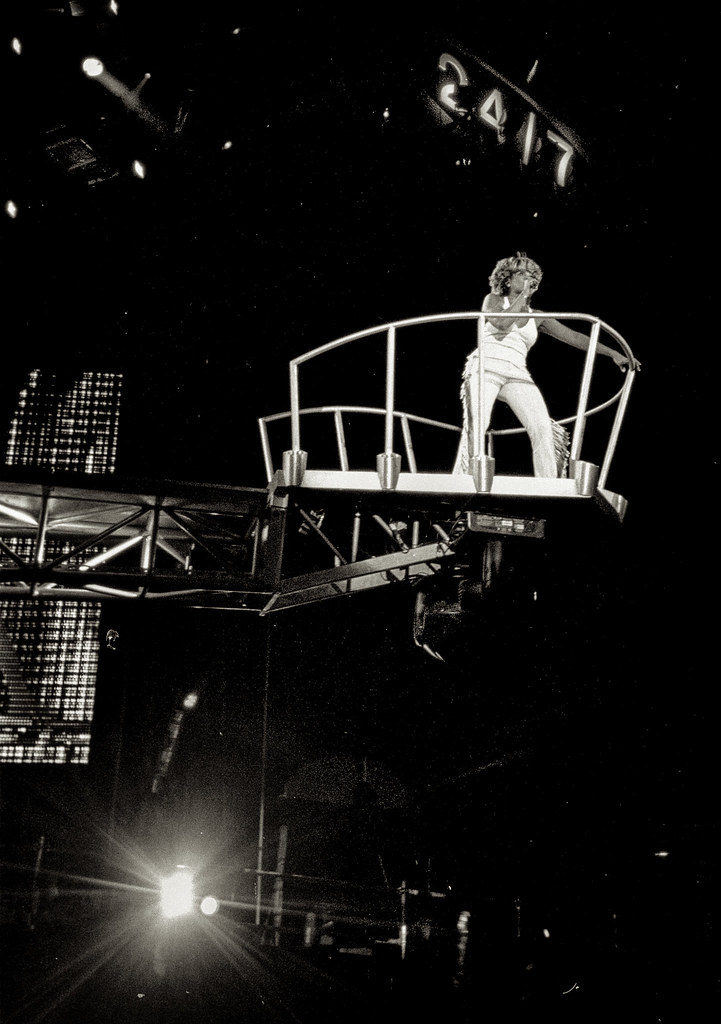

Tina Turner, born Anna Mae Bullock, a towering figure in music affectionately known as the “Queen of Rock ‘n’ Roll,” crafted a legacy defined by an electrifying stage presence and a voice of remarkable power. Her journey, spanning more than six decades, transcended musical genres and broke significant racial and gender barriers within the industry. With over 100 million records sold worldwide, her impact remains indelible, cementing her status among the best-selling music artists of all time.
Beyond the global acclaim and chart-topping success, Turner’s life was a profound narrative of resilience, deeply interwoven with personal trials and the complexities of her family. Her story, often recounted through the lens of her artistic triumphs, also encompasses the intricate relationships and profound experiences shared with her children. It is within this deeply personal sphere that the full breadth of her strength and vulnerability can be observed, particularly in the face of life’s most challenging moments.
As the world reflects on her extraordinary life following her passing on May 24, 2023, the narrative of her family takes on a poignant dimension. The icon, whose career was built on overcoming adversity, experienced a deeply personal journey of motherhood that, as the topic suggests, culminated in her being survived by a single child after the passing of her third son at the age of 67. This article aims to explore the multifaceted life of Tina Turner, weaving together her unparalleled career achievements with the intimate details of her personal relationships, particularly with her children, as illuminated by the provided biographical context.

1. **Tina Turner’s Early Life and Formative Years**Born Anna Mae Bullock on November 26, 1939, in Brownsville, Tennessee, Tina Turner’s origins were rooted in the rural, unincorporated community of Nutbush. Her early childhood was shaped by the challenges typical of the era and region, with her father, Floyd Richard Bullock, working as an overseer of sharecroppers at Poindexter Farm. Turner herself recalled the demanding work of picking cotton with her family at a young age, an experience that underscored the humble beginnings from which she would later ascend to global fame.
The domestic environment of her childhood was marked by considerable strain. Her mother, Zelma Priscilla Bullock, sought freedom from an abusive relationship with Floyd, leaving the family without warning in 1950 when Tina was only 11 years old. Two years later, her father married another woman and relocated to Detroit, leaving Anna Mae and her sisters to live with their maternal grandmother in Brownsville. This early abandonment left a lasting impression, as Turner later recounted in her autobiography, *I, Tina*, feeling unloved and unwanted by her parents.
Despite these early hardships, Bullock displayed a spirit of independence and resilience. As a teenager, she worked as a domestic worker and actively engaged in school life, joining both the cheerleading squad and the female basketball team at Carver High School. Her early enjoyment of singing and acting, often performing in the streets for change to attend movies, hinted at the artistic talent that would soon define her life. Her participation in the church choir at Nutbush’s Spring Hill Baptist Church further nurtured her vocal abilities.
The foundational years, though challenging, instilled in Anna Mae Bullock a profound strength. The instability of her family life and the necessity of self-reliance forged a determination that would become a hallmark of her character. It was this inherent resilience, honed through adversity, that would prepare her for the even greater personal and professional challenges that lay ahead in her extraordinary journey. Her relocation to St. Louis at age 16 to live with her mother, following her grandmother’s death, marked a new chapter, leading her directly to the crucible of her future career.
Read more about: Tina Turner: An In-Depth Chronicle of the Queen of Rock ‘n’ Roll’s Enduring Legacy

2. **The Genesis of Ike & Tina Turner**The move to St. Louis proved a pivotal moment in Anna Mae Bullock’s life, immersing her in the vibrant club scene of St. Louis and East St. Louis. Here, she first encountered Ike Turner and his band, the Kings of Rhythm, performing at the Club Manhattan. Bullock was instantly captivated, recalling she “almost went into a trance” watching him play, igniting a deep desire to perform alongside him.
Her initial attempts to join the band were met with skepticism, as few women had sung with the Kings of Rhythm previously. However, her persistence paid off one night in 1956 when, seizing an opportunity during an intermission, she took the microphone and sang the B.B. King blues ballad, “You Know I Love You.” Her impromptu performance left Ike Turner impressed, prompting him to invite her to sing more songs and subsequently become a featured vocalist with his ensemble. This moment marked the true beginning of her professional musical career.
Under Ike Turner’s tutelage, Anna Mae honed her craft, learning “the finer points of vocal control and performance” that would later define her unique style. Her earliest recorded work, credited as Little Ann, appeared on the 1958 single “Boxtop,” showcasing her emerging talent alongside Ike and fellow Kings of Rhythm singer Carlson Oliver. This period of artistic development laid the groundwork for the duo’s eventual breakthrough, establishing the dynamic that characterized their early collaboration.
In 1960, a crucial turning point arrived when Ike wrote “A Fool in Love” for another singer, Art Lassiter. When Lassiter failed to appear for the recording session, Bullock suggested she sing the lead, intending for her vocals to be a temporary placeholder. However, local disc jockey Dave Dixon recognized the raw power and distinctive quality of her voice, leading Ike to send the demo to Juggy Murray, president of Sue Records. Murray, struck by what he described as Tina’s “screaming dirt” sound, bought the track and offered a substantial advance.
Murray’s enthusiasm extended to convincing Ike to make Bullock “the star of the show.” In response, Ike renamed her “Tina,” drawing inspiration from figures like Sheena, Queen of the Jungle, to craft her stage persona. Crucially, he also added his last name and trademarked “Tina Turner” as a form of protection, envisioning a scenario where he could replace her if she left. Thus, Anna Mae Bullock was publicly introduced as Tina Turner with the release of “A Fool in Love” in July 1960, launching a new era in popular music.
Read more about: Style Over Substance: 15 Beautiful Old Cars That Could Barely Beat a Scooter
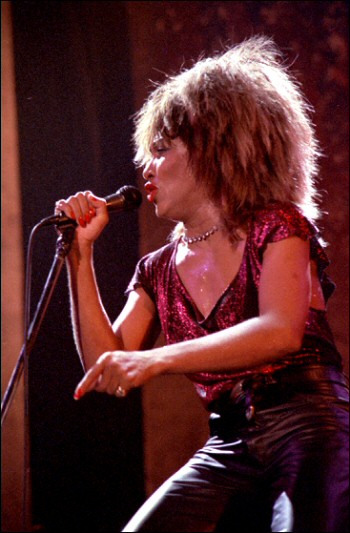
3. **The Ascent to Stardom of the Revue**The debut of “A Fool in Love” in July 1960 marked the rapid ascent of Ike & Tina Turner, becoming an immediate success that reached No. 2 on the Hot R&B Sides chart and No. 27 on the Billboard Hot 100. Its distinctive sound prompted journalist Kurt Loder to describe it as “the blackest record to ever creep into the white pop charts since Ray Charles’s gospel-styled ‘What’d I Say’ that previous summer,” highlighting its groundbreaking crossover appeal and powerful musicality.
Building on this initial triumph, the duo continued to produce chart-topping singles throughout the early 1960s, including “It’s Gonna Work Out Fine,” which earned a Grammy nomination for Best Rock and Roll Performance in 1961, reaching No. 14 on the Hot 100. Other R&B hits such as “I Idolize You,” “Poor Fool,” and “Tra La La La La” further solidified their presence in the music scene, showcasing Tina’s vibrant vocal delivery and the band’s tight arrangements.
The success of “A Fool in Love” prompted Ike Turner to formalize their live act into the Ike & Tina Turner Revue, a spectacular ensemble featuring the Kings of Rhythm and the dynamic girl group, the Ikettes, as backing vocalists and dancers. Ike meticulously managed the revue, orchestrating a rigorous touring schedule across the United States, often performing for 90 consecutive days. This relentless regimen forged a reputation for the Revue as “one of the hottest, most durable, and potentially most explosive of all R&B ensembles,” frequently drawing comparisons to the legendary James Brown Revue for its sheer musical spectacle and energy.
Their electrifying performances enabled them to play to desegregated audiences in Southern clubs and hotels during the challenging era of the Chitlin’ Circuit, a testament to their powerful artistry and widespread appeal. While touring relentlessly and releasing moderately successful R&B singles with various labels between 1963 and 1965, Tina Turner’s individual profile began to rise with solo television appearances, amplifying her unique charisma.
A significant turning point came in 1965 when music producer Phil Spector, captivated by their performance, offered to produce Tina. The resulting collaboration yielded “River Deep – Mountain High” in 1966, a record Spector considered his finest work, characterized by Tina’s “maximum energy” over his iconic “Wall of Sound.” Though it achieved immense success overseas, reaching No. 3 in the UK, its impact nonetheless opened doors for the Ike & Tina Turner Revue, including an opening spot on the Rolling Stones’ UK tour in the fall of 1966, signaling their expanding international recognition.
Read more about: Tina Turner: An In-Depth Chronicle of the Queen of Rock ‘n’ Roll’s Enduring Legacy
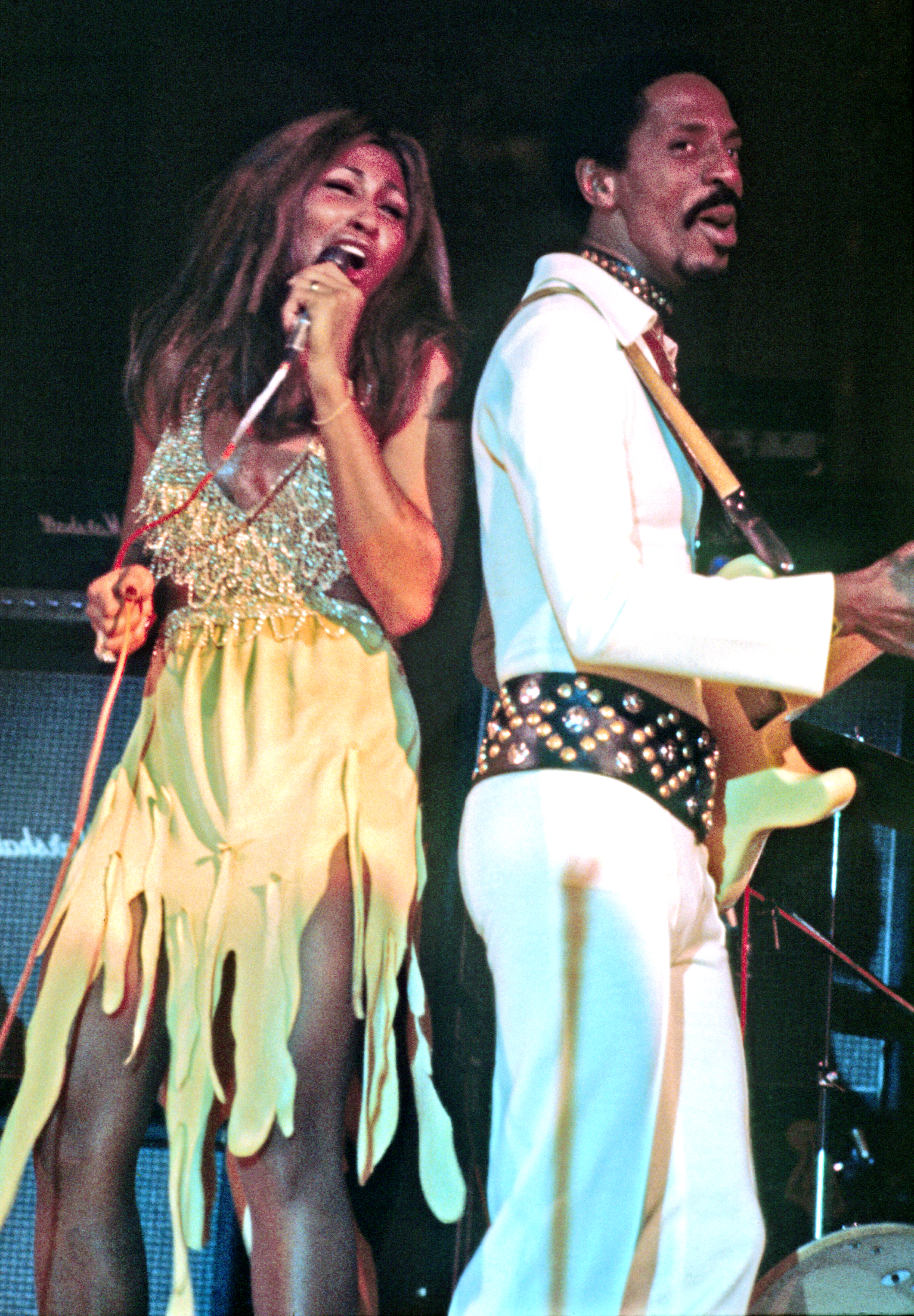
4. **The Private Struggles and Public Split**Beneath the dazzling lights of their burgeoning career, the relationship between Ike and Tina Turner was marred by a harrowing reality of domestic abuse. Tina later revealed in her autobiography, *I, Tina*, that their affair began in 1960, and after she told Ike she did not wish to continue their relationship while pregnant, he responded with violence, striking her in the head with a wooden shoe stretcher. This incident, as she recalled, was the first time he “instilled fear” in her, initiating a pattern of control and violence that would endure for years.
Throughout their marriage, Ike’s behavior was characterized by violence and promiscuity, creating an environment of profound unhappiness for Tina. Her struggle with this torment reached a critical point in 1968 when she attempted suicide by overdosing on Valium pills, a stark illustration of the despair she experienced despite their public success. She openly stated, “It was my relationship with Ike that made me most unhappy. At first, I had really been in love with him. Look what he’d done for me. But he was totally unpredictable.”
By the mid-1970s, Ike’s heavy addiction to cocaine further exacerbated the instability and toxicity of their relationship. The strain became unbearable, culminating in a decisive moment on July 1, 1976. While traveling from Los Angeles to Dallas for a gig, the couple engaged in a severe physical altercation en route to the Statler Hilton. In an act of profound courage, Tina fled the hotel shortly after arriving, escaping with only 36 cents and a Mobil credit card to a nearby Ramada Inn.
This courageous flight marked the definitive end of their tumultuous partnership. On July 27, Tina filed for divorce on the grounds of irreconcilable differences, seeking $4,000 a month in alimony, $1,000 a month in child support, and custody of her sons, Craig and Ronnie. The divorce was officially finalized on March 29, 1978. In the final decree, Tina demonstrated remarkable strength and independence, taking responsibility for missed concert dates and an IRS lien, while retaining songwriter royalties from songs she had written. This act of liberation, though financially burdensome initially, paved the way for her extraordinary solo career and defined her enduring narrative of triumph over adversity.
Read more about: Do You Recall? 11 Oscar Winners That Have Totally Vanished From Public View Today.

5. **The Shaping Influence of Her Sons: Craig and Ronnie**Tina Turner’s journey into motherhood began before her complex relationship with Ike Turner fully unfolded, bringing a profound personal dimension to her early life. Her first son, Craig Raymond Turner, was born in August 1958, a result of her relationship with saxophonist Raymond Hill. This period of her life saw Tina, then Anna Mae Bullock, move in with Hill during her senior year of high school after becoming pregnant. However, their relationship dissolved when Hill left the band after an injury and returned to his hometown before Craig’s birth, leaving Tina as a single parent.
The responsibility of raising a child at a young age, while simultaneously embarking on a nascent music career, showcased Tina’s inherent strength. Craig’s arrival added another layer of motivation and love to her life, even as she navigated the burgeoning complexities of her professional aspirations. He was part of the family unit that would later move to Los Angeles in 1962, joining Ronnie, Ike Jr., and Michael in the household established by Ike and Tina.
Her second son, Ronnie Turner, was born in October 1960, marking the arrival of her biological child with Ike Turner. Ronnie’s birth occurred shortly after the pivotal moment of “A Fool in Love” and coincided with the intensifying personal dynamics between Tina and Ike. His presence deepened Tina’s role as a mother, raising two young boys amidst the demanding touring schedule and the increasingly volatile domestic life of the Ike & Tina Turner Revue.
Both Craig and Ronnie were central figures in Tina’s personal life, representing the private world she nurtured amidst her escalating public fame. They experienced the intense highs of their parents’ musical success, as well as the harrowing lows of their parents’ tumultuous personal relationship. Tina’s fight for their custody during her divorce from Ike underscores the deep maternal bond she held, seeking to provide stability for her children as she rebuilt her own life. Their lives, though not extensively detailed in the public record from the provided context, were undoubtedly shaped by their mother’s extraordinary journey of resilience and determination.

6. **The Broader Family: Ike Jr. and Michael**Beyond her biological sons, Craig and Ronnie, Tina Turner’s family life also encompassed Ike Turner’s two sons from a previous relationship with Lorraine: Ike Jr. and Michael Turner. These boys were brought from St. Louis to live with Ike and Tina in Los Angeles in 1962, becoming an integral part of their household. This expanded family unit reflected the early complexities of Tina’s personal life, as she embraced the role of a stepmother alongside her responsibilities as a biological parent.
Tina’s household became a dynamic environment, housing four young boys as she and Ike navigated the demanding and often chaotic world of professional music. The presence of Ike Jr. and Michael meant that Tina’s maternal influence extended beyond her own biological children, shaping the upbringing and daily lives of all the boys under her roof. This arrangement highlighted her capacity for nurturing and her commitment to creating a semblance of family stability, even amidst the backdrop of her tumultuous marriage.
While the context does not offer extensive details on the individual lives of Ike Jr. and Michael or their specific relationships with Tina, their inclusion in her home and her pursuit of custody for Craig and Ronnie in the divorce settlement speaks to the broad, inclusive nature of her family sphere during those years. The challenges of raising four boys, coupled with the pressures of a demanding career and a difficult marriage, underscore the immense personal resilience Tina demonstrated throughout her life.
The narrative of Tina Turner’s life, therefore, is not solely a chronicle of musical achievement but also a testament to her profound capacity for love and care within her family. The intertwined lives of Craig, Ronnie, Ike Jr., and Michael formed a vital, if often private, part of her personal story, shaping the woman who would become a global icon. These early years, marked by both professional triumphs and profound personal trials, laid the groundwork for the later stages of her life, where her enduring strength would continue to be tested by both continued success and deeply felt personal losses, as later parts of her story would reveal.
Read more about: America’s Richest Landlords: Unpacking the Billions, Strategies, and Shifting Fortunes of Real Estate’s Elite

7. **The Unstoppable Solo Comeback: From Debt to Global Icon**Following her courageous separation from Ike Turner in 1976, Tina Turner faced significant financial burdens, including mounting lawsuits for canceled gigs. Yet, her indomitable spirit shone through as she began to rebuild her life and career. To generate income, she made appearances on various television shows, including *The Hollywood Squares*, *Donny & Marie*, *The Sonny & Cher Show*, and *The Brady Bunch Hour*. These early steps were crucial in keeping her in the public eye while she navigated a challenging personal transition.
With crucial funding from Mike Stewart, an executive at United Artists Records, Turner returned to performing, forming a new band in 1977 and unveiling fresh costumes designed by Bob Mackie. She embarked on her first solo concert tour in Australia and took her captivating act to smaller venues, headlining a series of cabaret shows at Caesars Palace in Las Vegas. Though her initial solo albums, *Rough* (1978) and *Love Explosion* (1979), which even briefly delved into disco, failed to chart, Turner’s resolve remained unbroken.
A pivotal moment arrived in 1979 when Australian manager Roger Davies, captivated by her performance at the Fairmont Hotel in San Francisco, agreed to manage her. This new partnership signaled a turning point. In 1982, her recording of The Temptations’ ‘Ball of Confusion’ for the UK production team B.E.F. became a hit in European dance clubs, marking her return to the charts. She even filmed a music video for the song, which aired on the fledgling MTV, making her one of the first black American artists to gain airtime on the channel, a testament to her trailblazing presence.
Her signing with Capitol Records in 1983 truly ignited her career resurgence. Her cover of Al Green’s ‘Let’s Stay Together,’ produced by B.E.F., was a surprise success, reaching No. 6 in the UK and achieving No. 1 on the Hot Dance Club Songs in the US. This success prompted Capitol Records to approve a full studio album, leading to the creation of her multi-platinum fifth solo album, *Private Dancer*, released in May 1984. Recorded in just two weeks, the album soared to No. 3 on the Billboard 200 and No. 2 in the United Kingdom, eventually selling 10 million copies worldwide and becoming her most successful album.
*Private Dancer* spawned the iconic single ‘What’s Love Got to Do with It,’ which, on September 1, 1984, became her first and only number-one hit on the Billboard Hot 100. This triumphant achievement, alongside other top 10 hits like ‘Better Be Good to Me’ and ‘Private Dancer,’ solidified her comeback. She capped this extraordinary return by winning three Grammy Awards at the 27th Annual Grammy Awards, including the coveted Record of the Year for ‘What’s Love Got to Do with It,’ firmly establishing her as a global superstar.

8. **Global Superstardom: Breaking Records and Shattering Ceilings**Tina Turner’s career resurgence quickly transformed into an era of unprecedented global superstardom, characterized by groundbreaking tours and chart-topping hits. Following the immense success of *Private Dancer*, she embarked on her second world tour in February 1985, further cementing her status as a powerhouse performer. During this period, her voice also became part of the iconic USA for Africa benefit song ‘We Are the World,’ showcasing her commitment to humanitarian causes.
In 1985, Turner captivated audiences not only with her music but also with her acting, starring opposite Mel Gibson in the post-apocalyptic film *Mad Max Beyond Thunderdome*. Her portrayal of the glamorous Aunty Entity, ruler of Bartertown, garnered positive critical response and contributed to the film’s global success, grossing over $36 million in the United States. She recorded two hit songs for the film, ‘We Don’t Need Another Hero (Thunderdome)’ and ‘One of the Living,’ with the latter earning her a Grammy Award for Best Female Rock Vocal Performance.
Her sixth solo album, *Break Every Rule*, released in 1986, continued her phenomenal success, reaching No. 1 in four countries and selling over five million copies worldwide within its first year. The album featured hit singles such as ‘Typical Male’ and ‘Two People.’ The accompanying *Break Every Rule World Tour*, which began in March 1987, became the third highest-grossing tour by a female artist in North America that year. In a historic performance in January 1988, Turner played to approximately 180,000 people at Maracanã Stadium in Rio de Janeiro, Brazil, setting a Guinness World Record for the largest paying concert attendance for a solo artist at the time.
After a well-deserved break, Turner returned in 1989 with the *Foreign Affair* album, which soared to No. 1 in eight countries, including her first number-one album in the UK. This album, which sold over six million copies worldwide, featured the international hit single ‘The Best.’ Her subsequent *Foreign Affair European Tour* in 1990 drew nearly four million spectators, breaking the record for a European tour previously held by the Rolling Stones, further illustrating her immense popularity and drawing comparisons to other legendary acts.
Reflecting on her immense success, Turner acknowledged her greater popularity in Europe, stating in a 1997 interview, ‘Private Dancer was the beginning of my success in England and basically Europe has been very supportive of my music. … [I am] not as big as Madonna [in the United States]. I’m as big as Madonna in Europe. I’m as big as, in some places [in Europe], as the Rolling Stones [sic].’ Her first greatest hits compilation, *Simply the Best*, released in 1991, sold seven million copies worldwide and remains her biggest seller in the UK, certified 8x Platinum, underscoring her enduring legacy and remarkable achievements across continents.

9. **A Multifaceted Artist: Acting, Authorship, and Philanthropy**Beyond her unparalleled musical career, Tina Turner expanded her artistic footprint through successful ventures in acting and authorship, showcasing her diverse talents and sharing her remarkable life story. Her early acting career included a critically acclaimed role in the 1975 rock opera *Tommy*, where she portrayed the Acid Queen, a drug-addicted prostitute, a performance that captivated audiences and critics alike. A decade later, her memorable role as Aunty Entity in *Mad Max Beyond Thunderdome* further solidified her presence on the silver screen, proving her versatility as an entertainer.
Turner’s life story, a powerful narrative of resilience and triumph, was a natural subject for biographical works. In 1986, she published her autobiography, *I, Tina*, which quickly became a bestseller, offering readers an intimate look into her challenging journey and ultimate success. This memoir served as the basis for the critically acclaimed 1993 semi-autobiographical film *What’s Love Got to Do with It*, which starred Angela Bassett as Tina and Laurence Fishburne as Ike, both earning Oscar nominations for their compelling portrayals. While not heavily involved in the film’s production, Turner contributed significantly to its soundtrack, re-recording old songs and adding new material, including the top 10 hit ‘I Don’t Wanna Fight.’
Her literary contributions continued into her later years, demonstrating her enduring commitment to sharing insights and inspiration. In October 2018, she released her second memoir, *My Love Story*, providing a further exploration of her personal experiences and relationships. This was followed in 2020 by her third book, *Happiness Becomes You: A Guide to Changing Your Life for Good*, co-written with American author Taro Gold and Swiss singer Regula Curti. This book, chosen by Amazon’s editors as a Best Nonfiction book of 2020, reflected her spiritual journey and philosophies.
In addition to her creative endeavors, Turner also dedicated herself to philanthropy and spiritual growth. In 2009, she co-founded the global music foundation, Beyond Foundation, with Swiss Christian musician Regula Curti and Swiss Tibetan Buddhist Dechen Shak-Dagsay. Through this foundation, she co-released four albums of spiritual or uplifting music, including *Buddhist and Christian Prayers* (2009), *Children* (2011), *Love Within* (2014), and *Awakening* (2017). As of 2023, the Swiss Beyond Foundation remains active, fostering collaboration among musical artists from diverse cultural and spiritual backgrounds.
Her ventures beyond music and stage cemented her image not just as a performer, but as a profound storyteller, an inspirational author, and a compassionate humanitarian. Her willingness to share her vulnerabilities, triumphs, and spiritual insights through these varied platforms added immeasurable depth to her public persona and solidified her legacy as an artist whose impact transcended entertainment, inspiring millions worldwide.

10. **Enduring Legacy and Unprecedented Accolades**Tina Turner’s extraordinary contributions to music and culture were recognized with an extensive array of awards, honors, and groundbreaking achievements that solidified her status as a true icon. Throughout her career, she received 12 Grammy Awards, including a prestigious Grammy Lifetime Achievement Award and three Grammy Hall of Fame inductions, acknowledging the enduring impact and timeless quality of her work. These accolades underscore her profound influence across generations and genres within the music industry.
Her trailblazing spirit broke numerous barriers. In November 1967, Turner made history as the first female artist and the first black artist to appear on the cover of *Rolling Stone* magazine, a landmark moment that reflected her growing prominence and challenged prevailing norms. She further distinguished herself as the first female black artist to win an MTV Award, demonstrating her innovative presence in the burgeoning music video landscape. Her longevity and consistent success were also remarkable, as she became the first solo artist with UK Top 40 singles across seven decades, a testament to her enduring appeal and musical adaptability.
In recognition of her iconic status, Turner received a star on the Hollywood Walk of Fame, ensuring her place among entertainment’s legends. She was also honored with a star on the St. Louis Walk of Fame, acknowledging her formative years in the city that witnessed the genesis of her career. These physical markers serve as constant reminders of her immense contributions and her profound connection to the places that shaped her journey to stardom.
Her indelible mark on rock and roll was officially enshrined with two inductions into the Rock and Roll Hall of Fame. She was first inducted with Ike Turner in 1991, recognizing the duo’s explosive performances and significant influence. Decades later, in October 2021, she received a second induction as a solo artist, a rare honor that underscored her individual artistry and groundbreaking solo career, which she accepted via satellite from her home in Switzerland. This dual recognition cemented her legacy as both a foundational figure in a legendary duo and a towering solo force.
Beyond music industry honors, Turner was celebrated for her cultural impact. In December 2005, she was a recipient of the esteemed Kennedy Center Honors at the John F. Kennedy Center for the Performing Arts in Washington, D.C., joining an elite group of entertainers celebrated for their lifetime contributions to American culture. That same year, she received the Women of the Year award, further affirming her stature as an influential figure who inspired countless individuals through her music, resilience, and personal story.
Read more about: Do You Recall? 11 Oscar Winners That Have Totally Vanished From Public View Today.

11. **Enduring Loss: A Mother’s Heartache**Amidst the dazzling highs of her global superstardom and the profound recognition of her artistic legacy, Tina Turner’s personal life was also marked by deep emotional complexities, particularly concerning her role as a mother. As detailed in the first section of this article, her journey into motherhood began early, with the birth of her first son, Craig Raymond Turner, in 1958. She then welcomed Ronnie Turner, her biological son with Ike Turner, in 1960. Her household further expanded to include Ike’s sons from a previous relationship, Ike Jr. and Michael Turner, whom she embraced as her own, creating a vibrant, albeit often tumultuous, family unit amidst the demanding pressures of her career and marriage.
Her commitment to her children was evident through her actions, such as her fight for custody of Craig and Ronnie during her divorce from Ike, demonstrating her deep maternal bond and her desire to provide a stable environment for them. She navigated the intricate balance of a demanding touring schedule and a challenging personal life while nurturing these four young boys. Their lives, undoubtedly shaped by their mother’s extraordinary journey, remained a central, if often private, aspect of her personal narrative, anchoring her amidst the whirlwind of her public persona.
However, the passage of time brought with it profound personal losses that deeply impacted Tina Turner in her later years. The emotional toll of life’s trials and tribulations extended to the familial sphere. The topic of this article poignantly notes that Tina Turner was ultimately survived by one child, following the death of her third son at the age of 67. This stark reality underscores the deeply personal and often heart-wrenching experiences she endured, even as she continued to inspire millions with her public resilience.
These losses, though not extensively detailed within the provided context, resonate with the overall narrative of Tina Turner’s life—a story frequently characterized by overcoming adversity and finding strength in the face of immense pain. Her profound capacity for love, as evidenced by her dedication to all her sons, undoubtedly made these bereavements all the more devastating. The cumulative weight of such personal tragedies offered a somber counterpoint to her public triumphs, revealing a life lived with extraordinary courage on all fronts.
The fact that she was ultimately survived by one child speaks volumes about the challenging arc of her personal journey. It highlights that even for a global icon like Tina Turner, life delivered its share of profound sorrows, testing her strength and resilience in the most intimate and heartbreaking ways imaginable. Her ability to continue inspiring, even amidst such profound loss, truly exemplifies the depth of her spirit and her enduring legacy as a woman who faced every challenge head-on.
Read more about: Unveiling the Enduring Strength: Tragic Details That Shaped the Marrs Family’s Journey on HGTV

12. **An Unforgettable Legacy: The Queen of Rock ‘n’ Roll’s Final Bow**Having built an unparalleled career spanning over six decades, Tina Turner ultimately decided to step away from the rigors of touring. In 2009, after completing the highly successful Tina!: 50th Anniversary Tour—her first tour in nearly ten years, which became one of the bestselling tours in history—she officially retired from performing. This decision marked the end of an era, allowing the “Queen of Rock ‘n’ Roll” to embrace a quieter life while her monumental legacy continued to reverberate across the globe.
Even in retirement, Turner remained active, contributing to projects that reflected her later-life interests. Her collaborations with the Beyond Foundation, co-founded in 2009, yielded several albums of spiritual and uplifting music, showcasing a different facet of her artistic expression and her dedication to promoting spiritual harmony. In 2020, she briefly came out of retirement to collaborate with Norwegian producer Kygo on a remix of ‘What’s Love Got to Do with It,’ once again making chart history as the first artist to have a top 40 hit in seven consecutive decades in the UK, a testament to her timeless appeal.
Her life story continued to fascinate and inspire, leading to the 2021 documentary film *Tina*, directed by Dan Lindsay and T. J. Martin, which offered an intimate portrayal of her journey. In October 2021, further solidifying her enduring impact and securing her financial legacy, Turner sold her music rights to BMG Rights Management for an estimated $50 million, with Warner Music continuing to handle the distribution of her extensive catalog. That same month, she was inducted into the Rock and Roll Hall of Fame as a solo artist, a final, fitting tribute to her individual brilliance, which she accepted remotely from her home in Switzerland.
Tina Turner’s story is far more than a chronicle of musical achievement; it is a profound testament to the human spirit’s capacity for resilience, transformation, and enduring influence. From her humble beginnings in Nutbush, Tennessee, through the tumultuous years with Ike Turner, to her triumphant solo resurgence and her later years marked by both global adoration and personal sorrow, she continually defied expectations. Her electrifying stage presence, powerful voice, and unwavering determination not only shattered racial and gender barriers in music but also provided a beacon of hope and strength for millions. She was, and forever will remain, a titan of entertainment, a survivor, and truly the undisputed ‘Queen of Rock ‘n’ Roll,’ whose impact on music and culture is immeasurable and whose legendary status will continue to inspire generations to come. Her journey, culminating in being survived by one child, highlights the intricate tapestry of a life lived with immense public success intertwined with the deep personal experiences of love and loss, leaving behind an unforgettable legacy that transcends time.


.jpg "23 Quirky and Surprising Facts That Will Fascinate You")