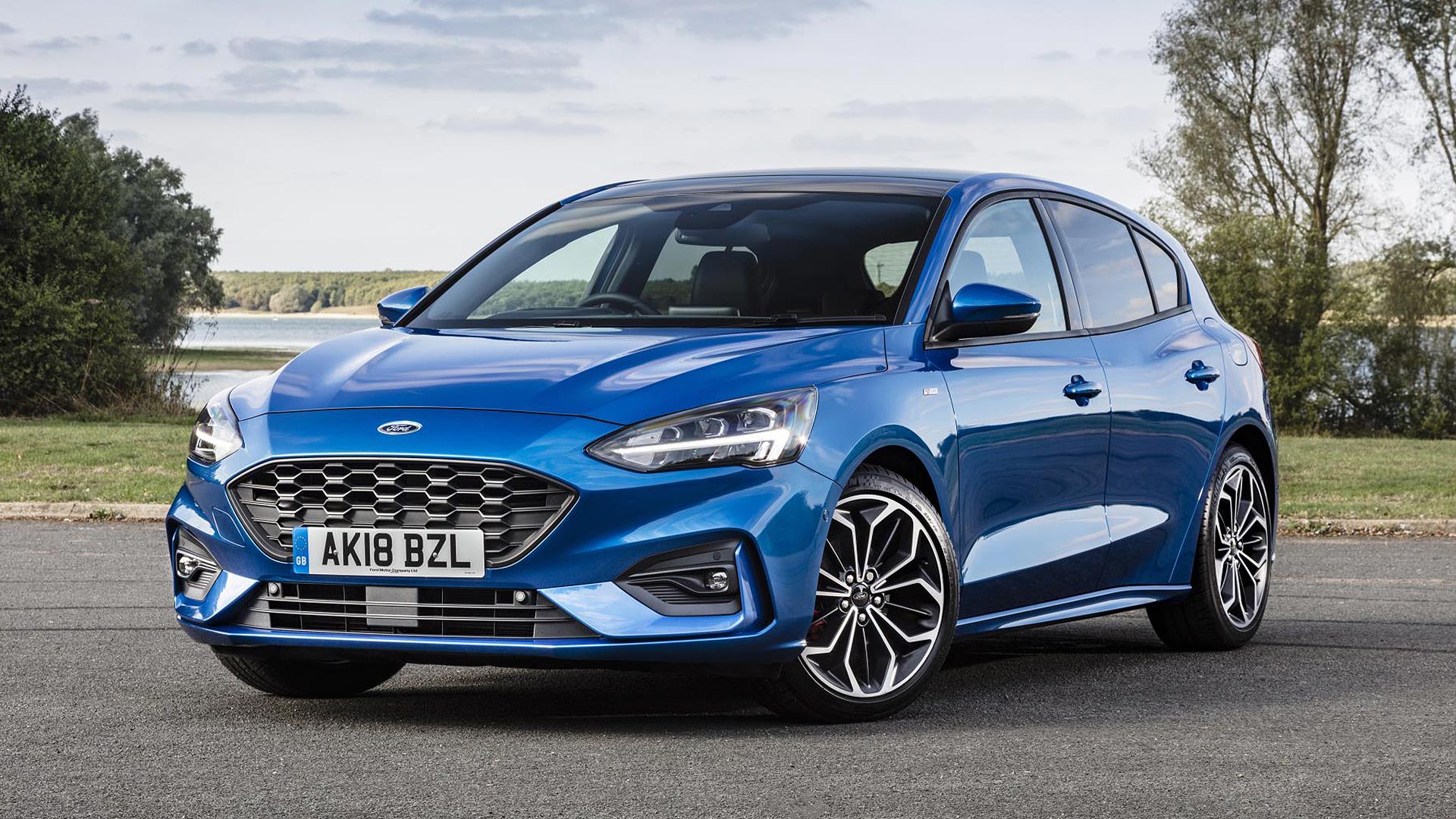
Let’s face it: buying a car is more than just shelling out some cash; it’s a huge financial commitment, often second only to a house. When you drop serious money on a set of wheels, you’re not just buying transportation; you’re investing in a promise – a promise of dependability, safety, and the peace of mind that comes with knowing your ride will get you from A to B without spontaneously combusting or leaving you stranded on the side of the road. Unfortunately, as any seasoned gearhead or frustrated commuter will tell you, not all cars live up to that promise. Some, frankly, spectacularly fail.
There’s a special kind of agony that comes with owning a car that consistently lets you down. Frequent breakdowns aren’t just an inconvenience; they’re a soul-crushing drain on your wallet, significantly hiking up that annual cost of ownership. It’s a frustrating cycle of trips to the auto shop, unexpected bills, and the nagging question: “Why did I buy this thing?” Whether you’re in the market for a shiny new ride or a pre-loved bargain, knowing which models are notorious for reliability issues is critical. It’s about being informed, being prepared, and most importantly, avoiding the automotive equivalent of a bad relationship.
So, buckle up, because we’re taking a deep dive into some of the most notoriously unreliable cars of the last decade, and even a few infamous classics that have cemented their place in the Hall of Shame. We’re going to pull back the curtain on what went wrong, why these vehicles became such headaches for their owners, and why you should probably steer clear. Prepare yourselves for a journey through mechanical misfires, electrical gremlins, and design blunders that left drivers scratching their heads, cursing under their breath, and frequently calling a tow truck.
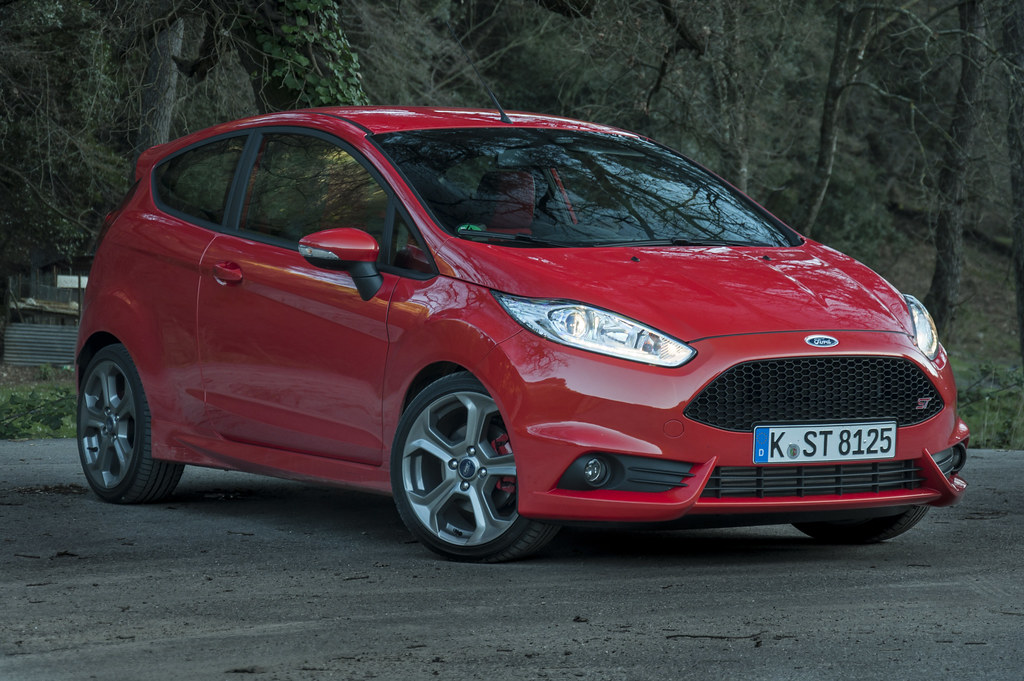
1. **2014 Ford Fiesta: The Transmission Troubles That Shook a Reputation**The Ford Fiesta, for the most part, has built a reputation as a pretty dependable little ride, often scoring respectable marks for reliability. Our partners over at RepairPal, for instance, typically give it a solid 4 out of 5. But then came the 2014 model year, a glaring exception to the rule, which sadly managed to tarnish an otherwise decent nameplate. This particular iteration of the Fiesta was absolutely plagued with transmission issues, a chronic problem that had countless owners making friends with their local auto shop technicians.
Reports on Car Complaints paint a vivid picture of the misery experienced by drivers. The vast majority of them consistently reported an intermittent shudder when they tried to take off from a standstill, a sensation that’s anything but confidence-inspiring. On top of that, there were strange, unsettling noises emanating from the transmission whenever the car shifted gears, an auditory cue that something was fundamentally wrong beneath the sheet metal.
What’s truly galling is the response many owners received from Ford dealerships. Upon bringing in their shuddering, groaning Fiestas, they were often dismissed with the claim that this was a “normal effect of the type of transmission the car uses.” Now, if a “normal effect” makes a car virtually undrivable, perhaps that “type of transmission” wasn’t quite ready for prime time, was it? It’s a classic case of corporate spin trying to normalize a significant defect.
One particularly frustrated owner detailed their experience, reporting that their immediate problem vanished after replacing an oil seal and realigning the clutch. A temporary reprieve, perhaps, but a mere 4,000 miles later, the insidious issue defiantly reared its ugly head once more. This isn’t just a one-off glitch; it’s a systemic problem that speaks volumes about a fundamental flaw in the 2014 Fiesta’s powertrain design, turning what should have been a zippy subcompact into a constant source of anxiety.
Car Model Information: 2012 Ford Fiesta SE
Name: Ford Fiesta
Manufacturer: Ford Motor Company
Production: June 1976 – July 2023
Class: Supermini
BodyStyle: hatchback
Layout: Front-engine, front-wheel-drive layout
Successor: Ford Puma (crossover)
ModelYears: 1978–1980, 2011–2019 (North America)
Categories: 1980s cars, 1990s cars, 2000s cars, 2010s cars, 2020s cars
Summary: The Ford Fiesta is a supermini car that was marketed by Ford from 1976 to 2023 over seven generations. Over the years, the Fiesta has mainly been developed and manufactured by Ford’s European operations, and had been positioned below the Escort (later the Focus).
Ford had sold over 15 million Fiestas from 1976 to July 2011, making it one of the best-selling Ford nameplates behind the Escort and the F-Series. It has been manufactured in the United Kingdom, Germany, Spain, Brazil, Argentina, Venezuela, Mexico, Taiwan, China, India, Thailand, and South Africa.
The Fiesta was discontinued in 2023, after over 22 million units had been made. The final Ford Fiesta rolled off the production line on 7 July 2023.
Get more information about: Ford Fiesta
Buying a high-performing used car >>>
Brand: Ford Model: Fiesta
Price: $3,900 Mileage: 125,000 mi.
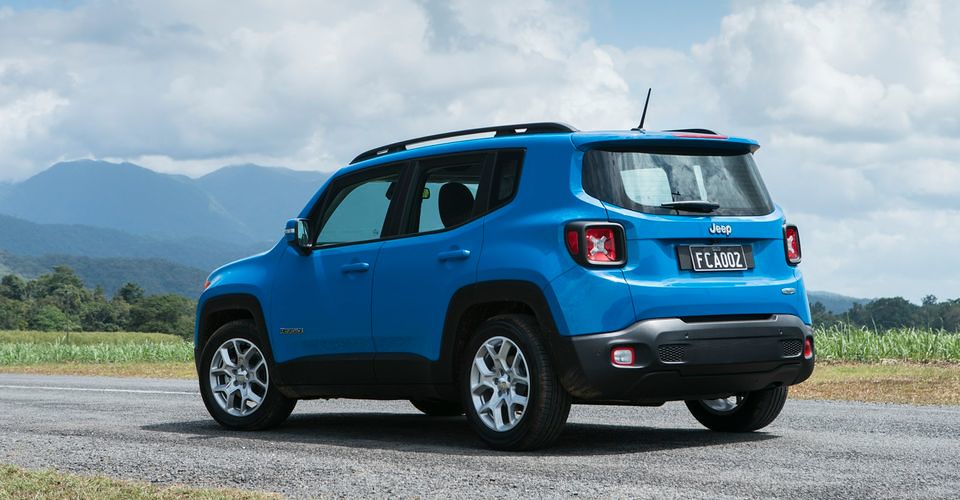
2. **2015 Jeep Renegade: Battling Inexplicable Electrical Gremlins**Jeep, a brand synonymous with rugged off-road prowess and go-anywhere capability, certainly set expectations high. The 2015 Jeep Renegade, however, decided to march to the beat of a different, more erratic drum, becoming a poster child for inexplicable electrical issues. This wasn’t just a quirky infotainment system; these were deep-seated electrical gremlins that often left owners literally powerless.
Car Complaints is littered with reports detailing the bizarre malfunctions, with the most significant one being the engine’s refusal to turn over. Imagine getting into your car, turning the key, and absolutely nothing happens. It’s not just annoying; it’s a major safety and convenience issue, particularly if you’re relying on your vehicle for daily commutes or critical errands. This isn’t the kind of adventure Jeep owners sign up for.
One poor owner recounted taking their Renegade to the dealership, only for the vehicle to remain there for over a month. The reason? The technicians, despite their best efforts, simply couldn’t find a solution to the perplexing problem. This points to deeply complex and intermittent faults that even trained professionals struggled to diagnose, leaving owners in a limbo of uncertainty and without their primary mode of transportation. It’s a testament to how frustrating these issues truly were.
The problem wasn’t even consistent, adding another layer of exasperation for drivers. Many Renegades would start up perfectly fine sometimes, only to inexplicably fail others. For some owners, the car’s battery would mysteriously die if the vehicle wasn’t driven for just a couple of days, with no obvious culprit for the drain. These aren’t minor annoyances; they’re fundamental operational failures that erode any trust a driver might have in their vehicle.
Car Model Information: 2021 Jeep Renegade Latitude
Name: Jeep Renegade
Manufacturer: Jeep
Production: 2014–present
ModelYears: 2015–2023 (US & Canada),2015–present (Mexico)
Assembly: ubl
Designer: Jeremy Glover and Ian Hedge
Class: Subcompact crossover SUV
BodyStyle: SUV
Layout: Front-engine, front-wheel-drive layout
Platform: GM Fiat Small platform
Related: Fiat 500X,Fiat 500L,Fiat Tipo (2015),Fiat Toro
Engine: ubl
Motor: 45 kW
Abbr: on
Transmission: Fiat Powertrain Technologies,Fiat Powertrain Technologies,Fiat Powertrain Technologies,Fiat Powertrain Technologies,Aisin,Fiat Powertrain Technologies,ZF Friedrichshafen
Battery: lithium-ion battery
Drivetrain: PHEV
Wheelbase: 101.2 in
Length: 166.6 in
Width: 71.1 in
Height: 66.5 in
Weight: convert
Sp: us
Categories: 2020s cars, All-wheel-drive vehicles, All articles with bare URLs for citations, Articles with PDF format bare URLs for citations, Articles with bare URLs for citations from August 2024
Summary: The Jeep Renegade is a subcompact crossover SUV produced by Stellantis under their Jeep marque. It was first shown to the public in March 2014 at the Geneva Motor Show and production started in late August of that year. The Renegade was the smallest vehicle currently marketed by Jeep, until the arrival of the Avenger. It slots between the Avenger and the Compass. It is based on the FCA Small Wide 4×4 platform, which is also shared with other FCA models, including those from Fiat and Alfa Romeo brands.
The Renegade comes as standard with front-wheel drive, with optional four-wheel drive systems Active Drive I and Active Drive Low, both of which are paired with Jeep’s Selec-Terrain System.
Get more information about: Jeep Renegade
Buying a high-performing used car >>>
Brand: Jeep Model: Renegade
Price: $15,491 Mileage: 86,981 mi.
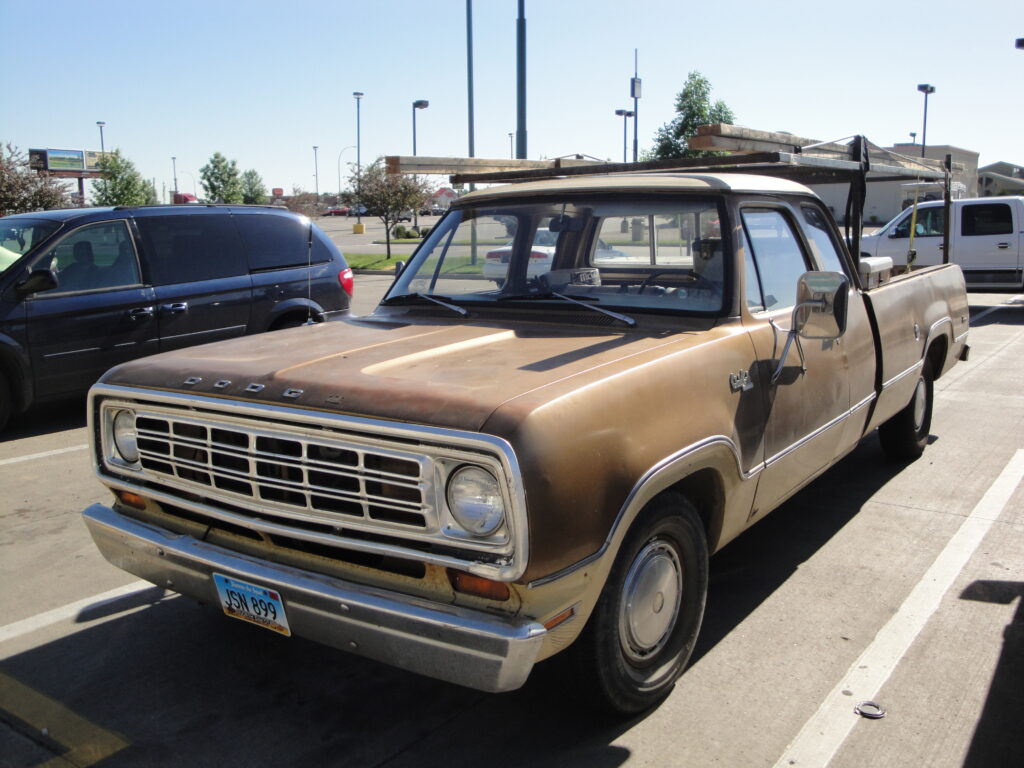
3. **2016 Dodge Dart: A Case Study in Engine and Transmission Exasperation**The Dodge Dart, particularly the 2013 and 2016 models, generated a truly impressive slew of complaints from its owners, but the 2016 iteration stood out for its significant engine and transmission issues. This wasn’t just a rough idle; we’re talking about serious, potentially dangerous malfunctions that undermined the very purpose of a car.
Reports from 2016 Dart drivers on Car Complaints reveal a deeply concerning trend: numerous individuals experienced a complete loss of power while the car was in motion, even on busy freeways. Imagine cruising along at speed, only for your engine to decide it’s had enough and simply quit. This isn’t just inconvenient; it’s a terrifying scenario that puts the driver and everyone else on the road at grave risk. This kind of unpredictability is simply unacceptable in a modern vehicle.
In some of these power-loss incidents, the culprit turned out to be alarmingly low oil levels. This leads us to the second most common complaint: the car’s astonishingly rapid oil consumption. Owners reported that their Dodge Dart could go from a full oil reservoir to completely empty in a mere 30 days. To put that into perspective, the manufacturer’s recommended oil change cycle is typically between 6 to 12 months. Burning through oil that fast isn’t just expensive; it’s a clear indicator of a major internal engine flaw that Dodge seemingly struggled to get a handle on. It’s a recipe for disaster, and many drivers tasted it firsthand.
Car Model Information: 2015 Dodge Dart SXT
Name: Dodge Dart
Caption: 1966 Dodge Dart GT 2-door hardtop
Manufacturer: Dodge
Production: 1959–1976 (US market)
ModelYears: 1960–1976 (US market)
Class: Full-size
Layout: FR layout
Predecessor: Dodge Coronet#Fourth generation (1957–1959)
Related: Plymouth Valiant,Chrysler Valiant,Dodge Phoenix
Successor: Dodge Aspen,Dodge Diplomat,Talbot Tagora
Categories: 1970s cars, All articles with unsourced statements, Articles with short description, Articles with unsourced statements from December 2023, Articles with unsourced statements from May 2025
Summary: The Dodge Dart is a line of passenger cars produced by Dodge from the 1959 to 1976 model years in North America, with production extended to later years in various other markets.
The production Dodge Dart was introduced as a lower-priced full-size model in 1960 and 1961, but became a mid-size car for one model year for 1962, and was then reduced to a compact for two generations, from 1963 to 1976.
Chrysler had first used ‘Dart’ name plates on two Italian styled show cars, in 1956 and 1957, before it became a Dodge model name. The Dart nameplate was resurrected for a Fiat-derived compact car that was introduced in 2012.
Get more information about: Dodge Dart
Buying a high-performing used car >>>
Brand: Dodge Model: Dart
Price: $9,995 Mileage: 143,082 mi.
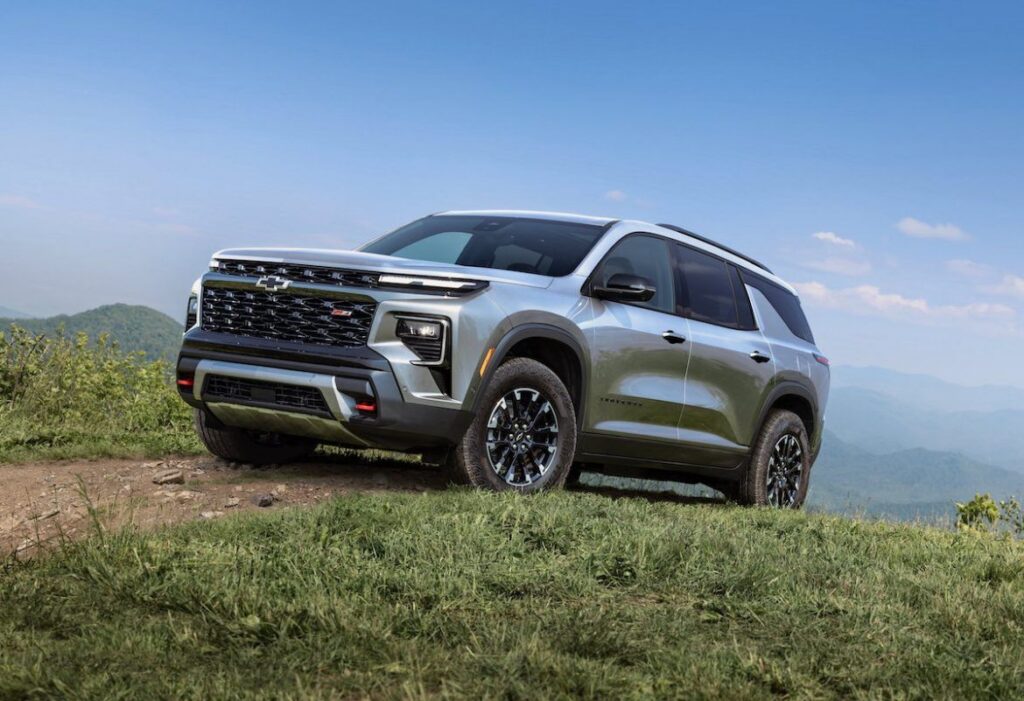
4. **2017 Chevrolet Traverse: When Steering and Suspension Become a Serious Liability**Chevrolet is an American icon, a brand ingrained in the automotive landscape. Yet, even the biggest names can stumble, and the 2017 Chevrolet Traverse is a prime example of a vehicle that, unfortunately, just wasn’t up to par. This model distinguished itself not for its rugged capability or family-friendly comfort, but for a troubling number of steering and suspension problems that made ownership a precarious affair.
According to some frustrated Traverse drivers, a critical design flaw contributed significantly to these issues. They noted that the power steering and coolant lines were routed in uncomfortably close proximity. This meant that, over time, these vital lines could rub against each other, eventually causing a leak that would inevitably lead to a complete loss of power steering. Losing power steering while maneuvering, especially at low speeds or in tight spaces, transforms what should be a simple task into a strenuous, and potentially dangerous, wrestling match with the wheel.
Beyond the power steering woes, the suspension system also proved to be a major Achilles’ heel. One owner, in particular, detailed a shocking experience where their steering rack and the front suspension lower control arm mount bushing suffered sudden and catastrophic failure after just two short years of ownership. This wasn’t minor wear and tear; this was a complete breakdown of essential components, necessitating costly replacements totaling $2,495. For a vehicle that’s only two years old, such a significant failure points to shoddy component quality or an underdeveloped design, leaving owners with hefty repair bills and a severely compromised vehicle.
Car Model Information: 2018 Chevrolet Traverse Premier
Name: Chevrolet Traverse
Caption: Second generation facelift model
Manufacturer: General Motors
Production: 2008–present
ModelYears: 2009–present
Class: Full-size crossover SUV
Layout: ubl
Predecessor: Chevrolet TrailBlazer
Categories: 2010s cars, 2020s cars, All-wheel-drive vehicles, All Wikipedia articles written in American English, All articles with dead external links
Summary: The Chevrolet Traverse is a full-size crossover SUV with three-row seating built by General Motors produced since the 2009 model year. It is built on the same platform as the GMC Acadia and Buick Enclave, known as the Lambda platform for the first generation, and the C1XX for the second generation. It also shares the C1XX platform with the Cadillac XT6. It is the successor to the TrailBlazer body-on-frame SUV and the Uplander minivan.
The second-generation model debuted in showrooms in the middle of 2017. Starting with the 2019 model year, the Traverse was slotted above the new mid-size Chevrolet Blazer as part of Chevrolet’s plans to expand its SUV lineup.
The Traverse name was originally used for a concept car at the 2003 North American International Auto Show in Detroit, but that concept gave way when the Equinox launched for the 2005 model year.
Get more information about: Chevrolet Traverse
Buying a high-performing used car >>>
Brand: Chevrolet Model: Traverse
Price: $9,500 Mileage: 231,506 mi.
Read more about: Steer Clear: The 12 Most Unreliable Cars of the Last Decade & Today, According to Experts
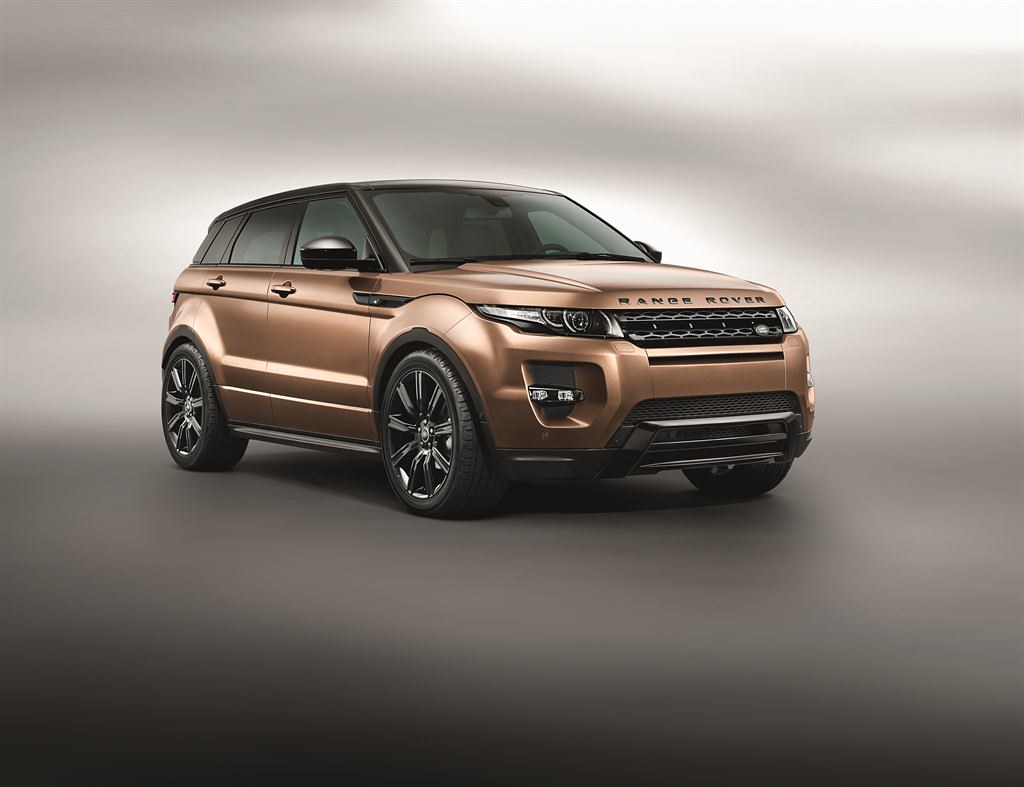
5. **2018 Land Rover Discovery: Luxury Brand, Anything But Luxurious Reliability**In 2018, Land Rover, a brand synonymous with luxury, rugged sophistication, and an expectation of premium reliability, unfortunately, missed the mark with its Discovery model. The 2018 Discovery suffered from a host of air suspension and electrical issues, a truly embarrassing performance for a vehicle priced in the luxury segment. When you pay top dollar for a Land Rover, you expect it to conquer continents, not conquer your patience at the repair shop.
The widespread customer complaints centered not just on the frequency of these breakdowns but also on the exorbitant cost of rectifying them. Electrical issues, in particular, were wide-ranging and frustratingly inconsistent. Some owners found their key fob consistently failing to start the engine, a minor inconvenience that quickly escalates to a major problem when you’re late for work. Others reported far more alarming scenarios, with their engines completely shutting off while out on the road. Imagine the sheer terror of that happening at highway speeds. This isn’t just a glitch; it’s a severe safety hazard that completely undermines the brand’s premium image.
Adding insult to injury were the air suspension problems. While air suspension is designed to provide a supremely comfortable ride and adaptable off-road capability, when it fails, it often does so spectacularly and expensively. For a vehicle marketed on its ability to handle any terrain, having its fundamental suspension system prone to failure is nothing short of an engineering misstep. It’s a stark reminder that even luxury badges aren’t immune to critical manufacturing flaws, leaving owners with a costly, temperamental vehicle that falls far short of its lofty promises.
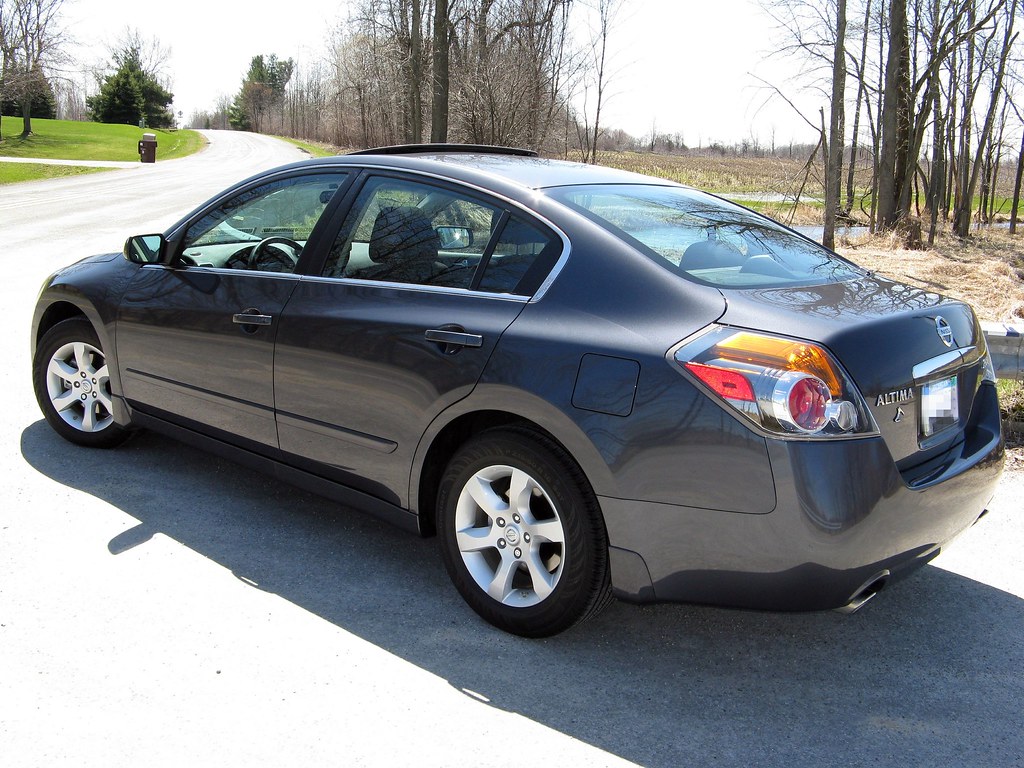
6. **2019 Nissan Altima: CVT Woes That Led to a Class-Action Lawsuit**Nissan’s flirtation with continuously variable transmissions (CVTs) has been a bumpy road, to say the least, and the 2019 Altima’s CVT problems were so severe, so pervasive, that they culminated in a class-action lawsuit against the automaker in 2022. This wasn’t a secret; this was a widespread failure that had drivers pulling their hair out and fearing for their safety on the road.
The lawsuit laid bare the litany of issues: defective transmissions causing cars to shake, jerk, lurch, judder, and even stall. These aren’t subtle quirks; these are alarming symptoms that indicate a transmission on its last legs, putting drivers at significant risk of an incident. A vehicle that lurches and stalls unpredictably is not just unreliable; it’s a dangerous liability, turning daily commutes into white-knuckle experiences.
What’s particularly infuriating for long-time Nissan owners is the unsettling familiarity of these issues. These 2019 Altima problems were eerily similar to those experienced with CVTs in 2013-2016 models, which Nissan eventually recalled due to a defect that could cause the car to lose power and potentially crash. You’d think a company would learn its lesson after a recall, wouldn’t you? Apparently not, or at least not entirely.
Despite the clear parallels and the subsequent class-action lawsuit, the 2019 model was conspicuously *not* recalled for its transmission issues. This meant that any driver who experienced a CVT fault was left to pay for the extensive and costly repairs entirely out of their own pocket. It’s a bitter pill to swallow when a known, recurring defect becomes the owner’s financial burden, highlighting a troubling lack of accountability from the manufacturer for a problem they’ve clearly struggled to master.
Car Model Information: 2023 Nissan Altima 2.5 SV
Name: Nissan Altima
Caption: 2024 Nissan Altima SR (L34; US)
Manufacturer: Nissan
Aka: Nissan Bluebird
Production: 1992–present
Class: Compact car
Predecessor: Nissan Bluebird,Nissan Stanza
ModelYears: 1993–present
Categories: 2000s cars, 2010s cars, 2020s cars, All-wheel-drive vehicles, All Wikipedia articles written in American English
Summary: The Nissan Altima is a mid-size car manufactured by Nissan since 1992. It is a continuation of the Nissan Bluebird line, which began in 1955.
The Altima has historically been larger, more powerful, and more luxurious than the Nissan Sentra but less so than the Nissan Maxima. The first through fourth-generation cars were manufactured exclusively in the United States and officially sold in North and South America, along with the Middle East and Australia. For other markets, Nissan sold a related mid-size sedan called the Nissan Teana which was between the Altima and Maxima in terms of size. In 2013, the Teana became a rebadged version of the fifth-generation Altima.
The name “Altima” was originally applied to a top trim line of the Nissan Leopard for the Japanese market in 1986, and then to the Nissan Laurel Altima mid-size car sold in Central America and the Caribbean before 1992. In 1992, Nissan discontinued the Stanza which was a Nissan Bluebird clone, replacing it with the US-built Altima, while remaining a compact car. The first Altima was produced in June 1992, as a 1993 model. All Altima models for the North American market were built in Smyrna, Tennessee, until June 2004, when Nissan’s Canton, Mississippi plant also began producing the model to meet high demand.
Get more information about: Nissan Altima
Buying a high-performing used car >>>
Brand: Nissan Model: Altima
Price: $19,790 Mileage: 64,614 mi.
Read more about: The 19 Most Unreliable Cars of the Decade: Avoid These Money Pits
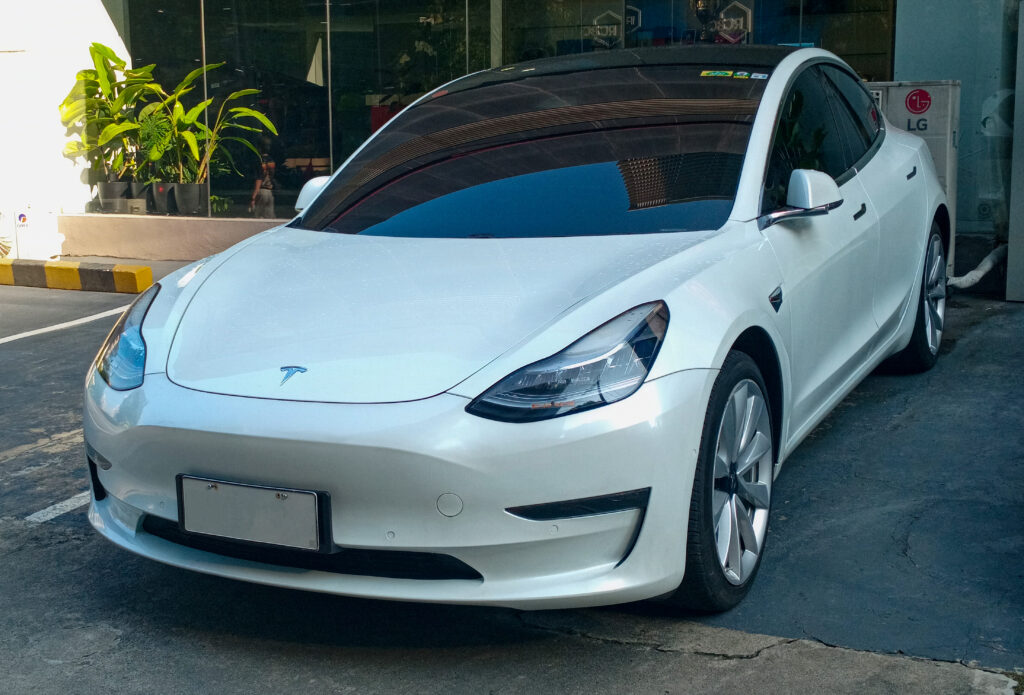
7. **2020 Tesla Model Y: The Surprising Reality of Build Quality and Software Glitches**When it comes to electric vehicles, Tesla is undoubtedly positioned as a pioneer, leading the charge (pun absolutely intended) into the future of automotive technology. However, the 2020 Model Y, despite its technological prowess and futuristic appeal, left a significant amount to be desired, particularly where fundamental build quality and consistent software performance were concerned. This wasn’t just a minor oversight; it was a noticeable chink in the armor of a brand that prides itself on innovation.
Owners reported a surprisingly wide and varied range of build issues, the kind you’d expect from a fledgling manufacturer, not a global leader. We’re talking about visible panel gaps, where body panels simply didn’t line up correctly, creating unsightly and structurally dubious seams. On top of that, paint defects were a common complaint, marring the finish of brand-new vehicles. These are basic manufacturing competencies, and their absence in a premium-priced EV is genuinely perplexing. If a company can’t nail the basics, what does that say about the more complex systems?
Beyond the physical shortcomings, the cutting-edge infotainment systems, a hallmark of Tesla’s minimalist interiors, also proved prone to malfunctioning. In an age where a car’s software is as critical as its engine (or, in this case, its electric motors), unreliable tech is a major letdown. When your primary interface for vehicle functions, navigation, and entertainment decides to glitch out, it transforms the driving experience from seamless to frustrating. It raises a fundamental question: if you can’t rely on an automaker to get such basic things right, like panel alignment and functional software, can you truly rely on the car itself when it matters most? For many 2020 Model Y owners, the answer was a resounding, and disappointing, no.
Alright, gearheads and frustrated commuters, if you thought the first seven entries were a tough pill to swallow, buckle up. We’re not just cruising through the automotive hall of shame; we’re diving deeper into some more modern missteps and unearthing a few truly infamous historical duds that still make us cringe. This isn’t just about pointing fingers; it’s about giving you the raw, unvarnished truth about rides that simply failed to deliver on the fundamental promise of reliability, examining everything from questionable design choices to safety hazards and the lingering headaches they inflicted on drivers and brands alike.
Car Model Information: 2020 RAM 1500 Laramie
Name: Tesla Model Y
Caption: Pre-refresh Tesla Model Y
Manufacturer: Tesla, Inc.
Production: January 2020 – present
Assembly: Unbulleted list
Designer: Franz von Holzhausen
Class: Unbulleted list
BodyStyle: SUV
Layout: Unbulleted list
Related: Unbulleted list
Motor: unbulleted list
Battery: val,Lithium-ion battery
ElectricRange: FTP-75
Charging: unbulleted list
Wheelbase: Unbulleted list
Length: Unbulleted list
Width: Unbulleted list
Height: Unbulleted list
Weight: Unbulleted list
Sp: us
Categories: 2020s cars, All Wikipedia articles written in American English, All articles lacking reliable references, All articles that may contain original research, All articles to be expanded
Summary: The Tesla Model Y is a battery electric compact crossover SUV produced by Tesla, Inc. since 2020. The vehicle was presented in March 2019 as the company’s fifth production model since its inception after the Roadster, Model S, Model X and Model 3.
After its 2019 introduction, the Model Y started production at the Tesla Fremont Factory in California, US in January 2020. Production at Giga Shanghai, China was added in December 2020, and at Gigafactory Texas, US since late 2021. Deliveries from Gigafactory Berlin-Brandenburg, Germany started in March 2022.
The Model Y is based on the Model 3 sedan and serves as a larger variant, with around 76 percent of parts being shared between the two and identical exterior and interior styling. While most Model Y are configured with two-row seating, in the US the Model Y offers optional third-row seats for a seven-passenger seating capacity.
In 2023, Tesla delivered 1.2 million Model Ys, making it the world’s best-selling vehicle that year, surpassing the Toyota Corolla and becoming the first electric vehicle to claim that title. With at least 2.16 million units delivered since its start of production up to December 2023, the Model Y is also the most popular electric vehicle of all time. In 2024 sales were second to the Toyota RAV4. A refreshed version of the Model Y was revealed in January 2025, with upgrades similar to the upgraded Model 3.
In mid-2025, Tesla unveiled and released the Model Y L, a long-wheelbase, six-seat variant of the Model Y.
Get more information about: Tesla Model Y
Buying a high-performing used car >>>
Brand: Tesla Model: Model Y
Price: $36,995 Mileage: 64,342 mi.
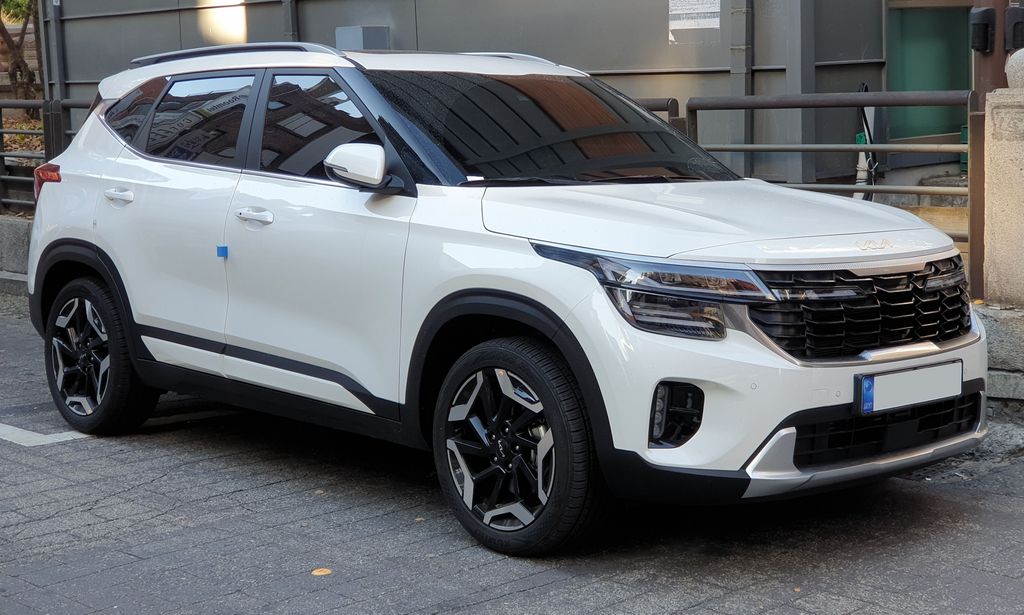
8. **2021 Kia Seltos: The Engine That Just Wouldn’t Quit (Malfunctioning)**The Kia Seltos, a relatively recent entrant to the market, was supposed to be a fresh face in the compact SUV segment. Yet, just a few short years after its launch, the 2021 model found itself racking up a concerning number of NHTSA complaints, almost exclusively centered around its engine. This wasn’t a minor hiccup; we’re talking about fundamental powertrain issues that had owners questioning their purchase almost immediately.
The core of the problem, according to numerous reports, lay with faulty piston rings and an alarming appetite for oil. Piston rings, those tiny but crucial components that seal the combustion chamber, were failing prematurely, sometimes as early as the 11,000-mile mark. This isn’t just bad luck; it points to a serious manufacturing flaw that threatens the very heart of the vehicle.
While Kia did issue a recall for some of these engine issues, a disheartening number of customers reported that the problems stubbornly persisted even after the so-called ‘fix’ was applied. This leaves owners in an incredibly frustrating bind: a recalled vehicle that still doesn’t run right, and a manufacturer that, in many cases, appeared reluctant to take full responsibility, leaving the poor souls to foot the subsequent repair bills entirely out of pocket. That’s a raw deal, plain and simple.
Car Model Information: 2023 Kia Seltos LX
Name: Kia Seltos
Caption: Kia Seltos (SP2, facelift)
Manufacturer: Kia
ModelCode: SP2,SP2i,SP2c
Aka: Kia KX3#SP2c
Production: 2019–present
ModelYears: 2021–present (North America)
Assembly: ubl
Designer: Hong Seok Choi
Class: Subcompact crossover SUV
BodyStyle: Sport utility vehicle
Layout: ubl
Platform: Hyundai-Kia K2 platform
Related: ubl
Engine: ubl
Transmission: ubl
Wheelbase: ubl
Length: ubl
Width: Convert
Height: ubl
Weight: ubl
Predecessor: Kia KX3#KC
Sp: us
Categories: 2020s cars, All-wheel-drive vehicles, All articles with dead external links, Articles containing Korean-language text, Articles with dead external links from June 2025
Summary: The Kia Seltos (Korean: 기아 셀토스) is a subcompact crossover SUV manufactured by Kia. Introduced in mid-2019, the Seltos is positioned between the smaller Stonic, Soul, or Sonet and the larger Sportage in Kia’s global SUV lineup.
The Seltos is designated as a global product with three variations introduced for different markets. The first variation is the largest version of the Seltos, which is manufactured in South Korea (codename: SP2) mainly aimed at developed markets, including North America and Australasia. The two other variations are the Indian-made Seltos (codename: SP2i) and the closely related Chinese version badged as the Kia KX3 (codename: SP2c). The SP2i and SP2c models are the low-cost versions of the Seltos to penetrate emerging markets, built on the Hyundai-Kia K2 platform and closely related to the second-generation Hyundai Creta/ix25. Despite being a globally marketed model, the Seltos is not sold in the European market.
The name “Seltos” is derived from “Celtos”, the son of Hercules and Celtine in Greek mythology. According to Kia, the Seltos will be marketed to millennials.
Get more information about: Kia Seltos
Buying a high-performing used car >>>
Brand: Kia Model: Seltos
Price: $21,697 Mileage: 10,466 mi.
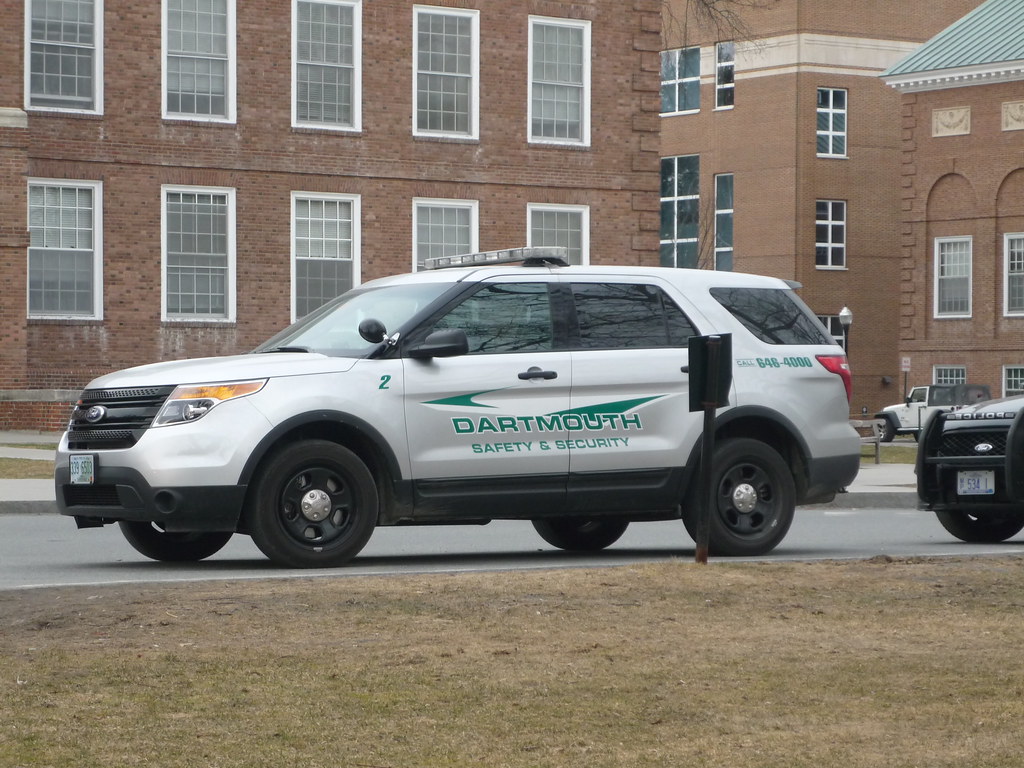
9. **2022 Ford Explorer: Established Name, Unexpected Headaches**Ford’s Explorer, an American institution in the SUV world, has long been a go-to for families and adventurers alike. So, when the 2022 model started showing up with a litany of drivetrain and electrical issues, coupled with frustrating software glitches, it sent a collective groan through the automotive community. For a brand as established and experienced as Ford, this kind of stumble isn’t just disappointing; it’s frankly baffling.
We’re not talking about minor annoyances here. Drivetrain problems mean the very system that transfers power from the engine to the wheels is compromised, leading to unpredictable performance or even outright failure. Couple that with electrical gremlins and software bugs, and you’ve got a recipe for a vehicle that feels less like a modern marvel and more like a rolling experiment.
The consequence for owners extends far beyond the immediate inconvenience of breakdowns and garage visits. An unreliable car like this isn’t just a burden on your daily life; it’s a black hole for your finances. Its resale value takes a nosedive, often leaving owners stuck with a lemon that they can neither reliably drive nor easily offload. It’s a lose-lose situation that nobody deserves.
Car Model Information: 2020 Ford Explorer XLT
Name: Ford Explorer
Caption: Sixth-generation Ford Explorer
Manufacturer: Ford Motor Company
Production: 1990–present
ModelYears: 1991–present
Class: unbulleted list
Chassis: unbulleted list
Predecessor: Ford Bronco II
Successor: Ford Territory (Australia)
Categories: 2000s cars, 2010s cars, 2020s cars, All-wheel-drive vehicles, All Wikipedia articles in need of updating
Summary: The Ford Explorer is a range of SUVs manufactured by the Ford Motor Company since the 1991 model year. The first five-door SUV produced by Ford, the Explorer, was introduced as a replacement for the three-door Bronco II. As with the Ford Ranger, the model line derives its name from a trim package previously offered on Ford F-Series pickup trucks. As of 2020, the Explorer became the best-selling SUV in the American market.
Currently in its sixth generation, the Explorer has featured a five-door wagon body style since its 1991 introduction. During the first two generations, the model line included a three-door wagon (directly replacing the Bronco II). The Ford Explorer Sport Trac is a crew-cab mid-size pickup derived from the second-generation Explorer. The fifth and sixth generations of the Explorer have been produced as the Ford Police Interceptor Utility (replacing both the Ford Crown Victoria Police Interceptor and the Ford Police Interceptor Sedan).
The Explorer is slotted between the Ford Edge and Ford Expedition within North America’s current Ford SUV range. The model line has undergone rebadging several times, with Mazda, Mercury, and Lincoln each selling derivative variants. Currently, Lincoln markets a luxury version of the Explorer as the Lincoln Aviator.
For the North American market, the first four generations of the Explorer were produced by Ford at its Louisville Assembly Plant (Louisville, Kentucky) and its now-closed St. Louis Assembly Plant (Hazelwood, Missouri). Ford currently assembles the Explorer alongside the Lincoln Aviator and the Police Interceptor Utility at its Chicago Assembly Plant (Chicago, Illinois).
Get more information about: Ford Explorer
Buying a high-performing used car >>>
Brand: Ford Model: Explorer
Price: $21,691 Mileage: 89,806 mi.
Read more about: Steer Clear: The 12 Most Unreliable Cars of the Last Decade & Today, According to Experts
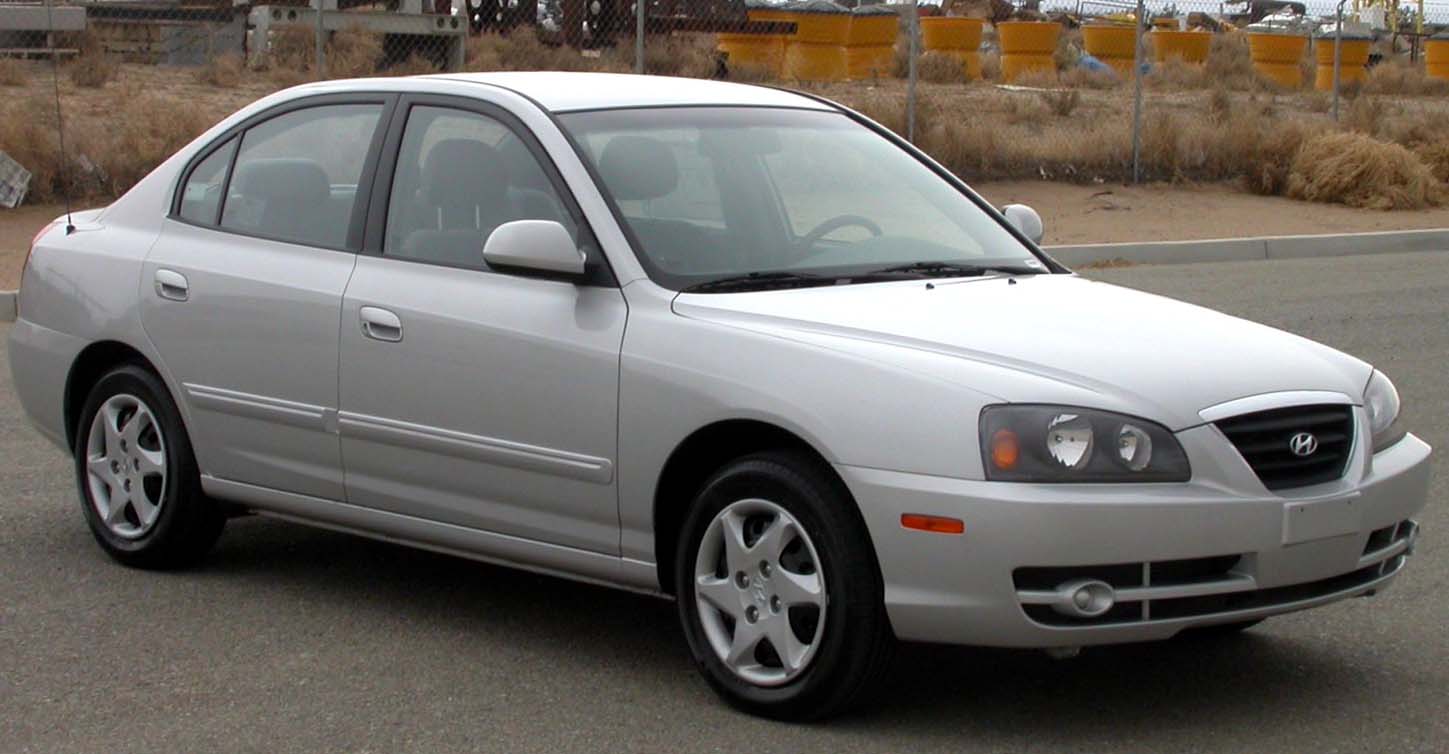
10. **2023 Hyundai Elantra: Fresh Face, Familiar Flaws**The Hyundai Elantra has generally held a respectable position in the compact sedan market, even boasting a decent RepairPal reliability rating of 4.5 out of 5. However, the 2023 model, practically fresh off the production line, has already begun to show significant steering and brake system problems that are raising some serious red flags. This isn’t the kind of fresh start you want for a new year model.
Reports are surfacing about steering column noise, which is not only irritating but can also be indicative of underlying mechanical issues that affect handling precision and safety. Even more concerning are the instances of brake pedal failure. Let’s be unequivocally clear: brake failure is not a ‘quirk’ or a ‘software glitch’; it’s an outright safety catastrophe waiting to happen.
While it might be ‘too soon’ for these issues to have fully impacted its overall reliability score, the early warning signs are glaring. If you’re in the market for a brand-new vehicle, especially one you intend to rely on for years to come, a model already exhibiting fundamental safety and control problems like these is, without a doubt, one to approach with extreme caution, if not outright avoid.
Car Model Information: 2017 Hyundai ELANTRA Sport
Name: Hyundai Elantra/Avante
Manufacturer: Hyundai Motor Company
Aka: Hyundai Avante,Hyundai Lantra (1990–2000, Australia and Europe),Hyundai i30 Sedan (2020–present, Australia)
Production: 1990–present
Class: Compact car
Layout: Front-engine, front-wheel-drive layout
Predecessor: Hyundai Stellar
Categories: 2000s cars, 2010s cars, 2020s cars, All Wikipedia articles written in British English, All articles with bare URLs for citations
Summary: The Hyundai Elantra (Korean: 현대 엘란트라), also known as the Hyundai Avante (Korean: 현대 아반떼), is a compact car produced by the South Korean manufacturer Hyundai since 1990.
In Australia and some European markets, the Elantra was initially marketed as the Lantra during its first two generations, due to the similarly named “Elante” trim for the Mitsubishi Magna in the former market, and the Lotus Elan in the latter. After Mitsubishi Motors Australia Limited (MMAL) dropped the “Elante” trim from the Magna range, and Lotus ceased production of the Elan in 1995, Hyundai standardized the “Elantra” name for both Australian and European markets following the introduction of the third-generation in 2001. The first-generation model was also sold as the Bimantara Nenggala in Indonesia between 1995 and 1998.
Its home market name, Avante was first appeared starting from the second generation in 1995. The “Avante” name is not used in most export markets due to its similarity with Audi’s “Avant” designation, used for their station wagon models. As of 2018, Singapore is the only export market outside South Korea to utilize the “Avante” name.
Since the seventh-generation, the “Elantra” name was retired in Australia, when Hyundai intergrated it into the i30 range, badging it as the i30 Sedan.
Get more information about: Hyundai Elantra
Buying a high-performing used car >>>
Brand: Hyundai Model: Elantra
Price: $13,350 Mileage: 94,806 mi.

11. **1960–64 Chevrolet Corvair: Nader’s Nightmare and a National Safety Wake-Up Call**The Chevrolet Corvair arrived on the scene with a fair bit of fanfare, earning critical praise for its innovative rear-engine layout. But that early honeymoon period was tragically short-lived, as its unusual handling characteristics, particularly due to its swing-axle rear suspension, became a harbinger of danger. It didn’t take long for the accidents to pile up, leading to a torrent of lawsuits and a national conversation about automotive safety.
Enter Ralph Nader and his seminal 1965 book, *Unsafe at Any Speed*, which meticulously dissected the Corvair’s flaws, transforming it into a national symbol of corporate negligence. The bombshell dropped when it was revealed that General Motors had actually declined to implement crucial suspension upgrades for cost reasons on the 1960–63 models, upgrades that would have made the car significantly safer. This wasn’t just an oversight; it was a conscious decision that put profits over people.
Even after GM finally introduced the upgrades in the 1964 model and completely redesigned the suspension for the second generation in 1965, the damage was done. Nader’s criticisms, and GM’s attempts to discredit him, only amplified the negative publicity. Former GM executive John DeLorean himself later confirmed the validity of Nader’s points, and Lee Iacocca, no less, called the Corvair “unsafe” and “terrible.”
The Corvair saga isn’t just a tale of a bad car; it’s a pivotal moment in automotive history. This controversy was the catalyst for the founding of the National Highway Traffic Safety Administration (NHTSA) and mandated safety testing in the U.S. It stands as a stark reminder that sometimes, it takes a dramatic failure to spark monumental change, even if it leaves a beloved, albeit flawed, car in its wake.
Car Model Information: 1964 Chevrolet Corvair Monza
Caption: 1964 Chevrolet Corvair Monza
Name: Chevrolet Corvair
Manufacturer: Chevrolet
Production: July 1959
Platform: GM Z platform
Chassis: Unibody
ModelYears: 1960–1969
Assembly: United States,Kansas City, Missouri,Oakland, California,Van Nuys,St. Louis,Flint, Michigan,Belgium,Canada,Mexico,South Africa,Switzerland,Venezuela
Class: Compact car
Successor: Chevrolet Vega
Layout: Rear-engine, rear-wheel-drive layout
Categories: All Wikipedia articles written in American English, All articles lacking in-text citations, All articles needing additional references, All articles with dead external links, All articles with specifically marked weasel-worded phrases
Summary: The Chevrolet Corvair is a rear-engined, air-cooled compact car manufactured and marketed by Chevrolet over two generations from the 1960 through 1969 model years. The Corvair was a response to the increasing popularity of small, fuel-efficient automobiles, particularly the imported Volkswagen Beetle and American-built compacts like the Rambler American and Studebaker Lark.
The first generation (1960–1964) was offered in four-door sedan, two-door coupe, convertible, and four-door station wagon configurations. A two- and four-door hardtop, as well as a convertible, were available as second-generation variants (1965–1969). The Corvair platform was also offered as a subseries known as the Corvair 95 (1961–1965), which consisted of a passenger van, commercial van, and pickup truck variant. Total production was approximately 1.8 million vehicles from 1960 until 1969.
The name “Corvair” was first applied in 1954 to a Corvette-based concept with a hardtop fastback-styled roof, part of the Motorama traveling exhibition. When applied to the production models, the “air” part referenced the engine’s cooling system.
A prominent aspect of the Corvair’s legacy derives from controversy surrounding the handling of early models equipped with rear swing axles, articulated aggressively by Ralph Nader’s Unsafe at Any Speed but tempered by a 1972 Texas A&M University safety commission report for the National Highway Traffic Safety Administration (NHTSA) which found that the 1960–1963 Corvair possessed no greater potential for loss of control in extreme situations than contemporary compacts.
To better counter popular inexpensive subcompact competitors, notably the Beetle and Japanese imports such as the Datsun 510, GM replaced the Corvair with the more conventional Chevrolet Vega in 1970.
Get more information about: Chevrolet Corvair
Buying a high-performing used car >>>
Brand: Chevrolet Model: Corvair
Price: $29,988 Mileage: 74,787 mi.

12. **1956–67 Renault Dauphine (North American version): The French Flop That Rusted Away**In Europe, the Renault Dauphine was hailed as a sales success, even considered a trailblazer for the modern economy car. But when it crossed the Atlantic to North America, it transformed into a different beast entirely, earning a spectacularly negative reception that cemented its place in the pantheon of automotive failures. Performance and reliability were its cardinal sins, compounded by a fatal flaw that would become legendary.
Let’s talk about performance, or the dismal lack thereof. *Road & Track* magazine, in a period review, clocked the Dauphine taking a glacial 32 seconds to reach 60 mph from a standstill. Dan Neil, writing for *Time*, famously quipped it was “The most ineffective bit of French engineering since the Maginot Line,” noting its acceleration put it at a “severe disadvantage in any drag race involving farm equipment.” Ouch. That’s not just slow; that’s practically stationary.
Beyond its anemic performance, the Dauphine’s reputation was utterly annihilated by its abysmal corrosion record. As a 2008 retrospective article in *The Independent* bluntly put it, “it would take only one New York winter of driving on salt-strewn roads to give a Dauphine front wings that resembled net curtains.” We’re not talking about a little surface rust here; we’re talking about structural integrity dissolving before your very eyes.
Renault themselves effectively threw in the towel in the American market, subtly apologizing for the Dauphine’s shortcomings by marketing its successor, the Renault 8, with the brutally honest tagline: “The Renault for people who swore they wouldn’t buy another one.” If that doesn’t scream ‘we messed up,’ nothing does.

13. **1957–90 Trabant: Communism’s Car, a Billowing Contraption**Ah, the Trabant. Introduced in communist East Germany, first the P50 in ’57, then the 601 in ’63, this car wasn’t just a vehicle; it was a potent symbol of economic stagnation and, arguably, the literal exhaust fumes of communism. Its outdated and inefficient two-stroke engine was a particular highlight, delivering horrendous fuel economy, laughably low power output, and a thick, smoky exhaust plume that could rival a small factory.
Crafted with a duroplast body and plagued by chronic production shortages, the Trabant became an object of derisive affection. When the Berlin Wall fell and German reunification arrived, images of East Germans streaming into West Germany in their trusty Trabants were iconic. However, the newfound freedom also spelled the end for the Trabant, which simply couldn’t compete with the deluge of more sophisticated Western, French, and Japanese cars.
Automotive journalist Dan Neil famously declared the Trabant the car “that gave communism a bad name” and a “hollow lie of a car constructed of recycled worthlessness.” He even pointed out that those East Germans who drove their Trabants to freedom often abandoned them almost immediately upon reaching West Germany. That’s a pretty damning indictment from its own drivers.
Despite its almost universally panned critical reception — *Time* magazine called it one of the 50 worst cars ever, and *Edmunds.com* ranked it as the 9th worst car of all time, claiming it was “one more reason why Communism is evil” — the Trabant has, ironically, found a strong cult following in reunified Germany. It’s now a recognizable, nostalgic symbol of the bygone GDR, a ‘crap car’ that paradoxically evokes ‘Ostalgie’ for a simpler, albeit smoke-filled, past.
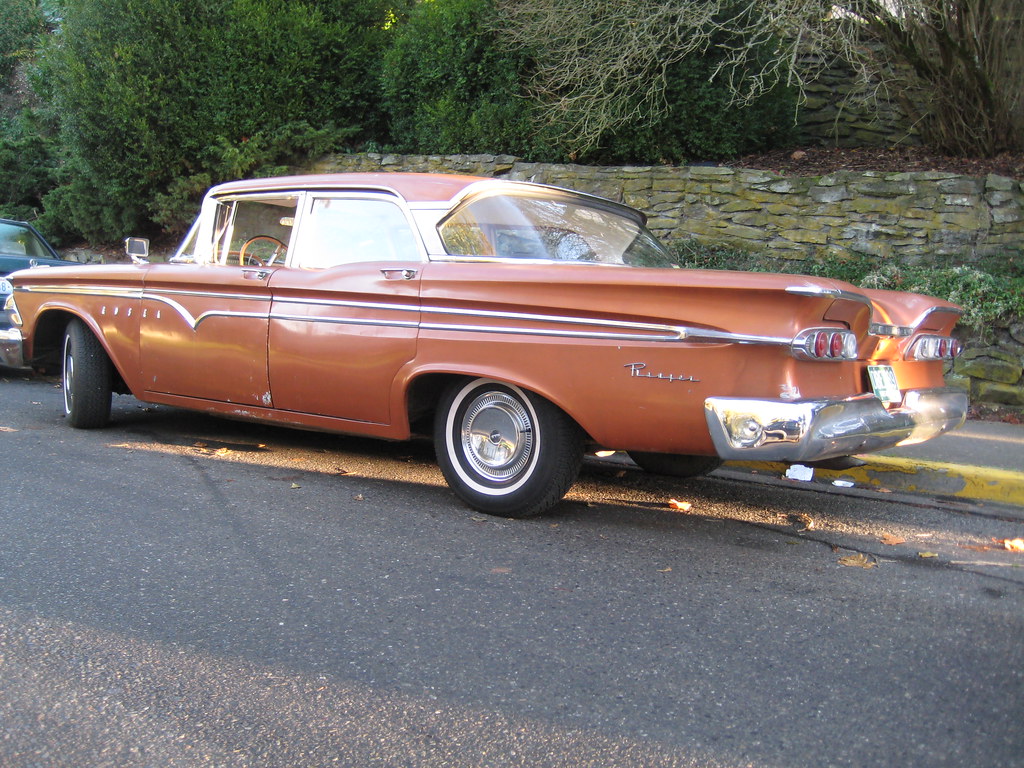
14. **1958 Edsel: A Commercial Catastrophe and a Grille for the Ages**The Edsel. Just hearing the name conjures images of corporate hubris and spectacular failure. Ford Motor Company poured $400 million, an astronomical sum for the era, into launching this new brand, aiming to wedge it between their entry-level Fords and the mid-priced Mercury line. Marketed with a hyper-hype that promised a revolutionary new car, the public was left profoundly unimpressed.
The reality was, despite some genuinely innovative features like self-adjusting brakes, the Edsel was largely a redecorated Mercury, cobbled together from existing Ford components. As *Time* magazine’s Dan Neil put it, “Ford’s marketing mavens had led the public to expect some plutonium-powered, pancake-making wondercar; what they got was a Mercury.” The Edsel was not intrinsically ‘bad’ mechanically, but it certainly wasn’t the paradigm shift promised.
And then there’s *that* grille. Frequently ridiculed for resembling a toilet seat, or even female genitalia, its “horsecollar” design became an instant punchline. Descriptions like “a Mercury pushing a toilet seat” or “an Oldsmobile sucking a lemon” became iconic. Yet, ironically, the grille wasn’t even the primary cause of its downfall.
The Edsel was fundamentally undone by a disastrous marketing campaign that over-promised and under-delivered, coupled with poor build quality due to shared production lines. Its release also coincided with an economic recession, when consumers were shifting towards smaller economy cars like the Volkswagen Beetle. The name “Edsel” remains a permanent fixture in American popular culture, forever synonymous with “commercial failure,” a costly lesson in brand positioning and market timing.
Car Model Information: 1958 Edsel Citation
Name: Mercury
Logo: Mercury Logo (automobile company).svg
LogoSize: 150
Fate: Discontinued
Type: Division (business)
Foundation: [object Object]
Founder: Edsel Ford
Defunct: [object Object]
LocationCity: Dearborn, Michigan,Michigan
LocationCountry: U.S.
KeyPeople: Edsel Ford, founder
Industry: Automotive industry
Products: Automobile
Parent: Ford Motor Company
Categories: 1938 establishments in Michigan, 2011 disestablishments in the United States, All articles needing additional references, All articles with unsourced statements, American brands
Summary: Mercury was a brand of medium-priced automobiles that was produced by American manufacturer Ford Motor Company between the 1939 and 2011 motor years. Created by Edsel Ford in 1938, Mercury was established to bridge the gap between the Ford and Lincoln model lines within Ford Motor Company. From 1945 until its closure, it formed half of the Lincoln-Mercury Division of the company.
In addition to serving as a combined sales network for Ford’s two premium automotive brands, Lincoln-Mercury also represented the Continental (1956–1960), Edsel (1958–1960, formally designated Mercury-Edsel-Lincoln Division), Comet (1960–1961), Capri (1970-1978), De Tomaso (1972-1975), and Merkur (1985–1989, forming Lincoln-Mercury-Merkur). Through the use of platform sharing and manufacturing commonality, Mercury vehicles often shared components and engineering with Ford or Lincoln (or both concurrently), serving as counterparts for vehicles from both divisions.
Following an extended decline in sales and market share for Mercury, Ford announced the closure of the division at the end of 2010.
Get more information about: Mercury (automobile)
Buying a high-performing used car >>>
Brand: Edsel Model: Edsel
Price: Not Priced Mileage: 68,904 mi.
Read more about: From Edsel to Aztek: Unpacking the Most Spectacular Flops and Design Disasters in Automotive History

15. **1970–2013 VAZ-2101/Lada Riva/Zhiguli: The “Worst Car in the World” That Refused to Die**Few cars have earned the scathing epithet “simply the worst car in the world,” but Jeremy Clarkson famously bestowed it upon the VAZ-2101, known in Western markets as the Lada Riva or Nova, and domestically as the Zhiguli. This ruggedized version of the Fiat 124, produced in Russia, was an exercise in old-fashioned technical layout and truly questionable build quality, eliciting overwhelmingly negative critical reception outside the Soviet bloc.
Clarkson’s description of his driving experience is legendary: “The steering column appeared to have been welded to the dashboard so that it wouldn’t turn. The brakes caused the car to speed up a bit and turn left, violently, at the same time.” He even noted the engine “had plainly been lifted from a cement mixer that had spent the past 30 years chewing up rebel soldiers in southern Sudan.” This wasn’t just a car; it was an automotive assault on the senses.
The Lada’s legendary unreliability wasn’t just about poor engineering; it was often about the basic failure of components and an almost comedic level of discomfort. *The Telegraph* described it as “Poor to drive, uncomfortable and basic in the extreme. Virtually any car of the same age will trump this in any category.” It was, to put it mildly, a primitive vehicle that felt decades behind its time, even when new.
Yet, despite all this, the Lada has an undeniable legacy. It was the third-best-selling car of all time globally and boasted one of the longest production runs ever, spanning 43 years. In Soviet Russia, it was immensely popular, a testament to the limited choices available. Today, like the Trabant, it has cultivated a strong cult following, transforming from a symbol of automotive inadequacy into a recognizable cultural icon of Russia and the Soviet Union, proving that sometimes, being infamously bad can make you unforgettable.
### Protecting Your Ride from the Lemon Lottery: A Crucial Look at Extended Warranties
After enduring that brutal tour through automotive infamy, you might be feeling a bit wary about your next vehicle purchase. And rightly so! Cars are a monumental investment, and the peace of mind that comes with reliability is priceless. But even if you somehow end up with a car that’s less reliable than you’d hoped, or even if your perfectly good car eventually decides to throw a fit (which, let’s be honest, they all do eventually), all hope is not lost.
That’s where a top-quality extended warranty, or more accurately, a vehicle service contract, becomes your financial guardian angel. Every new car rolls off the lot with a factory warranty, a beautiful shield promising free repairs for manufacturer faults for a set period. It’s fantastic while it lasts, giving you total confidence. But the moment that factory warranty expires, those repair bills become *your* problem, and as we’ve seen, they can be astronomical.
Thankfully, you’ve got options to keep that coverage going strong. While dealership-offered extended warranties can extend your factory benefits, they’re often pricey, restrictive, and crucially, unavailable if your factory coverage has already lapsed. You miss the window, you’re out of luck.
This is why vehicle service contracts from third-party providers like Endurance Warranty are gaining serious traction among savvy car owners. They offer almost as comprehensive protection, often at a better price point, and with added perks. The biggest game-changer? You can snag a vehicle service contract regardless of whether your factory warranty is active or not, as long as you meet the eligibility criteria. It’s protection designed for the real world, where cars break down on their own timeline, not just the manufacturer’s.
It’s important to understand that a vehicle service contract isn’t the same as auto insurance. Insurance swoops in after collisions or other incidents. A service contract, on the other hand, is your bulwark against those gut-wrenching repair bills that pop up from unexpected component failures. They work beautifully in tandem, forming a robust defense for your wallet.
So, whether you’re driving a modern marvel or a classic (hopefully not one of *these* classics), mechanical woes are an inevitable part of the journey. But the bills don’t have to be. Investing in a robust vehicle service contract means driving with total peace of mind, knowing that when that inevitable breakdown occurs, your provider will step up and pay for the repairs, saving you potentially thousands of dollars a year. Don’t get stuck with a lemon and an empty bank account; protect your investment and keep your hard-earned cash where it belongs.