Toyota Motor Corporation, a perennial titan of global vehicle manufacturing, has long charted its own course, often prioritizing a calculated, gradual transition over rapid shifts. Despite its established dominance, the automaker has recently signaled a significant recalibration of its strategic priorities, sparking considerable discussion across the industry. This shift, profoundly influenced by evolving market demands and a complex interplay of external factors, indicates a more aggressive stance toward electrification, even as its highly successful hybrid models continue to underpin its financial strength.
For years, Toyota’s strategy has been rooted in profitability, hybrid vehicle leadership, and a measured approach to battery electric vehicles (BEVs). Its late entry into the BEV market in 2022 with the bZ4X allowed competitors like Tesla to capture substantial market share. However, a series of strategic moves, particularly at its Kentucky plant, suggest a tangible pivot as the company positions itself for the competitive landscape of 2026 and beyond.
This in-depth analysis will dissect the multifaceted elements driving Toyota’s evolving strategy. We will explore the critical investments in electrification, the sustained profitability of its hybrid portfolio, and the array of political, economic, and social forces that are shaping its operational decisions and market trajectory. By examining these interconnected factors, we can gain a clearer understanding of how Toyota is navigating the intricate machinery of global markets, regulations, consumer sentiment, and innovation.
1. **Strategic Shift to EVs & Kentucky Investment**
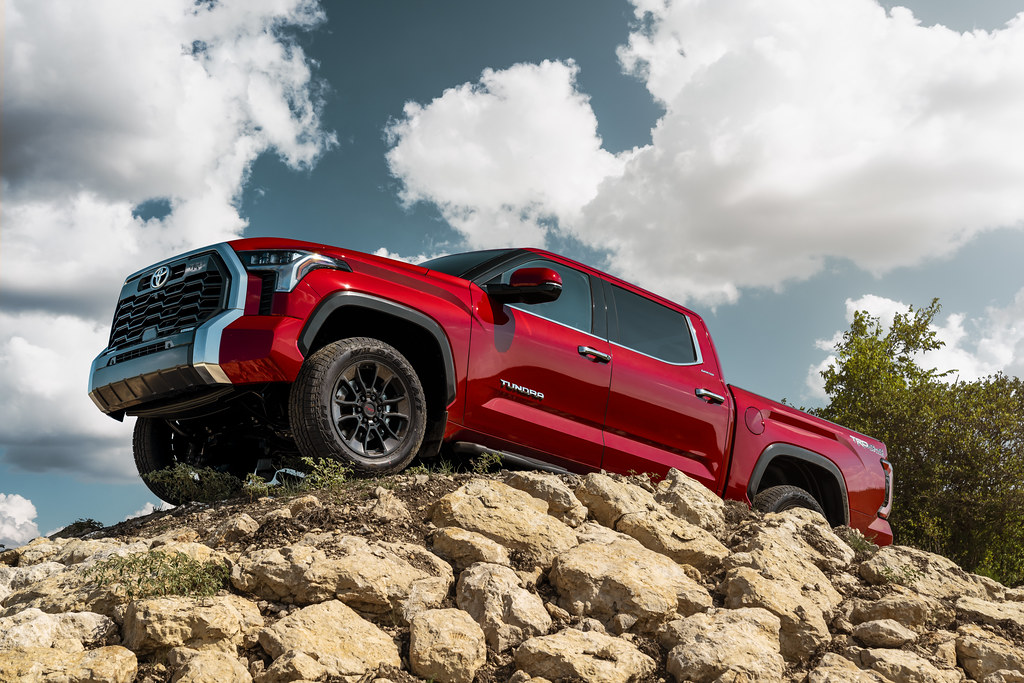
Toyota’s recent actions at its Kentucky plant mark a definitive step towards prioritizing electric vehicles, signaling a departure from its historical deferment of BEVs. A substantial $1.3 billion investment has been injected into the Kentucky facility, specifically earmarked for electrification initiatives, including a dedicated battery pack assembly line. This significant capital allocation underscores Toyota’s intent to localize and accelerate its EV manufacturing capabilities within the United States.
Central to this strategic pivot is the introduction of two new EV SUVs, slated to be at the forefront of Toyota’s offerings. This move is particularly impactful given that SUVs represent Toyota’s leading seller in the U.S. market, aligning its electrification efforts with proven consumer demand. Concurrently, the production of the Lexus ES is being strategically moved to Japan, freeing up capacity in the Kentucky plant for these new, high-priority EV models.
The impetus behind this localization and EV prioritization is multi-faceted, partly a direct response to President Trump’s tariffs, which can be mitigated by localizing production. Beyond tariff circumvention, placing EV production for popular SUV segments, rumored to be based on RAV4 and Land Cruiser platforms, is designed to appeal to a broad consumer base amid growing EV support. Toyota emphasizes: “To improve manufacturing efficiencies and better serve customers based on market demand, Toyota is strategically transitioning production across our plants in Kentucky and Indiana.”
Read more about: Save Your Cash: 8 Entry-Level Models You Absolutely Should Not Buy New in 2026 According to Dealership Staff.
2. **Hybrid Dominance & Profitability**
Despite the burgeoning focus on BEVs, Toyota’s enduring success with its hybrid vehicle lineup remains the cornerstone of its financial stability and strategic flexibility. For years, EVs were a lower priority in Toyota’s strategy, which concentrated on profitability through its efficient hybrid portfolio. This approach built a substantial financial buffer, fueling investments in future innovations like hydrogen fuel cells and solid-state batteries.
Data supports this hybrid-centric strategy; in 2025, hybrids accounted for an impressive 46.8% of Toyota’s U.S. sales. Crucially, these models generate twice the profit per unit compared to ICE vehicles. This superior profitability enables Toyota to maintain a robust 10% operating margin, notably doubling competitors like Honda and Nissan, providing stable cash flow for R&D.
Toyota’s localized production strategy, exemplified by its $13.9 billion battery plant in North Carolina, reinforces hybrid dominance by mitigating trade policy risks and supply chain disruptions. This contrasts with capital-intensive, EV-first rivals like Tesla and BYD, which despite higher sales volumes, grapple with razor-thin margins. Tesla’s operating margin fell to 4.1% in Q2 2025, while BYD’s 20.7% in Q1 2025 still lags Toyota’s hybrid-driven profitability, highlighting its strategic advantage.
Read more about: Beyond the Headlines: Unpacking Ford’s Enduring Legacy of Innovation, Resilience, and Global Impact

3. **U.S. Tariffs & Localization**
Political factors, particularly trade policies and tariff pressures, profoundly influence Toyota’s strategic decisions, especially in export-heavy markets like the U.S. Tariffs can transform geopolitical tensions into immediate financial penalties, impacting pricing and supply chain resilience. This has significantly driven Toyota’s efforts to localize production globally.
A compelling example from 2025 illustrates this: the U.S. government announced a 25% tariff on automobile imports, poised to heavily impact Japanese automakers. With 28.3% of Japan’s U.S. exports being cars, Toyota faces significant financial exposure if measures escalate. To circumvent these tariffs and maintain competitive pricing, localizing U.S. production becomes a strategic imperative.
Toyota proactively maintains production bases in key regions like the U.S., UK, and India to navigate complex tariff environments and meet local content requirements, hedging against protectionist trade policies. The Kentucky plant investments and production transitions align with “improving manufacturing efficiencies and better serving customers based on market demand” — a demand influenced by geopolitical trade dynamics and local presence.
Read more about: Ford’s $30,000 Electric Pickup: Charting a “Model T Moment” to Reshape America’s Automotive Future

4. **EV Market Challenges & Infrastructure Gaps**
The broader electric vehicle market, despite its long-term promise, presents significant challenges that influence Toyota’s cautious, multi-pathway approach. Consumer desires for minimal maintenance, quieter driving, and lower emissions drive EV adoption, but practical market infrastructure and economic factors temper rapid transitions.
A pressing issue is the disparity in charging infrastructure. Gas stations still significantly outnumber EV charging stations, likely contributing to flat EV sales in H1 2025. Though charging infrastructure grows rapidly (35% YoY), it’s still catching up to consumer needs and convenience, leaving range anxiety as a barrier.
Further challenges include slowing global EV sales growth (7.4% in 2025). U.S. EV adoption declined in 2025 due to federal tax credit phase-outs and relaxed fuel-economy standards, making hybrids more appealing. Europe’s EV market share stagnated at 20% in 2024. These headwinds validate Toyota’s strategy of leveraging PHEVs as a crucial bridge, offering 50 miles electric-only while retaining gasoline capability, addressing range anxiety and infrastructure gaps, aiming for 20% PHEV sales in the U.S. by 2030.
Read more about: Beyond the Ticket: Unmasking the High-Profit Item That Keeps Movie Theaters Thriving with 1000% Markups.

5. **Consumer Trust and Safety Perception**
For an automaker, safety is a fundamental promise, directly impacting brand trust and market performance. Toyota’s global reputation was severely setback between 2009-2010 when reports of unintended acceleration emerged, later attributed to sticky accelerator pedals and floor mat entrapments. This crisis shook consumer confidence and tested brand loyalty.
The repercussions were extensive. In 2010, Toyota recalled over 8 million vehicles worldwide and paid over $1.2 billion in fines, one of the largest corporate penalties in U.S. history. Public backlash intensified due to a perceived slow response from leadership; then-president Akio Toyoda initially downplayed the issue, worsening the company’s image and causing a substantial decline in consumer sentiment.
Rebuilding trust required years and billions in marketing, PR, and quality assurance. The experience serves as a stark reminder of how quickly brand equity can erode when safety concerns aren’t addressed transparently. Even in 2025, market delays or perceptions, such as customers in India canceling hybrid orders, can still steer consumers away, reinforcing the need for impeccable operational transparency.
Read more about: Driving Your Dream Machine? 14 Ways Police Officers Secretly Size Up Your Ride (and How to Understand Their POV!)
6. **Global Market Share and Performance (2025)**
Despite a complex market, Toyota Group solidified its position as the world’s largest automotive manufacturer in 2025. It captured a significant 12.5% global market share, a notable 6.4% year-over-year increase, underscoring its pervasive presence and resilience amidst intense competition.
Geographically, Toyota showed regional variations. Strong gains in Asia, with sales climbing 13.1%, were fueled by hybrid demand and localized manufacturing. However, sales declined 5.9% in Europe, reflecting stronger local competition and slower hybrid adoption compared to BEVs.
Toyota faced formidable rivals. Volkswagen Group followed with 9.8% market share (+1% YoY), while Hyundai-Kia secured 8.2% (+2.7% growth). Geely Group emerged as the fastest-growing major player, with a 37.2% YoY increase in sales, driven by aggressive expansion in Asia and North America, pressuring Toyota to adapt.
Read more about: Decoding Pixar: How Innovation, Strategic Shifts, and Creative Vision Forged an Animation Empire

7. **Dependability Rankings (J.D. Power)**
Consumer perception of quality and reliability is paramount, influencing purchasing decisions and brand loyalty. In J.D. Power’s 2025 study, Toyota demonstrated consistent strength, ranking 3rd in mass-market dependability with 162 problems per 100 vehicles (PP100), behind Buick (143 PP100) and Mazda (161 PP100), affirming its reputation for reliable vehicles.
The study highlighted flagship models like the Camry, Corolla, and RAV4 as top performers, consistently meeting expectations for reliability. This enduring dependability is a crucial competitive advantage, particularly where consumers prioritize longevity and lower long-term ownership costs, underpinning the trust in the Toyota brand.
However, emerging challenges lie in software and technology integration. Software-related issues (infotainment, connectivity) accounted for 9% of problems. Only 30% of owners reported improvements after over-the-air (OTA) updates, indicating a critical improvement area. As vehicles digitize, ensuring seamless software reliability will be paramount for maintaining top dependability and meeting evolving consumer expectations.
Further examining Toyota’s adaptive strategies, this section delves into its pioneering technological advancements, the complexities of its legal and regulatory compliance, and its robust environmental sustainability initiatives, while also assessing its competitive market performance and brand enhancement through strategic partnerships and motorsport achievements.

8. **Alternative Fuel Innovation and R&D Leadership**
Toyota has long positioned itself as a leader in pioneering alternative fuel technologies, setting a distinct path from many of its contemporaries. This commitment to long-term research and development, particularly in hydrogen fuel cells and hybrid systems, has allowed the automaker to stay ahead in the evolving landscape of clean vehicle technologies.
The launch of the Toyota Mirai in 2014 exemplified this foresight, establishing Toyota as the first major automaker to mass-produce a hydrogen fuel cell vehicle. Emitting only water vapor, the Mirai marked a significant milestone in the pursuit of zero-emission transportation, showcasing Toyota’s dedication to groundbreaking, environmentally conscious solutions.
Even earlier, from 1997 onwards, Toyota revolutionized the automotive industry with the introduction of the Prius, pioneering hybrid vehicle technology. This iconic model swiftly became a global symbol for fuel-efficient driving, cementing Toyota’s reputation as a leading innovator in the hybrid segment and shaping consumer expectations for eco-friendly vehicles.
As the industry now gravitates towards full electrification, Toyota continues its multi-pathway approach. The company is actively ramping up its battery-electric development, including advanced solid-state battery research, while simultaneously advancing its hydrogen fuel initiatives. This balanced strategy ensures Toyota remains competitive across various future energy solutions, mitigating risks associated with sole reliance on any single technology.
9. **Scaling Hybrid Technology and Localized Production**
Toyota’s sustained dominance in hybrid vehicle technology is currently being tested by the challenge of scaling production to meet surging global demand. Component shortages have emerged as a significant strain on supply chains, creating long wait times for popular hybrid models in various markets.
To counter these pressures and future-proof its hybrid leadership, Toyota is making substantial investments in localized production. A prime example is the $14 billion battery plant in North Carolina, specifically designed to supply its rapidly growing North American hybrid market, with shipments expected to commence in April 2025.
Concurrently, Toyota is expanding its manufacturing footprint in India, adding capacity for 32,000 vehicles and planning for an additional 100,000 units annually. This expansion is coupled with strategic investments to localize inverter production, thereby reducing the company’s dependency on Japanese suppliers and strengthening regional supply chain resilience.
These localization efforts are crucial for mitigating global supply chain disruptions and political trade risks. By increasing local production and component sourcing, Toyota aims to maintain its market responsiveness and competitive edge in the highly sought-after hybrid segment, ensuring consistent availability for consumers worldwide.
Read more about: The Automotive Gauntlet: 11 Car Brands Facing an Uncertain Future in the U.S. Market
10. **Supplier Leadership in EV Battery Technology & Partnerships**
Toyota is strategically shifting its role within the automotive ecosystem, transitioning from an exclusively self-contained automaker to a pivotal supplier of EV battery technology, even to competitors. This move marks a significant recalibration of its strategic positioning, establishing Toyota as a key player in the broader electrification value chain.
A notable example of this strategic pivot is Honda’s announcement to procure hybrid vehicle batteries from Toyota’s U.S. battery plant, with supplies scheduled to begin in fiscal 2025. This collaboration not only reinforces Toyota’s technological superiority in battery production but also signals its evolution into a regional battery supply hub for Japanese rivals operating in the U.S. market.
This leadership in battery supply underscores Toyota’s advanced capabilities and significant investments in electrification infrastructure. By providing critical components to other automakers, Toyota is leveraging its expertise to generate new revenue streams and exert influence across the industry, further solidifying its technological advantage.
Such strategic partnerships illustrate a collaborative approach to accelerating the industry’s transition to electrification. Toyota’s role as a supplier allows it to benefit from the overall market growth in EVs and hybrids, positioning itself as an indispensable partner in the future of mobility beyond its own brand sales.
Read more about: The Clock is Ticking: Apple’s Automotive Ambitions Drive into a New Era – From Car Dreams to AI Realities

11. **AI Integration and Autonomous Driving Development**
As the automotive industry rapidly transitions from relying solely on mechanical power to advanced processing capabilities, artificial intelligence has emerged as a critical competitive differentiator. Toyota, like many major automakers, is making substantial investments in AI to ensure it remains at the forefront of this technological shift and can compete effectively with agile, tech-centric players.
In a move underscoring its commitment to cutting-edge technology, Toyota has partnered with Nvidia to advance its autonomous driving initiatives and optimize AI-powered factory planning. This collaboration aligns Toyota with other industry leaders, including General Motors, Mercedes-Benz, and BYD, all of whom are leveraging Nvidia’s robust platforms for training sophisticated models for simulation, validation, and advanced driver-assistance systems.
Toyota’s strategic focus extends to a dual-track investment approach, encompassing both advanced driver-assistance systems (ADAS) and smart manufacturing techniques. This comprehensive strategy is designed to enhance vehicle autonomy and improve factory efficiency, ensuring that Toyota remains competitive in an increasingly AI-driven future for mobility.
By integrating AI across its operations, from vehicle intelligence to production logistics, Toyota is actively hedging against the risk of technological obsolescence. This proactive engagement with AI ensures the company can adapt to evolving consumer expectations for smart, connected vehicles and efficient manufacturing processes.
Read more about: Navigating the Automotive Landscape: Key Factors Influencing Your Car’s Long-Term Value
12. **Corporate Liability and Environmental Compliance Enforcement**
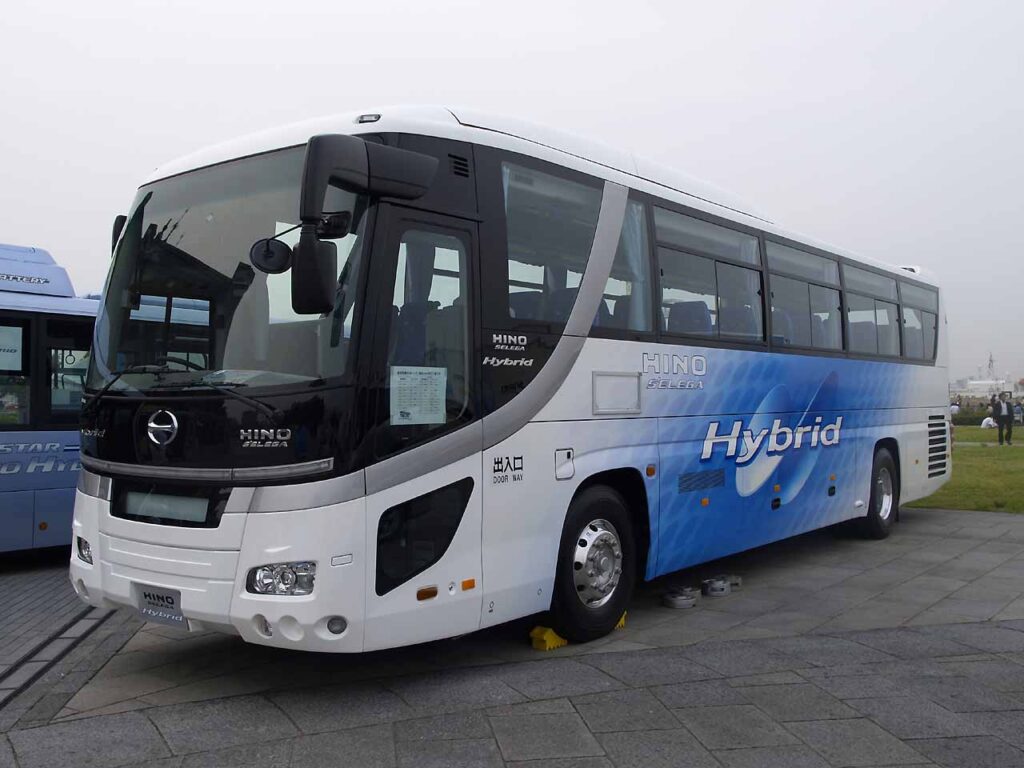
Corporate liability extends beyond a parent company’s direct actions, encompassing the conduct of its subsidiaries, which can significantly impact brand reputation and financial stability. This reality was starkly illustrated by the legal repercussions faced by Toyota’s subsidiary, Hino Motors, highlighting the severe consequences of non-compliance with environmental regulations.
In 2025, Hino Motors pleaded guilty to a multi-year emissions fraud scheme in the U.S., involving the falsification of data for over 105,000 vehicles produced between 2010 and 2022. The company incurred a substantial $1.6 billion fine, was placed on five years of probation, and faced a ban on importing diesel engines into the U.S. during this period.
This case draws a direct parallel to the Volkswagen diesel emissions scandal, underscoring the intensified global scrutiny on automakers regarding environmental data accuracy and reporting. Such fraudulent practices around emissions testing carry immense penalties, including substantial financial burdens, operational restrictions, and severe long-term reputational damage.
The Hino Motors incident serves as a potent reminder of the critical importance of impeccable operational transparency and strict adherence to regulatory standards across all corporate entities. Legal and environmental compliance are non-negotiable, with any missteps leading to profound financial and legal exposure that can undermine an entire corporate family.

13. **Emissions Regulations and Fuel Standards**
The global automotive industry is facing unprecedented pressure from governments worldwide to meet aggressive carbon reduction targets, compelling manufacturers to pivot away from conventional combustion engines towards cleaner alternatives. This regulatory push is a primary driver behind Toyota’s accelerated investment in various low-emission vehicle technologies.
In direct response to increasingly stringent emissions rules across the European Union, California, and China, Toyota has significantly ramped up its investments in hybrid, hydrogen, and electric vehicle technologies. The company has publicly committed to reducing average CO₂ emissions across its entire lineup and prioritizing the development of zero-emission models to ensure comprehensive regulatory compliance.
This commitment is particularly evident in Toyota’s response to initiatives like the EU’s “Fit for 55” plan, introduced in 2021, which established new CO₂ targets. In alignment with these goals, Toyota has proactively increased its hybrid vehicle production and expanded strategic partnerships for electric vehicle development, aiming to meet demanding fleet-wide emission thresholds and avoid significant regulatory fines.
Toyota’s multi-pathway strategy, encompassing hybrids, hydrogen, and battery electric vehicles, is a pragmatic approach to navigating these complex and varied global environmental mandates. By diversifying its portfolio of sustainable vehicles, Toyota aims to comply with diverse regulatory frameworks while meeting evolving consumer demand for eco-friendly transportation.
Read more about: Beyond the Hype: 14 Classic Cars That Aren’t Worth the Money for Serious Car Enthusiasts
14. **Sustainable Materials and Circular Economy Strategy**
Environmental sustainability has transcended its role as a mere public relations exercise to become a core strategic imperative for Toyota. The company is actively investing in cleaner supply chains and embracing circular economy models to significantly reduce its ecological footprint and comply with tightening global environmental standards.
In a landmark move, Toyota Tsusho America, a subsidiary of Toyota’s trading arm, announced a substantial $1.34 billion acquisition of Radius Recycling, a major U.S.-based recycled metals firm. This strategic acquisition directly supports Toyota’s long-term sustainability goals by bolstering its access to recycled aluminum and steel, essential materials for vehicle manufacturing.
This deal aligns seamlessly with Toyota’s broader initiative to localize and green its North American supply chain, reducing reliance on virgin raw materials and enhancing resource efficiency. By integrating recycling capabilities, Toyota is proactively addressing the environmental impact of its production processes and raw material sourcing.
The acquisition of Radius Recycling helps Toyota mitigate critical environmental risks, underscoring a commitment to responsible resource management and preparation for future, potentially stricter, environmental regulations governing materials sourcing and recycling. It exemplifies a strategic investment in a sustainable, closed-loop material flow.
Read more about: The Unseen Toll: Navigating the Complex Environmental Costs of Electric Vehicle Batteries

15. **Brand Enhancement Through Motorsport Success**
Beyond its foundational reputation for safety and reliability, Toyota actively leverages motorsport victories as a powerful tool for brand enhancement. These high-performance achievements serve to solidify its image as a leader in both automotive innovation and enduring performance, captivating audiences globally.
In 2025, Toyota driver Elfyn Evans secured a significant victory at the Safari Rally Kenya, marking his second win of the season and extending his championship lead to a record-setting 36 points. Toyota also led the manufacturers’ championship, reinforcing its identity of robust reliability and high-performance engineering on a global stage.
The visibility gained from such rally successes, particularly in crucial growth markets like Kenya, plays a vital role in bolstering Toyota’s emotional brand equity and global recognition. These triumphs resonate with consumers who value performance and resilience, linking the brand with competitive excellence and durability under extreme conditions.
Domestically, Toyota-affiliated teams, including Joe Gibbs Racing and 23XI Racing, maintain a prominent presence in the NASCAR Cup Series. Drivers like Chase Briscoe and Bubba Wallace consistently perform well, ensuring Toyota’s strong visibility in American motorsport. This engagement appeals directly to performance-driven buyers and provides essential “boots-on-the-ground” relevance for the brand in the U.S. market, balancing global and regional brand enhancement strategies.
Read more about: Driving These 11 American Muscle Cars? Here’s What Import Tuners Secretly Think About You.
Toyota’s journey through 2025 exemplifies a calculated and adaptive strategic approach, blending established strengths with forward-looking innovation. From its foundational hybrid dominance to its pioneering advancements in AI and sustainable manufacturing, the automaker continues to navigate a complex global landscape with precision. By judiciously balancing profitability, technological leadership, and a keen awareness of environmental and regulatory demands, Toyota is not merely responding to market shifts but actively shaping the future of mobility, ensuring its long-term resilience and continued influence in the global automotive industry.”