The dollar sign, a simple yet profoundly influential symbol, has transcended its primary function as a mere indicator of currency to become a ubiquitous emblem woven into the fabric of global commerce, technology, and even culture. From the bustling markets of the 18th century to the intricate algorithms of contemporary programming languages, its distinctive form – a capital ‘S’ often bisected by one or two vertical strokes – signals monetary value, yet its true origins remain shrouded in historical debate and intriguing hypotheses. Its silent presence on price tags, financial documents, and digital interfaces belies a rich and complex past, inviting a thorough investigation into how such a potent symbol came to signify so much.
This article embarks on an in-depth journey to unravel the multifaceted history of the dollar sign. We will explore its earliest known uses, its integral connection to the Spanish American peso, and its adoption by the nascent United States. Furthermore, we will critically analyze the leading theories that attempt to explain its genesis, from the pragmatic shorthand of scribes to the allegorical imagery of ancient mythology. By examining various historical perspectives and documentary evidence, we aim to shed light on the symbol’s evolution and its indelible mark on the world’s financial lexicon.
Understanding the dollar sign is not merely an academic exercise; it is an exploration into the very essence of how value is perceived and communicated across diverse cultures and economies. Its journey reflects broader historical currents, economic shifts, and the fascinating ways in which symbols acquire meaning and power over centuries. Join us as we meticulously piece together the narrative behind one of the most recognizable and enduring symbols known to humanity.

1. The Dollar Sign: A Universal Symbol with Ancient Roots
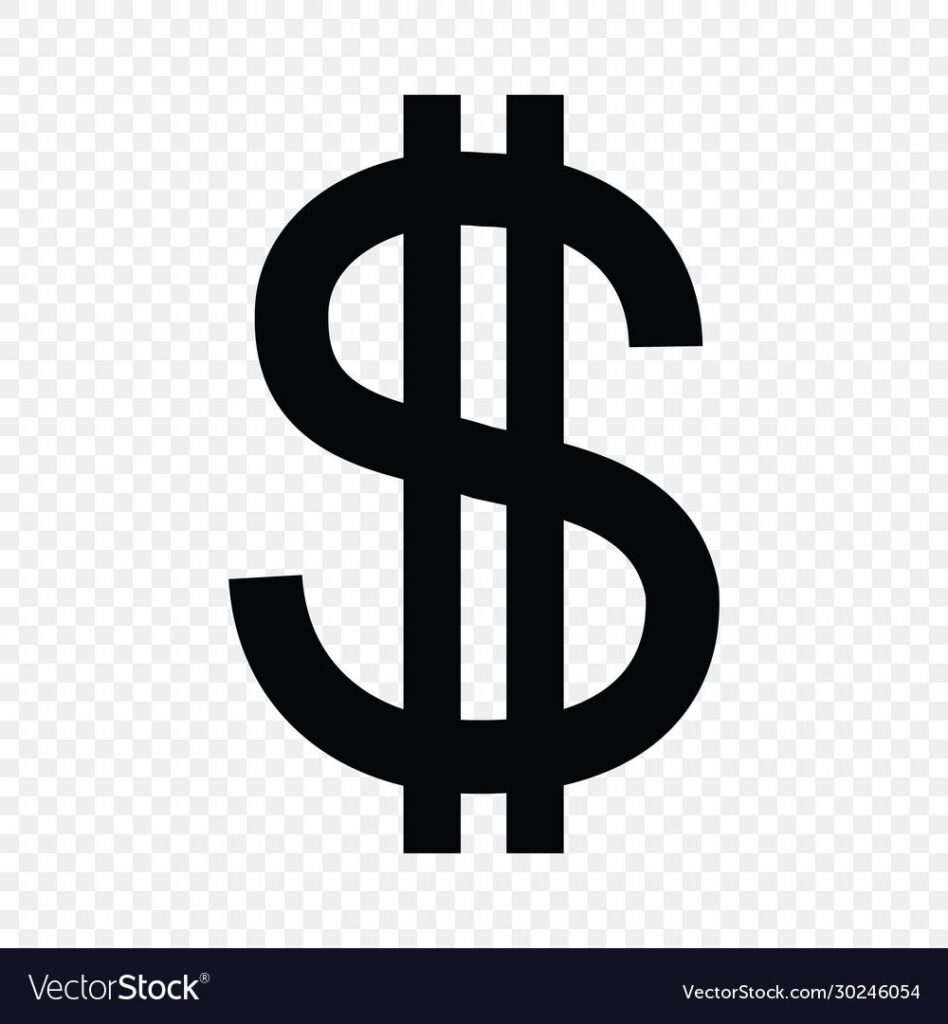
The dollar sign, characterized by a capital ⟨S⟩ crossed with one or two vertical strokes, is fundamentally a currency symbol. It is employed globally to denote the unit of various currencies, predominantly those denominated as “dollar” or “peso.” While its appearance might seem straightforward, its graphical variants, particularly the explicitly double-barred sign known as the cifrão in Portuguese, introduce a layer of stylistic and sometimes historical complexity. This initial definition underscores its pervasive role as a global monetary identifier, bridging numerous national economies.
In practical application, the sign often appears in compound currency symbols, such as the Brazilian real (R$) and the United States dollar (US$). However, in local usage, the nationality prefix is frequently omitted, reflecting a presumption of the local currency. This phenomenon is particularly evident in countries that utilize other currency symbols, where the “US” prefix for the dollar is often assumed and subsequently omitted, highlighting the United States dollar’s widespread recognition and influence in international discourse.
The distinction between the one- and two-stroke versions of the dollar sign is often regarded as a mere stylistic variation, primarily dependent on the typeface used. Nevertheless, historical records suggest that in certain places and epochs, one version might have been specifically assigned to a particular currency, whether by law or by custom. This nuanced historical usage contrasts with the Unicode computer encoding standard, which, for simplicity and universality, defines a single code for both variants, treating them as allographs—different graphical representations of the same underlying symbol.
Across most English-speaking nations that employ this symbol, a consistent convention dictates its placement to the left of the specified amount. For instance, “$1” is read aloud as “one dollar,” a practice that is deeply ingrained in financial communication. This positional standard, while seemingly minor, is a key element of its widespread legibility and consistent interpretation, facilitating clear and unambiguous monetary transactions across linguistic and geographical boundaries.
2. Early Appearances and the Spanish American Peso
The earliest verifiable appearance of the dollar symbol dates back to business correspondence in the 1770s, emanating from the West Indies. In these early documents, the symbol was consistently used in reference to the Spanish American peso. This currency was widely recognized and often referred to by British Americans as the “Spanish dollar” or, more colloquially, as the “piece of eight,” reflecting its value and commonality in colonial trade and finance. This historical context firmly roots the dollar sign in the vibrant economic exchanges of the late 18th century, particularly within the Spanish colonial territories.
The ubiquity and influence of Spanish coins during this era were profound. These “Spanish dollars” served as a crucial model for newly established currencies across the Americas. Indeed, they provided the foundational blueprint for the currency the United States would formally adopt in 1792. Beyond the United States, these coins also inspired the larger denominations of the newly independent Spanish American republics, including the Mexican peso, the Argentine peso, the Peruvian real, and the Bolivian sol coins, demonstrating their extensive monetary legacy throughout the continent.
The widespread circulation of the Spanish peso, particularly in commercial hubs like the West Indies, meant that a concise and recognizable symbol for this unit of value became an economic necessity. Its appearance in business correspondence signifies its emergence from practical, day-to-day financial record-keeping, suggesting a natural evolution driven by the demands of commerce rather than formal decree. This early adoption in key trading regions highlights the symbol’s organic growth within a bustling economic environment.
By linking the dollar sign to the Spanish American peso from its inception, historical inquiry establishes a critical ancestral connection. This initial usage clarifies that the symbol was not initially conceived for the American dollar but rather was inherited and adapted from a pre-existing and dominant currency. This heritage provides essential context for understanding the subsequent adoption and transformation of the symbol in the United States and other nations.
Read more about: The Enduring Mystery of the Dollar Sign: Tracing Its Origins, Evolution, and Unseen Influence
3.The United States Dollar: An Inheritance from Spain
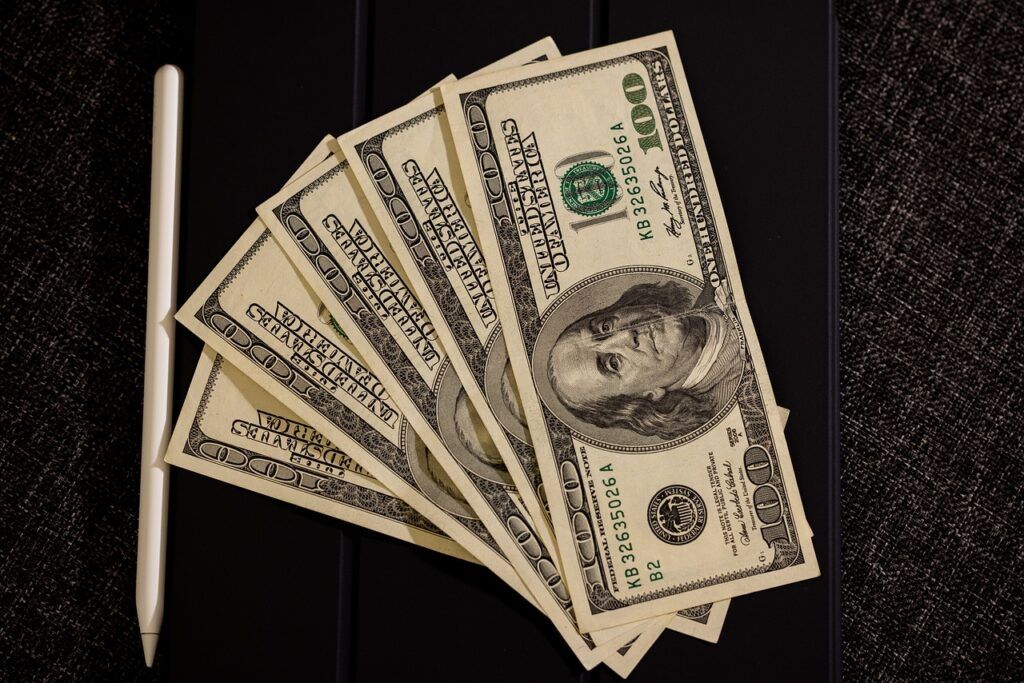
With the landmark Coinage Act of 1792, the United States Congress formally established the U.S. dollar, explicitly defining its value. This pivotal legislation stipulated that the new currency would “have ‘the value of a Spanish milled dollar as the same is now current.'” This legislative decree underscores a direct and intentional linkage between the nascent American monetary system and the well-established Spanish currency, which had long circulated within the colonies and served as a practical medium of exchange.
Despite this foundational alignment, the earliest U.S. dollar coins, minted in the years following the 1792 act, remarkably did not feature any specific dollar symbol. This absence suggests that while the concept and value of the dollar were formalized, its graphical representation was not yet standardized or widely adopted on official coinage. Furthermore, a variety of foreign coins, including the Spanish dollar, continued to be recognized as legal tender within the United States until their status was eventually revoked by the Coinage Act of 1857, illustrating a transitional period in American monetary identity.
The first documented occurrence of the dollar sign in print is generally attributed to the 1790s, appearing in the work of Archibald Binny, a Philadelphia printer renowned as the creator of the Monticello typeface. This suggests its initial proliferation was perhaps through printed materials rather than coinage. A later example, the $1 United States Note issued in 1869, notably incorporated a prominent symbol featuring a “U” with its right bar overlapping an “S,” resembling a single-bar dollar sign, alongside a very small double-stroke dollar sign in the legal warning against forgery, showcasing its evolving graphical representations in official contexts.
Thus, the American dollar’s genesis is inextricably linked to its Spanish predecessor, inheriting not only its name and value but also, eventually, its symbolic representation. The gradual appearance and standardization of the dollar sign within U.S. financial iconography, from its tentative presence in print to its more formal inclusion on currency, reflect a complex process of national economic identity formation and the adaptation of established international symbols.
4. The “ps” Abbreviation Hypothesis: A Scribe’s Evolution
Among the various theories positing the origin of the dollar sign, the “ps” abbreviation hypothesis stands as the most widely accepted explanation. This theory suggests that the symbol evolved from the scribal abbreviation “p s ” historically used in Spanish and Spanish American contexts to denote “pesos.” It points to a pragmatic origin, where the demands of rapid record-keeping led to the simplification of written forms, eventually giving rise to the iconic symbol we recognize today.
Extensive studies of late 18th- and early 19th-century manuscripts provide compelling evidence for this evolutionary process. These historical documents reveal a clear progression where the letter ‘s’ gradually came to be written over the letter ‘p’. This superimposition, born out of a natural desire for efficiency in handwriting, resulted in a combined form that bears a striking resemblance to the modern ‘$’ mark. The fluidity of handwritten abbreviations, therefore, appears to be a key driver in the symbol’s initial development.
A notable historical figure supporting this theory is Oliver Pollock, a wealthy Irish trader and a significant early supporter of the American Revolution. In a letter dated 1778, Pollock is documented using the abbreviation “ps,” sometimes written in a manner that almost precisely mirrored the dollar sign. This specific instance offers concrete evidence of the symbol’s form emerging from a common scribal practice. Furthermore, historical documents indicate the common use of a two-stroke version of this evolving symbol in Portugal as early as 1775, suggesting a parallel or shared evolution across different regions.
The strength of the “ps” abbreviation hypothesis lies in its foundation of real-world scribal practice and its historical documentation. It presents a logical and organic development of the symbol from a practical need to abbreviate a frequently used currency term. This theory paints a picture of the dollar sign not as an abstract invention, but as a practical solution that solidified through common usage, eventually becoming an internationally recognized emblem of monetary value.
5. The Pillars of Hercules: A Classical Emblem
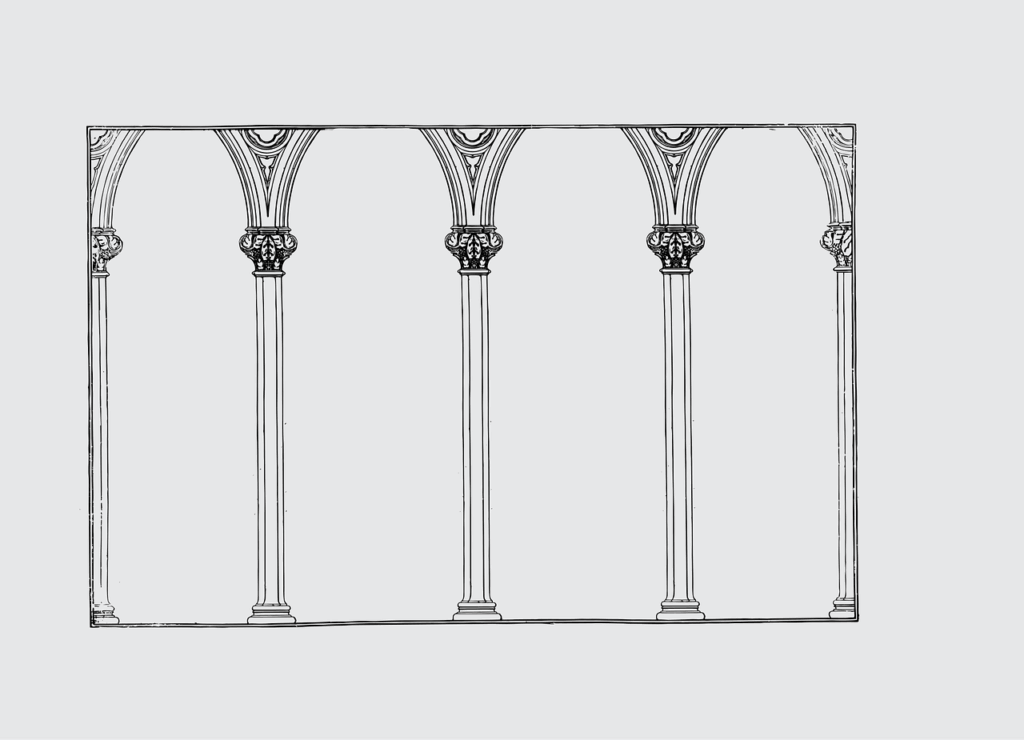
Another prominent hypothesis regarding the dollar sign’s origin ties its form to a classical symbol of great significance: the Pillars of Hercules. This theory suggests that the dollar sign derives its shape from a depiction of these two legendary pillars, which historically marked the Strait of Gibraltar. These pillars were often illustrated with a ribbon wrapped around each one, or sometimes both, forming a distinct ‘S’ shape that is central to this visual explanation.
This device was not merely an artistic embellishment; it served as a significant support element within the Spanish coat of arms. Its presence on official state symbols imbued it with a sense of authority and national identity. The imagery of the Pillars, often accompanied by the motto “Plus Ultra” (“further beyond”), symbolized Spanish expansion and imperial reach, making it a fitting motif for the currency of a global empire.
Crucially, this emblem featuring the Pillars of Hercules with an ‘S’-shaped ribbon was prominently displayed on the most common *real de ocho* coins. These coins, widely known as Spanish dollars, circulated extensively throughout the Americas and Europe during the period. Specifically, those minted at the Potosí mint in Bolivia, which operated from 1573 to 1825 and was a major source of silver, frequently bore this design. The widespread circulation of coins featuring this classical motif could have contributed to the popular association of the ‘S’ with the vertical lines of the pillars, morphing into the dollar sign.
Indeed, the influence of this imagery was so pronounced that in Qing Dynasty China, one of the names used for Spanish dollars was 雙柱 (Shuāngzhù), meaning ‘double-pillar.’ This historical detail provides compelling cross-cultural evidence of how the visual representation on the coins, linked to the Pillars of Hercules, became synonymous with the Spanish dollar itself. The narrative of the Pillars offers a more symbolic and visually striking origin compared to the scribal abbreviation, connecting the currency symbol to a grander historical and mythological tradition.
Read more about: The Enduring Mystery of the Dollar Sign: Tracing Its Origins, Evolution, and Unseen Influence

6. The Potosí Mint Mark Theory: A Monogrammatic Origin
Building upon the Pillars of Hercules hypothesis, a related theory proposes that the dollar sign’s form specifically originated from the mark of the Potosí mint. This mint, located in Bolivia, was an exceptionally significant center of silver production for the Spanish Empire, operating continuously from 1573 to 1825. Its prolific output meant that its coinage was widely distributed, making any distinctive marks on these coins highly recognizable and influential.
A key feature observed on many of these Potosí minted coins was a unique monogram consisting of the superimposed letters “P T S I.” This intricate design served as the mint’s identifying mark, a clear indicator of its origin and authenticity. The theory posits that the core of this particular monogram, when viewed in its stylized form, directly resembled a single-stroked dollar sign. This direct visual link to a major currency source provides a compelling, albeit specific, origin story for the symbol.
The suggestion is that the combined elements of “P T S I” were arranged in such a way that the vertical stroke of the ‘P’ or ‘I’ (or perhaps an imaginative combination) intersecting with the ‘S’ created the familiar dollar sign configuration. Given that a large portion of the Spanish Empire’s silver currency originated from Potosí, the emblem appearing on these widely circulated coins would have become immensely familiar. This familiarity could have easily led to the adoption and simplification of this mint mark into a general currency symbol.
While this theory is a variant of the Pillars of Hercules concept, it offers a more specific and tangible link to the actual production of currency. Instead of a general classical symbol, it points to a distinctive feature of the coins themselves, suggesting a direct evolution from a mint’s identifying mark to a universal currency symbol. This highlights how practical elements of coinage design could contribute to the development of broader monetary iconography.

7. Less Credible Yet Intriguing Origin Theories
While the scribal abbreviation of “pesos” and the Pillars of Hercules hypotheses hold significant sway in historical discourse, other intriguing theories, though often less substantiated, have also emerged over time, contributing to the rich tapestry of the dollar sign’s uncertain genesis. These alternative explanations, while sometimes discredited by rigorous documentary evidence, offer fascinating glimpses into various cultural and practical contexts from which the symbol might have ostensibly sprung. Its persistence underscores the enduring mystery.
One such hypothesis traces the dollar sign’s lineage to the German silver coin known as the Joachimsthaler or thaler, from which the English word “dollar” itself is derived. This theory posits that the symbol could have originated from a superimposition of the letters ‘S’ and ‘I’ (or ‘J’), used to denote these large German coins. Such a symbol indeed appears in the 1686 edition of “An Introduction to Merchants’ Accounts” by John Collins, suggesting a potential, albeit perhaps indirect, influence. Another variation linked to the thaler suggests the dollar sign might have evolved from a snake and cross emblem also found on these coins.
Further speculation presents a more direct link to the United States itself, suggesting the sign was a monogram of “US” with a narrow ‘U’ superimposed on an ‘S’. Proponents of this theory believe the bottom part of the ‘U’ would have eventually been lost, resulting in the two-vertical-line dollar sign. This idea, mentioned in letters to “Notes and Queries” in 1876 and famously claimed by Ayn Rand in her 1957 novel “Atlas Shrugged,” has been largely contradicted by historical evidence.
Other less likely, and sometimes unsettling, theories have also surfaced. One suggests the two-stroke symbol was an adapted design by patriot Robert Morris in 1778, although this claim has been largely refuted. Another posits a combination of the Greek character “psi” (ψ) and “S,” a theory put forth by H. M. Larson in 1939 but lacking broad acceptance. Perhaps most controversially, authors T. Seijas and J. Frederick noted in 2017 that slave captors in Spanish territories sometimes branded enslaved people with a symbol very similar to a one-barred dollar sign, suggesting a grim origin from the Spanish word “esclavo” (slave) combined with “clavo” (nail), forming “S + clavo.”
Finally, a theory particularly popular in Portuguese-speaking countries offers a highly allegorical origin: that the ‘S’ part of the double-stroked sign schematically represents the path of the Umayyad Caliphate general Tariq Ibn Ziyad during his 711 CE conquest of the Visigoth kingdom, with the two strokes symbolizing the Pillars of Hercules he crossed. These alternative hypotheses often lack comprehensive documentary support, yet highlight diverse and sometimes fanciful attempts to unravel the dollar sign’s mystery.
Read more about: From Box Office Bombs to Beloved Classics: The Untold Stories of Cinema’s Greatest Comebacks
8. The Dollar Sign Across Global Currencies
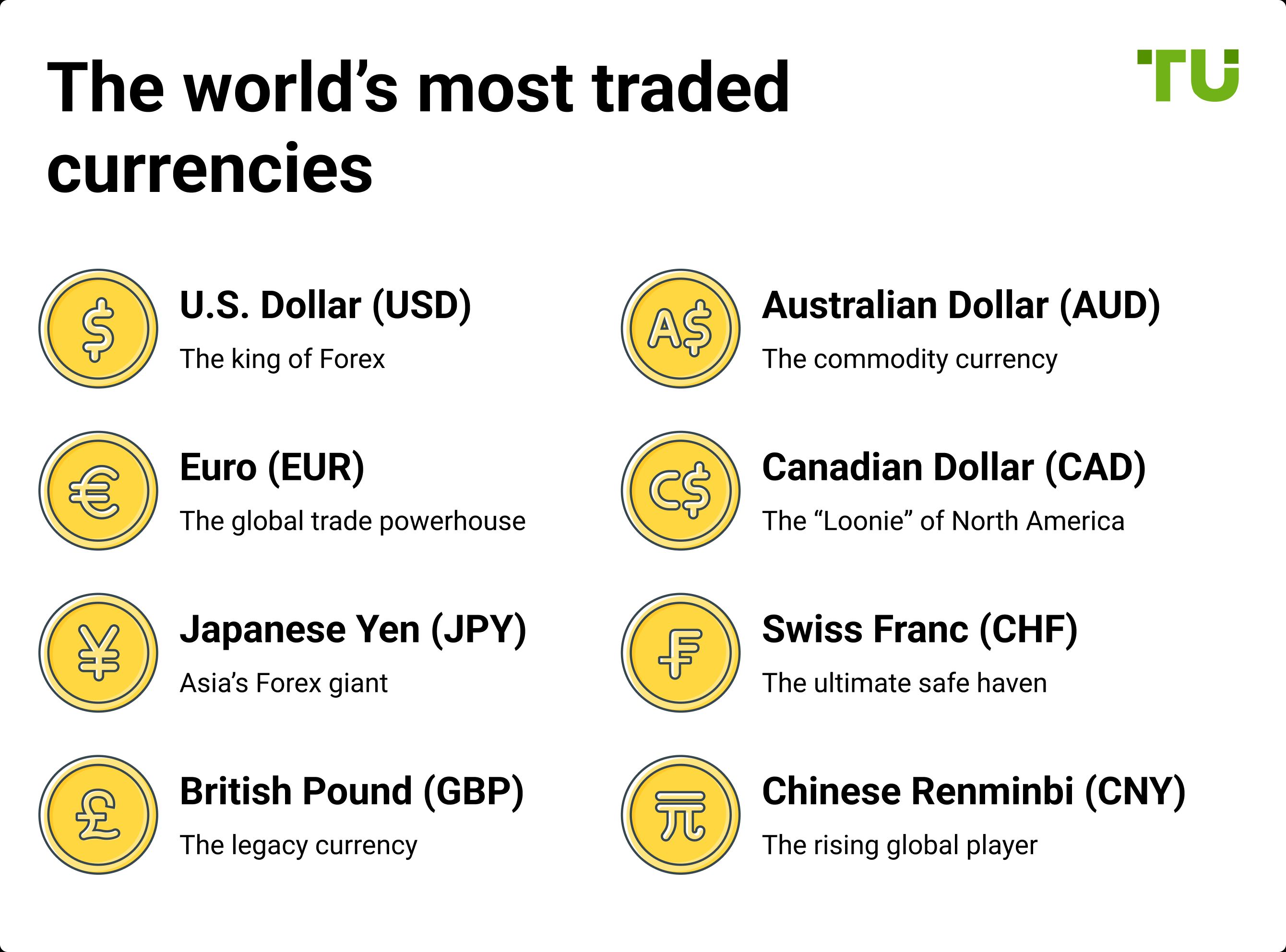
Beyond its deep historical roots, the dollar sign has evolved into a truly international symbol, adopted by a multitude of currencies around the globe, extending far beyond those explicitly named “dollar.” Its pervasive use speaks to a shared financial language, allowing for a standardized visual representation of monetary value across diverse economic landscapes. This widespread adoption underscores its utility and symbolic power in an interconnected world.
Fundamentally, the dollar sign, characterized by a capital ⟨S⟩ crossed with one or two vertical strokes, is a currency symbol employed globally to denote the unit of various currencies. Naturally, it is prominently used for currencies denominated as “dollar,” such as the United States dollar, Canadian dollar, and Australian dollar. It also serves as the symbol for many currencies named “peso,” including the Mexican peso and Argentine peso, with the notable exception of the Philippine peso, which utilizes its own distinct symbol, “₱.”
However, the versatility of the dollar sign extends further, encompassing currencies that bear entirely different names. For instance, the Brazilian real, though not a dollar or peso, uses “R$.”. Other examples include the Macanese pataca (MOP$), the Nicaraguan córdoba (C$), the Samoan tālā ($), and the Tongan paʻanga (T$). Historically, it was also employed for the Ethiopian birr (E$) until 1976, the Malaya and British Borneo dollar, and the Malaysian ringgit for several decades. These diverse applications highlight the symbol’s adaptability and its capacity to transcend literal naming conventions.
In practical application, the sign often appears in compound currency symbols, such as “US$” for the United States dollar or “CA$” for the Canadian dollar, particularly in international or professional contexts to avoid ambiguity. Nevertheless, in local usage within countries that employ the symbol, the nationality prefix is frequently omitted, reflecting a presumption of the local currency. For example, “$5” in New Zealand is understood as five New Zealand dollars. This local shorthand is a testament to the symbol’s ingrained recognition and its seamless integration into national financial discourse.
To further minimize ambiguity in global financial communication, especially in professional environments, the ISO 4217 three-letter codes—such as AUD for Australian Dollar, MXN for Mexican Peso, or USD for United States Dollar—are generally preferred. While these codes offer ultimate precision, the enduring and ubiquitous presence of the dollar sign in everyday transactions and digital interfaces reaffirms its status as a universal emblem of value, effortlessly bridging linguistic and economic divides.
Read more about: Navigating Hollywood’s Financial Frontier: A Deep Dive into 13 Top Film Financing Companies and Emerging Capital Strategies for Producers
9. Conventions of Placement and Readability
The placement of the dollar sign in relation to the numerical amount it signifies is a seemingly minor detail, yet it adheres to deeply ingrained conventions that contribute significantly to the symbol’s universal legibility and consistent interpretation. This standard positioning facilitates clear and unambiguous monetary transactions across diverse linguistic and geographical boundaries, reflecting a practical evolution in financial communication.
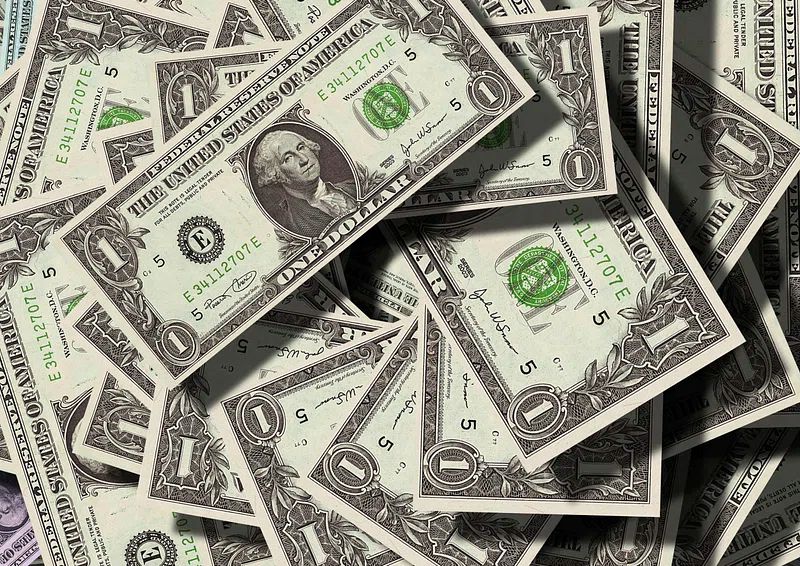
Across most English-speaking nations that utilize the dollar sign, a consistent convention dictates its placement to the left of the specified amount. For instance, when one encounters “$1,” it is universally read aloud as “one dollar.” This practice is not merely an arbitrary rule but a deeply embedded linguistic and financial habit, influencing how amounts are perceived and articulated. It ensures that the symbol acts as an immediate identifier of currency before the magnitude of the value is processed.
This left-side placement is prevalent in countries such as the United States, Australia, New Zealand, Hong Kong, and English-speaking Canada. The consistency of this convention simplifies accounting practices and fosters uniformity in financial reporting, making monetary figures readily comprehensible at a glance, whether in printed documents or digital displays. It’s a subtle but powerful element of how value is visually communicated within these economies.
However, linguistic and cultural nuances can introduce variations. Notably, in French-speaking Canada, an exception to this widely adopted rule is observed: the dollar symbol usually appears *after* the number, as in “5$.”. This inversion reflects local linguistic customs, where currency symbols often follow the numerical value in written form. It serves as a reminder that even universal symbols can adapt to regional conventions, maintaining functionality while accommodating cultural preferences.
Interestingly, a similar pattern can be observed with the cent symbol, which is typically written after the number in most countries that employ it, such as “5¢.” These conventions, while seemingly straightforward, are the result of historical evolution and widespread adoption, solidifying their place in the grammar of financial expression. They illustrate how even minor stylistic choices in notation become essential for clear and effective communication of monetary values in daily commerce and broader economic contexts.
10. The Distinctive Cifrão and its Portuguese Heritage
Within the rich tapestry of monetary symbols, the cifrão offers a fascinating case study of a specific graphical variant with a unique historical and cultural trajectory, particularly within Portuguese-speaking regions. Characterized by its explicitly double-barred design, the cifrão is not merely a stylistic flourish but a symbol imbued with its own distinct conventions and a heritage deeply rooted in the history of the Portuguese Empire.
Historically, in Portugal, Brazil, and other parts of the Portuguese Empire, the cifrão, with its signature two-stroke variant, was not initially used as a primary currency symbol preceding an amount, but rather as a thousands separator in the national currency, the real (plural “réis”). For instance, an amount such as 123 500 réis would be represented as 123$500. This intriguing usage is attested as early as 1775, suggesting a long-standing tradition of its specific application in monetary notation. The name “cifrão” itself originates from the Arabic “ṣifr” (صِفْر), meaning ‘zero,’ underscoring a deep historical linguistic connection.
A significant shift occurred in Portugal in 1911 when the national currency was redefined as the escudo, worth 1000 réis and divided into 100 centavos. With this transition, the cifrão’s role evolved: it continued to be used, but now functioned as the decimal separator. Under this new system, “123$50” would signify 123.50 escudos, or 123 escudos and 50 centavos. This innovative application, akin to certain engineering codes that use a letter symbol instead of a decimal point, continued until Portugal’s adoption of the euro in 2002, marking the end of an era for the cifrão in Portuguese national currency.
While Portugal no longer employs the cifrão in this manner, its legacy endures in Cape Verde, a republic and former Portuguese colony. Cape Verde similarly transitioned from the real to its local escudo and centavos in 1914 and, as of 2021, retains the cifrão usage as a decimal separator. This makes the cifrão the official sign of the Cape Verdean escudo (ISO 4217: CVE), a testament to its enduring cultural and practical significance in certain regions that share a historical bond with Portugal.
Brazil, another key part of the former Portuguese Empire, maintained the real and the cifrão as a thousands separator until 1942. At that point, it switched to the Brazilian cruzeiro, which adopted the comma as its decimal separator. However, the dollar sign, officially with one stroke but often rendered with two, was retained as part of the new currency symbol “Cr$,” leading to notations like “Cr$13,50” for 13 cruzeiros and 50 centavos. This evolution showcases the cifrão’s journey from a separator to an integrated part of a compound currency symbol, illustrating its adaptability and unique place in the history of monetary notation.
Read more about: The Enduring Mystery of the Dollar Sign: Tracing Its Origins, Evolution, and Unseen Influence

11. The Dollar Sign in the Digital Age: Encoding and Variants
In the contemporary digital landscape, the dollar sign, despite its ancient origins, has found a new layer of standardization and representation through computer character encoding. Its consistent presence in character sets ensures its universal accessibility across diverse digital platforms, yet the nuances of its graphical variants—particularly the distinction between one and two vertical strokes—present interesting challenges within these digital frameworks.
The dollar sign “$” has a dedicated Unicode code point, U+0024, which it inherited from the foundational ASCII character set via Latin-1. This encoding establishes a single, universal identifier for the symbol across all digital environments, from operating systems to web pages. This uniformity is crucial for ensuring that the symbol displays correctly and consistently, regardless of the software or hardware being used.
It is important to note that the Unicode standard, for the sake of simplicity and universality, does not define separate encodings for the one- and two-line variants of the dollar sign. Instead, it considers these distinct appearances as mere stylistic differences, classifying them as “allographs” – different graphical representations of the same underlying symbol. This means that the choice of rendering, whether with one or two strokes, is primarily dependent on the typeface or font being employed by the user’s system, rather than a specific command within the text itself.
While U+0024 is the primary and most commonly recognized code point for the dollar sign, Unicode does include a few other related code points that originate from East Asian standards. These include U+FE69 ﹩ SMALL DOLLAR SIGN, U+FF04 $ FULLWIDTH DOLLAR SIGN, and U+1F4B2 💲 HEAVY DOLLAR SIGN. The glyphs for these variants are typically larger or smaller than the primary code point, but their differences are predominantly aesthetic or typographic, with their fundamental monetary meaning remaining identical.
Despite the historical significance of the double-barred cifrão, as of 2019, the Unicode standard still considers the distinction between one- and two-bar dollar signs a stylistic choice between fonts and has no separate code point specifically for the cifrão. Although a formal request for its inclusion has been made, its absence means that authors of electronic documents wishing to display a cifrão cannot be certain that every reader will see the double-bar glyph rather than the single-barred version. When absolute clarity is paramount, especially in financial documents, the ISO 4217 three-letter acronym is often preferred.
12. Beyond Currency: The Dollar Sign’s Computational Footprint
The dollar sign’s journey from an ancient monetary symbol to a modern digital icon includes a profound pivot: its appropriation for purposes unrelated to money within computer programming and operating systems. Its universal presence in early computer character sets made it readily available for programmers. This transformed it into a powerful ‘sigil’ in the digital lexicon.
In programming languages, the dollar sign defines variable types or scopes, as seen in BASIC (`H$=”Hello”`) or in PHP, Perl, and Ruby where it prefixes variables. It also introduces expressions for text evaluation in languages like JavaScript, C#, and Unix shells. Java and Python use it to mark placeholders for injecting expression results into text.
Beyond this, `$` defines hexadecimal constants in assembly languages and Pascal. It delimits mathematical regions in TeX and functions as an application operator in Haskell. These diverse applications demonstrate its adaptability beyond simple data identification.
Within operating systems, the dollar sign undertakes specialized duties. In CP/M and MS-DOS, it marks the end of text. Windows appends `$` to share names for hidden network shares. In LDAP, it functions as a line separator, and RISC OS uses it for system variables and the root directory.
Various applications also employ the dollar sign. Excel uses it for absolute cell references. In library catalog records, it introduces subfield delimiters. For text processing tools like `sed` and `grep`, `$` matches the end of a line or string. This highlights how the symbol has been repurposed, solidifying its place as a cornerstone of digital syntax.
From its enigmatic origins deeply entwined with the Spanish American peso and classical mythology to its transformation into a ubiquitous digital marker, the dollar sign embodies a fascinating journey through human history, commerce, and technology. It stands not merely as a symbol of monetary value but as a testament to the adaptability of human communication and the enduring power of concise iconography. As we navigate an increasingly digital and globalized world, the ‘$’ continues to silently orchestrate financial transactions, define variables in complex code, and, ultimately, symbolize a vast and intricate web of human endeavor and innovation. Its story is far from over, continually evolving alongside the currencies and computational languages it so elegantly represents.