For over five decades, Honda has cemented its reputation as a leading Japanese industry powerhouse, consistently delivering a long list of motorized products to the U.S. market. The name Honda has become synonymous with unwavering reliability, a testament to its meticulous engineering and dedication to quality.
While its automobiles frequently top sales charts, it is arguably the fantastic motorcycles rolling off Honda’s assembly lines for decades that truly define its legacy. Honda ingeniously began its journey in this country by offering a small, affordable, and unassuming motorcycle, fundamentally transforming public perception of two-wheeled transportation. This strategic move effectively broadened the market to an unprecedented base of potential buyers, inviting a new demographic into the world of motorcycling.
Early ’60s advertisements famously proclaimed, “You meet the nicest people on a Honda,” a stark contrast to the rough-and-tumble biker image perpetuated by films like Marlon Brando’s “The Wild One.” These diminutive and efficient motorcycles simplified riding for novices who might have found larger, more finicky Harley-Davidsons or Triumphs daunting. This reputation for build quality and minimal maintenance quickly established Honda as a formidable force in the industry, and we now embark on a detailed exploration of 13 exceptional models that showcase Honda’s best.
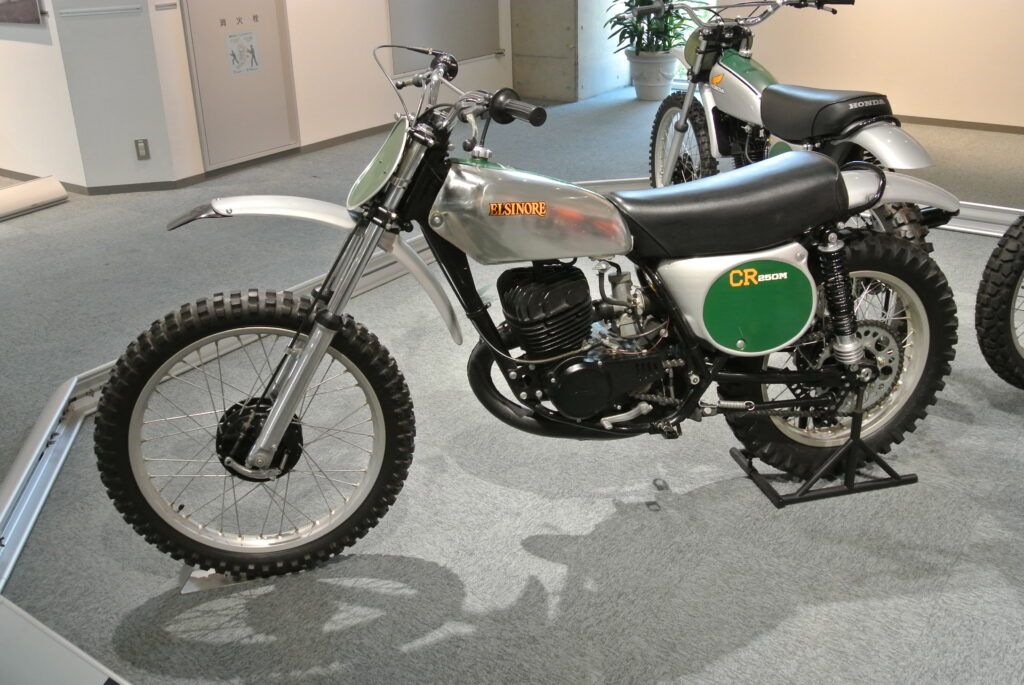
1. **Honda CR250M Elsinore**While Honda initially focused on street bikes, the burgeoning popularity of dirt bikes in the 1960s prompted the company to enter this dynamic segment. The period was marked by fierce competition, with manufacturers worldwide, including Japanese rivals Yamaha and Suzuki, alongside European brands like Czech CZ, Austrian KTM, and Italian Ducati, vying for market share.
Previously, Honda had exclusively developed four-stroke engines, attempting to adapt them for off-road competition. These efforts proved to be dismal failures, leading Honda to pivot decisively and begin manufacturing two-stroke engines. The result was the CR250M Elsinore, which debuted as a 1973 model year and was aptly named after the California Elsinore GP racing series.
The Elsinore quickly distinguished itself as the lightest motocross bike available at the time, a fact noted by Motocross Action Mag. Beyond its low weight, it excelled in user-friendliness, comfort, and robust construction. The high-quality materials employed in its production set new benchmarks that other manufacturers would soon follow, influencing industry standards.
In a significant milestone, the CR250M became the first product manufactured by Honda in Ohio in 1979, at the then-new Marysville assembly plant which remains in operation today. Today, these Elsinores are highly sought after by collectors, yet they can still be acquired at auction for a relatively reasonable price of around $6,000, offering a piece of Honda’s pioneering off-road history.
Read more about: The 20 Most Iconic and Game-Changing Honda Motorcycles of All Time
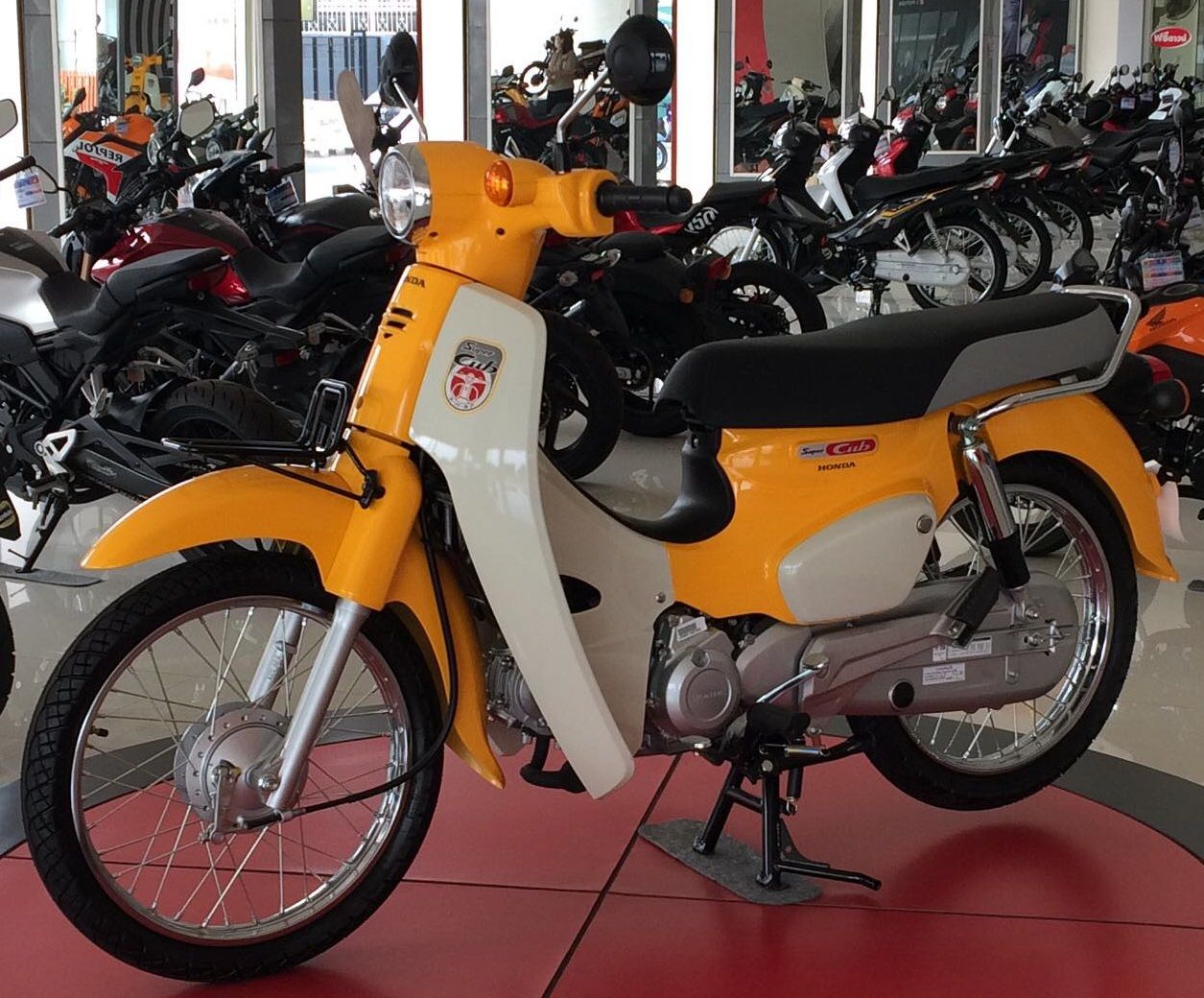
2. **Honda Super Cub**When Honda famously suggested that “you meet the nicest people on a Honda,” they were largely referring to the legions of riders on a Super Cub, known as the C50 in the U.S. The Super Cub represented an original and groundbreaking idea from its very conception, as Honda deliberately sought to create a motorcycle that was both capable and remarkably easy to use, while cleverly concealing the less aesthetically pleasing mechanical components typically exposed on larger bikes.
According to Web Bike World, the Super Cub’s success was nothing short of immediate and explosive, causing the company to experience significant growing pains as its popularity soared globally. Following an initially slow start for its American operations, Honda launched its iconic “Nicest People” advertising campaign, which almost overnight propelled sales skyward. This campaign indelibly cemented Honda’s position within the American market, effectively paving the way for the success of its automobile business just a few years later.
To this day, the Super Cub remains one of Honda’s most enduringly popular products. It is sold across the globe, serving as primary transportation for tens of millions of people, particularly in regions of lesser affluence where practical, reliable transport is paramount. Its widespread adoption has led to an astonishing sales record.
Indeed, for all the discussions surrounding the record-breaking sales numbers of vehicles like the Model T and the Volkswagen Beetle, the Super Cub holds a unique distinction. With an impressive 100 million units sold as of 2017, it may very well be the best-selling vehicle of all time, a testament to its unparalleled design, utility, and global appeal.
Read more about: Speed Trap: Unveiling 14 Iconic Classics With the Most Disappointing Horsepower Ever Built
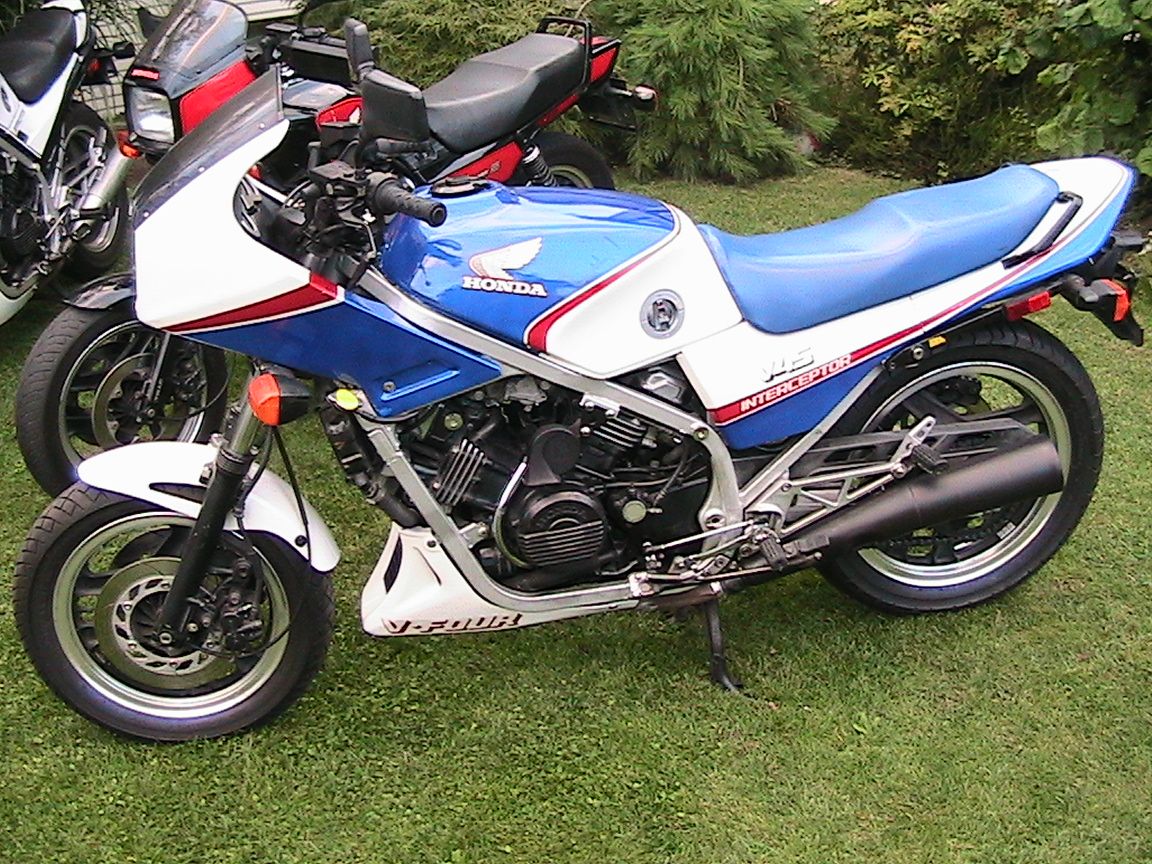
3. **Honda V45 Interceptor**The 1980s marked a transformative period for the motorcycle market, characterized by significant flux and rapid innovation. Computer-aided design (CAD) and groundbreaking advancements in engineering synergized with the evolving styles and attitudes of the era. The raw, classic aesthetics of the 1970s gradually gave way to a techno-futuristic look that profoundly influenced design across various industries, and motorcycle design was no exception to this dramatic shift.
This powerful confluence of ideas ultimately led to the advent of super-fast motorcycles, equipped with full fairings and vibrant color schemes, that began to appear on roads with increasing frequency. Among these pioneering machines, Honda’s V45 Interceptor stands out as one of the finest examples of this emerging trend, embodying the spirit of the era’s performance-oriented design.
The V45 Interceptor directly benefited from Honda’s extensive racing program, where the company meticulously developed its advanced V4 engine architecture. As detailed by Hemmings, this innovative engine was initially introduced with a 750cc displacement to comply with the stringent AMA rules for its Superbike class. Further regulations mandated that racing bikes utilize the same chassis as their road-going counterparts, ensuring that the V45 rode on the very same robust steel tubes developed for competition.
Virtually every other aspect of the consumer model was derived directly from the racing development team, a lineage that transformed it into the superstar it was in the early 1980s. While this machine was at the pinnacle of its game back in 1983, its performance naturally cannot rival the super bikes of today. Nevertheless, it continues to deliver impressive performance within a tightly handling package. For enthusiasts, the good news is its affordability, with excellent examples regularly selling for under $4,000, offering accessible vintage performance.
Read more about: The 20 Most Iconic and Game-Changing Honda Motorcycles of All Time
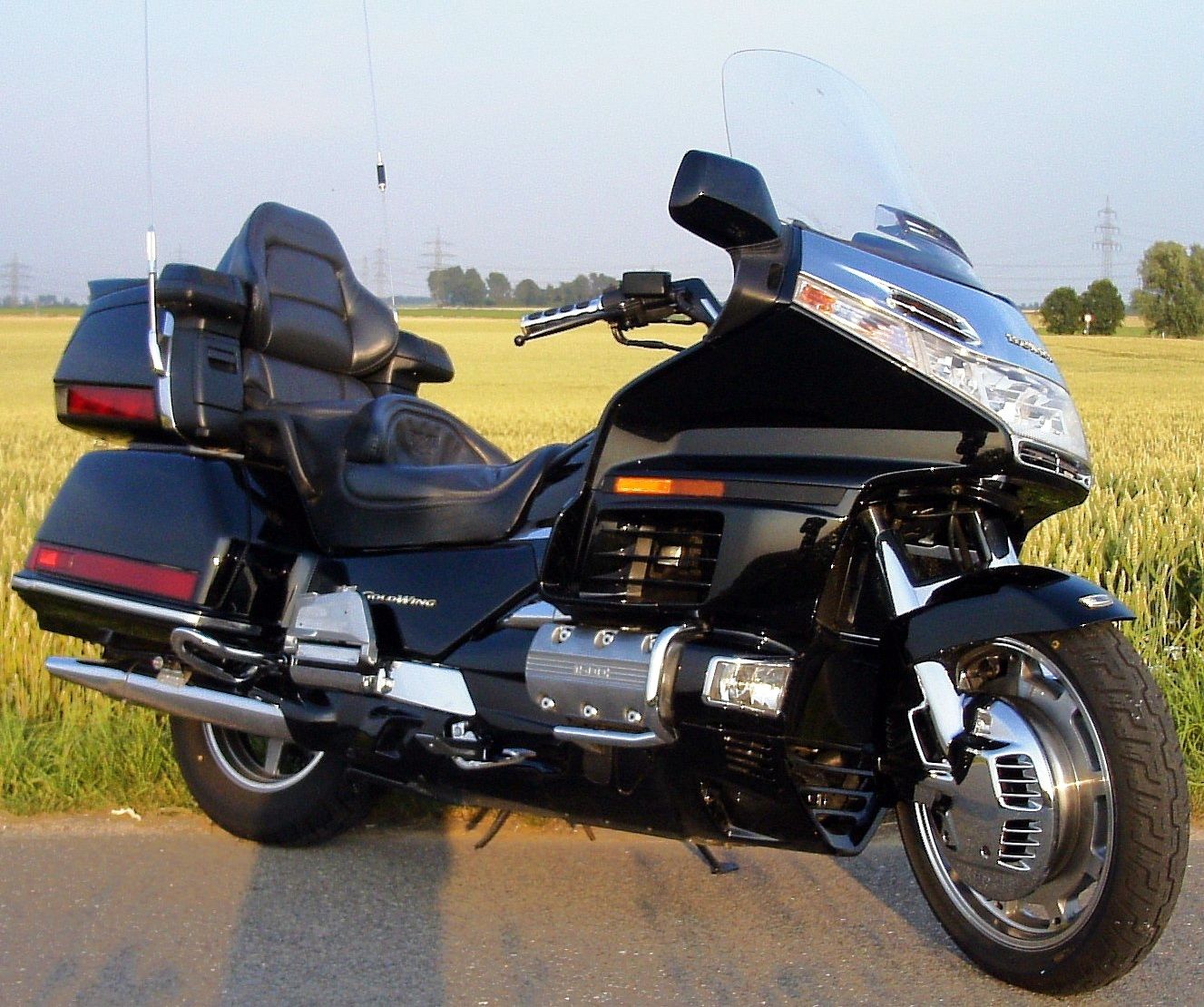
4. **Honda Gold Wing**For decades, Honda’s Gold Wing models have held an undisputed dominance in the market for luxury touring motorcycles, setting the standard for long-distance comfort and sophisticated engineering. First introduced for the 1975 model year, as reported by Rider Magazine, the original Gold Wing featured a 999cc horizontally opposed 4-cylinder engine, a design choice ideally suited for a heavy motorcycle. This configuration effectively lowers the center of gravity, significantly enhancing the bike’s manageability and stability.
The initial model, while foundational, was considerably more basic than the technologically advanced machines seen today. However, it unequivocally established Honda’s formidable capability to produce a larger, more comfortable, and supremely capable motorcycle tailored for extensive long-distance riding. This early success laid the groundwork for the Gold Wing’s enduring legacy and continuous evolution.
In subsequent years, the Gold Wing underwent a consistent expansion, increasing both its physical dimensions and engine size. The most recent iteration boasts a powerful 6-cylinder 1,832cc engine, demonstrating Honda’s commitment to pushing performance and comfort boundaries. Over time, the Gold Wing was incrementally enhanced with comprehensive fairings, rear and side cases, and broad, sumptuously comfortable seats, all meticulously designed to cultivate the most pleasant touring experience imaginable.
Additional improvements integrated over the years, as highlighted by Motorcyclist, include sophisticated ABS braking, a convenient electric reverse gear, an advanced audio system with an integrated intercom, load-leveling suspension, and even an airbag. The introduction of automatic DCT transmissions represents just one of dozens of other progressive enhancements, making these bikes truly impressive. Honda’s unwavering commitment to quality and the sheer sophistication of the Gold Wing unequivocally set a towering bar for its competition, and with Honda’s stellar reputation for reliability, the Gold Wing stands as an effortless choice for any rider seeking a premier big bike for highway adventures.
Read more about: Vanished Treasures: Uncovering the Mysterious Disappearance of 12 Incredibly Expensive Movie Props from Hollywood History
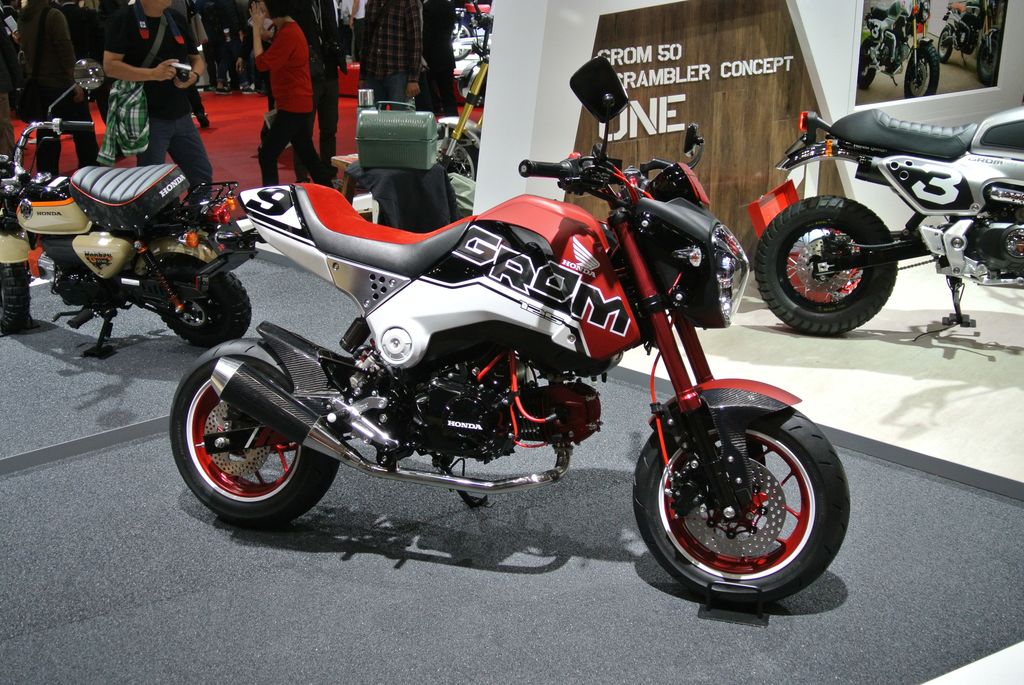
5. **Honda GROM**The American motorcycle market has historically exhibited a strong preference for larger and heavier bikes, a trend that stands in stark contrast to much of the rest of the world, particularly in Asia, where smaller machines predominantly rule the roads. It was therefore exceptionally refreshing to witness Honda’s concerted efforts in bringing to market a fun, toy-like, and remarkably affordable motorcycle, perfectly suited for city dwellers. These urban riders rarely need to venture onto the open road or exceed speeds of 40 mph, making the GROM an ideal companion for metropolitan environments.
The GROM made its initial debut on city streets in 2014, carrying a very accessible price tag of $2,999, which further underscored its appeal to a broad audience. The current model, while slightly more expensive at just $300 above its original price, maintains its core value proposition. It is powered by a nimble 125cc engine paired with a 5-speed transmission, offering an engaging and responsive ride for its category.
Rider Magazine points out that the most recent GROM model has been meticulously engineered by Honda with customization in mind, a feature that has resonated deeply with riders. Enthusiasts have flocked to dealerships to acquire these little bikes, eager to apply their own personal touches and modifications. Indeed, the GROM has triumphantly defied the long-held notion that Americans exclusively desire large bikes, impressively becoming Honda’s best-selling model since its introduction, a clear indicator of its widespread acceptance and popularity.
Ultimately, the undeniable truth is that GROMs are irresistibly fun to ride. While they are certainly not designed for rural settings where daily journeys on state highways are a routine part of life, their utility shines brightest in tightly packed urban environments. Faced with the perpetual challenges of traffic and congestion, the agile and compact GROM proves to be an ideal solution, offering unparalleled maneuverability and an undeniably enjoyable riding experience.
Read more about: Loud Pipes vs. Community Peace: Rider’s Neighbor Conflict Sparks Heated Online Debate on Motorcycle Noise
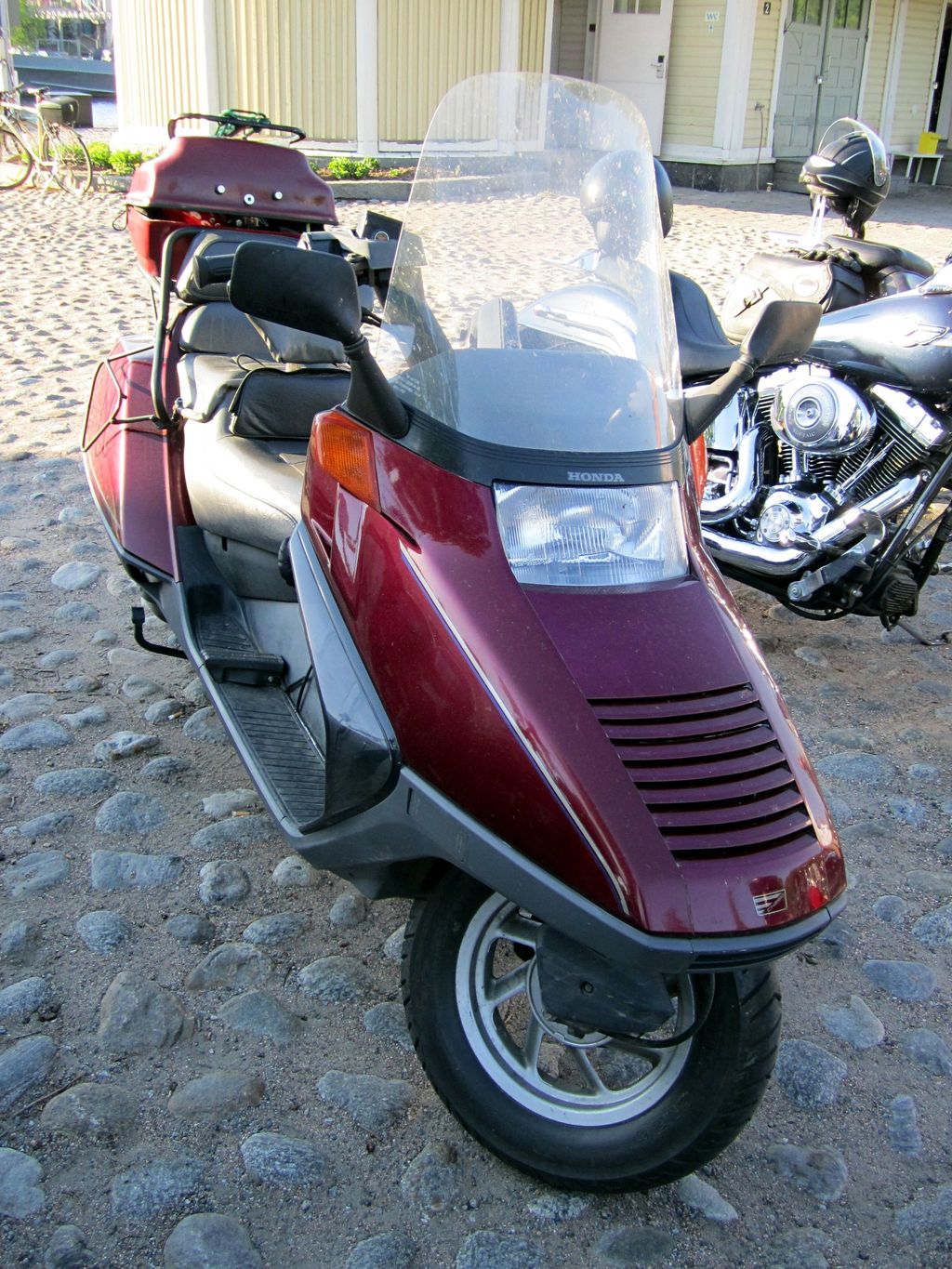
6. **Honda Elite 250**Honda has consistently included scooters within its broader motorcycle lineup for many years, although these models have traditionally constituted a smaller segment of their overall business. The company famously produced the Juno scooter in the 1950s but ultimately shifted its focus away from that format in favor of the resounding success of its Super Cub. However, the 1980s heralded Honda’s re-entry into the scooter market with the introduction of its Elite line, which encompassed various engine sizes, with the Elite 250 standing as the largest and arguably most capable.
The Elite 250, emerging in the mid-1980s, is widely regarded, according to the Lane Motor Museum, as the foundational ancestor of the modern maxi-scooter. This category now features large-displacement scooters, with engines ranging up to an impressive 650cc. Equipped with its robust 250cc single-cylinder engine, the Elite 250 possessed the capability to cruise comfortably at speeds reaching up to 75 mph, a respectable performance for its class and era.
Despite being a larger machine than most typical scooters, the Elite 250 retained sufficient agility to remain nimble and exceptionally easy to manage, particularly when navigating through congested traffic. It also boasted a generously proportioned seat with ample padding, meticulously designed to ensure a consistently comfortable ride, even on longer excursions. A review from Bikez enthusiastically proclaims the Elite to be even more comfortable than many much newer maxi-scooters, further lauding its fantastic off-the-line acceleration, which provided a surprising burst of power.
Even though the Elite 250 was only made available in the U.S. market for a relatively brief period of five years, it left a lasting and significant impression on scooter enthusiasts across the nation. Its innovative design, comfort, and performance made it a standout, and it remains arguably the finest scooter produced in the 1980s, a testament to its enduring legacy in the evolution of two-wheeled urban transport.
Read more about: End of the Line: 15 Iconic Car Brands Brutally Killed Off by Industry Rivals
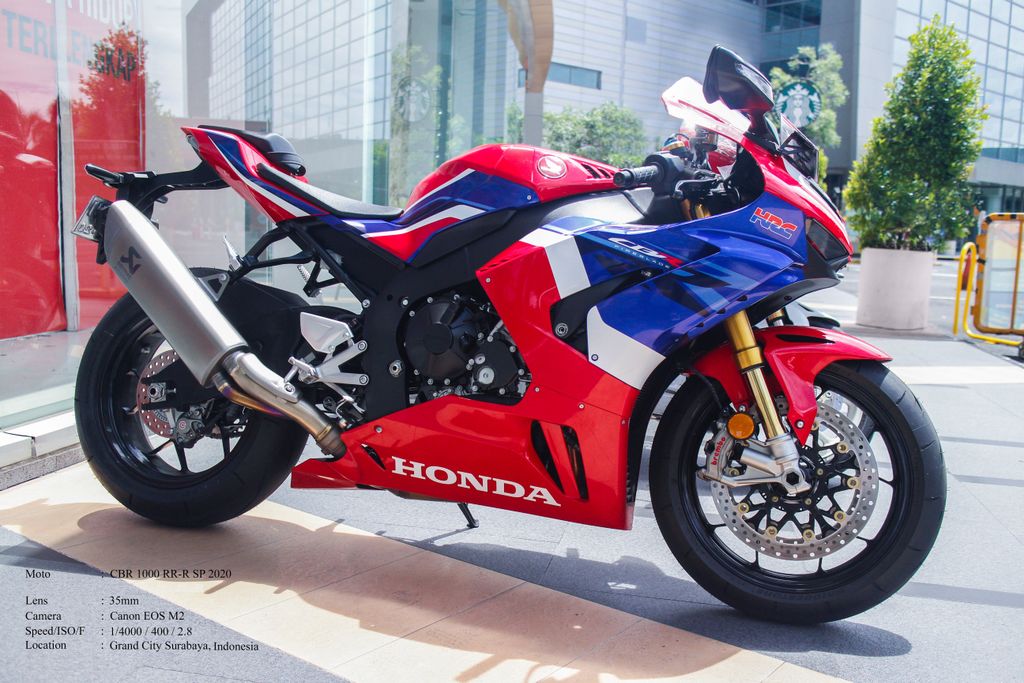
7. **Honda CBR1000RR-R Fireblade**Honda’s profound expertise in constructing exceptionally fast motorcycles is undeniable, having built and exported the first of its acclaimed CBR line, the CBR600, in 1987, as reported by Motorcycle News. The CBR600 quickly proved to be a highly successful model for the company, undergoing continuous improvement and engine enlargement through successive generations, culminating in the absolute screamer available today.
The iconic Fireblade moniker was first appended to a Honda motorcycle in 1992, marking the debut of a series of 900cc machines. These bikes, according to Pevensey Honda U.K., distinguished themselves as road-legal vehicles that were only marginally removed from the racing models that were consistently winning checkered flags on circuits worldwide, showcasing a remarkable blend of street practicality and track-ready performance.
The newest 1,000cc Fireblade from Honda, while carrying a substantial price tag of $28,900, delivers the absolute pinnacle of engineering and technology available from Honda on two wheels. Honda meticulously lists the Fireblade as featuring a high 13:1 compression 999cc engine, with four valves per cylinder, and its critical dimensions are directly derived from the company’s extensive and successful MotoGP racing experience, ensuring optimal performance and handling dynamics.
Further enhancing its top-tier status, the Fireblade is equipped with an electronically controlled Öhlins unit for its front fork, with the rear suspension sourced from the same prestigious supplier, guaranteeing unparalleled damping and control. The exhaust system features a super lightweight titanium muffler, contributing to a total wet weight of just 445 pounds. All these meticulously integrated components combine to produce a staggering 215 horsepower hell-on-wheels machine, a formidable creation that is fit to terrify all but the most experienced riders who dare to take it on. Web Bike World acknowledges that while other motorcycles in its class may boast marginally more power, the Honda brilliantly compensates with its truly impressive and advanced technology.
Read more about: The 20 Most Iconic and Game-Changing Honda Motorcycles of All Time
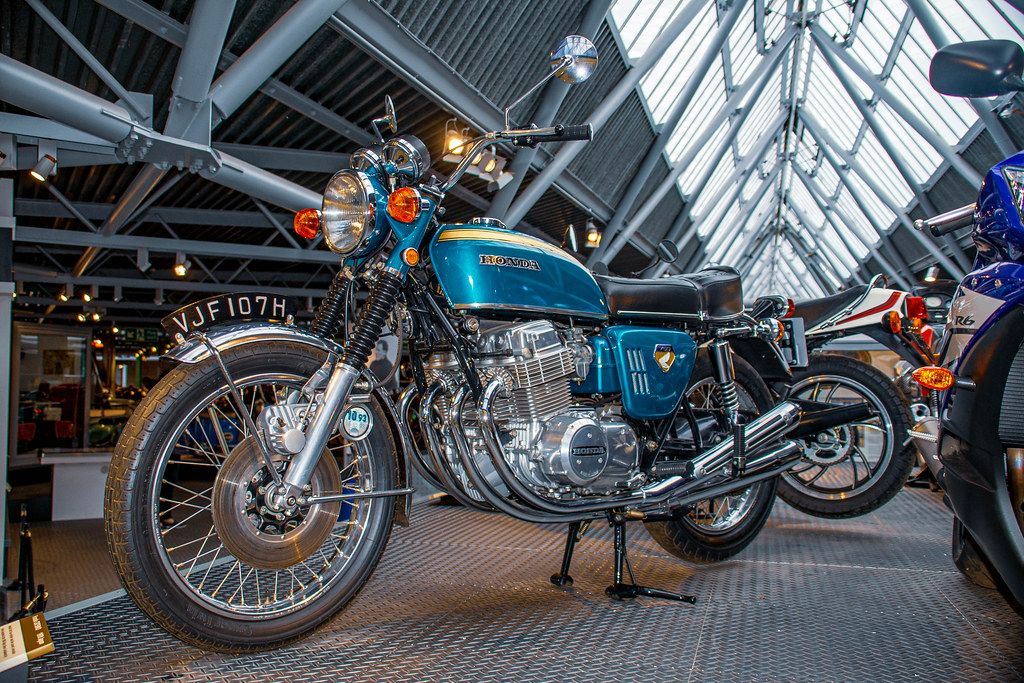
8. **Honda CB750**Before the Fireblade dominated tracks and streets, Honda cemented its superbike reputation with the groundbreaking CB750, a machine that forever altered the landscape of motorcycling. Launched in 1969, it was meticulously engineered to compete directly with the larger, more established motorcycles prevalent on American roads, setting a new standard for performance and accessibility in its era.
Initial production models of the CB750, often referred to as ‘sandcast’ due to their older engine casting method, quickly demonstrated an overwhelming demand. This unforeseen popularity necessitated a swift transition to a more efficient die-cast method, allowing Honda to keep pace with the skyrocketing interest. Its introduction was so impactful that it spurred other Japanese manufacturers to develop their own large-displacement bikes, with the automotive press coining the term ‘superbike’ specifically to describe the CB750’s revolutionary capabilities.
Honda’s strategic vision for the CB750, initially dubbed the ‘Dream 750 FOUR,’ was clear: to rival competitors like the then-new Triumph 750cc triple, especially in the American market where large displacement bikes from Japan were virtually non-existent. The distinctive quad-pipe exhaust configuration was not merely a design choice; it consciously aimed to forge an association with Honda’s triumphant MotoGP racing machines, imbuing the street-legal model with a powerful racing heritage.
Beyond raw power, Honda paid meticulous attention to the ergonomics, ensuring that this new, powerful motorcycle delivered both exceptional performance and a comfortable riding experience. This comprehensive approach, combining meticulous planning, advanced engineering, and an understanding of rider needs, paid off handsomely. The CB750 garnered immense praise in the media and cultivated a dedicated following, birthing a generation of beloved classic bikes that continue to be cherished by enthusiasts worldwide today.
Read more about: Echoes of Opulence and Emptiness: Unveiling America’s Abandoned Mansions and Haunting Ghost Towns
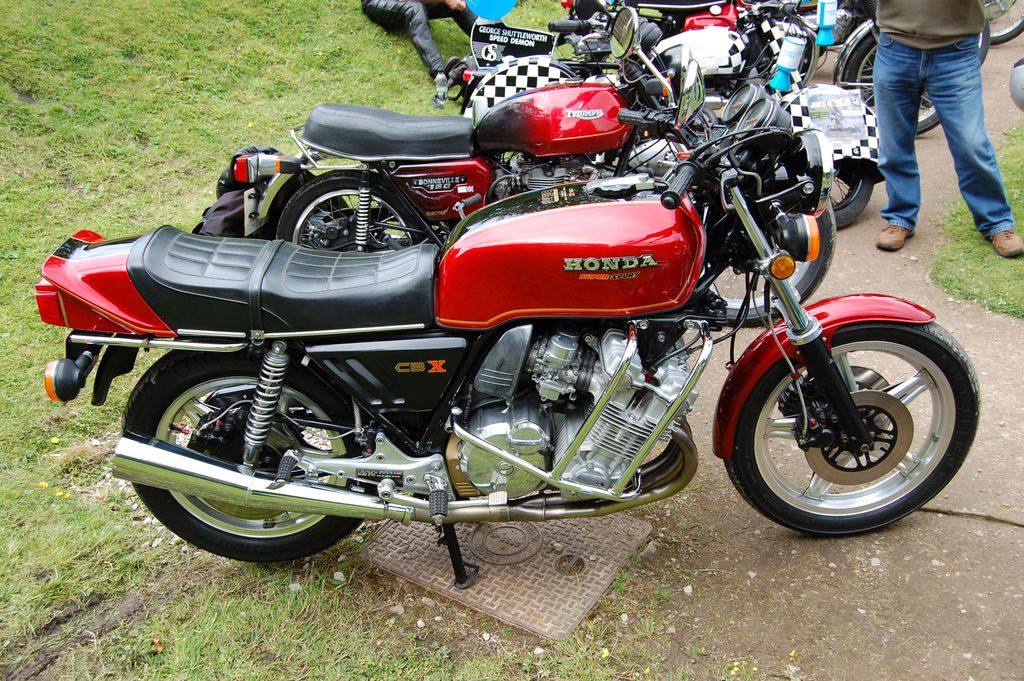
9. **Honda CBX 1000**The evolution of motorcycle engines has been a fascinating journey, progressing from rudimentary single-cylinder units to the intricate multi-cylinder configurations we see today. While two, three, and even four-cylinder engines became increasingly common, the realm of six-cylinder machines remained an exclusive club throughout the 1970s, with very few manufacturers daring to enter this elite segment. In 1979, Honda boldly joined this exclusive group with the introduction of the CBX 1000, a truly iconic Japanese sport bike distinguished by its formidable engine protruding prominently from its sides.
As Motorcyclist astutely observed, Honda ostensibly created this motorcycle for little reason other than to demonstrate its sheer engineering prowess and capability. At a time when potent four-cylinder 1000cc engines were already established, the addition of two more cylinders served a purpose beyond mere performance; it was a magnificent showpiece designed to awe the public and unequivocally showcase what the company was truly capable of. This daring move proved that Honda was not afraid to push boundaries.
While the primary motivation may have been a display of engineering might, adding cylinders in the correct arrangement undeniably reduces vibration, and the CBX 1000’s engine stands as a testament to this, delivering an extraordinarily smooth running experience. Ultimate Motorcycling further elaborated on its impressive performance, noting its robust 105 horsepower output and a top speed reaching a blistering 140 mph, cementing its status as a high-performance machine of its era.
Despite its imposing stature and exceptional engineering, the CBX 1000 struggled to capture significant market share, and its sales never truly took off. Although it remained in production for four years, later iterations were outfitted with a fairing and saddlebags, attempting to reposition it as a sport tourer. However, even these adaptations couldn’t sustain its momentum, and the program ultimately concluded after the 1982 model year, leaving behind a legacy as a magnificent, albeit commercially understated, engineering marvel.
Read more about: The 20 Most Iconic and Game-Changing Honda Motorcycles of All Time
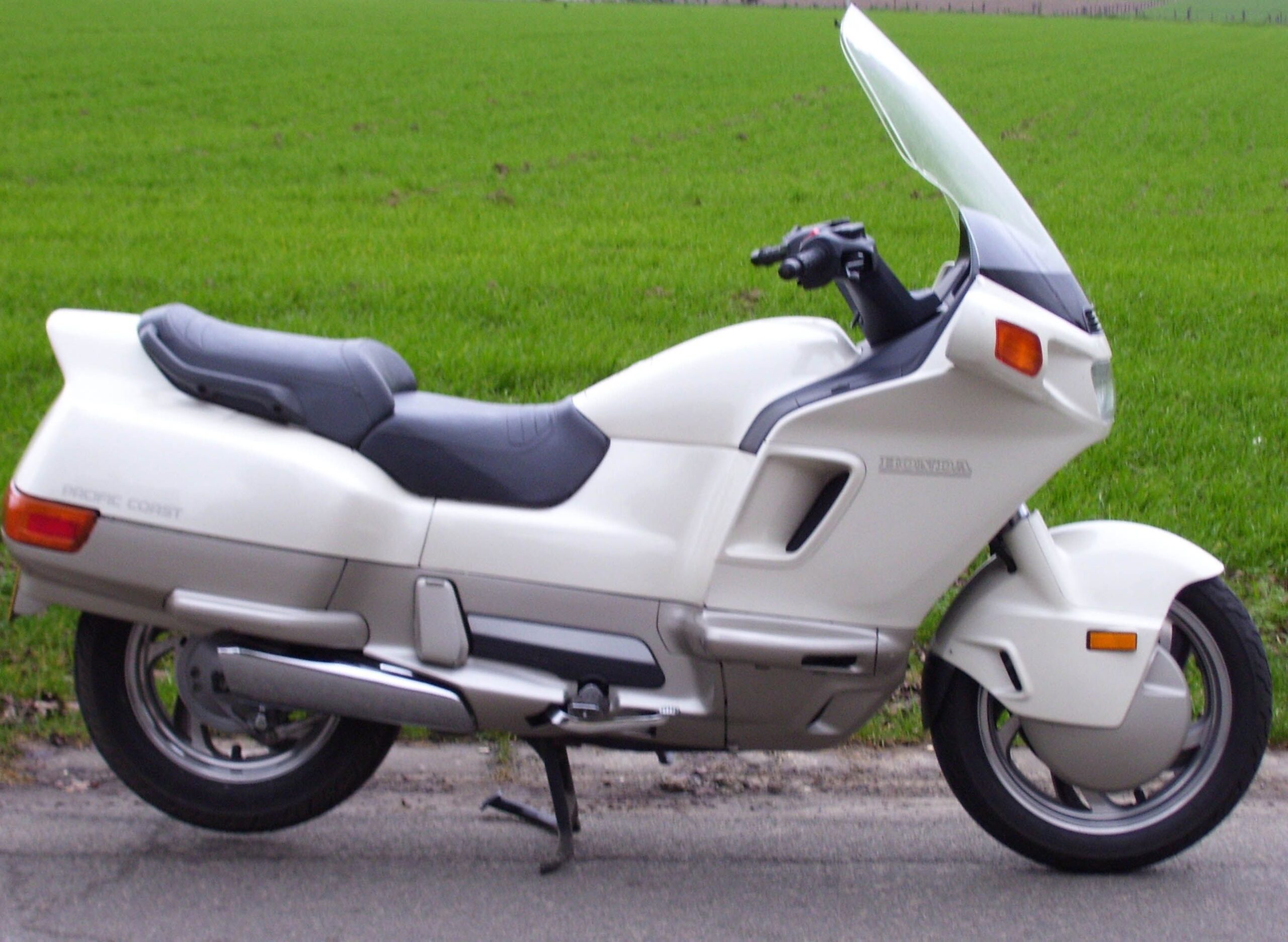
10. **Honda Pacific Coast**The Honda PC800 Pacific Coast holds a rather unorthodox position on a list celebrating Honda’s greatest motorcycles, often facing derision and lambasting from traditional motorcycle enthusiasts. However, such criticism may be largely undeserved, as the true value of the Pacific Coast lies not in its raw performance or aggressive styling, but in its thoughtfully conceived purpose and its distinct target audience: new riders.
Making its debut in 1989, the PC800 was distinguished by its fully encased plastic body panels, a design choice that boldly mimicked the contemporary aesthetics of popular automobiles like the Honda Accord or Civic. This deliberate styling was a strategic move by Honda, aimed at making the motorcycle feel approachable and familiar to novice riders, easing their transition into the world of two wheels by echoing the comfort of their everyday car.
At its core, this machine was envisioned as the quintessential commuter bike, prioritizing practicality and ease of use. It was powered by a reliable 800cc liquid-cooled V-twin engine, producing a respectable 50 horsepower, as noted by Rider Magazine. The Pacific Coast was engineered for comfort and boasts numerous features designed for low maintenance, ensuring a hassle-free ownership experience. While not built for blazing speed, its utility shines through its tremendous rear trunk storage, accessed by ingeniously lifting the entire rear bodywork, and a radio seamlessly integrated into the front fairing and instrument panel for added convenience.
Ultimately, the Pacific Coast did not achieve significant sales figures. It lacked the imposing size and raw power often associated with dedicated touring bikes, and its unique, car-like styling didn’t possess the traditional panache of most cruisers. Despite its commercial struggles, it endures as somewhat of an oddball in motorcycle history. Yet, for the right individual seeking comfort and practicality over sheer speed in an around-town machine, the Pacific Coast can still deliver an undeniably great and enjoyable riding experience.
Read more about: Classic Cars That Looked Fast But Weren’t: The Ultimate Guide to Automotive Style Over Speed
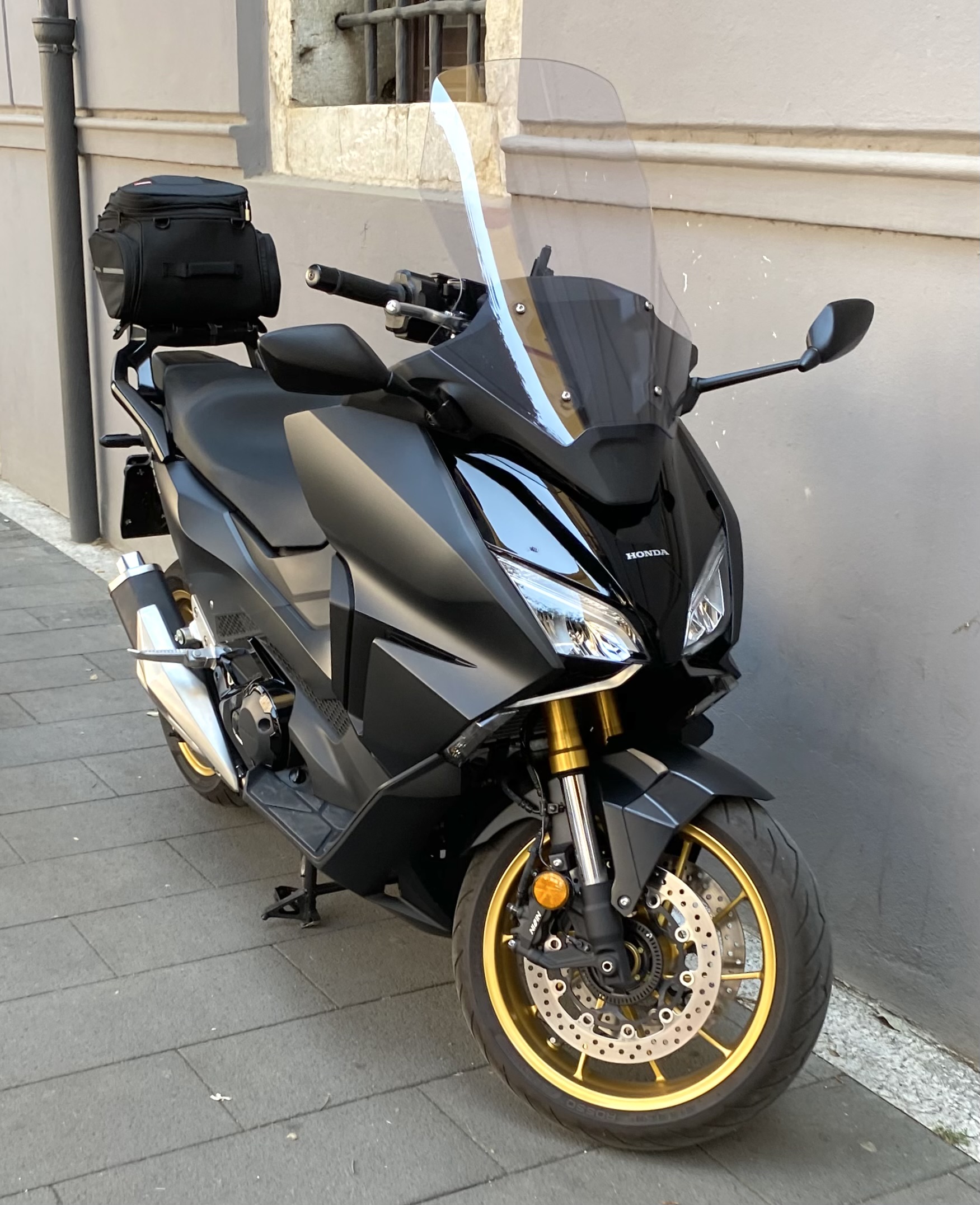
11. **Honda Forza 750**Many leading motorcycle manufacturers recognize the broad appeal of scooters, often including a range of models from smaller, traditional bikes to robust maxi-scooters in their lineups. These larger scooters cater to a distinct segment of riders who appreciate the exhilaration of riding but also value the simplicity of an automatic transmission, a lighter frame, and effortless mounting. Honda’s standout contribution to this category is the Forza 750, a sophisticated 750cc twin-cylinder comfort cruiser that skillfully blurs the conventional lines between scooter and motorcycle.
The Forza 750 is a substantial and impressively capable machine, boasting features that often exceed those found on many traditional street bikes, delivering a truly first-class riding experience. It is equipped with a refined fuel-injected twin engine, seamlessly coupled with Honda’s acclaimed DCT automatic transmission, as highlighted by Motorcycle News. This advanced powertrain ensures smooth, responsive power delivery, making every journey a pleasure.
Consistent with scooter design principles, the Forza 750 positions its core components down low, contributing to a lower center of gravity that significantly enhances handling and stability. Riders benefit from modern conveniences such as keyless ignition, a large, intuitive digital dash, and full smartphone connectivity, elevating the overall riding experience. While it may not outperform sport bikes in a drag race, its 750cc engine provides ample on-demand power with every twist of the throttle, ensuring confident acceleration. Furthermore, its cavernous trunk beneath the seat, combined with an easy-to-access design, underscores its practical appeal.
This innovative scooter brilliantly showcases Honda’s capacity for creating larger-format vehicles integrated with cutting-edge modern technology. However, a significant drawback for motorcycle enthusiasts in the U.S. is its unavailability in American dealerships. Scooters have historically struggled to gain substantial sales traction in the American market, which often means that some of Honda’s most advanced and impressive scooter models, like the Forza 750, remain frustratingly out of reach for U.S. consumers.
Read more about: Car Shame? 15 Vehicles That Make People Judge You Immediately—What’s the Worst Offender?
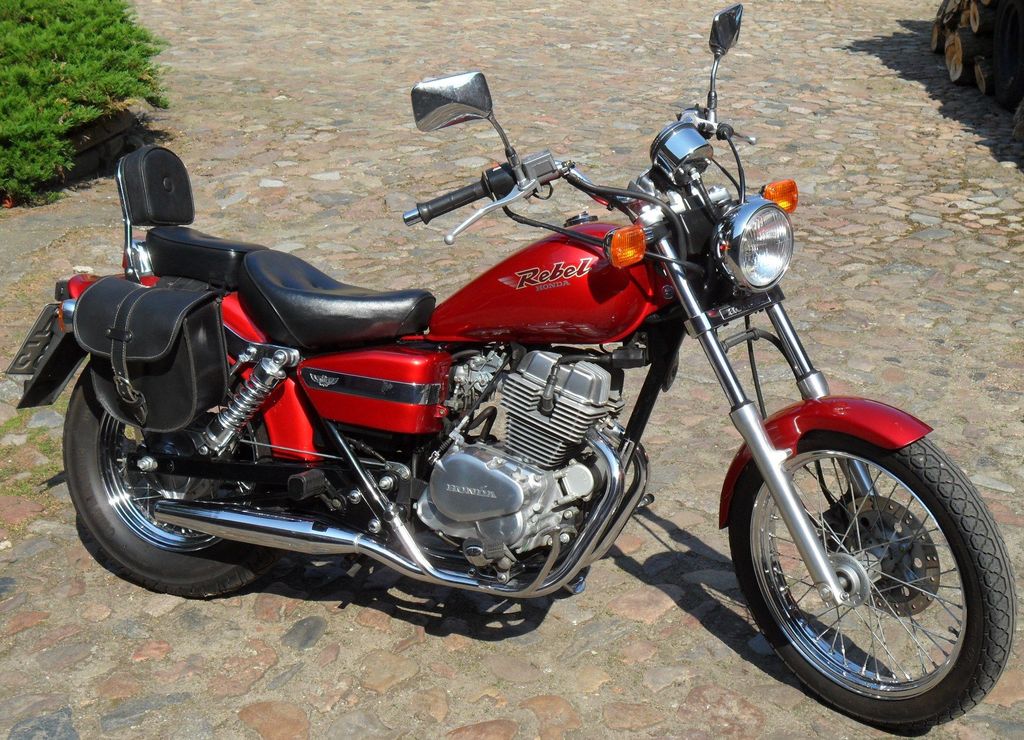
12. **Honda Rebel 250**Honda’s Rebel line stands as the company’s most fundamental entry-level offering, making motorcycling accessible to a vast audience. The Rebel 250, produced from 1985 to 2016, according to Timeless 2 Wheels, served as the definitive beginner bike for millions of riders worldwide. By conventional metrics, the Rebel wasn’t a showstopper; it relied on basic technology and, by 2016, an engine design that was decidedly ancient.
Despite its technical simplicity, the Rebel 250 maintained a consistent presence year after year, with only modest changes and improvements. Its true greatness, however, lies in its profound ability to introduce countless individuals to the joy of riding. For passionate motorcyclists, witnessing new riders embrace the experience is always a delight. It’s not just about sharing a hobby; a larger community of riders often leads to increased visibility on the roads, potentially prompting drivers to be more aware and, in turn, preventing accidents – a plausible benefit, even if not statistically confirmed.
Crucially, the Rebel 250 plays a vital role in Honda’s broader sales strategy. If the company aims to sell its powerful and fast machines, it recognizes that aspiring riders need a starting point. A positive initial experience with a Honda Rebel significantly increases the likelihood of those riders remaining loyal to the brand and eventually upgrading to other, more advanced Honda models, creating a valuable pipeline of repeat customers.
Adding to its esteemed position among Honda motorcycles is its long-standing adoption by the Motorcycle Safety Foundation. For many years, the Rebel 250 has been a cornerstone of their comprehensive rider training program, which meticulously teaches the essential basics of safe riding. This crucial foundational experience helps prevent tragedies that could otherwise occur if new riders were to immediately tackle the complexities of a powerful, brand-new sportbike without proper instruction, underscoring the Rebel’s invaluable contribution to rider safety and development.
Read more about: From Roaring V12s to Iconic Silhouettes: A High-Octane Tour of 15 Coolest Cars from Automotive History’s Golden Era
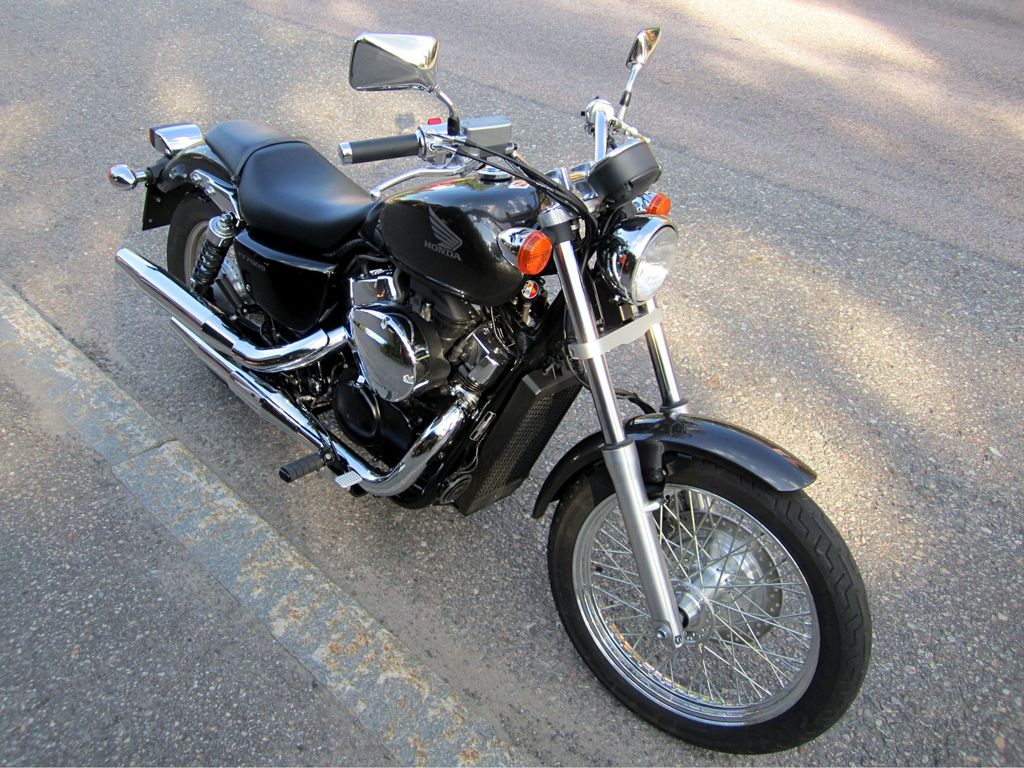
13. **Honda Shadow**Honda’s reputation is built on decades of relentless innovation, consistently pushing boundaries and often defining entirely new categories within the motorcycle industry. Yet, beneath this innovative spirit lies a shrewd and clever company, highly adept at identifying and capitalizing on prevailing market trends. The Honda Shadow line of cruisers stands as a prime example of this strategic adaptability.
For years, even with Honda bikes renowned for their impeccable build quality, exceptional capability, and unwavering reliability, a segment of buyers remained elusive due primarily to styling preferences. These discerning individuals gravitated towards the distinctive aesthetic of American V-twins, but perhaps found them financially out of reach or less practical. This is precisely where the Honda Shadow expertly stepped in, offering an appealing alternative that blended classic cruiser looks with Honda’s legendary engineering.
Honda first unleashed its V-twin cruiser in 1983 with the Shadow 750. Although the Regan administration subsequently imposed import restrictions, Honda cleverly circumvented these guidelines by introducing a 700cc model, as detailed by Timeless 2 Wheels. The timing of the Shadow’s release proved remarkably opportune; for those familiar with the history of American motorcycles, the Harley-Davidsons of this period were notorious for their poor quality and exorbitant prices. This confluence of factors made a dead-reliable Honda Shadow an exceptionally appealing and practical alternative.
With a production run spanning nearly 40 years, the Shadow’s success unequivocally validates Honda’s strategic decision. While the line has seen numerous stylistic and mechanical transformations over the decades, its fundamental design and spirit have remained steadfast. Early models presented a distinctly Japanese interpretation of the cruiser, but contemporary Shadows have evolved into attractive machines whose styling can confidently rival most American V-twins. The crucial distinction, however, remains Honda’s signature: a smooth, inherently reliable, and efficiently water-cooled engine, ensuring a superior riding experience that continues to win over enthusiasts.
Read more about: Vanished Treasures: Uncovering the Mysterious Disappearance of 12 Incredibly Expensive Movie Props from Hollywood History
From pioneering dirt bikes that shattered perceptions of off-road capability to luxury tourers that redefined comfort for long-haul journeys, and from entry-level commuters that introduced millions to the open road to high-performance machines engineered for blistering speed, Honda’s commitment to excellence has been unwavering. Each of these 13 titans, meticulously crafted and thoughtfully designed, tells a story of innovation, reliability, and an enduring passion for two-wheeled exhilaration. They aren’t just motorcycles; they are testaments to Honda’s relentless pursuit of perfection, shaping the past, present, and future of motorcycling for generations of riders across the globe.