Imagine a world where the architects of adrenaline, the maestros of cinematic mayhem, draw their sole creative sustenance not from the fantastical realms of fiction, but from the unvarnished truths of documentary filmmaking. It sounds almost unbelievable, doesn’t it? In an industry often dominated by explosions, car chases, and intricate stunt work, the notion that some of our greatest action directors might exclusively seek inspiration from real footage of real people offers a truly fascinating thought experiment. This isn’t just about a casual viewing preference; it’s about a complete immersion in the ethos of cinematic documentation.
Conventional wisdom suggests that crafting a blockbuster action film demands a deep understanding of genre tropes, special effects wizardry, and the intricate dance of choreographed chaos. Yet, what if the very essence of compelling action — its grit, its emotional resonance, its tight pacing, and its profound impact — was secretly cultivated through a rigorous diet of reality? Documentary movies, after all, do something that regular movies can’t do—they show us real footage of real people, and in doing so they provide us with real insight into the human condition. This unique ability to capture life as it truly unfolds, to delve into complex subjects and communicate the true nature of things, offers a rich, perhaps even subversive, wellspring for any filmmaker, even those specializing in high-octane spectacle.
So, let’s embark on a curious journey. We’ll explore the hypothetical scenario where three titans of action cinema — Michael Mann, John Woo, and James Cameron — have cultivated their unparalleled skills through an exclusive dedication to watching documentaries. How might this singular focus on reality manifest in their distinctive styles? What unique insights would such a viewing habit bring to the table, shaping their scripts, their visions for action sequences, and their meticulous editing processes? Get ready to see your favorite action films through an entirely new, surprisingly real lens, as we delve into the potential documentary-driven minds behind some of the greatest thrills cinema has ever offered.

1. **Michael Mann’s Authentic Vision: The Unflinching Gaze of Reality**Michael Mann is a director synonymous with a stark, almost palpable sense of realism, particularly evident in masterpieces like ‘Heat,’ ‘The Last of the Mohicans,’ and ‘The Aviator.’ His films often delve into the intricate psychology of individuals operating within highly specialized, often dangerous, worlds. One could argue that this relentless pursuit of authenticity, this drive to communicate the true nature of things within his narratives, finds a profound echo in the objectives of documentary filmmaking. Documentaries strive to capture ‘real footage of real people,’ offering a direct, unfiltered window into human experience and societal mechanics.
Consider how Mann meticulously researches his subjects, immersing himself and his actors in the realities of their fictional counterparts. This deep dive into genuine experience parallels the dedication of documentarians who ‘willingly poured years of their life into making a single film, all to ensure that he sufficiently understood—and properly depicted—a given subject.’ The resulting authenticity in Mann’s work, from the tactical precision of a bank robbery to the emotional complexities of a historical figure, suggests a mind that constantly seeks out the fundamental truths found in real-life observation, much like a documentarian seeking to reveal unvarnished reality.
His ‘vision for how the action sequences will work’ isn’t just about spectacular stunts; it’s about making them feel grounded, consequential, and brutally real. This is where a documentary-only diet could truly shape his craft. By continually observing how events unfold in the real world—the chaos, the sudden shifts, the raw human reactions—Mann could have developed his extraordinary capacity to translate these authentic elements into cinematic language. His action doesn’t just entertain; it feels lived-in, dangerous, and utterly believable, perhaps because its foundation is built upon an unwavering respect for reality itself, a trait nurtured by endless hours of documentary viewing.
Moreover, the very subjects Mann chooses, often individuals on the fringes of society or caught in high-stakes moral dilemmas, lend themselves to a documentary-style examination. He doesn’t shy away from the grittier aspects of life, mirroring documentaries that ‘say something noteworthy about a subject or situation.’ This unromanticized approach to character and conflict, rooted in a deep understanding of human behavior under pressure, could easily be seen as a direct outgrowth of a mind trained to extract ‘real insight into the human condition’ from non-fiction narratives.
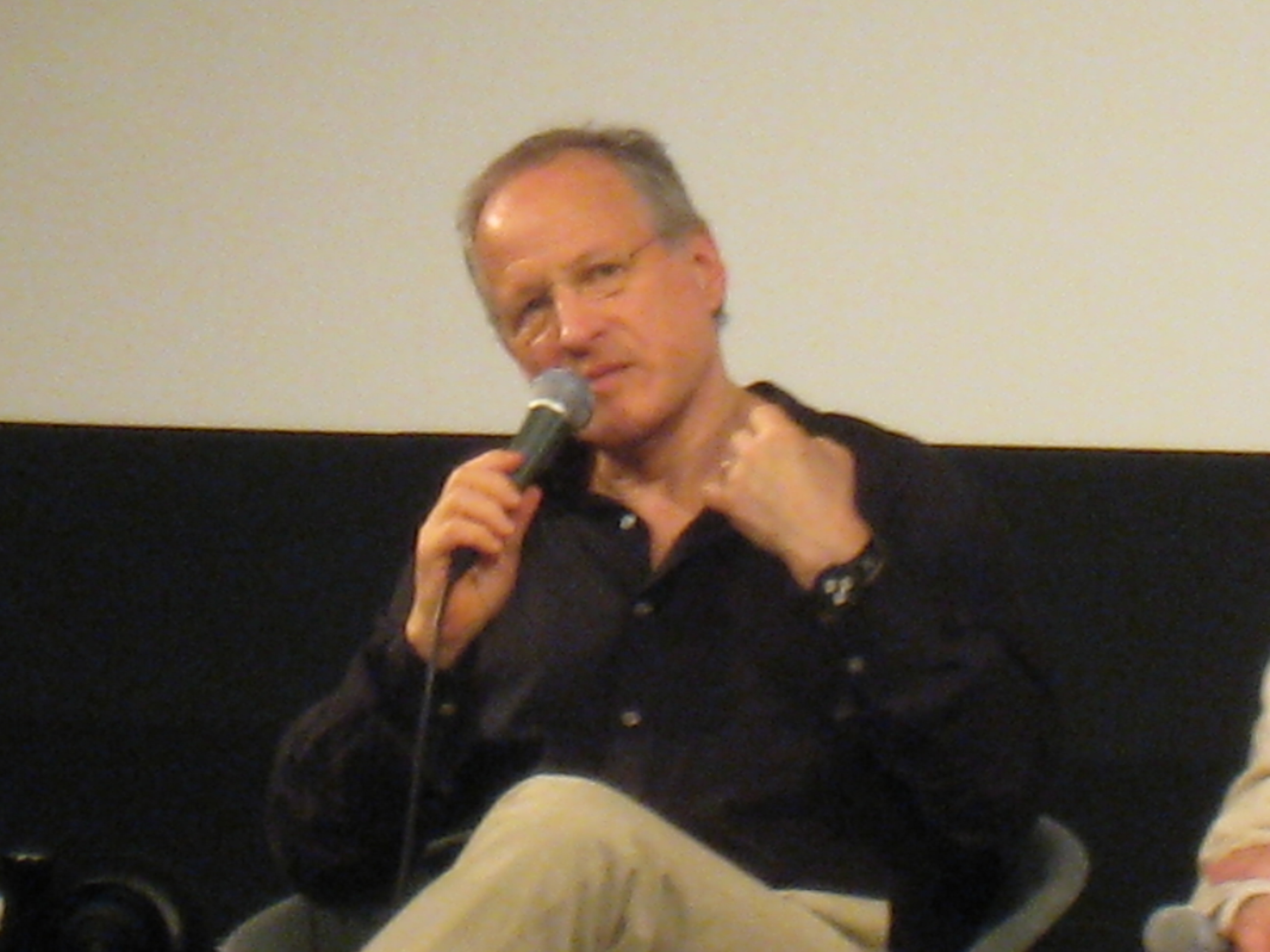
2. **The Precision of Mann’s Pacing: A Rhythm Forged in Reality**Beyond just the visual authenticity, Michael Mann’s films are renowned for their impeccable pacing. Whether it’s the slow burn of tension leading to an explosive confrontation or the relentless drive of a chase sequence, his rhythm is tight, controlled, and deeply immersive. The context highlights that a director needs to ‘work closely with an editor to make sure the sequences have the tight pacing they need,’ a crucial element for making good action movies. For a director who hypothetically only watches documentaries, this skill would be honed by a unique source of inspiration: the art of non-fiction storytelling.
Documentary filmmakers are masters at structuring real-world events to maximize impact, understanding how to ‘package things to fit our—the viewers—ways of absorbing information.’ This involves an acute awareness of narrative flow, the deliberate withholding or revealing of information, and the orchestration of emotional beats without the luxury of fictional manipulation. A director like Mann, steeped in this tradition, would inherently understand how to build suspense and deliver catharsis through the natural unfolding of events, rather than relying solely on conventional action movie beats.
Imagine absorbing countless hours of real-life dramas, political thrillers, or historical narratives, all crafted by master documentarians. The lessons learned about how to make factual information compelling, how to create tension from testimony, or how to build excitement from genuine stakes, would be invaluable. Mann’s sequences often feel like meticulously observed reality, each shot carrying weight, each cut serving a precise narrative purpose. This precision in editing and pacing, a hallmark of his style, could be a direct translation of the discipline required to distill complex real-world narratives into cohesive, impactful cinematic experiences.
His ability to make action sequences breathe, allowing moments of quiet intensity to punctuate bursts of violence, could stem from an understanding of natural human rhythms gleaned from documentaries. The unexpected lulls, the sudden surges, the almost documentary-like way his characters react under duress—these elements speak to a pacing that feels organic, not artificial. It’s a rhythm that transcends mere entertainment, pulling the audience into the unvarnished immediacy of the moment, much like the most powerful documentaries do.

3. **Mann’s Character Depth in Action: Portraits from the Human Condition**Michael Mann’s characters are rarely two-dimensional. Even his antagonists possess a complex inner life, motivations, and a code of ethics, however twisted. Think of Neil McCauley and Vincent Hanna in ‘Heat’ – two sides of the same coin, driven by their respective commitments to their crafts. This profound character depth in action films, often a challenging feat, could be a profound outcome of a director who exclusively immerses himself in documentaries, which ‘provide us with real insight into the human condition.’
Documentaries excel at revealing the myriad facets of human nature, showing ‘real footage of real people’ in their triumphs, struggles, and moral ambiguities. For a director like Mann, constantly observing these genuine human experiences could imbue his fictional characters with an extraordinary level of psychological complexity and relatability. He understands that even in the most intense action sequences, the audience connects most deeply when they believe in the people undergoing the ordeal, when their motivations feel authentic and their struggles resonate with universal truths.
Consider how Mann’s films explore the loneliness of commitment, the cost of loyalty, and the burden of difficult choices. These are universal themes, often at the heart of the most compelling documentaries, which seek to ‘say something noteworthy about a subject or situation.’ By studying real lives, real ethical dilemmas, and real emotional landscapes through non-fiction cinema, Mann could have developed an uncanny ability to infuse his action heroes and villains alike with an gravitas and inner conflict that elevates them far beyond typical genre archetypes.
His approach to casting and performance also hints at a documentary-influenced sensibility. Mann often demands a level of immersion from his actors that goes beyond typical rehearsals, pushing them to live and breathe their roles, much like a documentarian strives to capture unfiltered reality. This commitment to portraying characters not as mere plot devices but as fully realized individuals, with all their complexities and contradictions, speaks to a vision forged in the fires of observed human experience, endlessly explored through the lens of documentary film.

4. **Beyond the Plot: Mann’s Thematic Resonance from Documented Truths**Michael Mann’s films are not just showcases for thrilling action; they are often meditations on profound themes. They explore the nature of professionalism, the allure of the criminal underworld, the solitude of exceptionalism, and the relentless march of fate. This thematic depth, which allows his films to ‘say something noteworthy about a subject or situation,’ finds a natural parallel in the ambitions of documentary filmmaking. Documentaries exist to shed light on specific subjects, to ‘communicate the true nature of things’ and to offer profound insights into various aspects of society, history, or individual lives.
If Mann were exclusively watching documentaries, his mind would be constantly engaged with how real-world events and individual stories coalesce into larger, more significant themes. He would see how societal structures, economic pressures, and personal choices intertwine to create narratives of success, failure, and moral compromise. This continuous exposure to films that break down complex subjects and present ‘real insight into the human condition’ would inevitably sharpen his ability to weave subtle yet powerful thematic threads into his fictional action narratives.
His films often prompt audiences to consider the deeper implications of the events unfolding on screen, rather than just enjoying the spectacle. For example, ‘Heat’ isn’t just a heist movie; it’s a profound examination of destiny, choice, and the inherent loneliness of two men who are extraordinary at what they do. This kind of nuanced storytelling, where action serves as a vehicle for deeper philosophical inquiry, suggests a directorial perspective that values the ‘something noteworthy’ aspect of storytelling above all else—a perspective deeply cultivated by a steady diet of films designed to illuminate truths about our world.
By drawing from the wellspring of documented reality, Mann could have developed his extraordinary capacity to infuse his stories with a resonance that transcends the genre. His narratives become more than just entertainment; they become thought-provoking explorations of the human condition, mirroring the very purpose of the documentaries that seek to communicate the true nature of things and provide invaluable insight into our shared existence. It’s a testament to how reality, distilled and presented with clarity, can inform and elevate even the most adrenaline-fueled fictional worlds.

5. **John Woo’s Signature Stylization and Reality: The Ballet of Truth**John Woo, the visionary behind ‘Face/Off,’ ‘Mission: Impossible II,’ and ‘The Killer,’ is celebrated for his incredibly distinct and often operatic stylistic flourishes. His signature slow-motion gunfights, doves, and themes of brotherhood are ‘easily identifiable across their filmographies.’ At first glance, it might seem counterintuitive to suggest that such a stylized director would find his sole inspiration in the raw, unadorned world of documentaries. Yet, a deeper look reveals how even extreme stylization can be rooted in an acute understanding of human emotion and conflict, elements that documentaries capture in their purest form.
Documentaries, by presenting ‘real footage of real people,’ offer unvarnished glimpses into human drama, intense situations, and profound emotional states. For Woo, an action director renowned for imbuing his chaotic sequences with deep emotional weight, this constant exposure to genuine human responses could serve as a foundational wellspring. His stylized action, far from being superficial, often functions as a heightened expression of internal conflict, moral dilemmas, and the bonds between characters. The grand gestures and visual poetry could be his unique way of translating the raw power of documented human experience into a more epic, cinematic language.
Woo’s films often explore themes of loyalty, betrayal, and sacrifice with an intensity that borders on the spiritual. These are not just plot points; they are deeply felt human experiences, universally understood across cultures. A director exclusively viewing documentaries would constantly encounter these fundamental human truths, observing how individuals cope with adversity, express devotion, or confront betrayal in real life. Woo’s stylization, therefore, might not be an escape from reality, but rather an amplification of its most poignant and dramatic elements, filtered through an artistic lens honed by studying the genuine ‘insight into the human condition’ that documentaries provide.
The unique visual language and rhythmic choreography in Woo’s action sequences could be seen as an artistic reinterpretation of the inherent drama and kinetic energy present in real-world events. While his films are undoubtedly fictional, their emotional core and the gravity of the choices his characters face often resonate with a profound sense of truth. This capacity to make the audience feel the weight of every shot, every sacrifice, could stem from a mind that deeply understands the stakes of ‘real insight into the human condition’ and translates that understanding into a breathtaking, albeit stylized, ballet of violence and emotion.

6. **The Emotional Core of Woo’s Action: Insight from Human Experience**John Woo’s action films are never just about the bullets and explosions; they are invariably steeped in powerful emotional narratives. His protagonists are often torn by duty, honor, and loyalty, facing agonizing choices that elevate the stakes beyond mere survival. This potent ’emotional core’ is arguably one of Woo’s greatest strengths, and it’s a quality that could be profoundly nurtured by a dedicated immersion in documentaries, which ‘provide us with real insight into the human condition.’
Documentaries, whether they profile individuals facing immense challenges or explore complex societal conflicts, frequently capture raw, unfiltered human emotion. The grief, the joy, the rage, the determination – these are all laid bare for the viewer. For a director like Woo, who orchestrates his action sequences to be deeply felt and morally complex, this continuous exposure to genuine emotional expression would be an invaluable resource. It would teach him how to craft scenarios where the action itself is a manifestation of profound human struggle, rather than just empty spectacle.
Consider the intense brotherhood themes in many of Woo’s films, where characters make ultimate sacrifices for one another. These deeply resonant emotional beats could stem from observing countless real-life stories of camaraderie, heroism, and devotion depicted in documentaries. The ‘real insight into the human condition’ offered by such films would provide a rich tapestry of emotional templates, allowing Woo to imbue his fictional relationships with an authenticity and depth that truly moves audiences.
By prioritizing the emotional truth revealed through documentaries, Woo could have developed his unique ability to make even the most fantastical action sequences feel grounded in genuine human feeling. His characters, despite their heightened reality, grapple with universally relatable dilemmas, making their triumphs and tragedies all the more impactful. This deep emotional intelligence, a hallmark of his filmmaking, speaks to a creative wellspring that transcends genre conventions, drawing directly from the unending drama of documented human experience.

7. **John Woo’s Editing: The Orchestration of Real-World Drama**Beyond the breathtaking ballet of his action, John Woo’s films are masterclasses in cinematic rhythm and narrative flow. The way he meticulously cuts his sequences, building tension and delivering catharsis, suggests a profound understanding of storytelling dynamics. In our hypothetical world, where documentaries are his sole teachers, Woo’s approach to editing would be incredibly informed by the craft of non-fiction filmmakers who excel at ‘packaging things to fit our—the viewers—ways of absorbing information.’ They learn to build impact from raw, often chaotic, footage.
Documentarians are adept at taking disparate elements—interviews, archival footage, observational scenes—and weaving them into a cohesive, impactful narrative. They identify the crucial moments, understand how to juxtapose images for maximum emotional effect, and sculpt a compelling story without the luxury of pre-scripted dialogue or staged events. This rigorous discipline of distilling reality into coherent cinema would be an invaluable lesson for Woo, shaping his ability to create action sequences that feel both electrifying and inherently logical in their progression.
Imagine absorbing countless hours of real-life dramas, meticulously edited to highlight cause and effect, human reaction, and the unfolding of high-stakes events. Woo’s tight pacing, a hallmark of ‘good action movies’ that requires a director to ‘work closely with an editor,’ could be a direct translation of this documentary sensibility. His unique cuts and transitions, rather than merely enhancing spectacle, might be his way of communicating the true nature of dramatic unfolding, mirroring how reality is distilled and presented in powerful non-fiction.

8. **Woo’s Cultural Narratives: Universal Truths from Documented Lives**John Woo’s films often transcend mere action to explore universal themes of loyalty, betrayal, honor, and sacrifice. These powerful cultural narratives, deeply embedded in his work, resonate with audiences globally. While his films are distinctly stylized, their emotional and moral core feels profoundly authentic, and this could be attributed to a director who exclusively immerses himself in documentaries, films that ‘provide us with real insight into the human condition.’
Documentaries are unparalleled in their ability to delve into diverse cultural contexts, exposing the fundamental human experiences that bind us all, regardless of geography or societal structure. From the struggles for justice to the bonds of community, these films offer a rich tapestry of human stories. For Woo, constantly observing these genuine narratives would provide an endless wellspring of thematic inspiration, allowing him to infuse his fictional worlds with profound, universally understood meaning.
His protagonists, often caught in morally ambiguous situations, grapple with dilemmas that mirror complex real-world ethical quandaries. Documentaries frequently ‘say something noteworthy about a subject or situation,’ often by exploring the nuances of human decision-making under pressure. Woo’s ability to craft characters whose choices carry immense emotional weight could be honed by this continuous exposure to documented human struggles, ensuring his stylized tales remain grounded in relatable, often heart-wrenching, truths.

9. **James Cameron’s Immersive Worlds: Reality-Forged Spectacles**Now, let’s pivot to another titan of action cinema: James Cameron. Renowned for creating incredibly immersive and visually stunning worlds in films like ‘Titanic,’ ‘Avatar,’ and ‘Terminator 2: Judgment Day,’ Cameron’s genius lies in making the fantastical feel utterly real. This dedication to detailed, believable environments, even when populated by terminators or blue-skinned Na’vi, points to a mind deeply influenced by a relentless pursuit of authenticity, much like a documentarian.
Documentaries excel at exploring and meticulously presenting real-world environments, scientific concepts, and cultural intricacies. Whether it’s the unforgiving depths of the ocean or the complex ecosystems of a rainforest, non-fiction films transport viewers into these realities with an eye for detail. Cameron’s almost obsessive commitment to research and world-building, evident in every frame of his films, mirrors the documentarian’s quest to truly ‘communicate the true nature of things’ within a given setting.
Consider the groundbreaking visual effects and the scientific rigor behind the alien ecosystem of Pandora in ‘Avatar,’ or the historically accurate, albeit fictionalized, recreation of the ocean liner in ‘Titanic.’ These aren’t just special effects for their own sake; they are an extension of a documentarian’s impulse to render a world so convincingly that the audience feels transported. His personal ventures into deep-sea exploration, almost like self-made documentaries, further illustrate this drive to understand and accurately depict the real world, a trait cultivated by exclusive documentary viewing.

10. **The Technical Truths in Cameron’s Vision: Engineering Authenticity**James Cameron isn’t just a director; he’s an innovator, consistently pushing the boundaries of filmmaking technology. His films are often heralded for their pioneering special effects, motion capture, and underwater cinematography, yet they rarely feel artificial. Instead, they possess a grounded technical authenticity that makes even the most outlandish concepts believable. Where would this drive for ‘technical truths’ originate if his creative diet consisted solely of documentaries?
While documentaries don’t typically employ the kind of visual effects seen in a Cameron blockbuster, they embody a relentless pursuit of capturing reality through the most effective and precise means available. Documentarians often innovate in camera technology, lighting, and sound recording to achieve the purest ‘real footage of real people.’ This philosophical commitment to capturing and conveying truth, whatever the subject, would profoundly shape Cameron’s approach to cinematic technology.
His engineering background and his methodical approach to filmmaking are deeply aligned with the scientific spirit often found in documentary work. It’s about solving problems, understanding mechanisms, and using tools to reveal something true. Cameron’s use of technology isn’t just about creating spectacle; it’s about making the impossible tangible and making the fantastical feel empirically verifiable. It’s the ultimate extension of ‘communicating the true nature of things,’ even when those ‘things’ are created from imagination.
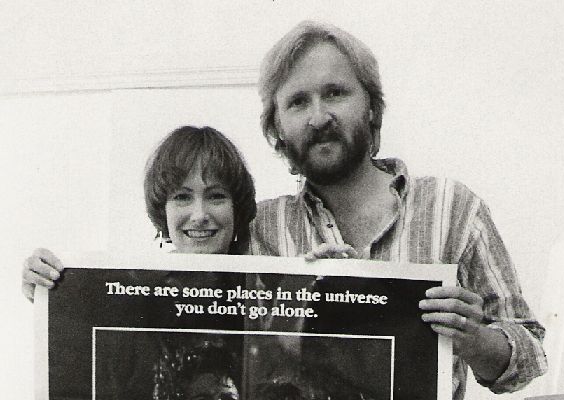
11. **Cameron’s Narrative Drive: Compelling Stories Born of Observation**For all their technical grandeur, James Cameron’s films are ultimately driven by powerful, compelling narratives. Whether it’s the desperate fight for survival in ‘The Terminator’ or the epic romance against disaster in ‘Titanic,’ his stories hook audiences with their emotional resonance and relentless forward momentum. This narrative prowess, particularly in action films, could be deeply rooted in a constant immersion in documentary storytelling, which excels at shaping ‘real insight into the human condition’ into dramatic arcs.
Documentaries, especially those that ‘say something noteworthy about a subject or situation,’ are masters at extracting dramatic narratives from real-life events. They identify the stakes, build tension, introduce conflict, and deliver resolution through the careful observation and structuring of actual human experiences. For a director like Cameron, this continuous exposure would provide an unparalleled education in the art of making real-world pressures and human responses form the very backbone of a compelling story.
The characters in Cameron’s films, despite their larger-than-life circumstances, often grapple with universally relatable dilemmas: love, loss, survival, and identity. This profound understanding of the human struggle, the grit and determination of individuals facing overwhelming odds, could stem directly from observing countless genuine human stories documented in non-fiction cinema. His ability to make even fantastical characters feel authentically driven by believable motivations speaks to a mind trained to recognize and amplify the inherent drama in reality itself.

12. **The ‘Big Picture’ Perspective of Cameron: Grand Visions from Documented Realities**James Cameron’s films consistently operate on a grand, almost epic scale, tackling vast themes that resonate far beyond the individual story. He often explores humanity’s relationship with technology, nature, war, and destiny, offering sweeping visions that are both entertaining and thought-provoking. This ‘big picture’ perspective, which allows his films to ‘say something noteworthy about a subject or situation’ on a macro level, finds a perfect parallel in the ambitious scope of many documentary films.
Documentaries frequently take on monumental subjects, analyzing historical shifts, global crises, scientific breakthroughs, or large-scale environmental challenges. They connect individual narratives to broader societal forces, enabling viewers to understand complex issues through accessible, often deeply personal, stories. By absorbing countless films that ‘communicate the true nature of things’ on such a grand scale, Cameron would naturally develop an unparalleled ability to conceptualize and execute narratives that possess immense thematic weight.
His capacity to weave thrilling action with profound philosophical or ecological inquiries speaks to a directorial mind that constantly seeks to understand and present the ‘true nature’ of the world, whether real or imagined. Films like ‘Avatar,’ with its powerful environmental message, or ‘The Terminator,’ with its exploration of humanity’s future, showcase a filmmaker who uses spectacle not just for entertainment but as a vehicle for significant commentary, a characteristic deeply cultivated by the impactful revelations found in documentaries.
So, as we conclude our extraordinary thought experiment, it becomes remarkably clear that even the most bombastic, effects-driven action films could benefit immensely from a creative foundation built entirely on documentaries. The grit, the emotional authenticity, the precise pacing, the deeply realized characters, and the profound thematic resonance that define the works of Michael Mann, John Woo, and James Cameron might not just be the hallmarks of their genius, but perhaps, the unexpected fruits of an unwavering devotion to ‘real footage of real people.’ It’s a testament to the idea that truth, in its rawest form, can be the most potent catalyst for compelling, even explosive, storytelling. Who knew reality could be such an adrenaline shot?
.jpg "The Ephemeral Spotlight: 12 ’70s Teen Idols Who Shined Brightly, Then Faded from the Global Stage")