Imagine settling into a classic film, completely engrossed in the storyline, only for a piece of music to swell up that feels utterly, intrinsically part of the cinematic fabric. You know the tune, you love the tune, but have you ever stopped to wonder about its origins? What if we told you that some of the most iconic songs associated with our favorite movies, or even legendary tracks celebrated in their own right, weren’t initially intended for the silver screen, or perhaps had an entirely “accidental” journey to get there? It’s a fascinating corner of film history, packed with surprising stories and little-known facts that are just begging to be uncovered.
The magic of cinema often lies in its ability to synthesize various art forms, with music playing an undeniably crucial role in shaping our emotional connection to a story. While we readily credit visionary composers like Ennio Morricone or John Williams for their dedicated scores, a different kind of alchemy happens when existing songs, or tracks born from unexpected circumstances, become indelibly linked to a film. These aren’t just background noise; they’re narrative enhancers, mood setters, and sometimes, they even transcend the film itself, becoming more famous than the picture they were born for. It’s a testament to the power of a perfect pairing, whether by design or, indeed, by delightful chance.
Get ready to have your mind delightfully blown as we delve into the surprising backstories of some truly unforgettable songs that graced the big screen. We’re talking about tracks that either “just sort of happened by accident,” as one legendary artist put it, or those whose cinematic roots have been largely forgotten over time, eclipsed by their immense popularity. From poignant ballads to hip-hop anthems, these musical revelations prove that sometimes, the most enduring cinematic moments are orchestrated by fate, or at least, by a series of very fortunate events. Let’s pull back the curtain on these sonic secrets and rediscover the hidden history of movie music!

1. **’Streets of Philadelphia’ by Bruce Springsteen**It’s rare to hear a song’s creation described as “just sort of happened by accident,” especially when it becomes an Oscar-winning, Grammy-sweeping masterpiece like Bruce Springsteen’s ‘Streets of Philadelphia’. This deeply moving track, with its simple drumbeat, warm synth, and fragile, meaningful vocals, perfectly encapsulates the somber, reflective mood of the 1993 film *Philadelphia*. Springsteen’s lyrics, “I was bruised and battered / I couldn’t tell what I felt / I was unrecognisable to myself,” resonate with the film’s poignant exploration of a sensitive topic.
The story behind its genesis is as compelling as the song itself. Director Jonathan Demme, whom Springsteen knew and respected, called “The Boss” up with a simple request: he needed a song for his upcoming film. Springsteen admitted, “I didn’t read the script or know anything about the film itself, but I knew that it was going to be a big Hollywood picture that dealt with aids and there hadn’t been one really yet, so that was kind of an opportunity.” This lack of detailed script knowledge, coupled with an awareness of the film’s significant theme, allowed for a spontaneous and heartfelt creative process.
Springsteen recognized the importance of the film, which was one of the first major pictures to sensitively address AIDS. Even though he modestly stated, “A song plays a very small part in anything,” he saw it as “an opportunity to kind of put my two cents in.” The result was a track written “in a few days,” a testament to his innate ability to craft human and emotive music. This “accidental” collaboration produced not just a song, but a cultural touchstone that helped elevate the film’s emotional impact and became one of Springsteen’s best tracks, and indeed, one of the best in his discography.
Read more about: 14 Global Superstars You Absolutely Won’t Believe Have Irish Roots
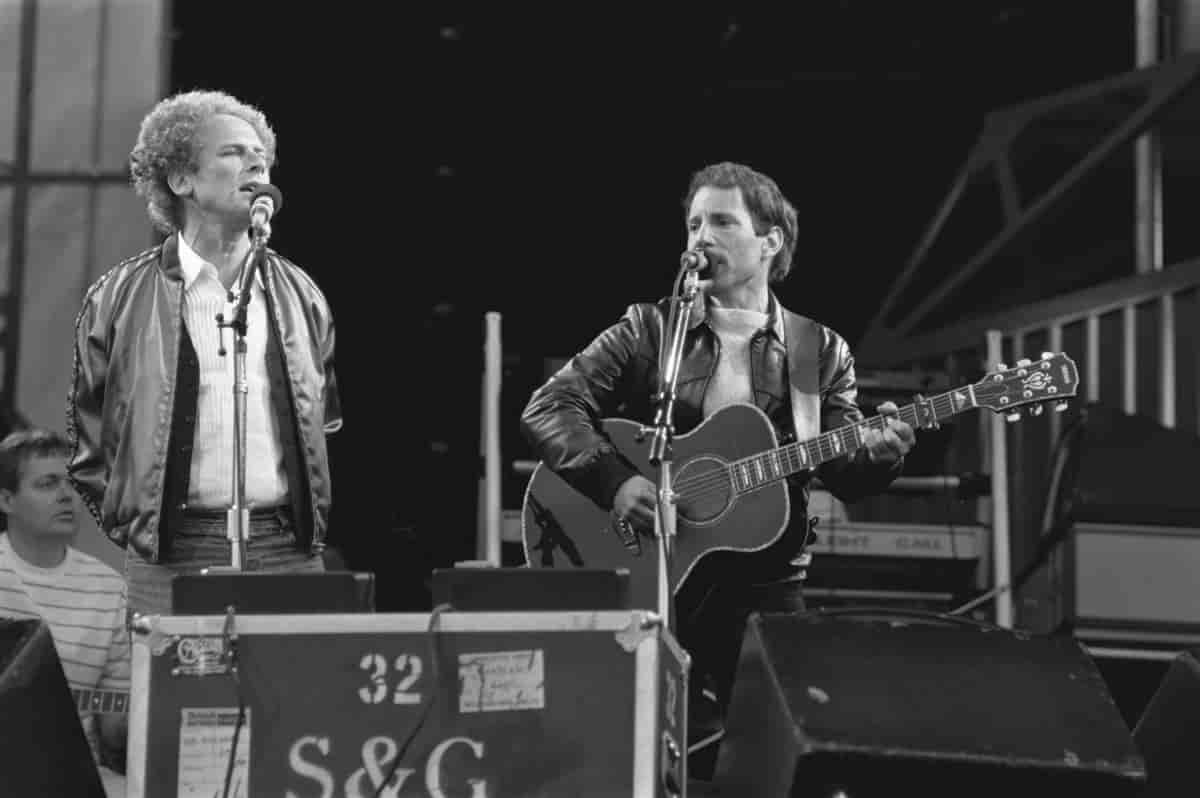
2. **”The Sound Of Silence” by Simon & Garfunkel**When you think of *The Graduate*, one song undoubtedly springs to mind: “Mrs. Robinson.” Its jaunty rhythm and iconic lyrics are woven into the very fabric of the film. However, many fans might completely overlook another equally classic Simon & Garfunkel hit that also hails from the same iconic soundtrack: “The Sound of Silence.” This melancholic, introspective folk ballad, with its haunting harmonies and evocative imagery, plays a crucial role in scoring the existential angst of Benjamin Braddock.
While “Mrs. Robinson” was famously written specifically for the film, its predecessor, “The Sound of Silence,” had a life of its own before *The Graduate*. It was originally released on Simon & Garfunkel’s debut album, *Wednesday Morning, 3 A.M.*, in 1964. The album wasn’t a commercial success initially, and the duo had even gone their separate ways. It wasn’t until a year later, when producer Tom Wilson overdubbed electric guitar and drums onto the acoustic track and re-released it as a single, that it became a massive hit.
Director Mike Nichols then seized upon this already popular song, among others, to deepen the emotional landscape of his groundbreaking film. Its inclusion helped define the mood and captured the alienation felt by the protagonist, Benjamin, perfectly. The track became so intertwined with the film’s narrative that it’s now impossible to imagine *The Graduate* without it, yet its journey from an overlooked folk song to a cinematic staple is often overshadowed by its more famous soundtrack companion, making its cinematic origin surprisingly forgotten by many.
Read more about: The Billion-Dollar Beat: Why Legendary Musicians and Contemporary Stars Are Cashing In on Their Song Catalogs

3. **”Exit Music (For A Film)” by Radiohead**Radiohead’s *OK Computer* is widely revered as one of the greatest albums of the 1990s, and indeed, of all time. Within its legendary tracklist lies “Exit Music (For A Film),” a haunting and beautifully melancholic piece that resonates deeply with listeners. Given its powerful presence on such a seminal album, it’s incredibly easy to forget, or perhaps never even know, that this evocative track made its debut not on *OK Computer* itself, but in Baz Luhrmann’s vibrant 1996 adaptation of *Romeo + Juliet*.
The film, known for its anachronistic style and passionate performances, required a song that could capture the tragic intensity of its climax. Thom Yorke and the band were asked to contribute to the soundtrack, and “Exit Music (For A Film)” was born specifically for that purpose. It was written for the end credits of the movie, after the devastating culmination of the star-crossed lovers’ fate. The song’s build-up, from a quiet, almost whispered beginning to a powerful, cathartic crescendo, mirrors the dramatic arc of Shakespeare’s tragedy.
The very title, “Exit Music (For A Film),” explicitly points to its cinematic origins, yet its inclusion on *OK Computer* and its subsequent critical acclaim often lead fans to associate it primarily with the album. This subtle detail about its genesis highlights how a song, even one explicitly titled for a movie, can take on a life of its own and become more famous in a different context. It’s a compelling example of a track that transcended its initial purpose, leaving many unaware of its original silver screen connection.

4. **”New York, New York” (Liza Minnelli/Frank Sinatra)**When the opening bars of “New York, New York” play, most people instantly envision Frank Sinatra, his voice a gravelly ode to the city that never sleeps. It’s his definitive version, a timeless anthem of ambition and urban romance. However, the intriguing truth is that “New York, New York” isn’t a Sinatra original in the slightest. Its journey began as the title song for Martin Scorsese’s 1977 musical drama *New York, New York*, where it was first performed by the incomparable Liza Minnelli.
Minnelli, who starred in the film alongside Robert De Niro, delivered the original rendition with her signature theatrical flair. The song was written by legendary duo John Kander and Fred Ebb specifically for the movie, embodying the grit and glamour of post-war New York through the eyes of aspiring musicians. Her performance is integral to the film’s narrative, capturing the dreams and struggles of her character, Francine Evans. It’s a powerful and evocative performance that laid the groundwork for the song’s future iconic status.
Sinatra’s recording, released in 1979, was a cover, albeit one that would eclipse the original in terms of popular recognition and cultural ubiquity. His rendition transformed it from a film-specific showstopper into a universal hymn for New York City, solidifying its place in the pantheon of American standards. The fact that many now associate the song almost exclusively with Sinatra, completely unaware of Minnelli’s original performance in a Martin Scorsese film, is a testament to the song’s enduring appeal and the power of a definitive interpretation.
5. **”Tears In Heaven” by Eric Clapton**Eric Clapton’s “Tears In Heaven” is a song etched into the hearts of millions, a profoundly personal and emotionally raw ballad written in the wake of unimaginable tragedy. The song, a global sensation in the 1990s, chronicled Clapton’s grief following the accidental death of his four-year-old son, Connor, who fell from a high-rise window in New York. Its heartfelt lyrics and tender melody resonated deeply, leading to a huge career renaissance for the legendary guitarist and earning him multiple Grammy Awards.
Given its highly personal nature and its massive success, particularly after his iconic “MTV Unplugged” appearance, it’s a surprising revelation for many that “Tears In Heaven” actually made its public debut on a movie soundtrack. The song first appeared on the soundtrack for the 1991 film *Rush*, a drama about two undercover narcotics officers. Clapton composed the score for the film, and this powerful track was included as part of that musical contribution.
The film *Rush* itself is often described as “oft-forgotten,” a stark contrast to the enduring legacy of “Tears In Heaven.” Its inclusion on the soundtrack was an early, more muted unveiling of a song that would soon become a worldwide phenomenon and a defining moment in Clapton’s career. The fact that such a deeply personal and universally acclaimed song had its genesis within the confines of a movie score is a fascinating, and often overlooked, piece of its history, highlighting how film can sometimes provide the unexpected platform for monumental musical works.
Read more about: Will Jennings, Maestro of Melodies: A Life Etched in Song, From Texas Classrooms to Global Stages

6. **”Call Me” by Blondie**Blondie, with their pioneering blend of punk, new wave, and disco, carved out an indelible niche in music history, and “Call Me” stands as one of their absolute signature songs. Its driving beat, Debbie Harry’s distinctive vocals, and infectious energy made it a chart-topping hit and a definitive track of the early 1980s. What many might not realize, however, is that this iconic track was specifically crafted for, and first appeared in, the 1980 film *American Gigolo*, starring Richard Gere.
The film, a stylish and provocative thriller, was a major hit, and its director, Paul Schrader, initially approached Stevie Nicks to write a theme song. When Nicks declined, the task fell to legendary disco producer Giorgio Moroder, who was composing the film’s score. Moroder then collaborated with Debbie Harry, co-writing “Call Me” to perfectly fit the film’s sleek, urban, and somewhat detached aesthetic. The song’s French translation, “Call me, my love,” which is featured in the lyrics, adds a layer of international sophistication that suited the film’s European-influenced style.
“Call Me” became Blondie’s biggest single in the U.S. and a worldwide hit, helping to cement their status as a global phenomenon. While it’s now synonymous with the band’s oeuvre, its direct connection to *American Gigolo* and its tailored creation for the film’s specific mood is a detail that often gets lost in the annals of pop culture. It’s a stellar example of how a carefully commissioned soundtrack song can become a colossal hit that ultimately transcends its original cinematic context, becoming a stand-alone anthem.
Read more about: Miley Cyrus: Decoding the Journey – From Disney Star to Global Icon and Her Evolving Relationship with Show Business

7. **”Fight The Power” by Public Enemy**Public Enemy was already a formidable force in hip-hop, revered for their politically charged lyrics, revolutionary sound, and uncompromising stance, when they unleashed “Fight The Power” upon the world. This track is not just a song; it’s a powerful declaration, an enduring anthem of resistance and social commentary that has resonated across generations. It’s widely recognized as one of their signature songs, a raw and electrifying call to action that became a defining voice of its era.
What makes its history particularly interesting is that “Fight The Power” was not initially conceived for a Public Enemy album. Instead, it was commissioned by visionary director Spike Lee for his 1989 masterpiece, *Do The Right Thing*. Lee specifically asked Public Enemy to create a theme song for his film, which unflinchingly explored racial tensions in a Brooklyn neighborhood on the hottest day of the summer. The song became the film’s musical backbone, appearing prominently throughout the movie and perfectly encapsulating its charged atmosphere and central themes.
The track’s pulsating beat and Chuck D’s commanding vocals, interspersed with samples and Flavor Flav’s ad-libs, provided the perfect soundtrack to the simmering conflicts depicted on screen. Like other songs on this list, “Fight The Power” eventually appeared on a Public Enemy album (*Fear of a Black Planet*), but only after it had already made its impactful debut and carved out its iconic status within the context of *Do The Right Thing*. Its origin as a dedicated film track highlights the profound synergy that can exist between music and cinema, creating something greater than the sum of its parts.
Our journey through the unexpected intersections of iconic music and classic cinema continues, revealing more fascinating stories behind the songs that became indelibly linked with the silver screen. These aren’t just background tunes; they are anthems, ballads, and bangers that shaped our memories, only to have their cinematic genesis often overshadowed by their monumental success. Get ready for another round of delightful revelations that will have you humming along with a newfound appreciation for the power of movie music!
We’re about to uncover seven more tracks that found their way into our hearts, often from the most surprising film beginnings. From Westerns to romantic comedies, and action blockbusters to gritty dramas, these songs prove that a perfect musical moment can make a movie, and sometimes, the movie can make a song famous in ways its creators never intended. Prepare to have your perception of these beloved tunes wonderfully altered!
Read more about: 12 Cinematic Deaths That Left Audiences Absolutely Shattered: From Heroic Sacrifices to Utterly Heartbreaking Tragedies

8. **”Raindrops Keep Fallin’ On My Head” by B.J. Thomas**When you envision a classic Western, you might picture rugged landscapes, tense shootouts, and a stirring orchestral score. What probably doesn’t spring to mind is a cheerful, upbeat pop song about raindrops. Yet, that’s precisely what happened with one of the greatest Westerns of all time, *Butch Cassidy And The Sundance Kid*, giving us one of the most deliciously unexpected soundtrack gems in cinema history.
Penned by the legendary songwriting duo Burt Bacharach and Hal David, “Raindrops Keep Fallin’ on My Head” found its home in the 1969 film. Performed by B.J. Thomas, its inclusion creates an almost surreal moment in the movie, particularly during the iconic bicycle scene. It’s a whimsical, lighthearted sequence that stands in stark contrast to the film’s grittier themes, and the song perfectly underscores this charming anomaly.
The genius of its placement is how it catches you off guard. You’d never anticipate a song like this emerging from a film centered on two notorious outlaws, a testament to the film’s willingness to subvert expectations. While the movie solidified its place as a classic, the song, too, gained immense popularity, forever associated with that indelible cinematic moment, yet often forgotten as a *Western* soundtrack original.

9. **”Moon River” (Audrey Hepburn/Andy Williams)**For many, especially those who grew up with *The Simpsons*, “Moon River” is synonymous with Andy Williams, a timeless standard of smooth crooning. It’s so deeply ingrained in popular culture as *his* song that it’s easy to forget he wasn’t the first to breathe life into its tender melody. This enduring ballad actually has a profoundly cinematic origin, crafted specifically for one of Hollywood’s most beloved stars.
The timeless tune was originally composed by Henry Mancini and Johnny Mercer for the 1961 classic, *Breakfast at Tiffany’s*. It was written with a very specific performer in mind: Audrey Hepburn, who played the iconic Holly Golightly. Her gentle, unadorned rendition, performed with a guitar on her fire escape, is one of the film’s most poignant and memorable scenes, perfectly capturing the character’s yearning for stability and peace.
Hepburn’s original screen performance cemented the song’s emotional core, earning it an Academy Award for Best Original Song. While Andy Williams’ recording, which quickly followed, brought “Moon River” to an even wider audience and cemented its status as a jazz standard, it’s fascinating to recall that its initial magic was conjured for a specific moment in a classic film, delivered by an actress who wasn’t primarily known as a singer.

10. **”Knockin’ On Heaven’s Door” by Bob Dylan**Few songs in Bob Dylan’s vast and influential catalog are as widely recognized, or as frequently covered, as “Knockin’ on Heaven’s Door.” Its simple, evocative lyrics and haunting melody have resonated with generations, transforming it into an anthem embraced by everyone from rock legends like Guns N’ Roses and Jimi Hendrix to countless campfire singalongs. But beneath its universal appeal lies a surprising origin rooted deeply in American cinema.
This iconic track wasn’t initially released on one of Dylan’s studio albums as a standalone single. Instead, it was specifically composed by the legendary songwriter for the 1973 Sam Peckinpah Western, *Pat Garrett And Billy The Kid*. Dylan wasn’t just behind the music; he also made an appearance in the film as the character Alias, adding another layer of intrigue to the song’s cinematic connection.
In the context of the film, “Knockin’ on Heaven’s Door” serves as a poignant farewell, sung as a dying lawman contemplates his mortality. Its emotional weight within the movie is undeniable, yet its subsequent life as a standalone rock classic has largely detached it from its original cinematic purpose. The transformation from a film score contribution to a global rock staple is a remarkable testament to its enduring power and versatility.
11. **”Take My Breath Away” by Berlin**When you think of the ultimate 1980s power ballad and its perfect cinematic pairing, chances are your mind drifts to “Take My Breath Away” by Berlin. This soaring, synth-laden masterpiece is inextricably linked with *Top Gun*, the high-flying action film that defined a generation. But on a soundtrack crammed with iconic hits, it’s easy for younger audiences, or even those who didn’t experience the film’s initial cultural impact, to overlook its foundational role.
The song became the romantic centerpiece of *Top Gun*, underscoring the intense chemistry between Tom Cruise’s Maverick and Kelly McGillis’ Charlie. Its lush production and heartfelt lyrics perfectly amplified the film’s blend of exhilarating aerial sequences and passionate romance, truly capturing the mood of an era. “Take My Breath Away” didn’t just accompany the film; it became a crucial part of its emotional landscape.
Winning an Academy Award for Best Original Song, its success was intertwined with the film’s massive popularity. While *Top Gun* is remembered for its jets and fast-paced action, this ballad provided the emotional anchor, making hearts swoon and defining the film’s romantic spirit. It’s a reminder that even amidst a star-studded soundtrack, some songs shine so brightly they become as legendary as the movie itself.
Read more about: Totally Rad! The 8 Directors Who Ruled ’80s Action and Owned the Box Office
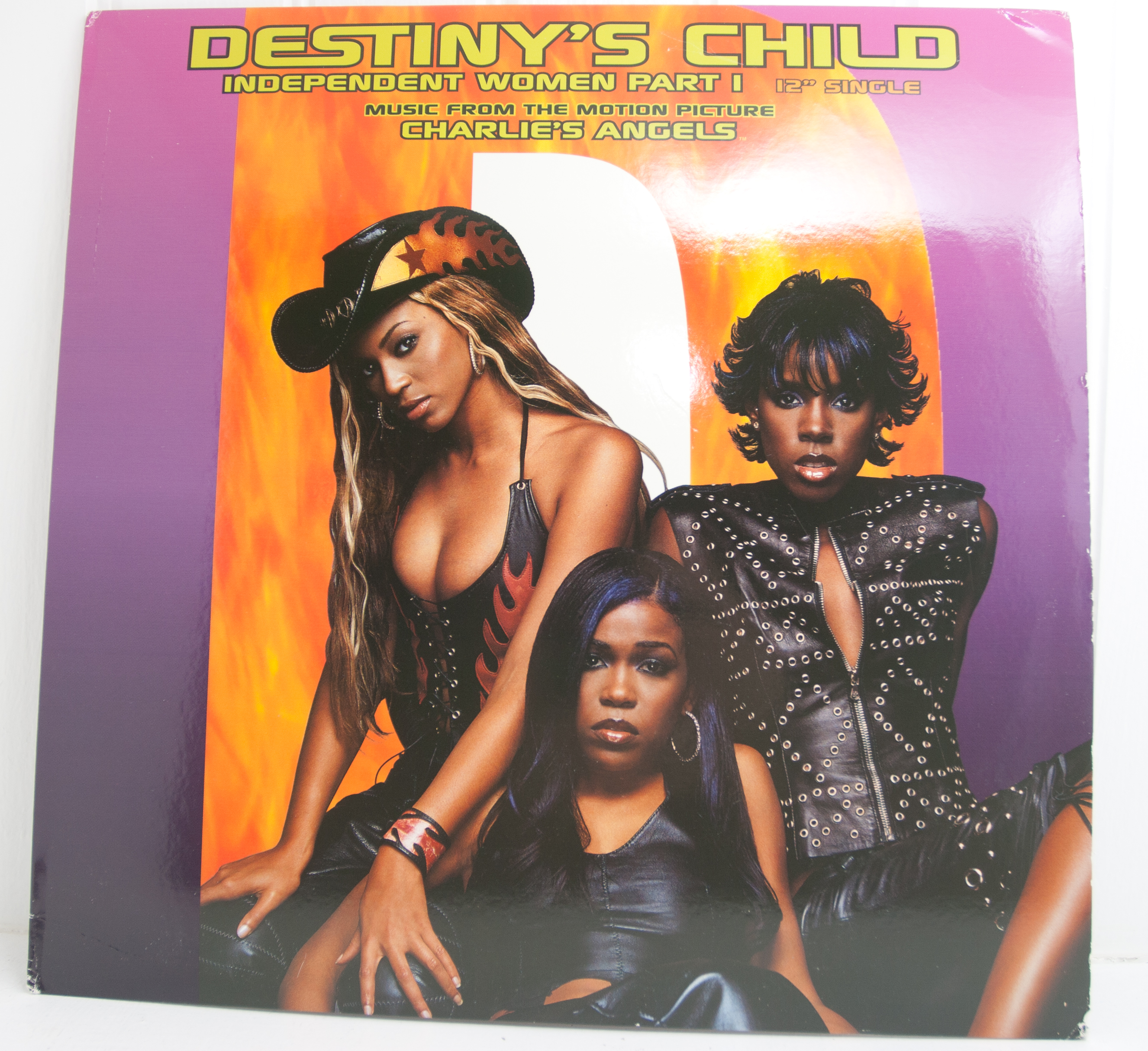
12. **”Independent Women, Pt 1″ by Destiny’s Child**Fast forward to the turn of the millennium, and the rebooted *Charlie’s Angels* burst onto the scene in 2000, bringing with it a fresh wave of girl power and a soundtrack that perfectly encapsulated its modern, sassy vibe. At the forefront of this musical charge was Destiny’s Child’s chart-topping anthem, “Independent Women, Pt 1.” This track was an instant smash, defining the film’s energy and becoming a global phenomenon in its own right.
Created specifically for *Charlie’s Angels*, the song was an ode to female empowerment and self-sufficiency, themes that mirrored the film’s portrayal of highly capable and autonomous heroines. With Beyoncé leading the charge, the song’s catchy hooks and empowering message resonated deeply, propelling it to the top of the charts and solidifying Destiny’s Child’s status as a major force in R&B.
Despite its direct connection to the movie, the song quickly transcended its film origins. For legions of Beyoncé fans and pop music enthusiasts, “Independent Women, Pt 1” is celebrated as a stand-alone anthem of female strength, often with little to no awareness of its cinematic debut. It’s a prime example of a soundtrack contribution becoming so immensely popular that it completely detaches from its original context, living a life of its own on radio waves and dance floors.

13. **”It Must Have Been Love” by Roxette**The early 1990s were a golden age for romantic comedies, and few were as beloved or successful as *Pretty Woman*. This modern fairy tale, starring Julia Roberts and Richard Gere, captivated audiences worldwide, and its soundtrack was equally influential. Among its standout tracks was Roxette’s heartfelt ballad, “It Must Have Been Love,” a song that became inextricably linked with the movie’s charm and emotional depth.
Roxette, the Swedish pop duo, was already a hit-making machine, but this song brought them even greater global recognition. Originally released as a Christmas single in Sweden a few years prior, the song was repurposed and gained new life when it was included in the *Pretty Woman* soundtrack. Its poignant lyrics about lost love and regret perfectly complemented the film’s narrative of an unlikely romance overcoming societal barriers.
“It Must Have Been Love” wasn’t just a background tune; it became one of the defining sonic elements of *Pretty Woman*, amplifying the film’s romantic moments and securing its place as one of the era’s most cherished love songs. Its seamless fit with the movie’s vibe is so strong that it’s almost impossible to hear the song without recalling Vivian and Edward’s transformative journey, making it a truly iconic movie-music pairing.

14. **”Gangsta’s Paradise” by Coolio**To say “Gangsta’s Paradise” by Coolio is an iconic hip-hop song would be an understatement. Its distinctive choral sample, Coolio’s smooth yet poignant flow, and powerful, introspective lyrics about the harsh realities of street life instantly propelled it into the pantheon of greatest rap tracks. While it’s celebrated globally as a stand-alone masterpiece, many might be surprised to learn it began its journey as the centerpiece of a relatively forgotten film.
The song was prominently featured in the 1995 drama *Dangerous Minds*, starring Michelle Pfeiffer as a former Marine teaching at-risk youth. Coolio’s track served as the film’s main theme, perfectly encapsulating the grit and struggle depicted on screen. The music video, which famously featured Pfeiffer alongside Coolio, further cemented its connection to the movie, at least initially.
However, the song’s longevity and cultural impact have far outstripped that of the film itself. While *Dangerous Minds* certainly had its moment, it hasn’t achieved the enduring reputation or critical acclaim of “Gangsta’s Paradise.” The track stands as a powerful testament to how a song, even one specifically tied to a movie, can develop a life, and indeed a legend, far beyond its cinematic birthplace. It’s a true classic that showcases the power of music to transcend its initial context and carve out its own unforgettable legacy.
So there you have it! Our deep dive into the surprising, and often accidental, origins of some truly unforgettable songs that graced the big screen. From melancholic ballads that found new life to hip-hop anthems born from crucial cinematic requests, these stories remind us that the magic of movie music often lies in the most unexpected places. It’s a delightful testament to how sound and vision can intertwine, creating cultural touchstones that endure for decades, sometimes even eclipsing the films that first brought them to our ears. Next time you hear one of these tunes, you’ll know the secret history behind its silver screen debut!