The modern workday often ties us to our desks, leading to prolonged periods of sitting increasingly linked to various health concerns. With phrases like “excessive sitting – which has been branded ‘the new smoking’ – is said to increase our risk of illnesses including cancer, type 2 diabetes and heart disease,” the urgency to integrate more movement has never been clearer. The widespread shift to remote work, especially post-COVID-19, has further amplified this challenge, confining many to sedentary home offices.
It’s no wonder innovative solutions like under-desk treadmills are experiencing a remarkable surge in popularity, reflecting a collective desire to combat these detrimental effects without sacrificing productivity. Data shows “Google searches for ‘under the desk treadmills’ hav[ing] spiked by a whopping 300% in the last year alone,” alongside “TikTok videos with the hashtag #treadmilldesk hav[ing] racked up over two billion views.” These walking pads offer a compelling answer, allowing individuals to walk slowly while working, transforming passive sitting into active movement.
This comprehensive guide will explore these devices, from their fundamental benefits to practical considerations, drawing on recent research and real-world experiences. Join us as we break down the science and lived experiences behind under-desk treadmills, providing evidence-based insights into how they might revolutionize your workday and contribute to a healthier, more active life. You’ll gain a clearer picture of whether an under-desk treadmill could be the game-changer you’ve been searching for.
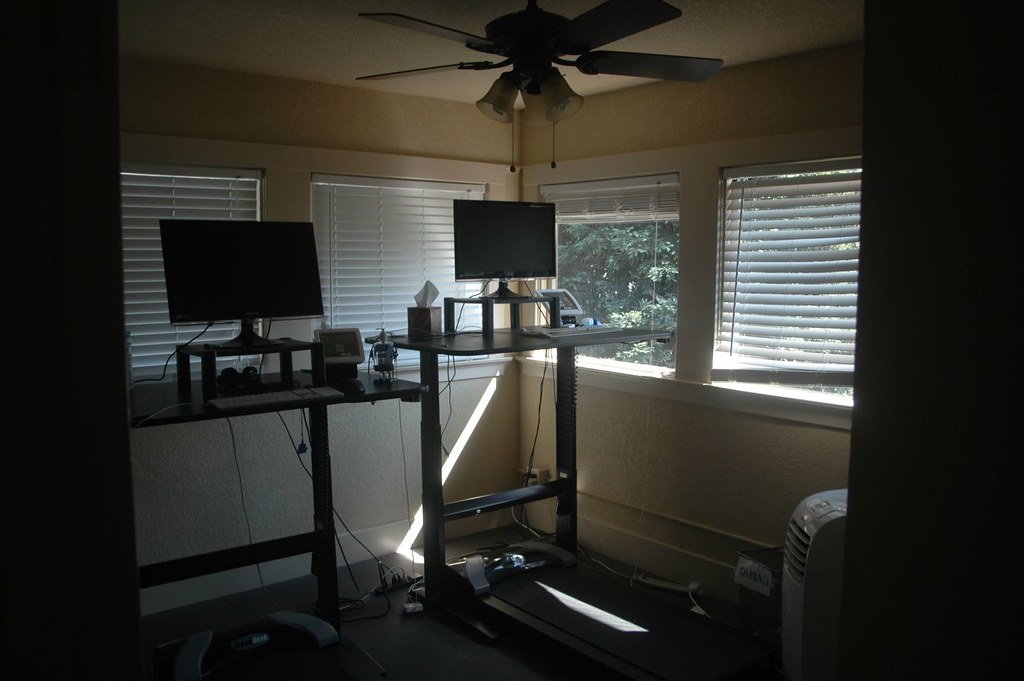
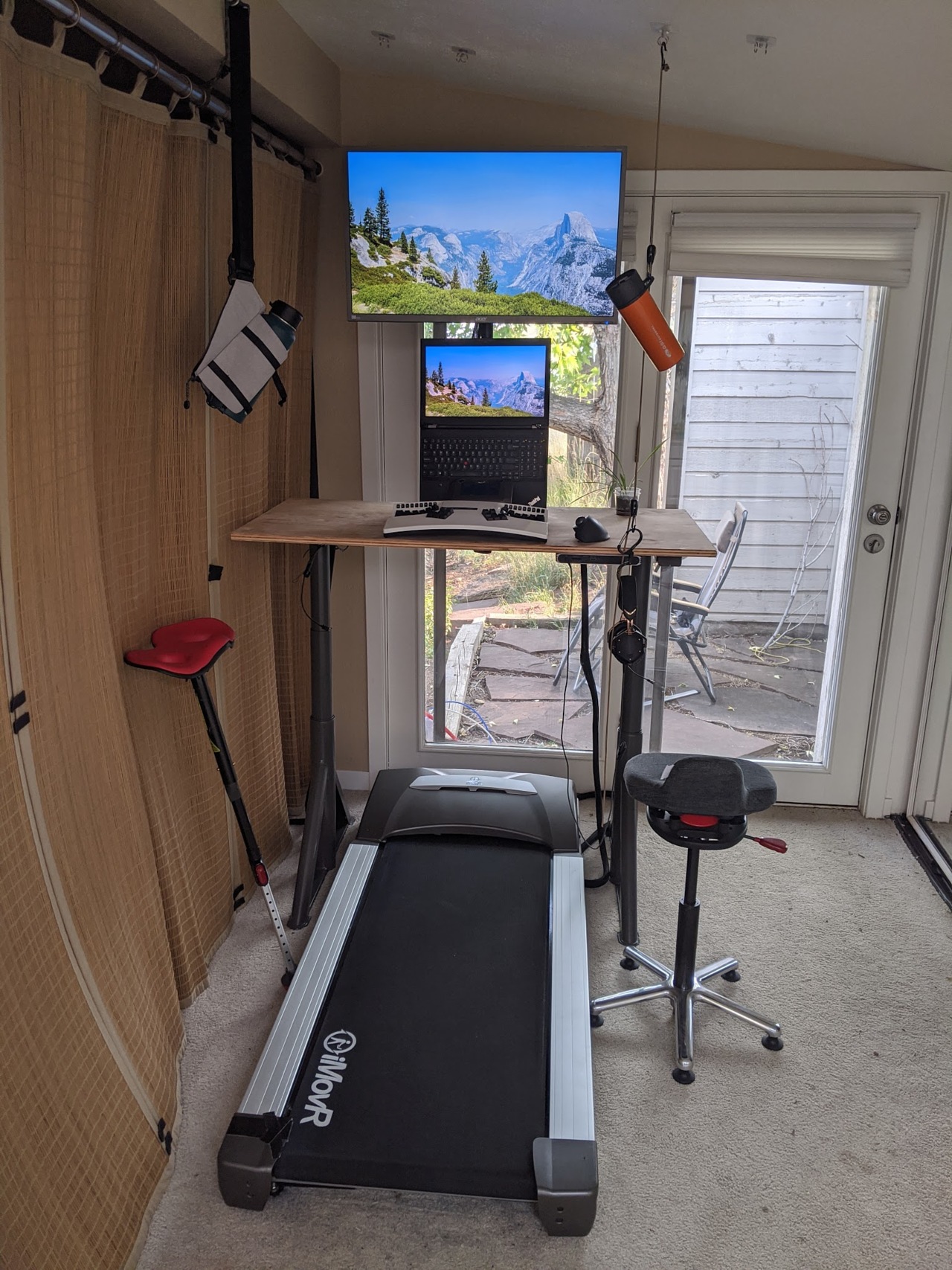
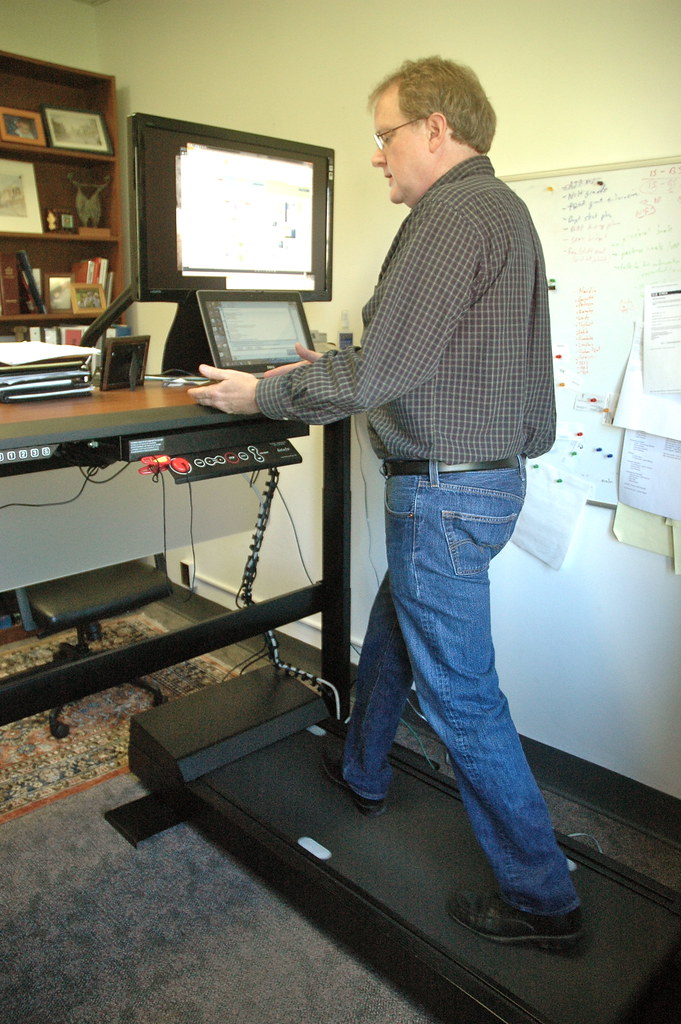
1. **Understanding Under-Desk Treadmills: What They Are and Their Recent Surge in Popularity**An under-desk treadmill, also known as a walking pad, is a specialized flat machine designed to fit beneath a standing desk, enabling users to walk comfortably while working. Unlike traditional treadmills built for rigorous running, these devices are engineered for sustained, low-speed use, typically from “0.5 up to 4mph.” This range makes them ideal for gentle, continuous movement that won’t interfere with professional tasks.
The design prioritizes practicality for office environments. Key characteristics include a compact footprint, a quiet motor to avoid disturbing workflow or video calls, and often a lightweight, portable construction. Many models feature wheels or are foldable, making them easy to move and store. This thoughtful design ensures they integrate smoothly into a home or office setup without becoming an obstruction.
The appeal of these devices has grown exponentially, reflecting a societal shift towards healthier work habits. The dramatic increase in online interest, evidenced by “Google searches for ‘under the desk treadmills’ hav[ing] spiked by a whopping 300% in the last year alone,” and billions of social media views, underscores a widespread recognition of the need for active workstations. This surge indicates individuals are actively seeking practical solutions to combat sedentary work and incorporate more physical activity.
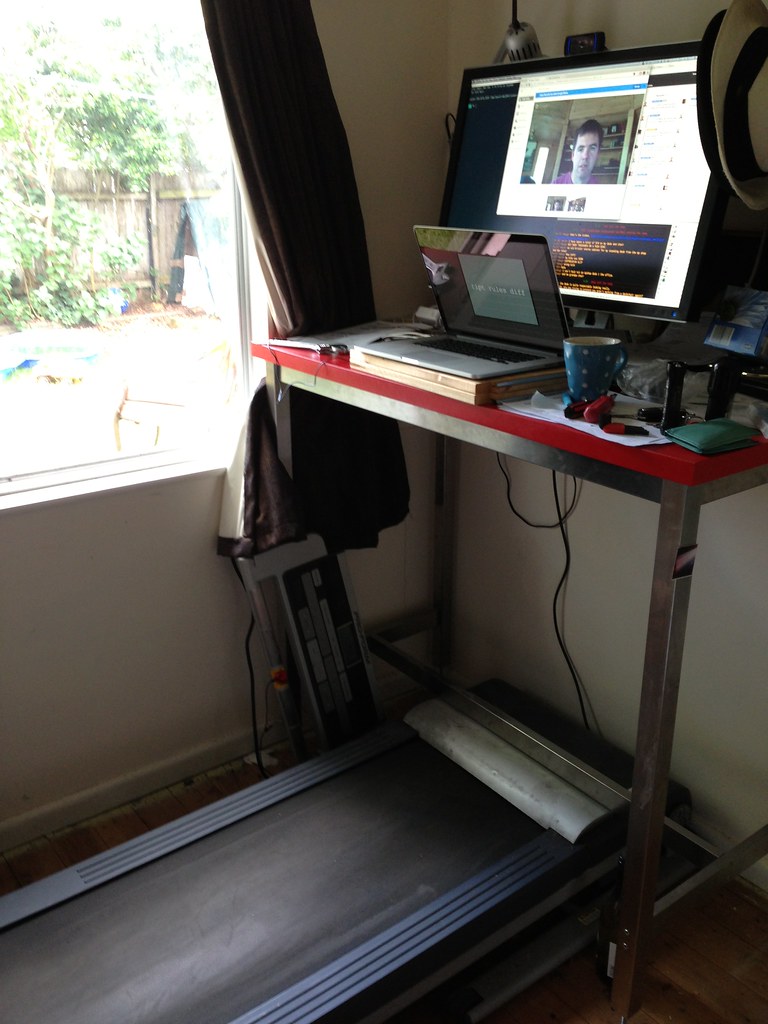
2. **The Sedentary Threat: Why We Need Desk Fitness More Than Ever**The pervasive nature of sedentary behavior in modern society poses a grave public health challenge. With “81% of UK workers” spending “between four and nine hours per day sitting at a desk,” the cumulative health implications of prolonged inactivity are profound. Experts warn that “excessive sitting – which has been branded ‘the new smoking’ – is said to increase our risk of illnesses including cancer, type 2 diabetes and heart disease.” This stark comparison highlights the critical necessity to integrate more movement.
The economic burden of widespread inactivity is substantial. Research by “Queen’s University Belfast found that the NHS spends at least £700m a year treating diseases exacerbated by sedentary behaviour.” This financial strain underscores that mitigating sedentary risks is vital for public health systems. The shift to remote work during the “COVID-19 pandemic” further amplified these concerns, as many experienced “increased sedentary behavior.”
The rationale behind “desk fitness” is rooted in our evolutionary biology. When idle, our “caveman DNA takes over and tells the body to switch from ‘on the hunt’ mode to ‘not on the hunt mode’.” This physiological shift slows crucial biological functions like metabolism and increases fat storage. Engaging in even low-intensity movement, such as walking at a desk, helps keep these vital processes active and responsive.
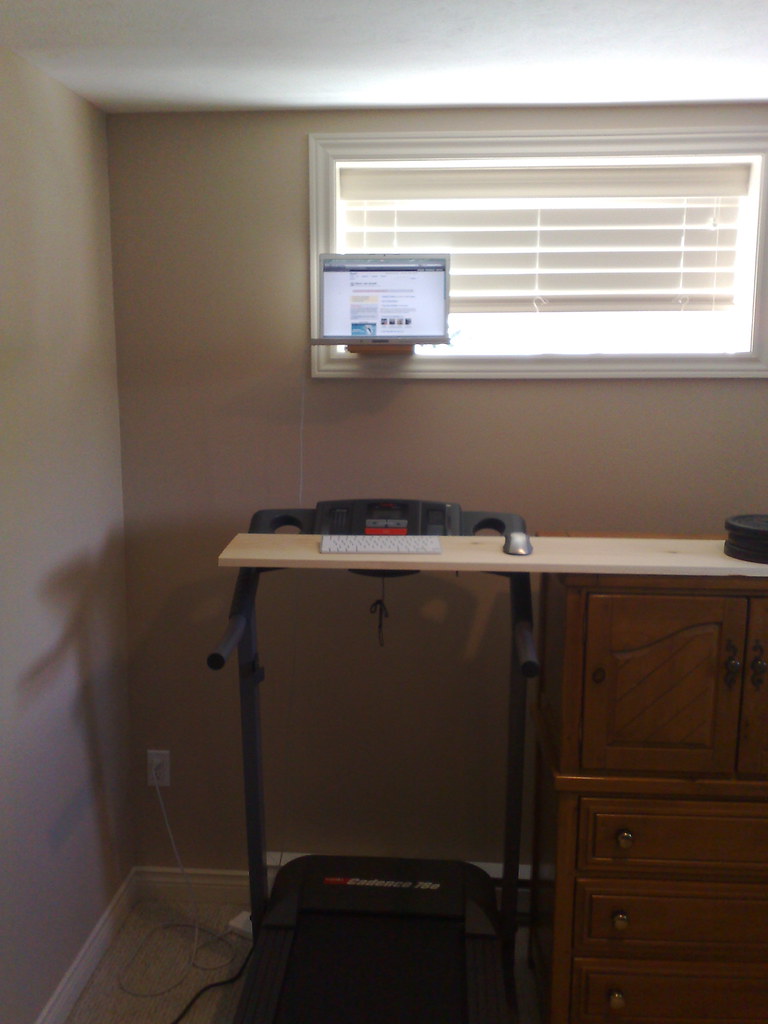
3. **Who’s Using Them? Demographic Insights from Treadmill Desk Users**A recent qualitative study offers valuable insights into the typical profile of individuals adopting home treadmill desks. The “sample of treadmill desk users was comprised of predominantly white, middle-aged, married women who lived in suburban neighborhoods and held high-income, full-time, office-based jobs.” This specific demographic suggests that socioeconomic status, living environment, and employment nature significantly influence adoption.
The research further illuminated practical aspects of their adoption and usage. A majority of participants had “purchased a Lifespan treadmill desk themselves which they kept in their home office.” A critical catalyst was the widespread transition to remote work. “Most participants worked fully from home and reported a shift to working from home due to the COVID-19 pandemic,” indicating the home office provided a conducive setting for integrating a walking pad.
Participants demonstrated consistent use, typically employing their “treadmill desks for about two hours per day.” They chose “a speed at which they could walk comfortably and complete their work or non-work tasks,” highlighting a focus on integrating movement seamlessly into workflow rather than strenuous exercise. This sustained, moderate activity represents a new paradigm where physical activity is effortlessly woven into routine professional responsibilities.
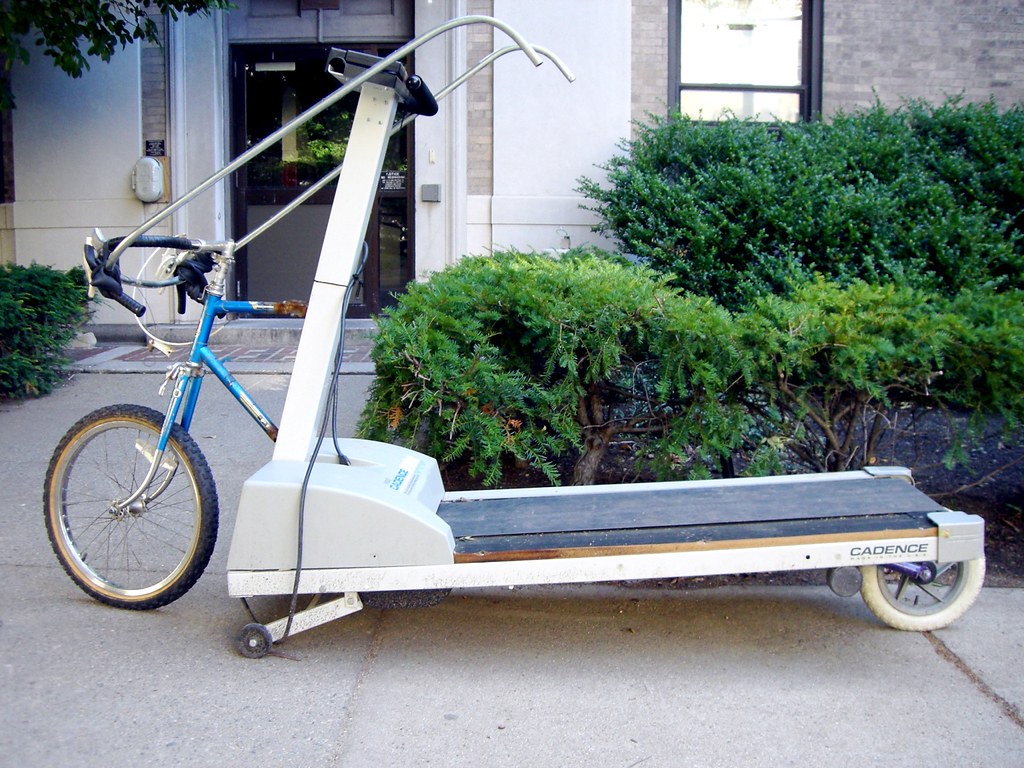
4. **Physical Health Payoffs: From Increased Activity to Novel Joint Pain Relief**The physical health benefits associated with consistent use of an under-desk treadmill are extensive and increasingly well-documented. Users consistently report becoming “more active, lose weight, have more energy” when integrating a treadmill desk compared to sedentary sitting or static standing. This foundational increase in daily movement naturally contributes to better overall physical health and aids in effective body weight management.
Beyond these recognized advantages, recent qualitative studies have unearthed compelling and previously less-demonstrated outcomes. While earlier “past research has not demonstrated any changes in physical symptoms, like back pain, when using a treadmill desk,” a novel finding reported that “six participants in our study described the relief of joint pain as an important physical outcome and a ‘game changer’.” This unexpected benefit points to a potential therapeutic role in alleviating musculoskeletal discomforts.
Another significant physical improvement observed by users pertains to cardiovascular health. “Nine participants described cardiovascular or fitness improvements that translated well into their other physical activities.” This suggests that consistent, low-intensity walking genuinely enhances cardiovascular endurance. This improved fitness translates into better performance and enjoyment in other physical pursuits, reinforcing a more active lifestyle.
5. **Mental and Creative Boosts: How Walking at Work Sharpen the Mind**The positive impacts of under-desk treadmills extend beyond the physical realm, significantly influencing mental well-being and cognitive performance. Users frequently report a range of psychological advantages, including “better focus, more positive affect, more task satisfaction, and feel less stressed when using a treadmill desk as compared to sitting or standing.” These improvements contribute to a more enjoyable, engaged, and less taxing work experience.
A particularly exciting and previously “novel finding” highlighted an unexpected cognitive enhancement: “three participants described improved creativity while walking.” While “past research on walking” generally shows “improved creativity,” this benefit had not been demonstrated previously “in the context of using treadmill desks in the workplace.” This groundbreaking observation suggests that gentle, sustained movement might uniquely stimulate innovative thinking, offering a distinct advantage for tasks requiring brainstorming or problem-solving.
Training specialists such as David Wiener further corroborate these mental health benefits. He emphasizes that “Studies have found that [under-desk treadmills] can help improve motivation, creativity and focus, and even reduce your anxiety levels.” This comprehensive mental uplift—from stress reduction to enhanced motivation and creative output—positions under-desk treadmills as powerful aids for cognitive performance and emotional resilience, helping combat mental fatigue and maintain a sharper mind.

6. **Boosting Work Performance: Productivity and Job Satisfaction Gains**Beyond personal health advantages, under-desk treadmills appear to significantly influence work-related outcomes, challenging some previous experimental conclusions. While “past within-subjects experimental research did not find support for increased job satisfaction,” recent qualitative studies present a more optimistic picture. “11 of our participants described treadmill walking as improving their satisfaction with working from home.” This divergence highlights the importance of long-term, self-selected use in a familiar environment.
Similarly, regarding productivity, “while walking on a treadmill did not improve brief task performance,” a notable “six of our participants described feeling more productive when using their treadmill desk.” This perceived increase in productivity, though observed qualitatively, resonates deeply with real-world users. They often find that gentle, continuous movement helps maintain focus, reduce fidgeting, and combat afternoon energy slumps, enhancing overall output.
The subjective experience of heightened productivity is further substantiated by individual accounts. One user vividly recounted, “I definitely felt more productive using the walking pad because it kept me feeling alert. When the afternoon slump hit around 2 p.m., turning on the treadmill gave me an energy boost and the mental reset I needed.” This personal endorsement, coupled with findings that “standing while working can increase productivity by as much as 46%,” illustrates how continuous, low-intensity movement can be a powerful antidote to workplace lethargy and a catalyst for professional satisfaction.
7. **Overcoming Sedentary Habits: The Primary Motivation for Users**A fundamental driver behind the widespread adoption of under-desk treadmills is the conscious desire to “reduce sedentary behavior.” For many participants, this motivation was a direct response to “increased sedentary behavior brought on by working from home during the COVID-19 pandemic.” This environmental shift prolonged periods of sitting, prompting individuals to actively seek solutions for integrating movement, a trend “supported by past research.”
Beyond simply reducing sitting time, participants were also profoundly motivated by broader, long-term health objectives. They expressed a clear desire to “be healthier, avoid health problems, and lose weight.” These health-related aspirations are particularly “common amongst middle-aged and older adult cohorts,” reflecting a growing awareness of inactivity’s long-term implications and a proactive stance towards disease prevention. The treadmill desk becomes an invaluable tool for achieving comprehensive wellness goals within a demanding schedule.
Further reinforcing these motivations were more tangible incentives. “Eight participants also described being motivated to reach step goals, and two participants competed against others to take the most steps.” This gamified approach, leveraging personal targets and friendly competition, adds a powerful layer of engagement for consistent use. Coupled with the anticipation of immediate benefits like “feeling good due to alleviation of pain, enjoying movement, or overcoming afternoon fatigue,” these varied motivators create a compelling framework for sustained engagement.
8. **What to Consider When Buying Your Under-Desk Treadmill**Embarking on the journey to a more active workday often begins with selecting the right equipment. When it comes to under-desk treadmills, the market offers a diverse range, and understanding key features will help you make an informed decision tailored to your specific needs. It’s not just about finding a walking pad; it’s about finding the *right* walking pad that integrates seamlessly into your life and workflow.
First on your checklist should be the belt size. Wide belts generally offer more comfort and stability, which can be crucial for sustained use, while narrower options are more compact, making them ideal for smaller living spaces or apartments. Belt length is also a factor, as a longer belt provides more surface area for walking, potentially accommodating longer strides. However, the ultimate choice here should balance your comfort with the physical space you have available, ensuring the treadmill doesn’t become a hindrance rather than a help.
Weight and portability are equally important, especially if you anticipate moving your treadmill frequently. Many models are designed to be lightweight, often under 50 pounds, with some even featuring wheels for easier maneuverability. For those opting for heavier models, which might offer more advanced features like higher speeds or incline options, confirming the presence of wheels is essential to prevent strain when repositioning it. A quiet motor is also paramount to ensure your treadmill doesn’t disrupt your focus during work tasks or interfere with video calls, allowing you to walk discreetly without disturbing others or your own concentration.
Next, consider the speed and incline capabilities. Most under-desk treadmills operate within a range of “0.5 up to 4mph,” which is perfectly adequate for adding to your daily step count without impacting your ability to work. Some premium models may offer higher speeds, allowing for a light jog during breaks. While incline options are available on some models, often up to “five percent,” their primary purpose is generally to facilitate multitasking during work rather than intense hill climbing workouts. Lastly, price is a significant factor, with options ranging “from about $250 to $3,000,” making it crucial to set a budget. Remember, an under-desk treadmill is most efficient when paired with a standing desk, allowing you to walk while working; if you don’t have one, it can still be a valuable tool for active breaks.
9. **A Closer Look at Top Under-Desk Treadmill Models**With so many options on the market, choosing the right under-desk treadmill can feel overwhelming. Fortunately, various models have been tested and reviewed, offering insights into their practical performance and features. These real-world experiences can guide you toward a device that aligns with your work habits and personal preferences.
One popular option is the JTX MoveLight Walking Treadmill, which received positive feedback from a Women’s Health fitness writer who found it transformative for administrative tasks and meetings. While it wasn’t ideal for writing articles requiring deep concentration, it proved excellent for planning and staying focused, providing a much-needed energy boost during the afternoon slump. This model boasts speeds up to 6kmph, features a display for key metrics like time, distance, and calories, comes with a remote control, and its wheeled base makes it easy to move and store, weighing less than 30kg.
For those seeking the “best walking pad overall,” the MERACH Walking Pad often tops the list. Praised for its affordability, lightweight design (under 48 pounds), and generous 39-inch belt, it offers speeds up to 3.9 miles per hour. Users consistently highlight its sturdy and secure feel, even during extended use, and its near-silent operation at low speeds. While it lacks an incline option, its primary purpose is walking while working, making this a minor drawback. It includes a remote for speed adjustment and tracks distance, time, and calories, though its companion app receives lower ratings.
Another strong contender is the Ego Fit Walker Pro M1 Treadmill, which stands out with its “five percent incline” feature. A WH assistant social media editor, after three months of use, lauded its ability to deliver a “solid workout” even at slower speeds like 1.5 mph, noting its positive impact on productivity and its quiet operation. She highlighted how it helped her “feel more productive” and provided a “mental reset” during the afternoon energy dip. Compact and easy to use with wheels for effortless movement, it also connects to an app, though it comes at a higher price point than the Merach and has a slightly shorter belt and lower maximum speed settings.
Finally, for those who might need extra stability or prefer a light jog, the Sunny Health & Fitness Slim Under Desk Walking Compact Treadpad is an excellent choice. Its foldable handle offers crucial support and doubles as a device holder for phones or tablets. Boasting a lengthy 58-inch belt for longer strides and “six levels of incline,” it can reach speeds of “six miles per hour,” suitable for jogging during breaks. Users appreciate its effectiveness for getting moving at the office, although its 79-pound weight makes it somewhat bulky and challenging to move, despite having front wheels.
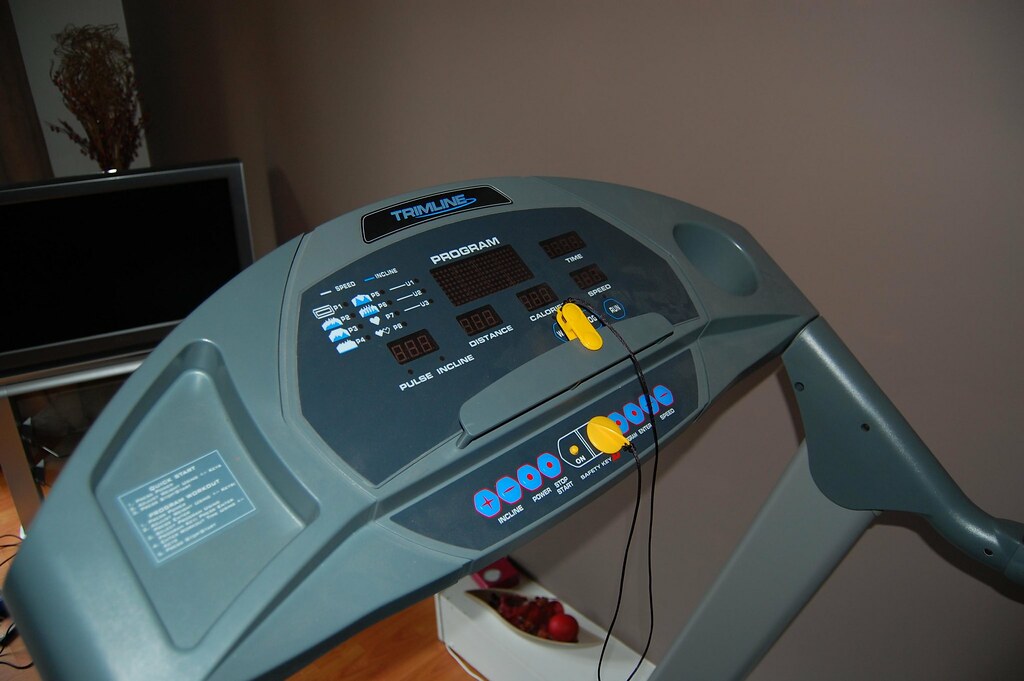
10. **Navigating the Potential Drawbacks and Cautions**While under-desk treadmills offer a wealth of benefits, it’s crucial to approach their use with awareness of potential drawbacks and necessary precautions. Integrating movement into your workday should enhance your well-being, not introduce new challenges. Experts and user experiences alike point to several key considerations that prospective and current users should bear in mind.
One significant concern, voiced by fitness professionals like Sam Pryn and Lesley Brown, is the potential for losing out on natural outdoor activity. While convenient, increasing movement indoors should not entirely replace time spent in nature. Brown emphasizes the importance of getting outside during daylight hours to absorb natural vitamin D and regulate your circadian rhythm, both vital for overall mental and physical health. Therefore, an under-desk treadmill should complement, not substitute, outdoor walks and fresh air breaks.
Hollie Grant, founder of Pilates PT, raises a point about mindful movement. She suggests that the multitasking nature of using a treadmill while working might cause individuals to lose awareness of their technique and how their body feels. This lack of mindfulness could potentially lead to suboptimal posture or movement patterns. Grant advises users to concentrate, maintain a low speed, and ensure a steady desk setup to enhance safety and the overall experience, thereby mitigating the obvious risk of tripping and injury.
Physical considerations extend to footwear and suitability for certain health conditions. Sam Pryn strongly recommends “wearing supportive, cushioned trainers as opposed to flat footwear” to protect your knees and lower back during prolonged walking. Furthermore, Lesley Brown advises that individuals with “any underlying health conditions” should seek medical clearance from their doctor before incorporating an under-desk treadmill into their routine, ensuring it’s a safe form of exercise for them.
User experiences also highlight practical limitations. For instance, tasks requiring “deep concentration,” such as writing complex articles, may not be well-suited to simultaneous treadmill use due to motion sickness or difficulty focusing, as one writer discovered. Additionally, a study identified unique remote-work barriers, such as “concerns about how one appears while walking during a video call.” Beyond initial setup challenges, there’s also the risk of overdoing it early on, as one user experienced lower back ache from “three-hour stints” initially. This underscores the importance of gradually building up usage and supplementing with exercises like Pilates to support increased standing time and core strength.
Read more about: Tesla Ownership: Avoiding Costly Pitfalls That Could Drain Your Wallet and Your Patience
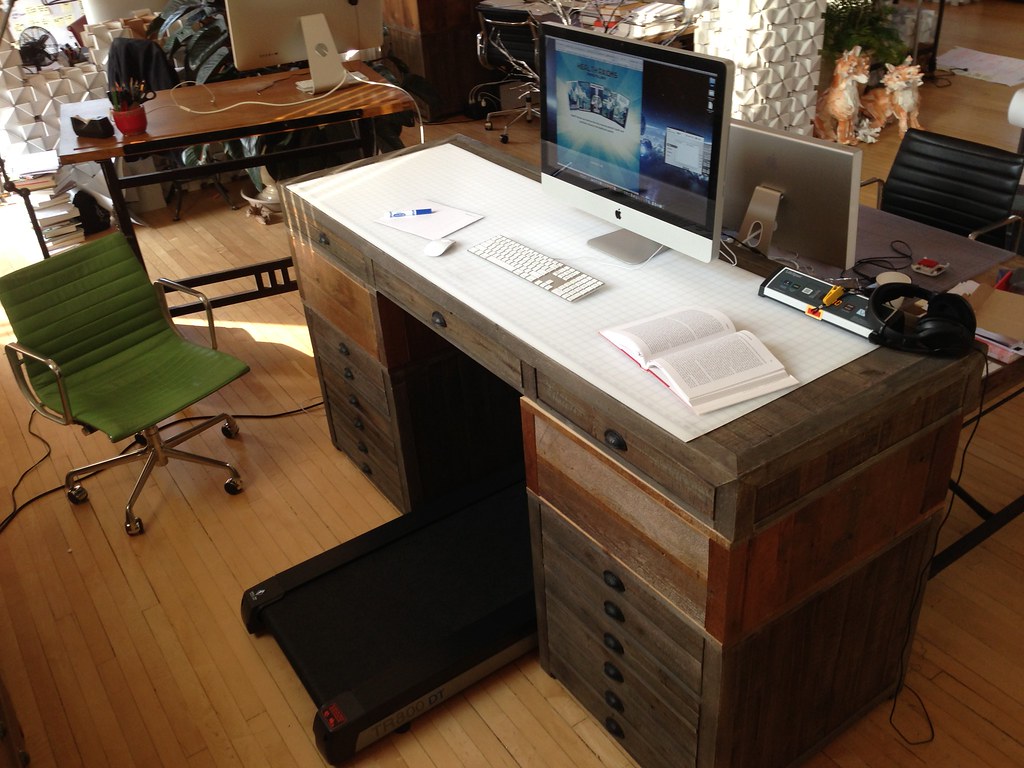
11. **Optimal Usage: How Often and How Long?**Determining the ideal frequency and duration for using an under-desk treadmill is a common question, and experts agree that the answer is highly individual. There’s no one-size-fits-all prescription, but rather a flexible approach centered on personal comfort and sustainable habits. The goal is to integrate movement seamlessly, not to embark on an intense, unsustainable exercise regimen.
David Wiener, a training specialist, suggests starting with “around an hour per day to begin with.” This doesn’t mean a continuous hour of walking; rather, he advises splitting it “into intervals in the morning, afternoon and evening.” This interval-based approach aligns with the principle of breaking up sedentary periods, making it easier to manage and integrate into a busy workday without feeling overwhelmed. The aim is consistent, low-intensity movement that contributes to overall activity levels.
Sam Pryn, co-founder of StrongHer, reinforces this philosophy by advocating for “small, sustainable changes you can stick to.” Whether it’s 10 minutes a day or longer, the key is consistency and finding what feels right for your body and schedule. The emphasis is on making movement a regular, effortless part of your routine, rather than pushing for strenuous activity that could lead to burnout or injury.
Lesley Brown, a senior physiotherapist, offers a crucial warning against excessive initial use. She cautions, “You don’t want to jump in too quickly and walk a few marathons by accident in the first few days as this puts you at risk of overuse injuries.” Instead, she recommends a gradual increase in usage. If your body responds well without any signs of injury or discomfort, you can slowly extend your time on the treadmill. This measured approach ensures that your body adapts safely to the increased activity. In a qualitative study, participants typically used their treadmill desks for about “two hours per day,” adjusting the speed to comfortably complete their work, further illustrating this focus on integrated, moderate activity.
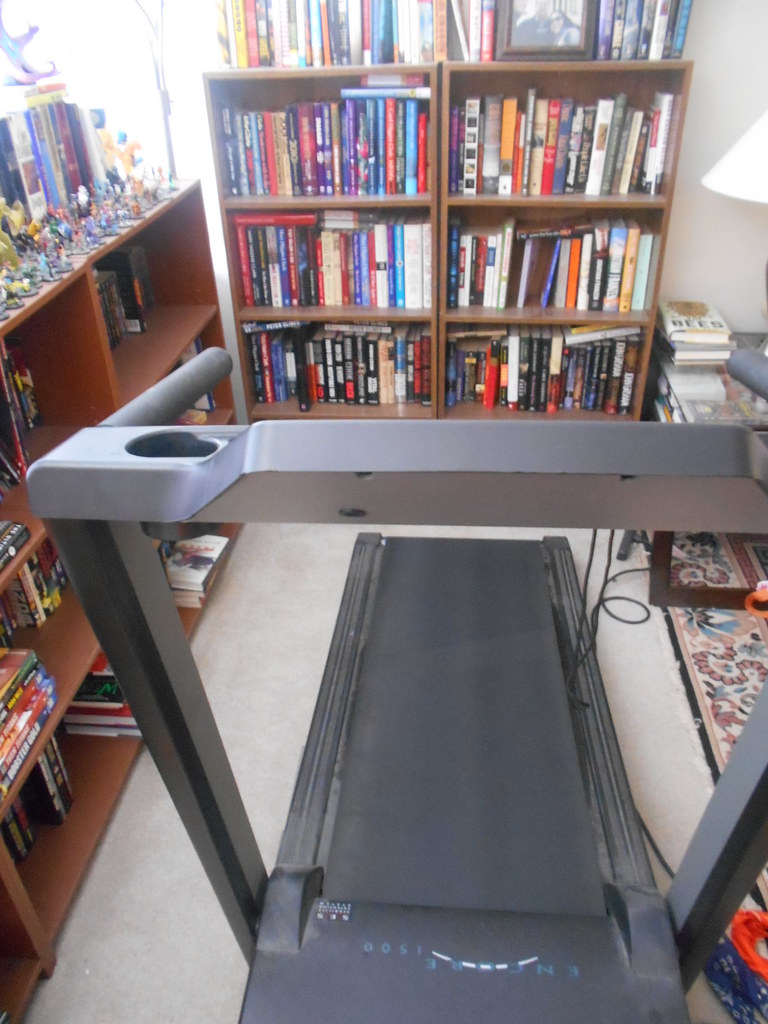
12. **Smart Storage Solutions for Your Home Office**For many, especially those in smaller houses or flats, the practicalities of storing an under-desk treadmill between uses can be a significant consideration. These devices, while designed to be compact, still occupy a certain footprint. Thoughtful planning for storage is essential to ensure your new active workstation enhances your living or working space rather than cluttering it.
Fortunately, many under-desk treadmill models are specifically engineered with space-saving features. A common design element is the inclusion of wheels, making it significantly easier to move the unit around. Beyond wheels, many models are also foldable, allowing them to be collapsed into a more compact form factor. This dual functionality greatly enhances their versatility for users with limited space, transforming a seemingly bulky item into a manageable one.
These compact and movable designs mean that storage options are more flexible than you might initially imagine. For instance, many foldable walking pads can be conveniently “stored beneath your bed if you have room under there.” Alternatively, they can be “stowed away in a nearby cupboard” or against a wall, blending into the background when not in active use. The aim is to make the treadmill readily accessible for use yet easily tuck away when your workday is done or when you need your space for other activities.
Before making an investment, it’s highly recommended to take precise measurements of both the treadmill’s dimensions and your available storage areas. This proactive step helps to ensure that you have “suitable storage space before you invest in a walking pad,” as they can sometimes take up more room than anticipated. By planning ahead, you can avoid the headache of a cumbersome device and enjoy the full benefits of your under-desk treadmill without compromising your living environment.
Read more about: Tesla’s Groundbreaking 2025 Updates: Unveiling 14 Hidden Features Redefining the Driving Experience
13. **Sit-Stand-Walk vs. Under-Desk Ellipticals: A Comparative Analysis**The quest for an active workstation often presents choices beyond just the under-desk treadmill. Two popular alternatives or complements are the traditional standing desk and the under-desk elliptical. Each offers distinct advantages and caters to different needs, prompting a closer look at how they stack up against each other in the battle against sedentary living.
Beginning with the comparison between a standing desk and a walking desk, both share the fundamental benefit of “reducing the hours you spend sitting.” Medical evidence strongly suggests that even “an hour of sitting is as detrimental to your health as smoking a cigarette,” making any reduction in sedentary time valuable. Standing desks are a significant improvement over constant sitting, as standing keeps “your core and back muscles are engaged,” alleviating the strain often associated with prolonged seated postures and reducing the risk of conditions like metabolic syndrome.
However, standing alone, particularly “static standing” for extended periods without movement, also carries its own set of drawbacks. Conditions like “varicose veins, deep-vein thrombosis, knee- and hip injuries, and blood pooling in the legs” can arise from too much time spent stationary on your feet. This is where the walking desk truly shines. By allowing slow, continuous movement, a treadmill desk mitigates the issues of static standing, boosts energy levels, increases productivity, soothes joints and muscles, and maintains a healthier metabolism through “non-exercise activity thermogenesis (NEAT).” It’s not just about weight loss; it’s about sustaining vital physiological processes throughout the day.
The optimal solution, according to experts, is a “sit-stand-walk desk” setup. This allows users to easily transition between sitting, standing, and walking throughout the day, optimizing health benefits. The good news is that a treadmill desk can effortlessly convert into a standing desk by simply stopping the motor, offering a versatile two-for-one solution. This balanced regimen of roughly a third of the day in each position is considered ideal for mitigating the problems of prolonged static positions.
Moving to another popular “desk fitness” option, under-desk ellipticals, a comparison with under-desk treadmills reveals nuanced differences. Both types of machines involve lower-body movement and support cardiovascular health. The under-desk elliptical’s primary appeal lies in its “convenience,” as it can be used while multitasking—working, reading, or watching TV—without needing to leave your home or office. This makes it highly accessible for individuals with limited time who prioritize staying active while sitting.
Conversely, traditional walking, even without a treadmill, offers simplicity and requires no equipment, allowing for fresh air and movement breaks. While walking typically “burns more calories per minute,” ranging from “100 to 200 calories” for a 30-minute stroll depending on intensity, under-desk elliptical workouts are generally lower intensity but can accumulate significant calorie burn over longer sessions, averaging “about 100–300 calories per hour.” Many ellipticals, like the Tousains mini elliptical, come with “7 resistance levels,” enabling users to increase intensity and calorie expenditure. The choice between a treadmill and an elliptical largely depends on whether you prioritize continuous low-impact movement while standing and walking (treadmill) or discreet, seated lower-body activity (elliptical) while multitasking.
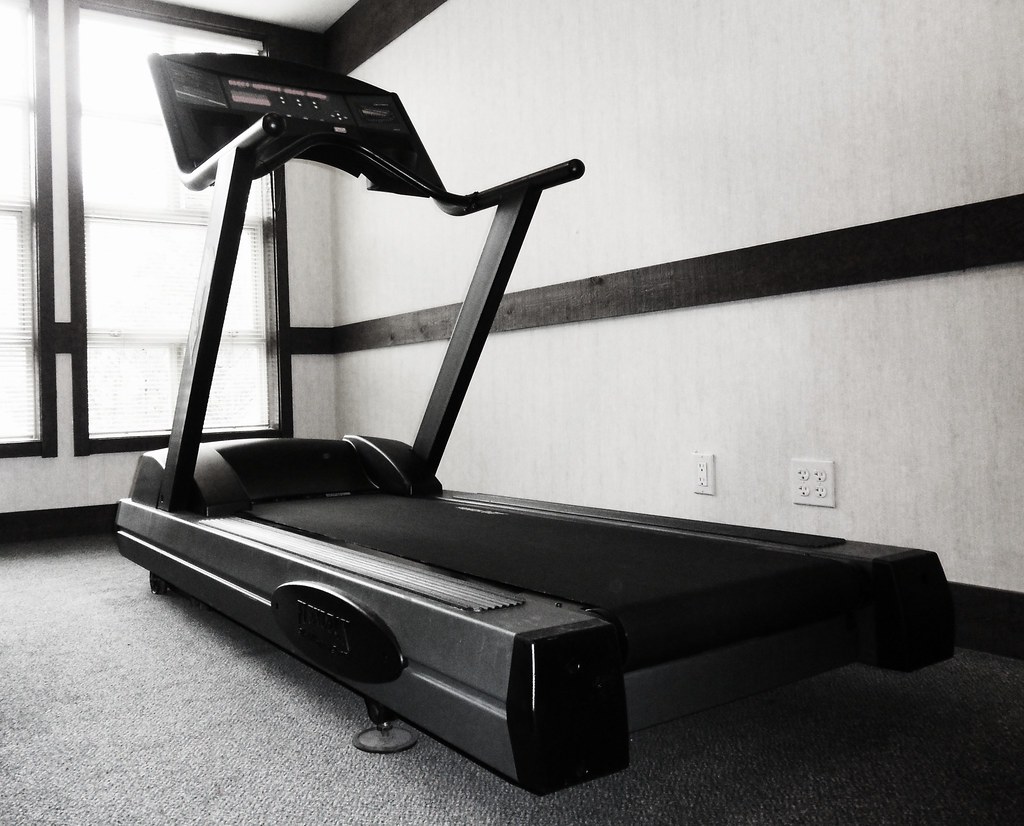
14. **The Final Verdict: Is an Under-Desk Treadmill a Worthwhile Investment?**After exploring the comprehensive landscape of under-desk treadmills, from their profound health benefits to the practical considerations of ownership, the overarching question remains: are they truly worth the investment? Personal testimonies, expert opinions, and scientific insights collectively paint a compelling picture, suggesting that for many, these devices are indeed a game-changer for modern work life.
The experience of a Women’s Health fitness writer, who tested the JTX MoveLight Walking Treadmill, encapsulates the transformative power of these devices. Despite initial reservations, she found that the treadmill “totally transformed the way I work,” boosting her productivity, helping her overcome the dreaded afternoon slump, and providing a significant mental reset. Beyond the immediate workplace benefits, she highlighted the crucial feeling of “hopefully, reducing my risk of serious disease by spending less time on my rear.” This sentiment resonates deeply with the primary motivation behind adopting desk fitness—a proactive approach to long-term health.
While the cost of an under-desk treadmill can range widely, “from £200 at the lower end to a seriously spenny £2,000,” the investment appears justified for specific demographics and needs. If your job necessitates “prolonged bouts of sitting,” if you possess a strong desire to “move more,” and if you have the “cash to burn,” then a walking pad is presented as a “worthy investment.” The ability to integrate consistent, low-intensity movement into a sedentary workday, mitigating the risks associated with prolonged sitting, offers a profound return on this financial outlay in terms of health and well-being.
However, it’s also recognized that an under-desk treadmill might not be for everyone, whether due to financial constraints or specific work requirements. For those not yet ready to commit to a full walking pad, a practical and more affordable alternative is a “standing desk converter.” This option still achieves the crucial goal of getting you “on your feet” for significant portions of the day, offering a valuable first step towards a more active workstation without the larger investment.
Ultimately, the evidence, both qualitative and anecdotal, strongly supports the efficacy and value of under-desk treadmills in combating sedentary behavior and fostering a healthier, more productive work environment. They represent a powerful tool in the ongoing battle against the “new smoking,” empowering individuals to take control of their physical and mental health even while tied to their desks. For anyone seeking to transform their workday from a static grind to a dynamic, energizing experience, an under-desk treadmill could very well be the innovative solution you’ve been searching for, proving that sometimes, skipping the walk for a desk stroll is precisely what your body and mind need to thrive. It’s about building a sustainable active lifestyle, one gentle step at a time, right from the comfort of your own home office.