The automotive landscape has been rapidly shifting towards electrification, with many consumers drawn to the promise of lower running costs, environmental benefits, and cutting-edge technology. Electric vehicles (EVs) have captivated imaginations, offering a vision of modern transportation. However, amidst this excitement, a significant financial reality has emerged that warrants careful consideration for both current owners and prospective buyers: the alarming rate at which some EVs are losing their value, often plummeting by over 50 percent in a remarkably short period. This trend challenges the traditional understanding of vehicle depreciation and demands a closer look for anyone making an informed purchase decision.
While it’s a well-known fact that all new cars begin to depreciate the moment they are driven off the dealer’s lot, the scale and speed of value loss observed in specific electric vehicle models are creating what some are calling an ‘EV depreciation crisis.’ Data from respected automotive industry resources like Edmunds, Cap HPI, and iSeeCars has highlighted this phenomenon, revealing that certain popular electric cars are shedding value at an unprecedented pace within their first one to two years on the road. This isn’t just a minor adjustment in market value; it represents a substantial financial impact for those who invested in these vehicles when they were new.
Our investigation delves into these notable examples, presenting the objective data that underscores this rapid depreciation. By examining specific models in both the UK and US markets, we aim to provide a clear, factual overview of which electric cars are experiencing the most significant value declines and the extent of these losses. This analysis is crucial for consumers seeking to navigate the complexities of the evolving EV market, whether they are considering a brand-new purchase or exploring the burgeoning secondhand opportunities that these market shifts present.
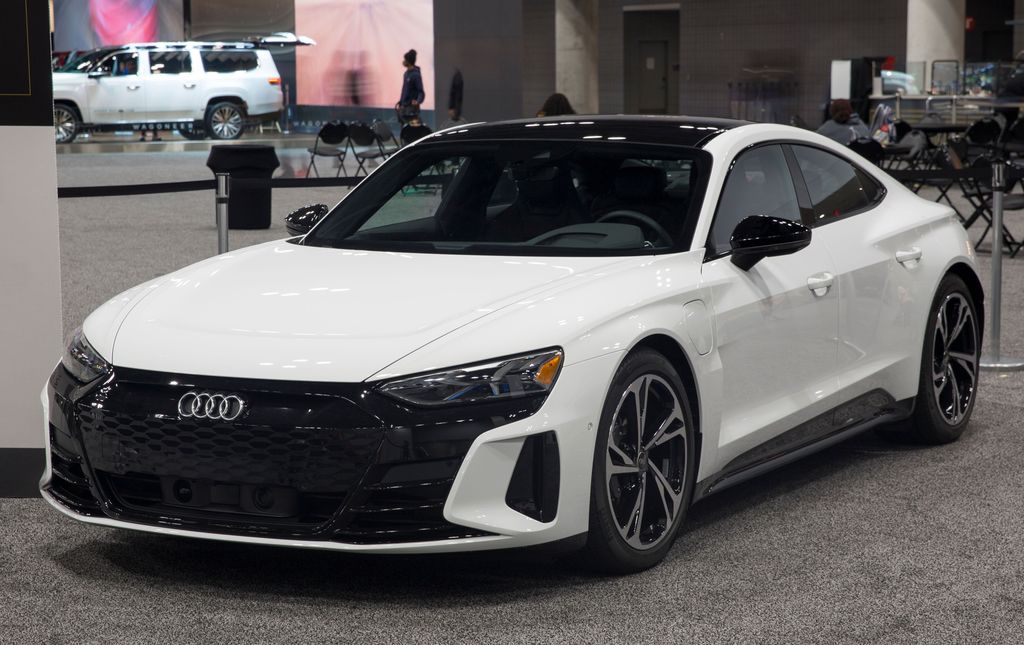
1. **Audi e-Tron GT**Among the electric vehicles experiencing a notable decline in value, the Audi e-Tron GT stands out, particularly in the UK market. Cap HPI data, as provided to WIRED by Parkers, reveals a significant depreciation trend for this luxury electric sedan. In just 12 months, and having covered an average of 10,000 miles, the e-Tron GT plummeted by a staggering 49 percent of its original retail price.
To put this into perspective, a new Audi e-Tron GT, initially priced at £107,675 (approximately $138,000), saw its value fall to an estimated £54,700 (around $70,100) after just one year. This rapid decline is particularly striking when considering its premium market position. Such a substantial loss in a single year underscores the volatile nature of depreciation in certain segments of the electric vehicle market, affecting higher-end models disproportionately.
The depreciation of the Audi e-Tron GT also becomes more pronounced when compared to its internal combustion engine (ICE) counterparts from the same manufacturer. Cap HPI data illustrates that a one-year-old, gas-powered Audi Q7 55, with 10,000 miles on the odometer, retained 42 percent more of its value after 12 months, despite having a lower initial purchase price. This comparison highlights a significant divergence in value retention between electric and traditional vehicles, indicating that luxury EVs from legacy manufacturers, often representing first-generation technology, face unique challenges in the secondhand market.
Car Model Information: 2024 Hyundai PALISADE Calligraphy
Name: Audi e-tron GT
Caption: Audi e-tron GT
Manufacturer: Audi
Production: December 2020–present
Assembly: Heilbronn
Designer: Parys Cybulski, Lucia Lee (exterior),Markus Däsch, Alexander Hesse (interior)
Class: Executive car#Shooting brake
BodyStyle: Sedan (automobile)
Platform: Volkswagen Group MSB platform#J1 Platform Models
Engine: Synchronous motor#Permanent-magnet
Layout: all-wheel drive
Transmission: 1-speed direct drive (front axle),2-speed gearbox (rear axle)
Powerout: 475 kW
Abbr: on
Battery: lithium-ion battery
ElectricRange: 425 km
Charging: Direct current
Length: Convert
Wheelbase: Convert
Width: Convert
Height: Convert
Weight: Convert
Related: Porsche Taycan
Sp: uk
ModelYears: 2024–present
Categories: All-wheel-drive vehicles, All Wikipedia articles written in British English, Articles with short description, Audi vehicles, CS1 German-language sources (de)
Summary: The Audi e-tron GT is a battery electric executive car produced by Audi since late 2020 as part of the e-tron battery electric sub-brand, and the third fully electric car model, after Q8 e-tron and Q8 e-tron Sportback SUVs. It is also Audi’s first full-sized electric sedan, and the RS e-tron GT, put on the market in 2021 is, in terms of 0–100 km/h (0–62 mph) times, the fastest Audi sedan to date. Based on the J1 platform shared with the Porsche Taycan, the car went on sale in March 2024.
Get more information about: Audi e-tron GT
Buying a high-performing used car >>>
Brand: Audi Model: e-Tron GT
Price: $38,387 Mileage: 32,295 mi.
Read more about: The Torque Test: Unveiling the Towing Prowess of 15 Top Electric Trucks and SUVs – From Mighty Haulers to Range Considerations
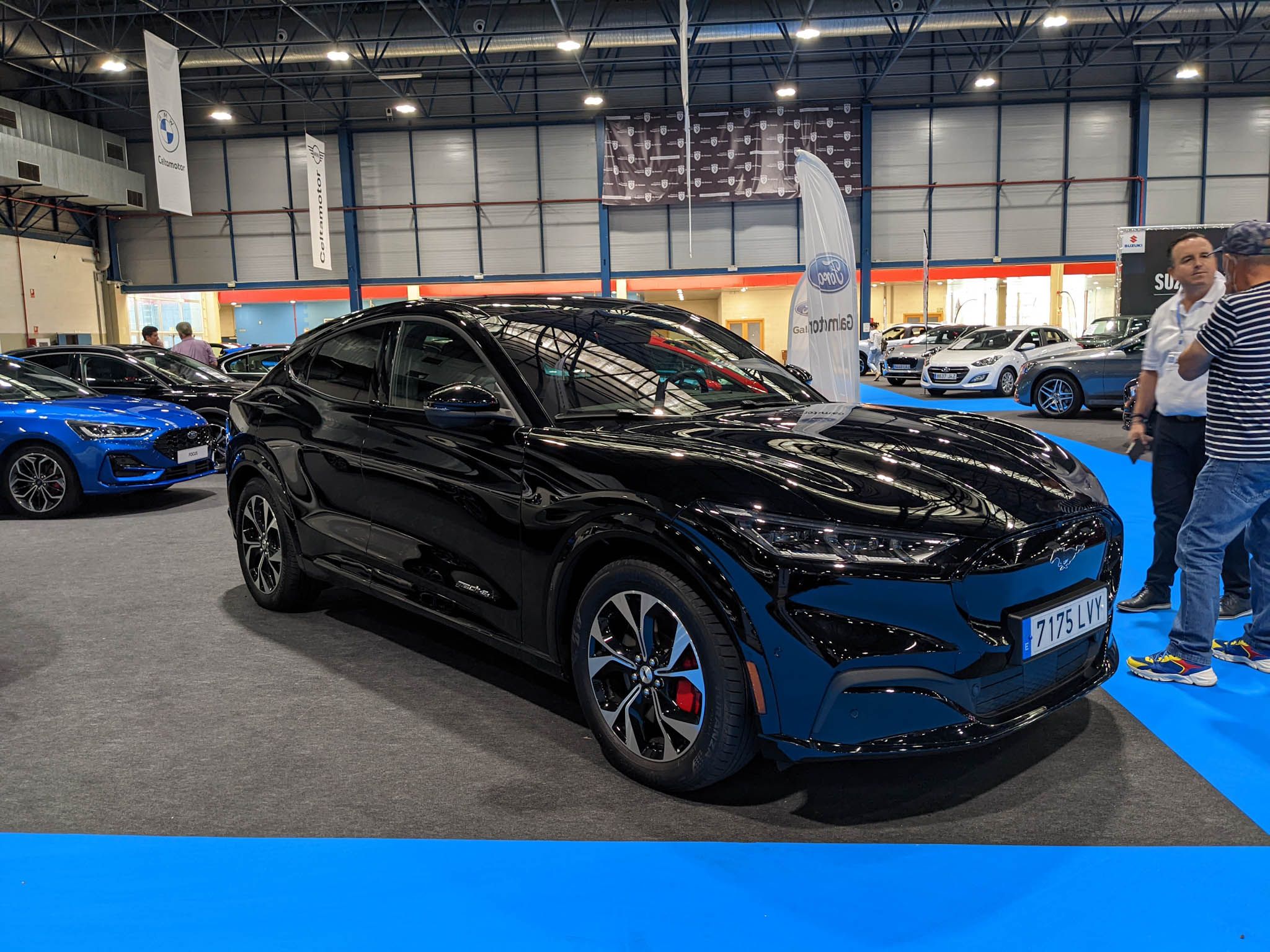
2. **Ford Mustang Mach-E**The Ford Mustang Mach-E, once hailed as a direct competitor to Tesla and expected to meet “nearly infinite demand,” has also experienced a substantial depreciation. Initial corporate expectations from Ford CEO Jim Farley projected targets of 200,000 copies by 2023. However, the reality has been different, with Ford struggling to sell even last year’s inventory, and a significant portion of new Mach-Es on dealer lots today being leftovers from 2023.
In the UK, Cap HPI data shows that the Ford Mustang Mach-E fell by an astonishing 52 percent of its value in just its first 12 months, after covering 10,000 miles. A new Mach-E, with a sticker price of £59,325, saw its value drop to £28,575 within that year. This represents more than half of its original cost disappearing in a single ownership cycle, presenting a considerable financial risk for new buyers.
Further highlighting this trend, CarEdge data in the US provides a real-world example of a 2022 Mustang Mach-E still on a dealer lot in early 2024. Despite being offered with a substantial $27,000 discount off its original price, this vehicle, when entered into an online appraisal tool with merely 500 miles, received an instant cash offer resulting in a 48 percent drop in market value from day one. This scenario indicates that even significant dealer discounts may not be enough to prevent new buyers from immediately entering a state of negative equity, where the car’s value is less than the loan amount.
Car Model Information: 2023 Lucid Air Touring
Name: Ford Mustang Mach-E
Manufacturer: Ford Motor Company
Production: 2021–present
ModelYears: 2021–present
Assembly: Unbulleted list
Designer: Unbulleted list
Class: Compact crossover SUV
BodyStyle: coupe SUV
Layout: Unbulleted list
Platform: Ford Global Electrified 1 platform
Motor: Synchronous motor#Permanent-magnet
Wheelbase: Convert
Length: Convert
Width: Convert
Height: Convert
Weight: Convert
ElectricRange: Convert
Battery: 68–98 kWh
Charging: unbulleted list
Powerout: Convert
Sp: us
ModelCode: CX727
Categories: 2020s cars, All-wheel-drive vehicles, All Wikipedia articles written in American English, All articles needing additional references, Articles needing additional references from January 2023
Summary: The Ford Mustang Mach-E is a battery electric compact crossover SUV produced by Ford. Introduced on November 17, 2019, it went on sale in December 2020 as a 2021 model. The Mach-E is part of the Mustang series, with its name inspired by the Mach 1 variant of the first-generation Mustang. The car won the 2021 North American SUV of the Year Award.
Get more information about: Ford Mustang Mach-E
Buying a high-performing used car >>>
Brand: Ford Model: Mustang Mach-E
Price: $49,950 Mileage: 26,275 mi.
Read more about: Navigating the Electric Highway: What Drivers and Repair Bills Reveal About 15 Problematic EVs for New Owners
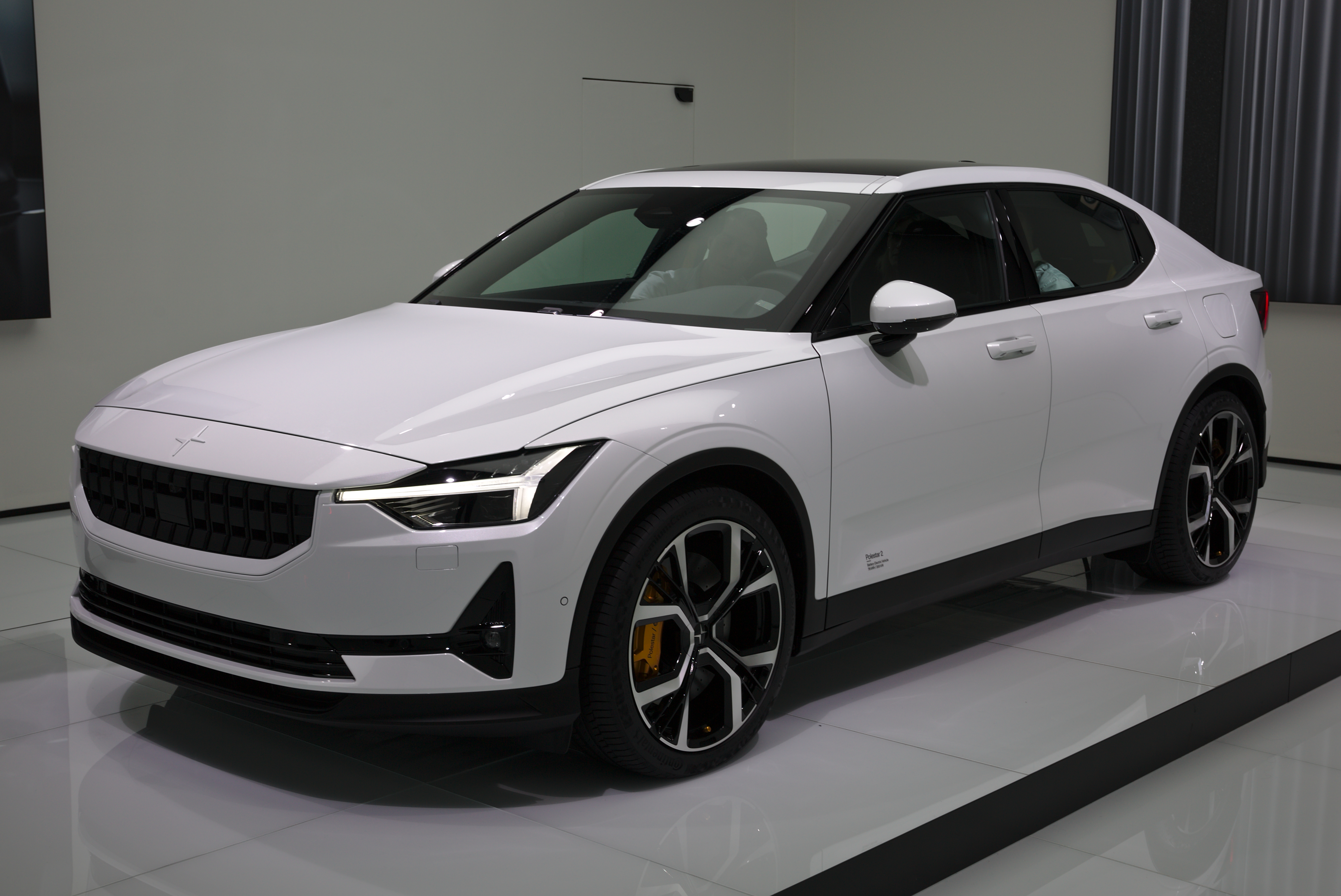
3. **Polestar 2**The Polestar 2, a stylish electric sedan, is another model that has not been immune to the forces of rapid depreciation, particularly in its initial years. According to Cap HPI data from the UK, a Polestar 2 is projected to lose 52 percent of its £52,895 sticker price in just 12 months, assuming 10,000 miles of usage. This mirrors the significant value loss observed in other early-generation premium EVs.
In the United States, Edmunds’ appraisal tool provides a similar picture for the Polestar 2. A 2023 Polestar 2 Long Range Single Motor with 10,000 miles on the odometer holds a trade-in value of approximately $30,500. This figure represents a $20,000, or 40 percent, drop from the car’s approximate retail price when new. While the depreciation rate isn’t quite as steep as the UK figures for the first year, it still signifies a substantial loss for the original owner.
Interestingly, Edmunds’ data for the Polestar 2 shows its value trending downwards overall, though it did experience increases in three of the previous eight months leading up to July 2024. This suggests some market volatility and specific periods of slight recovery. Furthermore, the Polestar 2 benefits from over-the-air (OTA) software updates, such as the free Apple CarPlay integration received in 2022. Such updates, historically a chargeable feature for manufacturers, have the potential to enhance a car’s functionality and may help to mitigate long-term depreciation by keeping the vehicle technologically current.
Car Model Information: 2022 Polestar 2 Long Range Dual Motor
Name: Polestar 2
Manufacturer: Polestar
Production: 2020–present
Designer: Thomas Ingenlath
Assembly: Luqiao
Class: Luxury vehicle#Premium compact
BodyStyle: liftback
Layout: Front-motor, front-wheel-drive
Platform: Compact Modular Architecture
Related: Unbulleted list
Motor: Unbulleted list
Abbr: on
Sigfig: cite web
Battery: Unbulleted list
ElectricRange: Unbulleted list
Charging: Unbulleted list
Length: 4606 mm
Wheelbase: 2735 mm
Width: 1859 mm
Height: 1482 mm
Weight: cvt
Sp: us
Categories: 2020s cars, All-wheel-drive vehicles, All Wikipedia articles written in British English, All articles with unsourced statements, Articles with short description
Summary: The Polestar 2 is a battery electric 5-door liftback marketed by Polestar, an affiliate of Geely Holding and Volvo Cars. Based on the CMA platform, production began in March 2020 at the Luqiao CMA Super Factory in Luqiao, Zhejiang, China.
Get more information about: Polestar 2
Buying a high-performing used car >>>
Brand: Polestar Model: 2
Price: $24,980 Mileage: 28,049 mi.
Read more about: The Torque Test: Unveiling the Towing Prowess of 15 Top Electric Trucks and SUVs – From Mighty Haulers to Range Considerations
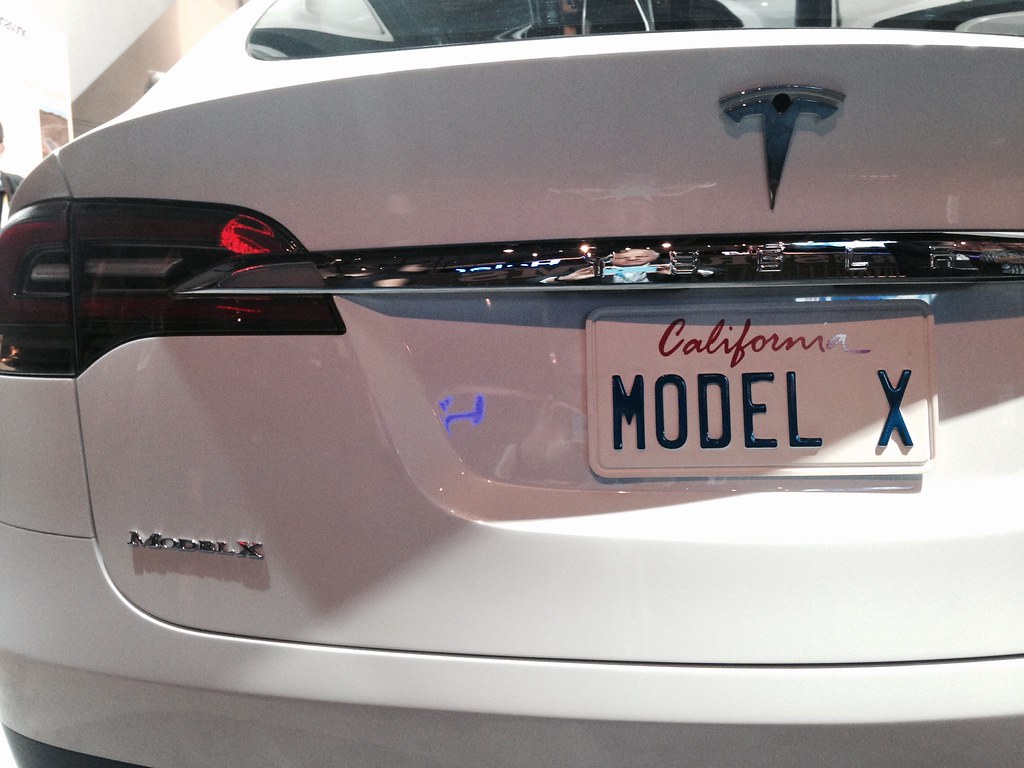
4. **Tesla Model 3**While often perceived as a leader in the EV market, even the highly popular Tesla Model 3 has experienced significant depreciation in its early ownership period, although it has fared slightly better than some of its rivals. Cap HPI data indicates that the Model 3 fell by 45 percent in its first 12 months and 10,000 miles in the UK market. This represents a substantial loss for a vehicle that has otherwise commanded strong demand.
Looking at specific figures, a 2023 Tesla Model 3 Long Range, initially priced at £50,000, would see its value drop to an estimated £27,550 after one year and 10,000 miles, according to Cap HPI data. However, the data also reveals a silver lining for Model 3 owners: the depreciation rate tends to slow down significantly after the first year. After two years and 20,000 miles, the value would fall by only an additional £2,500, suggesting a more stable trajectory in subsequent years.
Tesla’s ability to push out major user interface upgrades and add entirely new features over the air can also play a role in influencing long-term depreciation. These software updates keep the vehicle’s technology fresh and relevant, potentially offsetting some of the traditional value loss associated with aging models. However, it is also worth noting that Tesla is well known for its wildly fluctuating prices on new vehicles, which can directly influence the used market by altering the perceived ‘new’ value against which used models are benchmarked, contributing to overall market instability.
Car Model Information: 2024 Hyundai PALISADE Calligraphy
Name: Tesla Model 3
Manufacturer: Tesla, Inc.
Production: 2017–present
Assembly: unbulleted list
Designer: Franz von Holzhausen
Class: Mid-size car
BodyStyle: Sedan (car)
Layout: unbulleted list
Related: Tesla Model Y
Motor: unbulleted list
Transmission: Single-speed fixed (9:1 ratio)
Battery: unbulleted list
ElectricRange: unbulleted list
Charging: unbulleted list
Wheelbase: cvt
Length: unbulleted list
Width: cvt
Height: unbulleted list
Weight: cvt
Caption: 2019 Tesla Model 3 Performance
Categories: 2020s cars, ANCAP large family cars, All-wheel-drive vehicles, All Wikipedia articles in need of updating, All Wikipedia articles written in American English
Summary: The Tesla Model 3 is a battery electric powered mid-size sedan with a fastback body style built by Tesla, Inc., introduced in 2017. The vehicle is marketed as being more affordable to more people than previous models made by Tesla. The Model 3 was the world’s top-selling plug-in electric car for three years, from 2018 to 2020, before the Tesla Model Y, a crossover SUV based on the Model 3 chassis, took the top spot. In June 2021, the Model 3 became the first electric car to pass global sales of 1 million.
A facelifted Model 3 with revamped interior and exterior styling was introduced in late 2023 for countries supplied by Gigafactory Shanghai and in early 2024 in North America and other countries supplied by the Tesla Fremont Factory.
Get more information about: Tesla Model 3
Buying a high-performing used car >>>
Brand: Tesla Model: Model 3
Price: $38,387 Mileage: 32,295 mi.
Read more about: Beyond the Big Screen: A Deep Dive into Will Smith’s Elite and Eclectic Automobile Collection
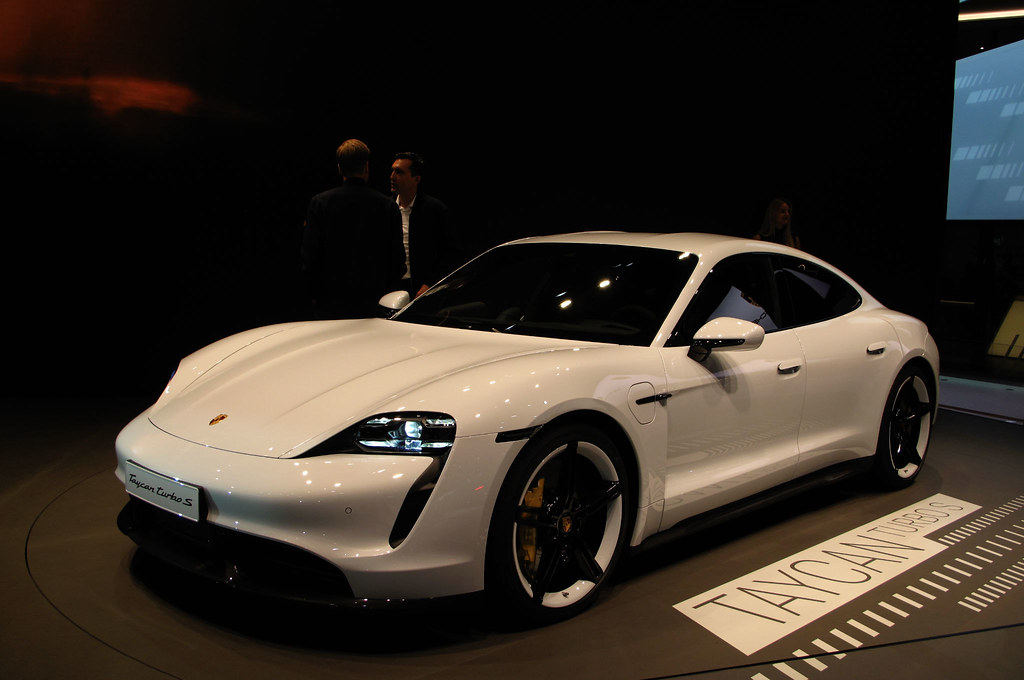
5. **Porsche Taycan**The Porsche Taycan, a benchmark for performance electric vehicles, has also faced considerable depreciation, particularly in its first year. According to Cap HPI data, a Porsche Taycan fell by 49 percent in value within its first 12 months, having covered 10,000 miles. For a 4S model with the long-range battery, this meant a drop from an original price of £100,200 to £50,700 in just one year.
Interestingly, mileage appears to have a relatively minor impact on the Taycan’s depreciation compared to its initial year-one drop. If the same 4S model had covered 20,000 miles in its first year instead of 10,000, its estimated trade-in value would fall by only an additional £2,650. Extending this, after two years and 20,000 miles, the Taycan 4S would be worth £44,175, indicating that the most severe value loss occurs very early in the ownership cycle.
Real-world accounts further underscore this trend. YouTuber The MacMaster documented his two-year-old Taycan, which plummeted from a new price of £120,000 down to a Porsche dealership valuation of £44,650 in March earlier this year. This left him in negative equity, still owing approximately £64,700 on the EV. In a striking detail, the Porsche dealership reportedly refused to take his Taycan as a trade-in, illustrating the challenges of liquidating such a rapidly depreciating asset.
In the US, Edmunds’ data for a 2022 Porsche Taycan Turbo with 10,000 miles showed it was worth about $106,000 in July 2024, approximately $50,000 below its new cost. This model’s value briefly rose between August and October 2023 but then fell markedly, tumbling by as much as $4,000 per month between November 2023 and February 2024, followed by a further $10,000 drop over the subsequent five months. Edmunds’ valuation tool explicitly warned that “This vehicle’s value is likely to decrease within the next month. Time is not on your side if you’ve been waiting to sell/trade for maximum value.” Additionally, instances were found of fully-loaded 2020 Taycan Turbos with only 5,000 miles selling for $92,000, representing an $86,000 saving on the original purchase price and an astounding depreciation of over $17 per mile.
These significant declines are also exacerbated by the arrival of newer models. With the new 2025 Taycan having just arrived, official Porsche dealerships in the UK were offering substantial discounts—ranging from £20,000 to £33,500—on brand-new, previous-generation Taycans that originally listed for £110,000. Such aggressive discounting on new inventory inevitably applies further downward pressure on the used market, intensifying the depreciation for existing owners.
Continuing our investigation into the rapid depreciation affecting the electric vehicle market, we delve into four additional models that have seen their values plummet in a remarkably short timeframe. These examples further underscore the volatile nature of early EV ownership and the shifting dynamics of the automotive resale landscape. For consumers, understanding these trends is paramount, whether eyeing a new purchase or exploring the burgeoning opportunities in the secondhand market.
Car Model Information: 2024 Porsche Taycan
Name: Porsche Taycan
ModelCode: Type 9J1
Manufacturer: Porsche
Production: 2019–present
Assembly: Stuttgart
Designer: Emiel Burki
Class: Executive car
BodyStyle: Sedan (automobile),shooting brake
Platform: Volkswagen Group MSB platform#J1 Platform Models
Engine: Synchronous motor#Permanent-magnet
Layout: Rear-motor, rear-wheel-drive
Transmission: 1-speed direct-drive (front 8.05:1),2-speed automatic (rear; 16:1 and 8.05:1)
Battery: lithium-ion battery,lithium-ion battery
ElectricRange: cvt
Charging: Direct current,Direct current,Alternating current,Alternating current
Length: Convert
Wheelbase: Convert
Width: Convert
Height: Convert
Weight: Convert
Related: Audi e-tron GT
Sp: uk
Categories: 2020s cars, All-wheel-drive vehicles, All articles with unsourced statements, Articles with short description, Articles with unsourced statements from January 2025
Summary: The Porsche Taycan is a battery electric luxury sports sedan and shooting brake car produced by German automobile manufacturer Porsche. The concept version of the Taycan, named the Porsche Mission E, debuted at the 2015 Frankfurt Motor Show. Four years later, the production Taycan was revealed at the 2019 Frankfurt Motor Show. As Porsche’s first series production electric car, it is sold in several variants at different performance levels, and may spawn further derivatives in future models. It is built on the J1 electric car platform shared with the similarly shaped Audi e-tron GT.
The name “Taycan” (/taɪ-kan/) is a reference to the steed on the coat of arms of the city of Stuttgart, found on the Porsche crest. In Turkish, tay means colt or young horse, and can means lively. The “Turbo” name used in the higher trims, being electrically powered, does not mean to have turbochargers, but to have “increased power”.
Get more information about: Porsche Taycan
Buying a high-performing used car >>>
Brand: Porsche Model: Taycan
Price: $72,995 Mileage: 3,579 mi.
Read more about: The 15 Most Expensive Cars to Insure Right Now: Essential Insights for Savvy Budget Planners from Brokers and Claim Records
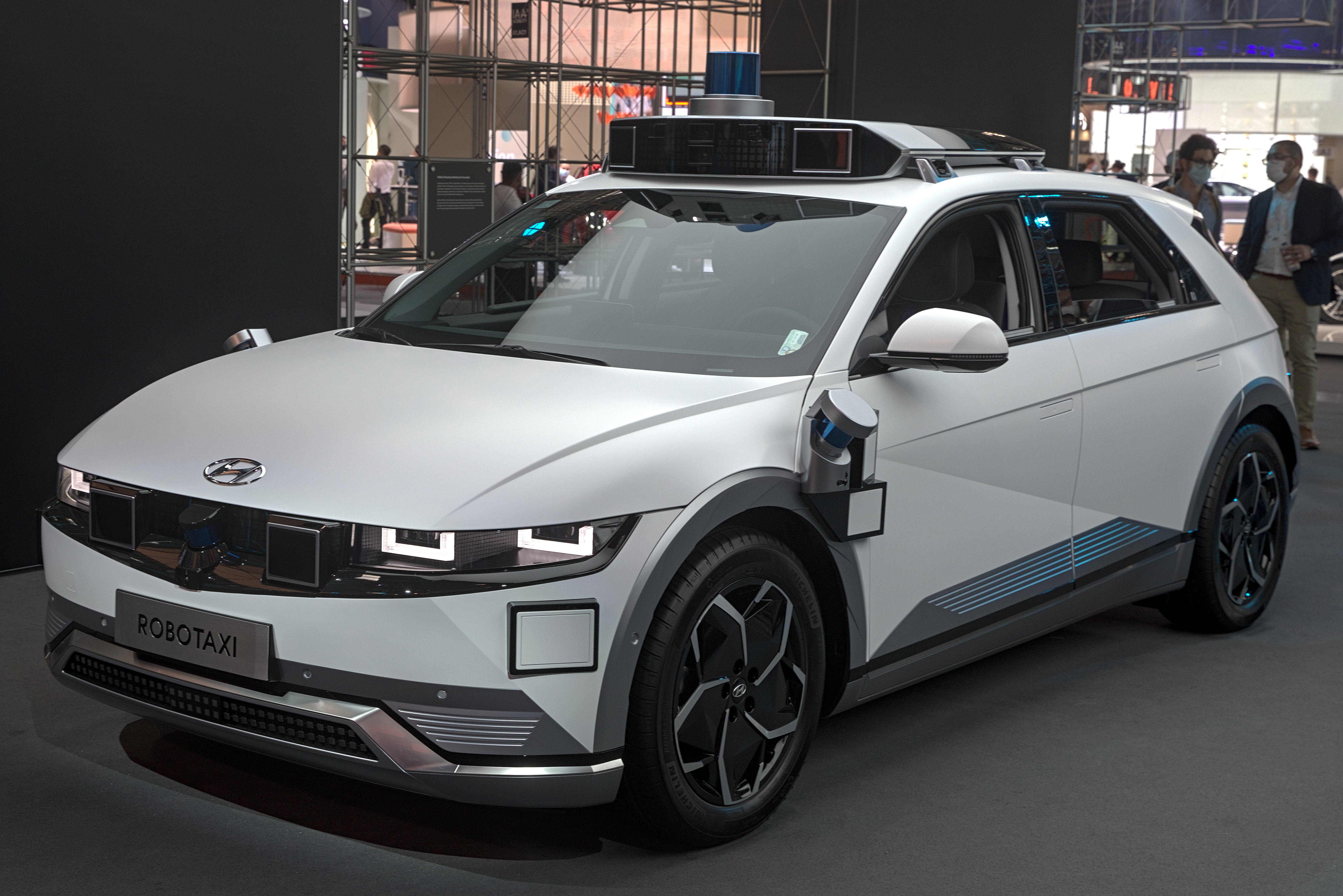
6. **Hyundai Ioniq 5**The Hyundai Ioniq 5, a distinctive electric crossover that has garnered significant attention for its retro-futuristic design and spacious interior, is another model caught in the crosscurrents of rapid EV depreciation. Despite its widespread appeal and critical acclaim, its market value has also experienced a substantial decline, particularly in its nascent years on the road.
According to Cap HPI data, which provides vehicle valuation services for the UK auto trade, the Hyundai Ioniq 5 remarkably lost exactly half of its original value within its first 12 months of ownership, after covering an average of 10,000 miles. This places it firmly among the electric vehicles experiencing the most severe and rapid value erosion.
Such a swift drop in value for a relatively popular and well-regarded EV highlights that even models with strong initial sales and positive reviews are not immune to the broader market forces influencing electric vehicle resale prices. For early adopters of the Ioniq 5, this means confronting a significant financial reality when considering trade-in or resale within the first year.
Car Model Information: 2023 Lucid Air Touring
Sp: uk
Name: Hyundai Ioniq 5
Manufacturer: Hyundai Motor Company
ModelCode: NE
Production: March 2021 – present
ModelYears: 2022–present (North America)
Assembly: Unbulleted list
Designer: Lee Ji-hyeon
Class: Compact crossover SUV
BodyStyle: SUV
Layout: Unbulleted list
Platform: Hyundai E-GMP
Related: Unbulleted list
Motor: permanent magnet synchronous motor
Battery: SK On
ElectricRange: cvt
Charging: ubl
Wheelbase: cvt
Length: Unbulleted list
Width: Unbulleted list
Height: Unbulleted list
Weight: Unbulleted list
Categories: All-wheel-drive vehicles, All Wikipedia articles written in British English, Articles containing Korean-language text, Articles with short description, CS1 Indonesian-language sources (id)
Summary: The Hyundai Ioniq 5 (Korean: 현대 아이오닉 5) is a battery electric compact crossover SUV produced by Hyundai since 2021. It is the first product to be marketed under the Ioniq sub-brand, and the first model developed on the Hyundai Electric Global Modular Platform (E-GMP).
Get more information about: Hyundai Ioniq 5
Buying a high-performing used car >>>
Brand: Hyundai Model: Ioniq 5
Price: $49,950 Mileage: 26,275 mi.
Read more about: The 19 Greatest American Cars That Defined an Era
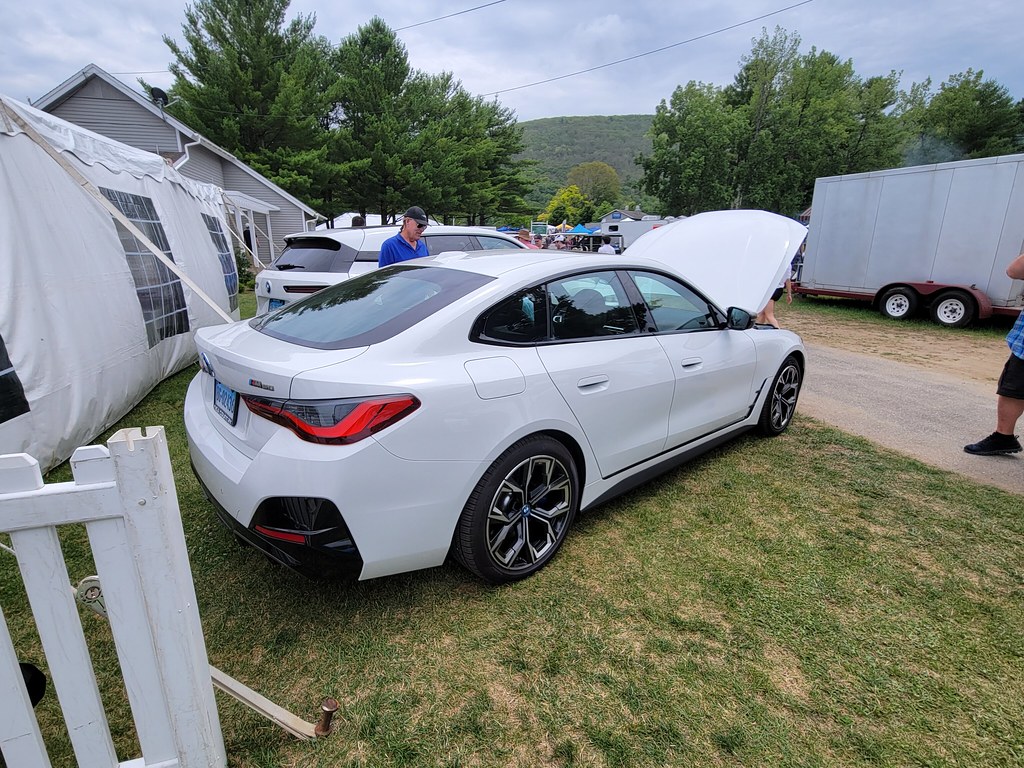
7. **BMW i4**Luxury electric vehicles from established manufacturers are particularly susceptible to steep depreciation, and the BMW i4 offers a compelling case in point from the US market. While its performance and design often draw praise, the financial reality for owners appears to be significantly challenging from the moment the car leaves the dealership.
CarEdge data provides a striking example of this immediate value erosion for the BMW i4. A new BMW i4, with a manufacturer’s suggested retail price (MSRP) of $64,740, might see a dealer target discount of 8 percent, bringing its selling price down to $59,561. However, the true market value can be far lower.
When this same vehicle, with merely 500 miles on the odometer, is entered into CarEdge’s online appraisal tool, the highest instant cash offer received is a shocking $28,370 from CarGurus. This represents an astounding 56 percent loss of value the very moment the car is driven off the lot.
Such a dramatic ‘day one’ depreciation highlights the significant financial risk for new BMW i4 buyers. It means that, without a very substantial down payment or trade-in, owners are likely to find themselves immediately in a state of negative equity, owing more on their loan than the car is actually worth in the used market.
Car Model Information: 2017 BMW X3 xDrive28i
Name: BMW i4
Manufacturer: BMW
ModelCode: G26 BEV
Production: October 2021 – present
Assembly: unbulleted list
Designer: Seungmo Lim (concept & production exterior),Chris Lee (interior design)
Class: Compact executive car
BodyStyle: fastback,sedan (car)
Layout: unbulleted list
Platform: BMW CLAR platform
Transmission: Single-speed with fixed ratio
Wheelbase: 2856 mm
Abbr: Worldwide harmonized Light vehicles Test Procedure
Length: 4785 mm
Width: 1852 mm
Height: 1448 mm
Weight: Convert
Related: unbulleted list
Motor: synchronous motor
Powerout: cvt
Battery: unbulleted list
ElectricRange: unbulleted list
Charging: unbulleted list
ModelYears: 2022–present
Categories: All-wheel-drive vehicles, Articles with short description, BMW vehicles, CS1 German-language sources (de), CS1 Norwegian-language sources (no)
Summary: The BMW i4 (model code G26) is a battery electric compact executive car produced by BMW since 2021. It has a five-door liftback body style and is marketed as a four-door coupé. The initial concept version, named BMW i Vision Dynamics, debuted at the 2017 Frankfurt Motor Show. It is the fifth BMW i sub-brand model, and is sold in several variants at different performance levels, including the first battery-electric variant by BMW’s motorsport division. The production version was revealed in March 2021 and went on sale in November of the same year as a 2022 model.
Get more information about: BMW i4
Buying a high-performing used car >>>
Brand: BMW Model: i4
Price: $13,961 Mileage: 91,894 mi.
Read more about: Unearthing Hidden Performance: 14 Underrated Sports Cars That Defy Expectations for Today’s Performance Seekers
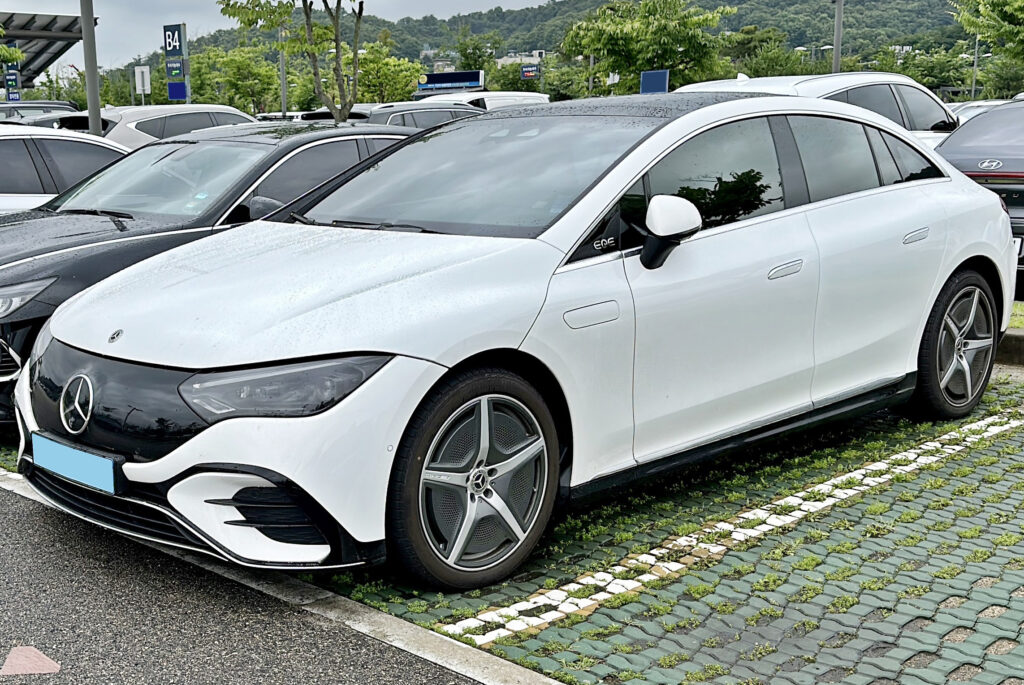
8. **Mercedes-Benz EQS**Pushing the boundaries of luxury electric vehicles, the Mercedes-Benz EQS also exemplifies the extreme depreciation affecting premium EV segments. Its substantial initial cost is met with an equally substantial and rapid decline in resale value, posing a considerable hurdle for new buyers.
Examining the US market, CarEdge data for a 2023 Mercedes-Benz EQS with an MSRP of $156,170 reveals a similar, if not more pronounced, trend of rapid value loss. Even with a generous CarEdge Target Discount of 15 percent off MSRP, bringing the selling price to $132,745, the vehicle’s market value plummets quickly.
When this high-end EV, again with just 500 miles on the odometer, is input into the CarEdge.com/Sell appraisal tool, the instant cash offer stands at $67,000. This translates to an alarming 57 percent loss in value immediately upon leaving the dealership.
The sheer scale of this depreciation for the Mercedes-Benz EQS—a loss of over half its value instantly—is a critical factor for prospective owners to consider. It vividly illustrates that even flagship electric models from prestigious brands are contending with unprecedented levels of value erosion in the current market.
**Understanding the Drivers Behind Rapid EV Value Loss**
While the data on specific models paints a stark picture, it is essential to analyze the underlying factors contributing to this rapid depreciation across the electric vehicle market. Several intertwined elements are creating a challenging environment for EV resale values, particularly for newer models and those representing earlier generations of technology.
One significant factor is the high initial cost of many electric cars, often coupled with expensive optional extras. Unlike traditional vehicles, these optional additions frequently fail to retain their value, leading to a disproportionately larger overall loss when considering the total purchase price. This is especially true at the luxury end of the market, where six-figure price tags mean larger absolute monetary losses even for similar percentage drops.
Furthermore, the omnipresent consumer concerns surrounding EV range and the availability and reliability of charging infrastructure play a crucial role. As technology advances at a rapid pace, newer models constantly arrive with improved battery ranges, faster charging capabilities, and enhanced performance. This rapid technological evolution means that a new EV can feel outdated far more quickly than an internal combustion engine (ICE) vehicle, leading to faster value erosion for preceding models.
Many of the EVs currently experiencing headline-grabbing depreciation are examples of first-generation technology from legacy manufacturers. Brands like Porsche (Taycan), Audi (e-tron family), and Mercedes (EQ family) were playing catch-up to Tesla and, more recently, to a wave of low-cost, state-backed Chinese upstarts. These initial attempts, much like early smartphones, are quickly being superseded by facelifted versions that offer significant improvements in range and charging speed, inevitably pushing down the value of their predecessors.
Aggressive discounting on new electric vehicles also has a direct and immediate impact on the used market. Tesla, for instance, is well known for its wildly fluctuating new vehicle prices, which set a dynamic benchmark for used models. Similarly, official Porsche dealerships in the UK were recently found offering substantial discounts—ranging from £20,000 to £33,500—on brand-new, previous-generation Taycans that originally listed for £110,000. Such significant reductions on new inventory inevitably create further downward pressure on used car prices, intensifying the depreciation for existing owners. The secondhand market is also increasingly being flooded with three-, four-, or five-year-old EVs reaching the end of their lease deals, further increasing supply and depressing values.
**EV vs. ICE: A Shifting Value Landscape**
The depreciation patterns observed in electric vehicles present a stark contrast to those of their internal combustion engine counterparts, especially in recent years. While all new cars lose value, the scale and speed of EV depreciation are creating a significant divergence in the market.
According to a June 2024 study by iSeeCars, a US car search and research company, used EV prices have fallen below gas-powered cars for the first time. Analyzing over 2.2 million used cars between May 2023 and May 2024, iSeeCars found that the average used EV had plummeted from $41,000 to $28,800. In contrast, the average gas car experienced only a slight decline during the same period, moving from $32,700 to $31,400.
This trend suggests a fundamental shift in consumer perception. Karl Brauer, an analyst from iSeeCars, commented on this, stating, “It’s clear used-car shoppers will no longer pay a premium for electric vehicles, and in fact consider electric powertrains a detractor, making them less desirable—and less valuable—than traditional models.” This sentiment marks a notable change from earlier perceptions of EVs commanding a premium.
Historical data further emphasizes this disparity. Prior to the COVID-19 pandemic, the average car would lose approximately 50 percent of its value in five years. By late 2023, due to supply chain disruptions and other market factors, this had improved to an average loss of 38.8 percent for all cars. However, electric cars are performing less favorably, losing an average of 49.1 percent of their value in five years, according to an iSeeCars analysis of 2018-model-year cars sold between 2022 and 2023. This indicates that EVs are not retaining value as well as the broader used car market average.
Specific comparisons also highlight this gap. Cap HPI data showed that after three years and 30,000 miles, a gas-powered Volkswagen Golf commanded a 46 percent price premium over an electric Golf. While Cap HPI data suggested similar, mid-level Porsche Panamera and electric Porsche Taycan variants lost a comparable amount of value over two years and 20,000 miles, it’s important to remember the Taycan often had a lower initial price. The general consensus remains that, for many models, ICE vehicles are demonstrating greater value retention in the used market.
**Essential Advice for Navigating the Evolving EV Market**
Given these significant shifts in EV depreciation, it’s crucial for both prospective new and used electric car buyers to approach the market with informed strategies. The financial implications are substantial, and understanding the current landscape can help consumers make decisions that align with their long-term financial goals.
For those considering a brand-new EV, the primary advice is to plan for long-term ownership. Buying a new electric vehicle outright, or with a bank loan, and intending to sell it within 12 to 24 months is a financially risky proposition that will likely leave you significantly out of pocket. The data from both the US and UK markets clearly indicates that the most severe value loss occurs very early in the ownership cycle, with prices tending to stabilize in subsequent years.
Unless a very substantial down payment or trade-in is made, new EV buyers in the current market run a significant risk of becoming ‘underwater’ on their car loan, meaning the vehicle’s market value is less than the outstanding loan amount. This is a situation best avoided. An alternative for those curious about the EV lifestyle but wary of rapid depreciation is leasing. Leasing an EV can be a low-stress way to experience electric driving for the first time, often with competitive offers, and it sidesteps the immediate depreciation risk of ownership.
On the other hand, the current ‘EV depreciation crisis’ presents a golden opportunity for secondhand buyers. If you are open to purchasing a used electric car, the shocking depreciation of new models works directly in your favor. This market shift means that the substantial savings available on a used EV often far outweigh even the most generous new EV incentives, such as federal tax credits.
The secondhand market is brimming with amazing deals, from more affordable options like the Renault Zoe and Citroen e-C4 to premium models such as a $25,000 Polestar 2 or a $30,000 Jaguar I-Pace. Furthermore, concerns about EV battery longevity are increasingly being allayed; Recurrent, a community of 20,000 EV drivers, reports that just 2.5 percent of battery packs have been replaced outside of manufacturer recalls. While replacing a failed battery out of warranty can be costly (between $6,500 and $20,000), battery failure is rare, and many aftermarket warranty providers now offer EV battery cover, according to the RAC. Tools like Recurrent Auto even allow prospective buyers to check a used electric car’s battery health before making a purchase.
Ultimately, whether you’re drawn to the allure of a brand-new electric vehicle or the undeniable value offered by the used market, equip yourself with knowledge. In today’s rapidly changing automotive landscape, understanding these depreciation trends and leveraging available resources can help you outsmart the market, score a sweet deal, and enjoy the benefits of electric mobility with confidence.
Read more about: Luxury Car Owner’s Headlight Nightmare: Unmasking the Shocking Costs Behind Modern Automotive Lighting
Our journey through the current EV market reveals a landscape of both challenge and opportunity. While the initial years of ownership can prove costly for certain new electric vehicle models, the inverse is true for the discerning secondhand buyer. The rapid pace of technological innovation, coupled with aggressive pricing strategies and evolving consumer preferences, continues to reshape vehicle values. By focusing on long-term ownership for new purchases or embracing the value inherent in used models, consumers can strategically navigate this dynamic environment. The future of electric mobility remains bright, but informed decisions are the key to a rewarding and financially sound EV experience.