Imagine a moment frozen in time, a breath held for five millennia, now dramatically released. That’s the electrifying sensation archaeologists from the University of Cádiz recently experienced, peeling back layers of earth in the sun-drenched region of Andalusia, Spain. What they uncovered is nothing short of spectacular: a monumental 5,000-year-old stone tomb, an ancient marvel brimming with secrets and treasures, poised to rewrite our understanding of prehistoric Iberian societies. This isn’t just another dig; it’s a profound journey into the very heart of human history.
Known as Dolmen I, this extraordinary structure, unearthed within the La Lentejuela necropolis near Teba, Málaga, is a testament to the ingenuity and complex beliefs of communities living in the southern Iberian Peninsula during the third millennium B.C.E. Its sheer size and the astounding level of its preservation have left experts speechless. “We may be talking about one of the most monumental and complete dolmens in all of Andalusia,” declared Dr. Serafín Becerra, a professor at the University of Cádiz and co-director of the project, echoing the immense significance of this find.
As we embark on this thrilling exploration, prepare to be transported to a time when stone was shaped with profound purpose, when the dead were honored with elaborate rituals, and when societies engaged in far-reaching networks of exchange. Each artifact, every structural detail, and the very design of this ancient monument whispers tales of a vibrant past. This article will be your guide through the initial, breathtaking revelations of this magnificent discovery, bringing to light the meticulous work of those dedicated to unearthing humanity’s rich, often-unwritten story.
1. **The Monumental Discovery: A 5,000-Year-Old Spanish Tomb**
The very notion of a 5,000-year-old tomb sends shivers of excitement down the spine of any history enthusiast, but this particular find transcends expectations. Archaeologists from the University of Cádiz, working diligently under the leadership of Dr. Eduardo Vijande and Dr. Serafín Becerra, have brought to light a prehistoric monument of staggering age and significance. This isn’t just an old structure; it’s a meticulously crafted edifice from the late Neolithic or early Copper Age, a period of immense transformation in human history, built in the fourth millennium BCE and later reused by groups during the Bronze Age.
Located in the picturesque town of Teba, within the Málaga province, this dolmen sits majestically in the La Lentejuela necropolis. The context of a necropolis, an ancient burial ground, immediately hints at the profound spiritual and communal importance of this site. Its discovery is not just a localized event; it is being hailed as “one of the greatest megalithic discoveries of recent decades,” firmly placing it among the most pivotal archaeological revelations in Andalusia.
The sheer scale of the scientific endeavor underscores its importance. This monumental structure, a “stone-built monument tomb,” represents an unparalleled opportunity. It allows us to peer directly into the death rituals and societal values of ancient Europeans. The initial authorization for excavations by the regional Junta de Andalucía government speaks volumes about the anticipated impact of this project on our collective understanding of prehistoric life on the Iberian Peninsula.
The term “dolmen” itself, referring to the stone megalith-style structure, carries a weight of ancient tradition and monumental construction. These structures are found globally, but the Teba dolmen stands out for its completeness and state of preservation. It offers a tangible link to a distant past, a physical record of human endeavor and belief from an era almost beyond our grasp, promising to unlock new insights into customs that have been lost to time.
This discovery provides a foundational understanding of the communities that built and utilized it, allowing scientists to identify the dimensions of its construction, its original design, and the practices of these ancient groups. It serves as a monumental focal point for studying human activity through the recovery and analysis of material culture, pushing the boundaries of what we thought we knew about early human civilization in this critical region.
2. **An Astounding Scale: The 42-Foot Stone Structure**
To truly grasp the magnitude of this discovery, one must consider its physical dimensions. This ancient stone tomb isn’t merely large; it is an imposing structure, measuring an impressive 42 feet (nearly 13 meters) in length. Such an enormous undertaking speaks volumes about the organizational capabilities and collective effort of the prehistoric communities who conceived and constructed it five millennia ago. Imagine the sheer manpower and coordination required to move and position the gigantic slabs of stone that form its very fabric.
The construction materials themselves are a marvel. This dolmen is built from colossal slabs of stone, some of which stand over two meters, or 6.6 feet, tall. These massive orthostat slabs were not just decorative; they formed the robust walls and internal compartments of the chamber, creating a formidable and enduring monument. The meticulous assembly of such heavy elements highlights an advanced understanding of engineering and architecture for its time, a testament to the skill of its ancient builders.
Furthermore, the entire dolmen was designed with careful consideration for structural integrity and longevity. “The entire dolmen was also covered by horizontal large stone slabs, and on top of this covering, there was a tumulus [a human-made mound] of sand and small stones,” explained Eduardo Vijande Vila, an associate professor of prehistory at the University of Cádiz and co-director of the excavations. This multi-layered construction, with its massive stone components and overlying tumulus, contributed significantly to its remarkable preservation.
It wasn’t just a simple burial pit; it was a carefully engineered edifice meant to endure, a permanent marker on the landscape that has now offered itself up to modern inquiry. The impressive length and the sheer mass of stone involved in its construction immediately establish it as one of the most significant megalithic structures ever found in Andalusia, further solidifying its importance in the study of early human achievements.
The effort expended on such a construction suggests a society with not only the means but also a strong cultural impetus to create lasting memorials for their dead. It underscores a level of societal organization and shared purpose that archaeologists are eager to understand in greater detail, providing tangible evidence of complex social structures that existed long before written records emerged in the region.
3. **A Window into the Past: Unparalleled Preservation**
What truly sets the La Lentejuela dolmen apart is its extraordinary state of preservation. After 5,000 years, to find such an ancient structure not only intact but also incredibly well-preserved is a rare archaeological triumph. This impeccable condition is not merely a stroke of luck; it is a direct consequence of the meticulous construction techniques employed by its builders, which have shielded its interior from the ravages of time, allowing for an astonishingly detailed glimpse into the past.
Project co-director Eduardo Vijande eloquently articulated this profound advantage, stating, “The true potential of this structure lies in its extraordinary state of conservation, which will allow us to gain a detailed understanding of the lifestyles and beliefs of these communities.” This isn’t just about finding objects; it’s about finding them in their original context, a crucial element for accurate interpretation. The ability to observe the dimensions of its construction and its precise design, as originally intended, provides invaluable data that is often lost in less fortunate discoveries.
The conservation extends beyond the stone architecture to the precious contents held within. Because of its superb state, the tomb is “stuffed full of artifacts,” offering an unparalleled assemblage of material culture. This intact collection means researchers can analyze not just individual items, but the entire cultural ensemble, understanding how different elements relate to each other and to the individuals interred within.
This level of preservation directly facilitates the reconstruction of ancient practices. It allows archaeologists to infer with greater confidence the rituals associated with burial, the social hierarchies indicated by grave goods, and the technological capabilities demonstrated by tool manufacture. The exceptional condition promises to yield new information on ancient customs that would otherwise remain conjectural, making it a critical source material for understanding prehistoric Iberian societies.
The integrity of the site empowers researchers to embark on future phases, including detailed laboratory analysis of the recovered artifacts, with the assurance that they are working with undisturbed, high-quality evidence. This preservation transforms the dolmen into a veritable time capsule, offering a compelling window into a distant world and ensuring that the project will continue to contribute significantly to academic research and heritage preservation in Andalusia for years to come.
Read more about: Rewriting Human History: Unearthing Ancient Civilizations Through Archaeology
4. **The Architectural Marvel: Orthostats and Internal Compartments**
The La Lentejuela dolmen is not merely a long stone structure; it is an architectural masterpiece of ancient design, characterized by its remarkable internal complexity. Its monumental scale is matched by an intricate internal layout, which speaks volumes about the advanced engineering skills of its prehistoric creators. The structure is defined by its impressive orthostat slabs, upright stones, some soaring to over six feet tall, which form the formidable walls and delineate the sacred spaces within.
These imposing orthostats create a series of internal compartments, each meticulously crafted and serving a specific purpose. This multi-chambered design is a critical feature, as each compartment holds the potential to expand our understanding of the varied and evolving funerary practices across the southern Iberian Peninsula during the third millennium B.C.E. The presence of distinct areas suggests a sophisticated approach to burial, possibly indicating different stages of interment, different social groupings, or specific ritual functions for each space.
The intentional creation of these separate “container rooms,” or ossuaries, reveals a deliberate and organized approach to the interment of the deceased. Such internal divisions are far from rudimentary; they point to a well-conceived architectural plan that guided the construction from its very inception. The careful arrangement and monumental scale of these internal divisions underscore the profound reverence and cultural significance attached to the burial of community members.
As archaeologists delve deeper into these internal spaces, they are able to reconstruct the original dimensions of its construction and its intricate design. This detailed knowledge is invaluable for understanding the technological prowess of the communities that built and subsequently reused the dolmen. The orthostat slabs and internal compartments are not just structural elements; they are narratives in stone, providing tangible evidence of the complex social and symbolic systems of prehistoric Iberian societies.
The complexity of the interior, with its massive stone walls and distinct sections, hints at a structured belief system and an organized societal approach to death and remembrance. It showcases a level of architectural sophistication that challenges simplistic notions of prehistoric life, inviting us to imagine a vibrant community capable of monumental construction and deeply held spiritual practices.
5. **A Sacred Collective: Unveiling Ancient Burial Practices**
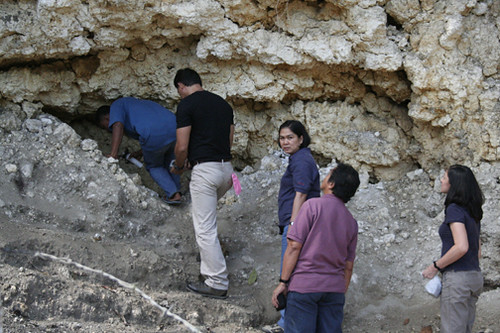
Beyond its impressive architecture and age, the La Lentejuela dolmen stands out as a profound testament to ancient community practices, specifically its function as a collective burial ground. Across multiple excavation seasons, researchers meticulously located numerous “container rooms,” specifically identified as ossuaries. These small graves, meticulously designed to house human bones, unequivocally confirm the dolmen’s role as a communal resting place for multiple individuals, a sacred space where generations were laid to rest together.
The discovery of human remains within these ossuaries provides the most direct and poignant link to the people who built and utilized this monument. It allows archaeologists to engage in the study of human activity based on the material culture left behind, with the bones themselves offering invaluable biofacts for analysis. This collective interment practice challenges the idea of individual, isolated burials, suggesting a strong sense of community and perhaps ancestral veneration among these prehistoric groups.
Dr. Eduardo Vijande Vila confirmed, “Several ossuaries (small graves that contain human bones) were found, meaning that this dolmen was used as a ‘collective burial’ for multiple individuals.” This insight is crucial for understanding the social structure and belief systems of the time. The sharing of a common burial space could signify familial bonds, tribal affiliations, or a shared spiritual identity that transcended individual lives, uniting the deceased in a perpetual communal embrace.
The meticulous arrangement of the ossuaries within the dolmen’s complex internal compartments suggests a deliberate and respectful approach to the dead. This wasn’t a haphazard disposal of remains, but a carefully managed and ritually significant process, reflecting the importance of ancestors and the continuity of the community. Understanding these funerary practices is paramount to reconstructing the past lifeways and cultural heritage of these early agricultural societies.
Further research into these human remains promises to unlock even more secrets, potentially revealing details about diet, health, demographics, and genetic relationships among the interred individuals. The La Lentejuela dolmen, therefore, is not just a repository of artifacts; it is a profound historical archive, offering an intimate glimpse into the shared lives and solemn traditions of a people from five millennia ago, making it a truly exceptional discovery for the study of prehistoric funerary rites.
6. **Treasures from Afar: Exotic Grave Goods and Trade Networks**
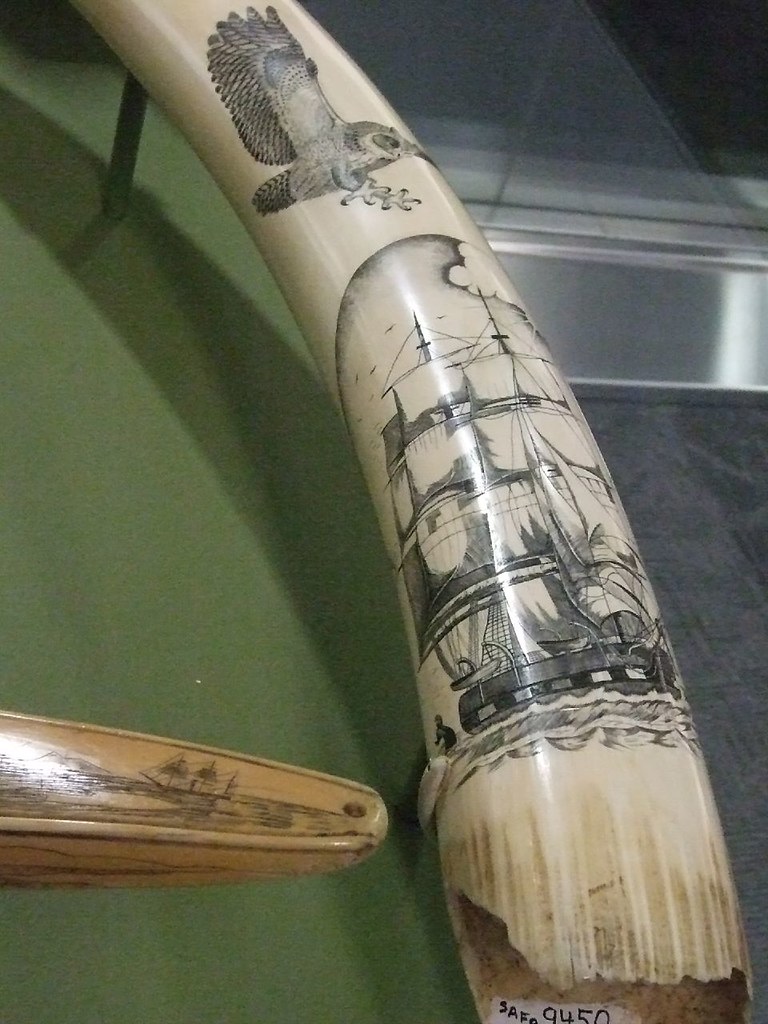
As archaeologists carefully explored the internal compartments of the La Lentejuela dolmen, they were met with an astounding collection of “prestigious” grave goods, objects interred alongside the deceased. This rich assemblage included not only the bones of individuals but also a remarkable array of items crafted from exotic raw materials such as ivory, amber, and seashells. The presence of these non-native materials is a thrilling revelation, providing concrete evidence of sophisticated long-distance exchange networks that crisscrossed the ancient landscape.
The inclusion of ivory, a material not indigenous to the Iberian Peninsula, immediately points to contact with distant regions, perhaps Africa, where elephants roamed. Amber, often sourced from the Baltic region, similarly suggests extensive trade routes reaching far beyond local territories. These materials were not merely utilitarian; their rarity and exotic origin would have imbued them with significant prestige, marking the deceased, or their families, as individuals of high status or wealth.
Perhaps one of the most compelling pieces of evidence for ancient trade comes from the seashells. Professor Juan Jesús Cantillo of the University of Cádiz highlighted their importance, explaining, “The presence of seashells in an inland territory reflects the importance of the sea as an element of prestige and the existence of long-distance exchange networks.” The discovery of marine shells so far from the coast implies a deliberate effort to acquire these items, possibly through trade or dedicated expeditions, showcasing the deep symbolic significance of the sea and its resources.
These exotic objects, found nestled within a tomb thousands of years old, paint a vivid picture of a connected world, where goods, ideas, and perhaps even people traveled across vast distances. The artifacts recovered at this location will enable researchers to fill in more details of the ancient trade networks of the period, demonstrating that prehistoric Iberian communities were far from isolated. They were active participants in a broader commercial and cultural sphere, maintaining connections between inland areas and the coast at levels far surpassing anything previously suspected.
The grave goods are not just beautiful objects; they are vital clues that underscore the dynamic interplay between local resources and global connections. They illustrate a complex economic and social system where certain materials held immense value, influencing status, belief, and the ways in which communities interacted with their wider world. The La Lentejuela dolmen is thus a testament to the sophistication of prehistoric societies, revealing their engagement with a world much larger than their immediate surroundings.
7. **The Power of Ancient Weaponry: Sophisticated Flint Artifacts**
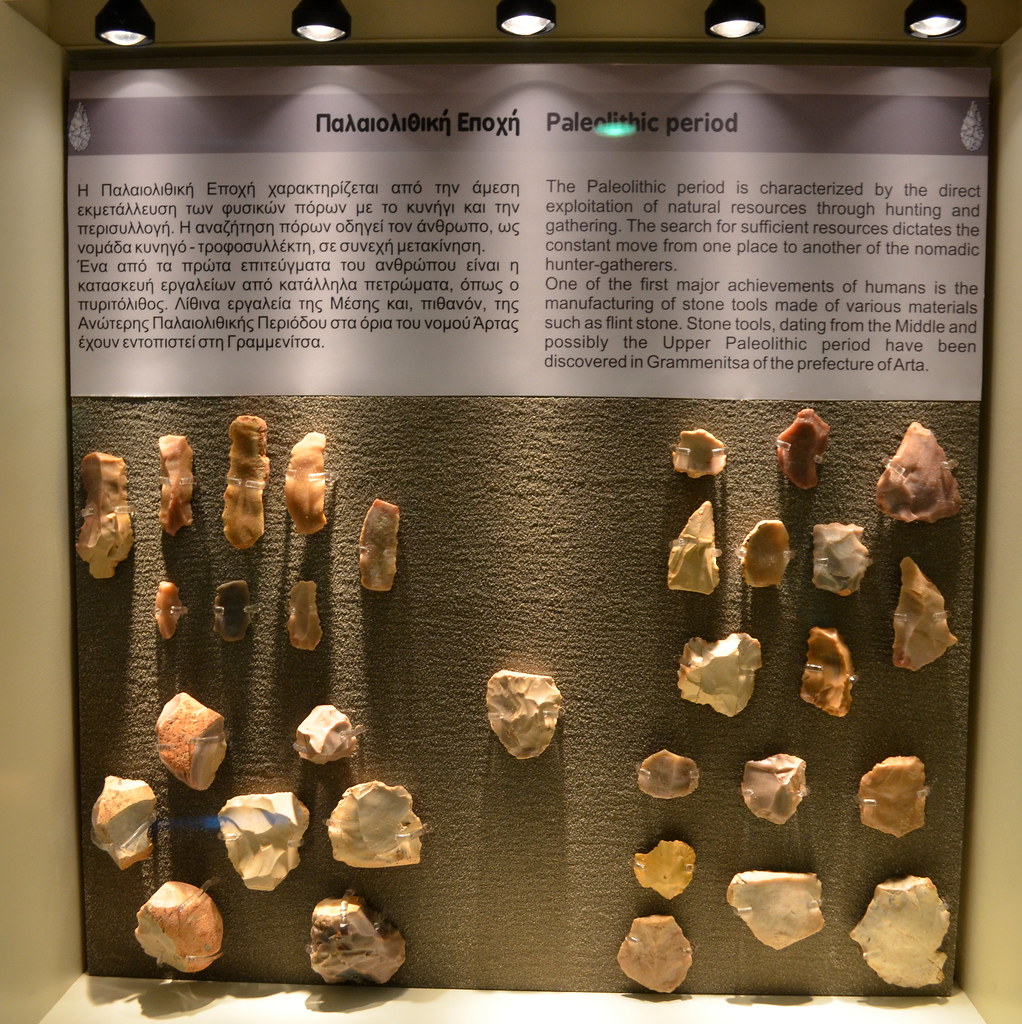
Among the dazzling grave goods from the La Lentejuela dolmen, a collection of finely crafted flint artifacts stands out. These “sophisticated flint pieces” included arrowheads, large-format blades, and an “exceptional halberd.” Their presence within the sacred confines of the tomb offers profound insights into the technological prowess and symbolic world of these ancient communities, far beyond mere utility.
The halberd, described as a two-handed axe-like weapon with a spike set on a long shaft, is a remarkable find for its era. Such intricate craftsmanship points to specialized artisans and a sophisticated understanding of material properties. Burying a formidable weapon suggests a meaningful connection to the individual, perhaps signifying a warrior’s status, a protector’s role, or a symbolic journey into the afterlife, providing “new insight into the lives and funerary practices” of the time.
These advanced flint artifacts, alongside exotic ivory and amber, highlight a vibrant culture. It valued both skilled use of local resources and engagement in far-reaching trade for prestigious foreign goods. This dual focus underscores a complex society where daily implements, when placed in a funerary context, gain profound cultural and personal significance, reflecting the spiritual beliefs of a resourceful people and their engagement with their wider world.

8. **Dolmens Beyond Tombs: Multifaceted Roles in Ancient Society**
While the La Lentejuela dolmen clearly served as a collective burial ground, the broader context of megalithic structures reveals they often transcended primary funerary purposes. Found across diverse regions and time periods, these monumental stone structures were vital focal points in prehistoric communities, embedded deeply within cultural, social, and even cosmological fabrics. Their multifaceted nature paints a picture of complex societies with intricate belief systems.
Indeed, researchers emphasize that dolmens “wasn’t relegated to just the southern Iberian Peninsula,” and have appeared globally. The context details that some sites were “more than just tombs,” serving as “cultural or ritual meaning,” “places to shelter,” or “key territorial markers delineating land ownership.” This flexibility suggests communities adapted these structures to evolving needs, making them dynamic elements of the ancient landscape.
A particularly intriguing aspect is their association with “celestial events, such as solstices,” suggesting they “may have also been involved in ritual or cosmological activities.” Such astronomical precision implies a sophisticated understanding of the natural world. Eduardo Vijande Vila also noted their potential as “territorial markers” signifying “land ownership” in agricultural societies, powerful declarations of presence and ancestral ties.
9. **Cultivating Future Archaeologists: The Project’s Educational Legacy**Beyond artifacts, the La Lentejuela necropolis project, under Dr. Vijande and Dr. Becerra, has fostered another invaluable legacy: training the next generation of archaeologists. This ambitious undertaking, “Monumentality, time and society: the megalithic phenomenon at the necropolis of La Lentejuela,” has spanned “four separate dig seasons,” transforming the site into a living classroom. Here, academic learning vividly merges with hands-on discovery.
Beyond artifacts, the La Lentejuela necropolis project, under Dr. Vijande and Dr. Becerra, has fostered another invaluable legacy: training the next generation of archaeologists. This ambitious undertaking, “Monumentality, time and society: the megalithic phenomenon at the necropolis of La Lentejuela,” has spanned “four separate dig seasons,” transforming the site into a living classroom. Here, academic learning vividly merges with hands-on discovery.
The project has served as a “valuable training ground for university students,” offering an unparalleled opportunity to immerse themselves in prehistoric research. Working alongside experts, students gain firsthand “experience with prehistoric material culture and excavation techniques.” This practical engagement is fundamental for developing proficient and ethical archaeologists, teaching them to respectfully uncover, interpret, and protect invaluable cultural heritage.
This “educational aspect underscores the project’s broader contribution to advancing academic research and heritage preservation in Andalusia.” By involving students, the project ensures vital knowledge and skills are passed down, securing the future of archaeological inquiry. It’s a testament to the project’s holistic vision, recognizing that understanding the past is an ongoing dialogue requiring continuous learning, fresh perspectives, and dedicated individuals.
10. **A Star Among Megaliths: Spain’s Rich Prehistoric Heritage**
The La Lentejuela dolmen is a magnificent addition to Spain’s already “rich prehistory of megalithic monuments.” The Iberian Peninsula, dotted with countless stone structures, boasts a heritage ranging “from small dolmens to vast complexes,” each whispering tales of ancient beliefs. This newly unearthed tomb now proudly joins these giants, offering fresh perspectives on a well-studied landscape.
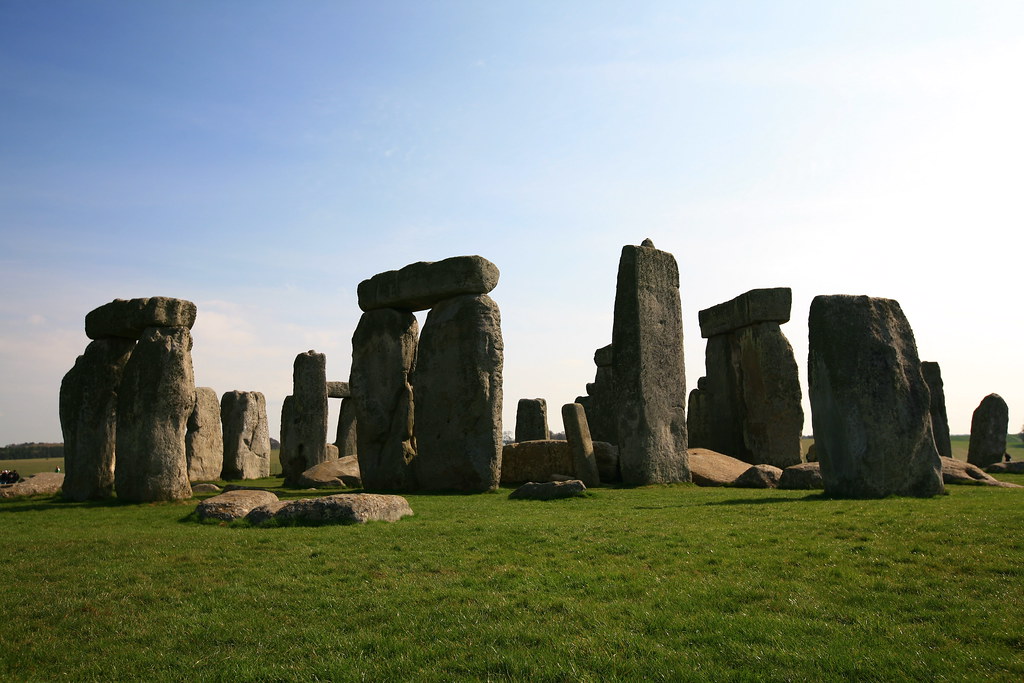
Spain is home to legendary sites like the 7,000-year-old Dolmen of Guadalperal, dubbed the “Spanish Stonehenge.” Other European dolmens, like “the 5,700-year-old Arthur’s Stone in England,” highlight a shared, monumental heritage spanning the continent. The La Lentejuela dolmen distinguishes itself within this panorama through its exceptional scale and preservation, being “one of the greatest megalithic discoveries of recent decades.”
Its impressive measurements, nearly “13 meters (43 feet) in length,” and its construction from “gigantic slabs of stone, some over two meters tall,” classify it as truly monumental. This grand scale, combined with superb conservation, ensures the “newly excavated La Lentejuela dolmen now joins this cultural heritage as one of the best prehistoric monuments on the Iberian Peninsula.” It stands as a vibrant new chapter in human ingenuity and spiritual expression.

11. **The Unfolding Story: Ongoing Research and Future Discoveries**
The unearthing of the La Lentejuela dolmen is merely the beginning of a larger, ongoing scientific endeavor. The initial excavations, directed by Dr. Vijande and Dr. Becerra, set the stage for crucial subsequent research phases. The story of this 5,000-year-old tomb is still being meticulously written, piece by careful piece, with each artifact and new analysis adding depth to our understanding.
A significant focus for “future phases” will be “bringing artifacts recovered from the site into the laboratory for testing and analysis.” This intensive laboratory work, utilizing techniques like radiocarbon dating and DNA analysis, will reveal secrets about diet, health, material origins, and manufacturing. It transforms mere objects into objective data, providing unparalleled insights into ancient lifeways.
“As additional research is conducted, archaeologists are excited to continue refining their understanding of the communities that built the monument.” They aim to decipher how they participated in broader exchange networks and the symbolic meaning of grave goods. This commitment to long-term research ensures the dolmen’s full potential as a historical archive is unlocked, continually enriching our understanding of prehistoric Iberian society.
Read more about: Unearthing the Secrets: A Deep Dive into the World of Rare-Earth Elements and Their Unseen Impact
12. **A Legacy of Understanding: The Dolmen’s Enduring Value**
The profound impact of the La Lentejuela dolmen extends far beyond its physical size or captivating artifacts. As experts attest, “the worth of the monument is not merely in its magnitude and preservation but also in its value as source material for understanding the symbolic and social systems of prehistoric Iberian societies.” This encapsulates the ultimate significance of this extraordinary discovery: a gateway to comprehending early European life.
For cultures with no written records, archaeology is the sole means to reconstruct their histories and beliefs. The La Lentejuela dolmen perfectly embodies this role, offering tangible evidence of humanity’s journey from the Paleolithic to early agricultural societies. It illuminates monumental communal efforts, social hierarchies, and technological innovations, directly linking us to “the evolution of humanity” itself.
The wealth of human remains and grave goods within the ossuaries provide “new insight into the lives and funerary practices of the community.” This direct connection allows researchers to build a personal, detailed understanding of their world—from diet to spiritual beliefs. Every piece of evidence from the tomb contributes to a richer, more nuanced portrait of prehistoric Iberian people.
Ultimately, this discovery underscores archaeology’s enduring purpose: “to learn more about past societies and the development of the human race.” The La Lentejuela dolmen is a testament to the ingenuity, spiritual depth, and interconnectedness of early human communities. It broadens academic understanding and enriches our collective human story, reminding us of human experience’s profound continuity.
This remarkable tomb, a silent sentinel for millennia, has finally spoken. Its voice, interpreted by dedicated archaeologists, offers a captivating narrative of early European civilization. It stands as a beacon for future research, a profound educational tool, and an irreplaceable part of our global heritage, inspiring awe and curiosity about the vibrant lives that once thrived on the Iberian Peninsula, long before the dawn of recorded history.