The landscape of the United States, a vast federal republic stretching across a continent, is often viewed through the lens of its contemporary dynamism and influence. Yet, beneath the familiar surface of modern metropolises and bustling urban centers lie layers of history, each telling a tale of profound transformation. Many locales that once stood as beacons of aspiration and economic activity have undergone such radical shifts that their original identities, and the booms that defined them, are now largely forgotten, rendering them virtually unrecognizable to the casual observer.
This journey into America’s past is not merely an academic exercise; it is an unearthing of the very foundations upon which the nation was built. From the initial European explorations and the establishment of the earliest colonies in the 16th and 17th centuries, through the crucible of revolution and the relentless march of westward expansion, American settlements have been in a constant state of flux. These were not static entities but living organisms, shaped by tides of migration, economic innovation, conflict, and the ever-evolving political landscape.
We delve into the stories of several such places, once vibrant and central to the American narrative, whose original forms and functions have been dramatically altered by the relentless currents of history. These are tales of places that boomed—as colonial outposts, economic engines, or strategic strongholds—only to be redefined, sometimes subtly, sometimes dramatically, into something new. Prepare to discover the surprising pasts of these foundational American sites, whose transformations reveal the very essence of the nation’s tumultuous and dynamic history.
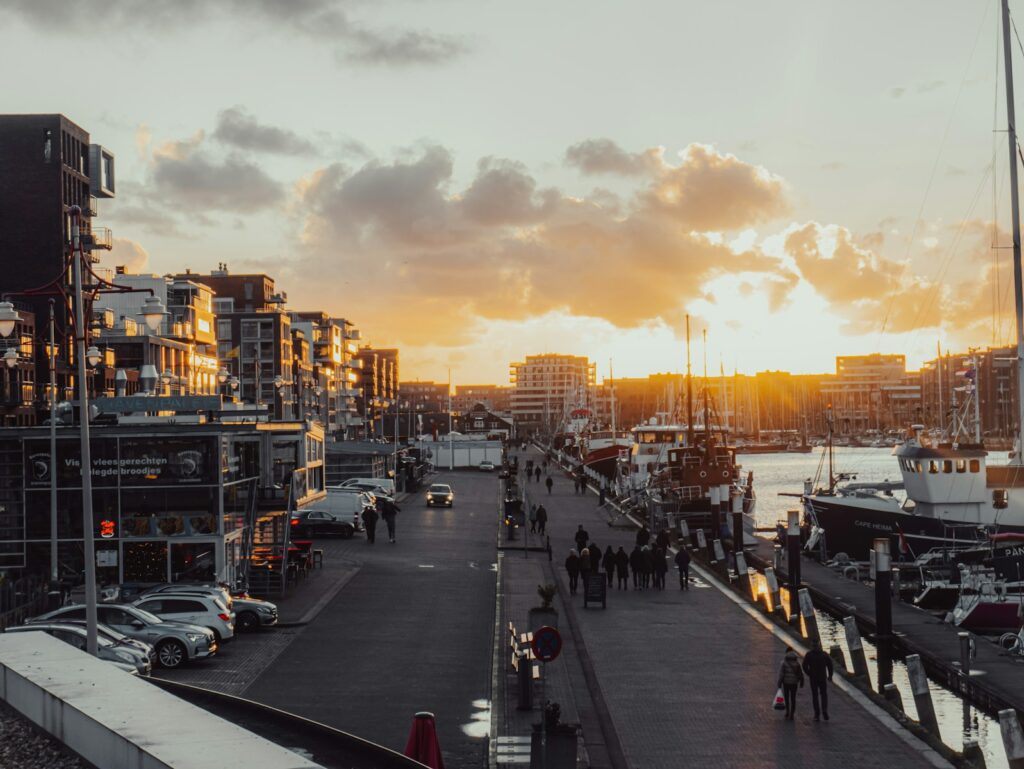
1. **New Nederland (New York)**Long before the skyscrapers of New York City pierced the clouds, a bustling settlement known as New Nederland thrived as a key outpost of Dutch colonization. Settled in 1626, this “thriving Dutch colony” quickly established itself as a significant center for trade and European influence in North America. Its strategic position along crucial waterways facilitated commerce and attracted a diverse population, laying the groundwork for a future metropolis, though its initial identity was distinctly different.
This early boom reflected the broader ambitions of European powers to carve out their spheres of influence in the New World. New Nederland was more than just a trading post; it was a microcosm of colonial life, a vibrant hub of activity that, at its peak, represented a significant assertion of Dutch presence. The very concept of a ‘thriving’ European settlement in such a contested territory speaks volumes about its initial success and vitality.
However, the winds of geopolitical change were strong, and the landscape of North American colonization was a battleground of empires. The context notes “Early European colonies also included the thriving Dutch colony of New Nederland.” This burgeoning Dutch presence would eventually succumb to British colonial ambitions, leading to a profound transformation that rendered its original character largely unrecognizable. The transition from Dutch to English rule marked a fundamental shift in governance, culture, and economic orientation.
What was once New Nederland would, over time, evolve into the British colony of New York, a name and identity that persist to this day. This change was not just a renaming but a re-imagining of the settlement’s purpose and allegiance, reflecting the intense competition among European colonial powers. The vibrant Dutch identity that once defined this booming colony was slowly, but surely, subsumed by a new imperial order, laying the groundwork for the modern global city, yet a place fundamentally altered from its initial Dutch vision.

2. **Saint Augustine, Florida**The story of Saint Augustine begins in the early 16th century, rooted in the ambitious “Spanish colonization [that] established Spanish Florida in 1513, the first European colony in what is now the continental United States.” It was a bold venture into a new continent, fraught with challenges. After several initial attempts failed, “Spain’s first permanent town, Saint Augustine, was founded in 1565,” marking a significant milestone in European settlement and establishing a foothold that would endure for centuries.
This early establishment represented a remarkable boom in strategic colonial presence, serving as a vital military and administrative center for Spanish Florida. The context even highlights the competitive nature of the era, noting that French settlements in the region were “either abandoned… or destroyed by Spanish raids (Fort Caroline, 1565),” underscoring Saint Augustine’s role as a resilient and militarily important bastion for Spanish power against rival European claims.
For nearly two centuries, Saint Augustine flourished under the Spanish flag, shaping its architecture, culture, and societal structure. However, the fate of colonial territories was often intertwined with shifting European alliances and conflicts. While the context does not detail every sovereignty change for Saint Augustine, it broadly mentions “European exploration, colonization and conflict (1513–1765)” and later “Spain ceded Florida and its Gulf Coast territory in 1819,” indicating a profound change in the region’s ownership.
This cession, a result of wider geopolitical shifts and American “westward expansion,” meant Saint Augustine, once the proud capital of Spanish Florida, became part of the United States. This transition would have irrevocably altered its identity, transforming it from a venerable Spanish frontier outpost into an American city. The cultural, linguistic, and administrative frameworks that defined its centuries-long boom as a Spanish stronghold would have been slowly replaced, rendering its original colonial persona largely unrecognizable to modern inhabitants.
Read more about: America Unveiled: A Deep Dive into the United States’ Enduring Story, Landscapes, and Institutions
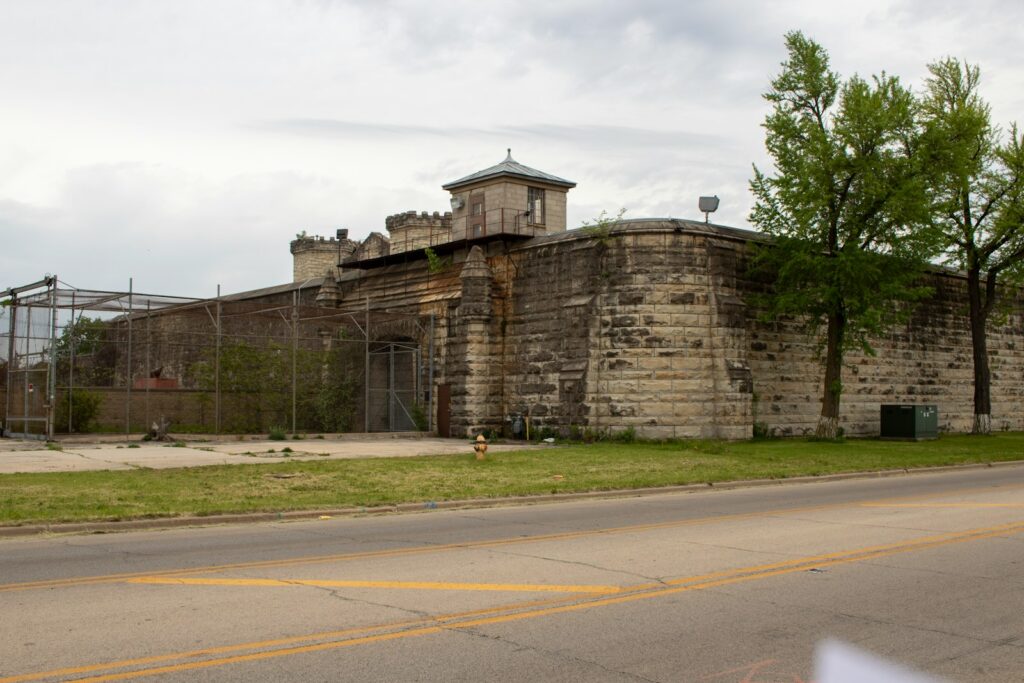
3. **Fort Detroit, Michigan**The origins of Detroit as a significant settlement can be traced back to the early 18th century, specifically to 1701, when “Permanent French settlements were founded much later along the Great Lakes (Fort Detroit, 1701).” This strategic location was not chosen by chance; it was a critical point in the vast French colonial empire, serving as a fur trading post and a military stronghold to assert French dominion over the Great Lakes region. This establishment marked an initial boom as a vital hub for French influence and commerce in the interior of North America.
During its early years under French control, Fort Detroit was a bustling center where European traders interacted with Native American communities, exchanging European goods for valuable furs. This vibrant economic activity, driven by the fur trade, solidified its importance as a frontier settlement. The context refers to “the colonial possessions of Britain… and France… in North America, 1750,” illustrating the contested nature of these valuable territories and the significance of such outposts for imperial power projection.
However, like many frontier settlements, Fort Detroit was subject to the broader struggles and conflicts between European empires. The French presence in North America eventually waned, and the context points to the extensive “European exploration, colonization and conflict (1513–1765)” that reshaped the continent. This era saw shifts in control, and Fort Detroit, along with other French holdings, eventually transitioned into British hands following imperial wars.
The change of allegiance from French to British rule represented a fundamental transformation for the fort and its surrounding settlement. Its identity, once imbued with French culture and administration, began to adapt to a new imperial power. This shift was a precursor to its eventual integration into the United States, further evolving its character from a purely colonial outpost to a burgeoning American territory. The original French design and cultural imprint, while leaving a legacy, would become significantly less prominent, making its booming French past unrecognizable amidst successive layers of American development.
Read more about: The Ultimate Road Warriors: 14 Pickup Trucks Proven to Endure Over 250,000 Miles

4. **Saint Louis, Missouri**The city of Saint Louis also owes its foundational boom to French colonial ambitions in North America. Established in 1764, it was another of the “Permanent French settlements… along the Mississippi River.” Its strategic placement on the mighty Mississippi, a vital artery for trade and transportation, immediately positioned it as a key center for French fur traders and a significant outpost in the vast, albeit thinly populated, French territory stretching across the American interior.
This early period under French administration saw Saint Louis thrive as a hub for commerce and cultural exchange, forming connections that defined its initial identity. The French presence in North America was extensive, with settlements like Saint Louis acting as critical nodes in their imperial network. This burgeoning trade and settlement activity constituted its initial ‘boom’, establishing its importance far from the Atlantic seaboard.
The fate of Saint Louis, however, was dramatically altered by one of the most significant territorial acquisitions in American history. The context clearly states, “The Louisiana Purchase of 1803 from France nearly doubled the territory of the United States.” This monumental transaction immediately transformed Saint Louis from a French frontier town into a vital gateway for the burgeoning American nation’s “westward expansion,” changing its purpose and trajectory overnight.
As the gateway to the newly acquired territories, Saint Louis experienced a new kind of boom, fueled by American migration and exploration. Its role shifted from that of a colonial trading post to a crucial staging point for settlers, explorers, and commerce heading into the American West. This profound geopolitical and demographic transformation meant that its original French colonial identity, while leaving an indelible mark, became largely overshadowed and, in many respects, unrecognizable by the waves of American influence and ambition that followed the Louisiana Purchase.
Read more about: Avoid the Auction Shame: How to Master Selling 10 Prized Collector Cars from Hagerty’s Hot List
5. **Williamsburg, Virginia**Williamsburg emerged as a significant center in the British colonies, particularly prominent in Virginia. While not explicitly described as ‘booming’ in an economic sense, its importance as a hub of information and political discourse during a pivotal era certainly made it a vibrant and central place. The context spotlights this by noting “an anonymous essay published in the Williamsburg newspaper The Virginia Gazette on April 6, 1776,” highlighting its role in disseminating ideas crucial to the burgeoning revolutionary spirit.
As one of the “original Thirteen Colonies” administered by the British Empire, Williamsburg was part of a rapidly growing colonial population, where “local governments held elections open to most white male property owners.” This environment fostered a culture of self-governance and public engagement, allowing places like Williamsburg to become intellectual and political centers. Its ability to host a newspaper publishing influential essays speaks to its status as a vital urban hub in colonial America, experiencing a boom of political and social activity.
During the critical period of the “American Revolution and the early republic (1765–1800),” colonial grievances against British control intensified. As such, cities like Williamsburg, with their established infrastructure for communication and congregation, became hotbeds for revolutionary thought and action. The presence of influential media underscored its role in shaping public opinion and mobilizing resistance, making it an undeniable force in the push for independence.
However, with the establishment of the United States and the creation of new governmental structures, the dynamic political centrality of Williamsburg eventually shifted. Its initial boom as a living, breathing epicenter of revolutionary debate evolved into a different kind of significance—one primarily rooted in its historical legacy. Its direct, active influence on national policy waned as the capital moved elsewhere. This transformation from a bustling, politically active colonial capital to a place revered for its past contributions to the “American Revolution” renders its original, vibrant political heyday quite distinct from its later identity, making its former operational importance ‘unrecognizable’ to modern perceptions of its role. This shift reflects the natural evolution of governance and national identity post-independence.
Read more about: America Unveiled: A Deep Dive into the United States’ Enduring Story, Landscapes, and Institutions
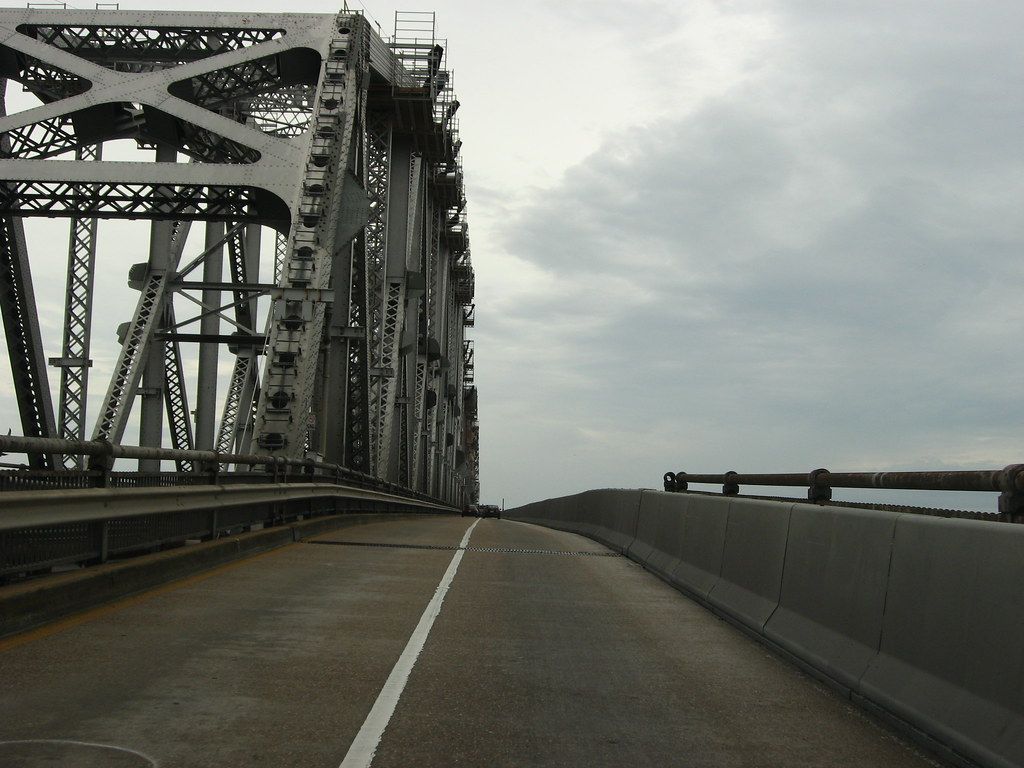
6. **New Orleans, Louisiana**The story of New Orleans begins in 1718, when it was established as one of the “Permanent French settlements… along the Gulf of Mexico.” This strategic placement at the mouth of the Mississippi River immediately positioned it as a critical port and a pivotal hub for French colonial interests in North America. Its early years saw a boom of activity, connecting the vast interior river systems with global maritime trade routes and fostering a distinct French cultural identity in the region.
However, the fate of New Orleans, and indeed the entire French claim to the vast American interior, underwent a seismic shift with the “Louisiana Purchase of 1803 from France.” This monumental transaction “nearly doubled the territory of the United States,” transforming New Orleans overnight from a French colonial outpost into a vital American gateway. This transition marked a profound and rapid change in its political allegiance, administrative structure, and long-term trajectory.
Under American sovereignty, New Orleans experienced a new kind of boom, driven by the relentless march of “westward expansion” and the increasing importance of the Mississippi River as an artery for American commerce. It became a crucial staging point for goods and people moving into the newly acquired territories, further cementing its role as a significant port city. Yet, this Americanization gradually, but irrevocably, reshaped its original French character, blending new influences into its unique cultural tapestry.
While New Orleans today proudly retains its French and Creole heritage, the raw, unadulterated French colonial identity that defined its initial boom is now largely an echo of the past, preserved in architecture and tradition rather than in its primary operational function. Its transformation from a distant French outpost to a vibrant, multi-layered American city, profoundly integrated into the national economy and culture, renders its original colonial persona largely unrecognizable to modern inhabitants, embodying centuries of continuous evolution.
Read more about: America Unveiled: A Deep Dive into the United States’ Enduring Story, Landscapes, and Institutions
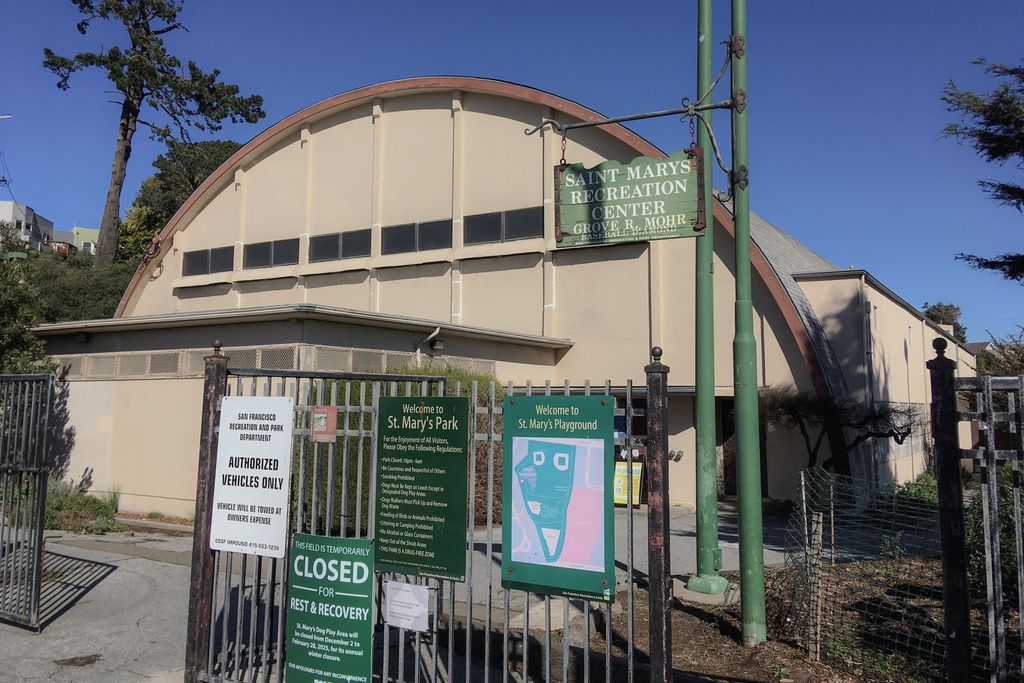
7. **San Francisco, California**Before the iconic Golden Gate Bridge or its status as a technological powerhouse, the area now known as San Francisco underwent an explosive, resource-driven boom that reshaped it irrevocably. Following the 1848 Mexican Cession, which brought vast new territories under U.S. sovereignty, the “California gold rush of 1848–1849 spurred a huge migration of white settlers to the Pacific coast.” This unprecedented influx transformed nascent settlements into bustling, albeit often chaotic, urban centers almost overnight.
The gold rush represented a raw, untamed boom, drawing hundreds of thousands of fortune-seekers from across the globe, dramatically altering the region’s demographic and economic landscape. Settlements like San Francisco served as vital ports and supply centers, exploding in size and activity. The period was characterized by rapid construction, a transient population, and an atmosphere of frenetic opportunism, laying the groundwork for future development but in a wild, unpolished fashion.
As the initial gold fever subsided, many of the ephemeral boom towns scattered across California either vanished entirely or adapted to new economic realities. San Francisco, however, managed to pivot, leveraging its strategic harbor to transition from a gold rush staging ground to a major commercial and shipping hub on the Pacific coast. This represented a fundamental shift from a resource-dependent economy to one based on trade, finance, and eventually, diverse industries.
The modern metropolis of San Francisco, with its established infrastructure, diverse economy, and sophisticated urban fabric, bears little resemblance to the makeshift, boisterous, and often lawless atmosphere of its gold-fueled origins. The sheer scale and speed of its initial growth during the gold rush era created a unique, almost mythical identity that, while foundational, is now vastly overshadowed by its subsequent transformations. That original, explosive boom is now almost unrecognizable within its contemporary, layered identity.
Its continuous evolution through various economic cycles, from a critical port during “westward expansion” to a global tech capital, showcases a city constantly reinventing itself. Each phase has added new layers, further obscuring the singular, gold-driven frenzy that first propelled it to prominence, making its earlier forms distinct from its current form, as outlined in the nation’s “contemporary” societal changes.
Read more about: The Ascent of Gavin Newsom: Navigating Business, San Francisco Politics, and California’s Top Office
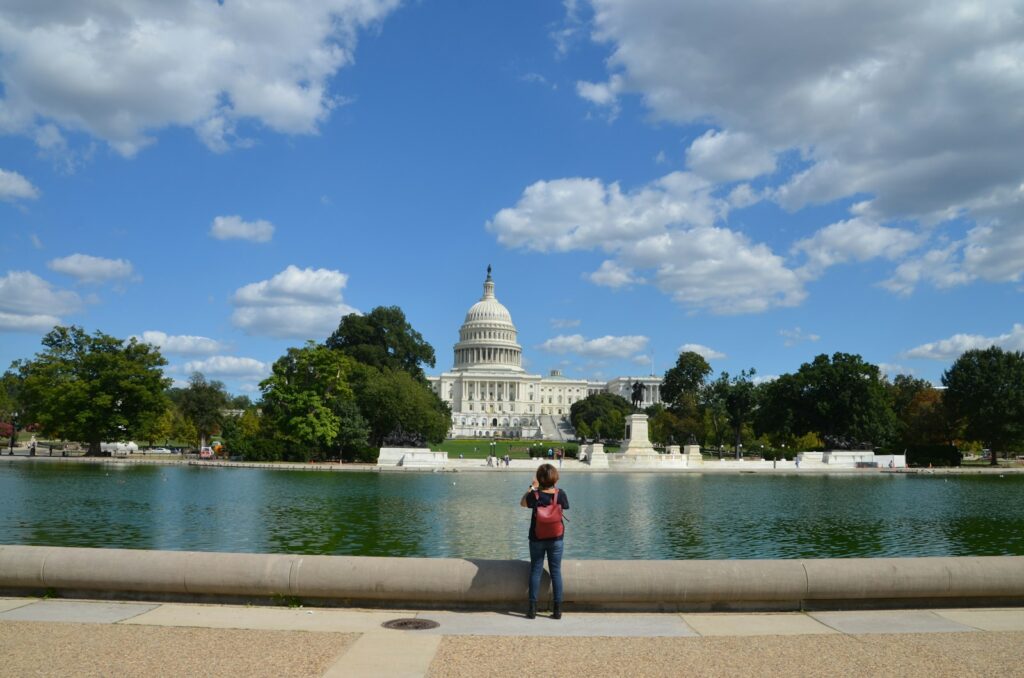
8. **Washington, D.C.**Washington, D.C., is unique among American cities as it was not born of natural settlement or economic discovery, but rather conceived and established as the “federal capital district” for a fledgling nation. Its initial ‘boom’ was a planned governmental and administrative endeavor, designed to host the new federal republic created by the U.S. Constitution in 1789. The vision was to create a symbolic seat of power, distinct from existing commercial hubs, a purpose-built home for the nation’s “three separate branches: legislative, executive, and judicial.”
During the early republic (1765–1800), the city’s growth was intimately tied to the establishment and functioning of the national government. It served as the crucial nexus where presidents like George Washington set precedents for the “peaceful transfer of power,” and where the Bill of Rights was adopted. This early phase saw the deliberate construction of governmental infrastructure and the slow cultivation of a nascent political culture, a controlled boom of national identity and institution-building.
As the United States transitioned from an early republic to a “great power” by 1900, and ultimately emerged as the “world’s sole superpower” after the Cold War’s end in 1991, Washington, D.C.’s role and physical presence expanded exponentially. Its function evolved from being merely the administrative center of a young country to becoming the nerve center of global political, economic, and military affairs, housing diplomatic missions from around the world and influencing international policy on an unprecedented scale.
The scale, complexity, and global influence of modern Washington, D.C., would be profoundly unrecognizable to its early architects and inhabitants. The humble, planned capital of the 18th century, designed for a nation still finding its footing, has transformed into a sprawling, vibrant, and immensely powerful global metropolis. The original vision, while enduring in its symbolic core, has been overlaid by layers of international diplomacy, strategic defense, and continuous national evolution, rendering its more modest beginnings almost alien to contemporary perception.
Read more about: Hollywood’s Hidden Havens: Unveiling the Mega-Stars Who Spend Millions on Doomsday Bunkers

9. **New York City / Port of New York (as an Immigration Gateway)**While New York City has a rich history dating back to New Nederland, its identity was dramatically re-forged by an unparalleled boom of immigration in the late 19th and early 20th centuries. From “1865 through 1917, an unprecedented stream of immigrants arrived in the United States, including 24.4 million from Europe.” The “Port of New York” and Ellis Island became the primary gateway for millions seeking new lives, transforming the city into the world’s quintessential melting pot and fundamentally reshaping the American demographic landscape.
This immigration boom led to explosive population growth and rapid urbanization, particularly on the East Coast. “New York City and other large cities on the East Coast became home to large Jewish, Irish, and Italian populations,” profoundly altering its cultural, social, and economic fabric. The city’s infrastructure and services were continually strained and expanded to accommodate this constant influx, creating a dynamic yet often challenging urban environment defined by new arrivals.
The city’s purpose evolved from a regional trade hub to an international gateway, a crucible where diverse cultures converged and new American identities were forged. This period of intense growth solidified its status as a global metropolis, a center of commerce, culture, and, significantly, opportunity for those arriving from distant lands. The very architecture and social structure of the city were direct products of this continuous demographic expansion.
While New York City remains a diverse and dynamic global center, the specific character of its turn-of-the-century immigration boom is now largely unrecognizable. The bustling, often overwhelming scenes of new arrivals at Ellis Island, the dense tenement districts that housed millions, and the raw, initial mixing of cultures have largely given way to a more integrated, though still immensely diverse, urban environment. The physical processing centers have transformed, and the immediate, stark impact of mass immigration has been absorbed into the city’s ongoing evolution, creating a distinct identity from that transformative period.
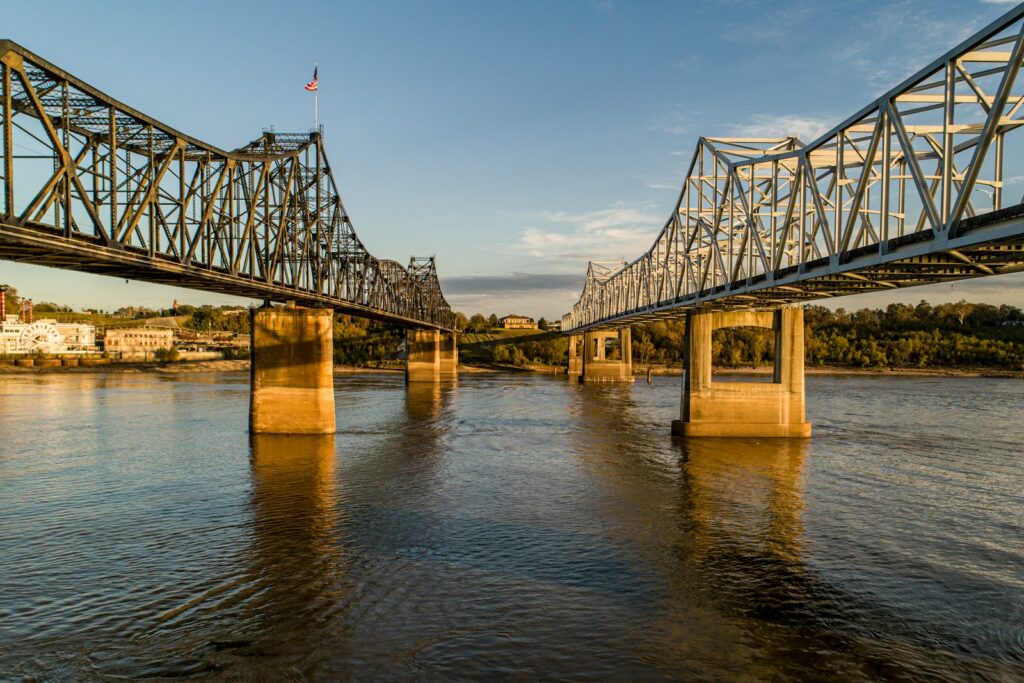
10. **Vicksburg, Mississippi**During the tumultuous period of the “American Civil War (1861–1865),” Vicksburg, Mississippi, emerged as a city of critical strategic importance, experiencing a profound, albeit destructive, boom of military focus. Positioned high on bluffs overlooking the Mississippi River, it was a vital stronghold for the “Confederate States of America” and controlled a crucial stretch of the river, acting as a gateway for supplies and communication between the eastern and western Confederacy.
The city’s strategic value meant it became the focal point of an intense military campaign, culminating in the “1863 Siege of Vicksburg.” This engagement concentrated immense resources, personnel, and attention on the city, making it a site of relentless conflict and a symbol of both Confederate resistance and Union determination. The Union’s eventual victory after this siege was a pivotal moment, as “The war began to turn in the Union’s favor,” fundamentally altering the course of the war.
Following the Confederate surrender in 1865, Vicksburg, like many Southern cities, faced the immense challenges of “Reconstruction” and a dramatically altered social and economic landscape. Its identity shifted from a besieged military fortress to a city grappling with the aftermath of war, the national abolition of slavery, and the subsequent reshaping of the Southern economy. The very fabric of its society and its functional purpose were irrevocably transformed.
Today, Vicksburg, while a proud steward of its rich historical past, is profoundly different from the city it was during its Civil War boom. The frenetic military activity, the constant threat of bombardment, and the societal structures defined by the conflict are now historical narratives, preserved in memorials and museums rather than being part of its contemporary, everyday reality. The dramatic transformation from a besieged military objective to a modern city focused on local economy and tourism renders its Civil War ‘boom’ identity largely unrecognizable.
This shift underscores how deeply national conflicts can redefine a place. The physical scars of battle have mostly faded, replaced by development and historical commemoration. However, the functional identity of Vicksburg as a critical military linchpin has long since receded into the annals of history, a permanent and dramatic transformation that showcases the profound shifts from “nation-building to contemporary societal changes” that mark America’s urban evolution.
***
Read more about: America Unveiled: A Deep Dive into the United States’ Enduring Story, Landscapes, and Institutions
These narratives of transformation, from bustling colonial outposts to centers of industry, immigration, and political power, underscore a fundamental truth about American history: stasis is an illusion. The cities and settlements that once thrived, sometimes for centuries, have been relentlessly shaped by the forces of conquest, commerce, migration, and conflict. Their ‘unrecognizable’ states today are not merely a loss of the past, but a testament to the nation’s continuous, often turbulent, evolution. Each forgotten boom, each dramatic shift, is a layer in the complex tapestry of a country constantly redefining its own landscape and identity. These are not just stories of decline, but powerful testaments to an enduring American dynamism, forever remaking its own image.”