In the sprawling saga of American muscle cars, the Chevrolet Camaro stands as an undisputed icon. Its very name conjures images of roaring V8s, blistering quarter-mile times, and aggressive styling that dominated drag strips and cruised boulevards alike. Yet, amidst the thunderous chorus of high-performance machines, a whisper of rarity persists—a quiet defiance of convention that, for a select few, offers an even deeper connection to automotive history. We’re talking about the truly exceptional, the oft-overlooked, and increasingly valuable six-cylinder Camaros, particularly those that have not only survived the decades but continue to run with their original hearts beating strong.
These aren’t your typical garage queens or meticulously restored show ponies, though some are undoubtedly pristine. These are the extraordinary examples that challenge preconceived notions of what makes a classic Camaro desirable. They represent a fascinating intersection of economy, functionality, and an almost accidental rarity, born from choices made by original owners who prioritized different attributes than today’s performance-obsessed collectors. The passage of time, combined with countless V8 swaps and the sheer attrition of daily driving, has elevated these unassuming six-cylinder variants to a status far beyond their initial market positioning.
Prepare to embark on an exhilarating journey as we peel back the layers of misconception surrounding these unique machines. We’ll delve into the specific details that make certain six-cylinder Camaros not just uncommon, but genuinely historic. From their distinctive powertrains to their seldom-seen factory options and remarkable survivor stories, these cars are more than just metal and rubber; they are tangible links to a bygone era of automotive culture, each with a compelling tale of resilience and unexpected desirability. Get ready to have your perceptions challenged and your passion ignited for these phenomenal, rare 6-cylinder Camaros still running today.
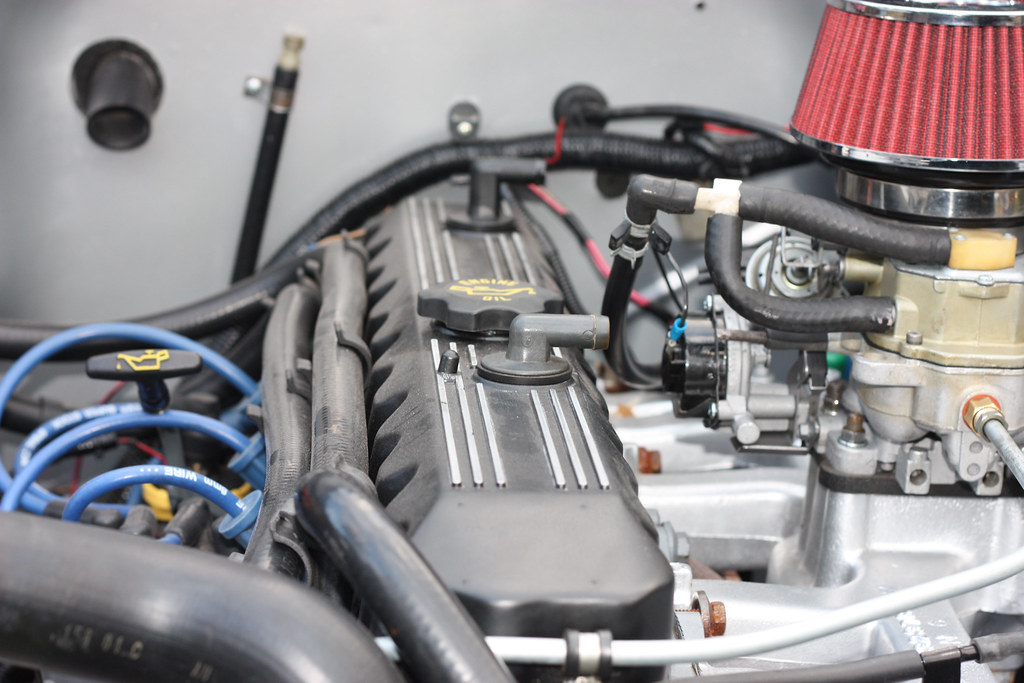
1. **The Enduring Legacy of the 250 Cubic Inch Inline-6 Engine**At the heart of many of these exceptionally rare Camaros, beating with steadfast reliability, is the venerable 250 cubic inch inline-six engine. This powerplant, often overshadowed by its V8 brethren, represents a cornerstone of General Motors’ engineering prowess, introduced as far back as 1966. For many buyers of the era, this engine offered a pragmatic balance of performance and economy, making the Camaro an accessible dream for a broader audience. Its robust design and straightforward mechanics contributed significantly to its longevity, allowing many to survive to this day.
By 1975, a pivotal year for one of our featured rarities, GM introduced a significant innovation to this engine: an integrated cylinder head. This design merged the intake manifold and the cylinder head into a single casting, a move aimed at improving manufacturing efficiency and potentially emissions control. In its 1975 iteration, this 250 cubic inch (4.1 liters) inline-six was rated at a respectable 105 horsepower and an equally impressive 185 lb-ft of torque. These figures, while modest by today’s standards, provided ample motivation for the Camaro in its base configuration, especially when paired with a manual transmission.
The decision to equip a Camaro with the 250 inline-six speaks volumes about the original owner’s priorities. It wasn’t about raw speed or quarter-mile heroics; it was about enjoying the Camaro’s iconic styling, its spirited handling, and its undeniable curb appeal without the higher running costs associated with a V8. This engine choice, often perceived as the “economy” option, has inadvertently become a hallmark of extreme rarity. The sheer number of these engines that were either replaced by V8s or simply succumbed to the rigors of daily use means that finding a fully original, numbers-matching 6-cylinder Camaro with its factory engine is an increasingly difficult, and profoundly rewarding, quest for collectors. Its reliability and understated performance made it a true workhorse, quietly powering a generation of Camaros.
Car Model Information: 2018 Chevrolet Camaro 1LS
Name: Chevrolet Camaro
Manufacturer: Chevrolet
Production: 1966–2002,2009–2023
ModelYears: 1967–2002,2010–2024
Class: Pony car
BodyStyle: coupe,convertible
Platform: GM F platform,GM Zeta platform,GM Alpha platform
Layout: Front-engine, rear-wheel-drive layout
Categories: 1970s cars, 1980s cars, 1990s cars, 2+2 coupés, 2000s cars
Summary: The Chevrolet Camaro is a mid-size American automobile manufactured by Chevrolet, classified as a pony car. It first went on sale on September 29, 1966, for the 1967 model year and was designed to compete with the Ford Mustang. The Camaro shared its platform and major components with the Firebird, produced by General Motors’ Pontiac division that was also introduced for the 1967 model year.
Four distinct generations of the Camaro were developed before production ended in 2002. The nameplate was revived on a concept car that evolved into the fifth-generation Camaro; production started on March 16, 2009.
Production of the sixth generation of the Camaro ended in December 2023, for the 2024 model year.
Get more information about: Chevrolet Camaro
Buying a high-performing used car >>>
Brand: Chevrolet Model: Camaro
Price: $18,785 Mileage: 69,196 mi.
Read more about: Unsung Powerhouses: The Ford Engines That Quietly Redefined Performance and Stole the Mustang’s Thunder
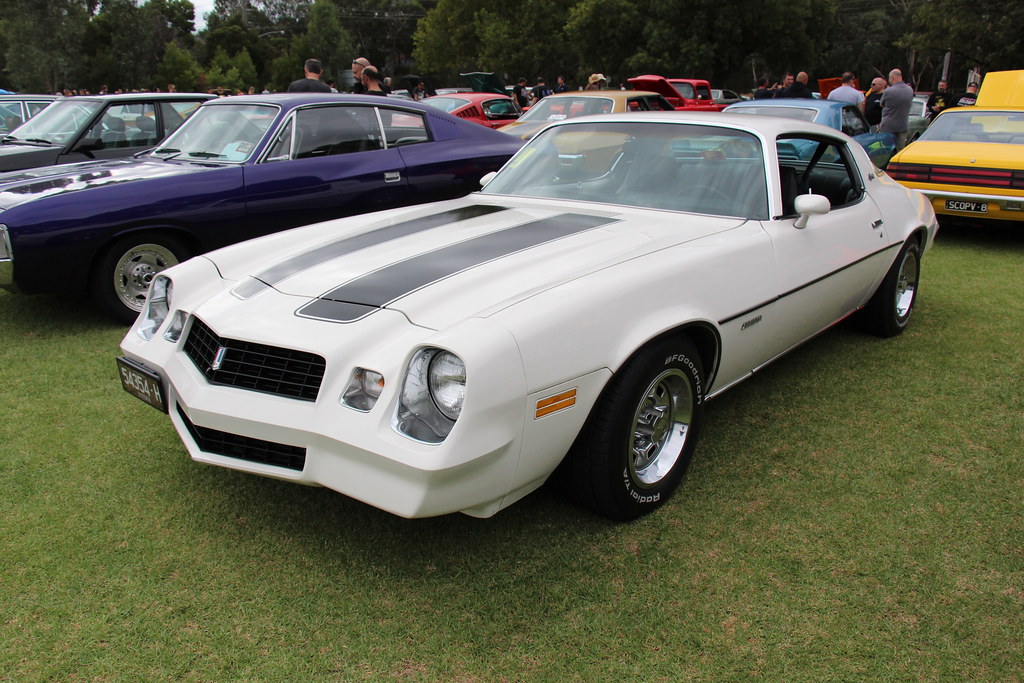
2. **The Elusive 1975 Camaro Rally Sport with its Inline-6 and Manual Transmission**Imagine stumbling upon a 1975 Chevrolet Camaro Rally Sport that not only retains its original 250 cubic inch six-cylinder engine but also pairs it with a three-speed manual transmission, all while boasting a mere 15,000 miles since new. Such a car is not merely rare; it’s a profound historical anomaly, a pristine snapshot of a particular moment in automotive history. The existence of this specific car, located in Torrance, California, represents a stark contrast to the common perception of performance-oriented Camaros from the mid-seventies, which often saw more powerful V8s dominating sales brochures and enthusiasts’ desires.
This 1975 model year was significant for several reasons, marking the introduction of the catalytic converter to GM passenger cars – a key step in automotive emissions control. Yet, despite these regulatory changes and the availability of optional 350 cubic inch V8 engines (rated at 145 and 155 net horsepower respectively), this particular Rally Sport was ordered with the base inline-six. This decision, seemingly counter-intuitive for a ‘Rally Sport’ trimmed car, underscores a different kind of automotive appreciation at the time: one focused on style and efficiency over outright power. The car’s stunning two-tone paint job and its factory Rally II wheels, color-coded to match, present an undeniably striking appearance, even for those who might typically shy away from the ‘big chrome bumpers’ characteristic of the era.
The preservation of this car, with its remarkably low mileage, is nothing short of astounding. The interior reflects this care, with its classic Camaro 4-spoke steering wheel, a driver-focused dash, and cloth insert seats all appearing stock and exceptionally well-kept. The fender tag, revealing the Z85 code for a Rally Sport, further validates its authentic configuration. This car was clearly purchased as a driver, with an eye towards economical operation, making its long-term survival in such an original state a testament to either exceptional foresight, diligent care, or perhaps a fortunate period of dormancy. Its reappearance on the market at a strong asking price of $25,500 is a testament to the burgeoning appreciation for such unmolested, rare six-cylinder specimens.
Car Model Information: 2018 Chevrolet Camaro 1LS
Name: Chevrolet Camaro
Manufacturer: Chevrolet
Production: 1966–2002,2009–2023
ModelYears: 1967–2002,2010–2024
Class: Pony car
BodyStyle: coupe,convertible
Platform: GM F platform,GM Zeta platform,GM Alpha platform
Layout: Front-engine, rear-wheel-drive layout
Categories: 1970s cars, 1980s cars, 1990s cars, 2+2 coupés, 2000s cars
Summary: The Chevrolet Camaro is a mid-size American automobile manufactured by Chevrolet, classified as a pony car. It first went on sale on September 29, 1966, for the 1967 model year and was designed to compete with the Ford Mustang. The Camaro shared its platform and major components with the Firebird, produced by General Motors’ Pontiac division that was also introduced for the 1967 model year.
Four distinct generations of the Camaro were developed before production ended in 2002. The nameplate was revived on a concept car that evolved into the fifth-generation Camaro; production started on March 16, 2009.
Production of the sixth generation of the Camaro ended in December 2023, for the 2024 model year.
Get more information about: Chevrolet Camaro
Buying a high-performing used car >>>
Brand: Chevrolet Model: Camaro
Price: $18,785 Mileage: 69,196 mi.
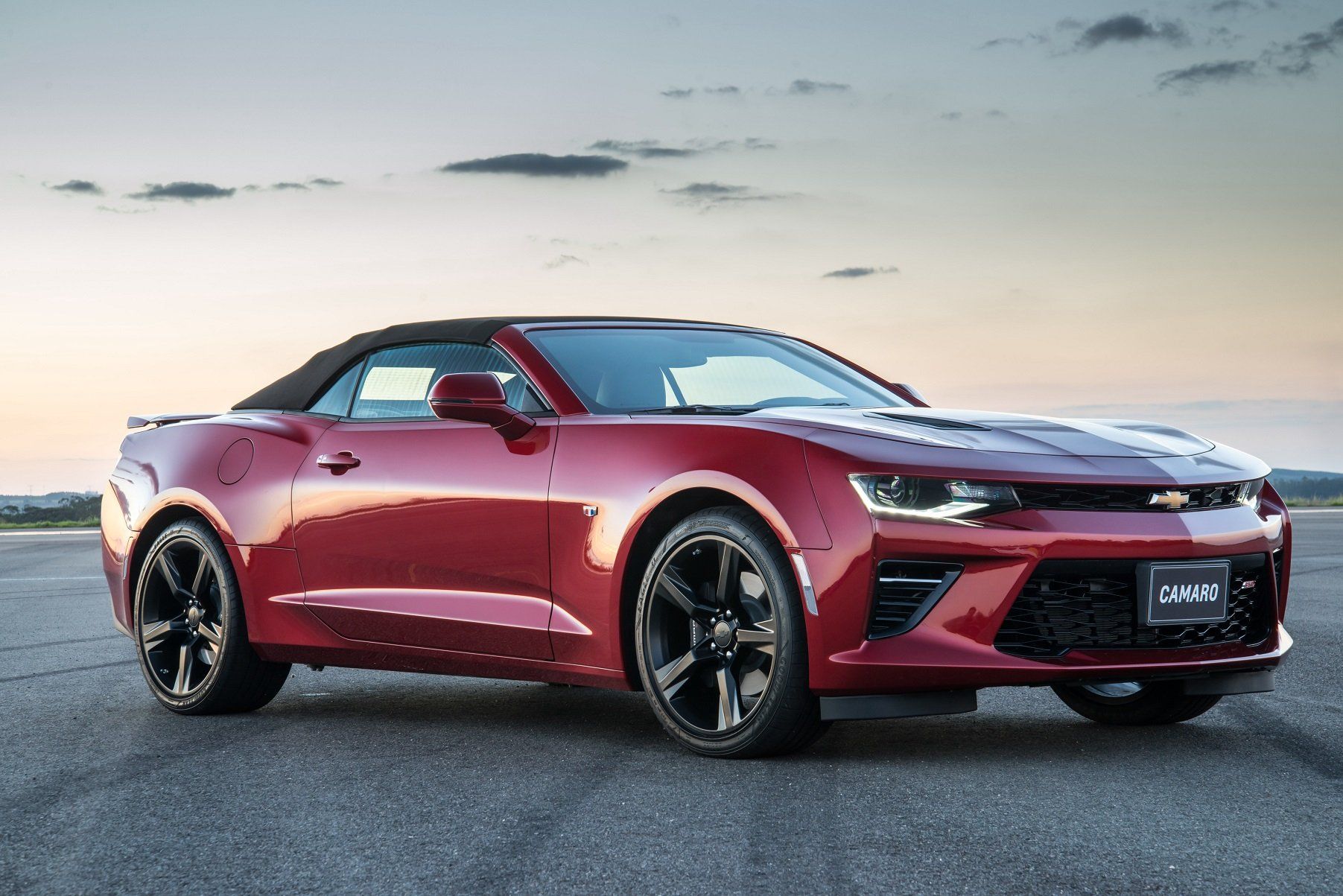
3. **The Ultra-Rare Air-Cooled Torque Drive Transmission: A Glimpse into Automotive Ingenuity**When delving into the world of truly obscure automotive components, the air-cooled Torque Drive transmission stands as an unparalleled marvel, particularly when found in a 1969 Camaro. This is not merely a rare option; it’s an ultra-rare, almost mythical piece of engineering that astonishes even seasoned collectors. Described as “the ONLY one I know of in existence” in a 1969 Camaro by a seasoned collector, its scarcity is profoundly significant. Only 2,846 ’69 Camaros were equipped with this transmission, accounting for slightly over 1% of the total production, making it an incredibly difficult find today.
What exactly is a Torque Drive? It’s essentially a cheaper, stripped-down version of the well-known Powerglide automatic transmission, but with a crucial distinction: it has no provisions for automatic shifting. This means there’s no vacuum modulator or kickdown mechanism, placing the onus entirely on the driver to manually shift between first and second gears. For instance, the correct driving procedure involved starting in 1st gear at a stop light and then shifting to 2nd at around 25-30 mph. While this might seem like a “pain-in-the-ass” to modern drivers, it offered a unique, hands-on driving experience that was deeply tied to the car’s economical design.
Beyond its manual-shift requirement, the Torque Drive featured a distinctive air-cooling system, a fascinating engineering detail. Its transmission case boasts four large triangular holes located on the bellhousing above the torque converter. Complementing this, the torque converter itself was designed with fins to circulate cooling air, further aided by a large air scoop positioned behind the starter, drawing in outside air. This ingenious, albeit economically driven, design was offered only in 1968 and 1969 Camaros, along with 1968-1971 Novas. Given its unusual operation and the minimal cost savings (it was priced at $68, a cheaper alternative to the Powerglide), GM found it challenging to sell, leading to widespread replacements over the years as owners sought more conventional automatic or V8 drivetrains. The survival of a 1969 Camaro with its original, numbers-matching Torque Drive transmission, professionally rebuilt with “extremely rare NOS Torque Drive parts,” is an extraordinary testament to preservation and a truly unique piece of Camaro history, consistently stopping people in their tracks at car shows.
Car Model Information: 2018 Chevrolet Camaro 1LS
Name: Chevrolet Camaro
Manufacturer: Chevrolet
Production: 1966–2002,2009–2023
ModelYears: 1967–2002,2010–2024
Class: Pony car
BodyStyle: coupe,convertible
Platform: GM F platform,GM Zeta platform,GM Alpha platform
Layout: Front-engine, rear-wheel-drive layout
Categories: 1970s cars, 1980s cars, 1990s cars, 2+2 coupés, 2000s cars
Summary: The Chevrolet Camaro is a mid-size American automobile manufactured by Chevrolet, classified as a pony car. It first went on sale on September 29, 1966, for the 1967 model year and was designed to compete with the Ford Mustang. The Camaro shared its platform and major components with the Firebird, produced by General Motors’ Pontiac division that was also introduced for the 1967 model year.
Four distinct generations of the Camaro were developed before production ended in 2002. The nameplate was revived on a concept car that evolved into the fifth-generation Camaro; production started on March 16, 2009.
Production of the sixth generation of the Camaro ended in December 2023, for the 2024 model year.
Get more information about: Chevrolet Camaro
Buying a high-performing used car >>>
Brand: Chevrolet Model: Camaro
Price: $18,785 Mileage: 69,196 mi.

4. **The Unmistakable Presence of the X11 Style Trim Group in a Survivor Camaro**When evaluating the authenticity and rarity of a vintage Camaro, subtle factory options, often overlooked, can elevate a car from interesting to truly exceptional. The X11 Style Trim Group, clearly coded on the body trim tag, is one such detail that distinguishes a particular 1969 6-cylinder survivor Camaro. This trim group, while not as overtly performance-oriented as an SS or Z28 package, signified a specific aesthetic and set of features that contributed to the car’s overall appeal and perceived quality. Its presence on a low-mileage, original six-cylinder car only enhances its unique historical context and makes it a magnet for discerning enthusiasts.
The X11 Style Trim Group typically included a range of visual enhancements that gave the standard Camaro a more refined and upscale appearance without adding performance-enhancing components. These could encompass specific moldings, badging, or interior appointments that differentiated it from the absolute base model. For a car that has survived for over five decades in largely original condition, the intact X11 coding on the body trim tag serves as an irrefutable stamp of factory authenticity. It confirms that the car left the Norwood Chevrolet plant not just as a basic transportation vehicle, but with a specific, original aesthetic vision, carefully selected by its first owner.
In the context of a “survivor” vehicle, the X11 Style Trim Group takes on even greater significance. It’s not just about the trim itself, but about its unmolested condition, reflecting years of careful ownership rather than extensive restoration. The fact that the trim tag explicitly displays this code, along with other factory options like tinted glass, an AM radio, whitewall tires, and magnesium wheel covers, creates a comprehensive picture of a remarkably original car. This level of factory detail, still evident after more than 50 years, is precisely what draws enthusiasts to these rare six-cylinder Camaros, often generating more interest at shows than their more powerful, but less unique, V8 counterparts. The X11 code is more than just a series of alphanumeric characters; it’s a testament to the enduring charm of factory originality.
Car Model Information: 2018 Chevrolet Camaro 1LS
Name: Chevrolet Camaro
Manufacturer: Chevrolet
Production: 1966–2002,2009–2023
ModelYears: 1967–2002,2010–2024
Class: Pony car
BodyStyle: coupe,convertible
Platform: GM F platform,GM Zeta platform,GM Alpha platform
Layout: Front-engine, rear-wheel-drive layout
Categories: 1970s cars, 1980s cars, 1990s cars, 2+2 coupés, 2000s cars
Summary: The Chevrolet Camaro is a mid-size American automobile manufactured by Chevrolet, classified as a pony car. It first went on sale on September 29, 1966, for the 1967 model year and was designed to compete with the Ford Mustang. The Camaro shared its platform and major components with the Firebird, produced by General Motors’ Pontiac division that was also introduced for the 1967 model year.
Four distinct generations of the Camaro were developed before production ended in 2002. The nameplate was revived on a concept car that evolved into the fifth-generation Camaro; production started on March 16, 2009.
Production of the sixth generation of the Camaro ended in December 2023, for the 2024 model year.
Get more information about: Chevrolet Camaro
Buying a high-performing used car >>>
Brand: Chevrolet Model: Camaro
Price: $18,785 Mileage: 69,196 mi.
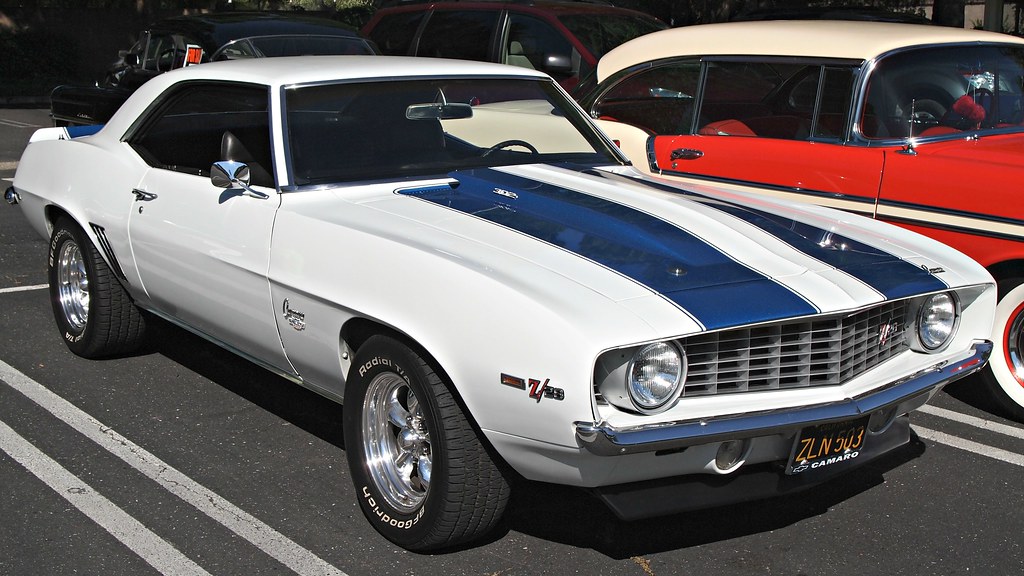
5. **The Significance of Numbers-Matching Drivetrains in Preserving a 1969 Camaro’s Authenticity**For serious collectors and automotive purists, the phrase “numbers-matching” is almost sacred, representing the zenith of originality and historical integrity for a classic car. In the case of the 1969 Chevrolet Camaro featuring the ultra-rare Torque Drive transmission, possessing its original, numbers-matching drivetrain—engine, transmission, and rear-end—is what truly solidifies its place as an automotive unicorn. This detail confirms that the very heart and soul of the car, as it was conceived and assembled on the factory line, remains intact, untampered by modifications or replacement parts from other vehicles.
The rarity of a 1969 Camaro with its original 250 cubic-inch 6-cylinder engine is already substantial, given the prevalence of V8 swaps over the decades. To then find it still paired with its original 2.73 geared rear-end and, most astonishingly, the air-cooled Torque Drive transmission, elevates its status beyond mere scarcity. The Protect-o-plate, a vital piece of documentation from the era, further corroborates this authenticity, showing that the car was sold at Hefner Chevrolet in Ft Wayne, IN, on October 7, 1968, with all numbers aligning precisely with the car’s drivetrain. This level of documented originality is paramount in the classic car market.
This unbroken lineage from factory to present day is what sets such a vehicle apart from even meticulously restored examples. It tells a story of survival, of a car that somehow escaped the common fate of powertrain upgrades and modifications. The original owner’s choice to opt for a 6-cylinder with manual steering and brakes, and a transmission that required driver interaction, meant it wasn’t a performance monster destined for a hard life. Instead, it was an economical, stylish choice that, ironically, has become one of the most significant factors contributing to its extreme rarity and desirability today. The numbers-matching status is not just a detail; it’s the very foundation of its incomparable value and a magnet for enthusiasts seeking a direct link to GM’s original vision.
Car Model Information: 2018 Chevrolet Camaro 1LS
Name: Chevrolet Camaro
Manufacturer: Chevrolet
Production: 1966–2002,2009–2023
ModelYears: 1967–2002,2010–2024
Class: Pony car
BodyStyle: coupe,convertible
Platform: GM F platform,GM Zeta platform,GM Alpha platform
Layout: Front-engine, rear-wheel-drive layout
Categories: 1970s cars, 1980s cars, 1990s cars, 2+2 coupés, 2000s cars
Summary: The Chevrolet Camaro is a mid-size American automobile manufactured by Chevrolet, classified as a pony car. It first went on sale on September 29, 1966, for the 1967 model year and was designed to compete with the Ford Mustang. The Camaro shared its platform and major components with the Firebird, produced by General Motors’ Pontiac division that was also introduced for the 1967 model year.
Four distinct generations of the Camaro were developed before production ended in 2002. The nameplate was revived on a concept car that evolved into the fifth-generation Camaro; production started on March 16, 2009.
Production of the sixth generation of the Camaro ended in December 2023, for the 2024 model year.
Get more information about: Chevrolet Camaro
Buying a high-performing used car >>>
Brand: Chevrolet Model: Camaro
Price: $18,785 Mileage: 69,196 mi.

6. **The Unique Charm of Manual Steering and Brakes: A Purist’s Driving Experience in a ’69 Camaro**
In an era increasingly defined by power assists and automated convenience, the raw, unfiltered driving experience offered by a classic Camaro equipped with manual steering and manual brakes is a powerful reminder of automotive fundamentals. One of the featured 1969 Camaros, already an anomaly with its 6-cylinder engine and Torque Drive transmission, further accentuates its purist appeal by possessing these very options. The Protect-o-plate for this particular vehicle explicitly shows it was built with manual steering and brakes, a detail that speaks volumes about the original owner’s priorities and the vehicle’s unembellished character.
The original owner of this 1969 Camaro, a young woman, reportedly “disliked the way it drove” due to these very manual controls, combined with the non-automatic “automatic” transmission. This sentiment highlights how much driving expectations have evolved. Yet, for modern collectors, these seemingly less desirable options are precisely what make this car, and others like it, so fascinating. They underscore its factory originality and provide a challenging yet rewarding driving dynamic that connects the driver directly to the machine. Far from being drawbacks, manual steering and brakes on such a rare 6-cylinder Camaro contribute significantly to its unique identity and provide an unadulterated glimpse into the driving realities of the late 1960s, a testament to a less forgiving, but arguably more engaging, era of automotive design.
Car Model Information: 2018 Chevrolet Camaro 1LS
Name: Chevrolet Camaro
Manufacturer: Chevrolet
Production: 1966–2002,2009–2023
ModelYears: 1967–2002,2010–2024
Class: Pony car
BodyStyle: coupe,convertible
Platform: GM F platform,GM Zeta platform,GM Alpha platform
Layout: Front-engine, rear-wheel-drive layout
Categories: 1970s cars, 1980s cars, 1990s cars, 2+2 coupés, 2000s cars
Summary: The Chevrolet Camaro is a mid-size American automobile manufactured by Chevrolet, classified as a pony car. It first went on sale on September 29, 1966, for the 1967 model year and was designed to compete with the Ford Mustang. The Camaro shared its platform and major components with the Firebird, produced by General Motors’ Pontiac division that was also introduced for the 1967 model year.
Four distinct generations of the Camaro were developed before production ended in 2002. The nameplate was revived on a concept car that evolved into the fifth-generation Camaro; production started on March 16, 2009.
Production of the sixth generation of the Camaro ended in December 2023, for the 2024 model year.
Get more information about: Chevrolet Camaro
Buying a high-performing used car >>>
Brand: Chevrolet Model: Camaro
Price: $18,785 Mileage: 69,196 mi.

7. **The Unsung Allure of Early Build Dates and Distinctive Factory Color Schemes**Beyond the mechanical marvels, the true connoisseur understands that a car’s birth certificate—its original build date and factory color combination—can elevate its status to stratospheric levels of rarity. Consider the truly extraordinary 1969 Camaro with the ultra-rare Torque Drive transmission. Its cowl tag proudly displays an “08E” build date, signifying the fifth week of August 1968. This places it among the absolute earliest 1969 Camaros ever produced, a detail that makes it a fascinating artifact for anyone seeking a direct connection to the model’s inception.
What truly sets this early production gem apart is its striking and incredibly rare factory color scheme: an original Garnet Red exterior paired with a parchment top and a vibrant red base interior. This particular combination wasn’t just visually stunning; it was a carefully chosen aesthetic that often graced the pages of early 1969 Camaro advertisements and was a popular selection for vehicles displayed prominently in showrooms on the new car intro date. It speaks to a time when presentation and visual impact were paramount in capturing the hearts of potential buyers, embodying the stylish spirit of the era.
The original owner, a young woman who purchased this car, was undeniably captivated by its beautiful appearance, a testament to the allure of this specific color combination. While her personal driving experience, as she later recalled, was less than ideal due to the manual controls and unique transmission, the car’s initial appeal was purely aesthetic. This highlights a fundamental aspect of collecting these rare six-cylinder Camaros: they were often chosen for reasons beyond raw horsepower, prioritizing style, accessibility, and unique factory configurations that, ironically, now contribute immensely to their collectibility.
In today’s market, these early build dates and distinctive, often overlooked, factory aesthetic choices are paramount. They provide a tangible link to the initial vision of the vehicle, offering enthusiasts a chance to own a piece of automotive history that stands apart from the more common configurations. Such details are not merely cosmetic; they are crucial elements that define a car’s unique heritage and profoundly enhance its desirability for those who appreciate the subtle nuances of automotive excellence.
Car Model Information: 2018 Chevrolet Camaro 1LS
Name: Chevrolet Camaro
Manufacturer: Chevrolet
Production: 1966–2002,2009–2023
ModelYears: 1967–2002,2010–2024
Class: Pony car
BodyStyle: coupe,convertible
Platform: GM F platform,GM Zeta platform,GM Alpha platform
Layout: Front-engine, rear-wheel-drive layout
Categories: 1970s cars, 1980s cars, 1990s cars, 2+2 coupés, 2000s cars
Summary: The Chevrolet Camaro is a mid-size American automobile manufactured by Chevrolet, classified as a pony car. It first went on sale on September 29, 1966, for the 1967 model year and was designed to compete with the Ford Mustang. The Camaro shared its platform and major components with the Firebird, produced by General Motors’ Pontiac division that was also introduced for the 1967 model year.
Four distinct generations of the Camaro were developed before production ended in 2002. The nameplate was revived on a concept car that evolved into the fifth-generation Camaro; production started on March 16, 2009.
Production of the sixth generation of the Camaro ended in December 2023, for the 2024 model year.
Get more information about: Chevrolet Camaro
Buying a high-performing used car >>>
Brand: Chevrolet Model: Camaro
Price: $18,785 Mileage: 69,196 mi.
8. **Rare Factory Options: The Story Behind the “Radio-Delete” and Other Uncommon Choices**In the intricate tapestry of classic car collecting, the presence or absence of seemingly minor factory options can dramatically influence a vehicle’s rarity and historical significance. The concept of a “radio-delete” from the factory, as seen in our remarkable 1969 Torque Drive Camaro, offers a fascinating glimpse into the pragmatic choices made by original owners. While most cars were ordered with an entertainment system, choosing to omit the radio often indicated a desire for economy or a plan for aftermarket customization, a detail that now makes such cars stand out in an unadulterated state.
Intriguingly, despite its factory radio-delete status, an AM radio and antenna were added to this particular Camaro after its purchase by the original owner’s father. This small modification, made at the dealership, is a perfect illustration of how vehicles were often personalized from day one, blurring the lines between factory specification and individual preference. It speaks to a bygone era where car ownership was a more hands-on experience, and customization began almost immediately upon delivery, reflecting the unique tastes and needs of the owner.
These seemingly less glamorous, or even omitted, factory options further underscore the distinctive nature of these six-cylinder Camaros. Unlike their V8 performance-oriented siblings, which were often loaded with every available power accessory, many 6-cylinder models were chosen for their efficiency and value. This often meant foregoing certain luxuries, inadvertently creating configurations that, due to their scarcity and unadorned originality, are now considered exceptionally rare and highly sought after by discerning collectors.
The enduring charm of such vehicles lies in their authentic representation of how cars were truly bought and used. They tell a story of sensible choices, subtle customizations, and a different kind of automotive appreciation that valued economy and style over pure brute force. For modern enthusiasts, a car with a documented factory radio-delete, even if a period-correct radio was later installed, provides a captivating window into the historical context and the unique journey of a car from the factory floor to cherished classic status.
Car Model Information: 2018 Chevrolet Camaro 1LS
Name: Chevrolet Camaro
Manufacturer: Chevrolet
Production: 1966–2002,2009–2023
ModelYears: 1967–2002,2010–2024
Class: Pony car
BodyStyle: coupe,convertible
Platform: GM F platform,GM Zeta platform,GM Alpha platform
Layout: Front-engine, rear-wheel-drive layout
Categories: 1970s cars, 1980s cars, 1990s cars, 2+2 coupés, 2000s cars
Summary: The Chevrolet Camaro is a mid-size American automobile manufactured by Chevrolet, classified as a pony car. It first went on sale on September 29, 1966, for the 1967 model year and was designed to compete with the Ford Mustang. The Camaro shared its platform and major components with the Firebird, produced by General Motors’ Pontiac division that was also introduced for the 1967 model year.
Four distinct generations of the Camaro were developed before production ended in 2002. The nameplate was revived on a concept car that evolved into the fifth-generation Camaro; production started on March 16, 2009.
Production of the sixth generation of the Camaro ended in December 2023, for the 2024 model year.
Get more information about: Chevrolet Camaro
Buying a high-performing used car >>>
Brand: Chevrolet Model: Camaro
Price: $18,785 Mileage: 69,196 mi.

9. **Survivor Stories: A Testament to Resilience Across Decades**The allure of these rare 6-cylinder Camaros is profoundly amplified by the incredible survivor stories they embody, narratives of resilience, neglect, and eventual redemption that transform mere machines into living chronicles. Take, for instance, the 1969 Camaro featuring the ultra-rare Torque Drive transmission, which commenced its journey with a young woman who ultimately traded it in after just two years, finding its unique driving characteristics not to her liking. It then passed through the hands of two Airmen, each leaving their mark and contributing to its ongoing history.
After this initial phase, the car’s odyssey took a poignant turn. Its distinctive transmission eventually failed around 1980, leading to a prolonged period of dormancy. For approximately 35 years, this remarkable Camaro sat silently, a forgotten relic as its owner navigated the demanding task of raising four children and managing household expenses. However, the story didn’t end there; in a heartwarming display of filial dedication, his grown children undertook a comprehensive restoration in 2016, pouring around $30,000 into bringing their father’s cherished car back to life as a tribute.
The narrative of the 1969 3-speed manual survivor is equally compelling, beginning with its sale to Charlotte Jo Overgaard in September 1969. Charlotte drove the car until 1982, then opted to keep it, consigning it to a machine shed for a 38-year slumber. This prolonged storage was not without its challenges, as a leaky skylight damaged the roof paint and caused the only rust found on the car. Further testing its resilience, the car endured a 1975 accident and a grill replacement.
A particularly notable moment in its history occurred when Bob and his sons, in a misguided attempt to revive the long-dormant vehicle, pulled it behind a tractor and dumped the clutch, bending a connecting rod. Fortunately, the original 250 engine was carefully stored, and a perfectly running 230 six-cylinder from a 1970 Nova was installed to get the car back on the road. These intricate survivor stories imbue these Camaros with unparalleled character, making them far more than mere automobiles—they are cherished chapters of automotive and personal history.
Car Model Information: 2018 Chevrolet Camaro 1LS
Name: Chevrolet Camaro
Manufacturer: Chevrolet
Production: 1966–2002,2009–2023
ModelYears: 1967–2002,2010–2024
Class: Pony car
BodyStyle: coupe,convertible
Platform: GM F platform,GM Zeta platform,GM Alpha platform
Layout: Front-engine, rear-wheel-drive layout
Categories: 1970s cars, 1980s cars, 1990s cars, 2+2 coupés, 2000s cars
Summary: The Chevrolet Camaro is a mid-size American automobile manufactured by Chevrolet, classified as a pony car. It first went on sale on September 29, 1966, for the 1967 model year and was designed to compete with the Ford Mustang. The Camaro shared its platform and major components with the Firebird, produced by General Motors’ Pontiac division that was also introduced for the 1967 model year.
Four distinct generations of the Camaro were developed before production ended in 2002. The nameplate was revived on a concept car that evolved into the fifth-generation Camaro; production started on March 16, 2009.
Production of the sixth generation of the Camaro ended in December 2023, for the 2024 model year.
Get more information about: Chevrolet Camaro
Buying a high-performing used car >>>
Brand: Chevrolet Model: Camaro
Price: $18,785 Mileage: 69,196 mi.
Read more about: Beyond the Sunset: 7 American Folk Heroes Whose Lives Took Disturbing Turns
10. **The Power of Provenance: Meticulous Documentation as a Collector’s Treasure**For any serious automotive enthusiast or collector, the depth and breadth of a classic car’s documentation are as vital as its pristine condition, serving as an irrefutable testament to its authenticity and journey through time. In the realm of rare six-cylinder Camaros, the meticulous preservation of original paperwork elevates these vehicles from merely interesting to genuinely extraordinary. The 1969 Torque Drive Camaro, for example, comes with an impressive suite of records that paint a vivid picture of its past.
Central to its provenance is the Protect-o-plate, a crucial document from the era that corroborates its original numbers-matching drivetrain and confirms its sale on October 7, 1968, at Hefner Chevrolet in Ft Wayne, Indiana. This is augmented by its original owner’s manual, plastic envelope, original and NOS Hefner Chevrolet dealer emblems, and a vintage dealer key chain. The inclusion of factory brochures explicitly detailing the unique Torque Drive transmission also provides invaluable technical and historical context, connecting the car directly to its manufacturing roots.
The 1969 3-speed manual survivor also boasts a treasure trove of documentation, showcasing its unique lineage. Its Protect-o-plate provides essential factory build details, complemented by the original warranty information pamphlet. The file includes a fascinating array of receipts for oil changes and repairs, some dating back to 1982, illustrating the car’s prolonged use. Period-specific items like original chrome dealer trunk emblems, Misle Chevrolet key fobs, a 1981 Nebraska AAA sticker, and even a 1970 Nebraska Cornhuskers National Champion Football sticker, all contribute to its rich, verifiable history.
Further bolstering its authenticity are dealer inspection forms, revealing that it took Misle Chevrolet over three months to sell this particular model. A collection of auto registrations from the 1970s and 80s, a 1982 Nebraska automobile inspection decal, and original 1969 Nebraska license plates complete this comprehensive archive. This extraordinary level of documentation is a meticulously preserved narrative that offers unparalleled insight into the car’s life, verifying its originality and making it a truly invaluable piece for any discerning collector.
Car Model Information: 2018 Chevrolet Camaro 1LS
Name: Chevrolet Camaro
Manufacturer: Chevrolet
Production: 1966–2002,2009–2023
ModelYears: 1967–2002,2010–2024
Class: Pony car
BodyStyle: coupe,convertible
Platform: GM F platform,GM Zeta platform,GM Alpha platform
Layout: Front-engine, rear-wheel-drive layout
Categories: 1970s cars, 1980s cars, 1990s cars, 2+2 coupés, 2000s cars
Summary: The Chevrolet Camaro is a mid-size American automobile manufactured by Chevrolet, classified as a pony car. It first went on sale on September 29, 1966, for the 1967 model year and was designed to compete with the Ford Mustang. The Camaro shared its platform and major components with the Firebird, produced by General Motors’ Pontiac division that was also introduced for the 1967 model year.
Four distinct generations of the Camaro were developed before production ended in 2002. The nameplate was revived on a concept car that evolved into the fifth-generation Camaro; production started on March 16, 2009.
Production of the sixth generation of the Camaro ended in December 2023, for the 2024 model year.
Get more information about: Chevrolet Camaro
Buying a high-performing used car >>>
Brand: Chevrolet Model: Camaro
Price: $18,785 Mileage: 69,196 mi.
11. **The Unexpected Kings of the Show Circuit: Why 6-Cylinders Steal the Spotlight**In a world where car shows are often dominated by the thundering roar and aggressive stance of high-horsepower V8 muscle cars, it’s a truly exhilarating experience to witness the unexpected triumph of a rare 6-cylinder Camaro. These unassuming machines, once relegated to the shadows of their more powerful siblings, are now proving to be absolute showstoppers, captivating crowds and garnering accolades that defy conventional wisdom. Their rarity and unique stories resonate deeply with enthusiasts seeking something genuinely different.
Consider the remarkable case of the 1969 Camaro with the ultra-rare Torque Drive transmission. When it was entered into the prestigious Cavalcade of Customs in downtown Cincinnati, it didn’t just participate; it excelled, securing a well-deserved 3rd place award amidst fierce competition. What makes this achievement even more compelling is that it sat directly next to a fully restored, numbers-matching Hugger Orange 1969 Yenko 427 Camaro—a legendary V8 powerhouse—and yet, it reportedly received just as much attention from onlookers. This is a monumental statement about the shifting values in classic car appreciation.
This phenomenon is not isolated. The 1969 3-speed manual survivor Camaro consistently demonstrates the same magnetic appeal. Owners proudly recount how it “ALWAYS attracts lots of attention and appreciation when it is driven or taken to shows.” More telling still, the observation that “people walk right past the restored ’69 Z28s and SSs to see this car and ignore the rest” speaks volumes. It highlights a burgeoning desire among enthusiasts to connect with history, originality, and the sheer improbability of a vehicle’s survival against overwhelming odds.
The profound interest generated by these six-cylinder Camaros underscores a pivotal evolution in collector priorities. While performance will always hold its place, the ultimate rarity, the undeniable originality, and the compelling, often human, backstory of a truly unique survivor car now often command a greater spotlight. These cars aren’t just exceptional for their engines; they are cherished for their entire existence, cementing their status as the unexpected, yet deserving, kings of the show circuit, offering an unparalleled glimpse into the diverse tapestry of automotive heritage.
Car Model Information: 2018 Chevrolet Camaro 1LS
Name: Chevrolet Camaro
Manufacturer: Chevrolet
Production: 1966–2002,2009–2023
ModelYears: 1967–2002,2010–2024
Class: Pony car
BodyStyle: coupe,convertible
Platform: GM F platform,GM Zeta platform,GM Alpha platform
Layout: Front-engine, rear-wheel-drive layout
Categories: 1970s cars, 1980s cars, 1990s cars, 2+2 coupés, 2000s cars
Summary: The Chevrolet Camaro is a mid-size American automobile manufactured by Chevrolet, classified as a pony car. It first went on sale on September 29, 1966, for the 1967 model year and was designed to compete with the Ford Mustang. The Camaro shared its platform and major components with the Firebird, produced by General Motors’ Pontiac division that was also introduced for the 1967 model year.
Four distinct generations of the Camaro were developed before production ended in 2002. The nameplate was revived on a concept car that evolved into the fifth-generation Camaro; production started on March 16, 2009.
Production of the sixth generation of the Camaro ended in December 2023, for the 2024 model year.
Get more information about: Chevrolet Camaro
Buying a high-performing used car >>>
Brand: Chevrolet Model: Camaro
Price: $18,785 Mileage: 69,196 mi.

12. **Decoding Factory Secrets: The Significance of “PTB” Markings and Hidden Authenticity**For the ultimate purist and the most dedicated automotive historian, the search for true originality extends beyond visible components to the subtle, almost hidden, factory markings that serve as indelible fingerprints of a vehicle’s birth. Among these fascinating details are the “PTB” (Paint, Body, and Trim) markings meticulously applied to the firewall of the 1969 3-speed manual survivor Camaro. These seemingly innocuous characters are, in fact, incredibly potent indicators of a car’s untouched and authentic factory condition.
The “PTB” marks hold significant meaning: they were applied during the crucial final inspection stage at the Norwood Chevrolet plant, located on the north side of Cincinnati. Their presence on both sides of the firewall confirms that the vehicle successfully passed the quality control checks for its paint application, body panel alignment, and trim installation before leaving the assembly line. While they may be hard to discern in photographs, their existence is an irrefutable testament to the car’s original factory finish and its unmolested state for decades.
Such details are invaluable because they provide direct, on-the-metal evidence of a car’s provenance, distinguishing a genuine “survivor” from even the most expertly restored examples. In an era where many classic cars have undergone extensive cosmetic and mechanical overhauls, these discreet markings act as a silent, yet powerful, declaration of factory originality. They offer a rare opportunity for enthusiasts to connect with the precise manufacturing processes of the late 1960s, a tangible link to the craftsmen who built these iconic machines.
Ultimately, these hidden authenticating cues contribute significantly to the profound allure and historical gravitas of these rare 6-cylinder Camaros. They transform the car from a mere object into a living, breathing historical document, offering an intimate glimpse into its earliest moments of existence. For collectors, discovering such details is akin to finding an automotive Rosetta Stone, unlocking deeper layers of understanding and appreciation for these remarkable, enduring pieces of Chevrolet’s storied past.
Car Model Information: 2018 Chevrolet Camaro 1LS
Name: Chevrolet Camaro
Manufacturer: Chevrolet
Production: 1966–2002,2009–2023
ModelYears: 1967–2002,2010–2024
Class: Pony car
BodyStyle: coupe,convertible
Platform: GM F platform,GM Zeta platform,GM Alpha platform
Layout: Front-engine, rear-wheel-drive layout
Categories: 1970s cars, 1980s cars, 1990s cars, 2+2 coupés, 2000s cars
Summary: The Chevrolet Camaro is a mid-size American automobile manufactured by Chevrolet, classified as a pony car. It first went on sale on September 29, 1966, for the 1967 model year and was designed to compete with the Ford Mustang. The Camaro shared its platform and major components with the Firebird, produced by General Motors’ Pontiac division that was also introduced for the 1967 model year.
Four distinct generations of the Camaro were developed before production ended in 2002. The nameplate was revived on a concept car that evolved into the fifth-generation Camaro; production started on March 16, 2009.
Production of the sixth generation of the Camaro ended in December 2023, for the 2024 model year.
Get more information about: Chevrolet Camaro
Buying a high-performing used car >>>
Brand: Chevrolet Model: Camaro
Price: $18,785 Mileage: 69,196 mi.
And there you have it—a journey through the unexpected, the resilient, and the utterly captivating world of rare 6-cylinder Camaros. These aren’t just cars; they are vibrant narratives etched in steel, telling tales of pragmatic choices, enduring engineering, and a surprising collectibility that has blossomed over decades. From the subtle nuances of an early build date to the dramatic sagas of survival, each example we’ve explored reminds us that true automotive passion isn’t always about the biggest engine or the fastest quarter-mile time. Sometimes, it’s about the whisper of rarity, the quiet hum of an inline-six, and the profound connection to a history that defies conventional expectations. So next time you see a classic Camaro, take a closer look; you might just be staring at an automotive unicorn, a testament to originality that continues to run, defying the odds and capturing hearts. It’s a reminder that every car has a story, and some stories are just waiting to be rediscovered, celebrated, and cherished for generations to come.