The allure of live television, especially during high-stakes awards ceremonies, often lies in its unpredictability. We tune in, hoping for those genuine, unscripted moments – a spontaneous tear, an unexpected laugh, or a powerful declaration that truly captures the zeitgeist. Yet, beneath the glamour and the carefully choreographed performances, there’s a fascinating tension at play: the battle between unfiltered expression and the watchful eyes of network censors and international broadcasting standards.
Time and again, the spotlight of an acceptance speech becomes an impromptu platform, a precious window for celebrities to voice their convictions, share deeply personal stories, or advocate for causes close to their hearts. These aren’t just moments of individual triumph; they often become cultural touchstones, sparking conversations that ripple far beyond the immediate audience. But what happens when those voices are intentionally muffled, inadvertently muted, or strategically altered before they even reach the vast majority of viewers?
From a recent incident that left audiences scratching their heads during the BET Awards to decades-old controversies at the Oscars, the narrative of celebrity speeches being censored – or perceived as such – is a recurring theme in entertainment history. These moments force us to ponder the boundaries of free speech in televised media, the differing standards across cultures, and the sheer power of an unedited, authentic message. Join us as we journey through some of the most striking instances where stars dared to speak their minds, and the networks, for various reasons, decided to step in.

1. **Usher’s 2024 BET Awards Speech**One of the most talked-about incidents recently involved R&B superstar Usher at the 2024 BET Awards. Accepting the prestigious Lifetime Achievement Award, his 13-minute speech was meant to be a heartfelt reflection on his three-decades-long career, fatherhood, and forgiveness. However, for those watching at home, much of his powerful address was conspicuously silent, leaving a bewildered audience to wonder what significant moments they were missing.
BET swiftly issued a statement to The Associated Press, attributing the widespread muting to “an audio malfunction during the live telecast,” extending “sincere apologies to USHER as we couldn’t be more grateful for his participation.” Despite the network’s explanation, fans on social media were quick to voice their frustration and speculation. Tweets poured in, with some wondering, “Is Usher telling industry secrets because the censoring is crazy,” while others speculated that the muting began when he started discussing “Black fatherhood.”
The heavy censoring, it appeared, kicked in shortly after Usher playfully warned, “Sorry, I’m gonna curse and let you know how I really feel.” Indeed, a full, unedited version later released on BET’s YouTube channel revealed some of the profane, yet deeply personal, sentiments that viewers were initially denied. He spoke candidly about industry challenges, saying, “At one point, it got really thick. When mother——- were f—ing with me. And I get it. I understand. Sometimes you gotta go through some s–t to get to something.” He also made a point to highlight his industry peers, gesturing to them on stage and declaring, “they solid,” and that “it ain’t about a mother—-ing record.”
Beyond the profanity, Usher’s speech delved into profound themes, including his search for identity and the impact of his father’s absence. He shared, “I really was searching for some identity and I was doing that because I was trying to make sense of this name that a man gave me that didn’t stick around because he didn’t love me.” He continued, emphasizing the importance of forgiveness “to understand the true pitfalls and hardships of a Black man in America,” and championed fatherhood, proclaiming, “This is the year of the father.” The incident underscored the ever-present tension between raw, authentic expression and the often-unforgiving nature of live broadcast regulations.
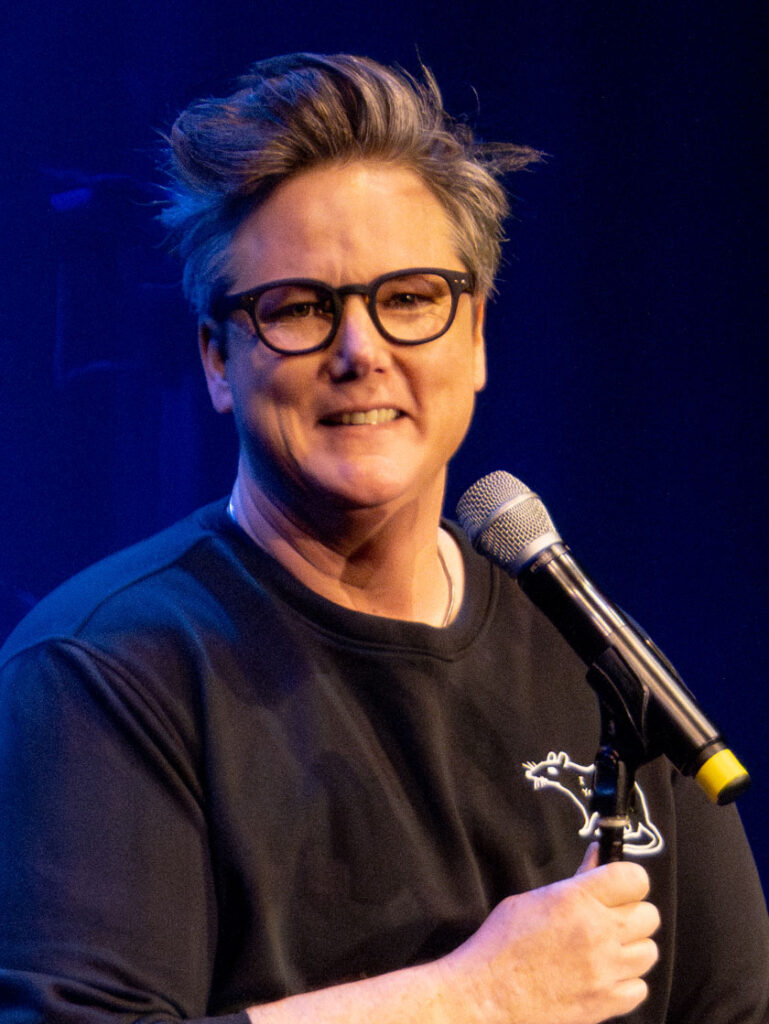
2. **Hannah Einbinder’s 2025 Emmy Speech**While the year mentioned in the original context (2025) might raise an eyebrow for current readers, Hannah Einbinder’s Emmy acceptance speech became an instant flashpoint, perfectly illustrating how current events and celebrity platforms converge. The *Hacks* star, upon winning for Outstanding Supporting Actress in a Comedy Series, delivered a speech that was both humorous and politically charged, leaving an indelible mark on an otherwise glamorous evening. Her moment quickly transcended a typical awards acceptance, becoming a defining moment that intertwined entertainment, politics, and controversy.
After expressing gratitude to the show’s creators and co-star Jean Smart, and giving a cheer for the Philadelphia Eagles, Einbinder’s speech took an abrupt turn. She declared, “F— ICE, and Free Palestine,” a statement that was immediately met with a bleep on the live broadcast. This explicit language and overt political message ignited a firestorm of conversations about the boundaries of censorship on network television, particularly when sensitive global issues are involved. It highlighted the challenges broadcasters face in managing live content in real-time.
Further emphasizing her stance, Einbinder also wore a red Artists4Ceasefire pin. This small, yet potent, symbol was a visual statement, worn by a growing number of entertainment figures advocating for an immediate ceasefire in Gaza. The pin reinforced her spoken words, aligning her with a collective movement urging an end to violence. This visual activism, paired with her direct verbal challenge, underscored the intersection of political advocacy and the entertainment industry, proving that even in the dazzle of an awards night, critical social issues demand attention.
The incident also touched upon the practicalities of live broadcasting, specifically the 45-second time limit set by host Nate Bargatze, which was linked to charitable donations. Einbinder, acknowledging she had exceeded this limit, promised to cover any penalty herself. Her speech highlighted the inherent tensions performers face when they seek to mix political advocacy with the strict content controls and logistical demands of live television, prompting wider discussions on freedom of expression, identity, and the complexities of televised advocacy, particularly for a Jewish actress making such a public statement.
Read more about: OMG, You Guys! The 14 Red Carpet Moments That Had Everyone Totally Obsessed in 2025

3. **Jared Leto’s 2014 Oscar Speech**At the 86th Academy Awards, Jared Leto, accepting the Best Supporting Actor Oscar for his role in *Dallas Buyers Club*, delivered a poignant and moving speech that set an unexpectedly serious tone for the evening. His words resonated deeply with many, particularly as global events at the time were escalating. It was a moment where the personal triumph of an actor merged with a wider plea for global empathy and support, but this message did not reach all intended ears.
Leto dedicated a significant portion of his speech “to all the dreamers out there around the world watching this tonight, in places like Ukraine and Venezuela.” He continued, expressing solidarity, stating, “As you struggle to make your dreams happen, to live the impossible, we’re thinking of you tonight.” This was a direct acknowledgment of the escalating conflict between Russia and Ukraine and the raging protests in Venezuela, offering a message of hope and recognition to those facing severe adversity.
However, the reach of his compassionate message was not universal. In Russia, where the Oscars are broadcast, that particular segment of Leto’s speech was conspicuously absent from television screens. Despite Russia’s state-run Channel One denying responsibility for censoring his remarks, the fact remained that this crucial message of solidarity, intended for those who might have needed to hear it most in regions of turmoil, was ultimately not delivered to its target audience. This incident served as a stark reminder of how political sensitivities can lead to information control, even in seemingly apolitical entertainment broadcasts.
Read more about: Not Even Trying: 14 Times Actors Unforgettably Became Their Characters Through Unique Personalities and Extreme Immersion
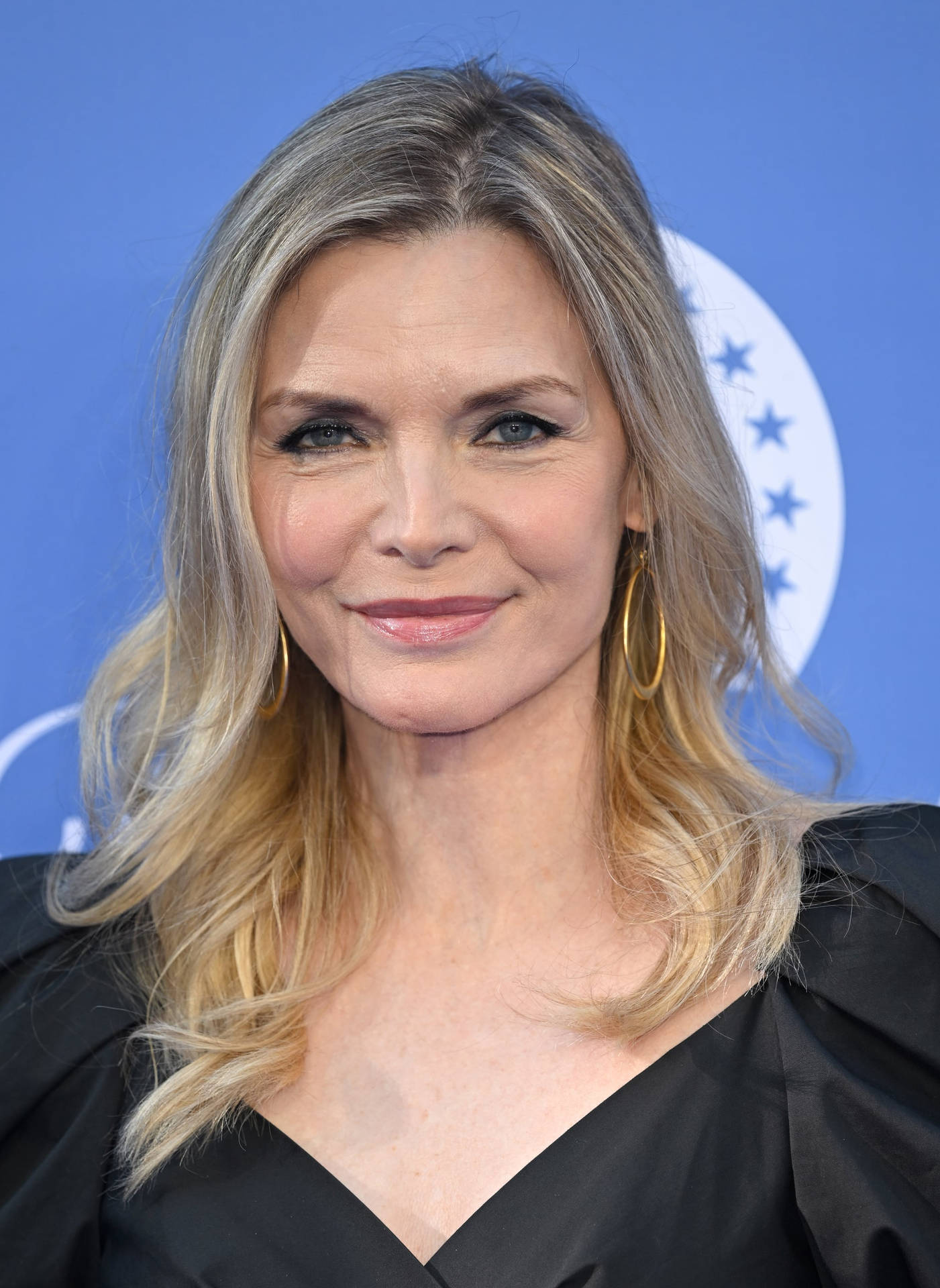
4. **Michelle Obama’s 2013 Oscar Appearance**While not an acceptance speech, Michelle Obama’s appearance at the 2013 Oscars brought a unique form of censorship into the spotlight, showcasing how visual content can be deemed “objectionable” and subsequently altered by international broadcasters. The then-First Lady made a surprise appearance via satellite video to announce *Argo* as the winner for Best Picture, a moment intended to add an unexpected touch of prestige and global recognition to the ceremony.
However, in Iran, the broadcast took a dramatically different form. Fars, a semi-official Iranian news agency, went to extraordinary lengths to digitally manipulate images of the First Lady. Her elegant dress, which bared her chest and shoulders, was photoshopped so that it adhered to the Islamic Republic’s media laws. These regulations dictate that Iranian women shown on television should wear a hijab covering their hair, arms, and legs. While rules are often more lenient for foreign women, in this instance, state TV censors meticulously edited the broadcast frame by frame to cover up Michelle Obama’s attire.
The intense scrutiny and subsequent alteration of the First Lady’s image were not isolated. The context of *Argo* winning Best Picture played a significant role. Fars had openly expressed its disapproval, describing the film as “anti-Iranian” and “Zionist.” This underlying political tension likely contributed to the heightened censorship efforts, demonstrating how a nation’s broader political agenda can influence how even seemingly minor visual details are presented, or rather, re-presented, to its citizens. It’s a powerful illustration of how cultural and political norms can dictate what is deemed acceptable for public consumption, extending even to the wardrobes of global figures.
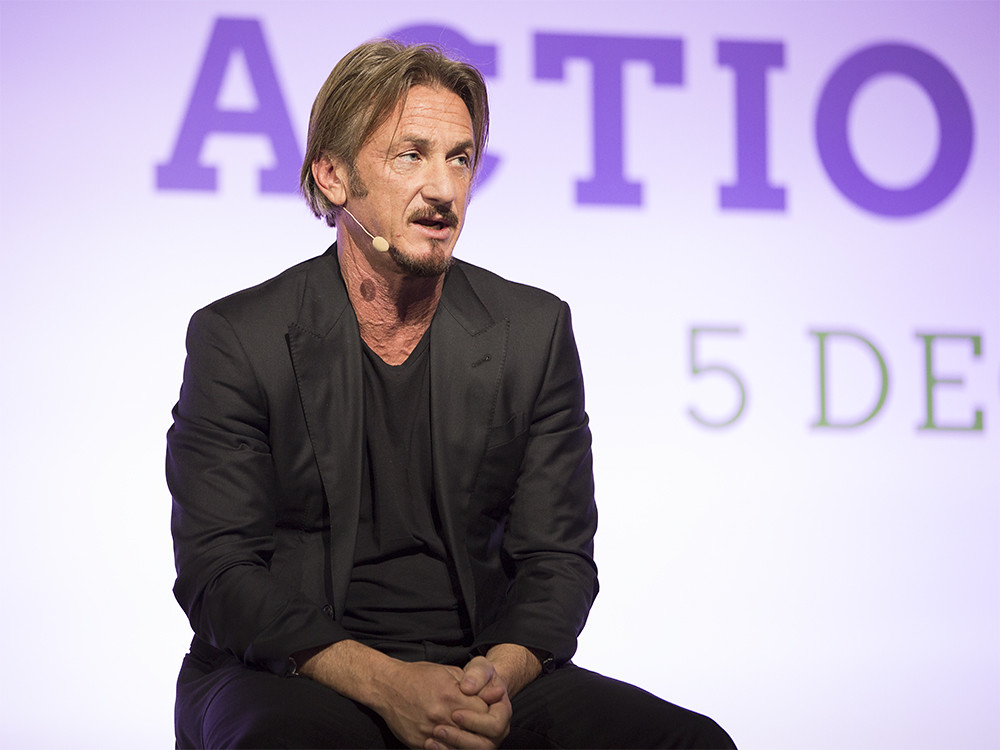
5. **Sean Penn’s 2009 Oscar Speech**At the 81st Academy Awards, Sean Penn delivered a powerful and deeply personal acceptance speech after winning Best Actor for his portrayal of Harvey Milk, the United States’ first openly gay elected public official, in the film *Milk*. Penn used his platform not just to celebrate his win but to advocate passionately for equal marriage rights, making a statement that resonated fiercely in the United States and abroad. His opening words, “you commie, homo-loving sons of guns,” immediately signaled that this would be no ordinary acceptance speech.
Penn directly addressed the social and political climate, particularly the anti-gay protests that had taken place outside the venue. He declared, “For those who saw the signs of hatred as our cars drove in tonight… I think it’s a good time for those who voted for the ban against gay marriage to sit and reflect on their great shame and their shame in their grandchildren’s eyes if they continue that way of support.” His words were a direct challenge to prejudice and a heartfelt endorsement of equality, intended to spark reflection and change.
However, for millions of viewers in mainland China, the essence of Penn’s message was entirely lost due to deliberate mistranslation by the state-run China Central Television (CCTV). His provocative opening line was rendered as the bland, “You really are so generous.” More critically, his passionate stance on Proposition 8 (the ban against gay marriage) was watered down to a generic statement: “Everyone has equal rights,” with no indication of the specific inequality he was addressing. This linguistic manipulation effectively neutralized the political thrust of his speech.
The censorship extended beyond mainland China. The Hong Kong-based STAR network, which broadcasts to 300 million viewers across 53 countries, adopted a different tactic: it simply muted any mentions of “gay” or “lesbian” during its tape-delayed re-broadcast. These interventions by various Asian broadcasters underscored a widespread intolerance for gay rights speech in many regions, demonstrating how a global platform like the Oscars can be manipulated to control narratives around sensitive social issues, preventing crucial dialogues from reaching a broader audience. The powerful agent of change that the Oscars could be was significantly hampered by these acts of censorship.
As we continue our exploration of those electrifying moments when celebrity expression collided with broadcast controls, it becomes clear that the struggle for unfiltered speech is a timeless narrative. From the intentional muting of political messages to the subtle yet powerful acts of self-censorship, these instances reflect a constant negotiation between a performer’s desire to connect authentically and the strictures of a global media landscape. Let’s dive deeper into more iconic examples where voices, for better or worse, found themselves on the network chopping block, or chose their words with extreme caution.
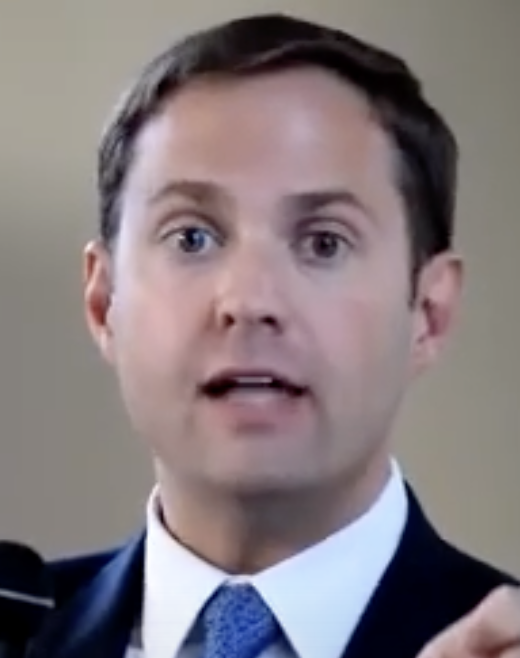
6. **Dustin Lance Black’s 2009 Oscar Speech**While Sean Penn’s powerful speech for *Milk* faced significant censorship, the plight of screenwriter Dustin Lance Black, who won Best Original Screenplay for the same film, was even more stark for many international viewers. His acceptance speech was not just edited or mistranslated; in mainland China, it was completely eliminated by the state-run China Central Television (CCTV). This outright deletion highlighted an even more aggressive form of censorship, effectively erasing a crucial message of hope and validation.
Black’s speech was a heartfelt address to LGBTQ+ youth who had been made to feel “less than” by their communities. He bravely declared, “If Harvey [Milk] had not been taken from us 30 years ago… I think he’d want me to say to all of the gay and lesbian kids out there tonight who have been told that they are less than by their churches or by the government or by their families that you are beautiful, wonderful creatures of value.” This powerful affirmation, a beacon of light for so many, never reached its intended audience in vast parts of Asia.
His moving words were heavily censored not only in mainland China but also for viewers in Hong Kong, Singapore, Malaysia, India, Taiwan, and Thailand. This extensive suppression underscores the widespread cultural and political sensitivities surrounding gay rights in many regions at the time. The Oscars, often seen as a global stage, became a battleground where messages of inclusion and self-worth were systematically dismantled before reaching millions of homes.
This incident, alongside similar interventions, serves as a poignant reminder of how deeply entrenched biases can manipulate media consumption. It reveals the uncomfortable truth that while a moment might feel universally impactful on an awards stage, its resonance can be selectively amplified or entirely silenced depending on where and how it is broadcast. Black’s experience emphasized the critical role of platforms like the Oscars in challenging social norms, even when faced with formidable resistance.
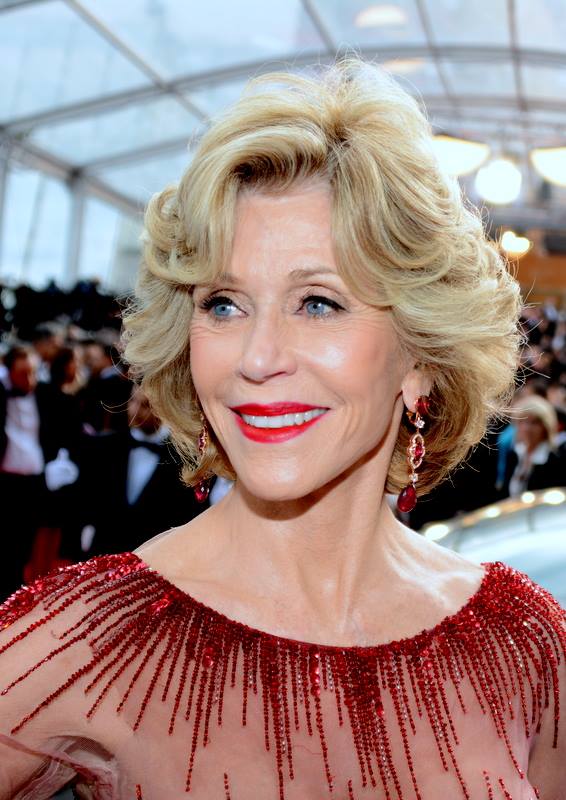
7. **Jane Fonda’s 1972 Oscar Speech**Moving back in time, we find instances where the pressure to conform, or to avoid controversy, led to a different kind of censorship: self-censorship. At the 44th Academy Awards in 1972, anti-war activist Jane Fonda won Best Actress for her performance in *Klute*. Despite her known outspokenness and her history of vigorous protests against the Vietnam War, her acceptance speech was remarkably brief and enigmatic.
Fonda simply stated, “There’s a great deal to say and I’m not going to say it tonight.” This terse declaration, a stark contrast to her public persona, spoke volumes about the intense political climate of the time. Her adversarial stance on government and the Vietnam War had already evoked significant outrage from many Americans, making the Oscars stage a potentially perilous platform for further political discourse.
Her decision to hold back was a strategic, yet telling, act of self-preservation, demonstrating the immense pressure celebrities faced when their political views clashed with mainstream public opinion. Even without uttering a single controversial word, her silence was a powerful statement in itself, hinting at the unspoken battles between personal conviction and public expectation.
However, Fonda’s commitment to her cause was not to be contained indefinitely. Four months later, she undertook a highly publicized visit to Hanoi, witnessing firsthand the bombing damage and publicly denouncing U.S. military policy in Vietnam. This subsequent, more direct action spoke volumes, proving that while she may have self-censored on the Oscar stage, her advocacy was far from silenced; it merely found a different, more potent, outlet.
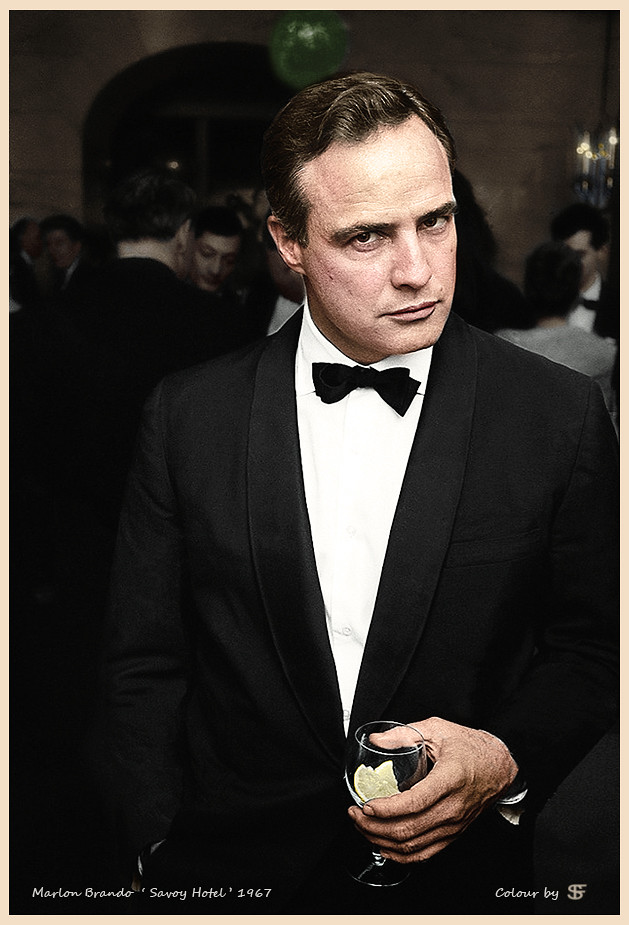
8. **Marlon Brando and Sacheen Littlefeather’s 1973 Oscar Protest**Just one year after Jane Fonda’s self-censorship, the 45th Academy Awards witnessed one of the most iconic and defiant acts of protest in Oscars history, orchestrated by Marlon Brando. Instead of accepting his Best Actor Oscar for *The Godfather*, Brando boycotted the ceremony, sending Native American activist Sacheen Littlefeather in his place. Her appearance became a watershed moment, shining a spotlight on systemic injustices.
Littlefeather, a young Apache woman and president of the National Native American Affirmative Image Committee, took the stage in traditional attire. She conveyed Brando’s refusal of the award, stating his protest was against “the treatment of American Indians today by the film industry and on television and in movie reruns, and also with recent happenings at Wounded Knee.” This direct reference to the recent standoff at Wounded Knee, where an American Indian demonstration had turned violent, instantly connected the glamour of Hollywood to pressing real-world struggles.
She carried with her a lengthy, detailed statement written by Brando, which she explained she could not share in its entirety due to time constraints, but which was later published in *The New York Times*. Her concise yet impactful delivery, met with a mix of boos and applause, ensured the message cut through the usual awards night festivities. It was a calculated and powerful use of the global platform, drawing immediate attention to Native American rights at a critically charged political moment.
While Littlefeather had to refrain from conveying the entirety of Brando’s message in that moment, their joint action was a masterclass in media activism. They understood the power of the visual and the symbolic, using the Oscars to force a conversation that mainstream media often ignored. This protest wasn’t just about an award; it was a potent demand for recognition, respect, and justice, echoing far beyond the gilded walls of the Dorothy Chandler Pavilion.
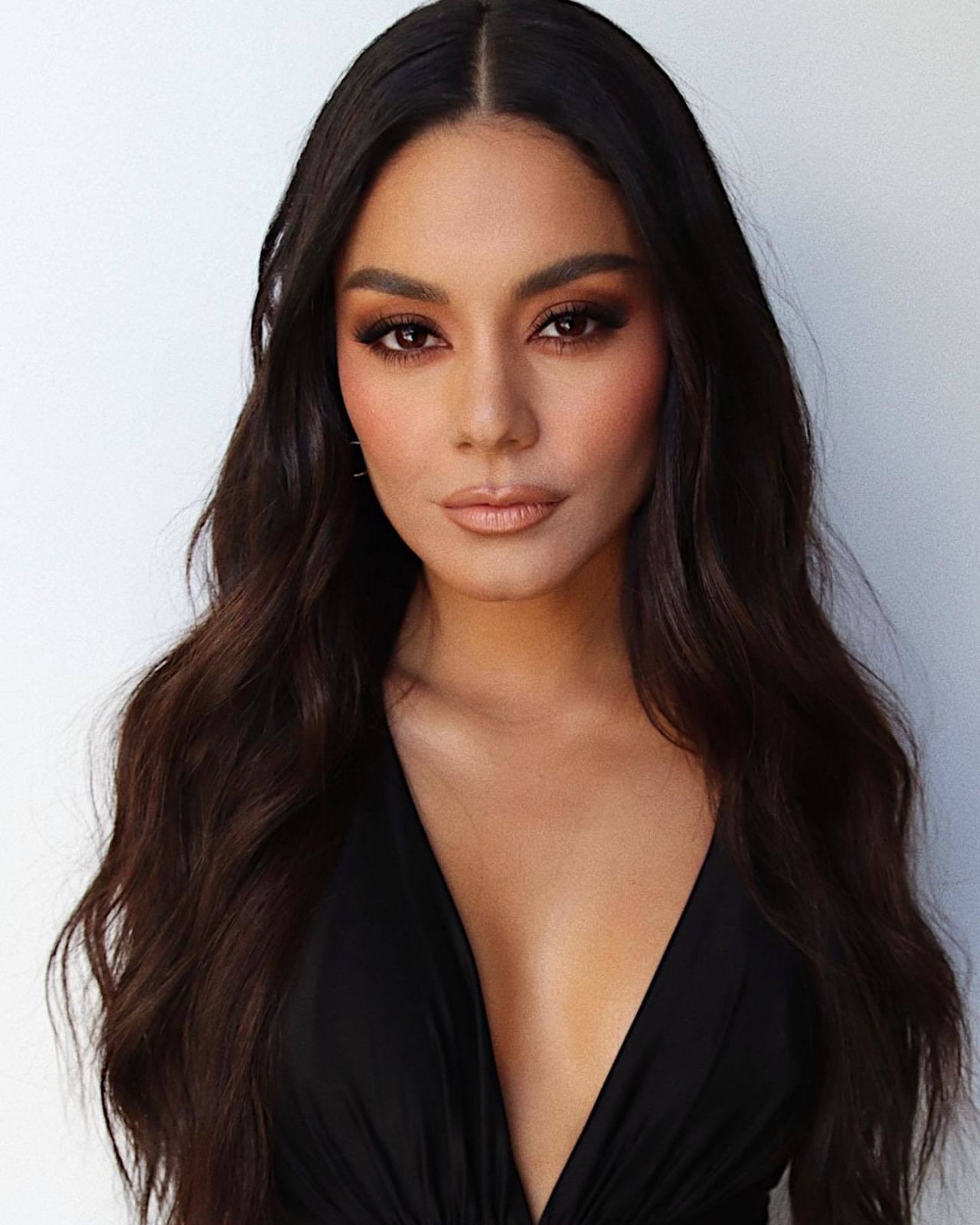
9. **Vanessa Redgrave’s 1978 Oscar Speech**The 1978 Academy Awards saw another highly charged political moment when Vanessa Redgrave accepted the Best Supporting Actress award for her role in the World War II film *Julia*. Redgrave, a prominent political activist, had previously funded and narrated a documentary called *The Palestinian* in support of the Palestinian Liberation Organisation, a stance that had already made her a contentious figure.
Her appearance at the Oscars was met with protests from members of the Jewish Defense League who picketed outside the venue, highlighting the intense and polarized nature of the issue. Undeterred, Redgrave used her acceptance speech to directly address these threats and criticisms. She commenced by commending those who had “refused to be intimidated by the threats of a small bunch of Zionist hoodlums,” a statement that immediately drew a strong reaction, including boos, from parts of the audience.
Despite the clear disapproval, Redgrave continued her speech, unwavering in her convictions, and concluded with a pledge to fight against anti-Semitism and fascism. Her defiance on stage underscored the deeply personal and often confrontational nature of celebrity activism. It demonstrated her resolve to use her platform, regardless of the backlash, to champion causes she believed in, even as it clearly alienated a significant portion of the audience and industry figures.
Later in the show, screenwriter Paddy Chayefsky publicly admonished Redgrave for “exploiting the Academy Awards for the propagation of their own personal political propaganda,” a sentiment echoed by many viewers at home. This incident remains a powerful example of how an awards ceremony can transform into a contentious political arena, showcasing the friction between artistic celebration and radical political expression, and the often-unforgiving consequences of speaking out on highly sensitive international issues.

10. **Michael Moore’s 2003 Oscar Speech**Fast-forward to the 75th Academy Awards in 2003, and filmmaker Michael Moore delivered arguably one of the most controversial Oscar acceptance speeches in recent memory. Having won Best Documentary Feature for *Bowling for Columbine*, Moore seized the global stage not to thank, but to vehemently denounce the then-President’s military actions, which had begun just four days prior.
Moore launched directly into his condemnation, declaring, “We are against the war, Mr. Bush. Shame on you, Mr. Bush, shame on you.” This powerful, unscripted moment, delivered in front of millions of viewers worldwide, immediately split the audience, eliciting a mixture of boos and cheers. It was a direct challenge to the prevailing pro-war, anti-terrorism sentiment that permeated the post-9/11 years, making his outspokenness particularly potent and divisive.
His speech was abruptly interrupted by the orchestra’s music, signaling the network’s attempt to usher him off the stage, a clear indication of how uncomfortable such overt political statements made the broadcast. This immediate cutoff highlighted the fine line celebrities walk when using highly visible platforms for political dissidence, particularly on such a sensitive and newly launched military conflict.
Moore’s outspokenness during this period came with significant personal consequences. He continued to be heckled, stalked, and threatened for what he said. He even claimed that Homeland Security agents scratched up his Oscar trophy at the airport on his way home, a chilling anecdotal detail that underscores the intense public and governmental scrutiny he faced. His speech remains a potent symbol of artistic integrity clashing with governmental policy, proving that even in a moment of celebration, conviction can override caution.
11. **Ang Lee’s 2006 Oscar Speech and *Brokeback Mountain* Censorship**Finally, the issue of censorship regarding LGBTQ+ themes continued to surface on the global stage, even after the groundbreaking moments of *Milk*. In 2006, when Ang Lee won Best Director for his poignant film *Brokeback Mountain*, his acceptance speech and elements of the film itself faced significant alterations during international broadcasts, particularly in Asia.
The film, which depicted a complex and tragic love story between two cowboys, was already a sensitive topic in many conservative regions. During the broadcast of the 78th Academy Awards, China’s state-run CCTV again intervened, not only censoring parts of Ang Lee’s speech but also eliminating various clips from *Brokeback Mountain* that were shown during the ceremony. This comprehensive approach to censorship aimed to sanitize the broadcast, removing any content deemed inappropriate or challenging to prevailing social norms.
This deliberate editing and omission demonstrated the persistent intolerance for gay rights speech and representation in many Asian countries. Despite the film’s critical acclaim and its groundbreaking portrayal of queer love, broadcasters prioritized cultural sensitivities and state regulations over artistic integrity and the celebration of diverse storytelling. The manipulation of the content effectively diluted the film’s powerful message and the significance of Lee’s win for many viewers.
These instances, like those concerning Sean Penn and Dustin Lance Black, collectively reveal how global media platforms, despite their potential for promoting understanding and change, can be severely hampered by acts of censorship. The selective broadcasting of Ang Lee’s triumph underscored the ongoing battle for queer representation and free expression, proving that even a global accolade couldn’t guarantee an uncensored narrative, reinforcing the need for continued advocacy for authentic storytelling worldwide.
As we reflect on these powerful, often contentious, moments, one thing becomes strikingly clear: the awards stage is rarely just a stage. It’s a dynamic arena where art, politics, and personal conviction intersect, often in defiance of the very networks broadcasting them. These instances aren’t just footnotes in entertainment history; they’re vital reminders of the enduring struggle for free expression, challenging us to question what we see, what we don’t, and why. They highlight the incredible courage of those who dared to speak truth to power, transforming fleeting moments of triumph into lasting calls for change. Whether through bleeps, intentional muting, or strategic mistranslation, the tension between raw voice and controlled message continues to shape our media landscape, urging us all to listen more closely and demand more transparency.