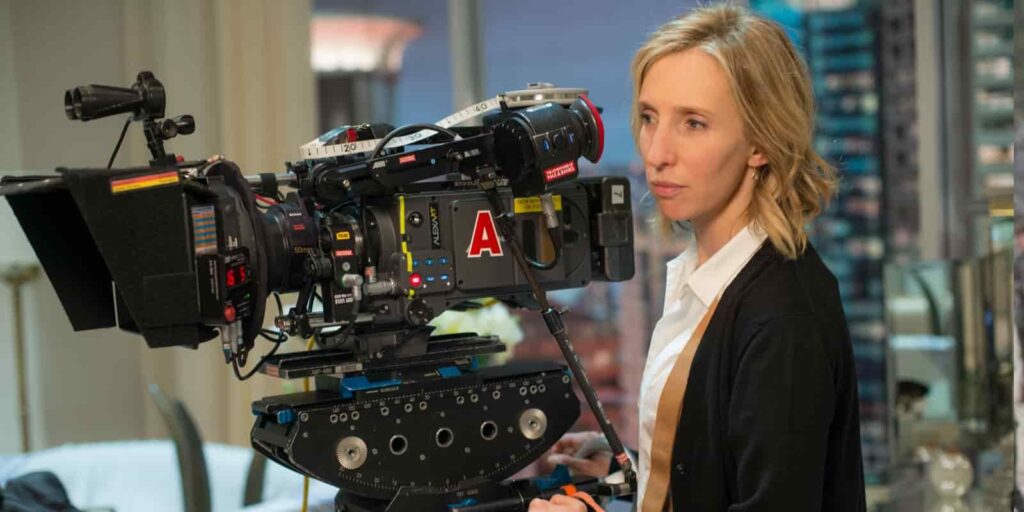
There’s something truly special about the world of film directors. We often celebrate the dazzling performances of actors or the captivating narratives woven by screenwriters, but behind every cinematic masterpiece stands a visionary director. These are the individuals who innovate the art form, push boundaries, and champion new techniques, driving everyone on set—from actors to cinematographers to editors—to deliver their absolute best work. They don’t just make great films; they create fully realized masterpieces and forge their own distinctive styles across their entire catalogs.
It’s tough to quantify what makes a director truly “great.” Is it a single, groundbreaking film, or an expansive body of work? The answer, as the history of cinema shows us, is often both. The best directors come from diverse backgrounds, working across every imaginable genre—comedy, drama, western, noir, musicals, and even animation. They hail from various markets, both domestically and internationally, and their careers span from the late silent era to the cutting edge of modern cinema.
Today, we’re taking an in-depth look at 12 such iconic directors whose unique points of view and unparalleled dedication have dramatically increased film’s ability to tell stories. These are the artists who didn’t just make movies; they changed the style, subject matter, and sheer impact of cinema forever, leaving an indelible mark on popular culture and inspiring countless others along the way.

1. **Akira Kurosawa**Akira Kurosawa is a name synonymous with cinematic excellence and profound influence. His journey in film began in 1936 when he was just 25 years old, working for Photo Chemical Laboratories, which later became Japan’s renowned Toho Studios. Kurosawa made his directorial debut with the feature film *Sanshiro Sugata* in 1943, setting the stage for a career that would span nearly six decades and produce an astonishing array of masterpieces.
His filmography reads like a checklist of essential cinema, including works such as *Drunken Angel* (1948), the globally acclaimed *Rashomon* (1950), the epic *Seven Samurai* (1954), the suspenseful *High and Low* (1963), and his thirtieth and final film, *Madadayo* (1993). Beyond his directorial prowess, Kurosawa was an accomplished screenwriter, contributing his talents to books, TV, and theater, showcasing a comprehensive mastery of storytelling across different mediums.
Kurosawa was instrumental in popularizing Japanese films in the West, breaking cultural barriers and introducing international audiences to a new cinematic language. His genius resonated deeply with many fellow filmmakers who admired his innovative storytelling and visual style. Directors like Satyajit Ray, Steven Spielberg, and Federico Fellini have all cited Kurosawa as a significant inspiration, highlighting the breadth of his artistic reach.
Indeed, his impact was so profound that even other legends couldn’t escape his shadow. Ingmar Bergman once humbly called his own film *The Virgin Spring* a “touristic… lousy imitation of Kurosawa,” a testament to the unparalleled originality and quality of Kurosawa’s work. Perhaps one of his most well-known influences in popular culture comes from George Lucas, who openly credited Kurosawa’s 1958 film *The Hidden Fortress* as the main inspiration for his groundbreaking *Star Wars*, solidifying Kurosawa’s timeless legacy across genres and continents.
Read more about: Unpacking M. Night Shyamalan’s ‘Old’: 14 Cinematic Features That Redefine Our Perception of Time

2. **Billy Wilder**Austrian-born director Billy Wilder embarked on his illustrious film career as a scriptwriter in Germany, a path that would eventually lead him to become one of Hollywood’s most celebrated directors. His early life was marked by the tragic loss of many family members to the Nazis, a harrowing experience that underscored his decision to leave Germany in the 1930s and ultimately establish himself as a paramount figure in American cinema by the 1940s.
Wilder’s genius lay in his incredible versatility, spanning decades and effortlessly navigating a wide array of genres, from sharp comedies to dark noir. His filmography is a treasure trove of classics that continue to captivate audiences. These include the iconic *Double Indemnity* (1944), the haunting *Sunset Boulevard* (1950), the intense *Stalag 17* (1953), the charming *Sabrina* (1954), the gripping *Witness for the Prosecution* (1957), the uproarious *Some Like It Hot* (1959), and the poignant *The Apartment* (1960).
His career continued strong through the 1980s, culminating in his final film, *Buddy Buddy*, released in 1981. Wilder had a deep desire to adapt Thomas Keneally’s *Schindler’s Ark* as a memorial to his mother and grandmother, a project that speaks to the profound personal impact of his past. While he never directed that particular film, he later expressed his profound admiration for Steven Spielberg’s masterful adaptation, *Schindler’s List*, acknowledging its powerful execution.
Over the course of his extraordinary career, Wilder received a staggering 21 Academy Award nominations, winning six of them. This impressive haul included two Oscars for Best Director, cementing his undeniable status as one of cinema’s true giants. His ability to craft compelling stories with sharp dialogue and unforgettable characters, always with a distinctive directorial flair, ensures his legacy endures as a cornerstone of filmmaking history.
Read more about: Hold Up, Did That Just Happen?! The 14 Wildest & Quickest Hollywood Engagements That Still Make Zero Sense

3. **Frank Capra**Frank Capra’s films are imbued with an idealism that famously captured the essence of what America could be, so much so that director John Cassavetes once mused, “Maybe there really wasn’t an America, it was only Frank Capra.” This powerful sentiment perfectly encapsulates Capra’s ability to weave narratives that resonated deeply with the hopes and dreams of a nation. Born in Sicily, he emigrated to America at the age of five, and his cinematic journey began in silent comedies, a genre he quickly mastered.
While his most beloved films primarily emerged from the Golden Age of Hollywood in the 1930s and 1940s, their impact remains timeless. His impressive list of hits includes the witty *It Happened One Night* (1934), the endearing *Mr. Deeds Goes to Town* (1936), the philosophical *You Can’t Take It with You* (1938), the enduring holiday classic *It’s a Wonderful Life* (1946), and the politically charged *Mr. Smith Goes to Washington* (1939). These films consistently delivered messages of hope, integrity, and the triumph of the common person against adversity.
Capra’s artistic contributions were recognized with numerous accolades throughout his career, including an impressive five Academy Awards. Beyond the Oscars, he was honored with lifetime achievement awards from both the American Film Institute and the Directors Guild of America, testaments to his profound and lasting influence on the industry. These honors underscore not just the quality of his individual films, but the consistent vision and storytelling prowess he maintained.
His final theatrical film, *Pocket Full of Miracles*, was released in 1961, capping a remarkable directorial run. However, Capra’s influence extended far beyond the director’s chair. He served as President of the Academy of Motion Picture Arts and Sciences, contributed significantly to the Writers Guild of America, and headed the Directors Guild of America. His leadership and advocacy played a crucial role in shaping the film industry’s institutions, making him a true pillar of American cinema.
Read more about: Beyond the Limelight: 10 Pioneering Black Actresses Whose Legacies Redefine Hollywood History

4. **Jean-Luc Godard**Jean-Luc Godard stands as an undisputed pillar of the French New Wave, arguably its most influential figure, a true revolutionary in the world of cinema. The Swiss-born director systematically deconstructed traditional filmmaking rules, playing boldly with narrative, continuity, sound, and camerawork. His innovative use of techniques like jump cuts and directly addressing the fourth wall shattered conventional cinematic grammar, inviting audiences to reconsider the very nature of storytelling.
Godard was also renowned for his unique approach to collaboration on set. He famously granted his actors significant freedom to explore their performances, often commencing filming with unfinished scripts. This improvisational and organic method resulted in a raw, authentic energy that became a hallmark of his work. His extensive filmography is a testament to his prolific and experimental spirit, including groundbreaking titles like *Breathless* (1960), *Vivre sa vie* (1962), *Contempt* (1963), *Band of Outsiders* (1964), *Alphaville* (1965), *Pierrot le Fou* (1965), *Masculin Féminin* (1966), *Weekend* (1967), and *Goodbye to Language* (2014).
Film critic Roger Ebert eloquently summarized Godard’s impact, stating, “Godard is a director of the very first rank; no other director in the 1960s has had more influence on the development of the feature-length film.” His revolutionary spirit didn’t just define a movement; it reshaped how films were made and perceived globally. His work provided a blueprint for future generations of filmmakers eager to break free from convention and explore new artistic territories.
His debut, *À bout de souffle (Breathless)*, is often lauded as “the finest debut in film history.” With its ultra-cool anti-hero, iconic jump-cuts, and a powerful sense of having escaped the confines of the studio into the vibrant streets, it single-handedly ushered in the French New Wave, or *nouvelle vague*. The profound lessons embedded in Godard’s early work were fully absorbed and adapted by the burgeoning New Hollywood movement of the 1970s, demonstrating his enduring influence. He continued to challenge and innovate, making films right up until just before his passing.
Read more about: A Powerful Silence: Honoring the Enduring Cinematic Visions of Iconic Directors Whose Journeys Ended Too Soon
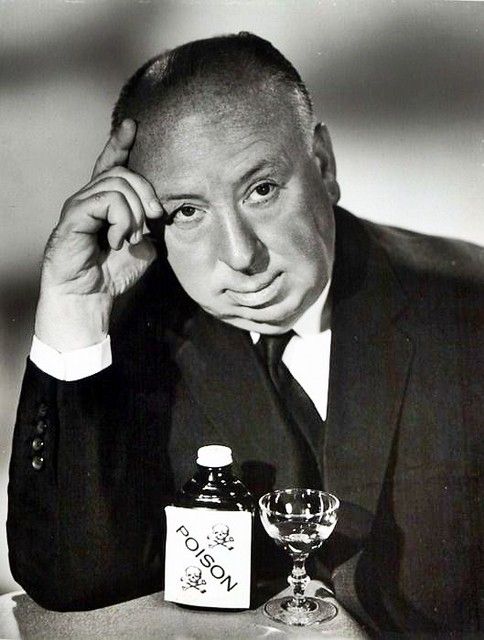
5. **Alfred Hitchcock**Alfred Hitchcock, universally revered as the “Master of Suspense,” directed over 50 films during a career that spanned several decades, indelibly shaping and defining the thriller, suspense, and horror genres. While his legacy is undeniably complex and sometimes marred by infamous reports of cruelty towards his female leads, the sheer brilliance and enduring influence of his cinematic output are beyond dispute. He masterfully understood the art of tension and psychological manipulation, drawing audiences into unforgettable narratives.
His career began in Britain, working on silent films, a period from which some of his early works are unfortunately now lost. However, his 1929 film *Blackmail* achieved historical significance as the first British “talkie,” signaling his adaptability and foresight in the evolving world of cinema. This early success propelled him toward a move to Hollywood in the late 1930s, where his career truly soared to international prominence.
Upon arriving in Hollywood, Hitchcock continued to create cinematic gold, earning his first of five Academy Award nominations for Best Director with *Rebecca* (1940). His subsequent filmography is a parade of classics that remain cornerstones of cinematic education and popular entertainment. These include *Suspicion* (1941), *Dial M for Murder* (1954), *Rear Window* (1954), *To Catch a Thief* (1955), *Vertigo* (1958), *North by Northwest* (1959), *Psycho* (1960), and *The Birds* (1963). Each film showcased his unparalleled ability to craft intricate plots and build unbearable suspense.
So profound was his impact that his work led to the coining of the term “Hitchcockian.” This descriptor is often used for films characterized by elements such as plot twists, restricted action, symbolistic darkness, MacGuffins, and a pervasive sense of voyeurism. Importantly, it also refers to his distinctive use of camera movement to mimic a person’s gaze, drawing viewers into the psychological depths of his characters. Hitchcock’s innovative techniques and masterful storytelling ensure his place as an eternal giant of cinema.
Read more about: Beyond the Blockbusters: Why Savvy Adults Are Flocking to Retro Streaming Services for Cinema’s Timeless Treasures

6. **Wong Kar-wai**Wong Kar-wai, the acclaimed Hong Kong-based filmmaker, initially started his career in television before making his indelible mark on the big screen with his directorial debut, *As Tears Go By*, in 1988. He quickly became celebrated for a string of exquisitely crafted films that are now considered modern classics, most notably *Chungking Express* (1994), *Happy Together* (1997), and the universally adored *In the Mood for Love* (2000). His distinctive visual and narrative style instantly set him apart in the global cinema landscape.
Wong Kar-wai’s artistic vision has left an undeniable imprint on a diverse array of contemporary directors. His unique approach to filmmaking has served as a powerful inspiration for luminaries such as Quentin Tarantino, Alejandro González Iñárritu, the dynamic duo known as The Daniels, and Barry Jenkins. This wide-ranging influence underscores his status as a director’s director, someone whose innovations reverberate across different cultural and stylistic cinematic traditions.
His films are immediately recognizable for their signature aesthetic, characterized by elements like broken narrative structures that defy linear storytelling, bold saturation in color palettes that evoke powerful emotions, the evocative use of pop music that acts as an additional character, and the distinctive technique of step-printing, a process that alters film rates to create a dreamlike, often melancholic, visual rhythm. These stylistic choices create an immersive and emotionally charged viewing experience that is uniquely his own.
It’s no surprise that many of Wong Kar-wai’s films are frequently placed on “best of” lists by critics and cinephiles alike. Ty Burr, writing in the Boston Globe, eloquently captured his stature, stating that “Wong stands as the leading heir to the great directors of post-WWII Europe: His work combines the playfulness and disenchantment of Godard, the visual fantasias of Fellini, the chic existentialism of Antonioni, and Bergman’s brooding uncertainties.” This comparison highlights his ability to synthesize and evolve the rich traditions of European auteur cinema, solidifying his place as a truly visionary filmmaker.
Read more about: Beyond the Red Carpet: Dissecting the Iconic Cars Celebrities Drive and the PR Machine Behind Their Public Persona
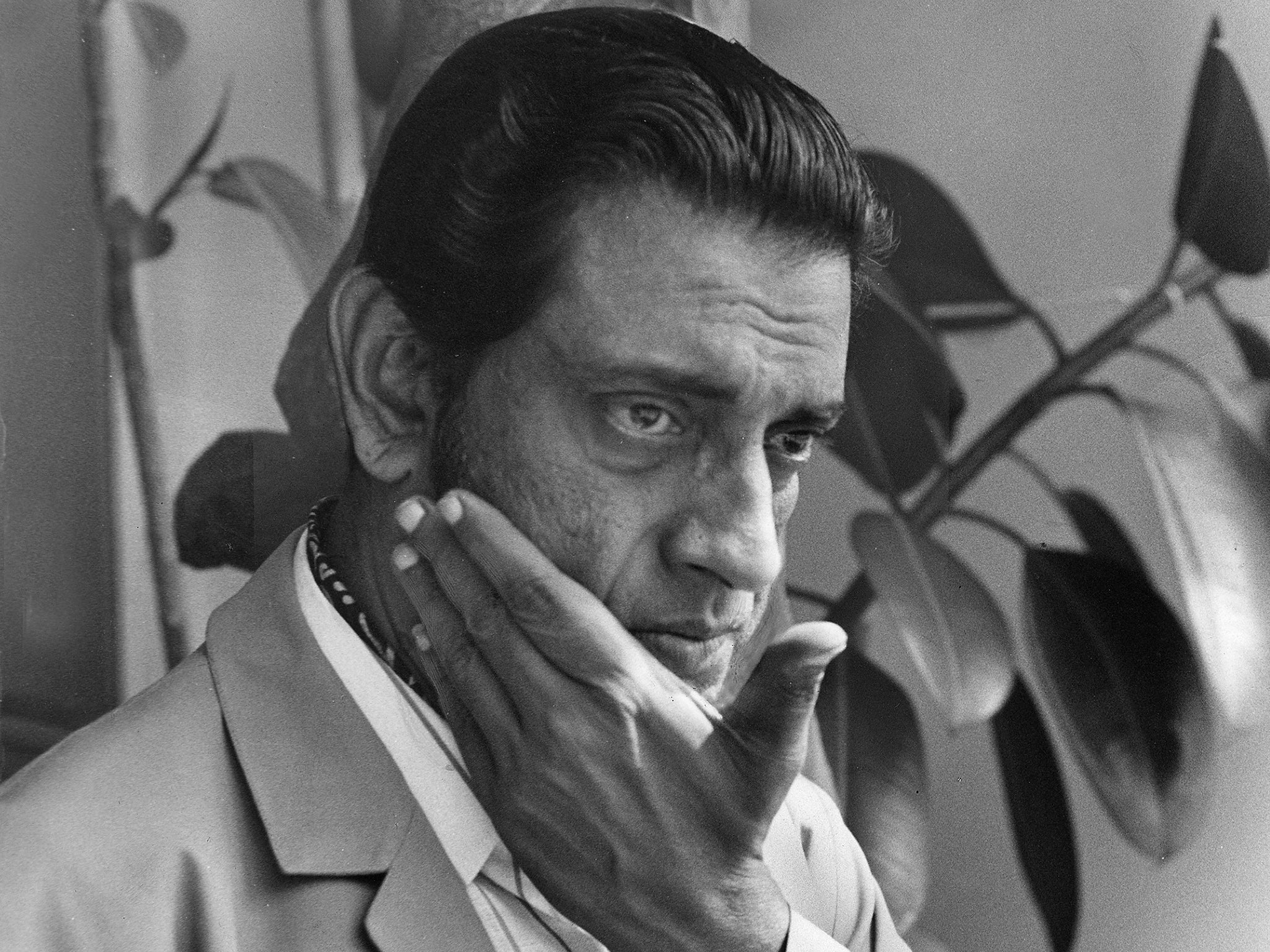
7. **Satyajit Ray**Satyajit Ray, an Indian filmmaker of immense stature, left an indelible mark on global cinema with his deeply humanist and visually striking works. He’s most celebrated for the iconic *Apu Trilogy* (1955–1959), a coming-of-age saga that captured the hearts of audiences worldwide. Beyond this masterpiece, his filmography includes other treasured classics like *The Music Room* (1958), *The Big City* (1963), *Charulata* (1964), and the whimsical *Goopy–Bagha trilogy*.
Ray’s artistic journey was profoundly influenced by the Italian neorealist movement, yet he masterfully evolved this inspiration into a cinematic language entirely his own. His films are characterized by an incredible attention to detail through meticulous editing, the thoughtful integration of classical Indian music that adds layers of emotional depth, and his groundbreaking practice of casting actors from incredibly diverse backgrounds, bringing an authentic realism to his storytelling.
The sheer power of Ray’s cinema is perhaps best encapsulated by fellow legendary director Akira Kurosawa, who famously declared, “Not to have seen the cinema of Ray means existing in the world without seeing the sun or the moon.” Such a strong endorsement from one of cinema’s titans speaks volumes about Ray’s profound impact. His influence didn’t stop there; luminaries like Francis Ford Coppola and Christopher Nolan have also credited Ray as a significant source of inspiration for their own groundbreaking work.
Recognizing his monumental contributions to film, the International Film Festival of India has fittingly named its annual Lifetime Achievement award after Ray. This honor ensures that his legacy as an auteur and a pioneer of Indian cinema continues to inspire and resonate with new generations of filmmakers and cinephiles across the globe, celebrating a vision that was both personal and universally profound.
Read more about: A Powerful Silence: Honoring the Enduring Cinematic Visions of Iconic Directors Whose Journeys Ended Too Soon

8. **Federico Fellini**Step into the whimsical, often surreal world of Federico Fellini, an Italian maestro whose cinematic vision was so distinct that it coined its own descriptors: “Fellinian” and “Felliniesque.” These terms are now used to capture films and art that blend the magical with the mundane, the realistic with the fantastical, perfectly embodying his unique worldview. He emerged from the gritty, post-WW2 Italian neorealist movement, but quickly developed a style that was exuberantly his own.
Fellini’s nearly 50-year career was a testament to his boundless imagination, marked by a succession of unforgettable films. His masterpieces include *Nights of Cabiria* (1957), the legendary *La Dolce Vita* (1960), the groundbreaking *8½* (1963), the evocative *Roma* (1972), the nostalgic *Amarcord* (1973), and *Fellini’s Casanova* (1976). Each film is a journey into a rich, often extravagant, psychological landscape.
His early career saw him drop out of law school in Rome, eventually finding his way into radio before joining the neorealist film movement through his association with Roberto Rossellini. While he co-directed his first feature, *Variety Lights* (1951), it was his post-neorealist art films that truly defined him. This period, often called his “imperial phase,” birthed classics like *I Vitelloni* (1953) and *La Strada* (1954), leading to *8½* which, sixty years on, remains a quintessential film about the very act of filmmaking itself.
Fellini’s exceptional talent was widely recognized, with a staggering 17 Academy Award nominations throughout his career. He holds the impressive record of winning four Oscars in the Best Foreign Language Film category, a testament to the global appeal and artistic depth of his work. His films continue to captivate and influence, proving that his blend of fantasy and reality is truly timeless.
Read more about: Claudia Cardinale, Italian Cinema’s Enduring Star and ‘Dream Girl,’ Dies at 87

9. **Chantal Akerman**Chantal Akerman, the Belgian feminist avant-garde filmmaker, stands as a towering figure in cinema, often described as a “director’s director” for her profound influence on the art form. While perhaps not a household name in the same way as some of her male contemporaries, her impact on cinematic discourse and experimental filmmaking is undeniable, making her work essential viewing for anyone serious about film history.
Akerman is celebrated for her groundbreaking features such as *Jeanne Dielman, 23 quai du Commerce, 1080 Bruxelles* (1975), a minimalist yet incredibly powerful exploration of a woman’s daily routine, which redefined narrative structure and cinematic realism. Other notable works include *News from Home* (1976) and *Je Tu Il Elle* (1974), each pushing the boundaries of what film could achieve in conveying psychological states and social commentary.
Beyond her acclaimed feature films, Akerman’s prolific career extended into various artistic realms. She produced numerous documentaries, contributed to art exhibitions, and crafted thought-provoking short films, showcasing a versatile and uncompromising artistic vision. Her commitment to exploring themes of time, space, identity, and the female experience through innovative cinematic language made her a unique voice.
Later in her career, Akerman dedicated herself to academia, serving as a professor of film and media, passing on her revolutionary insights to a new generation. Her enduring legacy reached a new peak in 2022 when *Jeanne Dielman* made history, becoming the first female-directed film to top Sight & Sound’s prestigious list of the Greatest Films of All Time, solidifying her status as an undeniable master.
Read more about: Flashback to Fabulous: Unveiling 12 of the Most Iconic 1960s Actresses Who Ruled the Silver Screen!
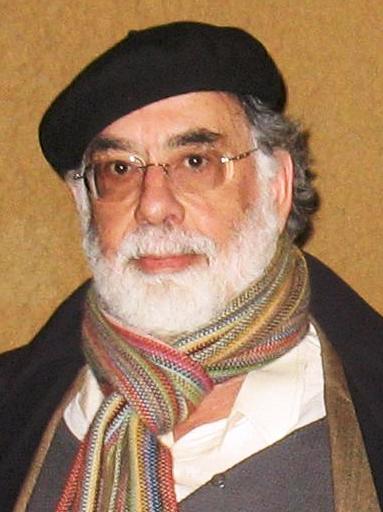
10. **Francis Ford Coppola**Francis Ford Coppola is not just a director; he’s a cinematic titan whose name is synonymous with the New Hollywood era and some of the most influential films ever made. His trophy cabinet overflows with accolades, boasting five Academy Awards, six Golden Globes, two Palmes d’Or, and a British Academy Film Award, cementing his status as one of the world’s most honored filmmakers.
Coppola’s filmography is a roll call of bona fide classics that have shaped popular culture for decades. He gave us the definitive crime epic with *The Godfather Trilogy* (1972-1990), a chilling exploration of war and morality in *Apocalypse Now* (1979), and a poignant coming-of-age story with *The Outsiders* (1983). These films aren’t just entertainment; they are deep dives into the human condition, exquisitely crafted and enduringly relevant.
Beyond the director’s chair, Coppola has explored various commercial ventures, including famously owning a winery. However, after a hiatus from directing following 2011’s *Twist*, the cinematic world eagerly anticipates his return. He is currently working on his ambitious film, *Megalopolis*, which is set to be released late in 2024, proving that even after a legendary career, his passion for filmmaking remains as vibrant as ever.
His influence stretches wide, with directors like Satyajit Ray citing him as an inspiration, and Coppola himself being mentioned alongside Lucas and Spielberg as a presenter at the 79th Annual Academy Awards for Best Director Martin Scorsese. This kind of mutual respect among legends highlights Coppola’s enduring impact and his place in the pantheon of great directors who continually inspire and innovate.
Read more about: The Untouchable Narratives: Why Hollywood Directors Are Obsessed with ‘Unfilmable’ Books and the Masterpieces Born from the Challenge
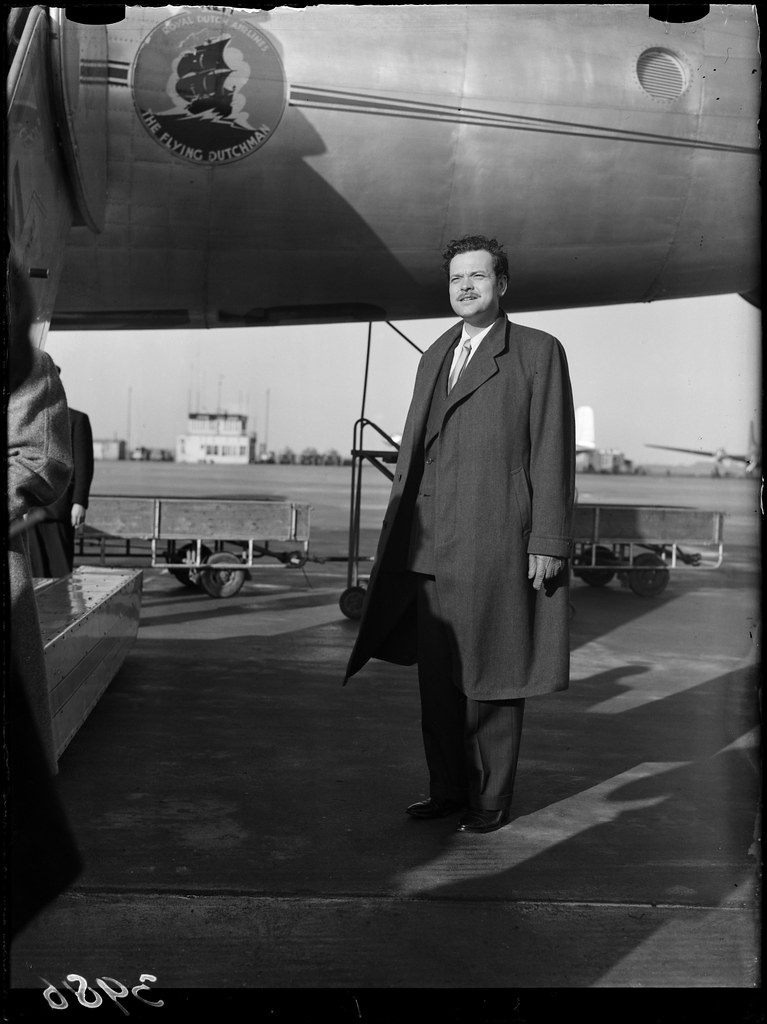
11. **Orson Welles**Orson Welles was a true Renaissance man of the arts, leaving an indelible mark across theater, radio, magic, and acting, alongside his unparalleled contributions to film over a career spanning more than fifty years. While his name is perhaps most famously linked to his directorial debut, *Citizen Kane* (1941), a film often lauded as the greatest ever made, his creative genius extended far beyond that single masterpiece.
Welles also directed other cinematic gems that continued to push boundaries and captivate audiences. His filmography includes *The Magnificent Ambersons* (1942), the gripping noir *The Stranger* (1946), the stylish *The Lady from Shanghai* (1947), his powerful Shakespearean adaptations *Macbeth* (1948) and *Othello* (1951), and the critically acclaimed *Chimes at Midnight* (1966). Each film showcases his unique vision and technical prowess.
What truly sets Welles apart, particularly in his early career, were his revolutionary innovations in camera technique. His films were celebrated for pushing the technical limits of their time, developing sophisticated visual storytelling methods that changed cinema forever. He pioneered “deep focus,” a technique where the foreground, middle ground, and background are all sharply in focus, adding incredible depth and nuance to every frame.
Moreover, Welles was a master of the long shot. The opening shot of his classic *Touch of Evil* (1958) is legendary, clocking in at over six minutes—an unbroken, immersive sequence that plunges viewers directly into the heart of the story. Even more remarkably, that wasn’t even the longest shot in the film, with another continuous take running for twelve minutes later on. These daring technical feats underscore why Welles remains a titan of cinematic innovation.
Read more about: Beyond the Red Carpet Smiles: 12 Oscar Realities That Might Just Surprise You
The best directors truly do more than just make great movies. They inspire their peers, craft unique aesthetics, and pioneer new techniques that push the entire film industry forward. Each director we’ve highlighted today, with their distinctive points of view and unparalleled dedication, has left an indelible mark on cinematic storytelling, cementing their place among the greatest of all time.