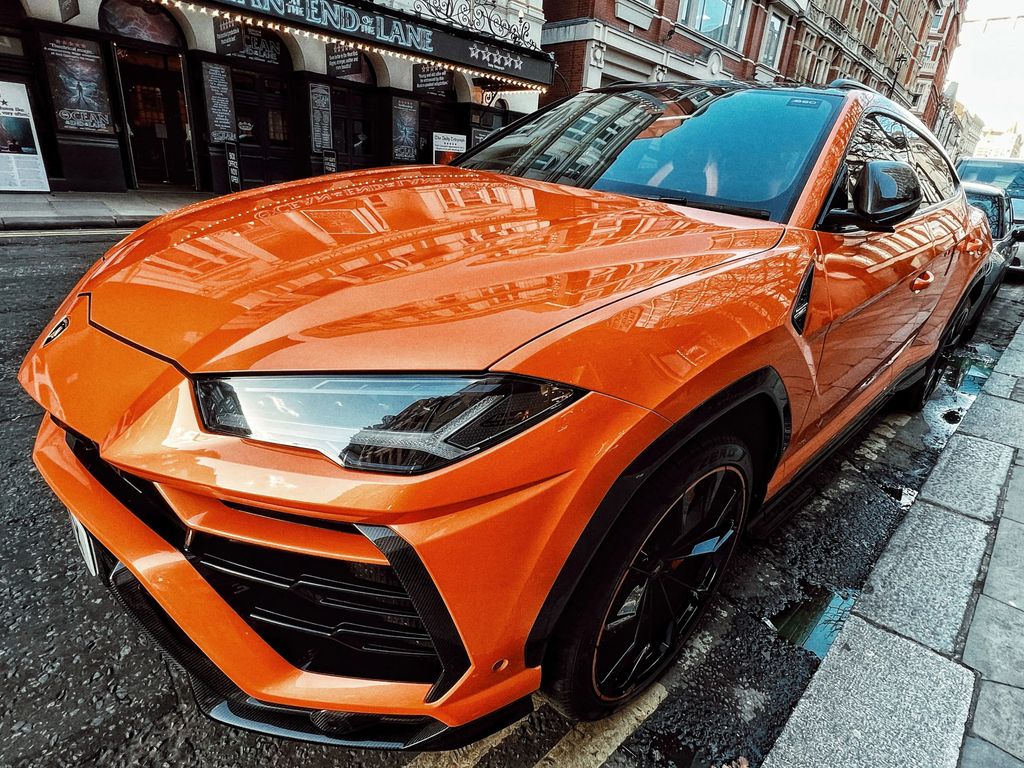
When we talk about American muscle, we’re not just discussing cars; we’re talking about a philosophy, a guttural roar, and a relentless pursuit of horsepower that has defined a significant chunk of automotive history. For decades, the “Big Three” – Ford, Chevrolet, and Dodge – have been locked in an epic, tire-shredding battle for supremacy, continually pushing the boundaries of what’s possible in a production vehicle. These aren’t just modes of transportation; they’re rolling monuments to American engineering prowess, built for speed, sound, and pure, unadulterated automotive exhilaration.
Sure, the landscape is changing, with traditional V-8s facing new challenges and electrification on the horizon. But if you think the age of the mighty muscle car is over, you haven’t been paying attention. Detroit might be cooling toward *affordable* V-8 muscle cars, but that doesn’t mean the power is dissipating. In fact, we’re living in what some might call the “good old days,” where horsepower figures once confined to race tracks are now available in street-legal machines, delivering performance that utterly eclipses the wildest dreams of the classic era. The evolution has been staggering, trading drum brakes and solid axles for world-class handling and sophisticated electronics, all while keeping that fundamental, heart-thumping V8 (or impressive inline-six) acceleration formula intact.
So, buckle up, gearheads, because we’re taking a joyride through the absolute powerhouses that the Big Three have unleashed upon the world, both in the present day and as recent legends you can still hunt down. This isn’t just a list; it’s a testament to the enduring spirit of American muscle, a celebration of the machines that make our hearts race and our ears ring with the sweet symphony of internal combustion. We’re talking about the cars that truly embody the phrase “highest horsepower,” from track-day terrors to luxurious land-missiles. Let’s fire up the engines and dive into the modern marvels that continue to define the pinnacle of raw, American performance.

1. **2025 Corvette ZR1: The Apex Predator**
Starting off our list with an absolute bang, the 2025 Corvette ZR1 isn’t just a car; it’s a statement. With a staggering 1,064 rated horsepower, this machine stands as the highest-horsepower car on our entire list, pushing the boundaries of what’s conceivable for a production vehicle. Its heart is the LT7, the second twin of the Gemini flat-plane-crankshaft 5.5-liter V-8 family, an all-new engine that shares its basic layout and block with the Z06’s LT6 but is clearly a beast of its own.
While its estimated base price around $150K might put it out of reach for many, making it an “aspirational muscle car” as the text suggests, the ZR1’s stats are pure fantasy made real. We’re talking torque peaking at an immense 828 lb-ft at 6,000 rpm, and twin turbos whose tips spin up to 1.7 times the speed of sound, withstanding up to 1,900 degrees F. This isn’t just power; it’s engineering on the edge of physics, delivering a max boost of 20 psi.
At full chat, this mechanical marvel generates 37 pounds of thrust from its exhaust, propelling it to a mind-bending top speed of 215 mph. And if that wasn’t enough, the Corvette ZR1’s bodywork generates an astonishing 1,200 pounds of downforce, ensuring that all that power stays glued to the tarmac. While its release is still months out, the ZR1 is already etching its name into the annals of automotive legend, proving that GM is still very much in the game when it comes to raw, unbridled horsepower.
Read more about: Unleash Your Inner Enthusiast: Discover 12 Legendary Classic Corvettes That Defined American Automotive Excellence!

2. **2025 Ford Mustang GTD: A Race Car for the Road**Ford, ever the iconoclast, brings us the 2025 Mustang GTD, a car so extreme it almost defies categorization. While its approximate base price of around $300,000 and the fact that you must be *invited* by Ford to buy one might make it an exclusive club, there’s no denying its place among the most powerful muscle cars. The GTD is, at heart, a muscle car in shape and name, but with the performance of a world-class competition coupe.
Ford, ever the iconoclast, brings us the 2025 Mustang GTD, a car so extreme it almost defies categorization. While its approximate base price of around $300,000 and the fact that you must be *invited* by Ford to buy one might make it an exclusive club, there’s no denying its place among the most powerful muscle cars. The GTD is, at heart, a muscle car in shape and name, but with the performance of a world-class competition coupe.
Beneath its aggressive skin lies a supercharged 5.2-liter Predator V-8, an eight-speed dual-clutch automatic transaxle, a pushrod rear suspension, and four-corner spool-valve suspension dampers with hydraulic actuation. This isn’t just a collection of parts; it’s a symphony of high-performance engineering designed to deliver 815 horsepower of pure, unadulterated grunt. It’s a testament to Ford’s commitment to pushing the envelope, even if it means blurring the lines between muscle car and supercar.
For those who can’t swing an invite, the text humorously suggests that the next-best move might be a like-new 2020–2022 Mustang Shelby GT500, which, at $130K-$150K, is a “relative bargain” for a car only a tick slower around a closed course. The GTD might be an enigma, an almost mythical beast, but it proudly carries the Mustang legacy into an entirely new stratosphere of power and exclusivity.
Car Model Information: 2025 Subaru Outback Premium
Name: Ford Mustang (S650)
Manufacturer: Ford Motor Company
ModelCode: S650
Production: May 2023 – present
ModelYears: 2024–present
Designer: Chris Stevens
Assembly: Flat Rock, Michigan
Class: unbulleted list
BodyStyle: unbulleted list
Layout: Front-engine, rear-wheel-drive layout
Platform: Ford D2C platform
Predecessor: Ford Mustang (sixth generation)
Engine: unbulleted list
Transmission: unbulleted list
Wheelbase: cvt
Length: unbulleted list
Width: unbulleted list
Height: unbulleted list
Weight: unbulleted list
Categories: Articles with short description, Cars introduced in 2022, Convertibles, Coupés, Ford Mustang
Summary: The Ford Mustang S650 is the seventh-generation of the Ford Mustang pony car manufactured by Ford. First shown at the 2022 North American International Auto Show, it is assembled at Ford’s Flat Rock Assembly Plant and began production on May 1, 2023, initially available with either the redesigned 2.3 L EcoBoost turbocharged 4-cylinder with 315 horsepower, or the revised, 4th generation Coyote V8 with 480–486 horsepower in the GT and 500 horsepower in the Dark Horse.
Get more information about: Ford Mustang (seventh generation)
Buying a high-performing used car >>>
Brand: Ford Model: Mustang GTD
Price: $32,439 Mileage: 5,116 mi.
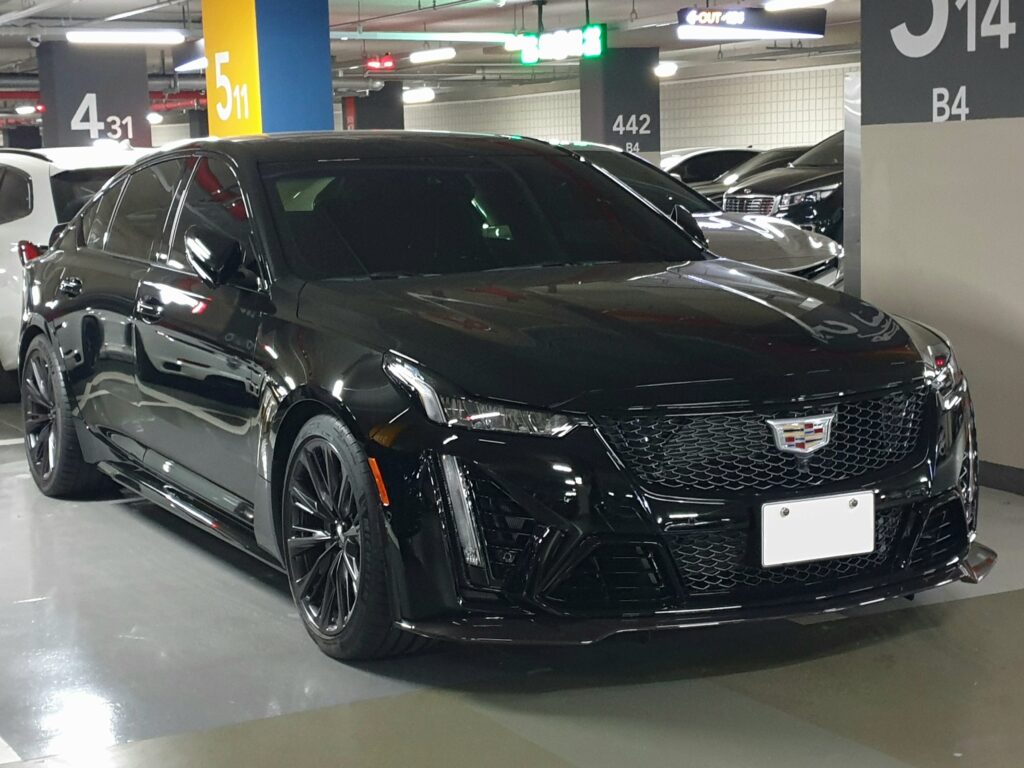
3. **2025 Cadillac CT5-V Blackwing: The Four-Door Powerhouse**
Wait, a Cadillac sedan on a list of muscle cars? Absolutely. The 2025 Cadillac CT5-V Blackwing might have four doors, but don’t let that fool you. Underneath its sophisticated exterior, it’s mechanically identical to the venerable 2017–2024 ZL1 Camaro, sharing the same Alpha platform chassis and the magnificent supercharged LT4 powerplant. This is GM’s ultimate luxury performance machine, offering 682 horsepower of pure American fury.
The Blackwing’s slightly heftier frame compared to the ZL1 meant GM endowed its LT4 mill with a slightly larger supercharger—2.7 liters versus the Camaro’s 1.7 liters—boosting its power by an additional 32 clicks to that impressive 682 hp figure. This is a car that delivers a truly exhilarating driving experience, whether you opt for the six-speed manual or the 10-speed automatic transmission. It’s a sophisticated brute, blending comfort and savage performance in a way few others can.
Sadly, 2025 will be the CT5-V Blackwing’s final year of production, marking the end of the line for high-powered V-8 muscle cars from GM in this form. So, if you’ve been on the fence, the message is clear: “get on board now!” This Cadillac proves that muscle isn’t just about two doors and a big engine; it’s about the soul of American performance, regardless of how many passengers you can haul along for the ride. Its base price is $96,990, a respectable figure for such an incredible piece of engineering.
Car Model Information: 2025 Subaru Outback Premium
Name: Cadillac CT5
Caption: 2024 CT5-V
Manufacturer: General Motors
Production: November 2019–present
ModelYears: 2020–present
Assembly: Lansing, Michigan,SAIC-GM
Designer: Josh Thurber,
Class: Mid-size,luxury car
BodyStyle: sedan (car)
Platform: GM Alpha platform
Related: Chevrolet Camaro (sixth generation),Cadillac CT4
Layout: Front-engine, four-wheel-drive layout,FMR layout
Engine: ubl
Transmission: Tremec TR-6060 transmission,Ford-GM 10-speed automatic transmission
Wheelbase: 116.0 in
Abbr: on (Luxury RWD)
Length: {{convert,193.8,in,mm,0,abbr=on
Width: 74.1 in
Height: {{convert,57.2,in,mm,0,abbr=on
Weight: 3660 lb
Predecessor: Cadillac CTS
Categories: 2020s cars, All-wheel-drive vehicles, All Wikipedia articles written in American English, Articles with short description, Cadillac vehicles
Summary: The Cadillac CT5 is a mid-size luxury car manufactured and marketed by General Motors under the Cadillac brand since 2019. It is the replacement for the Cadillac CTS.
Get more information about: Cadillac CT5
Buying a high-performing used car >>>
Brand: Cadillac Model: CT5-V Blackwing
Price: $32,439 Mileage: 5,116 mi.
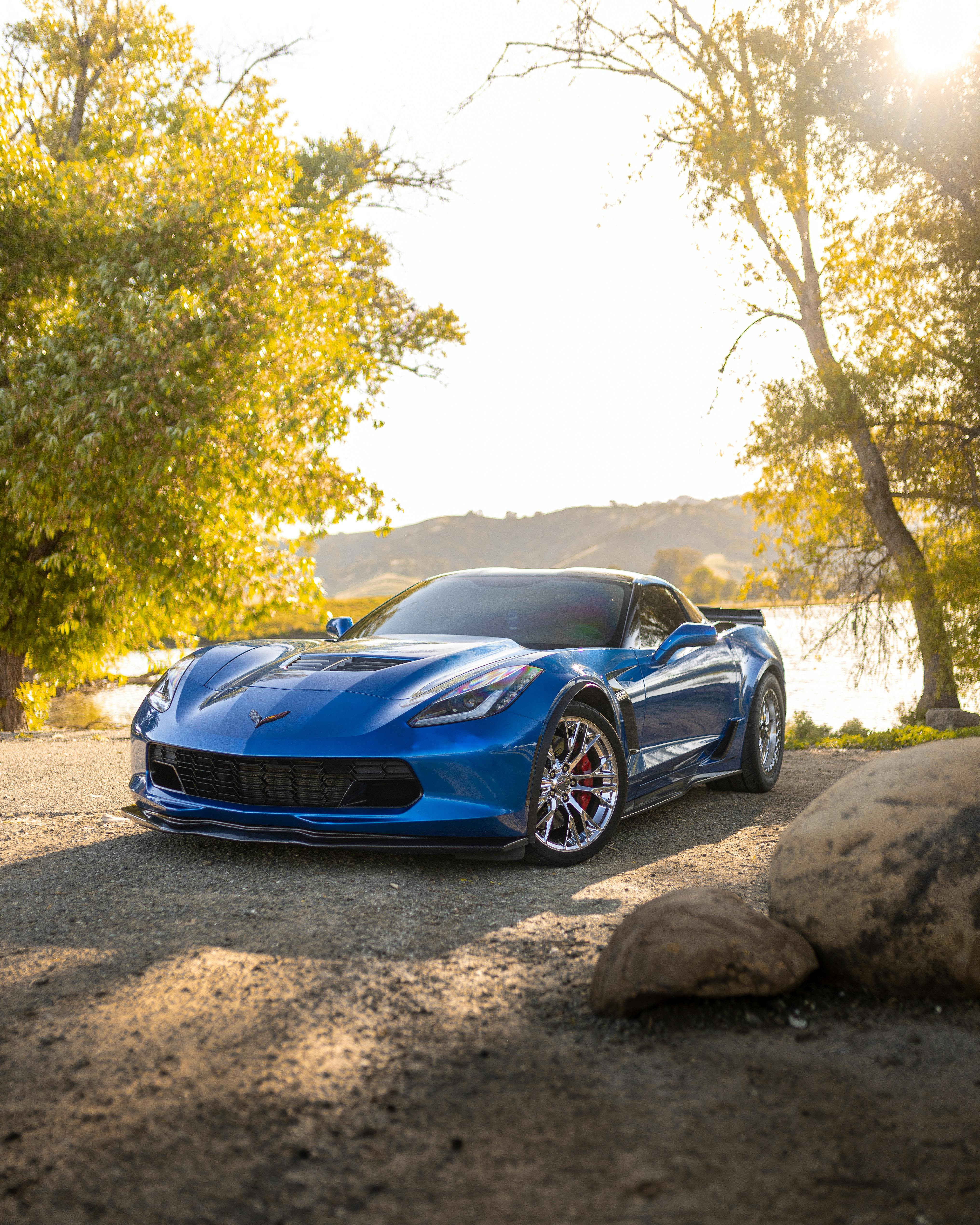
4. **2025 Corvette Z06: The Track-Ready Scream Machine**
For about twice the cost of a base Corvette Stingray, you can own what the MotorTrend staff describes as “the best American sports car ever made.” The 2025 Corvette Z06 is a marvel of modern engineering, a lightweight, glue-sticking track monster with a heart that sings at an incredible 8,600 rpm. We’re talking about a 670-hp, flat-plane-crank, 5.5-liter LT6 V-8 – a modern marvel that’s exclusive to the Z06.
This isn’t just about raw horsepower; it’s about how that power is delivered and managed. The Z06 boasts mind-bending stats like lateral acceleration of 1.10 g, a 60–0 mph braking distance of just 99 feet, and a 0–60 acceleration time of a blistering 2.6 seconds. And if you’re hitting the drag strip, expect a quarter-mile elapsed time of 10.6 seconds at a whopping 131 mph. These numbers aren’t just impressive; they’re in supercar territory.
While its official starting MSRP is $112,100, the reality is that a highest-horsepower car like the Z06 will likely command a price north of $150,000 in the real world, as indicated by Mecum auction results. But for enthusiasts seeking the ultimate expression of American track performance, with a soundtrack to match its ferocious capabilities, the Z06 is undeniably one of the most powerful and captivating machines the Big Three has ever produced. It’s a testament to the Corvette’s enduring legacy as a world-beating sports car.
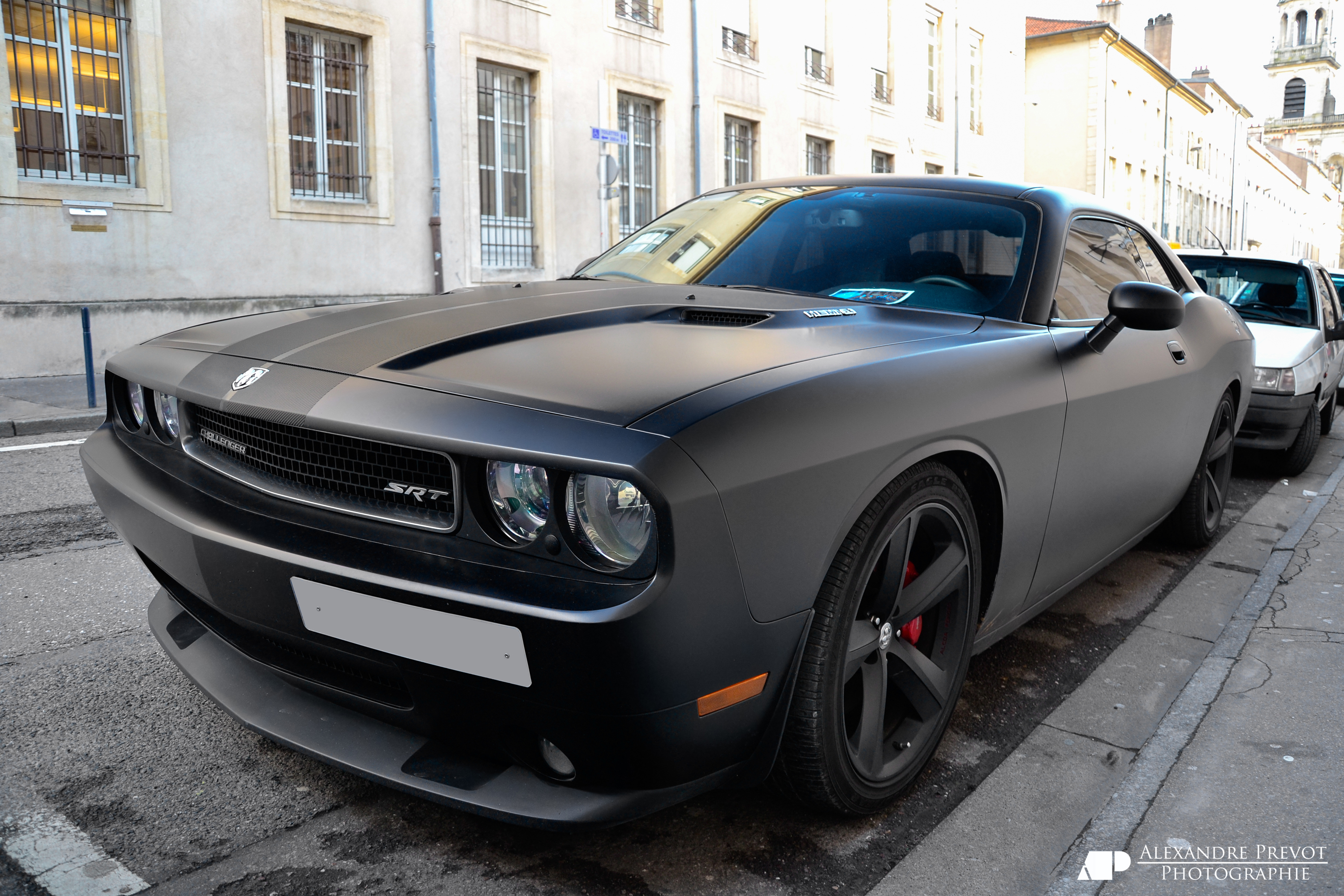
5. **2015–2023 Dodge SRT Challenger Hellcat (Narrowbody): The Hemi Hammer**
When Dodge brought the Hellcat to market, it fundamentally changed the game for modern muscle. The 2015–2023 Dodge SRT Challenger Hellcat, specifically in its narrowbody form, is a true legend. While wider variants like the Demon, Redeye, and Demon 170 grab headlines and top dollar, the 707-/717-hp Hellcat Challenger in narrowbody trim remains a highly desirable and more accessible alternative. This car embodies the raw, no-nonsense power that Dodge is famous for.
Accused by some of keeping its L-car platform alive past its shelf date, a complaint that “HOT ROD” never gave credence to, Dodge’s persistence resulted in a huge fleet of Hellcat Hemi-powered Challengers. This abundance in the wild is actually a “super good thing” for enthusiasts looking for a potent pre-owned option. The sheer volume of these cars means there’s enough available inventory to keep competitive bids—and price gouging—in check at auctions.
Our research into Mecum auction results from the past two years found 11 unmodified, low-mileage examples (under 20,000 miles) that hammered successfully, averaging a transaction price (including fees) of $67,500. This makes the Hellcat narrowbody an incredibly attractive proposition for anyone seeking a highest-horsepower car with a proven track record of monstrous performance. It’s a genuine Hemi-powered legend that’s still within reach for many, offering a phenomenal blend of power and value.
Car Model Information: 2020 Dodge Challenger R/T
Name: Dodge Challenger
Production: 1969–1974,1977–1983,2008–2023
ModelYears: 1970–1974,1978–1983,2008–2023
Caption: 2015 Dodge Challenger SRT Hellcat
Manufacturer: Dodge
Categories: 1970s cars, 1980s cars, 2000s cars, 2010s cars, 2020s cars
Summary: The Dodge Challenger is the name of three generations of automobiles produced by the American automobile manufacturer Dodge. However, the first use of the Challenger name by Dodge dates back to 1959 for marketing a “value version” of the full-sized Coronet Silver Challenger.
From model years 1970 to 1974, the first-generation Dodge Challenger pony car was built using the Chrysler E platform in hardtop and convertible body styles sharing significant components with the Plymouth Barracuda.
The second generation, from model years 1978 to 1983, was a rebadged Mitsubishi Galant Lambda / Sapporo, a coupe version of an economical compact car.
The third and most recent generation is a full-size muscle car that was introduced in early 2008 initially as a rival to the evolved fifth generation Ford Mustang and the fifth generation Chevrolet Camaro.
In November 2021, Stellantis announced that the 2023 model year would be the final model year for both the LD Dodge Charger and LA Dodge Challenger, as the company will focus its plans on electric vehicles rather than fossil fuel-powered vehicles, due to tougher emissions standards required by the Environmental Protection Agency for the 2023 model year. Challenger production ended on December 22, 2023, and the Brampton, Ontario, assembly plant will be re-tooled to assemble an electrified successor.
Get more information about: Dodge Challenger
Buying a high-performing used car >>>
Brand: Dodge Model: Challenger
Price: $24,335 Mileage: 70,496 mi.
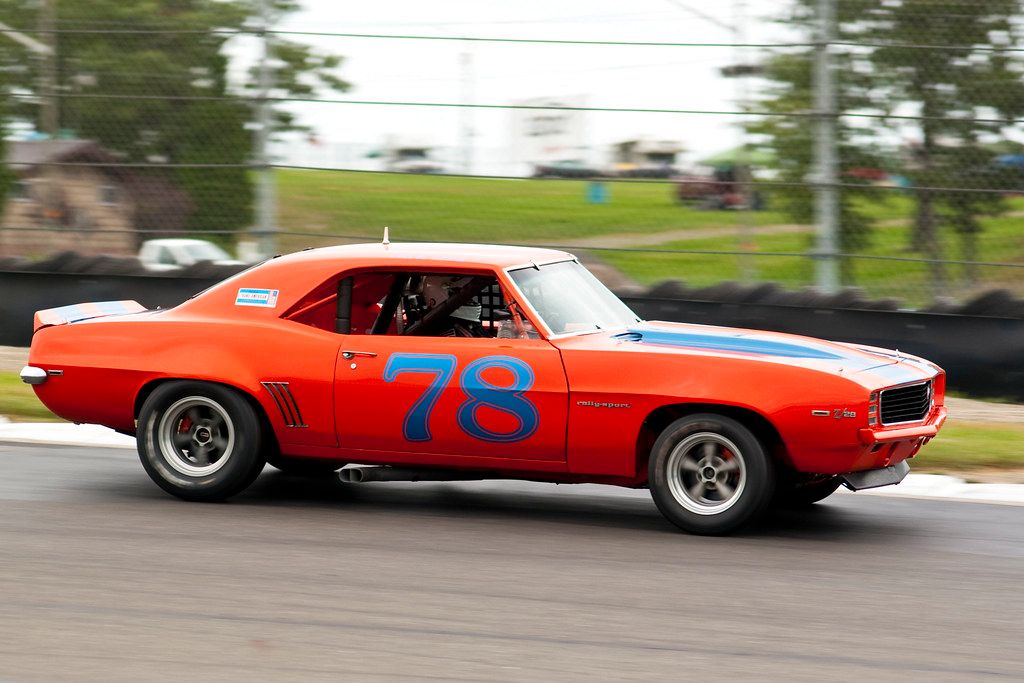
6. **2017–2024 Chevrolet Camaro ZL1: Supercharged Alpha Precision**
The Chevrolet Camaro ZL1, particularly the 2017–2024 models, stands as a testament to modern American muscle car prowess, offering 650 SAE net horsepower from its magnificent supercharged LT4 powerplant. While many of the more affordable V-8 Camaro trims (SS and LT1) are often found heavily modified in the used market, the ZL1 has a different story. It was found in “sufficiently plentiful numbers in unmolested, low-mileage condition” at Mecum auctions, with transactions at “pleasantly realistic prices.”
Built on the Alpha platform chassis, the ZL1 combines immense power with handling capabilities that are world-class. It’s a track-capable machine right off the showroom floor, offering a driving experience that rivals much more expensive sports cars. For Chevy fans, the availability of these highly capable, high-horsepower coupes at a good value is a major win, especially as new V-8 muscle cars become scarcer.
In our informal price survey, low-mileage, unmolested Camaro ZL1s (specifically 2017-2020 models with under 20K miles) averaged a “smile-inducing $59,070” at Mecum auctions. This makes it “really hard to consider anything other than a slightly used ZL1” for those looking for a top-tier V-8 muscle car from Chevrolet without breaking the bank. It represents the pinnacle of GM’s traditional V-8 muscle car offerings before the landscape shifted.
Car Model Information: 2025 Subaru Outback Premium
Name: Chevrolet Camaro
Manufacturer: Chevrolet
Production: 1966–2002,2009–2023
ModelYears: 1967–2002,2010–2024
Class: Pony car
BodyStyle: coupe,convertible
Platform: GM F platform,GM Zeta platform,GM Alpha platform
Layout: Front-engine, rear-wheel-drive layout
Categories: 1970s cars, 1980s cars, 1990s cars, 2+2 coupés, 2000s cars
Summary: The Chevrolet Camaro is a mid-size American automobile manufactured by Chevrolet, classified as a pony car. It first went on sale on September 29, 1966, for the 1967 model year and was designed to compete with the Ford Mustang. The Camaro shared its platform and major components with the Firebird, produced by General Motors’ Pontiac division that was also introduced for the 1967 model year.
Four distinct generations of the Camaro were developed before production ended in 2002. The nameplate was revived on a concept car that evolved into the fifth-generation Camaro; production started on March 16, 2009.
Production of the sixth generation of the Camaro ended in December 2023, for the 2024 model year.
Get more information about: Chevrolet Camaro
Buying a high-performing used car >>>
Brand: Chevrolet Model: Camaro ZL1
Price: $32,439 Mileage: 5,116 mi.
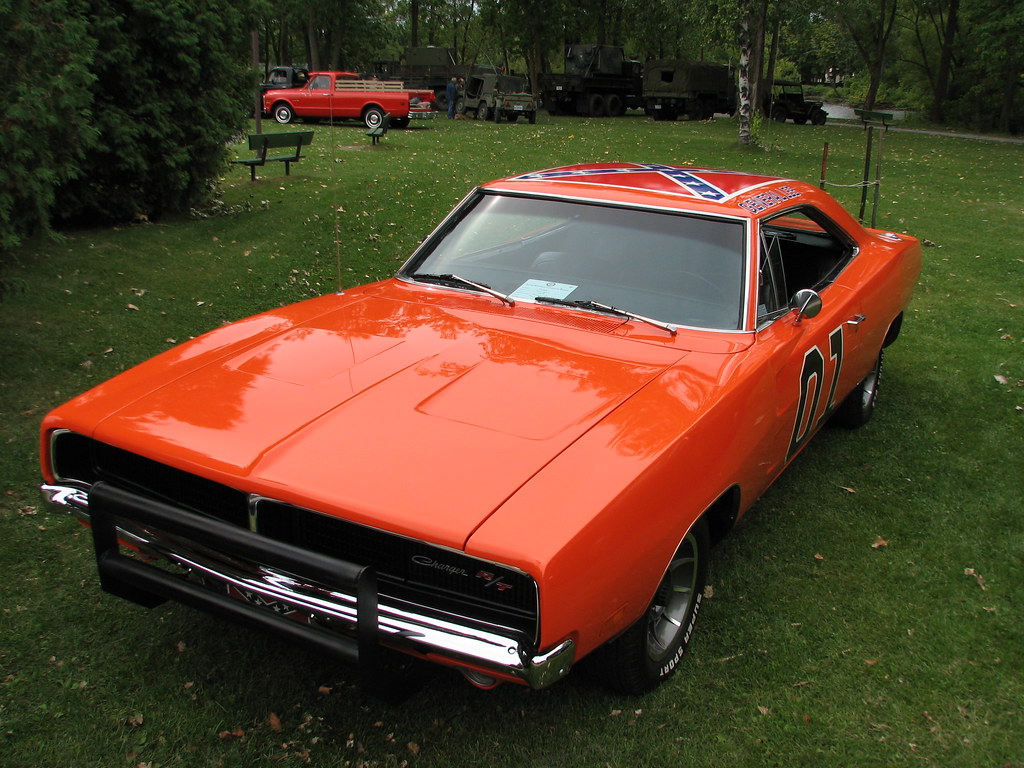
7. **2025 Dodge Charger 340/440 SixPack: The Inline-Six Revolution**
Dodge is famously moving into a new era, but they’re not leaving gasoline power behind entirely. The 2025 Dodge Charger SixPack 340 and 440 are the “Plan B” for Stellantis’ highest-horsepower electric car, and they bring serious heat with twin-turbo intercooled inline-six engines. The standard-output (SO) SixPack 340 trim boasts 420 hp, while the high-output (HO) SixPack 440 trim cranks out an impressive 550 hp.
This marks a significant shift, as V-8 muscle cars may now have to “take a back seat to an inline-six as the engine of choice for some of the most powerful muscle cars.” While the full performance details are still emerging, hints suggest a lighter vehicle than the outgoing L-platform Charger, with a “12–15-percent better power-to-weight ratio” for the high-output Hurricane engine. This promises a thrilling, modern take on Dodge muscle.
Adding to its appeal, all Dodge Charger ICE models will feature full-time all-wheel-drive, giving these SixPacks a distinct advantage in the traction department – an area where previous Hellcat Hemi cars sometimes struggled. Plus, a special rear-drive mode, activated at the push of a button, will divert all power to the rear wheels for those times you want to get properly sideways. With Dodge fast-tracking their release for mid-2025, these new Chargers are set to redefine what a powerful muscle car can be.
Now that we’ve basked in the glory of today’s absolute powerhouses and recent legends, let’s take a roaring leap back in time to the golden era where it all began. The late Sixties and early Seventies were a wild west of horsepower, a time when manufacturers stuffed colossal engines into relatively light cars, often pushing the limits of what was deemed road-legal. These are the machines that forged the very definition of ‘muscle car,’ dripping with character, raw power, and a healthy dose of mechanical anarchy. Forget the electronic nannies and refined handling for a moment; these beasts were all about brutal acceleration and the sheer thrill of a massive V-8 underfoot. We’re diving deep into the Big Three’s iconic classic muscle cars, the ones that became legends on the street and track, starting with some serious Chevrolet firepower.
Car Model Information: 2023 Dodge Charger R/T Scat Pack
Name: Dodge Charger
Caption: 1969 Dodge Charger
Manufacturer: Dodge
Production: 1966–1978,1981–1987,2005–present
ModelYears: 1966–1978,1982–1987,2006–present
Categories: 1960s cars, 1970s cars, 1980s cars, 2000s cars, 2010s cars
Summary: The Dodge Charger is a model of automobile marketed by Dodge in various forms over eight generations since 1966.
The first Charger was a show car in 1964. A 1965 Charger II concept car resembled the 1966 production version.
In the United States, the Charger nameplate has been used on mid-size cars, personal luxury coupes, subcompact hatchbacks, and full-size sedans.
Get more information about: Dodge Charger
Buying a high-performing used car >>>
Brand: Dodge Model: Charger
Price: $54,855 Mileage: 7,222 mi.
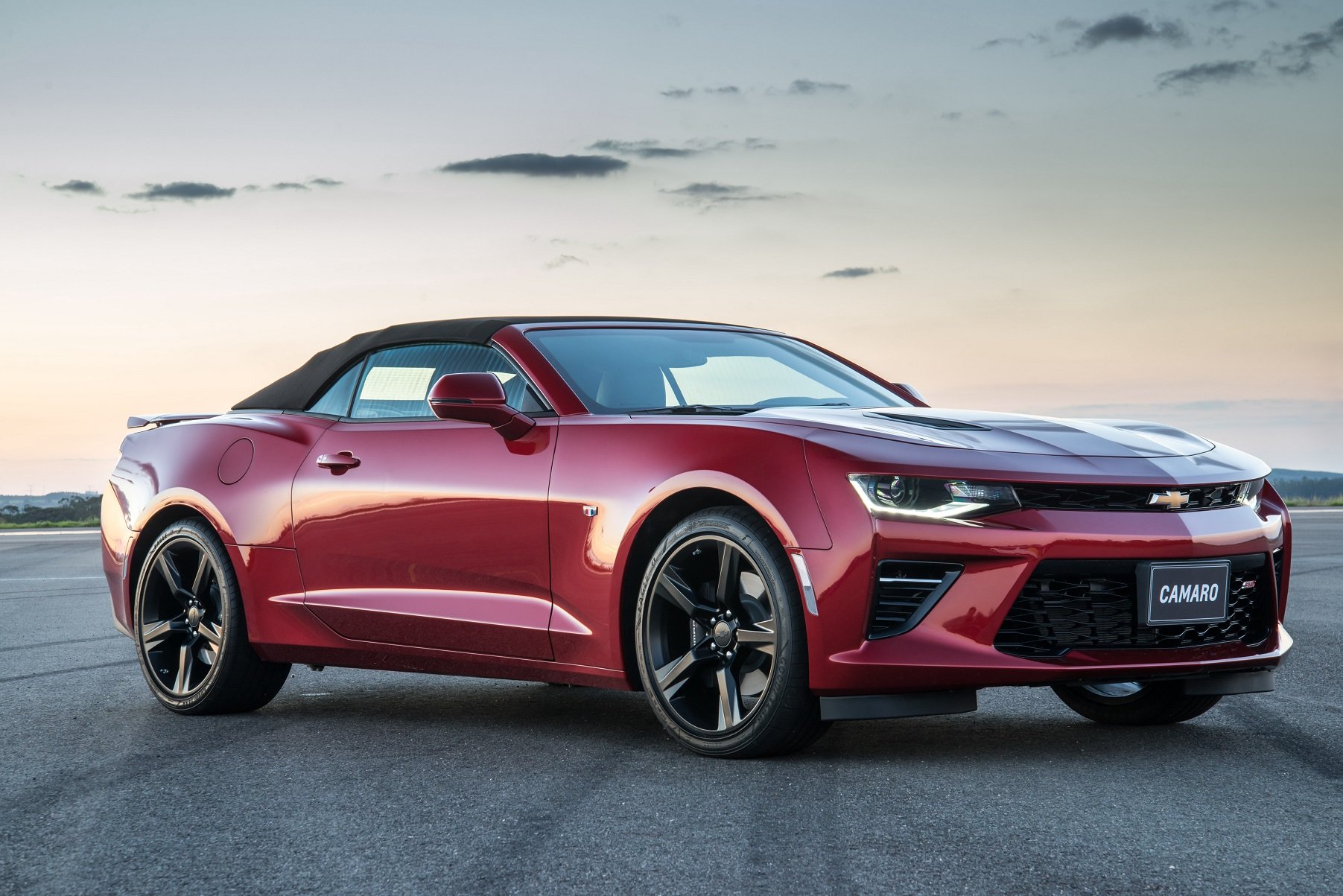
8. **Chevrolet L-78: The Stealthy Big-Block**
Kicking off our journey into the golden age of muscle, we’ve got the Chevrolet L-78, a big-block beast estimated at a robust 400 gross horsepower. This wasn’t just some niche engine; it was a versatile powerhouse offered in both 396ci and 402ci displacements, ready to transform nearly anything from a mild-mannered grocery-getter into a tire-shredding monster. It really set a benchmark for what you could expect from a factory performance offering back then.
The L-78 had a pretty impressive resume, finding its way into a wide array of Chevrolet vehicles. We’re talking about everything from the compact Chevy II/Nova to the full-size 1965 Biscayne, and naturally, it carved out a special place in the Corvette and Camaro. But if you wanted to find this specific brand of thunder in its most common habitat, your best bet was a late-Sixties Chevelle SS, where it truly made its mark as a performance icon.
In 1969 alone, almost 20,000 of these formidable engines found their home, making that year a true standout for Chevy muscle cars. What made the L-78 a legend in its own right, beyond the sheer power? Its unassuming nature. These big-blocks didn’t demand any flashy exterior or trim packages, earning them a reputation as “deadly sleepers” on the infamous Woodward Avenue and other street racing hotspots.
Plus, in an era where temperamental engines were par for the course, the L-78 was noted for being “easier to keep running than some of the competition,” a minor detail that meant everything when you were lining up for pink slips. It was the kind of engine that just got the job done, no fuss, just pure, unadulterated grunt.
9. **Ford 428 Cobra Jet: Blue Oval’s Big Punch**
Moving over to the Blue Oval camp, Ford delivered a true knockout punch with the 428 Cobra Jet. The bones of this monster came from the already strong 428 Police Interceptor engine, which had made a name for itself in the 1967 GT500. But Ford, always one to push the envelope, knew there was more untapped potential lurking within its cast-iron depths.
The catalyst for its evolution was a Ford dealership that started offering a hopped-up version, prompting Ford to bring the development in-house. The result was the legendary 428 Cobra Jet, which wasn’t just a minor tweak; about thirty different parts were upgraded, directly benefiting from factory development. This wasn’t some backyard special; this was a meticulously engineered weapon.
Estimated at a thrilling 410 horsepower, the 428CJ was serious business indeed. It wasn’t confined to just one iconic model either. While it proudly powered the Shelby GT500KR, a true king of the street, you could also find this magnificent engine in the more common Fairlane and Torino, as well as Mercury’s Cyclone, Comet, and Cougar, spreading its high-performance gospel across multiple platforms.
The Cobra Jet effectively solidified Ford’s place in the horsepower wars, proving they could go toe-to-toe with anything Detroit had to offer. It was a perfect blend of street credibility and race-bred engineering, delivering a potent dose of performance that enthusiasts craved, and still do today.
Car Model Information: 2021 RAM 2500 Big Horn
Name: Ford FE V8
Aka: Ford FT V8
Manufacturer: Ford Motor Company
Production: [object Object]
Predecessor: Ford Y-block engine
Successor: Ford 335 engine,Ford 385 engine
Configuration: Pushrod engine,V8 engine
Weight: cvt
Categories: All Wikipedia articles needing clarification, All articles lacking reliable references, All articles needing additional references, All articles that may contain original research, All articles to be expanded
Summary: The Ford FE engine is a medium block V8 engine produced in multiple displacements over two generations by the Ford Motor Company and used in vehicles sold in the North American market between 1958 and 1976. The FE, derived from ‘Ford-Edsel’, was introduced just four years after the short-lived Ford Y-block engine, which American cars and trucks were outgrowing. It was designed with room to be significantly expanded, and manufactured both as a top-oiler and side-oiler, and in displacements between 332 cu in (5.4 L) and 428 cu in (7.0 L).
Versions of the FE line designed for use in medium and heavy trucks and school buses from 1964 through 1978 were known as “FT,” for ‘Ford-Truck,’ and differed primarily by having steel (instead of nodular iron) crankshafts, larger crank snouts, smaller ports and valves, different distributor shafts, different water pumps and a greater use of iron for its parts.
The FE block was manufactured by using a thinwall casting technique, where Ford engineers determined the required amount of metal and re-engineered the casting process to allow for consistent dimensional results. A Ford FE from the factory weighed 650 lb (295 kg) with all iron components, while similar seven-liter offerings from GM and Chrysler weighed over 700 lb (318 kg). With an aluminum intake and aluminum water pump the FE could be reduced to under 600 lb (272 kg) for racing.
The engine was produced in [406] and 427 cu in competition versions, and famously powered Ford GT40 MkIIs to endurance racing domination in the 24 hours of Le Mans during the mid-1960s.
Get more information about: Ford FE engine
Buying a high-performing used car >>>
Brand: Ford Model: 428 Cobra Jet
Price: $33,564 Mileage: 45,952 mi.
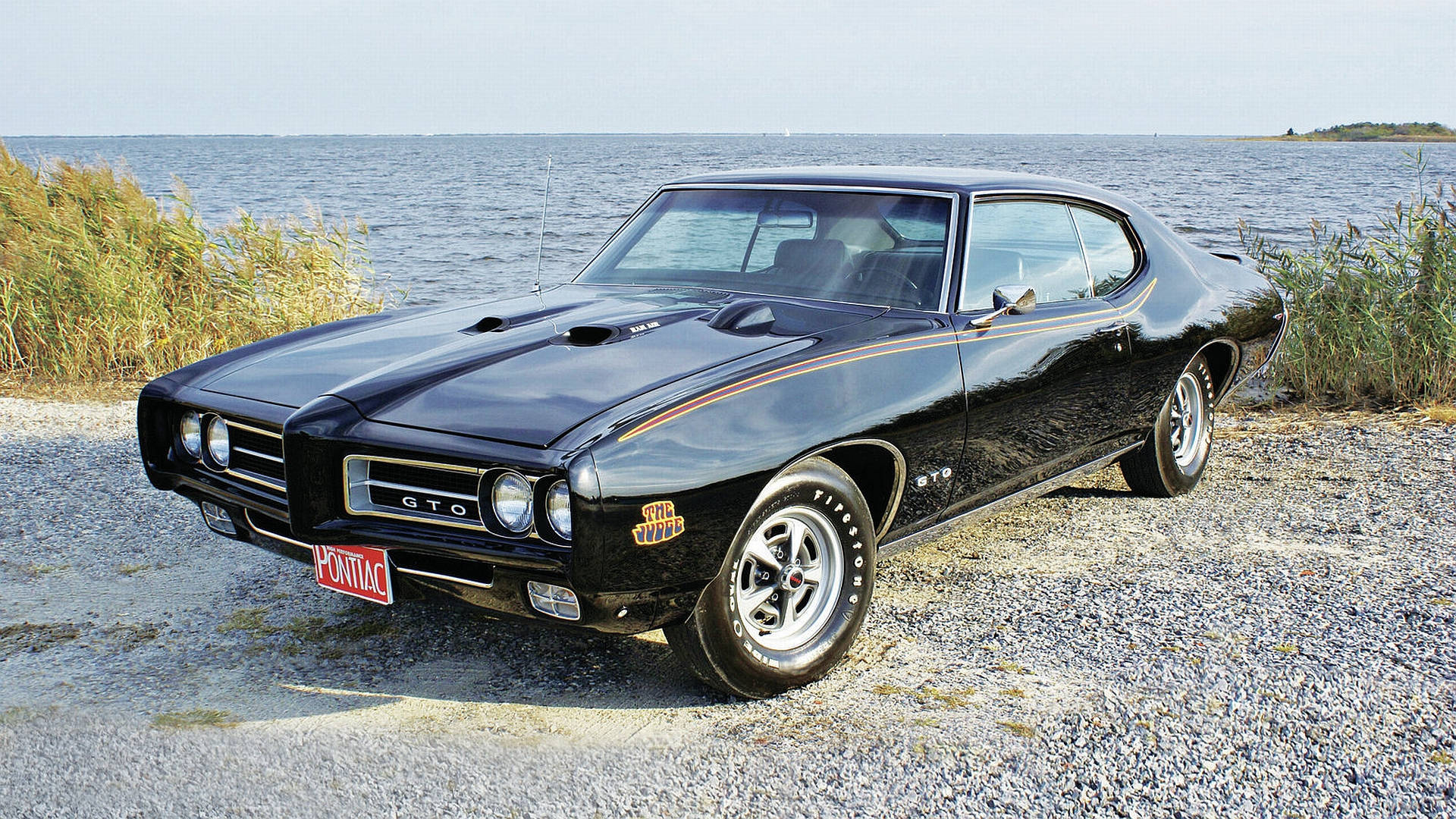
10. **Pontiac Ram Air 400: The GTO’s Roaring Heart**
No discussion of classic muscle is complete without a nod to Pontiac, a brand that practically invented the genre. The 400-cubic-inch big-block V-8 was the engine that built Pontiac’s reputation in the Sixties. While the early Pontiac GTOs, despite their legendary status, never quite lived up to the full hype of their marketing, the arrival of the 400 changed the game, and then some.
The real magic happened with the Ram Air variant, which first burst onto the scene in 1967. This wasn’t just a cool name; it involved a functional system that directed fresh exterior air directly to the intake, coupled with carefully engineered changes to the valvetrain and exhaust to maximize airflow and power. It was a holistic approach to making more grunt.
The engineers at Pontiac kept refining this beast. In 1968, the intake port received a significant change, further optimizing performance. The following year, they upped the ante even more, installing a more aggressive camshaft and a beefier four-bolt main for enhanced durability under duress. This continuous development truly showed Pontiac’s dedication to performance.
When you put all those pieces together, the result was a powerhouse estimated at “410 horsepower… or more.” The Ram Air 400 transformed the GTO into a formidable contender on the street, cementing its place as an icon of American muscle. It embodied Pontiac’s youthful, performance-oriented spirit, letting everyone know that the Goat meant business.
Car Model Information: 1966 Pontiac GTO Coupe
Name: Pontiac GTO
Caption: 2005 Pontiac GTO
Manufacturer: Pontiac (automobile),Holden
Class: Mid-size car,Compact car,Mid-size car
Production: 1963–1974,2003–2006
Predecessor: Pontiac Tempest
Layout: Front-engine, rear-wheel-drive layout
ModelYears: 1964-1974 2004-2006
Categories: 1970s cars, 2000s cars, All articles with unsourced statements, Articles with short description, Articles with unsourced statements from October 2008
Summary: The Pontiac GTO is a front-engine, rear-drive, two-door, and four-passenger automobile manufactured and marketed by the Pontiac division of General Motors over four generations from 1963 until 1974 in the United States — with a fifth generation made by GM’s Australian subsidiary, Holden, for the 2004 through 2006 model years.
The first generation of the GTO is credited with popularizing the muscle car market segment in the 1960s. Some consider the Pontiac GTO to have started the trend with all four domestic automakers offering a variety of competing models.
For the 1964 and 1965 model years, the GTO was an optional package on the intermediate-sized Pontiac LeMans. The 1964 GTO vehicle identification number (VIN) started with 22, while the 1965 GTO VIN began with 237. The GTO was designated as a separate Pontiac model from 1966 through 1971 (VIN 242…). It became an optional package again for the 1972 and 1973 intermediate LeMans. For 1974, the GTO was an optional trim package on the compact-sized Ventura.
The GTO model was revived for the 2004 through 2006 model years as a captive import for Pontiac, a left-hand drive version of the Holden Monaro, itself a coupé variant of the Holden Commodore.
Get more information about: Pontiac GTO
Buying a high-performing used car >>>
Brand: Pontiac Model: GTO
Price: $59,991 Mileage: 4,408 mi.

11. **Chrysler 440 Magnum: Hemi Performance for the Masses**
While the legendary Hemi might have hogged the spotlight, Chrysler, earning its reputation as “the engineering company” among the Big Three, was busy cooking up another big-block monster that could deliver Hemi-style performance at a more accessible price point. Enter the mighty 440 Magnum, a true unsung hero of the muscle car era.
This engine wasn’t just powerful; it was built like a tank. A five-bolt main made the engine practically bulletproof, capable of withstanding the kind of abuse street racers and drag strip warriors dished out. It was developed by boring out the already potent 413-cubic-inch variant, resulting in a fast-revving 440 that could really get up and go.
The 440 Magnum was famously underrated by the factory at 390 horsepower, a common practice back then to appease insurance companies and the “safety lobby.” However, enthusiasts and performance testers of the day knew it probably made “more than 410” horsepower in reality, often quite a bit more, especially when it was properly tuned.
For three glorious years, you could find the 440 Magnum across the entire Chrysler lineup, in all three brands – Dodge, Plymouth, and Chrysler. And if that wasn’t enough, it was “trivially easy to increase the power in the aftermarket,” making it an absolute favorite for anyone looking to extract even more brutal performance from their Mopar.
Car Model Information: 2021 Genesis GV80 2.5T
Name: Dodge Magnum
Caption: 2008 Dodge Magnum SE, Stone White
Production: 1978–1979, 1979–1981,1981–1988, 2005–2008,
ModelYears: 1978–1979,1979–1981,1981–1988,2005–2008
Manufacturer: Chrysler Corporation
Categories: 1980s cars, 2000s cars, All articles with unsourced statements, Articles with short description, Articles with unsourced statements from August 2025
Summary: The Dodge Magnum is a nameplate used by several Dodge vehicles, at different times and on various markets. The name was first applied to a large Chrysler B platform-based 2-door coupe marketed from 1978 to 1979 sold in the United States and Canada. From the 2005 to the 2008 model years, the nameplate was revived for a Charger-based station wagon on the rear-wheel drive Chrysler LX platform, produced in Canada and sold on the American and Canadian market.
In Brazil, the Magnum was a top-of-the-line version of the local Dodge Dart, produced from 1979 to 1981.
In Mexico, the Dodge Magnum was a sporty rear-wheel drive two-door car based on Chrysler’s M-body (American Dodge Diplomat/Plymouth Gran Fury). From 1983 to 1988 Dodge marketed a sporty two-door K-car as the “Magnum”, with an available turbocharger engine from 1984 on.
Get more information about: Dodge Magnum
Buying a high-performing used car >>>
Brand: Chrysler Model: 440 Magnum
Price: $34,319 Mileage: 36,145 mi.

12. **Ford Boss 429: NASCAR’s Street Machine**
When Ford decided to counter Hemi dominance in stock-car racing, they didn’t just play; they went all in, developing the legendary Boss 429 big-block. This engine was a direct shot at Chrysler, featuring some similar ideas to the Hemi, including a comparable combustion chamber design. It was based on the all-new Lima V-8 design, showing Ford’s commitment to clean-sheet engineering.
Plenty of money was poured into both the design and construction of this formidable engine, a true engineering marvel of its time. From the unique off-axis arrangement of the valves to the innovative “gasketless” head assembly, every aspect was meticulously crafted for high performance and durability under racing conditions. It was clear this engine meant business.
However, a twist of fate, or rather the start of NASCAR’s “aero era,” meant Ford held off on racing the 429. This left its only sanctioned home in the limited-production Boss 429 Mustang, making it one of the most exclusive and sought-after muscle cars of all time.
In the Boss 429 Mustang, the engine was conservatively tuned and fitted with a relatively small carburetor, holding its power down to a still-more-than-respectable “420 estimated horses.” It wasn’t until more than a decade later that the Boss 429 would reappear, shockingly, in a drag-racing Escort EXP, a testament to its enduring potential and a wild footnote in its history.
Car Model Information: 2005 Hummer H2 SUT
Caption: 1969 Boss 429
Layout: Longitudinal engine
Manufacturer: Ford Motor Company
Production: 1969–1970
Name: Mustang Boss 429
Class: Muscle car
BodyStyle: coupé
Assembly: Dearborn, Michigan
Height: 50.4 in
Abbr: on
Length: 187.4 in
Width: 71.7 in
Engine: 429 cuin
Transmission: manual transmission
Weight: 3870 lb
Categories: All Wikipedia articles needing clarification, All articles needing additional references, All articles with unsourced statements, Articles needing additional references from August 2008, Articles with short description
Summary: The Boss 429 Mustang is a high-performance Ford Mustang variant that was offered by Ford in 1969 and 1970. It featured a race-designed 429 cu in (7.0 L) semi-hemispherical head version of the big block 429 V8, offered in the car both to homologate the engine for NASCAR racing and to offer a bigger, more-powerful version of the popular small block 5 L Boss 302 Mustang.
The price of all the performance and modifications was steep: at nearly $5,000 a Boss 429 was roughly twice the price of the base model inline-6 Mustang. A total of 1,359 Boss 429s were produced.
Get more information about: Boss 429 Mustang
Buying a high-performing used car >>>
Brand: Ford Model: Boss 429
Price: $19,995 Mileage: 138,619 mi.
13. **Buick GSX 455 Stage 1: The Doctor’s Secret Weapon**
Buick, often associated with a more mature, refined image, had a secret weapon lurking in its arsenal during the Sixties. They had their own impressive big-block, developed from scratch in-house to replace the earlier “nailhead” engine. When expanded to a formidable 455 cubic inches, it became the perfect powerplant to effortlessly propel an Electra 225 down the road.
But Buick engineers knew this big-block had far more potential than just luxury cruising. They could “tune it up a bit, put it in an intermediate chassis, and win a heck of a lot of street races.” The increased displacement came from boring out the block, allowing the big Buick engine to rev a bit higher, unleashing its true sporting capabilities.
In its most potent form, the Stage 1 trim, found in the GS and GSX variants of the intermediate Skylark, this engine was a genuine powerhouse. These cars were probably making “more than 420 horsepower,” far exceeding their official ratings. It was a genuine runner for sure, and definitely “not what you’d expect from a brand that was still known as ‘the doctor’s car’ in much of America.”
The Buick GSX 455 Stage 1 was a wolf in sheep’s clothing, a powerful testament to Buick’s often-overlooked performance heritage. It proved that even the most understated of brands could deliver a muscle car that commanded respect and left competitors staring at its taillights.

14. **Chrysler 440 Six-Pack: Three Carbs, Triple the Trouble**
Just when you thought the Chrysler 440 Magnum couldn’t get any wilder, the Mopar maestros decided to bolt on three two-barrel carbs, creating the legendary 440 Six-Pack. This wasn’t just about looking cool with multiple air cleaners; it was about unleashing serious, unadulterated horsepower that redefined what a street car could do.
The true horsepower of the Six-Pack was “north of 430,” even with conservative factory ratings, but what truly elevated this package was its fantastic durability. This setup provided reliable, brutal power, making it a favorite among those who pushed their machines to the limit, knowing it could take a beating and keep delivering.
Most commonly encountered in the iconic Charger two-door sedan, the Six-Pack could also be had in less flashy Mopars, often turning unassuming models into absolute tarmac terrors. It was a potent combination that became the stuff of legend on the street.
If you listen to the old Detroit street racers, they’ll tell you a tale that’s been whispered through generations: “a lot of Hemis were defeated in asphalt combat by Six-Packs.” Why? For one critical reason: “the 440 didn’t foul its plugs.” In the heat of battle, reliability often trumped theoretical peak power, and the Six-Pack delivered where it counted most.
Car Model Information: 2021 Genesis GV80 2.5T
Categories: All Wikipedia articles needing clarification, All articles needing additional references, All articles to be expanded, All articles with unsourced statements, Articles needing additional references from June 2010
Summary: The Chrysler Hemi engine, known by the trademark Hemi or HEMI, is a series of high-performance American overhead valve V8 engines built by Chrysler with hemispherical combustion chambers. Three generations have been produced: the FirePower series (with displacements from 241 to 392 cu in (3.9 to 6.4 L) from 1951 until 1958; a 426 cu in (7.0 L) race and street engine from 1964 through 1971; and family of advanced Hemis (displacing between 5.7 and 6.4 L (348 and 391 cu in) since 2003.
Although Chrysler is most identified with “Hemi” as a marketing term, many other auto manufacturers have incorporated Hemispherical cylinder head designs.
During the 1970s and 1980s, Chrysler also applied the term Hemi to their Australian-made Hemi-6 Engine, and a 4-cylinder Mitsubishi 2.6 L engine installed in various North American market vehicles.
Get more information about: Chrysler Hemi engine
Buying a high-performing used car >>>
Brand: Chrysler Model: 440 Six-Pack
Price: $34,319 Mileage: 36,145 mi.
From the snarling V-8s of the past to the supercharged and twin-turbo monsters of today, the Big Three have always pushed the boundaries of automotive performance. Whether it’s the raw, untamed fury of a classic Hemi or the sophisticated, digitally-controlled aggression of a modern Corvette ZR1, the spirit of American muscle endures. These machines are more than just metal and horsepower; they are a testament to innovation, passion, and the relentless pursuit of speed. So, whether you’re revving a vintage 454 or unleashing a future inline-six, one thing’s for sure: the rumble of a powerful engine will always be the soundtrack to the American dream of the open road.