Rising fuel prices and growing environmental concerns have made fuel efficiency a top priority for many drivers. Saving gas is not just about stretching your budget; it is also an eco-friendly choice that reduces carbon emissions and supports a greener future. Whether you are a daily commuter or planning a road trip, adopting smarter driving habits can have a lasting impact on both your wallet and the environment.
The good news is that you do not need to be a mechanic or buy a new car to start seeing results. By applying proven strategies and maintaining your vehicle properly, you can boost fuel economy and make every gallon go further.
Maintain Proper Tire Inflation
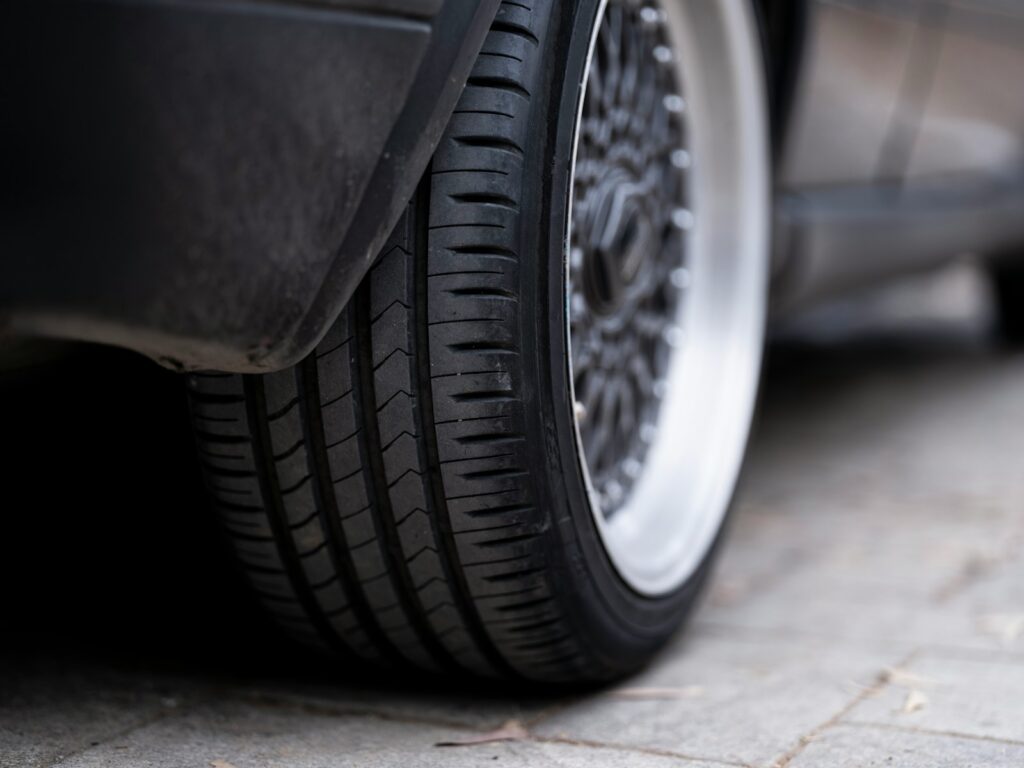
Tires that are underinflated increase rolling resistance, forcing your engine to work harder and burn more fuel. According to the U.S. Department of Energy, properly inflated tires can improve fuel economy by up to 3 percent. Always check your owner’s manual or the sticker inside the driver’s door for the recommended pressure, and use a reliable gauge at least once a month. Correct tire inflation not only saves fuel but also prevents overheating, uneven wear, and potential blowouts.

Keep Your Vehicle Well-Maintained
Routine maintenance is critical to efficiency. Regular oil changes with the manufacturer’s recommended viscosity reduce internal friction, and replacing worn spark plugs ensures proper combustion. A clean air filter supports smooth engine performance, while balanced and aligned tires reduce drag. Even small details matter: using the correct grade of motor oil can improve fuel efficiency by 1–2 percent. Staying on schedule with maintenance helps your car perform at its best and prolongs its lifespan.
Use the Correct Fuel and Oil
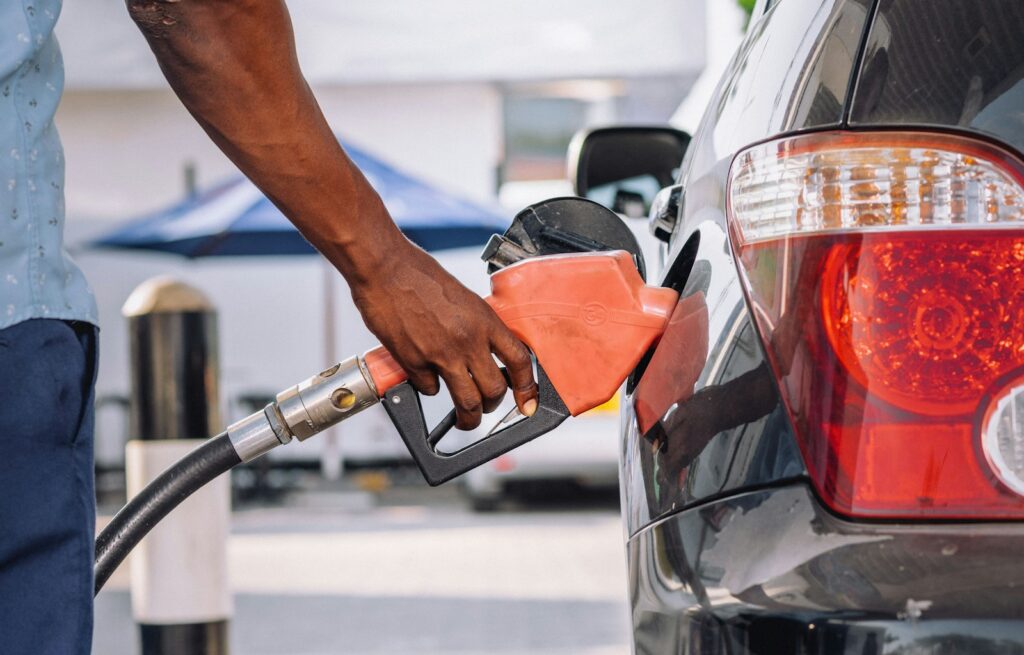
Not every car benefits from premium fuel. Unless specified by the manufacturer, higher-octane gas provides no extra performance or mileage benefits. Similarly, using the correct motor oil grade, especially those labeled “Energy Conserving,” can enhance efficiency. Choosing high-quality fuel from reputable brands may also support long-term engine health.

Drive Smoothly and Avoid Aggressive Acceleration
Rapid acceleration, hard braking, and speeding are among the most fuel-wasting habits. Patrick De Haan of Gas Buddy notes that constant rushing burns more fuel. Gradual acceleration, steady speed, and defensive driving allow your engine to operate more efficiently. Anticipating traffic also reduces the need for sudden braking and prevents the cycle of braking and re-accelerating that wastes gas.

Use Cruise Control on Highways
Cruise control helps maintain consistent speed, eliminating subtle fluctuations that increase fuel consumption. It works best on flat, open highways and is more precise than manual control. However, in hilly terrain, cruise control can over-rev the engine. In those conditions, manually adjusting speed often delivers better results.

Avoid Excessive Idling
Idling wastes fuel while going nowhere. Experts recommend shutting off your car if you expect to be stopped for more than 10 seconds. Modern vehicles warm up more quickly when driven, so extended warm-ups are unnecessary. Restarting the engine uses less fuel than prolonged idling and does not harm today’s more durable starter motors.
Limit Drag and Extra Weight
Unnecessary accessories such as roof racks, cargo carriers, and open windows at highway speeds increase drag, reducing fuel efficiency. Removing unused items from your trunk and backseat reduces the weight your car must carry, which is especially important in city driving with frequent stops. Both steps make your car lighter and more aerodynamic, improving mileage and extending the life of brakes and suspension.
Plan and Combine Trips
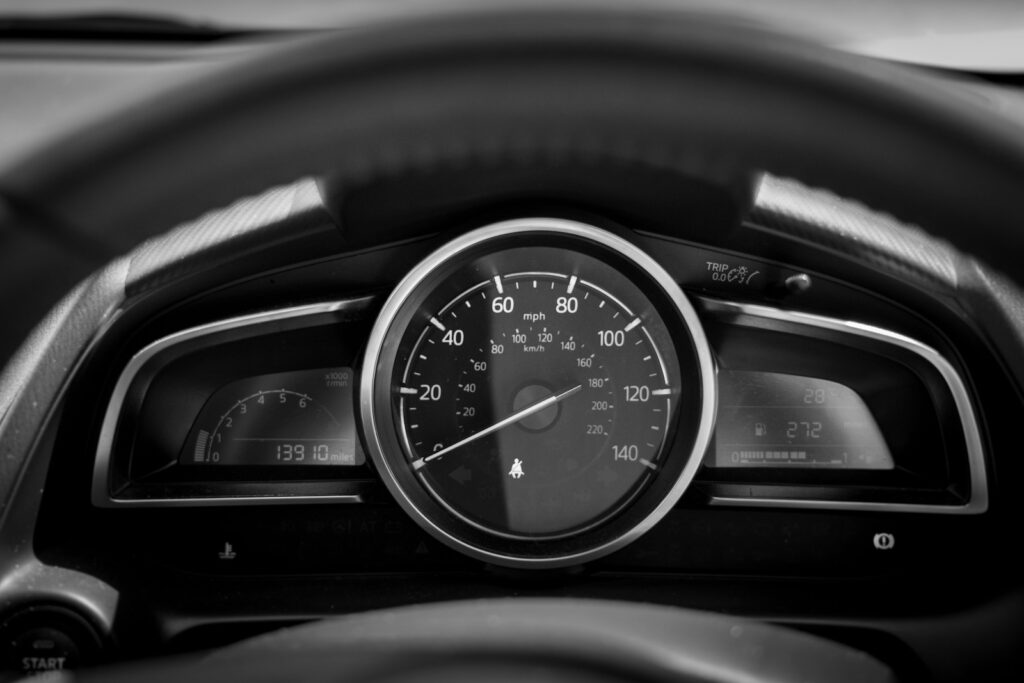
Each time you start a cold engine, fuel consumption is higher until the engine reaches optimal temperature. Combining errands into a single, well-planned route reduces cold starts and total miles driven. Using navigation apps to sequence stops logically avoids unnecessary detours and keeps your engine running efficiently for longer stretches.
Utilize Overdrive Gears
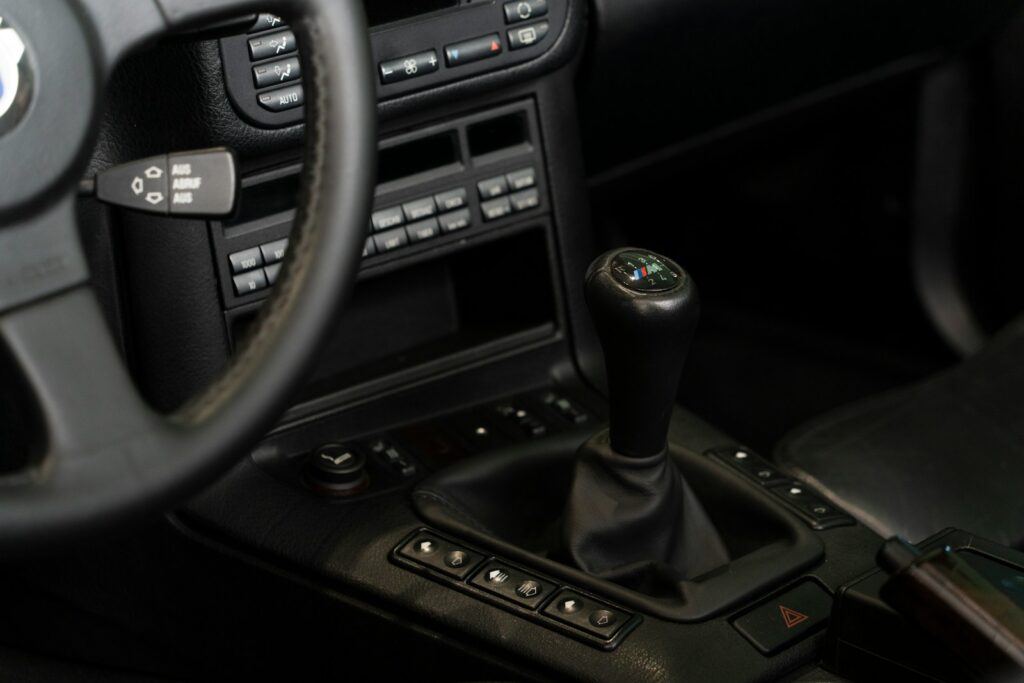
For cars equipped with overdrive, engaging this feature on highways lowers engine RPM while maintaining speed. This reduces fuel consumption, engine strain, and wear on components. It is especially effective during long highway drives where steady speed is possible.
Activate Eco Mode
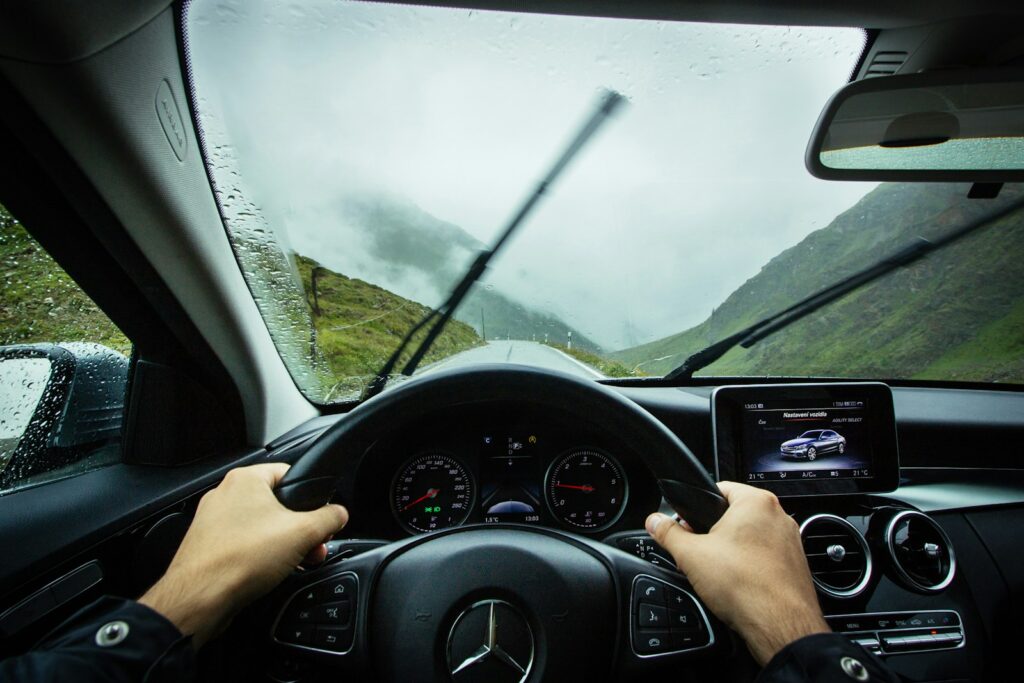
Many modern cars feature Eco Mode, which adjusts throttle response and transmission shifts to prioritize fuel savings. Some systems also reduce energy consumption from air conditioning. Although acceleration may feel less powerful, the long-term fuel savings are substantial.
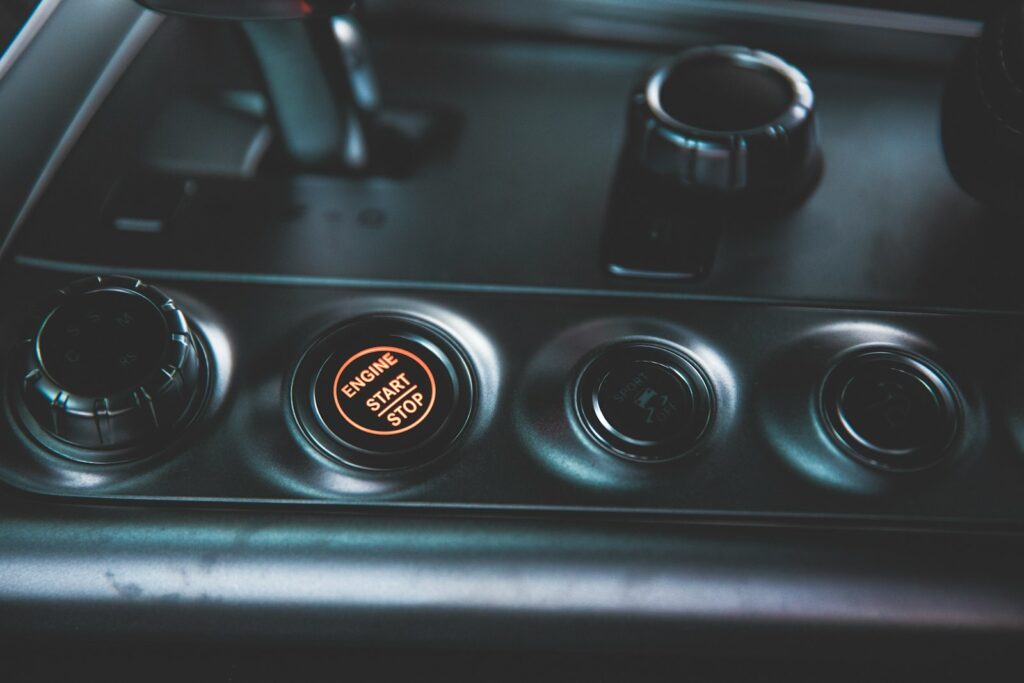
Employ Start-Stop Technology
In newer vehicles, start-stop systems automatically shut off the engine when the car is stationary and restart it instantly when you release the brake. This reduces fuel waste during long waits at traffic lights or in congestion, lowering both consumption and emissions.
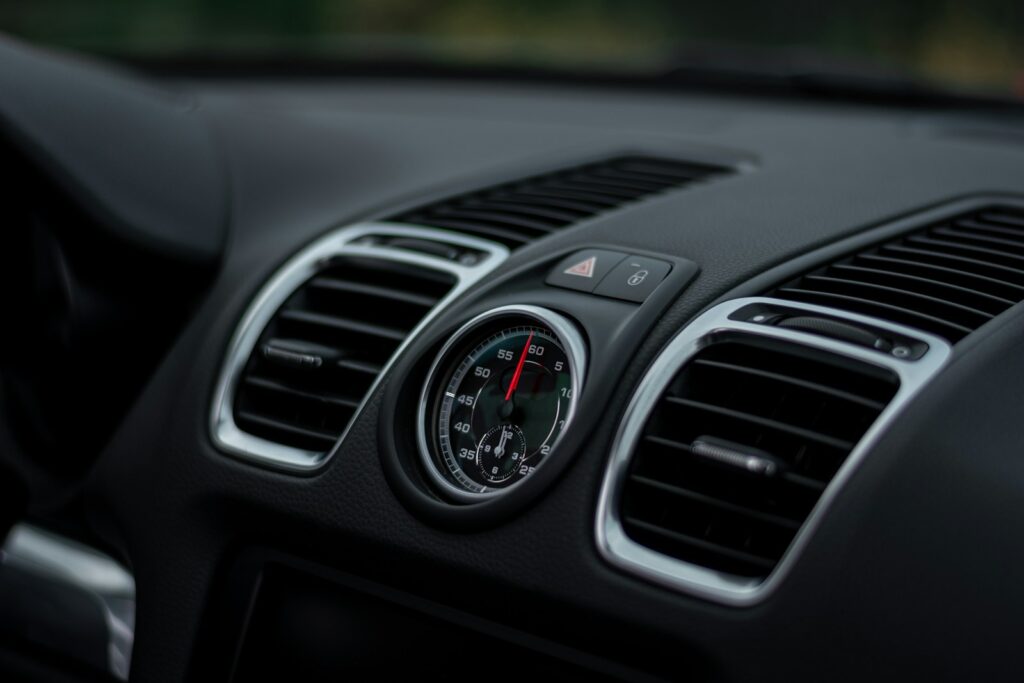
Optimize Climate Control
Air conditioning can reduce fuel economy by more than 25 percent in slow traffic, as reported by the U.S. Department of Energy. At low speeds, natural ventilation may be more efficient, while at highway speeds it is better to use A/C than open windows, which increase drag. Parking in shaded areas or using sunshades reduces cabin heat and lowers the need for cooling.

Respect Speed Limits and Drive at Optimal Speeds
Fuel efficiency drops significantly once a vehicle exceeds 50–60 mph. Patrick De Haan confirms that cars operate most efficiently within this range. Driving faster requires more energy to overcome drag and engine strain. Sticking to legal speed limits saves fuel and aligns with traffic patterns, reducing wasted acceleration and braking at traffic lights.

These 13 strategies provide a comprehensive approach to saving fuel without costly upgrades or complicated adjustments. By combining careful maintenance, thoughtful driving habits, and smart use of technology, you can reduce costs, improve safety, and lower your carbon footprint.
Even small changes add up to meaningful savings and environmental benefits. Sharing these practices with friends and family can multiply the impact, creating collective progress toward smarter and more sustainable driving. Every gallon saved supports both your budget and a cleaner future.